Discover our luxurious collection of cat trees, perfect for climbing, scratching, and lounging. Designed to support your cat’s physical and mental wellbeing, our cat trees help prevent boredom and protect your furniture. Made from premium materials, each cat tree offers a sturdy, stylish space your feline will love- ideal for kittens and adult cats alike. Shop cat trees that combine comfort, durability, and elegant design.
Do you have a kitten with a habit for scratching your furniture? Perhaps they’ve taken a liking to scratching your door frames or wallpaper? First of all, it’s important to understand that your cat’s love of scratching is a natural instinct and actually good for their health and wellbeing. Rather than stopping them from scratching entirely you should try to encourage them to scratch in the correct places, like a scratch post for example; and deter them from scratching the wrong things, like your furniture!
Why Do Cats Scratch?
Whilst it may seem like bad behaviour, your cat’s desire to scratch is actually something to encourage. It has a number of health and wellbeing benefits:
Scratching keeps your cat’s claws in tip top condition - Helping to keep them sharp and shedding the outside layer as they grow. We all know cats love to climb, whether it’s a tree outside or their indoor scratch tree, and they need their claws to be healthy in order to do so.
Scratching provides a workout - When your cat scratches, you may notice how they stretch out their body. Scratching is your cat’s version of a full body workout, allowing them to stretch out their muscles and keep their body in top condition for climbing and chasing their prey!
Scratching is also a way for your cat to mark their territory - Your cat’s paws contain scent glands which leave behind an odour around their home. Scratching, especially when they are settling in, will make them feel at home and more secure in their surroundings. It can also relieve stress if they’re feeling anxious.
Scratching can be a sign of boredom -. It’s essential to provide your cat with plenty of mental stimulation, especially if you have a house cat. Even older cats who may never have scratched your furniture can develop a bad habit out of stress or boredom.
How To Stop Your Cat Scratching Your Furniture
The best way to prevent your cat from scratching in the wrong places is to encourage them in the right places! Providing your cat with plenty of scratching opportunities around the home will allow them to sate their desire without ruining your furniture. Good quality, strong scratch posts in a size suitable for your breed are a must. Make sure you provide enough height for your cat to be able to stretch out as they scratch. If you have an indoor cat, we’d highly recommend a series of posts and platforms in the form of a large cat tree so they can exercise in the way an outdoor cat would when outside.
If your cat has already begun scratching your furniture, place a scratch post in that area; near doorways or sofas for example. It is also a good idea to place near sleeping spots as many cats enjoy a good scratch and stretch after waking. If your cat seems to enjoy horizontal scratching (your carpet for example), then a scratching mat is a good option.
If your cat doesn’t seem interested in the post at first, don’t give in, persevere and make the post enticing. You could spray catnip on it or try playing near it. Some posts come with a dangly toy attachment - the perfect addition to encourage your cat to investigate!
If your cat has already scratched somewhere they shouldn’t, make sure you wash down the area to remove any scent your cat may have released. You could even try spraying the area with pet safe Get Off spray to repel your cat from the area.
If you think the scratching is down to boredom or anxiety, provide your cat with lots of toys and plenty of opportunity for interaction. Indoor cats especially, will need a variety of activities to keep them mentally stimulated. Catit makes the brilliant Senses range of cat toys that appeal to all of your cat's senses and there are a plethora of playground-like cat trees out there to ensure they get plenty of indoor exercise.
Don’t Consider Your Cat Naughty For Scratching
Just remember that scratching is natural and has great benefits for your kitten and cats. Do discourage them from scratching in the wrong areas, but don’t chastise them too much, but rather encourage them in the right spots. It’s a good idea to plan ahead before you bring your kitten home and have areas for them to scratch in preparation.
We hope this article is helpful, to both new kitten owners and those with an older cat who has started to scratch later in life. If you have any more questions, please do get in touch as we're always happy to help as much as we can.
Cats are graceful and majestic creatures, but their claws can sometimes become a source of concern for pet owners. Overgrown claws not only pose a risk to your furniture and skin but can also be uncomfortable for your feline companion.
Learning how to cut your cat's nails can be a vital skill for every cat owner. In this guide, we will cover everything you need to know about cat claw trimming, from the tools required to the step-by-step process.
Key Tools for Cat Claw Trimming:
Before we dive into the steps on how to cut your cat's nails, let's first discuss the essential tools you'll need:
Cat Nail Clippers: Ensure you invest in a quality pair of cat nail clippers. The type with a guillotine-style or scissor-like design is commonly preferred. Look for a sharp, clean cutting edge.
Styptic Powder: Accidents can happen, and you may accidentally cut the quick (the sensitive part of the nail). Styptic powder helps stop any bleeding quickly.
Treats: These are essential to reward your cat for good behaviour during the nail trimming process. You could also try a licky mat with some liver paste on it for your cat to lick whilst you cut their nails
Understanding Cat Claws:
Before you start trimming your cat's claws, it's essential to understand a bit about them. Cat claws are retractable and contain a sheath that should not be cut. The inner core of the claw is what you should focus on when trimming. Never trim into the pinkish area, as this is the quick and can be painful.
The Step-by-Step Guide to Cat Claw Trimming:
Choose the Right Time: Pick a time when your cat is calm and relaxed, perhaps after a meal or a play session.
Prepare the Area: Find a quiet and well-lit room. Have all your tools ready within arm's reach.
Acquaint Your Cat: Gently pet and massage your cat's paws to make them comfortable with the sensation.
Extend the Claw: Gently press your cat's paw pad to extend the claws.
Cut Carefully: Use the cat nail clippers to snip the sharp tip of the claw, being careful not to cut the quick. Gradually trim one claw at a time.
Be Cautious: If you're unsure, it's better to trim a smaller portion of the claw to avoid hitting the quick.
Use Styptic Powder: If you accidentally cut the quick, apply styptic powder to stop the bleeding.
Reward Your Cat: After each successful trimming session, reward your cat with treats and praise.
Should You Cut Your Cat's Claws?
Trimming your cat's claws is essential for their health and your comfort. Cats with overgrown claws may experience difficulty walking, and they can unintentionally scratch and injure themselves. Furthermore, it prevents damage to your furniture and minimises the risk of injury to you and other household members.
Best Cat Clippers for Nails:
When choosing cat clippers, opt for reputable brands known for their sharpness and durability. Our favourites include:
The Charlie The Vet First Aid Kit - This great kit has over 40 items in it, including nail clippers and a styptic stick which are perfect for cutting your cat’s nails.
The Catit Longhair Grooming Kit is a great choice if you have a long haired cat; it contains every tool you need to take care of your longhaired cat’s coat, as well as a pair of curved nail clippers!
If you’re looking for a pair of nail clippers on their own then we’d recommend the Ancol Ergo Cat Nail Clippers
How To Care For Your Cat’s Nails
You may not need to cut your cat’s nails with the right care. Outdoor cats, as well as indoor cats who love a scratch post, are less likely to need their nails cutting. For our top tips why not check out our cat claw guide?
Learning how to cut your cat's nails is an essential skill for every cat owner. It not only ensures your cat's health and safety but also fosters a strong bond between you and your feline companion. Remember to be patient, take your time, and always prioritise your cat's comfort and safety. With the right tools and a gentle touch, you can successfully maintain your cat's claws and enjoy a harmonious coexistence.
Everyone enjoys the feeling of soft, thick, comfortable carpet under their feet, but for cats, this experience may give them the urge to bed their claws into these materials, pulling at them and causing significant damage. If your pet cats do this to your sofas, carpets, rugs and walls, they could ruin the material beyond repair.
If you want to prevent your cat from clawing at your carpet and other furniture in your home, you need to look at the potential causes for why they’re doing it. Once you’ve found the root cause, you should be able to stop them from causing any further damage, and it may even help to encourage your cat to feel more content and happy in your home in the future.
How Can I Stop My Cat From Clawing The Furniture?
There are a number of reasons why your cat may be resorting to clawing and kneading at the furniture in your home. It could be the case that your cat is feeling stressed and anxious or is being destructive as a result of not getting sufficient attention. However, if you’ve ruled out this possibility, it could be a far simpler reason.
For example, it could be due to a lack of mental or physical stimulation, an attempt to mark their territory, a method of trimming their claws down when they are too long or simply a side effect of stretching their muscles. Fortunately, all of these problems can be remedied through introducing a cat scratching post.
What Is A Cat Scratching Post?
A cat scratching post is an accessory that gives your cat an outset for their urges to scratch and claw. Often covered by cardboard, felt or another thick material, these posts are usually displayed as an upwards-facing pole with a softer base for your cat to roll around on while playing. Cat scratchers are also available as massive structures - better known as tall trees - or as flat cardboard boxes.
Why Do Cats Use Scratching Posts?
Although you may think that the only benefit of scratching posts is to trim your cat’s claws, they actually possess a number of uses. For instance, your cat may recognise it as a symbol of marking their territory in your home, or it could keep them stimulated and prevent them from scratching at other nearby furniture.
Many cat owners see a scratching post as being just as a vital accessory for their feline due to how effective they are with keeping your cat as stress-free and content as possible.
How To Get Your Cat To Use A Scratching Post?
If your cat isn’t using their scratching post, there are a handful of things you can do to encourage them to use it, which in turn should make them more comfortable with using it on a regular basis.
Tips for getting your cat to use their scratching post include:
Start your cat young - For kittens, the problem with not being fond of their scratching post could simply be a matter of not knowing what it’s for. However, you can get your kitten better acquainted with your scratching post by getting them to play near it, putting their favourite cat toys next to it and scratching it yourself to tempt them to use it.If none of these approaches work, you could even wait until your cat is calm before bringing them over to the post and gently holding their paws to scratch their claws against the post to show them how it’s meant to be used.
Pick the right material for your cat - Although cats typically like specific materials such as wool, cardboard and rope, each cat is different. Before choosing a scratching post, consider what material your cat likes the most and try a few with them until you find one they respond to in a positive way.
Consider the placement of the scratching post - Scratching posts are used by cats to mark their territory, so you should put some thought into where it’s being placed. The best place would be near to where they sleep or high traffic areas that they could see as being an important area in your home. If your cat is scratching a specific item of furniture, you could put the scratching post nearby as an alternative option.
Give each cat their own scratching post - As previously mentioned, cats recognise scratching posts as a form of marking their territory. Due to this, it would be counterproductive to make several cats share the same scratcher. Instead, give them their own post and put them in separate areas of your home to differentiate.
Bringing a new puppy home is one of the most exciting things you can do, but knowing how to find ethical dog breeders is what makes the difference between a great experience and a heartbreaking one. This guide walks you through everything that matters, from the questions to ask before you even visit, to what a good puppy visit should feel like, to how much you should realistically expect to pay. Get these things right, and you will be choosing your new dog with real confidence rather than crossed fingers.
What ethical dog breeding actually looks like
When you first start looking into how to find ethical dog breeders, spotting the difference between a good one and a bad one can feel harder than it should. But once you know what to look for, it gets much clearer.
An ethical breeder raises puppies as part of everyday family life. Think: a litter in the kitchen, pups growing used to the hum of a washing machine or the sound of children playing, and a mum who is relaxed, healthy, and clearly loved. That kind of early exposure shapes temperament in ways that stay with a dog for life.
Puppy farms and backyard breeders work very differently. Puppies are often kept in sheds or kennels with little human contact, and the mother is rarely in good health. Some sellers will offer to meet you in a car park or deliver a puppy without a visit — and that is one of the biggest red flags when buying a puppy. Walk away.
A genuinely reputable breeder will want to get to know you. They will ask about your home, your routine, your experience with dogs. That two-way conversation is exactly the kind of sign you want. It tells you they care deeply about where their puppies go, not just that they go.
At its core, this is what ethical breeding looks like: puppies raised indoors, a mum you can meet in person, and a breeder who puts health and temperament before anything else. Get that foundation right, and you will be in a much stronger position as you start preparing to welcome your new puppy home.
The questions to ask before you even visit
Knowing the right questions to ask before you even book a visit is one of the most reliable ways to filter out the wrong fit early. A responsible breeder will welcome your curiosity — in fact, they’ll probably have questions for you too. If someone seems put out by your enquiries, that tells you everything you need to know.
Here are the key questions worth asking upfront:
“How long have you been breeding this breed?” Experience matters. Someone who has spent years focused on one breed will understand its quirks, health history, and temperament inside out.
“What health tests do you carry out on the parents?” A good answer names specific, breed-relevant tests — not a vague “they’re healthy.”
“Are the results available to view?” Reputable breeders are transparent. Results should be documented and shareable, not something you’re expected to take on faith.
“How do you socialise the puppies before they leave?” Look for mentions of household sounds, regular handling, and varied experiences from the earliest weeks.
“How many litters does the mother have per year?” More than two is a red flag. A breeder who genuinely cares about their dogs prioritises the dam’s wellbeing over output.
“Can I meet both parents?” Seeing the mother in person is a strong indicator of an ethical setup. If neither parent is available, always ask why.
“What support do you offer after the puppy comes home?” A breeder who stays involved — answering questions, checking in — genuinely cares where their puppies end up.
Watch out for:
Anyone who can’t name the specific health tests carried out on the parents
Breeders who deflect or discourage questions about meeting the mother
A puppy available immediately, with no waiting list in sight
Once you’ve shortlisted breeders who pass these early checks, you’re in a much stronger position. And when the right match comes along, our guide on how to prepare for your new puppy will help you get everything ready before they arrive.
Why health testing and breed knowledge matter so much
A lot of the real work happens long before puppies arrive. If you’re learning how to find ethical dog breeders, this is one of the biggest things to look at. A caring breeder does not just pair two lovely dogs and hope for the best. They understand their breed inside out and do the health checks that help give puppies the strongest possible start.
Those checks will vary by breed. A Labrador breeder should be able to talk you through hip and elbow scores, while a Cavalier King Charles Spaniel breeder should know about heart testing. That level of detail matters. If someone only says their dogs are “healthy” but cannot explain which tests they have done, that should set alarm bells ringing.
A responsible breeder should be happy to show you:
Hip and elbow scores for both parent dogs
DNA test results for breed-specific inherited conditions
Current eye screening certificates, where relevant
Kennel Club registration or involvement in a recognised health scheme
Clear, confident answers about the health history of both mum and dad
Paperwork matters here. Good breeders keep records and talk you through them without making you feel awkward for asking. In fact, thoughtful questions are usually welcomed.
Some of the biggest red flags when buying a puppy are vague answers, missing certificates, or a breeder who changes the subject when you ask about mum or dad’s results. If they know their lines well, they will be open about them.
Once you’ve found the right breeder and chosen your puppy, our guide to everything you need for your new Labradoodle can help you get ready for those first exciting days at home.
What a good puppy visit should feel like
Visiting in person is one of the most important steps when learning how to find ethical dog breeders — and going in with a clear idea of what you’re looking for helps you stay grounded when a dozen fluffy puppies are doing their absolute best to distract you.
Here’s what a good visit should include:
Clean, spacious living areas with no strong odours, damp bedding, or overcrowding
Puppies that are curious, playful, and happy to toddle over to you without any coaxing
No signs of lethargy, weepy eyes, runny noses, or visible distress
The mother present, calm, and comfortable around both the breeder and visitors
Unrestricted access to the space where the puppies were actually born and raised
Evidence of early handling — puppies that stay relaxed when you pick them up are a great sign
Age-appropriate toys, enrichment, and room to explore safely
A breeder who answers your questions openly and is clearly attached to the litter
One of the clearest signs of a reputable dog breeder: A responsible breeder will always want you to meet the mother. If she’s kept out of sight or seems anxious and underweight, that’s a serious red flag — not something to brush off.
The environment a puppy grows up in shapes so much of who they become. A breeder who prioritises gentle handling and early exposure to everyday sights and sounds is giving their puppies the best possible start. Once yours comes home, our guide on how to socialise a puppy will help you build on that foundation.
How much you should expect to pay, and what the fee should include
Paying more for a puppy from an ethical breeder is not just about the puppy itself — it reflects the care, planning, and expense that go into raising a healthy, well-socialised litter. If you are learning how to find ethical dog breeders, this is one of the clearest signs of a reputable dog breeder: they charge for the standard of care, not just the demand for the breed.
A responsible breeder’s fee should usually include:
Health-tested parents, such as hip scores, eye tests, and breed-specific DNA testing
Full veterinary health checks for the puppies
First vaccinations
Microchipping
Regular worming and flea treatment
Good-quality food from weaning onwards
Early socialisation, including everyday household sounds, gentle handling, and new experiences
Most puppies from responsible, health-testing breeders cost somewhere between £1,000 and £3,000+, depending on breed, location, and the level of screening involved. Breeds with more extensive health checks often sit at the higher end.
It can feel like a big upfront spend, especially when cheaper puppies are advertised elsewhere. But when you look at the time, health testing, vet care, and early socialisation involved, the difference makes more sense. You are paying for a stronger start in life. Before you commit, it is also worth reading about the full cost of owning a dog so you can budget with confidence.
How to make the final choice with confidence
By the time you reach this point, you’ll have done your research, asked the tough questions, and visited the litter in person. Now it really comes down to how the whole experience felt.
One thing worth remembering: a good breeder will have asked you just as many questions as you asked them. They’ll want to know about your home, your daily routine, whether you have children or other pets, and how much experience you’ve had with dogs. That’s not them being nosy or difficult. That’s them caring deeply about where their puppies end up.
So trust your instincts. If something felt off at any point — the breeder was vague, the puppies seemed anxious, the answers felt a little too polished — it’s completely okay to walk away. Waiting a little longer for the right match is always the better call, even when the excitement of bringing a puppy home makes patience feel almost impossible.
When you do find a breeder who’s transparent, genuinely knowledgeable, and clearly devoted to their dogs, the decision stops feeling like guesswork. It feels like confidence.
Once your puppy is booked in and the countdown begins, it’s a lovely time to start getting everything ready at home. Our guide to settling your puppy into their new home is a brilliant place to start.
Frequently Asked Questions
How can I tell if a dog breeder is ethical?
You can usually tell by how the puppies are raised, how open the breeder is, and whether they put health and temperament first. Look for puppies raised in the home, a mother you can meet in person, clear health-test paperwork, and a breeder who asks plenty of questions about your life too.
Where can I find ethical dog breeders?
The safest approach is to find breeders who welcome questions, let you visit in person, and openly share health-test results for the parent dogs. Focus less on quick availability and more on breeders with real breed knowledge, home-raised puppies, waiting lists, and a genuine interest in where their puppies will live.
What is the most ethical way to buy a dog?
The most ethical way to buy a dog is to choose a breeder who raises puppies as part of family life, health-tests the parents, lets you meet the mother, and cares where each puppy goes. Always visit in person, ask detailed questions, and walk away from anyone offering handovers in car parks or without a visit.
Your dog’s birthday only comes around once a year, and it deserves more than a passing thought. This guide walks you through everything you need to know about how to celebrate your dog’s birthday in a way that actually suits them, from choosing the right activities for their personality to picking safe treats and keeping the day calm and enjoyable. Whether you’re planning a full puppy birthday celebration or simply want to make the day feel a little more special than usual, you’ll find plenty of practical ideas here to work with.
How to celebrate your dog’s birthday in a way they’ll actually enjoy
There’s something about a dog’s birthday that brings out the best in us as pet parents. Maybe you’ve been planning something for weeks, or maybe you’re sitting there right now wondering whether dogs even know it’s their birthday. (Spoiler: they don’t. But they absolutely know when you’re making a fuss of them, and they love every second of it.)
Here’s the thing: knowing how to celebrate a dog’s birthday well has less to do with balloons and banners, and more to do with knowing your dog. Some dogs would happily wear a party hat and greet ten guests at the door. Others would find the whole thing a bit much and just want an extra-long walk, a good sniff around somewhere new, and something delicious to eat. Both are completely valid. This guide will help you figure out which camp your dog falls into — and how to make the day feel genuinely special either way.
Throughout this article, we’ll cover how to tailor the celebration to your dog’s personality, which dog birthday treats and cakes are safe (and which to skip), how to keep things calm if your dog gets easily overwhelmed, and a few small touches that can turn an ordinary day into one worth remembering. Whether you’re going all-out with a puppy birthday celebration or simply want to treat your dog to a brilliant day at home, there’s something here for every dog and every budget.
If you want a little inspiration before you dive in, take a look at our dog birthday collection for treats, toys, and gifts worth wagging about.
Now, let’s start where it always should: with your dog.
Start with your dog’s personality, not the party theme
The best way to celebrate your dog’s birthday isn’t to follow a trend or recreate something you saw on Instagram. It’s to start with who your dog actually is. When you plan around their temperament, energy, and comfort level, the day becomes genuinely enjoyable for them — not just for the photos.
The social butterfly. Some dogs live for a crowd and would happily greet twenty guests with a wagging tail. If your pup loves people and thrives on excitement, a dog birthday party with familiar faces and plenty of fuss is a brilliant way to celebrate.
The shy or anxious dog. A rescue who took months to settle, or a naturally cautious dog, can find big gatherings genuinely overwhelming. A quiet afternoon with just you, a favourite toy, and a special dog birthday treat often feels far more meaningful than any party.
The high-energy adventurer. If your dog’s idea of heaven is a long run or a swim in the river, take them somewhere new and let them go for it. Building a puppy birthday celebration around what they already love beats a party they can’t sit still for.
The senior dog. Older dogs still deserve to feel special, but their joints and energy levels may call for something gentler. A slower walk, a sunny spot to doze in, and a soft treat made for older teeth can make their day just as lovely.
The food-motivated dog. For some dogs, the dog birthday cake is entirely the point. A special meal or a homemade treat is celebration enough, and they’ll be completely delighted.
There’s no single right way to mark the occasion. The best dog birthday ideas are the ones your dog would actually choose. Pay attention to what makes them happiest on an ordinary day and let that guide you. Whether you’re planning something elaborate or keeping it low-key, the Lords & Labradors dog birthday collection has plenty to suit every kind of celebration.
Simple birthday ideas your dog will genuinely love
The good news is that figuring out how to celebrate your dog’s birthday doesn’t require a party planner or a Pinterest board. The most memorable dog birthdays are usually the simplest ones, built around the things your dog already loves. A few thoughtful touches go a long way.
A special walk on their favourite route. Take them somewhere they genuinely love — the local woods, a quiet beach, or that one park where they always seem to come alive. Give them extra time to explore, let them set the pace, and resist the urge to rush. It sounds small, but a longer, unhurried walk is a real treat for most dogs.
A sniffari. Essentially a walk where your dog leads and you follow their nose. Let them sniff everything they want, stop as long as they like, choose the direction. It’s one of the best dog birthday ideas going because it’s mentally enriching and completely free. If you’re after more low-key inspiration, our guide to things to do with your dog at home is a great place to start.
A dedicated play session. Set aside 20 to 30 minutes for their favourite game — fetch, tug, hide and seek with a treat. No distractions, no half-hearted throws while you check your phone. Your full attention is genuinely one of the greatest gifts you can give a dog.
A new toy. Something to sniff, chew, and demolish (or lovingly carry everywhere for the next six months) makes a simple but satisfying birthday treat. Choose something suited to how your dog actually plays, rather than what looks good in a photo.
A homemade dog-safe treat. Dog birthday treats don’t need to be complicated. A frozen banana and peanut butter Kong, or a batch of simple baked biscuits, can feel just as celebratory as any shop-bought dog birthday cake. We’ll cover safe recipes and ingredients to avoid in the next section.
A cosy evening in. Some dogs would genuinely choose a quiet night on the sofa over any organised activity. A blanket, their favourite spot, and your undivided company can be the loveliest way to close out the day.
Whether it’s a puppy birthday celebration or you’re marking another year with your grey-muzzled best friend, the same principle applies: know your dog, keep it personal, and you really can’t go wrong.
Dog birthday treats, cakes, and party food: what’s safe and what to skip
Food is at the heart of any good celebration, and your dog’s birthday is no exception. Knowing how to celebrate your dog’s birthday safely means making smart choices about what goes in their bowl — or on their birthday plate. With a few simple swaps, you can put together a spread that feels genuinely festive and keeps tails wagging for all the right reasons.
Safe birthday treat ideas for dogs
Peanut butter and banana pupcakes (made with dog-safe, xylitol-free peanut butter)
Plain cooked chicken or turkey pieces, cut into small bites
Carrot sticks or apple slices (core and seeds removed)
Frozen natural yogurt treats, plain and unsweetened
A dog-friendly birthday cake made with oats, eggs, and dog-safe toppings like cream cheese frosting
Ingredients to avoid
Chocolate, in any form
Xylitol, a sweetener hidden in many peanut butters, baked goods, and sweets
Grapes and raisins, which are toxic to dogs even in tiny amounts
Onions and garlic, including powdered forms
Artificial sweeteners of any kind
Macadamia nuts
A note on portions
Even dog-safe treats should be given in moderation. An exciting day can already be a lot for your dog’s system, and too many rich or unfamiliar foods at once can easily tip into an upset stomach. Keep portions small and spread treats throughout the day rather than serving everything in one go.
The good news is that a thoughtful, dog-safe birthday spread doesn’t need to be complicated. A simple pupcake with a smear of peanut butter means just as much to your dog as anything more elaborate, and it keeps the day joyful without the messy aftermath. If you want a fuller picture of what your dog can safely enjoy year-round, our guide on what dogs can eat for treats is a great place to start.
How to set up a birthday that feels special without overwhelming your dog
The best way to celebrate your dog’s birthday is to build the day around what actually makes them comfortable, not what looks great on camera. Get the setup right, and the whole thing feels effortless — your dog included.
Pick the right time of day. Plan around when your dog is naturally settled. Mid-morning after a walk or a quieter post-lunch window tends to work well. Avoid times when they’re already wired or flagging.
Keep the guest list small. A couple of familiar faces is plenty for most dogs. If crowds or new people stress your dog out, keep it to immediate family and skip the party format altogether.
Set up a quiet retreat. Even on their birthday, your dog needs somewhere to decompress. Tuck their favourite bed or a cosy blanket into a low-traffic corner so they can step away whenever they need to.
Plan one dedicated photo moment. Rather than following your dog around all day hoping for a decent shot, pick a calm moment, settle them on their bed, pop on a birthday bandana, and take a few pictures. Then let them get on with their day.
Keep decorations minimal and dog-tested. If your dog is completely unbothered by balloons and bunting, go for it. If they’re likely to spook or chew everything in sight, a simple bandana gets the job done with zero drama.
Watch their body language throughout. Yawning, turning away, or quietly leaving the room are all signs your dog has had enough. Scale back anything that seems to be adding stress rather than fun.
Quick tip: Your dog won’t tell you when they’ve had enough, but they will always show you. Check in regularly and let their cues guide the pace of the day.
A simple celebration built around your dog will always feel more special than an elaborate one they spend half the time trying to escape. If you want to add a few thoughtful finishing touches, the Lords and Labradors gifts for dogs collection has some lovely options — from soft beds to birthday bandanas — that add a little something extra without overwhelming your pet.
Little ways to make the day memorable and start a birthday tradition
The best birthday celebrations have a way of becoming something you both look forward to. And once you find a rhythm that suits your dog, it gets easier and more meaningful with every passing year.
Start simple. Take a photo at the end of the day — even just a quick snap of them with their birthday treat or sprawled out after a long walk. A small collection of yearly photos becomes something genuinely lovely over time, and you’ll be surprised how much it captures the way they change.
It’s also worth jotting down a few notes about what made the day. Which treat had them doing laps around the kitchen? Did they make a new friend at the park? Small details like these are easy to forget but so nice to have. Some people keep a little birthday note tucked into a memory box; others just add a voice memo to their phone. There’s no wrong way to do it.
Repeating a favourite tradition each year is what turns a nice day into a real celebration. Maybe it’s always that particular walk, always a special meal, always a personalised birthday cake from Lords and Labradors with their name on it. The repetition is actually the point. Dogs find comfort in routine, and honestly, you might find you do too.
Knowing how to celebrate your dog’s birthday well isn’t about doing more each year. It’s about doing the things that feel right for your dog, in a way you’ll both genuinely enjoy. That’s the tradition worth keeping.
Frequently Asked Questions
Is it normal to celebrate your dog’s birthday?
Yes, it’s completely normal to celebrate your dog’s birthday. Dogs may not understand the date itself, but they absolutely notice the extra attention, favourite activities, and special treats. A celebration can be as simple as a longer walk, a new toy, or a dog-safe birthday snack at home.
Do dogs recognize their birthdays?
No, dogs don’t recognize their birthdays in the way we do. They won’t know the date, but they will notice when you make a fuss of them. Extra attention, a favourite walk, a tasty dog-safe treat, and quality time are what make the day feel special to them.
Fleece vs Waterproof Dog Coats: Which Do You Need And When?
Choosing between a fleece vs waterproof dog coat sounds simple until you’re standing in the hallway at 7am, lead in hand, trying to remember whether last night’s forecast said drizzle or just cold. Both coats have a real job to do, but they do very different things, and picking the wrong one can leave your dog uncomfortable before you’ve even reached the end of the street. This guide walks you through what each coat does best, when to reach for which, and how to layer them together when British weather refuses to make up its mind.
Fleece or waterproof dog coat: what’s the real difference?
When it comes to keeping your dog comfortable on a walk, fleece and waterproof coats do very different jobs. Picking the wrong one can leave your dog shivering, sodden, or frustratingly both.
A fleece dog coat is built for warmth. It traps body heat close to the skin, making it ideal for crisp autumn mornings or cool dry evenings when the air has a bite but the ground is still firm underfoot. Think of it as a cosy jumper your dog actually wants to wear. Fleece breathes well, moves with your dog, and feels soft against the skin — all of which matters if your dog is the type to stage a protest the moment you reach for their coat. Short-coated breeds like whippets, greyhounds, and Italian Greyhounds often rely on fleece as their first line of defence against the cold.
A waterproof dog jacket works differently. It’s designed to block the elements: rain, wind, and the inevitable muddy splashback from a well-timed puddle. What it won’t necessarily do is keep your dog warm. That’s a distinction that often gets missed when people are shopping for a dog coat for winter, and it’s worth holding onto as you read through this article.
So when you’re weighing up a fleece vs waterproof dog coat, the real question isn’t which one is better. It’s which one your dog actually needs for the walk you’re about to take. And before you get to that, it’s worth making sure the fit is right too — because even the best coat won’t do much if it doesn’t suit your dog’s shape. Our fitting guide is a good place to start.
Warmth vs weather protection: which one does your dog actually need?
The answer to the fleece vs waterproof dog coat debate really comes down to one simple question: what are you actually protecting your dog from? Fleece is all about warmth, keeping your dog cosy on those crisp, dry days when the cold is the only enemy. A waterproof dog jacket is built for something different entirely — rain, wind, and the kind of relentless muddy-field situations that British weather seems to specialise in.
Fleece Dog Coat
Waterproof Dog Jacket
Best conditions
Dry, cold weather
Rain, wind, wet ground
Primary function
Insulation and warmth
Weather and moisture protection
Ideal dog type
Thin-coated, elderly, or small dogs
Active dogs, short-haired breeds, all-weather walkers
Activity level
Gentle walks, indoor lounging
High-energy walks, muddy adventures
Wet weather performance
Poor — absorbs moisture
Excellent — repels water
Not sure which camp your dog falls into? These pointers help:
Choose fleece if your dog has a fine or short coat and shivers through dry winter mornings
Choose fleece if they’re older or less active and need gentle, comfortable warmth
Choose waterproof if your walks regularly take you through fields, parks, or anywhere rain isn’t a surprise
Choose waterproof if your dog runs hard and gets warm easily, but still needs cover when the heavens open
Plenty of dogs genuinely need both, with owners rotating between them depending on the season or whatever the forecast is doing. If you want to think through the bigger picture of cold-weather care, our guide to keeping your dog warm in winter is well worth a read.
When fleece works best: dry cold days, indoor lounging, and layering
Fleece dog coats really come into their own when the weather is cold but dry. Think crisp, frosty morning walks where the ground is firm underfoot and the sky is clear — no rain in sight, just that sharp winter chill that makes you wish you’d grabbed an extra layer. In the fleece vs waterproof dog coat debate, this is exactly where fleece takes the lead.
Fleece is the stronger choice in these situations:
Dry, cold weather walks where there’s no rain or wet ground to contend with
Indoor lounging and post-walk recovery, especially for dogs that come in from the cold and need to warm up gently
Older or arthritic dogs who feel the drop in temperature more deeply and benefit from consistent, reliable warmth
Short-coated or lean breeds like Greyhounds, Whippets, and Boxers, who have very little natural insulation to rely on
Layering under a waterproof shell coat for extra warmth on cold, wet winter days
Layering tip: Fleece works by trapping your dog’s body heat close to them. Add a waterproof dog jacket on top and you’ve covered all bases — warmth and weather protection working together rather than fighting for the job.
As a standalone coat, fleece is brilliant on dry cold days. The moment rain, sleet, or mud appears, though, it needs a waterproof layer over it to stay effective. If you’re still working out which combination suits your dog best, our guide to the best winter dog coats is a great place to continue.
When waterproof is the better pick: rain, wind, and messy British weather
When it comes to the fleece vs waterproof dog coat question, British weather has a habit of answering it for you. Rain rolls in without warning, wind appears from nowhere, and a walk that started under blue skies can end in a full-on drizzle before you’ve reached the car park. On those days, a waterproof coat does things a fleece simply can’t.
Here’s where a waterproof dog jacket pulls ahead:
Repels rain on contact so your dog’s fur stays dry underneath, even in a proper downpour
Blocks wind chill that a fleece lets straight through, keeping your dog genuinely comfortable rather than just covered
Protects the harness and chest area from soaking through, which you’ll only fully appreciate the first time you’re wrestling with a drenched harness at the boot
Cuts post-walk drying time significantly because the coat takes the hit so your dog’s fur doesn’t have to
Keeps mud and mess contained so a quick wipe-down is usually enough, no bath required
Means a drier car seat on the way home, which anyone who’s sat next to a soaking Spaniel will understand immediately
Heavy Rain
Wind Chill
Post-Walk Drying Time
Fleece
Poor
Poor
Poor
Waterproof
Excellent
Good
Excellent
For dogs who refuse to let a grey sky get in the way of a good walk (most of them, in our experience), a waterproof coat is the smarter, more practical choice. Browse the full waterproof dog coats range to find the right fit for your dog’s size, breed, and daily adventures.
Can you layer fleece and waterproof together?
Yes, you can absolutely layer a fleece under a waterproof dog coat, and in the right conditions it works better than either coat on its own. The fleece adds warmth close to the body while the waterproof jacket handles the rain and wind, keeping your dog comfortable even when the weather turns properly grim.
How to layer well:
Choose a slim-fitting fleece that sits close to your dog’s body without bunching underneath the outer layer
Make sure the waterproof jacket fits over the fleece without pinching at the chest, belly, or shoulders
Check that your dog can move freely through the front legs and chest — restriction here is usually the first sign that sizing is off
Watch for panting, restlessness, or sudden stopping during the walk, as these can signal overheating even in cold weather
If your dog runs hot or is a high-energy breed, opt for a thinner fleece or keep the layering window short
When does layering actually make sense? Temperatures below 5°C combined with rain, wind, or both. If it is just cold and dry, a fleece on its own is usually enough.
The fleece vs waterproof dog coat decision does not always have to be either/or. On the coldest, wettest days, layering genuinely gives you the best of both worlds. That said, if you would rather keep things simple, a well-made insulated waterproof dog jacket can handle most conditions in a single layer — no doubling up required.
How to choose the right coat for your dog this season
Once you know what each coat does, choosing between them gets a lot easier. The real question is what your dog actually faces on a typical walk.
If your winters are mostly dry and cold, a fleece dog coat is often all you need. It keeps smaller dogs and short-coated breeds warm without any fuss, and it’s light enough to grab on your way out the door. Think Whippets, Greyhounds, Miniature Pinschers — any dog that starts shivering the moment the temperature dips.
If you’re regularly walking through drizzle, mud, and wind (which, let’s be honest, is most of a British autumn and winter), a waterproof dog jacket earns its keep quickly. It keeps your dog dry from the outside in, which matters most on longer walks when a soaked coat starts to chill them right through.
For most dogs across most seasons, having both is genuinely worth it. Reach for the fleece on crisp dry days, or use it as a warm base layer underneath, then switch to the waterproof when the forecast turns. Together, they cover almost everything the weather can throw at you.
A simple checklist to help you decide:
Cold but dry: fleece
Wet or windy: waterproof dog jacket
Cold and wet: layer both
Short-coated or elderly dog: prioritise warmth first, then weatherproofing
Whatever you go for, fit matters. A coat that gaps, bunches, or restricts movement won’t do its job properly — and it won’t be comfortable for your dog either. Before you buy, take a look at our guide on how to measure your dog for a coat to make sure you get it right first time.
Frequently Asked Questions
Should dogs wear waterproof coats?
Yes, dogs should wear waterproof coats when walks are wet, windy, or muddy. A waterproof coat keeps fur drier, blocks wind chill, reduces post-walk drying time, and helps protect the chest and harness area from soaking through, which makes longer outings much more comfortable for many dogs.
Is fleece good for dogs?
Yes, fleece is good for dogs when the weather is cold and dry. It adds soft, breathable warmth, so it suits short-coated, lean, older, or less active dogs especially well. On wet days, though, fleece works best as a layer under a waterproof coat rather than on its own.
Ragdoll vs Maine Coon: Comparing The Two Gentle Giants
Both the Ragdoll and the Maine Coon are the kind of cats that genuinely change how people feel about having a cat in the house, and if you’re weighing up ragdoll vs maine coon, the good news is that you’re already choosing well. This guide walks you through the real differences across size, personality, grooming, and ongoing costs so the decision feels grounded in your actual life rather than just a gut feeling. By the end, you’ll have a much clearer sense of which gentle giant is the right fit for your home.
Ragdoll vs Maine Coon: which gentle giant suits your home?
Both the Ragdoll and the Maine Coon have a way of stopping people in their tracks. Maybe you spotted one draped across a friend’s sofa, or found yourself three videos deep into fluffy cat content at midnight. Either way, you’re here because you’re seriously considering bringing one of these cats home, and you want to get the choice right.
And it is a real choice. In the Ragdoll vs Maine Coon conversation, there’s no wrong answer — but there is a better fit depending on your home, your routine, and what you actually want from a cat. Both breeds are gentle, sociable, and surprisingly dog-like in the way they attach to their families. That’s a big part of why they’re so popular. But they have genuinely different personalities, and those differences show up in everyday life more than you might expect.
A Ragdoll tends to be calm and deeply affectionate — the kind of cat who’ll follow you from room to room and settle contentedly beside you for the evening. A Maine Coon is more of an active presence, curious and playful, the sort of cat who wants to know what you’re doing in the kitchen and will probably try to help. Same size, very different energy.
This guide covers the key differences across size and build, personality, grooming, and ongoing costs, so you can make a decision that feels considered rather than just hopeful. If you’re still exploring your options more broadly, our guide to cat breeds and their characteristics is a good place to start.
Size and build: how big do Ragdolls and Maine Coons really get?
Both Ragdolls and Maine Coons earn their “gentle giant” reputation, but in a ragdoll vs maine coon comparison, their size shows up in slightly different ways. Neither is a small cat. Ragdolls usually look softer and broader, while Maine Coons tend to have more length, muscle, and that extra-big presence many people notice straight away. Males in both breeds are often larger than females, too.
Attribute
Ragdoll
Maine Coon
Average weight range
4–9 kg
4–10 kg
Body shape
Broad, blocky, and soft-bodied
Long, muscular, and rectangular
Coat length and texture
Long, silky, and semi-plush
Long, dense, and shaggy with a layered undercoat
Typical size category
Large
Large to extra-large
What their size means in real pet-parent life:
Beds and sleeping spots: Both breeds need genuinely roomy beds. Standard cat beds often look tiny surprisingly quickly, especially once your kitten stretches out properly.
Lap comfort: Ragdolls tend to flop into you and relax, which often makes them feel more like a classic lap cat. Maine Coons can absolutely be affectionate too, but their heavier, sturdier build can feel like a lot of cat after ten minutes.
Carrying them around: With either breed, you may feel as if you are picking up a small dog. Maine Coons often feel especially solid because of their muscle.
Space at home: Both like room to stretch, climb, and settle comfortably. A sturdy cat tree and larger hideaways make everyday life much easier.
When comparing Ragdoll cat vs Maine Coon, it often comes down to whether you prefer soft and floppy or long and athletic. If a Maine Coon is on your shortlist, our guide to everything you need for your new Maine Coon kitten is a helpful next read.
Personality and play style: cuddly shadow or playful adventurer?
When it comes to ragdoll vs maine coon, personality is often the deciding factor — and the difference between these two breeds is genuinely striking. One wants to follow you from room to room, perfectly happy just being near you. The other wants to explore every corner of your home and ideally bring you along for the ride.
Trait
Ragdoll
Maine Coon
Affection level
Deeply devoted, loves lap time
Affectionate but on their own terms
Energy and play style
Calm, gentle, relaxed play
Active, curious, playful well into adulthood
Vocal habits
Quiet, soft-voiced
Chatty, chirpy, loves a conversation
Independence
Low, prefers company
Moderate, happy to entertain themselves
Ragdoll cat breed traits are built around companionship. Pick one up and they go almost limp in your arms — that famous, floppy relaxation is completely real. They will follow you to the sofa, settle nearby while you work, and seem genuinely content just knowing you are in the room. They are patient, gentle, and wonderfully easy to be around. If you want to deepen that closeness, understanding how your cat communicates can make a real difference — our guide to cat body language is well worth a read.
Maine Coon cat breed traits are a different kind of wonderful. These cats have real personality — bold, curious, and endlessly entertaining. Expect chirping at birds through the window, thorough investigation of every delivery box, and a running commentary on whatever you happen to be doing. They are affectionate, but sociable rather than clingy, and they will absolutely choose when cuddles happen.
Both breeds are loving in their own way. It really comes down to whether you want a calm, devoted companion or a cat with a big personality and the energy to match.
Grooming and coat care: which breed is easier to keep on top of?
Both breeds have genuinely beautiful coats, but grooming is one area where the ragdoll vs maine coon comparison gets practical fast. Neither cat is truly low-maintenance, but how much time you’ll spend with a brush in hand does depend on coat texture, density, and how easily each cat’s fur tangles.
Grooming Factor
Ragdoll
Maine Coon
Coat type
Semi-long, silky, and relatively flat
Thick, shaggy, and layered with a water-resistant undercoat
Shedding level
Moderate
Moderate to high
Tangle and mat risk
Lower, due to minimal undercoat
Higher, especially around the ruff, belly, and legs
Brushing frequency
2–3 times per week
3–4 times per week, daily during shedding season
Bathing needs
Occasionally, a few times a year
Occasionally, though the dense coat takes longer to dry
Ragdolls have a silkier, flatter coat with very little undercoat, which means knots are less likely to sneak up on you. Maine Coons, by contrast, carry a much denser, layered coat built for harsher weather — gorgeous, but more demanding. Their ruff, belly fur, and leg feathering are particular spots to keep an eye on, especially in spring when shedding picks up.
For both breeds, starting a brushing routine early is one of the best things you can do. A cat who grows up enjoying it will make your life considerably easier. A wide-toothed comb or quality slicker brush works well for longer fur without pulling or causing discomfort. If you’re not sure where to begin, our guide on how to groom a cat walks you through the whole process.
On balance, Ragdolls are the slightly easier option when it comes to coat care. But a Maine Coon who genuinely enjoys being brushed? Honestly, just as manageable.
Cost, food, and ongoing care: what does each breed cost to keep?
Both the Ragdoll and the Maine Coon sit in a similar bracket when it comes to overall cost, but a few key differences are worth knowing before you commit. Getting a clear picture of the numbers upfront means fewer surprises down the line and a lot more confidence in the choice you’re making.
Cost Category
Ragdoll
Maine Coon
Purchase price (kitten)
£800–£1,500
£800–£1,500
Monthly food
£30–£50
£40–£60
Grooming tools
£20–£40 one-off
£20–£40 one-off
Cat bed / furniture
£40–£150
£50–£180
Litter (monthly)
£15–£25
£15–£30
Routine vet care (annual)
£150–£300
£150–£300
Where Maine Coons do nudge ahead on running costs is food. They’re bigger cats with bigger appetites, and you’ll likely find yourself going through more each month than you would with a Ragdoll. Both breeds benefit from a high-quality diet that supports their size and coat condition, so it’s worth finding something you’re happy feeding long-term. The cat food range at Lords and Labradors is a good place to start, whatever breed you’re bringing home.
A few things worth keeping in mind as you weigh up the numbers:
Both breeds need regular grooming, but Maine Coons often need extra attention during seasonal moults
Screening for HCM, a heart condition seen in both breeds, is worth budgeting for, particularly in the early years
Quality food pays off over time, supporting coat health, energy levels, and longevity in large-breed cats
Bigger cats tend to need sturdier beds and taller scratching posts, so factor that into your initial setup costs
Whichever breed you choose, you’re looking at a real long-term commitment. For the right owner, that’s not a concern. It’s the whole point.
Which breed should you choose? A simple way to decide
Both breeds are genuinely wonderful, so this really comes down to you and how you live day to day.
Choose a Ragdoll if you want a cat who follows you from room to room, loves a lap, and stays calm even in a busy household. They suit people who are home a fair bit and want steady, devoted companionship. If you have young children, or you simply want a cat who’s more likely to flop into your arms than dart behind the sofa, a Ragdoll is often the easier fit.
Choose a Maine Coon if you want a bit more personality and playfulness in the mix. They’re sociable and affectionate, but also curious and active in a way that keeps things lively. If you have space to play, enjoy interactive toys and games, or want a cat who’ll entertain the whole household, a Maine Coon tends to thrive in that kind of environment. Think of them as the cat who makes guests say, “Wow, I didn’t know I was a cat person.”
When it comes to Ragdoll vs Maine Coon, neither is the wrong answer. Both are gentle, people-oriented cats who form real bonds with their families. The question is whether you want a calm, devoted snuggler or a big, charismatic companion who brings a little more energy to the day. Honestly? Either way, you’re choosing a cat who will genuinely enrich your home.
Frequently Asked Questions
Which is more expensive, Ragdoll or Maine Coon?
Maine Coons are usually a little more expensive to keep overall. Kitten prices are similar for both breeds, but Maine Coons typically cost more each month for food, may need slightly larger beds and furniture, and often need more grooming attention during heavier shedding periods.
Are Maine Coons or Ragdolls more cuddly?
Ragdolls are generally the more cuddly of the two. They tend to be deeply devoted, love lap time, and often follow their people from room to room, while Maine Coons are affectionate too but usually a bit more independent and more likely to choose cuddles on their own terms.
Is a Maine Coon bigger than a Ragdoll?
A Maine Coon is often slightly bigger, especially in length and muscle. Both breeds are large cats, but Maine Coons tend to have a longer, more athletic build and can reach a higher top weight, while Ragdolls usually look broader, softer, and more floppy.
Choosing between a cockapoo vs cavapoo is one of those decisions that feels straightforward until you start looking closely, and then the differences suddenly matter a great deal. Both breeds are affectionate, low-shedding, and easy to love, but they suit different homes, routines, and energy levels in ways that are worth understanding before you commit. This guide covers everything from size and exercise needs to grooming, temperament, health, and lifespan, so you can find the dog that genuinely fits your life.
Cockapoo vs Cavapoo: which breed is right for your home?
Both the Cockapoo and the Cavapoo have earned a well-deserved place among the UK’s most-loved dogs, and it’s easy to understand why. They’re affectionate, low-shedding, and brilliantly adaptable to all kinds of homes and routines. But if you’re weighing up the two, you’ve probably already realised that the differences are subtle enough to make the decision genuinely tricky.
A Cockapoo is a cross between a Cocker Spaniel and a Poodle. A Cavapoo brings together a Cavalier King Charles Spaniel and a Poodle. Both tend to inherit that famously soft, wavy-to-curly coat and a temperament that makes them a joy to live with — but they’re not quite the same dog to own day to day.
The cockapoo vs cavapoo question usually comes down to a handful of practical things: how much space you have, how active your household is, how much time you’re realistically willing to spend on grooming, and what kind of energy you want to walk through the door to. A family with a garden and a love of long weekend walks might find one a natural fit. Someone in a flat who works from home could find the other suits them far better.
This guide walks through the real differences — from Cockapoo coat types and exercise needs to temperament, health, and lifespan — so you can make a decision that genuinely suits your life, not just one that looks good on paper.
Size and exercise needs: which one fits your routine better?
Both breeds are small, loving companions, but in the cockapoo vs cavapoo conversation, size and energy can make a real difference to day-to-day life. Choosing the better fit for your routine often matters just as much as choosing the look or personality you love most.
Cockapoo
Cavapoo
Typical size and weight
Usually 5 to 11kg, depending on whether the Poodle parent is toy, miniature, or larger
Usually 5 to 10kg, though size can still vary between litters
Daily exercise needs
Around 40 to 60 minutes, plus games, training, and mental stimulation
Around 30 to 45 minutes, with gentle play and regular walks
Best living environment
Often suits more active homes and can enjoy extra outdoor time
Usually adapts well to flats or houses, especially with a steady routine
In real life, that often means:
Cockapoos tend to suit pet parents who enjoy longer walks, more active play, and keeping their dog busy with training or puzzle toys
Cavapoos are often a little easier to slot into a quieter routine, though they still need daily walks, play, and company
Cockapoos can be a lovely match for families or individuals who want a cheerful dog to join in with weekend outings and busier days
Cavapoos often suit smaller homes well, but their comfort in a flat still depends on enough exercise, enrichment, and time with their people
Neither breed needs a huge garden to be happy. What matters more is whether you can offer the right balance of walks, play, rest, and companionship.
If you’re leaning towards a Cockapoo, our guide to everything you need for your new Cockapoo is a helpful next read.
Coat, shedding, and grooming: what to expect week to week
When it comes to cockapoo vs cavapoo grooming, both breeds often have low-shedding, Poodle-influenced coats, but neither comes with a one-size-fits-all grooming routine. In both crosses, coat type can vary quite a bit depending on what they inherit, so you might see anything from a softer, straighter coat to loose waves or tighter curls.
Feature
Cockapoo
Cavapoo
Typical coat
Wavy to curly, sometimes denser
Straight to wavy or loosely curly
Shedding
Usually low, but varies by coat type
Usually low, but varies by coat type
Brushing needs
Often several times a week, sometimes daily for curlier coats
Often a few times a week, sometimes more for thicker or curlier coats
Professional grooming
Usually regular trims help keep coats manageable
Usually regular trims help keep coats manageable
In day-to-day life, the biggest factor is usually curl and thickness rather than breed name alone. A curlier Cockapoo may need very frequent brushing to stop knots forming behind the ears, under the collar, and around the legs. A Cavapoo with a fluffier or curlier coat can need exactly the same level of upkeep.
A realistic weekly routine for either breed usually includes:
Brushing thoroughly to catch tangles before they turn into mats
Wiping around the eyes if tear marks or build-up appear
Checking floppy ears and gently cleaning if needed
Keeping a good brush on hand, which makes grooming much easier. If you’re unsure where to start, this guide to choosing the best brush for your dog is genuinely helpful
So, in the cockapoo vs cavapoo debate, think less in absolutes and more about the individual coat your puppy is likely to have.
Temperament and family fit: which one suits your household?
Both breeds are genuinely loving and people-focused, which is part of why the cockapoo vs cavapoo decision feels so tricky for many families. That said, some real differences in energy and emotional sensitivity can make one a noticeably better fit depending on what your home life actually looks like day to day.
Trait
Cockapoo
Cavapoo
Affection level
High
Very High
Energy and playfulness
High
Moderate
Emotional sensitivity
Moderate
High
Behaviour around children
Excellent, suits older kids
Excellent, gentle with young children
Compatibility with other pets
Very good
Very good
Cockapoos bring an almost clown-like energy to the household. They love a good garden run-around, thrive with older children who can match their pace, and fit brilliantly into busy, active homes where there is always something going on. Sociable, a little cheeky, and genuinely fun to be around — they rarely let a dull moment stand.
Cavapoos are softer in temperament and often surprisingly emotionally intuitive. They pick up on mood, settle naturally into calmer routines, and tend to shadow their favourite person like a small, fluffy shadow. That makes them a wonderful choice for quieter households, first-time dog owners, or families with very young children who need a gentle, patient companion. If that sounds like your home, it is worth exploring Cavapoos at Lords & Labradors to see what is available.
Temperament is a big piece of the puzzle, but size, grooming, and health all feed into the cockapoo vs cavapoo decision too.
Health, lifespan, and common breed considerations
When weighing up cockapoo vs cavapoo, health is less about one being “stronger” than the other and more about the parent lines, the breeder’s health testing, and the care your dog gets throughout life.
Both crosses can be long-lived, but exact lifespan and health risks vary from dog to dog. In general, you may see Cockapoos and Cavapoos living well into their teens, especially with a balanced diet, sensible exercise, good dental care, and regular vet checks.
A Cockapoo may be more likely to inherit issues seen in Cocker Spaniels or Poodles, such as eye conditions, joint problems, or recurring ear trouble. A Cavapoo can inherit concerns linked to Cavalier King Charles Spaniels or Poodles, including heart conditions, kneecap issues, eye problems, or, in some lines, neurological conditions. That does not mean every dog will develop these problems, but they are worth asking about early.
If you’re choosing between a cockapoo or cavapoo, ask the breeder or rescue:
Have the parent dogs had relevant health tests, and can I see the results?
Is there any family history of heart, eye, joint, or neurological problems?
Have there been any ongoing skin, ear, or dental issues in related dogs?
What should I keep an eye on as my puppy grows?
Day to day, both breeds benefit from the same basics: keeping on top of weight, cleaning floppy ears, brushing teeth, and booking routine check-ups rather than waiting for a problem.
A responsible breeder or knowledgeable rescue should be happy to talk openly about health. And if you’re leaning towards this breed, our guide to everything you need for your new Cavapoo puppy is a helpful next read.
So, should you choose a Cockapoo or a Cavapoo?
Both breeds are wonderful — the real question in the cockapoo vs cavapoo debate is which one slots most naturally into your life.
If you love long walks, have an energetic household, or want a dog who genuinely thrives on activity and mental stimulation, a Cockapoo is likely your match. They bring real enthusiasm to everything, do brilliantly with children and other dogs, and tend to have a slightly longer lifespan. Just know that keeping up with that coat means regular grooming is part of the weekly routine, not an occasional extra.
If you want a gentler, more adaptable companion who is just as happy curled up beside you as pottering around the garden, a Cavapoo often fits that brief beautifully. They tend to suit quieter homes, older owners, and families with young children who need a dog with a naturally soft temperament. Their smaller size also makes flat or apartment living far more manageable day to day.
That said, both breeds are affectionate, low-shedding, and people-focused in the best possible way. Either one will reward you with loyalty, bags of personality, and more tail-wagging than you probably expected. The best choice simply comes down to being honest about your energy levels, your space, and the kind of daily life you actually live — not the one you picture on your very best days.
Frequently Asked Questions
Who barks more, Cavapoo or Cockapoo?
Cockapoos are more likely to be the livelier, more energetic of the two, while Cavapoos tend to be gentler and better suited to calmer routines. That can make Cockapoos seem more vocal in busy homes, but barking itself depends on the individual dog, their routine, and how much stimulation they get.
What is the downside of a Cavapoo?
A Cavapoo’s main downside is that they can be more emotionally sensitive and may need a steadier, calmer routine than some families expect. Their coat can still need regular brushing and trims, and it’s also sensible to ask carefully about inherited health issues, especially heart, eye, kneecap, and neurological concerns.
What sheds more, Cockapoo or Cavapoo?
Neither clearly sheds more overall, because both usually have low-shedding coats and the biggest factor is the individual coat type. A curlier or thicker coat on either breed can change how much loose hair you notice, so it’s more about what they inherit than whether they’re a Cockapoo or Cavapoo.
Best Playpen Accessories: Mats, Covers And Add-Ons
A well-chosen playpen does a lot for your dog, but the right accessories are what make it genuinely work day to day. This guide walks you through the best playpen accessories for dogs, from mats and covers to the small add-ons that solve the everyday problems most people don’t think about until they’re already dealing with them. Whether you have a chewing puppy, an anxious rescue, or a dog who just needs a comfortable corner to call their own, there’s a practical starting point here for you.
What to think about before you buy playpen accessories
A playpen gives your dog their own space, but the right accessories are what make it actually work for your household. Before you start adding things to your basket, it’s worth thinking about what problem you’re actually trying to solve — because the best playpen accessories for dogs are the ones that fit your dog’s needs, not just the ones that look the part.
Start by asking yourself what’s making the playpen tricky right now. If your puppy is skidding around on a hard floor, a well-fitted mat will make a real difference to their comfort and confidence. If you’re dealing with puddles or chewed bedding on a weekly basis, you’ll want something easy to wipe down or swap out quickly. If your dog tends to be restless or reactive, a cover might help them settle. And if the pen lives outside, weatherproofing becomes the priority before anything else.
Your dog’s age and temperament matter just as much as the setup itself. A young puppy in the thick of a chewing phase needs very different puppy playpen accessories than a calm older dog who just wants a cosy corner to nap in. Soft dog bedding works beautifully for a settled dog, but might last about five minutes with an enthusiastic chewer — something worth factoring in before you buy.
Getting clear on your dog’s routine first means you spend money on things that genuinely get used, rather than accessories that quietly migrate to the back of a cupboard after week one.
Choosing the right mat: comfort, grip, and easy cleaning
The right mat can make a surprising difference to how settled your dog feels inside their pen. Choose well and it quietly does a lot of the heavy lifting for you. Choose badly and you’re dealing with a mat that slides around, soaks through, or falls apart within a fortnight.
Three things should shape your decision: your dog’s age and life stage, where they’re at with housetraining, and how many hours a day they’ll actually be using the pen. Everything else follows from there.
Here’s what to focus on when weighing up your options:
Non-slip backing: A mat that shifts every time your dog turns a circle will frustrate you both. Rubberised or grippy bases are especially important on hard floors.
Waterproof or water-resistant layers: Non-negotiable for puppies still learning the ropes. Accidents happen, and a mat that soaks straight through makes cleaning far harder than it needs to be.
Machine-washable fabrics: Weekly washing keeps things fresh without much effort. Most dog owners won’t want a mat they can’t throw in the machine.
Extra cushioning: Puppies and older dogs with stiff joints need more support underfoot, particularly during longer rest periods.
Size compatibility: A mat that doesn’t fit the pen properly creates bunched edges and trip hazards. Worth measuring before you buy.
Durability for chewers: Plush options won’t last five minutes with some dogs. A denser, tougher mat is a much safer bet.
Quick guide: which mat type suits your dog?
Scenario
What to prioritise
Young puppy still housetraining
Waterproof layer, machine-washable, easy-wipe surface
Older or fully trained dog
Generous cushioning, soft fabric, longer-lasting comfort
The key is matching the mat to where your dog is right now, not where you’re hoping they’ll be in a few months. If you’re not sure where to start, the Lords & Labradors dog crate bedding collection is worth a look — there are options to suit every age, breed, and stage.
When a playpen cover makes sense — and what to look for
Not every playpen needs a cover, but in the right situation, one can make a real difference. If your pup spends time outside on warmer days, sits near a bright window, or simply gets overwhelmed easily and needs somewhere quieter to settle, a dog playpen cover earns its place pretty quickly. It’s one of those puppy playpen accessories that feels optional right up until the moment you realise you actually need it.
Feature
What it does
Best for
Shade level
Reduces heat and glare
Outdoor use, sunny rooms
Airflow
Keeps air circulating inside
Warm climates, summer use
Mesh panels
Lets light and air in while softening stimulation
Anxious or easily distracted dogs
Solid panels
Blocks visual triggers completely
Highly reactive or overstimulated dogs
Weather resistance
Protects against wind and light rain
Outdoor or semi-covered spaces
Secure fastenings
Keeps cover in place safely
Essential for any setup
A few things to avoid when you’re shopping around:
Covers that have no ventilation built in — they trap heat fast
Fully solid designs with no airflow on any side
Loose or flimsy fastenings that could sag inward
Thin fabric that promises shade but doesn’t really deliver it
The right cover comes down to where the pen lives and how your dog actually behaves inside it. Mesh panels suit most dogs well, letting in light and air while taking the edge off busier surroundings. Something more enclosed works better for pups who are easily startled or genuinely struggle to switch off. If your dog craves that darker, den-like calm, our crate covers are worth a look too — they pair nicely with a playpen setup when you want to give your dog a proper retreat alongside room to move.
The best add-ons for safer, tidier playpen setups
The right extras can turn a basic pen into something that feels much easier to live with. When you’re choosing the best playpen accessories for dogs, it usually comes down to fixing the little day-to-day annoyances that make a setup feel messy or awkward. Think spilled water, toys all over the floor, or a puppy who keeps chewing the sides when they should be settling.
Attachable water bowls are brilliant for dogs who treat every drink like a splash zone. Because they clip to the panels, they’re harder to tip and help keep your playpen mat for dogs drier. If you want something equally handy for trips out, these spill-resistant travel bowls are well worth a look.
Toy organisers or clip-on pockets help keep chews, soft toys, and treats in one place, which makes the whole pen feel more organised, especially in a kitchen or living room corner.
Guard panels or corner covers can be useful for very young puppies who mouth bars, squeeze into edges, or need a slightly softer boundary while they learn.
Protective bedding covers are a practical choice if your dog scratches, digs, or chews at their bed before settling. They can help keep padded inserts cleaner and easier to maintain.
Raised bowl holders are useful if you regularly serve meals inside the pen and want to keep food off the floor and away from bedding.
Floor grips or anchor points help stop lightweight pens sliding on wood or tile, which is especially helpful for excitable puppies.
The most useful dog playpen accessories are the ones that solve your dog’s habits, not the ones that simply add more stuff. Start with one or two fixes, then build a setup that feels calm, tidy, and easy to manage.
How to match accessories to your dog’s age, behaviour, and routine
No two dogs are the same, and the best playpen accessories for dogs really do come down to your individual dog’s age, habits, and daily routine. A bouncy eight-week-old pup needs something very different from a nervous rescue or a dog who lounges in the pen while you take back-to-back calls from home. Getting that match right from the start saves you money and makes life easier for both of you.
Dog Profile
Key Challenge
Recommended Accessory Focus
Young Puppy
Accidents, cold floors, chewing
Waterproof mat, chew-resistant edges, soft bedding
Heavy Chewer
Destroying soft materials quickly
Tough rubber mat, minimal fabric add-ons
Rescue Dog
Anxiety, overstimulation
Privacy cover, calming mat, quiet enclosed setup
WFH Companion
Long hours in the pen, boredom
Comfortable mat, enrichment hooks, water bowl clip
Sofa Lover
Reluctance to settle in the pen
Plush padded mat, familiar-scented bedding
A few pointers if your dog ticks more than one box:
Chewer and anxious? Prioritise durability first, then layer in comfort once you know what holds up.
Young pup who hates the pen? Lead with warmth and familiarity, and upgrade as they settle.
Rescue who also chews? Skip fabric covers for now and opt for a solid panel instead.
Dog across three profiles? Start with whatever’s causing the most disruption day to day.
Buy for the dog you actually have, not the perfectly calm, contented one in the product photos. When you’re ready to shop around your dog’s specific needs, the full range of dog accessories at Lords & Labradors is a good place to start.
Which playpen accessories are worth it for you?
The best playpen accessories for dogs are the ones that actually solve your problems, not the ones that look prettiest on a product page. So before you add anything to your basket, it helps to think honestly about what your daily routine looks like.
If you just need something clean and low-maintenance, a washable playpen mat and a couple of familiar toys will take you further than you might expect. For settled dogs spending short stretches in the pen while you crack on with your day, that’s genuinely all you need.
For a young puppy or an anxious dog, a soft mat, a cover for privacy, and a clip-on water bowl make the space feel cosy rather than just contained. That combination tends to make a real difference to how quickly they settle — and once they do, everything gets a little easier.
If your dog spends longer stretches in the pen, or you’re moving it between indoors and outside, it’s worth building things out a little: a proper mat, a weatherproof cover, and secure add-ons that keep the setup safe and tidy over time.
The honest truth is you rarely need everything at once. Start with what solves your biggest problem today, then add to it as you go. If you’re not sure where to begin, browsing the Lords and Labradors home essentials collection is a good way to get your bearings.
Frequently Asked Questions
What is the best thing to put in a dog pen?
The best thing to put in a dog pen is a well-fitted mat that suits your dog’s needs. For puppies, choose something waterproof, grippy, and easy to wash; for older or settled dogs, prioritise cushioning and comfort. A clip-on water bowl and a few familiar toys can also make the space feel calmer and tidier.
Are dog playpens a good idea?
Yes, dog playpens are a good idea when they’re set up around your dog’s needs. The right accessories can make the space more comfortable, safer, and easier to manage, whether that means a non-slip mat for confidence, a cover for privacy, or practical add-ons that keep mess under control.
That spinning, tail-chasing blur that is your dog in full chaos mode is one of the most entertaining sights in pet parenthood, but it can also leave you wondering whether to laugh or worry. Understanding why dogs chase their tails means knowing how to tell the difference between a perfectly happy dog letting off steam and a signal that something needs attention. This article covers all of it: the playful, the not-so-playful, what you can do at home, and when it’s time to pick up the phone to your vet.
Why dogs chase their tails in the first place
If you’ve ever watched your dog suddenly spin in circles chasing their own tail, you’ve probably wondered whether it means something — or whether they’ve simply lost the plot. The reassuring truth is that most of the time, tail-chasing is completely normal, especially in younger dogs.
Puppies are still figuring out how their bodies work. That fluffy thing bobbing around behind them? Genuinely fascinating. Chasing it is part exploration, part play, and part outlet for that seemingly bottomless puppy energy. It’s a bit like watching a toddler discover their own hands for the first time — delightful, harmless, and very short-lived once something more interesting comes along.
Adult dogs do it too, and often for equally simple reasons. Excitement is a big one. After a long walk, mid-play, or the moment you walk through the door after a day out, some dogs just spin. It’s their version of a happy wiggle. Others do it because they’re bored and it happens to be something to do. If your dog isn’t getting enough mental or physical stimulation, tail-chasing can quietly become a go-to habit — much like a bored dog might start chewing the furniture or barking at shadows.
So when people ask why dogs chase their tails, the honest answer is usually: for very ordinary reasons. It’s only worth looking closer when the behaviour becomes frequent, frantic, or hard to interrupt. But before jumping to any conclusions, it helps to know what normal actually looks like.
When tail-chasing is just playful dog behaviour
Most of the time, why dogs chase their tails comes down to one simple thing: they’re having fun. It’s one of the most common and harmless things you’ll see a dog do, and a one-off spinning session is rarely cause for concern.
Here are some of the most relatable scenarios where tail-chasing is completely benign:
Puppies discovering their tail for the first time. That little wagging thing at the back? It must be caught. Young dogs often chase their tails simply because they’ve only just clocked it exists — and it’s genuinely hilarious to watch.
Post-walk zoomies. Your dog bursts through the front door buzzing with excitement, spins in a few frantic circles, then flings himself onto the sofa. Pure joy, nothing more.
Bored dogs entertaining themselves. On a grey, rainy afternoon with nowhere to go, some dogs will invent their own fun. Chasing their tail fits the bill perfectly.
Attention-seeking. If your dog has figured out that spinning makes you laugh or look up from your phone, don’t be surprised when he does it again.
The key thing to look for: playful tail-chasing is short-lived, stops easily when you redirect your dog, and comes with no signs of distress, whining, or frantic repetition.
If it tends to happen in high-energy moments and resolves on its own, it’s almost certainly harmless. That said, if your dog is full of beans and looking for an outlet, channelling it into something structured is even better for them. Teaching a few fun tricks is a brilliant way to burn mental energy and strengthen your bond at the same time.
When tail-chasing may point to a bigger issue
Sometimes, though, tail-chasing means something more than a burst of puppy silliness. When the behaviour starts happening frequently, intensely, or with a kind of frantic, driven quality that feels different from play, it’s worth paying closer attention to what your dog’s body might be telling you.
Common causes that deserve a closer look include:
Stress and frustration — dogs under pressure from changes at home, limited exercise, or social tension often channel that energy into repetitive movement
Skin irritation — a patch of inflamed or itchy skin near the base of the tail can prompt a dog to spin and snap trying to reach it
Fleas or parasites — flea activity concentrates around the tail and hindquarters, making this area a constant source of irritation
Localised pain — discomfort in the lower back, hips, or tail itself can cause a dog to investigate the area obsessively
Canine compulsive disorder — tail-chasing behaviour can be a sign of canine compulsive disorder, a recognised condition that goes far beyond playful spinning
Insufficient mental stimulation — a bored dog with nowhere to direct their energy may settle into tail-chasing as a self-soothing habit
Signs the behaviour has gone too far
Watch out if your dog spins in circles repeatedly without stopping, cannot be distracted or called away, becomes defensive when their tail is touched, or is visibly injuring themselves by biting or pulling at it. These are signals worth acting on.
If you’re noticing the episodes getting longer, happening every single day, or becoming harder to interrupt, the dog chasing tail meaning shifts from quirky habit to something that genuinely needs a vet or behaviourist’s attention. You know your dog better than anyone — trust that instinct.
What you can do at home to help your dog
If your dog can’t seem to leave their tail alone, the good news is that tail-chasing behaviour often responds really well to simple, consistent changes at home. No need to overhaul your whole routine — small tweaks to how your dog spends their day can make a surprisingly big difference.
Boost daily exercise: A well-walked dog is a calmer dog. If the spinning tends to ramp up in the evenings, try a longer walk or a game of fetch earlier in the day to take the edge off before it builds.
Add mental stimulation: Puzzle feeders, sniff mats, and short training sessions give your dog’s brain something to chew on. A bored dog will always find their own entertainment, and tail-chasing is a classic example.
Try more enrichment at home: Stuck for ideas? This list of things to do with your dog at home is full of easy, practical inspiration.
Build a calming routine: Dogs thrive on predictability. Consistent mealtimes, walks, and wind-down periods can ease the low-level anxiety that sometimes drives tail-chasing in the first place.
Redirect and reward: When you spot the spinning starting, calmly redirect your dog to a toy or a simple command and praise them for engaging with that instead. You’re giving them a better outlet, not telling them off.
Give them a proper rest space: A cosy, supportive bed in a quiet corner helps anxious dogs genuinely decompress between activities, rather than just crashing wherever they land.
Done consistently, these changes really do add up. A dog who feels stimulated, secure, and well-exercised is far less likely to spend their evenings chasing their tail — and far more likely to just flop contentedly on the sofa instead.
When to call the vet about tail-chasing
Most tail-chasing is harmless, and a few small changes to your dog’s routine are often all it takes to settle things down. But there are times when a vet visit is genuinely the right call — and spotting those signs early always makes a difference.
Book an appointment if you notice any of the following:
Your dog is chasing their tail compulsively and struggles to stop, or becomes visibly distressed
The spinning started suddenly, with no obvious trigger
There’s redness, swelling, hair loss, or broken skin around the tail or its base
Your dog is biting or licking the area to the point of bleeding
They seem confused, unsteady, or their personality has shifted alongside the spinning
Any of these could point to something physical or neurological that deserves proper attention.
If the behaviour is mild and occasional, it’s reasonable to monitor it for a week or two first. Jot down when it happens, how long it lasts, and what was going on beforehand — that kind of detail is genuinely useful when you’re talking it through with your vet.
In the meantime, supporting your dog’s overall wellbeing is never a bad idea. Our dog wellbeing range includes vet-developed options to help your dog feel calmer and more comfortable day to day.
You know your dog better than anyone. Trust that.
Frequently Asked Questions
What does it mean when my dog chases her tail?
It usually means your dog is being playful, excited, bored, or simply exploring, especially if she’s young. It’s typically harmless when it’s brief and easy to interrupt. If it becomes frequent, frantic, or comes with biting, distress, or skin changes, it can signal irritation, pain, stress, or compulsive behaviour.
Should you stop a dog from chasing its tail?
Yes, if it’s becoming repetitive, frantic, or hard to interrupt, you should step in calmly and redirect your dog. Short, playful spinning is usually nothing to worry about, but daily or compulsive tail-chasing can point to boredom, stress, irritation, or pain and is worth addressing.
Why do dogs bite their tails and spin?
Dogs may bite their tails and spin because the area is bothering them, not just because they’re playing. Common reasons include itchy or inflamed skin, fleas or parasites, local pain, stress, or a compulsive habit. If they’re injuring themselves or you can’t distract them, it’s time to call the vet.



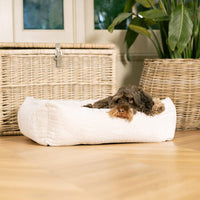


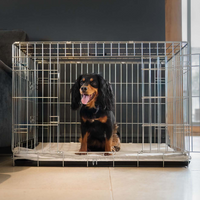
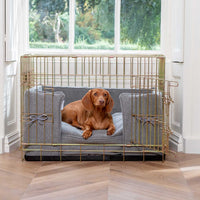
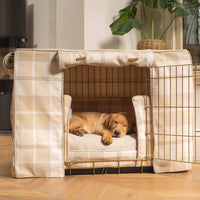


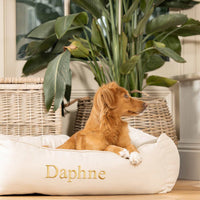
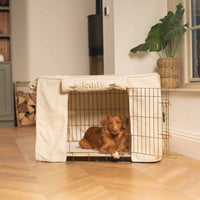


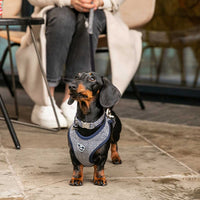
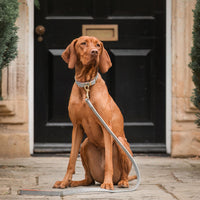


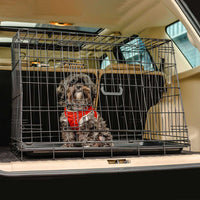

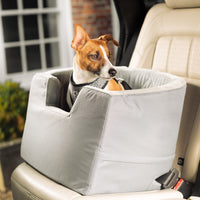


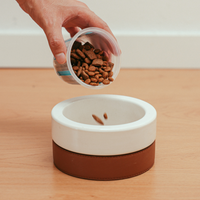


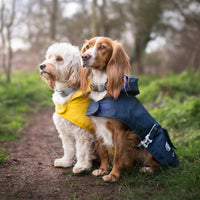
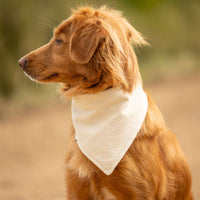
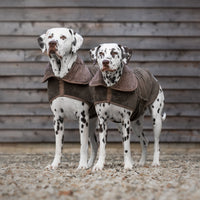


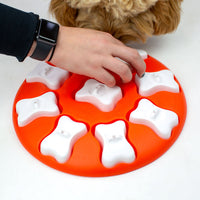
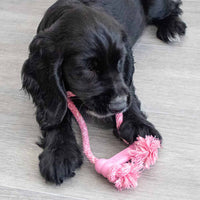
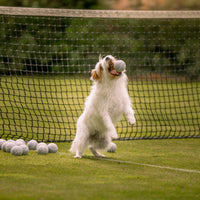


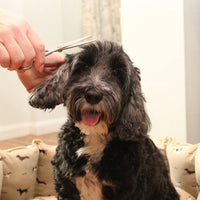

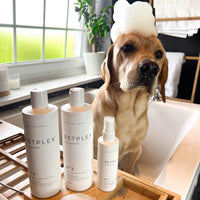


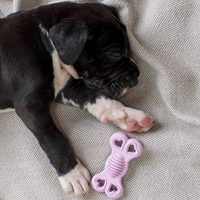
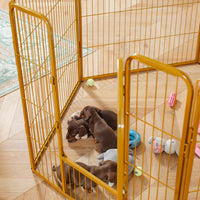


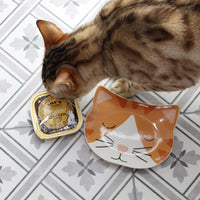
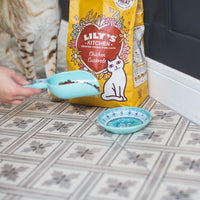
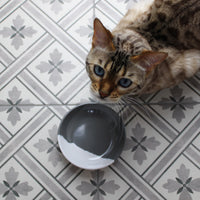


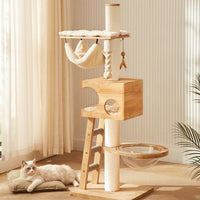
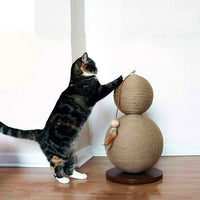


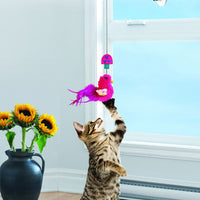
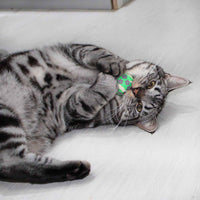


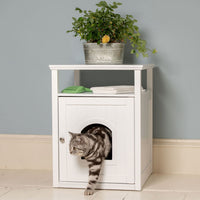


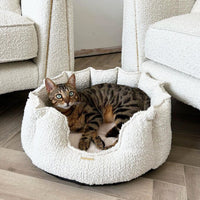
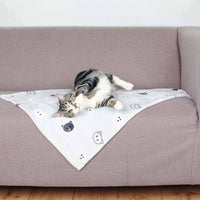
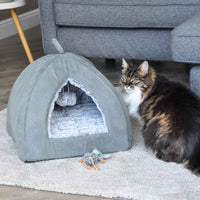







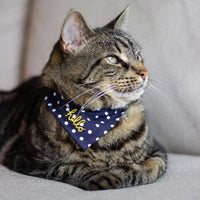
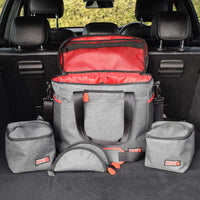



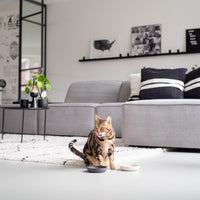


.jpg?v=1698763206512&options=)


![[color:pepper]](http://www.lordsandlabradors.co.uk/cdn/shop/products/Pet-Rebels-Wall-Assistant-Step-2.jpg?v=1673869124&width=533)
![[color:grey]](http://www.lordsandlabradors.co.uk/cdn/shop/products/Lucky-Rebels-Scenic-View-197cm.jpg?v=1673613623&width=533)
![[color:cream]](http://www.lordsandlabradors.co.uk/cdn/shop/products/Pet-Rebels-Luxury-Hammock-Sleeper-Square.jpg?v=1673871131&width=533)


![[color:cream]](http://www.lordsandlabradors.co.uk/cdn/shop/products/little-rebels-maine.jpg?v=1672327626&width=533)
![[color:grey]](http://www.lordsandlabradors.co.uk/cdn/shop/products/Kings-_-Queens-Alexis-224cm-3.jpg?v=1673524794&width=533)