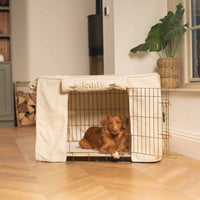
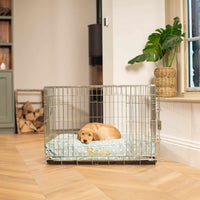
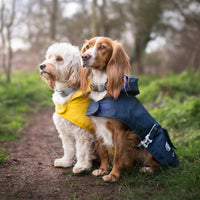
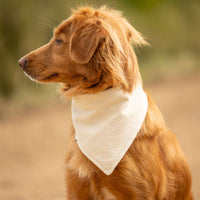






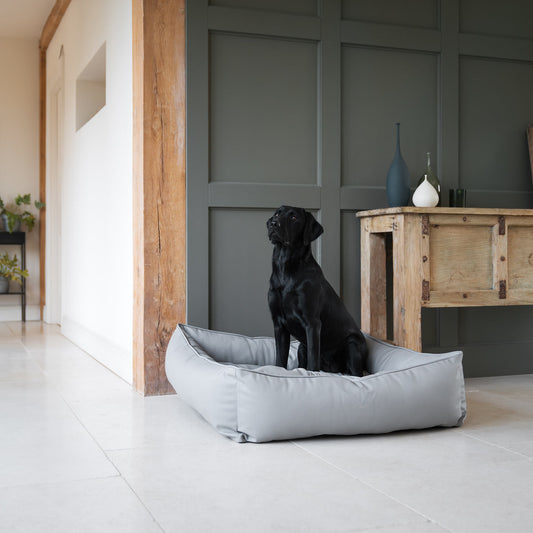
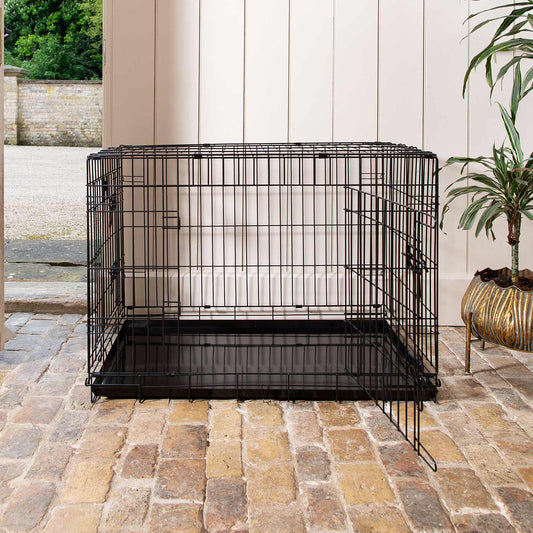
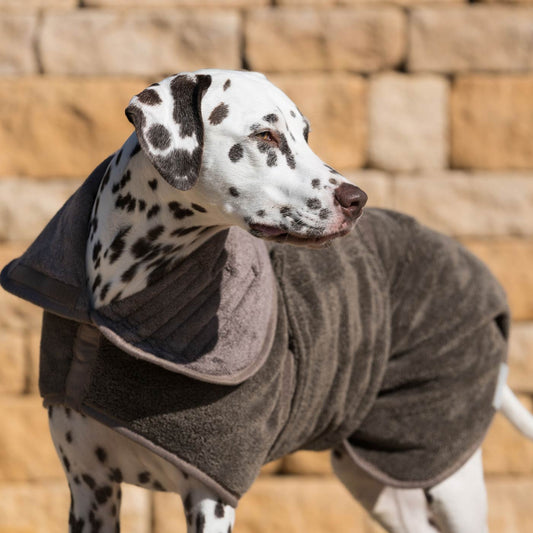
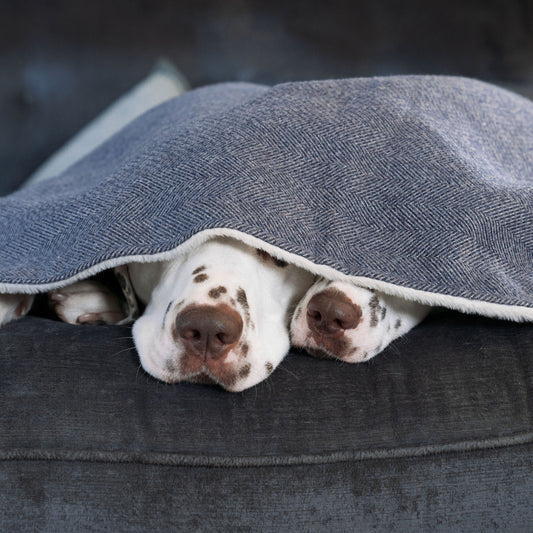
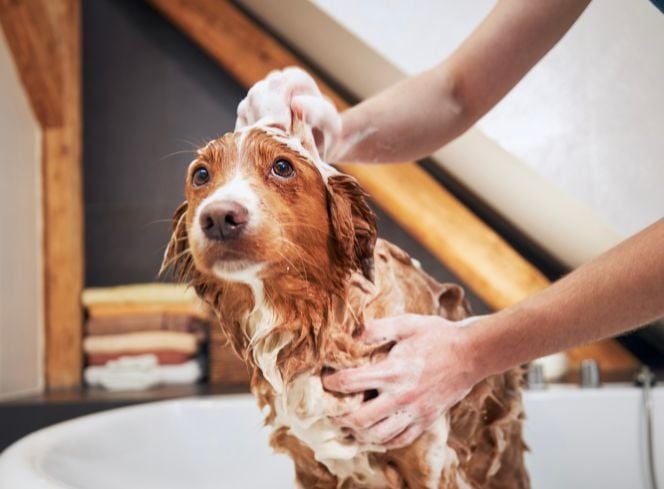
A stunning crossbreed between a Golden Retriever and a Poodle, combines the intelligence and hypoallergenic qualities of both parent breeds. This friendly and affectionate dog is characterised by its curly or wavy coat, often varying in colour, and a cheerful disposition that endears it to families and individuals alike. Known for being social and adaptable, Golden Doodles thrive in various living environments, making them excellent companions for both city dwellers and those in suburban settings. With a playful demeanour and a willingness to please, these dogs are not only cherished for their charming personalities but also for their low-shedding coat, making them a popular choice for those with allergies. The Golden Doodle's versatility and friendly nature make it a delightful addition to households seeking a loving and intelligent canine companion.
Grooming your furry companion isn't just about keeping them looking their best; it's also vital for their health and well-being. A well-curated dog grooming kit is your secret weapon in ensuring your pup stays clean, healthy, and comfortable. Whether you're a seasoned pet parent or a newbie to the world of dog grooming, having the right tools is key. Here's a comprehensive guide to assembling the ultimate dog grooming kit for home use.
1. A brush or comb
A good brush or comb is essential for any coat type, they will help keep your dog’s coat in tip-top shape. For shorter coats a brush will help remove any loose fur or debris. For long or curly coats brushing is going to help untangle any mats or knots in their coat whilst also removing loose fur or dirt. To find the best brush or comb for your dog’s coat type check out our Brushing Your Dog Guide, it has everything you need to know about the best brushing techniques to the perfect tools to suit your furry friends coat type.
2. Nail Clippers or Grinders
Trimming your dog's nails is crucial for their comfort and mobility. Choose between nail clippers or grinders based on your comfort level and your dog's temperament. Ensuring proper nail care is a vital aspect of any grooming routine. We know getting your dog to stay still to have their nails trimmed can be tricky, our pet experts have put together their top tips on how to make cutting your dog’s nails as easy as possible.
3. Dog-Specific Shampoo and Conditioner
Not all shampoos are created equal, especially when it comes to our furry friends. Invest in a gentle, dog-specific shampoo and conditioner to maintain a healthy coat and skin. Look for products that cater to your dog's specific needs, such as hypoallergenic or medicated formulas.
Our PetPlex range has been developed to professional grooming standards to suit all coat types. The puppy purifier range is perfect for sensitive puppies, it even smells like baby powder which is just scrumptious on tiny puppies. For short haired dogs and mucky pups the dirt defeater range is perfect, with it’s tropical smells even the muckiest of dogs will smell as fresh as a daisy. For dogs with luscious curls and long locks our curl perfector range is the one to go for, it’s great for detangling and creating that perfect curl pattern. Lastly for sensitive pups we recommend our Derma Doctor shampoo, it’s fragrance-free and full of mild ingredients, this shampoo won’t strip away natural oils or irritate the skin.
4. Detangling Spray
For long or curly coats a detangling spray is a must have. Our PetPlex curl perfector detangling spray is a ready to use, no -rinse formula that will help tease away knots and tangles to make brushing a breeze. Reducing brushing time as well as adding a great scent to your dog's coat.
5. Ear Cleaning Solution
Ear hygiene is often overlooked but is crucial to your dog's health. An ear cleaning solution and soft cotton balls or pads help keep your dog's ears clean and prevent infections. Regularly inspect and clean their ears to avoid any potential issues.
There’s two main options for ear cleaning solutions, they come in either a liquid which you drop into the ear canal and use a cotton ball to massage the dirt away or there are pre-soaked ear cleaning pads which you simply rub in your dog’s ears to remove the dirt. The best option will entirely depend on your dog!
6. Towels and Drying Equipment
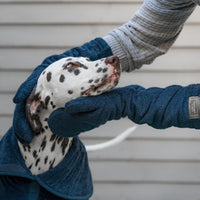
Absorbent towels designed for dogs are ideal for drying after a bath or a rainy walk. We love a drying coat for after bath time or a mucky walk, our bamboo drying coats are super soft and snuggly and make drying fuss-free and quick. For dogs who don’t love to wear a coat why not try some drying mitts, they great for quickly rubbing their coats dry to take off any excess moisture.
7. Dog Grooming Clippers and scissors
If you have a long coated dog they will need their hair cutting. You have two options for this you can either take them to a groomer or do it at home - the best option will entirely depend on your dog, some owners are nervous to cut their dog’s coats themselves whereas others find it easier due to their dogs being apprehensive about going to the groomers.
If you’re planning on cutting your dog’s coat at home investing in quality clippers tailored for your dog's coat type is paramount. Clippers come in various sizes and strengths, so choose wisely based on your pup's breed and coat length. Opt for clippers that are comfortable to hold and operate to ensure a smooth grooming experience for both you and your dog.
If you have a long coated dog we recommend having a pair of thinning scissors at home, this means you can easily trim round their eyes and mouth between grooms as their hair will often get long on their face quicker than on their body.
8. Styptic Powder or Gel
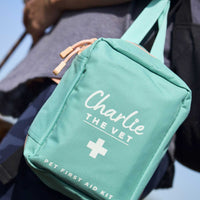
Accidents happen, especially during nail trimming. Having styptic powder or gel on hand can quickly stop minor bleeding if you accidentally cut your dog's nails too short. It's a must-have for any grooming kit. We love the Charlie the Vet first aid kit, it has styptic powder in as well as so many other essentials in case of accidents - it really is a must have for any dog owner.
9. Toothbrush and Toothpaste for Dogs
Dental hygiene is a vital part of your dog's overall health. Use a toothbrush and toothpaste designed for dogs to maintain their oral health and prevent dental issues. We love the Tropiclean range, they have dental care solutions for all sizes and ages to keep your dog’s teeth squeaky clean.
10. Licky Mat
We couldn’t do grooming time without a licky mat, they are great for sticking to the side of the bath or the wall to keep your dog busy. We usually put peanut butter or wet food on their mats to keep them busy, licking is also a calming behaviour for dogs so it’s perfect for pups who are more nervous for grooming time!
Creating a well-equipped dog grooming kit is a thoughtful investment in your dog's health and happiness. Remember, grooming isn't just about aesthetics—it's about fostering a strong bond with your furry companion while ensuring their well-being. Selecting the right dog grooming tools and supplies tailored to your dog's needs is the key to a successful and enjoyable grooming experience at home.
As a first-time dog owner, one of the essential items you'll need is a dog lead. It's important to choose the right type of dog lead for your furry friend, as well as understanding the laws and regulations that govern the use of dog leads in public spaces.
In this blog post, we'll cover everything you need to know about dog leads, including the different types of dog leads, UK dog laws and regulations, how to choose a dog lead, and training tips for using a dog lead effectively.
What Are The Best Dog Leashes?
There are several types of dog leads to choose from, each with its own advantages and disadvantages depending on your lifestyle and type of dog. Here are the most common types of dog leads and what we recommend each one for:
Extendable Dog Leads
These leads allow your dog to explore further while still remaining under your control. They have a retractable cord that can extend to several meters and are perfect for walks in open spaces. However, they’re not the best choice for training your dog to walk on the lead without pulling. Extendable leads usually have a metal clip on the bottom which you can attach on to either your dog’s harness or collar. We love the Flexi dog leads, they come in two lengths and have an ergonomically designed handle making them comfortable to hold. They come in 5 colours so there’s sure to be one that you and your pooch will love.
Short Dog Leads
[product]
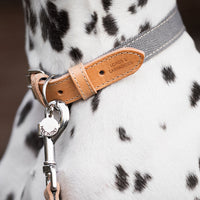
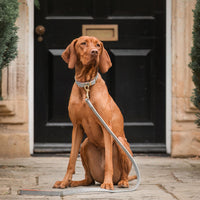
These leads are typically 1-2 meters long and are suitable for walking in busy areas or when training your dog. They provide more control over your dog and can prevent them from pulling or running away. Short dog leads come in a range of materials from rope which is great for stronger dogs, leather which is a good durable option, as well as nylon which are often in stylish patterns and print. Short dog leads will usually have a looped handle to either hold or put round your wrist. Similarly to extendable leads, short dog leads will have either a metal clip or a carabiner on the end so they easily fasten on to your dog’s collar or harness. Our Essentials Walking Collection has a range of short leads in both our Twill and Herdwick fabrics. They are handcrafted in Italy using the finest leather for the handles and either a durable canvas or woven fabric for the strap, finished off with silver hardware - perfect for stylish walkies.
Slip Dog Leads
These leads are made of a loop of material that goes around your dog's neck and tightens when pulled. They’re great for if your dog walks off lead a lot because as the name suggests they’re easy to slip on and off as needed. Because slip leads tighten around the neck when the dog pulls, they may not be the most suitable option for training dogs, especially those that pull on the lead. The tightening of the lead round the dog’s neck can cause them to choke, leading to negative associations with being on the lead and increased anxiety. We recommend these for dogs who already walk well on the lead and if the dog will be off the lead for the majority of their walk. The slip lead we recommend is the Dogs & Horses Rolled Leather Slip Lead, the buttery soft leather is rolled which helps protect your dogs coat from knots. They’re made using cord which is designed for use by yachtsmen so they’re strong and won’t rot if they get wet, this is then wrapped in the softest Italian leather which is hand stitched in their cosy London workshop- these leads have been crafted to last. Available in almost every colour of the rainbow, there’s sure to be one of these gorgeous leads to suit every pup.
Training Line Leads
Training line leads, also known as long lines, are another type of dog lead. These leads are typically longer than standard leads, often 10 meters or more, and can be useful for training purposes, such as recall training or teaching your dog to walk off lead. They provide your dog with more freedom to roam, while still giving you control over their movements. When using a training line lead, it's important to ensure that the line is not too long, as this can lead to your dog getting tangled or running away. Always supervise your dog when using a training line lead, and use a sturdy and durable lead that can withstand the wear and tear of training activities. We love the Ancol Outside Training Line, it comes in two lengths and is perfect for allowing your dog freedom whilst still being in control.
Hands-Free Dog Leads
Hands-free dog leads are designed to allow you to walk your dog while keeping your hands free. These leads are a great choice if you’re planning to run or hike with your dogs. Hands-free leads typically have a waistband or belt that you can fasten around your waist, leaving your hands free to use poles or run without having to hold onto a lead. They can also be useful for people with mobility issues or for those who need to carry bags or other items, whilst being out with their dog. When using a hands-free lead, it's important to ensure that your dog is well-trained and obedient, as they will have more freedom to move around. We love the Ruffwear roamer leash, it can be looped round your waist or can be handheld if needed. The lead has a bungee strap which cushions and stretches as you and your dog speed up or slow down, helping to reduce any impact on both yours and your dog’s joints.
What Are The UK Laws and Regulations For Dog Leads?
In the UK, there are laws and regulations that govern the use of dog leads in public spaces. Section 27 of the Road Traffic Act requires that dogs must be on a lead on designated roads, and if not, the owner could face a fine. What is classed as a designated road is decided by your local authority, so it's always best to check with them.
Similarly, the Countryside Code recommends that dogs should always be under control in public spaces to prevent them from disturbing wildlife or livestock. They recommend keeping your dog on a lead or in sight to ensure they stay away from wildlife, livestock, horses and other people. If you're unsure there are usually signs with that areas rules in, so it's always best to check.
Some areas may also have Public Spaces Protection Orders (PSPOs) that require dogs to be on leads in certain places. It's important to be aware of these laws and regulations to avoid fines and keep your dog and others safe. We recommend checking with your local authority if you’re unsure of the rules in your area.
Choosing A Dog Lead
When choosing a dog lead, there are several factors to consider, including the size and breed of your dog, your dog's behaviour, and your lifestyle. Here are some tips to help you choose the right dog lead:
Consider the size and breed of your dog: Larger or stronger dogs may require a more robust lead, while smaller dogs may do well with a lighter lead.
Think about your dog's behaviour: If your dog pulls or is difficult to control, a shorter lead may be more suitable. If your dog is well-behaved and obedient, an extendable lead may be a good option.
Consider your lifestyle: If you're an active dog owner, a hands-free lead may be more convenient. If you mainly walk your dog in busy areas, a shorter lead may be more suitable.
How To Train A Dog On A Lead
Using a dog lead effectively requires training and patience. Here are out pet experts top tips on training a dog to walk on a lead:
Start with a short lead and a comfortable collar or harness for your dog, and slowly introduce them to the lead by letting them sniff it and rewarding them with treats.
Once they’re comfortable with the lead, attach it the collar or harness. You’ll want to start by walking your dog in a quiet, low-distraction environment to help them get used to the lead and build their confidence. This could even be round your garden or in your house before their vaccinations, to help make that first outside walk less daunting.
If your dog pulls on the lead, stop walking and wait for them to come back to you. Reward them with treats when they do.
To teach your dog to heel, start by walking them on your left side, holding some treats in your left hand. Hold the lead in your right hand and keep it short but loose.
Give your dog the "heel" command and start walking. If your dog starts to pull or veer off course, stop walking and bring them back to your left side.
Reward your dog with treats and praise when they walk calmly by your side, they will begin to associate walking next to you with getting treats and being a positive action. Gradually increase the length of your walks and the level of distraction. As they start walking by your side more consistently you can reduce how frequently you are giving them treats and just reward them with a ‘good boy’ or ‘good girl’ and fuss. Eventually, once the habit has formed, they will consistently walk by your side with no reassurance needed.
For dogs that have a strong tendency to pull, consider using a front-clip harness like the Ruffwear Front Range harness which allows you to clip the lead on to both the front and back of the harness.
Teaching your dog to heel can be a challenge, but with patience and consistency, it's a skill that can be learned by any dog. Heel training can help prevent your dog from pulling on the lead and make walks more enjoyable for both you and your dog. If your dog has recently started pulling we recommend going back to basics and stopping walking every time they pull and giving them a treat every time they walk by your side, even if you don’t get very far for your first few walks your dog will quickly learn to stop pulling on the lead and walk time will become more enjoyable. If your dog pulls a lot try wearing your dog out in the garden with a game of fetch or tug of war, it may help them to relax on the walk as they have less excess energy.
How To Teach A Dog To Walk Off The Lead
Once your dog is well-trained on the lead, you can start to teach them to walk off lead. You will likely have been practising recall with your puppy at home and this will come in handy when walking your dog off the lead. To teach your dog to walk off lead, start by practicing in a secure, enclosed area. There are now a lot of dedicated enclosed dog fields which you can book that are perfect for practising recall and off lead walking in a safe environment. Start by using a long line lead to give your dog some freedom, but still keep them under control. Use a consistent command, such as "free," to signal to your dog that they can walk off lead and using your ‘heel’ command and recall to get them to walk next to you. As your dog becomes more obedient, you can begin practicing off lead walks in open spaces. It's important to be aware of any potential hazards, such as roads or livestock, and always keep your dog under control.
In conclusion, choosing the right dog lead is essential for both your dog's safety and your own peace of mind. Consider your dog's breed, behaviour, and your lifestyle when choosing a lead, and be aware of UK dog laws and regulations.
Training your dog to walk on a lead requires patience and consistency, but with time, you and your furry friend can enjoy stress-free walks. Teach your dog to walk on a loose lead and use the heel command to prevent pulling. And remember to only walk your dog off lead in safe areas and when they are well-trained and obedient.
How to Wash a Dog Bed in a Washing Machine: A Step-by-Step Guide
As a pet owner, you know how essential it is to keep your furry friend's belongings clean and fresh. Among these items, dog beds are a haven for our beloved companions, offering comfort and security. However, over time, these cosy spots can accumulate dirt, pet hair, and odours, making regular cleaning a must. Thankfully, many modern dog beds come with removable covers or are machine machine washable, making them easy to keep clean. In this guide, we'll walk you through the process of washing a dog bed in a washing machine, ensuring that your four-legged friend's bed stays clean and comfortable.
Are Dog Beds Machine Washable?
Before we dive into the washing process, it's crucial to check if your dog's bed is machine washable. Look for tags or labels that indicate whether the bed is machine washable and if there are any specific guidelines you need to follow. Here at Lords & Labradors all of our Core Collection is machine washable, our Core Collection crate cushions and bumpers even have removable covers to make washing easier. Our Essentials Collection, however, is hand wash only. For more information on how to clean your Lords & Labradors Bed why not check out our L&L bedding guide? Or speak to our Customer Care team, who are happy to help.
Preparing Your Dog Bed for Washing:
Remove the Cover: If your bed has a removable cover start by unzipping or unfastening the removable cover from the bed's filling. Some beds may have a separate inner liner that encases the stuffing, so make sure to remove both the outer cover and the inner liner if applicable.
Shake Off and Hoover Excess Dirt: Before tossing the cover into the washing machine, give it a gentle shake outside use a lint roller or a vacuum cleaner with an upholstery attachment to remove any loose fur, dirt, or debris. If your bed has an inner cushion make sure to take this out and clean underneath, crumbs and hair often end up collecting underneath there!
Pre-Treat Stains: If you notice any stains or particularly stubborn spots on the cover, spot-treat them with a pet-safe stain remover or a mixture of mild detergent and water. Avoid using harsh chemicals that could be harmful to your pet.
Washing Your Dog Bed:
Read the Care Label: Always read and follow the care label on your dog bed's cover before washing. This label will provide specific instructions and precautions for washing and drying.
Select the Right Washing Machine Settings: Set your washing machine to a gentle cycle with cold water. For L&L beds we recommend a 30 degree wash on a gentle cycle. Avoid using hot water, as it may cause the fabric to shrink or fade. Always opt for a pet-safe, hypoallergenic detergent to wash your dog bed. Regular detergents may contain harsh chemicals that could irritate your pet's skin. Additionally, avoid using fabric softeners, as they can leave a residue that may also irritate your dog.
Load the Machine Properly: If you’re washing a bed cover to prevent the washing machine from becoming unbalanced during the cycle, balance the load by adding a few towels or other soft items. This will ensure that the cover is cleaned evenly.If you’re washing a bed with out a cover, they often have a removable inner cushion. If the bed is too big for your washing machine you can always try washing the two parts separately to avoid overfilling your machine.
Washing The Dog Bed: Place the cover or bed in the washing machine and start the cycle. Once the cycle is complete, remove the cover promptly to prevent wrinkles and avoid over-drying.
Drying Your Dog Bed:
Air Drying: For best results and to prevent any damage to your dog’s bed, we recommend air drying. If it’s a cover you can hang it outside on a clothes line or lay it flat on a clean surface indoors, we recommend putting it back on the inner cushion to prevent shrinkage. For dog beds without removable covers, we recommend either putting it outside in a clean spot to dry off or in a warm area of your house whilst it dries. Avoid using a dryer or putting it over a radiator as high heat may cause shrinkage or damage to the cover.
Fluffing and Reassembling: Once your dog’s bed is dry, give it a gentle shake to fluff up the filling, it may clump together during washing so will need a bit of a shake to redistribute it evenly.
Reassembling: If your dog’s bed has a removable cover, it’s now time to reassemble, putting the cover back on the inner cushion. If the bed has zippers, ensure they are securely closed before returning it to your pup.
Tips for Maintaining a Clean Dog Bed:
Regular Vacuuming: To prevent excessive dirt and hair from accumulating on your dog's bed, make a habit of vacuuming it regularly. A quick once-over with a handheld vacuum or a vacuum cleaner with an upholstery attachment can do wonders in keeping the bed clean between washes.
Spot Cleaning: For minor spills or accidents on the dog bed, opt for spot cleaning instead of a full machine wash. Use a pet-safe, mild detergent mixed with water and a clean cloth to gently clean the affected area. Blot the stain rather than rubbing it, as rubbing can push the stain deeper into the fabric.
Air Out the Bed: Whenever the weather permits, take advantage of sunny days to air out your dog's bed. The sunlight will help to naturally eliminate any odours, and fresh air circulation can reduce moisture buildup, which can cause mould or mildew over time.
Using Pet-Friendly Odour Eliminators: If your dog's bed tends to hold onto odours despite regular washing, consider using pet-friendly odour eliminators. There are various options available, including sprays and powders designed specifically for pet bedding, ensuring a fresh-smelling bed for your furry friend.
Invest in Quality Dog Beds: When purchasing a dog bed, consider investing in high-quality options that are designed for easy cleaning. Dog beds with removable, machine-washable covers not only simplify the cleaning process but also provide a durable and comfortable resting place for your pet. Here at L&L our luxury dog beds are made with upholstery grade fabric so you can be sure they will stand the test of time.
Regularly washing your dog's bed is essential for maintaining a clean and healthy environment for your furry companion. By following this step-by-step guide on how to wash a dog bed in a washing machine, you can keep your pet's bed fresh, cosy, and odour-free. Always remember to check the care instructions, use pet-safe detergent, and avoid high heat when drying to ensure the longevity of the dog bed and the comfort of your four-legged friend. Happy washing!
Trimming black dog nails can feel like a guessing game, but it really does not have to be. This guide walks you through how to cut dog nails that are black with confidence, covering everything from spotting the quick before you snip to choosing the right tools, handling the odd nick along the way, and building a calmer routine over time. Whether you are starting from scratch or just looking to feel less uncertain with the clippers, there is something here to help you and your dog get through nail day in one piece.
How to Tell Where the Quick Is on Black Dog Nails
The quick is the living core of your dog’s nail. It contains blood vessels and nerves, so if you catch it with the clippers, it bleeds and stings — not ideal for anyone involved. With light-coloured nails, you can usually spot it as a soft pink shadow running through the centre, which makes the whole job much more straightforward. With black nails, that shadow disappears completely, and that’s exactly why so many pet parents feel stuck before they’ve even picked up the clippers.
The good news? You don’t have to guess. You just need to slow down and read a few reliable clues.
Start by shining a small torch or your phone’s flashlight through the nail from underneath. On finer nails, this can reveal the quick as a darker oval shape within the nail. It won’t work for every dog, but it takes about three seconds to try and it’s genuinely useful when it does.
If the light doesn’t show much, nail texture becomes your next guide. Trim a tiny sliver from the tip and look at the cut surface. At first it’ll appear solid and chalky, white or grey all the way through. That’s safe ground. Keep taking small slivers, checking each time, and eventually the centre will shift. It might look darker, almost black, or you’ll notice a small grey dot appearing in the middle. That dot is your cue to stop. You’re getting close to the quick.
Nail shape tells you something before you even make a cut, too. Most dog nails curve downward and taper toward the tip, and the quick follows that same curve. It typically sits further back than you’d expect, so if the nail has a definite hook at the end, trimming just that hooked portion is usually where you want to start.
One last thing: a calm dog makes all of this much easier. When they’re tense and pulling away, it’s harder to look closely and work carefully. Keeping an eye on your dog’s body language throughout the trim helps you spot early signs of stress before things unravel.
The Tools That Make Black Nail Trims Safer and Calmer
Having the right tools ready before you start makes a real difference when you’re working with black nails. They help you make smaller, more controlled cuts, reduce the chance of catching the quick off guard, and keep the whole experience calmer for your dog from the very first snip.
Sharp scissor-style or guillotine clippers. Blunt clippers crush rather than cut cleanly, which is uncomfortable for your dog and makes it much harder to read the cut surface. Sharp blades give you a clean edge — exactly what you need when taking black nails back little by little.
A nail grinder. If clippers feel a bit too all-or-nothing, a grinder lets you remove nail gradually and gives you much finer control over how much you take off. Many dogs also find the sensation less startling than a sudden snap.
A small flashlight or phone torch. Holding a light against the top of the nail can help you spot the quick’s shadow before you cut. It doesn’t work on every dog, but it takes seconds to try and is well worth doing.
Styptic powder. Have this within arm’s reach before you begin. If you nick the quick, it works fast — and knowing it’s right there helps you stay calm rather than scrambling.
High-value treats. Something your dog doesn’t get at any other time, like a small cube of cheese or a bit of cooked chicken, makes the session feel worthwhile for them and keeps their focus in the right place.
A non-slip mat or towel. This gives your dog something to grip, helps them feel a little more settled, and means less wriggling for you to work around.
What is styptic powder? It stops minor bleeding almost instantly if you nick the quick. It’s a staple in any dog nail trimming kit, so always have it to hand before you start.
None of these are hard to find, and together they genuinely change how confident you feel tackling black nails at home. If you’re building out your grooming kit, you’ll find plenty of dog care essentials over at Lords and Labradors. Good preparation really is the best dog nail trimming tip there is — have everything ready before your dog sits down, and you’re already off to a better start.
A Step-by-Step Way to Cut Black Dog Nails Without Hitting the Quick
Once you understand how to read the nail, the actual cutting becomes far less daunting. Trimming black dog nails safely is really about slowing down, taking tiny slices, and trusting what you see rather than guessing where to stop.
Settle your dog before you pick up the clippers. Sit on the floor together, offer a few treats, and let them sniff the clippers. A calm start makes everything that follows easier.
Find a comfortable position for you both. Some dogs are happy lying on their side while you kneel beside them. Others prefer sitting upright with a paw gently lifted. Work with your dog rather than forcing a hold that makes them tense.
Press the toe pad gently to extend one nail at a time. This gives you a clear view and keeps the paw steady without gripping so tight that your dog pulls away.
Start with a small snip at a slight angle. Take just the very tip off. You’re not trying to do it all in one go — you’re just getting started.
Check the cut surface before you snip again. Hold the nail up to the light and look at the cross-section. A chalky white or grey centre means you’re well away from the quick and safe to continue.
Keep going in tiny increments, checking every time. As you get closer, the centre of the nail will start to shift. The moment you see a darker grey or black dot beginning to appear in the middle, stop on that nail. That dot is the quick showing itself, and one slice further could cause real discomfort.
Reward your dog between nails, not just at the end. A treat after each one keeps things positive and gives your dog a natural moment to breathe and reset.
Stop if your dog tells you they’ve had enough. Panting, pulling the paw away, or going rigid are all signs to pause — even if you’ve only done two nails. Pushing through rarely ends well.
Split the session across days if that’s what your dog needs. Front paws today, back paws tomorrow. There’s no rule that says all twenty nails have to happen at once, and honestly, your dog will thank you for it.
A note on the black dog nail quick:
In lighter nails, the quick shows up as a visible pink line running through the centre. In black nails, you simply can’t see it from the outside, which is why reading the cross-section matters so much. A small dark dot or a soft pale ring appearing in the centre after a snip is your signal to stop. That’s the quick beginning to surface, and going any further risks pain and bleeding.
The whole point of learning how to cut dog nails that are black is building confidence through small wins, not racing to finish. Three nails done calmly is genuinely better than twenty done with your dog stressed and wriggling. If your dog tends to find grooming difficult, it’s worth thinking about how you handle other anxious moments together — the same approach that helps keep dogs calm during stressful situations like fireworks applies just as well here.
What to Do if You Nick the Quick
Nicking the quick when you’re learning how to cut dog nails that are black happens to almost every pet parent at some point. It looks more dramatic than it is — a small dark red bleed from the tip of the nail — and it tends to startle you far more than it hurts your dog. Take a breath. You’ve got this.
Here’s exactly what to do:
Stop trimming and set the clippers down.
Apply styptic powder or cornstarch directly to the nail tip.
Hold gentle pressure with a clean cloth or your finger for 30 to 60 seconds.
Keep your dog calm and still with a quiet voice and a soft, steady touch.
Once the bleeding slows, check the nail before letting your dog wander off.
Styptic powder is a clotting agent that stops bleeding quickly — and it’s the single most useful thing to have nearby during any nail trim. Purdue University’s veterinary guidance specifically recommends that you keep styptic powder available when clipping a pet’s nails to stop bleeding if you clip too short. Pick some up before your next session if you don’t already have it.
For aftercare, keep the paw clean and dry for the rest of the day. Avoid rough-surface walks for 24 hours, and check back on the nail over the next day or so for any redness or swelling.
If the bleeding hasn’t slowed within 5 to 10 minutes, or your dog seems to be in genuine pain rather than just briefly unsettled, call your vet. That’s the sensible thing to do — not a sign that anything has gone seriously wrong.
How to Make Nail Trims Easier Next Time
The biggest dog nail trimming tip anyone can give you? Trim more often. It sounds almost too simple, but when you’re working out how to cut dog nails that are black, consistency matters just as much as technique. Dogs who seem completely impossible to trim can surprise you once a calm routine clicks into place.
Trim every 3 to 4 weeks. Regular sessions keep nails at a manageable length and make each one shorter and less stressful — for both of you.
Reward after every single nail. Use something your dog genuinely loves, like a small piece of cheese or chicken, and give it the moment you finish each nail rather than saving it until the end.
Handle paws between sessions. A minute or two of gentle paw touching while you’re watching TV or winding down costs nothing and builds real tolerance without any pressure attached.
Take a little, more often. Small snips every few weeks feel far less daunting than trying to tackle seriously overgrown nails after a long gap — and you’ll stay well clear of the quick.
Keep the setup consistent. Same spot, same time of day, same calm energy. Dogs read routine surprisingly well, and familiarity genuinely helps settle nerves.
Start puppies early. Even pretend trims with no cutting involved help young dogs learn that paw handling is completely normal.
Pro tip: Trimming a tiny amount every 2 to 3 weeks is far safer than waiting until nails are overgrown — especially when you’re navigating the black dog nail quick.
Think of each session as a training opportunity rather than a chore to get through. Dogs who once wriggled, whined, or flatly refused can absolutely learn to sit calmly for a trim. It just takes consistency, patience, and a well-stocked treat supply.
When to Ask a Groomer or Vet for Help
Sometimes, the most caring thing you can do is hand the clippers to someone else. If you have worked through how to cut dog nails that are black and still feel uncertain, that is completely fine. Some dogs have nails that are genuinely thick, curved, or difficult to read, even for owners who have been doing this for years. Others simply will not settle, no matter how many treats you offer or how carefully you have set the scene.
Professional groomers trim nails every single day. They know how to read the nail, position the dog, and work with a calm confidence that only comes with real experience. Booking a session or two is not admitting defeat. It is a smart way to watch someone skilled work up close, ask questions, and pick up the kind of practical knowledge that no article can fully replace.
Your vet is equally worth considering, especially if your dog has unusually thick nails, any history of paw injuries, or anxiety that makes handling genuinely difficult. They can trim safely and point you toward ways to make future sessions less stressful for your dog and for you.
The most important shift is this: professional help is a starting point, not a last resort. Once your dog has had a calm, positive experience with someone who knows exactly what they are doing, you will often find that the next trim at home feels a little easier too.
Frequently Asked Questions
How do you know where the quick is on black dog nails?
You find the quick on black dog nails by trimming tiny slivers and checking the cut surface each time. A chalky white or grey centre is usually safe; when you start to see a darker dot or change in the middle, stop. A torch underneath the nail can sometimes help too.
Can I trim my dog’s black nails?
Yes, you can trim your dog’s black nails if you go slowly and take very small amounts at a time. The safest approach is to remove the hooked tip first, check the cut surface after every snip, and stop as soon as you see a darker centre appearing.
How do you trim severely overgrown dog nails?
Trim severely overgrown dog nails by taking off only a little at a time and spreading the work over multiple sessions if needed. Tiny, regular trims every 2 to 4 weeks are safer than one big cut, especially with black nails, because they help you avoid catching the quick.
If you’ve ever wondered why some dogs watch TV and others don’t even glance at the screen, you’re not alone. The answer sits at the intersection of how dogs actually see and hear the world, what their individual personalities bring to the equation, and what their body language is quietly telling you while they watch. This piece covers all of it, plus some simple ways to make TV time a genuinely calm and comfortable habit if your dog happens to love it.
Why some dogs seem glued to the TV while others barely glance at it
You’ve settled in for a quiet evening on the sofa, and there’s your dog — eyes fixed on the screen, following every flicker of movement. Meanwhile, your friend’s dog has never so much as glanced at the telly. Same species, completely different reaction. It’s one of those small, everyday moments that makes you wonder what’s really going on inside their head.
The short answer is that why some dogs watch TV and others don’t comes down to a mix of biology, personality, and what naturally holds their attention. Some dogs are wired to track movement — it’s almost instinctive. Others rely far more on scent and sound to make sense of the world, and a glowing rectangle on the wall just doesn’t register as interesting. Some are simply more curious by nature than others.
What’s actually on screen plays a role too. Research from Northeastern University shows that animals can sense moving images on screens, and high-pitched, frenzied sounds help attract their attention — which is why a nature documentary full of darting birds tends to get a much stronger reaction than a slow-paced drama.
None of this is random. There’s quite a lot happening beneath the surface, and understanding what your dog actually sees and hears when they look at a screen can tell you something real about how they experience the world. It can even help you notice when their body language is signalling something worth paying attention to.
How dogs actually see a television screen
Dogs can genuinely see what’s on your television screen, but their visual experience is quite different from yours. And that difference goes a long way towards explaining why some dogs watch TV and others don’t even glance up. The way a dog’s eyes process light, movement, and colour all shape whether the telly grabs their attention or gets completely ignored.
Here’s what’s actually happening visually when your dog watches the screen:
Motion detection: Dogs are far more sensitive to movement than we are. A bird darting across the screen or a ball bouncing past can trigger the same instinct as spotting something shift in the garden.
Flicker rate perception: Older CRT televisions flickered at a rate dogs could easily detect, making the image look choppy and unappealing. Modern HD screens refresh quickly enough that most dogs now see something much smoother and easier to follow.
Colour vision: Dogs are dichromats, meaning they see blues and yellows well but can’t easily distinguish reds and greens. High-contrast images land much more clearly than busy, colourful scenes.
Animal-shaped or fast-moving images: These are particularly likely to catch a dog’s eye, tapping into deep-rooted prey and social instincts that no amount of sofa time fully switches off.
Quick fact: Dogs have a higher flicker fusion rate than humans, which makes them especially sensitive to on-screen movement, including subtle motion you might barely register yourself.
Dogs with strong motion-detection instincts or naturally higher visual sensitivity are simply more likely to engage with what’s on. If yours reacts to animals on screen or fixates on fast movement, they’re often wired to be highly play-driven too. Interactive dog toys can be a brilliant outlet for exactly that kind of energy.
What makes one dog watch and another ignore the screen
Every dog is different, and why some dogs watch TV while others couldn’t care less comes down to a mix of biology, personality, and daily life rather than any one thing. What completely captivates one dog might not even register for another, and that’s entirely normal.
Here are the key factors that shape whether your dog becomes a devoted telly fan:
Breed tendencies. Herding and sight breeds like Border Collies and Greyhounds are naturally wired to track movement, making them far more likely to fixate on a screen than scent-driven breeds like Beagles, who’d rather follow their nose than watch television.
Age and vision. Younger dogs tend to engage more readily. Older dogs may have reduced vision that makes the screen harder to process, so they’re more likely to tune it out.
Temperament. Curious, alert dogs will often investigate whatever’s on. More laid-back personalities may simply decide it’s not worth their energy.
Sensory sensitivity. Dogs that are highly responsive to sound and movement can react strongly to animal noises or fast action on screen — even if they seemed settled moments before.
Training history. Dogs that have been encouraged to pay attention to their environment tend to notice on-screen activity more readily.
Daily enrichment. A well-stimulated dog may ignore the TV completely. One looking for something to do is far more likely to seek it out.
It’s also worth noting that dogs who react strongly to what they see or hear on screen often respond just as intensely to triggers outside the home. If your dog gets worked up rather than settled during TV time, this piece on why dogs bark when out walking might help you understand what’s going on.
Ultimately, knowing your dog’s individual sensory profile and personality is the best way to understand whether the telly will ever genuinely hold their interest.
When TV watching is harmless—and when it might mean something else
For most dogs, a bit of screen time is completely harmless. Whether a dog watches TV or ignores it entirely often comes down to individual temperament, and a dog who glances at the screen, tilts their head at a curious sound, then wanders off to nap is simply being a dog. It’s the more intense reactions that deserve a closer look.
Signs it’s all perfectly normal:
Settling near the TV for background noise and company
The occasional head tilt at animal sounds or movement on screen
Brief curiosity that quickly gives way to a snooze
Relaxed, easy body language throughout
Signs worth keeping an eye on:
Intense, unblinking fixation on the screen
Barking, lunging, or pawing at the television
Pacing or whining in response to certain sounds
Visible tension, panting, or an inability to settle
Some dogs who react strongly to fast-moving visuals or high-pitched audio are showing early signs of sensory sensitivity or underlying anxiety — and it rarely stays contained to the living room. A dog who struggles with the TV may also find loud or unpredictable environments genuinely stressful. Knowing how to help them stay calm during those moments is well worth having in your back pocket.
If your dog’s TV reactions feel disproportionate or leave them visibly unsettled, a conversation with your vet or a certified behaviourist is always a good idea.
If your dog loves the telly, how to make it a calm, positive habit
If your dog has claimed the sofa spot closest to the screen, a few small tweaks can make that habit even more enjoyable — for both of you.
Start with what’s on. Calmer content tends to work much better than fast-paced action or sport. Nature documentaries, slow wildlife footage, or dedicated dog TV channels are all solid choices. The gentler the visuals and audio, the less chance your dog ends up overstimulated or fixated on every movement.
Volume matters more than you might think. Dogs hear far better than we do, so what sounds perfectly comfortable to you can feel surprisingly intense to them. If your dog seems restless or quietly slopes off when something loud comes on, it’s worth turning it down a little and seeing if they settle.
It also helps to give them a proper place to land. A dog who feels genuinely comfortable is far more likely to watch TV in a relaxed, drowsy way rather than reacting to every sound. Tucking a cosy bed nearby makes a real difference — something like our Cosy Calming Puppy Crate Bed, which gives dogs a snug, secure spot to curl up and truly switch off.
A favourite chew or enrichment toy alongside the TV adds another layer of calm, too. Get the setup right, and screen time can become a genuinely lovely part of your dog’s daily routine.
If you have ever scooped up your cat only to find them twisting free within seconds, you are not alone and it is not personal. Understanding why do some cats not like to be held starts with instinct, personality, and the quiet signals cats send long before they decide to make their feelings obvious. This article unpacks what is really behind that resistance and shares gentle, practical ways to build the kind of trust that makes closeness feel safe for both of you.
Why some cats hate being held: what’s really going on
If your cat wriggles out of your arms the second you pick them up, it can feel a bit disheartening, especially when you were only after a cosy cuddle. But if you have ever wondered why do some cats not like to be held, it usually is not about attitude or affection. Your cat is communicating discomfort.
A big part of it comes down to instinct. Cats may be brilliant hunters, but they are also prey animals, so being lifted off the ground and restrained can feel unsafe. Even in a calm home with people they love, that sudden loss of control can trigger a very natural fear response. That is also why does my cat not like being picked up is such a common question among cat parents.
Their body language often tells the story before they struggle. A twitching tail, ears pinned back, wide eyes, or a stiff body are all signs your cat is not relaxed. Learning to spot that cat body language when held helps you respond with more empathy and less guesswork.
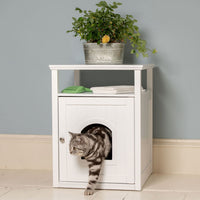
Understanding the reason matters because it changes how you support your cat. Instead of forcing contact, you can build trust in ways that feel safer to them, whether that is giving them choice, creating quiet hiding spots, or making their home feel secure with something like a cat washroom for extra privacy.
The instinctive reasons holding can feel unsafe to a cat
To understand why some cats don’t like to be held, it helps to start with what cats are actually wired to feel, rather than what we’d love them to feel. Cats haven’t been domesticated nearly as long as dogs, and underneath every purring house cat is a creature still built to stay alert, stay mobile, and stay in control of what happens to their body.
Here are the key instinctive reasons being held can feel threatening to a cat:
Feeling trapped. The moment you hold a cat, you take away their ability to move freely. That triggers a deep alarm, even when you mean nothing but love.
Losing their escape route. Cats always want to know how they’d get away if they needed to. Being held removes that option entirely.
Unfamiliar pressure on their body. Even gentle squeezing can feel overwhelming to a cat who hasn’t built trust around that kind of contact.
Vulnerability from height. Being lifted puts a cat somewhere they didn’t choose to go. That feels disorienting and exposed, not reassuring.
No control over what happens next. Cats are deeply independent. Unpredictability, even from someone they adore, can flip them straight into defensive mode.
Key insight: Cats are both predator and prey. Being restrained activates the same alarm response as being caught by a threat, regardless of how safe the situation really is.
That prey-animal instinct never fully switches off, which is why so many cats gravitate toward high spots where they can keep watch entirely on their own terms. Giving them access to vertical space, like wall-mounted cat climbers, genuinely supports their need for control and safe retreat — the very things being held can take away.
Every cat is different: personality, early experiences, and trust
No two cats are the same, and that is often the real answer to why do some cats not like to be held. If your cat pulls away when you scoop them up, it does not automatically mean they are unfriendly. More often, it comes down to personality, past experiences, and how safe they feel with touch.
A few things usually shape that preference:
Personality. Some cats love being close and will happily curl up on your lap. Others prefer to sit beside you, follow you from room to room, or ask for affection in short bursts.
Early socialisation. Kittens who were handled gently and regularly in their first weeks are often more relaxed with human contact later on.
Past handling experiences. If a cat has been grabbed, restrained, or picked up awkwardly, they may decide being held is something to avoid.
Age and life stage. Comfort with handling can change over time. Some cats become softer and clingier, while others grow more particular about how and when they want contact.
Breed tendencies. Some breeds are known for being especially people-focused, while others tend to like affection on their own terms.
Family setting and trust. One study found that cats showed affectionate, aggressive, fearful, and playful responses in family settings and these responses varied across cats, especially in homes with children.
Trust grows slowly, and usually in small everyday moments. A calm routine, gentle handling, and a cosy place to settle, like a soft cat blanket, can help your cat feel secure. Some cats do become cuddlier with time, but only when their boundaries are respected.
Signs your cat is uncomfortable being held
Cats communicate discomfort long before they feel the need to scratch or bite. Learning to read what their body is already telling you is one of the most useful things you can do as a cat parent, and it goes a long way toward understanding why some cats don’t like to be held.
Body stiffening: Your cat goes rigid in your arms rather than relaxing into you. It’s the opposite of a melt.
Tail lashing or thumping: A fast, sweeping tail is not excitement. It signals agitation, and it tends to escalate quickly.
Flattened ears: Ears pinned back or turned sideways mean your cat feels threatened or overwhelmed.
Dilated pupils: Wide, round pupils in normal lighting point to stress or fear, not curiosity.
Vocalising: Growling, hissing, or persistent meowing while being held is a verbal protest. A clear one.
Squirming and twisting: Active attempts to wriggle free are not playfulness. Your cat wants down.
Biting or scratching: This is a last resort, and it almost always means earlier signals were missed.
If you notice any of these signs, put your cat down calmly and straight away. These are not phases to push through. They are clear requests to stop.
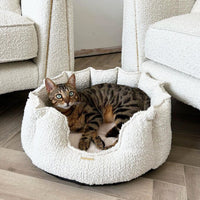
Respecting those signals consistently is what builds trust over time. Giving your cat somewhere that genuinely feels safe and theirs, like a high-sided cat bed they can retreat to, means bonding happens on their terms. That’s always when it works best.
How to build trust without forcing cuddles
The goal here isn’t to get your cat to tolerate being held. It’s to help them feel genuinely safe around you — and once that shifts, everything else tends to follow.
Start by letting your cat lead. When they come to you, offer a gentle stroke and stop before they pull away. That small moment of choice builds more trust than ten forced cuddles ever could. Repeated often enough, your cat starts to understand that closeness doesn’t mean losing control.
When you do need to pick them up, keep it brief and make it worthwhile. Support their full body weight, hold them close to your chest, and make sure all four paws feel stable. A cat who feels like they might fall is a cat who’s going to wriggle free immediately. Even a few calm, well-supported seconds counts as progress.
It also helps to pair handling with something good. Lift them gently, set them back down, then offer a small treat or a quick play session they love. Do that consistently and being picked up starts to feel less like a threat and more like the start of something worth staying for.
Beyond the handling itself, think about the environment. A well-placed cat perch, a cosy hiding spot or two, and enrichment they actually engage with all lower background stress — and a less stressed cat is a more open one. Our cat collection has plenty to help you build a space they feel at home in.
Small, consistent moments matter far more than grand breakthroughs. Trust builds slowly, but when it does, it sticks.
Frequently Asked Questions
How do I get my cat to like to be held?
You can’t force a cat to like being held, but you can help them feel safer with it. Let them lead contact, keep lifts brief and well supported, and pair being picked up with something positive like a treat or play so handling feels predictable, not threatening.
Why does my cat suddenly not want to be held?
A cat can suddenly stop wanting to be held because handling starts to feel unsafe, overwhelming, or too restrictive for them. Changes in trust, stress, life stage, or past handling experiences can all affect this, and their body language usually shows discomfort before they struggle.
Dog-Friendly UK Pubs and Restaurants: A Seasonal Guide
Finding the best dog friendly pubs UK has to offer takes a little more thought than a quick Google search, especially when you factor in the season, your dog’s temperament, and whether a venue is genuinely set up for them or just loosely tolerant. This guide covers regional picks across the whole country, practical advice for every season, and a straightforward packing list so you can walk in feeling prepared rather than frantic. Whether you’re planning a post-walk Sunday lunch or just want somewhere you can both properly relax, there’s plenty here to help you get it right.
Dog-friendly pubs and restaurants in the UK: what to expect this season
Taking your dog out for a proper meal together is one of those simple pleasures that’s genuinely worth getting right. Whether you’re searching for dog-friendly pubs across the UK for a weekend walk-and-lunch combo, or just trying to find somewhere that won’t have your dog on edge the moment you step inside, the options are better than ever — but they’re far from equal.
Here’s something worth knowing before you start planning: dog-friendly doesn’t always mean dog-welcoming. A pub that’s perfectly relaxed about dogs in summer, when the beer garden is packed and the vibe is easy, might tell you they’re not taking dogs in November. A restaurant that’s ideal for a calm older Spaniel could feel genuinely overwhelming for a bouncy young Labrador who hasn’t yet mastered the art of settling quietly under a table. Seasonal policies, indoor versus outdoor space, noise levels, and the general atmosphere of a venue all shape how much you and your dog actually enjoy the experience.
That’s what this guide is here to help with. Inside, you’ll find a regional roundup of dog-friendly pubs and restaurants that both visitors and locals rate highly, practical advice for eating out across every season, and a straightforward packing list so you’re not caught scrambling at the door. We’ve also included tips for those classic soggy-walk-before-lunch situations, because arriving at a pub with a damp, muddy dog is a rite of passage most of us know well.
If a pre-lunch walk is on the cards whatever the forecast, it’s worth reading our guide to walking your dog in the rain before you head out.
How to choose a dog-friendly pub or restaurant that actually suits your dog
When you search for dog friendly pubs UK, you’ll find everything from sleepy village inns to lively dining rooms in the middle of town. The label matters, but the setting matters more. A confident, food-motivated dog might snooze under the table anywhere. A puppy, older dog, or nervous rescue often needs a much calmer setup.
Before you choose a venue, think about what will help your dog settle rather than simply what sounds nice for lunch.
Here’s what to check:
Indoor seating. Some dog friendly restaurants UK only allow dogs in the garden or terrace. That’s lovely on a warm day, but not much fun in wind, rain, or winter.
Outdoor space. This is worth asking about properly. Is there a quiet courtyard for toilet breaks? A grassy area nearby for a sniff before you sit down? For energetic dogs, that little reset can make all the difference.
Water bowls and a genuinely warm welcome. If staff automatically offer water or show you to a sensible table with room to settle, that’s usually a very good sign.
Noise levels and foot traffic. A packed Saturday service can be hard work for dogs who are sound-sensitive or easily overexcited. Midweek lunches or earlier bookings are often easier.
Lead rules. Most dog friendly places to eat with dogs will expect leads indoors, so check in advance and plan around it.
Space around the table. Big dogs, wriggly adolescents, and older dogs with stiff joints all need enough room to lie down comfortably without being stepped over.
Whether the venue suits your dog’s stage of life. Puppies and anxious dogs usually do better somewhere relaxed and forgiving, not in a trendy, tightly packed room.
And do book ahead if you can. Even dog friendly pubs near me that look ideal online may only allow dogs in certain areas, limit numbers, or reserve the best dog-suitable tables early.
If your dog is still learning to feel comfortable in new places, it also helps to brush up on understanding your dog’s body language before you go. A little planning turns a stressful outing into one you’ll both actually enjoy.
A regional roundup of dog-friendly UK pubs and restaurants to try
The UK has no shortage of brilliant spots to eat and drink with your dog, and finding the right one really does make the difference between a lovely afternoon and a stressful one. This regional roundup pulls together the kinds of dog-friendly pubs UK owners tend to return to again and again, organised by area so you can start narrowing things down wherever you happen to be based. That said, venue policies shift, ownership changes, and somewhere that was brilliantly set up for dogs last summer might have a different arrangement now. Always check directly before you visit.
London
Dog-friendly pubs in London are plentiful, but the best ones tend to offer something specific: a quieter corner away from the main dining room, a water bowl waiting on arrival, or a shaded terrace where your dog can settle without the commotion of a busy kitchen nearby. Gastropubs across Hackney, Richmond, and Chiswick are consistently popular with dog owners, often combining excellent food with canal-side or park-adjacent locations that turn the walk there into part of the occasion.
Outdoor terraces with dog-friendly seating clearly signed at the entrance
Water bowls and dog biscuits offered as standard
Quieter side rooms or booths where nervous or reactive dogs feel more comfortable
South of England
The South has some of the most scenic dog-friendly eateries in the country, from thatched country pubs on the fringes of the New Forest to coastal gastropubs in Cornwall and Devon with views that make any lunch feel like a bit of an event. Many of these venues genuinely lean into their dog-friendly reputation, and you tend to feel it the moment you walk through the door.
Pub gardens with enough space for dogs to stretch out without being underfoot
Dog menus or complimentary treats available on request
Coastal spots with beach walks nearby, making them natural post-walk destinations
Midlands and North
Dog-friendly restaurants and pubs in the Midlands and North are easy to overlook, but the pub culture up here is some of the warmest you will find anywhere. Think stone-floored inns in the Yorkshire Dales, Peak District pubs with fires going through autumn and winter, and canal-side bars in Manchester and Leeds with outdoor seating that works well for dogs on leads.
Flagstone floors and fireside spots that were practically made for muddy dogs
Outdoor seating along canal towpaths and riverside locations
The kind of staff who know their regulars by name, dog included
Scotland and Wales
Scotland and Wales offer some spectacular backdrops for eating out with your dog, from lochside inns in the Highlands to slate-built pubs tucked into Snowdonia villages. These venues tend to cater naturally to walkers and their dogs, with practical touches like drying rooms, treat jars near the door, and a general atmosphere that treats your dog as a welcome guest rather than an afterthought.
Drying rooms or boot stores for muddy post-walk arrivals
Treat jars and water stations close to the entrance
Unhurried dining environments that suit longer, more relaxed visits
A quick practical note: Always call ahead before visiting any venue. Dog policies, outdoor seating arrangements, and seasonal opening hours change regularly, and a two-minute phone call is always worth it to avoid turning up somewhere that is not quite set up for your dog on that particular day.
Before you head out, it is also worth thinking about how your dog is actually feeling, not just what you have planned. A dog who is well-rested and settled makes for a much easier companion at the table, and getting the basics right at home goes a long way towards that. A little preparation before you leave always pays off once you arrive.
Seasonal tips for eating out with your dog in spring, summer, autumn, and winter
Eating out at dog-friendly pubs across the UK looks pretty different in January than it does in July. A little seasonal thinking goes a long way towards making each outing genuinely relaxed rather than just survivable.
Spring
Spring pub lunches after a long walk sound idyllic, and honestly, they are. But muddy paws are basically guaranteed from February through April. Tuck a travel towel and some paw wipes into your bag before you leave the house, so you’re not wrestling a soggy Spaniel in the doorway while other diners watch. Many dog-friendly eateries will have a mat near the entrance, but a quick wipe-down before you head inside keeps things friendly with the staff and gets your dog in a calmer headspace too.
Summer
Hot pavements, busy beer gardens, and long lunches in full sun can take it out of a dog fast, particularly short-nosed breeds or those with thick coats. Always bring fresh water, pick a shaded spot where you can, and if your dog starts panting heavily or seems unsettled, move inside or call it a day early. No one enjoys a meal when they’re worried about their dog.
Autumn
Autumn brings stunning walks but also wet leaves, low light, and evenings that close in faster than you expect. Dogs can arrive skittish or over-excited after a slippery path, so give them a moment to settle before you sit down to eat. It’s also worth calling ahead from October onwards, since many venues start pulling their outdoor furniture in and dog policies can shift when the garden closes.
Winter
Cold stone floors and draughty pub entrances are the real challenges once December arrives. Bring a familiar blanket or a travel mat so your dog has somewhere warm to curl up, and make sure you have a proper coat for the walk back to the car. Our dog coats are worth sorting before the temperature really drops.
Seasonal essentials to pack
Travel towel and paw wipes
Collapsible water bowl
A familiar blanket or travel mat
Dog treats for settling
A spare lead in case yours gets wet or muddy
It’s always worth doing a quick dog-friendly pubs near me search before you head out, or calling the venue directly. Outdoor seating access and indoor dog policies genuinely do shift with the seasons, and a two-minute call can save a wasted trip.
What to pack so your dog can settle in and you can actually enjoy the meal
A little preparation really does make the difference between a frantic outing and a genuinely relaxed meal. The dog owners who seem effortlessly calm at dog-friendly pubs across the UK almost always have the same secret: a well-packed bag they grab without thinking. Here’s the practical toolkit worth building before your next visit.
Short lead or slip lead — keeps your dog close and manageable in tighter pub spaces without giving them room to wander between tables
Treat pouch — quick access to rewards makes it easy to redirect attention and reinforce calm behaviour, especially during longer waits
Portable water bowl — dogs get thirsty, particularly after a walk, and not every venue will offer one unprompted
Absorbent towel — a genuine lifesaver after muddy paths or rainy car parks before you head inside
Poo bags — always, without exception, even when you’re fairly sure you won’t need them
Calming chew or long-lasting treat — something to keep your dog happily occupied while you actually eat your food warm
Travel mat — gives your dog a familiar scent and a defined spot to settle into, which makes a real difference in busier dog-friendly restaurants where floor space is shared. The Lords & Labradors Bouclé Travel Mat is a brilliant option here: soft enough to feel like home, compact enough to tuck under your arm on the way in
Dogs who feel secure and comfortable are far less likely to become restless halfway through your main course. Pack this bag once, leave it by the door, and you’ll always be ready when a spontaneous lunch or afternoon out calls your name.
A simple plan for making dog-friendly dining a regular part of your routine
The best dog-friendly outings rarely happen by accident. A little planning upfront is what separates a relaxed Sunday lunch from a stressful scramble for a corner table with a dog who can’t quite settle.
Start by building a short list of dog-friendly pubs near you that genuinely welcome dogs, not just tolerate them. Check policies before you visit, even if you’ve been before — venues update their rules seasonally, and it’s worth a quick look. And if you want a quieter spot away from the thick of things, booking ahead is always time well spent.
Timing matters more than people expect. Mid-week lunches and early Sunday slots are usually much calmer than peak weekend sittings, which makes a real difference if your dog finds busy rooms a lot to take in. Once you find a rhythm that works for both of you, it quickly becomes second nature.
Keep a little kit ready by the door so you’re never scrambling on the way out. A travel bowl, a familiar blanket or mat, and a handful of their favourite treats can make all the difference when it comes to helping them settle. You’ll find everything you need for a comfortable outing in the Lords and Labradors dog collection.
Most of all, enjoy it. Eating out with your dog is genuinely one of the better parts of life with them by your side, and with a bit of preparation behind you, it can easily become a regular pleasure.
Multi-Dog Households: Managing Feeding, Beds, and Space Fairly
Living with more than one dog brings a particular kind of joy, but it also brings a particular kind of chaos if the everyday routine hasn’t quite caught up with the reality of your household. This guide pulls together practical multi dog household tips covering the three areas that tend to cause the most friction: mealtimes, sleeping arrangements, and shared space. Get these right, and the whole household tends to feel noticeably calmer for dogs and humans alike.
Getting the basics right in a multi-dog home
Living with more than one dog is one of life’s genuine joys — but anyone who has tried to feed two dogs in the same kitchen at the same time knows it can get complicated fast.
The truth is, most tension in a multi-dog home doesn’t come from the dogs themselves. It comes from routines that haven’t quite been thought through yet. When every dog knows what to expect — when they eat, where they sleep, where they can go to decompress — the whole household tends to feel noticeably calmer. Getting there usually takes a few deliberate changes rather than a complete overhaul.
The three areas that tend to cause the most friction are mealtimes, resting spots, and general space-sharing. A dog who bolts their food while keeping one eye on their housemate isn’t relaxed. A dog who never quite has a bed to call their own will often drift and unsettled, or quietly compete for the one corner they feel safe in. These are small problems that build slowly, which is exactly why they’re worth sorting out early.
The good news is that most multi dog household tips come down to one core idea: giving each dog their own clear place in the routine. Separate feeding spots, dedicated beds, enough space to rest without feeling the need to guard it. It doesn’t require military-level organisation — just a bit of consistency applied in the right places.
It also helps to stay tuned into how your dogs are actually feeling from day to day. Understanding your dogs’ body language is one of the most useful skills you can build, and it makes every other part of living with multiple dogs easier to navigate.
How to feed multiple dogs without mealtime drama
Mealtime is one of the biggest pressure points when you’re living with multiple dogs. One minute everyone is pottering about happily, and the next a bowl appears and the whole mood changes. The good news is that a few simple multi dog household tips can make feeding feel calm, predictable, and much fairer for everyone.
The main rule is easy to remember: feed your dogs at the same time, but not too close together. If bowls are side by side, even friendly dogs can start to feel crowded or watchful. Giving each dog their own little eating zone helps them relax and focus on their own meal instead of checking what the others are doing.
A practical setup usually looks like this:
Keep bowls at least a metre apart, or more if your space allows
Use corners, walls, furniture, or doorways to create natural separation
Set dogs up so they’re facing away from each other rather than nose-to-nose
Choose bowls that suit each dog’s size and eating style, so mealtimes feel easy and comfortable
Use raised feeders if they help a particular dog eat in a more comfortable position
Keep feeding spots consistent, especially for dogs who like routine
Pick bowls up once each dog has finished to stop hovering, swapping, or scavenging
Avoid leaving food down in shared spaces between meals
Your home layout will shape how you manage multiple dogs at feeding time. In an open-plan kitchen, you might use opposite ends of the room or either side of an island. In a smaller flat, one dog can eat in the kitchen while another eats in the hallway. If you have a dog who eats slowly or seems tense around food, a separate room can make things much easier.
It also helps to make each station feel clearly defined. A sturdy bowl, a mat underneath, and a raised feeder if needed can all become part of a familiar routine. That consistency matters more than people sometimes realise. Dogs notice the little patterns of daily life, and when the same setup happens meal after meal, they tend to settle faster.
A non-slip pet feeding placemat is a simple addition that can really help. It keeps bowls from sliding, catches the usual splashes and crumbs, and gives each dog a clear “this is my spot” cue. For feeding multiple dogs fairly, those small visual boundaries can make a surprisingly big difference.
Spot the early signs of resource guarding before it becomes a habit
Resource guarding rarely announces itself with a growl. It creeps in quietly, in the everyday moments you might not think twice about — and catching it early is one of the most genuinely useful multi dog household tips you can put into practice. Small adjustments made before tension takes hold are almost always easier than unpicking a habit that’s had time to settle.
Here’s what to watch for:
Stiffening or freezing over a food bowl when another dog wanders nearby
Eating noticeably faster the moment a second dog enters the room
Hard, fixed staring directed at another dog near a valued resource
Hovering around a bed or favourite spot, even when they’re not actually using it
Blocking a doorway or corner so another dog simply can’t get past
Low, easy-to-miss growling that blends into the background
Snapping at the air as a warning rather than making contact
Carrying a toy or chew away and settling with their back to the room
If you notice any of these, the most effective thing you can do is change the environment rather than address the behaviour head-on. Separate feeding zones remove the trigger before it has a chance to become a pattern. Having more beds than dogs means there’s nothing to compete over in the first place. And if tension does flare up in the moment, stepping in calmly to create some distance will always work better than a sharp verbal correction, which tends to add pressure rather than reduce it. Think of yourself less as a referee and more as a quiet organiser of space.
It’s also worth saying: resource guarding is completely normal dog behaviour. It doesn’t mean your dogs don’t get along, or that something has gone wrong at home. Most dogs, given a well-managed setup, simply never need to guard because competition isn’t part of their daily experience. That’s the real goal when living with multiple dogs — not intervening constantly, but creating conditions where there’s rarely anything to intervene about.
Why every dog needs their own bed and safe space
Even the most harmonious pair of dogs can create low-level tension when they have to compete for somewhere comfortable to rest. One of the most practical multi-dog household tips you can act on today is making sure every dog has a sleeping spot that is unambiguously theirs — not shared, not contested, just theirs.
When dogs have to negotiate resting spots, you often see subtle stress signals that are easy to miss: a dog circling restlessly before lying down, one consistently getting up when another approaches, or a younger dog who never quite settles. These small moments add up. Over time, they can quietly chip away at the harmony you have worked hard to build.
Here are some practical ways to get the bed setup right:
Spread beds across different areas. A bed in the living room, one in a quieter corner, and one in the bedroom gives each dog the option to decompress away from the group when they need it.
Match the bed to the dog. A sprawling Labrador needs room to stretch out fully, while a Greyhound or Whippet will almost always prefer a raised or bolster-style bed that wraps around them. Think about how each dog actually sleeps before you buy.
Use crates as positive den spaces. A crate with a soft liner becomes a retreat rather than a restriction — especially useful for dogs who find busy household energy a bit much.
Keep each dog’s bed scent-consistent. Wash beds separately where possible and return them to the same dog. Familiar scent helps dogs settle faster and feel more secure.
Never force dogs to share. Even bonded siblings can find this stressful, and it removes the sense of ownership that makes a bed feel genuinely safe.
Even dogs that happily sleep together benefit from having their own defined space — choice reduces conflict.
Getting the bed arrangement right makes a real difference to the overall calm in your home. When every dog knows where they belong, there is less jostling and more genuine rest. If you are setting things up or refreshing what you have, the dog crate beds at Lords & Labradors are well worth a look — with options to suit different sizes, sleep styles, and spaces.
Making shared spaces work day to day
Some of the most effective multi-dog household tips have nothing to do with training and everything to do with how you set up your home and run your day. Small tweaks to your layout and routine can quietly reduce tension before it even starts — think of it less as problem-solving and more as designing a home that works with your dogs.
Stagger doorways and narrow spaces rather than letting everyone pile through at once. It sounds almost too simple, but it genuinely cuts down on jostling and the low-level grumbling that tends to follow.
Rotate toys every few days so no single dog stakes a permanent claim on a favourite. Out of sight really is out of mind.
Create separate resting spots near windows or sunny patches. If two dogs are eyeing the same square of afternoon light, a second bed placed nearby gives the other dog a genuine option rather than a consolation prize.
Use baby gates after high-energy moments to give dogs a chance to decompress without getting in each other’s faces.
Keep feeding and play areas separate so neither space becomes tangled up with competition or guarding.
Stick to a predictable daily rhythm for walks, meals, and wind-down time. Dogs find routine genuinely settling, and a consistent schedule means fewer moments where everyone’s a little on edge.
Worth knowing: Every dog needs somewhere that’s completely their own. A well-set-up crate does this beautifully — somewhere to retreat without another dog following them in. Our guide to setting up your dog’s crate is a great place to start if you’re not sure where to begin.
Living with multiple dogs works best when the home itself does some of the heavy lifting. The right layout and a consistent routine reduce the pressure on your dogs to compete over space, resources, or your attention — and a calmer household really does come down to getting the small stuff right.
Keeping the routine fair as your pack changes
Living with multiple dogs is never a fixed equation — and honestly, that’s a good thing. Dogs change. A puppy becomes a boisterous adolescent. An older dog slows down and starts craving a quieter corner. A new rescue arrives and shifts the whole dynamic overnight. The routine that worked brilliantly six months ago might need a rethink today, and regularly checking in is one of the most valuable multi dog household tips you can build into your life.
Make a habit of watching body language at mealtimes and around resting spots. Tension doesn’t always look dramatic. Stiffening near another dog’s bowl, hovering a little too close, or a dog quietly avoiding their usual bed — these are small signals, but they’re worth paying attention to. When you spot them, adjust the setup rather than waiting to see whether things settle on their own.
If a new dog joins the family, take the introduction slowly. For the first few days, keep dogs totally separate in the house before gradually increasing contact, following the principle of smell before see, see before touch. It sounds almost too simple, but it genuinely takes the pressure off everyone — dogs and owners alike.
As your pack grows or changes, it’s worth revisiting the basics: enough beds, enough space, enough bowls in the right spots. A routine that feels fair to every dog isn’t something you set once and forget. It’s something you tend, like any relationship worth having. Keep watching, keep adjusting, and trust your instincts. You know your dogs better than anyone.
How to Choose the Right Size Dog Bed for Your Breed
Picking the right dog bed sounds simple until you bring one home and watch your dog sniff it twice before retreating to the sofa. This dog bed size guide walks you through everything that actually matters: how to measure your dog properly, how their sleeping style shapes the decision, and how to factor in breed, age, and the everyday realities of life with a dog. Get those things right, and choosing a bed your dog will genuinely love becomes a lot less complicated.
How to Measure Your Dog for the Right Bed Size
Getting the right size bed makes a bigger difference than most people expect. Too small and your dog wakes up stiff, hanging off the edge or curling into a tighter ball than they naturally would. Too large and some dogs — particularly those who love feeling cocooned — simply won’t settle. Size genuinely shapes whether your dog uses the bed at all.
The most reliable way to get your dog bed measurements right is to catch your dog mid-nap, when they’re fully relaxed and stretched out. You know the pose: that dramatic full-body flop on a warm afternoon. Measure from the tip of the nose to the base of the tail (not including the tail itself), then add around 20 to 30cm. That extra buffer gives them room to shift position, stretch out, and properly relax without a paw or snout dangling over the edge.
It sounds simple, but it’s surprisingly easy to get wrong. Plenty of pet parents go by general breed size, order a “large,” and later find their long-bodied Labrador is still a little cramped. Two minutes with a tape measure while your dog naps takes all the guesswork out of it.
Worth thinking about: if your dog shares a bed with another pet, or has a habit of sprawling in every possible direction, factor that in too. A little extra length and width goes a long way when there are multiple animals vying for space.
Once you have your measurements, matching them against a dog bed size chart makes finding the right fit genuinely straightforward. And if you want to go deeper than dimensions — fill type, fabric, bed style — our guide on how to pick a dog bed covers all of it, so you can choose something your dog will actually want to sleep in every night.
What Kind of Sleeper Is Your Dog?
Most dog owners go straight to breed or weight when working out what size bed to buy. It’s a reasonable starting point, but sleeping style matters just as much. A good dog bed size guide accounts for how your dog actually sleeps, not just how big they are — and paying attention to this one thing can make the difference between a bed that gets used and one that gets ignored.
The Curler: This dog tucks nose to tail and sleeps in a tight, tidy circle. They tend to feel most secure in a snug, contained space, so they often don’t need as much surface area as you’d expect. A bolster or donut-style bed suits them perfectly, giving them the cosy edges they naturally gravitate toward.
The Sprawler: This is the dog you find taking up three-quarters of the sofa. They sleep flat out, legs in every direction, and need genuinely generous space. A large flat mat or oversized cushion bed gives them room to stretch without hanging off the edge.
The Leaner or Burrower: This dog sleeps pressed against something — a cushion, the sofa arm, or you. They need a bed with a raised side they can actually push into. A structured bolster bed gives them that sense of support they find comforting.
Pro tip: Watch your dog sleep for a few nights before you buy anything. Their natural position tells you far more than their breed profile alone.
Sleeping style shapes everything from the footprint you need to the style of bed that will actually get used. If your dog curls up or loves to lean, it’s worth taking a look at our square bolster dog beds once you’ve had a chance to observe their habits.
Breed Size Is a Starting Point, Not the Whole Answer
Breed size categories are a helpful starting point, but they only tell part of the story. Two dogs of the same breed can have very different builds, sleeping habits, and life stages — and all of that shapes what size bed actually works for them.
Beyond the breed label, here are the individual factors worth considering:
Body shape: Long and narrow versus short and stocky can change everything about the fit
Age and life stage: Older dogs often need more support and space to settle comfortably
Growth stage: Puppies will outgrow a too-small bed faster than you’d expect
Sleeping style: Curlers need less length; stretchers need room to fully spread out
Personal space preferences: Some dogs like to sprawl dramatically; others tuck themselves into a tight little ball
Sighthounds are a great example of why weight categories can mislead. A whippet or greyhound sits in the medium bracket, but that long, lean body needs serious length to be comfortable. Flip that around to a Jack Russell or Scottish Terrier — small by weight, but surprisingly wide and solid. They often need more width than their size category suggests. Figuring out what size dog bed your dog actually needs means looking at their shape, not just their breed.
For puppies, always size up. They grow fast, and a bed that fits today can feel cramped within a few months. The Grow With Me Puppy Bed by Lords & Labradors is designed to expand as your puppy grows, so you’re not cycling through beds every season.
Choosing the Bed Shape and Style That Fits Your Dog
Once you’ve nailed your dog’s measurements and sleeping style, bed shape is the next thing to think about. The same dimensions can feel completely different depending on the style you choose, and the right fit really comes down to how your dog sleeps, how mobile they are, and where the bed is actually going to live.
Here’s a quick breakdown of the most common styles and what they suit best:
Bolster or sofa beds: Great for dogs who love to rest their chin on a raised edge or like to feel gently hugged on one side.
Donut or nest beds: Perfect for curlers who want to tuck in tight and feel wrapped in softness.
Flat mattress beds: The go-to for sprawlers who need open, uninterrupted space to fully stretch out.
Raised or elevated beds: Ideal for dogs who run warm or tend to overheat, and brilliantly easy to keep clean.
Crate beds: Cut to slot neatly inside a crate without bunching, so everything stays comfortable and tidy.
Dogs who curl up tend to settle best in raised-sided styles, while sprawlers need open, flat surfaces with room to stretch without hitting a bolster.
It’s also worth thinking practically about where the bed will actually sit day to day. A crate bed needs different proportions to one tucked into a living room corner. And if your dog has stiff joints or finds it hard to step over high sides, look for crate beds designed to fit standard crate sizes or styles with a low entry point.
Once you’ve landed on a shape that suits your dog, matching it to the right bed size becomes much more straightforward.
Don’t Forget the Real-Life Practicalities: Washability, Room, and Age
Getting the measurements right is only part of the puzzle. A bed that looks perfect on paper can quickly become a headache if it doesn’t suit your home, your schedule, or your dog’s stage of life. So before you buy, it’s worth running through a few practical questions.
Here’s what to consider:
Will it actually fit the space? Measure the spot where the bed will live before you order — whether that’s a corner of the living room, inside a crate, or beside your bed. A bed that’s too large for the space, or won’t slot into a crate, creates daily frustration fast.
How easy is it to wash? Dog beds get grubby quickly, especially after muddy walks or moulting season. Look for removable, machine-washable covers — they make a real difference to how often you’ll actually get round to cleaning it.
Is your dog a chewer? Puppies are particularly enthusiastic about testing new things with their teeth. Go for something durable with a simple design, and avoid beds with loose embellishments or excess stuffing they could pull out and swallow.
Does your dog need extra support? Older dogs and larger breeds often do better with structured, high-sided designs that cushion joints and create a sense of security. A supportive box bed with plush sides is worth considering if your dog is a senior or on the bigger side.
Are you buying for now or for later? Puppies grow fast. If you’re shopping for a young dog, factor in the size they’re heading towards, not just the size they are today.
A bed that fits your dog, your home, and your daily routine is one they’ll actually want to use. That’s really the whole point.
How to Pick the Best Size Bed With Confidence
Once you’ve gathered all the pieces, putting them together is actually pretty straightforward.
Start with your measurements. Take your dog’s nose-to-tail length and add around 20 to 30 centimetres — that’s your minimum bed length. Then factor in how they sleep. A dog who curls into a tight ball can manage on something snugger, but a sprawler who flings their legs out sideways needs every centimetre of that extra space.
Next, layer in breed and life stage. A puppy who’s still growing, or a senior dog who needs a little more joint support, both benefit from having room to breathe. It’s always easier to grow into a bed than to feel squeezed in one.
Then think practically. Will it fit in the corner you have in mind? Can you get it in the washing machine? Does the shape suit your dog — a bolster for the lean-against types, a flat mat for the full-stretch crowd?
Run through those steps and the right size usually becomes obvious. But if you’re sitting between two options, go bigger. A dog who loves to sprawl will use every inch of a larger bed. A curler who ends up with more space than they strictly need will simply find their favourite corner and settle in anyway.
That’s really what a good dog bed size guide comes down to: measure carefully, know your dog, and when in doubt, give them the room to stretch out. Because your dog deserves a bed they genuinely love, not one they just put up with.
Frequently Asked Questions
How do I know what size dog bed to get?
Measure your dog while they’re relaxed and stretched out, from the tip of the nose to the base of the tail, then add about 20 to 30cm. That gives enough room to move comfortably. Also factor in sleeping style, age, body shape, and whether they like to curl up or sprawl.
Should a dog bed be the same size as the crate?
A crate bed should be sized to fit the crate neatly rather than bunching up or leaving an awkward gap. It also needs to suit your dog’s shape and sleeping style, so always check both the crate dimensions and your dog’s measurements before choosing one.
Some dogs share a home peacefully for years without ever forming a real emotional attachment, while others become genuinely inseparable in a way that runs surprisingly deep. Knowing how to know if dogs are bonded with each other comes down to tuning into small, everyday moments rather than dramatic displays. This guide walks you through the clearest signs of a bonded dog pair, what healthy play actually looks like, and how to gently support the relationship your dogs are building together.
How to tell when dogs are actually bonded, not just getting along
Living with more than one dog, you quickly learn that not all dog relationships are equal. Two dogs can share a home, eat side by side, and spend their days in the same rooms without ever forming a real emotional bond. They get along fine, but there’s no particular pull between them. Then there are dogs who actively seek each other out, settle together without any fuss, and seem genuinely unsettled when the other isn’t around. That second dynamic is what most of us mean when we ask how to know if dogs are bonded with each other.
The difference matters more than it might seem. A bonded pair relies on each other for comfort and confidence, not just company. Research published in Scientific Reports found that pet dogs’ relationships with household dogs are characterized by three components: reference, affiliation, and stress, and that some dogs form stronger affiliative bonds with a canine companion than with their own owner. The connection running between two dogs in your home can go surprisingly deep.
Spotting the signs of a bonded dog pair is mostly about tuning into small, everyday moments. Forget dramatic displays — it’s the quiet patterns that tell the real story. Where they choose to rest. How they react when separated. Whether they check in on each other as the day goes on. Understanding your dogs’ body language is a brilliant place to start, because bonding shows up in posture and movement just as much as in outward behaviour.
The clearest signs dogs share a real bond
Knowing how to know if dogs are bonded with each other usually comes down to choice and consistency. Dogs who live together will often share space, nap in the same room, or wander into the kitchen together simply because that is the household routine. A real bond tends to show up in the moments when they seek each other out anyway.
Mutual grooming: Licking, gentle nibbling, or nuzzling can be one of the sweeter signs dogs are bonded, especially when both dogs look relaxed and the behaviour happens regularly. On its own, though, licking can also be habit, appeasement, or general social behaviour. If you are curious about the different reasons behind it, our guide on why dogs lick is a helpful next read.
Choosing to rest close, or touching: If two dogs consistently settle beside each other or sleep pressed together when they have other comfy spots available, that often points to attachment. If they only do it on the sofa because that is the warmest place in the house, it may just be convenience.
Following each other from room to room: This can be one of the clearest bits of dog bonding behavior when it goes both ways and happens across the day, not just when one dog thinks snacks might appear. One dog shadowing the other occasionally does not always mean they are deeply bonded.
Leaning or seeking contact for comfort: Some dogs seem to move closer to their companion when something feels unsettling, like visitors arriving or a sudden noise outside. That kind of check-in can suggest trust, but not every bonded pair shows it.
Mirroring play styles: One of the easiest ways to tell if two dogs are bonded is seeing how naturally they match each other’s energy, pause together, and re-engage without tension.
The best signs of a bonded dog pair show up by choice, in different situations, and over time. Simply co-existing peacefully is lovely too, but it is not quite the same thing.
Bonded play looks different from rough play or tension
One of the clearest ways to tell if two dogs are bonded is simply to watch how they play together. Bonded dogs tend to find a natural rhythm — loose bodies, soft expressions, and a sense that both are genuinely in on the joke rather than one just tolerating the other.
Signs of healthy, bonded play:
They swap roles freely, taking turns chasing and being chased without either dog needing to always come out on top
They pause mid-play to sniff around or catch a breath, then bounce straight back in together
You spot frequent play bows — that classic front-end dip that says “still fun, I promise”
Their mouths stay soft and open, never tight or tense
One dog will deliberately fumble or hold back to keep things even (this is called self-handicapping, and it’s a lovely thing to see)
Either dog can walk away at any point, and the other simply lets them
Watch for these red flags instead:
One dog pins the other and won’t release when the other dog goes still or squeaks
Stiff posture, a tucked tail, or whale eye (where you can see the whites of the eyes)
One dog repeatedly trying to escape or hide behind your legs
Growling that sounds sharp and flat rather than low and rumbly
The same dog always starting things while the other looks tense, flat, or checked out
Truly bonded dogs recharge each other rather than wear each other down. If your pair have that easy back-and-forth, giving them the right outlets helps keep it that way. Interactive dog toys are a great way to encourage the kind of cooperative, rewarding play that strengthens their bond over time.
Why some dogs become close companions while others just coexist
Not every pair of dogs will become inseparable, and that is completely fine. Bonding rarely follows a neat timeline, and how close two dogs actually grow depends on a whole mix of factors that are unique to them as individuals.
A few things tend to shape whether dogs become true companions or simply comfortable housemates:
Age at first meeting. Puppies introduced early tend to bond more readily than adult dogs meeting for the first time.
Individual temperament. A confident, sociable dog usually warms up faster than one who is naturally more cautious or reserved.
Early socialisation history. Dogs who had positive experiences with other dogs as puppies generally find it easier to connect later in life.
Scent familiarity. Letting dogs get used to each other’s bedding or belongings before they meet in person can help them settle together more easily.
Shared daily routine. Walking, eating, and resting on similar schedules builds a quiet but meaningful sense of togetherness over time.
Feeling emotionally safe. Both dogs need to feel genuinely secure in the same space before a real bond can take root.
It is also worth remembering that bonded dogs do not always look the part. Some pairs show their attachment simply by choosing to nap nearby, or by quietly keeping tabs on each other across the room. That low-key closeness is just as meaningful as the dogs who play together constantly.
If you are right at the beginning of that journey, our guide to bringing a puppy home is a great place to start — those early days really do lay the groundwork for everything that follows.
When to step in and how to support a healthier dog relationship
If you’re not quite sure where your dogs sit on the bonded-to-coexisting spectrum, a few small shifts can make a real difference to how they relate day to day.
Start with shared calm routines. Dogs build trust through predictability, so feeding them at the same time, walking them together, and letting them settle in the same room after a walk all create natural opportunities for positive association without any pressure to interact.
Resource management matters more than most people realise. Even dogs who genuinely like each other can tip into tension around food bowls, favourite beds, or a well-loved toy. Giving each dog their own dedicated space to eat and rest removes that friction entirely. If crates are part of your setup, a comfortable, familiar space for each dog helps them feel individually secure — and that individual security actually supports their relationship. Our guide to setting up and caring for your dog’s crate is a brilliant place to start if you want to get it right.
One-on-one time with each dog is worth protecting too. Separate walks, solo play, individual training sessions — these help each dog feel settled in themselves, and settled dogs tend to make far better companions.
If you’re noticing persistent avoidance, repeated conflict, or signs of stress that aren’t resolving, a qualified behaviourist can help you understand what’s really going on and give you a practical plan.
Most importantly, trust what you’re already seeing. You know your dogs better than anyone. Whether yours share a deep bond or simply coexist contentedly, understanding the difference helps you give them both exactly what they need.
At Lords & Labradors, we specialise in dog crate bedding and accessories. Our dog crate cover and bed sets are available in a stylish choice of fabrics and come in a variety of sizes. These sets create the ultimate comfort spot for your puppy or adult dog. Luxury dog crates...
Read more
At Lords & Labradors, we specialise in dog crate bedding and accessories. Our dog crate cover and bed sets are available in a stylish choice of fabrics and come in a variety of sizes. These sets create the ultimate comfort spot for your puppy or adult dog.
Luxury dog crates
All our deluxe dog crates are made from pet-safe metal and feature removable trays to make them practical and super easy to clean. With sizes ranging from small to XXL, there’s a dog crate set to suit all breeds. Crates are essential when it comes to house training your new puppy. We always suggest buying a larger size dog crate and bed for your puppy so they can grow into it, saving you from having to purchase a new crate when they’re older.
Luxury crate bedding
Our luxury bedding is hand-crafted and designed to the highest quality, appearing both practical and stylish. Bumpers sit around the edge of the crate cushion to provide a super-soft wall of comfort for your pooch. All our bumpers and cushions feature waterproof linings in case of any accidents. It’s recommended to choose a dog crate with a cover – they’ll provide your draughty, bare cage with a fresh new look and offer some privacy for your dog too. They’re particularly great for helping young puppies settle into their night-time routines and offer nervous dogs an extra feeling of security.
Purchase your dog crate set online today
Treat your four-legged friend to one of our stylish dog crate, cover, bedding and bumper sets by browsing our online range today. If you’re struggling to decide which one would be perfect for your pooch, contact our team today who will be more than happy to help. You’ll have 28 days to return your product if you’re unhappy with it for any reason. Our Lords & Labradors items also come with a 365-day quality guarantee, so it’s easy to see why we’ve received so many positive reviews. We also offer free delivery on all orders over £75. Browse the range and order your dog crate set today.
Read less
Top
Choosing a selection results in a full page refresh.