As cat owners we know our felines are particular about where they relieve themselves. To keep your home clean and fresh, you’ll need to select a litter tray carefully and with your feline in mind. Keep in mind the design, size, shape and feature as this can make or break your cat’s toilet habits. But what are the different types of litter trays? And what is best for your cat?
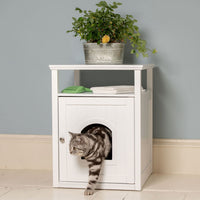
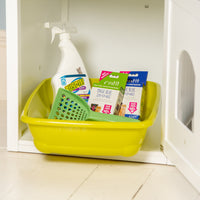
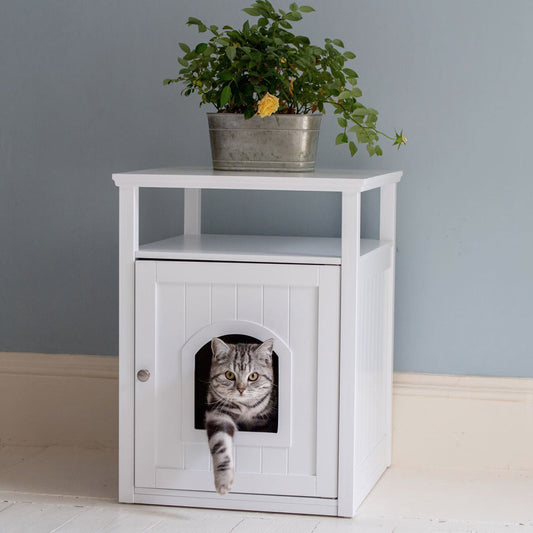
The Lords & Labradors Cat Washroom is a multi-functional pet house that can be used for cats or small breed dogs. Use with a litter tray to turn the Washroom into an attractive cat loo. The Washroom will hide unsightly litter trays and also contain any litter that escapes the tray when your cat covers her business. The handy shelf can be used to store other pet products such as shampoos; store a towel or perhaps a cat litter scoop and other essentials. Alternatively, decorate with a vase or ornament so the cat house becomes a functional piece of furniture.
Available in Two Colours
Choose between white or grey to fit in with any home interior.
Shelf For Storage
Finish with home accessories to make the litter tray as discreet as possible.
Litter Tray Included
Includes a complimentary litter tray that fits perfectly in the base.
Simple Assembly
Includes instructions and hardware for a simple assembly.
11.09.23September 11, 2023Owning a CatFeatured
How To Stop Cat Litter From Smelling?
For cat owners, a common challenge is dealing with the unmistakable odour that can emanate from the cat litter box. While we adore our feline friends, there's no denying that cat litter smell can be a real nuisance. Thankfully, there are several effective strategies to combat this issue and keep your home smelling fresh and clean. In this guide, we'll explore various methods to tackle cat litter smell and provide insights into the best cat litter tray options and odour absorbers.
Understanding the Cat Litter Smell
Before we delve into the solutions, it's important to understand why cat litter can sometimes become a source of unpleasant odours. The primary culprits behind cat litter odour are:
Urine and Feces: Naturally, cat waste releases strong odours, especially when it decomposes. The longer it sits in the litter box, the worse the smell becomes.
Bacterial Growth: Moisture and warmth in the litter box create an ideal environment for bacteria to thrive. These bacteria contribute to the unpleasant smell.
Inadequate Ventilation: Poor air circulation can trap odours in the litter box area, making them more noticeable.
Now, let's explore how to combat these issues and prevent cat litter smell from permeating your home.
Tips to Stop Cat Litter Smelling
Choose the Right Cat Litter: Opt for a high-quality, clumping cat litter that effectively absorbs moisture and locks in odours. Look for products labeled as odour-neutralising or unscented if your cat is sensitive to fragrances.
Regular Cleaning: Scoop the litter box daily to remove clumps of urine and feces. This simple habit can significantly reduce odour buildup.
Frequent Litter Replacement: Completely change the litter and clean the box regularly. Experts recommend doing this every 2-4 weeks, depending on your cat's usage.
Litter Box Placement: Choose a well-ventilated location for the litter box. Adequate air circulation can help disperse odours.
Use an Odour Absorber: Consider using a cat litter smell absorber, such as activated charcoal or baking soda, placed near the litter box. These substances can absorb and neutralise odours effectively.
Invest in a High-Quality Litter Box: Some litter boxes are designed to contain and minimise odours better than others. Look for options with built-in odour control features or those with enclosed designs.
Air Purifiers: Place an air purifier near the litter box area to help eliminate airborne particles and odours.
Best Cat Litter Tray for Smell
If you're in the market for a new cat litter tray with a focus on odour control, here are a few recommendations:
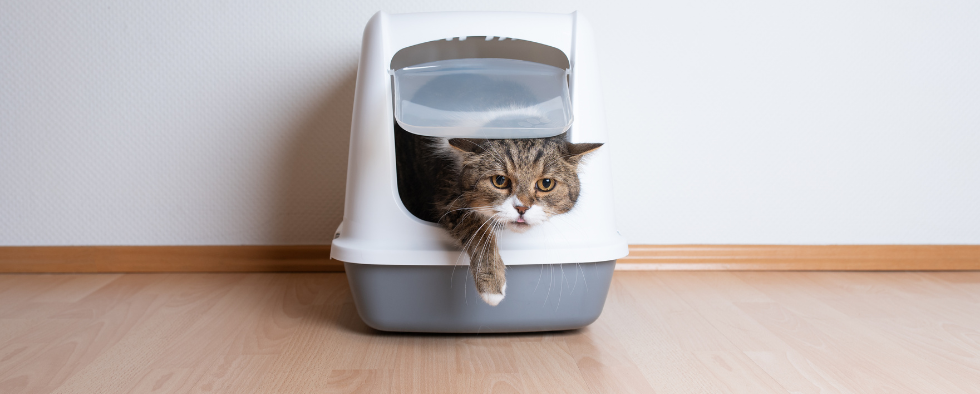
Trixie Eco Vico Hooded Litter Tray - The Trixie Eco Vico Hooded litter tray allows your litter area to be enclosed, preventing litter been scattered. It also allows a private area for your cat and keeps a litter tray out of sight. Cleaning the tray is also easy, just remove the hood by releasing the click clasps.
Lords & Labradors Cat Washroom & Litter Tray - The Lords & Labradors Cat Washroom is a multi-functional pet house that can be used for cats or small breed dogs. Use with a litter tray to turn the Washroom into an attractive cat loo. The Washroom will hide unsightly litter trays and also contain any litter that escapes the tray when your cat covers her business.
Catit Hooded Litter Tray - The Catit Hooded Litter Tray will offer your cat privacy when they need to relieve themselves as well as keep the litter contained when they cover their business. The litter pan comes in two sizes for different sized breeds and featuring a handy carry handle for easy cleaning. Designed in a stylish shade of grey to suit all interiors.
Cat litter smell doesn't have to be an ongoing battle for cat owners. By implementing a combination of the tips mentioned above, choosing the right cat litter, and investing in an effective cat litter tray, you can significantly reduce or even eliminate unwanted odours in your home. Remember, consistent maintenance and cleanliness are key to keeping your feline companion's restroom area smelling fresh and ensuring a pleasant living environment for both you and your cat.
If you have ever found yourself staring at the pet shop litter aisle wondering what half the products actually do, you are in good company. This guide breaks down exactly what cat litter is, how it works in practice, and what the main types can offer you and your cat. Whether you are setting up a tray for the very first time or trying to figure out why your cat has gone off the one you already use, you will find something useful here.
What Is Cat Litter, and Why Do Cats Need It?
Cat litter is a loose material that sits inside a litter tray, giving your cat a designated, clean place to go to the toilet indoors. It absorbs urine, contains solid waste, and keeps unpleasant smells in check. Simple in theory, but genuinely important in practice.
Cats are naturally clean animals with strong instincts around where and how they toilet. In the wild, they seek out loose, granular surfaces like soil or sand, do their business, and then carefully cover it over. Cat litter works with that instinct rather than against it. It gives indoor cats the texture and conditions they are already wired to look for, which is why most cats settle into using a tray fairly quickly when it is set up right.
For new cat parents, getting this right matters more than it might seem. A cat who feels comfortable with their tray will use it reliably. One who does not might start finding their own spots around the house instead, and that is a situation everyone wants to avoid.
There is also the everyday practicality of home life to consider. Good cat litter absorbs moisture quickly, traps odours before they have a chance to spread, and makes cleaning far less of a chore. Whether you have a curious kitten just finding their feet indoors or an older cat who knows exactly what they like, the litter you choose and how you set up the tray can have a real impact on how comfortable and settled they feel.
If you have just brought a new kitten home, our guide on how to litter train your cat is well worth a read. Before diving into that, though, it helps to understand what cat litter actually is and what the different options can offer you and your cat.
The Main Types of Cat Litter at a Glance
There are several types of cat litter out there, and if you've ever stood in the pet shop aisle staring at a wall of bags wondering where to begin, you're not alone. Getting a feel for the main categories before you buy makes the whole thing far less daunting — and means you're much more likely to land on something that works for both you and your cat from the start.
Type
How It Works
Best Suited For
Clay
Absorbs liquid and controls odour; available in clumping and non-clumping versions
Cat parents after a familiar, widely available option at a lower price point
Natural / Plant-Based
Made from materials like corn, wheat, or walnut; absorbs and often clumps naturally
Eco-conscious households, or cats with sensitivities to synthetic materials
Silica Crystal
Tiny crystals absorb moisture and lock in odour without needing frequent full changes
Busy cat parents who want longer-lasting odour control with minimal daily upkeep
Paper or Wood
Soft, low-dust granules or pellets that absorb liquid and break down naturally
Kittens, cats recovering from surgery, or anyone who prefers a gentler feel underfoot
None of these is the objectively "right" answer. Cats have opinions, homes have different needs, and a bit of trial and error is completely normal. If you want to dig into one of the biggest decisions within these categories, our guide to clumping vs non-clumping cat litter breaks it down in a way that's easy to follow.
Quick tip: If you have a young kitten, start with a dust-free or non-clumping litter. Kittens will almost certainly investigate their tray with their nose practically in it, so keeping dust levels low is a small thing that makes a real difference while they're still tiny.
What Cat Litter Actually Does in the Tray
Once you know what cat litter is used for, it becomes much easier to understand why getting it right matters so much to your cat. At its most basic, litter absorbs liquid, neutralises odour, and gives your cat a soft, loose surface to dig into and bury their waste — the same instinct they'd follow outdoors given half the chance.
Here's what's actually happening every time your cat steps into the tray:
Absorbing moisture from urine quickly, so the tray stays drier between cleans
Trapping odours through natural materials, activated carbon, or baking soda, depending on the type you're using
Forming clumps (in clumping litters) around waste, making scooping quick and straightforward
Containing solid waste in one area, so daily maintenance is far less of a chore
Supporting natural instincts by giving cats a surface they can dig, scratch, and bury in comfortably
What catches a lot of owners off guard is how strongly texture, depth, and scent influence whether a cat will actually use the tray. Cats have sensitive paws and a remarkably powerful sense of smell. A litter that feels too coarse or carries a heavy floral fragrance can be enough to put them off completely. If your cat has started avoiding the tray, the litter is usually the first thing worth questioning.
Practical tip: Most cats prefer unscented litter at a depth of around 3 to 5cm. Too shallow and they can't dig properly; too deep and some cats find it unstable underfoot.
Even the best litter works harder in the right tray. Browse our cat litter trays and liners to find a setup that suits your cat's size, habits, and personality.
How to Choose the Right Cat Litter for Your Home and Cat
Choosing between the different types of cat litter is less about finding a perfect product and more about finding the right match for your cat and your daily routine. What works brilliantly for a single adult cat in a quiet hallway might be completely wrong for a household of three cats or a newly arrived kitten. Think of it as a lifestyle decision rather than a shopping puzzle.
Here are the practical factors worth thinking through before you commit:
Kittens versus adult cats: Young kittens do best with larger-grained, low-dust litters. Fine-particle litters can be inhaled or ingested, which is the last thing you want when they're still exploring everything with their mouths.
Dust sensitivity: If your cat sneezes around the tray, or you notice powdery clouds when you pour, switch to a low-dust or dust-free option. Respiratory comfort matters for both of you.
Scented or unscented: Cats have a far stronger sense of smell than we do. A litter that smells pleasantly fresh to you can feel genuinely overwhelming to them. Unscented is almost always the safer starting point.
Multi-cat households: More cats means faster saturation. Clumping litters tend to cope better because you can spot-clean between full changes rather than overhauling the whole tray every day.
Cleaning frequency: If you work long hours or travel regularly, a clumping or crystal litter with solid odour control gives you more flexibility without your cat paying the price.
Where the tray lives: In a small flat or a busy kitchen, tracking and dust matter more than you might expect. Pellet and crystal litters tend to stay put better and keep the surrounding floor much cleaner.
Worth keeping in mind: Scented litters and very fine-dust formulas are the two most common reasons cats quietly start avoiding their tray. If you have a kitten or a cat with any respiratory sensitivity, steer clear of both from the start.
Ultimately, the best cat litter is simply the one your cat will use consistently and that fits into your home without becoming a daily frustration. Understanding what cat litter is used for helps you prioritise what actually matters rather than getting distracted by clever marketing. And if your first choice doesn't quite land? That's completely normal. Most cat owners refine things as they go, and getting it roughly right to begin with puts you well ahead.
Setting Up a Litter Tray That Your Cat Will Actually Use
Getting the setup right makes a real difference to whether your cat takes to the litter tray straight away or decides it's not for them.
Start with depth. Most cats are happiest with around 5 to 7 centimetres of litter in the tray — enough to dig and cover comfortably, but not so much that it feels like shifting sand underfoot. It might take a little trial and error to find what your cat prefers, but most settle in quickly once it feels right.
Placement matters more than people expect. Cats want privacy and quiet, so choose a low-traffic spot well away from their food and water bowls. A corner of the bathroom or utility room tends to work well. If you have a larger home or more than one cat, putting out multiple trays in different spots is always a good idea.
Cleanliness is the biggest factor of all. Scoop solids and clumps daily, and do a full tray change every one to two weeks depending on the litter you're using. Cats are naturally fastidious, and a tray that isn't kept on top of is one of the most common reasons they start finding other spots around the house.
If you're switching to a new litter, take it slowly. Blend it gradually with whatever your cat already uses over the course of about a week. This is especially worth remembering with kittens, who tend to be more sensitive to sudden changes in texture or scent.
For a full walkthrough on helping your cat feel confident from day one, our litter tray training guide covers everything you need.
Once you know what to look for, it all clicks into place. You've got this.
Frequently Asked Questions
What is in cat litter that makes cats use it?
It is usually the texture more than a single ingredient that makes cats use litter. Cats naturally look for loose, granular surfaces like soil or sand so they can dig and cover their waste, and litter gives them a familiar surface that works with that instinct indoors.
Is it good for a cat to have a litter?
Yes, cat litter gives cats a clean, designated place to toilet indoors and supports their natural digging and burying instincts. Good litter also absorbs moisture, helps control odours, and makes the tray more comfortable to use, which encourages reliable habits day to day.
Why would a cat use a litter box?
Cats use a litter box because it gives them the kind of surface they instinctively want for toileting: loose, diggable, and easy to cover over. When the tray is clean, quiet, and filled with a comfortable litter, most cats feel settled and use it quite naturally.
Disposing of cat litter may be your least favourite job as a cat owner and you may not know how to dispose of the litter safely and cleanly. Not only is it a smelly job, it can be messy too, disposing of litter in the correct way is important for both you and your cats health, and not only for the environment too.
In this article we look at how to dispose of cat litter and the safest way to do it.
How Often Should You Change Your Cat Litter?
The ideal amount will depend on your cat’s toilet habits and how many cats you have using the litter. Spot clean the tray daily and aim to replace the litter in the tray at least once a week. Your cat will thank you for keeping their litter fresh and clean, they may find another place to toilet if their litter isn’t fresh and clean.
Where To Dispose Of Cat Litter
For the most of us, the easiest option may be to scoop the litter and drop it into the bin. Scoop the used litter and any waste into a biodegradable bag, secure and put into your normal household bin. To save on biodegradable bags, invest in a ‘cat litter bin’, which would enable you to use one bigger biodegradable bag for several weeks worth of waste, without making your usual/standard bin smell.
If you use biodegradable cat litter, you have the option to put the used litter onto a compost bin. It’s good to know clay litter does not breakdown and cannot be put onto a compost bin. Materials such as pine, paper or corn can however be composted. It’s worth noting composting cat litter can be bad for the environment and can cause a risk to human health. Do not add any cat litter to your compost heap if you are to use this where children may play or if you may use it to grow anything edible. Remember - if you’re composting your litter, remove all waste before putting onto your compost.
How To Dispose Of Wood Cat Litter
Wood pellets can absorb up to three times their own weight in moisture, making them a great absorbent kind of cat litter. They’re also biodegradable making them them an environmentally friendly product. Wood litter should never be disposed of outdoors, and like any litter, soiled litter is for the bin and the bin only. Even though wood litter is biodegradable, they must be disposed of properly - by being composted or bagged and sent to landfill.
Can You Flush Cat Litter?
Avoid any flushing of the cat litter down your sinks or toilet. Litters are not flushable and can cause a lot of issues with your plumbing which may end up being quite an expensive mistake to make.
Choosing between clumping vs non clumping cat litter is one of those decisions every cat owner faces, and the right answer depends on your cat, your household and how you prefer to clean the tray. Both types do the same basic job, but they handle moisture, odour and day to day maintenance very differently. In this guide we explain how each type works, weigh up the pros and cons, and share what vets tend to recommend, so you can pick the perfect litter for your feline friend.
What Is Clumping Litter?
Clumping litter is usually made from bentonite clay, a natural material that absorbs liquid and binds together into firm clumps wherever your cat urinates. Those clumps can then be scooped straight out of the tray, along with any solids, leaving the rest of the litter clean and dry. You simply top up with fresh litter as the level drops, and do a full tray change every week or two.
Because waste is removed as soon as you spot it, clumping litter tends to stay fresher for longer between full changes. It also makes it easy to see exactly how much your cat is urinating, which is more useful than you might think. A sudden change in the size or number of clumps can be an early warning sign of urinary or kidney issues, giving you a head start on a vet visit.
What Is Non Clumping Cat Litter?
Non clumping cat litter absorbs urine without forming clumps. Traditional versions are made from clay granules, while newer options use recycled paper, wood pellets, corn or silica crystals. The litter soaks up moisture and helps control odour until it reaches saturation point, at which stage the whole tray needs to be emptied, washed and refilled, typically once or twice a week depending on how many cats use it.
Non clumping litters are often cheaper per bag, lighter to carry and lower in dust than clay clumping varieties. Wood and paper versions are also softer underfoot, which makes them a popular choice for kittens and for cats recovering from surgery, and many are biodegradable for owners who want a more eco friendly option.
Clumping vs Non Clumping Cat Litter: Key Differences
Here is how the two types compare at a glance:
Feature
Clumping litter
Non clumping cat litter
Daily cleaning
Scoop clumps and solids as you spot them
Remove solids; urine stays in the litter
Full tray change
Every one to two weeks
Once or twice a week
Odour control
Very good, as urine is removed daily
Good at first, fades as litter saturates
Cost per bag
Usually higher, but lasts longer
Usually cheaper, replaced more often
Health monitoring
Easy to track urination via clump size
Harder to monitor urine output
Best for
Adult cats, multi cat homes
Young kittens, cats who dig and taste litter
The Pros and Cons of Each Litter Type
Reasons owners love clumping litter:
Less waste day to day as you only remove the soiled portion, so a bag goes further
Superior freshness because urine leaves the tray daily rather than sitting in the litter
Easy health checks since clump size and frequency show you how much your cat is weeing
Reasons owners choose non clumping cat litter:
Lower upfront cost and widely available in larger, lighter bags
Gentler textures with paper and wood pellets that suit tiny paws and healing cats
Greener options as many plant based versions are biodegradable
Do Vets Recommend Clumping Litter?
So, do vets recommend clumping litter? For healthy adult cats, many do. The two things vets care about most are hygiene and monitoring, and clumping litter scores well on both. Daily scooping keeps the tray consistently clean, which encourages good litter habits, and the clumps themselves let you keep an eye on urination. Changes in urine output can flag conditions such as cystitis, diabetes and kidney disease early, and that visibility is something non clumping litters simply cannot offer.
There is one important exception. For very young kittens, most vets suggest starting with a non clumping litter. Kittens explore the world with their mouths and often nibble litter while they learn to use the tray, and swallowed clumping litter can expand inside their tummy. A paper or wood based non clumping cat litter is the safer choice until around eight weeks of age, after which you can gradually transition to a clumping variety if you prefer. Whatever the age of your cat, vets generally advise choosing an unscented, low dust formula, as heavy fragrances can put cats off the tray entirely. If you are ever unsure, or your cat has a health condition, ask your own vet for tailored advice.
Which Litter Should You Choose?
If you have a healthy adult cat, or several cats sharing your home, clumping litter is usually the more convenient and fresher smelling option over time. If you have a new kitten, a cat who likes to taste test the tray, or you want the most economical or eco friendly option, non clumping is the way to go. Many owners actually keep both in the cupboard, using non clumping for the kitten months before moving on to clumping litter in adulthood.
Remember that cats can be surprisingly fussy about texture. If you switch types, do it gradually by mixing a little more of the new litter into the old over a week or so. A sudden change can lead to accidents outside the tray.
Setting Up the Perfect Litter Tray
Whichever side of the clumping vs non clumping cat litter debate you land on, the setup around it matters just as much. Follow the golden rule of one tray per cat plus one spare, placed in quiet spots away from food and water. Confident cats are usually happy with open top litter trays, while shy cats often prefer hooded litter trays for extra privacy, which also help contain scatter and smells.
Keep a set of litter scoops, mats and liners next to the tray to make daily cleaning quick, and use a litter tray odour neutraliser between full changes to keep everything smelling fresh. If you fancy trying a premium plant based clumping option, the World's Best cat litter range is a favourite with our customers, and you can compare all the types we stock in our full range of cat litter.
Frequently Asked Questions
Can kittens use clumping litter?
It is best to wait until your kitten is at least eight weeks old and reliably using the tray without eating the litter. Until then, stick to a paper or wood based non clumping litter. When you make the switch, transition gradually so the new texture does not put them off. Our guide to everything you need for a new kitten covers the full litter tray setup for new arrivals.
How often should you change non clumping cat litter?
Plan on a complete change once or twice a week for one cat, and more often in multi cat homes. Remove solids daily, and empty the tray as soon as you notice odour or damp patches, as saturated litter can quickly put cats off using it.
Is clumping litter more expensive?
Per bag, clumping litter usually costs more. Per month, the gap is smaller than it looks, because you only remove the soiled clumps rather than binning the whole tray every few days. For many households the two types work out at a similar overall cost, so the choice comes down to convenience, your cat's age and their preferences.
Slip leads spark a lot of questions, and most of them come down to the same thing: are they kind, and am I using one right? This guide walks you through how to use a slip lead properly, how to fit one so it actually works, and how to decide whether it is the right choice for your dog at all. Whether you are brand new to slip leads or just want to feel more confident with one in your hand, you will find honest, practical answers here.
What a slip lead is and why people use one
A slip lead is one of those pieces of kit that looks deceptively simple but comes with a lot of questions once you start looking into it. At its most basic, it’s a single loop of rope, leather, or webbing that acts as both a lead and a collar in one. No buckle, no clip, no separate collar needed. You create a loop, slip it over your dog’s head, and the lead tightens or loosens depending on how much tension is on the line.
That self-adjusting fit is exactly why so many professionals reach for one without a second thought. Vets use slip leads to guide dogs safely around a clinic without fiddling with unfamiliar collars. Groomers use them to keep dogs secure during a wash or trim. Rescue centres rely on them when a new dog arrives with no collar at all, or when a nervous dog needs to be moved with as little fuss as possible. Trainers often use them for specific exercises where a well-fitted, responsive lead communicates more clearly than a standard collar and lead setup.
For a lot of pet parents, the first proper encounter with a slip lead is at the vet or a rescue centre — watching someone loop one over their dog’s head in a single fluid movement and thinking, oh, so that’s how it works. That ease of use is a big part of the appeal.
What really determines whether a slip lead is comfortable and effective, or uncomfortable and counterproductive, comes down to how you use it. Fit and handling matter far more than most people realise, which is why this guide walks through both in detail. If you’re also thinking about your wider walking setup, our dog lead guide is a great place to compare your options.
How to use a slip lead properly, step by step
If you’re wondering how to use a slip lead without making walks feel stressful, the biggest things are fit, position and a light hand. Used thoughtfully, a slip lead should feel clear and controlled, not harsh.
Make the loop first.
Thread the rope through the metal ring to create the loop. Before it goes on your dog, check that it slides smoothly and doesn’t catch. If it sticks, it won’t loosen as easily when you want it to.
Place it high on the neck.
When learning how to fit a slip lead, this is the bit that matters most. Slip the loop over your dog’s head and move it up so it sits just behind the ears and under the jaw. That higher position usually gives you a bit more guidance with less risk of the lead dropping low and pressing on the softer part of the throat.
Check which way it sits.
A properly fitted slip lead should loosen easily when tension is released. For many dogs, that works best when the ring sits near the top of the neck rather than hanging underneath. Give it a quick test with your hands before you set off so you can see that it tightens and releases smoothly.
Use the stopper.
Most slip leads have a small rubber or leather stopper. Slide it into place so the loop can’t keep tightening beyond a comfortable point. It’s easy to overlook when you’re rushing out the door, but it makes a real difference to day-to-day handling.
Check the fit.
Once the stopper is set, the lead should feel snug but not tight. You should be able to slip two fingers underneath comfortably. Too loose, and it may slide down or even slip off. Too tight, and your dog is likely to feel uncomfortable straight away.
Keep your handling soft.
If you’re using a dog slip lead on a walk, think gentle guidance rather than steady pressure. Ask for a little movement, then soften the lead again as soon as your dog responds. In real life, that might look like a small reminder as your dog forges ahead, followed by a loose lead the moment they come back beside you.
Common mistakes to avoid:
Letting the lead drift down the neck
Forgetting to set the stopper
Keeping constant tension on the lead
Using a loop that’s so loose it can slip off
If you’re just starting out with lead manners, our puppy lead training essentials can help you build calm, confident walking habits from the beginning.
When a slip lead can help and when it is not the right choice
Slip leads are genuinely useful in the right situations, but they are not a one-size-fits-all solution for every dog or every walk. Knowing when to reach for one and when to leave it on the hook matters just as much as knowing how to fit it correctly.
When a slip lead can work well
Vet or grooming visits where you need quick, fuss-free control
Short training sessions focused on loose-lead walking or responsiveness
Working dog contexts where experienced handlers use them as a standard tool
Emergency backup if a collar clip fails mid-walk
Moving dogs calmly between areas, such as from the car to a field gate
When another option may suit your dog better
Longer daily walks where sustained pressure on the neck is a concern
Dogs that pull consistently, since a slip lead tightening repeatedly can cause real discomfort
Puppies still finding their feet and learning what walking on a lead even feels like
Dogs with any history of neck, throat, or tracheal sensitivity
Anxious or reactive dogs that feel noticeably more settled and secure in a well-fitted harness
If your dog fits into any of those second situations, a harness is often the kinder choice for everyday walks. It spreads pressure more evenly across the body, takes any strain off the neck, and gives many dogs a calmer, more comfortable walking experience overall. If you are not sure where to start, our guide on how to choose a dog harness covers what to look for based on your dog’s size, shape, and walking style.
Knowing how to use a slip lead well also means recognising when something else will serve your dog better. That kind of honest, flexible thinking is what good dog handling actually looks like in practice.
Are slip leads cruel? The honest welfare answer
The question of whether slip leads are cruel comes up a lot, and honestly, it is a fair thing to wonder. The short answer is that it is not really about the tool itself — it is about how you use it. In the right hands, with the right dog, a slip lead is a safe and practical piece of kit. Used carelessly or in the wrong situation, it can cause real discomfort.
A few key factors decide which side of that line you end up on:
Fit and positioning. The loop needs to sit high on the neck, just behind the ears. If it drops down toward the throat, it puts pressure on the windpipe and other delicate structures.
Handler technique and timing. A light, well-timed guide is very different from a sustained pull. The lead should release the moment your dog stops pulling — not a second later.
Your dog’s temperament and training level. A dog that already walks fairly well on a lead will respond very differently to a slip lead than one that is reactive, easily startled, or prone to lunging.
Duration of use. Slip leads suit short, purposeful outings well. They are not designed to be worn for hours at a stretch.
Active supervision. A slip lead should never be left on an unsupervised dog or one that is off exploring on their own.
When slip leads are misused, the risks are genuine. Persistent neck pressure, poor positioning, or using one on a dog that is not quite ready for it can cause physical discomfort and stress. Knowing how to use a slip lead correctly is the real deciding factor here — not whether the lead itself is inherently good or bad.
In practice, correct use looks like this: the loop sits high behind the ears, loosens immediately when your dog relaxes, and comes off as soon as the walk is done. It is always an active, hands-on setup — never a passive one.
Getting that right is very achievable with a bit of guidance, and the sections ahead will walk you through exactly that.
How to choose the right lead or collar for your dog
There’s no single perfect lead setup that works for every dog. What suits a calm Spaniel on a quiet country lane might feel completely wrong for a boisterous young Labrador in a busy park — and that’s completely fine. Finding the right everyday option really comes down to your individual dog and how you actually walk together.
Here are the key things worth thinking through:
Size and strength — larger, stronger dogs need a setup that gives you genuine control without putting unnecessary pressure on the neck
Coat type — thick or heavy-coated breeds like Bernese Mountain Dogs or Chow Chows may find a slip lead sits awkwardly and shifts around too much to stay in the right position
Age and neck sensitivity — puppies and senior dogs have more delicate necks, so anything that tightens under tension deserves extra care
Temperament and reactivity — a nervous or reactive dog that lunges without warning isn’t a good candidate for a slip lead on everyday walks
Walking environment — a quiet rural route is a very different proposition from a busy street with unpredictable triggers at every turn
When it comes to comparing your options, harnesses tend to work well for dogs that pull consistently, brachycephalic breeds like Bulldogs or Pugs, and any dog where neck pressure is a genuine concern. Flat collars are a solid, dependable choice for calm, well-trained dogs who walk nicely on a loose lead. Slip leads are generally best reserved for specific training moments, or used by experienced handlers who know exactly how to fit and hold them correctly.
Not sure which collar style suits your dog? Our guide to choosing the right collar walks you through all the options in one place.
Whatever you land on, the goal is always the same: your dog feels comfortable, stays secure, and is easy for you to handle on the walks you actually do.
Using a slip lead with confidence and care
Knowing how to use a slip lead well comes down to three things: fit, timing, and paying attention to your dog. Get those right and it can be a genuinely useful tool. Get them wrong, and good intentions alone won’t prevent discomfort.
The basics are straightforward. Position the loop high on the neck, just behind the ears, and check it sits loose enough to slide two fingers underneath when your dog is relaxed. Make sure the stopper is set so the loop can’t tighten beyond a safe point. Move off calmly, reward your dog for walking close, and keep early sessions short — they’re still figuring out what you’re asking of them.
Keep watching your dog as you go. Repeated pulling, coughing, or reluctance to move are all worth taking seriously. A relaxed dog who checks in with you is telling you the setup is working. A tense or anxious dog is telling you something different, and there’s absolutely no shame in switching to a padded collar or a well-fitted harness instead. The whole point is a dog who actually enjoys their walk.
If you’re working on loose lead walking more generally, it’s worth taking a step back and looking at the broader picture — our guide to common puppy training mistakes covers some of the habits that can quietly undermine even the best efforts.
And whatever equipment you land on, choose it because it suits your dog — not because it’s what someone else at the park is using. That’s the most confident, caring choice you can make.
Frequently Asked Questions
Do vets recommend slip leads?
Yes, vets do use and recommend slip leads in some situations because they’re quick, simple, and help guide dogs safely without fiddling with an unfamiliar collar. That said, they’re best used thoughtfully and for the right dog, rather than treated as the best everyday walking option for every pet.
Are slip leads bad for dogs?
No, slip leads aren’t automatically bad for dogs, but they can be uncomfortable if they’re used poorly or on the wrong dog. Fit, positioning, gentle handling, and keeping pressure off the throat matter most, and many dogs are better suited to a harness for everyday walks.
Do slip leads help with pulling?
They can help in short, focused training sessions, but they’re not the best fix for a dog that pulls consistently. If a slip lead keeps tightening as your dog leans into it, that can cause real discomfort, so many dogs are kinder and more comfortable in a well-fitted harness.
Medium Sized Dog Breeds UK: The Best Medium Dogs for Families
Picking the right medium dog breed for your family is one of those decisions that feels simple on the surface and gets complicated fast once you start weighing up energy levels, grooming commitments, and whether your lifestyle actually matches the dog you’ve fallen for online. This guide works through the breeds UK families tend to love most, what they genuinely need day to day, and how to figure out which one fits your home rather than just your wishlist. Whether you want a muddy-trail companion or a calm sofa dog, there’s a medium sized dog out there that suits you.
Why medium dog breeds are such a good fit for family life
There’s a reason so many UK families end up with a medium-sized dog. They slot into real life in a way that smaller and larger breeds often don’t. Big enough to hold their own on a long weekend walk, compact enough to curl up on the sofa without claiming the whole thing. That balance is genuinely hard to argue with.
Most medium dog breeds sit somewhere between 10 and 25 kilograms, though the lines are fairly fluid depending on the breed standard. What matters more than the exact numbers is how that size plays out in everyday life. A medium dog can handle a muddy trail through the Peak District just as happily as a quiet evening on the rug while the kids finish their homework. They’re sturdy enough for boisterous play, but not so powerful that a walk around the block turns into a tug-of-war.
Space is another reason families tend to gravitate toward medium-sized dogs. They don’t need a vast garden to stay content, and they don’t feel out of place in a family home with a fairly ordinary layout. That said, they do still need a proper setup: a bed that fits them comfortably, and a crate that’s actually sized for them rather than one they’ve outgrown. If you’re not sure where to start, our guide to choosing the right dog crate size is a good place to look before you buy.
It’s also worth knowing that temperament, grooming needs, and energy levels vary enormously within the medium bracket. A Cocker Spaniel and a Whippet are both medium dogs, but they suit very different households and routines. The sections that follow will help you compare breeds honestly, so you can find the one that genuinely fits your family rather than just looks good on paper.
The best medium sized dog breeds UK families often love
There’s no universal shortlist when it comes to medium dog breeds, and honestly, that’s a good thing. The right match depends on your home, how your weekends tend to look, and whether your kids want a boisterous playmate or something a little more laid-back. The reassuring part? Family friendly dog breeds span a genuinely wide range of temperaments within the medium size bracket, so there’s something for most households if you know where to look.
Cocker Spaniels are one of those breeds that suit almost any setup. Affectionate, eager to please, and just the right size to squeeze onto the sofa after a proper walk, they slot into family life with surprising ease. Their coats do need regular attention to stay tangle-free, and those floppy ears are worth keeping an eye on, but most Cocker owners will tell you it quickly becomes second nature. They’re sensitive dogs who thrive on company and routine, so a calm, consistent home brings out the best in them.
Springer Spaniels bring considerably more energy. If your family’s idea of a great weekend involves long muddy walks, open fields, and generally being outside, a Springer will be in their element. They’re loyal, bouncy, and brilliant with children who can match their pace. That said, they need proper exercise and mental stimulation to stay settled, so they really do suit an active household rather than a quieter one.
Border Collies are among the most intelligent dogs you’ll encounter, which is both their greatest quality and something worth thinking carefully about. Physical exercise alone won’t cut it — they need their brains engaged too. Without a job to do, they can become anxious or restless, and your furniture may suffer for it. For families who love training, agility, or outdoor challenges, though, a Border Collie is a genuinely extraordinary companion.
Labrador Retrievers remain a perennial favourite, and it’s easy to see why. Patient, adaptable, and famously good-natured with children of all ages, they fit comfortably into a wide range of family routines. It’s no surprise they consistently rank among Britain’s most popular dogs. They need daily exercise and have a well-documented enthusiasm for eating things they shouldn’t, but their warmth and easy temperament make them one of the most rewarding breeds to live with.
Staffordshire Bull Terriers are frequently misjudged, which is a real shame. They’re deeply loving, fiercely loyal, and often described as a big dog packed into a medium-sized body. Staffies tend to be wonderfully gentle with children they know well and form incredibly close bonds with their families. They’re strong dogs, so early training and socialisation are important, but give a Staffie a loving home and they’ll give you everything back.
Standard Schnauzers are less common but absolutely worth a look. Spirited, clever, and quietly confident, they bond closely with their people and tend to be naturally alert around strangers, making them attentive companions at home. Their wiry coat needs regular grooming to stay in good shape, and they do best with owners who enjoy a bit of structure and consistent training.
No single medium sized dog breed is the right answer for every family. The best fit is always the one that suits your actual life, not just the one that looks good on paper. Keep reading and we’ll help you work out exactly what to look for.
How to choose the right medium dog for your home and routine
Choosing the right medium dog breed has very little to do with falling for a face on Instagram and everything to do with having an honest conversation with yourself about your actual life. The breed that thrives with a family who has a garden, two school-age kids, and a passion for weekend hikes will look completely different from the right fit for a work-from-home couple in a flat. That gap between dream dog and daily reality is exactly where so many families come unstuck.
Here are the key things to think through before you commit:
Daily exercise capacity: Some medium sized dogs are perfectly content with a couple of 30-minute walks a day, while others genuinely need an hour or more of real outdoor time. Be honest about what you can manage on a rainy Tuesday, not just a sunny Bank Holiday weekend.
Household composition: If you have young children at home, temperament and patience matter enormously. Many family friendly dog breeds are brilliant with kids, but some settle better in calmer, quieter households.
Grooming time: A Cocker Spaniel’s beautiful ears need consistent upkeep. A Whippet needs almost none. Think realistically about how much time you have each week, not how much you’d like to have.
Alone time tolerance: Some dogs manage a few hours by themselves without issue; others find it genuinely distressing. If the house is empty all day, that narrows things down quickly.
Barking tendencies: In a flat or terraced house, a naturally vocal breed can create neighbourly tension faster than you’d expect.
Activity style: Do you want a dog who’s up for muddy trails and long rambles, or one who’s equally happy curled up after a short morning walk?
The best medium dog breed for your family is the one that fits your lifestyle, not just your wishlist.
Working through these questions will help you look at the breeds in this article with a much clearer eye. And if you’re fairly new to dog ownership, our guide to the best dog breeds for first-time owners is a great place to start — getting that match right from the beginning genuinely makes everything easier.
What medium dogs need to stay happy, calm, and well-behaved
Bringing a medium sized dog home is one of the most exciting things a family can do — but the real work starts once they’re through the door. What shapes a calm, confident dog isn’t just love (though that helps enormously). It’s the everyday rhythm of care, exercise, and consistency that makes the difference between a settled companion and a chaos merchant chewing your sofa cushions.
Here are the care pillars that matter most:
Daily exercise that matches their energy level — most medium dog breeds need at least an hour of activity each day, whether that’s a brisk walk, a run in the garden, or a good game of fetch at the park.
Reward-based training from the start — positive reinforcement builds trust quickly, and short, fun sessions work far better than long, repetitive ones.
Mental stimulation throughout the day — a puzzle feeder at mealtimes, a snuffle mat, or a Kong stuffed with something tasty gives their brain something to work on and helps them settle properly afterwards.
A dedicated resting space they can call their own — dogs who have a familiar spot to retreat to, whether that’s a well-padded bed or a cosy crate, tend to feel more secure and less underfoot.
Predictable daily routines — feeding, walking, and winding down at similar times each day helps medium sized dogs feel settled rather than anxious or on edge.
Gradual socialisation — steady exposure to different people, dogs, and environments builds a dog who handles new situations calmly rather than reactively.
When these needs go unmet, even the most easy-going breeds can start acting out. Restlessness, destructive behaviour, and unusual clinginess are all worth paying attention to. More often than not, they point back to one thing: boredom. If any of that sounds familiar, it’s worth reading up on the signs your dog might be bored — and what you can actually do about it.
Medium dogs are wonderfully adaptable, but they still thrive on structure. The right setup at home — a good bed, enrichment toys, a consistent routine — makes a genuine difference to their temperament, and to how much everyone in the family enjoys having them around.
Are medium dogs the best choice for first-time owners and families with children?
For many new owners and families with children, medium dog breeds genuinely are a brilliant starting point — but size is only part of the picture. Temperament, energy levels, and how well a breed fits your actual daily routine matter just as much, if not more.
Here are some key things to weigh up before committing:
Handling and control: Medium dogs are easier to manage on the lead than large breeds, which makes a real difference when you’ve got kids in tow or you’re still finding your feet as a new owner.
Trainability: Many medium sized dogs, like Spaniels and Poodle crosses, respond brilliantly to positive reinforcement, which makes those early training sessions feel far less daunting.
Energy levels vary widely: A Whippet and a Beagle are both medium dogs, but their exercise needs look very different day to day. Match the breed to your real lifestyle, not the idealised version of it.
Supervision around young children: Even the gentlest dogs need careful introductions with small children. No breed is automatically child-proof, and that’s worth saying plainly.
Early socialisation: Getting your dog used to new people, sounds, and situations early on makes a lasting difference to how they handle the world as they grow.
Grooming demands: Some medium breeds need regular professional grooming, so it’s worth factoring in that time and cost from day one.
It’s no coincidence that several of the most popular family friendly dog breeds in the UK fall into the medium size range. They tend to strike a good balance between trainability and adaptability, which suits a wide range of homes and routines.
That said, no breed is a guaranteed perfect fit. Preparation matters just as much as picking the right dog. If you’re just getting started, these tips every first-time dog owner should know are well worth a read before bringing anyone home.
Finding the medium dog that feels right for your family
By now, you probably have a clearer sense of which medium dog breeds are calling your name. Maybe it’s the Cocker Spaniel’s affectionate nature that’s won you over, or the idea of a calm Whippet curled up on the sofa after a long day that sounds just right. Either way, use what you’ve learned here to build a shortlist of two or three breeds that genuinely suit your home, your walks, and your daily routine.
Before you contact a breeder or visit a rescue, it’s worth jotting down a few honest answers first. How much time do you realistically have for exercise on a weekday? Does anyone in the house have allergies? Are there young children or existing pets in the mix? Getting clear on those things before you fall in love with a dog you’ve just met makes the whole process feel far less overwhelming, and a lot more confident.
When you do find your match, being practically prepared matters more than most people expect. Knowing you already have the right bed, bowls, lead, and collar waiting at home takes a surprising amount of pressure off those first few days. If you want to feel genuinely ready rather than scrambling once they arrive, our puppy and new dog shopping list covers everything worth thinking about before they walk through the door.
The right medium sized dog is out there for your family. A little thought now means less guesswork later, and gives that first week together the best possible start.
Frequently Asked Questions
What are the best medium-sized dog breeds?
The best medium-sized dog breeds are the ones that fit your family’s real routine. For many UK homes, popular choices include Cocker Spaniels, Springer Spaniels, Border Collies, Labrador Retrievers, Staffordshire Bull Terriers, and Standard Schnauzers, with the right pick depending on energy level, grooming, and home life.
What is the calmest medium-sized dog?
A Whippet is presented as one of the calmer medium-sized options. They tend to need very little grooming and can suit families who want a dog that’s happy to curl up and relax after a shorter walk, rather than one that needs constant activity and stimulation.
Probiotics for dogs: do they work and how to choose one
Choosing the best probiotics for dogs UK pet parents can actually trust means cutting through a lot of noise, and this guide is here to help you do exactly that. We cover what probiotics genuinely do for your dog’s gut, how to read a label without getting bamboozled by marketing, and which formats work best for different dogs and life stages. By the end, you’ll have a clear, practical way to decide whether a probiotic is worth trying for your dog and how to use it well.
What probiotics actually do for dogs — and when they’re worth trying
If your dog has been leaving surprises on the carpet, producing enough gas to clear a room, or just seeming a bit sorry for themselves after a course of antibiotics, you’ve probably ended up down a probiotic rabbit hole. You’re not alone — and you’re asking exactly the right questions.
Probiotics are live bacteria and yeasts that help support the natural balance of microorganisms in your dog’s gut. Picture the gut as a busy, working ecosystem. When everything is ticking along nicely, digestion runs smoothly, nutrients get absorbed properly, and the immune system has a solid foundation to work from. Disrupt that balance — with a sudden diet change, a stomach bug, a stressful stay at the kennels, or a round of antibiotics — and things can quickly go sideways.
Most owners start looking into probiotics for dogs when they notice loose stools that won’t quite firm up, persistent wind, intermittent vomiting, or a dog who takes ages to feel like themselves again after an illness. Others use them as everyday gut support for dogs who’ve always had a sensitive stomach, even when nothing dramatic has happened.
It’s worth being clear about one thing: probiotics are a support tool, not a cure. They work best alongside good nutrition, a consistent routine, and regular vet check-ups. If symptoms are severe or ongoing, always speak to your vet before reaching for a supplement. But for the everyday wobbles that most dogs go through at some point, a well-chosen probiotic can genuinely help things settle. The Lords and Labradors wellbeing range is a good place to start exploring your options.
How to tell if a dog probiotic is actually worth buying
Shopping for dog probiotics can feel genuinely overwhelming. Scroll through any pet retailer online and you’ll find dozens of options making near-identical claims. Knowing what to actually look for on the label makes it far easier to separate the products worth trying from those that are mostly clever packaging — which is exactly what you need when comparing the best probiotics for dogs UK has to offer.
Evaluation Criteria
What to Look For
Strain quality
Named, researched strains like Lactobacillus acidophilus or Enterococcus faecium — not vague “probiotic blend” labelling
CFU count (live cultures)
At least 1 billion CFUs per serving, guaranteed at end of shelf life, not just at the point of manufacture
Storage requirements
Clear guidance on refrigeration. Some shelf-stable formulas are perfectly fine — just make sure the label is upfront about it
Palatability and flavour
Chicken, beef or natural flavours your dog will genuinely eat. A probiotic they turn their nose up at helps no one
Format suitability for picky dogs
Powders that disappear into food often win with fussy eaters — capsules and large chews can be a harder sell
A few myths worth leaving behind:
More strains doesn’t mean more effective. One well-researched strain consistently beats ten poorly studied ones.
Probiotics for dogs aren’t one-size-fits-all. Breed, age and gut history all affect how well a product performs for your individual dog.
Price doesn’t equal quality. Some mid-range options genuinely hold their own against premium labels.
Once you know what you’re looking for, comparing products becomes much less daunting. The next question is which format actually suits your dog — because even the best formula is useless if it ends up spat onto the kitchen floor.
Powder, chews or capsules? Pick the format your dog will actually take
Even the best probiotics for dogs UK pet parents can find will do precisely nothing if your dog turns their nose up at them. Format really does matter — and picking the right one can mean the difference between a supplement that actually gets eaten and one that quietly collects dust at the back of a cupboard.
Format
Best For
Pros
Cons
Powder
Fussy eaters, wet food feeders
Mixes invisibly into food
Can clump; harder to measure
Soft Chews
Most dogs, treat-motivated pups
Easy, treat-style reward
Some dogs eat around them
Capsules
Owners needing precise dosing
Exact dose every time
May need hiding in food
Once you’ve settled on a format, a few simple tricks can help with dogs who are still suspicious:
Stir powder into warm bone broth or a spoonful of wet food to take the edge off any unfamiliar smell
Tuck capsules into a pill pocket or a small piece of cheese — a classic for good reason
Crumble a soft chew over a favourite food topper if your dog ignores it as a standalone treat
Start with a smaller amount and build up gradually, especially if your dog has a sensitive stomach
That last point is worth remembering as a general rule when figuring out how to choose probiotics for dogs: ease them in, watch how they respond, and adjust from there.
Choosing the right probiotic for your dog’s age, size and tummy troubles
Not every probiotic suits every dog, and that’s where a lot of “best probiotics for dogs UK” round-ups fall short. The right pick depends on your dog’s age, size and the kind of tummy trouble you’re trying to help with.
Puppies
Choose a simple formula made for young dogs, with clear dosing and no unnecessary extras
Mild digestive support is often easier to tolerate than a very “loaded” product
If your puppy has ongoing diarrhoea, always check with your vet rather than guessing
Small dogs
Tiny dogs need tiny servings, so look for dog probiotics UK products with dosing based on body weight
Powders or small chews are often easier than large capsules
Rich flavourings can be a bit much for sensitive little stomachs, so simpler can be better
Medium to large dogs
Bigger dogs may need a higher daily amount, but that should come from the label directions, not just the biggest CFU number on the tub
If your dog gets loose stools during travel, kennels or fireworks season, a probiotic can be worth trying as part of their routine
Pick a format you can use consistently. If they happily eat it every day, you’re far more likely to see whether it helps
Senior dogs
Older dogs often do best with easy-to-digest formulas
Some probiotics for dogs also include prebiotics, which may help support a more delicate gut
Avoid anything overly rich if your older dog is prone to digestive flare-ups
Quick tip: If your dog reacts to certain foods, their probiotic should work with their diet, not against it. Our sensitive dog food options can help you keep the rest of the bowl gentle too.
If you’re wondering how to choose probiotics for dogs, start with your dog in front of you, not the marketing on the label.
How to use probiotics safely: timing, dosage and when to call the vet
Probiotics are generally safe for most dogs, but like anything gut-related, they work best when used thoughtfully. Getting the timing and dosage right makes a real difference — and knowing when to call your vet matters just as much as choosing the right product.
Practical tips for using probiotics well:
Give probiotics with food or just after a meal — it helps with tolerability and gives the good bacteria a better chance of surviving the journey through your dog’s digestive system
If your dog has just finished a course of antibiotics, keep going with the probiotic for the full recommended period, even once they seem back to their usual self
For mild tummy upsets, a short course of one to two weeks is usually enough — you don’t need to supplement indefinitely
Always follow the dosage on the label rather than guessing by size, since CFU counts and strain concentrations vary quite a bit between products
When to call your vet straight away:
If your dog is vomiting, has blood in their stool, seems lethargic, or shows signs of dehydration, don’t wait it out. The same goes if symptoms haven’t improved after 48 to 72 hours. These aren’t things a probiotic can sort on its own.
No supplement replaces a proper diagnosis when something is genuinely wrong. The best probiotics for dogs support gut health — but they work best alongside good nutrition and veterinary care, not instead of it. Think of them as one helpful piece of the puzzle, not the whole picture.
So, which probiotic is best for your dog? A simple way to decide
The truth is, there’s no single best probiotic for dogs in the UK that suits every dog. But once you understand what your dog actually needs, the choice becomes much easier.
If your dog has a sensitive stomach, loose stools after meals, or struggles with diet changes, look for a multi-strain formula with a solid CFU count and prebiotic support. Powders tend to work well here — they’re easy to dose and simple to mix into food without any drama.
If your dog is a picky eater who treats anything remotely unfamiliar with deep suspicion, a soft chew or treat-style probiotic is usually the path of least resistance. Palatability genuinely matters. A supplement that gets sniffed and walked away from isn’t helping anyone.
For puppies, seniors, or dogs with ongoing digestive issues, both format and strain selection deserve a little more thought. Check labels carefully, and if you’re unsure, have a quick chat with your vet before you start — especially if your dog is on medication or still recovering from something. Probiotics are generally very safe, but your vet has the full picture.
For most healthy dogs dealing with the occasional upset stomach or a bumpy transition to new food, a well-chosen daily probiotic can make a real difference. Start simple, stay consistent, and give it a few weeks before you decide whether it’s pulling its weight. You’ll usually know.
With their soft topknot, long low body, and centuries of Scottish Border history behind them, Dandie Dinmont Terriers are one of the most fascinating and underappreciated breeds around. In this guide, we’ll cover everything from the Dandie Dinmont Terrier’s quirky origins and day-to-day temperament to grooming, health, and what life with one actually looks like. Whether you’re already smitten or just starting your research, you’re in the right place.
What is a Dandie Dinmont Terrier, and why is this little dog so distinctive?
If you’ve ever spotted a dog that looks like it belongs in an old painting, there’s a good chance it was a Dandie Dinmont Terrier. This charming little breed has one of the most distinctive outlines in the dog world: short legs, a deep chest, a long, low body, and that wonderfully soft topknot that gives the face such a gentle, unmistakable expression. Once you’ve seen a Dandie, you tend to remember it.
Of course, the Dandie Dinmont Terrier breed is about much more than looks. These dogs are full of character. They’re confident, independent, and quietly determined, but often calmer and more composed than people expect from a terrier. If you love the idea of a small dog with plenty of personality, but without the constant bounce some terriers are known for, a Dandie can feel like a lovely middle ground.
They’re also quite rare, so meeting one often feels special. And while they may share that long-and-low shape with other breeds, their look and presence are entirely their own. If you’re preparing for life with a compact dog, our guide to everything you need for your new Dachshund can still be a helpful starting point for home set-up ideas. In this guide, we’ll walk through Dandie Dinmont Terrier temperament, grooming, health, and everyday care.
The Dandie Dinmont Terrier’s Scottish roots and the story behind the name
Few dogs come with a story quite as captivating as this one. The Dandie Dinmont Terrier traces its roots to the rugged border country between Scotland and northern England, where it earned its keep tackling otters, badgers, and other determined quarry across some of Britain’s most unforgiving terrain. This was a dog bred for real work, not appearances.
The name, though, comes not from a place but from a page. When Sir Walter Scott published Guy Mannering in 1815, one of its most beloved characters was Dandie Dinmont, a jovial Border farmer who kept a pack of plucky little terriers. Readers fell for him immediately, and breeders soon adopted the name for the real dogs that had inspired his fictional pack. That makes the Dandie Dinmont Terrier one of the very few breeds in the world named after a fictional owner rather than a place, a purpose, or a real person.
A few things worth knowing about where the breed came from:
It developed across the Scottish Borders and Northumberland, shaped by farmers and huntsmen who needed a dog with genuine grit
It is considered one of Britain’s oldest terrier types, with records stretching back several centuries
Its compact but sturdy build made it well suited to going underground after quarry
It featured in some of the earliest British dog show records, establishing it as a recognised breed long before modern registries existed
That mix of working toughness and literary heritage gives the Dandie Dinmont a character all of its own, and it remains one of the most quietly fascinating among Britain’s favourite dogs.
What is a Dandie Dinmont Terrier like to live with?
Living with a Dandie Dinmont Terrier is never dull. The temperament is a genuinely fascinating mix: all the grit and determination you’d expect from a working terrier, wrapped up in a surprisingly affectionate, often comical little companion who will absolutely make you laugh on a daily basis.
Here’s what day-to-day life with one actually looks like:
Confident and fearless around much bigger dogs, with zero hesitation
Stubborn in the best and most exhausting way — once they’ve made up their mind, you’re negotiating, not instructing
Deeply loyal to their family, often picking one or two people as their true inner circle
Genuinely funny, with a clownish streak that tends to surface at exactly the right moment
Happy to play hard and then spend the evening curled up beside you on the sofa
Independent enough to entertain themselves, but they still want to know you’re close by
Calm and settled indoors, which makes them easier to live with than many terrier breeds
Those traits shape daily life in practical ways. A Dandie Dinmont Terrier doesn’t need marathon walks, but they do need mental stimulation — a bored Dandie will find their own entertainment, and you probably won’t enjoy what they come up with. Puzzle feeders, scent games, and short training sessions tend to hit the spot. They suit calmer households well, and owners who can read a dog with strong opinions will get the most from them.
If you want a dog with real character and a healthy streak of cheek, a Dandie Dinmont Terrier will absolutely deliver.
Dandie Dinmont Terrier care: grooming, exercise, feeding, and health basics
Dandie Dinmont Terrier care is more straightforward than you might expect, but this breed does ask for a little consistency. Get the basics right and you’ll have a happy, healthy companion who slots comfortably into everyday life.
Coat grooming: The Dandie’s double coat needs hand-stripping or professional trimming every 8 to 12 weeks to stay in good shape. In between, give the soft topknot a regular brush to keep tangles at bay.
Daily exercise: Two short walks a day suits this breed well. They’re lively but not high-maintenance, and a good sniff around the garden genuinely counts for something.
Feeding: Portion control really matters with a small, sturdy dog. Choose a quality food suited to their size and age, and try to resist those pleading eyes at the dinner table — Dandies put on weight more easily than you’d think.
Dental hygiene: Regular tooth brushing helps prevent the dental issues common in smaller breeds. A few minutes a few times a week adds up to a meaningful difference over time.
Ear checks: Those low-set, feathered ears can trap moisture and debris, so a gentle clean once a week keeps things comfortable and healthy.
Worth knowing: Dandie Dinmont Terriers have long backs relative to their leg length, which makes them prone to intervertebral disc disease (IVDD). Keeping your dog at a healthy weight and discouraging big leaps on and off the sofa are two of the most practical things you can do to protect their spine long-term.
Day to day, responsible Dandie Dinmont Terrier ownership is really about building a gentle routine and staying observant. These dogs are hardy, but small habits matter more than people realise. Having the right things to hand, whether that’s a good brush for that distinctive coat or accessories that make portion control easier, takes the fuss out of the everyday. You’ll find everything worth having in our dog essentials collection.
Is a Dandie Dinmont Terrier the right dog for your home?
The Dandie Dinmont Terrier is a dog for someone who wants a genuine companion with real character, not simply a quiet, low-maintenance lap dog. If the idea of a small breed with quiet confidence, deep loyalty, and a touch of stubbornness appeals to you, this could be a wonderful fit.
It’s worth going in with realistic expectations, though. Dandie Dinmont Terrier grooming requires regular upkeep, so if a fuss-free coat is a priority, that’s worth factoring in from the start. Training calls for patience too. Dandies are clever and curious, but they respond far better to calm, consistent handling than to any kind of force or frustration. First-time owners can absolutely thrive with this breed, though a little research goes a long way. Our guide to the best dog breeds for first-time owners is worth a read if you’re still working out which breed suits you best.
Where the Dandie Dinmont Terrier truly comes into its own is as a devoted, adaptable companion for someone who appreciates a dog with its own personality and way of doing things. Flat or house, city or countryside, this breed tends to settle happily into all kinds of homes when its needs are properly understood. If that sounds like your kind of dog, you might just have found your perfect match.
When can kittens go outside? A safe first steps guide
Figuring out what age kittens can go outside is one of those questions that feels simple until you start looking into it. This guide walks you through the key milestones your kitten needs to hit before that first adventure, how to read their emotional readiness, and a gentle step-by-step plan for making those early outdoor trips as positive as possible.
When can kittens go outside? The safest age and signs they’re ready
Most new kitten owners spend those early weeks sneaking glances out the back door, wondering when their little one will finally get to explore beyond the garden gate. It’s one of the most common questions we hear, and the honest answer is: there’s no single magic age, but there are clear milestones that tell you when the time is right.
So, what age can kittens go outside safely? For most, that’s somewhere between four and six months old. But the age itself is only part of the picture. What really matters is whether your kitten has completed their full vaccination course, been microchipped, and ideally been neutered. These aren’t just boxes to tick — they’re the things that make outdoor life genuinely safer.
Vets usually recommend waiting at least a week after the final booster before allowing any outdoor access, giving your kitten’s immune system time to build proper protection. Neutering matters too, particularly as kittens approach sexual maturity. An unneutered cat is far more likely to roam, get into scrapes, or end up lost.
There’s also the emotional side to consider. Before any outdoor adventures, your kitten needs to feel truly at home. If they’re still hiding under the sofa or startling at every noise, the outside world will feel overwhelming rather than exciting. If you’re still in those early settling-in weeks, our guide on how to settle a new kitten is a brilliant place to start.
A little patience now makes that first outdoor adventure so much better for both of you.
What needs to be in place before a kitten’s first trip outdoors
Getting the timing right isn’t just about how old your kitten is. It’s about having the right protections in place first — and skipping ahead, even by a few weeks, can leave a young cat exposed at a stage when they’re still figuring everything out.
Here’s what needs to be ticked off before that first trip outside:
Vaccinations completed. Kittens need their full primary vaccination course, usually wrapped up around 13 to 14 weeks, before heading outdoors. This protects against serious illnesses like cat flu and feline parvovirus, both of which can be picked up from other cats or contaminated ground.
Neutering done. Most vets recommend neutering from around four months. An unneutered kitten outside is far more likely to roam, get into fights, or fall pregnant long before they’re ready.
Microchipping in place. Kittens can bolt when something startles them, and a microchip is the most reliable way to bring them home if that happens. It’s a quick procedure and well worth doing before outdoor access starts.
Parasite protection sorted. Fleas, ticks, and worms become a genuine risk the moment a kitten starts nosing around grass and soil. Ask your vet about an age-appropriate treatment plan ahead of that first adventure.
Enough time settled indoors. Kittens need at least four weeks inside your home before going out so they genuinely recognise it as their safe place to return to. If you’re still in those early days, our guide on how to prepare for your new kitten is a brilliant place to start.
Work through each of these steps and you’ll head into those first outdoor moments feeling genuinely confident. Because when it comes to what age kittens can go outside, age is really just one piece of the puzzle.
How to know your kitten is emotionally ready, not just physically ready
Vaccinations and age are the most obvious boxes to tick when deciding what age kittens can go outside, but they only tell half the story. Temperament and confidence matter just as much as physical readiness, so before that first garden adventure, it’s worth taking an honest look at how your kitten is actually coping with home life. If they’re still finding their feet indoors, getting the foundations right from day one is the best thing you can do for their outdoor confidence later.
Signs your kitten is emotionally ready to explore outside:
They move around the home freely and investigate new things without hesitation
They bounce back quickly after a loud noise or surprise
They respond when you call their name or make a familiar sound
They approach new situations with curiosity rather than retreating
They settle calmly after play and aren’t constantly on edge
Signs your kitten may need a slower pace:
They hide frequently and seem reluctant to come out
They startle easily, even during normal household sounds like the kettle boiling
They show stress signals such as flattened ears, crouching low, or excessive grooming
They haven’t yet built a relaxed, confident relationship with their home environment
Some kittens, particularly timid or sensitive ones, simply need a much more gradual introduction to the outside world. That’s not a setback. It’s just good parenting.
Your kitten’s first outdoor adventures: a gentle step-by-step plan
Your kitten’s first time outside should feel calm, short, and completely safe. A gradual approach makes all the difference — it builds their confidence gently, so those early experiences feel exciting rather than overwhelming.
Choose a quiet time of day. Early mornings or late evenings tend to work best, when there’s less noise from traffic, neighbours, or other animals. The calmer the environment, the more comfortable that first outing will feel.
Start in a secure garden or enclosed patio. A fully fenced space with no obvious escape routes gives your kitten room to explore without the risk of wandering off. Let them sniff around at their own pace — there’s no rush.
Consider a harness and lead. Not every kitten takes to one straight away, but introducing it gradually indoors before that first trip outside gives you a reassuring safety net, especially in less enclosed spaces. It also keeps them close if something startles them.
Stay close and stay calm. Kittens take their cues from you. Crouching down, speaking softly, and simply being present tells them this big new world is safe to explore.
Keep sessions short. Five to ten minutes is plenty at first. Building up slowly is far kinder than one long outing that leaves them frazzled and reluctant to go back out.
Always leave the door open. Your kitten needs to know they can retreat inside quickly if something spooks them. Having that safe base to return to matters more than you might think.
Quick tip: Go outside with your kitten for every one of those first trips, without exception. Watch for flattened ears, a low crouched posture, or sudden freezing — these are all signs they need a moment back indoors.
Some kittens take to the garden like they’ve always owned it; others need several weeks of short visits before they truly relax. If you’re still weighing up the bigger picture, our guide to indoor cat or outdoor cat life is well worth a read.
What to do after the first few trips outside
Once those first outdoor sessions go well, the aim is to build a calm, consistent routine your kitten can actually rely on. Short daily trips at roughly the same time each day help them learn that going outside is a regular part of life, not a random event. Morning or early evening tends to work best when gardens are quieter and a little less full-on.
Keep a close eye on how your kitten behaves during and after each trip. Some excitement is completely normal, but if they come back inside hiding, off their food, or unsettled for hours, it’s a sign to scale back. Shorter sessions, a slower pace, more time just sitting together in the garden. Every kitten finds their feet differently, and there is genuinely no rush here.
As outdoor time increases, stay on top of flea and worm treatments. Your vet can point you towards the right products and help you figure out timing, especially once your kitten starts venturing a little further.
Over the following weeks, you can ease back on supervision and let them explore more independently. Some cats love having a bigger territory to roam. Others are perfectly content with a secure garden and a couple of hours outside each day, and that is completely fine too. If you ever find yourself wondering whether an indoor life might actually suit your cat better long-term, our guide on how to keep your indoor cat active and happy is well worth a read.
Frequently Asked Questions
Can cats go outside at 4 months?
Yes, some kittens can go outside at 4 months, but only if the important milestones are in place first. They should have finished their full vaccinations, waited at least a week after the final booster, been microchipped, ideally neutered, protected against parasites, and feel settled and confident at home.
How do I introduce my kitten to the outside?
Introduce your kitten to the outside slowly, with short supervised trips in a secure, quiet space. Pick a calm time of day, stay close, and let them explore at their own pace. A harness can help in less enclosed areas, and keeping the door open gives them an easy retreat.
Poodle cross breeds have become some of the most loved dogs in the UK, and it is not hard to see why. In this guide, we walk you through the three poodle sizes, compare the most popular doodle dog breeds side by side, and help you work out which mix is likely to suit your home, your routine and your family best. Whether you are just starting to explore or already have a shortlist, this is a practical place to begin.
Start with the three Poodle sizes: toy, miniature and standard
Before you start comparing poodle cross breeds, it helps to understand the foundation: the three purebred Poodle sizes. Almost everything else — temperament, exercise needs, grooming commitment, how well a dog fits your home — tends to follow from there.
Poodles can range in size from toy to standard, and each size brings something noticeably different to daily life. They can also be purebred or mixed with another breed, which is exactly where so many of the doodle dog breeds we know and love today come from.
So what does size actually look like in practice?
Toy Poodles are the smallest of the three, usually weighing around 4 to 6 kg. They are lively, affectionate and perfectly happy in a flat or smaller home — but do not let the compact frame fool you. They still need daily walks and plenty of mental stimulation, and they can be on the sensitive side, so they often do best in quieter households or with adults rather than young children.
Miniature Poodles sit in the middle at roughly 7 to 8 kg, and honestly, a lot of people find them the sweet spot. Energetic without being exhausting, clever without being demanding, and generally brilliant with children and other pets. If you are curious about what day-to-day life with one actually involves, our Miniature Poodle ultimate guide is a great place to dig deeper.
Standard Poodles are the largest, often reaching 20 to 30 kg, and they are genuinely athletic dogs that need space, regular exercise and a fair chunk of grooming time. What surprises most people is how calm and gentle they are indoors — for their size, they carry themselves remarkably well, which is a big part of why they make such popular family dogs.
Grooming is something worth thinking about across all three sizes before you commit. Poodles have a curly, low-shedding coat that needs brushing several times a week and a professional groom every six to eight weeks or so. Most poodle crosses inherit that same coat, so knowing what you are signing up for early on will save you a few surprises down the line.
Why poodle cross breeds are so popular with families
It’s easy to see why poodle cross breeds are such a popular choice for family life. They often bring together the Poodle’s clever, people-loving nature with the looks, temperament or energy of another breed, which gives families plenty of choice.
What makes them work so well in real life?
Often low-shedding coats can mean less hair on the sofa, stairs and school jumpers, although grooming still takes real commitment
Quick learning makes many poodle mixes easier for first-time owners to live with, especially when you keep training positive and consistent
People-focused personalities mean many poodle crosses love being involved in daily life, whether that is the school run, working from home or curling up with everyone in the evening
A choice of sizes means there is usually a better fit for your space, from smaller dogs suited to compact homes to larger doodle dog breeds that enjoy more room
Different energy levels make it easier to match a dog to your routine, whether you want an active walking buddy or a more easy-going companion
One of the biggest draws is that many poodle crosses are bright and eager to please. In everyday life, that can look like a dog who quickly learns where to settle while you answer emails, gets the hang of house rules without too much fuss, and enjoys short training sessions between family activities.
That said, no poodle cross breed is completely “easy” by default. Coat care, exercise needs and temperament can all vary depending on the mix, so it is always worth looking at both parent breeds rather than assuming all poodle crosses are the same.
For busy households, families with children and many first-time dog owners, poodle cross breeds often feel like a lovely middle ground: affectionate, adaptable and fun to live with. If Cockapoos are already on your shortlist, our complete new owner guide is a helpful next read.
The most popular poodle cross breeds and what they’re like
There are so many poodle cross breeds out there now that it can feel genuinely overwhelming trying to work out which one is right for you. Most have become popular for the same core reasons: low-shedding coats inherited from the poodle side, and temperaments that tend to suit family life well. Here is a look at the five most recognised crosses to help you start comparing them clearly.
Breed
Parent Breeds
Size Range
Coat Type
Temperament
Activity Level
Cockapoo
Cocker Spaniel x Poodle
Small to medium
Wavy to curly, low-shedding
Friendly, sociable, eager to please
Moderate
Cavapoo
Cavalier King Charles Spaniel x Poodle
Small
Soft, wavy to curly
Gentle, affectionate, calm
Low to moderate
Labradoodle
Labrador x Poodle
Medium to large
Wavy to curly, varies
Energetic, playful, outgoing
High
Goldendoodle
Golden Retriever x Poodle
Medium to large
Wavy to curly
Loyal, gentle, sociable
Moderate to high
Schnoodle
Schnauzer x Poodle
Small to large
Wiry or curly
Alert, clever, loyal
Moderate
The Cockapoo is one of the most popular poodle mixes in the UK, and it is easy to see why. Bright, bouncy and genuinely sociable, they thrive on company and do brilliantly in active family homes or with anyone who works from home and wants a dog firmly planted at their feet. Their coats need regular brushing and a trip to the groomer every few months to stay tangle-free. If you are torn between a Cockapoo and a Cavapoo, our full Cockapoo vs Cavapoo comparison is a good next read.
The Cavapoo suits a slightly quieter pace of life. Tender and affectionate by nature, they are just as happy with a steady walk and a long sofa cuddle as they are with a big adventure. Their soft coats still need regular attention, but they tend to be a gentler fit for first-time owners or families with very young children.
The Labradoodle brings real energy to the mix. Originally bred as a guide dog candidate, this is a doodle dog breed that needs proper daily exercise and mental stimulation to stay settled at home. They are wonderful with children and generally easy-going around other dogs, but they need space and an active household to truly flourish.
The Goldendoodle brings that warm, people-focused quality you get from a Golden Retriever, paired with the poodle’s natural trainability. Forgiving with first-time owners and patient with kids, they are a genuinely lovely all-rounder. That said, a medium or standard Goldendoodle needs room to stretch out, so a small flat is probably not their ideal home.
The Schnoodle gets less attention than some of the other poodle crosses, but their owners tend to be quietly devoted to them. They are sharply intelligent, a little spirited and deeply loyal to their family. Size can vary quite a bit depending on which size poodle and schnauzer were used in the pairing, so it is always worth asking breeders specifically rather than assuming.
Every one of these crosses brings something different to daily life. The best starting point is being honest with yourself about your energy levels, your home and what you genuinely want from a dog day to day.
How to choose a poodle cross that fits your home and routine
Picking a poodle cross based on a photo is an easy trap to fall into — but the dog that truly thrives in your home is the one that matches how you actually live. Before you fall for those curly ears, think honestly about your daily rhythm, your space, and who else shares your home.
Poodle Mix
Exercise Needs
Grooming Commitment
Good with Children
Good with Other Pets
Ideal Home Size
Cockapoo
Medium
High
Very good
Very good
Any
Cavapoo
Low–Medium
High
Excellent
Excellent
Flat or house
Labradoodle
High
Medium–High
Very good
Good
House with garden
Goldendoodle
High
High
Excellent
Very good
House with garden
Maltipoo
Low
Medium
Good (older children)
Good
Any
Most poodle cross breeds carry a wavy or curly coat that needs regular brushing to stay healthy and tangle-free. If you’re not sure where to begin, our guide to choosing the right brush for your dog’s coat will help you build a routine that actually sticks.
Before you decide, ask yourself these questions:
How many hours a week can I realistically commit to brushing and grooming?
Do I have young children, and does that affect the energy level I need from a dog?
How much daily exercise can I offer, on a wet Tuesday in February as much as a sunny weekend?
Are there other pets at home, and how settled are they around new arrivals?
How much living space do I have, and is there outdoor access?
The best poodle cross for you isn’t the most popular one or the prettiest one in a picture. It’s the one that slots naturally into your everyday life and feels, pretty quickly, like it was always meant to be there.
What poodle cross coats need day to day
One thing almost every owner of poodle cross breeds learns pretty quickly is that low-shedding does not mean low-maintenance. Those gorgeous curly or wavy coats need real, consistent care to stay healthy, tangle-free and comfortable — and the sooner you build a routine, the easier it gets for both of you.
Here is what that routine tends to look like in practice:
Brushing: Aim for three to four thorough sessions a week, and go daily around the ears, armpits and legs — the spots where knots sneak up fastest. A good slicker brush is a solid starting point for most doodle coat types.
Bathing: Every four to six weeks works well as a general guide, though a particularly muddy walk might move things forward. Always brush before you bathe — wet tangles set into mats quickly and are much harder to work through once dry.
Ear cleaning: Poodle mixes often inherit those lovely floppy ears, which are great for trapping warmth and moisture. Check and gently clean them every one to two weeks to stay ahead of any buildup.
Eye area: Curly and wavy facial fur collects moisture and debris around the eyes, so a gentle wipe every few days keeps things fresh and comfortable.
Professional clipping: Most doodle dog breeds need a full clip every eight to twelve weeks. A groomer who knows poodle crosses well is worth their weight in gold here.
Building out your toolkit early makes a real difference. The puppy grooming collection is a good place to start if you want to make sure you have the right things before those first tangles appear.
Keep on top of it little and often, and grooming stops feeling like a chore. Your dog gets used to being handled, your sessions stay calm, and the coat stays in genuinely good condition.
Choosing with confidence: the right poodle cross for your life
There is no single best poodle cross breed — only the one that actually fits your life. A Cockapoo might be a brilliant match for a busy family with a garden and young kids, while a Maltipoo could be exactly right for someone in a flat who wants a close, devoted companion. The difference comes down to being genuinely honest with yourself: your routine, your space, your schedule on a typical Tuesday.
If you are still weighing things up, take your time. Talk to reputable breeders, connect with owners online, and if you can, spend time around the cross you are considering before you commit. Ask the questions that matter — how much exercise does this dog really need, how does the coat hold up between grooms, and how does the dog cope when left alone? Those answers will tell you far more than any popularity ranking.
Once you have found your match, a little preparation before your puppy arrives makes those first weeks feel far less overwhelming. Our puppy shopping list covers everything you need, so when the day comes, you can focus on what really matters — welcoming your new dog home.
Frequently Asked Questions
What is the best poodle cross?
There is no single best poodle cross; the right one depends on your home, routine and energy levels. A Cockapoo often suits busy families, a Cavapoo fits a gentler pace, and a Labradoodle or Goldendoodle can be brilliant for active households with more space.
What is the calmest poodle cross?
The Cavapoo is usually the calmest poodle cross in everyday family life. They tend to be gentle, affectionate and happy with a steadier routine, often enjoying a walk and then settling in for cuddles, which makes them a lovely fit for quieter homes or first-time owners.
What dog is best if you work all day?
A dog that copes well with your routine matters more than a single “best” breed, and very people-focused poodle crosses usually prefer plenty of company. If you work all day, look closely at how a dog handles being left alone and choose a temperament and energy level that fit your real schedule.
Homemade dog food recipes: vet guidance and easy recipes
Making homemade dog food is one of the most loving things you can do for your dog, but getting it right takes a little more than good intentions and a well-stocked fridge. In this guide, you will find everything from what a nutritionally balanced bowl actually needs, to which ingredients to use or skip, to easy recipes you can realistically cook on a weeknight. We will also cover how to portion, store, and transition meals safely, and when it is worth looping in your vet before you make the switch.
Why make homemade dog food in the first place?
Most pet parents who start making homemade dog food do so because something shifted. Maybe their dog started turning their nose up at the same old kibble. Maybe a vet flagged a sensitivity and suddenly the ingredient list on every bag felt overwhelming. Or maybe they simply noticed their dog seemed brighter, more excited at mealtimes, when something fresh hit the bowl.
Whatever brought you here, you’re not alone in wondering whether a home-cooked meal might suit your dog better.
The good news is that homemade dog food can absolutely work well — dogs can genuinely thrive on it. But there’s a real difference between throwing together whatever’s in the fridge and building a meal that meets your dog’s nutritional needs. That gap is exactly what this guide is here to close.
We’ll walk you through what a balanced homemade meal actually looks like, which ingredients earn a place in the bowl and which to leave well alone, and how to make the switch without upsetting your dog’s digestion along the way. You’ll also find some easy, vet-informed recipes you can realistically cook on a weeknight — no slow Sunday afternoon required.
If you’re thinking more broadly about your dog’s diet and what healthy eating looks like day to day, our guide to healthy dog food and sustainability is well worth a read alongside this one.
The goal here isn’t perfection. It’s helping you feel confident, informed, and genuinely good about what you’re putting in your dog’s bowl. Because when you get homemade dog food right, it shows. And your dog will almost certainly let you know the moment you pick up the pan.
What a healthy homemade dog meal needs to include
A balanced bowl of homemade dog food needs a bit more than cooked meat and whatever veg happens to be in the fridge. Most of us have reached for something simple like chicken and rice at some point, especially after an upset tummy, but a healthy everyday meal needs a wider mix of nutrients. If you are building meals at home, it helps to start with the basics of correct nutrition for dogs, then make sure each bowl covers the key building blocks.
Here’s what that looks like in practice:
Protein: This is the main part of the meal and helps support muscles, tissue repair, immune health, and day-to-day energy. Good choices include chicken, turkey, beef, lamb, eggs, and fish.
Carbohydrates: Dogs do not need huge amounts of carbs, but the right ones can provide steady energy and helpful fibre. Brown rice, oats, quinoa, and sweet potato are all common options in homemade dog food recipes.
Vegetables: Veg bring extra fibre, vitamins, and antioxidants that meat alone will not cover. Cooked carrots, green beans, courgette, broccoli, and spinach are all easy additions for homemade dog food for dogs of many ages.
Healthy fats: Fats matter for skin, coat, brain function, and overall health. Oily fish, sardines, salmon oil, and small amounts of dog-safe oils can all help round out a meal.
Vitamins and minerals: This is the bit many well-meaning pet parents accidentally miss. Dogs need nutrients like calcium, phosphorus, zinc, iodine, and B vitamins in the right balance. That often means including organ meat, bone meal or another calcium source, and sometimes a vet-recommended supplement.
One of the biggest mistakes with DIY dog food is assuming that if the ingredients look wholesome, the meal must be complete. Unfortunately, that is not always the case.
Why chicken and rice isn’t enough: It can be useful for a day or two when your dog has a sensitive stomach, but it is not a complete long-term diet. Feed it every day and your dog can miss out on calcium, essential fatty acids, and other key nutrients.
In short, the best healthy dog food recipes are not just fresh, they are balanced too. That balance is what makes homemade dog food a good long-term option rather than just a kind idea.
Vet guidance: ingredients to use, limit, and avoid
Knowing what goes into your dog’s bowl matters just as much as how you cook it. When vets talk about homemade dog food, ingredient safety is one of the first things they mention, because plenty of everyday foods in a family kitchen are fine for us but not so good for dogs. Once you know the basics, making homemade dog food for dogs feels much more straightforward.
✅ Safe to include
Lean proteins such as chicken, turkey, beef, white fish, and eggs
Carbohydrates like brown rice, oats, and plain cooked pasta
Dog-safe vegetables including carrots, courgette, peas, green beans, and sweet potato
Plain cooked pumpkin or butternut squash
Small amounts of fruit like blueberries or seedless watermelon as occasional extras
⚠️ Feed in moderation
Liver and other organ meats, which are nutritious but very rich and easy to overdo
Spinach, which is fine now and then but best not served all the time
Dairy such as plain yoghurt or cottage cheese, since some dogs tolerate it well and others get an upset tummy
Salmon, which should always be cooked, not raw
Avocado flesh, which is best limited or skipped because it is high in fat; the pit, skin, and leaves should be kept away completely
❌ Always avoid
Grapes and raisins, which can cause sudden kidney problems
Onions, garlic, leeks, and chives in any form
Macadamia nuts and xylitol, often found in some nut butters and sugar-free snacks
Chocolate and cooked bones
A quick word of caution: puppies, senior dogs, and dogs with conditions like kidney disease, diabetes, pancreatitis, or allergies often need more tailored nutrition than standard homemade dog food recipes can offer. If that sounds like your dog, it’s well worth checking in with your vet before you change their meals. A little care at this stage makes healthy dog food recipes much safer and easier to get right.
Easy homemade dog food recipes to try at home
These homemade dog food recipes are meant to be practical starting points: simple enough for a midweek dinner rush, and easy to batch-cook for the freezer. They give you a sensible mix of protein, carbohydrate, and veg, but it’s worth saying clearly that homemade dog food is not automatically nutritionally complete just because it looks wholesome in the bowl. If you plan to feed homemade dog food for dogs regularly, ask your vet or a qualified canine nutritionist to help you balance the diet properly and decide whether you need a supplement. And if life gets busy, a trusted option from our dog food range can make the routine feel much more manageable.
Chicken, Rice, and Veggie Bowl
300g cooked chicken breast, shredded
150g cooked brown rice
100g steamed carrots, diced
50g cooked peas
Let everything cool, then mix well so your dog doesn’t just pick out the chicken and leave the veg behind. This makes a handy everyday meal idea and works well for batch prep. As a rough guide, a 10kg dog may eat around 250–300g per meal, so this batch gives you roughly two to three servings depending on appetite, age, and activity.
Beef and Sweet Potato Mash
250g lean minced beef, browned and drained
200g cooked sweet potato, mashed
100g cooked green beans, chopped
1 tbsp plain, unsweetened Greek yogurt (optional)
Cook the mince thoroughly and drain away excess fat before stirring everything together. The sweet potato gives it a soft texture that many dogs love, especially those who inhale their food in seconds. This batch makes about two generous portions for a medium dog of around 15kg. If your dog is sensitive to dairy, simply skip the yogurt.
Salmon and Oat Supper
200g cooked salmon fillet, flaked with all bones removed
100g cooked rolled oats
100g cooked courgette, diced
1 tsp flaxseed oil (optional)
Flake the salmon carefully and mix through the oats and courgette once cooled. If you use flaxseed oil, keep it to a small amount and treat it as an optional extra rather than a shortcut to a “complete” meal. This recipe makes one to two portions for a smaller dog under 10kg, or a single meal for a larger dog as part of a mixed feeding routine.
Rotating homemade dog food recipes can help add variety across the week, but variety alone does not guarantee balance. Think of these as easy homemade dog food ideas you can use now and then, or build on with professional guidance if you want to feed this way long term. Keep portions realistic for your own dog, store leftovers safely, and if you’re unsure whether a recipe suits their age, health, or breed, it’s always wise to check with your vet first.
How to portion, store, and switch your dog over safely
Getting the practical side right matters just as much as choosing good homemade dog food recipes. Even well-balanced homemade dog food can cause tummy trouble if portions are too generous, meals are stored carelessly, or the change happens too fast.
Start with your vet’s suggested daily calorie intake, then weigh out your dog’s full day of food rather than guessing by eye. From there, split it into however many meals your dog normally has. For example, if your dog eats twice a day, divide the daily amount into two equal portions. It also helps to keep an eye on body condition over the next few weeks. If your dog starts looking a little rounder or leaner than usual, adjust gently and check in with your vet if you’re unsure.
How to transition over 7–10 days:
Days 1–2: 25% homemade food, 75% current food
Days 3–4: 50% homemade, 50% current food
Days 5–6: 75% homemade, 25% current food
Days 7–10: fully switch to homemade meals
If stools go loose or appetite dips, pause and slow the change down
Storage at a glance:
Fridge: keep homemade dog food in an airtight container for 3–4 days
Freezer: freeze meal-sized portions for up to 3 months
Tip: label each container with the date so nothing gets lost at the back
One simple habit makes life easier: portion meals before chilling or freezing. It turns busy evenings into a quick grab-and-serve job.
If you’d like more step-by-step help, our guide to switching your dog’s food safely is a handy next read.
When homemade dog food works well — and when to ask for help
Homemade dog food can be a genuinely wonderful choice — for the right dog, in the right hands. If your dog is a healthy adult, you enjoy cooking, and you’re happy to do a little planning, it can be one of the most nourishing and rewarding ways to feed them.
It tends to work especially well for dogs with food sensitivities, picky eaters who’ve turned their nose up at commercial food, or pet parents who simply want to know exactly what’s going into the bowl. When meals are properly balanced and varied, most dogs absolutely thrive on it.
Some dogs, though, need a little more support. Puppies, seniors, pregnant or nursing dogs, and those managing health conditions like kidney disease, diabetes, or allergies all have specific nutritional needs that are genuinely difficult to meet without professional input. If your dog falls into any of these groups, it’s worth speaking with your vet before you start — or asking for a referral to a qualified canine nutritionist. They’re not there to talk you out of it; they’re there to help you do it well.
And if you notice any changes after switching — loose stools, low energy, a dull coat, unexpected weight shifts — pay attention. Your dog is telling you something needs tweaking.
Homemade dog food, done well, is an act of love. Just make sure that love comes with a little expert backup when it counts.
Frequently Asked Questions
What are the best ingredients to use for homemade dog food?
The best ingredients for homemade dog food are a balanced mix of protein, dog-safe carbohydrates, vegetables, healthy fats, and the right vitamins and minerals. Good staples include chicken, turkey, beef, eggs, fish, brown rice, oats, sweet potato, carrots, green beans, and courgette, with calcium and other nutrients properly covered too.
What are common mistakes in homemade dog food?
Common mistakes include feeding meals that look wholesome but are not actually balanced, relying on chicken and rice long term, missing key nutrients like calcium and essential fatty acids, overdoing rich ingredients like organ meat, using unsafe foods, and switching too quickly, which can upset your dog’s digestion.
What are some good homemade foods for dogs?
Good homemade foods for dogs include simple cooked meals built around lean protein, a gentle carbohydrate, and dog-safe vegetables. Practical options include chicken with brown rice and carrots, beef with sweet potato and green beans, or cooked salmon with oats and courgette, as long as meals are balanced overall.