







































Top Tips for Adopting a Cat
11.03.25 March 11, 2025 FAQs

Top Tips for Adopting a Cat

Adopting a cat can be one of the most rewarding decisions you'll ever make. These independent yet affectionate creatures can bring immense joy and companionship into your life. However, like any significant commitment, it's essential to be well-prepared and informed. Whether you're wondering how to adopt a cat, curious about what you need for a cat, or pondering the questions to ask when adopting a cat, this comprehensive guide will provide you with expert insights to ensure a smooth transition for both you and your new feline friend. Things I Wish I Knew Before Getting a Cat Before diving into the adoption process, it's crucial to reflect on the responsibilities that come with getting a cat. Here are some essential considerations: 1. Lifespan and Commitment Cats can live up to 15-20 years. Adopting a cat means you're committing to care for them throughout their entire life. Consider your long-term plans and ensure you can provide a stable home. 2. Financial Responsibility From food and litter to vet visits and grooming, owning a cat comes with ongoing expenses. Unexpected medical emergencies can also arise, so budgeting for pet insurance or a savings fund is advisable. 3. Behavioural Traits Each cat has a unique personality. Some are cuddly lap cats, while others are more independent. Research different breeds and temperaments to find a cat that suits your lifestyle. 4. Allergies If you or someone in your household has allergies, spend time around cats beforehand to ensure it won't be a problem. Hypoallergenic breeds might be an option, but no cat is entirely allergen-free. How Do I Adopt a Cat or Kitten? Embarking on the journey of adopting a cat involves several steps: Research and Choose a Reputable Source - Decide whether you want to adopt from a shelter, rescue organisation, or a reputable breeder. Shelters often have cats of all ages, including kittens, looking for a forever home. Visit the Facility - Spend time interacting with different cats to find one that connects with you. Observing them in person helps you assess their temperament and health. Complete the Adoption Application - You'll typically need to fill out an application detailing your living situation, experience with pets, and how you plan to care for the cat. Prepare for a Home Visit - Some organisations conduct home visits to ensure your environment is safe and suitable for a cat. Adoption Fees and Agreements - Be prepared to pay an adoption fee, which usually covers vaccinations, spaying or neutering, and microchipping. You'll also need to sign an adoption agreement outlining the terms and conditions. Questions to Ask When Adopting a Cat To make an informed decision, consider asking the following: What is the cat's medical history? Ensure the cat is up-to-date on vaccinations and inquire about any existing health conditions. Has the cat been spayed or neutered? This is crucial for preventing unwanted litters and can impact behaviour. What is the cat's temperament? Understanding their personality helps in determining if they're a good fit. How does the cat interact with other animals and children? Important if you have other pets or kids at home. What kind of food and litter does the cat prefer? Keeping some consistency can ease their transition. What Do I Need for a Cat? Before bringing your new companion home, make sure you have the essentials. Our Pet Experts have spent time making sure we stock all the essentials you could need for your cat, here are their must haves: Litter Box and Litter Provide at least one litter box per cat, plus one extra. Place them in quiet, accessible locations, and make sure they always have fresh litter. Some cats will prefer an open litter tray, whereas other cats who like their privacy prefer hooded litter trays or something like our cat washroom. This will be trial and error to find out what you cat loves. Food and Water Bowls We prefer a saucer for cat food as we find it is gentler on our cat’s whiskers, we particularly love the Tarhong range of cat saucers. For water a lot of cats love the water fountains as they appeal to their love of running water, the Catit fountains are great choice for any water loving cats. High-Quality Cat Food Choose food appropriate for the cat's age, health, and dietary needs; it is always best to chat to your vet about your cat’s diet if you have any questions. Shop our range of cat food here. Comfortable Bedding A cosy bed or blanket gives your cat a dedicated resting place. Bedding is our speciality here at Lords & Labradors and we have the cosiest options for you to choose from. Scratching Posts and Toys Cats need mental and physical stimulation. Scratching posts protect your furniture by helping your cat to keep their claws in tip top shape, tall cat scratching trees also given space to climb and hide which appeals their natural instincts. You’ll also want to make sure they have plenty of toys to keep them entertained, we love the interactive Catit Senses circuits for particularly playful cats. Carrier A secure carrier is essential for vet visits and travel. Grooming Supplies Grooming essentials like brushes, nail clippers, and pet-safe shampoos help maintain your cat's hygiene. Safety Measures It is now the law in the UK to microchip your cat so make sure to get this done as soon as possible after collecting your new furry friend. You’ll also want to ensure windows and balconies are secure to prevent accidents. Preparing Your Home Cat-proof your home by removing toxic plants, securing loose wires, and storing chemicals safely. Create a quiet, safe space for your cat to retreat to as they adjust to their new environment. Introducing Your Cat to the New Home Allow your cat to explore at their own pace. Start by confining them to one room with all their essentials, then gradually introduce them to the rest of the house. Patience is key; some cats take longer to adjust than others. Regular Veterinary Care Schedule a vet appointment soon after adoption. Regular check-ups, vaccinations, and preventative care are vital for your cat's health. Building a Bond Spend quality time with your cat through play and affection. Respect their boundaries and let them initiate interactions. Positive reinforcement with treats and praise can strengthen your relationship. Conclusion Adopting a cat is a joyful and life-changing experience. By understanding how to adopt a cat, knowing what you need for a cat, and considering the things I wish I knew before getting a cat, you're setting the foundation for a harmonious life together. Remember, preparation and patience are essential. Equip yourself with the right knowledge and products to ensure your feline friend feels loved and secure in their new home. At Lords & Labradors, we offer a wide range of premium cat essentials to help you get started. From luxurious cat trees to engaging toys, we're here to support you every step of the way on your journey to cat ownership.

By Megan Willis

Read more

Adopting a cat can be one of the most rewarding decisions you'll ever make. These independent yet affectionate creatures can bring immense joy and companionship into your life. However, like any significant commitment, it's essential to be well-prepared and informed. Whether you're wondering how to adopt a cat, curious about what you need for a cat, or pondering the questions to ask when adopting a cat, this comprehensive guide will provide you with expert insights to ensure a smooth transition for both you and your new feline friend.

Things I Wish I Knew Before Getting a Cat

Grey and white ragdoll cat sat on a cat tree

Before diving into the adoption process, it's crucial to reflect on the responsibilities that come with getting a cat. Here are some essential considerations:

1. Lifespan and Commitment

Cats can live up to 15-20 years. Adopting a cat means you're committing to care for them throughout their entire life. Consider your long-term plans and ensure you can provide a stable home.

2. Financial Responsibility

From food and litter to vet visits and grooming, owning a cat comes with ongoing expenses. Unexpected medical emergencies can also arise, so budgeting for pet insurance or a savings fund is advisable.

3. Behavioural Traits

Each cat has a unique personality. Some are cuddly lap cats, while others are more independent. Research different breeds and temperaments to find a cat that suits your lifestyle.

4. Allergies

If you or someone in your household has allergies, spend time around cats beforehand to ensure it won't be a problem. Hypoallergenic breeds might be an option, but no cat is entirely allergen-free.

How Do I Adopt a Cat or Kitten?

Embarking on the journey of adopting a cat involves several steps:

  • Research and Choose a Reputable Source - Decide whether you want to adopt from a shelter, rescue organisation, or a reputable breeder. Shelters often have cats of all ages, including kittens, looking for a forever home.
  • Visit the Facility - Spend time interacting with different cats to find one that connects with you. Observing them in person helps you assess their temperament and health.
  • Complete the Adoption Application - You'll typically need to fill out an application detailing your living situation, experience with pets, and how you plan to care for the cat.
  • Prepare for a Home Visit - Some organisations conduct home visits to ensure your environment is safe and suitable for a cat.
  • Adoption Fees and Agreements - Be prepared to pay an adoption fee, which usually covers vaccinations, spaying or neutering, and microchipping. You'll also need to sign an adoption agreement outlining the terms and conditions.

Questions to Ask When Adopting a Cat

White cat in a wicker cat tree

To make an informed decision, consider asking the following:

  • What is the cat's medical history? Ensure the cat is up-to-date on vaccinations and inquire about any existing health conditions.
  • Has the cat been spayed or neutered? This is crucial for preventing unwanted litters and can impact behaviour.
  • What is the cat's temperament? Understanding their personality helps in determining if they're a good fit.
  • How does the cat interact with other animals and children? Important if you have other pets or kids at home.
  • What kind of food and litter does the cat prefer? Keeping some consistency can ease their transition.

What Do I Need for a Cat?

Before bringing your new companion home, make sure you have the essentials. Our Pet Experts have spent time making sure we stock all the essentials you could need for your cat, here are their must haves:

Litter Box and Litter

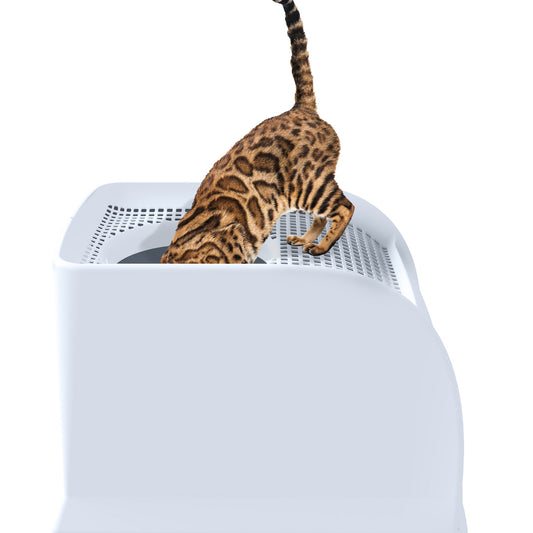
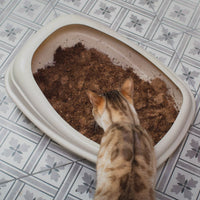
British shorthair coming out of a hooded litter tray

Provide at least one litter box per cat, plus one extra. Place them in quiet, accessible locations, and make sure they always have fresh litter. Some cats will prefer an open litter tray, whereas other cats who like their privacy prefer hooded litter trays or something like our cat washroom. This will be trial and error to find out what you cat loves.

Food and Water Bowls

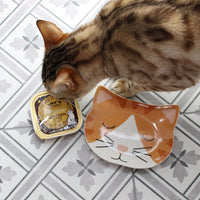
We prefer a saucer for cat food as we find it is gentler on our cat’s whiskers, we particularly love the Tarhong range of cat saucers. For water a lot of cats love the water fountains as they appeal to their love of running water, the Catit fountains are great choice for any water loving cats.

High-Quality Cat Food

Choose food appropriate for the cat's age, health, and dietary needs; it is always best to chat to your vet about your cat’s diet if you have any questions. Shop our range of cat food here.

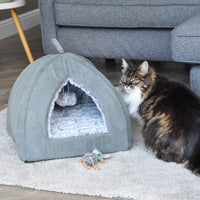
Comfortable Bedding

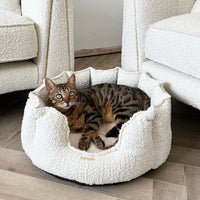
Ginger cat laid in a boucle cat bed

A cosy bed or blanket gives your cat a dedicated resting place. Bedding is our speciality here at Lords & Labradors and we have the cosiest options for you to choose from.

Scratching Posts and Toys

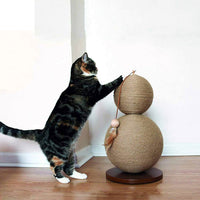
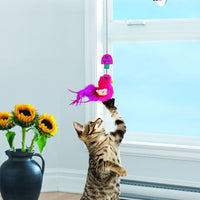
Cats need mental and physical stimulation. Scratching posts protect your furniture by helping your cat to keep their claws in tip top shape, tall cat scratching trees also given space to climb and hide which appeals their natural instincts. You’ll also want to make sure they have plenty of toys to keep them entertained, we love the interactive Catit Senses circuits for particularly playful cats.

Cat in a cat tree

Carrier

A secure carrier is essential for vet visits and travel.

Grooming Supplies

Grooming essentials like brushes, nail clippers, and pet-safe shampoos help maintain your cat's hygiene.

Safety Measures

It is now the law in the UK to microchip your cat so make sure to get this done as soon as possible after collecting your new furry friend. You’ll also want to ensure windows and balconies are secure to prevent accidents.

Preparing Your Home

Cat-proof your home by removing toxic plants, securing loose wires, and storing chemicals safely. Create a quiet, safe space for your cat to retreat to as they adjust to their new environment.

Introducing Your Cat to the New Home

Allow your cat to explore at their own pace. Start by confining them to one room with all their essentials, then gradually introduce them to the rest of the house. Patience is key; some cats take longer to adjust than others.

Ragdoll cat laid on a cat tree

Regular Veterinary Care

Schedule a vet appointment soon after adoption. Regular check-ups, vaccinations, and preventative care are vital for your cat's health.

Building a Bond

Spend quality time with your cat through play and affection. Respect their boundaries and let them initiate interactions. Positive reinforcement with treats and praise can strengthen your relationship.

Conclusion

Adopting a cat is a joyful and life-changing experience. By understanding how to adopt a cat, knowing what you need for a cat, and considering the things I wish I knew before getting a cat, you're setting the foundation for a harmonious life together. Remember, preparation and patience are essential. Equip yourself with the right knowledge and products to ensure your feline friend feels loved and secure in their new home.

At Lords & Labradors, we offer a wide range of premium cat essentials to help you get started. From luxurious cat trees to engaging toys, we're here to support you every step of the way on your journey to cat ownership.

Related Products

Related Collections

Cat Essentials

Discover a fantastic range of practical and stylish cat products in the... 

Next Article
How to Cat Proof Your Garden

Related Articles

  • When can kittens go outside? A safe first steps guide
    22.10.26 October 22, 2026 Getting A Kitten

    When can kittens go outside? A safe first steps guide

    Figuring out what age kittens can go outside is one of those questions that feels simple until you start looking into it. This guide walks you through the key milestones your kitten needs to hit before that first adventure, how to read their emotional readiness, and a gentle step-by-step plan for making those early outdoor trips as positive as possible. When can kittens go outside? The safest age and signs they’re ready Most new kitten owners spend those early weeks sneaking glances out the back door, wondering when their little one will finally get to explore beyond the garden gate. It’s one of the most common questions we hear, and the honest answer is: there’s no single magic age, but there are clear milestones that tell you when the time is right. So, what age can kittens go outside safely? For most, that’s somewhere between four and six months old. But the age itself is only part of the picture. What really matters is whether your kitten has completed their full vaccination course, been microchipped, and ideally been neutered. These aren’t just boxes to tick — they’re the things that make outdoor life genuinely safer. Vets usually recommend waiting at least a week after the final booster before allowing any outdoor access, giving your kitten’s immune system time to build proper protection. Neutering matters too, particularly as kittens approach sexual maturity. An unneutered cat is far more likely to roam, get into scrapes, or end up lost. There’s also the emotional side to consider. Before any outdoor adventures, your kitten needs to feel truly at home. If they’re still hiding under the sofa or startling at every noise, the outside world will feel overwhelming rather than exciting. If you’re still in those early settling-in weeks, our guide on how to settle a new kitten is a brilliant place to start. A little patience now makes that first outdoor adventure so much better for both of you. What needs to be in place before a kitten’s first trip outdoors Getting the timing right isn’t just about how old your kitten is. It’s about having the right protections in place first — and skipping ahead, even by a few weeks, can leave a young cat exposed at a stage when they’re still figuring everything out. Here’s what needs to be ticked off before that first trip outside: Vaccinations completed. Kittens need their full primary vaccination course, usually wrapped up around 13 to 14 weeks, before heading outdoors. This protects against serious illnesses like cat flu and feline parvovirus, both of which can be picked up from other cats or contaminated ground. Neutering done. Most vets recommend neutering from around four months. An unneutered kitten outside is far more likely to roam, get into fights, or fall pregnant long before they’re ready. Microchipping in place. Kittens can bolt when something startles them, and a microchip is the most reliable way to bring them home if that happens. It’s a quick procedure and well worth doing before outdoor access starts. Parasite protection sorted. Fleas, ticks, and worms become a genuine risk the moment a kitten starts nosing around grass and soil. Ask your vet about an age-appropriate treatment plan ahead of that first adventure. Enough time settled indoors. Kittens need at least four weeks inside your home before going out so they genuinely recognise it as their safe place to return to. If you’re still in those early days, our guide on how to prepare for your new kitten is a brilliant place to start. Work through each of these steps and you’ll head into those first outdoor moments feeling genuinely confident. Because when it comes to what age kittens can go outside, age is really just one piece of the puzzle. How to know your kitten is emotionally ready, not just physically ready Vaccinations and age are the most obvious boxes to tick when deciding what age kittens can go outside, but they only tell half the story. Temperament and confidence matter just as much as physical readiness, so before that first garden adventure, it’s worth taking an honest look at how your kitten is actually coping with home life. If they’re still finding their feet indoors, getting the foundations right from day one is the best thing you can do for their outdoor confidence later. Signs your kitten is emotionally ready to explore outside: They move around the home freely and investigate new things without hesitation They bounce back quickly after a loud noise or surprise They respond when you call their name or make a familiar sound They approach new situations with curiosity rather than retreating They settle calmly after play and aren’t constantly on edge Signs your kitten may need a slower pace: They hide frequently and seem reluctant to come out They startle easily, even during normal household sounds like the kettle boiling They show stress signals such as flattened ears, crouching low, or excessive grooming They haven’t yet built a relaxed, confident relationship with their home environment Some kittens, particularly timid or sensitive ones, simply need a much more gradual introduction to the outside world. That’s not a setback. It’s just good parenting. Your kitten’s first outdoor adventures: a gentle step-by-step plan Your kitten’s first time outside should feel calm, short, and completely safe. A gradual approach makes all the difference — it builds their confidence gently, so those early experiences feel exciting rather than overwhelming. Choose a quiet time of day. Early mornings or late evenings tend to work best, when there’s less noise from traffic, neighbours, or other animals. The calmer the environment, the more comfortable that first outing will feel. Start in a secure garden or enclosed patio. A fully fenced space with no obvious escape routes gives your kitten room to explore without the risk of wandering off. Let them sniff around at their own pace — there’s no rush. Consider a harness and lead. Not every kitten takes to one straight away, but introducing it gradually indoors before that first trip outside gives you a reassuring safety net, especially in less enclosed spaces. It also keeps them close if something startles them. Stay close and stay calm. Kittens take their cues from you. Crouching down, speaking softly, and simply being present tells them this big new world is safe to explore. Keep sessions short. Five to ten minutes is plenty at first. Building up slowly is far kinder than one long outing that leaves them frazzled and reluctant to go back out. Always leave the door open. Your kitten needs to know they can retreat inside quickly if something spooks them. Having that safe base to return to matters more than you might think. Quick tip: Go outside with your kitten for every one of those first trips, without exception. Watch for flattened ears, a low crouched posture, or sudden freezing — these are all signs they need a moment back indoors. Some kittens take to the garden like they’ve always owned it; others need several weeks of short visits before they truly relax. If you’re still weighing up the bigger picture, our guide to indoor cat or outdoor cat life is well worth a read. What to do after the first few trips outside Once those first outdoor sessions go well, the aim is to build a calm, consistent routine your kitten can actually rely on. Short daily trips at roughly the same time each day help them learn that going outside is a regular part of life, not a random event. Morning or early evening tends to work best when gardens are quieter and a little less full-on. Keep a close eye on how your kitten behaves during and after each trip. Some excitement is completely normal, but if they come back inside hiding, off their food, or unsettled for hours, it’s a sign to scale back. Shorter sessions, a slower pace, more time just sitting together in the garden. Every kitten finds their feet differently, and there is genuinely no rush here. As outdoor time increases, stay on top of flea and worm treatments. Your vet can point you towards the right products and help you figure out timing, especially once your kitten starts venturing a little further. Over the following weeks, you can ease back on supervision and let them explore more independently. Some cats love having a bigger territory to roam. Others are perfectly content with a secure garden and a couple of hours outside each day, and that is completely fine too. If you ever find yourself wondering whether an indoor life might actually suit your cat better long-term, our guide on how to keep your indoor cat active and happy is well worth a read. Frequently Asked Questions Can cats go outside at 4 months? Yes, some kittens can go outside at 4 months, but only if the important milestones are in place first. They should have finished their full vaccinations, waited at least a week after the final booster, been microchipped, ideally neutered, protected against parasites, and feel settled and confident at home. How do I introduce my kitten to the outside? Introduce your kitten to the outside slowly, with short supervised trips in a secure, quiet space. Pick a calm time of day, stay close, and let them explore at their own pace. A harness can help in less enclosed areas, and keeping the door open gives them an easy retreat.

    By Adele Busby

    Read more
  • How to cat proof your Christmas tree
    23.11.26 November 23, 2026 Owning a Cat

    How to cat proof your Christmas tree

    Every cat parent knows that bringing a Christmas tree into the house is basically the most chaotic decision of the festive season. This guide covers everything you need to set up a cat christmas tree that actually stays standing, from anchoring the base and choosing safer decorations to stopping the climbing before it starts. Whether your cat is a casual sniffer or a committed wrecker, there's something here that will help. How to make your Christmas tree cat-friendly from the start If you share your home with a cat, you already know that a Christmas tree is basically the most exciting thing you'll bring into the house all year. It smells like the outdoors, it's full of shiny dangling things, and it fits perfectly in a corner your cat has probably been eyeing up for months. Getting the basics right before you even think about decorating makes everything that follows so much easier. Start with your spot. A corner works well because it limits the angles your cat can approach from and gives you something solid to anchor the tree against. Stability really is everything here. A wobbly base is practically an open invitation, so invest in a heavy, wide tree stand and make sure the tree feels genuinely secure before a single bauble goes on. Then think about layout. Cats tend to head for the lower branches first, so keeping the bottom third of the tree clear of decorations gives them far less reason to get involved. Nothing tempting at nose level means many cats will simply sniff around and move on. It also helps to introduce the tree gradually. Put it up undecorated for a day or two and let your cat have a good explore. Once the novelty fades, it becomes a lot less interesting to climb or chew. A tree that's been thoroughly investigated and dismissed is one you're far more likely to still find standing on Christmas morning. If you'd like a broader overview before you dive in, our guide on how to cat proof your Christmas covers the wider festive setup beyond just the tree. For now, though, a stable base and a clear lower half are the two simplest things you can do to set yourself up for a calmer, cat-friendlier Christmas. Are Christmas trees toxic to cats? A cat Christmas tree can be festive and safe, but whether it causes trouble really depends on the tree, your cat, and what they get into. Real and artificial trees are not usually a major poisoning risk on their own, but both can still cause irritation or an upset stomach if your cat chews them. Risk Factor Real Trees Artificial Trees Needles Sharp needles can irritate the mouth, throat, or stomach if chewed or swallowed Plastic needles can do the same and may pose a blockage risk if eaten Sap or resin Can be sticky and may cause mild mouth, skin, or tummy irritation if licked or chewed No sap, but some trees may have coatings or materials that are best not chewed Tree water Can collect bacteria, mould, or traces of preservatives, so it’s best kept covered Not applicable Overall risk Usually low, but more of a concern for cats who like to chew Usually low, though chewing any artificial material is not ideal For most cats, a quick sniff of the trunk or one fallen needle is unlikely to cause a big problem. The bigger issue is repeated chewing, swallowing bits of branch or plastic, or sneaking a drink from the stand. That’s why Christmas tree cat safety is often more about preventing access than worrying about the tree itself. Call your vet if your cat has been chewing the tree and then shows signs like: Drooling or lip licking Vomiting or retching Lethargy Pawing at the mouth Loss of appetite If your cat loves investigating every plant in the house, it’s also worth reading our guide to poisonous plants for cats. Simple ways to stop your cat climbing the Christmas tree Cats and Christmas trees are a combination that makes every cat parent hold their breath a little. The twinkling lights, dangling baubles, and pine-scented branches are basically an open invitation — and cats know it. The good news is that a few smart adjustments can make the tree far less tempting without turning your living room into an obstacle course. Place the tree in a corner or against a wall. This limits the angles your cat can approach from and makes a running leap much harder to pull off. Raising it slightly on a sturdy surface adds another layer of awkwardness for would-be climbers. Use a playpen or furniture as a soft barrier. A pet playpen arranged around the base keeps curious paws at a distance without looking out of place in a festive room. Anchor the tree securely. A simple hook and some clear fishing line through the upper branches can stop the whole thing toppling if your cat does make it up there. It takes five minutes and saves a lot of chaos. Tire them out before the evening settles. A proper play session with a wand toy or feather teaser before you sit down for the night means your cat is far less likely to go looking for entertainment in the tree. Try citrus or pine cones at the base. Most cats dislike the smell of citrus. A few strips of orange peel or some pine cones scattered around the lower branches work surprisingly well as a low-effort deterrent. Give them something better to climb. A tall cat tree or scratching post placed nearby gives your cat a sanctioned outlet — and pairing it with some guidance on redirecting scratching to the right places makes the habit stick faster. None of these tactics are foolproof on their own, so combining two or three will give you the best chance of success. Consistency matters just as much as the method — the more reliably the cat Christmas tree feels boring and off-limits, the sooner your cat stops testing it. Choosing decorations that work for cats and Christmas trees How you decorate makes a real difference when you share your home with a cat. The good news is that a few smart swaps can keep your tree looking beautiful without every evening turning into a rescue mission. Switch to shatterproof baubles. Plastic or fabric baubles won't shatter when batted off a branch — and if you've ever swept up broken glass at midnight, you'll know how much that matters. Matte finishes are worth seeking out too, since they catch a cat's eye far less than shiny, reflective ones. Ditch the tinsel and rethink ribbon. Both are genuinely risky if chewed or swallowed. Knitted or paper garlands make a lovely alternative and still give you that layered, cosy look without the hazard. Choose LED lights with tidy cords. LEDs run cooler than traditional bulbs, which makes them safer around curious paws. Tuck cords away carefully and use a cord cover where they trail along skirting boards. Keep the lower third simple. This is the zone your cat can actually reach, so stick to lightweight fabric or wooden ornaments rather than anything glass, foil, or dangling. Fewer decorations down low means less temptation to investigate. A note on Christmas tree cat safety: Tinsel and ribbon can cause serious intestinal blockages if swallowed. Skip them entirely or swap in pet-safe alternatives. It's one of the easiest changes you can make, and it genuinely reduces risk without sacrificing the festive feel. Decorating with cats in mind really does come down to thinking one step ahead. For a broader look at keeping pets safe throughout the season, our guide to Christmas with pets covers everything worth knowing beyond the tree itself. What to do if your cat still gets into the tree Even with the best prep in place, some cats will still find a way in — and honestly, that's okay. If you catch yours mid-climb or batting a bauble across the room, take a breath. It's useful information, not a failure. When you find your cat in or around the tree, work through these steps: Calmly remove your cat without making a fuss. Loud reactions tend to make the tree feel more exciting next time, not less. Check the floor straight away for fallen needles, broken glass, or spilled water from the tree stand. Clear these up before your cat comes back to investigate. Look the tree over for anything that shifted — loose baubles, low-hanging decorations, or exposed wires that need tucking away. If anything broke, bin it securely with a lid so your cat can't get to the fragments later. Once you've tidied up, use what happened to reset the space. Think about what drew your cat in. Was it a dangly decoration hanging at just the right height? A suspiciously climbable lower branch? Move the temptation, re-secure any ornaments that shifted, and check your deterrents are still in place. Keeping the cat and Christmas tree situation running smoothly is usually about small, ongoing tweaks rather than one big fix. If your cat is getting in repeatedly, it's often a sign they need more stimulation elsewhere. A bored cat is a creative cat — and your tree is an irresistible playground. Channelling that energy into proper play makes a real difference. Our guide on how to entertain your indoor cat is a great place to start. A calmer festive setup for you and your cat Getting to Christmas Day with your tree still standing is a genuine achievement when you live with a cat — and absolutely worth celebrating. The good news is that you don't need a flawless setup from day one. Most cat parents find that a handful of small, thoughtful changes make all the difference. Check that your tree is properly secured, swap out any fragile or risky decorations for safer alternatives, and think about what your cat actually needs during a season that can feel busier and more unsettling than usual. A bored or under-stimulated cat will almost always find their own entertainment, and your Christmas tree is an obvious candidate. Keeping them occupied with toys, scratching posts, and cosy places to curl up genuinely helps — more than you might expect. It's also worth cutting yourself some slack if things don't go perfectly. Cats are curious, playful, and wonderfully stubborn. The odd ornament on the floor is just part of life with one, and it doesn't mean your cat-proof Christmas tree strategy has failed. The goal is a setup that feels manageable and festive for everyone — not one that leaves you on edge every time your cat walks into the room. If you want to give your cat something more tempting than tinsel to focus on, our festive feline collection is full of seasonal toys, treats, and accessories designed with cats in mind. A little well-placed redirection really can save a bauble or two. Wishing you and your cat a calm, cosy, and tree-intact Christmas.


    By Adele Busby

    Read more
  • Do cats need a water fountain? How to choose one
    13.11.26 November 13, 2026 Owning a Cat

    Do cats need a water fountain? How to choose one

    If your cat has ever turned their nose up at a perfectly full water bowl while frantically trying to drink from a running tap, you’re already halfway to understanding why so many cat parents start looking at fountains. This guide covers everything worth knowing before you buy: how to spot the features that actually matter, what the best cat water fountain UK options really cost over time, and how to match a fountain to the cat you actually have rather than the one on the packaging. Whether you’re curious, almost convinced, or just trying to avoid buying the wrong thing twice, this should help. Do cats really need a water fountain, or is a bowl enough? Most cats are quietly fussy about their water. If you’ve ever watched yours completely ignore a full bowl, then spotted them desperately trying to drink from a dripping tap, you’re not imagining things. Many cats are naturally drawn to moving water — partly because, in the wild, still water is far more likely to harbour bacteria. That instinct doesn’t just disappear because they live in a cosy flat in Leeds. It matters more than you might expect, especially in winter. Central heating is brilliant for keeping us warm, but it quietly pulls moisture from the air — and from your cat too. A cat who drank happily from a bowl all summer might start drinking noticeably less come November, and that gradual dip in hydration can put real pressure on their kidneys over time. So is a cat drinking fountain actually necessary? Not for every cat. If yours reliably drains their bowl each day and doesn’t seem particularly fussy, a good bowl might be all they need. But if they regularly turn their nose up at still water, drink less than seems right, or are getting older with a history of urinary issues, a fountain can make a real difference to how much they actually drink. It’s also worth thinking about your home setup and how much maintenance you’re up for — because both matter when you’re comparing the best cat water fountain UK options. Not sure whether a fountain or a bowl suits your cat better? You can explore our cat bowls collection to weigh up both before committing. What makes one cat water fountain better than another? Not all cat water fountains are created equal, and the differences that matter most are rarely the ones the packaging shouts about. Finding the right fit depends as much on your cat’s habits and your own routine as it does on any spec list. Buying Criterion Why It Matters What to Look For Water Capacity Larger reservoirs need refilling less often, which suits busy households or multi-cat homes 1.5–2 litres for a single cat; more if you have several pets or travel frequently Filtration Quality Good filtration removes hair, debris, and impurities that put cats off drinking Replaceable carbon filters are more effective and hygienic than foam-only systems Noise Level A loud motor can put cautious cats off using the fountain entirely Look for models marketed as quiet or near-silent, especially for shy cats Ease of Cleaning Fountains that are fiddly to disassemble get cleaned less often, which defeats the purpose Dishwasher-safe parts and minimal small components make a real difference Flow Style Some cats prefer a gentle trickle; others want a bubbling pool to paw at Adjustable flow settings give you flexibility as you learn your cat’s preference A few things worth keeping in mind when you’re weighing up your options: Go for fountains with widely available replacement filters rather than proprietary units that quietly become expensive or impossible to source Removable, dishwasher-safe parts will serve you far better than anything that needs specialist cleaning tools Adjustable flow settings are genuinely worth paying for — fixed settings are a bit of a gamble until you know what your cat actually prefers The Catit Pixie Fountain is a solid example of practical design done well: compact, quiet, and easy to keep clean without any unnecessary fuss Ultimately, the best cat water fountain is the one your cat will actually use — and the one you’ll realistically keep on top of. Which fountain style suits your cat’s personality and routine? No single fountain works for every cat, and buying one without thinking about your cat’s quirks is a reliable way to end up with an expensive ornament on the kitchen floor. A little thought about temperament and household setup goes a long way. The noise-sensitive or timid cat. Some cats startle easily, and a loud pump or splashy waterfall feature is enough to put them off for good. Look for a fountain with a quiet submersible pump and a gentle flow setting — something that attracts curiosity rather than triggers a retreat behind the sofa. The fastidious cat who only drinks fresh water. You know the type: they sniff the bowl, walk away, then reappear ten minutes later expecting something better. A fountain with multi-stage filtration and a steady flowing spout keeps the water oxygenated and tasting clean, which is exactly what these fussy drinkers respond to. The multi-cat household. One small bowl between two cats rarely ends peacefully. A wider, higher-capacity fountain gives everyone room to drink without squabbling over space. The PETLIBRO range includes generously sized options with reliable filtration that hold up well in busier homes. The senior or less mobile cat. Older cats often struggle to bend comfortably to a low bowl. A fountain with a raised drinking platform or elevated spout takes the strain off stiff joints and makes the whole experience much easier. Finding the best cat water fountain for your home really does come down to knowing your cat. A few minutes spent thinking about their habits before you buy will save you a lot of trial and error later. How much should you spend on the best cat water fountain? Price isn’t always the clearest guide when you’re shopping for the best cat water fountain UK. A £15 fountain might look like a bargain until you discover the filters are nearly impossible to track down, need replacing every few weeks, or the motor quietly dies after a few months. Thinking about the full cost of ownership gives you a much more honest picture before you commit. Here are the costs that often catch people off guard: Replacement filters — a recurring expense, so check they’re easy to source before you buy. Replacement filters for popular models like the Catit are simple to reorder when you need them Electricity use — most fountains run continuously, so a quiet, energy-efficient motor adds up to real savings over time Cleaning time — cheaper models with fiddly nooks can turn a five-minute rinse into a 20-minute project Spare parts availability — pumps and lids wear out, and budget models often lack replaceable components Noise levels — a fountain that sounds like a small waterfall tends to end up switched off, which rather defeats the point Price Tier Typical Features Approximate Filter Cost Best Suited For Budget (under £20) Basic flow, limited materials Variable, often hard to source Testing a cat drinking fountain for the first time Mid-range (£20–£50) Multiple flow settings, BPA-free materials, quiet motor Around £5–£8 per pack Most households with one or two cats Premium (£50+) App connectivity, self-cleaning, stainless or ceramic £8–£15+ per pack Multi-cat homes or tech-savvy owners For most UK cat parents, the mid-range tier hits the sweet spot. You get solid build quality, reliable filter availability, and enough features to genuinely encourage better drinking habits — without paying for extras you may never actually use. A little more spent upfront often means fewer replacements, less frustration, and a fountain your cat will actually drink from. Why maintenance matters more than fancy features The best cat water fountain uk is the one you will actually keep clean. That matters far more than extra lights, fancy shapes, or a clever-looking stream setting. If a fountain is awkward to take apart, scrub, refill, and put back together, it usually ends up abandoned in a cupboard after a few weeks. Before you choose, think about the everyday jobs that come with it: Filter changes: Most filters need replacing every two to four weeks. It is worth checking how easy they are to find and what a year’s supply will really cost, especially if you are comparing the best cat water fountain options on a budget. Limescale build-up: In hard water areas, limescale can clog small openings and affect water flow quite quickly. A fountain that is simple to descale will save you a lot of hassle. Pump cleaning: This is the bit many people overlook. Hair, slime, and tiny bits of debris collect around the pump and its cover, so choose a model with easy-to-remove pump parts and clear access for cleaning. Water top-ups: Some cats drink more than you would expect, and homes with two or more pets will empty a small fountain surprisingly fast. A bigger reservoir can make day-to-day life much easier. A good cat drinking fountain should feel manageable on a Tuesday night, not just impressive when it first comes out of the box. Dishwasher-safe fountain parts, wide basins, and simple pump access are often what make the best water fountain for cats feel easy to live with long term. If you want to make cleaning quicker and less fiddly, a cat fountain cleaning set is genuinely handy for getting into those small corners and pump covers properly. How to choose the right fountain for your cat with confidence By the time you reach this point in the article, the best cat water fountain for your home usually comes down to three things: your cat’s quirks, your cleaning habits, and your budget. Start with your cat. A messy drinker will thank you for a wide-brimmed fountain with a low flow setting — your floors will too. If your cat spooks easily, prioritise something whisper-quiet and check the reviews specifically for motor noise. Kittens and seniors tend to do best with gentle, easy-to-access designs rather than anything with elaborate features they’ll ignore anyway. Then be honest with yourself about maintenance. A fountain you’ll actually clean every week beats an impressive one gathering limescale on the counter. If life gets busy, look for a model with a straightforward filter system and dishwasher-safe parts. It’s a small decision that makes a surprisingly big difference. Finally, set a realistic budget before you start scrolling. Somewhere between £30 and £50 gets you a genuinely reliable cat drinking fountain with decent filtration. There’s no need to spend beyond that unless you want extra capacity or something that looks nice in your kitchen. If you’re still weighing up your options, our Catit collection is a great place to compare a few trusted designs side by side. These are fountains we’d happily recommend to a friend: practical, well-made, and tested on cats who are, as ever, their own toughest critics.

    By Adele Busby

    Read more
  • What Colours Can Cats See?
    30.10.26 October 30, 2026 Owning a Cat

    What Colours Can Cats See?

    If you’ve ever caught yourself squinting at a toy wondering whether your cat can actually see it, you’re asking exactly the right question. What colours do cats see turns out to have a pretty fascinating answer, and one that changes the way you think about everything from playtime to the accessories you choose. This article walks you through how feline colour vision actually works, why it matters, and how to use that knowledge to pick things your cat will genuinely notice. What colours do cats actually see? If you’ve ever found yourself wondering what colours cats see, here’s the reassuring truth: their world isn’t black and white, but it’s not quite our world either. Cats work with a more limited colour palette than we do. Their vision is strongest in the blue and yellow range, so a bright blue toy or a pale yellow feather wand will appear relatively vivid to them. Reds and greens are a different story entirely. That bold red ball you picked out? To your cat, it likely reads as a dull, muddy brown — which might be exactly why they walked straight past it. It comes down to biology. Cat eyes contain two types of cone receptors, while human eyes have three. That third cone is what allows us to distinguish the full spectrum, from rich reds through to deep greens. Without it, those colours simply don’t land the same way for our cats. But here’s the thing: a cat’s world is still genuinely rich. Their vision is beautifully adapted for low light and movement — everything a natural hunter needs. Colour is just one piece of a much bigger picture. What this means practically is that colour choice actually matters when you’re picking out new things for your cat. Blues and yellows are the shades most likely to catch their eye and hold their attention. If you’re looking for a good place to start, our cat collection is full of toys and accessories worth exploring with exactly that in mind. Why cats see colours differently from humans Cats experience the world quite differently from us, and a big part of that comes down to how their eyes are built. Human eyes contain three types of colour-detecting cone cells; cats have just two. That simpler setup means their colour range is narrower and more muted than ours — but it also means their eyes are doing something else entirely. Quick comparison: Humans — 3 types of cone cells Cats — 2 types of cone cells Cat eyes prioritise rod cells over cone cells, making them exceptionally sharp in low light and highly sensitive to movement Their colour vision is roughly comparable to a person with red-green colour blindness — colours appear less vivid and harder to tell apart Blues and yellows tend to register more clearly than reds and greens This directly affects how cats respond to coloured toys, bedding, and everyday objects — some shades simply stand out more than others Research has added some interesting nuance here. Cats trained to distinguish red from cyan and orange from cyan could retain that discrimination even when the coloured stimuli were placed against a background bright enough to saturate the rods, which suggests that cat colour vision may be slightly more complex than scientists once assumed. The honest answer to what colours do cats see is: fewer, and less vividly than we do — but that’s only part of the picture. What cats lack in colour richness, they more than make up for in other ways. Their eyes are finely tuned for hunting and navigating in dim light, not appreciating a full spectrum. And once you understand that, it starts to make a lot more sense why your cat goes wild for certain toys and completely ignores others. How a cat’s colour vision affects playtime Ever wondered why your cat goes absolutely wild for that little blue feather wand but completely ignores the bright red ball you spent good money on? It turns out that understanding what colours cats see can explain a lot of those playtime mysteries. Because cats experience the world in blues, yellows, and muted greens, toys in those shades naturally pop in their visual field in a way that red and orange simply don’t. A red mouse toy, for example, can look more like a dull grey-brown blob against your carpet — which goes some way to explaining why it ends up sitting untouched in the corner. That said, colour is only part of the story. Contrast, movement, and texture often do far more to hold a cat’s attention than hue alone. A high-contrast black-and-white toy skittering unpredictably across the floor will almost always win. When choosing toys that work with how cats actually see, it helps to keep a few things in mind: Blue and yellow tend to register most vividly in feline vision, so lean towards those over red or orange High-contrast patterns — think black on white or dark on light — catch the eye more than block colours Movement features like feathers, ribbons, or wobbly rolling shapes add an irresistible edge Mixed textures let your cat engage touch and smell alongside sight, which keeps things interesting Red and orange are best treated as accents rather than the main visual draw The toys that tend to get the most mileage combine bold contrast with movement — not just a splash of colour. If you want to put this into practice, the Lords & Labradors cat toy collection is a good place to start. What to look for when choosing toys and accessories Knowing what colours cats can actually see makes choosing toys and accessories a lot more straightforward. A little colour awareness goes a long way when you’re browsing cat toys — helping you pick things that genuinely catch your cat’s eye, rather than just yours. Here are some practical things to keep in mind: Prioritise blue and yellow tones. Cats can see blue most clearly, so toys in these shades are far more visible to them than reds or greens, which tend to fade into the background. Skip the red and orange toys. To a cat, these colours read as something closer to grey or brown. That bright red mouse? Probably not as exciting as the packaging suggests. Go for bold, high-contrast designs. Strong contrasting colours and clear outlines are much easier for cats to distinguish, especially against neutral flooring or carpet. Think about the background. A yellow toy disappears on a cream rug but stands out clearly on dark wooden floors. Placement matters more than you might expect. Opt for distinct shapes. Clear, recognisable shapes help cats identify toys quickly, even when colour alone isn’t giving them much to work with. Consider accessories too. Bed covers and blankets in blue or yellow tones will be more visible in your cat’s everyday environment. Worth remembering: colour is only part of what makes a toy appealing. Scent, texture, sound, and movement matter just as much to most cats — often more. Every cat has its own quirks, so it’s worth experimenting with different combinations of colour, material, and movement to figure out what yours actually loves. A simple takeaway for cat parents So, what colours do cats see? The honest answer is: colour, yes — just not the vivid, full-spectrum version we experience. Their world is softer and more muted, with blues and yellows coming through most clearly, while reds and greens fade into something closer to muddy brown or grey. That might sound like a limitation, but it really isn’t worth worrying about. Cats are wired for hunting, not colour appreciation. Their vision is finely tuned for spotting movement and navigating in low light, and colour is just one small part of a much bigger sensory picture. Where this actually becomes useful is when you’re picking out toys and accessories. Choosing something blue or yellow over red or green gives your cat a much better shot at noticing it in the first place, rather than it blending into the background like another forgettable lump on the floor. It’s a small thing, but it can make playtime noticeably more engaging for both of you. If you’re looking for inspiration, our cat wellbeing collection is a great place to browse. Think of colour as one simple, easy trick you can use every day to help your cat feel a little more stimulated and at home.

    By Adele Busby

    Read more

loyal customer in 17 countries

Why Shop With Us?

  • Free Delivery

    Orders over £75 qualify for free standard UK delivery. Orders under £75 will be calculated at the checkout.

  • Shopping Made Easy

    Gain exclusive access to sales and shop all your pets favourites on the go by downloading our app.

  • Designed in the UK

    Our own brand products are lovingly designed in our specialist UK workshop to our exacting standards.

  • We're Here For You

    Contact our Pet Experts on Chat or by email at sales@lordsandlabradors.co.uk