






Lords & Labradors Information Hub

The home of handy tips and advice dedicated to pet owners

How To Stop Your Dog Sleeping On Your Bed
20.07.23 July 20, 2023 Owning a Dog Featured

How To Stop Your Dog Sleeping On Your Bed

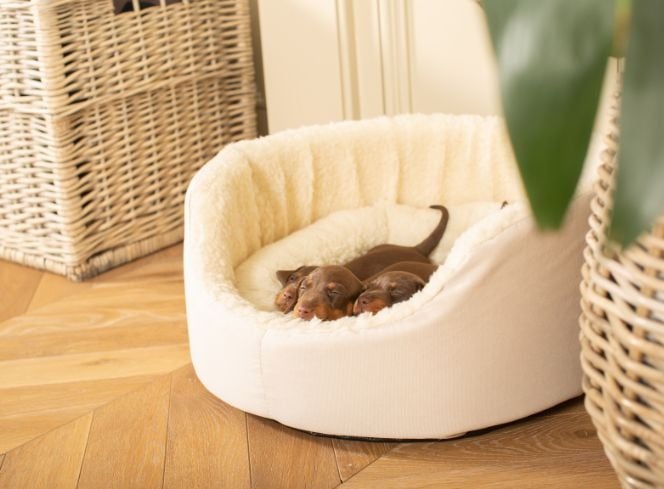
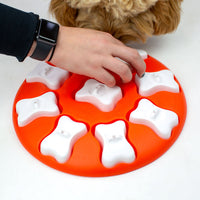
There's no denying the irresistible charm of snuggling up with our dogs under the covers. The warmth they bring, the adorable cuddles, and those puppy dog eyes that beg us to share our sleeping sanctuary. But let's face it: a good night's rest is essential for both you and your pup, and sometimes, it's necessary to establish boundaries to ensure everyone gets their well-deserved beauty sleep. So whether it’s wanting more space, them waking you up too early or the hair all over your clean sheets that’s led you to wanting your bed back, our Pet Experts have put together their top tips to help your strike a paw-sitive balance that ensures your furry friend feels loved and secure, while still allowing you to enjoy the undisturbed slumber you so deserve. In this blog we'll explore practical strategies, gentle training techniques, and cosy alternatives that will keep your dog snug and content, while you reclaim your bed as a haven for rest and rejuvenation.   Step 1: Get Your Dog The Perfect New Bed You’ll want to start by getting your dog a new bed of their own. We recommend watching how they like to nap in the day, if the stretch out or curl up, to help decide what shape bed to treat your dog to. Dogs spend between 12 and 18 hours of their day asleep, so getting the right bed is crucial to helping this process go as smoothly as possible. Our pet experts have written a handy guide on how to choose the perfect dog bed, which is definitely worth a read before getting your pup a new bed. Remember, comfort is key – ensure their bed is soft, supportive, and the right size for them. Beds are our specialty, we design all of our beds here in our Lincolnshire workshop and our core collection is all handmade by our talented seamstresses to ensure your dog gets the best nights sleep possible.   Step 2: Find the Perfect Spot for Their New Bed Selecting the right spot for your dog's new bed is crucial for their acceptance. First things first, designate a specific area in your home where your dog will sleep from now on. This area should be quiet, cosy, and away from high-traffic zones to minimise disturbances during the night. Ideally, choose a space that offers your dog a sense of security and belonging. Observe your dog's behaviour and determine their favourite sleeping spots. Place the bed there to increase the chances of them naturally gravitating towards it.   Step 3: Get Them to Form Positive Associations with Their New Bed Dogs are more likely to embrace their new sleeping area if they associate it with positive experiences. Encourage them to explore and use their new bed by placing their favourite toys, treats, or even a familiar-scented blanket on it. This will create a positive association and make the bed a more appealing place to rest. We recommend using positive reinforcement training to teach your dog the command ‘on your bed’. Start by giving them a treat and praise every time they go on their bed out of choice, if you’ve used clicker training with your pup in the past you can click every time they get in the bed as well to help reinforce that their bed is a positive space. Once they start going in their bed out of free will, you can begin to add the command ‘on your bed’ every time they go on their bed, soon your dog will learn what ‘on your bed’ means which will be helpful in the transition from them sleeping on your bed to sleeping on their bed. Top Tip: to avoid giving your dog too many treats, you can always try using some of their dry food allowance as a reward.   Step 4: Tire Them Out Before Bed A well-exercised dog is more likely to sleep through the night in their designated area. Before bedtime, take your dog for a brisk walk or engage in some playtime to burn off excess energy. This will help them feel more relaxed and content when settling into their new bed. Enrichment activities are great for tiring your dog’s brain out, try a snuffle mat or a puzzle toy like the Nina Ottosson ones to help wear them out.   Step 5: Train the 'Off' Command Teaching your dog the "off" command is essential if they are used to jumping onto your bed. Use positive reinforcement techniques to reward them for staying off your bed. Whenever they attempt to climb on, firmly say "off" and redirect them to their own bed using the “On Your Bed” command, providing treats and praise when they comply.   Step 6: Make Getting to Your Bed Difficult To further discourage your dog from attempting to sleep on your bed, make it physically difficult for them to access it. You can use dog gates, close the bedroom door, or block the bed with large pillows or cushions. This physical barrier will reinforce the idea that their new sleeping area is the designated spot for them.     Step 7: Ignore the Whining and Be Consistent When introducing the new sleeping arrangement, your dog might protest or whine initially. It's essential to remain firm and consistent during this transition period. Avoid giving in to their demands to sleep on your bed and ignore the whining. If you respond to their pleas, they may learn that whining leads to getting their way. Instead, reinforce positive behaviour by rewarding them when they choose to sleep in their own bed.   Conclusion: Helping your dog transition to their own sleeping area can lead to better sleep for both of you and foster a sense of independence in your furry companion. By following these seven steps – creating the perfect sleep spot, making it inviting, using positive reinforcement, tiring them out before bedtime, teaching the 'off' command, creating obstacles to your bed, and staying consistent – you can successfully train your dog to sleep in their designated spot, creating a harmonious environment for everyone in your home. Remember to be patient and understanding during the process, as it might take some time for your dog to fully adjust to the change. Happy sleeping!

By Megan Willis

Read more
The UK’s best locations for a dog friendly getaway, revealed!
21.06.23 June 21, 2023 Owning a Dog Featured

The UK’s best locations for a dog friendly getaway, revealed!

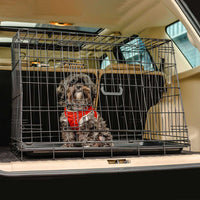
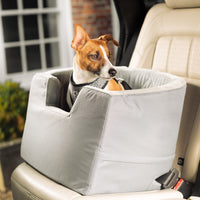
Summer holiday season is fast approaching, and according to a recent study, 72% of Brits still prefer staycations in 2023, despite international travel having opened up again post-pandemic. And when it comes to holidaying as a pet parent, staycations can be the paw-fect way to enjoy some much-needed R&R without having to leave your beloved dog behind. Luckily, the UK has plenty of gorgeous locations on offer, ideal for hosting a well-deserved break for you and your dog. Naturally, for those holidaying on home soil with a pooch, ensuring your destination of choice has plenty to keep both you and your pup happy and entertained is key. Nobody likes a ‘ruff deal’! With this in mind, we quizzed 2,000 UK dog owners about their thoughts on booking a holiday abroad if it meant leaving their four-legged friend behind, as well as asking them to share their top staycation choices and must haves for when they’re booking a dog friendly getaway. Using our findings, we then compared key data points relating to holidaying with a dog for the top 45 locations (that had come from the survey) and awarded a number of points for each in order to inform our list of the UK’s best locations for a dog friendly getaway. Read on to learn more...   That Guilty Feeling According to our findings, one in eight (13%) UK dog owners say they never holiday abroad because they feel guilty leaving their four-legged friend behind, instead opting for staycations here at home. And one in nine (11%) told us they actually choose to take their pet abroad with them when they go! For almost half, whilst they admit it bothers them to leave their pooch behind, leaving them with family and friends gives them peace of mind to enjoy a holiday outside of the UK from time to time. Interestingly, almost ten percent of dog owners we surveyed (8%) told us they never opt take a staycation with their dog. Regionally, it was Birmingham residents discovered to be feeling the guiltiest when it comes to leaving their doggo behind when jetting off on their jollies, as more than a quarter of residents (28%) say they never holiday away from UK soil as they simply cannot leave their pet behind. In stark contrast, just seven percent of Leeds residents would do agree. Women were found to be the most likely to forgo an international getaway due to the guilt they felt about leaving their dog behind, with one in six saying they never holiday abroad for this reason (16%), compared to just one in nine men (11%). A fifth of male dog owner (21%) even stated that leaving their pet behind whilst they get in some air miles does not bother them at all and they can do so guilt free.   The Price of True Love: Just How Much are UK Dog Owners Willing to Pay for a Dog Friendly Staycation? When we quizzed our panel of dog lovers about how much they’d be willing to spend to bring their four-legged friend away with them on a UK staycation, we learned that UK dog owners are willing to fork out an extra £50 per night on average to take their furry friend along with them on their UK staycation. On this basis, with 11 million dogs living in the UK alone in 2023, if each pooch enjoyed a single night away each year, it would mean an additional £550million for the UK travel industry According to our findings, Londoners are the biggest spenders on this front with residents in the capital sharing that they’d be willing to pay £65.41 per night on average in order to treat their pet to join them in some R&R. The average additional cost per night dog owners in the city would splash out for their dog to join them on their UK staycation   UK City  Avg. £ (GBP) per night London  £65.21  Newcastle  £60.00  Belfast  £56.30  Manchester  £55.17  Liverpool  £51.53  Bristol  £51.09  Birmingham  £45.53  Southampton  £37.33  Leeds  £37.15  Nottingham  £36.36  Cardiff  £35.09  Glasgow  £33.17  Norwich  £31.60  Sheffield  £28.68  Edinburgh  £18.50    Meanwhile, Edinburgh dog owners would pay the least (£18.50 per night on average), splashing out a substantial £46.91 less per night than those in the UK’s capital. Those aged between 25 and 34 were revealed to be the most generous when it came to their dogs, saying they’d be willing to splash out a whopping £73.17 on average per night so their pet could come along on their UK getaway. In comparison, those over 65 say they’d spend they least (£19.29).   How Much are UK Dog Owners Willing to Pay for a Dog Friendly Staycation Next, we asked the survey panel to share their favourite dog-friendly holiday locations, with Newquay in Cornwall claiming top spot amongst UK dog owners. Other popular locations included Whitby, York, Windermere, and London. Whilst at the bottom of the list, Douglas on the Isle of Man was found to be the least in favour with UK dog owners. Alongside Douglas, Derby, Reading, Southwold, and Nottingham all found themselves amongst the least favoured within the rankings.   What do Brits Want the Most from a Dog Friendly Staycation? We also asked our 2,000 dog owners to share their top considerations when booking a dog friendly staycation, with plenty of places to walk their pup coming out at the top of the list (42%). Other staycation “musts” included having dog friendly pubs in the local area (36%), plenty of dog friendly accommodation to pick from (35%), and of course, a good range of dog friendly restaurants and cafes (35%).   UK Dog Owners Top Considerations When Booking a Dog-Friendly Staycation Places to go walking - 42% Dog friendly pubs - 36% Dog friendly accommodation -35% Dog friendly restaurants/cafes - 26% A dog friendly garden in your accommodation -15% A vets close by - 13% Dog friendly beaches nearby - 12% Dog friendly shops (non-dog/pet shops) - 12% Dog friendly transport - 10% Relaxing Surroundings – 7%   The UK’s Best Locations for a Dog Friendly Getaway, Revealed Finally, we compiled and compared key data points relating to holidaying with a dog in 45 UK locations, all of which were informed by our pet owner survey.Points were then awarded based on the highest number of local walking routes, dog friendly pubs, hotels and other accommodation, vets in the area, pet shops, and of course the average weather. So, who came out as top dog? We reveal all... 1. Bath, Somerset Overall, Bath was crowned the UK's top location for a dog friendly getaway in our rankings, scoring 72 points out of a possible 100. Despite missing out on a place in the top 20 locations for a dog friendly holiday in our initial survey findings, the city secured the number one spot in our rankings thanks to its 56 dog friendly pubs within a 10-mile radius (0.56 per 1,000 residents), 20 B&Bs and hotels in the area, and an average of 18.8 dry days per month between June and September. Bath also scored highly for dog friendly aspects such as having 12 RCVS vets in the local area (0.13 per 1,000 residents), and 40 dog friendly pubs within a 10-mile radius (0.43 per 1,000 residents).   2. Lincoln Although it was found to be the top choice for a dog-friendly staycation by UK dog owners according to our survey, Newquay in Cornwall placed at number nine in the rankings. Lincoln scored just half a point behind leading city, Bath with 71.5/100, and those visiting the cathedral city in search of a dog-friendly getaway can take advantage of its 121 local walking routes (1.10 per 1,000 residents), 103 dog-friendly cottages and self-catering options, as well as an average temperature across June to August of 21 degrees Celsius. Additionally, Lincoln boasts 18.6 dry days per month on average across June to August, and 22 dog-friendly restaurants (0.22 per 1,000 residents).   3. Whitby, North Yorkshire The North Yorkshire seaside town of Whitby is up next, placing at number three on our list of the UK’s top holiday locations for a dog-friendly staycation (71/100). Tourists considering a trip to the beautiful seaside town of Whitby in the coming months with their pup in tow can enjoy 100 local walking routes (7.94 per 1,000 residents), 52 dog friendly pubs within a 10-mile radius (1 per 1,000 residents), 35 pet shops (0.67 per 1,000 residents), and an average temperature across June to August of 20.3 degrees Celsius – not forgetting fish, chips and plenty of ice cream too!   4. Bakewell, Peak District In fourth place is the pretty Peak District town of Bakewell, which scored 70.5 points out of a possible 100. Dogs and their owners visiting the beautiful market town for a dog friendly staycation this summer will be greeted by a very generous 325 local walking routes (92.88 per 1,000 residents), 45 dog-friendly pubs (12.86 per 1,000 residents), and 20 RCVS vets in the local area (5.72 per 1,000 residents), and five pet shops within a 10-mile radius of the town (1.43 per 1,000 residents).   5. Southwold, Suffolk Number five is on the list is another pretty seaside town, Southwold, which is located a little further down the UK coastline in Suffolk. Scoring 70 out of a possible 100, alongside easy access to the beach, visitors to the coastal Suffolk town of Southwold will find eight dog friendly restaurants (8.42 per 1,000 residents), four pet shops (4.21 per 1,000 residents), an average of 18.6 dry days per month between June and September, as well as an average daytime temperature of 21 degrees Celsius across the same three-month period.   The Full List of Rankings Rank  Location   Score (out of 100)  1  Bath, Somerset   72 2  Lincoln   71.5 3  Whitby, North Yorkshire   71 4  Bakewell, Peak District   70.5 5  Southwold, Suffolk   70 6  Oxford   69.5 7  Skegness, Lincolnshire   69 8  Keswick, Cumbria   67 9  Newquay, Cornwall   66.5 10  Sandown, Isle of Wight   66  11  Helmsley, North Yorkshire Moors 64.5 12  Stratford Upon Avon, Warwickshire   64  13  Salisbury, Wiltshire   62.5 14  Torquay, Devon    62  15  Cheltenham, Gloucestershire   61.5 16  Derby   61  17  Windermere, Cumbria   58  18  Eastbourne, Sussex   55  19  Bamburgh, Northumbria    54.5 20 Inverness, Highlands  54 21 Norwich, Norfolk    54 21 Norwich, Norfolk  53.5 22 Ilkley, Yorkshire Dales 53 23 York 52.5 24 Melrose, Scottish Borders 52 25 Great Yarmouth, The Norfolk Broads 50.1 26 Brighton 50 27 Dover, Kent  48 28 Bristol 45 29 Blackpool 44.5 30 Douglas, Isle of Man  44 31 London  43.5 32 Nottingham 43 33 Reading, Berkshire 41 34 Bournemouth, Dorset 41.5 35 Plymouth, Devon 41 36 Edinburgh 40 37 Swansea, Wales 39 38 Cardiff, Wales 38 39 Southend on Sea, Essex 36 40 Newcastle Upon Tyne 33.5 41 Lancaster 33 42 Birmingham 26.5 43 Liverpool 26 44 Glasgow 20 45 Belfast 14   The Lowest Scoring UK Escapes At the very bottom of the dog-friendly holiday rankings was Belfast securing an overall score of just 14 out of 405. Sadly, despite being a popular tourist destination, the Northern Irish city received a low score and placed last on our list of rankings due to having just 14 dog friendly pubs within 10 miles of the city (0.02 per 1,000 residents), six dog friendly hotels and B&Bs, two dog friendly self-catering options, and an average of 13.4 dry days per month between June and August. Other locations that placed at the bottom end of the list, included Glasgow (20/100), Liverpool (26/100), Birmingham (26.5/100) and Lancaster (33/100).   Top Tips for Holidaying with Your Dog With our findings in mind, we thought we would share some of our top tips for holidaying with a dog....   Traveling to and Around your Destination with a Dog Whether you opt to reach your staycation venue by train, car, or bus, traveling with a dog can take a bit of careful pre-preparation and planning. For example, if your dog is not used to traveling by vehicle, it’s advisable to get in some practise runs locally, before you head off on a longer journey. This will give your pet plenty of time to get used to the new smells, sounds and general surroundings, as well as familiarising them with the unusual sensation of being inside a moving vehicle. If you’re traveling to your destination by car specifically, then it’s worth noting that in the UK (and in many other countries) it is a legal requirement to secure your dog whilst driving, this is for your own safety as well as theirs. The Highway Code states in their Rules about Animals, that when in a vehicle, dogs must be suitably restrained so they cannot distract drivers or injure you, or themselves. If you find they have managed to get loose in the vehicle, then you must find a safe place to pull over and stop the car quickly. As such, there are a number of ways in which you can ensure your dog is safely secured and still comfortable, especially if you have a lengthy drive ahead of you. If you have the space, then for smaller dogs especially, it’s often preferable to have them inside the main car space alongside the rest of the family. In this instance, you may find a doggy booster seat to be the best solution for your pet as it allows them to ride safely up front, giving them the opportunity to see what’s going on outside of the car, whilst still being secured via a harness attachment. This option is better suited to smaller breeds. For larger breeds, you could opt for a tether. This clever attachment fixes to ISO fix point or to your seatbelt and means you can safely attach it to your pet's travel harness, meaning they cannot wander around your vehicle freely whilst in motion. Alternatively, you may decide that a travel crate or carrier in the boot of the vehicle is a more suitable option as it gives you back that valuable space in the main body of your car. If you do choose this method of securing your pet, you can make sure they feel safe and comfortable by adding in their favourite bed or pet blanket to help make the crate a little more comfortable for their journey. Finally, make sure you plan in plenty of stops along the way. This will allow your pet to stretch their legs, have a drink of water or a small snack, as well as getting in those much-needed toilet breaks, and give you chance to praise and reassure them.   What to Pack? Much like with humans, dogs tend to come with a rather large number of travel essentials. When packing for a holiday with your pooch, we’d recommend considering the following items, even for a shorter getaway: • Bedding and blankets• A few of their favourite toys• Food and snacks• Doggy bowls• Plenty of poo bags• Any medication they might be on• A doggy first aid kit• Harnesses, collars, and leads• Any wet weather gear they may need (onesies, coats, etc.)• Spare towels you don’t mind the dog using• Doggy shampoo + pet wipes• Details of local vets – just in case!• A rucksack or bag to pop the essentials in for when you’re out and about.   Conclusion It’s great to see so many dog owners enjoying all the UK has to offer, there really is an abundance of choice when it comes to getting out and about and exploring the beautiful country we live in. We hope our study has highlighted some of the beautiful destinations on home soil that are there to explore. And dog or no dog, we truly believe there is something for everyone just a stone's throw away from home. Whether you prefer a city break, a countryside jaunt with a good dog friendly pub at the end, or even a coastal break, wherever your travels take you to this summer, we hope you and your pet enjoy your adventures! Our Study Sources and Methodology Survey of 2,000 UK dog owners conducted in June 2023 Population Data - https://worldpopulationreview.com/ and https://www.citypopulation.de/en/uk  of local 'Walking Routes' per 1,000 residents - https://www.plotaroute.com/routes/walking  of 'Dog Friendly Pubs' per 1,000 residents - https://www.dogfriendly.co.uk/ and https://www.useyourlocal.com/  of 'Dog-Friendly Hotels & B&Bs' - https://www.dogfriendly.co.uk/hotels-b-and-b  of 'Dog-Friendly Cottages & Self Catering' - https://www.dogfriendly.co.uk/cottages-and-self-catering  of 'Dog Friendly Restaurants' Listed on TripAdvisor, per 1,000 residents - https://www.tripadvisor.co.uk/ - limited searches to specific places and not surrounding areas  of RCVS Vets in Local Area per 1,000 residents - https://findavet.rcvs.org.uk/home/  of 'Pet Shops' (within 10 miles of location) per 1,000 residents - https://www.yell.com/ and For Douglas: Google Listings  Dry Days June - Aug - https://www.meteoblue.com/en/weather Temp Days June - Aug - https://www.meteoblue.com/en/weather 
By Megan Willis

Read more
Top Tips & Advice for Summer Dog Grooming
13.06.23 June 13, 2023 Health Featured

Top Tips & Advice for Summer Dog Grooming

Every season brings a set of challenges for dogs and their owners. Fluctuating temperatures and changeable weather can have an effect on various aspects of our lives. When it comes to dog grooming, you may well have a pretty set routine depending on the breed of your dog, but this routine may need to be adapted slightly as the seasons change. With Summer on the horizon and temperatures rising, we thought we’d discuss our top dog grooming tips for the Summer months. There are a number of things to consider at this time of year, such as keeping your dog cool and keeping ticks and other insects at bay. Read on to find out more about adapting your grooming regime for the Summer.   Top Dog Grooming Tips For The Summer 1. Brushing your dog It’s important to remember that our pets have inbuilt cooling systems. It may be tempting to clipper your dog, but this isn’t always necessary. You may think that shaving your dog will keep them cool, but unless your dog is used to being clipped it can actually cause discomfort and lead to skin problems. Instead, go for a nice trim and a good brushing routine to keep your dog’s coat Summer-ready. Brushing your dog is good for them at all times of year, to help keep the coat tangle-free and glossy, but it’s essential during the warmer months when your dog will naturally shed more than usual. Using the correct tools and brushing well will help to remove any winter undercoat and prevent excessive moulting. It’s important to do what is best for your particular breed of dog. If you have a particularly long-haired breed, then they will require extra care and attention. Consider speaking to your vet to see what they recommend or find a groomer who specialises in grooming your particular dog’s breed.   2. Keep your dog’s nails trimmed Your dog will probably spend more time exploring and playing outside at this time of year. It’s essential that their nails are kept in tip-top condition so that they don’t overgrow. If left to grow too long, your dog’s nails can split and break which can be painful. Keep them neatly trimmed with a set of dog nail clippers and your pup can enjoy the Summer season without any paw problems.    3. Increase Bathing Depending on the breed of your dog, you may wish to consider increasing the number of baths you give your dog. Baths can help to reduce shedding in the summer, helping to remove all the loose fur from their coat. Regular bathing can also help reduce the risk of parasites. You could even consider switching to a flea and tick repelling pet shampoo to help keep pests at bay. We love the PetPlex grooming range for bath time, they're formulated to a professional grooming standard and keep our dogs smelling fresh for days. If you do increase the number of bath-times just keep an eye on your dog’s skin and coat condition.  You don’t want to over-groom and risk drying out the skin or coat. Consider applying a skin soothing balm after baths to keep the skin nourished and supple.   4. Keep an eye on your dog’s ears Many dogs like to take a dip in the heat, whether it’s a swim in the sea or a paddle in a cool stream. Wet ears can promote ear infections though, especially if your dog’s ears fold over. Always take care to dry your dog after a dip and try to keep the ear dry too. You could use an ear cleaner if you wish to help keep ear problems at bay. We’d suggest checking your dog’s ears at least once a week during the summer. Even if they haven’t been in water, sweat can build up in the ear which can pose a breeding ground for bacteria.   5. Keep an eye on your dog’s paw pads Your dog’s paws are actually very sensitive and ensuring they stay healthy is a must. Paw pads can really suffer in Summer due to hot pavements. It’s essential that you check the temperature of footpaths before you take your pup for a walk to make sure it is safe. Hot concrete can be really dangerous and can burn your dog’s paw pads. On top of this, keep your dog’s paws well-conditioned to help stop them cracking - you could ask your dog’s professional groomer to pay particular attention to their feet during the summer months to help keep them in the best condition possible.   6. Consider applying sunscreen to your dog Dogs, just like humans, can suffer from sunburn, especially those with white fur and short coats. Even longhaired breeds can catch the sun on sensitive areas such as their noses, ears or bellies. Consider applying to sunscreen to the sensitive parts of your dog that might get burnt. Ideally use a sun cream made especially for pets, or alternatively try a sunscreen for children and babies - if you go for the later, make sure it is pet safe though. Source a fragrance-free cream that doesn’t contain zinc oxide. If you’re not sure, consult your vet to see if they have any suitable recommendations.

By Zac Girdlestone

Read more
Can You Put Ice In A Dog's Water Bowl?
13.06.23 June 13, 2023 Health Featured

Can You Put Ice In A Dog's Water Bowl?

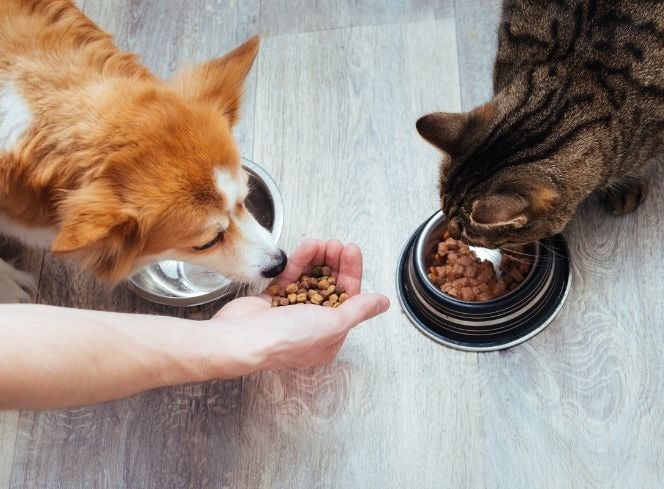
As we enter Summer, and temperatures begin to rise, you may be wondering if you can put ice in your dog’s water bowl and is it safe? Cooling mats and paddling pools are more than likely your go-to for keeping your dog cool during the hot weather and whilst they’re great for use while you can be with your dog, what about when you’re away from the home? Each year, the main question is whether ice can be put in your dog's water bowl, and if it is safe to do so. According to animal charities and vets, ice is usually okay to put in your dog's bowl.  In this blog, we explore how often you should be washing your dog's bowl, when it's okay to give them ice, and what type of dog bowl is best for you and your dog.    When Can I Give My Dog Ice?  Generally, it is usually okay to put some ice in your dog’s water bowl – there are just a few things to make sure of to keep your dog safe:  Make sure the ice cubes aren’t too big for your dog, so that they’re not a choking hazard  If your dog is showing signs of heatstroke do not give them ice, and contact your vet immediately  Does your dog wolf down their food? Try giving them smaller ice cubes or ice shavings so they don’t damage their teeth     How Do I Know If My Dog Has Heatstroke? As temperatures soar, as a dog owner, you should be aware of potential heatstroke (or sometimes referred to as heat stress). Your pooch responds to heat the same way us humans do, luckily, we have sweat glands all over our body, however your dog will only have them around their nose & paws - many pooches rely on panting and external cooling to lose the heat. The good news is, you can prevent heat stroke in dogs, by knowing the symptoms and keeping your dog cool and out of direct sunlight. Look out for signs of excessive panting, drooling, agitation/restlessness, very red or pale gums, bright red tongue, increased heart rate, breathing distress, vomiting, signs of mental confusion, dizziness, weakness, seizures and collapsing. If your dog experiences any of these, contact your vet immediately and don’t feed your dog ice unless instructed to do so.     How Often Should You Wash Your Dog Bowls? In order to keep your dog's bowls germ and bacteria-free, you should wash them with warm soapy water after each meal/use. Dog bowls easily build up bacteria due to the bacteria being transferred whilst eating and flourishing on any leftovers. Bacteria can lead to health problems and tummy upsets for your dog so it’s best to keep on top of keeping them clean. You may want to alternate bowls and have a few spare so your dog always has access to fresh water whilst their bowl is being cleaned.     Are Ceramic Or Metal Bowls Better For Dogs? With lots of options and sizes of dog bowls, you may be wondering what to opt for, and what is best for you and your pooch. If you want to refresh your dog's bowls before summer to put those ice cubes in, it’s good to know bowls come in a few different materials, ceramic, metal, and plastic, and finding the right bowl for your dog is important for both you and your pup.     Metal Bowls  Metal bowls are a great and durable choice for your dog as they won’t easily scratch or dent – even boisterous dogs are unlikely to break them. They are one of the most hygienic options as bacteria cannot easily survive on stainless steel. Regularly cleaning your bowls will ensure all bacteria has been removed.  Metal bowls, however, don’t come in the same patterns and colours as other materials, so if your pooch is style conscious, maybe look at another material. If your dog is playful at mealtimes, metal bowls might be easy to pick up and play with - if this is likely for your dog, you might want to consider using a heavier ceramic bowl instead.    Ceramic Bowls  Ceramic bowls come in a much wider variety of patterns and colours so are great for matching your interiors and even personalising with your pooch’s name. They are usually heavier than metal bowls so are less likely to move whilst your dog is eating - so are great for messy eaters too! The glazing on ceramic bowls makes them easy to clean and helps protect them from bacteria but do make sure you are washing them after mealtimes to avoid any nasty stomach upsets for your pooch.      Are Plastic Bowls Bad For Dogs? Plastic bowls are a popular choice due to being inexpensive, lightweight, and relatively long-lasting but are they safe for your dog? There are many reasons why purchasing plastic bowls isn't recommended for long term use, dogs that are prone to scratching and chewing plastic bowls may make mealtimes unsafe and often plastic bowls allow bacteria to build up if not properly cleaned regularly. It is also possible for dogs to develop allergies to plastic which may irritate their skin.  A great alternative to plastic is the range of melamine bowls by Tarhong, they have the practicality of plastic but are also dishwasher friendly – so easy to keep up your bowl hygiene too. However, if your dog does prefer a plastic bowl, we recommend getting a high-quality, food-grade plastic and replacing it once there are signs of wear and tear. 

By Megan Willis

Read more
How To Make Your Garden Pet Friendly
12.06.23 June 12, 2023 Owning a Dog Featured

How To Make Your Garden Pet Friendly

Wanting to create the pawfect outdoor space? Here's our pet experts tips on how to make sure your garden is pet friendly ready for Summer Spending time outdoors is one of our favourite things to do during the warmer months. Our gardens often become an extension of the living area in the Summer, enjoyed by humans and pets alike. You may be concerned about how safe your garden is for your four-legged friends. In this article we’ll discuss how to make your garden and outdoor spaces safe for your cats and dogs. Creating a dog-friendly garden can take a bit of time and effort, but it’ll be worth it in the long run.   8 Ways To Make Your Garden Pet Friendly 1. Choose pet friendly plants Flowers add colour, fragrance and texture to our gardens, but certain varieties can actually be toxic to both cats and dogs. Make sure you do a bit of research before you select your bedding plants to make sure you don’t accidentally poison your pets. Our favourite pet friendly plants include: - Sunflower - Lavender - Cornflowers - Marigolds - Herbs such as Rosemary, Sage, Thyme etc.   Some of the main varieties to avoid are: Lilies - Lilies pose the biggest risk to cats. They’re extremely dangerous to our feline friends as the toxins that they contain can cause kidney failure. All parts of the plant are toxic, so it’s best to avoid them altogether. They are less dangerous to dogs and rabbits, but can still cause tummy upsets, so we’d suggest choosing something different for your pet-safe garden design. Daffodils - Another common plant and one that crops up in lots of gardens is the daffodil. Their sunny appearance marks the beginning of Spring and makes them a favourite flower for many green fingered gardeners. They’re a serious hazard for pets though, and toxic to both cats and dogs. They can cause a range of symptoms such as vomiting and diarrhoea. They should definitely be avoided if you share your garden with pets. Chrysanthemums - These popular blooms certainly look beautiful, but they contain pyrethrins which if ingested can cause gastrointestinal upset. In extreme cases your pup may even develop depression and loss of coordination if any part of the plant is consumed. Other plants to avoid include: - Autumn Crocus,- Amarylis,- Azaleas, Tulips- English Ivy- Foxgloves- Hydrangea- Larkspur- Tomato plants (green fruit, stems and leaves)- Wisteria   What to do if your pet has eaten a toxic plant If you think your dog or cat may have eaten a toxic plant always call your vet, they will be able to help you decide the next steps. Common symptoms include: vomiting, diarrhoea and skin irritations. Not all pets will have symptoms so it's important to contact your vet whether they have symptoms or not.    2. Ensure your garden is enclosed You may be okay with your cat having a roam around the neighbour’s gardens, but you probably don’t want your pup to stray outside of the boundary. A good sturdy fence or hedge is ideal and will help to keep your pet inside. A good quality fence is also a good way to keep your pet safe from any plant beds that do contain toxic flowers. Make sure the fences are erected correctly and that you check them regularly for any damage or holes! When choosing the type of fencing, take into account your particular breed of dog and their age.  If you have a dog who can find their way out of anything, you’ll need to consider investing in something really strong.   3. Beware of hazardous creepy crawlies Our gardens are alive with all kinds of creatures from birds to insects. Some can be a nuisance to gardeners in general, but even more so if you have pets. Snails and slugs won’t just make a beeline for your plants and vegetables, but they can also cause serious health conditions in our four-legged friends. Some garden pests can carry lungworm. If your dog eats a snail or slug with lungworm the parasite can be transferred to them which can lead to severe health issues. These can range from difficulty breathing to seizures and even heart failure. We’d suggest keeping your lawn trimmed so that you can spot and remove any pests quickly. Make sure you regularly check your pet’s outdoor water bowls too, as snails can sometimes find their way in. Supervise your pet at all times when they’re exploring. If you think they’ve eaten anything of concern consult your vet and get their advice immediately.   4. Keep toxic chemicals away from pets Many gardens have a series of chemicals that need to be kept securely locked away from our pets. Weed killers, compost and fertilisers for example all need to be kept securely in garden sheds or garages. Make sure any spillages are cleaned straight away too. We’d suggest doing some research when selecting a weed killer to see if it’s suitable for use in a pet-friendly garden. We’d also suggest not using fertilisers at all, or only using them in fenced off areas that your pets can’t get to.       5. Plant larger or mature plants When selecting the plants and shrubs for your garden, consider buying more mature, larger specimens. Small young plants may be at risk of being trampled by pets before they have time to grow. Try to plant hardy border plants where possible and try using decorative fences or rocks around young plants where needed, to deter your dog from trampling and spoiling them.      6. Use containers or raised beds Containers are great for small gardens and patios. They’re also a great way to decorate your garden if you share it with a dog who just can’t resist digging. Raised flower beds, troughs or large pots will help to protect your plants from playful pups. Hanging baskets and window boxes are also a brilliant way to add floral arrangements that your dogs can’t get to.   7. Designate a pet play area Consider creating a play area just for your pets. You could lay paths for them to explore, make some natural obstacles for them and pop some of their favourite outdoor toys there. If your dog loves to dig, you could even make a spot just for digging. Make sure there is somewhere for them to relax and lounge and try to create a shaded area for sunny days - it’s important to protect our pets from the heat when the mercury rises to extremes!    8. Teach your dog good manners! Brushing up on your pup’s basic training can really help to encourage good behaviour in the garden. If your dog understands basic commands such as Stop, Heel and Sit, then they’re much less likely to wreak havoc where they shouldn’t. You could even train your dog to use certain parts of the garden and to avoid others. With a bit of planning, you'll soon have a garden that the whole family can enjoy, both human and pet alike. Follow our guidelines and always check that products and plants that you're considering are animal-safe. 

By Zac Girdlestone

Read more
When Is It Too Hot To Walk My Dog?
09.06.23 June 09, 2023 Health Featured

When Is It Too Hot To Walk My Dog?

As a dog owner, taking your four-legged friend for walks is one of many ways to care for them and ensure that they’re stimulated physically and mentally. Every dog breed is likely to benefit from regular walks, but with larger, more athletic dogs you may need to take them for multiple walks each day. However, when temperatures soar in the height of summer, you may be wondering is what temperature is too hot to walk a dog, how long to walk your dog in summer, and what essentials you'll need for summer walk. In this blog we will explore all the things you need to know about hot weather walks.   Can You Walk Dogs In Hot Weather? While it’s true that all dogs need some level of exercise, taking your pooch out on especially warm days could cause them harm, potentially leading to serious health implications or even death. But it is possible to reduce the chance of your dog becoming ill by checking the heat before you go for walks, picking suitable periods to walk your dog and providing sufficient care to your dog when you return home.   What Temperature Is Too Hot To Walk A Dog? The maximum temperature for walking your dog may vary depending on the level of humidity and wind in the air. As a rough estimate, your dog should be safe to be walked anywhere up to 19 degrees celsius. Out of hours animal healthcare providers Vets Now assessed the danger rating of temperature brackets, giving a four out of 10 score to 16-19 degrees celsius, outlining that it’s generally safe to walk your dog within this bracket but that owners should be wary of doing this if their dog is obese or flat-faced. For extra safety, Vets Now suggest taking your dog for a walk at times where the temperature is between 12 and 15 degrees celsius, as they saw no evidence of heat stroke from dogs that were taken for a walk in this bracket. Is 22 Degrees Too Hot To Walk A Dog? We’ve outlined recommended temperatures for walking your dog, but how do you know where to draw the line? In Vets Now’s assessment of temperatures for walking your dog, they state that between 20 and 23 degrees has a six out of 10 risk rating and that rigorous exercise in this heat could lead to heatstroke. An eight out of ten rating is given for 24-27 degrees celsius and they advise that extreme caution must be taken. Obese or flat-faced dogs would be at risk in these temperatures. A nine out of 10 risk rating is given to temperatures between 28 and 31 degrees celsius, and walks in temperatures at 32 degrees celsius or above are given a 10 out of 10 rating, with dogs of all breeds being susceptible to heatstroke at these temperatures.   When Is It Too Hot To Walk A Dog On Pavement? Along with checking that your dog isn’t suffering as a result of high temperatures, you should also be wary of how warm the surfaces they are walking on are. When pavements have been exposed to the sun for several hours, it’s likely that they’ll be hot to the touch, and while we wouldn’t notice wearing shoes, a dog’s paws could be seriously damaged by this. It can be hard to tell how hot a pavement is, and even if you feel it with your hand before walking your dog, it’s difficult to know whether they’ll be affected by it. Pavements can be as much as two times hotter than the air temperature. Prior to a walk, you should find out the air temperature, and if double that reading is likely to damage your dog’s paws, it could be worth waiting until it’s cooler or saving your walk for a cooler day.   How Long To Walk A Dog In Summer? For more athletic dogs, not going for a walk may leave them restless, frustrated and upset. You might be able to get around this problem by walking your dog early in the morning or late at night when it’s cooler. However, even if you opt to take your furry friend for a walk when it’s cooler, you should still ensure that you don’t walk them for too long. As a general rule of thumb, try to limit these excursions to under 30 minutes on warm mornings or evenings, but also take extra precautions such as not allowing your dog to run and, if they’re prone to overheating, fit them with a cooling vest.   How To Cool A Dog Down After A Walk If your dog begins to show signs that they’re overheating, such as feeling warm to the touch, panting, dribbling more than usual or presenting a rapid heartbeat, you need to take action to prevent them from becoming seriously ill.   Tips for cooling your pooch down include: providing them with lots of fresh drinking water investing in a dog cooling mat giving them ice cubes to chew setting up a doggy paddling pool wrapping a wet towel around them leaving them in a room with cool tiled or wooden flooring. use a cooling bandana   How To Give Your Dog Water On A Walk On cooler days when you do take your dog on a walk, especially on longer walks, taking water for them with you is a great idea. Travel water bottles and bowls are super handy to have to give your dog water on the go, the Beco Travel bowl and the KONG H2O Insulated water bottle are the perfect pair for this. Our top tip is if you think it may be too hot or you are unsure, don't walk them! No dog has ever died from missing a walk but unfortunately a lot have from heatstroke. Help to keep them cool this summer with our cooling range  

By Megan Willis

Read more
Summer Survival Guide For Pets
09.06.23 June 09, 2023 Seasonal Featured

Summer Survival Guide For Pets

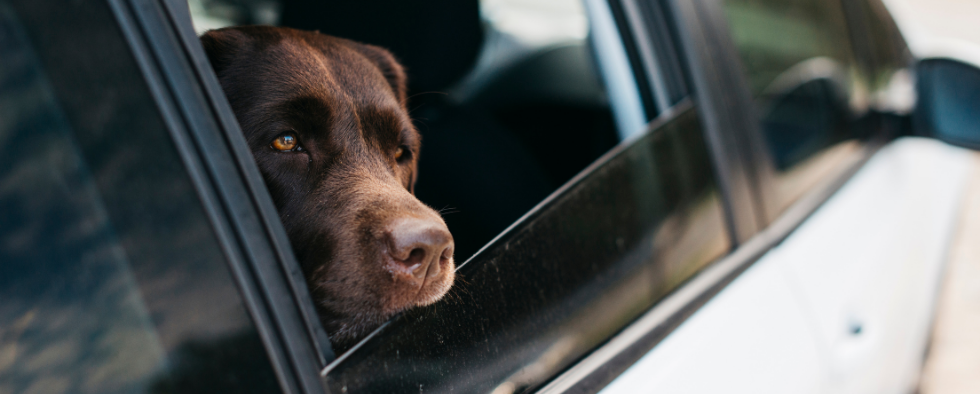
Summer is wonderful in so many ways. The warmer, drier weather and longer daylight hours means we can get out and about much more. Day trips and holidays are much more appealing when the chance of fine weather is increased. It’s also the season when the landscape is full of life and gardens brim with colour and bird song. Summer can also pose a few challenges for pet owners though. Keeping our pets cool and safe is our number one priority at this time of year. Here we list a few things you need to consider when looking after your dogs and cats in Summer.   Go For Dog Walks Early in the Morning or Later in the Evening We mentioned the potential for nice weather in the Summer, and this can sometimes become extreme with incredibly high temperatures. When the mercury rises, we need to do our best to keep our pets cool and comfortable. Dog walks can pose a major hazard on the hottest days. Not only can sun exposure cause sunburn, but dogs can suffer from heat stroke and hot pavements can burn delicate paws. It is best to walk your dog when the sun is low in the sky, so either early in the morning or later on in the evening. Check the feel of the paths with your hand - if it’s too hot for you to touch comfortably then it’s also too hot for your pup. [product] Keep walks to a gentle pace and make them shorter than usual if necessary. You could also consider popping a cooling vest or bandana on your pup to help keep them cool too. It's a good idea to have a cooling mat or bed on hand for your dog to lay on once you get home too!   Provide Indoor Activities With dog walks likely to be shorter than usual, we’d suggest providing some indoor activities for your pup to keep their minds occupied. It doesn't have to be anything too strenuous, but some interactive toys such as puzzles or hiding games. This will give them something to focus their energy on and stop boredom from setting in.   Take plenty of refreshments on outings It’s important to make sure your cats and dogs have access to plenty of fresh water throughout the day to help keep them cool and hydrated. If you’re going on an outing with your dog, make sure to take refreshments with you. There are a number of travel cups and bowl options with various sizes available. The brilliant range of travel bags by Mobile Dog Gear come with handy travel dining sets, so that you can pack food and water all in one bag. They have sets suitable for day trips through to large weekender bags that are great for overnight stays.   Never Leave your pet in the car This may seem obvious, but it’s really important to highlight, nonetheless. Cars will become very hot, very quickly, in hot weather. Leaving a window open simply isn’t enough to keep the car cool enough for your pet to sit in, even for a short time. Whenever you get out of the car you must take your dog with you or you will risk them overheating and becoming severely unwell.   Make Sure Your Garden is Pet Safe You may spend a lot of your spare time in the garden during the summer months so making sure it's safe for your dogs and cats is important. Ensure the garden is enclosed and that your pets can’t escape. You should also ensure that there are plenty of shaded areas for them to retreat to as well as bowls of fresh water. [product] You could provide them with some water toys.  A paddling pool or water fountain will give them opportunities for playing and keeping cool too.   Adopt a Summer Grooming Regime Depending on your pet’s breed, you may decide to give them a summer cut. You need to be sure that it will benefit them before you make the decision though. Cats and dogs have developed their coats over generations to keep them warm in winter and cool in Summer. Generally speaking, they shouldn’t need a Summer cut to keep them cool. Double coated breeds should never be clipped as having a thicker coat actually keeps them cooler and helps them avoid sunburn. Single coated breeds such as Poodles do have a coat suitable for clipping though. If you’re unsure whether you can clip your dog or not, consult your vet or a professional dog groomer for advice.   Don’t forget sunscreen for your pets Many pets will benefit from the protection that sunscreen provides. White haired cats and dogs can burn quite easily due to the skin underneath the fur being white. Use pet safe sunscreen and apply to the bridge of the nose, underbelly and armpits. Cats also tend to have thinner hair on the ears and the spot between the eye and ear.  Sunscreen should never be applied to the eyelids or nose, but it can be applied to any other areas that may be at risk. Just make sure to choose a pet safe cream. Your cat or dog is likely to lick the cream off after application, so you need to ensure the product is safe. Most human creams won't be suitable, so it’s best to find a pet-specific cream such as the Playful Pup cream by HOWND.   Repel those pesky bugs! We mentioned the abundance of life in the Summer, but this also means an influx of insects which can be a real nuisance to both us and our pets. They don’t just cause us to itch if they crawl on us but can also bite. There are a number of insect repellent products available to help keep them away. You could try an insect repelling shampoo or grooming product such as the TropiClean Flea & Tick Shampoo or the Animology Flea & Tick formula. Relax, Relax, Relax! The best advice we can give to make it through the Summer is to take it easy and make the most of it! We all know what it feels like when we’re hot and bothered; it can make us irritable and lethargic. Our pets are much the same and will appreciate a more laid-back approach to their routine. Keep exercise relaxed and offer more gentle forms of stimulation. The Summer is best enjoyed when you’re sat back and chilled out, and I think our pets would most certainly agree!

By Zac Girdlestone

Read more
Our Top Summer Dog Accessories For Home & Away
26.05.23 May 26, 2023 Seasonal Featured

Our Top Summer Dog Accessories For Home & Away

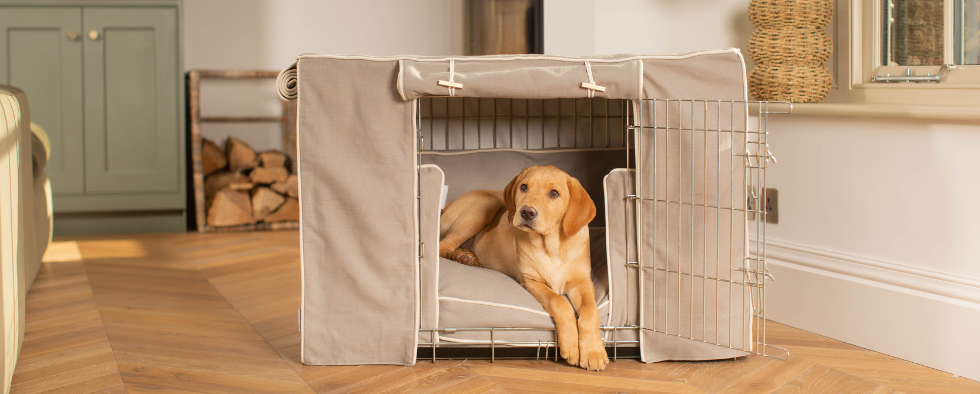
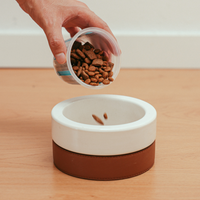
​The Summer holidays are just around the corner and we are looking forward to lots of days out and time with our families. Whether it’s a day at the seaside or a road trip to a picturesque countryside spot, one of our favourite things to do is get out and explore with our dogs. We also love a little bit of relaxation on our return home, with our feet up and a snuggle on the sofa. In this blog we take a look at our favourite Summer dog accessories for home and away.   Our Favourite Accessories for Days Out & Travel Mobile Dog Gear Week Away Backpack - Day trips; long weekends; camping trips; holidays; whatever kind of trip you’re taking and for however long, you need to make sure you have all of your dog’s things. The week away backpack comes with special pouches for food as well as travel bowls and a feeding mat. There’s plenty of room left over for your other pet essentials such as a drying towel, a couple of toys and a blanket. An absolute must for road trips of any kind! KONG H2O Insulated Water Bottle - Staying hydrated in the Summer is just as important for our four-legged friends as it is for us. This pet water bottle will keep water cold and fresh and comes with a special lid that becomes a bowl to serve water on the road.    Cocopup Dog Walking Bag - You never know when your dog might deserve a treat. Keep treats to hand at all times with this practical and stylish dog walking bag, it has a handy treat pouch which clips to the strap so it's easy to grab treats on the go. It’ll keep the treats nice and fresh, ready to serve whenever you need them. Streetwise Slanted Dog Car Crate - If you’re going on any kind of car journey, you’ll need to make sure your dog is safe and secure, crates are a great option for long journeys. One of our favourite travel crates is the Streetwize Car Crate, it's slanted so that it easily fits in boots and is made from metal so is super sturdy. It's a great safe way to travel with your dog. Lords & Labradors Sleepeze Cushion - If you're going on any kind of trip away you'll want a travel cushion. We may be biased but we love our Sleepeze cushions, they have a handle so are easy to carry and are perfect for putting in the back of your car or for staycations for your pup to sleep on. They come in a large range of our classic prints and fit nicely in our L&L deluxe crates. Trixie Car Seat For Dogs - If you have a smaller dog, you may want them to sit in the car with you. You still have to ensure that they are secure though, and this car seat is just perfect. It straps in using a seat belt and means your dog can sit with you and see out of the window as you travel. Just make sure you have a suitable travel harness such as the Ruffwear Front Range Harness and that it’s safely attached to the strap in the booster seat. Lords & Labradors Bamboo Drying Coat - A drying coat has so many uses and is a practical accessory to have in a number of situations. We love to take them on our travels for any time our dogs might need drying off after a walk. It might be for use after a dip in the sea or a lake, or it might be to put on your dog after a rainy walk. A drying coat will wick the moisture away from your dog and help to keep them warm whilst they dry off. Our drying coats are made from bamboo so are perfect for sensitive skin and are double layered so are perfect for quickly drying you dog off.  KONG 2-In-1 Bench Seat Cover - With more outdoor adventures in the diary, comes more opportunity for your car to get wet or muddy at the paws of your pup!! In the UK the weather can be changeable, which means your dog may well get wet or muddy on their walks. The KONG 2-In-1 Bench Seat Cover are designed to protect your car’s soft furnishings. When you get back to the car with your pup, it won’t matter how soggy they are, as the covers will stop water and dirt from ruining your car seats or boot lining. They’re also a really practical idea for trips to the recycling centre or garden centre; a multi-purpose car accessory that will get so much use! Pet Remedy Calming Spray - Travel can be stressful for our pets. If you’re going on a journey and you know that travel can make your pet anxious, then this pet calming spray is the ideal product. It can be used in the run up to your travel day and can be sprayed on bedding and blankets. Be:Sunsafe Sun Protection - The sun can be just as much a hazard to our pets as it can be to us, and animals can get sunburnt just like us. This nourishing balm by Be:Loved contains SPF to help protect the exposed areas of your pup’s body. Noses, ears and paws are all susceptible, even more so if your dog has light or white hair. Use this to protect any exposed ares before you go out in the sun and remember to reapply throughout the day. Be:Bug Free Insect Repelling Spray & Be:BugFree Insect Repellent Shampoo - Insects can be a real pest in the Summer months. Not only is the buzzing annoying, but they can bite and sting, causing itchiness and even worse reactions in some cases. Be:Loved have developed a range of insect repelling products for dogs. The shampoo bar is great for bath time and the spray is perfect for on the go. An absolute must on any outdoor expeditions!     Our Favourite Accessories for Home All For Paws Fountain Fresh Water Fountain - One of the biggest priorities in the Summer is to ensure our pets stay cool and hydrated. This fountain by All for Paws will help with both of those things. It's great for encouraging your dog to drink water.  All For Paws Chill Out Toys - Playtime is important whatever the weather, but it could potentially overheat your dog on a hot day if it’s too strenuous. Keep playtime fairly sedate and use a cooling toy such as the All For Paws Chill Out Range. You can soak it in water and the water will be slowly released during chew time or playtime, helping to regulate your pup’s body temperature. Just keep games a little slower on really hot days - and save the long distance throwing or tug-of-war for cooler ones.     All for Paws Cooling Mat - Another cooling essential, this mat will become your pup’s favourite place to lounge in the Summer. It can be used indoors or outdoors. Just make sure you pop it in a secluded, shaded area if you’re out in the garden. Duck Egg Spot Crate Set - Relaxing is everyone’s favourite thing to do in the Summer and this crate set will be your pup’s favourite place to do just that. The set will provide a quiet place all of your pup’s own, where they can relax for a nice chew session with their toy of choice, or just go for a nap. The summery duck egg spot is simply stunning too and it's made from 100% cotton so it breathable for your pup. Scruffs Scandi Non Tip Bowl - Keeping your dog cool and hydrated is so important in summer, these Scruffs bowls are perfect. They're made from a stoneware ceramic material and have thick sides which helps to keep your pets water cool. They're heavy which means if you've got a playful pup it's hard for them to push the bowl round and the angled sides with flared bottom gives the bowls stability so they can't be knocked over. The bowls come in both grey and cream, whichever you choose they’ll look wonderful in your home!​

By Zac Girdlestone

Read more
Guide To Bathing Your Dog
18.05.23 May 18, 2023 Health Featured

Guide To Bathing Your Dog

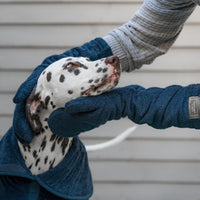
Bathing your dog is an essential part of their overall grooming routine. Not only does it keep their coat clean and shiny, but it also helps maintain their overall hygiene. However, as a dog owner, you may find yourself wondering, "How often should I bathe my dog?" and "What's the best way to bathe them?" Well, fear not! In this comprehensive guide, we'll answer all your questions and provide you with helpful tips to make bath time an easy experience for both you and your beloved canine companion. How Often Should You Bathe a Dog? One of the most common queries among dog owners is how frequently they should bathe their furry pals. The answer varies depending on several factors, such as your dog's breed, coat type, and lifestyle. In general, most dogs benefit from a bath every 4-6 weeks. However, certain breeds with specific coat types may require more frequent bathing, while others may need it less often. Our pet experts have written an in-depth guide on how often you should groom your breed of dog which is definitely worth checking out.   Can I Bathe My Dog Once a Week? While regular bathing is important for maintaining cleanliness, it's generally not recommended to bathe your dog more than once a week. Frequent bathing can strip their coat of natural oils, leading to dry skin and irritation. However, certain situations, such as skin allergies or medical conditions, may require more frequent bathing depending on your vet’s advice.   What Do I Need To Bath My Dog At Home?  Dog Specific Shampoo - We recommend PetPlex, they have shampoos suitable for different coat types, ages and skin conditions so there’s sure to be something for your dog. Dog Specific Conditioner - pamper your pooch with a conditioner, this will help keep their coat looking shiny and silky. Detangling Spray - A Detangling Spray is good for curly haired or long haired dogs before their bath to help remove any knots or matts, this will help make the bathing process as easy as possible A Brush or Comb - there are lots of different types of brushes and the best one for your dog will depend on their coat type. Explore our range of brushes to find the best one for your furry friend. Drying Coat, mitts or towel - You’ll have a soggy doggy after a bath and having something you can dry your dog off with will come in handy. An old towel works or our favourite-fuss free way to dry your dog off is with a drying coat. They simply slip on over your dog’s head and fasten under their belly. Alternatively our drying mats are one size fits all and making drying your dog quick and easy Treats or a licki mat - you want your dog to associate bath time as a fun positive experience and a rewards based training method is our favourite way to do this. Having plenty of treats to hand and praising your dog throughout the process will help them form positive associations with the process. 
The anti-anxiety bath ducks are great for distracting nervous dogs, they stick to the wall and you can put wet food or peanut butter on there for your dog to lick off whilst you bathe them. Licking is actually anxiety reducing for dogs as it releases calming hormones so is perfect for nervous dogs. 
If you do have a nervous pup on your hands why not check out our blog on how to desensitise your dog to grooming, it has our pet experts top tips and tricks on how to make grooming your dog a calmer experience for you both. How To Bathe A Dog At Home: Now that you know the ideal frequency and the essentials you’ll need, let's dive into the step-by-step process of how to bathe your dog: Gather Your Supplies: Have all the items we listed above to hand, making sure they’re in reaching distance will make bath time easier for you and your dog Prep the Bathing Area: Choose a suitable location for the bath, preferably a bathtub or a large wet room. You can place a non-slip mat at the bottom to provide your dog with a secure footing, this is a good idea if your dog doesn’t love bath time and likes to move around. Brush Your Dog: We recommend brushing your dog's coat thoroughly before bathing them to remove any loose fur or tangles, especially if they have a long or curly hair coat. This will prevent matting and will mean it’s easier to make sure your dog’s coat is fully clean. Test The Temperature You’ll want the water to be lukewarm, not too hot or cold. You can either run a bath or use the shower to wash your dog, whichever works best for you and your dog. Rinse Your Dog’s Coat
 Work from the neck down with either a jug of water or the shower head to pour water over your dog’s coat. You’ll want to make sure their coat is nice and wet Shampooing Your Dog 
You’ll want to either put a small amount of shampoo in your hand and massage it into your dog’s coat making sure it lathers up, or you can use a shampoo brush like this Rosewood brush, which allows you to put shampoo in the top and dispenses it as you brush your dog’s coat. Be careful of their eyes and ears and focus on their body and paws. Once you’ve shampooed your dog’s body you’ll want to rinse them off with lukewarm water to remove the suds, making sure no product remains in their coat.  Conditioning Your Dog 
Once you’ve shampooed your dog, you’ll want to apply a conditioner. This will help keep their coats shiny by adding moisture back in after shampooing them. Massage into your dog’s coat and then leave for a couple of minutes before rinsing Wash Your Dog’s Face
 Whilst your conditioner is soaking into your dog’s coat it’s a good time to wash their face. We recommend using a cloth or a flannel with some clean water to wipe their face clean, you want to avoid getting any shampoo in their eyes or ears. How To Dry A Dog After The Bath: After rinsing, use a large towel, drying mitts or a drying coat to gently dry your dog's coat. If your dog is comfortable with a blow dryer on a low heat setting, you can use it to speed up the drying process. Make sure to keep it at a safe distance from their skin. Gradually dry their coat, keeping the dryer moving to avoid overheating any particular area. Brushing Your Dog 
Once your dog's coat is mostly dry, use a brush or comb appropriate for their coat type to remove any remaining tangles or mats. Reward Your Pup
 After bath time make sure to give your pup plenty of fuss and reward them for being a good boy or girl during bath time. Our Pet Experts Tips To A Successful Bathing Experience: To make bath time enjoyable for both you and your furry friend, our pet experts have put together their top tips: Introduce Bathing Gradually: If your dog is not accustomed to baths, introduce the process gradually. Start by getting them comfortable with water by offering treats or toys near the bath area. Gradually progress to wetting their paws, then their entire body. This is a great thing to do with them right from the get-go as a puppy as it helps to desensitise them from a young age Positive Reinforcement: Use positive reinforcement throughout the bathing process. Reward your dog with treats, praise, and gentle strokes to make them associate bath time with positive experiences. Ear Care: During bathing, be cautious not to let water enter your dog's ears, as it can cause infection. Use cotton balls to plug their ears or consider using a specialised ear cleaning solution after the bath to keep their ears clean and dry. Nail Trimming: Bath time can also be an opportunity to trim your dog's nails if needed. However, if you're unsure or uncomfortable doing so, it's best to consult a professional groomer or veterinarian. We’ve got a handy guide on cutting your dog’s claws. Double Shampoo: 
Our pet experts recommend shampooing your dog twice, as long as they don’t have sensitive skin. This will help make sure they’re squeaky clean Drying Your Dog: Avoid rubbing your dog when towel or mitt drying them, this could cause matts or tangles in their coat. Instead gently pat them dry. Bathing your dog is an important part of their overall hygiene routine. By following the tips and guidelines provided in this guide, you can ensure a pleasant and effective bathing experience for your furry companion. Remember to consider your dog's breed, coat type, and lifestyle when determining the ideal bathing frequency. With patience, positive reinforcement, and proper care, bath time can become a bonding experience that leaves your dog feeling clean, healthy, and happy.

By Megan Willis

Read more
Should Dogs Eat From Raised Bowls?
10.05.23 May 10, 2023 Health Featured

Should Dogs Eat From Raised Bowls?

If your dog has problems with mobility, suffers from a condition that impacts their movement or if they’re simply old, using a raised bowl could potentially reduce further damage and improve their ability to eat and drink. However, as with anything new you introduce into your dog’s life, it’s important that you know it’s safe and unlikely to cause harm to your furry friend before trying them with it. In this blog, we explain whether your dog should eat from a raised bowl, highlight any potential dangers and offer advice on raising a dog bowl.   Should Dogs Eat From A Raised Bowl? Using a raised dog bowl poses multiple potential benefits such as making your dog more comfortable while eating, slowing them down if they’re prone to eating or drinking excessively fast, preventing them from eating in unnatural positions or stopping the bowl from moving around if they have a tendency for playing with it. But before you try your dog with a raised bowl, it’s important that you know the facts and whether it could potentially be dangerous to your dog’s health.     Are Raised Dog Bowls Dangerous? Before trying your dog with any new items, you will want assurances that there are no potential dangers. Raised dog bowls were designed to simplify the process of eating and drinking by bringing the food and water closer to your dog, reducing the amount of bending, stretching and leaning they have to do. Although raised dog bowls are effective in doing this, some may be concerned about the likelihood of bloat.   Do Raised Dog Bowls Prevent Bloat? Commonly known as bloat, gastric dilatation volvulus is a condition in dogs that is caused by the stomach twisting after filling up with fluids, food or gas. It can often happen without warning, and if it goes untreated, it can be serious or even fatal. Although the results from existing research are mixed, there are concerns that raised dog bowls could increase the risk of bloat. Various studies from trusted sources including the Journal of the American Veterinary Medical Association claim that cases of bloat could have been increased by the use of raised dog bowls. However, even studies that report negatively on the use of raised dog bowls state that cases of bloat only occurred in dogs that fit within certain criteria including dogs that eat or drink quickly, are middle-aged or old or come from litters of other dogs that have a history of bloat.   Do Big Dogs Need Raised Bowls? For larger dogs, raised dog bowls make the process of drinking water easier as the water flows easier down their esophagus. It also puts less strain on their neck, and if they’re old or suffer from any physical conditions, it can reduce the pressure on joints and bones. However, a concern with big dogs using raised dog bowls is that bloat is also more common with larger breeds. For example, a study from Purdue University into bloat in large dogs suggested that 52 per cent used a raised bowl. That said, this study was from the 1990s, and with little research since, it remains a topic that many are divided on. In conclusion, bloat affects dogs of all sizes and can be caused by a number of factors. As such, if your dog fits into the criteria that should avoid raised dog bowls based on size, breed or age, it would be advisable to speak to your vet before using one with your dog. If you’re advised against giving your dog a raised bowl, there is a wide selection of traditional dog bowls to choose from.   How To Raise A Dog Bowl If your pooch doesn’t fit into the criteria of dogs that should avoid raised dog bowls - or if you’ve had reassurance from your vet - you may be wondering how to raise your dog’s bowl. When choosing a raised dog bowl, you should pick one that suits the height of your dog so it is square with their chest. It’s also important to bear in mind that, if your dog is particularly fond of their bowl, switching to a raised dog bowl won’t affect them using their bowl as you will only be choosing a frame that raises the bowl, meaning you can keep the same bowl. If you want an accurate measurement, it would be advisable to measure them and compare their height with the heights of dog bowls you could consider using. However, as many raised dog bowls come in generic small, medium or large heights, the below measurements may suffice: Raised dog bowl height: Small breeds - between two and six inches Medium breeds - between seven and 14 inches Large breeds - between 15 and 20 inches

By Zac Girdlestone

Read more

loyal customer in 17 countries

Why Shop With Us?

  • Free Delivery

    Orders over £75 qualify for free standard UK delivery. Orders under £75 will be calculated at the checkout.

  • Shopping Made Easy

    Gain exclusive access to sales and shop all your pets favourites on the go by downloading our app.

  • Designed in the UK

    Our own brand products are lovingly designed in our specialist UK workshop to our exacting standards.

  • We're Here For You

    Contact our Pet Experts on Chat or by email at sales@lordsandlabradors.co.uk