





























Can Cats Use Cooling Mats?
15.08.23 August 15, 2023 Owning a Cat

Can Cats Use Cooling Mats?

As the summer sun begins to blaze, our feline friends seek refuge from the scorching heat. As pet owners, it is our responsibility to ensure our cats' comfort and well-being during the hot months. One popular solution that has gained traction is the "cooling mat for cats." But do these cooling mats really work? Can cats benefit from a cool cat bed during the summer? In this blog, we will delve into the world of cooling cat beds, exploring their effectiveness, benefits, and how to choose the perfect summer cat bed for your feline companion.   Understanding Cooling Mats For Cats: Cooling mats for cats are designed to provide a soothing and comfortable resting place for our furry companions during hot weather. These innovative beds incorporate advanced cooling technologies that help regulate the cat's body temperature, making them an attractive option for pet owners looking to provide relief from the sweltering heat.   How Do Cooling Mats Work? If you've ever wondered how do pet cooling mats work, it comes down to one of two main mechanisms: Gel-Based Cooling: Many cooling mats are filled with a non-toxic gel that absorbs and dissipates the cat's body heat. These mats don't require electricity and can be recharged by allowing them to rest in a cool area. Water-Activated Cooling: Other cooling mats utilise a water-activated mechanism. The mat absorbs water, and when the cat lies on it, the moisture evaporates, creating a cooling effect similar to sweat evaporating from human skin.   Benefits Of Cooling Cat Beds: Investing in a cooling mat for your cat can yield numerous benefits, especially during the scorching summer months: Temperature Regulation: Cooling mats help prevent overheating in cats, reducing the risk of heat-related health issues. Comfort and Relaxation: The cooling effect provides a soothing surface for cats to rest and relax, promoting better sleep quality. Stress Relief: Cats might get stressed due to extreme heat, and a cooling bed can offer a calming environment, reducing anxiety. Versatility: Cooling mats are portable and can be used indoors or outdoors, making them ideal for travel or visits to the park.     Selecting The Perfect Summer Cat Bed: When choosing a cooling mat for your cat, consider the following factors: Size: Ensure the cooling mat is appropriate for your cat's size, allowing them to stretch out comfortably. Material: Opt for a high-quality, durable material that is safe for your cat and easy to clean. Cooling Mechanism: Decide between gel-based or water-activated cooling mats, depending on your cat's preferences and your convenience. Reviews: Read user reviews and testimonials to gauge the effectiveness of the cooling mat before purchasing.   Our Favourite Cooling Mats For Cats Here at L&L we sell several pet cooling mats, which are perfect for both cats and dogs - great if you have a multi-pet household! We’ve listed our favourites below!  Smart Choice Pet Cooling Mat - Instant Cooling Effect The Smart Choice cooling mat is perfect for cats, it stands as a pinnacle of technological advancement in cat comfort, activated by pressure from your cat sitting on it to help cool them down. Engineered with innovative cooling materials, these mats actively dissipate heat from your cat's body, preventing overheating and providing a therapeutic respite from soaring temperatures. Its design ensures it remains comfortable even without the need for electricity or refrigeration, making it an energy-efficient and eco-friendly choice. These cooling mats are also great for placing in your cat's favourite spots to help keep them cool.   Scruffs Pet Cool Bed - The Ultimate Retreat A cool cat bed is more than just a mere resting place; it is the ultimate retreat for your feline companion. The Scruffs Pet Cool Bed is crafted with precision and quality materials, made from a supportive foam base it makes a comfy cat nap spot while simultaneously providing a cool surface for reprieve. The cooling non-toxic gel means they are typically 5-10 degrees cooler than room temperature, providing instant relief, whilst the breathable 3D mesh helps with air circulation, which also keeps your cat cool. Investing in a high-quality cool cat bed is a wise choice, considering the long-term benefits it imparts to your pet's health and well-being.   Conclusion As temperatures rise during the summer, providing a comfortable and cool resting place for your cat becomes crucial. Cooling mats for cats offer an excellent solution to beat the heat and promote your cat's well-being. Whether it's a gel-based or water-activated cooling cat bed, these innovative products can make a significant difference in your cat's comfort and overall happiness during the hot season. Remember to consider the size, material, and cooling mechanism when choosing the perfect cooling mat for your furry friend. With careful selection and a bit of feline-approved testing, you can ensure that your cat enjoys a cool and refreshing summer, all thanks to their cozy and cooling cat bed! For more tips on beating the heat, see our full guide on how to keep your pet cool this summer.

By Megan Willis

Read more

As the summer sun begins to blaze, our feline friends seek refuge from the scorching heat. As pet owners, it is our responsibility to ensure our cats' comfort and well-being during the hot months. One popular solution that has gained traction is the "cooling mat for cats." But do these cooling mats really work? Can cats benefit from a cool cat bed during the summer? In this blog, we will delve into the world of cooling cat beds, exploring their effectiveness, benefits, and how to choose the perfect summer cat bed for your feline companion.


Understanding Cooling Mats For Cats:

Cooling mats for cats are designed to provide a soothing and comfortable resting place for our furry companions during hot weather. These innovative beds incorporate advanced cooling technologies that help regulate the cat's body temperature, making them an attractive option for pet owners looking to provide relief from the sweltering heat.

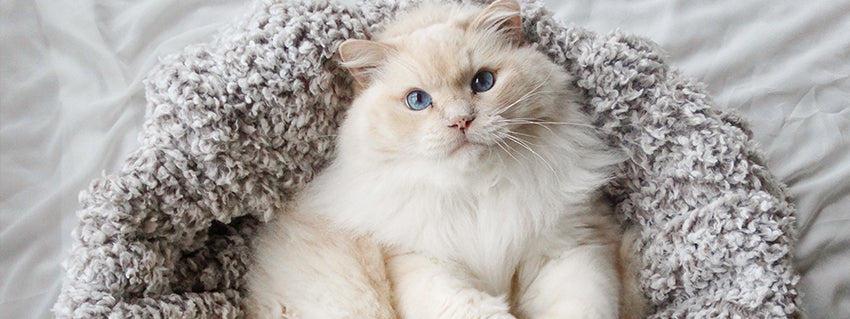
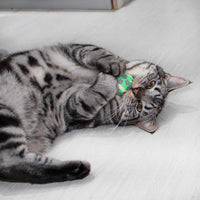
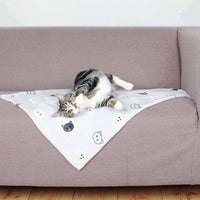
Cat sunbathing on a cooling mat for cats


How Do Cooling Mats Work?

If you've ever wondered how do pet cooling mats work, it comes down to one of two main mechanisms:

  1. Gel-Based Cooling: Many cooling mats are filled with a non-toxic gel that absorbs and dissipates the cat's body heat. These mats don't require electricity and can be recharged by allowing them to rest in a cool area.
  2. Water-Activated Cooling: Other cooling mats utilise a water-activated mechanism. The mat absorbs water, and when the cat lies on it, the moisture evaporates, creating a cooling effect similar to sweat evaporating from human skin.


Benefits Of Cooling Cat Beds:

Investing in a cooling mat for your cat can yield numerous benefits, especially during the scorching summer months:

  • Temperature Regulation: Cooling mats help prevent overheating in cats, reducing the risk of heat-related health issues.
  • Comfort and Relaxation: The cooling effect provides a soothing surface for cats to rest and relax, promoting better sleep quality.
  • Stress Relief: Cats might get stressed due to extreme heat, and a cooling bed can offer a calming environment, reducing anxiety.
  • Versatility: Cooling mats are portable and can be used indoors or outdoors, making them ideal for travel or visits to the park.

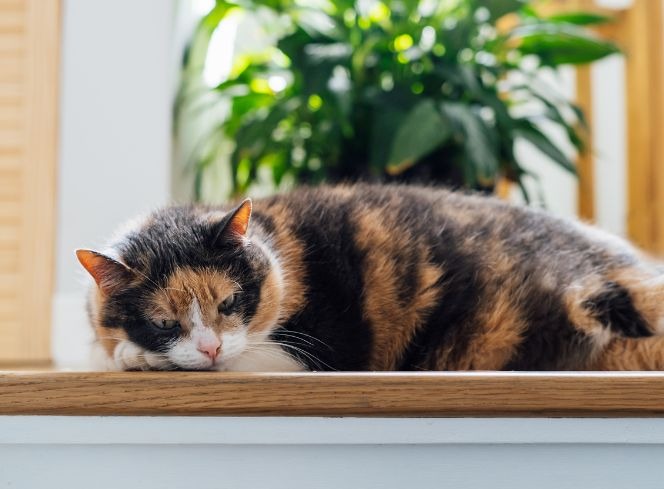
Cat sunbathing 


Selecting The Perfect Summer Cat Bed:

When choosing a cooling mat for your cat, consider the following factors:

  1. Size: Ensure the cooling mat is appropriate for your cat's size, allowing them to stretch out comfortably.
  2. Material: Opt for a high-quality, durable material that is safe for your cat and easy to clean.
  3. Cooling Mechanism: Decide between gel-based or water-activated cooling mats, depending on your cat's preferences and your convenience.
  4. Reviews: Read user reviews and testimonials to gauge the effectiveness of the cooling mat before purchasing.


Our Favourite Cooling Mats For Cats

Here at L&L we sell several pet cooling mats, which are perfect for both cats and dogs - great if you have a multi-pet household! We’ve listed our favourites below! 

Smart Choice Pet Cooling Mat - Instant Cooling Effect

The Smart Choice cooling mat is perfect for cats, it stands as a pinnacle of technological advancement in cat comfort, activated by pressure from your cat sitting on it to help cool them down. Engineered with innovative cooling materials, these mats actively dissipate heat from your cat's body, preventing overheating and providing a therapeutic respite from soaring temperatures. Its design ensures it remains comfortable even without the need for electricity or refrigeration, making it an energy-efficient and eco-friendly choice. These cooling mats are also great for placing in your cat's favourite spots to help keep them cool.

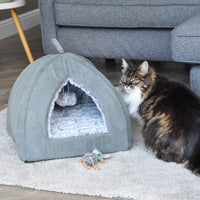
Smart choice cat cooling mat


Scruffs Pet Cool Bed - The Ultimate Retreat

A cool cat bed is more than just a mere resting place; it is the ultimate retreat for your feline companion. The Scruffs Pet Cool Bed is crafted with precision and quality materials, made from a supportive foam base it makes a comfy cat nap spot while simultaneously providing a cool surface for reprieve. The cooling non-toxic gel means they are typically 5-10 degrees cooler than room temperature, providing instant relief, whilst the breathable 3D mesh helps with air circulation, which also keeps your cat cool. Investing in a high-quality cool cat bed is a wise choice, considering the long-term benefits it imparts to your pet's health and well-being.

Scruffs Cat Cooling Bed


Conclusion

As temperatures rise during the summer, providing a comfortable and cool resting place for your cat becomes crucial. Cooling mats for cats offer an excellent solution to beat the heat and promote your cat's well-being. Whether it's a gel-based or water-activated cooling cat bed, these innovative products can make a significant difference in your cat's comfort and overall happiness during the hot season.

Remember to consider the size, material, and cooling mechanism when choosing the perfect cooling mat for your furry friend. With careful selection and a bit of feline-approved testing, you can ensure that your cat enjoys a cool and refreshing summer, all thanks to their cozy and cooling cat bed!

For more tips on beating the heat, see our full guide on how to keep your pet cool this summer.

Related Products

Related Collections

Pet Cooling

Just like us our pet's can find it hard to cope with... 

Luxury Cat Beds & Bedding

We all know how much our furry feline friends like sleep, but... 

Next Article
How To Travel With Your Dog

Related Articles

  • Can cats eat cheese? Dairy, milk and other human foods explained
    14.10.26 October 14, 2026 Owning a Cat

    Can cats eat cheese? Dairy, milk and other human foods explained

    Cats and cheese have a complicated relationship, and if you have ever wondered whether you should actually hand over that little corner of cheddar, you are not alone. This article unpacks whether cats can eat cheese safely, how different dairy foods affect a cat’s digestion, and which other human foods are worth knowing about before your cat makes the decision for you. By the end, you will have a clear, practical sense of what is fine in small amounts, what is best avoided, and when a dodgy reaction is worth a call to the vet. Why your cat always appears when the cheese comes out There’s something almost magical about the moment you peel back a cheese wrapper. One second you’re alone in the kitchen, and the next your cat has materialised at your feet with that very specific look on their face. Not quite begging. Just watching. Very closely. It’s no wonder so many of us end up asking whether cats can eat cheese. The curiosity is mutual, and it’s genuinely hard to say no to a face like that. But before you break off a corner of cheddar, it’s worth understanding how cats actually handle dairy — because the answer is a little more nuanced than a straight yes or no. Cats are obligate carnivores, meaning their bodies are built around meat, not milk. Most adult cats are lactose intolerant to some degree, though how sensitive each individual cat is varies quite a bit. Cheese tends to be lower in lactose than milk, which is why some cats can manage a small piece without any obvious reaction. But that alone doesn’t make it a good snack, and a cat tolerating something isn’t the same as a cat thriving on it. If you’ve ever caught your cat watching you with that laser-focus intensity and wondered what’s actually going on in that head, this piece on why cats stare is worth a read. Cats are complicated little creatures, and the more you understand them, the better placed you are to make the right calls for them. Can cats eat cheese? The short answer, and why it depends Most cats can eat a small piece of cheese without any real harm, but that doesn’t mean it’s something they need or benefit from. Cats are obligate carnivores, and most are also lactose intolerant — they don’t produce enough of the lactase enzyme to digest dairy properly. For some cats, even a small amount is enough to cause vomiting or loose stools. That said, not every cat reacts the same way. A few things influence how well a cat handles cheese: Individual tolerance — some cats naturally have lower lactase levels than others Age — kittens produce more lactase than adult cats, though that still doesn’t make dairy a sensible choice for them Cheese type — hard cheeses tend to be significantly lower in lactose than soft or creamy varieties Portion size — a tiny nibble is very different from a proper piece Hard cheeses like cheddar or parmesan are generally easier on a cat’s stomach in small amounts, because the ageing process reduces their lactose content. Soft cheeses, cream cheese, and anything made with milk or cream sit at the other end of the scale and are much more likely to cause a stomach upset. So if your cat has clocked that you’ve opened a block of cheddar and is giving you the eyes, the tiniest taste is unlikely to cause any drama. A cream cheese-covered cracker is a different matter entirely. Think of cheese as incidental at best, not a treat worth offering regularly. For a fuller picture of what actually keeps your cat in good shape, it’s worth reading up on what makes a healthy diet for cats. Milk, cream and other dairy foods: what’s different from cheese? Cheese and milk might both come from the same source, but they behave very differently once they reach your cat’s digestive system. The fermentation process that turns milk into cheese removes most of the lactose along the way, which is why a small sliver of cheddar tends to cause far less trouble than a saucer of milk. Cream sits at the other end of the scale — high in lactose and rich in fat, it’s one of the harder dairy foods for cats to handle. Dairy Food Lactose Level Digestive Risk Suitable for Cats? Cheese Low Low to moderate Occasionally, in very small amounts Milk High High Not recommended Cream High High Not recommended Most adult cats are lactose intolerant. After kittenhood, they stop producing enough lactase to break lactose down properly, which is why a cat who eagerly laps up milk often ends up with an upset stomach an hour later. Kittens produce more lactase, but that doesn’t make cow’s milk a safe option — their digestive systems are still developing, and milk doesn’t come close to meeting their nutritional needs. If you’re raising a young cat, age-appropriate kitten food is what actually sets them up well. A few things worth keeping in mind: Cheese is the lowest-lactose dairy option, which is why it’s the safest occasional choice in very small amounts Milk and cream carry a much higher digestive risk and are best kept out of the bowl entirely No dairy product is nutritionally necessary for cats, whatever their life stage Other human foods cats might beg for at the table Cats are expert opportunists. If you have ever turned your back on a plate, you already know this. The good news is that knowing which foods are a harmless occasional nibble and which ones are genuinely a poor fit helps you stay one step ahead. Here are some of the most common table foods cats try to steal: Plain cooked chicken or turkey — broadly fine in small amounts, as long as it is unseasoned and boneless Canned tuna — tolerable as an occasional treat, but high in sodium and not nutritionally balanced for regular feeding Bread — not toxic, but offers cats nothing useful and can sit heavily on a sensitive stomach Deli meat — a poor choice due to high salt content and preservatives that are hard on feline kidneys Salty snacks like crisps or crackers — best kept well out of reach, as cats are not built to handle much salt at all Heavily seasoned leftovers — garlic and onion in particular are genuinely harmful to cats, even in small quantities It is worth remembering that cats are obligate carnivores. Plant-heavy or heavily processed human foods rarely add anything useful to their diet, even when they seem harmless enough. The pattern holds pretty consistently across all of these: plain, unseasoned, protein-based foods carry the lowest risk, while anything salty, greasy, or processed is best left on your plate. If sharing your dinner is becoming a regular habit, our guide on feeding cats leftovers is well worth a read first. How to share safely: treats, portion size and when to call the vet If you do decide to share the occasional nibble of cheese with your cat, keep it small and infrequent. Think a pea-sized piece of mild cheddar or a tiny scraping of cream cheese, offered as a rare treat rather than a fridge-opening ritual. As a general rule, treats of any kind, human foods included, should make up no more than ten percent of your cat’s daily calories. If you want to get that balance right, our guide on whether treats are bad for cats is a good place to start. After trying any new food, pay attention to how your cat responds over the next day or so. A little extra wind or a slightly softer stool is usually nothing to worry about. But if you’re seeing ongoing loose stools, vomiting, or a cat who seems uncomfortable and off their food, that’s your cue to take cheese off the menu for good. Their stomach is telling you something. Some cats are better off skipping human food sharing altogether. If yours has a sensitive stomach, a history of digestive issues, or a condition like kidney disease or inflammatory bowel disease, check in with your vet before introducing anything new. The same applies if any symptoms appear and don’t settle within a couple of days. For most cats, the odd dairy experiment is genuinely fine. Keep portions small, watch for any reaction, and let your cat’s response do the talking. Frequently Asked Questions Why do cats go crazy for cheese? Cats often get very interested in cheese because it is a strong-smelling animal-based food, but that does not mean it is a great snack for them. Many adult cats are lactose intolerant, so even if they seem obsessed, cheese is best kept to a tiny, occasional nibble. What foods can’t cats eat? Cats should not eat heavily seasoned leftovers, especially anything containing garlic or onion, because those are genuinely harmful even in small amounts. Salty, greasy, and processed foods like deli meat, crisps, crackers, milk, and cream are also poor choices and can upset their stomachs.

    By Adele Busby

    Read more
  • Best kitten food: what to feed a kitten and when
    07.10.26 October 07, 2026 Owning a Cat

    Best kitten food: what to feed a kitten and when

    Choosing the best kitten food is one of those decisions that feels straightforward until you’re actually doing it, and suddenly every shelf and search result pulls you in a different direction. This guide cuts through that noise with practical advice on wet versus dry food, how to read a label properly, how much to feed at every stage, and what to do when your kitten has opinions of their own. Whether you’re setting up for day one or adjusting as your kitten grows, you’ll find everything you need to feed with confidence right here. What actually counts as the best kitten food for your new arrival? Finding the best kitten food feels simple enough — until you’re actually standing in front of a shelf stacked floor to ceiling with options. Pouches, tins, biscuits, raw, grain-free, sensitive, indoor. It’s a lot, especially when you just want to do right by a tiny cat who depends entirely on you. The most useful thing to know upfront: kitten food and adult cat food are genuinely different, and that difference really matters. Kittens grow at a remarkable rate, and they need more protein, more fat, more calories, and higher levels of specific nutrients like calcium, phosphorus, and taurine than an adult cat requires. Feed an adult formula too early and your kitten may simply not get the building blocks they need to grow well. It’s not a minor tweak — it’s a fundamentally different nutritional brief. When you pick up any pack, look for the words “complete and balanced for kittens” or “all life stages.” That phrasing means the food has been formulated to meet your kitten’s full nutritional needs on its own, with nothing extra required. If a food says “complementary,” it’s designed to sit alongside something else — not replace it. That’s the single most important label check you’ll make, so it’s worth getting comfortable with it early. Beyond that, the best food for kittens is one they’ll actually eat, fits your daily routine, and that you can buy consistently without the stress of it going out of stock. The Lords and Labradors kitten food collection is a good place to see what well-formulated options actually look like. The rest of this guide will help you narrow things down from there. Wet food, dry food, or both: what works best in real life? There’s no single rule that makes one format the best kitten food for every household — and most experienced cat owners will tell you they’ve landed somewhere in the middle. Wet and dry food each bring something genuinely useful to the bowl, and understanding those differences makes the whole decision a lot simpler. Factor Wet Food Dry Food Hydration High moisture content, great for keeping kittens well hydrated Low moisture, so fresh water alongside is essential Texture appeal Soft and easy to chew, ideal for younger kittens Crunchy texture some kittens love, though not all take to it straight away Convenience Best served fresh, so less practical if you’re out all day Easy to portion, stays in the bowl longer, great for measured feeding Cost Typically costs more per serving Usually more economical over time Shelf life Short once opened, usually 24 hours refrigerated Long shelf life, simple to store Combining both is a sensible approach that many vets are happy with, and it works well in practice. Wet kitten food at set mealtimes supports hydration in a really natural way, which matters more than you might think — kittens are notoriously poor water drinkers. Dry food then gives you flexibility around a busy day without worrying about what’s been sitting in the bowl since breakfast. If you’re looking for quality options to build into your kitten’s routine, the wet cat food range is a good place to start. A few practical things to help you find your balance: Offer wet food at set mealtimes and use dry as a flexible top-up during the day Watch how your kitten eats — enthusiasm tells you a lot about what format they prefer If they rarely touch their water bowl, lean further towards wet food Start simple, then adjust as you both settle into a routine How to spot a proper complete kitten food on the label Picking up a bag or pouch that says “kitten” on the front feels reassuring — but that label alone doesn’t guarantee the food is nutritionally complete. Reading a little further takes about thirty seconds and makes a real difference to what ends up in your kitten’s bowl. Look for the word “complete”. You’ll usually find it on the front or back of the pack. That single word confirms the food meets all of your kitten’s nutritional needs on its own, every day. Check the life-stage wording. The label should say “for kittens,” “for growth,” or “for all life stages.” If it only says “for adult cats,” put it back. Find a named animal protein as the first ingredient. Chicken, salmon, or turkey listed first means animal protein leads the recipe, not cereals or vague fillers. Look for an AAFCO or FEDIAF nutritional adequacy statement. This confirms the food has been formulated to meet recognised standards for growing cats, not just cats in general. Think about caloric density. Kittens need significantly more calories per gram of bodyweight than adults do, so food made specifically for growth will reflect this in its nutritional values. Complete vs. complementary, simply put: A complete food provides everything your kitten needs as a standalone meal. A complementary food is designed to be fed alongside something else and can’t do the job alone. Once you know what to look for, spotting the right food takes seconds. The Lords and Labradors cat food range is a solid place to start browsing options that have already done the hard work for you. Feeding amounts, meal frequency, and when to change as they grow Kittens have tiny stomachs and very big appetites for life, so feeding little and often usually works best. Getting the balance right helps support steady growth, a healthy weight, and fewer tummy upsets too. Kitten Feeding Guide by Age Age Meals Per Day General Portion Guidance 8–12 weeks 4–5 Offer small meals and use the feeding guide on your chosen kitten wet food, kitten dry food, or mixed-feeding plan as your starting point 3–6 months 3–4 Increase the total daily amount gradually as your kitten grows, then split it across meals based on the label guidance 6–12 months 2–3 Keep adjusting portions with growth and body condition as your kitten moves towards an adult routine If you feed both wet and dry, remember the daily amount needs balancing across both, not adding a full day’s serving of each. That’s one of the easiest ways to overfeed without meaning to. Practical tips to get it right: Start with the pack guidelines for your kitten’s age and weight, then tweak based on body condition and appetite Weigh your kitten regularly, especially in the first few months when they seem to change overnight Move to fewer meals gradually rather than dropping from four to two in one go Measured dry food is usually easier to manage than topping up the bowl throughout the day If your kitten constantly leaves food, or finishes every meal and still seems hungry, it’s worth reviewing portions If you want a more detailed breakdown, our full kitten feeding guide goes into more detail by age and weight. Even the best kitten food still needs the right portion size. A little attention now makes feeding feel much simpler as your kitten grows. Ingredients, sensitivities, and choosing food your kitten will actually eat Even the most nutritionally complete kitten food is useless if your kitten sniffs it twice and walks off in disgust. Ingredient quality and texture matter — especially for young digestive systems still finding their feet — so it pays to be a little selective from the start. Here’s what to look for in practice: Named meat first. Chicken, salmon, or turkey should sit at the top of the ingredient list. Vague terms like “meat derivatives” usually mean the recipe is cutting corners. Go easy on fillers. Some carbohydrate content is fine, but cereals and plant proteins shouldn’t dominate — particularly in those early months when your kitten is growing fast. Spot the green flags. Firm stools, steady weight gain, a glossy coat, and genuine excitement at mealtimes are all signs a food is genuinely working. Take red flags seriously. Loose stools, bloating, or consistent refusal aren’t things to push through. They’re worth acting on. Respect texture preferences. Some kittens go wild for pâté-style wet food; others want chunks or kitten dry food. Many do well on a mix of both. Follow their lead. Transition slowly. When switching foods, mix old and new over seven to ten days to keep digestive upsets at bay. If your kitten shows recurring signs of sensitivity — loose stools, skin reactions, persistent fussiness — it’s worth exploring sensitive and hypoallergenic cat food formulated for more delicate systems. Finding the right match can take a little trial and error. The best food for kittens is simply the one your individual kitten genuinely thrives on. Which kitten food should you choose? A simple way to decide There’s no single best kitten food that works for every cat and every household — and honestly, accepting that makes the whole decision much easier. What you’re really looking for is something complete and balanced, made with decent ingredients, that your kitten actually wants to eat. Start by thinking practically. Out of the house most of the day? Dry kitten food earns its place because it won’t spoil sitting in the bowl. If your kitten seems lukewarm about food or you want to boost their fluid intake, wet food is a brilliant option — most kittens find it far more tempting. Plenty of cat parents naturally settle into a mix of both over time, and it genuinely works well. From there, it’s fairly straightforward. Choose a food labelled complete for kittens, check that a named protein — chicken, salmon, turkey — sits at the top of the ingredients list, and pick a texture your kitten responds to. Then give it a proper chance before switching. Chopping and changing too soon is one of the most common mistakes new kitten parents make, and it can unsettle a young cat’s digestion faster than almost anything else. If you’re still finding your feet with the basics, our guide on how to prepare for your new kitten is a great place to start. The right food is out there. You don’t need to have it all figured out on day one — you just need to begin.

    By Adele Busby

    Read more
  • Why Do Cats Like to Go in Boxes
    31.08.26 August 31, 2026 Owning a Cat

    Why Do Cats Like to Go in Boxes

    If you have ever watched a cat bypass a brand new bed to squeeze into a battered delivery box, you already know that cardboard holds a very particular power over them. This article gets into the real reasons why cats like to go in boxes, from the deep-rooted instincts behind it to the surprising science that explains why boxes can actually make cats feel calmer and more secure. You will also find practical tips for making box time safer at home, plus some cosy alternatives worth knowing about. Why do cats like to go in boxes? The short answer If you have ever set down an empty delivery box and watched your cat claim it within seconds, you already know that cats and cardboard share a very special relationship. But why do cats like to go in boxes so reliably — regardless of age, personality, or how many perfectly good beds they have completely ignored? The honest answer comes down to instinct. Cats are both predators and prey, which means they are hardwired to seek out small, enclosed spaces where they feel hidden, secure, and in control. A box delivers all of that at once. It is basically the feline version of a perfect afternoon. But there is more to it than simple survival instinct. Cardboard retains warmth, which cats are naturally drawn to. Boxes offer novelty, which keeps curious, intelligent animals happily occupied. And research has actually shown that access to a box can meaningfully lower stress levels in cats, especially when they are adjusting to a new or unsettling environment. So if your cat has commandeered every online delivery since you started shopping from home, they are not just being theatrical. They are following a deeply rooted urge that feels safe, satisfying, and entirely natural to them. This article unpacks all of it — from the science behind why cats are attracted to boxes to practical ways you can lean into the behaviour at home. And if you want to go a step further, you can explore our full range of cat essentials for even more ways to keep your cat comfortable and content. How boxes make cats feel safe, hidden, and in control One of the clearest answers to why cats like to go in boxes lies in how perfectly a box suits their dual nature as both predator and prey. Inside a box, a cat can watch everything happening in the room while staying completely hidden. That combination of visibility and cover is deeply wired into how cats experience the world. Reduced sensory overwhelm: Enclosed spaces filter out visual noise and movement, helping cats feel calmer in busier households. Monitoring without exposure: A cat in a box can track people, other pets, and sounds without putting itself in a vulnerable position. Ambush readiness: Even the most pampered indoor cat still carries those hunting instincts. A box keeps them poised and ready, even if the “prey” turns out to be a passing sock. A sense of boundary and control: Cats feel safest when they can define their own space. A box creates a clear perimeter that feels entirely theirs. Instinct, not stubbornness: That moment when your cat bypasses a plush bed to squeeze into the tiniest cardboard box in the room? That’s not cheek. That’s instinct telling them that smaller means safer. Enclosed spaces give cats something open rooms simply cannot: a genuine sense of control over their environment. If your cat gravitates toward boxes and tight corners, they’re not being awkward — they’re following instincts that go back thousands of years. Our High Wall Bouclé Cat Bed is built with exactly that in mind, with raised, defined sides that recreate the sheltered, secure feeling cats love about boxes — just a little more comfortable for everyone involved. What the Leiden University stress study found about boxes and feline stress There is some genuine science behind why cats like to go in boxes. A well-known study from Leiden University looked at newly arrived shelter cats and found that simple hiding boxes seemed to help them cope better with the stress of a big change. That matters because shelters are full of unfamiliar smells, sounds, and routines. For a cat, that can feel overwhelming. In the study, cats with access to a box generally showed lower stress scores and appeared to settle more quickly than cats without one. In other words, the box was not just somewhere to sit. It gave the cat a safe, contained space to retreat to while taking in a new environment. A few easy takeaways from the research: Cats with a hiding box appeared to adapt more quickly in a stressful setting A small, enclosed space may help cats feel safer and more in control Hiding can be a normal coping behaviour, not something “bad” that needs stopping The idea is useful beyond shelters too, especially for new kittens, house moves, or changes in routine The big lesson is simple: when cats can choose to tuck themselves away, they often feel more secure. That helps explain why cats like boxes so much in the first place. At home, that does not have to mean leaving delivery boxes all over the hallway, although many cats would be thrilled with that. A cardboard box, covered bed, or snug hideaway can all offer a similar sense of comfort. If your cat likes cosy places to curl up out of sight, our cat beds collection is a helpful place to start. Why cardboard boxes are so irresistible: texture, warmth, and novelty Part of understanding why cats like to go in boxes comes down to the material itself. Cardboard ticks several boxes at once (pun very much intended), offering a mix of sensory rewards that are genuinely hard to resist. It’s rarely just one thing pulling them in. Natural insulation: Cardboard traps body heat surprisingly well, creating a snug little pocket of warmth that feels immediately comforting to a cat settling in for a nap. Scratch-friendly texture: The surface is satisfying to knead and scratch, giving cats a natural outlet for an instinct they act on every single day. Novelty and mental stimulation: A new box arriving in the house is basically an event. Exploring it engages their curiosity and gives their brain a small but meaningful workout. Muffled acoustics: The walls absorb surrounding sound, softening the environment and helping cats feel calmer and less overstimulated. Familiar, neutral scent: Cardboard carries no strong or threatening smells, which makes it feel safe and approachable from the very first sniff. Put all of that together and it’s easy to see why cat behaviour in boxes makes so much sense. Warm, tactile, quiet, and interesting all at once — it’s a pretty compelling combination. If you want to make a box even more inviting, try tucking in one of our soft cat blankets to layer up the warmth and comfort your cat is already searching for. How to use boxes safely and keep the fun going at home Giving your cat a cardboard box to explore is one of the easiest wins in pet parenting, but a little prep goes a long way. Before you set one down, check it over properly. Remove any staples, packing tape, or sharp folded edges that could catch a paw or scratch a nose, and give it a quick sniff while you’re at it. Boxes that have held cleaning products or heavily scented goods are best left in the recycling. Once it passes the check, placement matters more than you might expect. Tuck it somewhere quiet, away from busy hallways or noisy appliances. Cats are drawn to boxes because they feel hidden and in control, so dropping one in the middle of a well-trafficked room rather misses the point. It’s also worth keeping an eye on chewing. Most cats will sniff, knead, and generally make themselves at home without much drama, but if yours is tearing off chunks and swallowing them, it’s time to swap things out for something safer. When you want a longer-lasting version of the same comfort, cat tunnels, enclosed hideaway beds, and soft-sided dens deliver everything a cardboard box does: warmth, shelter, and that deeply satisfying tucked-in feeling. They’re washable, sturdier, and far tidier to have around the house. The instinct behind why cats like to go in boxes stays exactly the same. You’re just giving it a proper home. Frequently Asked Questions Why does my cat prefer the box over the toy inside it? The box satisfies a stronger, more deeply rooted instinct: shelter and concealment than almost any toy can compete with. Is it bad for my cat to sleep in a box all the time? Not inherently, but make sure they still have access to fresh water, food, and a litter tray nearby, and that the box is clean, dry, and free of sharp edges or packaging debris. Do kittens like boxes too? Yes. Often, even more than adult cats, since boxes double as a place to play, pounce, and practise hiding behaviours from a very young age.

    By Adele Busby

    Read more
  • Why Do Cats Lick Each Other
    26.08.26 August 26, 2026 Owning a Cat

    Why Do Cats Lick Each Other

    Watching two cats curl up and wash each other is one of those small, lovely moments that makes a multi-cat home feel just right. This guide looks at why do cats lick each other, from the social bonds and shared scents behind allogrooming to the times when one-sided licking might be worth a closer look. You’ll also find practical tips on setting up your home so your cats can feel calm, comfortable, and genuinely at ease together. Why do cats lick each other? A quick look at cat grooming If you’ve ever caught your cats curled up together, giving each other a careful wash, it’s natural to wonder why do cats lick each other when they can groom themselves just fine. In most cases, it’s a lovely, normal part of cat grooming behavior called social grooming. When cats groom each other, they’re not just tidying up. They’re building trust, sharing comfort, and showing that they feel relaxed enough to be close. You’ll often notice them licking around the head, ears, or neck, which are tricky spots to clean alone. So yes, there’s a practical side, but the bigger message is usually affection and bonding. This starts early. Mother cats lick their kittens to clean them, soothe them, and help them feel secure. As cats grow, that same behaviour can carry into adult relationships, which helps explain why cats lick each other’s fur when they’ve formed a strong bond at home. So if your two cats take turns grooming on the sofa or after a nap in their favourite bed, it’s usually a reassuring sign. They likely see each other as part of the same social group. If you’re also helping cats and dogs live happily together, our guide on how to get your dog and cat to get along may help. What allogrooming means in a cat household If you’ve ever caught one cat carefully washing another’s ears and wondered why do cats lick each other so intently, you’re looking at allogrooming. It’s simply the name for one cat grooming another, and it’s a very normal part of life in many multi-cat homes. So, why do cats groom each other in the first place? Usually, it comes down to familiarity, comfort, and living closely together. It helps build bonds. Grooming can be a calming, rewarding social interaction for cats, so doing it regularly may help strengthen their connection over time. It creates a shared scent. When cats lick each other’s fur, they mix their scents together. That shared smell helps them recognise one another as part of the same social group. It helps with hard-to-reach areas. The top of the head, around the ears, and the neck are awkward spots for a cat to clean alone, so a friendly housemate can step in. It can keep the peace. In some pairs or groups, grooming seems to help smooth over small tensions and make everyone feel more settled. It shows trust. Cats are vulnerable when they’re being groomed, so allowing another cat close in that way is often one of the loveliest cat affection signs to spot at home. In a happy cat household, allogrooming often becomes part of the daily rhythm. It’s one of those little cat grooming behavior clues that can tell you your cats feel safe, familiar, and comfortable with each other. Is it about love, hierarchy, or both? The honest answer is that cat grooming behavior is rarely just one thing. When cats lick each other, it can absolutely be about affection, but it can also reflect who feels more confident, settled, or socially comfortable in the pair. So if you’ve ever wondered why do cats lick each other, the answer is often both love and social structure. Cats may groom one another to: strengthen a bond they already feel secure in calm things down after a brief wobble or disagreement share scent and reinforce a familiar group feeling at home show social confidence, especially when one cat usually starts the grooming comfort a companion they know well, including a sibling or long-time housemate That’s why cat grooming behavior can look very sweet on the surface while still telling you something about the relationship underneath. One cat licking the other’s head or neck, for example, may be gentle and affectionate, but it can also show which cat tends to take the lead socially. Worth knowing: one study on close-contact inter-cat interactions found that cats can show both affiliative and agonistic behaviors, so grooming may sit alongside tension rather than always meaning pure affection. In other words, why do cats groom each other is not always a simple romance story. In a calm, well-set-up home, with enough space and resources like a cat scratch post, you’re more likely to see the relaxed, easy kind of grooming most pet parents hope for. When one cat does all the licking: signs it may be stress, not just affection Mutual grooming is usually a lovely sign that your cats feel safe and bonded together. But it’s worth paying attention when one cat is always doing the licking and the other is simply putting up with it. That kind of one-sided pattern can sometimes point to stress, anxiety, or an uneven social dynamic rather than pure affection. Here are a few signs to watch for: The cat being groomed flattens their ears or pulls their head away They walk off mid-session looking relieved, not relaxed One cat always initiates grooming, never the other way around You notice thinning fur in certain spots from repeated, concentrated licking The licking looks frantic or repetitive rather than slow and settled The recipient shows tension during grooming — tail flicking, a low grumble, or a stiff body Compulsive grooming can be a response to environmental stress. Giving cats a positive outlet for restless energy really does help, and something like a wall climber or activity centre can make a surprising difference to anxious behaviour at home. A little one-sidedness is perfectly normal and nothing to worry about on its own. Most cats settle into their own grooming rhythms over time. But if you’re consistently noticing avoidance, tension, or licking that looks more compulsive than caring, it’s worth keeping a closer eye on things. A chat with your vet or a cat behaviourist can help you figure out what’s going on and how best to support both cats. How to support calm, comfortable cat relationships at home The good news is that most cats in the same household find their own rhythm over time. But there are things you can do to smooth the process along, especially if you have a newer pairing or a cat who seems a little unsettled. Start with space. Cats feel safest when they have somewhere to retreat to that is entirely their own. If your cats share every bed, bowl, and sunny windowsill, tension can quietly build even when everything looks fine on the surface. Giving each cat a dedicated resting spot makes a real difference — not just for their comfort, but for the overall mood of the household. A cosy, enclosed bed works especially well as a personal sanctuary, somewhere a cat can decompress without another wandering in uninvited. If you are looking for something that suits each cat’s individual personality, the Lords & Labradors cat bed collection is well worth a browse. Scratching posts are another simple win. Place them in a few different spots around the home and cats can mark their territory in a way that feels natural and low-conflict, which quietly helps keep the peace without anyone having to step in. When it comes to encouraging closeness, let the cats lead. Grooming and licking will happen on their terms, and that is exactly how it should be. Moving them together when they seem settled apart, or hovering over interactions, can create friction rather than ease it. Step back and trust them. Watching your cats groom each other and genuinely seem at ease together is one of the quiet joys of a multi-cat home. A little support from you goes a long way in helping them get there. Frequently Asked Questions What does it mean if cats lick each other? It usually means they feel comfortable and familiar with each other. Cats often lick one another as part of social grooming, or allogrooming, which helps with bonding, shared scent, and cleaning hard-to-reach spots like the head, ears, and neck. It can also reflect social confidence within the pair. Does the dominant cat groom the other? Sometimes, yes. When one cat regularly starts the grooming, it can show social confidence or that they tend to take the lead in the relationship, not just affection. The bigger picture matters though, as relaxed body language and calm, mutual interactions usually suggest the grooming is comfortable and positive. Is it good when a cat licks another cat? Yes, in most cases it’s a good sign. Cats licking each other is often a normal, reassuring part of social grooming that shows trust, comfort, and bonding. It’s only worth watching more closely if the licking looks frantic, one-sided, or seems to make the other cat tense or uneasy.

    By Adele Busby

    Read more

loyal customer in 17 countries

Why Shop With Us?

  • Free Delivery

    Orders over £75 qualify for free standard UK delivery. Orders under £75 will be calculated at the checkout.

  • Shopping Made Easy

    Gain exclusive access to sales and shop all your pets favourites on the go by downloading our app.

  • Designed in the UK

    Our own brand products are lovingly designed in our specialist UK workshop to our exacting standards.

  • We're Here For You

    Contact our Pet Experts on Chat or by email at sales@lordsandlabradors.co.uk