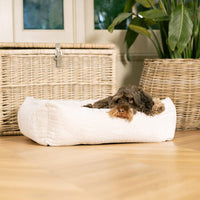
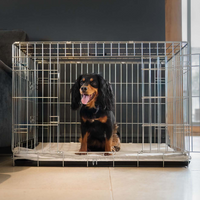
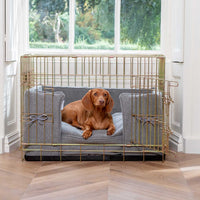
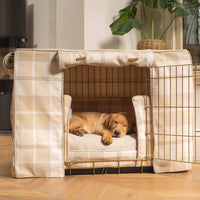
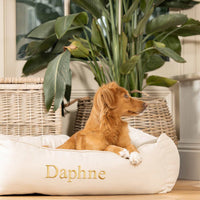
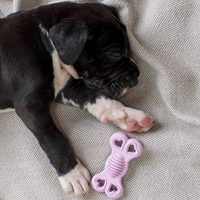
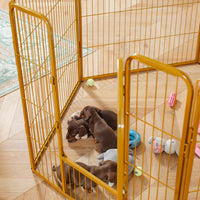
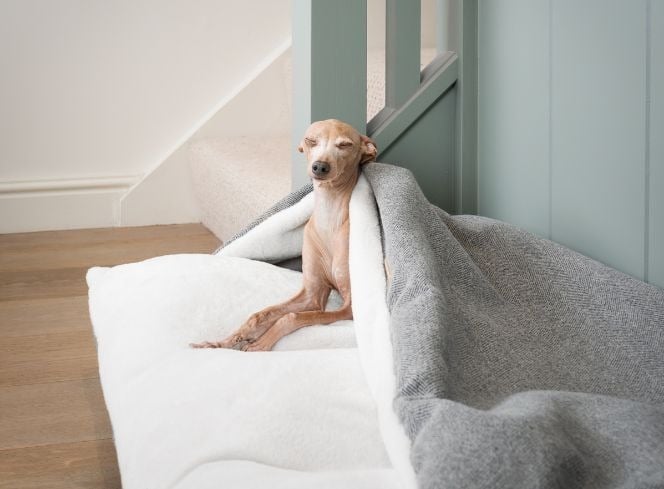
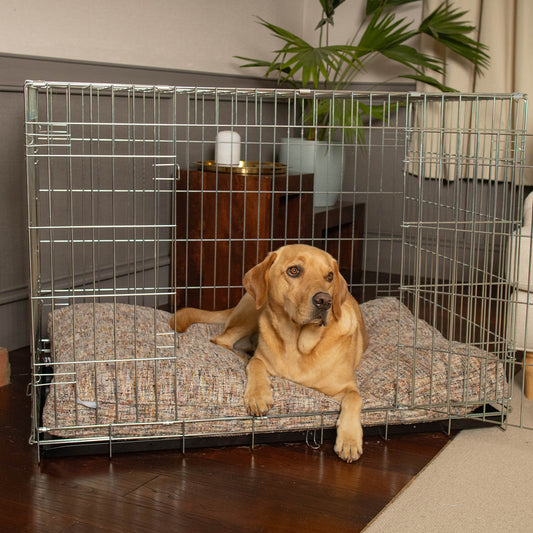
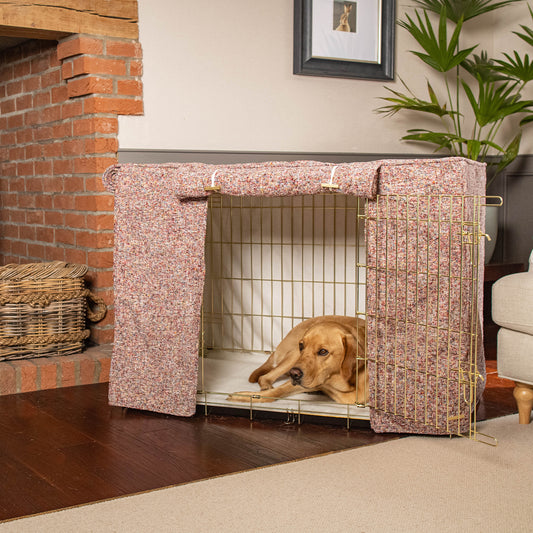
Did you know dogs spend 12 to 14 hours a day sleeping? That's a lot of time in bed so it's no surprise that their bed might be looking a little worse for wear. Dogs are creatures of comfort so making sure they have a a clean and supportive bed is essential for their overall well-being. In this guide, our Pet Experts explore the signs that indicate it's time to change your dog's bed and share expert tips on how to care for your canine's cherished sleeping spot.
How Often Should You Replace Your Dog’s Bed?
Determining how often to replace your dog's bed depends on several factors including the quality of the bed, your dog's size and activity level, and any specific health considerations. As a general guideline, it's advisable to replace your dog's bed every 1 to 3 years, or sooner if signs of wear and tear become noticeable.
Signs It's Time to Change Your Dog's Bed:
Visible Wear and Tear: Over time, your dog's bed may start showing signs of wear and tear, such as flattened cushions, lumps, or torn fabric. If you notice any significant damage, it's a clear indication that it's time to consider a replacement.
Lingering Odours: Despite regular cleaning, dog beds can accumulate odours over time, especially if your furry friend enjoys outdoor adventures or has accidents indoors. Lingering smells that persist even after washing could signal the need for a new bed.
Loss of Support: Just like humans, dogs require proper support for their joints and muscles, especially as they age or if they have existing health conditions. If your dog's bed no longer provides adequate support or has become too soft, it's time to invest in a new one to ensure their comfort and well-being. It might be worth investing in an orthopaedic dog bed if your dog’s breed is prone to joint issues.
Allergies and Skin Irritations: Dogs can develop allergies or skin irritations from prolonged exposure to dust mites, pet dander, or other allergens that accumulate in their beds over time. If you notice your dog scratching more than usual or experiencing skin issues, a new bed with hypoallergenic materials may offer relief.
Preference for Alternative Sleeping Spots: Dogs are creatures of habit, and if you notice your furry friend opting for alternative sleeping spots around the house instead of their bed, it could indicate that they're no longer comfortable or satisfied with their current sleeping arrangements. It’s worth looking at how your dog likes to sleep so you can get the best bed shape to suit their sleeping style, our Information Hub has a guide on how to choose the perfect dog bed for your dog.
Top Ways to Care for Your Dog's Bed:
Regular Washing: Establish a routine for washing your dog's bed to remove dirt, hair, and odour-causing bacteria. Most of our Lords & Labradors dog beds are machine washable, we have a handy guide on how to wash your dog’s bed here.
Use a Removable Cover: Opt for dog beds with removable, machine-washable covers for easy cleaning. Having a spare cover on hand allows you to swap them out while one is being laundered, ensuring your pup always has a fresh and clean place to sleep. We also sell bamboo bed covers which are great for popping over your dog’s bed to help keep them clean especially after a muddy dog walk, they will act as an additional layer of defence against moisture and stains, extending the life of the bed!
Vacuum and Spot Clean: In between washings, use a handheld vacuum or lint roller to remove hair and debris from the surface of the bed. Spot clean any stains or spills promptly to prevent them from setting into the fabric.
Rotate and Fluff: Just like flipping a mattress, periodically rotate your dog's bed to distribute wear evenly and prevent premature sagging. Fluffing the bed's filling helps maintain its loft and support over time.
Sun and Air Dry: On sunny days, take advantage of natural sunlight by airing out your dog's bed outdoors. Sunlight helps eliminate odours and kills bacteria, leaving the bed feeling fresh and revitalised.
Inspect Regularly: Take time to inspect your dog's bed for any signs of damage, loose seams, or worn-out stuffing. Promptly address any issues to prevent further deterioration and ensure your pup's safety and comfort.
By recognising the signs that it's time to change your dog's bed and implementing proper care and maintenance techniques, you can provide your furry friend with a clean, comfortable, and supportive sleeping environment. Remember, a happy and well-rested pup makes for a happier pet parent too!
If you’re looking to upgrade your dog’s bed why not check out our collection of luxury dog beds? Bedding is our speciality, we design and craft all of our bedding here in our Lincolnshire workshop so you can be sure your dog will be getting the best sleep possible in one of our luxury dog beds.
The Importance Of Correct Nutrition For Dogs And Cats!
Ensuring optimal nutrition for our beloved pets is paramount for their overall health and well-being. As responsible pet owners, it is crucial to understand the significance of providing nutritionally complete and balanced meals to our furry friends. In this comprehensive guide, we will delve into the world of dog and cat nutrition, exploring the importance of the right food choices, nutritionally complete homemade recipes, and the best commercial options available.
Understanding Dog and Cat Nutrition
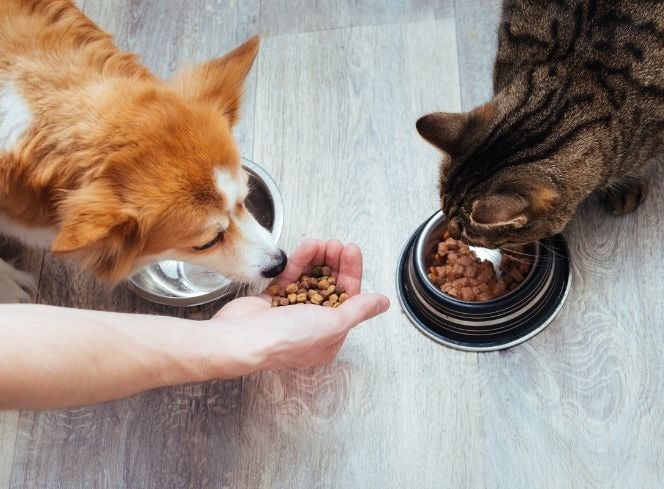
Your pet's nutrition plays a pivotal role in their vitality and longevity. Just like humans, dogs and cats require a balanced diet that fulfils their specific dietary needs. A well-rounded diet supports their immune system, maintains a healthy weight, and promotes optimal organ function. Pet food ranges from being more processed to being raw and rich in natural ingredients, finding the right fit for your pet is important!
Dog Food Nutrition
Choosing the right dog food is a key aspect of canine care. With an abundance of options available, it's essential to prioritise nutritionally complete choices. To make an informed decision, consider using a dog food nutrition calculator and comparing different products. Look for the best nutritional dog food that meets your pet's unique requirements, taking into account factors such as breed, size, and age. Our favourite nutritionally rich dog foods are Orijen, Carnilove and Acana, they are all designed with your dogs nutrition in mind.
Dog Nutrition Facts and Guide
Understanding dog nutrition facts is imperative for providing the best care. Refer to a dog food nutrition guide to navigate through the plethora of choices available in the market. Learn about your dog's daily nutritional requirements and make informed decisions that contribute to their overall health and happiness.
Cat Food Nutrition
Cats, being obligate carnivores, have unique nutritional requirements. The best cat food for nutrition considers their need for high-quality protein and essential nutrients. Explore dry cat food nutrition labels to ensure your feline friend receives a balanced diet that supports their specific dietary needs. For a cat food which is high in protein and great for fussy felines we love Carnilove, they all have at least 80% wild origin meat content and contain No grains, potatoes, GMO, soy, sugar, preservatives or colourants.
Daily Nutritional Requirements for Cats
Cats require a carefully balanced diet to thrive. Knowing the daily nutritional requirements for cats is essential for choosing the right cat food. Consult with your vet to understand the specific needs of your cat, such as the importance of taurine and other essential nutrients crucial for their health.
In conclusion, the importance of correct nutrition for dogs and cats cannot be overstated. Whether choosing commercial options or crafting homemade recipes, prioritising nutritionally complete meals is key to ensuring your pet's health and happiness. Stay informed about dog and cat nutrition, consult with professionals, and make choices that align with your pet's unique requirements. By providing the best nutritional dog food or cat food, you contribute to a longer, healthier life for your furry companions. Here at Lords & Labradors we have a large range of both cat and dog food so you can pick the best option for you and your pet
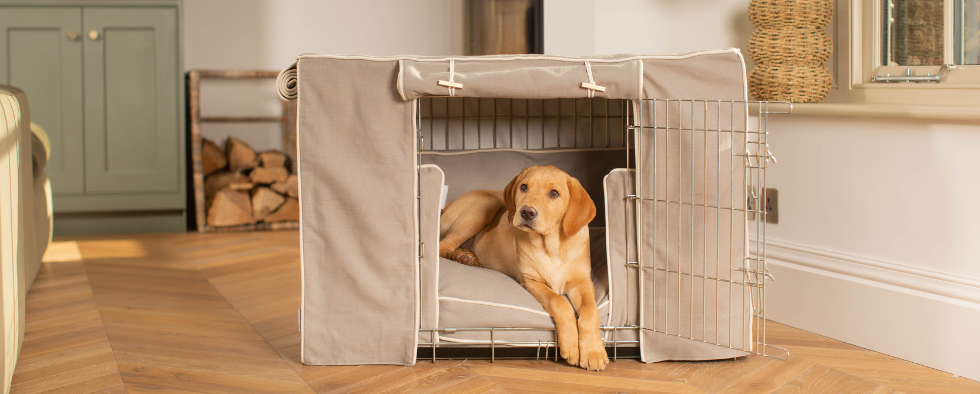
Crate training is an important part of settling in a new puppy. A crate provides a safe, quiet space for your pup and will help them to get used to their nighttime routine and with toilet training. A dog crate can be made into a cosy den that will be loved by your new four-legged friend for a lifetime. In this article we will explain the best crate set-up for puppies, how to change the set-up as they grow up and also how to look after your crate and crate bedding.
How To Make The Perfect Crate Set-Up For A Puppy
Crate training your puppy will have lots of advantages, helping them to settle and feel safe in their home as well getting them into a consistent bedtime routine. The perfect crate for a puppy will feel safe, warm and cosy. It’s important that it’s inviting so that they feel compelled to use it.
With this in mind we’d suggest the following items:
Crate Cover
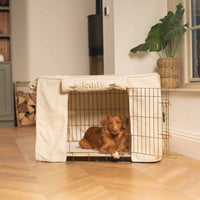
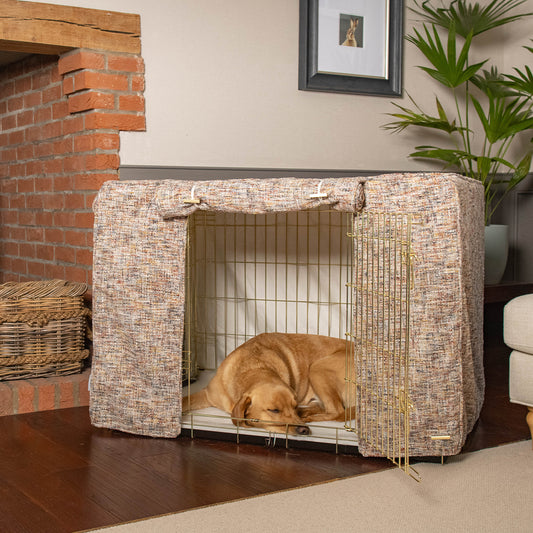
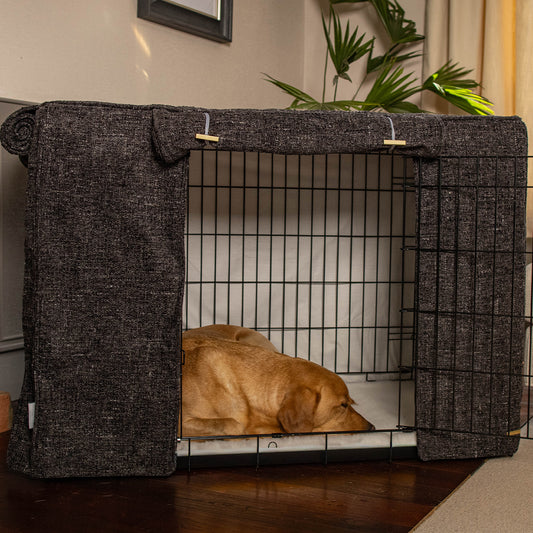
[product]Crates in their basic form can be rather draughty and a little bit unsightly! A crate cover will not only make the crate look stylish, but it will make the crate feel cosy inside. Our crate covers feature roll down doors which can be lowered when it’s time for bed. Puppy will soon learn when they should be sleeping (doors rolled down) and when it’s time to get up (doors rolled up). Our crate covers come in a range of fabrics which have been designed to match your home and they're all machine washable, making them brilliant for puppies!
Cosy & Calming Puppy Crate Bed
[product]
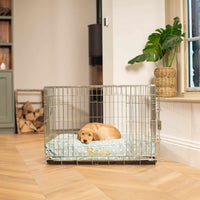
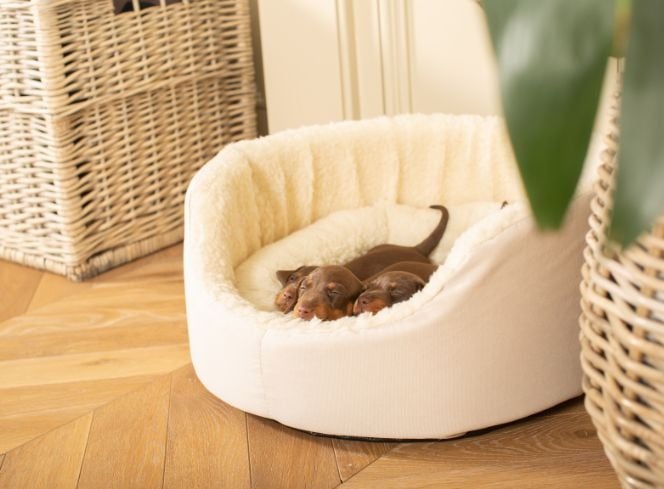
Our cosy and calming beds have been designed with crate training in mind. Each size is made to fill exactly one half of the corresponding crate size. So if you have a small crate for a Chihuahua for example, the small bed will fit in exactly one half of the crate. This then leaves room for a puppy pad in the other half along with a bowl for water. They come in a range of our printed cotton fabrics and feature a reversible cushion pad inside - one side covered in super plush sherpa!
Puppy Pads
Whilst we don’t want to encourage puppies to pee in the crate, it’s also important to note that they can’t hold themselves for very long at all. Whilst you will be able to take them outside at regular intervals during the day, this may not be the case at night. When you put them to bed, putting a puppy pad in one half of the crate will help to stop any accidents from dirtying their bed or crate tray.
Crate Bowls
Puppies will need access to water at all times and a crate bowl is a brilliant accessory as it can be fastened to the crate walls. This will ensure it doesn’t get tipped over or knocked like a standard bowl might.
The Perfect Crate Set-Up For An Adult Dog
As your dog becomes toilet trained and they begin to need the full space of the crate for their bed, you will need to consider swapping out the puppy accessories for their proper adult bed. At Lords & Labradors we specialise in crate bedding that will make your dog’s den look stunning as well as super comfortable inside.
Crate Cushion
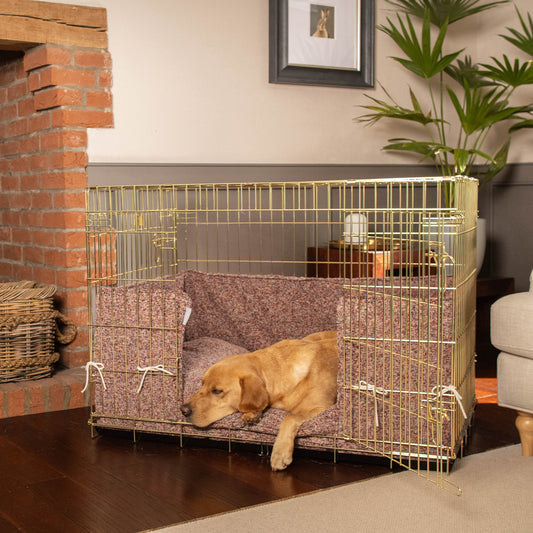
Our crate cushions are designed to fit our crates perfectly. They come in a range of fabulous fabric designs from luxurious tweeds to printed cottons. There really is something to suit every taste and home.
Crate Bumper
Crate walls aren’t the most comfortable things to snuggle up to, and if your dog likes to curl in the corner of their bed, they will need something other than metal bars! That’s where our fabulous bumpers come in. They sit around the edge of the crate cushion and create a spongey layer of warmth around the walls. Perfect for snuggling up in the corner when nap time calls!
Crate Cover
Our crate covers are perfect for setting a routine with your dog, when the doors are rolled down it will signal to them it's time to sleep. Our crate covers are fully lined to help keep light out and come in matching fabrics to our bumpers and cushions to you can be sure crate will look stylish!
Crate Set Aftercare and How To Clean A Crate
With a little love and care your crate set will last a long time. Here we detail how to look after your crate set:
The Crate - The crate is made of sturdy metal and is really easy to keep clean. Our crates are easy to wipe clean and the tray is removable so you can get into the corners properly. It’s really important to make sure the crate is completely dry before setting back up and allowing your pet back in, we recommend drying your crate to avoid any rusting.
Lords & Labradors Cushion & Bumper Covers - For our bedding from our core collection you will be able to remove the covers on the cushions and bumpers. Turn the cover inside out and machine wash on a 20 degree gentle cycle. Allow the covers to air dry (do not tumble dry). Once dry return the inner cushion to the cover.
Essentials Plush Collection Bumpers & Cushions - Our bumpers and cushions from the Essentials Plush Collection don't have removable covers, we recommend spot washing your essentials plush bumpers and cushions.
Lords & Labradors Crate Covers - Our crate covers are all machine washable on a 20 degree gentle cycle, apart from our oil cloth crate covers. After washing, we recommend air drying your crate cover over your crate to help keep it in shape and to make sure it doesn't shrink. A cool iron on the reverse of the cotton fabrics is fine if necessary, but often they won’t even need that. Our tweeds and Savanna fabrics are super fast drying and they will come out of the spin almost dry. Just give them an air and they’ll be ready to use again in no time at all!
Cushion and bumper inners - The cushion and bumper inners are protected by waterproof interlinings, so won’t need washing. This will preserve the inner fillings. The waterproof liners are wipe clean. If they become soiled, simply wipe down with a mild pet-safe detergent and they’ll be as good as new again.
Cosy and Calm Puppy Bed - Our puppy beds are fully machine washable. You can put the whole bed in the machine and wash on a 20° cycle. When removed, simply shake and plump the cushion back into shape and leave to air dry.
Follow these simple steps and your crate sets will last and look stunning for years to come!
We’re getting to that time of year again where we’re travelling more with our pets to the beach, staycations and even trips to a different location for a long walk. No matter how long the journey - even if it’s a trip to the local vets - you should ensure your dog is properly restrained and safe to travel. Here in the UK it’s the law when travelling by car your dog needs to be restrained. In this blog, we breakdown how to travel safely with your pet.
What Is The Law With Dogs In Cars?
The Highway Code states in their Rules about Animals, when in a vehicle, dogs are to be suitably restrained so they cannot distract you while you’re driving or injure you, or themselves, if you should need to stop quickly. If you were in an accident caused by your dog distracting you whilst you were driving, this could be considered as ‘dangerous driving’. It’s also good to check your insurance policy, as car insurance providers may require you to restrain your pet.
Is It The Law To Restrain A Dog In A Car?
It is the law to restrain your dog when travelling in your car. So as fun as it is for your pooch to sit with their head out of the window, they must be suitably restrained so they cannot distract you and potentially hurt either you or themselves. When it comes to where your dog should be when travelling, although there are no laws against your dog travelling in the footwell of the car, unfortunately they would not be properly restrained and if you did have an accident, you may be prosecuted for ‘dangerous driving’.
When choosing where your dog should be properly restrained, no matter what method you choose, your dog should not sit in the front seat - securing them in the boot or back seat behind a front seat is considered a safer option.
How To Secure A Dog In The Car
There are many safety products you can choose from, which can help with travelling safely in the car. It’s most important you choose a solution that’s suitable and comfortable for your pooch, and it has been installed and executed correctly to ensure the safety of your pet. Here at Lords & Labradors, we’d recommend the following for safe travel.
Dog Carriers
Our pet carriers come in different sizes and weights which will vary for the suitability for you and your dog. It’s a lighter option to our metal crates and are easily packed away if you’re staying away from home. Carriers are great when travelling by car and when taking your dog from the car into a safe place to let them out and stretch their legs. They keep your pooch safe and settled whilst travelling.
Travel Harnesses
Our pet-friendly harnesses come in a variety of sizes, suitable to your dogs breed and size. Travel harnesses are easy to fit onto your dog and it’s quick to clip them into place. They’re specially designed to prevent your dog from moving around whilst in the car, all whilst keeping your pet safe and comfortably restrained.
Travel Crates
Crating your dog keeps them safe & secure - using a crate to transport your pet has the added benefit if they’re already used to being crated at home. If your dog is used to being crated, often when travelling they’ll feel safer and their surroundings will reduce any anxiety your dog may have around travelling.
How Long Can A Dog Travel In A Car
Being stuck in the car can be hard for your dog! Not only will your dog need regular toilet breaks, they’ll also need to stretch their legs and get some of their energy out. When stopping for your dog to toilet and stretch their legs, you could also give them some food and water to avoid any spillages whilst travelling. Ideally you should try to keep to your dogs routine where possible (even when travelling) - every 2 to 4 hours for about 15 to 30 minutes is a good guide to follow, however you’ll know what is best for your dog and how they travel. If you’re planning a lengthy trip, try to go on few shorter journeys to see how your dog is likely to react.
You may be preparing for the all important ‘Gotcha Day’, the day celebrated by all dog parents as the day you brought your pup home. Taking your puppy home for the first time is exciting, especially if you have prepared for their arrival. Puppy shopping can be so much fun, but also overwhelming if you’re a new pet parent, or if you’ve not had a puppy for a few years. There will be some things you do need to buy for necessity and some things that are worth buying for your new pup. Here at Lords & Labradors we’ve put together the 10 puppy essentials you’ll need to get your new puppy settled.
Our Top 10 Items To Buy For Your New Puppy
1) What crate to buy?
Firstly, if you’ve decided to crate train your puppy, you’ll need a crate that will see you through from puppyhood to adulthood. You’ll need a crate the appropriate size so you can fit a puppy bed at one end and a puppy training pad the other incase they need to toilet when left in their crate. It also gives your pup enough room to stretch, play and sleep if crated during the daytime. Depending on your training methods, you may want to place the crate somewhere the puppy can be near to you, but also not directly in a high traffic area of your home. Remember the crate is your puppy’s den, so discourage any children from climbing inside.
2) Where should my puppy sleep?
We recommend a puppy bed that’s easy for your pup to get in and gives them enough support and comfort whilst they sleep. Our Cosy & Calm Puppy Box Beds have been carefully designed with your puppy in mind. The beds are super squishy and soft, and have the most comfortable sides for your pup to snuggle right into. If you have chosen to crate train your pup, our vet bed is really popular, as it’s cosy, comfortable, robust and relatively puppy proof - it’s easily washed and dried too. It can be used with or without our Cosy & Calm puppy box bed.
3) What will my new puppy eat?
It’s recommended you initially use the same food that your puppy comes home with, in order to avoid any tummy upset during their first few days with you. Once your puppy has settled, you can gradually introduce a new food to their diet. It’s good to check the food guidelines of the food you choose to feed your pup, as often they’ll give you the correct guidelines on how to introduce the new food to your pup.
Make sure you have a clean bowl for water and a clean bowl for food, you can opt for a slanted water bowl if you have a spaniel breed to reduce your dogs ears from getting soaked in their water.
4) Puppy Toilet Training
Top of your list should be a reliable pack of puppy training pads, not only are they great for training your young pup, but they are invaluable when travelling (pop in the bottom of their carrier/crate to catch any travel sickness or accidental toilet trips). You can also use them to absorb muddy, wet paws after your pup has had a play in puddles!
5) How to settle my new puppy at night
When settling your new puppy at night, our heart beat sheep will be your puppy's new best friend. The heart beat sheep features a beating heart inside that mimics the beat of Mum's heart. They're designed to offer comfort and calm to new puppies who may feel nervous in their new home; they help to stop separation anxiety too. Alongside the heart beat sheep, you could pop in a heat pad under your dogs bed/cushion to keep them warm and to mimic the feeling of having siblings/mum near. Both the heat and the heart beat sheep will provide comfort for your puppy, especially whilst they are settling in and adjusting overnight.
6) How to keep your new puppy entertained
Toys will provide something to chew on for your pup, which you’ll find are essential if you want to avoid your puppy chewing on your furniture. Choose a variety of textures, styles and sizes to keep your puppy engaged and interested. You may want to keep a toy box so your pup can choose what they’d like to play with, or keep a few toys in rotation so your puppy doesn’t get bored with them.
You can also buy toys you can fill with treats or their food. If you want/need to leave your puppy - remember to build this up slowly, and don’t leave your new puppy for a long period of time - you could try freezing a peanut butter filled KONG (remember to use doggy/puppy friendly peanut butter). Freezing the toy will take them longer to work through and will give some relief to their sore teething gums and teeth.
7) Does my new puppy need a collar?
You may want to purchase your dogs collar before they arrive home with you, however it’s advised to purchase the correct size collar for your puppy, which you may have to wait until they’re here to measure them properly. It is a legal requirement to have a tag with your details on incase your puppy gets lost or strays away, but it’s advised not to add your puppy’s name to the tag.
8) How will I get my new puppy home?
Collecting your puppy to take them home is really exciting, but it’s best to be prepared. Make sure you have a suitable carrier/crate to store them in safely for the journey. It’s important your dog is restrained as it is the law to keep your puppy properly restrained whilst driving. In your carrier, you may want to pop in a blanket that smells like home and a scent blanket that smells like their mum and litter mates. It’s also good to have some puppy training pads to hand incase of any car sickness or accidental toilet trips.
9) When to start training my new puppy?
You can start with bonding and training your puppy almost straight away, get some high quality, puppy training treats (make sure to check the guidelines), and enjoy teaching them new tricks - you’ll be amazed at how quick they learn!
10) When do I start grooming my puppy?
It’s recommend that even if your pup won’t require grooming at first, you should regularly brush them to get them used to being groomed and handled. Choose a simple, soft brush and/or comb for the first couple of months. There will be a time you will need to wash your puppy, make sure you’re not using human shampoo as this will upset your puppy's PH levels and may not be compatible with your puppy flea treatment. It’s best to invest in a puppy shampoo that you can use when and if you need to bathe your puppy. We have our own puppy grooming set in our Petplex collection called the 'Puppy Purifier' it has a shampoo and a cologne to help keep your puppy smelling fresh.
As a dog owner, taking your four-legged friend for walks is one of many ways to care for them and ensure that they’re stimulated physically and mentally.
Every dog breed is likely to benefit from regular walks, but with larger, more athletic dogs you may need to take them for multiple walks each day. However, when temperatures soar in the height of summer, you may be wondering is what temperature is too hot to walk a dog, how long to walk your dog in summer, and what essentials you'll need for summer walk. In this blog we will explore all the things you need to know about hot weather walks.
Can You Walk Dogs In Hot Weather?
While it’s true that all dogs need some level of exercise, taking your pooch out on especially warm days could cause them harm, potentially leading to serious health implications or even death. But it is possible to reduce the chance of your dog becoming ill by checking the heat before you go for walks, picking suitable periods to walk your dog and providing sufficient care to your dog when you return home.
What Temperature Is Too Hot To Walk A Dog?
The maximum temperature for walking your dog may vary depending on the level of humidity and wind in the air. As a rough estimate, your dog should be safe to be walked anywhere up to 19 degrees celsius.
Out of hours animal healthcare providers Vets Now assessed the danger rating of temperature brackets, giving a four out of 10 score to 16-19 degrees celsius, outlining that it’s generally safe to walk your dog within this bracket but that owners should be wary of doing this if their dog is obese or flat-faced. For extra safety, Vets Now suggest taking your dog for a walk at times where the temperature is between 12 and 15 degrees celsius, as they saw no evidence of heat stroke from dogs that were taken for a walk in this bracket.
Is 22 Degrees Too Hot To Walk A Dog?
We’ve outlined recommended temperatures for walking your dog, but how do you know where to draw the line?
In Vets Now’s assessment of temperatures for walking your dog, they state that between 20 and 23 degrees has a six out of 10 risk rating and that rigorous exercise in this heat could lead to heatstroke. An eight out of ten rating is given for 24-27 degrees celsius and they advise that extreme caution must be taken. Obese or flat-faced dogs would be at risk in these temperatures.
A nine out of 10 risk rating is given to temperatures between 28 and 31 degrees celsius, and walks in temperatures at 32 degrees celsius or above are given a 10 out of 10 rating, with dogs of all breeds being susceptible to heatstroke at these temperatures.
When Is It Too Hot To Walk A Dog On Pavement?
Along with checking that your dog isn’t suffering as a result of high temperatures, you should also be wary of how warm the surfaces they are walking on are. When pavements have been exposed to the sun for several hours, it’s likely that they’ll be hot to the touch, and while we wouldn’t notice wearing shoes, a dog’s paws could be seriously damaged by this.
It can be hard to tell how hot a pavement is, and even if you feel it with your hand before walking your dog, it’s difficult to know whether they’ll be affected by it. Pavements can be as much as two times hotter than the air temperature. Prior to a walk, you should find out the air temperature, and if double that reading is likely to damage your dog’s paws, it could be worth waiting until it’s cooler or saving your walk for a cooler day.
How Long To Walk A Dog In Summer?
For more athletic dogs, not going for a walk may leave them restless, frustrated and upset. You might be able to get around this problem by walking your dog early in the morning or late at night when it’s cooler. However, even if you opt to take your furry friend for a walk when it’s cooler, you should still ensure that you don’t walk them for too long.
As a general rule of thumb, try to limit these excursions to under 30 minutes on warm mornings or evenings, but also take extra precautions such as not allowing your dog to run and, if they’re prone to overheating, fit them with a cooling vest.
How To Cool A Dog Down After A Walk
If your dog begins to show signs that they’re overheating, such as feeling warm to the touch, panting, dribbling more than usual or presenting a rapid heartbeat, you need to take action to prevent them from becoming seriously ill.
Tips for cooling your pooch down include:
providing them with lots of fresh drinking water
investing in a dog cooling mat
giving them ice cubes to chew
setting up a doggy paddling pool
wrapping a wet towel around them
leaving them in a room with cool tiled or wooden flooring.
use a cooling bandana
How To Give Your Dog Water On A Walk
On cooler days when you do take your dog on a walk, especially on longer walks, taking water for them with you is a great idea. Travel water bottles and bowls are super handy to have to give your dog water on the go, the Beco Travel bowl and the KONG H2O Insulated water bottle are the perfect pair for this.
Our top tip is if you think it may be too hot or you are unsure, don't walk them! No dog has ever died from missing a walk but unfortunately a lot have from heatstroke. Help to keep them cool this summer with our cooling range
Summer is wonderful in so many ways. The warmer, drier weather and longer daylight hours means we can get out and about much more. Day trips and holidays are much more appealing when the chance of fine weather is increased. It’s also the season when the landscape is full of life and gardens brim with colour and bird song.
Summer can also pose a few challenges for pet owners though. Keeping our pets cool and safe is our number one priority at this time of year. Here we list a few things you need to consider when looking after your dogs and cats in Summer.
Go For Dog Walks Early in the Morning or Later in the Evening
We mentioned the potential for nice weather in the Summer, and this can sometimes become extreme with incredibly high temperatures. When the mercury rises, we need to do our best to keep our pets cool and comfortable. Dog walks can pose a major hazard on the hottest days. Not only can sun exposure cause sunburn, but dogs can suffer from heat stroke and hot pavements can burn delicate paws.
It is best to walk your dog when the sun is low in the sky, so either early in the morning or later on in the evening. Check the feel of the paths with your hand - if it’s too hot for you to touch comfortably then it’s also too hot for your pup.
[product]
Keep walks to a gentle pace and make them shorter than usual if necessary. You could also consider popping a cooling vest or bandana on your pup to help keep them cool too. It's a good idea to have a cooling mat or bed on hand for your dog to lay on once you get home too!
Provide Indoor Activities
With dog walks likely to be shorter than usual, we’d suggest providing some indoor activities for your pup to keep their minds occupied. It doesn't have to be anything too strenuous, but some interactive toys such as puzzles or hiding games. This will give them something to focus their energy on and stop boredom from setting in.
Take plenty of refreshments on outings
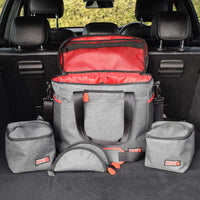
It’s important to make sure your cats and dogs have access to plenty of fresh water throughout the day to help keep them cool and hydrated. If you’re going on an outing with your dog, make sure to take refreshments with you. There are a number of travel cups and bowl options with various sizes available. The brilliant range of travel bags by Mobile Dog Gear come with handy travel dining sets, so that you can pack food and water all in one bag. They have sets suitable for day trips through to large weekender bags that are great for overnight stays.
Never Leave your pet in the car
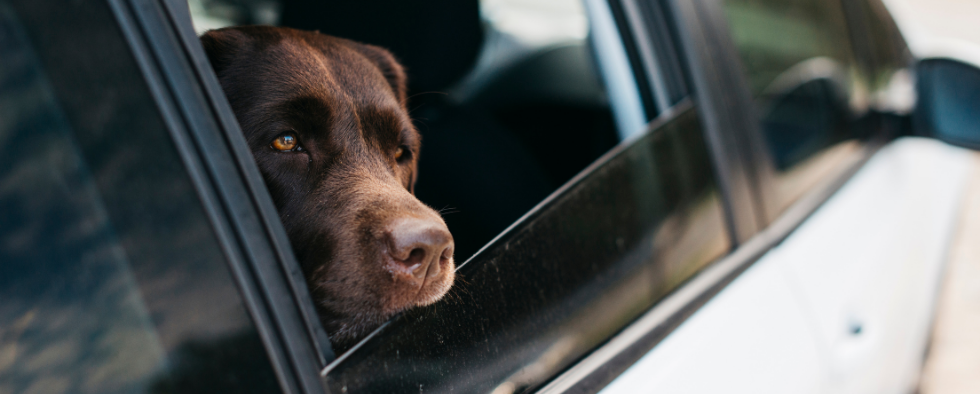
This may seem obvious, but it’s really important to highlight, nonetheless. Cars will become very hot, very quickly, in hot weather. Leaving a window open simply isn’t enough to keep the car cool enough for your pet to sit in, even for a short time. Whenever you get out of the car you must take your dog with you or you will risk them overheating and becoming severely unwell.
Make Sure Your Garden is Pet Safe
You may spend a lot of your spare time in the garden during the summer months so making sure it's safe for your dogs and cats is important. Ensure the garden is enclosed and that your pets can’t escape. You should also ensure that there are plenty of shaded areas for them to retreat to as well as bowls of fresh water.
[product]
You could provide them with some water toys. A paddling pool or water fountain will give them opportunities for playing and keeping cool too.
Adopt a Summer Grooming Regime
Depending on your pet’s breed, you may decide to give them a summer cut. You need to be sure that it will benefit them before you make the decision though. Cats and dogs have developed their coats over generations to keep them warm in winter and cool in Summer.
Generally speaking, they shouldn’t need a Summer cut to keep them cool. Double coated breeds should never be clipped as having a thicker coat actually keeps them cooler and helps them avoid sunburn. Single coated breeds such as Poodles do have a coat suitable for clipping though. If you’re unsure whether you can clip your dog or not, consult your vet or a professional dog groomer for advice.
Don’t forget sunscreen for your pets
Many pets will benefit from the protection that sunscreen provides. White haired cats and dogs can burn quite easily due to the skin underneath the fur being white. Use pet safe sunscreen and apply to the bridge of the nose, underbelly and armpits. Cats also tend to have thinner hair on the ears and the spot between the eye and ear. Sunscreen should never be applied to the eyelids or nose, but it can be applied to any other areas that may be at risk.
Just make sure to choose a pet safe cream. Your cat or dog is likely to lick the cream off after application, so you need to ensure the product is safe. Most human creams won't be suitable, so it’s best to find a pet-specific cream such as the Playful Pup cream by HOWND.
Repel those pesky bugs!
We mentioned the abundance of life in the Summer, but this also means an influx of insects which can be a real nuisance to both us and our pets. They don’t just cause us to itch if they crawl on us but can also bite.
There are a number of insect repellent products available to help keep them away. You could try an insect repelling shampoo or grooming product such as the TropiClean Flea & Tick Shampoo or the Animology Flea & Tick formula.
Relax, Relax, Relax!
The best advice we can give to make it through the Summer is to take it easy and make the most of it! We all know what it feels like when we’re hot and bothered; it can make us irritable and lethargic. Our pets are much the same and will appreciate a more laid-back approach to their routine. Keep exercise relaxed and offer more gentle forms of stimulation. The Summer is best enjoyed when you’re sat back and chilled out, and I think our pets would most certainly agree!
The Summer holidays are just around the corner and we are looking forward to lots of days out and time with our families. Whether it’s a day at the seaside or a road trip to a picturesque countryside spot, one of our favourite things to do is get out and explore with our dogs. We also love a little bit of relaxation on our return home, with our feet up and a snuggle on the sofa. In this blog we take a look at our favourite Summer dog accessories for home and away.
Our Favourite Accessories for Days Out & Travel
Mobile Dog Gear Week Away Backpack - Day trips; long weekends; camping trips; holidays; whatever kind of trip you’re taking and for however long, you need to make sure you have all of your dog’s things. The week away backpack comes with special pouches for food as well as travel bowls and a feeding mat. There’s plenty of room left over for your other pet essentials such as a drying towel, a couple of toys and a blanket. An absolute must for road trips of any kind!
KONG H2O Insulated Water Bottle - Staying hydrated in the Summer is just as important for our four-legged friends as it is for us. This pet water bottle will keep water cold and fresh and comes with a special lid that becomes a bowl to serve water on the road.
Cocopup Dog Walking Bag - You never know when your dog might deserve a treat. Keep treats to hand at all times with this practical and stylish dog walking bag, it has a handy treat pouch which clips to the strap so it's easy to grab treats on the go. It’ll keep the treats nice and fresh, ready to serve whenever you need them.
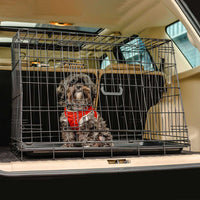
Streetwise Slanted Dog Car Crate - If you’re going on any kind of car journey, you’ll need to make sure your dog is safe and secure, crates are a great option for long journeys. One of our favourite travel crates is the Streetwize Car Crate, it's slanted so that it easily fits in boots and is made from metal so is super sturdy. It's a great safe way to travel with your dog.
Lords & Labradors Sleepeze Cushion - If you're going on any kind of trip away you'll want a travel cushion. We may be biased but we love our Sleepeze cushions, they have a handle so are easy to carry and are perfect for putting in the back of your car or for staycations for your pup to sleep on. They come in a large range of our classic prints and fit nicely in our L&L deluxe crates.
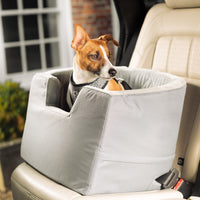
Trixie Car Seat For Dogs - If you have a smaller dog, you may want them to sit in the car with you. You still have to ensure that they are secure though, and this car seat is just perfect. It straps in using a seat belt and means your dog can sit with you and see out of the window as you travel. Just make sure you have a suitable travel harness such as the Ruffwear Front Range Harness and that it’s safely attached to the strap in the booster seat.
Lords & Labradors Bamboo Drying Coat - A drying coat has so many uses and is a practical accessory to have in a number of situations. We love to take them on our travels for any time our dogs might need drying off after a walk. It might be for use after a dip in the sea or a lake, or it might be to put on your dog after a rainy walk. A drying coat will wick the moisture away from your dog and help to keep them warm whilst they dry off. Our drying coats are made from bamboo so are perfect for sensitive skin and are double layered so are perfect for quickly drying you dog off.
KONG 2-In-1 Bench Seat Cover - With more outdoor adventures in the diary, comes more opportunity for your car to get wet or muddy at the paws of your pup!! In the UK the weather can be changeable, which means your dog may well get wet or muddy on their walks. The KONG 2-In-1 Bench Seat Cover are designed to protect your car’s soft furnishings. When you get back to the car with your pup, it won’t matter how soggy they are, as the covers will stop water and dirt from ruining your car seats or boot lining.
They’re also a really practical idea for trips to the recycling centre or garden centre; a multi-purpose car accessory that will get so much use!
Pet Remedy Calming Spray - Travel can be stressful for our pets. If you’re going on a journey and you know that travel can make your pet anxious, then this pet calming spray is the ideal product. It can be used in the run up to your travel day and can be sprayed on bedding and blankets.
Be:Sunsafe Sun Protection - The sun can be just as much a hazard to our pets as it can be to us, and animals can get sunburnt just like us. This nourishing balm by Be:Loved contains SPF to help protect the exposed areas of your pup’s body. Noses, ears and paws are all susceptible, even more so if your dog has light or white hair. Use this to protect any exposed ares before you go out in the sun and remember to reapply throughout the day.
Be:Bug Free Insect Repelling Spray & Be:BugFree Insect Repellent Shampoo - Insects can be a real pest in the Summer months. Not only is the buzzing annoying, but they can bite and sting, causing itchiness and even worse reactions in some cases. Be:Loved have developed a range of insect repelling products for dogs. The shampoo bar is great for bath time and the spray is perfect for on the go. An absolute must on any outdoor expeditions!
Our Favourite Accessories for Home
All For Paws Fountain Fresh Water Fountain - One of the biggest priorities in the Summer is to ensure our pets stay cool and hydrated. This fountain by All for Paws will help with both of those things. It's great for encouraging your dog to drink water.
All For Paws Chill Out Toys - Playtime is important whatever the weather, but it could potentially overheat your dog on a hot day if it’s too strenuous. Keep playtime fairly sedate and use a cooling toy such as the All For Paws Chill Out Range. You can soak it in water and the water will be slowly released during chew time or playtime, helping to regulate your pup’s body temperature. Just keep games a little slower on really hot days - and save the long distance throwing or tug-of-war for cooler ones.
All for Paws Cooling Mat - Another cooling essential, this mat will become your pup’s favourite place to lounge in the Summer. It can be used indoors or outdoors. Just make sure you pop it in a secluded, shaded area if you’re out in the garden.
Duck Egg Spot Crate Set - Relaxing is everyone’s favourite thing to do in the Summer and this crate set will be your pup’s favourite place to do just that. The set will provide a quiet place all of your pup’s own, where they can relax for a nice chew session with their toy of choice, or just go for a nap. The summery duck egg spot is simply stunning too and it's made from 100% cotton so it breathable for your pup.
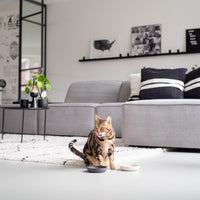
Scruffs Scandi Non Tip Bowl - Keeping your dog cool and hydrated is so important in summer, these Scruffs bowls are perfect. They're made from a stoneware ceramic material and have thick sides which helps to keep your pets water cool. They're heavy which means if you've got a playful pup it's hard for them to push the bowl round and the angled sides with flared bottom gives the bowls stability so they can't be knocked over. The bowls come in both grey and cream, whichever you choose they’ll look wonderful in your home!
Bathing your dog is an essential part of their overall grooming routine. Not only does it keep their coat clean and shiny, but it also helps maintain their overall hygiene. However, as a dog owner, you may find yourself wondering, "How often should I bathe my dog?" and "What's the best way to bathe them?" Well, fear not! In this comprehensive guide, we'll answer all your questions and provide you with helpful tips to make bath time an easy experience for both you and your beloved canine companion.
How Often Should You Bathe a Dog?
One of the most common queries among dog owners is how frequently they should bathe their furry pals. The answer varies depending on several factors, such as your dog's breed, coat type, and lifestyle. In general, most dogs benefit from a bath every 4-6 weeks. However, certain breeds with specific coat types may require more frequent bathing, while others may need it less often. Our pet experts have written an in-depth guide on how often you should groom your breed of dog which is definitely worth checking out.
Can I Bathe My Dog Once a Week?
While regular bathing is important for maintaining cleanliness, it's generally not recommended to bathe your dog more than once a week. Frequent bathing can strip their coat of natural oils, leading to dry skin and irritation. However, certain situations, such as skin allergies or medical conditions, may require more frequent bathing depending on your vet’s advice.
What Do I Need To Bath My Dog At Home?
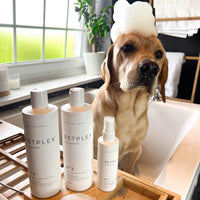
Dog Specific Shampoo - We recommend PetPlex, they have shampoos suitable for different coat types, ages and skin conditions so there’s sure to be something for your dog.
Dog Specific Conditioner - pamper your pooch with a conditioner, this will help keep their coat looking shiny and silky.
Detangling Spray - A Detangling Spray is good for curly haired or long haired dogs before their bath to help remove any knots or matts, this will help make the bathing process as easy as possible
A Brush or Comb - there are lots of different types of brushes and the best one for your dog will depend on their coat type. Explore our range of brushes to find the best one for your furry friend.
Drying Coat, mitts or towel - You’ll have a soggy doggy after a bath and having something you can dry your dog off with will come in handy. An old towel works or our favourite-fuss free way to dry your dog off is with a drying coat. They simply slip on over your dog’s head and fasten under their belly. Alternatively our drying mats are one size fits all and making drying your dog quick and easy
Treats or a licki mat - you want your dog to associate bath time as a fun positive experience and a rewards based training method is our favourite way to do this. Having plenty of treats to hand and praising your dog throughout the process will help them form positive associations with the process. The anti-anxiety bath ducks are great for distracting nervous dogs, they stick to the wall and you can put wet food or peanut butter on there for your dog to lick off whilst you bathe them. Licking is actually anxiety reducing for dogs as it releases calming hormones so is perfect for nervous dogs. If you do have a nervous pup on your hands why not check out our blog on how to desensitise your dog to grooming, it has our pet experts top tips and tricks on how to make grooming your dog a calmer experience for you both.
How To Bathe A Dog At Home:
Now that you know the ideal frequency and the essentials you’ll need, let's dive into the step-by-step process of how to bathe your dog:
Gather Your Supplies:
Have all the items we listed above to hand, making sure they’re in reaching distance will make bath time easier for you and your dog
Prep the Bathing Area:
Choose a suitable location for the bath, preferably a bathtub or a large wet room. You can place a non-slip mat at the bottom to provide your dog with a secure footing, this is a good idea if your dog doesn’t love bath time and likes to move around.
Brush Your Dog:
We recommend brushing your dog's coat thoroughly before bathing them to remove any loose fur or tangles, especially if they have a long or curly hair coat. This will prevent matting and will mean it’s easier to make sure your dog’s coat is fully clean.
Test The Temperature
You’ll want the water to be lukewarm, not too hot or cold. You can either run a bath or use the shower to wash your dog, whichever works best for you and your dog.
Rinse Your Dog’s Coat
Work from the neck down with either a jug of water or the shower head to pour water over your dog’s coat. You’ll want to make sure their coat is nice and wet
Shampooing Your Dog
You’ll want to either put a small amount of shampoo in your hand and massage it into your dog’s coat making sure it lathers up, or you can use a shampoo brush like this Rosewood brush, which allows you to put shampoo in the top and dispenses it as you brush your dog’s coat. Be careful of their eyes and ears and focus on their body and paws. Once you’ve shampooed your dog’s body you’ll want to rinse them off with lukewarm water to remove the suds, making sure no product remains in their coat.
Conditioning Your Dog
Once you’ve shampooed your dog, you’ll want to apply a conditioner. This will help keep their coats shiny by adding moisture back in after shampooing them. Massage into your dog’s coat and then leave for a couple of minutes before rinsing
Wash Your Dog’s Face
Whilst your conditioner is soaking into your dog’s coat it’s a good time to wash their face. We recommend using a cloth or a flannel with some clean water to wipe their face clean, you want to avoid getting any shampoo in their eyes or ears.
How To Dry A Dog After The Bath:
After rinsing, use a large towel, drying mitts or a drying coat to gently dry your dog's coat. If your dog is comfortable with a blow dryer on a low heat setting, you can use it to speed up the drying process. Make sure to keep it at a safe distance from their skin. Gradually dry their coat, keeping the dryer moving to avoid overheating any particular area.
Brushing Your Dog
Once your dog's coat is mostly dry, use a brush or comb appropriate for their coat type to remove any remaining tangles or mats.
Reward Your Pup
After bath time make sure to give your pup plenty of fuss and reward them for being a good boy or girl during bath time.
Our Pet Experts Tips To A Successful Bathing Experience:
To make bath time enjoyable for both you and your furry friend, our pet experts have put together their top tips:
Introduce Bathing Gradually: If your dog is not accustomed to baths, introduce the process gradually. Start by getting them comfortable with water by offering treats or toys near the bath area. Gradually progress to wetting their paws, then their entire body. This is a great thing to do with them right from the get-go as a puppy as it helps to desensitise them from a young age
Positive Reinforcement: Use positive reinforcement throughout the bathing process. Reward your dog with treats, praise, and gentle strokes to make them associate bath time with positive experiences.
Ear Care: During bathing, be cautious not to let water enter your dog's ears, as it can cause infection. Use cotton balls to plug their ears or consider using a specialised ear cleaning solution after the bath to keep their ears clean and dry.
Nail Trimming: Bath time can also be an opportunity to trim your dog's nails if needed. However, if you're unsure or uncomfortable doing so, it's best to consult a professional groomer or veterinarian. We’ve got a handy guide on cutting your dog’s claws.
Double Shampoo: Our pet experts recommend shampooing your dog twice, as long as they don’t have sensitive skin. This will help make sure they’re squeaky clean
Drying Your Dog: Avoid rubbing your dog when towel or mitt drying them, this could cause matts or tangles in their coat. Instead gently pat them dry.
Bathing your dog is an important part of their overall hygiene routine. By following the tips and guidelines provided in this guide, you can ensure a pleasant and effective bathing experience for your furry companion. Remember to consider your dog's breed, coat type, and lifestyle when determining the ideal bathing frequency. With patience, positive reinforcement, and proper care, bath time can become a bonding experience that leaves your dog feeling clean, healthy, and happy.
If your dog has problems with mobility, suffers from a condition that impacts their movement or if they’re simply old, using a raised bowl could potentially reduce further damage and improve their ability to eat and drink. However, as with anything new you introduce into your dog’s life, it’s important that you know it’s safe and unlikely to cause harm to your furry friend before trying them with it.
In this blog, we explain whether your dog should eat from a raised bowl, highlight any potential dangers and offer advice on raising a dog bowl.
Should Dogs Eat From A Raised Bowl?
Using a raised dog bowl poses multiple potential benefits such as making your dog more comfortable while eating, slowing them down if they’re prone to eating or drinking excessively fast, preventing them from eating in unnatural positions or stopping the bowl from moving around if they have a tendency for playing with it. But before you try your dog with a raised bowl, it’s important that you know the facts and whether it could potentially be dangerous to your dog’s health.
Are Raised Dog Bowls Dangerous?
Before trying your dog with any new items, you will want assurances that there are no potential dangers. Raised dog bowls were designed to simplify the process of eating and drinking by bringing the food and water closer to your dog, reducing the amount of bending, stretching and leaning they have to do. Although raised dog bowls are effective in doing this, some may be concerned about the likelihood of bloat.
Do Raised Dog Bowls Prevent Bloat?
Commonly known as bloat, gastric dilatation volvulus is a condition in dogs that is caused by the stomach twisting after filling up with fluids, food or gas. It can often happen without warning, and if it goes untreated, it can be serious or even fatal.
Although the results from existing research are mixed, there are concerns that raised dog bowls could increase the risk of bloat. Various studies from trusted sources including the Journal of the American Veterinary Medical Association claim that cases of bloat could have been increased by the use of raised dog bowls. However, even studies that report negatively on the use of raised dog bowls state that cases of bloat only occurred in dogs that fit within certain criteria including dogs that eat or drink quickly, are middle-aged or old or come from litters of other dogs that have a history of bloat.
Do Big Dogs Need Raised Bowls?
For larger dogs, raised dog bowls make the process of drinking water easier as the water flows easier down their esophagus. It also puts less strain on their neck, and if they’re old or suffer from any physical conditions, it can reduce the pressure on joints and bones.
However, a concern with big dogs using raised dog bowls is that bloat is also more common with larger breeds. For example, a study from Purdue University into bloat in large dogs suggested that 52 per cent used a raised bowl. That said, this study was from the 1990s, and with little research since, it remains a topic that many are divided on.
In conclusion, bloat affects dogs of all sizes and can be caused by a number of factors. As such, if your dog fits into the criteria that should avoid raised dog bowls based on size, breed or age, it would be advisable to speak to your vet before using one with your dog. If you’re advised against giving your dog a raised bowl, there is a wide selection of traditional dog bowls to choose from.
How To Raise A Dog Bowl
If your pooch doesn’t fit into the criteria of dogs that should avoid raised dog bowls - or if you’ve had reassurance from your vet - you may be wondering how to raise your dog’s bowl.
When choosing a raised dog bowl, you should pick one that suits the height of your dog so it is square with their chest. It’s also important to bear in mind that, if your dog is particularly fond of their bowl, switching to a raised dog bowl won’t affect them using their bowl as you will only be choosing a frame that raises the bowl, meaning you can keep the same bowl.
If you want an accurate measurement, it would be advisable to measure them and compare their height with the heights of dog bowls you could consider using. However, as many raised dog bowls come in generic small, medium or large heights, the below measurements may suffice:
Raised dog bowl height:
Small breeds - between two and six inches Medium breeds - between seven and 14 inches Large breeds - between 15 and 20 inches
SIGN UP FOR USEFUL TIPS & GUIDES STRAIGHT TO YOUR INBOX
10.05.23May 10, 2023Owning a DogFeatured
Why Do Dogs Dig Before Bed?
Surprisingly, your dog digging their bed is a totally natural instinct - in the wild, your clever pooch would hide in a comfortable area to make sure they were protected when going to sleep. Often this would include digging a hole so they could hide from predators whilst keeping warm and dry. Whilst your pup may not have ever lived in the wild, their instinct still may be to dig at their blankets and bedding to create this protected space.
How To Stop A Dog From Digging Their Bed
It’s good to know it’s natural for your dog to ‘dig’ their bed, they may do this for a number of reasons, for their body temperature, to hide, and to even create a comfy bed space for them. As the behaviour is instinctual, you may not be able to stop the digging all together, but rather redirect this behaviour. Create an area just for your pup, encourage them to only dig in their bed, you may want to add a few blankets into their bed to provide them something to dig. Note if your dog is digging when they’re too warm - they may just be looking to cool themselves down. Make sure you have a space for them to get cool (like adding a fan to cool and circulate the air), to increase your dogs comfort.
Why Do Dogs Mess Up Their Beds?
Not only does your pooch dig their bed for their own shelter, but they may be messing up their beautifully set bed for a few other reasons. If you have any other animals in your home - such as a pet cat - them digging at their bed will secrete a distinct pheromone which will mark their bed as their own. Another reason may simply be down to curiosity - by digging their bed, they may simply be scoping out what is hiding under the cushions of their bed. Often your pooch may find an old toy of theirs or left over food/treats, once they’ve noticed these, they may dig to try to reach it, or even to re-hide it. If your pooch and their digging becomes compulsive, and even seems to be winding them up, this may be a sign of some underlying anxiety. If you’re worried, it’s best to contact your vet.
How To Calm A Dog Down For Bed
Introduce them to their safe, cosy space and set a bedtime routine you follow every evening, this will help your pooch relax and unwind when they know it is bedtime. Similar to humans, a safe, comfortable bed will make them feel relaxed and secure enough to drift off to sleep. Give them a stroke as your repetitive soothing touch can relax them enough to sleep. It might be helpful to put on some soothing music for your pooch, streaming services often have ready made dog-friendly playlists that are specifically produced to make your dog feel more calm.
Should I Give My Dog A Treat Before Bed?
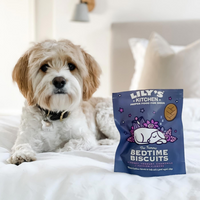
If you feed your pooch a treat, make sure it is a small, ‘night time/bedtime’ treat. The time of day matters when feeding your pooch, so make sure you’ve fed them at least 3 hours before bedtime and make sure they’ve relieved themselves before bed. Often, giving your pooch a treat at bedtime will give them something to look forward to and will help build a routine around bedtime.
As a cat owner, you know that your feline friend's claws can sometimes be a bit too sharp for comfort. But how often should you trim your cat's claws? And can you even trim them yourself? Don't worry – we're here to answer all your questions about how to trim cat claws and whether you should do it at all.
Should You Trim Your Cat's Claws?
The short answer is yes, you should trim your cat's claws if they’re getting too long. If left untrimmed, your cat's claws can grow too long and start to curl under, which can be painful for your kitty. Long claws can also cause damage to furniture, carpets, and other household items. Not all cats need their claws trimmed, but most can benefit from it.
Can I Trim My Cat's Claws At Home?
Absolutely! Trimming your cat's claws at home can save you money and strengthen your bond with your cat. Just make sure you know how to do it properly or ask your vet for guidance. In fact, many cat owners choose to do so to save money on vet bills and to bond with their cats. However, it's important to make sure you know how to trim cat claws properly to avoid hurting your cat or causing damage to their claws.
How to trim cat claws:
We know your cat’s temperament can make trying to cut their nails not the easiest task to say the least, some cats will have their nails cut with no restraint but a lot of cats will need holding to make sure that both them and you don’t get hurt.
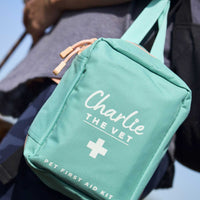
First, make sure you have the right tools – a pair of sharp, dedicated cat nail clippers is ideal, we love the Ancol nail clippers. Making sure your clippers stay sharp is important, their claws are more likely to bleed if your clippers are blunt. Having a first aid kit is something we recommend all pet owners have on hand just in case there are any accidents, the Charlie The Vet First Aid kit is our favourite.
Wait for your cat to be settled in a quiet room, you will want them to be relaxed before trying to clip their claws.
Slowly introduce your cat to the clippers, let them get used to them before trying to clip their nails. This is a good part of their socialisation as a kitten.
Start by gently hold your cat's paw and use your index finger to press gently on the pad of your cat’s paw, just behind the claw. Will a little bit of pressure this should extend their claws.
You then need to cut just the tip of the claw, being careful not to cut the quick (the pink part inside the claw that contains blood vessels and nerves). It’s safest sticking to the white area at the tip of their claw, if you can see the quick we recommend staying 3-4mm below this when clipping their claw.
Take your time when cutting your cat’s claws, there’s no need to do it all in one sitting. Try trimming one claw at a time and giving them a treat and fuss. If they haven’t ran off after this then you can try trimming the next nail. If they seem unhappy or are struggling, stop and try again another time
You want claw clipping to be a positive experience for your cat so that it becomes an easy process with them. Make sure to hold them but not too tightly and don’t shout at them as this will make them fear the process even more. The All For Paws Calming Anti Anxiety Bath Duck is great for sticking on a wall and adding some wet food or treats to, this will help to distract your cat whilst you cut their claws and will hopefully make it a more positive experience for you both.
A lot of cat owners only cut their cats front paws but we recommend checking them and giving them a snip if they’re too long.
If you're nervous about trimming your cat's claws, you can always ask your vet to show you how to do it. They can also trim your cat's claws for you if you prefer.
How Often Should You Trim Your Cat's Claws?
It’s generally recommended you trim your cat’s nails once every 2 to 3 weeks but the frequency of claw trimming depends on your cat's lifestyle. If you have a young cat who is active and is frequently using their scratch post they may not need their claws trimming at all. However, if your cat has mobility problems or is older them may not be as good at maintaining their claws.
If your cat is an indoor or outdoor cat will also affect how often they need their claws cutting. If your cat spends most of their time outdoors, scratching and climbing up trees, you may only need to trim their claws once every few months. However, if your cat spends a lot of time indoors, they may need their claws trimmed more frequently.
How To Tell If Your Cat’s Claws Are Too Long
There’s a few ways to tell if your cat’s claws are too long:
You hear their claws tap when they walk on hard floors
They’re starting to catch on things such as blankets, carpets or on you when you’re cuddling
If you can easily see them whilst your cat is resting
Your cat is struggling to scratch their claws
Top Tips For Keeping Your Cat’s Claws Healthy
Scratch Post - scratching is how your cat keeps their nails in shape and scratch posts are a good outlet for them to do this. By having one or two scratch posts round your house, depending on how many cats you have and the size of your house, will encourage this behaviour in a positive way and will mean you will have to trim their nails less often
Keep them busy - keeping your cat running, playing and climbing will help to naturally wear down their claws and should mean you won't have to cut them as often
In conclusion, trimming your cat's claws is an important part of their grooming routine. By learning how to trim cat claws safely and effectively, you can keep your cat comfortable and protect your home from damage. Remember to trim your cat's claws regularly and ask your vet for help if you're unsure.
Spring is in the air! We’ve seen the first daffodil sprouting and the mornings are less dark and dreary. We love springtime for its emerging flora. And lengthening days. It’s a time to get outside and make the most of the milder climate after the long winter. This week we’d thought we’d picked out some of our favourite pet accessories to make sure your pup is looking and feeling their best this spring.
Our Top 10 Spring Must-Have Dog Accessories
1. Luxury Savanna Sofa Topper
Spring showers usually mean muddy paw prints, which are the last thing you want on your lovely sofa. Our luxury Sofa Toppers are our pet-mess protection solution. If your dog loves to snuggle up on the sofa, then the Luxury Savanna Sofa Topper is a must-have. Our Savanna Sofa Toppers are made from our breathable savanna fabric and comes in a choice of two coloursIt will keep your furniture free from pet hair and dirt, plus, its stylish design will complement any home decor.
2. CocoPup Dog Walking Bag Set
Heading out for a Spring walk with your pup has never been easier with the CocoPup Dog Walking Bag Set. It includes a spacious bag for all your dog's essentials, including poop bags, treats, and toys. They are made from a water-resistant and wipe proof material, with makes it easy to clean. The bag straps come in a choice of 7 colours so there’s sure to be one you like, and Cocopup also have a range of collars and leads to match the strap so you and your paw some pal can match!
3. Lords & Labradors Bamboo Drying Collection
Spring weather can be unpredictable, and you don't want your pup to catch a chill a rainy walk or a day at the beach. Our Bamboo Drying Coats are perfect for keeping them warm and cosy. Made from eco-friendly bamboo, it's soft, absorbent, and quick-drying - perfect for wicking away any water. The range also includes drying mitts and a bed cover - ideal for keeping your dog dry this Spring.
4. Dexas Mudbuster
Spring showers means mud, and lots of it. The Dexas Mudbuster is a lifesaver for pet parents who want to keep their homes clean. Simply fill the container with water, dip your dog's paws, and watch the mud disappear. It's a quick and easy way to keep your dog’s paws clean after a muddy walk without having to bath them.
5. KONG 2-in-1 Bench Seat Cover
The KONG 2-in-1 Bench Seat Cover is another must-have accessory for springtime adventures with your furry friend. Whether you're taking a road trip or just running errands around town, this seat cover will keep your car clean and protected. Its waterproof material and non-slip backing ensure your dog stays safe and comfortable, and the hammock-style design provides extra protection for your car's interior. Plus, it's easy to install and remove, making it a convenient and practical addition to your car. With the KONG 2-in-1 Bench Seat Cover, you and your pup can enjoy all the fun of spring without any worries
6. Joules Water Resistant Bee Print Raincoat
Spring showers are inevitable, but they don't have to put a damper on your dog's day. The Joules Water Resistant Bee Print Raincoat is not only practical but also stylish. The bee print adds a fun and playful touch to any walk, and its water-resistant material will keep your pup dry and comfortable.
7. Rhino Tough Bed Collection
If your dogs are anything like ours, the first thing they will do after a rainy or muddy walk is run and jump on their bed. Our Rhino Tough Collection is the perfect option if you frequently have to clean your dog’s bed, the faux leather material is wipe clean and bleachable making it a practical addition to any home. The Rhino beds come in our three most popular bed shapes - high wall, box bed and crate cushions, so however your dog likes to sleep there’s sure to be a shape for them.
8. Charlie The Vet Pet First Aid Kit
Accidents can happen at any time, so it's always a good idea to be prepared, especially if you’re going to be out and about this Spring. The Charlie The Vet Pet First Aid Kit includes everything you need to treat minor injuries and emergencies. From bandages to antiseptic wipes, this kit has got you covered.
9. DWAM Ivy Dog Walking set
Spring is all about fresh starts and new beginnings, so why not treat your furry friend to a new walking set? The DWAM Ivy range include a collar, lead, harness and poop bag holder. Its colourful and intricate design is eye-catching and stylish, and the high-quality materials ensure it will last for many springs to come.
10. Mobile Dog Gear One Flap Week Away BackPack
Spring is the perfect time to hit the road with your furry friend, and the Mobile Dog Gear One Flap Week Away BackPack is the perfect accessory for any adventure. This backpack is designed to carry everything you need for a trip with your pup - whether you’re just out for the day or going for a week-long staycation. It includes two lined food carriers, two collapsible silicone bowls, and a placemat for easy feeding on the go. Plus, it has plenty of pockets for storage and organisation, and the comfortable padded shoulder straps make it easy to carry. With the Mobile Dog Gear One Flap Week Away BackPack, you and your pup can explore the great outdoors together with everything you need right on your back.
In conclusion, spring is a wonderful time to enjoy the outdoors with your furry friend, and these accessories will make sure your pup is comfortable, clean, and stylish. So, whether you're planning a road trip or just taking a walk in the park, be sure to check out these must-have accessories and make the most of the season with your furry friend by your side.
As a first-time dog owner, one of the essential items you'll need is a dog lead. It's important to choose the right type of dog lead for your furry friend, as well as understanding the laws and regulations that govern the use of dog leads in public spaces.
In this blog post, we'll cover everything you need to know about dog leads, including the different types of dog leads, UK dog laws and regulations, how to choose a dog lead, and training tips for using a dog lead effectively.
What Are The Best Dog Leashes?
There are several types of dog leads to choose from, each with its own advantages and disadvantages depending on your lifestyle and type of dog. Here are the most common types of dog leads and what we recommend each one for:
Extendable Dog Leads
These leads allow your dog to explore further while still remaining under your control. They have a retractable cord that can extend to several meters and are perfect for walks in open spaces. However, they’re not the best choice for training your dog to walk on the lead without pulling. Extendable leads usually have a metal clip on the bottom which you can attach on to either your dog’s harness or collar. We love the Flexi dog leads, they come in two lengths and have an ergonomically designed handle making them comfortable to hold. They come in 5 colours so there’s sure to be one that you and your pooch will love.
Short Dog Leads
[product]
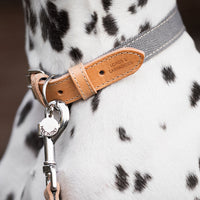
These leads are typically 1-2 meters long and are suitable for walking in busy areas or when training your dog. They provide more control over your dog and can prevent them from pulling or running away. Short dog leads come in a range of materials from rope which is great for stronger dogs, leather which is a good durable option, as well as nylon which are often in stylish patterns and print. Short dog leads will usually have a looped handle to either hold or put round your wrist. Similarly to extendable leads, short dog leads will have either a metal clip or a carabiner on the end so they easily fasten on to your dog’s collar or harness. Our Essentials Walking Collection has a range of short leads in both our Twill and Herdwick fabrics. They are handcrafted in Italy using the finest leather for the handles and either a durable canvas or woven fabric for the strap, finished off with silver hardware - perfect for stylish walkies.
Slip Dog Leads
These leads are made of a loop of material that goes around your dog's neck and tightens when pulled. They’re great for if your dog walks off lead a lot because as the name suggests they’re easy to slip on and off as needed. Because slip leads tighten around the neck when the dog pulls, they may not be the most suitable option for training dogs, especially those that pull on the lead. The tightening of the lead round the dog’s neck can cause them to choke, leading to negative associations with being on the lead and increased anxiety. We recommend these for dogs who already walk well on the lead and if the dog will be off the lead for the majority of their walk. The slip lead we recommend is the Dogs & Horses Rolled Leather Slip Lead, the buttery soft leather is rolled which helps protect your dogs coat from knots. They’re made using cord which is designed for use by yachtsmen so they’re strong and won’t rot if they get wet, this is then wrapped in the softest Italian leather which is hand stitched in their cosy London workshop- these leads have been crafted to last. Available in almost every colour of the rainbow, there’s sure to be one of these gorgeous leads to suit every pup.
Training Line Leads
Training line leads, also known as long lines, are another type of dog lead. These leads are typically longer than standard leads, often 10 meters or more, and can be useful for training purposes, such as recall training or teaching your dog to walk off lead. They provide your dog with more freedom to roam, while still giving you control over their movements. When using a training line lead, it's important to ensure that the line is not too long, as this can lead to your dog getting tangled or running away. Always supervise your dog when using a training line lead, and use a sturdy and durable lead that can withstand the wear and tear of training activities. We love the Ancol Outside Training Line, it comes in two lengths and is perfect for allowing your dog freedom whilst still being in control.
Hands-Free Dog Leads
Hands-free dog leads are designed to allow you to walk your dog while keeping your hands free. These leads are a great choice if you’re planning to run or hike with your dogs. Hands-free leads typically have a waistband or belt that you can fasten around your waist, leaving your hands free to use poles or run without having to hold onto a lead. They can also be useful for people with mobility issues or for those who need to carry bags or other items, whilst being out with their dog. When using a hands-free lead, it's important to ensure that your dog is well-trained and obedient, as they will have more freedom to move around. We love the Ruffwear roamer leash, it can be looped round your waist or can be handheld if needed. The lead has a bungee strap which cushions and stretches as you and your dog speed up or slow down, helping to reduce any impact on both yours and your dog’s joints.
What Are The UK Laws and Regulations For Dog Leads?
In the UK, there are laws and regulations that govern the use of dog leads in public spaces. Section 27 of the Road Traffic Act requires that dogs must be on a lead on designated roads, and if not, the owner could face a fine. What is classed as a designated road is decided by your local authority, so it's always best to check with them.
Similarly, the Countryside Code recommends that dogs should always be under control in public spaces to prevent them from disturbing wildlife or livestock. They recommend keeping your dog on a lead or in sight to ensure they stay away from wildlife, livestock, horses and other people. If you're unsure there are usually signs with that areas rules in, so it's always best to check.
Some areas may also have Public Spaces Protection Orders (PSPOs) that require dogs to be on leads in certain places. It's important to be aware of these laws and regulations to avoid fines and keep your dog and others safe. We recommend checking with your local authority if you’re unsure of the rules in your area.
Choosing A Dog Lead
When choosing a dog lead, there are several factors to consider, including the size and breed of your dog, your dog's behaviour, and your lifestyle. Here are some tips to help you choose the right dog lead:
Consider the size and breed of your dog: Larger or stronger dogs may require a more robust lead, while smaller dogs may do well with a lighter lead.
Think about your dog's behaviour: If your dog pulls or is difficult to control, a shorter lead may be more suitable. If your dog is well-behaved and obedient, an extendable lead may be a good option.
Consider your lifestyle: If you're an active dog owner, a hands-free lead may be more convenient. If you mainly walk your dog in busy areas, a shorter lead may be more suitable.
How To Train A Dog On A Lead
Using a dog lead effectively requires training and patience. Here are out pet experts top tips on training a dog to walk on a lead:
Start with a short lead and a comfortable collar or harness for your dog, and slowly introduce them to the lead by letting them sniff it and rewarding them with treats.
Once they’re comfortable with the lead, attach it the collar or harness. You’ll want to start by walking your dog in a quiet, low-distraction environment to help them get used to the lead and build their confidence. This could even be round your garden or in your house before their vaccinations, to help make that first outside walk less daunting.
If your dog pulls on the lead, stop walking and wait for them to come back to you. Reward them with treats when they do.
To teach your dog to heel, start by walking them on your left side, holding some treats in your left hand. Hold the lead in your right hand and keep it short but loose.
Give your dog the "heel" command and start walking. If your dog starts to pull or veer off course, stop walking and bring them back to your left side.
Reward your dog with treats and praise when they walk calmly by your side, they will begin to associate walking next to you with getting treats and being a positive action. Gradually increase the length of your walks and the level of distraction. As they start walking by your side more consistently you can reduce how frequently you are giving them treats and just reward them with a ‘good boy’ or ‘good girl’ and fuss. Eventually, once the habit has formed, they will consistently walk by your side with no reassurance needed.
For dogs that have a strong tendency to pull, consider using a front-clip harness like the Ruffwear Front Range harness which allows you to clip the lead on to both the front and back of the harness.
Teaching your dog to heel can be a challenge, but with patience and consistency, it's a skill that can be learned by any dog. Heel training can help prevent your dog from pulling on the lead and make walks more enjoyable for both you and your dog. If your dog has recently started pulling we recommend going back to basics and stopping walking every time they pull and giving them a treat every time they walk by your side, even if you don’t get very far for your first few walks your dog will quickly learn to stop pulling on the lead and walk time will become more enjoyable. If your dog pulls a lot try wearing your dog out in the garden with a game of fetch or tug of war, it may help them to relax on the walk as they have less excess energy.
How To Teach A Dog To Walk Off The Lead
Once your dog is well-trained on the lead, you can start to teach them to walk off lead. You will likely have been practising recall with your puppy at home and this will come in handy when walking your dog off the lead. To teach your dog to walk off lead, start by practicing in a secure, enclosed area. There are now a lot of dedicated enclosed dog fields which you can book that are perfect for practising recall and off lead walking in a safe environment. Start by using a long line lead to give your dog some freedom, but still keep them under control. Use a consistent command, such as "free," to signal to your dog that they can walk off lead and using your ‘heel’ command and recall to get them to walk next to you. As your dog becomes more obedient, you can begin practicing off lead walks in open spaces. It's important to be aware of any potential hazards, such as roads or livestock, and always keep your dog under control.
In conclusion, choosing the right dog lead is essential for both your dog's safety and your own peace of mind. Consider your dog's breed, behaviour, and your lifestyle when choosing a lead, and be aware of UK dog laws and regulations.
Training your dog to walk on a lead requires patience and consistency, but with time, you and your furry friend can enjoy stress-free walks. Teach your dog to walk on a loose lead and use the heel command to prevent pulling. And remember to only walk your dog off lead in safe areas and when they are well-trained and obedient.
Dogs bark for a number of reasons, and getting to the bottom of their constant barking might take some time to understand. Once you know why your dog reacts to certain triggers when out and about on walks, then you can train your dog to behave quietly. Your pup's persistent barking may create a commotion, and even trigger barking in other dogs (who may otherwise have been quiet).
We know this is less than ideal, on a walk where your dog can’t help but draw attention to you both, in this blog we discuss the potential triggers and how to avoid the unnecessary barking.
Why Does My Dog Bark On A Walk?
Barking on walks is often due to a mix of emotions, it could be due to, fear, defence, excitement, frustration, the need for interaction, or play. The type of barking may take some time to understand, however you’ll know your dog best and you’ll often be able to understand what their barking is trigged by. This may be due to your dog being uncomfortable with people or dogs on walks, and your pup may want increase distance due to stress or anxiety. Alternatively, an excited or frustrated bark may be due to your pup not understanding impulse control. The excited barking in this case, is usually a distance-decreasing signal, meaning your dog would like to go and meet the person or dog and wants to reduce distance between them and the more exciting object/person/dog.
Why Is My Dog Anxious On Walks?
When dealing with an anxious dog, who may default to fear barking, try to desensitise your dog to walks, making them less anxious. Create positive associations with your dogs triggers, you may start with sitting outside and watching dog walkers walk past back and forth from a distance, feed treats to create positive encouragement. A big reason why your dog may bark when they are outside is due to a lack of proper socialisation, and they’re unsure what that squirrel is or who that other dog is. Thus, they develop irrational fears or view those triggers as intruders.
How To Walk An Anxious Dog
It’s good to know your dog may be fearful on a walk and will likely be in a fight or flight state, so it’s best to start your training at home to begin with. Use positive reinforcements such as treats and encouragement. Start by walking with calm, confident dogs your pup knows well and won’t react to as dogs are influenced easily by other dogs and being with them may calm your dog down. Stay close to home and follow the same routes daily before venturing further out, avoid traffic or busy roads as this excess noise may terrify your pup more.
How To Stop Your Dog Barking On Walks
With proper training and positive encouragement, it is possible for you to avoid the embarrassment of your dog barking throughout your walk. Start by teaching your pooch heel, so they walk in a controlled manner from the beginning, it also helps them understand you’re leading the walk, which in turn should help to enforce your training and command them to stop when barking. Make sure you have lots of treats and your dogs walk wear is comfortable and isn’t too restrictive, yet keeps them comfortably secure. You may try different training methods, depending on your lifestyle and relationship with your pooch, you may want to try distraction or start with desensitising your pooch to their triggers.