As a dog owner, taking your four-legged friend for walks is one of many ways to care for them and ensure that they’re stimulated physically and mentally.
Every dog breed is likely to benefit from regular walks, but with larger, more athletic dogs you may need to take them for multiple walks each day. However, when temperatures soar in the height of summer, you may be wondering is what temperature is too hot to walk a dog, how long to walk your dog in summer, and what essentials you'll need for summer walk. In this blog we will explore all the things you need to know about hot weather walks.
Can You Walk Dogs In Hot Weather?
While it’s true that all dogs need some level of exercise, taking your pooch out on especially warm days could cause them harm, potentially leading to serious health implications or even death. But it is possible to reduce the chance of your dog becoming ill by checking the heat before you go for walks, picking suitable periods to walk your dog and providing sufficient care to your dog when you return home.
What Temperature Is Too Hot To Walk A Dog?
The maximum temperature for walking your dog may vary depending on the level of humidity and wind in the air. As a rough estimate, your dog should be safe to be walked anywhere up to 19 degrees celsius.
Out of hours animal healthcare providers Vets Now assessed the danger rating of temperature brackets, giving a four out of 10 score to 16-19 degrees celsius, outlining that it’s generally safe to walk your dog within this bracket but that owners should be wary of doing this if their dog is obese or flat-faced. For extra safety, Vets Now suggest taking your dog for a walk at times where the temperature is between 12 and 15 degrees celsius, as they saw no evidence of heat stroke from dogs that were taken for a walk in this bracket.
Is 22 Degrees Too Hot To Walk A Dog?
We’ve outlined recommended temperatures for walking your dog, but how do you know where to draw the line?
In Vets Now’s assessment of temperatures for walking your dog, they state that between 20 and 23 degrees has a six out of 10 risk rating and that rigorous exercise in this heat could lead to heatstroke. An eight out of ten rating is given for 24-27 degrees celsius and they advise that extreme caution must be taken. Obese or flat-faced dogs would be at risk in these temperatures.
A nine out of 10 risk rating is given to temperatures between 28 and 31 degrees celsius, and walks in temperatures at 32 degrees celsius or above are given a 10 out of 10 rating, with dogs of all breeds being susceptible to heatstroke at these temperatures.
When Is It Too Hot To Walk A Dog On Pavement?
Along with checking that your dog isn’t suffering as a result of high temperatures, you should also be wary of how warm the surfaces they are walking on are. When pavements have been exposed to the sun for several hours, it’s likely that they’ll be hot to the touch, and while we wouldn’t notice wearing shoes, a dog’s paws could be seriously damaged by this.
It can be hard to tell how hot a pavement is, and even if you feel it with your hand before walking your dog, it’s difficult to know whether they’ll be affected by it. Pavements can be as much as two times hotter than the air temperature. Prior to a walk, you should find out the air temperature, and if double that reading is likely to damage your dog’s paws, it could be worth waiting until it’s cooler or saving your walk for a cooler day.
How Long To Walk A Dog In Summer?
For more athletic dogs, not going for a walk may leave them restless, frustrated and upset. You might be able to get around this problem by walking your dog early in the morning or late at night when it’s cooler. However, even if you opt to take your furry friend for a walk when it’s cooler, you should still ensure that you don’t walk them for too long.
As a general rule of thumb, try to limit these excursions to under 30 minutes on warm mornings or evenings, but also take extra precautions such as not allowing your dog to run and, if they’re prone to overheating, fit them with a cooling vest.
How To Cool A Dog Down After A Walk
If your dog begins to show signs that they’re overheating, such as feeling warm to the touch, panting, dribbling more than usual or presenting a rapid heartbeat, you need to take action to prevent them from becoming seriously ill.
Tips for cooling your pooch down include:
providing them with lots of fresh drinking water
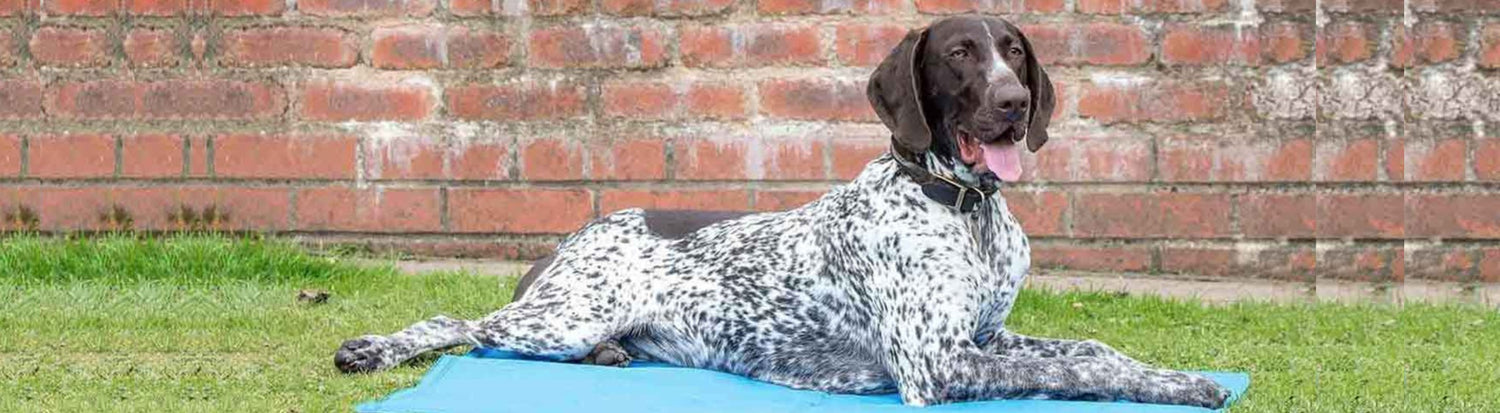
investing in a dog cooling mat
giving them ice cubes to chew
setting up a doggy paddling pool
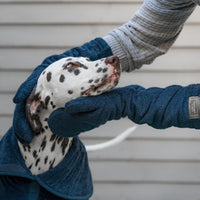
wrapping a wet towel around them
leaving them in a room with cool tiled or wooden flooring.
use a cooling bandana
How To Give Your Dog Water On A Walk
On cooler days when you do take your dog on a walk, especially on longer walks, taking water for them with you is a great idea. Travel water bottles and bowls are super handy to have to give your dog water on the go, the Beco Travel bowl and the KONG H2O Insulated water bottle are the perfect pair for this.
Our top tip is if you think it may be too hot or you are unsure, don't walk them! No dog has ever died from missing a walk but unfortunately a lot have from heatstroke. Help to keep them cool this summer with our cooling range
As a dog owner, taking your four-legged friend for walks is one of many ways to care for them and ensure that they’re stimulated physically and mentally.
Every dog breed is likely to benefit from regular walks, but with larger, more athletic dogs you may need to take them for multiple walks each day. However, when temperatures soar in the height of summer, you may be wondering is what temperature is too hot to walk a dog, how long to walk your dog in summer, and what essentials you'll need for summer walk. In this blog we will explore all the things you need to know about hot weather walks.
Can You Walk Dogs In Hot Weather?
While it’s true that all dogs need some level of exercise, taking your pooch out on especially warm days could cause them harm, potentially leading to serious health implications or even death. But it is possible to reduce the chance of your dog becoming ill by checking the heat before you go for walks, picking suitable periods to walk your dog and providing sufficient care to your dog when you return home.
What Temperature Is Too Hot To Walk A Dog?
The maximum temperature for walking your dog may vary depending on the level of humidity and wind in the air. As a rough estimate, your dog should be safe to be walked anywhere up to 19 degrees celsius.
Out of hours animal healthcare providers Vets Now assessed the danger rating of temperature brackets, giving a four out of 10 score to 16-19 degrees celsius, outlining that it’s generally safe to walk your dog within this bracket but that owners should be wary of doing this if their dog is obese or flat-faced. For extra safety, Vets Now suggest taking your dog for a walk at times where the temperature is between 12 and 15 degrees celsius, as they saw no evidence of heat stroke from dogs that were taken for a walk in this bracket.
Is 22 Degrees Too Hot To Walk A Dog?
We’ve outlined recommended temperatures for walking your dog, but how do you know where to draw the line?
In Vets Now’s assessment of temperatures for walking your dog, they state that between 20 and 23 degrees has a six out of 10 risk rating and that rigorous exercise in this heat could lead to heatstroke. An eight out of ten rating is given for 24-27 degrees celsius and they advise that extreme caution must be taken. Obese or flat-faced dogs would be at risk in these temperatures.
A nine out of 10 risk rating is given to temperatures between 28 and 31 degrees celsius, and walks in temperatures at 32 degrees celsius or above are given a 10 out of 10 rating, with dogs of all breeds being susceptible to heatstroke at these temperatures.
When Is It Too Hot To Walk A Dog On Pavement?
Along with checking that your dog isn’t suffering as a result of high temperatures, you should also be wary of how warm the surfaces they are walking on are. When pavements have been exposed to the sun for several hours, it’s likely that they’ll be hot to the touch, and while we wouldn’t notice wearing shoes, a dog’s paws could be seriously damaged by this.
It can be hard to tell how hot a pavement is, and even if you feel it with your hand before walking your dog, it’s difficult to know whether they’ll be affected by it. Pavements can be as much as two times hotter than the air temperature. Prior to a walk, you should find out the air temperature, and if double that reading is likely to damage your dog’s paws, it could be worth waiting until it’s cooler or saving your walk for a cooler day.
How Long To Walk A Dog In Summer?
For more athletic dogs, not going for a walk may leave them restless, frustrated and upset. You might be able to get around this problem by walking your dog early in the morning or late at night when it’s cooler. However, even if you opt to take your furry friend for a walk when it’s cooler, you should still ensure that you don’t walk them for too long.
As a general rule of thumb, try to limit these excursions to under 30 minutes on warm mornings or evenings, but also take extra precautions such as not allowing your dog to run and, if they’re prone to overheating, fit them with a cooling vest.
How To Cool A Dog Down After A Walk
If your dog begins to show signs that they’re overheating, such as feeling warm to the touch, panting, dribbling more than usual or presenting a rapid heartbeat, you need to take action to prevent them from becoming seriously ill.
On cooler days when you do take your dog on a walk, especially on longer walks, taking water for them with you is a great idea. Travel water bottles and bowls are super handy to have to give your dog water on the go, the Beco Travel bowl and the KONG H2O Insulated water bottle are the perfect pair for this.
Our top tip is if you think it may be too hot or you are unsure, don't walk them! No dog has ever died from missing a walk but unfortunately a lot have from heatstroke. Help to keep them cool this summer with our cooling range
SIGN UP FOR USEFUL TIPS & GUIDES STRAIGHT TO YOUR INBOX
Next Article
Best flea treatment for cats: spot ons, tablets and collars compared
That sudden honking, snorting sound your dog makes out of nowhere is enough to stop any pet parent’s heart, but knowing what to do when your dog is reverse sneezing makes all the difference. In this guide, we’ll walk you through why it happens, how to keep both of you calm in the moment, and which signs are worth a call to the vet. We’ll also share some simple changes you can make at home to reduce how often it happens in the first place.
What reverse sneezing looks and sounds like in dogs
If you’ve ever watched your dog suddenly freeze, stretch their neck forward, and let out a loud, honking snort like they’re trying to inhale and sneeze at the same time, you’ve almost certainly witnessed a reverse sneeze. It sounds alarming. It looks alarming. And if you had no idea what you were watching, panicking is a completely natural response.
The reassuring news? Reverse sneezing is usually harmless. It’s not a cough, not a seizure, and not a sign that something is lodged in their throat. Think of it as a reflex, much like a regular sneeze, just working in reverse. Instead of air rushing outward, your dog rapidly pulls air in through their nose, producing that distinctive snorting or honking sound that tends to stop everyone in the room.
During an episode, most dogs stand still with their elbows splayed, neck outstretched, and eyes wide open. Some look genuinely distressed, which is hard to watch even when you know what’s happening. The episode itself usually lasts anywhere from a few seconds to around a minute, and the vast majority of dogs bounce back to their normal selves almost immediately.
Paying attention to how your dog behaves before and after can tell you a lot. A dog that’s relaxed and happy on either side of the episode is generally nothing to worry about. Our guide to understanding your dog’s body language can help you get better at reading those subtle signals.
Recognising what reverse sneezing looks and sounds like is honestly half the battle — because once you know, it’s so much easier to stay calm when it happens.
Why dogs reverse sneeze in the first place
Reverse sneezing is an involuntary reflex, and it usually comes down to something irritating the soft palate, throat, or nasal passages. Think of it like a sneeze in reverse — the body trying to clear an irritant rather than signal that something is seriously wrong. Most dogs will experience it at some point, and for the vast majority, it’s completely normal.
Common triggers include:
Nasal or throat irritation from dust, pollen, or mould
Excitement or over-stimulation, like bounding over to greet you at the door
Pulling on the lead, which puts pressure on the throat
Eating or drinking too fast
Strong scents, household sprays, or air fresheners
Sudden changes in temperature or air quality
Being a flat-faced (brachycephalic) breed, such as a Pug, French Bulldog, or Cavalier King Charles Spaniel — their shorter airways make them anatomically more prone to episodes
Understanding the dog reverse sneezing causes behind an episode really does help in the moment. Once you recognise that the body is simply doing what it needs to do — the same way we might need to cough or clear our throat — it’s much easier to stay calm rather than panic. And calm is exactly what your dog needs from you.
The good news is that most episodes pass within seconds to about a minute. One moment your dog is honking away, and the next they’re trotting off like nothing happened. That’s usually all there is to it.
What to do in the moment when your dog is reverse sneezing
If you’re wondering what to do when your dog is reverse sneezing, the first thing is simple: try not to panic. It can sound dramatic, especially the first time you hear it, but many episodes are brief and pass within 30 seconds to a minute. Your calm really helps.
In the moment, focus on gentle comfort:
Stay relaxed and speak softly. Your dog will pick up on your energy. A quiet, reassuring voice can help them settle while the episode passes.
Gently stroke their throat or chest. Slow, light strokes may encourage a swallow, which can help the spasm ease naturally.
Offer a tiny sip of water if they’re settled enough to take it. Not a full bowl, and don’t force it. Sometimes a small swallow is all that’s needed.
Move them away from obvious triggers. If they’ve been sniffing dust, pulling on the lead, or sitting near strong smells like candles or cleaning sprays, guide them to a calmer spot with fresher air.
A good rule of thumb with reverse sneezing in dogs treatment at home is to keep things quiet, gentle, and low-stress. Most of the time, your job is simply to comfort rather than intervene.
What not to do:
Don’t put your fingers in your dog’s mouth
Don’t hold them down or restrain them forcefully
Don’t fuss loudly or crowd them, even if you feel worried
Once it’s over, many dogs go straight back to normal as if nothing happened. If your dog’s reverse sneezing symptoms seem to happen often, last longer than usual, or leave them distressed, that’s when it’s sensible to think about dog reverse sneezing causes and whether a vet check is the right next step.
When reverse sneezing is worth a vet call
Most of the time, reverse sneezing in dogs is completely harmless and passes within seconds. But if you start noticing that episodes are happening more often, or that your dog seems off afterwards, it’s worth paying closer attention. You know your dog better than anyone, so trust that instinct.
These are the signs that deserve a vet conversation:
Episodes happening multiple times a day, or lasting longer than a minute
Your dog seeming distressed, panicked, or wiped out afterwards
Nasal discharge, whether clear, cloudy, or discoloured
A new cough appearing alongside the reverse sneezing
Laboured or noisy breathing between episodes
Gums that look pale or slightly blue
Lethargy, low energy, or a noticeable dip in appetite
An occasional isolated episode is rarely cause for concern. A recurring or worsening pattern is always worth getting checked.
When to worry about dog reverse sneezing really comes down to that shift in pattern. A vet can look into common culprits like allergies, a low-grade infection, a foreign body in the nasal passage, or a structural issue affecting the airway. None of these are things you’d pick up at home, but all of them are very treatable when caught early. Even if everything turns out to be fine, you’ll come away with peace of mind, and that’s never wasted.
How to reduce reverse sneezing triggers at home
Once you understand what sets your dog off, a few small tweaks at home can make a real difference. If your dog tends to pull on the lead and reverse sneezes regularly, switching to a well-fitted harness is one of the easiest wins. Collar pressure on the throat is a surprisingly common trigger, and a harness removes it entirely.
Inside, it’s worth thinking about air quality too. Dust little and often, skip the heavily scented candles or plug-in air fresheners, and if you use cleaning sprays, let the room air out before your dog wanders back in. Small habits, but they stack up.
Fast eaters are also worth a closer look. Gulping food can irritate the throat and kick off an episode, so a slow feeder bowl or snuffle mat at mealtimes can genuinely help.
Beyond that, it’s worth keeping a loose mental note of when episodes happen. After a walk during high pollen season? After a boisterous play session? Spotting a pattern gives you something real to work with, whether that’s adjusting walk times or winding down play more gradually.
The reassuring truth is that most dogs live completely happily alongside the occasional reverse sneeze. Now that you know what it looks like, why it happens, and what to do in the moment, you’re already better placed to handle it calmly when it comes.
Frequently Asked Questions
How to calm down reverse sneezing in dogs?
The best way to calm reverse sneezing is to stay relaxed and gently comfort your dog while it passes. Speak softly, stroke their throat or chest, offer a tiny sip of water if they’re settled enough, and move them away from dust, strong smells, or other obvious triggers.
When to worry about reverse sneezing?
Reverse sneezing is worth worrying about if it becomes frequent, lasts longer than a minute, or your dog seems unwell afterwards. Signs that need a vet call include distress, nasal discharge, a new cough, noisy breathing between episodes, pale or blue gums, lethargy, or a drop in appetite.
What triggers reverse sneezing in dogs?
Reverse sneezing is usually triggered by irritation in the throat or nasal passages. Common causes include dust, pollen, mould, strong household scents, excitement, pulling on the lead, eating or drinking too fast, temperature changes, and being a flat-faced breed with shorter airways.
How long is too long for a dog to reverse a sneeze?
Anything lasting longer than about a minute is a sensible point to call your vet. Most reverse sneezing episodes pass within a few seconds to around a minute, and dogs usually seem completely normal again straight afterwards.
Trimming black dog nails can feel like a guessing game, but it really does not have to be. This guide walks you through how to cut dog nails that are black with confidence, covering everything from spotting the quick before you snip to choosing the right tools, handling the odd nick along the way, and building a calmer routine over time. Whether you are starting from scratch or just looking to feel less uncertain with the clippers, there is something here to help you and your dog get through nail day in one piece.
How to Tell Where the Quick Is on Black Dog Nails
The quick is the living core of your dog’s nail. It contains blood vessels and nerves, so if you catch it with the clippers, it bleeds and stings — not ideal for anyone involved. With light-coloured nails, you can usually spot it as a soft pink shadow running through the centre, which makes the whole job much more straightforward. With black nails, that shadow disappears completely, and that’s exactly why so many pet parents feel stuck before they’ve even picked up the clippers.
The good news? You don’t have to guess. You just need to slow down and read a few reliable clues.
Start by shining a small torch or your phone’s flashlight through the nail from underneath. On finer nails, this can reveal the quick as a darker oval shape within the nail. It won’t work for every dog, but it takes about three seconds to try and it’s genuinely useful when it does.
If the light doesn’t show much, nail texture becomes your next guide. Trim a tiny sliver from the tip and look at the cut surface. At first it’ll appear solid and chalky, white or grey all the way through. That’s safe ground. Keep taking small slivers, checking each time, and eventually the centre will shift. It might look darker, almost black, or you’ll notice a small grey dot appearing in the middle. That dot is your cue to stop. You’re getting close to the quick.
Nail shape tells you something before you even make a cut, too. Most dog nails curve downward and taper toward the tip, and the quick follows that same curve. It typically sits further back than you’d expect, so if the nail has a definite hook at the end, trimming just that hooked portion is usually where you want to start.
One last thing: a calm dog makes all of this much easier. When they’re tense and pulling away, it’s harder to look closely and work carefully. Keeping an eye on your dog’s body language throughout the trim helps you spot early signs of stress before things unravel.
The Tools That Make Black Nail Trims Safer and Calmer
Having the right tools ready before you start makes a real difference when you’re working with black nails. They help you make smaller, more controlled cuts, reduce the chance of catching the quick off guard, and keep the whole experience calmer for your dog from the very first snip.
Sharp scissor-style or guillotine clippers. Blunt clippers crush rather than cut cleanly, which is uncomfortable for your dog and makes it much harder to read the cut surface. Sharp blades give you a clean edge — exactly what you need when taking black nails back little by little.
A nail grinder. If clippers feel a bit too all-or-nothing, a grinder lets you remove nail gradually and gives you much finer control over how much you take off. Many dogs also find the sensation less startling than a sudden snap.
A small flashlight or phone torch. Holding a light against the top of the nail can help you spot the quick’s shadow before you cut. It doesn’t work on every dog, but it takes seconds to try and is well worth doing.
Styptic powder. Have this within arm’s reach before you begin. If you nick the quick, it works fast — and knowing it’s right there helps you stay calm rather than scrambling.
High-value treats. Something your dog doesn’t get at any other time, like a small cube of cheese or a bit of cooked chicken, makes the session feel worthwhile for them and keeps their focus in the right place.
A non-slip mat or towel. This gives your dog something to grip, helps them feel a little more settled, and means less wriggling for you to work around.
What is styptic powder? It stops minor bleeding almost instantly if you nick the quick. It’s a staple in any dog nail trimming kit, so always have it to hand before you start.
None of these are hard to find, and together they genuinely change how confident you feel tackling black nails at home. If you’re building out your grooming kit, you’ll find plenty of dog care essentials over at Lords and Labradors. Good preparation really is the best dog nail trimming tip there is — have everything ready before your dog sits down, and you’re already off to a better start.
A Step-by-Step Way to Cut Black Dog Nails Without Hitting the Quick
Once you understand how to read the nail, the actual cutting becomes far less daunting. Trimming black dog nails safely is really about slowing down, taking tiny slices, and trusting what you see rather than guessing where to stop.
Settle your dog before you pick up the clippers. Sit on the floor together, offer a few treats, and let them sniff the clippers. A calm start makes everything that follows easier.
Find a comfortable position for you both. Some dogs are happy lying on their side while you kneel beside them. Others prefer sitting upright with a paw gently lifted. Work with your dog rather than forcing a hold that makes them tense.
Press the toe pad gently to extend one nail at a time. This gives you a clear view and keeps the paw steady without gripping so tight that your dog pulls away.
Start with a small snip at a slight angle. Take just the very tip off. You’re not trying to do it all in one go — you’re just getting started.
Check the cut surface before you snip again. Hold the nail up to the light and look at the cross-section. A chalky white or grey centre means you’re well away from the quick and safe to continue.
Keep going in tiny increments, checking every time. As you get closer, the centre of the nail will start to shift. The moment you see a darker grey or black dot beginning to appear in the middle, stop on that nail. That dot is the quick showing itself, and one slice further could cause real discomfort.
Reward your dog between nails, not just at the end. A treat after each one keeps things positive and gives your dog a natural moment to breathe and reset.
Stop if your dog tells you they’ve had enough. Panting, pulling the paw away, or going rigid are all signs to pause — even if you’ve only done two nails. Pushing through rarely ends well.
Split the session across days if that’s what your dog needs. Front paws today, back paws tomorrow. There’s no rule that says all twenty nails have to happen at once, and honestly, your dog will thank you for it.
A note on the black dog nail quick:
In lighter nails, the quick shows up as a visible pink line running through the centre. In black nails, you simply can’t see it from the outside, which is why reading the cross-section matters so much. A small dark dot or a soft pale ring appearing in the centre after a snip is your signal to stop. That’s the quick beginning to surface, and going any further risks pain and bleeding.
The whole point of learning how to cut dog nails that are black is building confidence through small wins, not racing to finish. Three nails done calmly is genuinely better than twenty done with your dog stressed and wriggling. If your dog tends to find grooming difficult, it’s worth thinking about how you handle other anxious moments together — the same approach that helps keep dogs calm during stressful situations like fireworks applies just as well here.
What to Do if You Nick the Quick
Nicking the quick when you’re learning how to cut dog nails that are black happens to almost every pet parent at some point. It looks more dramatic than it is — a small dark red bleed from the tip of the nail — and it tends to startle you far more than it hurts your dog. Take a breath. You’ve got this.
Here’s exactly what to do:
Stop trimming and set the clippers down.
Apply styptic powder or cornstarch directly to the nail tip.
Hold gentle pressure with a clean cloth or your finger for 30 to 60 seconds.
Keep your dog calm and still with a quiet voice and a soft, steady touch.
Once the bleeding slows, check the nail before letting your dog wander off.
Styptic powder is a clotting agent that stops bleeding quickly — and it’s the single most useful thing to have nearby during any nail trim. Purdue University’s veterinary guidance specifically recommends that you keep styptic powder available when clipping a pet’s nails to stop bleeding if you clip too short. Pick some up before your next session if you don’t already have it.
For aftercare, keep the paw clean and dry for the rest of the day. Avoid rough-surface walks for 24 hours, and check back on the nail over the next day or so for any redness or swelling.
If the bleeding hasn’t slowed within 5 to 10 minutes, or your dog seems to be in genuine pain rather than just briefly unsettled, call your vet. That’s the sensible thing to do — not a sign that anything has gone seriously wrong.
How to Make Nail Trims Easier Next Time
The biggest dog nail trimming tip anyone can give you? Trim more often. It sounds almost too simple, but when you’re working out how to cut dog nails that are black, consistency matters just as much as technique. Dogs who seem completely impossible to trim can surprise you once a calm routine clicks into place.
Trim every 3 to 4 weeks. Regular sessions keep nails at a manageable length and make each one shorter and less stressful — for both of you.
Reward after every single nail. Use something your dog genuinely loves, like a small piece of cheese or chicken, and give it the moment you finish each nail rather than saving it until the end.
Handle paws between sessions. A minute or two of gentle paw touching while you’re watching TV or winding down costs nothing and builds real tolerance without any pressure attached.
Take a little, more often. Small snips every few weeks feel far less daunting than trying to tackle seriously overgrown nails after a long gap — and you’ll stay well clear of the quick.
Keep the setup consistent. Same spot, same time of day, same calm energy. Dogs read routine surprisingly well, and familiarity genuinely helps settle nerves.
Start puppies early. Even pretend trims with no cutting involved help young dogs learn that paw handling is completely normal.
Pro tip: Trimming a tiny amount every 2 to 3 weeks is far safer than waiting until nails are overgrown — especially when you’re navigating the black dog nail quick.
Think of each session as a training opportunity rather than a chore to get through. Dogs who once wriggled, whined, or flatly refused can absolutely learn to sit calmly for a trim. It just takes consistency, patience, and a well-stocked treat supply.
When to Ask a Groomer or Vet for Help
Sometimes, the most caring thing you can do is hand the clippers to someone else. If you have worked through how to cut dog nails that are black and still feel uncertain, that is completely fine. Some dogs have nails that are genuinely thick, curved, or difficult to read, even for owners who have been doing this for years. Others simply will not settle, no matter how many treats you offer or how carefully you have set the scene.
Professional groomers trim nails every single day. They know how to read the nail, position the dog, and work with a calm confidence that only comes with real experience. Booking a session or two is not admitting defeat. It is a smart way to watch someone skilled work up close, ask questions, and pick up the kind of practical knowledge that no article can fully replace.
Your vet is equally worth considering, especially if your dog has unusually thick nails, any history of paw injuries, or anxiety that makes handling genuinely difficult. They can trim safely and point you toward ways to make future sessions less stressful for your dog and for you.
The most important shift is this: professional help is a starting point, not a last resort. Once your dog has had a calm, positive experience with someone who knows exactly what they are doing, you will often find that the next trim at home feels a little easier too.
Frequently Asked Questions
How do you know where the quick is on black dog nails?
You find the quick on black dog nails by trimming tiny slivers and checking the cut surface each time. A chalky white or grey centre is usually safe; when you start to see a darker dot or change in the middle, stop. A torch underneath the nail can sometimes help too.
Can I trim my dog’s black nails?
Yes, you can trim your dog’s black nails if you go slowly and take very small amounts at a time. The safest approach is to remove the hooked tip first, check the cut surface after every snip, and stop as soon as you see a darker centre appearing.
How do you trim severely overgrown dog nails?
Trim severely overgrown dog nails by taking off only a little at a time and spreading the work over multiple sessions if needed. Tiny, regular trims every 2 to 4 weeks are safer than one big cut, especially with black nails, because they help you avoid catching the quick.
Summer can feel relentless when you’re trying to keep a cat comfortable and you don’t have air conditioning to fall back on. This guide covers everything from cooling your home and encouraging your cat to drink more, to the comfort items worth trying and the signs that tell you your cat needs a little extra help. Learning how to keep cats cool in summer without AC turns out to be more straightforward than most people expect, and a few small changes can make a genuine difference to how your cat feels through the warmest months.
Why summer heat hits cats harder than you might think
Cats are remarkably good at finding a cool corner to curl up in, but when temperatures climb and your home starts to hold onto that heat, even the most laid-back cat can begin to struggle.
Unlike dogs, cats rarely pant to cool themselves down, and they can’t sweat the way we do. Their main tools are grooming and seeking out cooler surfaces — which works well enough on a mild day, but can fall short fast during a proper heatwave, especially in a flat or a south-facing home without air conditioning.
It’s also worth knowing that some cats feel the heat more than others. Flat-faced breeds like Persians and British Shorthairs have a harder time breathing in warm air at the best of times, so hot days can be genuinely uncomfortable for them. Older cats, overweight cats, and young kittens are more vulnerable too. If your cat falls into any of those categories, paying closer attention through the summer months isn’t being overprotective — it’s just sensible cat parenting.
The reassuring part? Keeping cats cool in summer without AC is far more manageable than it might seem. You don’t need specialist equipment or a complicated routine. A few thoughtful tweaks, a shaded spot they’ll actually use, and a bit of awareness around the hottest parts of the day can make a surprising difference to how your cat feels and behaves.
If you’d like a broader look at warm-weather care, our essential summer tips for pet owners pairs well with this guide.
Easy ways to keep your home cooler for your cat
You don’t need a specialist setup or expensive equipment to make a real difference to how your cat feels on a hot day. Small, consistent changes to your home environment can reduce heat build-up significantly — and help your cat stay comfortable through even the warmest spells.
Open windows safely with a screen or security latch. Fresh airflow matters, but cats will treat any gap as an open invitation. A fitted window screen or a latch that limits how far a window opens lets the breeze in while keeping your cat safely inside.
Position fans to create cross-ventilation. Place a fan at one end of a room and open a window at the other. Moving air feels cooler than still air even at the same temperature, and cats will usually find a comfortable spot in the flow on their own.
Close blinds on south-facing windows during the afternoon. Sunlight through glass heats a room faster than you’d expect. Drawing the blinds between midday and 4pm can keep things noticeably cooler with almost no effort.
Find the coolest room and make it accessible. Rooms with tiled floors, north-facing windows, or less direct sun stay cooler for longer. Leave the door open so your cat can move there whenever they need to.
Lay a cool, damp towel on a tile floor. It sounds almost too simple, but many cats will happily stretch out on a slightly damp surface without any coaxing at all.
Skip the oven during peak heat hours. Cooking generates a surprising amount of warmth. Cold meals or stovetop options keep your kitchen much more comfortable for everyone.
Once these steps become part of your morning routine, they stop feeling like effort. Keeping cats cool in summer without AC is really about working with your home rather than against it. If your cat lives indoors full-time, environment management matters even more — our indoor cat care guide has plenty more ideas to help them thrive at home throughout the year.
How to help your cat stay hydrated when it’s hot
Water plays a bigger role in keeping cats comfortable through summer than most people realise. Cats are naturally low-thirst drinkers, which means mild dehydration can creep in before any obvious signs appear. If you want to know what to look out for, our guide to cat dehydration symptoms is a handy read before the warmer months arrive.
The good news is that encouraging more drinking doesn’t have to be complicated. A few small changes around the house can make a real difference:
Spread water bowls around the home. One in the kitchen, one near a favourite napping spot, one by a sunny windowsill. The easier it is to find water, the more likely your cat is to actually drink it.
Keep water and food bowls separate. Cats instinctively prefer their water source away from where they eat. Moving them apart is a simple change that often prompts more drinking.
Top up bowls with fresh, cool water regularly. Cats notice stale water and will often walk straight past it. A quick refresh a couple of times a day goes a long way.
Try a cat water fountain. For fussy drinkers, moving water is often far more appealing. It stays cooler, stays oxygenated, and many cats who ignore a static bowl will drink happily from a fountain.
Switch to wet food during hot spells. It can contain up to 80% water, making it one of the easiest hydration boosts going — even if you usually feed dry.
Drop a few ice cubes into the bowl on very hot days. Some cats are curious enough to investigate, and it keeps the water cooler for longer.
Every cat has their own quirks around water, and that’s completely normal. If your cat is ignoring their bowl, it’s usually worth experimenting with placement, temperature, or switching to a fountain before assuming they’re just not thirsty.
Cooling mats, shaded spots, and other comfort helpers cats actually use
The most effective heat relief for cats is usually the kind they find for themselves. You can’t place a cat somewhere and expect them to stay, so the best approach is simply to set up options and let them decide.
Here are a few comfort helpers worth trying:
Cooling mats — designed to absorb body heat without needing to be chilled, they give cats a cool surface to sprawl on whenever they need it
Elevated beds — raising your cat off the floor improves airflow underneath them, which helps dissipate heat more efficiently than lying flat
Ceramic tiles — cats often seek these out naturally because the surface stays cool even when the rest of the room doesn’t
A lightly dampened towel — laid flat on a cool floor, it gives a similar effect and costs nothing to set up
Shaded hiding spots — a cardboard box tucked in a cool corner, or the space under a bed, gives cats somewhere dark and sheltered to retreat to
A fan angled toward a wall — this keeps air circulating without blasting directly at your cat, which most of them hate
Placement matters more than you might expect. Put a cooling mat somewhere your cat already gravitates toward rather than somewhere convenient for you. A favourite corner of the sofa or a shady patch of floor they already use in the afternoons is a much better bet than somewhere new. If your cat is on the cautious side, try placing a worn item of clothing nearby or dropping a few treats on the mat so they can investigate at their own pace.
Not sure whether a cooling mat is right for your cat? The Lords and Labradors guide to cooling mats for cats is a good place to start before you buy, covering how they work and what to look for.
The best setup is always the one your cat discovers and quietly claims as their own. That is really the whole point.
What to watch for: signs your cat may be too hot
Cats do love a sunny windowsill, so a warm, sleepy cat is not always a cause for concern. The key with keeping cats cool in summer is knowing when “just relaxing” starts to look more like heat stress.
A cat who feels too hot may show a few clear signs:
Panting: cats do not usually pant like dogs, so this is one of the biggest red flags
Excessive drooling: more saliva than normal can mean their body is struggling to cool down
Lethargy or unusual stillness: if your cat will not get up, seems flat, or ignores things they would normally react to, pay attention
Rapid or laboured breathing: check for breathing that looks faster, heavier, or more effortful than usual
Wobbliness or loss of balance: seeming weak, shaky, or unsteady is never something to brush off
Seeking unusual cool spots: lying on bathroom tiles, stretching out by the back door, or hiding behind the toilet can be your cat’s way of saying the house feels too warm
It can help to think about what is normal for your own cat. A lazy nap after lunch is one thing. Panting, drooling, or looking disoriented is something else entirely.
When to call your vet
If your cat is vomiting, seems confused, loses coordination, or becomes unresponsive, contact your vet straight away. These can be signs of heatstroke in cats, and it is always better to act early. While you arrange help, move them somewhere cool and quiet, offer water, and avoid forcing them to drink.
If you are working out how to keep cats cool in summer without AC, trust that small changes really do help. Most cats stay comfortable with a bit of extra care, a cooler place to rest, and close observation on hot days. If you need extra support, the Lords & Labradors cat wellbeing collection has practical options that can make summer cat care easier.
A simple summer routine that keeps your cat comfortable day to day
Keeping cats cool in summer without AC doesn’t need to be complicated. A loose daily rhythm is all it really takes, and once it becomes habit, you’ll barely think about it.
Start each morning by opening windows on opposite sides of the house to draw cooler air through before the temperature climbs. If your cat has a favourite windowsill, make sure there’s a shaded spot nearby for when the sun shifts. Cats are naturally good at finding cool corners, but they appreciate a little help getting there.
Through the afternoon, check that their water bowl is full and fresh. If they’ve been ignoring it, try moving it somewhere quieter, or add a second bowl in another room. Some cats simply drink more when their water isn’t sitting right next to their food. A cooling mat placed in their usual nap spot can also make a real difference during the warmest hours, with very little effort on anyone’s part.
In the evening, take a minute before bed to refresh the water, crack a window if it’s cooled down outside, and notice how your cat seems. Are they settled, or still restless? A calm end to the day is usually a good sign the routine is working.
None of this needs to be perfect. Some mornings you’ll forget the windows, or your cat will completely ignore the cooling mat. That’s fine. The consistency is what counts, not getting every detail right every single time. For more ways to support your pets through the warmer months, our summer survival guide for pets is well worth a read.
Frequently Asked Questions
Are cats ok in a house without AC?
Yes, many cats can be comfortable in a house without AC if you help keep the space cool and give them choices. Improve airflow, close blinds during the hottest part of the day, offer fresh water in several spots, and make sure they can reach the coolest room or a shaded resting place.
How do I keep my cat cool in 100 degree weather?
Keep your cat indoors, focus on the coolest room, and make cooling options easy to find. Use safe airflow with open windows and fans, shut blinds on sunny windows, refresh cool water often, add extra bowls or wet food, and watch closely for panting, drooling, or unusual lethargy.
Will my cat be ok in 90 degree weather?
Maybe, but it depends on your cat and how hot your home gets. Older cats, kittens, overweight cats, and flat-faced breeds can struggle more, so keep rooms shaded, water fresh, and cool resting spots available. If you notice panting, drooling, or weakness, contact your vet straight away.