
Lords & Labradors Information Hub

The home of handy tips and advice dedicated to pet owners

Why Do Cats Knead The Bed?
19.09.21 September 19, 2021 Owning a Cat Featured

Why Do Cats Knead The Bed?

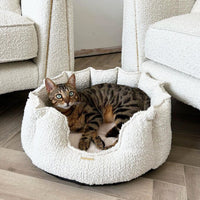
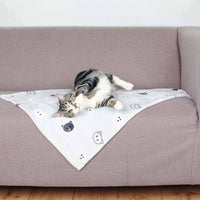
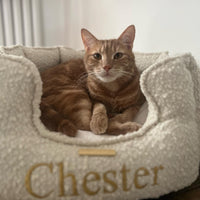
Cat kneading is an instinctive trait in your feline. The act of kneading a soft surface, such as a blanket, your bed, other cats, (or your lap), is soothing and relaxing. You may even find they purr, drift off to sleep or simply zone out, whilst enjoying the motion.  Most cats will knead, however some may purr really loudly, some may do it quietly, some may use all four paws, whilst others will use only two, regardless of how they knead the bed, it’s not unusual for them to appear in a trance-like state and look almost glazed over - this just means they’re completely relaxed! If your cat does knead their bed, you may be wondering why they do this? In this article we discuss, why cats knead their bed and bedding.    Why Do Cats Knead Their Bed  You may have heard the phrase ‘making bread’ or ‘making biscuits’ when it comes to your cats kneading habits. The adorable phrase is used as your cat will look like they’re ‘kneading’ dough. [product] There are lots of reasons why your cat kneads their bed, the main reason being it’s an instinctive trait they inherit from when they were only a kitten. When feeding from their mother, your kitten would paw at their mums stomach to encourage milk flow. This is also why sometimes cats may dribble while they knead their bed or often they suckle at a soft object such as a blanket, cushion, bedding or toy - as they’re expecting the milk that used to be associated with the movement.  If your cat is still kneading as an adult cat, take it as a compliment your cat feels happy, safe and comfortable with you!    Why Do Cats Knead Bedding  Your cat kneads when they’re happy - it’s a part of their feline personality, if you find they’re kneading you particularly painful, grab a blanket and be assured it’s completely natural behaviour.  [product] Kneading their bedding is often explained as being a wild trait passed down from your cats wild ancestors. Wild cats will paw at piles leaves or tall grass to create a nest for themselves and their young to relax and sleep in - similarly to how we fluff pillows. By kneading their bed, they’re not only making it more comfortable, they’re also checking for dangerous things hidden within their safe sleeping space.  Here at Lords and Labradors we provide a variety of bedding your cat will love kneading and feel safe and secure in, and our luxury blankets act as a great barrier for your lap when they ‘make biscuits and bread’ on you. 

By Laura Rudd

Read more
Can Kittens Eat Cat Treats?
16.09.21 September 16, 2021 Getting A Kitten Featured

Can Kittens Eat Cat Treats?

Getting a new kitten is exciting and overwhelming, especially when it comes to what they can and shouldn’t eat. Kittens grow rapidly and their digestive and immune systems develop slowly, so they have very specific and nutritional needs that are different from adult cats. When your kitten is old enough to eat solid foods - usually around 8 to 10 weeks old - you may want to give them a treat for their good behaviour. Often when toilet training and learning their name is a good time to give out treats to begin with. Stick to safe and tasty treats for them, which are soft and easy for them to chew. To help your kitten grow, it’s vital to provide food and treats suitable for their lifestyle and nutritional needs.  The best treats for your kittens are those specially formulated for your kitten’s delicate stomach. In this article we take a look at if kittens can eat cat treats and what suitable treats are available to give to your kitten.    Can kittens have cat treats? You may find most cat specific treats are not designed with kittens in mind, although there are lots of cat treats you can give to your kitten, such as Dreamies. Fortunately, some treats are great for growing your kittens health as they’re packed with healthy proteins and are often low in calories, making the pawfect snack. Treats are a delicious snack for your kitten, but too many may affect your kittens health, as you may be unknowingly filling his/her tummy with empty calories. A food specifically designed for kittens should be your kittens primary source of calories and nutrition.  Treat your furry feline to a special treat only when they’re behaving and toilet training. Crunchy treats are great for teething kittens (normally around 3-6 months) as the chewing will give a little relief from pain of their new teeth breaking through. It’s great to give your kitten a variety of treats, especially to promote healthy diets and wellbeing. Note how many treats your kitten is consuming as they should only take up to 10% of your kittens diet.   What cat treats are good for kittens? To give your kitten the healthiest and most enjoyable start in life, start with our range of nutritious kitten treats. There are many different types of cat treats in a range of textures and flavours your kitten will enjoy exploring. Here at Lords & Labradors we stock a number of premium pet brands including Innocent Cat, Webbox and Hi Life, suitable for your kittens delicate diet. Be sure to check the feeding guidelines as some treats may only be suitable once your kitten has reached 4+ months.  Keep in mind treats are best consumed in moderation. They usually should take up no more than 10% of your kittens diet; but this will depend on your kittens daily food intake. Feeding your kitten a nutritionally complete diet that is tailored to their specific needs is vital for supporting healthy development, promoting a healthy future and happy adult cat.
By Laura Rudd

Read more
How Do Slow Feeder Dog Bowls Work
12.09.21 September 12, 2021 Owning a Dog Featured

How Do Slow Feeder Dog Bowls Work

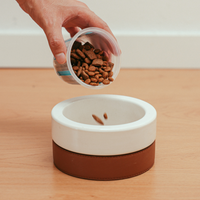
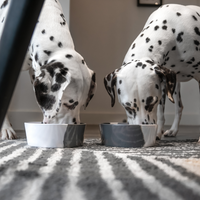
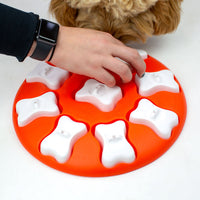
If your four-legged friend gulps down their food, you may have heard about a ‘Slow Feeder Dog Bowl’. Slow feeder bowls are designed with separations and obstructions so your dog has to use more effort, precision, and time to complete the meal, and ultimately slow their eating down! It is also a dog-friendly puzzle with the ultimate reward - their food! Slow feeder bowls are useful as they slow your dog down whilst eating, avoiding the risk of bloating and other digestive issues. The physical benefits for your dog are just as rewarding as the emotional benefits for your dog - they also provide mental stimulation which is a great way to keep your dog’s mind occupied. In this article we discuss how slow feeder dog bowls work and if they’re a good investment for your hungry dog. What Is A Slow Feeder Dog Bowl? A slow feeder dog bowl is a bowl which is often shaped and designed to slow your dogs eating down to a healthy pace. The bowls have built in obstructions dotted all around the bowl, designed to slow your dog down and think whilst they navigate how to eat their food. Eager pups often ingest air as well as food when they eat fast which can cause health problems for your pooch. Air in the stomach can cause it to swell up and bloat; If your dog then runs around or plays, they are at a high risk of their stomach flipping over and causing a GDV (medical term - gastric dilatation and volvulus). This is a life-threatening condition which often requires emergency surgery. So anything that will help your eager pooch slow down whilst eating seems a great idea!   Do Slow Feeder Dog Bowls Work? Mostly, slow feeder bowls do exactly what they say they do - they will slow your dog down whilst eating. Some dogs are slower to master the feeder and you may need to take things in stages. Introduce your dog to the feeder slowly and choose your slow feeder carefully for your dog. Depending on the size of the dog and the size of the food you feed your dog may depend on the feeder you find most suitable. Your dog will need to negotiate around the obstacles so they can eat their food. Some slow feeders may have bumps in the way where as others may look closer to a maze design, you may also find slow feeders in a game or puzzle - all will slow your dog down whilst eating which will lead to better digestion.    Are Slow Feeder Dog Bowls Good For Dogs?e Both the mental and physical stimulation for your dog pose positive health benefits which make slow feeders a winner for you and your pooch. Be sure to work with your dog to get them used to this new way of eating and keep note on how much they’re eating so they don’t over eat or starve. The bowls can be used for both wet and dry foods, so no matter what diet your dog is on, they can be used with ease. Not only do slow feeder dog bowls reduce the risk of health problems and promote healthy digestion, but they make dinner time fun too!  Investing in a slow feeder dog bowl can be hugely beneficial for both you and your dog, creating fun mealtimes and promoting healthy well-being, keeping you happy and your pooch well fed and comfortable! 

By Laura Rudd

Read more
How To Wash A Dog Collar
09.09.21 September 09, 2021 FAQs Featured

How To Wash A Dog Collar

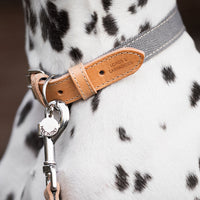
It’s easy to forget to wash your dogs collar, and there’s nothing worse than a freshly washed dog in a smelly dog collar. Cleaning their collar doesn’t have to be a chore and can be quick and easy to prolong the life of the collar and keep your dog smelling fresh! It may be worth getting a second collar so you have a collar for your dog to wear whilst another is being washed. Cleaning your dog collar every now and then is worth your time to keep your dog happy and healthy. There’s no specific frequency you should change and wash your dogs collar, but when you check the sizing of the collar, it might be worth to check if the collar is still smelling fresh too.   [product] How To Clean A Smelly Dog Collar A lot of collars are hand wash only due to the soft and durable webbing used - and although it’s tempting, try not to just put your dog collar in the washing machine (or in the dishwasher as some advice might suggest!). Check the washing instructions on your dogs collar for wash instructions and if you’re able to wash the collar in the washing machine. If your collar is 'hand wash only’ use warm water and a mild dog shampoo to ensure the collar won’t irritate your dog once returned around their neck. Let the dog collar soak in the soapy water for 10-20 minutes and lightly brush the collar if there is a build up of dirt. Be careful not to damage the collar with a harsh/vigorous brushing. Don’t forget to pay attention to any buckles to remove any build up of dirt and grime. Once the collar is clean, rinse with clean water and leave to dry completely before returning this to your dogs neck.  [product] How Often Should You Wash A Dog Collar? There isn’t a set time scale on when you should wash your dogs collar, as this will depend on your dog and if they enjoy swimming, rolling in mud or if you remove their collar whist being at home! It’s good practice to check your dogs collar frequently to ensure the size of the collar fits them comfortably - so you may want to check at this point if the collar needs a wash. Set a reminder for yourself to wash the collar seasonally, if you don’t find the collar has built up with dirt in the meantime. It also may be useful to check the collar once your dog has been groomed. There is nothing worse than a freshly groomed dog with a dirty, smelly collar!  [product] How To Clean A Smelly Leather Dog Collar Leather can be quite a sensitive material and should be prevented from soaking in water for a long period of time. To clean the collar, simply wet the collar with warm water and gently clean the collar with a mild dog shampoo. Rub the collar gently to remove any dirt or grime focusing on any buckles and stitching where dirt can gather. After washing, pat the collar dry and use a soft towel to soak up the excess of water. Then leave to dry naturally before returning to your dogs neck. Try not to leave the collar drying in the sun as sunlight can cause the leather to crack. As you cannot soak a leather collar in water for a long period of time, it is advisable to clean the collar regularly. Cleaning your leather collar often, means it won’t get too soiled and smelly.    How To Wash A Dog Collar In The Washing Machine Check the collars washing instructions before you pop the collar into the washing machine like you would their bedding - as some collars are hand wash only and machine washing them can cause irreparable damage. If you can wash your dogs collar in the washing machine, we’d recommend popping it into a washing bag (or a sock/pillow case) so that any metal work/buckles are protected and doesn’t make a banging sound whilst in the machine. Once you’ve washed the collar using the manufacturers recommendations, leave the collar to dry naturally before putting back on your dogs neck. If you’re looking for a new collar, you can shop our.designer collars here 

By Laura Rudd

Read more
What To Do With A New Kitten At Night?
29.08.21 August 29, 2021 Featured

What To Do With A New Kitten At Night?

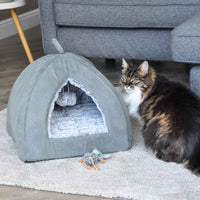
Bringing your kitten home is new and exciting, but what exactly do you do with them once you’ve got them home, settled and it’s now bedtime? You may be wondering where is best for them to sleep and if it’s OK to leave them alone at night. It’s clear the best place for your kitten to sleep is somewhere warm, secure and sheltered, but where in the house is best? And when do you start a routine?In this article we discuss the best place for your new kitten to sleep, what to do with them once you’ve got them home and what actually to do with your new kitten!   What To Do On The First Night With A New Kitten  It’s good to remember your new kitten will be tired, scared and missing mum and any siblings they’ve just left - it’s likely their first night will be one of the biggest challenges they have ever faced. Kitten’s don’t always sleep through the night (although they’ll sleep often and can sleep unto 18-20 hours a day) and are most active at dawn and dusk - so your first couple of nights may be full of adjustments as your new kitten settles in. An exhausted kitten is more likely to sleep throughout the night and settle quickly into their bed. Providing lots of playtime and exercise before bedtime is a great way to exhaust all of their energy before getting into bed. Here at Lords and Labradors we provide lots of interactive toys and scratch posts for your new kitten, so they can play with you and also explore through playing alone. It’s a good idea to get a mixture of toys for them to choose from - a scratch post will be a firm favourite for your new kitten and a mixture of soft and noisy toys will help their development, ultimately tiring them out! Note it may be helpful to change mealtimes for your kitten - sometimes feeding them later or changing how much you feed them in the evening will help your kitten to sleep as they often sleep whilst their food digests.  Having something familiar to the kitten can be a big help to getting them settled and will ultimately help them sleep at night. Our Cat and Kitten blankets are great to give to your kitten before they leave their first home with mum/or the shelter. The scent on the blanket brings familiarity to your kitten and will help the transition into their new home. You don’t necessarily need to leave any lights on as kittens can see in a very low light, so they’ll be able to move around with little effort; but remember they’re new to their surroundings so it may take some time for them to get accustomed to their new environment!    Where To Put A New Kitten At Night  A huge part in getting your kitten to sleep is their sleeping arrangements - over everything, kittens look for warmth and cosiness when they want to sleep. It’s a good idea for the first few nights the kitten sleeps near to you where they’re free from draughts, they’re sheltered and warm. Kittens love sleeping at height as this makes them feel safer, so putting their bed on a stable surface will help to settle them and make them feel more secure whilst in bed.  You may find having a cave or hooded bed will help your kitten settle and keep warm and cosy throughout the night. Alternatively our Lords and Labradors Snuggle Cat Cushions are great for your kitten to snuggle inside and keep warm throughout the night. The more comfortable your cats bed is, the more likely they are to sleep through the night. Adding blankets and cushions will help stimulate the warm environment of ‘mum’ for your kitten.  Don’t forget to provide toys close to them, this way if they do wake up throughout the night, they’ll be less likely to wake you up. And keep their water, food and litter tray not too far from their bed so it’s easier for them to use in the night.  But most of all, enjoy your new kitten! It’s an exciting and overwhelming time for both yourself and your new kitten, so take it easy and enjoy settling into a new routine! 

By Laura Rudd

Read more
The Best Litter Trays, Litter & Accessories
25.08.21 August 25, 2021 Owning a Cat Featured

The Best Litter Trays, Litter & Accessories

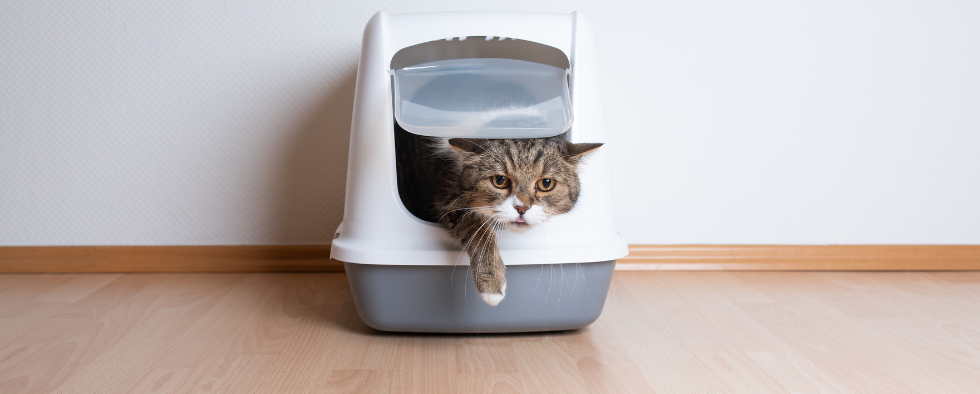
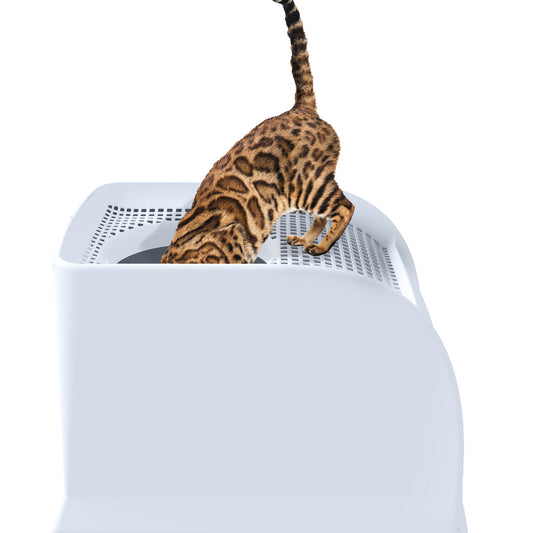
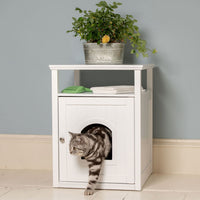
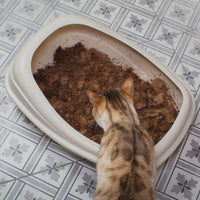
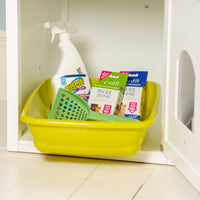
As cat owners we know our felines are particular about where they relieve themselves. To keep your home clean and fresh, you’ll need to select a litter tray carefully and with your feline in mind. Keep in mind the design, size, shape and feature as this can make or break your cat’s toilet habits. But what are the different types of litter trays? And what is best for your cat? In this article we explore different cat litter trays and accessories you may need to keep your cat clean and happy!   How Do I Pick The Best Litter Tray? Most of the time, if your cat isn’t using it’s litter box, it’s for behavioural reason; your cat may be stressed or it’s annoyed about something. There may however be a medical reason, so it’s best to check with your veterinarian.  Placement is really important in making your cat feel safe and at ease whilst toileting. Litter trays should be placed in discreet corners so that your cat has a full view of approaching danger but is protected from behind. Our Lords & Labradors Cat Washrooms are a multi-functional pet house which work well for you and your cat. They are visually attractive and private for your cat to toilet, whilst keeping the smell contained. They’re also available in grey and white!    Enclosed Litter Trays  Every cat is an individual with their likes and dislikes and this includes choosing where they toilet. Generally, most cats prefer to use litter trays that are easy to get into and large enough for them to turn around in with ease. Enclosed - or covered - litter trays are popular with cats and their owners as the contents remain out of sight and your cat can toilet in private.   Open Litter Trays  If your cat doesn’t like a covered or enclosed litter box, or if you have more than one cat, you may find you need a variety of trays for them to use. Our Beco Cat Litter Tray is generously proportioned, leaving enough space for your cat to turn around and toilet, and has high walls and an extra high hooded wall which offers a ‘kickback protection’ which stops loose litter from being sprayed outside the tray when your cat covers their business.    What’s The Best Cat Litter to Use?  Now you’ve picked the right litter box for both you and your cat, you can decide the best litter to use for them. Once you’ve picked your litter, it’s best to keep to the same litter as a change may upset your cat and force them to toilet elsewhere. There are many factors to take into account when choosing the best cat litter for your fur family - some are good for hiding odours, some are best for absorbing more efficiently and some are made for reuse!    Crystal Cat Litter  Crystal cat litter is quickly growing in popularity due to its high absorbency properties and great odour control! It quickly works on absorbing the urine, evaporating the waste and trapping the odour in the process. You also won’t need to scoop every day, but rather scoop every few days (dependant on how many cats are using the litter!).    Corn Cat Litter Corn litter provides less dust than a clay litter - and our Sanicat Corn Litter is an eco friendly and totally natural cat litter. It’s also softer on your cats paws making their toilet time more enjoyable. Available in all-natural scented, unscented and totally natural litters, you’ll find something that suits your feline! - a-maize-ing!    What Accessories Do I Need? Cats appreciate a clean toilet and tend to look for other places to relieve themselves when confronted by a full litter box. Even a mild odour can be off-putting to your pet, so keep the litter box clean - our scoop is great to keep the litter box clean and makes sifting easy! And don’t forget to change litter frequently to keep your cat happy with their toilet. Here at Lords and Labradors we provide everything you may need to help keep your cats litter tray clean and smelling fresh. Our litter deodoriser is a great fix to keeping your litter smelling fresher for longer; and they’re available in two different scents to suit your taste! Our cat litter tray bags are great for making cleaning up after your cat easier; just put the bag in the litter tray and fill it with litter and when you need to change the litter, simply take out the bag and replace! Each litter tray, type of litter and odour neutraliser will depend on you and your cats tastes, now it’s just a case of finding what is best for you and your fur family! 

By Megan Willis

Read more
Are Dog Collars Cruel?
22.08.21 August 22, 2021 Owning a Dog Featured

Are Dog Collars Cruel?

Walking your dog is possibly the highlight of your day and definitely the best part of your dogs day. It is the best thing you can do for your dogs physical and emotional well-being and can also strengthen your bond with them! But, if you’re using the wrong kind of collar, although your dog may look adorable, they could be very uncomfortable, both emotionally and physically - without you even realising.  In this article we discuss if dog collars are safe and if dogs actually mind wearing their collars.   Are Dog Collars Safe? There are lots of pros and cons to your dog wearing a collar - and as it is a legal requirement for your dog to wear a collar or harness with the name, address (including postcode) of the owner engraved or written on to it - you may find a collar is the best way to display this. As long as your dog is comfortable wearing their collar and is safe whilst being walked - your dog will feel safe and at ease whilst wearing the collar and it will give you peace of mind too! It is however, recommended to take your dogs collar off at night - the main reason for this is due to the danger of their collar being caught on their bed or around the home throughout the night. Removing their collar before they go to bed prevents your dog from any harm or injury and also allows them to have a restful sleep.   Do Collars Hurt Dogs?  It is important you choose the right collar for your dog, it must be comfortable for them to wear or they may try to constantly rip it off. Choke collars, prong collars or shock collars can be extremely dangerous to dogs and can be associated with a number of injuries, including psychological consequences. Traditional collars such as a flat buckle collar or a leather collar with a buckle can harm a dog’s neck if the dog pulls hard on their lead, or if the pet owner uses the collar to pull the dog around. At Lords & Labradors we stock a number of collars suitable for all breeds, to give your dog maximum comfort whilst being durable enough to feel secure but not constricted. And, as an added bonus we have a variety of colours and prints to compliment your dogs fur and personality!    Do Dogs Mind Collars? Generally, if you have done your research and choose the best collar and fit for your dog, they should be quite happy wearing their collar comfortably. As long as it isn’t too tight and your dog can get used to wearing the collar, they may not even realise it is there! Do Dogs Like Collars? Some dogs love their collar and display a proud behaviour when presented with their collar. You may find if you gave it to them, they would stash it in their toy box or bed. Some dogs may only dislike their collar if they have a negative association with it. The best way to help your dog overcome this fear of their collar is to introduce it gradually. All you need is a bag of your dog’s favourite treats and a little patience! Don’t forget to check the collar often - your dogs coat may effect the collar’s fit and you should check often to make sure you can always fit two fingers under the collar, as an average. For small breeds, you should be able to fit one finger between the dog’s neck and the collar, for medium breeds it is recommended two fingers and for larger breeds you should be able to fit three fingers between the dog’s neck and collar. With time and patience, your dog will learn to love their collar and feel safe while wearing it. You’ll have a safe, happy and content pup with the correct neck wear! 

By Laura Rudd

Read more
Seven Dos And Seven Don’ts For Taking Your Dog In A Car
19.08.21 August 19, 2021 Travel Featured

Seven Dos And Seven Don’ts For Taking Your Dog In A Car

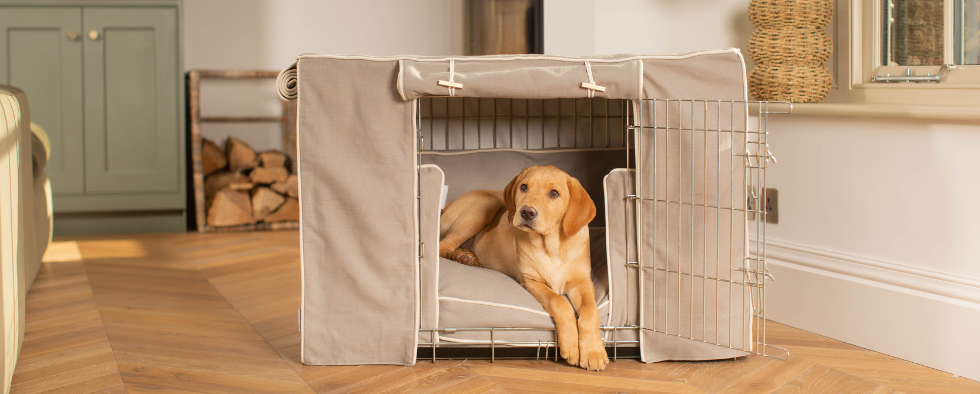
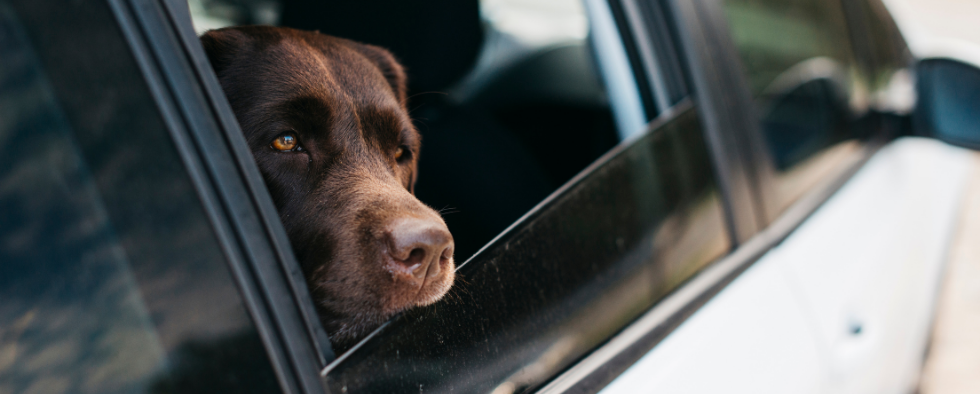
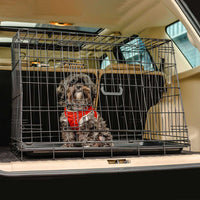
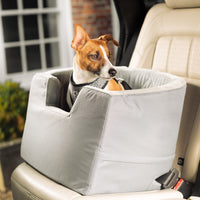
Whether it’s for a trip to the vet or a visit to the beach, most of us will take our dogs in the car at some stage. It almost goes without saying, however, that cars can be dangerous for dogs if care and common sense are not applied. Our friends at Vets Now, the UK’s leading emergency vets, have created the Seven Dos and Seven Don’ts for car journeys. And they want to remind us that we must always have our pets suitably restrained no matter how short the journey is, to keep them safe. In fact, according to the Highway Code, motorists must ensure "dogs or other animals are suitably restrained so that they cannot distract you while you are driving or injure you, or themselves, if you stop too quickly". Insurers also warn that if dog owners fail to do this and their pet inadvertently causes them to have an accident, then their insurance company may not pay out. Here Dave Leicester, Head of Telehealth at Vets Now, reveals the dos and don’ts for driving with your dog, whether he’s in the front seat or the car boot.   7 Do's For Dog Car Travel Restrain Your Dog Use a good quality harness, or a crate or guard, to keep your dog safe. There are many on the market so do your research first or seek advice from your vet. Always Carry Water Cars can get hot even when they’re moving, and dogs may become dehydrated on long trips. You can buy travel water bowls to ensure a drink is always on-hand. Make Regular Stops On Long Rides If you intend to be in the car for a long time, be sure to plan your journey so you can make plenty of stops. Your dog will appreciate being able to stretch their legs, enjoy a drink and some fresh air and go to the toilet. Use Window Shades While these are designed for babies and young children, your dog may also benefit as they help keep cars cool and block out direct sunlight. Try To Help Your Dog Relax There’s nothing worse than travelling with an anxious pooch. Do whatever it takes to ensure your dog is happy, content and comfortable sitting in your car. This might be as simple as giving them their favourite toy. Drive To Fun Places If your dog only ever goes in the car to visit the vet, he may associate it with distress rather than entertainment. Be sure to travel to places he loves visiting, too. Be Mindful Of Motion Sickness Most dogs will outgrow this condition, but if you’re concerned about it, go to your vet as they may be able to prescribe medication. It’s also worth bearing in mind dogs tend to suffer less if they’re facing forward while you’re driving.   7 Don'ts For Dog Car Travel Let Your Dog Hang Out The Window While this may look cute, it’s highly dangerous. Our vets have witnessed dogs suffer horrific injuries after hitting a passing vehicle while hanging out of a car. Forget To Switch Off Airbags If your dog is secured in a harness in the front seat, be sure to move the seat as far back as possible and switch off the passenger-side airbag as it may do more harm than good if you have an accident. Open Windows Entirely It’s imperative to keep your dog cool on car journeys, and this can be achieved by opening windows a little to allow a cool breeze to circulate. But never open them entirely as your dog may try to jump out. Take Your Dog Anywhere Without An ID Tag Or Microchip By law, dogs who go outside must have a microchip implanted by the time they’re eight weeks old and wear a collar with their owner’s name and address. Feed Your Dog Just Before You Travel This can upset your dog’s tummy and bring on motion sickness, which is the last thing you’ll want on a long journey. Leave Your Dog Alone In A Car This is particularly dangerous on warm days. Dogs can overheat within a matter of minutes, and heat stroke is a common cause of admissions to Vets Now pet emergency clinics and hospitals in the summer. Forget To Take A Food Supply It’s worth taking some of your dog’s usual food on any long car journey, just in case you break down or get stuck in heavy traffic.   Need some additional advice? If you are enjoying staycation at home or just enjoying a day out with your pet this summer, emergency providers Vets Now are just a tap away with Video Vets Now. You can book your appointment and get chatting to a qualified vet from your campsite, caravan or conservatory. A ten-minute video consult costs £24 and is refundable if Vets Now recommend an in-person follow up within 48 hours. For more details and how to book visit: Online Vets | Video Chat With Our UK Based Vets | 8am-11pm Daily (vets-now.com)  

By Laura Rudd

Read more
Your Dog’s Food & Water Bowl Behaviour Explained
15.08.21 August 15, 2021 Health Featured

Your Dog’s Food & Water Bowl Behaviour Explained

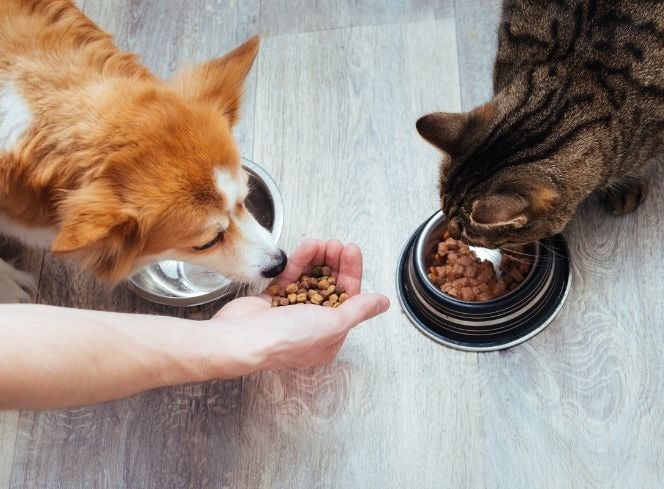
Our pets can exhibit all kinds of behaviours, some slightly more unusual than others. We talked recently about dog treats and how many dogs will hide or bury them, and this week we thought we’d look at strange behaviours around their food and water bowls. You may have a dog that likes to move their bowls around, whilst some dogs have a tendency to put their paw into the bowl. In this blog we’ll look at all the things we’ve known dogs to do to their food and water bowls and why they might act this way.       Dog Food And Water Bowl Behaviour Your dog may react in all kinds of ways when it comes to their food and water bowls. Whilst some dogs will just be excited at the thought of food and start eating straight away when food is served, others may show a range of other behaviours. This can range from moving the bowl around the floor to trying to tip the bowl up. Some dogs may put their paws in their bowls or even try to pee in them. It might seem baffling, but there are one or two reasons that your pup might do these things.   Why Do Dog’s Move Their Food Bowl? Most canine behaviour is often down to habit and past behaviour being reinforced. So if your dog happened to move their bowl once and you gave them attention or added more food, then your dog may associate moving the bowl with being rewarded, leading them to do it more often. Your pup may also be showing behaviour that has been passed down from their ancestors. Moving the bowl around could be your dog’s way of deterring other animals from eating their food. Even if your dog is an only pet, they still have a natural instinct to protect their food that stems from their history as pack animals. In the wild, dogs hunting in packs would sometimes hide or run away with their food to ensure it wasn’t stolen by the rest of the pack. Another reason that stems from their old pack hunting days may be that they’re trying to make the food seem more “alive”. By moving a bowl of dry dog food, the kibble will bounce and move which may excite them and make them feel more fulfilled at mealtimes. Alternatively, it could simply be your dog telling you that they don’t like the placement of their bowl. It could be the sound of their bowl on a particular type of flooring that they don’t like, or they may want to be nearer to you when they’re eating. Some dogs may even push around an empty bowl because it makes them nervous to think they don’t have food available, even when they’re not hungry. We’d suggest keeping their dry food topped throughout the day, even if it’s just with a small amount so they’re not tempted to overfeed.   Why Does My Dog Flip Their Food Bowls? Flipping the bowl of food could be done for similar reasons to moving the bowl, in that they’re trying to protect the food from other animals. It could also be that your dog doesn’t like the bowl itself. They may not like the shape of it; some dogs have sensitive whiskers and don’t like the feel when they stroke the sides of the bowl. Or they may take a dislike to the smell. The bowl could smell of dish soap or even another dog’s scent for example which could put them off. If your dog has taken to tipping their bowl over, you could try a non-skid dog bowl which should deter them from moving it on hard floors.  You could also try moving the bowl to another area or try a different bowl altogether. If you have more than one pet, try feeding them apart from each other and always feed them in separate bowls. Dogs don’t usually like sharing their space when eating their food. If your dog is a messy eater in general, you may not be able to stop the behaviour completely. Try serving their food on a placemat to stop spillages from soiling the floor.      Why Does My Dog Put Their Paw In The Water Bowl? Does your dog like to play with the water in their bowl? You may not see any sense in your dog doing this and of course it probably makes a mess with the splashes it creates. There are a couple of reasons your dog might do this though. It might be that your pup is hot after a walk or other activity and the water is a way for them to cool down. It doesn’t matter to them that they’re going to drink from the bowl later. Your dog might also try to paw something that they can see in the water. There may be something floating such as stray food or a hair; or they may be distracted by their own reflection! They may even play in the water because they just love it. If you have a dog who loves a splash in the sea or a paddle in the local pond at the park, you may find that they continue this type of play at home in their water bowl. There are a number of things you can do to try to stop the behaviour. Changing the bowl to one made of plastic or ceramic may reduce the risk of distracting reflections tempting your pup to play. You could also swap the water bowl for a pet fountain.   Why Do Dogs Pee In Their Water Bowl? Dogs are territorial creatures and urinating is a way for your dog to scent mark their territory. They will often do this  on dog walks, spraying over other dog’s scent to show that they stand higher in the canine social hierarchy. If your dog begins to spray in the house, it is probably related to this natural instinct. If you have more than one pet or you have a friend’s dog over to visit, your dog may decide to spray on the other’s bowl or even their own bowl. It could also happen when new people come to stay or even if you have a baby. Once you have managed to pinpoint why your dog is exhibiting this behaviour, you can aim to change the habit. One of the best ways to do this is to try serving their water in a quiet part of the house. This may mean putting it in a different room, or a different part of the same room that is less busy, with fewer distractions.   Why Is My Dog Afraid Of Their Bowl? Does your dog seem afraid of their food and water bowls? If your dog whines at the food bowl rather than eating from it, or refuses to go near it, they may have developed a dislike of the bowl or food for a few reasons. It could be the material of the bowl that they dislike; they might not like the feel of plastic, or the cold surface of the metal. It could even be the smell that they don’t like. Another reason could be the location of the food. Your dog may not like the bowls being near other pet’s bowls, or they may find a certain spot too busy or noisy. If your dog has suddenly stopped eating, you will need to rule out any health issues. We’d suggest a trip to the vet to get them checked over properly. A good way to deter unwanted behaviours of any kind is to provide plenty of toys and play options. Along with toys, ensure that your dog gets lots of stimulation every day throughout their routine which will hopefully make sure their energy is spent in the correct areas. If your dog seems to have developed any kind of compulsive behaviour that you’re finding it difficult to change, we’d suggest speaking to your vet.

By Megan Willis

Read more
How To Stop Cats From Peeing On Their Beds
08.08.21 August 08, 2021 Health Featured

How To Stop Cats From Peeing On Their Beds

Cats tend to be one of the cleanest pets we can share our homes with. They’re usually diligent when it comes to grooming themselves and they pick up litter training really quickly. Sometimes they can develop bad habits though, such as peeing around the home. If your cat urinates on their bed, or yours for that matter, you might wonder why? In this article we discuss why cats pee in places they shouldn’t and suggest some things you can do to help stop them from doing it.   Why Do Cats Pee On Beds? There are a number of reasons why your cat might pee on their bed. The most common problem is that your cat has a problem with the litter box. There are a number of reasons your cat might not like the litter tray including the following: Location - Cats can be fussy creatures and this can be evident in their toilet habits. If the litter tray is in a busy area of the house or is near a noisy appliance for example, then it might not be inviting for them or feel private enough. You don’t have enough litter boxes - Some cats do not like to pee and poop in the same spot which could cause them to start peeing around the house. Other cats are happy to use one box, but don’t want to share it with other cats. If you have multiple cats, then providing them with a litter tray of their own is ideal. Make sure it is cleaned regularly too as many cats will refuse to use a dirty litter tray. Your cat doesn’t like the type of litter or litter tray - Your cat may not like using a hooded tray, or they may prefer it. They may even take a dislike to the type of cat litter due to the texture or consistency. There may also be a health-related reason that your cat stops using their litter tray. Anxiety can cause our pets to act in unusual ways and can be caused by a number of factors, such as a major change in the household, moving home or unusual noises. There are some more severe health conditions to watch out for too. Cats can be prone to urinary tract and kidney problems which can affect their ability to pee properly. If you find your cat struggling to pee or trying to urinate outside of the litter tray, then you may need to seek veterinary advice to rule out infections or more severe health problems. Another common reason your cat might choose to pee outside of the litter tray is that they haven’t been neutered or spayed yet. If your cat is intact, males especially are more likely to spray around the house. If this happens you should consider booking an appointment with the vet to have them spayed or neutered. The procedure comes with other health benefits too, so it’s definitely worth doing.   How To Stop A Cat Peeing In Their Bed If you’ve ruled out any health problems and your cat is still urinating around the house, you will need to work out a way to stop it happening. Getting a cat to stop urinating on their bed, furniture or anywhere else in the house can be tricky and it will take patience and perseverance. There are some key things you can do to encourage them though.   Make the litter tray as inviting as possible It might take some trial and error to get it just right but ensuring the litter tray is inviting and to your cat’s taste is really important. Try to find a litter and tray style that they prefer, and place it in a private, quiet part of the house that is easy for them to get to when they use it. There should be a separate litter tray for each cat in the house and if you have a very fussy cat you may need to give them two trays – one to poop in and one to urinate in.   Ensure you clean any soiled areas around the home thoroughly This is probably obvious, but it’s imperative that any soiled areas are cleaned thoroughly. Cats will return to the same spot if it smells of pee, so ensure it is disinfected as soon as possible.   Change the meaning of the places they’re urinating If your cat get’s confused and starts using their bed, or your bed, as their loo then you need to make them see those areas in a different light. Try playing with them in the area and give them treats so they begin to associate it with food. Cats won’t eat and toilet in the same spot!   Install calming Feliway diffusers If your cat shows any unwanted behaviours around the home, then we’d suggest installing calming diffusers in their living areas. Ceva make a brilliant range of Feliway products that are designed to calm and relax our feline friends. They can be used in a number of situations too, including noisy events like fireworks night and when they’re due to travel somewhere. Pet Remedy also make some practical calming products such as sprays and wipes that can be used on bedding and in crates to help relieve stress.   Ensure their basic needs are met In some situations, it only takes a minor adjustment to your cat’s lifestyle to make a big difference to the way they behave. Cats need three essential things - safety, security and stimulation. They need to feel safe and unthreatened in their environment and secure in the fact that they can get away from situations if they need to. Cats like elevated places to hide and a consistent routine. They also need to be stimulated in their home environment. They have a natural need to hunt and chase, so they need cat toys around the home for them to exhibit this behaviour. Sometimes, just tweaking the home environment to make sure all of your cat's needs are met will stop any unwanted behaviours. Whatever you do, don’t scold your cat. Punishing them will likely only lead to fear and anxiety, rather than solving the issue. Try all of the things we’ve mentioned above and allow a few weeks for your cat to be retrained. If problems persist, you may need to speak to your vet or seek advice from an animal behaviour specialist. With time and patience, your cat will soon be retrained and using their litter tray properly - you’ll have a happy, content cat and a clean house once again!

By Zac Girdlestone

Read more

loyal customer in 17 countries

Why Shop With Us?

  • Free Delivery

    Orders over £75 qualify for free standard UK delivery. Orders under £75 will be calculated at the checkout.

  • Shopping Made Easy

    Gain exclusive access to sales and shop all your pets favourites on the go by downloading our app.

  • Designed in the UK

    Our own brand products are lovingly designed in our specialist UK workshop to our exacting standards.

  • We're Here For You

    Contact our Pet Experts on Chat or by email at sales@lordsandlabradors.co.uk