
























Lords & Labradors Information Hub

The home of handy tips and advice dedicated to pet owners

Dog Crate Size Guide: Find the Perfect Fit for Your Breed
11.08.25 August 11, 2025 Owning a Dog Featured

Dog Crate Size Guide: Find the Perfect Fit for Your Breed

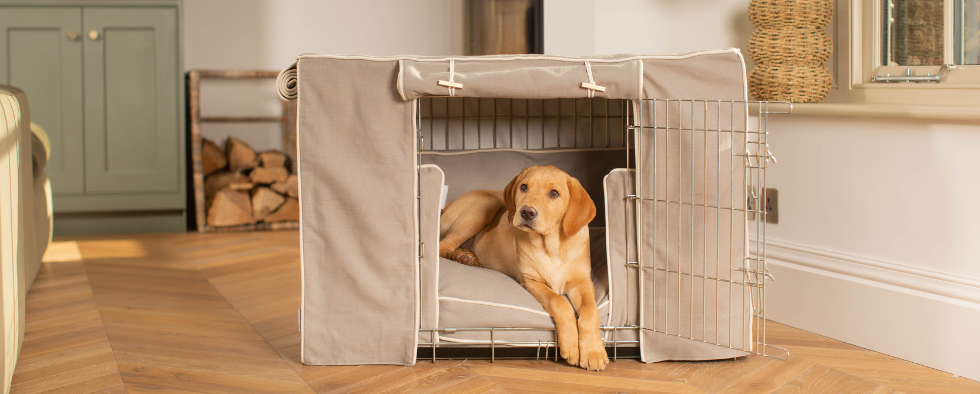
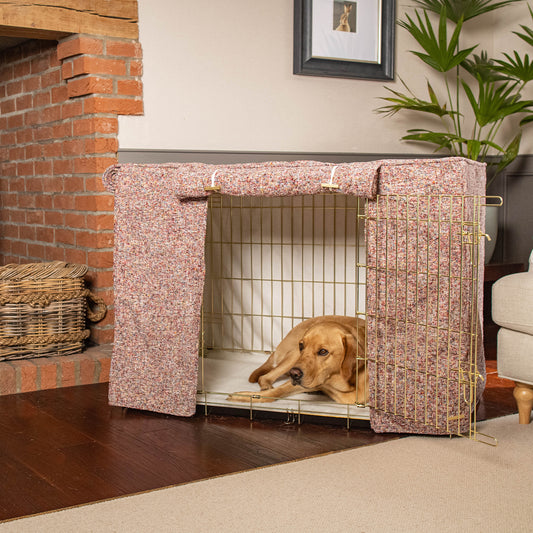
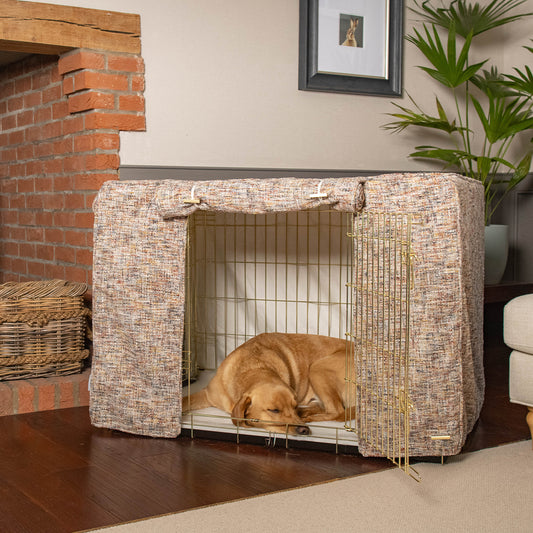
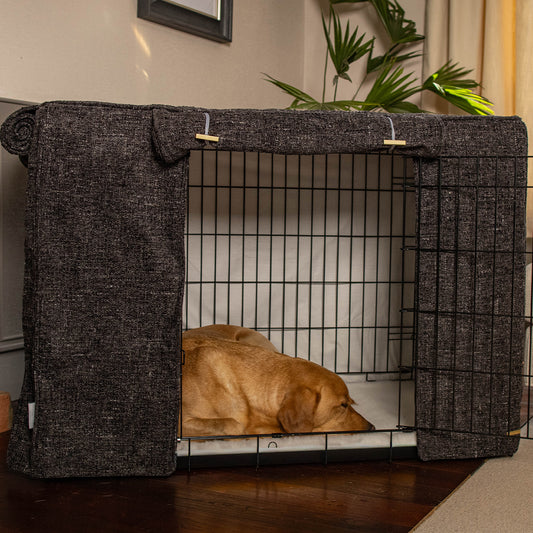
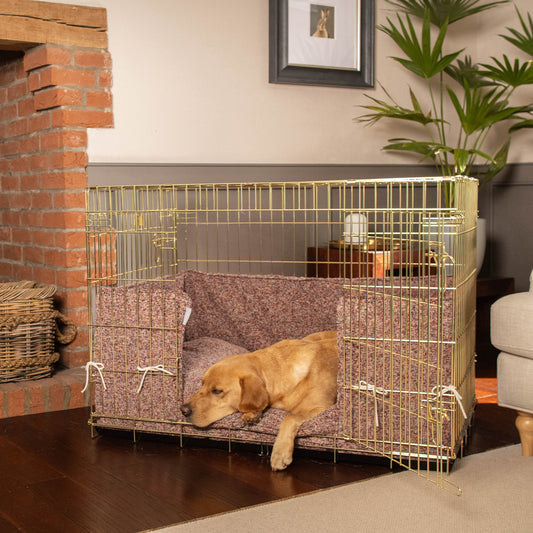
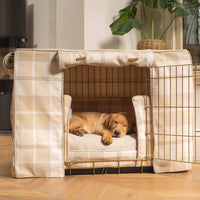
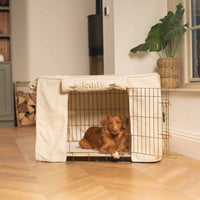
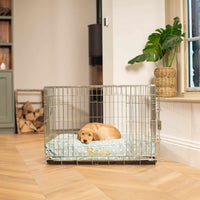
Choosing the right crate for your dog is more than just picking the right size, it’s about creating a safe, comfortable space your pet can call their own. Whether you're crate training a new puppy, helping your adult dog settle into a routine, or providing a calm retreat for an anxious pooch, the size and type of crate matters. In this UK dog crate size guide, we’ll help you determine what size dog crate your breed needs, how to measure for the perfect fit, and what features to look out for. Let’s make crate shopping simple and stress-free! Why Crate Size Matters A crate that’s too small can feel cramped and uncomfortable. On the other hand, a crate that’s too large might make your dog feel insecure, especially during training, when you want to discourage accidents and help them settle. Here’s what the perfect crate should allow your dog to do: Stand up without crouching Turn around comfortably Lie down and stretch out fully For growing puppies, it’s often best to buy a larger crate, so they can grow into the space! How to Measure Your Dog for a Crate Before browsing crates, grab a tape measure and note the following: Length: Measure from the tip of the nose to the base of the tail (not the tip). Height: Measure from the ground to the top of your dog’s head (or ears if upright). Width: This generally follows suit, but ensure there’s room for your dog to turn and stretch. Add 5–10cm to each measurement to ensure a comfortable fit, especially for puppies or breeds prone to stretching out. Dog Crate Size Chart (UK) Below is a general crate size guide, with approximate measurements and breed examples to help you find the right fit. Tip: Always consider your dog’s individual size and build, as not all dogs of the same breed are identical, especially if they are a cross breed.  Breed-by-Breed Crate Size Recommendations Here’s a quick-reference list for popular UK dog breeds: Cockapoo – Large  Labrador Retriever – X Large  French Bulldog – Medium  Border Terrier – Medium  Cavapoo – Medium  Golden Retriever – Extra Extra Large  Springer Spaniel – Large  Miniature Dachshund – Medium  Staffordshire Bull Terrier – Large  German Shepherd – Extra Extra Large  Remember: if you’re still unsure, go one size up. It’s always better to have more space than less! Crate Types & Features to Consider Once you’ve settled on the right size, think about the type of crate and extra features that might suit your lifestyle: Metal wire crates: Great for ventilation and visibility; ideal for indoor use and training. Plastic travel crates: Better for travel, especially by car or plane. Soft fabric crates: Lightweight and foldable, but not ideal for chewers or crate training. Furniture-style Wooden Dog Crates: Blend into home décor and double as stylish side tables. Look for crates with: Removable trays for easy cleaning Multiple doors for flexible placement Soft crate mats or beds for comfort Crating Comfortably: Bedding Matters Even the perfect size crate needs the right bedding. A soft crate liner or supportive dog bed makes all the difference — especially for puppies, seniors, or dogs recovering from injury. Consider temperature too: fleece mats for winter, or breathable cotton covers for warmer months. At Lords & Labradors, our handpicked selection of crate cushions, mats, and bedding options are tailored to fit our luxury dog crates beautifully — so your pup sleeps like royalty, wherever they are. Final Tips: What Size Dog Crate Is Best? Measure first – use your dog’s size, not just their breed. This is key! Think ahead – allow room for growth in puppies Comfort is key – soft bedding and security go hand-in-hand Don’t forget lifestyle – if you travel often, look for crates suited to transport Create the Perfect Crate Setup with Lords & Labradors Ready to find the perfect crate for your pooch? Explore our beautifully crafted dog crates, crate bedding, and crate accessories, all designed with both luxury and practicality in mind. Whether you’ve got a teeny Terrier or a gentle giant, we’ve got everything you need to create a safe, stylish space they’ll adore.

By Emily Sawer

Read more
Why Do Cats Purr?
04.08.25 August 04, 2025 FAQs Featured

Why Do Cats Purr?

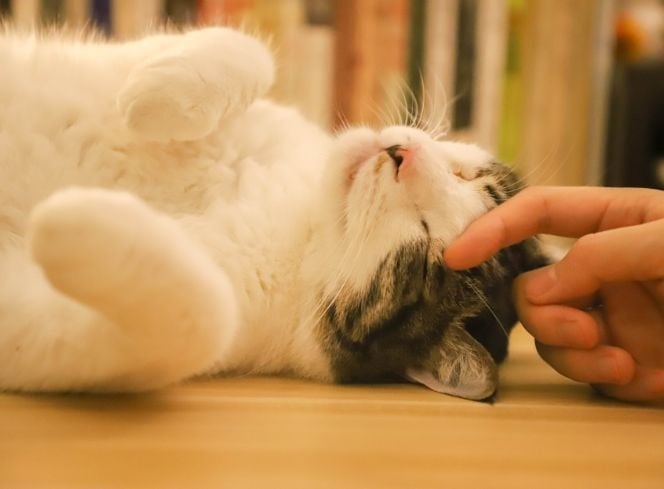
Have you ever found yourself relaxing on the sofa with your furry companion curled up beside you, softly vibrating with that unmistakable cat purring sound? Whether it's a gentle hum while they snooze or a loud, contented rumble when they're being stroked, cats and purring go hand in hand. But have you ever wondered—why do cats purr? Let’s dive into the world of feline communication to uncover the mystery behind this soothing sound. The Science Behind the Purr Sound A purr sound is produced by a cat’s laryngeal muscles, which twitch at a rapid rate—around 25 to 150 vibrations per second. This movement causes a separation of the vocal cords, producing the familiar rhythmic hum we all adore. Interestingly, the sound is created both when a cat inhales and exhales, making it a continuous, comforting presence. Why Do Cats Purr? The Many Meanings of This Feline Sound Cats purr for a variety of reasons, and while it’s commonly associated with contentment, the truth is that it serves multiple purposes. Let’s explore some of the key reasons: 1. Contentment and Relaxation The most well-known reason for cat purring in sleep or during petting sessions is sheer happiness. When a cat is comfortable, feeling safe, and loved, purring serves as a signal of satisfaction. If your feline friend is snuggled up in their favourite spot, enjoying some downtime, their purring is likely a sign of total relaxation. 2. Communication with Their Humans Cats use their purrs to communicate with us. Have you ever noticed that your cat’s purr sounds slightly different when they’re hungry? Studies suggest that some cats produce a more urgent purr, sometimes mixed with a soft meow, to grab your attention when it’s mealtime. 3. Self-Soothing and Healing One fascinating aspect of cats and purring is its potential health benefits. Purring has been linked to self-soothing, helping cats calm themselves in stressful situations. What’s more, the frequency of a cat’s purr is believed to have healing properties, aiding in bone growth and tissue repair. This explains why cats might purr when they are injured or feeling unwell. 4. Bonding with Kittens If you’ve ever heard kitten purring, you’ll know that it’s one of the sweetest sounds. From the moment they are born, kittens purr to bond with their mothers. This purring reassures their mother that they are safe and content, while also helping them stay close during nursing. 5. Stress and Anxiety Relief Surprisingly, cats might purr when they are stressed or anxious. If your cat is in an unfamiliar environment or feeling uneasy, purring can act as a coping mechanism, helping to reduce their stress levels. 6. Seeking Attention If your cat starts purring the moment you walk through the door, they’re likely seeking your attention. Whether they want food, playtime, or simply some affection, purring is a feline’s way of saying, "Notice me!" Kitten Purring Meaning: What to Expect from Your Young Cat If you’re the proud owner of a young feline, you might be curious about kitten purring meaning. Kittens begin purring at just a few days old, often as a way to bond with their mother. As they grow, their purring may develop into a way to express contentment, seek comfort, or even indicate when they’re feeling playful. Kittens often purr when being stroked, feeling full after a meal, or settling down for a nap. It’s their way of showing they feel safe and secure in their environment. Why Does My Cat Purr in Their Sleep? You might have noticed your feline producing a cat purring sound while they’re fast asleep. This typically indicates deep relaxation and a feeling of security. However, just like humans talk in their sleep, cats may purr due to dreams or subconscious processing of their day’s experiences. If your cat purrs loudly while sleeping, it’s likely they’re in a particularly deep and peaceful state. Some experts also believe that purring during sleep might help with muscle relaxation and recovery. How to Encourage a Happy Purring Cat If you love the sound of your cat’s purr, there are a few ways to encourage it: Create a safe environment: Provide cosy spots, such as a plush cat bed or a cat tree, where your feline can feel secure. Offer gentle affection: Many cats enjoy head rubs, chin scratches, and soft petting, which can trigger contented purring. Provide tasty treats: A happy cat is often a purring cat, and rewarding them with delicious treats can encourage more of those lovely vibrations. Interactive play: Engaging your cat with toys and games helps build their confidence and deepen your bond. Conclusion Cats and purring go together like peanut butter and jelly. While purring is often a sign of happiness, it can also serve a variety of other purposes, from communication to self-soothing and healing. Whether you’re listening to the gentle hum of kitten purring or the steady rhythm of your senior cat’s purr, understanding their sounds helps you build a stronger bond with your furry companion. If you want to create the perfect environment for your cat to relax and purr away, be sure to check out Lords & Labradors' range of luxurious cat essentials, including plush beds, cat trees, and tasty treats. So, next time your feline friend starts their soothing hum, you’ll know they’re communicating with you in the most delightful way!

By Megan Willis

Read more
The Ultimate Guide to Choosing The Right Dog Bed for Your Dog
04.08.25 August 04, 2025 Owning a Dog Featured

The Ultimate Guide to Choosing The Right Dog Bed for Your Dog

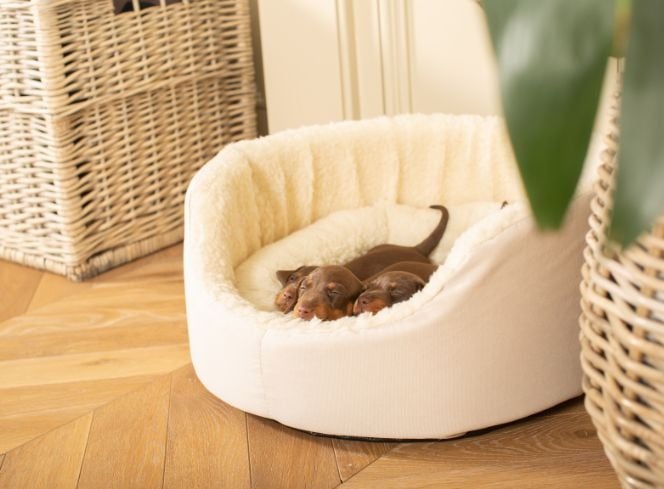
Choosing the perfect bed for your dog is more than just a cosy decision, it’s a commitment to their comfort, health, and overall happiness. With so many styles, shapes, and materials on the market, it’s easy to feel overwhelmed. But worry not, our expert dog bed guide will walk you through everything you need to consider to find the best dog bed for your four-legged friend. From understanding your dog’s sleeping style to finding the right size and fabric, this guide covers it all—plus, we’ll introduce you to the luxury range of dog beds at Lords & Labradors, designed to suit dogs of all breeds and personalities. 1. Start with the Right Size: Why It Matters Before anything else, size matters. A bed that’s too small will leave your pup feeling cramped, while one that’s too large might not provide the snug security many dogs crave.  Use our handy dog bed size chart below as a general guide: Dog Size Example Breeds Recommended Bed Size Small Dachshund, Pug, Chihuahua 50–70 cm Medium Cocker Spaniel, French Bulldog 70–90 cm Large Labrador, Boxer 90–110 cm Extra Large Great Dane, Newfoundland 110 cm+ Measure your dog while they’re lying in their natural sleeping position, and add a few centimetres for comfort. Don’t forget to account for growing room if you’re shopping for a puppy! Tip: All our luxury dog beds at Lords & Labradors are available in a range of sizes tailored to suit both toy breeds and gentle giants alike. 2. Consider Their Sleeping Style Just like humans, dogs have their own sleeping quirks. Does your dog curl into a tight ball, sprawl out on their side, or burrow under blankets? Their preferred position can help determine the best bed shape and structure. Curled-up sleepers tend to love donut or bolster-style beds with raised edges for a sense of security. Stretchers and loungers will benefit from flat, mattress-style beds that offer plenty of space to spread out. Burrowers adore cave-style beds or beds with hoods they can nestle beneath like our original Sleepy Burrow Beds. Our curated range at Lords & Labradors includes all of the above styles, each crafted with care to suit your dog’s individual personality and sleeping habits. 3. Material Matters: Comfort, Durability & Style When selecting a dog bed, the material it’s made from is just as important as how it looks in your home. Think about your dog’s coat, age, and any sensitivities they may have. Key Materials to Consider: Memory Foam: Offers excellent joint support, ideal for senior dogs or those with arthritis. Plush/Faux Fur: Super soft and comforting, particularly for puppies and anxious dogs. Canvas/Cotton: Durable and breathable—perfect for warmer climates or heavy shedders. Waterproof & Washable Covers: Essential for puppies in training, elderly pets, or muddy adventurers. Our dog beds at Lords & Labradors feature premium fabrics with practicality in mind, removable covers, machine-washable materials, and top-tier filling for long-lasting loft and support. 4. Indoor vs Outdoor Options Most dog beds are designed for indoor use, but if your pup enjoys lounging in the garden or travels with you on outdoor adventures, a purpose-built outdoor bed is worth considering. Indoor Beds: Typically softer, more stylish, and designed to blend in with home interiors. Include options like cosy nests, sofas, and plush memory foam mats. Outdoor Beds: Made from tough, weather-resistant materials such as waterproof canvas or elevated mesh. Ideal for camping trips, back gardens, or dogs who love basking in the sun. Our outdoor-friendly options at Lords & Labradors combine durability with design flair, ensuring your dog rests in luxury wherever they are. 5. Style & Aesthetic: A Bed That Fits Your Home While your dog’s comfort is the top priority, there’s no reason their bed can’t look fabulous too! Many modern dog beds are made to resemble designer home furnishings, think velvet fabrics, tasteful neutrals, and elegant patterns. At Lords & Labradors, we believe a dog bed should be both functional and fashionable. That’s why our beds are crafted to complement a variety of home décors, from classic country chic to contemporary minimalism. So, What is Best for Your Dog? There’s no one-size-fits-all when it comes to the best dog bed UK offering. Each pup is unique, and the ideal bed for one may not suit another. But by considering your dog’s size, sleeping habits, environment, and preferences, you’ll be well on your way to making the right choice. Explore our complete range of luxury dog beds at Lords & Labradors. From snug puppy nests to spacious orthopaedic loungers, we’ve got comfort covered. Ready to find the perfect bed for your pooch?
Browse our full collection of luxury dog beds and give your dog the restful sleep they deserve. Frequently Asked Questions What dog beds do vets recommend? Vets most commonly recommend orthopaedic or memory foam beds, particularly for older dogs, larger breeds, or those with joint conditions such as arthritis or hip dysplasia. The key factors vets look for are even weight distribution, adequate support for the spine and joints, and a washable cover for hygiene. A bed that is easy to get in and out of is also important for dogs with reduced mobility. If your dog has a specific health condition, it is always worth asking your vet for guidance on the type of support they need before choosing a bed. Should a dog bed be bigger than the dog? As a general rule, yes. Your dog should be able to lie in their natural sleeping position without any part of their body hanging off the edge or resting on a hard surface. Measure your dog from nose to tail while they are lying down, then add around 20 to 30 centimetres to give them comfortable room to move. That said, some dogs — particularly those who like to feel enclosed and secure — may feel more settled in a bed that fits them snugly, such as a donut or bolster style. It is worth taking your dog's sleeping habits into account alongside their measurements. How to pick the right size dog bed? Start by measuring your dog while they are lying in their usual sleeping position, nose to tail and across the widest point. Use that measurement as your baseline, then size up to allow a little extra room. If your dog tends to curl up tightly, a more compact bed with raised sides will suit them well. If they stretch out fully, opt for a flat mattress style with generous dimensions. For puppies, consider sizing up to allow for growth, or choose a brand that offers a good range of sizes so you can move up as they do. What type of dog bed do dogs prefer? It varies quite a bit depending on the individual dog. Breed, size, age, and personality all play a role in what a dog finds comfortable. Dogs that like to curl up tend to gravitate towards bolster or donut beds with raised edges that give them something to rest against. Dogs that stretch out prefer flat, spacious mattresses. Anxious or nervous dogs often feel safest in cave or hooded beds where they can burrow in. Older dogs or those with stiff joints generally do best on a memory foam or orthopaedic mattress that takes pressure off sore areas. Watching how your dog naturally sleeps is usually the best way to figure out what they need.

By Emily Sawer

Read more
The Best Cat Toys for Felines
28.07.25 July 28, 2025 Owning a Cat Featured

The Best Cat Toys for Felines

Cats are curious, playful, and intelligent creatures who need regular stimulation to stay happy and healthy. Whether you have a lively kitten or a relaxed indoor cat, having the right toys is essential to keep them entertained and mentally engaged. In this guide, we’ll explore some of the best cat toys that will keep your feline friend pouncing, chasing, and having the time of their lives. Why Are Cat Toys Important? Toys do more than just entertain your cat—they provide essential mental and physical stimulation. Playtime helps cats: Exercise and stay fit – Especially for indoor cats who may not get much natural movement. Satisfy hunting instincts – Cats have a natural predatory drive, and toys help satisfy their urge to chase and pounce. Prevent boredom – Keeping your cat entertained can help prevent unwanted behaviours such as scratching furniture or excessive meowing. Bond with their owners – Playing with your cat helps strengthen your bond and provide much-needed interaction. Now that we understand why toys are important, let’s dive into the different types and their benefits. Teasers and Wand Toys Teasers and wand toys are some of the best interactive cat toys available. These toys usually consist of a long stick with feathers, ribbons, or small plushies attached to the end. They’re perfect for engaging your cat in an exciting game of chase. We love the KONG Cat Wubba Teaser Boa, it has a rattle and a crinkle sound, as well as being infused with premium North American catnip so it is sure to keep even the most curious of cats entertained. Why your cat will love them: Encourages natural hunting behaviour. Provides great exercise and agility training. Offers an excellent opportunity for interactive playtime with you. Tip: Opt for teaser toys with bells or crinkle sounds to grab your cat’s attention even more. Laser Pointers Laser pointers are an all-time favourite when it comes to best toys for indoor cats. They offer endless fun as your cat tries to chase the elusive red dot. Why your cat will love them: Provides a great cardio workout. Keeps them mentally sharp and focused. Helps burn off extra energy, especially in kittens. Safety note: Always ensure you end playtime with a physical toy your cat can catch to prevent frustration. Interactive Cat Toys When it comes to mental stimulation only the best interactive cat toys will do. These toys often feature elements that move unpredictably, such as automated spinning balls, puzzle toys, and treat dispensers. We love the Catit Senses Circuits for keeping our cats entertained, the modular design allows you to add and swap different elements of the circuit to keep your cat stimulated and entertained. Why your cat will love them: Keeps them mentally stimulated and engaged. Helps with problem-solving skills. Provides independent playtime when you're not around. Interactive toys are perfect for cats who need a little extra mental challenge to keep boredom at bay. Balls and Rolling Toys Simple yet effective, balls and rolling toys are a fantastic addition to your cat’s toy collection. Whether they’re filled with catnip or have jingling bells inside, they offer hours of entertainment. Why your cat will love them: Encourages active play and exercise. Provides an outlet for their hunting instincts. Easy to chase and bat around the house. If you're looking for the best kitten toys, lightweight balls that are easy to carry and swat are ideal. The Best Catnip Toys Catnip toys are an absolute delight for most cats. Infused with the irresistible scent of catnip, these toys can provide hours of playful fun and relaxation. Why your cat will love them: Encourages playful behaviour and excitement. Helps with stress relief and relaxation. Ideal for lazy afternoons when your cat needs a boost of energy. If you're searching for the best catnip toys, look for plush toys filled with high-quality, organic catnip for a lasting effect. Shop our range of premium catnip toys here.  Choosing the Right Toy for Your Cat When selecting toys for your cat, consider their personality and play style. Some cats prefer chasing and pouncing, while others enjoy batting or problem-solving. Having a mix of different toys ensures your feline friend stays entertained and happy. Tips for Playtime Success: Rotate toys regularly to keep things fresh. Supervise play with string or small toys to prevent accidents. Encourage play by incorporating treats or catnip. Final Thoughts Whether you’re looking for the best kitten toys to keep your little one entertained or the best interactive cat toys to challenge your feline’s mind, there are plenty of options to choose from. Keeping your cat engaged with a variety of stimulating toys helps ensure they stay happy, healthy, and active. Looking to upgrade your cat’s toy collection? Explore the exciting range of cat toys at Lords & Labradors and treat your feline to endless fun!

By Megan Willis

Read more
Signs Your Cat Might Be Bored (And How To Fix It!)
28.07.25 July 28, 2025 Owning a Cat Featured

Signs Your Cat Might Be Bored (And How To Fix It!)

Cats may be independent creatures, but that doesn't mean they enjoy being bored! A lack of stimulation can lead to behavioural issues, stress, and even health problems. But how can you tell if your cat is bored? And what can you do about it? Our team of Pet Experts have dove into the signs of boredom in cats and given their solutions how to keep your feline friend entertained and happy in this blog post. How Can You Tell If Your Cat Is Bored? Boredom in cats isn’t always obvious, but if your feline friend is displaying any of the following behaviours, it might be time to introduce some extra stimulation. 1. Over-Grooming or Excessive Sleeping If your cat spends most of the day sleeping or excessively grooming itself, it could be a sign of boredom. While cats naturally sleep a lot, a bored indoor cat might sleep more than usual simply because there’s nothing else to do. Our Pet Experts Solutions: Encourage playtime with interactive cat toys that mimic prey, such as feather wands or laser pointers. Puzzle feeders can also add mental stimulation to mealtime. We love the Catit senses circuits for keeping our indoor cats busy and entertained, there’s lots of different sets so you can customise it to your cat’s interests and they’re definitely a favourite with our felines! 2. Destructive Behaviour Is your cat scratching furniture, knocking over objects, or chewing on things it shouldn’t? A bored cat often seeks out its own entertainment, and that can sometimes be at the expense of your belongings. Our Pet Experts Solution: Provide plenty of scratching posts, cat trees, and interactive toys. Rotating their toys regularly can also help keep things interesting and prevent them from getting bored with their toys. Need a new cat tree? Our Lords & Labradors Back To Nature cat trees have been designed with your bored indoor cat in mind. They are crafted from natural wood to stimulate your cat’s natural scratching instincts and give them a taste of the outdoors! They also have lots of fun hiding spots and perches for your cat to sit on, perfect for keeping them entertained. 3. Excessive Meowing or Attention-Seeking A cat that constantly meows, follows you around, or demands attention might be trying to tell you that it’s bored. This is especially common in indoor cats who don’t have the same level of stimulation as their outdoor counterparts. Our Pet Experts Solution: Set aside time each day for dedicated play, it’s worth having some toys which your cat only gets to play with you with like a feather wand to really help them bond and keep them entertained. Training your cat to do tricks can also be a great way to challenge their mind and keep them engaged. Check out our blog on training your cat to do tricks for inspiration! 4. Chasing or Attacking Feet and Hands Does your cat ambush your feet as you walk past? Pouncing, biting, or swiping at you could be a sign of a bored indoor cat trying to create its own fun. Our Pet Experts Solution: Provide toys that encourage natural hunting behaviours, such as interactive balls, motorised mice, or treat-dispensing toys. Engaging in short but frequent play sessions can help redirect their energy. 5. Increased Aggression or Moodiness A cat that suddenly becomes grumpy, aggressive, or withdrawn might be experiencing boredom and frustration. Cats need both mental and physical exercise to stay happy. Our Pet Experts Solution: Try introducing new forms of enrichment, such as a window perch for birdwatching, a cat tunnel for exploration, or a cat tree for climbing and surveying their surroundings. 6. Loss of Interest in Toys If your cat seems bored with toys it once loved, it might be because they need something new and exciting. Our Pet Experts Solution: Try rotating your cat’s toys regularly to keep them fresh and engaging. You can also try different textures, sounds, or interactive elements to spark their curiosity. 7. Weight Gain or Loss A cat that is bored may either overeat due to lack of stimulation or lose its appetite due to lack of interest in anything. Either change in eating habits can indicate that your cat isn’t mentally or physically stimulated enough. Our Pet Experts Solution: Food puzzles or slow feeders can turn mealtime into a fun and engaging activity. Encouraging movement through play will also help keep your cat at a healthy weight. The Food Tree from Catit is a great way to turn your cat’s mealtime into a fun and engaging activity, they will have to use their natural hunting instinct to figure out how to get to the food inside. How to Prevent Boredom in Cats If your cat is showing signs of boredom, don't worry—there are plenty of ways to add excitement to their life! Here are some top boredom-busting solutions: Invest in a Cat Tree – Climbing and perching are natural behaviours for cats. A well placed cat tree can provide hours of entertainment and a cosy resting spot. Interactive Cat Toys – Toys that move, make noise, or dispense treats can keep your cat entertained when you're not home. Enrichment Activities – Training, puzzle feeders, and window perches for birdwatching can all stimulate your cat’s mind. Rotate Toys Regularly – Keep playtime exciting by switching up their toys every few days. Schedule Playtime – Even a few minutes of interactive play each day can make a big difference. A happy cat is a healthy cat, and keeping boredom at bay is essential for their well-being. Explore our range of cat essentials to keep your feline friend entertained and content! By making small changes to your cat’s environment and routine, you can ensure they stay mentally and physically engaged. Whether it’s through toys, training, or climbing adventures, keeping your cat entertained will lead to a happier, healthier pet!

By Megan Willis

Read more
Signs Your Dog Might Be Bored (And How to Fix It!)
21.07.25 July 21, 2025 Owning a Dog Featured

Signs Your Dog Might Be Bored (And How to Fix It!)

Dogs are loyal and loving companions, but they also need plenty of mental and physical stimulation to thrive. A bored dog isn’t just a lazy dog; boredom can lead to behavioural problems, anxiety, and even health issues. But how do you know if your dog is bored, and what can you do to keep your pooch happy and entertained? Our team of Pet Experts have explored the common signs of boredom in dogs and shared their top tips for preventing it with enriching solutions that are fun, simple, and effective. How Can You Tell If Your Dog Is Bored? Boredom in dogs can show up in many different ways. If your canine companion is displaying any of the following behaviours, it might be time to add some variety to their daily routine. 1. Destructive Behaviour  Chewing furniture, ripping up cushions, digging in the garden, or tearing up toys? These classic signs of mischief might actually be a cry for mental stimulation. Our Pet Experts' Solution: Offer a variety of chew-safe toys and treat-dispensing puzzles to keep their brain busy. Enrichment toys like snuffle mats or slow feeders can mimic the natural challenge of foraging. Our interactive dog toys are a brilliant way to redirect destructive tendencies into productive play. 2. Excessive Barking or Whining Is your dog barking at everything that moves or constantly whining for attention? Dogs left without enough stimulation may vocalise more than usual out of frustration or boredom. Our Pet Experts' Solution: Try structured play sessions with toys that engage their senses. Tug toys, squeaky balls, and interactive fetch toys can help burn energy. You can also teach your dog new commands or tricks to keep their mind sharp and build your bond. Short training bursts throughout the day are great boredom-busters! 3. Pacing or Restlessness Does your dog struggle to settle, pace around the house, or circle aimlessly? These behaviours may indicate they’re craving mental or physical activity. Our Pet Experts' Solution: Make use of dog enrichment tools like treat puzzles, or go on varied walks with new scents and routes. Scent work and nose games are fantastic for tiring out an active mind. You could even hide treats around the house for a mini scavenger hunt! 4. Overeating or Loss of Appetite Changes in your dog’s eating habits — like eating too much or showing little interest in food — may stem from boredom. Just like humans, some dogs comfort eat while others lose their appetite when they’re under-stimulated. Our Pet Experts' Solution: Make mealtime fun by using slow feeders or food-dispensing toys. These tools encourage natural foraging behaviour and turn dinner into a game. Lords & Labradors stocks a range of feeding accessories perfect for mentally engaging your dog during mealtime. 5. Excessive Sleeping While dogs love a good snooze, if your pooch is sleeping more than usual and isn’t showing interest in toys or interaction, it may be due to lack of stimulation. Our Pet Experts' Solution: Schedule multiple short playtimes throughout the day. Use interactive toys that your dog can engage with even when you're busy. A comfy bed in a stimulating spot, like near a window, can also provide passive enrichment when your dog’s relaxing. 6. Attention-Seeking Behaviour Clinginess, pawing, nudging for cuddles, or following you around like a shadow may all be signs your dog is under-stimulated. Our Pet Experts' Solution: Include them in daily activities like training sessions or indoor games. Try teaching them new tricks or introducing agility-style games at home. Trick training is a fun and mentally enriching way to keep dogs engaged and happy. 7. Aggression or Mood Changes If your dog becomes more irritable, snaps unexpectedly, or seems withdrawn, boredom and frustration could be underlying causes. Our Pet Experts' Solution: Add variety to their day. Rotate toys, try a new walking route, or introduce a new game. Enrichment should target all their senses, not just physical energy. Puzzle toys, sniff walks, and interactive training all offer positive outlets for pent-up emotions. How to Prevent Boredom in Dogs The good news? Preventing boredom in dogs is easy when you build a routine that balances stimulation with rest. Here are some boredom-busting tips from our Pet Experts: Invest in Interactive Toys: Toys that squeak, bounce unpredictably, or release treats will keep your dog busy even when you're not home. Rotate toys regularly to maintain interest. Use Food as Enrichment: Turn meals into a challenge with treat puzzles, snuffle mats, or slow feeders that encourage problem-solving. Mix Up Walks & Outings: New walking routes, sniff spots, or park visits help satisfy your dog’s natural curiosity and sensory needs. Training = Mental Workout: Trick training, obedience games, or even scent work provide excellent mental stimulation and strengthen your bond. Create Enrichment Stations: Set up different areas at home with specific toys or challenges. Try a cosy corner with a chew, a window perch for watching the world go by, or a ball pit filled with hidden toys. Keep Your Dog Happy, Healthy, and Entertained A mentally enriched dog is a happy dog, and a better-behaved one too! From interactive dog toys to comfy beds and delicious treats, Lords & Labradors has everything you need to banish boredom and keep tails wagging. Explore our range of dog essentials to keep your canine companion engaged, active, and content every day.

By Emily Sawer

Read more
How to Entertain Your Indoor Cat: Top Tips and Toys
21.07.25 July 21, 2025 Owning a Cat Featured

How to Entertain Your Indoor Cat: Top Tips and Toys

Indoor cats can lead happy, fulfilling lives, but as a cat parent, it’s your responsibility to ensure they have plenty of stimulation. Without access to the outdoor world, providing enriching activities is vital to keep your feline friend entertained and active. In this blog, we’ll explore how to keep your indoor cat entertained with fun activities and as well as our favourite cat toys! Why Indoor Cats Need Stimulation Cats are naturally curious and playful creatures. In the wild, they’d spend their time exploring, hunting, and climbing. For indoor cats, their environment may feel static without the right enrichment, leading to boredom or even behavioural problems. Ensuring they stay entertained with the right tools, like interactive cat toys and catnip toys, is key to keeping them mentally and physically healthy. Tips to Keep Indoor Cats Entertained 1. Create a Play Schedule Regular play sessions help keep your cat active and engaged. Allocate 15-20 minutes a couple of times a day to play with your cat. Use a variety of toys, such as a cat string toy or cat feather toys, to mimic hunting behaviours. This not only keeps them entertained but also satisfies their natural instincts. Shop our range of cat wands and feather toys here. 2. Invest in Interactive Cat Toys Interactive cat toys are fantastic for engaging your cat’s mind and keeping boredom at bay. Look for toys that move unpredictably or respond to your cat’s touch, like self-play cat toys. These toys encourage independent play, making them ideal for when you’re not around to entertain your indoor cat. Make sure to explore our range of interactive cat toys 3. Introduce Catnip Toys Catnip toys are a surefire way to spark excitement in your cat. Items like a catnip ball or chewable catnip toys can stimulate play and help keep your cat active. Not all cats respond to catnip, but for those who do, it’s a fantastic tool for enrichment. Here are our favourite catnip toys. 4. Incorporate Cat Tunnels and Beds A cat tunnel bed is a multifunctional item that provides both a space to rest and a structure to explore. Cat tunnels can satisfy a cat’s natural curiosity, giving them a chance to hide, pounce, and even nap in a cosy nook. For older cats, these tunnels can also encourage gentle exercise. We especially love the All For Paws Vintage Cat Tunnel as it even has play balls attached for extra fun! 5. Rotate Cat Toys Even the most exciting toy can become mundane if your cat plays with it every day. To keep your cat’s interest, rotate their toys weekly. Include different types like ball toys for cats, cat chew toys, and cat string toys to provide variety. 6. Set Up a Climbing Space Cats love to climb and perch in high places. A multi-level cat tree or shelving can create a vertical playground. Pair it with dangling cat feather toys or string toys to encourage your cat to climb and pounce. Our Malmo wall climbers are perfect for cats who love to climb, and create their dream assault course to make their dreams come true! 7. Engage in Puzzle Play Puzzle feeders are excellent for keeping your cat’s brain engaged. These interactive cat toys challenge your cat to think critically and work for their treats. It’s a great way to combine entertainment with feeding time. 8. Use Technology Laser pointers and automated toys are wonderful tools to entertain your cat. Laser pointers encourage your cat to chase and pounce, simulating a hunting experience. Just be sure to reward your cat with a physical toy at the end of play to avoid frustration. 9. Provide Window Perches While your indoor cat may not roam outside, they can still enjoy the view. Set up a window perch or ledge where they can observe birds, people, and other outdoor activities. For added stimulation, place a bird feeder outside the window to create a "cat TV" experience. 10. Engage All Ages Older cats may not be as energetic as kittens, but they still need stimulation. Cat toys for older cats, like soft chew toys or slower-moving interactive toys, can keep them entertained without overstimulating them. Top Cat Toys to Keep Indoor Cats Entertained The market is filled with toys designed to entertain cats, but these are our top picks for keeping your feline friend happy: KONG Catnip infuser: Perfect for cats who love catnip, this toy infuses the balls with catnip to keep them active and engaged. All For Paws Vintage Cat Tunnel: Ideal for exploration, hiding, and play. It even has play balls attached for added fun. Catit Senses 2.0 Circuits: These are the best interactive cat toys in our opinion. The range can all be used together to make the perfect interactive playground for your indoor cat. They are excellent for self-play and will keep your cat entertained for hours. KONG Cat Wubba Teaser Boa: There’s a reason this toy is such a hit. Cat Feather Toys are great because they mimic a bird in flight, making them perfect interactive play sessions. A bonus is that it’s infused with North American Catnip for an even more stimulating playtime. KONG Cat Active Tennis Balls: These Ball Toys for Cats are the perfect size for your favourite feline. Simple but effective, these rolling toys encourage your cat to chase and pounce helping to fulfil your cat’s chasing and hunting desires. Why Playtime is Important Regular play not only entertains your cat but also helps maintain their physical health. Activities like chasing a ball toy or pouncing on a feather toy improve muscle tone and agility. Additionally, playtime strengthens the bond between you and your cat, creating a happier home environment. Final Thoughts: How to Keep Indoor Cats Entertained Entertaining your indoor cat doesn’t have to be a challenge. With the right combination of cat toys, interactive activities, and a stimulating environment, your feline friend will lead a happy, enriched life. Whether it’s a catnip ball, a cat tunnel bed, or a puzzle feeder, investing in quality toys and dedicating time to play with your cat ensures they stay entertained and healthy. Explore our full range of top cat toys, including interactive cat toys and catnip toys, at Lords & Labradors. Let’s make your indoor cat’s world as exciting as the outdoors!

By Megan Willis

Read more
Decoding Cats and Their Midnight Zoomies
21.07.25 July 21, 2025 Owning a Cat Featured

Decoding Cats and Their Midnight Zoomies

If you’ve ever lived with a cat, you’re probably all too familiar with that sudden burst of energy around bedtime. One moment, they’re quietly observing a dust particle drifting across the room, and the next, they’re darting from sofa to windowsill like they’ve got rocket boosters attached to their paws. This phenomenon is often referred to as the zoomies, and it’s as fascinating as it is hilarious. In this blog, we’ll explore what are cat zoomies, why do cats get the zoomies, and, most crucially, how to live harmoniously with your midnight sprinter. What Exactly Are Cat Zoomies? Before you begin to wonder if you’ve brought home a miniature cheetah, rest assured—cat zoomies are perfectly normal. Zoomies is a nickname for those sudden, frenetic bursts of energy that make your cat look like a furry tornado. They might come flying around the corner, tail puffed up, eyes wide, making you question if they’ve just had a major caffeine fix. While zoomies are often associated with a single playful cat or zoomie cat, they can happen to any feline. Even the most dignified, reserved cats can suddenly transform into track stars at odd times of the day. Why Do Cats Have Zoomies? So, why do cats have zoomies anyway? In many cases, zoomies are just another way for cats to burn off extra energy. Throughout the day, cats do a lot of resting (in fact, they can sleep up to 16 hours a day). When they do wake up, they may suddenly feel the need to stretch their legs and engage in a quick burst of high-intensity play. Think of it as a feline version of a quick jog around the block—except cats prefer an exuberant dash around the living room instead. Other factors might also play a role: Instinctive Hunting Behaviors: Domestic cats retain strong hunting instincts from their wild ancestors. Racing around the house could be the modern equivalent of pouncing on prey. Excitement or Anxiety: A cat might experience zoomies when it’s excited (like after you come home) or sometimes when it’s slightly stressed. Bathroom Ritual: Yes, this one might sound silly, but some cats experience zoomies after using their litter tray. It’s not entirely clear why, but one theory is that relieving themselves leaves them feeling lighter and energetic. Why Do Cats Get the Zoomies at Night? It’s one thing to watch your cat scamper around during the day, but a bit more perplexing (and sometimes inconvenient) to experience cat zoomies at night. If you’re muttering to yourself, “Why does my cat get the zoomies at night?” you’re not alone.Cats are typically crepuscular, which means they’re most active during dawn and dusk. When we’re winding down for bed, felines might be gearing up for their evening routine. Imagine the scenario: You turn out the lights, your home becomes quiet, and your cat suddenly decides it’s prime time for mischief. This is often attributed to: Unspent Energy: If your cat hasn’t had enough interactive play during the day, they may use the cover of night to release their pent-up energy. Natural Body Clock: Cats’ internal clocks might tell them it’s time to hunt—even if “hunting” equates to sprinting from room to room with no actual prey in sight. Kitten Zoomies vs. Adult Cat Zoomies While all cats can get the zoomies, kittens are a whole different ballgame. Kitten zoomies at night can be especially dramatic. Kittens have an abundance of energy to burn and are often in learning mode. Everything is new and exciting, from the rustling of a paper bag to the flicker of a light in the hallway. As a result, they might spring into action the moment something captures their attention—or, quite frankly, just because they feel like it! How Long Do Kitten Zoomies Last? If you’re wondering, how long do kitten zoomies last, the answer varies. A zoomie session might last from just a few seconds to several minutes. Generally, kittens experience these rapid-fire energy bursts more frequently than adult cats. Over time, as they mature, these episodes may become less frequent (though no less spirited). Why Does My Cat Get the Zoomies? Every cat has its own triggers—some are environmental, while others are biological. You might find yourself frequently pondering, “Why does my cat get the zoomies?” It can be for any number of reasons: from an exciting new cat toy or an unfamiliar noise outside, to simply a case of “I feel like running.” Keep in mind that zoomies, in themselves, are rarely a sign of a problem. However, if your cat’s behaviour suddenly changes—such as zoomies becoming extremely frequent or accompanied by aggression—it could indicate an underlying issue, and you might want to consult a vet or animal behaviourist for peace of mind. Coping with Your Cat’s (or Kitten’s) Nightly Olympics Dealing with cat zoomies at night can be challenging. After all, we humans aren’t quite as keen on spontaneous athletic feats after lights out! Here are a few tips to consider: Incorporate More Playtime During the Day:
Tire your cat out with interactive toys—like feather wands and teasers. By giving them a proper outlet for their energy, you’re more likely to stave off those midnight marathons. Establish a Routine:
Cats thrive on routine. Schedule mealtimes and play sessions for the same times each day. If your cat knows they’ll have an extended play session before bedtime, they might be less inclined to start sprinting the moment you tuck yourself in. Engage Their Brain:
Puzzle toys can help satisfy your cat’s natural hunting instincts. Toys that dispense treats or require your cat to “work” for a reward can keep them mentally stimulated and physically engaged. Our favourites are the Catit Senses circuits, they keep our felines entertained for hours! Offer a Calm Space:
Sometimes, cats get zoomies because they’re overstimulated or stressed. Providing a quiet, secure space—like a cosy cat bed in a low-traffic area—can make a huge difference. Treat them to a new luxury bed from Lords & Labradors, the plush high sides and the luxurious fabrics of our beds are perfect for your cat to snuggle up in and retreat from the world. Don’t Reinforce Unwanted Behaviours:
If your cat’s nighttime zoomies lead them to jump onto your bed and start kneading your face (much to your dismay), try not to reward them with attention. Gently redirect them to a toy or an area where they can safely channel that energy. When to Seek Help If your cat’s zoomies are so frequent or intense that they’re causing household disruption—or if your cat seems anxious or aggressive—there’s no harm in chatting with a veterinarian. A quick check-up can rule out any underlying health issues. Occasionally, hyperthyroidism or other medical conditions can manifest as restlessness or increased activity. Embracing Your Feline Friend’s Nighttime Shenanigans Ultimately, why do cats do zoomies? Because they’re cats! These charismatic companions are filled with playful energy and instinctive behaviours passed down through generations. While zoomies can be startling—especially at 2 AM—they’re also a reminder of how spirited and vibrant our feline friends can be. Yes, cats zoomies sessions might leave you wide awake on occasion, but these bursts of excitement are generally a positive sign that your cat is healthy and happy. With a bit of understanding, playtime, and a good sense of humour, you can come to appreciate the spontaneous sprints across your living room. So, the next time your adorable “zoomie cat” revs up those imaginary engines, take it in stride. Life with a cat is never boring—especially when they decide that every shadow on the wall invites a midnight chase. Instead of fighting it, embrace the occasional whoosh of fur and whiskers darting past you. After all, it’s their way of saying, “I’m alive, I’m playful, and I’m ready to party—even if it’s the middle of the night!” Final Thoughts Whether you’re dealing with kitten zoomies at night or your fully-grown cat’s sprint around the kitchen, these unpredictable bursts of energy are a normal part of feline life. If you’re in need of calming aids, interactive toys, or a plush cat bed to help your furry friend settle down after playtime, remember that Lords & Labradors is your one-stop shop for all your cat essentials. Here’s to peaceful evenings—and a happy, zooming cat!

By Megan Willis

Read more
Cats and Cardboard Boxes – 5 DIY Craft Ideas Your Cat Will Love
14.07.25 July 14, 2025 Owning a Cat Featured

Cats and Cardboard Boxes – 5 DIY Craft Ideas Your Cat Will Love

There’s something almost magical about the relationship between cats and cardboard. You’ve likely set out a beautiful, plush cat bed, only to watch your feline friend choose the cardboard box it came in instead. You may have wondered, why do cats love boxes so much? If you’re one of the many curious cat owners who has exclaimed, “my cat loves boxes more than the fancy bed I bought them!”—then this blog post is for you. In this blog, we’ll explore why do cats like cardboard, the appeal behind cats in cardboard boxes, and share five fantastic DIY ideas for making cat houses out of boxes that will keep your furry friend both entertained and cosy. Why Do Cats Like Boxes? Have you ever caught your cat peeping out from behind the flaps of a cat cardboard box or noticed them repeatedly climbing into a newly delivered package? There are a few reasons why do cats like boxes so much: Security and Comfort:
Why do cats like to be in boxes in the first place? A cardboard box mimics a small, enclosed space where they feel protected. Cats are both predators and prey in the wild, so being hidden away can give them a sense of security. Warmth:
Corrugated cardboard is an excellent insulator. Cats love to stay cosy, and curling up in a box can help them maintain their body temperature. Texture:
Why do cats like cardboard specifically? The texture of cardboard is satisfying to claw and scratch. In fact, cardboard cat scratchers are popular for exactly this reason—cardboard is sturdy enough to let them shred away, which helps trim their nails and release pent-up energy. Hunting Instinct:
Many boxes have flaps and openings that cats can peek through, satisfying their instinctive urge to stalk. Playing hide and seek from inside a box is a fun way for them to practice pouncing in a safe environment. At Lords & Labradors, we love seeing cats in cardboard boxes, and we know that when it comes to cat furniture, sometimes the simplest DIY solutions can be the most entertaining! 5 DIY Cardboard Crafts Your Cat Will Adore Ready to get creative? Below are five ideas for crafting cardboard cat houses, scratchers, and more. We’ve designed these to be fun, safe, and relatively easy to build at home. Let’s get started! 1. The Cardboard Castle Materials Needed Several clean, sturdy cardboard boxes of various sizes Non-toxic glue or tape Craft knife or scissors Decorations (stickers, paint pens—cat-safe if applying in accessible areas) Instructions Choose Your Boxes: Find a large cat cardboard box to serve as the main floor. Then, pick a few smaller boxes to act as turrets or additional rooms. Cut Out Openings: Using a craft knife, cut doorways, windows, and connecting passageways between boxes. Aim for enough room so your cat can comfortably pass through. Assemble and Secure: Stack and tape or glue the boxes together to form a castle shape. Make sure the structure is stable before letting your cat explore. Decorate: Feel free to add your personal flair—just be certain not to use any materials that might be toxic or easy to ingest for your cat.Why Your Cat Will Love It
The multiple levels offer varied perches and hideouts. It becomes a mini “fortress” your cat can rule from, satisfying that innate desire for hidden, elevated vantage points. 2. Recycled Cardboard Cat Scratcher Materials Needed Corrugated cardboard Pencil and ruler Non-toxic glue Instructions Measure & Mark: Use a pencil and ruler to mark strips on your cardboard. These strips should all be the same width, around 2–3 inches, depending on how thick you want the scratcher to be. Cut Strips: Cut along the marked lines. Roll or Stack: For a circular scratcher, roll the strips tightly into a spiral, gluing along the way. For a rectangular scratcher, stack the strips on top of each other until you reach the desired thickness. Secure: Glue the final layer to keep everything in place. You can then place the scratcher on the floor or even fit it into a shallow box lid for extra stability. Why Your Cat Will Love It Cardboard cat scratchers cater to your cat’s natural need to claw and mark their territory. Best of all, you can make it from leftover shipping boxes that would otherwise be thrown away. 3. The Hidden Tunnel Materials Needed One or more large cardboard boxes Scissors or craft knife Tape or glue Instructions Flatten and Cut: Take a large piece of cardboard and cut out rectangular sections to form a tube. Shape the Tunnel: Roll or fold the cardboard into a cylindrical or rectangular tunnel shape. Use tape or glue to secure the sides. Add Entry Points: If you have extra cardboard, create additional holes so your cat can dart in and out. Stabilise: For extra durability, consider layering more cardboard around the outside, forming a sturdy tunnel. Why Your Cat Will Love It Cats love a good hide-and-seek session. Tunnels give them a sense of excitement and security, and they’ll enjoy sprinting through or lounging inside the structure. At Lords & Labradors, we often see how partial cats are to anything that offers a sneaky hiding spot. It’s why do cats like to be in boxes in the first place—they’re secure, fun, and keep their curiosity piqued! 4. The Stackable Condo Materials Needed Two or more boxes of the same size Tape or glue Craft knife for windows Instructions Select Matching Boxes: Choose sturdy boxes that can be stacked. Cut Doorways: Create an entrance on each box, ensuring it’s large enough for your cat. Add a few smaller windows for ventilation and visibility. Stack and Secure: Place one box on top of the other, aligning the doors if you want your cat to have a multi-level condo. Secure with tape or glue. Add a Cushion: For extra comfort, slide a plush cat bed or cushion from Lords & Labradors into the lower level. Why Your Cat Will Love It This multi-floor design not only satisfies that why cats love boxes curiosity, but also gives them vertical space to lounge, nap, and observe their surroundings—perfect for your little acrobat. 5. The Puzzle Feeder Materials Needed A shallow cardboard box Cardboard tubes (like from paper towel rolls) Non-toxic glue Cat treats or kibble Instructions Gather Tubes: Collect multiple cardboard tubes and cut them into shorter segments if necessary. Arrange Tubes: Stand the tubes upright inside the shallow box until the space is filled. Secure with glue so they don’t tip over. Add Treats: Once the glue is dry, drop cat treats or kibble into the tubes. Encourage Play: Your cat will have to fish the food out with their paw—stimulating their mind and providing a tasty reward. Why Your Cat Will Love It
Interactive toys keep your cat mentally stimulated, plus they’ll be excited to hunt for their snacks. This is a quick and simple project that doubles as enrichment. Safety Tips and Reminders When building cardboard cat houses or any other DIY cat project, keep these points in mind: No Toxic Materials: Only use non-toxic adhesives and paints. Stability: Ensure the structure won’t collapse or tip over easily. Ventilation: Make enough openings so your cat doesn’t feel trapped. Regular Check-Ups: Over time, cardboard can wear down or get damp. Replace any parts that become unsafe. If you’d prefer a ready-made solution or want to enhance your DIY creations, Lords & Labradors offers a range of cat-friendly products like plush cat beds, tunnels, and scratchers that pair perfectly with your homemade cardboard creations. Conclusion Why do cats love boxes so much? It’s a combination of security, comfort, and pure feline fun. From cardboard box cat houses to tunnels and scratching posts, there’s an endless variety of ways to repurpose something as simple as a cardboard box into a play haven for your cat. If my cat loves boxes is a sentiment you share, try your hand at the five DIY ideas above and watch as your whiskered companion pounces, lounges, and explores to their heart’s content. At Lords & Labradors, we encourage cat parents to get creative and enrich their pets’ lives with new experiences. By making cat houses out of boxes, you’re not only recycling and saving money, but you’re also giving your cat a safe, engaging space that caters to their natural instincts. So gather those leftover boxes, break out the scissors and glue, and treat your furry friend to a homemade cardboard paradise! Ready to embark on your next cat project? Visit Lords & Labradors for cat beds, cushions, and other essentials to enhance your DIY cat structures

By Megan Willis

Read more
A Step-by-Step Guide to Switching Your Pet’s Food: Tips for Both Dogs and Cats
14.07.25 July 14, 2025 Health Featured

A Step-by-Step Guide to Switching Your Pet’s Food: Tips for Both Dogs and Cats

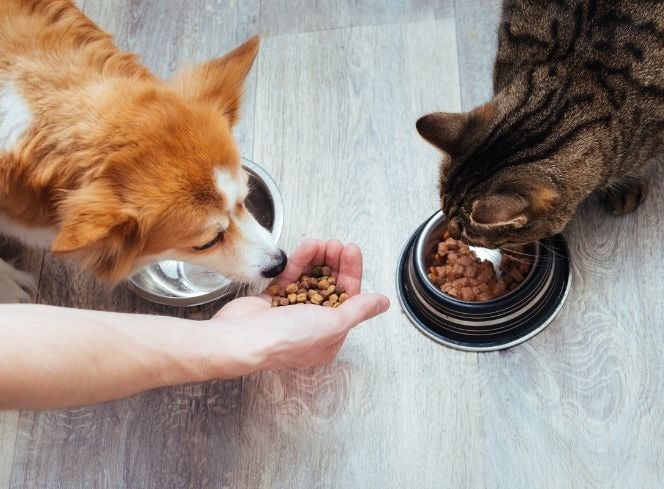
Transitioning pet food can feel daunting, especially if you’re unsure how your furry companion will react to the change. Whether you need to switch dog food to address specific dietary needs or try a new cat food formula for your feline’s sensitive stomach, a smooth food transition can help prevent tummy troubles and ensure your pet maintains optimal health. In this step-by-step guide, we’ll walk you through everything you need to know about changing your pet’s diet—from the reasons behind a healthy pet food transition to practical tips on avoiding digestive issues in pets. Let’s dive in! Why Consider Changing Your Pet’s Diet? There are several reasons why you might consider transitioning pet food for your dog or cat: Age and Life Stage: Puppies and kittens have different nutritional requirements than adult or senior pets. As your pet grows, switching to an age-appropriate formula can support their changing needs. Health Concerns: Some pets develop allergies, intolerances, or medical conditions (like kidney disease or obesity) that require specialised diets. How to switch dog food without stomach upset is a common concern here, especially if you’re moving to a prescription diet. Picky Eaters: Some dogs and cats become bored with their current food, or they might simply prefer a different flavour or texture. Quality of Ingredients: You may decide to switch to a higher-quality or more natural ingredient list for better long-term health outcomes. Regardless of your motivation for a gradual diet change for pets, it’s important to do so carefully to keep your pet comfortable and healthy. Step-by-Step Pet Food Transition A step-by-step pet food transition typically takes about 7-10 days, but it can be extended if your pet has a sensitive stomach. Below is a general guide for both dogs and cats: Step 1: Consult Your Vet Before making any dietary adjustments, have a quick chat with your vet. They can help you choose the best formula based on your pet’s age, weight, and health status. This is especially important if you’re wondering about a step-by-step cat food transition for sensitive stomachs or dealing with a dog who has chronic digestive issues. Step 2: Gather Your Supplies Stock up on enough of your pet’s old food so you can mix it with the new pet food gradually. It’s also handy to have measuring cups or a kitchen scale to ensure consistent portion sizes. Step 3: Start With a Small Percentage of New Food For the first two to three days, mix about 25% of the new food with 75% of the old food. This ratio helps your pet get used to the new taste and texture without overwhelming their digestive system. Example: If your dog eats one cup of food per meal, use ¾ cup old food and ¼ cup new food. The same principle applies to cats—simply adjust the measurements to your cat’s usual serving size. Step 4: Increase the Ratio of New Food Gradually Over the next few days, adjust the ratio to 50% old food, 50% new food, and then to 25% old food, 75% new food by days 5-6. Monitor your pet’s response; if you notice digestive issues like diarrhoea or vomiting, slow the process down and remain at a 50-50 ratio for a bit longer. Step 5: Move to 100% New Food After about a week (or up to two weeks for sensitive pets), you should reach a point where your pet is comfortably eating 100% of the new food. Keep an eye on their stool quality, energy levels, and appetite. If everything seems normal, you’ve successfully completed a healthy pet food transition! Tips for Avoiding Digestive Upsets Go Slow: If you’re concerned about how to switch dog food without stomach upset, the key is patience. Rushing the transition can lead to vomiting, diarrhoea, or loss of appetite. Add Probiotics: Consider introducing pet-safe probiotics or digestive enzymes to help maintain gut health, particularly for sensitive cats and dogs. Hydration is Key: Offer plenty of fresh water, especially if you’re switching from wet food to kibble or vice versa. Watch for Allergies: If you notice itching, skin rashes, or recurring ear infections, consult your vet to see if the new diet might be causing an allergic reaction. Common Mistakes to Avoid Sudden Changes: Never switch from one food to another overnight. It can upset your pet’s stomach and lead to poor acceptance of the new food. Overfeeding: Keep an eye on portion sizes. Sometimes, when introducing a new food, owners accidentally overfeed because they’re not measuring carefully. Ignoring Individual Needs: Every pet is unique. A dog food transition guide won’t necessarily be one-size-fits-all for every breed, and the same goes for a cat food transition guide. FAQs: Your Pet Food Transition Questions Answered Below are some frequently asked questions to help guide your smooth food transition for pets: 1. How long does it take to transition dog food? It generally takes 7-10 days to switch dog food, but for sensitive dogs, you may want to extend the transition period to two weeks. Monitor for signs of an upset stomach, and slow down if necessary. 2. Can I use the same transition timeline for my cat? Yes, cats typically do well with a 7-10 day timeline as well. If you’re doing a step-by-step cat food transition for sensitive stomachs, don’t hesitate to stretch it out to two weeks to avoid digestive distress. 3. What if my dog or cat refuses to eat the new food? Some pets are picky eaters. Try warming up wet food slightly or adding a small amount of low-sodium bone broth (for dogs) or fish broth (for cats) to make the new food more appealing. If refusal persists, consult your vet for alternatives. 4. Should I be worried if my pet has soft stools during the transition? It’s normal to see mild changes in stool consistency when changing your pet’s diet. However, persistent diarrhoea or vomiting is a red flag. If these symptoms last more than a day or two, contact your veterinarian. 5. Can I switch between wet and dry food using the same method? Absolutely. The same gradual diet change for pets applies whether you’re moving from kibble to canned, canned to kibble, or even between two different textures or brands. 6. Do I need to add supplements when transitioning pet food? Not necessarily. If you’re feeding a nutritionally complete and balanced diet, supplements may not be required. However, some pets benefit from pet nutrition tips like probiotics or omega-3 fatty acids. Always check with your vet before introducing new supplements. When to Seek Veterinary Help If your dog or cat experiences persistent digestive issues (vomiting, diarrhoea, or complete loss of appetite) beyond the initial few days of transition, consult your veterinarian. They can rule out underlying health issues, suggest a slower transition pace, or recommend a different diet altogether. Conclusion Switching your pet’s food doesn’t have to be an overwhelming ordeal. By following this step-by-step pet food transition guide, you can avoid digestive issues in pets and keep them happy, healthy, and well-fed. Whether you’re learning how to switch dog food without stomach upset or mastering a step-by-step cat food transition for sensitive stomachs, the key is to go slow, stay attentive, and prioritise your pet’s comfort. With these tips in mind, you’ll be well on your way to ensuring a smooth food transition for pets—and giving your furry family member the best possible diet for their unique needs. Looking for a new food to switch your dog or cat to? Check out our range of nutritious dog food and cat food. We stock leading brands like Orijen, Acana and Proplan as well as many more - there’s sure to be something to tickle your pet’s taste buds.

By Megan Willis

Read more

loyal customer in 17 countries

Why Shop With Us?

  • Free Delivery

    Orders over £75 qualify for free standard UK delivery. Orders under £75 will be calculated at the checkout.

  • Shopping Made Easy

    Gain exclusive access to sales and shop all your pets favourites on the go by downloading our app.

  • Designed in the UK

    Our own brand products are lovingly designed in our specialist UK workshop to our exacting standards.

  • We're Here For You

    Contact our Pet Experts on Chat or by email at sales@lordsandlabradors.co.uk