











































































.jpg?v=1738841991767&options=)
Cats may be independent creatures, but that doesn't mean they enjoy being bored! A lack of stimulation can lead to behavioural issues, stress, and even health problems. But how can you tell if your cat is bored? And what can you do about it? Our team of Pet Experts have dove into the signs of boredom in cats and given their solutions how to keep your feline friend entertained and happy in this blog post.
How Can You Tell If Your Cat Is Bored?
Boredom in cats isn’t always obvious, but if your feline friend is displaying any of the following behaviours, it might be time to introduce some extra stimulation.
1. Over-Grooming or Excessive Sleeping

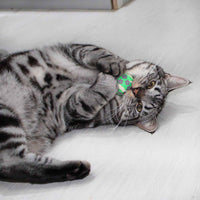
If your cat spends most of the day sleeping or excessively grooming itself, it could be a sign of boredom. While cats naturally sleep a lot, a bored indoor cat might sleep more than usual simply because there’s nothing else to do.
Our Pet Experts Solutions: Encourage playtime with interactive cat toys that mimic prey, such as feather wands or laser pointers. Puzzle feeders can also add mental stimulation to mealtime. We love the Catit senses circuits for keeping our indoor cats busy and entertained, there’s lots of different sets so you can customise it to your cat’s interests and they’re definitely a favourite with our felines!
2. Destructive Behaviour

Is your cat scratching furniture, knocking over objects, or chewing on things it shouldn’t? A bored cat often seeks out its own entertainment, and that can sometimes be at the expense of your belongings.
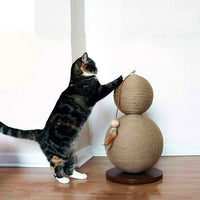
Our Pet Experts Solution: Provide plenty of scratching posts, cat trees, and interactive toys. Rotating their toys regularly can also help keep things interesting and prevent them from getting bored with their toys.
Need a new cat tree? Our Lords & Labradors Back To Nature cat trees have been designed with your bored indoor cat in mind. They are crafted from natural wood to stimulate your cat’s natural scratching instincts and give them a taste of the outdoors! They also have lots of fun hiding spots and perches for your cat to sit on, perfect for keeping them entertained.
3. Excessive Meowing or Attention-Seeking

A cat that constantly meows, follows you around, or demands attention might be trying to tell you that it’s bored. This is especially common in indoor cats who don’t have the same level of stimulation as their outdoor counterparts.
Our Pet Experts Solution: Set aside time each day for dedicated play, it’s worth having some toys which your cat only gets to play with you with like a feather wand to really help them bond and keep them entertained. Training your cat to do tricks can also be a great way to challenge their mind and keep them engaged. Check out our blog on training your cat to do tricks for inspiration!
4. Chasing or Attacking Feet and Hands

Does your cat ambush your feet as you walk past? Pouncing, biting, or swiping at you could be a sign of a bored indoor cat trying to create its own fun.
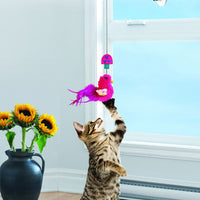
Our Pet Experts Solution: Provide toys that encourage natural hunting behaviours, such as interactive balls, motorised mice, or treat-dispensing toys. Engaging in short but frequent play sessions can help redirect their energy.
5. Increased Aggression or Moodiness

A cat that suddenly becomes grumpy, aggressive, or withdrawn might be experiencing boredom and frustration. Cats need both mental and physical exercise to stay happy.
Our Pet Experts Solution: Try introducing new forms of enrichment, such as a window perch for birdwatching, a cat tunnel for exploration, or a cat tree for climbing and surveying their surroundings.
6. Loss of Interest in Toys

If your cat seems bored with toys it once loved, it might be because they need something new and exciting.
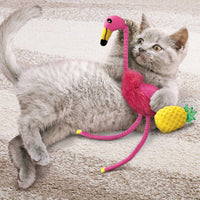
Our Pet Experts Solution: Try rotating your cat’s toys regularly to keep them fresh and engaging. You can also try different textures, sounds, or interactive elements to spark their curiosity.
7. Weight Gain or Loss

A cat that is bored may either overeat due to lack of stimulation or lose its appetite due to lack of interest in anything. Either change in eating habits can indicate that your cat isn’t mentally or physically stimulated enough.
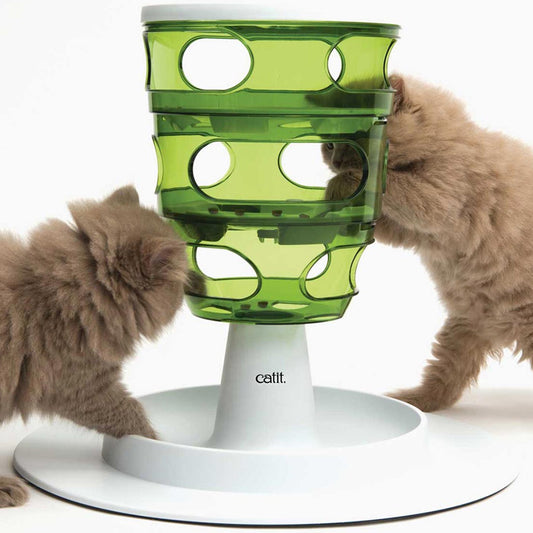
Our Pet Experts Solution: Food puzzles or slow feeders can turn mealtime into a fun and engaging activity. Encouraging movement through play will also help keep your cat at a healthy weight. The Food Tree from Catit is a great way to turn your cat’s mealtime into a fun and engaging activity, they will have to use their natural hunting instinct to figure out how to get to the food inside.
How to Prevent Boredom in Cats
If your cat is showing signs of boredom, don't worry—there are plenty of ways to add excitement to their life! Here are some top boredom-busting solutions:
- Invest in a Cat Tree – Climbing and perching are natural behaviours for cats. A well placed cat tree can provide hours of entertainment and a cosy resting spot.
- Interactive Cat Toys – Toys that move, make noise, or dispense treats can keep your cat entertained when you're not home.
- Enrichment Activities – Training, puzzle feeders, and window perches for birdwatching can all stimulate your cat’s mind.
- Rotate Toys Regularly – Keep playtime exciting by switching up their toys every few days.
- Schedule Playtime – Even a few minutes of interactive play each day can make a big difference.
A happy cat is a healthy cat, and keeping boredom at bay is essential for their well-being. Explore our range of cat essentials to keep your feline friend entertained and content!
By making small changes to your cat’s environment and routine, you can ensure they stay mentally and physically engaged. Whether it’s through toys, training, or climbing adventures, keeping your cat entertained will lead to a happier, healthier pet!