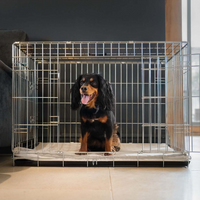
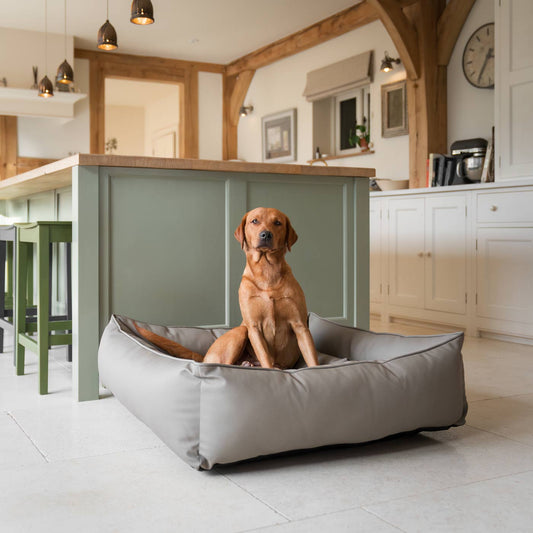
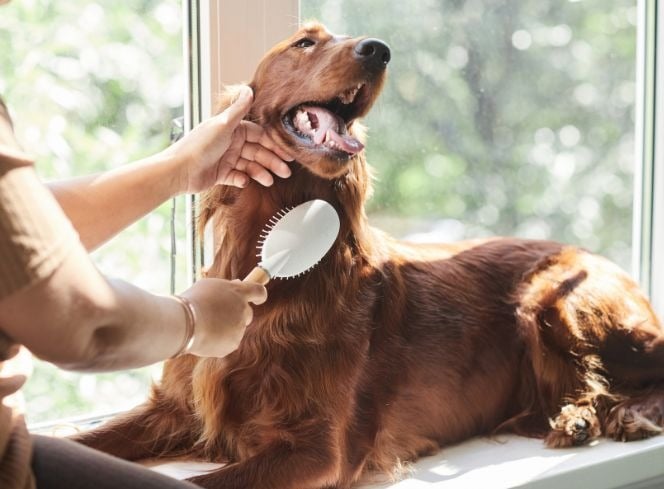
The Red Setter, also known as the Irish Setter, is a sleek and athletic breed recognized for its vibrant, mahogany-red coat and elegant build. Renowned for its friendly demeanour and boundless energy, the Red Setter is an excellent family companion and versatile hunting dog. With its distinctive feathered tail and a proud, noble head, this breed effortlessly combines grace and athleticism. Known for its love of human interaction and playfulness, the Red Setter is a spirited and affectionate member of the sporting dog group.
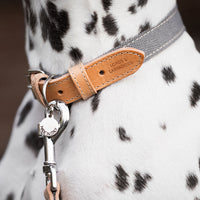
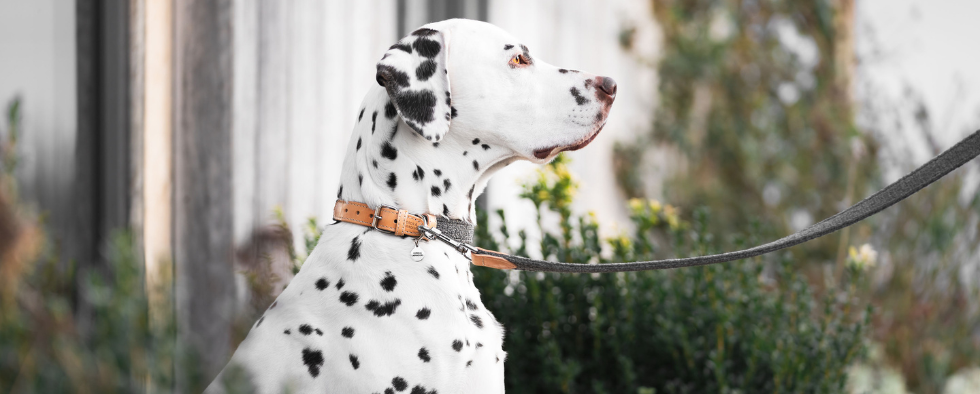
A dog collar is an important item for any dog as it can be used as a form of identification if they go missing and makes the process of attaching a lead for walkies a quick, simple and comfortable experience. However, if a dog collar isn’t properly fitted, it could potentially cause pain to your dog or allow them to escape.
In this blog, we explain how tight a dog collar should be, offer tips on fitting a collar correctly and look into how to measure your dog’s neck to find the right size.
How Tight Should A Dog Collar Be?
When you put a collar on your dog, you will need to ensure that the size is right to avoid causing a feeling of discomfort or even potentially putting your furry friend in danger. Finding the correct fit is a balance between making sure it isn’t too loose, meaning it could fall off, or too tight, potentially causing it to hurt their neck.
Whether you’re currently choosing a collar for your dog and need to find the correct size or already have a collar and need to make sure it’s correctly fitted, it’s important that it’s as it should be to avoid harm. Below, we offer tips on getting the size of your dog’s collar right:
How To Fit A Collar On A Dog
Even if the collar doesn’t look particularly tight or loose around your dog’s neck, it doesn’t mean that it's correctly fitted. It can be difficult to know how best to gauge the most suitable size on your dog’s neck. However, a tried and tested way that is effective in identifying the correct fit is by using what’s known as the ‘two finger rule’.
To do this, simply put the collar on your dog and place two fingers between the surface of the collar and your dog's neck. If your fingers can fit comfortably while still feeling a little restricted, this should be an indication that the collar is a suitable length. If, however, your fingers have a lot of room to move or feel stuck in the collar, you should adjust the length accordingly.
How To Shorten A Dog Collar
Dog collars often use a tri-glide buckle, allowing the owner to easily shorten or lengthen the collar. To shorten the length of the collar, move the end of the collar away from the buckle, tightening and making it shorter.
How to Extend A Dog Collar
Likewise, extending a dog collar that uses a tri-glide buckle requires the opposite action. Instead of moving the end of the collar away from the buckle to tighten it, push the end of the collar towards the buckle, pass it through the buckle itself and pull both ends to make the collar longer.
How To Measure Collar Size For A Dog
If you haven’t yet chosen a collar for your dog and are in the process of deciding the most suitable option, you will want to check that you’ve picked the right size. To help with measuring your dog for a collar, we’ve provided helpful tips on carrying out this process:
Get your dog to sit in front of you, ideally facing the opposite direction.
Place measuring tape around the base of your dog’s neck where their collar would be likely to sit.
Place two fingers between the measuring tape and their neck, making the measurement around one to two inches looser.
Record this measurement using a pencil and paper and mark it down as their neck measurement.
Using the neck measurement you’ve recorded, determine the collar size based on the collars size guide - each brand is sized differently so check the individual products size guide to find the best fit.
Lords & Labradors Essentials Walking Accessories
Our L&L Essentials Walking Collection collars come in seven sizes so you're sure to find the perfect fit, we've put our size guide below to help you find the right collar for your dog:
Collar Size
Neck Size
Recommended For
XXS
23-27 cm
Chihuahua, Yorkshire Terrier
XS
28-32 cm
Jack Russell, Norfolk Terrier
S
30-36 cm
Cockapoo, Standard Dachshund, Spaniel
M
35-41 cm
Bulldog, Schnauzer, English Bull Terrier
L
39-47 cm
Labrador. Red Setter, Labradoodle
XL
44-52 cm
Retriever, Great Dane, Doberman
XXL
49-57 cm
Bullmastiff, Dogue De Bordeaux, Newfoundland
Still not sure on the right size collar for your dog? Why not chat with one of our pet experts? They are available on +44 1790 720 900, sales@lordsandlabradors.co.uk or our live chat on our website - they're always happy to help!
Bathing your dog is an essential part of their overall grooming routine. Not only does it keep their coat clean and shiny, but it also helps maintain their overall hygiene. However, as a dog owner, you may find yourself wondering, "How often should I bathe my dog?" and "What's the best way to bathe them?" Well, fear not! In this comprehensive guide, we'll answer all your questions and provide you with helpful tips to make bath time an easy experience for both you and your beloved canine companion.
How Often Should You Bathe a Dog?
One of the most common queries among dog owners is how frequently they should bathe their furry pals. The answer varies depending on several factors, such as your dog's breed, coat type, and lifestyle. In general, most dogs benefit from a bath every 4-6 weeks. However, certain breeds with specific coat types may require more frequent bathing, while others may need it less often. Our pet experts have written an in-depth guide on how often you should groom your breed of dog which is definitely worth checking out.
Can I Bathe My Dog Once a Week?
While regular bathing is important for maintaining cleanliness, it's generally not recommended to bathe your dog more than once a week. Frequent bathing can strip their coat of natural oils, leading to dry skin and irritation. However, certain situations, such as skin allergies or medical conditions, may require more frequent bathing depending on your vet’s advice.
What Do I Need To Bath My Dog At Home?
Dog Specific Shampoo - We recommend PetPlex, they have shampoos suitable for different coat types, ages and skin conditions so there’s sure to be something for your dog.
Dog Specific Conditioner - pamper your pooch with a conditioner, this will help keep their coat looking shiny and silky.
Detangling Spray - A Detangling Spray is good for curly haired or long haired dogs before their bath to help remove any knots or matts, this will help make the bathing process as easy as possible
A Brush or Comb - there are lots of different types of brushes and the best one for your dog will depend on their coat type. Explore our range of brushes to find the best one for your furry friend.
Drying Coat, mitts or towel - You’ll have a soggy doggy after a bath and having something you can dry your dog off with will come in handy. An old towel works or our favourite-fuss free way to dry your dog off is with a drying coat. They simply slip on over your dog’s head and fasten under their belly. Alternatively our drying mats are one size fits all and making drying your dog quick and easy
Treats or a licki mat - you want your dog to associate bath time as a fun positive experience and a rewards based training method is our favourite way to do this. Having plenty of treats to hand and praising your dog throughout the process will help them form positive associations with the process. The anti-anxiety bath ducks are great for distracting nervous dogs, they stick to the wall and you can put wet food or peanut butter on there for your dog to lick off whilst you bathe them. Licking is actually anxiety reducing for dogs as it releases calming hormones so is perfect for nervous dogs. If you do have a nervous pup on your hands why not check out our blog on how to desensitise your dog to grooming, it has our pet experts top tips and tricks on how to make grooming your dog a calmer experience for you both.
How To Bathe A Dog At Home:
Now that you know the ideal frequency and the essentials you’ll need, let's dive into the step-by-step process of how to bathe your dog:
Gather Your Supplies:
Have all the items we listed above to hand, making sure they’re in reaching distance will make bath time easier for you and your dog
Prep the Bathing Area:
Choose a suitable location for the bath, preferably a bathtub or a large wet room. You can place a non-slip mat at the bottom to provide your dog with a secure footing, this is a good idea if your dog doesn’t love bath time and likes to move around.
Brush Your Dog:
We recommend brushing your dog's coat thoroughly before bathing them to remove any loose fur or tangles, especially if they have a long or curly hair coat. This will prevent matting and will mean it’s easier to make sure your dog’s coat is fully clean.
Test The Temperature
You’ll want the water to be lukewarm, not too hot or cold. You can either run a bath or use the shower to wash your dog, whichever works best for you and your dog.
Rinse Your Dog’s Coat
Work from the neck down with either a jug of water or the shower head to pour water over your dog’s coat. You’ll want to make sure their coat is nice and wet
Shampooing Your Dog
You’ll want to either put a small amount of shampoo in your hand and massage it into your dog’s coat making sure it lathers up, or you can use a shampoo brush like this Rosewood brush, which allows you to put shampoo in the top and dispenses it as you brush your dog’s coat. Be careful of their eyes and ears and focus on their body and paws. Once you’ve shampooed your dog’s body you’ll want to rinse them off with lukewarm water to remove the suds, making sure no product remains in their coat.
Conditioning Your Dog
Once you’ve shampooed your dog, you’ll want to apply a conditioner. This will help keep their coats shiny by adding moisture back in after shampooing them. Massage into your dog’s coat and then leave for a couple of minutes before rinsing
Wash Your Dog’s Face
Whilst your conditioner is soaking into your dog’s coat it’s a good time to wash their face. We recommend using a cloth or a flannel with some clean water to wipe their face clean, you want to avoid getting any shampoo in their eyes or ears.
How To Dry A Dog After The Bath:
After rinsing, use a large towel, drying mitts or a drying coat to gently dry your dog's coat. If your dog is comfortable with a blow dryer on a low heat setting, you can use it to speed up the drying process. Make sure to keep it at a safe distance from their skin. Gradually dry their coat, keeping the dryer moving to avoid overheating any particular area.
Brushing Your Dog
Once your dog's coat is mostly dry, use a brush or comb appropriate for their coat type to remove any remaining tangles or mats.
Reward Your Pup
After bath time make sure to give your pup plenty of fuss and reward them for being a good boy or girl during bath time.
Our Pet Experts Tips To A Successful Bathing Experience:
To make bath time enjoyable for both you and your furry friend, our pet experts have put together their top tips:
Introduce Bathing Gradually: If your dog is not accustomed to baths, introduce the process gradually. Start by getting them comfortable with water by offering treats or toys near the bath area. Gradually progress to wetting their paws, then their entire body. This is a great thing to do with them right from the get-go as a puppy as it helps to desensitise them from a young age
Positive Reinforcement: Use positive reinforcement throughout the bathing process. Reward your dog with treats, praise, and gentle strokes to make them associate bath time with positive experiences.
Ear Care: During bathing, be cautious not to let water enter your dog's ears, as it can cause infection. Use cotton balls to plug their ears or consider using a specialised ear cleaning solution after the bath to keep their ears clean and dry.
Nail Trimming: Bath time can also be an opportunity to trim your dog's nails if needed. However, if you're unsure or uncomfortable doing so, it's best to consult a professional groomer or veterinarian. We’ve got a handy guide on cutting your dog’s claws.
Double Shampoo: Our pet experts recommend shampooing your dog twice, as long as they don’t have sensitive skin. This will help make sure they’re squeaky clean
Drying Your Dog: Avoid rubbing your dog when towel or mitt drying them, this could cause matts or tangles in their coat. Instead gently pat them dry.
Bathing your dog is an important part of their overall hygiene routine. By following the tips and guidelines provided in this guide, you can ensure a pleasant and effective bathing experience for your furry companion. Remember to consider your dog's breed, coat type, and lifestyle when determining the ideal bathing frequency. With patience, positive reinforcement, and proper care, bath time can become a bonding experience that leaves your dog feeling clean, healthy, and happy.
Brushing The Dog: How Often Should You Brush Your Dog
There’s nothing better when your pooch is all clean and smelling lovely, with their beautiful coat cleaned and brushed - but, when it comes to brushing your dog, you might be wondering if your dog even needs brushing, and if they do, exactly how often they require brushing? Adopting a short-haired dog unfortunately doesn’t mean your dog doesn’t need brushing, every dog requires help to keep their coat looking, smelling and feeling nice, we discuss how often your dog requires brushing, and how to keep their coat looking lovely.
How Often Should You Brush Your Dog?
Your dog’s coat may need some help in taking care of, and dependant on their type of coat will determine how frequently it’ll require brushing. Generally, if you have a short haired breed like a Jack Russell, your dog’s coat should be ok to be brushed weekly (this is assuming they’re not rolling around in the wet mud!). Longer haired dog’s such as a Maltese will require daily brushing to keep them comfortable. If your pet sheds, such as a Labrador retriever, they will also require brushing twice weekly, to avoid build up and discomfort.
It's best to start the brushing routine when they’re young, however, you can train your dog to enjoy the bonding process of being brushed at any age. Although the tools and technique will vary from breed to breed, and your dog’s temperament, these are the tips we recommend to follow whilst grooming your dog.
Removing Mats
Start by teasing out any mats your dog has. This may decrease week-by-week if you keep your brushing routine. You may want to opt for a de-matting comb, teasing out the knots in your dog’s fur gently.
De-shed
Once your dog is free from any mats, go over with a de-shedding tool only if your dog has a thick undercoat, or is prone to shedding.
Brushing
When you’ve picked out the perfect tool for brushing your dog, make sure they’re dry and comfortable before brushing in the direction of the way their fur grows. For longer haired breeds, you may want to work in sections.
To help make the process more enjoyable for you and your dog, you may want to spray your dog with a pet-safe detangling spray.
Best Dog Brush
Depending on your dog’s breed will determine the best brush, consider the guidance below before purchasing the brush as these recommendations may work better for you and your dog
Coat Type
Example Breed
Recommended Brush
Wiry Hair
Terriers
Slicker brush or a medium to fine tooth comb.
Short & Smooth Fur
Greyhounds
Soft Bristle Brush or Grooming Glove
Short Fur with Undercoat
Labrador retriever
Undercoat rake, medium to fine tooth comb, slicker brush
Long & Silky fur
Cocker Spaniel
Slicker brush, medium to fine tooth comb
Long & Coarse fur
Shih tzu
Slicker brush, Pin brush, medium/fine tooth comb
Long fur with undercoat
Border Collie
Undercoat rake, medium to fine tooth comb, slicker brush
Curly fur
Poodle
Slicker Brush, medium/fine tooth comb
Please use the above as guidance of which tool to use to brush your pet, as with all breeds, taking the time to brush them will not only physically be more comfortable, but it will strengthen their bond too.
With their soft topknot, long low body, and centuries of Scottish Border history behind them, Dandie Dinmont Terriers are one of the most fascinating and underappreciated breeds around. In this guide, we’ll cover everything from the Dandie Dinmont Terrier’s quirky origins and day-to-day temperament to grooming, health, and what life with one actually looks like. Whether you’re already smitten or just starting your research, you’re in the right place.
What is a Dandie Dinmont Terrier, and why is this little dog so distinctive?
If you’ve ever spotted a dog that looks like it belongs in an old painting, there’s a good chance it was a Dandie Dinmont Terrier. This charming little breed has one of the most distinctive outlines in the dog world: short legs, a deep chest, a long, low body, and that wonderfully soft topknot that gives the face such a gentle, unmistakable expression. Once you’ve seen a Dandie, you tend to remember it.
Of course, the Dandie Dinmont Terrier breed is about much more than looks. These dogs are full of character. They’re confident, independent, and quietly determined, but often calmer and more composed than people expect from a terrier. If you love the idea of a small dog with plenty of personality, but without the constant bounce some terriers are known for, a Dandie can feel like a lovely middle ground.
They’re also quite rare, so meeting one often feels special. And while they may share that long-and-low shape with other breeds, their look and presence are entirely their own. If you’re preparing for life with a compact dog, our guide to everything you need for your new Dachshund can still be a helpful starting point for home set-up ideas. In this guide, we’ll walk through Dandie Dinmont Terrier temperament, grooming, health, and everyday care.
The Dandie Dinmont Terrier’s Scottish roots and the story behind the name
Few dogs come with a story quite as captivating as this one. The Dandie Dinmont Terrier traces its roots to the rugged border country between Scotland and northern England, where it earned its keep tackling otters, badgers, and other determined quarry across some of Britain’s most unforgiving terrain. This was a dog bred for real work, not appearances.
The name, though, comes not from a place but from a page. When Sir Walter Scott published Guy Mannering in 1815, one of its most beloved characters was Dandie Dinmont, a jovial Border farmer who kept a pack of plucky little terriers. Readers fell for him immediately, and breeders soon adopted the name for the real dogs that had inspired his fictional pack. That makes the Dandie Dinmont Terrier one of the very few breeds in the world named after a fictional owner rather than a place, a purpose, or a real person.
A few things worth knowing about where the breed came from:
It developed across the Scottish Borders and Northumberland, shaped by farmers and huntsmen who needed a dog with genuine grit
It is considered one of Britain’s oldest terrier types, with records stretching back several centuries
Its compact but sturdy build made it well suited to going underground after quarry
It featured in some of the earliest British dog show records, establishing it as a recognised breed long before modern registries existed
That mix of working toughness and literary heritage gives the Dandie Dinmont a character all of its own, and it remains one of the most quietly fascinating among Britain’s favourite dogs.
What is a Dandie Dinmont Terrier like to live with?
Living with a Dandie Dinmont Terrier is never dull. The temperament is a genuinely fascinating mix: all the grit and determination you’d expect from a working terrier, wrapped up in a surprisingly affectionate, often comical little companion who will absolutely make you laugh on a daily basis.
Here’s what day-to-day life with one actually looks like:
Confident and fearless around much bigger dogs, with zero hesitation
Stubborn in the best and most exhausting way — once they’ve made up their mind, you’re negotiating, not instructing
Deeply loyal to their family, often picking one or two people as their true inner circle
Genuinely funny, with a clownish streak that tends to surface at exactly the right moment
Happy to play hard and then spend the evening curled up beside you on the sofa
Independent enough to entertain themselves, but they still want to know you’re close by
Calm and settled indoors, which makes them easier to live with than many terrier breeds
Those traits shape daily life in practical ways. A Dandie Dinmont Terrier doesn’t need marathon walks, but they do need mental stimulation — a bored Dandie will find their own entertainment, and you probably won’t enjoy what they come up with. Puzzle feeders, scent games, and short training sessions tend to hit the spot. They suit calmer households well, and owners who can read a dog with strong opinions will get the most from them.
If you want a dog with real character and a healthy streak of cheek, a Dandie Dinmont Terrier will absolutely deliver.
Dandie Dinmont Terrier care: grooming, exercise, feeding, and health basics
Dandie Dinmont Terrier care is more straightforward than you might expect, but this breed does ask for a little consistency. Get the basics right and you’ll have a happy, healthy companion who slots comfortably into everyday life.
Coat grooming: The Dandie’s double coat needs hand-stripping or professional trimming every 8 to 12 weeks to stay in good shape. In between, give the soft topknot a regular brush to keep tangles at bay.
Daily exercise: Two short walks a day suits this breed well. They’re lively but not high-maintenance, and a good sniff around the garden genuinely counts for something.
Feeding: Portion control really matters with a small, sturdy dog. Choose a quality food suited to their size and age, and try to resist those pleading eyes at the dinner table — Dandies put on weight more easily than you’d think.
Dental hygiene: Regular tooth brushing helps prevent the dental issues common in smaller breeds. A few minutes a few times a week adds up to a meaningful difference over time.
Ear checks: Those low-set, feathered ears can trap moisture and debris, so a gentle clean once a week keeps things comfortable and healthy.
Worth knowing: Dandie Dinmont Terriers have long backs relative to their leg length, which makes them prone to intervertebral disc disease (IVDD). Keeping your dog at a healthy weight and discouraging big leaps on and off the sofa are two of the most practical things you can do to protect their spine long-term.
Day to day, responsible Dandie Dinmont Terrier ownership is really about building a gentle routine and staying observant. These dogs are hardy, but small habits matter more than people realise. Having the right things to hand, whether that’s a good brush for that distinctive coat or accessories that make portion control easier, takes the fuss out of the everyday. You’ll find everything worth having in our dog essentials collection.
Is a Dandie Dinmont Terrier the right dog for your home?
The Dandie Dinmont Terrier is a dog for someone who wants a genuine companion with real character, not simply a quiet, low-maintenance lap dog. If the idea of a small breed with quiet confidence, deep loyalty, and a touch of stubbornness appeals to you, this could be a wonderful fit.
It’s worth going in with realistic expectations, though. Dandie Dinmont Terrier grooming requires regular upkeep, so if a fuss-free coat is a priority, that’s worth factoring in from the start. Training calls for patience too. Dandies are clever and curious, but they respond far better to calm, consistent handling than to any kind of force or frustration. First-time owners can absolutely thrive with this breed, though a little research goes a long way. Our guide to the best dog breeds for first-time owners is worth a read if you’re still working out which breed suits you best.
Where the Dandie Dinmont Terrier truly comes into its own is as a devoted, adaptable companion for someone who appreciates a dog with its own personality and way of doing things. Flat or house, city or countryside, this breed tends to settle happily into all kinds of homes when its needs are properly understood. If that sounds like your kind of dog, you might just have found your perfect match.
When can kittens go outside? A safe first steps guide
Figuring out what age kittens can go outside is one of those questions that feels simple until you start looking into it. This guide walks you through the key milestones your kitten needs to hit before that first adventure, how to read their emotional readiness, and a gentle step-by-step plan for making those early outdoor trips as positive as possible.
When can kittens go outside? The safest age and signs they’re ready
Most new kitten owners spend those early weeks sneaking glances out the back door, wondering when their little one will finally get to explore beyond the garden gate. It’s one of the most common questions we hear, and the honest answer is: there’s no single magic age, but there are clear milestones that tell you when the time is right.
So, what age can kittens go outside safely? For most, that’s somewhere between four and six months old. But the age itself is only part of the picture. What really matters is whether your kitten has completed their full vaccination course, been microchipped, and ideally been neutered. These aren’t just boxes to tick — they’re the things that make outdoor life genuinely safer.
Vets usually recommend waiting at least a week after the final booster before allowing any outdoor access, giving your kitten’s immune system time to build proper protection. Neutering matters too, particularly as kittens approach sexual maturity. An unneutered cat is far more likely to roam, get into scrapes, or end up lost.
There’s also the emotional side to consider. Before any outdoor adventures, your kitten needs to feel truly at home. If they’re still hiding under the sofa or startling at every noise, the outside world will feel overwhelming rather than exciting. If you’re still in those early settling-in weeks, our guide on how to settle a new kitten is a brilliant place to start.
A little patience now makes that first outdoor adventure so much better for both of you.
What needs to be in place before a kitten’s first trip outdoors
Getting the timing right isn’t just about how old your kitten is. It’s about having the right protections in place first — and skipping ahead, even by a few weeks, can leave a young cat exposed at a stage when they’re still figuring everything out.
Here’s what needs to be ticked off before that first trip outside:
Vaccinations completed. Kittens need their full primary vaccination course, usually wrapped up around 13 to 14 weeks, before heading outdoors. This protects against serious illnesses like cat flu and feline parvovirus, both of which can be picked up from other cats or contaminated ground.
Neutering done. Most vets recommend neutering from around four months. An unneutered kitten outside is far more likely to roam, get into fights, or fall pregnant long before they’re ready.
Microchipping in place. Kittens can bolt when something startles them, and a microchip is the most reliable way to bring them home if that happens. It’s a quick procedure and well worth doing before outdoor access starts.
Parasite protection sorted. Fleas, ticks, and worms become a genuine risk the moment a kitten starts nosing around grass and soil. Ask your vet about an age-appropriate treatment plan ahead of that first adventure.
Enough time settled indoors. Kittens need at least four weeks inside your home before going out so they genuinely recognise it as their safe place to return to. If you’re still in those early days, our guide on how to prepare for your new kitten is a brilliant place to start.
Work through each of these steps and you’ll head into those first outdoor moments feeling genuinely confident. Because when it comes to what age kittens can go outside, age is really just one piece of the puzzle.
How to know your kitten is emotionally ready, not just physically ready
Vaccinations and age are the most obvious boxes to tick when deciding what age kittens can go outside, but they only tell half the story. Temperament and confidence matter just as much as physical readiness, so before that first garden adventure, it’s worth taking an honest look at how your kitten is actually coping with home life. If they’re still finding their feet indoors, getting the foundations right from day one is the best thing you can do for their outdoor confidence later.
Signs your kitten is emotionally ready to explore outside:
They move around the home freely and investigate new things without hesitation
They bounce back quickly after a loud noise or surprise
They respond when you call their name or make a familiar sound
They approach new situations with curiosity rather than retreating
They settle calmly after play and aren’t constantly on edge
Signs your kitten may need a slower pace:
They hide frequently and seem reluctant to come out
They startle easily, even during normal household sounds like the kettle boiling
They show stress signals such as flattened ears, crouching low, or excessive grooming
They haven’t yet built a relaxed, confident relationship with their home environment
Some kittens, particularly timid or sensitive ones, simply need a much more gradual introduction to the outside world. That’s not a setback. It’s just good parenting.
Your kitten’s first outdoor adventures: a gentle step-by-step plan
Your kitten’s first time outside should feel calm, short, and completely safe. A gradual approach makes all the difference — it builds their confidence gently, so those early experiences feel exciting rather than overwhelming.
Choose a quiet time of day. Early mornings or late evenings tend to work best, when there’s less noise from traffic, neighbours, or other animals. The calmer the environment, the more comfortable that first outing will feel.
Start in a secure garden or enclosed patio. A fully fenced space with no obvious escape routes gives your kitten room to explore without the risk of wandering off. Let them sniff around at their own pace — there’s no rush.
Consider a harness and lead. Not every kitten takes to one straight away, but introducing it gradually indoors before that first trip outside gives you a reassuring safety net, especially in less enclosed spaces. It also keeps them close if something startles them.
Stay close and stay calm. Kittens take their cues from you. Crouching down, speaking softly, and simply being present tells them this big new world is safe to explore.
Keep sessions short. Five to ten minutes is plenty at first. Building up slowly is far kinder than one long outing that leaves them frazzled and reluctant to go back out.
Always leave the door open. Your kitten needs to know they can retreat inside quickly if something spooks them. Having that safe base to return to matters more than you might think.
Quick tip: Go outside with your kitten for every one of those first trips, without exception. Watch for flattened ears, a low crouched posture, or sudden freezing — these are all signs they need a moment back indoors.
Some kittens take to the garden like they’ve always owned it; others need several weeks of short visits before they truly relax. If you’re still weighing up the bigger picture, our guide to indoor cat or outdoor cat life is well worth a read.
What to do after the first few trips outside
Once those first outdoor sessions go well, the aim is to build a calm, consistent routine your kitten can actually rely on. Short daily trips at roughly the same time each day help them learn that going outside is a regular part of life, not a random event. Morning or early evening tends to work best when gardens are quieter and a little less full-on.
Keep a close eye on how your kitten behaves during and after each trip. Some excitement is completely normal, but if they come back inside hiding, off their food, or unsettled for hours, it’s a sign to scale back. Shorter sessions, a slower pace, more time just sitting together in the garden. Every kitten finds their feet differently, and there is genuinely no rush here.
As outdoor time increases, stay on top of flea and worm treatments. Your vet can point you towards the right products and help you figure out timing, especially once your kitten starts venturing a little further.
Over the following weeks, you can ease back on supervision and let them explore more independently. Some cats love having a bigger territory to roam. Others are perfectly content with a secure garden and a couple of hours outside each day, and that is completely fine too. If you ever find yourself wondering whether an indoor life might actually suit your cat better long-term, our guide on how to keep your indoor cat active and happy is well worth a read.
Frequently Asked Questions
Can cats go outside at 4 months?
Yes, some kittens can go outside at 4 months, but only if the important milestones are in place first. They should have finished their full vaccinations, waited at least a week after the final booster, been microchipped, ideally neutered, protected against parasites, and feel settled and confident at home.
How do I introduce my kitten to the outside?
Introduce your kitten to the outside slowly, with short supervised trips in a secure, quiet space. Pick a calm time of day, stay close, and let them explore at their own pace. A harness can help in less enclosed areas, and keeping the door open gives them an easy retreat.
Poodle cross breeds have become some of the most loved dogs in the UK, and it is not hard to see why. In this guide, we walk you through the three poodle sizes, compare the most popular doodle dog breeds side by side, and help you work out which mix is likely to suit your home, your routine and your family best. Whether you are just starting to explore or already have a shortlist, this is a practical place to begin.
Start with the three Poodle sizes: toy, miniature and standard
Before you start comparing poodle cross breeds, it helps to understand the foundation: the three purebred Poodle sizes. Almost everything else — temperament, exercise needs, grooming commitment, how well a dog fits your home — tends to follow from there.
Poodles can range in size from toy to standard, and each size brings something noticeably different to daily life. They can also be purebred or mixed with another breed, which is exactly where so many of the doodle dog breeds we know and love today come from.
So what does size actually look like in practice?
Toy Poodles are the smallest of the three, usually weighing around 4 to 6 kg. They are lively, affectionate and perfectly happy in a flat or smaller home — but do not let the compact frame fool you. They still need daily walks and plenty of mental stimulation, and they can be on the sensitive side, so they often do best in quieter households or with adults rather than young children.
Miniature Poodles sit in the middle at roughly 7 to 8 kg, and honestly, a lot of people find them the sweet spot. Energetic without being exhausting, clever without being demanding, and generally brilliant with children and other pets. If you are curious about what day-to-day life with one actually involves, our Miniature Poodle ultimate guide is a great place to dig deeper.
Standard Poodles are the largest, often reaching 20 to 30 kg, and they are genuinely athletic dogs that need space, regular exercise and a fair chunk of grooming time. What surprises most people is how calm and gentle they are indoors — for their size, they carry themselves remarkably well, which is a big part of why they make such popular family dogs.
Grooming is something worth thinking about across all three sizes before you commit. Poodles have a curly, low-shedding coat that needs brushing several times a week and a professional groom every six to eight weeks or so. Most poodle crosses inherit that same coat, so knowing what you are signing up for early on will save you a few surprises down the line.
Why poodle cross breeds are so popular with families
It’s easy to see why poodle cross breeds are such a popular choice for family life. They often bring together the Poodle’s clever, people-loving nature with the looks, temperament or energy of another breed, which gives families plenty of choice.
What makes them work so well in real life?
Often low-shedding coats can mean less hair on the sofa, stairs and school jumpers, although grooming still takes real commitment
Quick learning makes many poodle mixes easier for first-time owners to live with, especially when you keep training positive and consistent
People-focused personalities mean many poodle crosses love being involved in daily life, whether that is the school run, working from home or curling up with everyone in the evening
A choice of sizes means there is usually a better fit for your space, from smaller dogs suited to compact homes to larger doodle dog breeds that enjoy more room
Different energy levels make it easier to match a dog to your routine, whether you want an active walking buddy or a more easy-going companion
One of the biggest draws is that many poodle crosses are bright and eager to please. In everyday life, that can look like a dog who quickly learns where to settle while you answer emails, gets the hang of house rules without too much fuss, and enjoys short training sessions between family activities.
That said, no poodle cross breed is completely “easy” by default. Coat care, exercise needs and temperament can all vary depending on the mix, so it is always worth looking at both parent breeds rather than assuming all poodle crosses are the same.
For busy households, families with children and many first-time dog owners, poodle cross breeds often feel like a lovely middle ground: affectionate, adaptable and fun to live with. If Cockapoos are already on your shortlist, our complete new owner guide is a helpful next read.
The most popular poodle cross breeds and what they’re like
There are so many poodle cross breeds out there now that it can feel genuinely overwhelming trying to work out which one is right for you. Most have become popular for the same core reasons: low-shedding coats inherited from the poodle side, and temperaments that tend to suit family life well. Here is a look at the five most recognised crosses to help you start comparing them clearly.
Breed
Parent Breeds
Size Range
Coat Type
Temperament
Activity Level
Cockapoo
Cocker Spaniel x Poodle
Small to medium
Wavy to curly, low-shedding
Friendly, sociable, eager to please
Moderate
Cavapoo
Cavalier King Charles Spaniel x Poodle
Small
Soft, wavy to curly
Gentle, affectionate, calm
Low to moderate
Labradoodle
Labrador x Poodle
Medium to large
Wavy to curly, varies
Energetic, playful, outgoing
High
Goldendoodle
Golden Retriever x Poodle
Medium to large
Wavy to curly
Loyal, gentle, sociable
Moderate to high
Schnoodle
Schnauzer x Poodle
Small to large
Wiry or curly
Alert, clever, loyal
Moderate
The Cockapoo is one of the most popular poodle mixes in the UK, and it is easy to see why. Bright, bouncy and genuinely sociable, they thrive on company and do brilliantly in active family homes or with anyone who works from home and wants a dog firmly planted at their feet. Their coats need regular brushing and a trip to the groomer every few months to stay tangle-free. If you are torn between a Cockapoo and a Cavapoo, our full Cockapoo vs Cavapoo comparison is a good next read.
The Cavapoo suits a slightly quieter pace of life. Tender and affectionate by nature, they are just as happy with a steady walk and a long sofa cuddle as they are with a big adventure. Their soft coats still need regular attention, but they tend to be a gentler fit for first-time owners or families with very young children.
The Labradoodle brings real energy to the mix. Originally bred as a guide dog candidate, this is a doodle dog breed that needs proper daily exercise and mental stimulation to stay settled at home. They are wonderful with children and generally easy-going around other dogs, but they need space and an active household to truly flourish.
The Goldendoodle brings that warm, people-focused quality you get from a Golden Retriever, paired with the poodle’s natural trainability. Forgiving with first-time owners and patient with kids, they are a genuinely lovely all-rounder. That said, a medium or standard Goldendoodle needs room to stretch out, so a small flat is probably not their ideal home.
The Schnoodle gets less attention than some of the other poodle crosses, but their owners tend to be quietly devoted to them. They are sharply intelligent, a little spirited and deeply loyal to their family. Size can vary quite a bit depending on which size poodle and schnauzer were used in the pairing, so it is always worth asking breeders specifically rather than assuming.
Every one of these crosses brings something different to daily life. The best starting point is being honest with yourself about your energy levels, your home and what you genuinely want from a dog day to day.
How to choose a poodle cross that fits your home and routine
Picking a poodle cross based on a photo is an easy trap to fall into — but the dog that truly thrives in your home is the one that matches how you actually live. Before you fall for those curly ears, think honestly about your daily rhythm, your space, and who else shares your home.
Poodle Mix
Exercise Needs
Grooming Commitment
Good with Children
Good with Other Pets
Ideal Home Size
Cockapoo
Medium
High
Very good
Very good
Any
Cavapoo
Low–Medium
High
Excellent
Excellent
Flat or house
Labradoodle
High
Medium–High
Very good
Good
House with garden
Goldendoodle
High
High
Excellent
Very good
House with garden
Maltipoo
Low
Medium
Good (older children)
Good
Any
Most poodle cross breeds carry a wavy or curly coat that needs regular brushing to stay healthy and tangle-free. If you’re not sure where to begin, our guide to choosing the right brush for your dog’s coat will help you build a routine that actually sticks.
Before you decide, ask yourself these questions:
How many hours a week can I realistically commit to brushing and grooming?
Do I have young children, and does that affect the energy level I need from a dog?
How much daily exercise can I offer, on a wet Tuesday in February as much as a sunny weekend?
Are there other pets at home, and how settled are they around new arrivals?
How much living space do I have, and is there outdoor access?
The best poodle cross for you isn’t the most popular one or the prettiest one in a picture. It’s the one that slots naturally into your everyday life and feels, pretty quickly, like it was always meant to be there.
What poodle cross coats need day to day
One thing almost every owner of poodle cross breeds learns pretty quickly is that low-shedding does not mean low-maintenance. Those gorgeous curly or wavy coats need real, consistent care to stay healthy, tangle-free and comfortable — and the sooner you build a routine, the easier it gets for both of you.
Here is what that routine tends to look like in practice:
Brushing: Aim for three to four thorough sessions a week, and go daily around the ears, armpits and legs — the spots where knots sneak up fastest. A good slicker brush is a solid starting point for most doodle coat types.
Bathing: Every four to six weeks works well as a general guide, though a particularly muddy walk might move things forward. Always brush before you bathe — wet tangles set into mats quickly and are much harder to work through once dry.
Ear cleaning: Poodle mixes often inherit those lovely floppy ears, which are great for trapping warmth and moisture. Check and gently clean them every one to two weeks to stay ahead of any buildup.
Eye area: Curly and wavy facial fur collects moisture and debris around the eyes, so a gentle wipe every few days keeps things fresh and comfortable.
Professional clipping: Most doodle dog breeds need a full clip every eight to twelve weeks. A groomer who knows poodle crosses well is worth their weight in gold here.
Building out your toolkit early makes a real difference. The puppy grooming collection is a good place to start if you want to make sure you have the right things before those first tangles appear.
Keep on top of it little and often, and grooming stops feeling like a chore. Your dog gets used to being handled, your sessions stay calm, and the coat stays in genuinely good condition.
Choosing with confidence: the right poodle cross for your life
There is no single best poodle cross breed — only the one that actually fits your life. A Cockapoo might be a brilliant match for a busy family with a garden and young kids, while a Maltipoo could be exactly right for someone in a flat who wants a close, devoted companion. The difference comes down to being genuinely honest with yourself: your routine, your space, your schedule on a typical Tuesday.
If you are still weighing things up, take your time. Talk to reputable breeders, connect with owners online, and if you can, spend time around the cross you are considering before you commit. Ask the questions that matter — how much exercise does this dog really need, how does the coat hold up between grooms, and how does the dog cope when left alone? Those answers will tell you far more than any popularity ranking.
Once you have found your match, a little preparation before your puppy arrives makes those first weeks feel far less overwhelming. Our puppy shopping list covers everything you need, so when the day comes, you can focus on what really matters — welcoming your new dog home.
Frequently Asked Questions
What is the best poodle cross?
There is no single best poodle cross; the right one depends on your home, routine and energy levels. A Cockapoo often suits busy families, a Cavapoo fits a gentler pace, and a Labradoodle or Goldendoodle can be brilliant for active households with more space.
What is the calmest poodle cross?
The Cavapoo is usually the calmest poodle cross in everyday family life. They tend to be gentle, affectionate and happy with a steadier routine, often enjoying a walk and then settling in for cuddles, which makes them a lovely fit for quieter homes or first-time owners.
What dog is best if you work all day?
A dog that copes well with your routine matters more than a single “best” breed, and very people-focused poodle crosses usually prefer plenty of company. If you work all day, look closely at how a dog handles being left alone and choose a temperament and energy level that fit your real schedule.
Homemade dog food recipes: vet guidance and easy recipes
Making homemade dog food is one of the most loving things you can do for your dog, but getting it right takes a little more than good intentions and a well-stocked fridge. In this guide, you will find everything from what a nutritionally balanced bowl actually needs, to which ingredients to use or skip, to easy recipes you can realistically cook on a weeknight. We will also cover how to portion, store, and transition meals safely, and when it is worth looping in your vet before you make the switch.
Why make homemade dog food in the first place?
Most pet parents who start making homemade dog food do so because something shifted. Maybe their dog started turning their nose up at the same old kibble. Maybe a vet flagged a sensitivity and suddenly the ingredient list on every bag felt overwhelming. Or maybe they simply noticed their dog seemed brighter, more excited at mealtimes, when something fresh hit the bowl.
Whatever brought you here, you’re not alone in wondering whether a home-cooked meal might suit your dog better.
The good news is that homemade dog food can absolutely work well — dogs can genuinely thrive on it. But there’s a real difference between throwing together whatever’s in the fridge and building a meal that meets your dog’s nutritional needs. That gap is exactly what this guide is here to close.
We’ll walk you through what a balanced homemade meal actually looks like, which ingredients earn a place in the bowl and which to leave well alone, and how to make the switch without upsetting your dog’s digestion along the way. You’ll also find some easy, vet-informed recipes you can realistically cook on a weeknight — no slow Sunday afternoon required.
If you’re thinking more broadly about your dog’s diet and what healthy eating looks like day to day, our guide to healthy dog food and sustainability is well worth a read alongside this one.
The goal here isn’t perfection. It’s helping you feel confident, informed, and genuinely good about what you’re putting in your dog’s bowl. Because when you get homemade dog food right, it shows. And your dog will almost certainly let you know the moment you pick up the pan.
What a healthy homemade dog meal needs to include
A balanced bowl of homemade dog food needs a bit more than cooked meat and whatever veg happens to be in the fridge. Most of us have reached for something simple like chicken and rice at some point, especially after an upset tummy, but a healthy everyday meal needs a wider mix of nutrients. If you are building meals at home, it helps to start with the basics of correct nutrition for dogs, then make sure each bowl covers the key building blocks.
Here’s what that looks like in practice:
Protein: This is the main part of the meal and helps support muscles, tissue repair, immune health, and day-to-day energy. Good choices include chicken, turkey, beef, lamb, eggs, and fish.
Carbohydrates: Dogs do not need huge amounts of carbs, but the right ones can provide steady energy and helpful fibre. Brown rice, oats, quinoa, and sweet potato are all common options in homemade dog food recipes.
Vegetables: Veg bring extra fibre, vitamins, and antioxidants that meat alone will not cover. Cooked carrots, green beans, courgette, broccoli, and spinach are all easy additions for homemade dog food for dogs of many ages.
Healthy fats: Fats matter for skin, coat, brain function, and overall health. Oily fish, sardines, salmon oil, and small amounts of dog-safe oils can all help round out a meal.
Vitamins and minerals: This is the bit many well-meaning pet parents accidentally miss. Dogs need nutrients like calcium, phosphorus, zinc, iodine, and B vitamins in the right balance. That often means including organ meat, bone meal or another calcium source, and sometimes a vet-recommended supplement.
One of the biggest mistakes with DIY dog food is assuming that if the ingredients look wholesome, the meal must be complete. Unfortunately, that is not always the case.
Why chicken and rice isn’t enough: It can be useful for a day or two when your dog has a sensitive stomach, but it is not a complete long-term diet. Feed it every day and your dog can miss out on calcium, essential fatty acids, and other key nutrients.
In short, the best healthy dog food recipes are not just fresh, they are balanced too. That balance is what makes homemade dog food a good long-term option rather than just a kind idea.
Vet guidance: ingredients to use, limit, and avoid
Knowing what goes into your dog’s bowl matters just as much as how you cook it. When vets talk about homemade dog food, ingredient safety is one of the first things they mention, because plenty of everyday foods in a family kitchen are fine for us but not so good for dogs. Once you know the basics, making homemade dog food for dogs feels much more straightforward.
✅ Safe to include
Lean proteins such as chicken, turkey, beef, white fish, and eggs
Carbohydrates like brown rice, oats, and plain cooked pasta
Dog-safe vegetables including carrots, courgette, peas, green beans, and sweet potato
Plain cooked pumpkin or butternut squash
Small amounts of fruit like blueberries or seedless watermelon as occasional extras
⚠️ Feed in moderation
Liver and other organ meats, which are nutritious but very rich and easy to overdo
Spinach, which is fine now and then but best not served all the time
Dairy such as plain yoghurt or cottage cheese, since some dogs tolerate it well and others get an upset tummy
Salmon, which should always be cooked, not raw
Avocado flesh, which is best limited or skipped because it is high in fat; the pit, skin, and leaves should be kept away completely
❌ Always avoid
Grapes and raisins, which can cause sudden kidney problems
Onions, garlic, leeks, and chives in any form
Macadamia nuts and xylitol, often found in some nut butters and sugar-free snacks
Chocolate and cooked bones
A quick word of caution: puppies, senior dogs, and dogs with conditions like kidney disease, diabetes, pancreatitis, or allergies often need more tailored nutrition than standard homemade dog food recipes can offer. If that sounds like your dog, it’s well worth checking in with your vet before you change their meals. A little care at this stage makes healthy dog food recipes much safer and easier to get right.
Easy homemade dog food recipes to try at home
These homemade dog food recipes are meant to be practical starting points: simple enough for a midweek dinner rush, and easy to batch-cook for the freezer. They give you a sensible mix of protein, carbohydrate, and veg, but it’s worth saying clearly that homemade dog food is not automatically nutritionally complete just because it looks wholesome in the bowl. If you plan to feed homemade dog food for dogs regularly, ask your vet or a qualified canine nutritionist to help you balance the diet properly and decide whether you need a supplement. And if life gets busy, a trusted option from our dog food range can make the routine feel much more manageable.
Chicken, Rice, and Veggie Bowl
300g cooked chicken breast, shredded
150g cooked brown rice
100g steamed carrots, diced
50g cooked peas
Let everything cool, then mix well so your dog doesn’t just pick out the chicken and leave the veg behind. This makes a handy everyday meal idea and works well for batch prep. As a rough guide, a 10kg dog may eat around 250–300g per meal, so this batch gives you roughly two to three servings depending on appetite, age, and activity.
Beef and Sweet Potato Mash
250g lean minced beef, browned and drained
200g cooked sweet potato, mashed
100g cooked green beans, chopped
1 tbsp plain, unsweetened Greek yogurt (optional)
Cook the mince thoroughly and drain away excess fat before stirring everything together. The sweet potato gives it a soft texture that many dogs love, especially those who inhale their food in seconds. This batch makes about two generous portions for a medium dog of around 15kg. If your dog is sensitive to dairy, simply skip the yogurt.
Salmon and Oat Supper
200g cooked salmon fillet, flaked with all bones removed
100g cooked rolled oats
100g cooked courgette, diced
1 tsp flaxseed oil (optional)
Flake the salmon carefully and mix through the oats and courgette once cooled. If you use flaxseed oil, keep it to a small amount and treat it as an optional extra rather than a shortcut to a “complete” meal. This recipe makes one to two portions for a smaller dog under 10kg, or a single meal for a larger dog as part of a mixed feeding routine.
Rotating homemade dog food recipes can help add variety across the week, but variety alone does not guarantee balance. Think of these as easy homemade dog food ideas you can use now and then, or build on with professional guidance if you want to feed this way long term. Keep portions realistic for your own dog, store leftovers safely, and if you’re unsure whether a recipe suits their age, health, or breed, it’s always wise to check with your vet first.
How to portion, store, and switch your dog over safely
Getting the practical side right matters just as much as choosing good homemade dog food recipes. Even well-balanced homemade dog food can cause tummy trouble if portions are too generous, meals are stored carelessly, or the change happens too fast.
Start with your vet’s suggested daily calorie intake, then weigh out your dog’s full day of food rather than guessing by eye. From there, split it into however many meals your dog normally has. For example, if your dog eats twice a day, divide the daily amount into two equal portions. It also helps to keep an eye on body condition over the next few weeks. If your dog starts looking a little rounder or leaner than usual, adjust gently and check in with your vet if you’re unsure.
How to transition over 7–10 days:
Days 1–2: 25% homemade food, 75% current food
Days 3–4: 50% homemade, 50% current food
Days 5–6: 75% homemade, 25% current food
Days 7–10: fully switch to homemade meals
If stools go loose or appetite dips, pause and slow the change down
Storage at a glance:
Fridge: keep homemade dog food in an airtight container for 3–4 days
Freezer: freeze meal-sized portions for up to 3 months
Tip: label each container with the date so nothing gets lost at the back
One simple habit makes life easier: portion meals before chilling or freezing. It turns busy evenings into a quick grab-and-serve job.
If you’d like more step-by-step help, our guide to switching your dog’s food safely is a handy next read.
When homemade dog food works well — and when to ask for help
Homemade dog food can be a genuinely wonderful choice — for the right dog, in the right hands. If your dog is a healthy adult, you enjoy cooking, and you’re happy to do a little planning, it can be one of the most nourishing and rewarding ways to feed them.
It tends to work especially well for dogs with food sensitivities, picky eaters who’ve turned their nose up at commercial food, or pet parents who simply want to know exactly what’s going into the bowl. When meals are properly balanced and varied, most dogs absolutely thrive on it.
Some dogs, though, need a little more support. Puppies, seniors, pregnant or nursing dogs, and those managing health conditions like kidney disease, diabetes, or allergies all have specific nutritional needs that are genuinely difficult to meet without professional input. If your dog falls into any of these groups, it’s worth speaking with your vet before you start — or asking for a referral to a qualified canine nutritionist. They’re not there to talk you out of it; they’re there to help you do it well.
And if you notice any changes after switching — loose stools, low energy, a dull coat, unexpected weight shifts — pay attention. Your dog is telling you something needs tweaking.
Homemade dog food, done well, is an act of love. Just make sure that love comes with a little expert backup when it counts.
Frequently Asked Questions
What are the best ingredients to use for homemade dog food?
The best ingredients for homemade dog food are a balanced mix of protein, dog-safe carbohydrates, vegetables, healthy fats, and the right vitamins and minerals. Good staples include chicken, turkey, beef, eggs, fish, brown rice, oats, sweet potato, carrots, green beans, and courgette, with calcium and other nutrients properly covered too.
What are common mistakes in homemade dog food?
Common mistakes include feeding meals that look wholesome but are not actually balanced, relying on chicken and rice long term, missing key nutrients like calcium and essential fatty acids, overdoing rich ingredients like organ meat, using unsafe foods, and switching too quickly, which can upset your dog’s digestion.
What are some good homemade foods for dogs?
Good homemade foods for dogs include simple cooked meals built around lean protein, a gentle carbohydrate, and dog-safe vegetables. Practical options include chicken with brown rice and carrots, beef with sweet potato and green beans, or cooked salmon with oats and courgette, as long as meals are balanced overall.
Hairless dogs are unlike any other breed you’ll share your home with, and the reality of life with one is a little more nuanced than their striking looks might suggest. This guide covers the most popular hairless dog breeds and what they’re genuinely like to live with, alongside everything you need to know about skin care, temperature comfort, and those big questions around allergies and shedding. Whether you’re already set on one or still weighing things up, you’ll find the practical detail here to help you decide with confidence.
What to know before choosing a hairless dog
Hairless dogs turn heads wherever they go — and if you’ve landed here, you’re probably already a little smitten. Before you fall completely, it’s worth knowing what life with a hairless dog actually looks like day to day.
The appeal is easy to understand. These dogs are striking, often deeply loyal, and they won’t leave a trail of fur across your sofa or your best dark jeans. If shedding is a genuine dealbreaker in your home, a hairless dog breed can make a real difference. But low-shedding is not the same as low-maintenance, and that’s the most important thing to get your head around before anything else.
Without a coat to protect their skin, hairless dogs need more hands-on care than most people expect. Sun exposure, cold air, dry skin, and even friction from bedding can all cause irritation. You’ll probably find yourself reaching for dog-safe moisturiser and sun cream far more often than a lint roller. And in winter, a well-fitted dog coat isn’t a luxury — it’s genuinely part of their everyday kit.
Temperature sensitivity is something you’ll navigate across every season. Breeds like the Xoloitzcuintli and the Chinese Crested dog feel the cold quickly and can struggle in strong sun too, so you’ll find yourself thinking about their comfort in ways you might not with a fluffier breed.
Allergies are also worth approaching with realistic expectations. Hairless dogs are often described as hypoallergenic, but the truth is a bit more nuanced than that. If it’s a key factor for your household, our guide to understanding hypoallergenic dog breeds is worth a read before you decide.
Go in with open eyes, and a hairless dog can be a genuinely wonderful companion. The rest of this guide will help you figure out whether one is the right fit for your home and your life.
The most popular hairless dog breeds and what they’re really like
If you’re comparing hairless dog breeds, you’ll probably keep landing on the same four. The Chinese Crested, Xoloitzcuintli, American Hairless Terrier, and Peruvian Inca Orchid are the best-known hairless dogs, but they feel very different in day-to-day life. Some are clingy little companions, some are more reserved, and some need a lot more mental and physical activity than people expect. If you’re trying to picture what living with each hairless dog breed is actually like, this is where the differences really matter.
Chinese Crested
The Chinese Crested dog is tiny, affectionate, and full of character. Most weigh around 3 to 5kg, so they fit beautifully into smaller homes, flats, and households where the dog will be part of everyday life rather than an outdoorsy sidekick. They’re often happiest tucked beside their person on the sofa, following them from room to room, or curling up in a cosy bed after a gentle walk.
In terms of temperament, they’re loving and very people-focused. That sounds lovely, and it is, but it also means many Chinese Cresteds don’t enjoy being left alone for long stretches. If your home is busy, warm, and someone is around for a good part of the day, they often thrive. If you want a dog for long hikes or high-energy adventures, they may feel a little too delicate and low-key. If you want a cheerful little shadow, they make a lot of sense.
Xoloitzcuintli
The Xoloitzcuintli, usually shortened to Xolo, has a completely different feel. This breed comes in toy, miniature, and standard sizes, which gives you a bit more flexibility depending on your space and lifestyle. A toy or miniature Xolo may suit a smaller home, while a standard size will naturally need more room and a little more exercise.
Xolos tend to be calm, loyal, and deeply bonded to their family. They’re often reserved with strangers, so they’re not always the sort of dog who greets every visitor like an old friend. Early socialisation helps enormously here. With the right start, they can grow into steady, confident companions, but they usually still keep that thoughtful, watchful nature.
This is a breed that often suits owners who like routine and don’t mind earning a dog’s trust over time. They can be wonderful in quieter households where life feels fairly predictable. If you love the idea of a sensitive dog who forms a strong bond and doesn’t need constant chaos around them, the Xoloitzcuintli can be a lovely fit.
American Hairless Terrier
The American Hairless Terrier is usually the busiest and boldest of the group. This is still a small dog, often around 5 to 8kg, but don’t let the size fool you. They’ve got proper terrier energy, which means curiosity, confidence, and a knack for getting involved in absolutely everything.
They tend to suit homes where people enjoy training, games, and giving their dog little jobs to do. Think puzzle toys, short training sessions, active walks, and plenty of interaction. Without that outlet, a clever terrier can quickly start making their own fun, and that’s not always ideal if you value a peaceful afternoon.
That said, they can be a great match for families and engaged first-time owners who are ready to put the work in. They’re bright, adaptable, and often very entertaining to live with. If that sounds appealing, our guide to the best dog breeds for first-time owners is a useful next read.
Peruvian Inca Orchid
The Peruvian Inca Orchid is elegant, sensitive, and a little less straightforward than the others. They come in small, medium, and large sizes, so daily life can vary depending on the individual dog, but the overall personality tends to lean gentle, alert, and emotionally tuned-in.
They usually form strong attachments to their people and can be shy in unfamiliar settings. In a noisy or unpredictable household, some may struggle to relax. In a calm home with patient handling and a steady rhythm, they often really come into their own. Many enjoy having space to stretch their legs, but they’re not all-out chaos merchants. It’s more that they like balance: enough exercise, enough reassurance, and a home that feels safe.
Out of all the hairless dog breeds here, this is often the one that suits experienced owners best, especially those who are comfortable reading subtle body language and building confidence gently.
All of these hairless dogs share that striking bare-skinned look, but their personalities and daily needs are far from identical. Choosing the right hairless dog is less about looks and more about whether their pace, temperament, and social needs match your home.
Do hairless dogs need special skin care?
Owning a hairless dog does mean committing to a skincare routine, but once you find your rhythm, it becomes as natural as any other part of your day. Instead of brushing out tangles or managing seasonal shedding, you’re focused on keeping skin clean, hydrated, and protected. It’s a different kind of care, not a harder one.
Here’s what a solid routine actually looks like in practice:
Bathing. Hairless dogs generally need a bath around once a week using a gentle, dog-safe shampoo. Without a coat to absorb oils and dirt, skin can get greasy or congested surprisingly quickly, so consistency really does make a difference.
Moisturising. Some hairless dogs are prone to dry or flaky skin, especially in winter. A small amount of unscented, dog-safe moisturiser after bathing can keep things comfortable and prevent that tight, irritated look.
Sun protection. Exposed skin burns just like ours does. On sunny days, apply a pet-safe sunscreen to unprotected areas before heading out. Our summer grooming tips are worth a read for keeping your dog safe when the temperature climbs.
Cold-weather clothing. A well-fitting dog jumper or coat isn’t a fashion statement when you own a hairless dog. It’s a genuine necessity. Hairless dogs lose body heat fast, so layering up before a winter walk is simply part of looking after them properly.
Skin checks. Get into the habit of running your hands over their skin every few days. Redness, dry patches, spots, or irritation are much easier to deal with when you catch them early.
Ears and nails. Without fur in the way, ears can collect debris more readily, so keep on top of gentle cleaning. Regular nail trims matter too.
Worth knowing: breed makes a real difference here. The Chinese Crested dog has a mix of hairless and coated areas, so you’ll need to adapt your routine to both textures. The Xoloitzcuintli comes in a range of skin tones, and darker pigmentation can offer slightly more natural sun protection, though sunscreen is still recommended across the board.
With a consistent weekly routine and a few good products to hand, caring for a hairless dog’s skin is genuinely manageable. Most owners find it takes no longer than coat maintenance would for other breeds. Once you know what your dog needs, it just becomes part of your normal rhythm together.
Are hairless dogs good for allergy sufferers and low-shedding homes?
It’s easy to assume that a hairless dog automatically solves the problem if allergies or fur on the sofa are a concern in your home. That logic makes sense on the surface. But “hairless” and “hypoallergenic” aren’t the same thing, and it’s genuinely worth understanding why before you commit.
Breeds like the Xoloitzcuintli and the Chinese Crested dog still produce dander, skin oils, and saliva — and those are the real triggers behind most pet allergic reactions. Someone who reacts to dogs can absolutely still sneeze around a coat-free breed, because the fur was never the culprit to begin with.
If allergies are part of your decision, these are the things worth thinking through honestly:
Dander and skin oil can actually be more noticeable on bare skin, with no coat to absorb them
Bathing and skin care routines involve close contact, which may itself trigger a reaction in sensitive people
Saliva exposure during cuddles, play, or enthusiastic face licks is still very much on the table
Other pets or environmental allergens already in your home can complicate the picture
Spending real time with the specific breed matters far more than any general claim about a dog being “safe” for allergy sufferers
That said, if your main concern is fur on furniture, clothes, or bedding, a hairless dog can be a genuinely great fit. Reduced shedding is a real, everyday benefit that many households really appreciate. Just make sure anyone with sensitivities spends proper time with the breed before you decide, because that hands-on experience will tell you far more than any guide ever could.
How to keep a hairless dog comfortable at home and on walks
A hairless dog feels temperature changes far more keenly than a coated breed. Without fur to act as a buffer, exposed skin is sensitive in both directions — too cold, too hot, and everything in between. With a little forward planning and the right kit at home, it’s easy to keep them comfortable whatever the season.
Keeping warm indoors
A draught-free, cosy sleeping spot is genuinely one of the most important things you can give a hairless dog. Think about where your dog spends most of their downtime and make sure it’s warm, sheltered, and properly cushioned.
Choose a bed with raised sides and good insulation, positioned away from doors or windows where cold air creeps in
Layer soft blankets so your dog can burrow and find their own comfortable temperature
For older dogs or those who feel the chill especially, a self-warming bed can make a big difference during cooler months
Good dog bedding isn’t a luxury for hairless dogs — it’s genuinely essential
Staying comfortable outdoors
Walks need a bit more thought too, whatever the season.
Pop a well-fitted jumper or coat on before heading out in cool or cold weather
On sunny days, opt for UV-protective dog clothing or a vet-approved pet sunscreen on exposed skin, especially for lighter-skinned dogs
Watch out for hot pavements in summer — they can burn sensitive paws quickly and make the heat far harder to manage without a coat for shade
Keep a lightweight layer in your bag just in case the weather turns mid-walk
Quick rule of thumb: If you’re reaching for a jacket before heading out, your hairless dog almost certainly needs one too.
For breeds like the Chinese Crested or Xoloitzcuintli, comfort accessories aren’t optional extras. They’re part of everyday care — and getting them right makes a real difference to how happy and settled your dog feels day to day.
Is a hairless dog the right fit for your family?
Choosing a hairless dog is about more than falling for those big eyes and that impossibly soft skin. The real question is whether your everyday life is a genuine match for what these dogs need.
Climate matters more than most people expect. If you live somewhere cold or damp, be honest with yourself about whether you’re ready to commit to proper layering, warm bedding, and year-round temperature management. A Xoloitzcuintli or Chinese Crested dog won’t thrive if winter walks leave them shivering and their skin exposed to the elements.
Your daily routine matters just as much. Hairless dogs tend to form incredibly close bonds with their people and don’t do well with long stretches alone. They want to be in the middle of family life — on the sofa, in the room with you, part of everything. If that sounds perfect, you’re probably onto a winner. If your days are mostly spent out of the house, it’s worth thinking carefully about whether the lifestyle is the right fit.
On the grooming front, hairless breeds actually need more consistent care than many coated dogs, not less. Skin checks, moisturising, sun protection, and nail care all become part of your regular routine. Our guide to grooming a dog is a great place to get those habits established from day one.
And if allergies were what brought you here — no dog is truly hypoallergenic, but low-shedding hairless breeds do make a real difference in many homes.
Get the fit right, and a hairless dog will reward you with devotion, personality, and serious charm. Take your time, choose wisely, and pick the dog that suits your life — not just your camera roll.
Frequently Asked Questions
What dog breed is hairless?
The best-known hairless dog breeds are the Chinese Crested, Xoloitzcuintli, American Hairless Terrier, and Peruvian Inca Orchid. They all share that striking bare-skinned look, but they differ quite a bit in size, energy, temperament, and the amount of daily care and routine they need at home.
How expensive are hairless dogs?
Hairless dogs can be more demanding to keep than many people expect, even if the article doesn’t give a purchase price. Beyond finding the right breed, you’ll need to budget for regular skin care, dog-safe sunscreen, moisturiser, warm coats, and cosy bedding because their comfort depends on that everyday support.
Can dog and cat fleas live on humans? What owners need to know
Finding a flea on your sofa or waking up with itchy bites on your ankles is enough to send any pet parent into a spiral, and the question of whether dog fleas can live on humans is usually the first thing that comes to mind. The honest answer is reassuring, but there is still plenty worth knowing about what those bites mean, why fleas behave the way they do around people, and what actually needs to happen to sort things out properly. This guide covers all of it, from spotting flea bites on humans to treating your pets and home together so you’re not dealing with the same problem again in a few months.
Can dog fleas live on humans? Here’s the short answer
If you’ve spotted a flea jumping across your sofa or woken up with a small, itchy bite on your ankle, it’s completely understandable to wonder whether you’ve become the new host. The good news? You haven’t.
Dog and cat fleas can bite humans, and those bites are genuinely irritating, but they cannot live on humans the way they live on your pet. Fleas need fur. Dense, warm fur gives them somewhere to hide, feed repeatedly, and lay their eggs undisturbed. Human skin and hair simply don’t offer the right conditions for them to settle and breed. So while a flea might take an opportunistic bite when it lands on you, it won’t be sticking around.
Worth knowing: cat fleas, despite the name, are actually the most common species found on both cats and dogs in the UK. And around people, they behave exactly the same way — your pet will always be their preferred host.
In practice, flea bites on humans are almost always a sign that an infestation is happening somewhere else — on your pet, in your soft furnishings, or across your home — rather than on you directly. Think of finding a flea on yourself less as a personal problem and more as a useful early warning. It’s your cue to act quickly and tackle things at the source before they get worse.
If you’ve already spotted the signs, our guide on how to get rid of fleas on your dog is a great place to start.
What flea bites on people usually look and feel like
Flea bites on humans are usually pretty easy to spot once you know what you’re looking for, and the reassuring thing is they tend to follow a fairly predictable pattern. Whether you’re dealing with cat fleas or asking whether dog fleas can bite humans, what shows up on skin looks much the same either way.
Here’s what to look out for:
Small, red spots with a tiny central puncture point, often ringed by a slightly raised halo
Intense itching that kicks in quickly, sometimes within minutes
Bites in clusters or short lines rather than single, isolated marks
Common locations: ankles, lower legs, and around the waist — anywhere clothing sits close to the skin and warmth accumulates
Reactions do vary quite a bit from person to person, which can make things confusing if you’ve got a whole household reacting differently. Some people develop noticeable swelling and redness, particularly with repeated exposure, while others barely register a bite. Children and those with more sensitive skin tend to have stronger reactions, so the same infestation can look completely different depending on who it’s affecting.
If your pet is the likely source, that’s where to focus your attention first. Our roundup of insect-repelling and soothing products for pets is a good place to start.
Why fleas stay with pets instead of humans
Fleas can and do land on people, but they don’t choose us as long-term hosts. Dogs and cats are simply far better suited to support a flea’s entire life cycle, which is why a flea bite on your ankle is usually a sign your pet has fleas rather than fleas trying to settle on you.
Here’s why pets make such ideal hosts:
Dense fur gives fleas somewhere to grip, hide, and move around undisturbed — something bare human skin just can’t offer.
Consistent body warmth keeps fleas comfortable and active. Pets maintain the steady temperatures fleas need to thrive, and we simply don’t hold that heat in the same way.
Easy, repeated feeding is possible because a flea nestled in fur can feed multiple times a day without being spotted or dislodged.
Better egg-laying conditions mean fleas on a pet can drop eggs directly into the coat, which then fall into bedding, carpets, and soft furnishings nearby.
Less grooming interference gives fleas on a dog or cat far less disruption than they’d face on a human who notices them quickly.
A single female flea can lay up to 50 eggs a day. On a pet, that adds up fast — which is exactly why infestations escalate so quickly once they take hold.
So if you’ve spotted a flea on the sofa or felt a bite on your leg, it’s not looking to live on you. It’s a signal of a wider problem involving your pet and your home. Treating your pet is essential, but it’s only half the job. Our guide on how to remove cat fleas from your home walks you through the rest.
What to do if you’ve found a flea in the house
Finding a flea in the house can feel horrible at first, especially if you are also wondering whether can dog fleas live on humans. The reassuring bit is that while dog and cat fleas can bite people, they usually want to stay with your pets rather than live on you.
Here is a calm, practical plan:
Check every pet with a flea comb. Go slowly through the coat, especially around the neck, belly, and base of the tail. You are looking for live fleas or tiny black specks of flea dirt.
Vacuum thoroughly. Focus on carpets, rugs, skirting boards, sofas, pet beds, and the spaces under furniture where eggs and larvae can collect.
Wash pet bedding and soft covers. Use the warmest wash the care label allows, then dry everything fully before it goes back down.
Treat all pets in the home together if you can. Even pets who seem fine may still be carrying fleas, so it helps to follow your flea treatment plan consistently and check the product guidance or your vet’s advice.
Freshen pet areas with pet-safe cleaning products. A pet-safe home spray or bedding wash can be useful as part of your usual cleaning routine, especially in the places your dog or cat sleeps most.
Keep going for the next few days. Repeat vacuuming and keep checking coats, because fleas often show up in stages.
A quick note: the fleas you spot are often only part of the picture. Eggs can sit quietly in soft furnishings and hatch later, which is why steady cleaning matters so much. A flea comb, regular bedding washes, and a simple pet-safe routine go a long way in preventing more flea bites on humans and pets.
When flea bites need extra attention and how to keep them from coming back
Most flea bites are a temporary irritation that settle down within a few days, especially once you’ve tackled the root cause. That said, keep an eye on any bites that seem to be getting worse rather than better. If one becomes increasingly swollen, painful, or surrounded by spreading redness, it’s worth a quick chat with a pharmacist — they can point you towards the right antihistamine or topical cream. If a bite looks infected or you’re feeling unwell alongside the itching, don’t wait it out; see your GP.
On the pet side, if you’ve already treated your dog or cat and you’re still spotting fleas a few weeks on, or your pet is scratching constantly and losing fur, loop in your vet. Persistent infestations sometimes need prescription-strength treatment, and a vet can also rule out any skin reactions that need separate attention.
The bigger takeaway here is a simple one: flea bites on humans are really a symptom of a wider problem. Fixing it properly means treating your pets and your home at the same time, not one without the other. That’s where so many owners get stuck, and end up starting from scratch months later. Once you’ve cleared things up, regular prevention is what keeps it that way. Browsing trusted options like Frontline through Lords and Labradors is a good place to start making monthly treatment part of your routine.
Frequently Asked Questions
How long will dog fleas stay on a human?
Not for long — dog and cat fleas may bite a person, but they don’t stay and live on humans. They prefer pets because fur gives them the warmth, cover, and feeding conditions they need, while human skin and hair don’t let them settle or breed properly.
Can fleas live in a bed?
Yes, fleas can be in a bed, especially in bedding and other soft furnishings around your home. They don’t live on humans, but eggs and developing fleas can collect in places like pet beds, sofas, carpets, and covers, which is why washing and thorough vacuuming matter so much.
How likely are you to get fleas from your dog?
It’s very possible to get bitten if your dog has fleas, but the fleas are still far more likely to stay with your pet than live on you. If you’re finding bites or spotting fleas in the house, it usually points to a wider infestation in your dog, bedding, or soft furnishings.
Can cats eat cheese? Dairy, milk and other human foods explained
Cats and cheese have a complicated relationship, and if you have ever wondered whether you should actually hand over that little corner of cheddar, you are not alone. This article unpacks whether cats can eat cheese safely, how different dairy foods affect a cat’s digestion, and which other human foods are worth knowing about before your cat makes the decision for you. By the end, you will have a clear, practical sense of what is fine in small amounts, what is best avoided, and when a dodgy reaction is worth a call to the vet.
Why your cat always appears when the cheese comes out
There’s something almost magical about the moment you peel back a cheese wrapper. One second you’re alone in the kitchen, and the next your cat has materialised at your feet with that very specific look on their face. Not quite begging. Just watching. Very closely.
It’s no wonder so many of us end up asking whether cats can eat cheese. The curiosity is mutual, and it’s genuinely hard to say no to a face like that. But before you break off a corner of cheddar, it’s worth understanding how cats actually handle dairy — because the answer is a little more nuanced than a straight yes or no.
Cats are obligate carnivores, meaning their bodies are built around meat, not milk. Most adult cats are lactose intolerant to some degree, though how sensitive each individual cat is varies quite a bit. Cheese tends to be lower in lactose than milk, which is why some cats can manage a small piece without any obvious reaction. But that alone doesn’t make it a good snack, and a cat tolerating something isn’t the same as a cat thriving on it.
If you’ve ever caught your cat watching you with that laser-focus intensity and wondered what’s actually going on in that head, this piece on why cats stare is worth a read. Cats are complicated little creatures, and the more you understand them, the better placed you are to make the right calls for them.
Can cats eat cheese? The short answer, and why it depends
Most cats can eat a small piece of cheese without any real harm, but that doesn’t mean it’s something they need or benefit from. Cats are obligate carnivores, and most are also lactose intolerant — they don’t produce enough of the lactase enzyme to digest dairy properly. For some cats, even a small amount is enough to cause vomiting or loose stools.
That said, not every cat reacts the same way. A few things influence how well a cat handles cheese:
Individual tolerance — some cats naturally have lower lactase levels than others
Age — kittens produce more lactase than adult cats, though that still doesn’t make dairy a sensible choice for them
Cheese type — hard cheeses tend to be significantly lower in lactose than soft or creamy varieties
Portion size — a tiny nibble is very different from a proper piece
Hard cheeses like cheddar or parmesan are generally easier on a cat’s stomach in small amounts, because the ageing process reduces their lactose content. Soft cheeses, cream cheese, and anything made with milk or cream sit at the other end of the scale and are much more likely to cause a stomach upset. So if your cat has clocked that you’ve opened a block of cheddar and is giving you the eyes, the tiniest taste is unlikely to cause any drama. A cream cheese-covered cracker is a different matter entirely.
Think of cheese as incidental at best, not a treat worth offering regularly. For a fuller picture of what actually keeps your cat in good shape, it’s worth reading up on what makes a healthy diet for cats.
Milk, cream and other dairy foods: what’s different from cheese?
Cheese and milk might both come from the same source, but they behave very differently once they reach your cat’s digestive system. The fermentation process that turns milk into cheese removes most of the lactose along the way, which is why a small sliver of cheddar tends to cause far less trouble than a saucer of milk. Cream sits at the other end of the scale — high in lactose and rich in fat, it’s one of the harder dairy foods for cats to handle.
Dairy Food
Lactose Level
Digestive Risk
Suitable for Cats?
Cheese
Low
Low to moderate
Occasionally, in very small amounts
Milk
High
High
Not recommended
Cream
High
High
Not recommended
Most adult cats are lactose intolerant. After kittenhood, they stop producing enough lactase to break lactose down properly, which is why a cat who eagerly laps up milk often ends up with an upset stomach an hour later. Kittens produce more lactase, but that doesn’t make cow’s milk a safe option — their digestive systems are still developing, and milk doesn’t come close to meeting their nutritional needs. If you’re raising a young cat, age-appropriate kitten food is what actually sets them up well.
A few things worth keeping in mind:
Cheese is the lowest-lactose dairy option, which is why it’s the safest occasional choice in very small amounts
Milk and cream carry a much higher digestive risk and are best kept out of the bowl entirely
No dairy product is nutritionally necessary for cats, whatever their life stage
Other human foods cats might beg for at the table
Cats are expert opportunists. If you have ever turned your back on a plate, you already know this. The good news is that knowing which foods are a harmless occasional nibble and which ones are genuinely a poor fit helps you stay one step ahead.
Here are some of the most common table foods cats try to steal:
Plain cooked chicken or turkey — broadly fine in small amounts, as long as it is unseasoned and boneless
Canned tuna — tolerable as an occasional treat, but high in sodium and not nutritionally balanced for regular feeding
Bread — not toxic, but offers cats nothing useful and can sit heavily on a sensitive stomach
Deli meat — a poor choice due to high salt content and preservatives that are hard on feline kidneys
Salty snacks like crisps or crackers — best kept well out of reach, as cats are not built to handle much salt at all
Heavily seasoned leftovers — garlic and onion in particular are genuinely harmful to cats, even in small quantities
It is worth remembering that cats are obligate carnivores. Plant-heavy or heavily processed human foods rarely add anything useful to their diet, even when they seem harmless enough.
The pattern holds pretty consistently across all of these: plain, unseasoned, protein-based foods carry the lowest risk, while anything salty, greasy, or processed is best left on your plate. If sharing your dinner is becoming a regular habit, our guide on feeding cats leftovers is well worth a read first.
How to share safely: treats, portion size and when to call the vet
If you do decide to share the occasional nibble of cheese with your cat, keep it small and infrequent. Think a pea-sized piece of mild cheddar or a tiny scraping of cream cheese, offered as a rare treat rather than a fridge-opening ritual. As a general rule, treats of any kind, human foods included, should make up no more than ten percent of your cat’s daily calories. If you want to get that balance right, our guide on whether treats are bad for cats is a good place to start.
After trying any new food, pay attention to how your cat responds over the next day or so. A little extra wind or a slightly softer stool is usually nothing to worry about. But if you’re seeing ongoing loose stools, vomiting, or a cat who seems uncomfortable and off their food, that’s your cue to take cheese off the menu for good. Their stomach is telling you something.
Some cats are better off skipping human food sharing altogether. If yours has a sensitive stomach, a history of digestive issues, or a condition like kidney disease or inflammatory bowel disease, check in with your vet before introducing anything new. The same applies if any symptoms appear and don’t settle within a couple of days.
For most cats, the odd dairy experiment is genuinely fine. Keep portions small, watch for any reaction, and let your cat’s response do the talking.
Frequently Asked Questions
Why do cats go crazy for cheese?
Cats often get very interested in cheese because it is a strong-smelling animal-based food, but that does not mean it is a great snack for them. Many adult cats are lactose intolerant, so even if they seem obsessed, cheese is best kept to a tiny, occasional nibble.
What foods can’t cats eat?
Cats should not eat heavily seasoned leftovers, especially anything containing garlic or onion, because those are genuinely harmful even in small amounts. Salty, greasy, and processed foods like deli meat, crisps, crackers, milk, and cream are also poor choices and can upset their stomachs.
At Lords & Labradors, we specialise in dog crate bedding and accessories. Our dog crate cover and bed sets are available in a stylish choice of fabrics and come in a variety of sizes. These sets create the ultimate comfort spot for your puppy or adult dog. Luxury dog crates...
Read more
At Lords & Labradors, we specialise in dog crate bedding and accessories. Our dog crate cover and bed sets are available in a stylish choice of fabrics and come in a variety of sizes. These sets create the ultimate comfort spot for your puppy or adult dog.
Luxury dog crates
All our deluxe dog crates are made from pet-safe metal and feature removable trays to make them practical and super easy to clean. With sizes ranging from small to XXL, there’s a dog crate set to suit all breeds. Crates are essential when it comes to house training your new puppy. We always suggest buying a larger size dog crate and bed for your puppy so they can grow into it, saving you from having to purchase a new crate when they’re older.
Luxury crate bedding
Our luxury bedding is hand-crafted and designed to the highest quality, appearing both practical and stylish. Bumpers sit around the edge of the crate cushion to provide a super-soft wall of comfort for your pooch. All our bumpers and cushions feature waterproof linings in case of any accidents. It’s recommended to choose a dog crate with a cover – they’ll provide your draughty, bare cage with a fresh new look and offer some privacy for your dog too. They’re particularly great for helping young puppies settle into their night-time routines and offer nervous dogs an extra feeling of security.
Purchase your dog crate set online today
Treat your four-legged friend to one of our stylish dog crate, cover, bedding and bumper sets by browsing our online range today. If you’re struggling to decide which one would be perfect for your pooch, contact our team today who will be more than happy to help. You’ll have 28 days to return your product if you’re unhappy with it for any reason. Our Lords & Labradors items also come with a 365-day quality guarantee, so it’s easy to see why we’ve received so many positive reviews. We also offer free delivery on all orders over £75. Browse the range and order your dog crate set today.
Read less
Top
Choosing a selection results in a full page refresh.