





























































































What to Do If Puppy Cries in Crate at Night
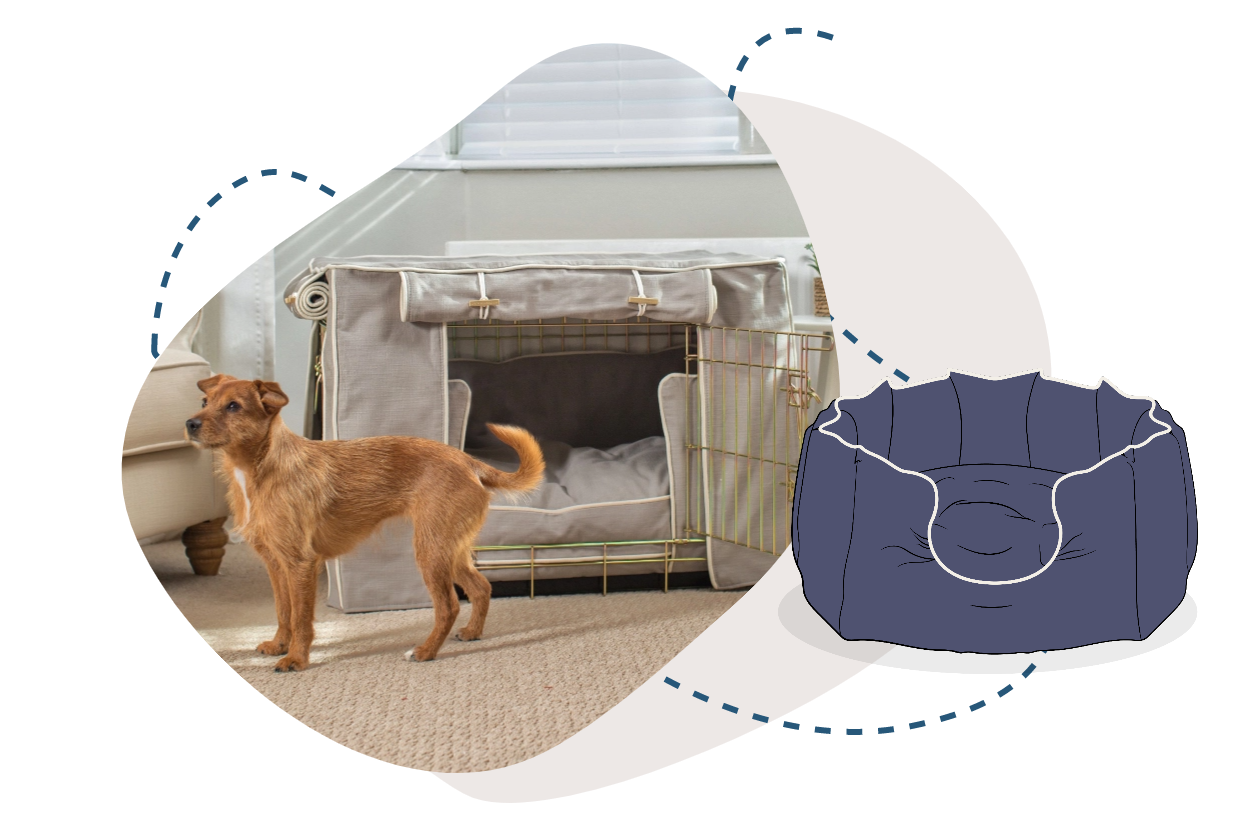
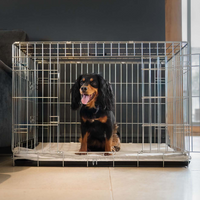
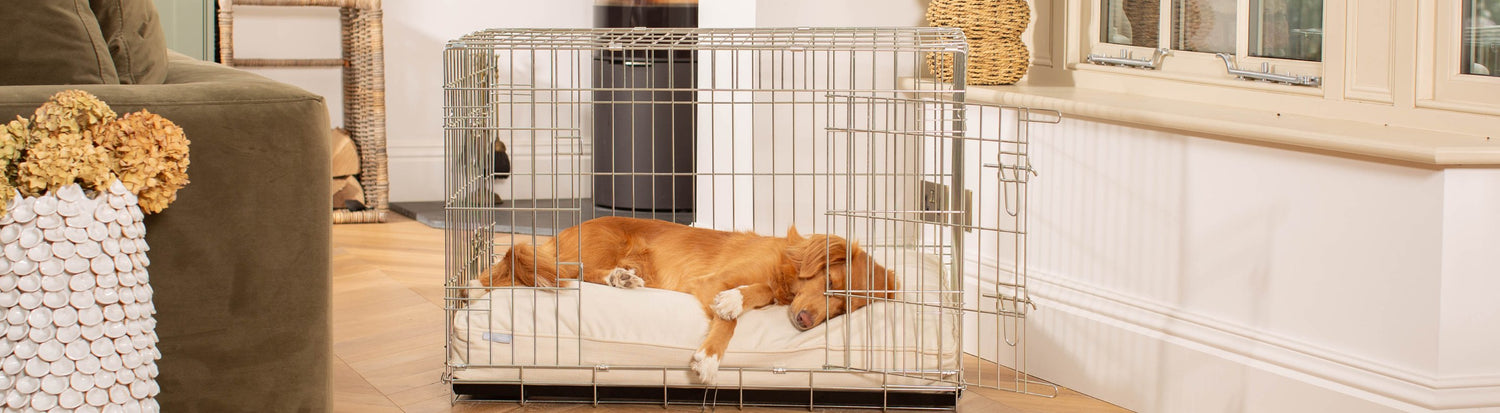
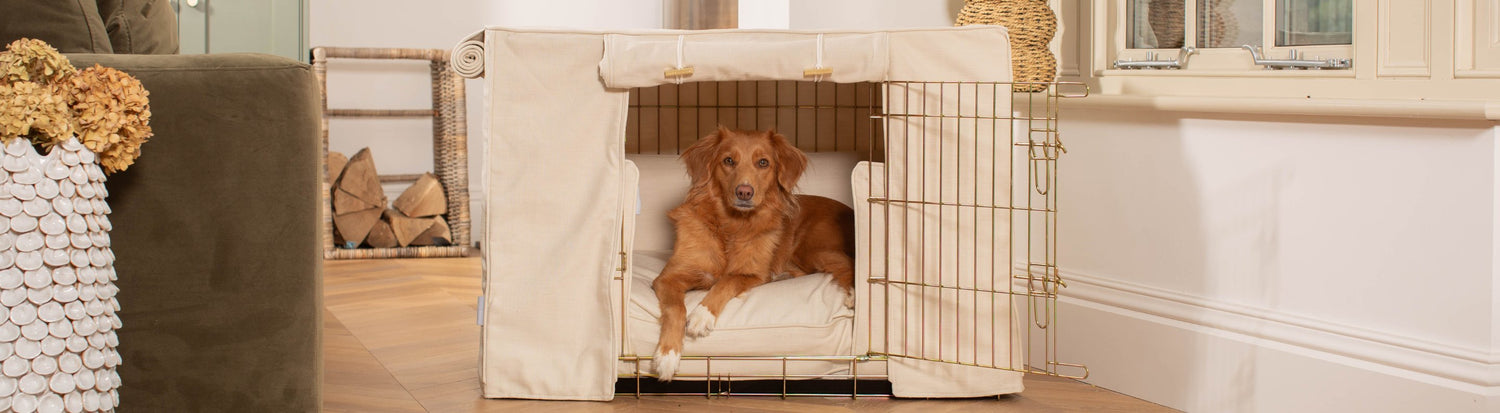
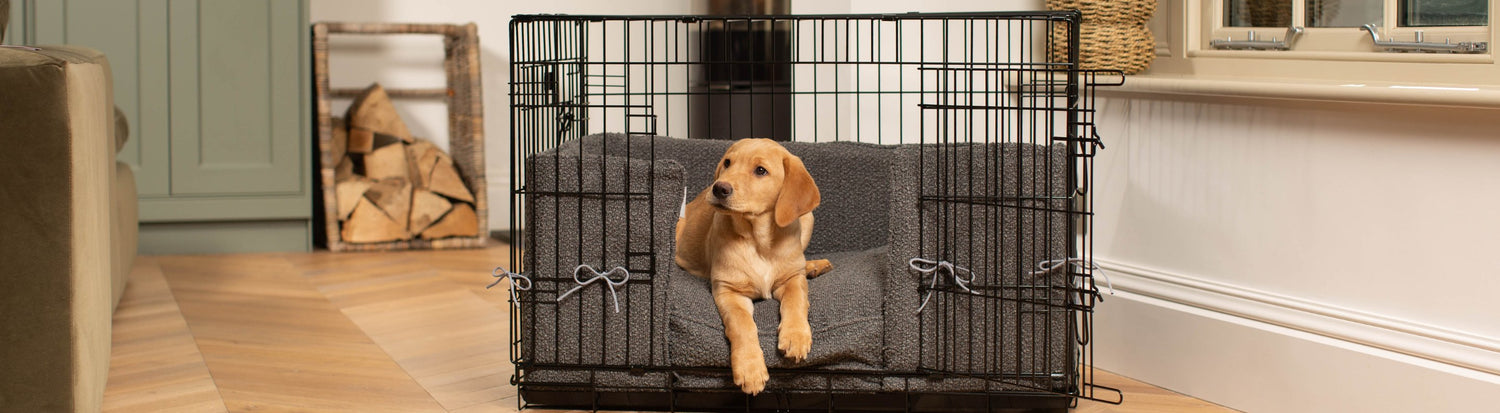
Waking up to a puppy crying in their crate at night is one of those experiences that tests even the most prepared new dog parent, but it almost always has a perfectly simple explanation. In this guide, you will find out what to do if puppy cries in crate at night, from quick bedtime checks and calming routines through to knowing when the crying might be worth a closer look. A few nights of broken sleep does not mean you are doing it wrong, and with the right approach, things tend to improve faster than you might expect. Why your puppy cries in the crate at night — and why it’s usually normal If your puppy is crying in their crate at night, the first thing to know is this: you haven’t done anything wrong, and neither has your puppy. Nighttime crying is one of the most common experiences for new puppy parents, and it almost always means your puppy is trying to tell you something — not that they’re being difficult. Think about it from their perspective. Just days ago, they were curled up with their mum and littermates, surrounded by warmth and familiar smells, never once spending a night alone. Now they’re in a new home, a new crate, a new room, with none of those comforts to anchor them. A little protest at bedtime makes complete sense. There are a handful of reasons why puppies cry in the crate at night, and understanding them makes it much easier to respond with confidence rather than panic. The most common ones are: They miss their littermates. Sleeping in a warm, wriggly pile is all they’ve ever known. That kind of closeness doesn’t disappear overnight, and the adjustment takes time. They need the toilet. Young puppies genuinely can’t hold their bladder through the night. A cry at 2am is usually a real signal, not a bid for attention. They’re cold or uncomfortable. A crate that feels too bare or exposed won’t feel like a safe haven — it’ll just feel lonely. They’re overwhelmed. The first week in a new home is a lot for a small dog to process. By the time bedtime rolls around, many puppies are emotionally wrung out and finding it hard to wind down. Once you understand what the crying is actually communicating, you can respond in a way that helps rather than guesses. If you’re still putting the building blocks of your puppy’s sleep setup together, our guide to creating the perfect puppy sleep routine is well worth a read before the lights go out. First things to check before you settle in for the night Before you rethink your whole approach to crate training, it’s worth pausing to check the basics. A surprising number of puppies crying in the crate at night are simply reacting to something small and fixable — things that are easy to miss when you’re exhausted and just want everyone to sleep. Running through this short checklist first can save you a lot of unnecessary stress. Last toilet trip of the night. Take your puppy outside for a toilet break right before they go into the crate, even if they went out an hour ago. A full bladder won’t let them settle, and the discomfort will quickly turn into crying. Crate size. The crate should feel snug and safe, not vast and exposed. Your puppy needs just enough room to stand up, turn around, and lie down comfortably. Too much space can actually make them feel less secure, not more. Room temperature. Puppies feel the cold quickly, especially once the house cools down overnight. Make sure the crate is away from draughts, and tuck in a soft, washable blanket for warmth — just avoid anything that could cause overheating. Enough wind-down time before bed. Putting a puppy straight into the crate after a play session is a bit like trying to put a toddler to bed mid-bounce. Aim for 20 to 30 minutes of calm before lights out so their energy has genuinely settled. Is your puppy actually tired? A puppy who hasn’t had enough activity or gentle mental stimulation during the day will find it hard to switch off at night. Short, age-appropriate play sessions in the evening make a real difference. If you’re still in those early days of settling in, the advice on bringing a new puppy home is a great place to start. More often than not, working through this list resolves things before you need to make any bigger changes. It’s always the right place to begin. How to build a bedtime routine that helps your puppy settle Consistency is one of the most powerful tools you have when it comes to puppy crying in the crate at night. Puppies feel safer when they can predict what’s coming next, and a calm, repeatable bedtime sequence tells their brain it’s time to switch off. Do it the same way every night and you’ll likely notice the difference sooner than you’d expect. Final toilet break 45 to 60 minutes before crating. Take your puppy outside for a proper sniff around and a chance to go. A puppy with a full bladder won’t settle, no matter how cosy the crate is. Wind down activity levels. Put the squeaky toys away at least 30 minutes before bed and switch to something calmer — a gentle chew, or a quiet cuddle on the sofa. An overtired but overstimulated puppy is a recipe for a difficult night. Set up the crate with soft, inviting bedding. A plush blanket or well-padded crate mat makes a real difference. If it’s your puppy’s first night, tuck in a worn item of your clothing so your scent is there with them. Some owners also place a ticking clock nearby, which can mimic a mother’s heartbeat. Cover the crate. Draping a breathable cover over three sides creates a den-like feel that genuinely helps puppies settle. It cuts out visual distractions and signals that the crate is for sleeping, not watching the room. One last quick toilet trip right before crating. Even a two-minute garden visit is worth it to reduce the chances of a 2am wake-up. Use a calm, consistent verbal cue. Something simple — “bedtime” or “in your bed” — repeated every night helps your puppy start connecting the word with winding down. Lights out, minimal fuss. Keep your goodnight brief and warm, then leave. Lingering makes it harder for both of you. Quick tip: A crate cover is one of the simplest things you can do when crate training a puppy at night. Reducing what your puppy can see lowers stimulation and makes the space feel genuinely enclosed and safe, much more den than cage. Repeat this every night and you give your puppy something they genuinely need: predictability. Over time, that familiar sequence helps shorten the adjustment period, reduces how long your puppy cries in the crate, and builds quiet confidence in both of you. What to do if your puppy cries after you’ve put them to bed Knowing what to do if your puppy cries in the crate at night is one of those things nobody quite prepares you for. You’re tired, your heart is a little broken, and you just want everyone to sleep. The good news is that you don’t have to choose between leaving them to it completely and rushing straight in every time. A calm, considered response is almost always the right middle ground. There are two situations genuinely worth getting up for. The first is a toilet trip — especially in the early weeks, when young puppies simply can’t hold their bladder through the night. If your puppy is under 12 weeks, or hasn’t been out recently, a quiet trip outside makes sense. The second is brief reassurance for a puppy still adjusting to sleeping alone. A soft word through the crate, or just a moment nearby, can help settle them without building a bigger habit around it. The mistake worth avoiding: going to them every single time they cry. Puppies are quick learners. If calling out reliably brings you back into the room, they’ll keep doing it — not out of stubbornness, but because it works. Even well-meaning responses can accidentally teach them that crying is the way to get your attention. You end up reinforcing the very thing you’re trying to stop. When your puppy cries, try these calm responses instead: Wait a minute or two before going in, to see if they settle on their own If you do go to them, keep your voice low and calm with no excitement or fuss Any toilet trips should be short, boring, and dimly lit Avoid eye contact, play, or picking them up unless it’s truly necessary Return them to the crate straightaway and leave without lingering Most puppies start to find their rhythm within a few nights once they learn that bedtime is quiet, consistent, and uneventful. The calmer and more predictable you can be, the sooner they’ll get there. And if you want to set the foundations before that first night even arrives, these tips for bringing a new puppy home are a brilliant place to start. When crying points to something more than a rough first night Most puppies cry in the crate at night simply because everything feels new and a little overwhelming. That’s completely normal. But part of knowing what to do if your puppy cries in the crate at night is recognising when something beyond first-night nerves might be going on. These are the signs worth paying closer attention to: Crying that gets louder or more frantic after 30 to 60 minutes, rather than gradually fading Repeated accidents in the crate despite a toilet break right before bed Frantic pacing, spinning, or determined attempts to scratch or chew their way out Refusing food, water, or treats anywhere near the crate A sudden return to distressed crying in a puppy who had previously been settling well Normal whining vs. genuine distress: what’s the difference? Normal whining tends to be intermittent, softens over several nights, and doesn’t come with any physical symptoms. Genuine distress looks different. The crying escalates instead of easing, shows little improvement after a week, and may come alongside panting, drooling, or repetitive self-soothing behaviours like circling or excessive licking. If your puppy is showing physical symptoms alongside the crying — vomiting, diarrhoea, lethargy, or anything that suggests pain or illness — contact your vet. Don’t wait to see if it passes. If the crate itself seems to be the source of real fear rather than just mild protest, a qualified trainer or behaviourist can help you work through it in a way that feels manageable. It’s also worth thinking about timing. Introducing the crate too young or too abruptly can make the whole process harder than it needs to be. If you’re unsure whether your puppy is ready, our guide on how old you should be before crate training a puppy is a helpful starting point. Catching these signs early makes a real difference — for your puppy, and for your sleep. A calmer night starts with consistency, comfort, and a bit of patience Crate training takes time, and the first few nights are almost always the hardest. But stick with a consistent bedtime routine, respond calmly when your puppy cries, and make their space feel genuinely cosy — and things really do get easier. Most puppies settle into a rhythm faster than their bleary-eyed owners expect. The small things matter more than you might think. A right-sized crate, placed somewhere warm and familiar, with soft bedding your puppy actually wants to curl into, sets the tone for the whole night. Something like the Cosy Calming Puppy Crate Bed can genuinely help here — giving your puppy a snug, den-like space to settle into rather than somewhere bare and unfamiliar. Your response matters just as much as the setup. Keeping bedtime predictable, staying consistent, and not rushing in at every whimper all help your puppy learn that the crate is safe and that you are close by. It takes repetition, but it builds real confidence over time. If you have been lying awake wondering what to do if your puppy cries in the crate at night, here is the honest answer: check the basics, build a routine, and give it time. Progress is rarely dramatic, but it is steady. One night you will realise the crying has stopped, the whimpering has faded, and everyone in the house is finally getting some sleep. Those mornings feel very well earned.