















































































Deciding to adopt a dog is a heartwarming and rewarding choice. Whether you found your new companion through animal shelters or have chosen to rehome a dog from a local rescue centre, the journey of bringing home a rescue dog is one filled with excitement, responsibility, and a dash of uncertainty. To help you prepare for this joyous transition, we’ve compiled some key considerations and practical tips for bringing home a new dog from the shelter. From setting up a welcoming environment to ensuring a calm mental space for your adopted dog, here’s everything you need to know.
1. Why Adopt a Rescue Dog?
Choosing to adopt a dog through reputable animal shelters offers numerous benefits—not only for you but also for the pup you’re welcoming into your home. Rescue dogs often come from challenging backgrounds, so you’re giving them a second chance at a loving family. Plus, many shelters assess each dog’s behaviour, enabling you to find the perfect companion suited to your lifestyle and home environment. When you help to rehome a dog, you’re also making space in the shelter for another dog in need—an amazing way to pay it forward and support the wider animal rescue community.
2. Preparing Your Home Environment
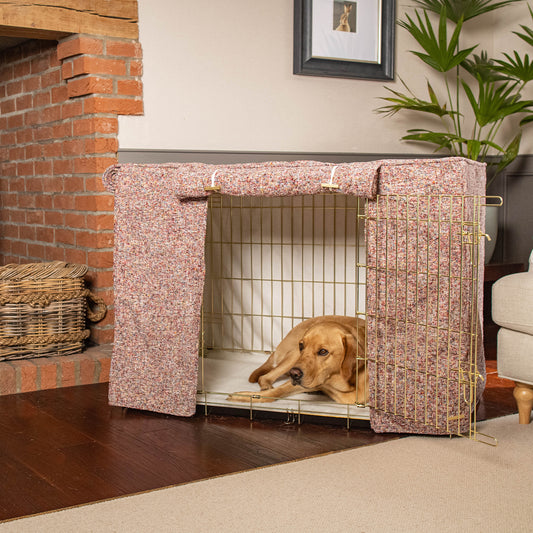
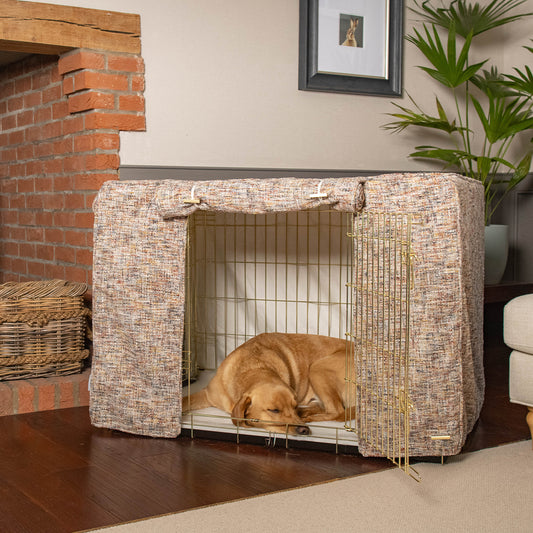
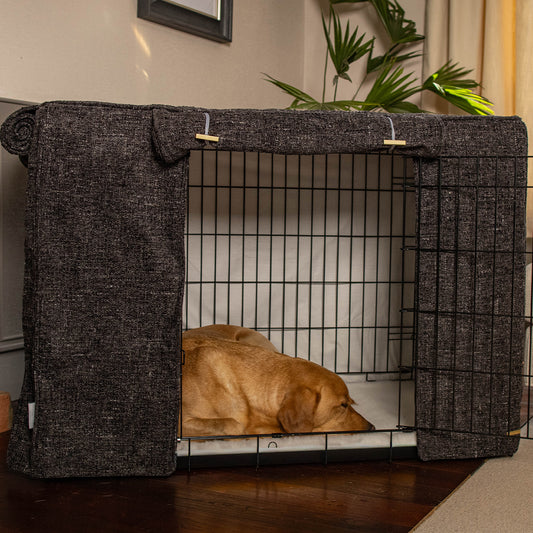
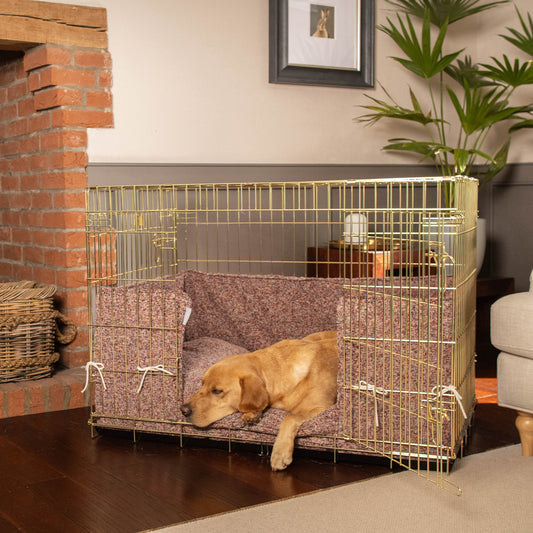
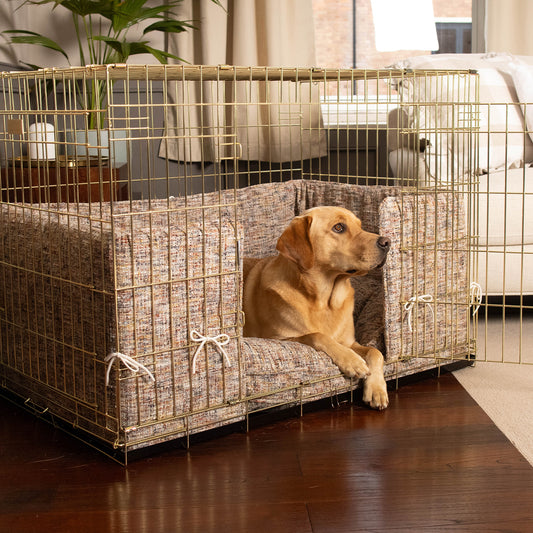
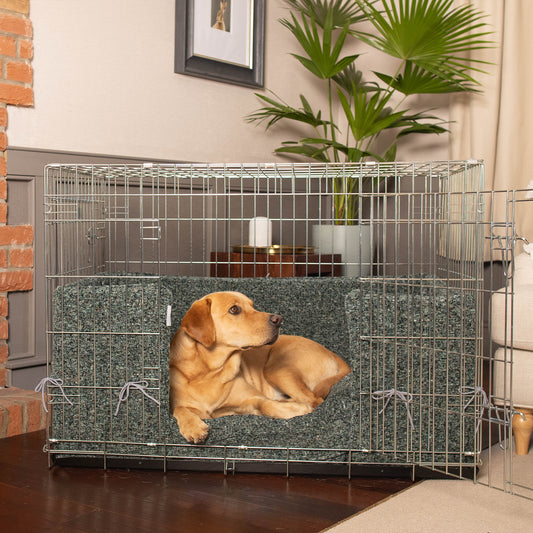
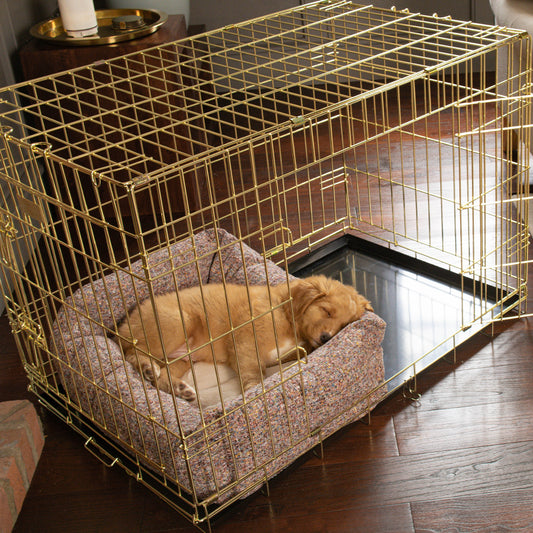
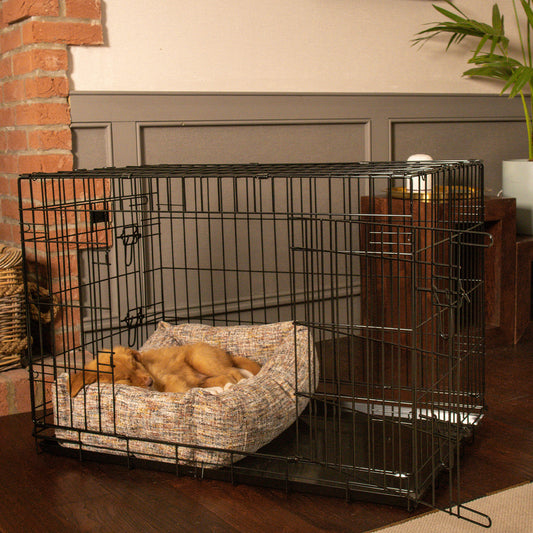
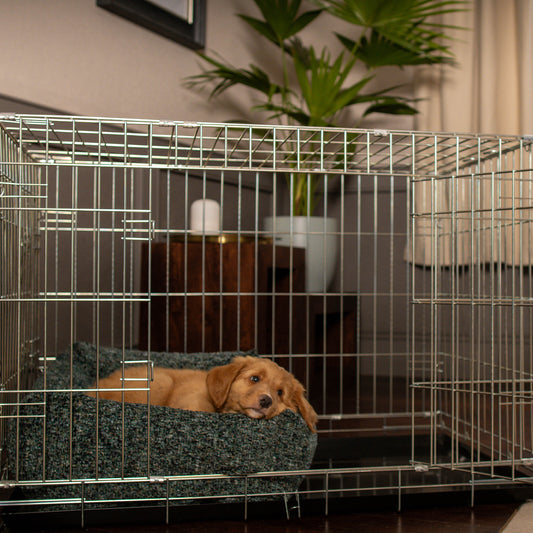
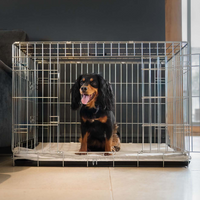
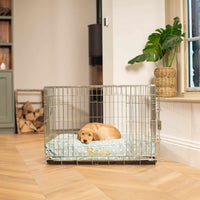
Before taking a rescue dog home, it’s crucial to prepare a calm, secure area where they can relax. Dogs thrive when they have a space they can call their own, whether it’s a cosy corner in the living room or a dedicated spot in the bedroom. Make sure it’s away from heavy foot traffic, and provide soft bedding or a crate lined with blankets if that helps the dog feel snug.
- Stock Up on Essentials: Have fresh water and nutritious dog food on hand, along with food and water bowls, toys, and grooming supplies. Don’t forget a collar or harness, lead, and identification tag. Check with the charity or shelter you are adopting your dog from to see what the dog is used to and what they like so you can make sure you’re prepared.
- Safety First: Inspect your home for potential hazards. Keep electrical cords tucked away, secure any low-lying cabinets that may contain cleaning supplies, and ensure any small objects or chewable items are out of reach.
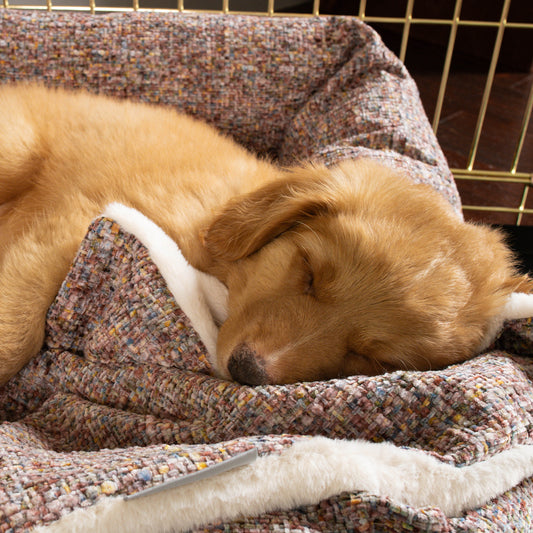
- Consider an Anti-Anxiety Bed: Some rescue dogs may be especially nervous during their transition. Providing a specialised bed can help soothe them. Our Anti-Anxiety Dog Beds collection offers comfortable, soft beds designed to create a sense of security. The faux fur is perfect for cocooning your anxious pup to sleep.
3. Bringing Home Your New Dog from the Shelter
The Journey Home
The journey from the shelter to your home can be unsettling for a dog who’s already experienced upheaval. Bring a towel or blanket that carries a comforting scent from the shelter, if possible. This familiar smell can ease their anxiety during transport.
- Stay Calm and Confident: Dogs pick up on your emotions. If you’re calm, they’ll be more likely to remain relaxed too.
- Use a Secure Crate or Seatbelt Harness: Safety is paramount. A crate or dog seatbelt harness will prevent your new companion from moving around the car and help them feel more contained and secure.
The Adopted Dog’s First Day Home
The first day is critical in shaping your dog’s impression of their new environment. It’s normal for them to feel overwhelmed or anxious.
- Allow Exploration: Give your rescue dog time to sniff around and investigate at their own pace. Don’t force interaction if they seem hesitant; let them come to you when they’re comfortable.
- Limit Visitors: While it might be tempting to invite friends and family over to meet your new furry companion, it’s best to keep the environment calm and quiet, at least for the first few days.
- Establish Routines: Dogs thrive on routine. Begin establishing set times for meals, walks, and bedtime. This structure helps them understand what to expect and fosters a sense of security.
4. Training and Transition Tips for Bringing Home a Rescue Dog
Positive Reinforcement
When it comes to tips for bringing home a rescue dog, training is a top priority. Consistency and patience are key. Focus on positive reinforcement methods:
- Treats and Praise: Reward your dog with small treats, verbal praise, or gentle petting whenever they exhibit desired behaviour.
- Short Sessions: Keep training sessions short and fun, especially in the early days when your dog is still adjusting.
- Avoid Punishment: Shouting or physical discipline can damage the trust you’re trying to build. Positive reinforcement yields better, more lasting results.
House Training Basics
Some adopted dogs may not be fully housetrained, or they might need a refresher course due to the stress of moving.
- Set a Schedule: Take your dog out at regular intervals (e.g., first thing in the morning, after meals, before bedtime).
- Choose a Spot: Use the same spot for toileting to create a scent marker, helping them understand where to go.
- Praise Immediately: Reward good behaviour right away so your dog associates going outside with positive outcomes.
5. Introducing Your Rescue Dog to Children and Other Pets
Children
- Teach Boundaries: Educate children to approach slowly, use gentle voices, and respect the dog’s space—especially if the dog is shy or anxious.
- Supervise Interactions: During the early days, be sure to supervise all interactions to prevent accidents and misunderstandings.
- Show Calm Enthusiasm: Encourage children to remain calm and consistent. Overly excited behaviour can scare a new dog who’s still settling in.
Other Pets
Bringing home an adopted dog to a household with existing pets requires a slow, careful approach:
- Neutral Territory: Introduce dogs or other pets in a neutral space, like a park or a friend’s garden, so neither feels they must defend their home turf.
- Gradual Introduction: Keep initial interactions brief and positive. Reward both animals for calm behaviour around each other.
- Separate Spaces: Provide separate living or resting areas at first. Over time, as they become more comfortable, you can allow them greater freedom to mingle.
6. Supporting Your Rescue Dog’s Mental Health
Transitioning to a new home can be overwhelming, especially for a rescue dog that might carry past traumas or anxieties. Ensuring they feel safe and loved is vital:
- Routine and Consistency: Regular mealtimes, walks, and bedtimes give your dog a sense of predictability.
- Calming Products: In addition to anti-anxiety dog beds, consider calming supplements or pheromone diffusers if you notice signs of stress (e.g., excessive panting, pacing, or whining).
- Professional Help: If your dog’s anxiety or fear seems significant, consult with a vet or professional dog behaviourist. Early intervention can make a world of difference.
7. Building a Lasting Bond
Taking a rescue dog home is only the start of a lifelong friendship. Dogs thrive on companionship, so spend quality time bonding through play and gentle affection:
- Gentle Grooming: Regular grooming sessions can be a calming, bonding experience—just take care to handle your dog gently if they’re not used to it yet.
- Explore Together: Take walks in nature, visit dog-friendly cafes, and find safe places for off-lead play (where permitted) once you’re confident they’ll respond to recall.
- Celebrate Small Wins: Every small success—whether it’s learning a new command, going a day without accidents, or relaxing in their new bed—deserves celebration. These milestones are part of your shared journey.
8. Encouraging Relaxation at Home
Finally, remember that creating a comfortable home environment is one of the best ways to help your new companion feel safe and secure. Many rescue dogs struggle with anxiety, especially during the initial adjustment period. One simple way to help is by providing a comforting bed designed specifically to calm and soothe.
Explore Our Anti Anxiety Dog Beds
At Lords & Labradors, we understand how important your dog’s wellbeing is. Our Anti-Anxiety Dog Beds collection features soft, faux-fur beds with plush padding. These beds can help your new dog feel enveloped and reassured, offering them a cosy hideaway whenever they’re feeling overwhelmed.
Conclusion
Bringing home an adopted dog from the shelter is a journey filled with excitement, compassion, and responsibility. From ensuring you have the right environment set up to easing them through the first few days in a new setting, each step you take will help your rescue dog settle in and flourish. By focusing on consistency, positive reinforcement, and understanding, you can help your new companion overcome any anxieties they may have and build a lifelong bond based on trust and love.
Ready to Make Your Rescue Dog Feel Right at Home? Check out our Anti-Anxiety Dog Beds to give your new family member a warm and comforting welcome. Your newly rehomed friend deserves the best start possible, and with the right preparation, support, and love, you’ll both be well on your way to a happy, fulfilling life together.