







Designed For The Road - Car Travel Crates
24.07.18 July 24, 2018 Travel

Designed For The Road - Car Travel Crates

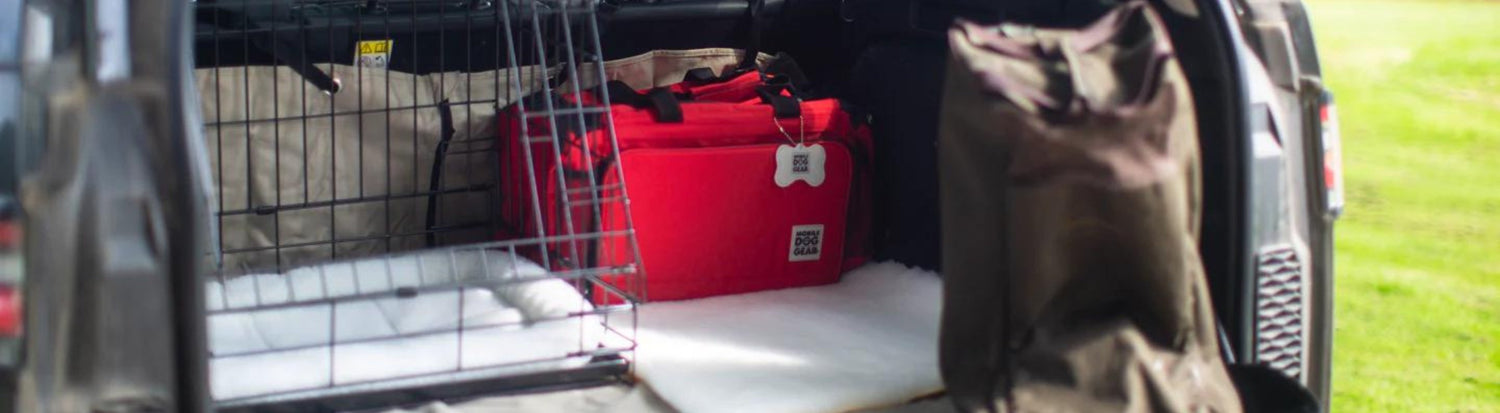
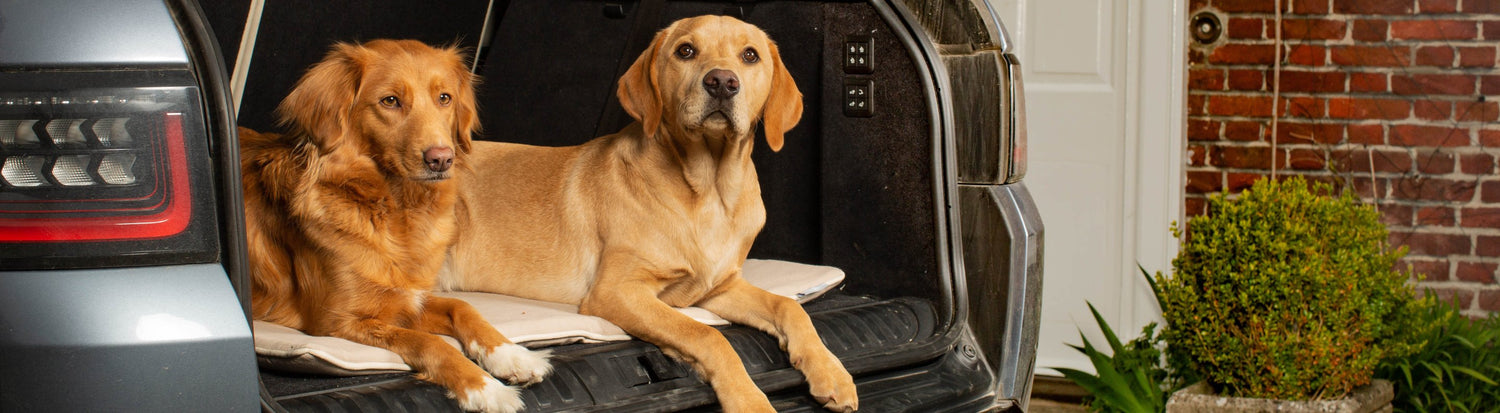
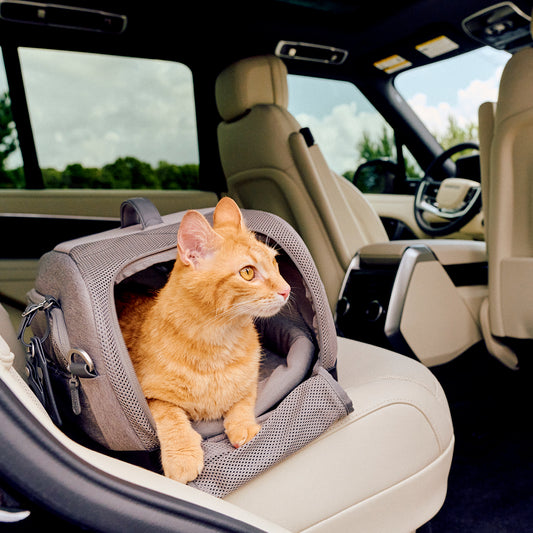
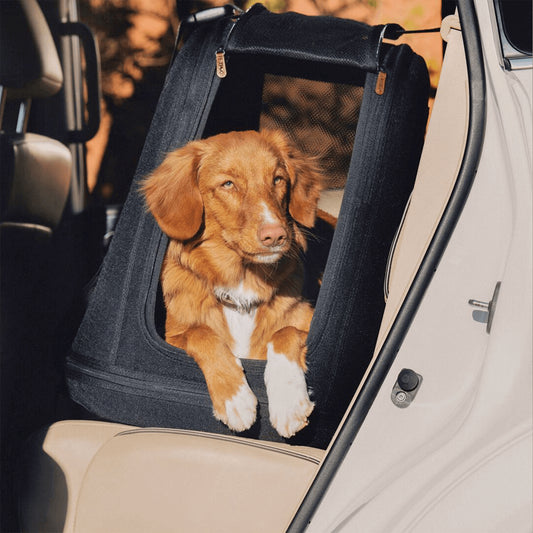
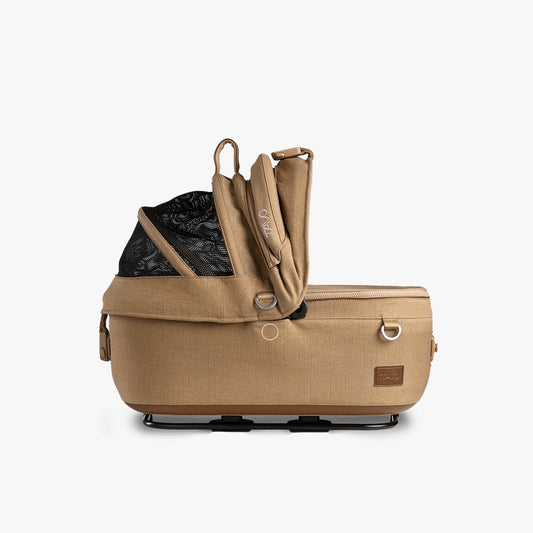
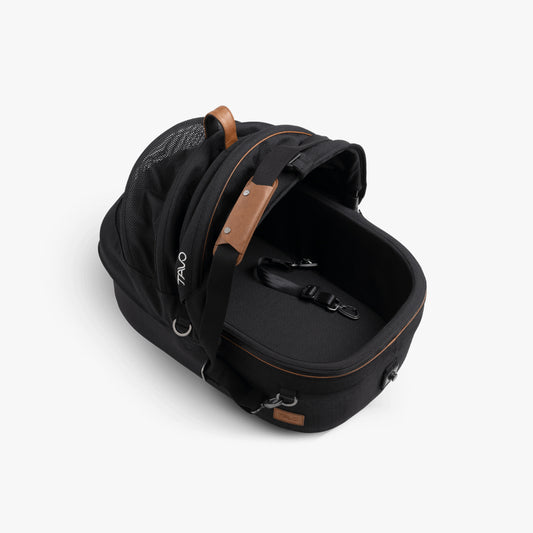
Our travel mini series continues this week with Designed for the Road – Dog Car Travel Crates. We get lots of questions about what crate will fit and what size is suitable for certain breeds. The best way to ascertain whether a crate will fit your car and the way you’d like to use it is to measure your boot and cross reference with the measurements on the product listing. We know certain models, but we’re certainly not car experts! Also, the crate may fit your car, but not have room for anything else – it’s best you measure and decide how much room the crate will fill and whether it will fit into your lifestyle… Ellie-Bo Car Crate – Available in Standard and Deluxe and in two sizes The Ellie Bo Slanted Car Crate is the crate we get the most questionsabout. A really practical crate that will fit in most cars and suitable for small-medium sized dogs. Ideal for short trips, it will keep your four-legged friend safe when out on the road. Available in two sizes and in either standard or deluxe, the latter having thicker sturdier bars and the addition of a fleece liner in the tray. The small 24” carrier is suitable for toy dogs such as Pugs and Chihuahuas up to the size of a Bedlington Terrier. The Medium 30” is suitable for slightly larger dogs such as Schnauzers, Basset Hounds and Dachshunds. This is just a guide and it’s always best to think about how you will use the crate and how far you will be intending to travel with it. If you’re going on a long journey, then the more room you can offer your pup the better. If your breed is at the larger end of the scale for the size of crate you’re looking at, it may be best to look at other options. As far as, “will it fit in my car?”: for reference, the medium crate in the pictures is shown in a Ford Focus. We definitely suggest measuring your own boot and cross-referencing with the crate dimensions.  Trixie Friends on Tour Dog transport Box The Trixie Friends on Tour transport box for dogs is ideal for medium to large breeds. It's made from a sturdy metal frame and will fit in most medium sized cars up to the size of a Discovery Sport. A brilliant travel crate option with good air circulation and a non-slip thermo mat included. It has a slanted front so it can really optimise the space available in your boot.  Fabric Pet Carrier by Bunty  A good alternative to a car crate is the Fabric carrier by Bunty. Available in Red or Navy in three sizes. The Bunty carrier features a really sturdy metal frame that clips into place with ease and can fold flat when not in use. The sides are made of mesh offering good ventilation and a window for your pet to see where they’re going; and there’s a fleecy liner inside for your furry friend’s comfort. There are also handy pockets on the outside of the frame where you can store and necessary accessories on your travels and the carry strap has a cushioned pad for comfort. An all-round versatile pet carrier and the small size is suitable for cats and rabbits as well as dogs.    Standard Ellie-Bo Dog Crate  If you have a large car with ample boot space, then the regular Ellie-Bo crates will do the same job as the travel version whilst offering more room for larger dogs. Both the standard and deluxe crates come with a handy carry handle and there are travel bowls available separately to attach inside on longer journeys. These are a good alternative for those with dogs too large for the travel versions and are great on a practical level as you don’t need to buy more than one crate – you can use the same at home and on your travels. Again, do check measurements and cross-reference with the dimensions of your car boot. Which Dog Travel Crate to choose?  Beyond finding the right size for your pet (and car!) this really comes down to personal preference and which will fit best with your lifestyle and how you intend to use the crate. If you travel long journeys quite often then the more space you can offer your pet the better; if it’s an occasional trip to the vet then space is less important although you do want them to be comfortable. If you have a large breed dog such a Great Dane, then our crates won’t be suitable (unless you drive a van or a bus!). In this case we’d suggest a car cape, or similar, to cover your seats and a harness to secure your dog in the back seat. If you have further questions about any of the crates mentioned, do get in touch. We are available during office hours on LiveChat and the telephone. Alternatively send us an e-mail to hello@lordsandlabradors.co.uk and we will get back to you as soon as we can. If you already one of these crates, or prefer an alternative method of safe travel, let us know. We like to know which products for you. If you send us a picture we may even feature over on our Social Media channels.

By Zac Girdlestone

Read more

Our travel mini series continues this week with Designed for the Road – Dog Car Travel Crates. We get lots of questions about what crate will fit and what size is suitable for certain breeds. The best way to ascertain whether a crate will fit your car and the way you’d like to use it is to measure your boot and cross reference with the measurements on the product listing. We know certain models, but we’re certainly not car experts! Also, the crate may fit your car, but not have room for anything else – it’s best you measure and decide how much room the crate will fill and whether it will fit into your lifestyle…

Ellie-Bo Car Crate – Available in Standard and Deluxe and in two sizes

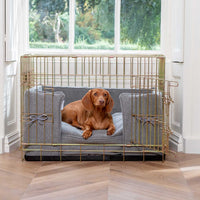
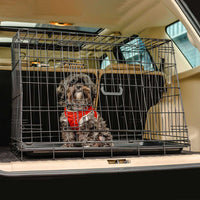
The Ellie Bo Slanted Car Crate is the crate we get the most questionsabout. A really practical crate that will fit in most cars and suitable for small-medium sized dogs. Ideal for short trips, it will keep your four-legged friend safe when out on the road. Available in two sizes and in either standard or deluxe, the latter having thicker sturdier bars and the addition of a fleece liner in the tray. The small 24” carrier is suitable for toy dogs such as Pugs and Chihuahuas up to the size of a Bedlington Terrier. The Medium 30” is suitable for slightly larger dogs such as Schnauzers, Basset Hounds and Dachshunds. This is just a guide and it’s always best to think about how you will use the crate and how far you will be intending to travel with it. If you’re going on a long journey, then the more room you can offer your pup the better. If your breed is at the larger end of the scale for the size of crate you’re looking at, it may be best to look at other options. As far as, “will it fit in my car?”: for reference, the medium crate in the pictures is shown in a Ford Focus. We definitely suggest measuring your own boot and cross-referencing with the crate dimensions. 

Trixie Friends on Tour Dog transport Box

The Trixie Friends on Tour transport box for dogs is ideal for medium to large breeds. It's made from a sturdy metal frame and will fit in most medium sized cars up to the size of a Discovery Sport. A brilliant travel crate option with good air circulation and a non-slip thermo mat included. It has a slanted front so it can really optimise the space available in your boot. 

Fabric Pet Carrier by Bunty

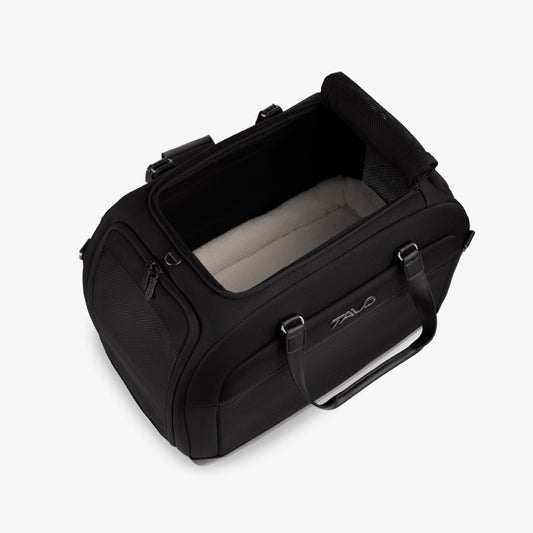
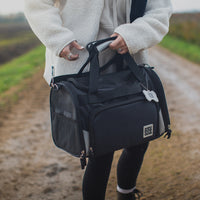
 A good alternative to a car crate is the Fabric carrier by Bunty. Available in Red or Navy in three sizes. The Bunty carrier features a really sturdy metal frame that clips into place with ease and can fold flat when not in use. The sides are made of mesh offering good ventilation and a window for your pet to see where they’re going; and there’s a fleecy liner inside for your furry friend’s comfort. There are also handy pockets on the outside of the frame where you can store and necessary accessories on your travels and the carry strap has a cushioned pad for comfort. An all-round versatile pet carrier and the small size is suitable for cats and rabbits as well as dogs.   

Standard Ellie-Bo Dog Crate 

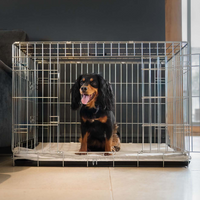
If you have a large car with ample boot space, then the regular Ellie-Bo crates will do the same job as the travel version whilst offering more room for larger dogs. Both the standard and deluxe crates come with a handy carry handle and there are travel bowls available separately to attach inside on longer journeys. These are a good alternative for those with dogs too large for the travel versions and are great on a practical level as you don’t need to buy more than one crate – you can use the same at home and on your travels. Again, do check measurements and cross-reference with the dimensions of your car boot.

Which Dog Travel Crate to choose? 

Beyond finding the right size for your pet (and car!) this really comes down to personal preference and which will fit best with your lifestyle and how you intend to use the crate. If you travel long journeys quite often then the more space you can offer your pet the better; if it’s an occasional trip to the vet then space is less important although you do want them to be comfortable. If you have a large breed dog such a Great Dane, then our crates won’t be suitable (unless you drive a van or a bus!). In this case we’d suggest a car cape, or similar, to cover your seats and a harness to secure your dog in the back seat.

If you have further questions about any of the crates mentioned, do get in touch. We are available during office hours on LiveChat and the telephone. Alternatively send us an e-mail to hello@lordsandlabradors.co.uk and we will get back to you as soon as we can. If you already one of these crates, or prefer an alternative method of safe travel, let us know. We like to know which products for you. If you send us a picture we may even feature over on our Social Media channels.

Related Products

Related Collections

Dog Car Crates & Travel Carriers

When transporting your furry friend, it’s important to do so with their... 

Dog Travel Accessories & Car Essentials

Lords & Labradors’ collection of dog travel accessories has everything you need... 

Next Article
How to Prepare For Your New Puppy

Related Articles

  • Why Do Dogs Stick Their Heads Out of Car Windows?
    24.04.26 April 24, 2026 Travel

    Why Do Dogs Stick Their Heads Out of Car Windows?

    It turns out there is a lot more going on in that wind-blown, tongue-lolling moment than it might appear. The joy your dog feels hanging out of a car window is rooted in some genuinely fascinating science, and understanding it makes the whole thing even more delightful to watch. From the way their nose processes the rushing air to the mental workout that comes with every new smell and sound, here is what is actually happening for your dog when the window comes down. Why dogs love sticking their heads out of car windows That blissful, ears-flapping-in-the-breeze moment when your dog hangs their head out the car window isn't just about looking adorable (though they absolutely do). Dogs stick their heads out of car windows because the rushing air delivers an incredible sensory experience that we humans can barely imagine. While we might catch a whiff of freshly cut grass or someone's barbecue, your dog is processing hundreds of scent stories at once—a rich, ever-changing map of the world rushing past. The moving air also brings exciting sounds and feels wonderfully stimulating against their face and ears. Many dogs genuinely find this thrilling, their version of a roller coaster ride. You'll often see pure joy in their expression: tail wagging, mouth slightly open in that happy panting way that says they're having the time of their life. Think about it from their perspective. Your dog experiences the world primarily through their nose, which has up to 300 million scent receptors compared to our measly 6 million. That highway wind isn't just air—it's a constant stream of fascinating information about other animals, interesting places, and adventures waiting around the next bend. Understanding why dogs love this behavior helps you make thoughtful choices about when to let them enjoy it and when you might want to keep the windows up a bit more. It's not about denying them fun, but finding that sweet spot where they can experience those amazing scents and sensations while staying comfortable and secure. What your dog is actually experiencing when the window is down When your dog pushes their nose through that open car window, they're diving into a sensory experience that's far richer than anything we can imagine. Think of it as the difference between watching a nature documentary and actually hiking through a rainforest. Each dog experiences this differently, but there are several key factors at play. Scent overload in the best possible way - Dogs experience the world primarily through smell, and an open car window delivers thousands of new scents in rapid succession. Every tree, restaurant, other dog, and person you pass creates a constantly changing smell map that's absolutely fascinating to your pup. It's like speed-reading their favorite book, except the book keeps changing every few seconds. Mental stimulation from novelty - The rapidly changing scenery, sounds, and smells provide intense mental enrichment. For dogs who spend most days in familiar environments, this sensory variety is like getting to explore a dozen new places in minutes. Your Border Collie's brain is working overtime, and they love every second of it. Airflow feels incredible - The rushing air provides cooling relief and physical comfort, especially for dogs with thick coats or those who naturally run warm. It's their version of sticking your hand out the sunroof on a perfect spring day. Natural temperature regulation - Since dogs don't sweat like we do, that cool airflow helps them regulate their body temperature more effectively than air conditioning alone. Their tongues and panting can only do so much. Excitement conditioning - Many dogs learn to associate open windows with adventures: trips to the park, beach days, or visiting their favorite humans. The window becomes part of the anticipation itself. Your individual dog might be driven by one or all of these factors. This behavior taps into natural canine instincts for exploration and environmental awareness, not just a cute quirk we've imagined they enjoy. Is it happiness, instinct, or stress?  When your dog pokes their head out the car window, it's tempting to assume they're having the time of their life. While many dogs genuinely love the sensory adventure, reading their body language carefully helps you tell the difference between pure enjoyment and overwhelming stimulation. Some dogs who appear to be loving the ride might actually feel anxious or overstimulated by the rush of sights, sounds, and smells. Signs of Enjoyment Signs of Stress/Overstimulation   Relaxed, loose body posture Tense muscles, rigid stance Soft, bright eyes with natural blinking Frantic scanning, wide or staring eyes Gentle, steady panting Excessive drooling or rapid, heavy panting Loose, rhythmic tail wagging Rigid tail position or erratic movements Alert but calm expression Restless shifting or whining Occasional glances back at you Inability to settle or focus Think of it this way: a dog with soft eyes and relaxed shoulders is probably enjoying the sensory buffet, while one with tense muscles and frantic eye movements might be feeling like they're drowning in too much information at once. The difference between happy excitement and anxious overstimulation can be surprisingly subtle, especially when you're focused on the road. Watch your dog's overall demeanor throughout the journey, not just in those first few moments of window time. A truly content dog will maintain that relaxed body language and might even pull their head back in occasionally to check in with you. An overstimulated pup, on the other hand, will show increasing signs of tension as the ride continues. This awareness helps you create car experiences that genuinely enhance your dog's happiness rather than accidentally turning every trip into sensory overload. Letting them enjoy the ride safely You don't have to choose between your dog's joy and their safety during car rides. A few simple adjustments can let your pup experience all those amazing scents and sensations while keeping them secure and comfortable. Crack windows instead of fully opening them - This gives your dog access to fresh air and new smells without letting them lean dangerously far out or risk debris hitting their eyes. Even a few inches provides plenty of that sensory adventure they're after, and you'll have peace of mind knowing they can't tumble out during an enthusiastic moment. Use a proper dog car harness or seat belt - These restraints let your dog move around enough to enjoy the ride while preventing them from becoming your unexpected co-pilot mid-journey. Look for crash-tested options that attach to your car's existing seat belt system. Your dog still gets their window time, just without the acrobatics. Consider a travel crate or carrier for smaller dogs - Little dogs can get the same sensory experience from a well-ventilated carrier positioned where they can see out the window. This keeps them extra secure while still letting them feel part of the adventure. Plus, many small dogs actually prefer the cozy den-like feeling. Take regular breaks on longer trips - Stop every hour or two so your dog can stretch, sniff around, and get their fill of outdoor exploration. This satisfies their need for stimulation and often makes them more content to settle between stops. Think of it as giving them a proper "scent break" rather than trying to get it all through the window. Keep the temperature comfortable - Fresh air feels wonderful, but watch that your dog isn't getting too hot or cold from the airflow. What feels refreshing at 30mph can become overwhelming at highway speeds. These simple steps ensure your dog gets all those delicious scents and exciting sights without putting your beloved passenger at risk. When to encourage it, when to redirect it, and what to do instead Understanding why dogs stick their head out the window helps you make smarter choices about when to allow it and when to offer alternatives. If your dog shows relaxed body language and you're driving slowly through quiet neighborhoods, letting them enjoy the sensory experience can be wonderfully enriching. However, redirect this behavior on busy roads, at highway speeds, or when your pup seems overstimulated rather than content. For anxious travelers, work on building positive car associations gradually. Start with short trips to fun destinations, keep windows cracked rather than fully open, and bring along a favorite blanket or toy for comfort. If your dog craves that sensory stimulation, satisfy their need for exploration through "sniffy walks" where they can investigate new scents at their own pace, or introduce puzzle toys that engage their natural curiosity. Some dogs simply need more mental enrichment in their daily routine. A bored dog might seek intense sensory experiences like window surfing, while a well-exercised, mentally satisfied pup may be perfectly content to ride calmly with gentle airflow from slightly open windows. This behavior is completely normal and stems from your dog's natural instincts. The goal isn't to eliminate their enjoyment but to channel it safely. Whether that means controlled window time on quiet streets or redirecting their energy into other enriching activities depends entirely on your individual dog's needs and temperament. Trust your instincts as a pet parent—you know your dog best.  

    By Adele Busby

    Read more

loyal customer in 17 countries

Why Shop With Us?

  • Free Delivery

    Orders over £75 qualify for free standard UK delivery. Orders under £75 will be calculated at the checkout.

  • Shopping Made Easy

    Gain exclusive access to sales and shop all your pets favourites on the go by downloading our app.

  • Designed in the UK

    Our own brand products are lovingly designed in our specialist UK workshop to our exacting standards.

  • We're Here For You

    Contact our Pet Experts on Chat or by email at sales@lordsandlabradors.co.uk