















Dog Walking: Harness or Collar?
27.05.24 May 27, 2024 FAQs

Dog Walking: Harness or Collar?

A walk is one of your dog’s favourites parts of the day, however, choosing the right equipment is crucial for a comfortable and safe experience. The primary debate for many dog owners is whether to use a harness or a collar. Each option has its own advantages and disadvantages, and the best choice often depends on your dog’s breed, size, health, and behaviour. In this article, our Pet Experts explore the differences between harnesses and collars to help you make an informed decision. Harness vs Collar: What’s the Difference? A harness is designed to distribute pressure evenly across a dog’s chest and back, while a collar sits around the neck. This fundamental difference in design means that each has distinct impacts on your dog’s comfort and health. Dog Harnesses Advantages of Using a Harness Better Control: Harnesses provide more control, especially for larger or more energetic dogs. They are ideal for training and managing dogs that tend to pull on the lead. Reduced Risk of Injury: By distributing pressure across the chest, a harness reduces the risk of neck injuries. This is particularly important for breeds prone to respiratory problems or those with a delicate trachea, such as Pugs or Yorkshire Terriers. Prevents Escaping: A well-fitted harness can prevent dogs from slipping out, which is a common issue with collars. This added security is beneficial for dogs that are known escape artists. Versatility: Many harnesses come with additional features like handles for extra control, or reflective strips for better visibility during nighttime walks. Disadvantages of Using a Harness Complexity: Harnesses can be more complicated to put on and take off compared to collars. This can be a hassle for both the dog and the owner if the dog is particularly fidgety Dislike: Not all dog’s like the sensation of having a harness put over their head, however getting them used to a harness early can help with this. Comfort: If not properly fitted, a harness can cause chafing or discomfort. It's essential to ensure that the harness is the right size and adjusted correctly. Limited Styles: While harnesses come in various designs, they may not offer the same stylish options as collars, which can be a consideration for those who like their pets to make a fashion statement. Our Top 3 Harnesses Here at Lords & Labradors we put a lot of time into sourcing the best walking accessories for your pup. We want them to be both practical and stylish, here are our top 3 harnesses. Ruffwear Front Range Harness: The Ruffwear Front Range Harness allows you to enjoy your outdoor adventures with your favourite canine companion wherever you're going. It has 4 points of adjustment allowing full range of motion. The Front Range harness also has clips on both the front and back allowing you more control over your dog and helps to distribute any pressure more evenly when your dog pulls. Cocopup NAKD Harness: The Cocopup Nakd Harness fuses style and practicality together. It comes in seven stylish colours and has matching collars and leads available. With adjustable neck and chest straps, a safety locking feature, and 4 sizes to choose from, you can be sure to find the perfect fit for your pup. The clasps also have a safety locking feature which is great for any pups who have a habit of escaping their harness. Barbour Travel and Exercise Harness: The Barbour Travel & Exercise Dog Harness seamlessly blends comfort and safety, making it an ideal choice for both exercise and travel. Crafted by Barbour, this harness features a padded chest and adjustable straps to ensure a secure and comfortable fit for your dog. The reflective piping enhances visibility during nighttime walks, providing peace of mind, while the integrated car seatbelt loop keeps your pup secure during car journeys. The harness also features Barbour's iconic tartan pattern which you can match to your own Barbour quilted jacket, so you and your pup can be the most stylish pair in the park. Dog Collars Advantages of Using a Collar Simplicity: Collars are straightforward to put on and take off, making them convenient for daily use. Identification: Collars can hold ID tags, making it easier to identify your dog if they get lost. Some harnesses have this feature, but collars are typically more reliable for this purpose. Training: Collars can be useful for training purposes, particularly for dogs that respond well to quick corrections. Variety: Collars come in a wide range of styles, colours, and materials, allowing for personalisation and fashion-forward choices. Disadvantages of Using a Collar Risk of Injury: Collars can cause neck injuries, especially if the dog pulls hard or if sudden pressure is applied. This is a significant concern for dogs with delicate necks or those prone to respiratory issues. Limited Control: Collars do not provide the same level of control as harnesses, making them less effective for managing stronger dogs who like to pull. Choking Hazard: Dogs that pull on the lead can experience choking or discomfort with collars, potentially leading to negative associations with walking. Our Top 3 Collars Lords & Labradors Essentials Collars: Our Essentials Twill and Herdwick collars are the perfect lightweight collar. They are available in 7 sizes and are handcrafted in Italy. Featuring sturdy silver hardware and leather accents, these collars are a durable choice for your pup. Whether you pick the bobbly woven texture of Herdwick or the lovely linen texture of Twill, your dog will be stepping out in style with our Essentials collars. Lords & Labradors Italian Padded Leather Collars: Our padded leather collars are consciously hand crafted in Italy, using the finest Italian leather. They come in six sizes and have a soft padding round the inside of the collar making them super comfy for your dog. These are a great choice, paired with our leads it’s sure to look stylish Dogs & Horses Soft Rolled Leather Collar: Made from a butter soft leather, these rolled collars are a great choice for long haired dogs as the rolled shape stops the hair from matting. These collars are made using heritage craftsmanship here in England and are available in a large range of both sizes and colours. Collar or Harness for Dog Walking: Making the Right Choice When deciding between a dog harness vs collar, consider your dog’s specific needs and behaviours. Here are some factors to keep in mind: Breed and Size: Larger breeds or those with respiratory issues may benefit more from a harness. Smaller breeds with less pulling power may do well with a collar. Health Conditions: Dogs with neck or spinal issues should avoid collars to prevent further injury. A harness can provide a safer option. Training Needs: If your dog is still learning lead manners, a harness can offer better control and reduce the risk of injury. For well-trained dogs, a collar may suffice. Activity Level: Active dogs that participate in sports or outdoor adventures may need the added security and control of a harness. Is a Harness Better Than a Collar? Ultimately, whether a harness or collar is better depends on your dog. For most dog owners, a harness is often the more practical choice, particularly for walks and outdoor activities. However, collars remain a convenient and stylish option for everyday use, especially when fitted with ID tags for quick identification, and some dogs do walk better with a collar rather than a harness. This is one of them things that has no right answer, it will ultimately come down to what suits your lifestyle and which your dog walks better with. In conclusion, both harnesses and collars have their place in a dog’s wardrobe. By understanding the pros and cons of each, you can make an informed decision that best suits your dog's needs and lifestyle. Whether you choose a harness or collar, the most important factor is ensuring that your dog is comfortable, safe, and happy during your walks together. Here at Lords & Labradors we have a wide range of designer walking accessories, with both luxurious and practical options to suit every dog’s unique needs. Shop our collection here.

By Megan Willis

Read more

A walk is one of your dog’s favourites parts of the day, however, choosing the right equipment is crucial for a comfortable and safe experience. The primary debate for many dog owners is whether to use a harness or a collar. Each option has its own advantages and disadvantages, and the best choice often depends on your dog’s breed, size, health, and behaviour. In this article, our Pet Experts explore the differences between harnesses and collars to help you make an informed decision.

Harness vs Collar: What’s the Difference?

A harness is designed to distribute pressure evenly across a dog’s chest and back, while a collar sits around the neck. This fundamental difference in design means that each has distinct impacts on your dog’s comfort and health.

Dog Harnesses

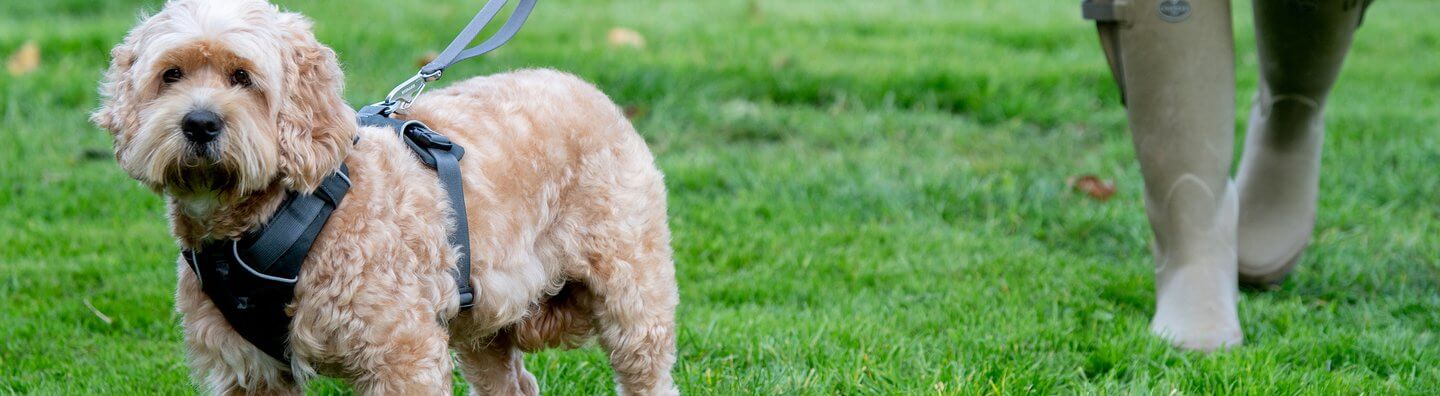
A Cocker Spaniel and a cockapoo wearing pink and orange harnesses on a walk

Advantages of Using a Harness

  1. Better Control: Harnesses provide more control, especially for larger or more energetic dogs. They are ideal for training and managing dogs that tend to pull on the lead.
  2. Reduced Risk of Injury: By distributing pressure across the chest, a harness reduces the risk of neck injuries. This is particularly important for breeds prone to respiratory problems or those with a delicate trachea, such as Pugs or Yorkshire Terriers.
  3. Prevents Escaping: A well-fitted harness can prevent dogs from slipping out, which is a common issue with collars. This added security is beneficial for dogs that are known escape artists.
  4. Versatility: Many harnesses come with additional features like handles for extra control, or reflective strips for better visibility during nighttime walks.

Disadvantages of Using a Harness

  1. Complexity: Harnesses can be more complicated to put on and take off compared to collars. This can be a hassle for both the dog and the owner if the dog is particularly fidgety
  2. Dislike: Not all dog’s like the sensation of having a harness put over their head, however getting them used to a harness early can help with this.
  3. Comfort: If not properly fitted, a harness can cause chafing or discomfort. It's essential to ensure that the harness is the right size and adjusted correctly.
  4. Limited Styles: While harnesses come in various designs, they may not offer the same stylish options as collars, which can be a consideration for those who like their pets to make a fashion statement.

Our Top 3 Harnesses

Here at Lords & Labradors we put a lot of time into sourcing the best walking accessories for your pup. We want them to be both practical and stylish, here are our top 3 harnesses.

  1. Ruffwear Front Range Harness: The Ruffwear Front Range Harness allows you to enjoy your outdoor adventures with your favourite canine companion wherever you're going. It has 4 points of adjustment allowing full range of motion. The Front Range harness also has clips on both the front and back allowing you more control over your dog and helps to distribute any pressure more evenly when your dog pulls.
  2. Cocopup NAKD Harness: The Cocopup Nakd Harness fuses style and practicality together. It comes in seven stylish colours and has matching collars and leads available. With adjustable neck and chest straps, a safety locking feature, and 4 sizes to choose from, you can be sure to find the perfect fit for your pup. The clasps also have a safety locking feature which is great for any pups who have a habit of escaping their harness.
  3. Barbour Travel and Exercise Harness: The Barbour Travel & Exercise Dog Harness seamlessly blends comfort and safety, making it an ideal choice for both exercise and travel. Crafted by Barbour, this harness features a padded chest and adjustable straps to ensure a secure and comfortable fit for your dog. The reflective piping enhances visibility during nighttime walks, providing peace of mind, while the integrated car seatbelt loop keeps your pup secure during car journeys. The harness also features Barbour's iconic tartan pattern which you can match to your own Barbour quilted jacket, so you and your pup can be the most stylish pair in the park.

Dog Collars

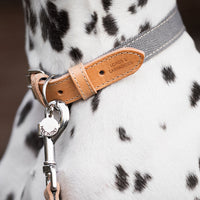
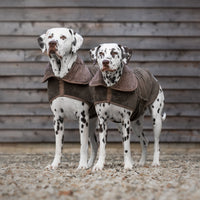
Two Dalmatians on a walk wearing grey collars

Advantages of Using a Collar

  1. Simplicity: Collars are straightforward to put on and take off, making them convenient for daily use.
  2. Identification: Collars can hold ID tags, making it easier to identify your dog if they get lost. Some harnesses have this feature, but collars are typically more reliable for this purpose.
  3. Training: Collars can be useful for training purposes, particularly for dogs that respond well to quick corrections.
  4. Variety: Collars come in a wide range of styles, colours, and materials, allowing for personalisation and fashion-forward choices.

Disadvantages of Using a Collar

  1. Risk of Injury: Collars can cause neck injuries, especially if the dog pulls hard or if sudden pressure is applied. This is a significant concern for dogs with delicate necks or those prone to respiratory issues.
  2. Limited Control: Collars do not provide the same level of control as harnesses, making them less effective for managing stronger dogs who like to pull.
  3. Choking Hazard: Dogs that pull on the lead can experience choking or discomfort with collars, potentially leading to negative associations with walking.

Our Top 3 Collars

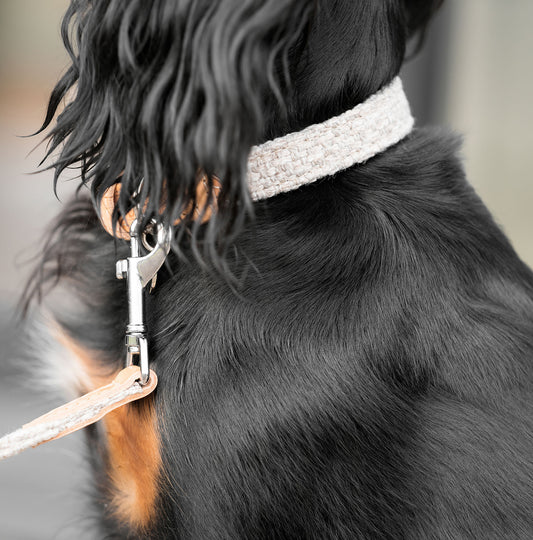
  1. Lords & Labradors Essentials Collars: Our Essentials Twill and Herdwick collars are the perfect lightweight collar. They are available in 7 sizes and are handcrafted in Italy. Featuring sturdy silver hardware and leather accents, these collars are a durable choice for your pup. Whether you pick the bobbly woven texture of Herdwick or the lovely linen texture of Twill, your dog will be stepping out in style with our Essentials collars.
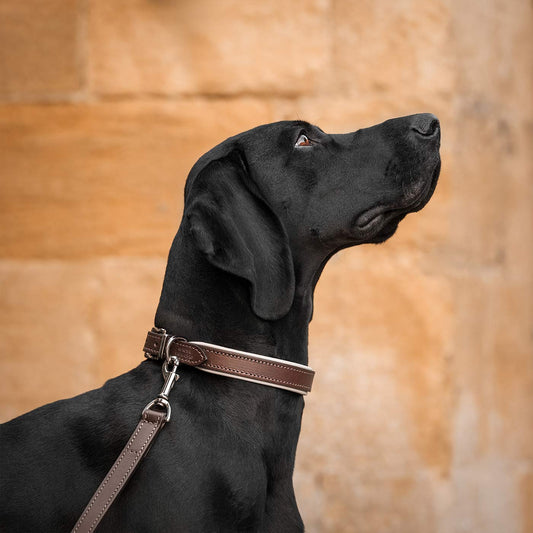
  2. Lords & Labradors Italian Padded Leather Collars: Our padded leather collars are consciously hand crafted in Italy, using the finest Italian leather. They come in six sizes and have a soft padding round the inside of the collar making them super comfy for your dog. These are a great choice, paired with our leads it’s sure to look stylish
  3. Dogs & Horses Soft Rolled Leather Collar: Made from a butter soft leather, these rolled collars are a great choice for long haired dogs as the rolled shape stops the hair from matting. These collars are made using heritage craftsmanship here in England and are available in a large range of both sizes and colours.

Collar or Harness for Dog Walking: Making the Right Choice

Viszla on a walk wearing a leather collar

When deciding between a dog harness vs collar, consider your dog’s specific needs and behaviours. Here are some factors to keep in mind:

  • Breed and Size: Larger breeds or those with respiratory issues may benefit more from a harness. Smaller breeds with less pulling power may do well with a collar.
  • Health Conditions: Dogs with neck or spinal issues should avoid collars to prevent further injury. A harness can provide a safer option.
  • Training Needs: If your dog is still learning lead manners, a harness can offer better control and reduce the risk of injury. For well-trained dogs, a collar may suffice.
  • Activity Level: Active dogs that participate in sports or outdoor adventures may need the added security and control of a harness.

Is a Harness Better Than a Collar?

Ultimately, whether a harness or collar is better depends on your dog. For most dog owners, a harness is often the more practical choice, particularly for walks and outdoor activities. However, collars remain a convenient and stylish option for everyday use, especially when fitted with ID tags for quick identification, and some dogs do walk better with a collar rather than a harness. This is one of them things that has no right answer, it will ultimately come down to what suits your lifestyle and which your dog walks better with.

In conclusion, both harnesses and collars have their place in a dog’s wardrobe. By understanding the pros and cons of each, you can make an informed decision that best suits your dog's needs and lifestyle. Whether you choose a harness or collar, the most important factor is ensuring that your dog is comfortable, safe, and happy during your walks together.

Here at Lords & Labradors we have a wide range of designer walking accessories, with both luxurious and practical options to suit every dog’s unique needs. Shop our collection here.

Related Products

Related Collections

Designer Dog Collars

Here at Lords & Labradors, we know how important it is that... 

Designer Harnesses For Dogs and Puppies

Dog harnesses are practical accessories that help to keep both puppies and... 

Next Article
Why Is My Cat Staring at Me?

Related Articles

  • Why Do Cats Purr?
    04.08.25 August 04, 2025 FAQs

    Why Do Cats Purr?

    Have you ever found yourself relaxing on the sofa with your furry companion curled up beside you, softly vibrating with that unmistakable cat purring sound? Whether it's a gentle hum while they snooze or a loud, contented rumble when they're being stroked, cats and purring go hand in hand. But have you ever wondered—why do cats purr? Let’s dive into the world of feline communication to uncover the mystery behind this soothing sound. The Science Behind the Purr Sound A purr sound is produced by a cat’s laryngeal muscles, which twitch at a rapid rate—around 25 to 150 vibrations per second. This movement causes a separation of the vocal cords, producing the familiar rhythmic hum we all adore. Interestingly, the sound is created both when a cat inhales and exhales, making it a continuous, comforting presence. Why Do Cats Purr? The Many Meanings of This Feline Sound Cats purr for a variety of reasons, and while it’s commonly associated with contentment, the truth is that it serves multiple purposes. Let’s explore some of the key reasons: 1. Contentment and Relaxation The most well-known reason for cat purring in sleep or during petting sessions is sheer happiness. When a cat is comfortable, feeling safe, and loved, purring serves as a signal of satisfaction. If your feline friend is snuggled up in their favourite spot, enjoying some downtime, their purring is likely a sign of total relaxation. 2. Communication with Their Humans Cats use their purrs to communicate with us. Have you ever noticed that your cat’s purr sounds slightly different when they’re hungry? Studies suggest that some cats produce a more urgent purr, sometimes mixed with a soft meow, to grab your attention when it’s mealtime. 3. Self-Soothing and Healing One fascinating aspect of cats and purring is its potential health benefits. Purring has been linked to self-soothing, helping cats calm themselves in stressful situations. What’s more, the frequency of a cat’s purr is believed to have healing properties, aiding in bone growth and tissue repair. This explains why cats might purr when they are injured or feeling unwell. 4. Bonding with Kittens If you’ve ever heard kitten purring, you’ll know that it’s one of the sweetest sounds. From the moment they are born, kittens purr to bond with their mothers. This purring reassures their mother that they are safe and content, while also helping them stay close during nursing. 5. Stress and Anxiety Relief Surprisingly, cats might purr when they are stressed or anxious. If your cat is in an unfamiliar environment or feeling uneasy, purring can act as a coping mechanism, helping to reduce their stress levels. 6. Seeking Attention If your cat starts purring the moment you walk through the door, they’re likely seeking your attention. Whether they want food, playtime, or simply some affection, purring is a feline’s way of saying, "Notice me!" Kitten Purring Meaning: What to Expect from Your Young Cat If you’re the proud owner of a young feline, you might be curious about kitten purring meaning. Kittens begin purring at just a few days old, often as a way to bond with their mother. As they grow, their purring may develop into a way to express contentment, seek comfort, or even indicate when they’re feeling playful. Kittens often purr when being stroked, feeling full after a meal, or settling down for a nap. It’s their way of showing they feel safe and secure in their environment. Why Does My Cat Purr in Their Sleep? You might have noticed your feline producing a cat purring sound while they’re fast asleep. This typically indicates deep relaxation and a feeling of security. However, just like humans talk in their sleep, cats may purr due to dreams or subconscious processing of their day’s experiences. If your cat purrs loudly while sleeping, it’s likely they’re in a particularly deep and peaceful state. Some experts also believe that purring during sleep might help with muscle relaxation and recovery. How to Encourage a Happy Purring Cat If you love the sound of your cat’s purr, there are a few ways to encourage it: Create a safe environment: Provide cosy spots, such as a plush cat bed or a cat tree, where your feline can feel secure. Offer gentle affection: Many cats enjoy head rubs, chin scratches, and soft petting, which can trigger contented purring. Provide tasty treats: A happy cat is often a purring cat, and rewarding them with delicious treats can encourage more of those lovely vibrations. Interactive play: Engaging your cat with toys and games helps build their confidence and deepen your bond. Conclusion Cats and purring go together like peanut butter and jelly. While purring is often a sign of happiness, it can also serve a variety of other purposes, from communication to self-soothing and healing. Whether you’re listening to the gentle hum of kitten purring or the steady rhythm of your senior cat’s purr, understanding their sounds helps you build a stronger bond with your furry companion. If you want to create the perfect environment for your cat to relax and purr away, be sure to check out Lords & Labradors' range of luxurious cat essentials, including plush beds, cat trees, and tasty treats. So, next time your feline friend starts their soothing hum, you’ll know they’re communicating with you in the most delightful way!
    By Megan Willis

    Read more
  • Do Puppies Get the Terrible Twos?

    17.06.25 June 17, 2025 FAQs

    Do Puppies Get the Terrible Twos?


    If you’ve ever heard the phrase “terrible twos,” you’ll know it often refers to that stage in a toddler’s life when they’re full of mischief, testing boundaries, and prone to the occasional tantrum. But does this apply to our furry friends too? The short answer: yes and no. While puppies don’t technically reach the “terrible twos” in the same sense as human toddlers, they do go through phases—particularly around six months to adolescence—where “challenging” puppy behaviour can rear its head. In this blog, our Pet Experts explore why your puppy may seem to have entered a rebellious stage, how to tackle common issues like how to stop puppy biting, and why consistency, patience, and the right products from Lords & Labradors can make all the difference. The ‘Terrible Twos’ in Puppy Terms When people talk about “puppy terrible twos,” they’re usually describing an adolescent phase where your pup’s confidence grows, and they become more curious and—let’s face it—a bit cheeky. This phase often begins around the six-month mark and can last until they’re about one to two years old. During this time, you may notice: Excessive chewing or biting, sometimes due to teething or boredom. Aggressive behaviour in puppies, which could be playful nipping turning more forceful, or resource guarding. Increased energy levels, leading to more excitement or boisterous play. Selective hearing, where once well-trained commands suddenly seem forgotten. I remember my own pup, Richmond, suddenly deciding at seven months that the sofa cushions were his favourite chew toy—despite weeks of perfect behaviour beforehand! It felt like an overnight change, but in reality, Richmond was just testing his boundaries. Why the Change Happens Hormones & Maturity: As puppies grow, their hormones kick in. This can lead to heightened energy, exploratory behaviour, and sometimes even territorial displays. Teething & Discomfort: Around six months, many puppies experience the final stages of teething, which can result in chewing or nipping as they try to alleviate gum pain. Social Development: Puppies start to understand pack hierarchy. They may push boundaries to see what they can get away with—much like a human teenager challenging curfews. 6 Month Puppy Behaviour: What to Expect By the time your puppy reaches six months old, you might notice some common changes: Testing Limits: They may ignore cues like “sit” or “stay,” even though they seemed to have them mastered at 12 weeks. Exploratory Chewing: This can manifest in chewing furniture, shoes, or anything within reach—especially if they’re bored. Heightened Play Biting: Playful nips can become a bit stronger, raising questions about how to stop puppy biting effectively. While these changes can be frustrating, remember that they’re normal developmental stages. Your puppy isn’t being “bad” on purpose; they’re simply growing up and learning. Tips on Managing “Terrible Twos” Behaviour 1. Consistent Training Reinforce basic commands daily—“sit,” “stay,” “down”—and ensure everyone in your household is on the same page. Mixed messages can confuse your puppy, leading to inconsistent behaviour. 2. Positive Reinforcement Reward the behaviours you want to see. Treats, praise, or even a quick play session with a favourite toy can reinforce good manners. Avoid punishment-based training, as it can lead to fear or aggressive behaviour in puppies. Make sure you have plenty of puppy training treats to hand so you can reward any positive behaviour! 3. Mental Stimulation One of the best ways to curb unwanted puppy terrible twos behaviour is to keep their minds occupied. Puzzle toys, interactive feeders, and regular training sessions help burn mental energy and reduce boredom-related mischief. We love the Nina Ottosson interactive dog toys, they’re perfect for keeping growing pup’s minds stimulated 4. Physical Exercise A tired puppy is often a well-behaved puppy. Regular walks, play sessions, and even safe puppy agility can help release pent-up energy. Remember not to overdo it, especially with large-breed puppies whose joints are still developing. 5. Appropriate Chew Toys Provide safe and durable chew toys to satisfy their natural urge to chew—especially helpful for teething. We have a range of teething toys and accessories designed to soothe sore gums and redirect chewing behaviour away from your household items. The KONG puppy range is especially great for teething puppies as it is specially formulated to be strong and durable against them shark teeth. How to Stop Puppy Biting Puppy biting is one of the most common complaints during the “terrible twos.” Here’s how you can tackle it: Redirect: If your puppy nips at your hands or feet, immediately offer a chew toy. This teaches them what’s acceptable to bite—and what isn’t. Positive Corrections: A gentle “ouch” or yelp can mimic how puppies let each other know a play bite is too hard. Then, stop interaction momentarily to show that biting ends the fun. Reward Calm Behaviour: The moment your puppy licks or plays gently, reward them with praise or a small treat. Reinforcing the behaviour you want is key. Use Training Aids: There are helpful aids such as bitter sprays that deter chewing on furniture and certain toys. We love the Simple Solutions Chew Stopper, the unpleasant taste of the spray makes your puppy associate whatever they’re chewing with that taste so they won’t want to chew it anymore.  Managing Aggressive Behaviour in Puppies Although true aggression in puppies is relatively rare, certain behaviours may appear aggressive—like growling or snapping. Often, these are signs of fear, over-excitement, or resource guarding. Consider the following: Seek Professional Advice: If you’re concerned about genuinely aggressive behaviour in puppies, consult a qualified dog trainer or vet. They can identify underlying causes and offer tailored solutions. Early Socialisation: Make sure your puppy experiences various environments, people, and gentle dogs to reduce fear-based reactions later. Identify Triggers: Does your puppy growl over their food bowl or toys? Start by teaching them that hands near the bowl or toy mean treats, not threats. Lords & Labradors Puppy Essentials At Lords & Labradors, we understand how exciting—and sometimes overwhelming—puppy parenthood can be. That’s why we offer a dedicated Puppy Homepage filled with everything you need for your new furry family member including: Teething Toys: Specially designed to soothe sore gums and reduce the urge to bite. Training Essentials: From clickers and treat pouches to puppy-safe crate bedding. Calming Aids: Products that help soothe anxious pups or those struggling with new experiences. For more tips from our team of pet experts, head to our Puppy Section on our Information Hub. You’ll find plenty of informative blog posts on how to navigate each stage of puppyhood. Frequently Asked Questions When does puppy “terrible twos” typically start? It can begin as early as six months and continue until about a year or two, depending on the breed and individual temperament. How do I deal with constant nipping? Consistency is key. Offer a chew toy when your puppy attempts to nip, and calmly end the play session if they don’t stop. Praise them as soon as they lick or chew appropriately. Will my puppy’s sudden rebellious streak pass on its own? With consistent training and patience, most challenging puppy behaviour eases as they mature. However, reinforcing good habits is essential to ensure they become a well-behaved adult dog. What if my puppy shows signs of aggression towards people or other dogs? True aggression in puppies can stem from fear or a lack of socialisation. Seek help from a vet or qualified trainer to identify triggers and work on a behaviour modification plan. How much exercise does a six-month-old puppy need? This varies by breed, but generally, two short walks a day plus some playtime are recommended. Always monitor for signs of fatigue, as young joints are still developing. Final Thoughts The puppy terrible twos can be challenging, but they’re also a natural—and often short-lived—part of growing up. Understanding 6-month puppy behaviour, knowing how to stop puppy biting, and addressing potential aggressive behaviour in puppies all come down to patience, consistent positive reinforcement, and the right tools. By investing in quality teething toys, training essentials, and exploring professional advice when needed, you’ll guide your pup through these tumultuous months into a confident, well-behaved adult. Feeling ready to tackle puppyhood head-on? Don’t forget to browse our Puppy Emporium, which is full of the essentials you need to transform the "terrible twos". With the right balance of love, structure, and patience, you’ll transform those “terrible twos” into terrific memories in no time!

    By Megan Willis

    Read more
  • Choosing The Right Food For Your Puppy
    21.05.25 May 21, 2025 FAQs

    Choosing The Right Food For Your Puppy

    Bringing a new puppy home is an exciting experience, but it also comes with a lot of decisions—especially when it comes to nutrition. With so many options available, from puppy dry dog food to wet puppy food, raw diets, and everything in between, it can be tricky to know what’s best for your new furry friend. In this guide, we’ll break down everything you need to know about choosing the best puppy food to support your pup’s growth, energy levels, and overall health. Why Puppy Food Matters Puppies grow at a rapid pace, and their nutritional needs are different from adult dogs. The right diet ensures they develop strong bones, muscles, and a healthy immune system. Unlike adult dog food, good puppy food is formulated with higher levels of protein, fat, and essential nutrients to support their development. When selecting the right food for your puppy, there are a few key things to consider Age and breed size – Different breeds grow at different rates. Large breeds need food that supports joint health, while smaller breeds require kibble that’s easier to chew. Food type – Should you choose puppy dry dog food, wet dog food for puppies, or even raw puppy food? We’ll explore the options below. Digestive needs – Some puppies have sensitive stomachs and need specially formulated food. Nutritional balance – The food should contain high-quality protein, healthy fats, vitamins, and minerals. Different Types of Puppy Food Each type of puppy food has its own benefits. Here’s a closer look at the most popular options: Puppy Dry Dog Food (Kibble) Puppy dry dog food is one of the most common choices for new pet parents. It’s convenient, has a long shelf life, and helps keep your pup’s teeth clean. High-quality kibble should be rich in protein, with no artificial additives or fillers. Pros: Easy to store, helps with dental health, cost-effective
Cons: Less moisture, may not appeal to fussy eaters Wet Puppy Food & Canned Puppy Food Wet puppy food, also known as canned puppy food, is a great option if your pup prefers softer textures. It’s rich in moisture, which helps keep puppies hydrated, and tends to be more palatable for picky eaters. Pros: High moisture content, more appealing taste, easy to digest
Cons: Can be messy, shorter shelf life once opened Raw Puppy Food Some pet owners choose a raw puppy food diet, which consists of fresh, unprocessed meats, bones, and organs. Advocates say it mirrors what dogs would eat in the wild and can lead to a shinier coat and better digestion. However, raw diets require careful planning to ensure they meet your puppy’s nutritional needs. Pros: Natural ingredients, potential health benefits
Cons: Requires preparation, risk of bacteria if not handled properly Puppy Milk & Weaning Puppies When puppies are very young, they rely on their mother’s milk for essential nutrients. If you’re hand-rearing a pup or supporting a litter, puppy milk can be a helpful supplement. As puppies grow, they begin weaning onto solid food, usually between 3-4 weeks old. Softened kibble or wet puppy food can make this transition smoother. Choosing the Best Puppy Food for Sensitive Stomachs Just like humans, some puppies have food sensitivities or allergies. If your pup experiences digestive issues like gas, diarrhoea, or vomiting, they may need puppy food for sensitive stomachs. Look for: Easily digestible proteins like chicken or turkey Limited ingredients to reduce the risk of allergies No artificial additives, grains, or fillers The Orijen range of puppy food is great for sensitive puppies as it mirrors the rich, fresh variety of WholePrey meats that your puppy would have eaten in the wild with no artificial colours, flavours or preservatives. It has a really high protein content too which is perfect for supporting your growing puppy. Puppy Treats & Biscuits: A Tasty Reward Training your puppy is much easier with the help of puppy treats! These little rewards help reinforce positive behaviour and build a strong bond between you and your furry friend. Opt for puppy biscuits that are specially formulated for young dogs to ensure they’re easy to chew and digest. We love The Innocent Hound Puppy Training treats, they have a simple grain free and single protein recipe which makes them easy on your puppy’s tummy. How to Transition to a New Puppy Food If you need to switch your puppy’s diet, it’s important to do so gradually. A sudden change can upset their stomach, so follow this process: Days 1-2: 75% old food, 25% new food Days 3-4: 50% old food, 50% new food Days 5-6: 25% old food, 75% new food Day 7: Fully switched to new food If your puppy experiences any digestive upset, slow down the transition and consult your vet. Final Thoughts Finding the best puppy food for your furry friend might take a little trial and error, but ensuring they get the right nutrition is one of the best things you can do for their health. Whether you opt for dry puppy food, wet dog food for puppies, or even raw puppy food, always choose high-quality ingredients that support their growth. Discover Premium Puppy Food & Essentials at Lords & Labradors At Lords & Labradors, we offer a carefully curated selection of good puppy food, training treats, and feeding essentials to give your pup the best start in life. Explore our range today and find the perfect nutrition for your growing companion! Not sure on where to start with feeding your puppy? Chat to our friendly team of Pet Experts, they all have years of pet owning experience so have all the best tips and tricks for transitioning your puppy’s food. 

    By Megan Willis

    Read more
  • Why Do Cats Have Whiskers?
    05.05.25 May 05, 2025 FAQs

    Why Do Cats Have Whiskers?

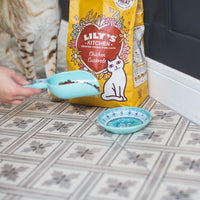
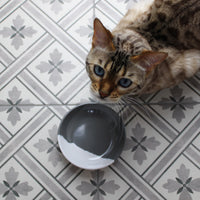
    Ever wondered why your feline friend has those long, delicate whiskers framing their adorable face? Cat whiskers, or "kitty whiskers," aren't just for show—they're an essential part of a cat's sensory system, helping them navigate the world with precision and grace. In this blog, we'll explore the fascinating purpose of cat whiskers, why they're found on different parts of their body, and how to care for them properly. The Purpose of Cat Whiskers Cat whiskers, scientifically known as vibrissae, are much more than just charming accessories on your cat's face. These specialised hairs are deeply embedded in the skin and connected to sensitive nerve endings, allowing cats to detect even the slightest changes in their surroundings. Here are a few reasons why cats have whiskers: Navigation Aid: Cats use their whiskers to measure gaps and spaces, ensuring they can squeeze through tight spots without getting stuck. Hunting Assistance: Whiskers help detect movement in low-light conditions, making them invaluable for stalking prey. Emotional Barometer: The position of your cat's whiskers can reveal their mood—forward-facing whiskers indicate curiosity, while whiskers pinned back suggest fear or aggression. Spatial Awareness: Whiskers on the legs, known as carpal whiskers, help cats judge distances and land gracefully after a jump. Cat Whiskers Aren't Just on Their Face! While cat face whiskers are the most noticeable, did you know that cats have whiskers in other places too? They can be found: Above Their Eyes: These "cat eye whiskers" act as an early warning system to protect their eyes from debris and obstacles. On Their Legs: Leg whiskers help detect objects in their path while climbing or hunting. Near Their Paws: Aiding in tactile sensitivity when walking on unfamiliar surfaces. What Happens If a Cat Loses Whiskers? It’s natural for a cat to shed whiskers occasionally, just like regular fur. However, excessive whisker loss could signal underlying health concerns such as stress, allergies, or infections. If you notice your cat losing whiskers more frequently than usual, it's best to consult your vet. Signs to Watch For: Bald patches where whiskers used to be Reluctance to explore or jump Increased clumsiness Should You Trim Cat Whiskers? No, trimming cat whiskers is a big no-no! Whiskers are crucial for a cat's well-being, and cutting them can disorient your furry friend, affecting their ability to navigate and sense their environment. If you notice damaged or broken whiskers, let them fall out naturally—they will grow back in due time. Whisker Stress: Some cats experience "whisker fatigue" or "whisker stress" when their sensitive whiskers touch the sides of food and water bowls. Using specially designed cat saucers can help reduce discomfort and ensure stress-free mealtimes. How to Care for Your Cat's Whiskers Taking care of your cat's whiskers is simple yet essential to their overall happiness. Here are a few tips: Choose the Right Bowls: Avoid deep, narrow bowls that can cause whisker stress. Opt for shallow cat saucers like the Tarhong cat saucers which come in a fun range of patterns and colours! Gentle Grooming: Avoid touching or pulling whiskers unnecessarily. Stress-Free Environment: Provide a calm and whisker-friendly home setup to prevent over-stimulation. Final Thoughts Cat whiskers are an incredible feature that helps our feline friends explore the world confidently and safely. From aiding in navigation to expressing emotions, they play an important role in your cat's daily life. Be sure to keep those whiskers happy with the right care, and check out Lords & Labradors' range of cat saucers to prevent whisker stress and keep mealtimes comfortable. Explore our collection of cat essentials at Lords & Labradors and give your furry friend the luxury they deserve!

    By Megan Willis

    Read more

loyal customer in 17 countries

Why Shop With Us?

  • Free Delivery

    Orders over £75 qualify for free standard UK delivery. Orders under £75 will be calculated at the checkout.

  • Shopping Made Easy

    Gain exclusive access to sales and shop all your pets favourites on the go by downloading our app.

  • Designed in the UK

    Our own brand products are lovingly designed in our specialist UK workshop to our exacting standards.

  • We're Here For You

    Contact our Pet Experts weekdays 9am - 5pm on +44 (0) 1790 720900 or sales@lordsandlabradors.co.uk