








































































Winter’s really starting to set in - the clocks have gone back, resulting in darker nights and we’ve all rushed to get the heating on. But once Jack Frost has made his appearance, you may start wondering whether it’s too cold to walk your dog. You might be all set with a coat, hat, gloves and scarf, however your dog is less protected from the elements than you are. Their fur helps to keep them warm to a degree, and you can always put them in a winter coat or woolly jumper to protect them from the cold even more. But at which temperature do you decide that it’s too cold to walk them?
The quick answer: most healthy dogs can be walked safely in temperatures above 4°C. Between 4°C and -4°C, use caution – small dogs, puppies and older dogs are the most vulnerable. Below -6°C walks become dangerous for most dogs, and no dog should be walked when temperatures drop below -10°C, even in a coat. The full temperature table below breaks this down by dog size.
Should You Walk Your Dog In Winter?
You absolutely should walk your dog in winter. Walking is an excellent source of exercise for your dog, but also a way for them to experience the wonderful smells of the world around them. They get to socialise with other dogs, have some bonding time with their owner and wear themselves out ready for a cosy night by the fire.
However, before you take your dog out, you should take a look at what the weather’s doing before making a decision. If it’s a beautiful, crisp sunny day, for example, with very little breeze, a walk would be welcome. But if it’s looking a bit windy and stormy, you may decide that it’s best not to go. The walk should be enjoyable, and it’s likely that neither of you will enjoy it if it’s like this. You may also want to assess whether it’s safe to take your beloved pet out. Low fog or mist and hail can be dangerous, for example, so in these conditions it may be safer to skip the trip out.
If you do decide to venture out in the rain or snow, be sure to take a route that’s well paved and well lit. For more cold-weather walking advice, take a look at our guide to walking the dog in winter.
Can Dogs Be Walked In The Cold?
Dogs definitely can be walked in the cold, and you shouldn’t let the dropping temperatures be a reason to stop giving them their daily exercise. A walk is likely one of the highlights of your dog’s day (besides dinner time) so if they’re happy to go out in the cold, you should be happy to take them.
There are some things that you may want to take into consideration before you leave the house, though.
First, you should try to walk during the day - it will be much colder early in the morning and in the evening, so stick to mid-morning or early afternoon; between 10 and 2 is ideal. Plus if salt has been put on the pavements and roads, it’s more likely to have been pushed off the surfaces by other people that have come and gone over the course of the day. Salt can cause irritation of the skin on the paw’s underside and can become painful for your dog.
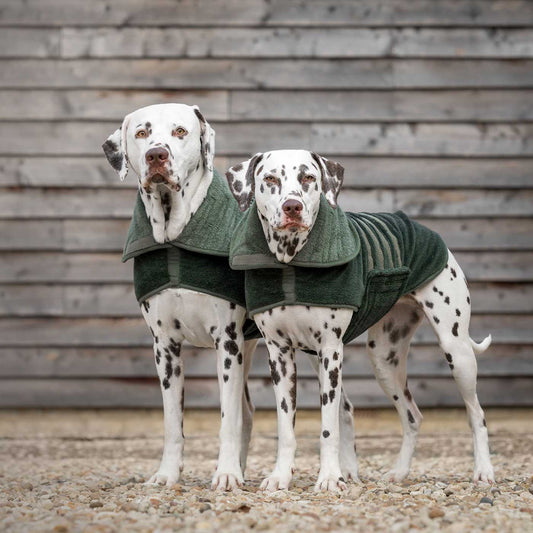
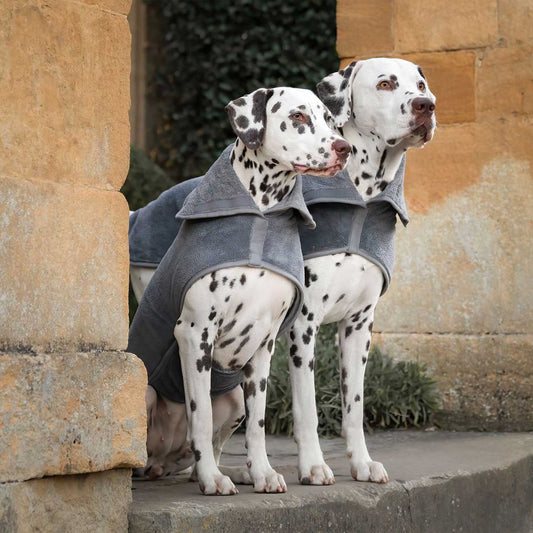
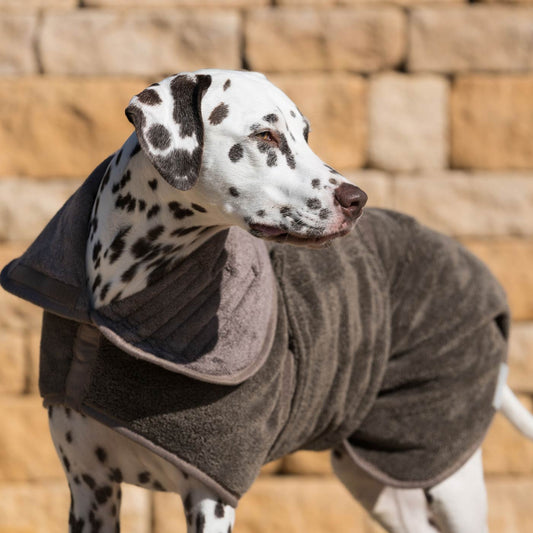
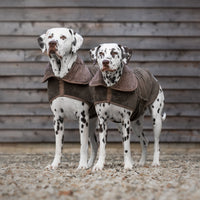
You should go prepared with a coat for your dog that is sized correctly, making it comfortable for them and easy to walk in. Check out our best winter dog coats blog to see our favourites this winter. As already mentioned, you should stick to well-lit paths or routes that you and your dog know well. If they get anxious about the rain or cold weather, knowing where they are going could help them to feel a bit more at ease.
At What Temperature Does A Dog Need A Coat?
This will vary from dog to dog; typically smaller dogs, short haired breeds and puppies will get colder more easily than their larger and long haired counterparts. There isn't an exact temperature at which your dog will need a coat, but as a rough guide many short-coated and small dogs benefit from one once temperatures drop below about 7°C. We recommend watching your dog's behaviour and judging from that – remember, you know them best! If they don't like wearing a coat don't force them; the stress isn't worth it for you or them.
Even with all these things in place, your dog may not be that keen to go out. Always be sure to listen to what your best friend is telling you. If they’re refusing to walk, shivering, standing in a hunched position or whining, then you should take them home.
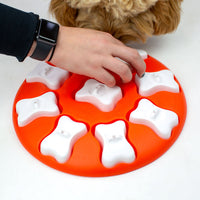
If your dog doesn't fancy a walk but still has lots of energy to burn, why not try some indoor enrichment activities with them? 15 minutes of sniffing is equivalent to an hour's dog walk, so a snuffle mat for dogs will be your best friend when your dog doesn't fancy a wintery walk. Alternatively, the Nina Ottosson interactive dog toys are great for keeping your dog's mind busy.
What Temperature Is Too Cold For A Dog To Walk Outside?
Now we’ve discussed certain weather conditions and how to prepare for a chilly walk. But how do you know when it’s time to skip walkies altogether? And what temperature should you not walk your dog? Use our dog walking temperature chart below to work it out.
Dog Walking Temperature Chart
| Temperature | Small dogs | Medium dogs | Large dogs |
|---|---|---|---|
| 15°C | Go for a walk! | Go for a walk! | Go for a walk! |
| 12°C | Go for a walk! | Go for a walk! | Go for a walk! |
| 10°C | Walk with care | Go for a walk! | Go for a walk! |
| 7°C | Walk with care | Walk with care | Go for a walk! |
| 4°C | Potentially unsafe | Potentially unsafe | Walk with care |
| 1°C | Potentially unsafe | Potentially unsafe | Potentially unsafe |
| -1°C | Potentially unsafe | Potentially unsafe | Potentially unsafe |
| -4°C | Dangerous | Dangerous | Potentially unsafe |
| -6°C | Potentially life-threatening | Dangerous | Dangerous |
| -9°C | Potentially life-threatening | Potentially life-threatening | Dangerous |
| -12°C | Potentially life-threatening | Potentially life-threatening | Potentially life-threatening |
As you can see, small dogs are more vulnerable in the cold, whereas bigger dogs can withstand lower temperatures. Do keep this in mind when taking your furry friend for a walk, and avoid walking any dog when temperatures drop below -10°C, even if they’re wearing a coat.
For puppies and older dogs, it’s better to exercise a little bit more caution, as they could be more vulnerable to the cold too. If you’re at all unsure, it’s probably best to keep them in. If you've recently welcomed a pup, our guide on getting your puppy ready for winter covers everything they'll need for the colder months.
Can I Walk My Dog In -4°C?

As you can see from the chart and image above, -4°C is either potentially unsafe or dangerous depending on what size dog you have. If you have a small or medium sized dog, or a puppy, we recommend staying home and using enrichment activities to keep them busy. However, if you have a large dog, walk them with caution or stay home. If you do decide to walk a larger dog, we recommend keeping their walk shorter and properly drying them off once you're home.
How Long Should You Walk Your Dog In Cold Weather?
Generally, it’s best to cut your walks short when it’s really cold outside. The longer your pup is outside, the lower their body temperature will go, so it’s best to give them a few shorter walks instead of giving them one long walk.
For temperatures above -4°C, medium to large dogs can walk for around half an hour, whereas smaller dogs should be limited to around 20 minutes. However, do keep in mind that other factors can make it feel colder outside than it actually is. For instance, a strong wind can take a relatively mild day to a freezing cold one. Walking in the snow can be fun too, when it’s a lovely sunny day, but if you’re walking in wet sleet or through sludgy snow, your dog’s body temperature can drop quite quickly, even when they’re moving. You should stop your dog from eating snow, as this can bring their temperature down too.
You should be able to walk your dog in winter, when it’s perfectly sunny or when it’s a little bit rainy. Just do take into account other weather factors and how long you’re outside for.
Do Dogs' Paws Get Cold?
Just like our hands and feet, your dog's paws can get cold too! However, over time their paws have adapted to help stop them from freezing. Their arteries bring warm blood from their body to their paws and back up their legs, rather than losing the heat through their skin – this is known as a countercurrent heat exchange. To help keep your dog's paws warm, make sure to dry in between their paw pads after a walk and wash off any salt and grit they may have walked through. You can even use some paw balm after to help stop their paw pads from cracking.
Frequently Asked Questions
How cold is too cold to walk a dog in the UK?
As a rule of thumb, temperatures above 4°C are fine for most healthy dogs. Between 4°C and -4°C, small dogs, puppies and seniors should stay in or have very short outings, while larger dogs can walk with care. Below -6°C is dangerous for most dogs, and below -10°C no dog should be walked, even in a coat.
Is it OK to skip my dog's walk in winter?
Yes – on genuinely cold or stormy days it's safer to skip the walk and burn energy indoors instead. Sniffing games, snuffle mats and puzzle toys are brilliant substitutes; 15 minutes of sniffing works your dog's brain as hard as a much longer walk. One missed walk won't do any harm, but repeated signs of reluctance are worth a chat with your vet.
How do I know if my dog is too cold on a walk?
Watch for shivering, a hunched posture, whining, slowing down, lifting paws off the ground or refusing to walk on. Any of these mean it's time to head home and warm them up. Once back, dry them thoroughly – a dog drying coat makes this quick and easy – and let them warm up gradually rather than putting them straight next to a radiator.
Do dogs need boots for snow and ice?
Most dogs manage short snowy walks without boots, but grit and rock salt can burn paw pads and ice can ball up between the toes. Dog boots or a barrier paw balm help on longer winter walks, and either way you should rinse and dry your dog's paws when you get home.