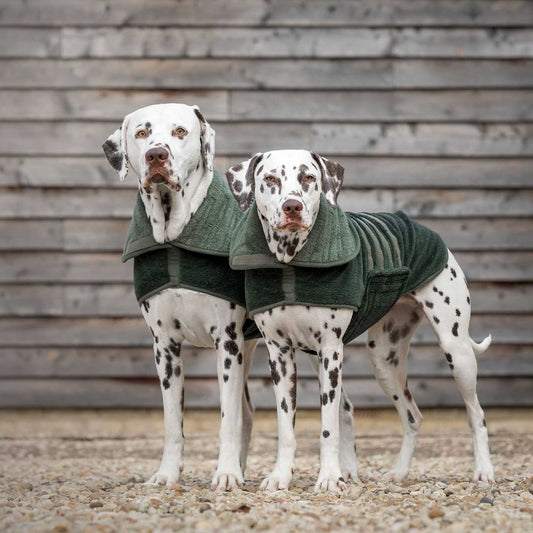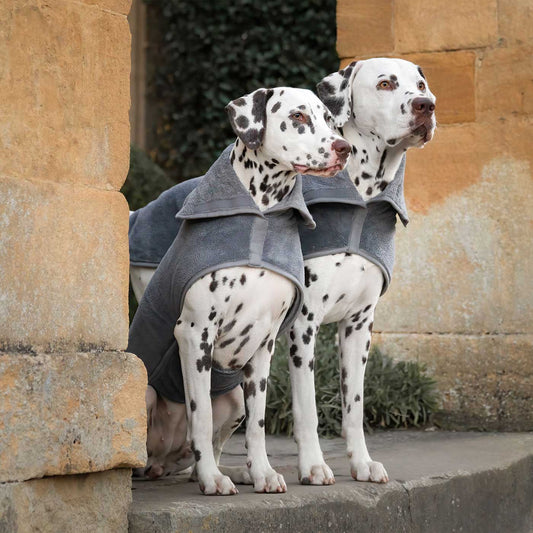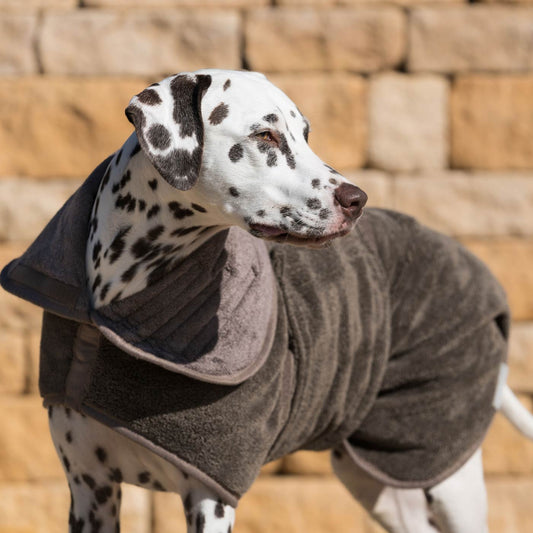
















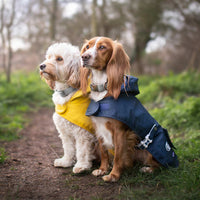





































Winter in the UK has a way of testing even the most enthusiastic dog walkers, and having the right dog coats for winter makes the difference between a walk you both enjoy and one you're counting down to finish. This guide covers everything from fully waterproof styles for rainy morning loops to padded and fleece-lined coats for sharp, frosty days, with advice on fit, breed shape, and visibility thrown in too. Whether you've got a shivering whippet, a mud-loving spaniel, or a barrel-chested bulldog who needs a relaxed cut, there's something here to help you find the right match.
Best dog coats for winter: the coats worth buying first
Finding the right dog coats for winter can feel surprisingly overwhelming once you start looking. Waterproof shells, padded jackets, fleece liners, full-belly wraps — the options multiply fast, and not all of them are worth your time. If you've ever stood in the park watching your whippet shiver while your neighbour's spaniel splashes happily through a puddle, you already know that breed, build, and weather all play a part.
This guide cuts through the noise for UK dog owners dealing with real British winters: the horizontal rain, the muddy footpaths, the damp grey mornings that never quite warm up. Whether you have a short-coated greyhound who feels the cold hard, a barrel-chested bulldog who needs a relaxed fit, or a retriever who runs warm but still needs something between them and the wet, there's something here worth knowing.
We've organised the roundup into clear categories so you can skip to what's relevant. That means fully waterproof dog coats, styles with underbelly coverage for the muddiest walks, and insulated winter dog coats built for genuinely cold days. There's also a practical fit guide further down if you're still working out what your dog actually needs.
Want a quick head start before diving in? Our winter dog coat edit pulls together some long-standing favourites worth bookmarking. Otherwise, read on — we'll walk you through the full picture.
The best waterproof dog coats UK owners can rely on for rainy walks
If you're anywhere in the UK, you already know how it goes: you set off in weak sunshine and you're back inside an hour later, soaked, with a dog that smells like a wet flannel. Finding a waterproof dog coat you can genuinely rely on means thinking past light showerproof layers and looking for something built for actual British weather. Our waterproof dog coats are designed with exactly those walks in mind, whether it's a quick morning loop before work or a longer weekend wander through the mud.
Here's what separates a coat that earns its place by the door from one that ends up at the back of the cupboard:
- Sealed or taped seams: Stitching is where water sneaks in first. Taped seams keep a coat genuinely watertight rather than just resistant on the surface.
- Fully waterproof vs. showerproof fabrics: Showerproof handles drizzle fine, but for proper rain and muddy paths you want a fully waterproof outer shell that doesn't give up halfway through.
- Secure, easy fastenings: Clips and buckles that hold firm through wriggling and mid-walk zoomies, and that you can actually do up with cold hands.
- Underbelly coverage: Belly panels make a real difference on wet ground, catching the mud that low-slung dogs and enthusiastic puddlers collect on every walk.
- Easy-clean lining: A lining that wipes down or dries quickly is a small detail that saves a lot of effort at the end of a muddy afternoon.
- Adjustable fit: A dog jacket for cold weather needs to move with your dog, not bunch up at the shoulders or shift sideways mid-stride.
A good winter dog coat pays for itself quickly in fewer baths, drier dogs, and walks you can both actually enjoy, whatever the forecast throws at you.
Best waterproof dog coats with underbelly protection for muddy, wet weather
If your dog comes back from a muddy field walk looking like they've been dragged through a bog from the belly down, you're probably not alone. For dog coats for winter to actually do their job, they need to cover more than just the back. That's especially true for lower-slung breeds like Dachshunds, Basset Hounds, and Corgis, where puddle splashback hits almost every inch of their underside. A standard cape-style coat leaves the belly completely exposed, which means a soaking wet dog, a lot of towel work, and a very muddy sofa.
When shopping for fuller-coverage waterproof styles, look for:
- Wrap-around belly panels that fasten securely beneath the chest, keeping mud and wet grass off the underside entirely
- Adjustable chest fastenings that let you customise the fit without restricting movement
- Taped or sealed seams so water has nowhere to sneak through at the joins
- Quick-dry lining that keeps your dog comfortable without holding moisture against the skin
- Fleece or padded inner layers for colder mornings when warmth matters just as much as waterproofing
| Feature | Standard Waterproof Coat | Full Underbelly-Coverage Coat |
|---|---|---|
| Coverage area | Back and sides only | Back, sides, and belly |
| Ideal breed type | Taller, longer-legged dogs | Low-slung and longer-backed breeds |
| Muddy weather performance | Moderate | Strong |
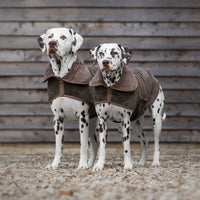
The Barbour Monmouth Waterproof Dog Coat is a great example of this style done well. Its fuller cut wraps further around the body than most, offering noticeably better belly coverage without sacrificing comfort or movement. It handles proper British weather without complaint, which is really all you can ask.
For dogs that spend real time outdoors in wet, muddy conditions, a winter dog coat with proper underbelly protection is simply the more practical choice.
Best dog winter coats for extra warmth: padded, fleece-lined, and cold-weather styles
A waterproof shell is brilliant for keeping the rain off, but on a sharp January morning or a blustery walk across open fields, it simply isn't enough for every dog. Short-haired breeds like Whippets and Boxers, smaller dogs, seniors, and slim-built types lose body heat faster than you'd expect — and that's exactly when dog coats for winter with real insulation earn their place in the coat cupboard.
| Coat Type | Best For | Key Warmth Feature | Waterproofing Level |
|---|---|---|---|
| Padded quilted coat | Small and toy breeds | Hollow-fibre insulation traps heat | Light to moderate |
| Fleece-lined jacket | Short-haired and slim breeds | Soft fleece interior holds body warmth | Often showerproof |
| Insulated dog coat with outer shell | Active dogs in cold, wet conditions | Warm lining plus weather-resistant exterior | Moderate to high |
| Waterproof dog jacket with padding | Spaniels, Retrievers, working dogs | Combines insulation with full waterproofing | High |
| Thermal body warmer | Senior and low-activity dogs | Snug fit with coverage across the core | Light |
Signs your dog needs more than a waterproof layer:
- Shivering on short walks or the moment they step outside
- Reluctance to go out in the cold, even for a quick sniff around the garden
- Tucked tail and hunched posture in chilly weather
- Making a beeline for the sofa the second you're back indoors
- Visible muscle trembling through thin skin
If your dog ticks more than one of those boxes, a lined or padded winter dog coat is worth adding to the mix. Combining insulation with weatherproofing genuinely makes a difference through the coldest months. And if you want to take cold-weather care further, our guide on how to keep dogs warm in winter covers everything from bedding choices to keeping the chill out indoors.
How to choose the best dog coat UK pet parents actually need: fit, breed shape, and visibility
Not every dog needs a coat, but plenty do. If yours is a Whippet shivering at the front door or an older Staffie slowing right down on frosty walks, the right winter dog coat can make going out feel much more comfortable. Small and short-haired dogs may need coats for short walks in cold, windy weather, according to Cornell University's College of Veterinary Medicine, and the same can apply to lean, elderly, or low-body-fat dogs of any size.
Getting the fit right is where most people come unstuck. Before you buy dog coats for winter, check these points first:
- Deep-chested breeds like Greyhounds and Lurchers need a generous chest girth measurement at the widest part of the ribcage, because standard coats can feel too snug around the barrel
- Sausage-shaped dogs like Dachshunds usually need more back length in proportion to their chest, so measure from the collar to the base of the tail as well as around the chest
- Broad-shouldered breeds like Bulldogs and Staffies often need extra room through the front, plus a wider neck opening, so breed shape matters just as much as overall size
- If you are between sizes or just want a second check, our guide to getting the right fit for your dog makes measuring much easier
A good fit should stay put without rubbing, twisting, or digging in behind the front legs. That matters just as much with a waterproof dog coat for rainy walks as it does with an insulated dog coat for icy mornings.
Visibility is also worth prioritising in winter, especially for school-run walks, dark park laps, and late toilet trips:
- Reflective strips or piping that catch headlights and torch beams
- High-vis panels in yellow, orange, or neon
- Bright colours that stand out against mud, hedges, and low light
Choose a coat that fits your dog’s shape, suits your usual weather, and helps them stay easy to spot. That is usually the best dog coat for winter in real life, not just on paper.
Which coat is best for your dog? A simple shortlist by weather and lifestyle
Still not sure which way to go? Here's a quick way to think it through.
If your dog's daily routine is mostly drizzly morning walks and soggy grass, a well-made waterproof dog coat with a simple shell design will see you through most of the year without any fuss. For colder, wetter days where the wind has a proper bite and the mud flies up from every puddle, look for something with underbelly coverage and a fleece or padded lining. Those two features together make a noticeable difference on the mornings you're genuinely tempted to shorten the walk.
For sighthounds, lean breeds, or dogs that feel the cold quickly, a fitted insulated dog coat with neck coverage earns its place the moment autumn sets in. And if your dog is deep-chested or short in the leg, fit will always matter more than anything else, so look for adjustability and a cut that actually works for their shape.
Whatever your dog's routine, the right dog coat for winter keeps them warm and comfortable without slowing them down on the walks they love most.
When the colder months start to ease, our guide to the best dog coats for spring is a good next stop for finding a lighter layer for the season ahead.
Frequently Asked Questions
Should dogs wear coats in winter?
Yes, some dogs should wear coats in winter, especially short-haired, small, slim-built, elderly, or low-body-fat dogs that feel the cold quickly. If your dog shivers, hesitates at the door, or tucks their tail on chilly walks, a well-fitted winter coat can make them much more comfortable.
What are the best winter dog coats?
The best winter dog coats are the ones that match your dog’s shape, warmth needs, and usual weather. For rainy UK walks, choose a fully waterproof coat with sealed seams; for colder days, look for fleece lining or padding; and for muddy routes, underbelly coverage is especially useful.
Do vets recommend dog coats?
Yes, vets do recommend dog coats for some dogs in cold weather, particularly small or short-haired dogs on cold, windy walks. The same practical advice also makes sense for lean, elderly, or low-body-fat dogs that lose heat quickly and seem uncomfortable once temperatures drop.