








































How to Care for Your Senior Cat
28.08.24 August 28, 2024 Owning a Cat

How to Care for Your Senior Cat

As our feline companions grow older, their needs change just like ours do. Understanding how to care for a senior cat is crucial to ensuring they enjoy a healthy, happy, and comfortable life well into their golden years. In this guide, we will explore everything you need to know about caring for senior cats, including understanding what age a cat is considered senior, and offering practical advice on elderly cat care. Whether you're wondering, "How do I take care of a cat in its senior years?" or seeking expert tips on how to take care of cats of all ages, we've got you covered. What Age is a Cat Considered Senior? Before diving into the specifics of elderly cat care, it's essential to understand what age a cat is classified as senior. Generally, cats are considered seniors at around 7 to 10 years of age. However, this can vary depending on individual health and breed. Larger breeds, such as Maine Coons, might age more slowly, while smaller breeds or mixed breeds may show signs of aging earlier. Once a cat reaches 11 years old, they are typically considered to be in their senior phase, with geriatric status usually being attributed to cats over 15 years old. Recognising that your cat has entered this life stage is the first step in adapting your care routine to meet their changing needs. Are Cats Easy to Take Care Of as They Age? One of the most common questions among cat owners is, "Are cats easy to take care of as they age?" The answer largely depends on the cat's health, but generally speaking, cats are relatively low-maintenance pets compared to dogs. However, senior cats do require more attention and specific care to address the issues that arise with aging. This might include more frequent vet visits, adjustments to diet, and accommodations for decreased mobility or sensory changes. With the right care, many cats can enjoy a high quality of life even as they age, making the effort well worth it. Key Aspects of Caring for Senior Cats Regular Veterinary Check-UpsAs cats age, they become more susceptible to a range of health issues, including kidney disease, arthritis, dental problems, and hyperthyroidism. Regular veterinary check-ups are essential for early detection and treatment of these conditions. Ideally, senior cats should visit the vet at least twice a year for a comprehensive health check, even if they seem perfectly healthy. Blood tests, urine tests, and other diagnostics can help catch issues before they become serious, ensuring your cat stays as healthy as possible. Nutrition and Diet AdjustmentsDiet plays a crucial role in caring for senior cats. As metabolism slows down with age, older cats may require fewer calories to prevent weight gain, but their diet should still be rich in high-quality proteins to maintain muscle mass. Additionally, senior cat food often includes added nutrients like omega-3 fatty acids for joint health, and antioxidants for immune support. We stock a large range of senior cat foods which are perfect for older cats, we particularly like the Lily's Kitchen Fish & Turkey Senior Dry Cat Food, it contains 70% freshly prepared fish and turkey which is great for maintaining muscle mass and it’s also pack full of vitamins to support their immune system.If your cat has specific health concerns, such as kidney disease, your vet might recommend a specialised diet to manage the condition. It's important to monitor your cat's weight and adjust their food intake as needed to maintain a healthy weight, which is key to their overall well-being. Hydration is KeyDehydration is a common issue in senior cats, particularly those with kidney disease. Ensure your cat has access to fresh water at all times. Some cats may prefer running water, so consider investing in a cat water fountain to encourage them to drink more.We love the Catit fountains, the Pixi fountain has three different drinking options; calm flow, stream and bubbling top so cats can get the hydration they need in ways that appeal to them. It even has an LED nightlight so they can stay hydrated through the night. Wet food can also be beneficial as it provides additional moisture, which helps keep your cat hydrated. Comfortable Living EnvironmentAs cats age, they may experience a decline in their mobility, making it difficult for them to jump onto high surfaces or climb stairs. Providing a comfortable and accessible living environment is crucial. Ensure that their bed is warm and placed in an easily accessible location. Consider placing ramps or steps to help them reach their favourite spots. Additionally, ensure litter boxes are easily accessible, with lower sides to make entry and exit easier for cats with arthritis or joint pain. Mental and Physical StimulationWhile senior cats may be less active, they still need mental and physical stimulation to prevent cognitive decline and maintain a healthy weight. Engage your cat in gentle play sessions with toys that encourage movement without straining their joints. Puzzle toys and interactive feeders can provide mental stimulation and keep your cat's mind sharp. We have a large range of interactive toys for cats so we’re sure to have something that your feline will love.Spending quality time with your cat, whether through grooming, petting, or simply being together, can also help reduce stress and keep them mentally engaged. Monitoring Behaviour and Health ChangesCats are masters at hiding discomfort, so it's crucial to be vigilant in observing any changes in your cat's behaviour or physical condition. Watch for signs such as increased sleeping, changes in appetite, weight loss or gain, difficulty moving, or alterations in litter box habits. These could indicate underlying health issues that require veterinary attention.If you notice any changes, even subtle ones, don't hesitate to consult your vet. Early intervention is key to managing health problems in senior cats Dental CareDental issues are common in senior cats and can lead to serious health problems if left untreated. Regular dental check-ups are essential, and you may need to brush your cat's teeth at home or provide dental treats to help maintain oral health. Signs of dental problems include bad breath, drooling, difficulty eating, or pawing at the mouth. The Emotional Side of Elderly Cat Care Caring for a senior cat is not just about addressing physical needs. It's also important to provide emotional support. As cats age, they may become more affectionate or seek comfort from their human companions. Providing a calm, loving environment where your cat feels safe and cared for can make a significant difference in their overall quality of life. Patience is also key; older cats may be slower to respond, or may need more time to adjust to changes in their environment or routine. Offering reassurance and maintaining a consistent routine can help reduce anxiety and keep your cat happy. Providing the Best Care for Your Senior Cat Caring for a senior cat requires a thoughtful approach that considers their changing physical and emotional needs. By understanding what age a cat is considered senior, staying proactive with veterinary care, adjusting their diet, and creating a comfortable living environment, you can help ensure that your feline friend enjoys their golden years to the fullest. Remember, the key to caring for senior cats is regular monitoring, early intervention, and a lot of love. With the right care, your senior cat can continue to be a cherished companion for many years to come. By addressing these aspects, you can confidently answer the question, "How do I take care of a cat in its senior years?" and provide your pet with the best possible care, making their later years as enjoyable and fulfilling as their younger days.

By Megan Willis

Read more

As our feline companions grow older, their needs change just like ours do. Understanding how to care for a senior cat is crucial to ensuring they enjoy a healthy, happy, and comfortable life well into their golden years. In this guide, we will explore everything you need to know about caring for senior cats, including understanding what age a cat is considered senior, and offering practical advice on elderly cat care. Whether you're wondering, "How do I take care of a cat in its senior years?" or seeking expert tips on how to take care of cats of all ages, we've got you covered.

What Age is a Cat Considered Senior?

Before diving into the specifics of elderly cat care, it's essential to understand what age a cat is classified as senior. Generally, cats are considered seniors at around 7 to 10 years of age. However, this can vary depending on individual health and breed. Larger breeds, such as Maine Coons, might age more slowly, while smaller breeds or mixed breeds may show signs of aging earlier. Once a cat reaches 11 years old, they are typically considered to be in their senior phase, with geriatric status usually being attributed to cats over 15 years old.

Recognising that your cat has entered this life stage is the first step in adapting your care routine to meet their changing needs.

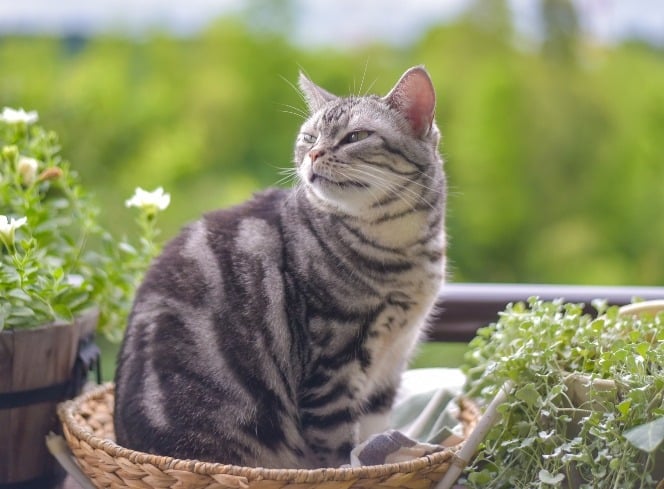
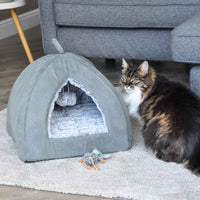
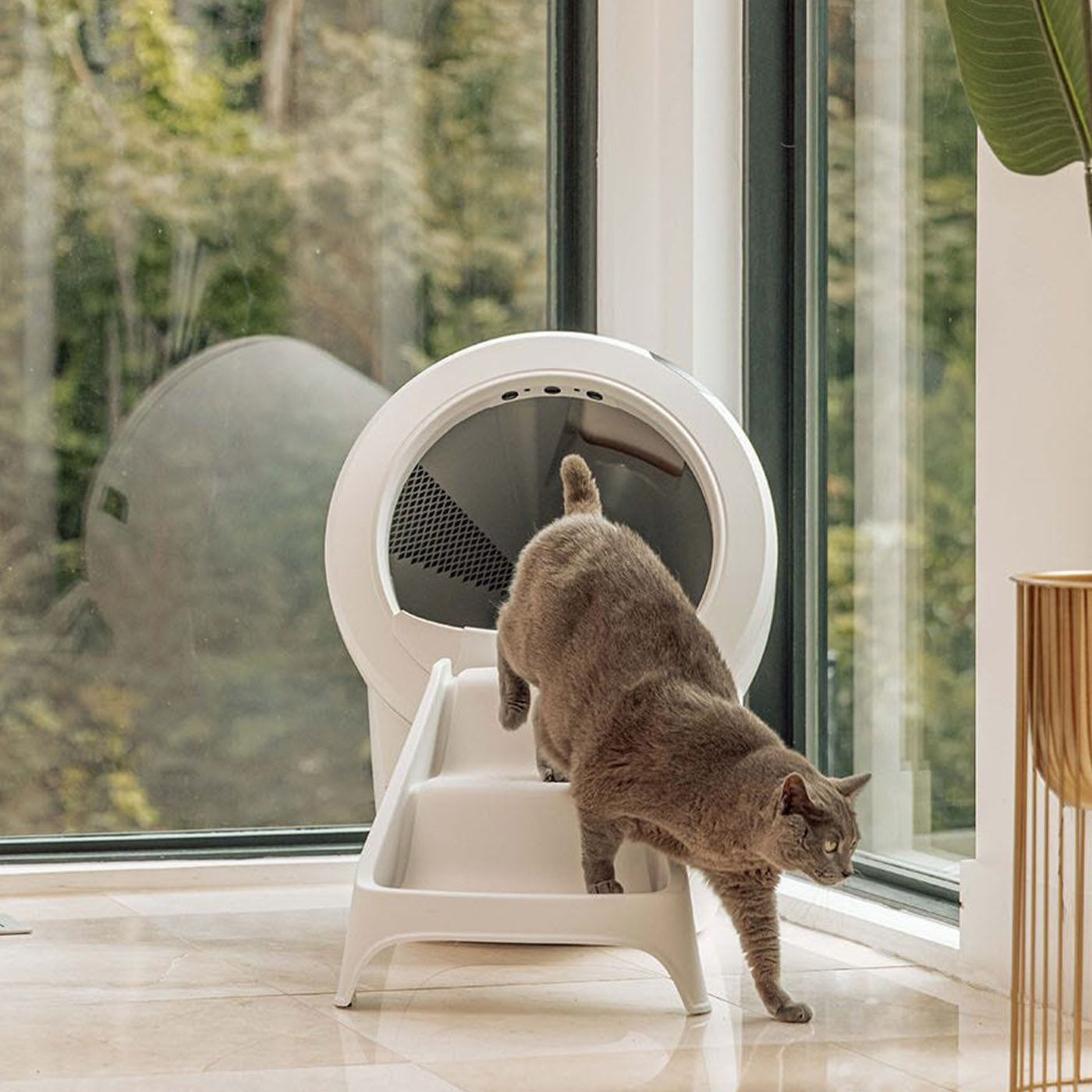
Grey cat stepping out of a cat house

Are Cats Easy to Take Care Of as They Age?

One of the most common questions among cat owners is, "Are cats easy to take care of as they age?" The answer largely depends on the cat's health, but generally speaking, cats are relatively low-maintenance pets compared to dogs. However, senior cats do require more attention and specific care to address the issues that arise with aging.

This might include more frequent vet visits, adjustments to diet, and accommodations for decreased mobility or sensory changes. With the right care, many cats can enjoy a high quality of life even as they age, making the effort well worth it.

Key Aspects of Caring for Senior Cats

  1. Regular Veterinary Check-Ups
    As cats age, they become more susceptible to a range of health issues, including kidney disease, arthritis, dental problems, and hyperthyroidism.

    Regular veterinary check-ups are essential for early detection and treatment of these conditions. Ideally, senior cats should visit the vet at least twice a year for a comprehensive health check, even if they seem perfectly healthy. Blood tests, urine tests, and other diagnostics can help catch issues before they become serious, ensuring your cat stays as healthy as possible.
  2. Nutrition and Diet Adjustments
    Diet plays a crucial role in caring for senior cats. As metabolism slows down with age, older cats may require fewer calories to prevent weight gain, but their diet should still be rich in high-quality proteins to maintain muscle mass.

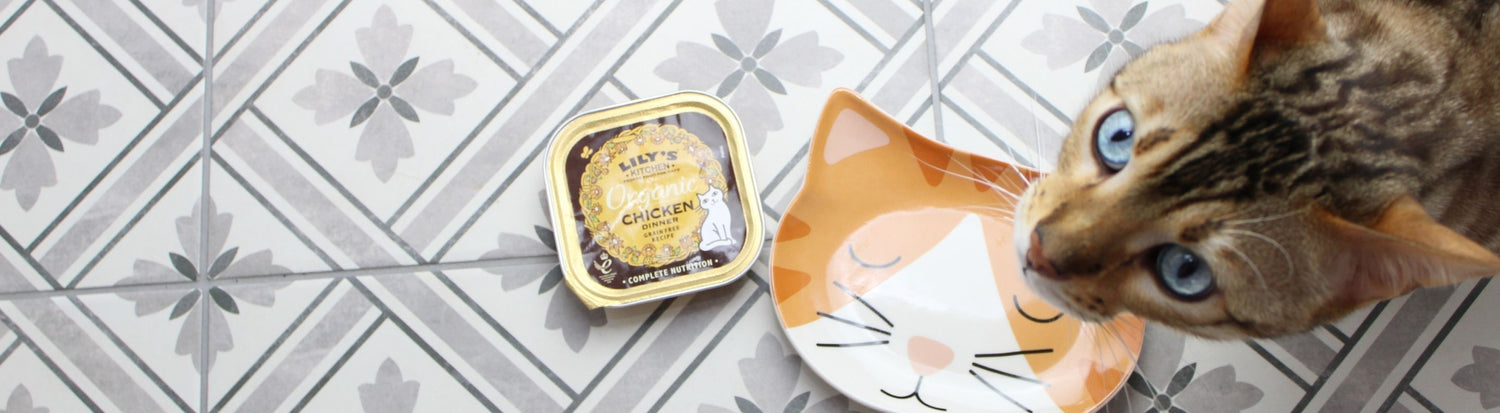
    Additionally, senior cat food often includes added nutrients like omega-3 fatty acids for joint health, and antioxidants for immune support. We stock a large range of senior cat foods which are perfect for older cats, we particularly like the Lily's Kitchen Fish & Turkey Senior Dry Cat Food, it contains 70% freshly prepared fish and turkey which is great for maintaining muscle mass and it’s also pack full of vitamins to support their immune system.

    If your cat has specific health concerns, such as kidney disease, your vet might recommend a specialised diet to manage the condition. It's important to monitor your cat's weight and adjust their food intake as needed to maintain a healthy weight, which is key to their overall well-being.
  3. Hydration is Key
    Dehydration is a common issue in senior cats, particularly those with kidney disease. Ensure your cat has access to fresh water at all times. Some cats may prefer running water, so consider investing in a cat water fountain to encourage them to drink more.

    We love the Catit fountains, the Pixi fountain has three different drinking options; calm flow, stream and bubbling top so cats can get the hydration they need in ways that appeal to them. It even has an LED nightlight so they can stay hydrated through the night. Wet food can also be beneficial as it provides additional moisture, which helps keep your cat hydrated.
  4. Comfortable Living Environment
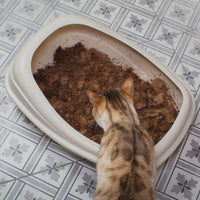
    As cats age, they may experience a decline in their mobility, making it difficult for them to jump onto high surfaces or climb stairs. Providing a comfortable and accessible living environment is crucial. Ensure that their bed is warm and placed in an easily accessible location. Consider placing ramps or steps to help them reach their favourite spots. Additionally, ensure litter boxes are easily accessible, with lower sides to make entry and exit easier for cats with arthritis or joint pain.
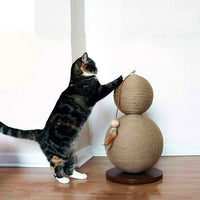
    Cat on a cat tree


  5. Mental and Physical Stimulation
    While senior cats may be less active, they still need mental and physical stimulation to prevent cognitive decline and maintain a healthy weight.

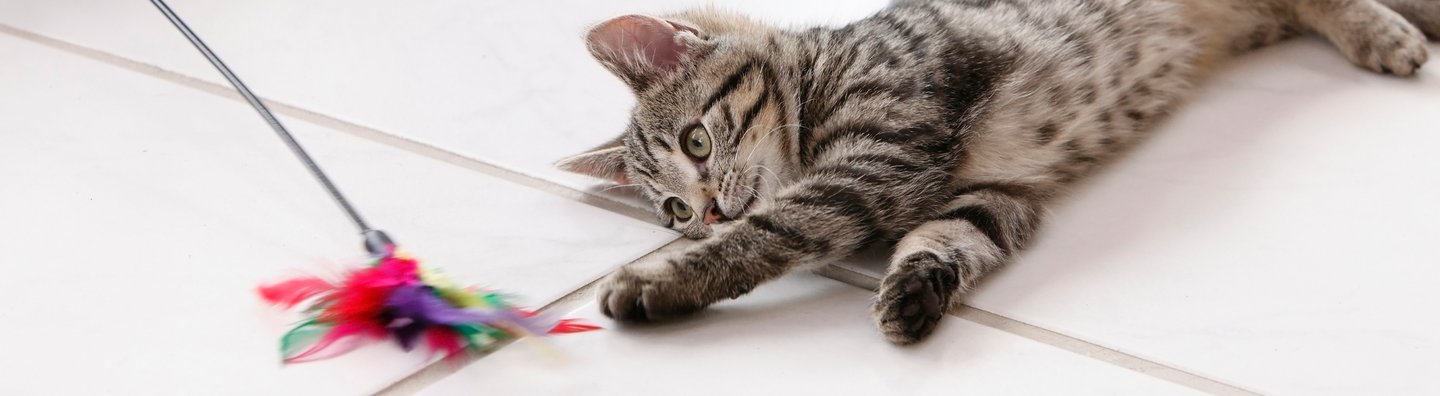
    Engage your cat in gentle play sessions with toys that encourage movement without straining their joints. Puzzle toys and interactive feeders can provide mental stimulation and keep your cat's mind sharp. We have a large range of interactive toys for cats so we’re sure to have something that your feline will love.

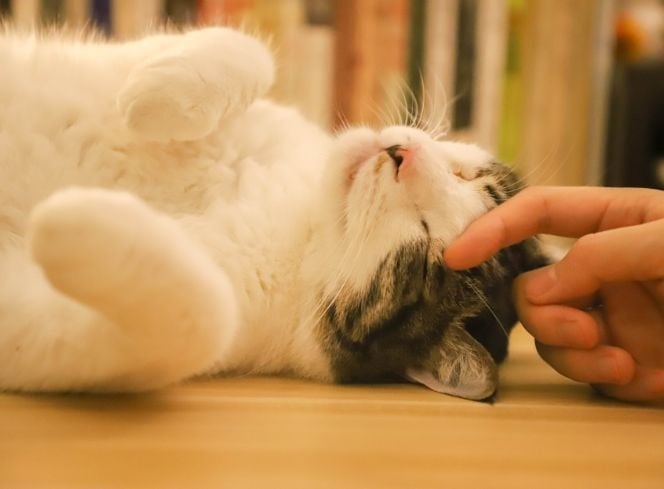
    Spending quality time with your cat, whether through grooming, petting, or simply being together, can also help reduce stress and keep them mentally engaged.
  6. Monitoring Behaviour and Health Changes
    Cats are masters at hiding discomfort, so it's crucial to be vigilant in observing any changes in your cat's behaviour or physical condition. Watch for signs such as increased sleeping, changes in appetite, weight loss or gain, difficulty moving, or alterations in litter box habits. These could indicate underlying health issues that require veterinary attention.
    If you notice any changes, even subtle ones, don't hesitate to consult your vet. Early intervention is key to managing health problems in senior cats
  7. Dental Care
    Dental issues are common in senior cats and can lead to serious health problems if left untreated. Regular dental check-ups are essential, and you may need to brush your cat's teeth at home or provide dental treats to help maintain oral health. Signs of dental problems include bad breath, drooling, difficulty eating, or pawing at the mouth.

The Emotional Side of Elderly Cat Care

Caring for a senior cat is not just about addressing physical needs. It's also important to provide emotional support. As cats age, they may become more affectionate or seek comfort from their human companions. Providing a calm, loving environment where your cat feels safe and cared for can make a significant difference in their overall quality of life.

Patience is also key; older cats may be slower to respond, or may need more time to adjust to changes in their environment or routine. Offering reassurance and maintaining a consistent routine can help reduce anxiety and keep your cat happy.

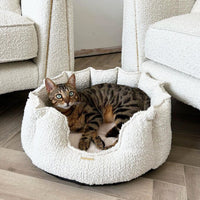
Bengal cat in a boucle cat bed

Providing the Best Care for Your Senior Cat

Caring for a senior cat requires a thoughtful approach that considers their changing physical and emotional needs. By understanding what age a cat is considered senior, staying proactive with veterinary care, adjusting their diet, and creating a comfortable living environment, you can help ensure that your feline friend enjoys their golden years to the fullest.

Remember, the key to caring for senior cats is regular monitoring, early intervention, and a lot of love. With the right care, your senior cat can continue to be a cherished companion for many years to come.

By addressing these aspects, you can confidently answer the question, "How do I take care of a cat in its senior years?" and provide your pet with the best possible care, making their later years as enjoyable and fulfilling as their younger days.

Related Products

Related Collections

Cat Essentials

Discover a fantastic range of practical and stylish cat products in the... 

Cat Food

Cat food is one of the most important components in a cat's... 

Next Article
Why Do Cats Purr? What Cat Purring Means

Related Articles

  • Is My Cat Smarter Than Me?
    27.10.25 October 27, 2025 Owning a Cat

    Is My Cat Smarter Than Me?

    If you’ve ever found yourself staring at your cat and wondering, “Who’s really in charge here?” then you’re not alone. From ignoring commands to opening doors and outsmarting the treat tin, cats have an uncanny knack for making us feel like the daft ones in the relationship. So, are our feline companions secretly geniuses in fur coats, or are we just a bit too easily impressed by their antics? Let’s find out whether your cat might just be smarter than you think (and possibly smarter than you). How Smart Are Cats, Really? Cats are clever, there’s no doubt about that. While they might not do your taxes or fetch your slippers (they’d argue they have people for that), cats are masters of observation, memory, and problem-solving. Research has shown that cats have complex cognitive abilities similar to those of young children. They can learn routines, recognise words, and even manipulate humans to get what they want (we see you, breakfast-at-5-a.m. crowd). In short, cats are less about obedience and more about strategy. They’re not trying to impress you, they’re working out the quickest route to what they want. Smarter Than You Think: Signs of Feline Intelligence So how do you know if your cat’s secretly running mental rings around you? Here are a few tell-tale signs that your moggy’s mind might be sharper than expected: They’ve Trained You, Not the Other Way Around: Does your cat meow in a certain way and you immediately respond with food, a cuddle, or by opening a door? Congratulations, you’ve been trained. Cats are expert behaviourists who quickly learn what gets them results. You think you’re in control, but they’ve been conducting a long-term psychology experiment, and you’re the subject. They Solve Problems (Especially Food-Related Ones): Whether it’s nudging open cupboards, jumping on worktops, or working out how to knock the treat jar off the shelf, cats have impressive problem-solving skills. Studies show they can learn through observation, meaning they watch us perform tasks and then replicate them. That explains how they somehow open doors you swore were cat-proof. They Remember Everything (Especially the Important Stuff): Your cat might appear aloof, but their memory is surprisingly sharp. They can recall people, places, and experiences for years, particularly if food or comfort is involved. So yes, they definitely remember that time you were late with dinner… and they’re still judging you for it. They Communicate Intentionally: Cats meow primarily to humans, not to each other. Each meow, trill, or chirrup has meaning, and they quickly learn which sounds get the biggest reaction. In essence, they’ve built a custom language just for you. If that’s not intelligent adaptation, what is? They Know How to Get What They Want (and When): From sitting on your laptop mid-email to knocking objects off the table until you pay attention, cats are experts at controlling human behaviour. They’ve learned through trial and error exactly how to push our buttons, sometimes literally. Cat Intelligence vs. Human Intelligence It’s unfair to directly compare cat and human intelligence, after all, we’ve evolved to be good at very different things. But when it comes to certain types of smarts, cats could give us a run for our money. Cats excel in instinctive intelligence, they can hunt, problem-solve, and navigate their environment with ease. Their emotional intelligence is also underrated; many cats can sense their owner’s mood and adjust their behaviour accordingly. Ever noticed your cat curling up with you when you’re unwell or stressed? That’s empathy at work. In other words, while you might be smarter at paying bills, your cat’s definitely cleverer at manipulating emotions and maximising comfort, which arguably makes them the true genius of the household. Are Some Cat Breeds Smarter Than Others? Some breeds are particularly known for their brainpower. If your cat’s a bit of a mastermind, they might belong to one of these sharp-minded groups: Siamese: Chatty, curious, and quick to learn tricks, these cats love mental stimulation. Bengal: Adventurous and athletic, with the brains to match. Abyssinian: One of the oldest and most intelligent breeds; they learn by watching. Maine Coon: Gentle giants with a problem-solving streak. Sphynx: Exceptionally social and observant, they read humans like a book. Of course, every cat is unique. Even your laid-back British Shorthair can surprise you with a moment of sheer genius (usually when you least expect it). Can You Make Your Cat Even Smarter? Absolutely! Cats thrive on mental stimulation, and just like us, they need to exercise their minds. Here are some ways to encourage their inner Einstein: Interactive Play: Toys that move, rattle, or hide treats tap into your cat’s hunting instincts and keep their brain buzzing. Puzzle Feeders: These make mealtimes a mental workout, challenging your cat to think before they eat. Training & Tricks: Believe it or not, cats can learn tricks just like dogs, you just need patience (and a lot of treats). Try starting with our guide: Train Your Cat: Top Tricks for Clever Cats. New Experiences: Rotate toys, rearrange play areas, and give them safe access to different views, a sunny windowsill, a cat tree, or a secure garden enclosure. The more variety you add, the more your cat’s intelligence will shine through. And who knows, they might even start teaching you a few tricks. So… Is My Cat Smarter Than Me? In their own way, yes probably! Cats may not understand quantum physics, but they’ve mastered the art of getting what they want with minimal effort. They’re observant, emotionally intuitive, and endlessly resourceful. So next time your cat outsmarts you, don’t take it personally, just admire their brilliance (and maybe offer them a treat for their trouble). Keep Their Brilliant Minds Busy From interactive toys and cat trees to treats and puzzle feeders, Lords & Labradors has everything you need to keep your clever kitty mentally stimulated and endlessly entertained. Because if your cat is smarter than you, the least you can do is keep them happy about it!

    By Emily Sawer

    Read more
  • Can You Flush Your Dog and Cat’s Poo Down the Toilet? The Truth About Pet Waste Disposal in the UK
    20.10.25 October 20, 2025 Owning a Cat

    Can You Flush Your Dog and Cat’s Poo Down the Toilet? The Truth About Pet Waste Disposal in the UK

    If you’re a pet owner, you’ll know that clearing up after your furry friend isn’t the most glamorous part of the job. Whether you’re scooping cat litter or bagging up after a dog walk, you’ve probably wondered at some point: can you just flush it down the toilet and save yourself the hassle? It sounds quick, clean, and even eco-friendly. But before you send that little parcel swirling away, let’s bust the myth once and for all. Flushing pet poo, whether it’s from your dog or cat, is not the answer, and it could cause more harm than good. Here’s why flushing pet waste isn’t as simple as it seems, and what you should do instead to dispose of it safely and sustainably. Myth #1: “It’s just like human waste, so it’s fine to flush.” If only! While it might seem logical that pet and human waste can go down the same route, the truth is a little murkier. Dog and cat poo can carry parasites, bacteria, and pathogens that human sewage systems aren’t designed to treat. The most well-known is Toxoplasma gondii, a parasite found in cat faeces that can survive traditional sewage treatment. Once it reaches waterways, it can harm marine wildlife and even pose risks to human health. So while it may vanish from sight, it doesn’t vanish from the world, flushing pet poo simply moves the problem elsewhere. Myth #2: “Flushing is better for the environment than using poo bags.” Many eco-conscious pet owners in the UK want to reduce plastic use, which is fantastic, but flushing animal waste isn’t the greener option it appears to be. Most UK water treatment plants aren’t built to process animal waste, meaning harmful microorganisms can slip through filtration systems and contaminate rivers and coastal waters. Over time, this disrupts delicate ecosystems and affects aquatic life. A better alternative? Biodegradable or compostable poo bags. They break down much faster than traditional plastic and can be safely disposed of in general waste bins. Myth #3: “Flushing pet waste every now and then won’t hurt.” Unfortunately, even the odd flush can lead to unpleasant consequences. Pet waste can clump, swell, and block pipes, especially when mixed with cat litter or pet hair. This can cause slow drains, nasty smells, or even full-blown plumbing disasters. So, even if you only do it occasionally, flushing pet poo is a risk that’s just not worth taking, particularly in older UK plumbing systems that aren’t designed for it. Myth #4: “Flushable cat litter makes it okay.” Flushable litters might sound like the perfect solution, but they come with a catch. Even those labelled “flushable” may not fully break down in water. Many are made from biodegradable materials like corn, paper, or wood that absorb moisture and expand, risking pipe blockages or build-up over time. What’s more, UK water companies, including Thames Water and Severn Trent, strongly advise against flushing any kind of cat litter, even if the packaging says otherwise. So while flushable litter sounds handy, it’s best to play it safe and bin it instead. Myth #5: “Flushing helps keep the house smelling fresh.” We get it, when you’re trying to keep your home smelling lovely, sending the smell down the drain feels like the fastest fix. But there are much better ways to stay fresh without risking your plumbing. For cat owners, try using high-quality odour-control litter and scoop trays daily. For dog owners, bag and bin waste straight away during walks and use eco-friendly sprays or wipes at home. And if you want to level up your clean-up routine, Lords & Labradors offers a range of stylish litter trays, cleaning sprays, and accessories designed to make pet parent life a little more elegant (and a lot less smelly). So, How Should You Dispose of Dog and Cat Poo Safely? Here’s what UK pet owners should do instead: 🐾 Dog waste: Always bag it, ideally in a biodegradable or compostable bag, and place it in general waste or designated dog waste bins. Never flush it, even if the bag claims to be “flushable.” 🐾 Cat waste: Scoop the litter daily and dispose of waste in the household rubbish. For hygiene, use a liner or small biodegradable bag and wash your hands thoroughly afterwards. If you’re aiming for a more sustainable setup, you can look into pet waste composting systems, though remember, compost made from animal waste should never be used on edible plants. The Final Flush: Don’t Do It! So, can you flush cat poo or dog poo down the toilet? In short, no! It might seem convenient, but flushing pet waste can cause plumbing issues, environmental harm, and even health risks. Stick to tried-and-tested disposal methods instead: bag it, bin it, and keep it out of the loo. Your drains (and the UK’s waterways) will thank you for it. Keep Your Home Fresh and Planet-Friendly Dealing with pet mess doesn’t have to be unpleasant. From eco-friendly poo bags and litter trays to pet-safe cleaning products, Lords & Labradors has everything you need to keep your home fresh, hygienic, and stylish, without flushing your way into trouble. Because when it comes to your pets, the only thing that should go down the toilet is… toilet paper! 🐾

    By Emily Sawer

    Read more
  • Which Plants Are Poisonous To Cats?
    25.08.25 August 25, 2025 Health

    Which Plants Are Poisonous To Cats?

    As a loving cat owner, ensuring your feline friend's safety extends beyond just food and care. One crucial aspect often overlooked is the presence of plants and flowers in your home and garden. Many common plants are toxic to cats, and ingestion can lead to severe health issues or even be fatal. In this comprehensive guide, we’ll explore which plants are poisonous to cats, helping you create a safe environment for your beloved pet. Understanding the danger of plants to cats Cats are naturally curious creatures, and their instinct to nibble on plants can put them at risk. While some plants cause mild irritation, others can lead to significant health complications. Being informed about these hazardous plants is the first step in protecting your cat. Common Indoor Plants that are Poisonous to Cats Indoor plants can add beauty and freshness to your home, but many are not safe for cats. Here are some common indoor plants that are toxic to cats: Lilies (Lilium species) - All parts of lilies, including the leaves, petals, pollen, and even water from the vase, are extremely toxic to cats. Ingestion can cause severe kidney failure. Aloe Vera - While beneficial for humans, aloe vera contains saponins and anthraquinones that can cause vomiting, diarrhoea, and lethargy in cats. Philodendron - This popular houseplant contains calcium oxalate crystals, which can irritate a cat’s mouth, throat, and stomach. Pothos (Devil’s Ivy) - Another common houseplant, pothos, can cause oral irritation, vomiting, and difficulty swallowing.   Outdoor Plants and Flowers Dangerous to Cats Outdoor plants can also pose a threat. Here are some that should be kept away from your feline friend: Azaleas and Rhododendrons - These flowering shrubs contain grayanotoxins, which can lead to vomiting, diarrhoea, and drooling,  Daffodils - The whole of the daffodil is toxic to your cat, however, the bulbs of daffodils are especially dangerous, causing severe vomiting, diarrhoea, abdominal pain, and potential heart issues. Sago Palm - All parts of the sago palm are toxic, with the seeds being the most potent. Ingestion can result in liver failure and death. Oleander - This plant is highly toxic and can cause severe cardiac issues, vomiting, and death. Lesser-Known Toxic Plants for Cats Some plants are not as commonly known to be toxic but can still pose significant risks: Chrysanthemums - These flowers contain pyrethrins which can cause gastrointestinal upset and loss of coordination. Cyclamen - The tubers of cyclamen are especially toxic, causing severe gastrointestinal distress and potential heart problems. Kalanchoe - This plant can cause vomiting, diarrhoea, and in severe cases, abnormal heart rhythms. Creating a Safe Environment for your cat  To ensure your home and garden are safe for your cat, consider the following tips: Identify and Remove Hazardous Plants - Go through your home and garden to identify any plants that are toxic to cats and remove them or place them out of reach. Opt for Cat-Safe Plants - Choose plants that are non-toxic to cats, such as spider plants, bamboo, and cat grass, which are safe and even enjoyable for your feline friend. Educate Household Members and Visitors - Ensure everyone in the household is aware of the dangers certain plants pose to cats. Guests should also be mindful if they bring flowers or plants into your home. Use Plant Deterrents - If removing the plant is not an option, consider using deterrents like citrus sprays, which can discourage cats from chewing on plants. What to Do If Your Cat Ingests a Toxic Plant If you suspect your cat has ingested a toxic plant, it's crucial to act quickly: Identify the Plant - If possible, identify the plant your cat has ingested to provide accurate information to your vet. Contact Your Vet Immediately - Call your vet  right away. Provide details about the plant and any symptoms your cat is exhibiting. Observe and Follow Professional Advice - Monitor your cat closely and follow any instructions given by the veterinarian. Symptoms of plant poisoning can vary widely and may include vomiting, diarrhoea, lethargy, and more severe signs like seizures or difficulty breathing. Conclusion By being aware of which plants are poisonous to cats and taking proactive steps to prevent exposure, you can help ensure your cat lives a healthy and safe life. Always keep a list of toxic plants handy and regularly check your home and garden for any hazardous plants. Your cat’s health and safety are worth the effort. Here at Lords & Labradors we are a luxury online pet department store, we have spent lots of time carefully designed, curating and hand-selecting all the best products for your cat - shop here. 

    By Megan Willis - Digital Marketing Executive

    Read more
  • Why Do Cats Purr?
    04.08.25 August 04, 2025 FAQs

    Why Do Cats Purr?

    Have you ever found yourself relaxing on the sofa with your furry companion curled up beside you, softly vibrating with that unmistakable cat purring sound? Whether it's a gentle hum while they snooze or a loud, contented rumble when they're being stroked, cats and purring go hand in hand. But have you ever wondered—why do cats purr? Let’s dive into the world of feline communication to uncover the mystery behind this soothing sound. The Science Behind the Purr Sound A purr sound is produced by a cat’s laryngeal muscles, which twitch at a rapid rate—around 25 to 150 vibrations per second. This movement causes a separation of the vocal cords, producing the familiar rhythmic hum we all adore. Interestingly, the sound is created both when a cat inhales and exhales, making it a continuous, comforting presence. Why Do Cats Purr? The Many Meanings of This Feline Sound Cats purr for a variety of reasons, and while it’s commonly associated with contentment, the truth is that it serves multiple purposes. Let’s explore some of the key reasons: 1. Contentment and Relaxation The most well-known reason for cat purring in sleep or during petting sessions is sheer happiness. When a cat is comfortable, feeling safe, and loved, purring serves as a signal of satisfaction. If your feline friend is snuggled up in their favourite spot, enjoying some downtime, their purring is likely a sign of total relaxation. 2. Communication with Their Humans Cats use their purrs to communicate with us. Have you ever noticed that your cat’s purr sounds slightly different when they’re hungry? Studies suggest that some cats produce a more urgent purr, sometimes mixed with a soft meow, to grab your attention when it’s mealtime. 3. Self-Soothing and Healing One fascinating aspect of cats and purring is its potential health benefits. Purring has been linked to self-soothing, helping cats calm themselves in stressful situations. What’s more, the frequency of a cat’s purr is believed to have healing properties, aiding in bone growth and tissue repair. This explains why cats might purr when they are injured or feeling unwell. 4. Bonding with Kittens If you’ve ever heard kitten purring, you’ll know that it’s one of the sweetest sounds. From the moment they are born, kittens purr to bond with their mothers. This purring reassures their mother that they are safe and content, while also helping them stay close during nursing. 5. Stress and Anxiety Relief Surprisingly, cats might purr when they are stressed or anxious. If your cat is in an unfamiliar environment or feeling uneasy, purring can act as a coping mechanism, helping to reduce their stress levels. 6. Seeking Attention If your cat starts purring the moment you walk through the door, they’re likely seeking your attention. Whether they want food, playtime, or simply some affection, purring is a feline’s way of saying, "Notice me!" Kitten Purring Meaning: What to Expect from Your Young Cat If you’re the proud owner of a young feline, you might be curious about kitten purring meaning. Kittens begin purring at just a few days old, often as a way to bond with their mother. As they grow, their purring may develop into a way to express contentment, seek comfort, or even indicate when they’re feeling playful. Kittens often purr when being stroked, feeling full after a meal, or settling down for a nap. It’s their way of showing they feel safe and secure in their environment. Why Does My Cat Purr in Their Sleep? You might have noticed your feline producing a cat purring sound while they’re fast asleep. This typically indicates deep relaxation and a feeling of security. However, just like humans talk in their sleep, cats may purr due to dreams or subconscious processing of their day’s experiences. If your cat purrs loudly while sleeping, it’s likely they’re in a particularly deep and peaceful state. Some experts also believe that purring during sleep might help with muscle relaxation and recovery. How to Encourage a Happy Purring Cat If you love the sound of your cat’s purr, there are a few ways to encourage it: Create a safe environment: Provide cosy spots, such as a plush cat bed or a cat tree, where your feline can feel secure. Offer gentle affection: Many cats enjoy head rubs, chin scratches, and soft petting, which can trigger contented purring. Provide tasty treats: A happy cat is often a purring cat, and rewarding them with delicious treats can encourage more of those lovely vibrations. Interactive play: Engaging your cat with toys and games helps build their confidence and deepen your bond. Conclusion Cats and purring go together like peanut butter and jelly. While purring is often a sign of happiness, it can also serve a variety of other purposes, from communication to self-soothing and healing. Whether you’re listening to the gentle hum of kitten purring or the steady rhythm of your senior cat’s purr, understanding their sounds helps you build a stronger bond with your furry companion. If you want to create the perfect environment for your cat to relax and purr away, be sure to check out Lords & Labradors' range of luxurious cat essentials, including plush beds, cat trees, and tasty treats. So, next time your feline friend starts their soothing hum, you’ll know they’re communicating with you in the most delightful way!

    By Megan Willis

    Read more

loyal customer in 17 countries

Why Shop With Us?

  • Free Delivery

    Orders over £75 qualify for free standard UK delivery. Orders under £75 will be calculated at the checkout.

  • Shopping Made Easy

    Gain exclusive access to sales and shop all your pets favourites on the go by downloading our app.

  • Designed in the UK

    Our own brand products are lovingly designed in our specialist UK workshop to our exacting standards.

  • We're Here For You

    Contact our Pet Experts weekdays 9am - 5pm on +44 (0) 1790 720900 or sales@lordsandlabradors.co.uk