










































How to Introduce a Kitten to an Older Cat
21.05.25 May 21, 2025 Getting A Kitten

How to Introduce a Kitten to an Older Cat

Bringing a new kitten home is an exciting moment, but if you already have an older cat, you may be wondering how to make the introduction as smooth as possible. Cats are territorial creatures, and a sudden change in their environment can lead to stress, hissing, and even aggression. Fortunately, with patience and the right approach, you can successfully integrate a kitten with an older cat and create a harmonious home. In this guide, we’ll walk you through every step of the process, from preparation to long-term integration. Preparing for the Introduction Before your kitten and older cat meet, it’s important to set the stage for success. Cats thrive on routine, so any disruption should be handled with care. 1. Create a Safe Space for Your Kitten Your new kitten needs a dedicated area where they can settle in before meeting your older cat. This could be a spare room or a quiet corner of your home with essentials like: A comfortable cat bed Food and water cat bowls A litter tray (separate from your older cat’s) Toys A scratching post Keeping your kitten in a separate space for the first few days allows them to adjust to their new surroundings while preventing your older cat from feeling threatened. 2. Introduce Their Scents First Cats rely heavily on scent to recognise their surroundings and other animals. Before a face-to-face introduction, swap bedding or gently rub a cloth on each cat and place it near the other. This allows them to get familiar with each other's scent in a non-threatening way. 3. Use a Pheromone Diffuser If your older cat is prone to stress, consider using a calming pheromone diffuser in your home. These mimic natural cat pheromones and can help ease the transition. We love the Pet Remedy plug in diffusers, it has a unique formula using low concentration Valerian essential oils blended with Vetiver, Sweet Basil, and Sage. In times of stress or anxiety the nerves get over stimulated, which leads on to the many different signs of stress we see in our pets. The special Pet Remedy blend of essential oils works alongside these natural relaxation pathways to help calm the nerves of anxious or stressed pets. The First Meeting After a few days of scent swapping and separate living spaces, it’s time for the initial introduction. 1. Controlled Visual Introduction The best way to introduce a kitten to an older cat is through a controlled, non-threatening environment. Use a pet gate or slightly open door to allow them to see each other without direct contact. Observe their reactions: Curious but calm? A positive sign! Hissing or growling? Normal at first—your older cat is setting boundaries. Ears back, tail flicking aggressively? Your older cat may need more time. Repeat this process over several days, allowing them to get used to each other’s presence before removing barriers. 2. Supervised Face-to-Face Meetings When both cats appear comfortable, let them interact under supervision. Keep the meetings short and positive. Encourage good behaviour with treats or gentle praise.Expect some hissing or swatting—it’s your older cat’s way of setting boundaries. However, if there’s persistent aggression or excessive stress, separate them and try again later. Managing Common Issues Even with a careful introduction, some challenges may arise. Here’s how to handle them: Older Cat Hissing at New Kitten Hissing is a natural reaction—it’s your older cat’s way of saying, “Give me space.” As long as it doesn’t escalate into physical aggression, give them time to adjust. Continue scent swapping and controlled introductions. Older Cat Stressed by New Kitten If your older cat shows signs of stress (hiding, over-grooming, loss of appetite), ensure they have plenty of their own space. Consider adding extra vertical spaces like cat trees or shelves where they can retreat when needed. How to Get an Old Cat to Like a New Kitten Building a positive relationship takes time. Encourage bonding by: Feeding them at the same time (but at a distance) Playing with both cats together using a wand toy Rewarding calm behavior with treats Avoid forcing interaction—let them establish their own relationship at their own pace. Long-Term Integration As your kitten and older cat become more comfortable, you can gradually allow more unsupervised interactions. Ensure they each have their own essentials (litter trays, food bowls) to reduce competition. It can take weeks or even months for an older cat to fully accept a new kitten, but with patience, most cats learn to coexist—and some even become best friends! Final Thoughts Introducing a kitten to an older cat requires patience and a thoughtful approach. By giving both cats their own space, managing their interactions carefully, and addressing any stress, you can create a peaceful home where both your new and old feline companions feel safe and happy. If you're preparing for a new kitten, be sure to check out our kitten checklist for all the essentials you’ll need. From cosy beds to scratching posts and calming aids, Lords & Labradors has everything to help your cats adjust smoothly.

By Megan Willis

Read more

Bringing a new kitten home is an exciting moment, but if you already have an older cat, you may be wondering how to make the introduction as smooth as possible. Cats are territorial creatures, and a sudden change in their environment can lead to stress, hissing, and even aggression. Fortunately, with patience and the right approach, you can successfully integrate a kitten with an older cat and create a harmonious home.

In this guide, we’ll walk you through every step of the process, from preparation to long-term integration.

Preparing for the Introduction

Before your kitten and older cat meet, it’s important to set the stage for success. Cats thrive on routine, so any disruption should be handled with care.

1. Create a Safe Space for Your Kitten

Cat on a cat tree

Your new kitten needs a dedicated area where they can settle in before meeting your older cat. This could be a spare room or a quiet corner of your home with essentials like:

Keeping your kitten in a separate space for the first few days allows them to adjust to their new surroundings while preventing your older cat from feeling threatened.

2. Introduce Their Scents First

Cats rely heavily on scent to recognise their surroundings and other animals. Before a face-to-face introduction, swap bedding or gently rub a cloth on each cat and place it near the other. This allows them to get familiar with each other's scent in a non-threatening way.

3. Use a Pheromone Diffuser

If your older cat is prone to stress, consider using a calming pheromone diffuser in your home. These mimic natural cat pheromones and can help ease the transition. We love the Pet Remedy plug in diffusers, it has a unique formula using low concentration Valerian essential oils blended with Vetiver, Sweet Basil, and Sage. In times of stress or anxiety the nerves get over stimulated, which leads on to the many different signs of stress we see in our pets. The special Pet Remedy blend of essential oils works alongside these natural relaxation pathways to help calm the nerves of anxious or stressed pets.

The First Meeting

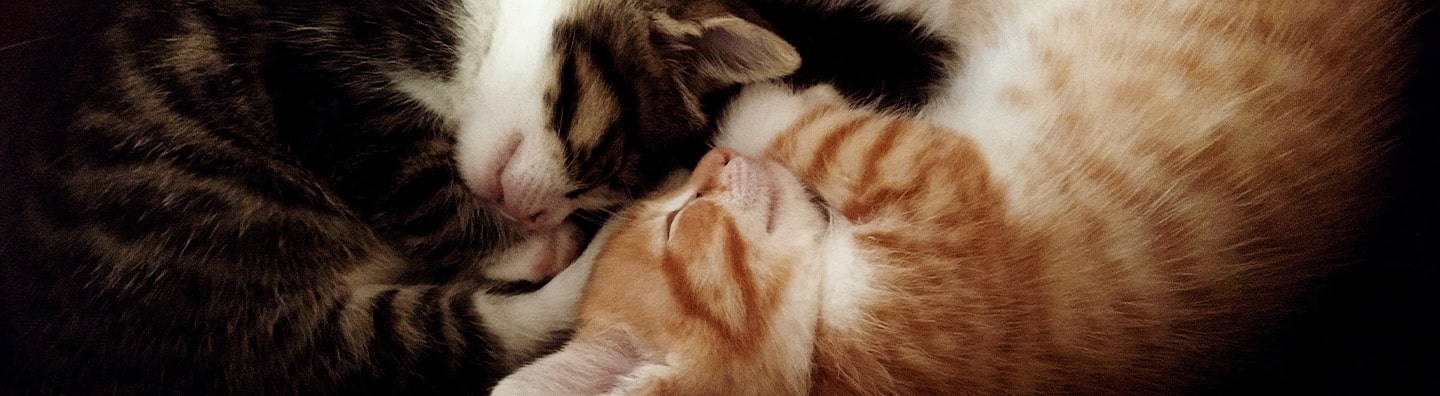
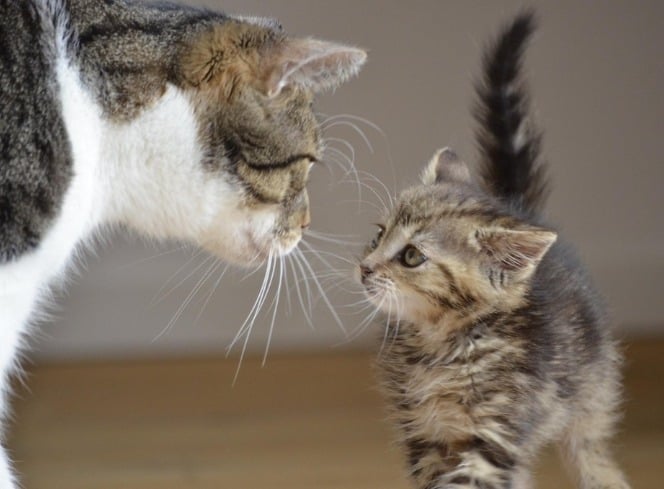
two cats

After a few days of scent swapping and separate living spaces, it’s time for the initial introduction.

1. Controlled Visual Introduction

The best way to introduce a kitten to an older cat is through a controlled, non-threatening environment. Use a pet gate or slightly open door to allow them to see each other without direct contact. Observe their reactions:

  • Curious but calm? A positive sign!
  • Hissing or growling? Normal at first—your older cat is setting boundaries.
  • Ears back, tail flicking aggressively? Your older cat may need more time.

Repeat this process over several days, allowing them to get used to each other’s presence before removing barriers.

2. Supervised Face-to-Face Meetings

When both cats appear comfortable, let them interact under supervision. Keep the meetings short and positive. Encourage good behaviour with treats or gentle praise.
Expect some hissing or swatting—it’s your older cat’s way of setting boundaries. However, if there’s persistent aggression or excessive stress, separate them and try again later.

Managing Common Issues

2 cats playing

Even with a careful introduction, some challenges may arise. Here’s how to handle them:

Older Cat Hissing at New Kitten

Hissing is a natural reaction—it’s your older cat’s way of saying, “Give me space.” As long as it doesn’t escalate into physical aggression, give them time to adjust. Continue scent swapping and controlled introductions.

Older Cat Stressed by New Kitten

If your older cat shows signs of stress (hiding, over-grooming, loss of appetite), ensure they have plenty of their own space. Consider adding extra vertical spaces like cat trees or shelves where they can retreat when needed.

How to Get an Old Cat to Like a New Kitten

Building a positive relationship takes time. Encourage bonding by:

  • Feeding them at the same time (but at a distance)
  • Playing with both cats together using a wand toy
  • Rewarding calm behavior with treats

Avoid forcing interaction—let them establish their own relationship at their own pace.

Long-Term Integration

As your kitten and older cat become more comfortable, you can gradually allow more unsupervised interactions. Ensure they each have their own essentials (litter trays, food bowls) to reduce competition.

It can take weeks or even months for an older cat to fully accept a new kitten, but with patience, most cats learn to coexist—and some even become best friends!

Final Thoughts

Introducing a kitten to an older cat requires patience and a thoughtful approach. By giving both cats their own space, managing their interactions carefully, and addressing any stress, you can create a peaceful home where both your new and old feline companions feel safe and happy.

If you're preparing for a new kitten, be sure to check out our kitten checklist for all the essentials you’ll need. From cosy beds to scratching posts and calming aids, Lords & Labradors has everything to help your cats adjust smoothly.

Related Products

Related Collections

Kitten Essentials & Kitten Accessories

Lords & Labradors has all of the new kitten essentials you need... 

Cat Essentials

Discover a fantastic range of practical and stylish cat products in the... 

Next Article
The History of Cat Breeds: Ancient Egypt to Modern Times

Related Articles

  • When can kittens go outside? A safe first steps guide
    22.10.26 October 22, 2026 Getting A Kitten

    When can kittens go outside? A safe first steps guide

    Figuring out what age kittens can go outside is one of those questions that feels simple until you start looking into it. This guide walks you through the key milestones your kitten needs to hit before that first adventure, how to read their emotional readiness, and a gentle step-by-step plan for making those early outdoor trips as positive as possible. When can kittens go outside? The safest age and signs they’re ready Most new kitten owners spend those early weeks sneaking glances out the back door, wondering when their little one will finally get to explore beyond the garden gate. It’s one of the most common questions we hear, and the honest answer is: there’s no single magic age, but there are clear milestones that tell you when the time is right. So, what age can kittens go outside safely? For most, that’s somewhere between four and six months old. But the age itself is only part of the picture. What really matters is whether your kitten has completed their full vaccination course, been microchipped, and ideally been neutered. These aren’t just boxes to tick — they’re the things that make outdoor life genuinely safer. Vets usually recommend waiting at least a week after the final booster before allowing any outdoor access, giving your kitten’s immune system time to build proper protection. Neutering matters too, particularly as kittens approach sexual maturity. An unneutered cat is far more likely to roam, get into scrapes, or end up lost. There’s also the emotional side to consider. Before any outdoor adventures, your kitten needs to feel truly at home. If they’re still hiding under the sofa or startling at every noise, the outside world will feel overwhelming rather than exciting. If you’re still in those early settling-in weeks, our guide on how to settle a new kitten is a brilliant place to start. A little patience now makes that first outdoor adventure so much better for both of you. What needs to be in place before a kitten’s first trip outdoors Getting the timing right isn’t just about how old your kitten is. It’s about having the right protections in place first — and skipping ahead, even by a few weeks, can leave a young cat exposed at a stage when they’re still figuring everything out. Here’s what needs to be ticked off before that first trip outside: Vaccinations completed. Kittens need their full primary vaccination course, usually wrapped up around 13 to 14 weeks, before heading outdoors. This protects against serious illnesses like cat flu and feline parvovirus, both of which can be picked up from other cats or contaminated ground. Neutering done. Most vets recommend neutering from around four months. An unneutered kitten outside is far more likely to roam, get into fights, or fall pregnant long before they’re ready. Microchipping in place. Kittens can bolt when something startles them, and a microchip is the most reliable way to bring them home if that happens. It’s a quick procedure and well worth doing before outdoor access starts. Parasite protection sorted. Fleas, ticks, and worms become a genuine risk the moment a kitten starts nosing around grass and soil. Ask your vet about an age-appropriate treatment plan ahead of that first adventure. Enough time settled indoors. Kittens need at least four weeks inside your home before going out so they genuinely recognise it as their safe place to return to. If you’re still in those early days, our guide on how to prepare for your new kitten is a brilliant place to start. Work through each of these steps and you’ll head into those first outdoor moments feeling genuinely confident. Because when it comes to what age kittens can go outside, age is really just one piece of the puzzle. How to know your kitten is emotionally ready, not just physically ready Vaccinations and age are the most obvious boxes to tick when deciding what age kittens can go outside, but they only tell half the story. Temperament and confidence matter just as much as physical readiness, so before that first garden adventure, it’s worth taking an honest look at how your kitten is actually coping with home life. If they’re still finding their feet indoors, getting the foundations right from day one is the best thing you can do for their outdoor confidence later. Signs your kitten is emotionally ready to explore outside: They move around the home freely and investigate new things without hesitation They bounce back quickly after a loud noise or surprise They respond when you call their name or make a familiar sound They approach new situations with curiosity rather than retreating They settle calmly after play and aren’t constantly on edge Signs your kitten may need a slower pace: They hide frequently and seem reluctant to come out They startle easily, even during normal household sounds like the kettle boiling They show stress signals such as flattened ears, crouching low, or excessive grooming They haven’t yet built a relaxed, confident relationship with their home environment Some kittens, particularly timid or sensitive ones, simply need a much more gradual introduction to the outside world. That’s not a setback. It’s just good parenting. Your kitten’s first outdoor adventures: a gentle step-by-step plan Your kitten’s first time outside should feel calm, short, and completely safe. A gradual approach makes all the difference — it builds their confidence gently, so those early experiences feel exciting rather than overwhelming. Choose a quiet time of day. Early mornings or late evenings tend to work best, when there’s less noise from traffic, neighbours, or other animals. The calmer the environment, the more comfortable that first outing will feel. Start in a secure garden or enclosed patio. A fully fenced space with no obvious escape routes gives your kitten room to explore without the risk of wandering off. Let them sniff around at their own pace — there’s no rush. Consider a harness and lead. Not every kitten takes to one straight away, but introducing it gradually indoors before that first trip outside gives you a reassuring safety net, especially in less enclosed spaces. It also keeps them close if something startles them. Stay close and stay calm. Kittens take their cues from you. Crouching down, speaking softly, and simply being present tells them this big new world is safe to explore. Keep sessions short. Five to ten minutes is plenty at first. Building up slowly is far kinder than one long outing that leaves them frazzled and reluctant to go back out. Always leave the door open. Your kitten needs to know they can retreat inside quickly if something spooks them. Having that safe base to return to matters more than you might think. Quick tip: Go outside with your kitten for every one of those first trips, without exception. Watch for flattened ears, a low crouched posture, or sudden freezing — these are all signs they need a moment back indoors. Some kittens take to the garden like they’ve always owned it; others need several weeks of short visits before they truly relax. If you’re still weighing up the bigger picture, our guide to indoor cat or outdoor cat life is well worth a read. What to do after the first few trips outside Once those first outdoor sessions go well, the aim is to build a calm, consistent routine your kitten can actually rely on. Short daily trips at roughly the same time each day help them learn that going outside is a regular part of life, not a random event. Morning or early evening tends to work best when gardens are quieter and a little less full-on. Keep a close eye on how your kitten behaves during and after each trip. Some excitement is completely normal, but if they come back inside hiding, off their food, or unsettled for hours, it’s a sign to scale back. Shorter sessions, a slower pace, more time just sitting together in the garden. Every kitten finds their feet differently, and there is genuinely no rush here. As outdoor time increases, stay on top of flea and worm treatments. Your vet can point you towards the right products and help you figure out timing, especially once your kitten starts venturing a little further. Over the following weeks, you can ease back on supervision and let them explore more independently. Some cats love having a bigger territory to roam. Others are perfectly content with a secure garden and a couple of hours outside each day, and that is completely fine too. If you ever find yourself wondering whether an indoor life might actually suit your cat better long-term, our guide on how to keep your indoor cat active and happy is well worth a read. Frequently Asked Questions Can cats go outside at 4 months? Yes, some kittens can go outside at 4 months, but only if the important milestones are in place first. They should have finished their full vaccinations, waited at least a week after the final booster, been microchipped, ideally neutered, protected against parasites, and feel settled and confident at home. How do I introduce my kitten to the outside? Introduce your kitten to the outside slowly, with short supervised trips in a secure, quiet space. Pick a calm time of day, stay close, and let them explore at their own pace. A harness can help in less enclosed areas, and keeping the door open gives them an easy retreat.

    By Adele Busby

    Read more
  • What Colours Can Cats See?
    30.10.26 October 30, 2026 Owning a Cat

    What Colours Can Cats See?

    If you’ve ever caught yourself squinting at a toy wondering whether your cat can actually see it, you’re asking exactly the right question. What colours do cats see turns out to have a pretty fascinating answer, and one that changes the way you think about everything from playtime to the accessories you choose. This article walks you through how feline colour vision actually works, why it matters, and how to use that knowledge to pick things your cat will genuinely notice. What colours do cats actually see? If you’ve ever found yourself wondering what colours cats see, here’s the reassuring truth: their world isn’t black and white, but it’s not quite our world either. Cats work with a more limited colour palette than we do. Their vision is strongest in the blue and yellow range, so a bright blue toy or a pale yellow feather wand will appear relatively vivid to them. Reds and greens are a different story entirely. That bold red ball you picked out? To your cat, it likely reads as a dull, muddy brown — which might be exactly why they walked straight past it. It comes down to biology. Cat eyes contain two types of cone receptors, while human eyes have three. That third cone is what allows us to distinguish the full spectrum, from rich reds through to deep greens. Without it, those colours simply don’t land the same way for our cats. But here’s the thing: a cat’s world is still genuinely rich. Their vision is beautifully adapted for low light and movement — everything a natural hunter needs. Colour is just one piece of a much bigger picture. What this means practically is that colour choice actually matters when you’re picking out new things for your cat. Blues and yellows are the shades most likely to catch their eye and hold their attention. If you’re looking for a good place to start, our cat collection is full of toys and accessories worth exploring with exactly that in mind. Why cats see colours differently from humans Cats experience the world quite differently from us, and a big part of that comes down to how their eyes are built. Human eyes contain three types of colour-detecting cone cells; cats have just two. That simpler setup means their colour range is narrower and more muted than ours — but it also means their eyes are doing something else entirely. Quick comparison: Humans — 3 types of cone cells Cats — 2 types of cone cells Cat eyes prioritise rod cells over cone cells, making them exceptionally sharp in low light and highly sensitive to movement Their colour vision is roughly comparable to a person with red-green colour blindness — colours appear less vivid and harder to tell apart Blues and yellows tend to register more clearly than reds and greens This directly affects how cats respond to coloured toys, bedding, and everyday objects — some shades simply stand out more than others Research has added some interesting nuance here. Cats trained to distinguish red from cyan and orange from cyan could retain that discrimination even when the coloured stimuli were placed against a background bright enough to saturate the rods, which suggests that cat colour vision may be slightly more complex than scientists once assumed. The honest answer to what colours do cats see is: fewer, and less vividly than we do — but that’s only part of the picture. What cats lack in colour richness, they more than make up for in other ways. Their eyes are finely tuned for hunting and navigating in dim light, not appreciating a full spectrum. And once you understand that, it starts to make a lot more sense why your cat goes wild for certain toys and completely ignores others. How a cat’s colour vision affects playtime Ever wondered why your cat goes absolutely wild for that little blue feather wand but completely ignores the bright red ball you spent good money on? It turns out that understanding what colours cats see can explain a lot of those playtime mysteries. Because cats experience the world in blues, yellows, and muted greens, toys in those shades naturally pop in their visual field in a way that red and orange simply don’t. A red mouse toy, for example, can look more like a dull grey-brown blob against your carpet — which goes some way to explaining why it ends up sitting untouched in the corner. That said, colour is only part of the story. Contrast, movement, and texture often do far more to hold a cat’s attention than hue alone. A high-contrast black-and-white toy skittering unpredictably across the floor will almost always win. When choosing toys that work with how cats actually see, it helps to keep a few things in mind: Blue and yellow tend to register most vividly in feline vision, so lean towards those over red or orange High-contrast patterns — think black on white or dark on light — catch the eye more than block colours Movement features like feathers, ribbons, or wobbly rolling shapes add an irresistible edge Mixed textures let your cat engage touch and smell alongside sight, which keeps things interesting Red and orange are best treated as accents rather than the main visual draw The toys that tend to get the most mileage combine bold contrast with movement — not just a splash of colour. If you want to put this into practice, the Lords & Labradors cat toy collection is a good place to start. What to look for when choosing toys and accessories Knowing what colours cats can actually see makes choosing toys and accessories a lot more straightforward. A little colour awareness goes a long way when you’re browsing cat toys — helping you pick things that genuinely catch your cat’s eye, rather than just yours. Here are some practical things to keep in mind: Prioritise blue and yellow tones. Cats can see blue most clearly, so toys in these shades are far more visible to them than reds or greens, which tend to fade into the background. Skip the red and orange toys. To a cat, these colours read as something closer to grey or brown. That bright red mouse? Probably not as exciting as the packaging suggests. Go for bold, high-contrast designs. Strong contrasting colours and clear outlines are much easier for cats to distinguish, especially against neutral flooring or carpet. Think about the background. A yellow toy disappears on a cream rug but stands out clearly on dark wooden floors. Placement matters more than you might expect. Opt for distinct shapes. Clear, recognisable shapes help cats identify toys quickly, even when colour alone isn’t giving them much to work with. Consider accessories too. Bed covers and blankets in blue or yellow tones will be more visible in your cat’s everyday environment. Worth remembering: colour is only part of what makes a toy appealing. Scent, texture, sound, and movement matter just as much to most cats — often more. Every cat has its own quirks, so it’s worth experimenting with different combinations of colour, material, and movement to figure out what yours actually loves. A simple takeaway for cat parents So, what colours do cats see? The honest answer is: colour, yes — just not the vivid, full-spectrum version we experience. Their world is softer and more muted, with blues and yellows coming through most clearly, while reds and greens fade into something closer to muddy brown or grey. That might sound like a limitation, but it really isn’t worth worrying about. Cats are wired for hunting, not colour appreciation. Their vision is finely tuned for spotting movement and navigating in low light, and colour is just one small part of a much bigger sensory picture. Where this actually becomes useful is when you’re picking out toys and accessories. Choosing something blue or yellow over red or green gives your cat a much better shot at noticing it in the first place, rather than it blending into the background like another forgettable lump on the floor. It’s a small thing, but it can make playtime noticeably more engaging for both of you. If you’re looking for inspiration, our cat wellbeing collection is a great place to browse. Think of colour as one simple, easy trick you can use every day to help your cat feel a little more stimulated and at home.


    By Adele Busby

    Read more
  • Can cats eat cheese? Dairy, milk and other human foods explained
    14.10.26 October 14, 2026 Owning a Cat

    Can cats eat cheese? Dairy, milk and other human foods explained

    Cats and cheese have a complicated relationship, and if you have ever wondered whether you should actually hand over that little corner of cheddar, you are not alone. This article unpacks whether cats can eat cheese safely, how different dairy foods affect a cat’s digestion, and which other human foods are worth knowing about before your cat makes the decision for you. By the end, you will have a clear, practical sense of what is fine in small amounts, what is best avoided, and when a dodgy reaction is worth a call to the vet. Why your cat always appears when the cheese comes out There’s something almost magical about the moment you peel back a cheese wrapper. One second you’re alone in the kitchen, and the next your cat has materialised at your feet with that very specific look on their face. Not quite begging. Just watching. Very closely. It’s no wonder so many of us end up asking whether cats can eat cheese. The curiosity is mutual, and it’s genuinely hard to say no to a face like that. But before you break off a corner of cheddar, it’s worth understanding how cats actually handle dairy — because the answer is a little more nuanced than a straight yes or no. Cats are obligate carnivores, meaning their bodies are built around meat, not milk. Most adult cats are lactose intolerant to some degree, though how sensitive each individual cat is varies quite a bit. Cheese tends to be lower in lactose than milk, which is why some cats can manage a small piece without any obvious reaction. But that alone doesn’t make it a good snack, and a cat tolerating something isn’t the same as a cat thriving on it. If you’ve ever caught your cat watching you with that laser-focus intensity and wondered what’s actually going on in that head, this piece on why cats stare is worth a read. Cats are complicated little creatures, and the more you understand them, the better placed you are to make the right calls for them. Can cats eat cheese? The short answer, and why it depends Most cats can eat a small piece of cheese without any real harm, but that doesn’t mean it’s something they need or benefit from. Cats are obligate carnivores, and most are also lactose intolerant — they don’t produce enough of the lactase enzyme to digest dairy properly. For some cats, even a small amount is enough to cause vomiting or loose stools. That said, not every cat reacts the same way. A few things influence how well a cat handles cheese: Individual tolerance — some cats naturally have lower lactase levels than others Age — kittens produce more lactase than adult cats, though that still doesn’t make dairy a sensible choice for them Cheese type — hard cheeses tend to be significantly lower in lactose than soft or creamy varieties Portion size — a tiny nibble is very different from a proper piece Hard cheeses like cheddar or parmesan are generally easier on a cat’s stomach in small amounts, because the ageing process reduces their lactose content. Soft cheeses, cream cheese, and anything made with milk or cream sit at the other end of the scale and are much more likely to cause a stomach upset. So if your cat has clocked that you’ve opened a block of cheddar and is giving you the eyes, the tiniest taste is unlikely to cause any drama. A cream cheese-covered cracker is a different matter entirely. Think of cheese as incidental at best, not a treat worth offering regularly. For a fuller picture of what actually keeps your cat in good shape, it’s worth reading up on what makes a healthy diet for cats. Milk, cream and other dairy foods: what’s different from cheese? Cheese and milk might both come from the same source, but they behave very differently once they reach your cat’s digestive system. The fermentation process that turns milk into cheese removes most of the lactose along the way, which is why a small sliver of cheddar tends to cause far less trouble than a saucer of milk. Cream sits at the other end of the scale — high in lactose and rich in fat, it’s one of the harder dairy foods for cats to handle. Dairy Food Lactose Level Digestive Risk Suitable for Cats? Cheese Low Low to moderate Occasionally, in very small amounts Milk High High Not recommended Cream High High Not recommended Most adult cats are lactose intolerant. After kittenhood, they stop producing enough lactase to break lactose down properly, which is why a cat who eagerly laps up milk often ends up with an upset stomach an hour later. Kittens produce more lactase, but that doesn’t make cow’s milk a safe option — their digestive systems are still developing, and milk doesn’t come close to meeting their nutritional needs. If you’re raising a young cat, age-appropriate kitten food is what actually sets them up well. A few things worth keeping in mind: Cheese is the lowest-lactose dairy option, which is why it’s the safest occasional choice in very small amounts Milk and cream carry a much higher digestive risk and are best kept out of the bowl entirely No dairy product is nutritionally necessary for cats, whatever their life stage Other human foods cats might beg for at the table Cats are expert opportunists. If you have ever turned your back on a plate, you already know this. The good news is that knowing which foods are a harmless occasional nibble and which ones are genuinely a poor fit helps you stay one step ahead. Here are some of the most common table foods cats try to steal: Plain cooked chicken or turkey — broadly fine in small amounts, as long as it is unseasoned and boneless Canned tuna — tolerable as an occasional treat, but high in sodium and not nutritionally balanced for regular feeding Bread — not toxic, but offers cats nothing useful and can sit heavily on a sensitive stomach Deli meat — a poor choice due to high salt content and preservatives that are hard on feline kidneys Salty snacks like crisps or crackers — best kept well out of reach, as cats are not built to handle much salt at all Heavily seasoned leftovers — garlic and onion in particular are genuinely harmful to cats, even in small quantities It is worth remembering that cats are obligate carnivores. Plant-heavy or heavily processed human foods rarely add anything useful to their diet, even when they seem harmless enough. The pattern holds pretty consistently across all of these: plain, unseasoned, protein-based foods carry the lowest risk, while anything salty, greasy, or processed is best left on your plate. If sharing your dinner is becoming a regular habit, our guide on feeding cats leftovers is well worth a read first. How to share safely: treats, portion size and when to call the vet If you do decide to share the occasional nibble of cheese with your cat, keep it small and infrequent. Think a pea-sized piece of mild cheddar or a tiny scraping of cream cheese, offered as a rare treat rather than a fridge-opening ritual. As a general rule, treats of any kind, human foods included, should make up no more than ten percent of your cat’s daily calories. If you want to get that balance right, our guide on whether treats are bad for cats is a good place to start. After trying any new food, pay attention to how your cat responds over the next day or so. A little extra wind or a slightly softer stool is usually nothing to worry about. But if you’re seeing ongoing loose stools, vomiting, or a cat who seems uncomfortable and off their food, that’s your cue to take cheese off the menu for good. Their stomach is telling you something. Some cats are better off skipping human food sharing altogether. If yours has a sensitive stomach, a history of digestive issues, or a condition like kidney disease or inflammatory bowel disease, check in with your vet before introducing anything new. The same applies if any symptoms appear and don’t settle within a couple of days. For most cats, the odd dairy experiment is genuinely fine. Keep portions small, watch for any reaction, and let your cat’s response do the talking. Frequently Asked Questions Why do cats go crazy for cheese? Cats often get very interested in cheese because it is a strong-smelling animal-based food, but that does not mean it is a great snack for them. Many adult cats are lactose intolerant, so even if they seem obsessed, cheese is best kept to a tiny, occasional nibble. What foods can’t cats eat? Cats should not eat heavily seasoned leftovers, especially anything containing garlic or onion, because those are genuinely harmful even in small amounts. Salty, greasy, and processed foods like deli meat, crisps, crackers, milk, and cream are also poor choices and can upset their stomachs.

    By Adele Busby

    Read more
  • Best kitten food: what to feed a kitten and when
    07.10.26 October 07, 2026 Owning a Cat

    Best kitten food: what to feed a kitten and when

    Choosing the best kitten food is one of those decisions that feels straightforward until you’re actually doing it, and suddenly every shelf and search result pulls you in a different direction. This guide cuts through that noise with practical advice on wet versus dry food, how to read a label properly, how much to feed at every stage, and what to do when your kitten has opinions of their own. Whether you’re setting up for day one or adjusting as your kitten grows, you’ll find everything you need to feed with confidence right here. What actually counts as the best kitten food for your new arrival? Finding the best kitten food feels simple enough — until you’re actually standing in front of a shelf stacked floor to ceiling with options. Pouches, tins, biscuits, raw, grain-free, sensitive, indoor. It’s a lot, especially when you just want to do right by a tiny cat who depends entirely on you. The most useful thing to know upfront: kitten food and adult cat food are genuinely different, and that difference really matters. Kittens grow at a remarkable rate, and they need more protein, more fat, more calories, and higher levels of specific nutrients like calcium, phosphorus, and taurine than an adult cat requires. Feed an adult formula too early and your kitten may simply not get the building blocks they need to grow well. It’s not a minor tweak — it’s a fundamentally different nutritional brief. When you pick up any pack, look for the words “complete and balanced for kittens” or “all life stages.” That phrasing means the food has been formulated to meet your kitten’s full nutritional needs on its own, with nothing extra required. If a food says “complementary,” it’s designed to sit alongside something else — not replace it. That’s the single most important label check you’ll make, so it’s worth getting comfortable with it early. Beyond that, the best food for kittens is one they’ll actually eat, fits your daily routine, and that you can buy consistently without the stress of it going out of stock. The Lords and Labradors kitten food collection is a good place to see what well-formulated options actually look like. The rest of this guide will help you narrow things down from there. Wet food, dry food, or both: what works best in real life? There’s no single rule that makes one format the best kitten food for every household — and most experienced cat owners will tell you they’ve landed somewhere in the middle. Wet and dry food each bring something genuinely useful to the bowl, and understanding those differences makes the whole decision a lot simpler. Factor Wet Food Dry Food Hydration High moisture content, great for keeping kittens well hydrated Low moisture, so fresh water alongside is essential Texture appeal Soft and easy to chew, ideal for younger kittens Crunchy texture some kittens love, though not all take to it straight away Convenience Best served fresh, so less practical if you’re out all day Easy to portion, stays in the bowl longer, great for measured feeding Cost Typically costs more per serving Usually more economical over time Shelf life Short once opened, usually 24 hours refrigerated Long shelf life, simple to store Combining both is a sensible approach that many vets are happy with, and it works well in practice. Wet kitten food at set mealtimes supports hydration in a really natural way, which matters more than you might think — kittens are notoriously poor water drinkers. Dry food then gives you flexibility around a busy day without worrying about what’s been sitting in the bowl since breakfast. If you’re looking for quality options to build into your kitten’s routine, the wet cat food range is a good place to start. A few practical things to help you find your balance: Offer wet food at set mealtimes and use dry as a flexible top-up during the day Watch how your kitten eats — enthusiasm tells you a lot about what format they prefer If they rarely touch their water bowl, lean further towards wet food Start simple, then adjust as you both settle into a routine How to spot a proper complete kitten food on the label Picking up a bag or pouch that says “kitten” on the front feels reassuring — but that label alone doesn’t guarantee the food is nutritionally complete. Reading a little further takes about thirty seconds and makes a real difference to what ends up in your kitten’s bowl. Look for the word “complete”. You’ll usually find it on the front or back of the pack. That single word confirms the food meets all of your kitten’s nutritional needs on its own, every day. Check the life-stage wording. The label should say “for kittens,” “for growth,” or “for all life stages.” If it only says “for adult cats,” put it back. Find a named animal protein as the first ingredient. Chicken, salmon, or turkey listed first means animal protein leads the recipe, not cereals or vague fillers. Look for an AAFCO or FEDIAF nutritional adequacy statement. This confirms the food has been formulated to meet recognised standards for growing cats, not just cats in general. Think about caloric density. Kittens need significantly more calories per gram of bodyweight than adults do, so food made specifically for growth will reflect this in its nutritional values. Complete vs. complementary, simply put: A complete food provides everything your kitten needs as a standalone meal. A complementary food is designed to be fed alongside something else and can’t do the job alone. Once you know what to look for, spotting the right food takes seconds. The Lords and Labradors cat food range is a solid place to start browsing options that have already done the hard work for you. Feeding amounts, meal frequency, and when to change as they grow Kittens have tiny stomachs and very big appetites for life, so feeding little and often usually works best. Getting the balance right helps support steady growth, a healthy weight, and fewer tummy upsets too. Kitten Feeding Guide by Age Age Meals Per Day General Portion Guidance 8–12 weeks 4–5 Offer small meals and use the feeding guide on your chosen kitten wet food, kitten dry food, or mixed-feeding plan as your starting point 3–6 months 3–4 Increase the total daily amount gradually as your kitten grows, then split it across meals based on the label guidance 6–12 months 2–3 Keep adjusting portions with growth and body condition as your kitten moves towards an adult routine If you feed both wet and dry, remember the daily amount needs balancing across both, not adding a full day’s serving of each. That’s one of the easiest ways to overfeed without meaning to. Practical tips to get it right: Start with the pack guidelines for your kitten’s age and weight, then tweak based on body condition and appetite Weigh your kitten regularly, especially in the first few months when they seem to change overnight Move to fewer meals gradually rather than dropping from four to two in one go Measured dry food is usually easier to manage than topping up the bowl throughout the day If your kitten constantly leaves food, or finishes every meal and still seems hungry, it’s worth reviewing portions If you want a more detailed breakdown, our full kitten feeding guide goes into more detail by age and weight. Even the best kitten food still needs the right portion size. A little attention now makes feeding feel much simpler as your kitten grows. Ingredients, sensitivities, and choosing food your kitten will actually eat Even the most nutritionally complete kitten food is useless if your kitten sniffs it twice and walks off in disgust. Ingredient quality and texture matter — especially for young digestive systems still finding their feet — so it pays to be a little selective from the start. Here’s what to look for in practice: Named meat first. Chicken, salmon, or turkey should sit at the top of the ingredient list. Vague terms like “meat derivatives” usually mean the recipe is cutting corners. Go easy on fillers. Some carbohydrate content is fine, but cereals and plant proteins shouldn’t dominate — particularly in those early months when your kitten is growing fast. Spot the green flags. Firm stools, steady weight gain, a glossy coat, and genuine excitement at mealtimes are all signs a food is genuinely working. Take red flags seriously. Loose stools, bloating, or consistent refusal aren’t things to push through. They’re worth acting on. Respect texture preferences. Some kittens go wild for pâté-style wet food; others want chunks or kitten dry food. Many do well on a mix of both. Follow their lead. Transition slowly. When switching foods, mix old and new over seven to ten days to keep digestive upsets at bay. If your kitten shows recurring signs of sensitivity — loose stools, skin reactions, persistent fussiness — it’s worth exploring sensitive and hypoallergenic cat food formulated for more delicate systems. Finding the right match can take a little trial and error. The best food for kittens is simply the one your individual kitten genuinely thrives on. Which kitten food should you choose? A simple way to decide There’s no single best kitten food that works for every cat and every household — and honestly, accepting that makes the whole decision much easier. What you’re really looking for is something complete and balanced, made with decent ingredients, that your kitten actually wants to eat. Start by thinking practically. Out of the house most of the day? Dry kitten food earns its place because it won’t spoil sitting in the bowl. If your kitten seems lukewarm about food or you want to boost their fluid intake, wet food is a brilliant option — most kittens find it far more tempting. Plenty of cat parents naturally settle into a mix of both over time, and it genuinely works well. From there, it’s fairly straightforward. Choose a food labelled complete for kittens, check that a named protein — chicken, salmon, turkey — sits at the top of the ingredients list, and pick a texture your kitten responds to. Then give it a proper chance before switching. Chopping and changing too soon is one of the most common mistakes new kitten parents make, and it can unsettle a young cat’s digestion faster than almost anything else. If you’re still finding your feet with the basics, our guide on how to prepare for your new kitten is a great place to start. The right food is out there. You don’t need to have it all figured out on day one — you just need to begin.

    By Adele Busby

    Read more

loyal customer in 17 countries

Why Shop With Us?

  • Free Delivery

    Orders over £75 qualify for free standard UK delivery. Orders under £75 will be calculated at the checkout.

  • Shopping Made Easy

    Gain exclusive access to sales and shop all your pets favourites on the go by downloading our app.

  • Designed in the UK

    Our own brand products are lovingly designed in our specialist UK workshop to our exacting standards.

  • We're Here For You

    Contact our Pet Experts on Chat or by email at sales@lordsandlabradors.co.uk