







Lords & Labradors Information Hub

The home of handy tips and advice dedicated to pet owners

Are Cats Scared Of Fireworks?
19.09.23 September 19, 2023 Health Featured

Are Cats Scared Of Fireworks?

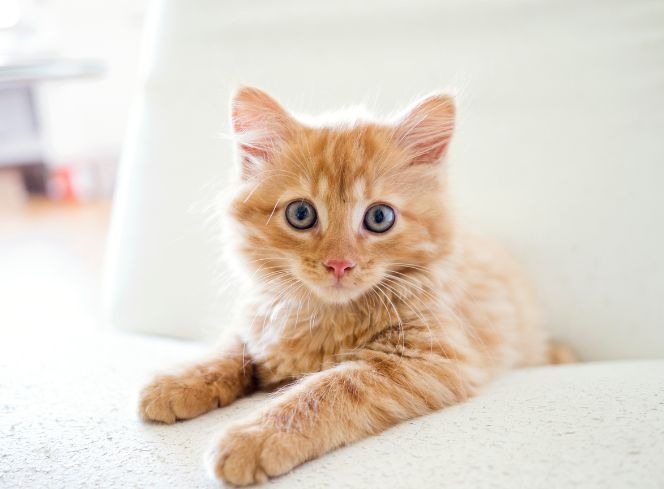
As we enter the season of celebrations, it’s often we turn to fireworks to make those occasions extra special. It’s well known our canine friends are often scared of fireworks and there are calming remedies to help, (you can find our dogs & fireworks guide here), but what does mean for our feline friends? Here we explore if cats are afraid of fireworks, and what you can do to help them through the celebrations.   Cats And Fireworks It is very likely your cat will be frightened of fireworks, some may be scared by the loud noises, and some may be scared by just the sight – they may even find both elements terrifying to them. If you can, try to keep your cat indoors on evenings such as ‘bonfire night’ and ‘New Year’s Eve’, even if you’re not having a firework display yourself, you can’t be sure neighbours won’t be putting on their own displays. When keeping your cat indoors, don’t forget to put out a litter tray with easy access for your cat to use at their leisure. When keeping your cat indoors, go through your home and ensure you have no windows or doors open that would be easy for your cat to escape to. Remember cats can squeeze themselves to fit into very small, tight spaces which may be dangerous for them, so block these off to ensure they’re able to play and sleep in a safe space. It’s good to create a safe place for them to retreat to whilst the festivities are going on – somewhere they feel warm, safe and cosy – somewhere almost den like. You can encourage use of the area with adding toys, treats and their favourite blanket. This will make them feel secure and should limit the level of anxiety they feel. A hooded bed placed high up on a shelf is ideal, as long as it is safe. Whilst keeping your cat indoors, do not shut them in a confined area. Allow access to all of your home, providing it is safe to do so. Keeping them locked away may encourage their need to escape and they may end up hurting themselves. If your cat does get distressed throughout a firework display, try not to pick them up as this can increase the level of anxiety which could provoke aggression. Your cat is very perceptive, so try to keep yourself calm throughout, if they see you acting normally, it may decrease their level of anxiety. We also stock a range of cat calming products which may help keep your cat calm during fireworks. If you're wondering how cat calming products work and the best ones to use why not check out our cat calming guide?   How To Block Out Firework Noise For Cats Turning on a radio and keeping it at a level volume is a good way to drown out any noise of fireworks and keep your home calm. Look out for radio stations which play ‘calming music’, there are often stations which play ‘pet friendly’ music throughout ‘bonfire night’ and ‘New Year’s Eve’. Whilst you’re trying to block out any noise from the fireworks, don’t forget to block the windows too, shutting curtains where possible to shut out any of the colourful flashes which is likely to scare your cat.  Buying your cat a treat or toy is a great way to distract from firework noise and flashing. A treat your cat can lick, such as a paste is a great option that your cat can work on and will take some time. Pureed treats often have high water content too which is great to keep your cat hydrated. Here at Lords & Labradors, we have lots of calming options which may be useful to you and your pet throughout the ‘firework season’.    Why Are Cats Scared Of Fireworks It’s hard to determine what your cat is most afraid of around fireworks, but it’s likely to be a combination of the loud noise, the unpredictability and the flashing that unsettles them and seems frightening. If your cat suffers from anxiety throughout firework displays, we recommend speaking to your vet, and/or a cat behaviourist as soon as you can. It’s best to address the anxiety before the season starts to desensitise your feline, which may take time.

By Laura Rudd

Read more
Can Dogs Eat Pumpkin? Our Guide To Dogs At Halloween
19.09.23 September 19, 2023 Seasonal Featured

Can Dogs Eat Pumpkin? Our Guide To Dogs At Halloween

Nothing says Halloween like a freshly carved pumpkin lit up, by people’s doors and windows. If you happen to be taking part in this tradition this year, be mindful of your furry friend lurking by whilst you carve away your colourful squash. It goes without saying to keep all sharp and dangerous objects out of the way of your canine, but what about the pumpkin itself? In short, yes your dog can eat pumpkin flesh. Pumpkins are actually found in a lot of dog food, and may even be an ingredient in the food or treats they already eat! You may need to be careful with which part of the pumpkin they eat however, here’s our guide to if dogs can eat pumpkin!   Can Dogs Eat Raw Pumpkin? It’s always good to check with your vet before offering your dog a new food, but often pumpkin flesh is ok for your dog to eat and you may find they enjoy it. Try to avoid the prickly stalk from the pumpkin as this could cause irritation in your dog’s mouth and may be harmful when ingested. It’s also advised to remove the skin of the pumpkin as it can act as a choking hazard and if ingested there’s a serious risk of gut obstruction. If you do decide to feed your dog pumpkin flesh, do bake it first, or offer a pumpkin puree – unsweetened. Feeding raw pumpkin can be very hard to swallow and digest.   Dogs At Halloween As we draw closer to Halloween, it’s good to know what activities your dog can and can’t partake in, especially as there’s a lot more activity we do around this time! Pumpkin carving and trick or treating sound fun and inviting for us humans, but what about our dogs? Trick or Treating is fun for the little people in our life, and gets us out of the house often for a walk around neighbouring houses and streets. Try taking your dog along with you if you can. It’s likely you will have visitors knocking on your door, destressing your dog whilst you’re out, so taking your pooch along with you also means it’s likely they’ll enjoy the walk and escape the anxiety of lots of doorbell ringing where nobody is home to answer! You could even dress your dog up in fancy dress or add something to their lead to celebrate the season with you. We have a fun range of Halloween costumes this year which you should definitely check out if you're looking to dress your dog up this Halloween! Be mindful some dogs do not like being dressed up and be wary of adding anything that makes a noise which could scare or irritate your dog. You can find our best Halloween treats & toys here, so even if you don’t leave your home, your dog can join in on the festivities safely and anxiety free for you, knowing all the toys and treats you provide as dog safe and dog friendly.   Dog Trick Or Treat Don’t forget to keep your colourful and sweet trick or treat sweets out of reach of your dog as often these treats to us, are poisonous to our dogs. Why not make some dog treats or bake your own doggy cakes so your pup gets an extra special treat too! There may even be events around your area where you can take your dog to dog friendly ‘trick or treat’ events, where the dogs sniff out their very own treats! This may be something you adopt in your own home, or simply provide them with a snuffle mat they can enjoy! However you’re spending this Halloween, we hope it’s filled with fun and lots of doggy safe adventures!

By Laura Rudd

Read more
Create Your Ideal Puppy Bedtime Routine
19.09.23 September 19, 2023 Getting A Puppy Featured

Create Your Ideal Puppy Bedtime Routine

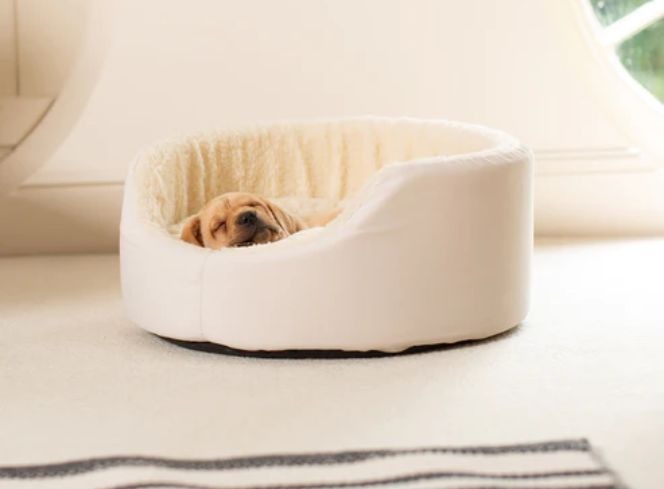
Us humans are creatures of habits, you may not realise you have a ‘bedtime routine’, but you most likely do, which helps wind you down from the day and settle you to a good night’s sleep. Whether this be brushing your teeth and climbing into your softest bedsheets, or reading a few pages of your book, it’s important to create the perfect bedtime routine, so it’s not surprising our puppy’s need a routine too to help them wind down from the day and recognise when ‘bedtime’ also means ‘sleep time’. Here, we have compiled a helpful guide to creating your puppy’s bedtime routine to ensure you both get the best night sleep.   Puppy Bedtime Routine Your puppy may need encouragement to go to sleep, they should eventually settle when they’re tired enough, so you may need to play with them or take them for a walk earlier in the evening to tire them out. Try to start your ‘wind down time’ around 30 minutes before their scheduled bedtime. From this time, avoid playing with them or have them interacting with any stimulating toys that will keep them alert. You may need to separate them from events that would excite them (like bath time if you have children who love to squeal and splash) and giving them a simple chew toy may a better toy to leave them with. Take your puppy out to the toilet just before you’re going to put them to bed. Ensure it is long enough for them to relieve themselves properly before settling down for the night.   Puppy Sleep Routine Once they’ve been to the toilet and settled for the night, choose them a comfortable place to sleep; this may be their bed, in a playpen or a crate. Create the space for your puppy to feel cosy and so they associate relaxing in this space. Ensure the bed is in a low-traffic area of your home so they’ll be undisturbed. Avoid putting any toys in your puppy’s sleep area as you may find they opt for ‘play time’ over ‘sleep time’. Turning the lights out may be a ‘sure sign’ of bedtime, and a habit your puppy will get used to, to feel settled and to recognise the significance of ‘bedtime’. Try to limit the amount of times you switch the lights on and off, so your pup knows once the lights are out – it is sleeping time. If your puppy is struggling to settle why not try one of our crate covers. They're perfect for popping over your puppies crate so it's dark for them and you can roll the doors down to help signal that it's 'sleep time' to get them in a good routine.    Good Bedtime for Puppy Your pup’s bedtime will often be determined by your own routines and plans and will vary depending on the level of exercise your puppy gets and the lifestyle they live with you. Your puppy will generally need about 12 hours of sleep a night, so this may change their bedtime with your morning routines too. Remember your pup needs to sleep throughout the day too! Usually, your puppy should go to bed around 2 hours before you head to bed, it might be useful to take your puppy to the toilet just as you’re heading to bed, so they’ve had another toilet break opportunity, which may help them last longer throughout the night. As tempting as it may seem, try not to let your dog sleep on you on an evening and encourage them sleeping in their bed. Balancing the activity of your pup and how much sleep they need takes time, but you’ll soon learn your puppy’s routine as they learn yours which will make for a seamless night’s sleep!

By Laura Rudd

Read more
How To Bathe A Cat
19.09.23 September 19, 2023 Health Featured

How To Bathe A Cat

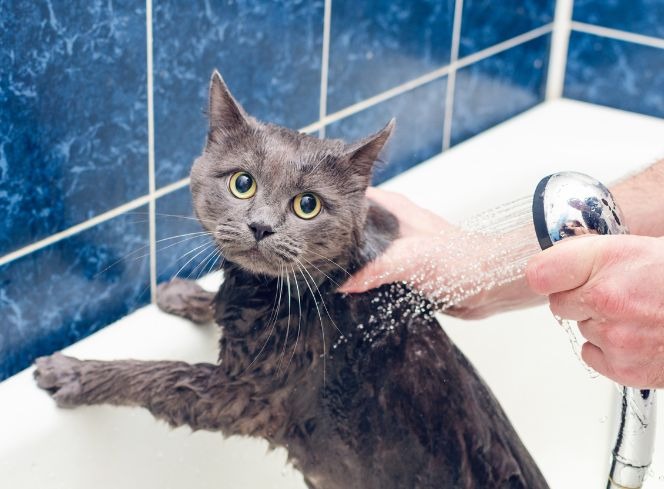
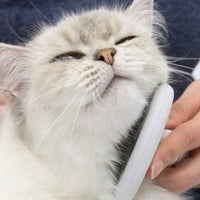
A well-known fact about cats is how clean they are, as they clean themselves regularly. You may never have thought about bathing your cat, but it’s sometimes necessary to give them a little help and bathe them yourself. If your cat is covered in something sticky, smelly or if they have picked something up, it’s best to give them a bath and keep them clean. Here are our tips to keep your feline looking, feeling and smelling fresh. How To Wash A Cat Start With Your Cats Claws  Their form of defence is their claws, so it’s best to focus on these before you put your cat straight into a stream of water. Keep the atmosphere calm and focused so you can trim your cats claws appropriately. We recommend using specific cat nail clippers to cut your cats nails with. If you're wanting to know the best way to cut your cats claws why not check out our blog on how to trim your cat's claws?   Brush Them First Once you’re happy with your cats claws, give your cat a brush over, removing any excess hair sitting in your cats coat. Cats shed all year round, so getting the excess hair from them will ensure for a more efficient bath time.   Introducing The Bath Generally your cat won’t enjoy the bathing process and won’t be willing if they’re hungry or tired. So, try to time the grooming just right in their day, so they’ll be more comfortable throughout. You may want to play with them beforehand, or even offer them some catnip. Bathing If you don’t have a rubber bathmat, fold a towel and place it on the bottom of the bath so your cat has something sturdy to stand on. Fill the bath with a couple of inches of lukewarm water and place your cat in the water. You may need a second pair of hands to help with washing.   Shampooing Do not use human shampoo on your cats fur, use a specially designed cat shampoo to avoid any unnecessary trips to the vet. Start at your cats neck and work your way over their body to finish with the shampooing of their tail. It’s unlikely your cat will go under the water, so use a jug to pour clean water over them to rinse out all of the shampoo. Washing Their Face We don’t recommend pouring water over your cats face and ears, instead, use a clean damp cloth to wipe over their face to clean. Drying Dry your cat fully and brush through if your cat needs it. Our Drying Mitts are great for lifting your cat out of the bath and drying them straight away. Finally, don’t forget to finish with a really tasty, high reward treat. Treats and praise will make the while process more enjoyable for your cat, and they may let you bathe them again!

By Laura Rudd

Read more
How To Clean Your Dog's Teeth
19.09.23 September 19, 2023 Health Featured

How To Clean Your Dog's Teeth

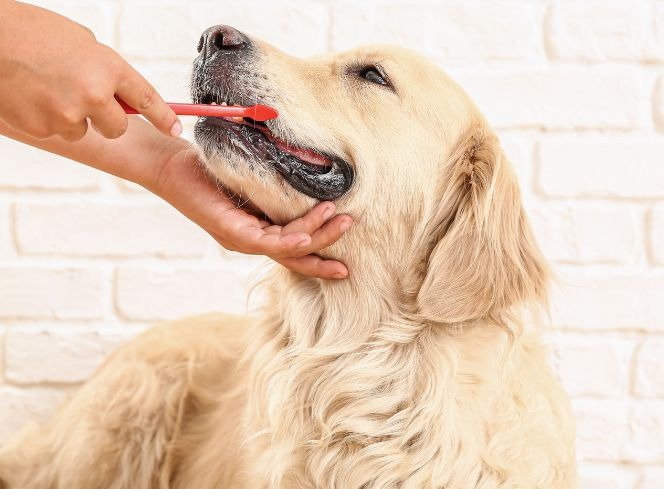
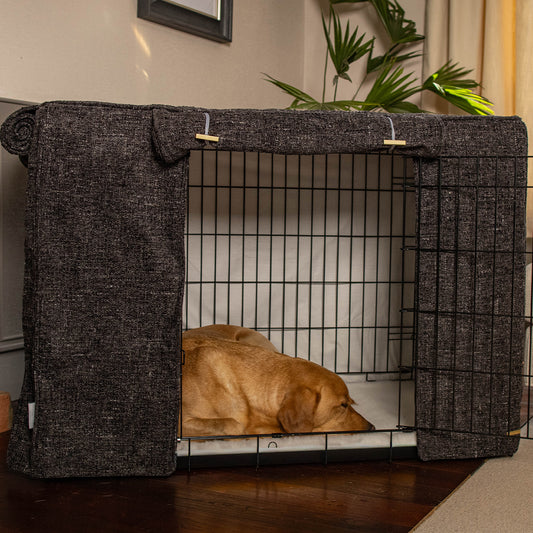
Oral health for your dog is just as important as keeping your mouth and teeth clean as a human. Neglecting your dog’s teeth can lead to plaque build-up which can cause disease which is very common in dogs. To avoid your dog’s discomfort (and a large vet’s bill), it’s best to keep on top of your dog’s oral health. In this blog we discuss how to clean your dog’s teeth, and why it is so important. Brushing Dogs Teeth The way you brush your dog’s teeth will vary on their breed – check with your vet if you’re unsure, but there will be different ways you should be brushing due to your dog’s needs. For example, if you have a French Bulldog, or a flat-faced breed, due to the jaw alignment, you may need to be brushing in a certain way, and more frequently to avoid dental disease. Brushing your dog’s teeth may need some training and extra guidance from you, as your dog may not willingly let you in their mouth. If possible, use our guide below to follow: Using your finger only, brush along your dog’s mouth until they’re comfortable with you brushing your finger across their teeth. Once they’re happy with you brushing their teeth, introduce doggy toothpaste and gently rub across the teeth. Once your dog is comfortable enough with you using your finger to ‘brush’ their teeth, you can progress to an actual brush. It’s good to use a specially designed doggy toothbrush as this has been tried and tested for the utmost comfort for your dog. Gradually build up your brushing time up to two minutes, 2-4 times a week. This might take time, but it should get easier the more gradually you do this. End with a high value reward when your dog cooperates with you and lets you brush their teeth. Try to pick a treat that promotes fresh breath and clean teeth. It’s important you don’t use human toothpaste on your dog as it can be toxic. Enzymatic dog toothpaste will help to reduce the bad breath and break down plaque – dog toothpaste is often chicken or liver flavour which your dog will find super tasty!   How Often Should You Brush Dogs Teeth? Daily brushing will help prevent the build-up of plaque and tartar which may lead to gingivitis and dental disease. Your dog’s teeth will be checked by your vet regularly but do keep a look out for any change in your dog’s eating habits, red or swollen gums, discolouration of teeth or fractured/missing teeth.   How To Freshen Dog's Breath Without Brushing If your dog won’t let you in to brush their teeth, try to help them take care of their teeth naturally. Providing your dog with plenty of chew toys and dental treats can help to prevent plaque and tartar build up whilst also combatting boredom.
By Laura Rudd

Read more
Why Do Cats Sleep So Much?
19.09.23 September 19, 2023 Owning a Cat Featured

Why Do Cats Sleep So Much?

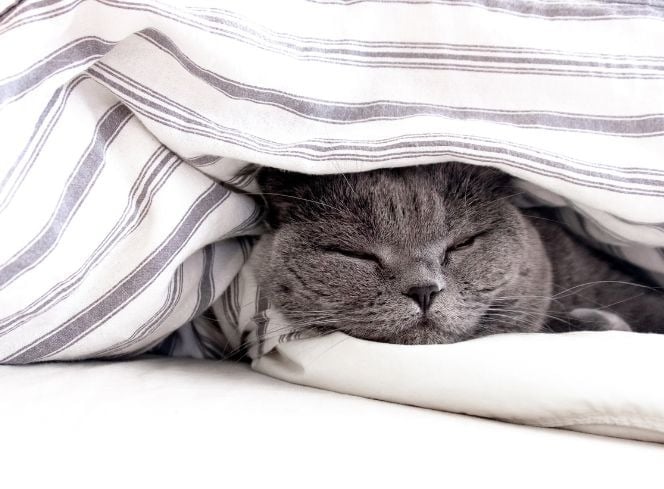
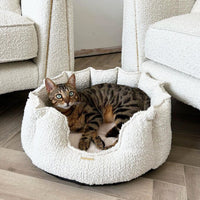
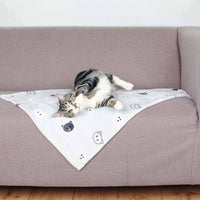
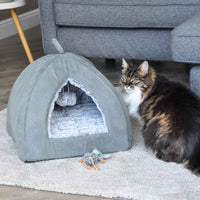
If you've ever wondered whether your cat has taken up professional napping, you're not imagining things. Whether you share your home with an outdoor explorer or a devoted indoor cat, it can seem baffling that they need quite so much shut-eye. Even on a day with no real activity to speak of, most cats will still clock up 12 to 16 hours of sleep, and kittens or older cats can sleep for even longer. So why do our feline housemates sleep so much, and when is it worth keeping an eye on their sleeping habits? Let's take a look. How Long Do Cats Sleep? Cats sleep to conserve energy for hunting, even if the only 'prey' your cat has ever chased is a feather wand or a dot from a laser pointer. That instinct to rest between bursts of activity is hardwired into them, regardless of whether they've ever had to hunt for a meal in their life. It's also where the phrase 'cat nap' comes from, since cats have long been associated with dozing in short, frequent bursts rather than one long stretch overnight. Interestingly, your cat may not always be properly asleep when they look like they are. Often, they'll curl up somewhere cosy and simply rest with one eye metaphorically open, ready to spring into action if something interesting happens nearby. A comfortable, supportive bed makes a real difference here. If your cat is forever seeking out a new spot to curl up in, it might be time to explore our range of luxury cat beds to find something that suits how they like to sleep. Why Does My Cat Sleep On Me? Cats are at their most vulnerable while asleep, so choosing to sleep on or beside you is a genuine compliment. Instinctively, they'll pick their favourite person or companion to curl up next to, both for warmth and for the sense of security that comes from being near someone they trust. So next time you're pinned under a purring cat and reluctant to move, know that they've chosen you because you make them feel safe. Does Age Affect How Much Cats Sleep? Very much so. Kittens can sleep up to 20 hours a day, since so much of their growth and development happens during deep sleep. Senior cats also tend to sleep more, often due to a natural drop in energy levels or age-related joint stiffness that makes them less inclined to potter about the house. For older cats or those with achy joints, an orthopaedic or self-heating bed can make those long snoozes much more comfortable. When Should I Worry About My Cat Sleeping Too Much? A cat sleeping 12 to 16 hours a day is completely normal and nothing to be concerned about. What's worth paying attention to is a sudden change from your cat's usual pattern, particularly if it's paired with other symptoms such as a loss of appetite, hiding away more than usual, or reluctance to move. Boredom and lack of stimulation can also tip a cat towards excessive sleeping, so regular play sessions and a bit of variety in their day can help keep them active and engaged during their waking hours. If you notice any sudden or significant change in your cat's sleeping habits, it's always worth a call to your vet, who can rule out anything underlying and set your mind at rest. Helping Your Cat Get Good Quality Rest Offer a few different sleeping spots, including somewhere elevated and somewhere enclosed Keep a consistent daily routine for feeding and play Provide regular interactive play to burn off pent-up energy before bedtime Add a cosy blanket or two to their favourite spots, especially in winter What Different Sleep Positions Mean The way your cat sleeps can tell you a fair bit about how safe and relaxed they're feeling. A cat curled tightly into a ball is conserving body heat and protecting their vital organs, a fairly cautious pose even in a familiar home. Sleeping stretched out on their back, tummy exposed, is generally a sign of total trust and relaxation, since this leaves them properly vulnerable. Cats who tuck themselves away in boxes, cupboards or under furniture to sleep are usually after a bit of extra security and reduced sensory input, particularly in busier households. Sleeping near a window, meanwhile, often has more to do with the sunny warmth on offer than a longing to watch the world go by, though it can certainly be both at once. Watching where and how your cat chooses to sleep over time can be a genuinely useful way to check in on their wellbeing, since a cat who suddenly abandons their favourite sunny windowsill for a hidden corner may simply be after a change of scene, or may be quietly telling you that something feels a little off. Frequently Asked Questions Is it normal for my cat to sleep all day and be active at night? Yes, this is very common. Cats are naturally crepuscular, meaning they're most active at dawn and dusk, which can mean daytime napping and a burst of energy once you've gone to bed. How many hours of deep sleep does a cat need? Only around a quarter of a cat's sleep is deep sleep, with the rest being light, easily-interrupted rest. This is why cats can seem to wake instantly at the slightest sound. Can boredom make a cat sleep more? Yes. Cats without enough mental stimulation often become more lethargic. Rotating toys and adding short daily play sessions can help keep them engaged during their waking hours. Should I wake my cat up during the day? There's generally no need. Cats regulate their own sleep well, and interrupting rest unnecessarily can cause more stress than it solves. Focus instead on engaging them fully when they are awake.  

By Laura Rudd

Read more
Can You Walk Your Dog In The Rain?
15.09.23 September 15, 2023 Owning a Dog Featured

Can You Walk Your Dog In The Rain?

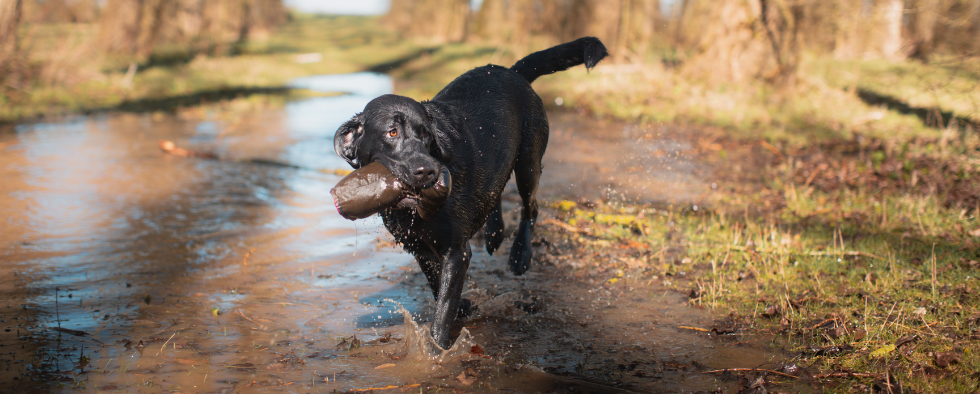
Walks are an essential part of dog ownership and are a good thing to do every day to keep your dog’s health in check and prevent them from becoming frustrated or upset. Unfortunately, the weather can be one of the dog owner’s greatest foes, and when torrential rain strikes, you may be left wondering whether it’s worth potentially falling out with your dog by refusing to take them for a walk if it means avoiding heavy showers. Continuing your usual routine is likely to benefit your dog if it means they’re having walks like they normally would. But before taking them out for a dog walk in the rain, you may want assurances that they won’t become ill or suffer in any way, shape or form by being exposed to the rain. Below, we explain why it’s perfectly safe to walk your dog in the rain, how you can do this and what you can do if your dog is frightened of walking in the rain.   Do Dogs Like Rain? This varies massively from dog to dog, some adventurous pups love to play in the rain and jump in puddles, where as others would much prefer to be cuddled up inside in the warm and dry.  Signs that your dog loves the rain include sitting at the door when it's raining waiting to go out, wagging their tail when they're in the rain and being their usual selves even when it's raining - this shows they have no fear or anxiety about the rain. Signs that your dog isn't a fan of the rain can include panting, hiding, shaking, whining or pacing round. A lot of dogs associate the rain with the uncomfortable sensation of being wet so begin to build up negative associations with it. When they're puppies it's a good to train them to enjoy being in the rain by encouraging them to play in the rain and go out in it and reward them for doing so.    Can I Walk My Dog In The Rain? Depending on the breed, some dogs require a certain level of exercise. Daily walks are a way of fulfilling these requirements while keeping your dog emotionally, mentally and physically stimulated. However, if it’s raining, you may be concerned that taking your dog for a walk could have a negative impact on their health and wellbeing. And as the UK is prone to extended periods of rainfall, delaying your dog’s walking routine during an especially wet period could go on for any length of time. Although you may be concerned that your pooch will become unwell from being walked in the rain, it’s unlikely that a perfectly healthy dog will fall ill from being subjected to wet weather. A dog with a thicker coat is even less likely to be affected as it will take longer for the rain to make contact with their skin than that of a short-haired dog. Just as we'd put a coat on for a rainy walk, you can do the same with your dog and get them their very own rain jacket to help protect them. As long as you ensure that your dog is dried with a towel or drying coat and your home is warm once you return from your walk, it shouldn’t have any impact on your dog’s health.   Should You Walk Your Dog Every Day  Contrary to popular belief, dogs don't need walking every day. Walks are a great form of exercise for your dog and can be a valuable part of their routine but they don't need walking every single day. Some dogs thrive with fewer walks but more enrichment activities and exercise at home, this will massively depend on their breed and size. Missing a walk on a particularly rainy or hot day is okay, it's often better for your dog to stay home on these days.    How To Walk Your Dog In The Rain If it’s spring, the temperature is at a comfortable 15 degrees and it’s only lightly drizzling outside, walking your dog shouldn’t be impacted too much - and your dog may not even see much difference. But if it’s winter or autumn, freezing cold and raining cats and dogs, taking extra measures to improve the experience of your furry friend for trips out is likely to be worthwhile consideration.   Our Pet Expert's Tips For Walking Your Dog In The Rain: 1. Shorten the duration of the walk - Although it will depend on how bad the rain is, it could benefit your pooch to shorten the amount of time you’re out walking. If the rain is especially bad, your dog could be drenched from nose to tail in a matter of seconds, and if they have long fur, it could weigh them down and leave them uncomfortably coated in cold water. It can be difficult to work out how much you should cut down your walking time, but you should know what seems right to your dog, the breed and how it reacts to the rain. As a general rule of thumb, instead of taking your dog somewhere for a lengthy walk around a forest or village, take a more streamlined trip around your local area for ten minutes. 2. Stay away from puddles - During particularly rainy days, your dog is more likely to become wet, messy and mucky. However, if the rain doesn’t entirely drench them, a puddle might. You should always keep an eye on what your dog is getting up to on walks, but as muddy puddles can make your dog mucky and potentially carry bacteria that could cause harm to them if they use it as drinking water, it would be advisable to steer clear of them. 3. Dress them in a dog coat - You may think that a doggy coat is something you use to make your dog look extra snazzy and make a fashion statement to their furry pals, but they’re also important items of clothing for giving them protection against the cold and rain. Many dog coats attach around your dog’s back with velcro underneath to prevent them from slipping off, and they’re effective in keeping the rain off of their neck, back and legs. If you want extra protection for your dog, you could even dress them in little rain boots, but whether you’re able to do that is likely to be based on your dog’s willingness to comply. 4. Warm up your dog immediately after - As soon as you get back home from your walk, you should put your heating on, wrap a towel or drying coat around your dog and check that they’re warm and dry. This will be more important if your dog has taken badly to the rain, the rain was particularly severe or your dog has long fur that is entirely drenched, but it would be a suitable route to take for any dog, big or small. Don't forget their paws, make sure the fur in between the pads is completely dry as leaving this wet can lead to dermatitis for your dog.  When you’re drying your dog, you could even put a heating pad underneath their dog bed so they’ve got added heat, or if they’re due a bath anyway, you could use this as an opportunity to give them a proper clean. 5. Stimulate them indoors - If the rain is too heavy or your dog doesn't fancy going out, we recommend planning in some at home enrichment activities to help wear your dogs brain out. There's lots of fun ways to stimulate them at home, we've listed our favourite in our 'things to do at home with your dog' blog   Why Is My Dog Scared Of The Rain? While it’s one thing for you to decide to take your dog for a walk in the rain, it’s another if your dog is frightened of it. For one reason or another, some dogs are scared of the rain, and as a dog owner, it can be difficult to know how to get them to persevere through it during walks. Firstly, you should look to introduce your dog to rain from an early age so they’re aware of it and understand that sometimes it will be raining when they go outside. However, if your dog is past this stage in their life, you will need to go to extra lengths to get them used to the concept. To train a fully grown dog in being outside in the rain, you can start by getting them to experience the rain in your garden before venturing out on walks. If they’re still apprehensive about walks in the rain, coax them out using treats and toys, go for a short walk and then increase the length of time for each walk until they’re completely happy with them.

By Megan Willis

Read more
DIY Dog Halloween Costumes & Outfit Ideas
11.09.23 September 11, 2023 Seasonal Featured

DIY Dog Halloween Costumes & Outfit Ideas

Halloween is a time of the year when everyone gets to showcase their creativity and have some fun with their outfits. But let's not forget about our furry friends – they deserve to join in on the Halloween festivities too! Whether you have a large dog, a small pup, or anything in between, there are countless adorable and spooky DIY dog Halloween costumes and outfit ideas to choose from. In this guide, we'll explore a range of options, including dog pumpkin costumes, dog spider Halloween costumes, and even dog and owner Halloween costumes. So, grab your crafting supplies and let's get started on creating the perfect Halloween look for your canine companion.   Dog Pumpkin Costume Nothing says Halloween quite like a classic pumpkin costume. To create this adorable look for your dog, you'll need: An orange shirt or piece of fabric Black fabric paint or a marker Green fabric or felt for the stem Steps: Measure and cut the orange fabric to fit your dog, leaving holes for their legs and tail. Using the black fabric paint or marker, draw a pumpkin face on the fabric. Cut a small piece of green fabric or felt into a stem shape and attach it to the shirt using glue or stitching.   Dog Spider Halloween Costume For a spookier twist, consider turning your pup into a creepy-crawly spider. Here's what you'll need: Black clothing or fabric 4 pairs of black socks or foam balls for the spider legs Googly eyes Fabric glue or sewing supplies Steps: Dress your dog in black clothing or fabric. Attach the socks or foam balls to the back of the costume as spider legs, evenly spaced. Glue googly eyes to the front of the costume.   Dog Ghost Halloween Costume If you're looking for a classic and spooky costume for your furry friend, a ghost costume is a timeless choice. Creating a homemade ghost costume is not only budget-friendly, but it also allows for customisation to perfectly fit your dog's size and personality. Materials Needed: White fabric or an old white sheet Scissors Fabric glue or a needle and thread Black fabric paint or markers (optional) Steps: Measure and Cut: Begin by measuring your dog from their neck to the base of their tail. This will determine how much fabric you'll need. Cut a rectangular piece of white fabric, ensuring it's wide enough to wrap around your dog's body comfortably. Creating Eye Holes: Lay the fabric over your dog's back and gently mark where their eyes are located. Carefully cut out small holes for their eyes. Make sure they are large enough for your dog to see clearly. Adjusting the Length: Trim the fabric to the desired length. A classic ghost look often has a slightly tattered and uneven edge. Optional Details: For added flair, you can use black fabric paint or markers to create ghostly facial features. This step is entirely optional, as the simplicity of a white ghost can be just as charming! Securing the Costume: Depending on your preference, you can use fabric glue or sew the edges together to create a comfortable and secure fit. Allow for Comfort: Ensure that the costume is not too tight around your dog's neck or hind legs, allowing them to move freely and comfortably. Remember to supervise your dog while they're wearing the costume to ensure their safety and comfort. With a homemade ghost costume, your pup will be ready to haunt the Halloween scene with style! Dog and Owner Halloween Costumes For a memorable duo costume with your dog, there are plenty of creative ideas to explore. Some popular options include: Batman and Robin: Dress your dog as Robin, complete with a cape, while you become Batman. Wizard and Witch: Your dog can be a wizard with a pointed hat, and you can be a witch with a broomstick. Peanut Butter and Jelly: Dress your dog as a jar of peanut butter and yourself as a jelly sandwich.   Puppy Halloween Costumes If you have a small puppy, there are numerous cute costume ideas to consider. Some favourites include: A bumblebee: Craft a small set of wings and attach black stripes to a yellow outfit. A hot dog: Create a bun-shaped costume and place your pup in the centre. A baby Yoda: Craft Yoda's ears and attach them to a green shirt.   Large Dog Halloween Costumes For larger dog breeds, you'll want costumes that provide comfort and mobility. Ideas include: A lion: Sew a furry mane onto a brown shirt and add ears and a tail. A superhero: Turn your pup into a superhero with a cape and a logo on their chest. A shark: Craft a shark fin and attach it to your dog's back. Conclusion Halloween is a time for everyone to enjoy dressing up and having fun, including your furry best friend. With these DIY dog Halloween costume ideas, you can ensure your pet looks spooktacular and feels comfortable while joining in on the festivities. Whether you have a large dog or a small puppy, there are endless possibilities for creating the perfect Halloween outfit. So, grab your crafting supplies and let your creativity run wild, because dogs in Halloween costumes are simply paw-some! Wanting something quick and easy? Why not order one of our Halloween costumes, we have everything from Lions to dinosaurs, from frankenstein to teddy bears - we're sure to have something your dog will love!

By Megan Willis

Read more
How To Stop Cat Litter From Smelling?
11.09.23 September 11, 2023 Owning a Cat Featured

How To Stop Cat Litter From Smelling?

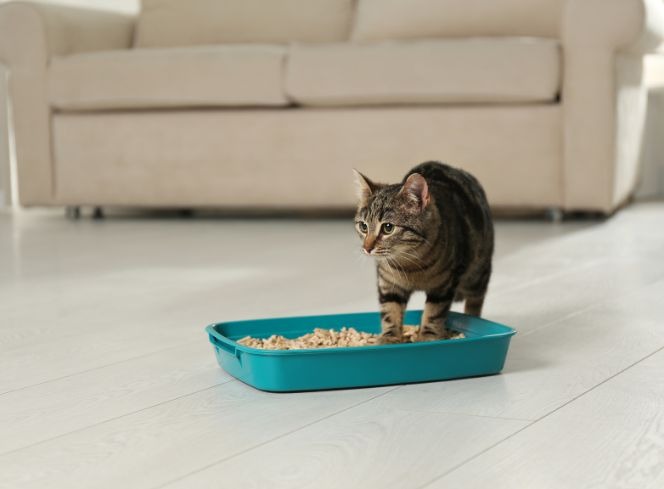
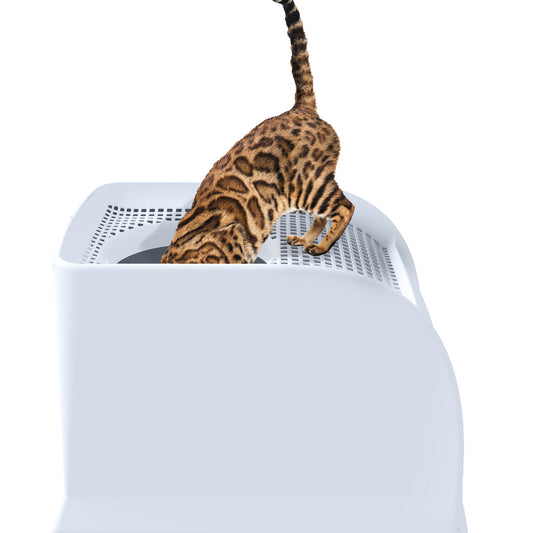
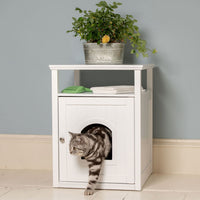
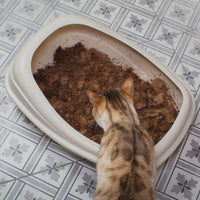
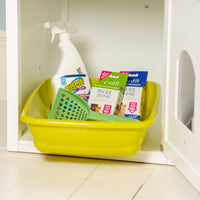
For cat owners, a common challenge is dealing with the unmistakable odour that can emanate from the cat litter box. While we adore our feline friends, there's no denying that cat litter smell can be a real nuisance. Thankfully, there are several effective strategies to combat this issue and keep your home smelling fresh and clean. In this guide, we'll explore various methods to tackle cat litter smell and provide insights into the best cat litter tray options and odour absorbers.   Understanding the Cat Litter Smell Before we delve into the solutions, it's important to understand why cat litter can sometimes become a source of unpleasant odours. The primary culprits behind cat litter odour are: Urine and Feces: Naturally, cat waste releases strong odours, especially when it decomposes. The longer it sits in the litter box, the worse the smell becomes. Bacterial Growth: Moisture and warmth in the litter box create an ideal environment for bacteria to thrive. These bacteria contribute to the unpleasant smell. Inadequate Ventilation: Poor air circulation can trap odours in the litter box area, making them more noticeable. Now, let's explore how to combat these issues and prevent cat litter smell from permeating your home.   Tips to Stop Cat Litter Smelling Choose the Right Cat Litter: Opt for a high-quality, clumping cat litter that effectively absorbs moisture and locks in odours. Look for products labeled as odour-neutralising or unscented if your cat is sensitive to fragrances. Regular Cleaning: Scoop the litter box daily to remove clumps of urine and feces. This simple habit can significantly reduce odour buildup. Frequent Litter Replacement: Completely change the litter and clean the box regularly. Experts recommend doing this every 2-4 weeks, depending on your cat's usage. Litter Box Placement: Choose a well-ventilated location for the litter box. Adequate air circulation can help disperse odours. Use an Odour Absorber: Consider using a cat litter smell absorber, such as activated charcoal or baking soda, placed near the litter box. These substances can absorb and neutralise odours effectively. Invest in a High-Quality Litter Box: Some litter boxes are designed to contain and minimise odours better than others. Look for options with built-in odour control features or those with enclosed designs. Air Purifiers: Place an air purifier near the litter box area to help eliminate airborne particles and odours. Best Cat Litter Tray for Smell If you're in the market for a new cat litter tray with a focus on odour control, here are a few recommendations: Trixie Eco Vico Hooded Litter Tray - The Trixie Eco Vico Hooded litter tray allows your litter area to be enclosed, preventing litter been scattered. It also allows a private area for your cat and keeps a litter tray out of sight. Cleaning the tray is also easy, just remove the hood by releasing the click clasps. Lords & Labradors Cat Washroom & Litter Tray - The Lords & Labradors Cat Washroom is a multi-functional pet house that can be used for cats or small breed dogs. Use with a litter tray to turn the Washroom into an attractive cat loo. The Washroom will hide unsightly litter trays and also contain any litter that escapes the tray when your cat covers her business.  Catit Hooded Litter Tray - The Catit Hooded Litter Tray will offer your cat privacy when they need to relieve themselves as well as keep the litter contained when they cover their business. The litter pan comes in two sizes for different sized breeds and featuring a handy carry handle for easy cleaning. Designed in a stylish shade of grey to suit all interiors. Cat litter smell doesn't have to be an ongoing battle for cat owners. By implementing a combination of the tips mentioned above, choosing the right cat litter, and investing in an effective cat litter tray, you can significantly reduce or even eliminate unwanted odours in your home. Remember, consistent maintenance and cleanliness are key to keeping your feline companion's restroom area smelling fresh and ensuring a pleasant living environment for both you and your cat.

By Megan Willis

Read more
Why You Should Keep Toxic Blue-Green Algae Away From Your Dog
11.09.23 September 11, 2023 Health Featured

Why You Should Keep Toxic Blue-Green Algae Away From Your Dog

Blue-green algae, also known as cyanobacteria, can be a beautiful natural sight in many bodies of water. However, beneath their picturesque appearance lies a hidden danger, especially to our furry companions. In this blog post, we'll delve into the reasons why you should be vigilant about keeping toxic blue-green algae away from your dog whilst you're out on walks. We'll also discuss the symptoms of blue-green algae poisoning in dogs, treatment options, and how to recognise the signs of potential toxicity. Let's prioritise our pets' well-being and keep them safe from this silent threat.   Understanding Toxic Blue-Green Algae Blue-green algae, despite its name, is not actually algae but a type of bacteria that thrives in freshwater and brackish water bodies. These organisms can form dense blooms on the surface of ponds, lakes, and rivers, particularly during warm, stagnant conditions. While not all blue-green algae are harmful, certain species produce toxins that can be lethal to both wildlife and pets, including dogs.   Symptoms of Algae Poisoning in Dogs Blue-green algae poisoning can be life-threatening for dogs, and it's crucial to recognise the symptoms early. Common signs of blue-green algae poisoning in dogs include: Vomiting: Dogs may vomit shortly after ingesting contaminated water or algae. Diarrhoea: Diarrhoea can occur, often accompanied by blood or mucus. Lethargy: Your dog may appear weak, tired, and less active than usual. Excessive Salivation: Increased drooling may be noticeable. Difficulty Breathing: Breathing difficulties and panting can be signs of severe poisoning. Seizures: In severe cases, seizures can occur, indicating a critical stage of toxicity. Liver Failure: Advanced poisoning may lead to liver damage, which can manifest as jaundice (yellowing of the eyes and gums). Neurological Symptoms: Some dogs may exhibit confusion, disorientation, or other neurological symptoms.   Treatment of Blue-Green Algae Poisoning If you suspect your dog has ingested or come into contact with toxic blue-green algae, it's essential to act quickly: Seek Immediate Veterinary Care: Contact your vet or an emergency out-of-hours vet immediately. Rinse Your Dog: If possible, rinse your dog thoroughly with clean water to remove any residue from the algae. Do Not Induce Vomiting: Do not attempt to induce vomiting without consulting a vet, as this can worsen the situation in some cases. Keep Your Dog Calm: Minimise your dog's activity to prevent the toxins from spreading more rapidly. Monitor Vital Signs: Keep an eye on your dog's breathing, heart rate, and temperature.   Preventing Blue-Green Algae Poisoning Prevention is the best strategy to protect your dog from blue-green algae poisoning. Here are some tips to keep your furry friend safe: Stay Informed: Be aware of blue-green algae blooms in your area by checking with local authorities or using online resources. Keep Your Dog On Their Lead: When walking near bodies of water, keep your dog on a lead to prevent them from drinking contaminated water or exploring algae-covered areas. Avoid Swimming in Suspicious Waters: If there are signs of algae blooms, do not allow your dog to swim or play in those waters. Provide Clean Water: Always bring fresh, clean water for your dog when you're out and about.  Learn to Recognise Blue-Green Algae: Familiarise yourself with what blue-green algae looks like to avoid contaminated areas.   Where is Blue-Green Algae Found In The UK? Blue-green algae can commonly be found in various water bodies across the United Kingdom. They tend to thrive in freshwater environments such as ponds, lakes, reservoirs, and slow-moving rivers, especially during warm summer months. These algae often form dense blooms on the water's surface, giving it a greenish or bluish tint. Coastal areas and estuaries can also be susceptible to blue-green algae, particularly in areas where the water becomes brackish due to the mixing of freshwater and seawater. While not all blue-green algae are toxic, it's essential for residents and visitors to be aware of local water quality advisories and exercise caution when using or allowing pets to access these water bodies to prevent potential exposure to harmful cyanobacterial toxins. Conclusion Toxic blue-green algae poses a severe threat to our canine companions, and it's crucial to take precautions to keep them safe. Knowing the symptoms of algae poisoning in dogs, seeking immediate veterinary care, and practicing prevention are key steps in safeguarding your pet's health. Be vigilant, stay informed, and prioritise your dog's well-being to ensure they stay healthy and happy.

By Megan Willis

Read more

loyal customer in 17 countries

Why Shop With Us?

  • Free Delivery

    Orders over £75 qualify for free standard UK delivery. Orders under £75 will be calculated at the checkout.

  • Shopping Made Easy

    Gain exclusive access to sales and shop all your pets favourites on the go by downloading our app.

  • Designed in the UK

    Our own brand products are lovingly designed in our specialist UK workshop to our exacting standards.

  • We're Here For You

    Contact our Pet Experts on Chat or by email at sales@lordsandlabradors.co.uk