











































































Keeping on top of your Labrador's teeth doesn't have to feel complicated, but it does make a real difference to their comfort and health over time. In this guide, you'll find practical advice on how to build a brushing habit your Lab will actually tolerate, what to look for in dog toothpaste and dental sticks, and how to fit it all into a routine that works in real life. Whether you're starting from scratch with a puppy or trying to improve things with an older dog, there's plenty here to help you get going.
Why Labrador teeth need regular care
Labradors are enthusiastic about almost everything, and eating is usually top of that list. But all that love of food, chewing, and general mischief means their mouths take quite a beating over the years. Labrador teeth are just as prone to plaque, tartar, and gum disease as any other breed, and without regular care, small problems can quietly become bigger ones.
The signs are often easy to miss at first. Bad breath is usually what owners notice first, but yellowing teeth, red or puffy gums, reluctance to chew, or pawing at the mouth can all point to dental discomfort that's been building for a while. The tricky part is that dogs are good at hiding it, so by the time it's obvious, things have often been brewing for months.
The good news? Most of this is preventable. Labrador dental care doesn't need to be a big production. A few minutes a few times a week, the right toothpaste, and a little patience with your dog genuinely goes a long way. Whether you're starting puppy teeth cleaning early or trying to improve things with an older Lab, consistent habits now make a real difference to their comfort and long-term health.
In this guide, we'll cover how to clean dog teeth at home, which products are actually worth using, and how to make the whole thing feel less like a battle. If you'd like a broader overview before diving in, our guide to how to care for your dog's teeth is a great place to start.
How to clean your dog’s teeth step by step
Getting on top of your Labrador's teeth cleaning can feel daunting at first, especially if your dog treats the toothbrush like a new chew toy. But with a bit of patience and the right approach, it genuinely does get easier — and most Labs accept it as part of their normal routine surprisingly quickly. Here's how to get there, step by step.
-
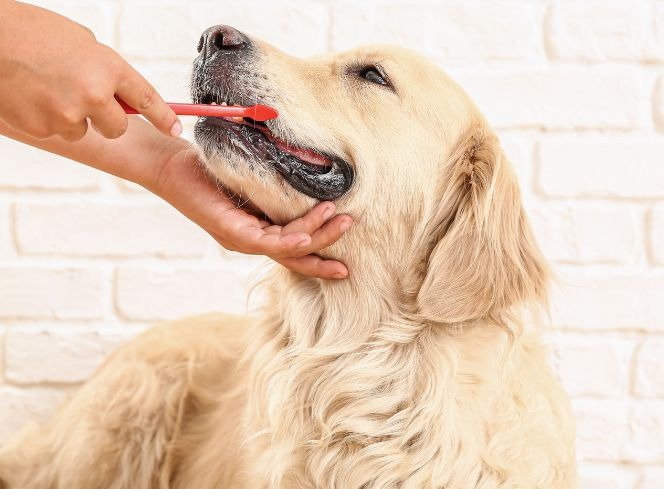
Pick the right toothbrush. A soft-bristled dog toothbrush or a finger brush both work well. Finger brushes tend to be easier to control with wriggly dogs, particularly when you're just starting out.
-
Choose a dog-safe toothpaste. Never use human toothpaste — it contains ingredients that are toxic to dogs. Go for an enzymatic dog toothpaste in a flavour your Lab will actually enjoy, like poultry or beef. Let them lick a little off your finger first so it feels more like a treat than an ordeal.
-
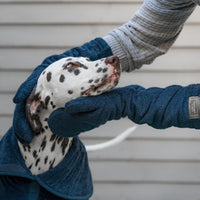
Start slow, not perfect. Before the brush even comes out, spend a few days gently touching your dog's muzzle, lifting their lips, and rubbing your finger along their gums. It feels low-stakes, but it builds real trust and makes the actual brushing much less of a shock.
-
Get into position. Kneel beside your dog rather than leaning over them. Keep the energy calm and unhurried. If your Lab is a natural fidget, try brushing after a walk when they're already a bit more settled.
-
Start brushing. Apply a small amount of toothpaste and hold the brush at a 45-degree angle to the gum line. Use gentle circular motions, focusing on the outer surfaces — especially the back molars and upper canines, where plaque tends to gather most.
-
Keep sessions short. Two minutes is the goal, but thirty seconds of decent brushing still counts on a hectic morning. Consistency matters far more than getting it perfect every single time.
-
Always end on a good note. Praise, a quick play, or a dental treat afterwards helps your dog build a positive association with the whole thing. It makes the next session easier too.
-
Build up gradually. Daily brushing is ideal, but three to four times a week still makes a meaningful difference to your Labrador's dental health. Start with whatever feels realistic and work up from there.
Progress takes time, particularly with adult dogs who've never experienced a toothbrush before. Stick with it and most Labs do come around. For a closer look at tools and techniques, the full guide on how to clean your dog's teeth has everything you need.
Choosing the best dog toothpaste for Labradors in the UK
Choosing the right toothpaste can make dog teeth cleaning much easier, especially with Labradors, who tend to remember very quickly whether something feels like a treat or a chore. The first rule is simple: never use human toothpaste. Dogs swallow what you put in their mouths, and many human formulas are not designed to be swallowed. Some contain xylitol, which is highly toxic to dogs, and others may include foaming agents or strong mint flavours that can upset their stomach or put them off brushing altogether.
For everyday labrador dental care, a dog-specific toothpaste is the safest and easiest option. When you’re shopping in the UK, these features are worth looking for:
- A flavour your Labrador actually likes. Chicken, beef, malt, or peanut-style flavours often go down far better than anything minty.
- Enzyme-based formulas. These can help reduce plaque and freshen breath, which is handy if you’re still learning how to brush a dog’s teeth properly.
- A smooth texture. Gels and soft pastes are usually easier to spread along the gumline and more comfortable for your dog.
- Clear feeding and use instructions. Good packaging should tell you how often to use it, how much to apply, and whether it suits puppies as well as adults.
- Vet recommendation or reputable pet-brand backing. That’s often more useful than chasing buzzwords.
| Easier to use | Harder to use |
|---|---|
| Tasty, savoury flavour | Strong mint or no flavour |
| Smooth gel or soft paste | Thick, gritty texture |
| Easy-squeeze tube | Fiddly, messy dispenser |
In real life, the best toothpaste for labrador teeth is the one your dog accepts happily and lets you use consistently. If you’re also thinking about puppy teeth cleaning, our guide to everything you need for your new Labrador is a helpful next read.
Can dental sticks help with dog dental care?
Dental sticks can absolutely help with dog teeth cleaning, but they work best as part of your routine, not instead of it. For many Labradors, especially those who are still learning how to brush a dog's teeth calmly, a dental stick can feel much easier to accept than a toothbrush.
What dental sticks can do:
- Help reduce some plaque through the natural chewing action
- Freshen breath, which is always a bonus after breakfast or a muddy walk
- Make labrador dental care feel more positive for dogs who are nervous, picky, or wriggly
What they can’t do:
- Clean every tooth surface as thoroughly as brushing
- Remove tartar that has already hardened
- Replace regular brushing for long-term labrador teeth health
When choosing the best dental sticks for dogs, look for options that are the right size for a Labrador’s mouth, made with clear ingredients, and approved or recommended by veterinary professionals where possible. It also helps to choose recipes without unnecessary additives. If you want to explore a few options, the dental care for dogs collection is a useful place to start.
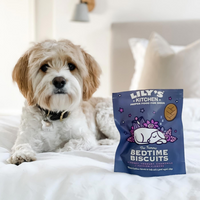
Treat-style dental options can be especially handy on busy days, or if your dog is still building confidence with handling. They are also helpful during puppy teeth cleaning, when you want to reward calm behaviour straight after a short brushing session. Used this way, dental sticks support healthier labrador teeth and make it easier to keep up a routine that feels realistic in everyday life.
What helps remove plaque from dogs’ teeth?
Keeping Labrador teeth clean is rarely about one miracle fix. In real life, plaque comes off best when you combine a few easy habits and stick with them.
Here’s what tends to help most at home:
- Daily brushing: still the most effective way to remove plaque from the tooth surface. If you’re learning how to brush a dog’s teeth, start small. Even a short, calm brush most days is better than an occasional perfect one.
- Enzymatic dog toothpaste: a useful extra when you brush. It can help support cleaner teeth and fresher breath, but it works best as part of a regular dog teeth cleaning routine, not instead of brushing.
- Dental chews: these can help reduce surface build-up through chewing action, especially for Labradors who love something to gnaw on after dinner.
- Water additives: handy if your dog refuses fuss, though they’re best thought of as a backup rather than your main tool.
- Dental wipes: helpful for dogs easing into brushing, or for a quick tidy-up on days when a full brush just is not happening.
- Chew toys: some textured toys can support labrador dental care by encouraging safe chewing.
If plaque has already hardened into tartar, home care may not shift it fully. In that case, your vet might recommend a professional clean, especially if you notice red gums or ongoing bad breath. That is not a failure. It is just part of looking after your dog properly.
For most families, the best plaque remover for dogs is a simple mix: brushing first, then chews or other helpful extras your Labrador actually enjoys.
How to keep up a simple dog dental routine
The good news is that once you find your rhythm, looking after your Labrador's teeth really does become second nature. Like any habit, the first few weeks are the trickiest part. After that, it quietly slots in alongside the evening walk and dinner without much thought at all.
Aim to brush your dog's teeth at least three to four times a week, using a dog-safe toothpaste and a brush that suits their size. Daily is ideal, but even a few sessions a week makes a real difference over time. On the days you skip brushing, a good dental stick or chew can help keep plaque in check and give your Lab something satisfying to get their teeth into.
A consistent time helps more than you might expect. After a walk tends to work well because your dog is calm and ready to wind down. Keep the toothbrush and paste somewhere visible too — out of sight really does mean out of mind.
It is also worth doing a quick check every couple of weeks. Gently lift your Lab's lips and take a look. Healthy gums should be pink and firm, and their breath, while never exactly fragrant, should not be noticeably unpleasant.
If something gives you pause — red or swollen gums, loose teeth, visible lumps, or a sudden change in how your dog is eating — book a vet appointment. These things are always worth catching early.
Labrador teeth can stay in great shape with surprisingly little effort. Start small, keep it consistent, and your dog will quietly reap the rewards for years to come.