

















































































If you've ever wondered whether your cat has taken up professional napping, you're not imagining things. Whether you share your home with an outdoor explorer or a devoted indoor cat, it can seem baffling that they need quite so much shut-eye. Even on a day with no real activity to speak of, most cats will still clock up 12 to 16 hours of sleep, and kittens or older cats can sleep for even longer.
So why do our feline housemates sleep so much, and when is it worth keeping an eye on their sleeping habits? Let's take a look.
How Long Do Cats Sleep?

Cats sleep to conserve energy for hunting, even if the only 'prey' your cat has ever chased is a feather wand or a dot from a laser pointer. That instinct to rest between bursts of activity is hardwired into them, regardless of whether they've ever had to hunt for a meal in their life. It's also where the phrase 'cat nap' comes from, since cats have long been associated with dozing in short, frequent bursts rather than one long stretch overnight.
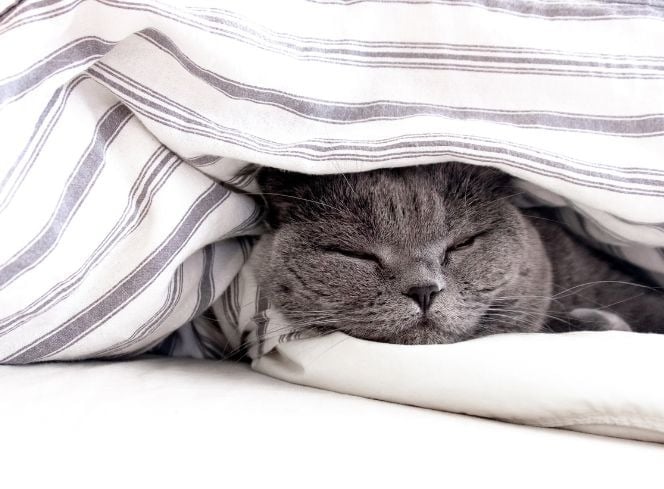
Interestingly, your cat may not always be properly asleep when they look like they are. Often, they'll curl up somewhere cosy and simply rest with one eye metaphorically open, ready to spring into action if something interesting happens nearby.
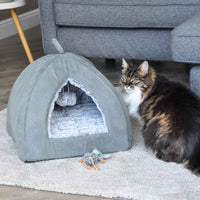
A comfortable, supportive bed makes a real difference here. If your cat is forever seeking out a new spot to curl up in, it might be time to explore our range of luxury cat beds to find something that suits how they like to sleep.
Why Does My Cat Sleep On Me?

Cats are at their most vulnerable while asleep, so choosing to sleep on or beside you is a genuine compliment. Instinctively, they'll pick their favourite person or companion to curl up next to, both for warmth and for the sense of security that comes from being near someone they trust. So next time you're pinned under a purring cat and reluctant to move, know that they've chosen you because you make them feel safe.
Does Age Affect How Much Cats Sleep?
Very much so. Kittens can sleep up to 20 hours a day, since so much of their growth and development happens during deep sleep. Senior cats also tend to sleep more, often due to a natural drop in energy levels or age-related joint stiffness that makes them less inclined to potter about the house.
For older cats or those with achy joints, an orthopaedic or self-heating bed can make those long snoozes much more comfortable.
When Should I Worry About My Cat Sleeping Too Much?
A cat sleeping 12 to 16 hours a day is completely normal and nothing to be concerned about. What's worth paying attention to is a sudden change from your cat's usual pattern, particularly if it's paired with other symptoms such as a loss of appetite, hiding away more than usual, or reluctance to move. Boredom and lack of stimulation can also tip a cat towards excessive sleeping, so regular play sessions and a bit of variety in their day can help keep them active and engaged during their waking hours.
If you notice any sudden or significant change in your cat's sleeping habits, it's always worth a call to your vet, who can rule out anything underlying and set your mind at rest.
Helping Your Cat Get Good Quality Rest
- Offer a few different sleeping spots, including somewhere elevated and somewhere enclosed
- Keep a consistent daily routine for feeding and play
- Provide regular interactive play to burn off pent-up energy before bedtime
Add a cosy blanket or two to their favourite spots, especially in winter
What Different Sleep Positions Mean
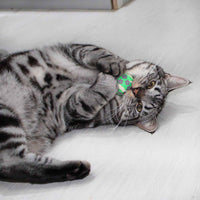
The way your cat sleeps can tell you a fair bit about how safe and relaxed they're feeling. A cat curled tightly into a ball is conserving body heat and protecting their vital organs, a fairly cautious pose even in a familiar home. Sleeping stretched out on their back, tummy exposed, is generally a sign of total trust and relaxation, since this leaves them properly vulnerable. Cats who tuck themselves away in boxes, cupboards or under furniture to sleep are usually after a bit of extra security and reduced sensory input, particularly in busier households.
Sleeping near a window, meanwhile, often has more to do with the sunny warmth on offer than a longing to watch the world go by, though it can certainly be both at once. Watching where and how your cat chooses to sleep over time can be a genuinely useful way to check in on their wellbeing, since a cat who suddenly abandons their favourite sunny windowsill for a hidden corner may simply be after a change of scene, or may be quietly telling you that something feels a little off.
Frequently Asked Questions
Is it normal for my cat to sleep all day and be active at night?
Yes, this is very common. Cats are naturally crepuscular, meaning they're most active at dawn and dusk, which can mean daytime napping and a burst of energy once you've gone to bed.
How many hours of deep sleep does a cat need?
Only around a quarter of a cat's sleep is deep sleep, with the rest being light, easily-interrupted rest. This is why cats can seem to wake instantly at the slightest sound.
Can boredom make a cat sleep more?
Yes. Cats without enough mental stimulation often become more lethargic. Rotating toys and adding short daily play sessions can help keep them engaged during their waking hours.
Should I wake my cat up during the day?
There's generally no need. Cats regulate their own sleep well, and interrupting rest unnecessarily can cause more stress than it solves. Focus instead on engaging them fully when they are awake.