






















Lords & Labradors Information Hub

The home of handy tips and advice dedicated to pet owners

How Much Food Does My Kitten Need?
17.12.21 December 17, 2021 Getting A Kitten Featured

How Much Food Does My Kitten Need?

Welcoming a new kitten to your family is exciting, but with this excitement can come owner anxiety. Worrying about everything from how long it may take for your new four-legged friend to settle into your home to if you’re creating a strong bond from the get go is not unusual. However, one of the most common concerns relates to the food you choose to feed your new arrival. With so much choice in kitten food nowadays, and a whole host of sometimes conflicting information online, choosing the right food for your kitty and knowing just how much to give them can be surprisingly overwhelming. To help when it comes to knowing what you can and cannot feed your kitten, as well as how much you should be giving them, here at Lords & Labradors we’ve put together this handy guide.   How Much Food Should A Kitten Eat? Naturally, it is important to understand that the age and size of your kitten are the two primary factors in determining how much they should be eating. With this in mind, newborn kittens (those under four weeks old) will require nursing from their mother roughly every two hours during week one, and between four and six times a day after this. By the time your kitten has reached eight weeks, they will usually be ready to be weaned off their mother’s milk, transitioning to solid foods. This is usually the time they are able to leave their mother and come home with you. At this point, your kitten will be a furry ball of energy and will require a nutritionally complete diet of high quality vitamins, minerals and nutrients. For this reason, selecting a high quality cat food that is designed specifically for kittens is important.    While guidelines regarding quantities vary by kitten, as well as the type and brand of food you opt for, the most sensible method to use is to simply follow the feeding directions on the bag or can of food you have chosen. This can then be adjusted based on your kitten's reaction to the food. For a more accurate answer, after a few weeks using this method, a vet can use metabolic calculations to determine the number of calories your cat is using, and therefore requires, each day based on their weight and age.  As a rule of thumb, however, it’s worth using your own instinct when it comes to feeding. You don’t want your kitten to be hungry after eating, or develop greedy traits. Therefore, even if you follow recommended guidelines, feeding may still be a process of trial and error. If your kitten is not gaining weight at a good rate, you may need to increase their caloric intake by giving them bigger potions. On the other hand, if your kitten is gaining too much weight too quickly, you may need to cut back on meal sizes.    How Much Wet Food To Feed A Kitten? Following on from nursing, many cat owners view wet food as more appropriate than dry food as their kitten’s teeth may not be ready for kibble yet. However, while wet food does have more hydration properties than dry food, it tends to be more expensive than kibble, meaning providing a mix of wet and dry food is the option the majority of cat owners go for.  As we discussed above, the best method of determining the correct quantities of food to give your new kitty is to follow the advice provided on the packaging of your chosen food. That being said, many wet food brands will advise feeding your kitten as much as they will eat in three or four daily feeds until they are at least 20 weeks of age. After that, kittens between the ages of 20 weeks and one year require around 60-65 calories per pound of body weight, per day. For example, a five pound kitten of this age should consume about 325 calories per day (almost double the amount an adult cat needs).    When Can Kittens Eat Dry Food? In most cases, kittens can be introduced to dry food from around the age of five to six weeks. However, as they continue to be weaned, dry food given at this stage should be softened in water as they begin to transition onto solid foods for the first time. After eight weeks of age, dry food can be given to your kitten more freely. This being said, we advise first mixing it with wet food before providing your kitten with a totally dry diet.    Can Kittens Eat Adult Cat Food? As a rule, no - your kitten should not be given adult cat food. This is because kittens have different nutritional requirements than adult cats, and therefore need a specially formulated diet that supports these needs and promotes their healthy development.  It is worth noting, however, that some cat foods are formulated ‘for all life stages’ - something typically advertised on the food’s packaging. If this is the case, this food is safe for kittens as well as adult cats. But you will need to follow the specific feeding guidelines for this type of food in order to ensure your kitten is getting the nutrition needed to stay healthy and develop properly. 

By Laura Rudd

Read more
How Much Food Does A Puppy Need?
17.12.21 December 17, 2021 Getting A Puppy Featured

How Much Food Does A Puppy Need?

Congratulations on the newest member of your family! If you have a puppy and they’re settling into their new life, you may have wondered how much food your puppy actually needs, and what exactly should you be feeding them? Worrying about your pets eating habits and wellbeing doesn’t need to be daunting and you may have found the endless information available on what and how much food you should be feeding your puppy. In this blog we advise on how much your puppy should be eating and when you can start introducing adult food into their diet.    How Much Food Should I Feed My Puppy? Your puppy’s diet will change with every milestone they pass as they grow into adulthood. Each breed is different and will grow through stages at different ages to another breed. To ensure your puppy has the correct nutrition and support, you should keep them on a puppy-specific diet until they reach adulthood.  The amount of food your puppy needs depends on how much they’ll weigh at maturity. For example, a Golden Retriever will require more food as a puppy than a Miniature Dachshund. It’s good to ask your vet for help checking the expected adult weight of your puppy according to their breeding.  XS/S Breeds M Breeds L/XL Breeds 3 Meals A Day Up To Four Months Up To 6 Months Up To 6 Months 2 Meals A Day 4 - 10 Months 6 -12 Months 6-15 Months 1-2 Meals A Day  Adult Adult Adult   Extra Small Breeds - up to 4kg when an adult  Small Breeds - up to 10kg when an adult Medium Breeds - up to 11-15kg when an adult Large Breeds - up to 26-44kg when an adult Giant Breeds - up to 45kg when an adult Your puppy won’t know how to regulate their food intake, so it’s really important you control their portion sizes to avoid them becoming overweight. Over feeding can cause your dog to grow quickly and develop skeletal problems - particularly in large breed dogs.  Make sure you’re checking the feeding guidelines on the food you feed your dog and weigh each meal carefully. Often the recommend amount will be your pup’s daily intake, so don’t forget to spilt the full amount into meals throughout the day.    When To Start Feeding Puppies Wet Food Most pet-food brands will have worked with a specialist canine-nutrition scientist to develop a specialist formula for both larger and smaller breed pups. Wet food can be fed to your puppy as early as 3-4 weeks as this is usually when the weaning process begins. Be aware, your puppy may get messy when exploring their new and tasty food! Introducing puppies to solid food is a critical part of their physical and emotional growth. You could start feeding your puppy a ‘mixed’ diet, which includes both wet and dry puppy food. Puppies can start mixed feeing at any time, but it’s important to gradually introduce the dietary changes.    Can Puppies Eat Adult Dog Food?  Puppy food has been specially tailored to your dogs age and often you can opt for a breed specific puppy food too. As your pup grows, their digestive and immune system is maturing too which is different to those of an adult dog. Feeding your puppy a nutritionally balanced diet, specific to their needs is vital for supporting healthy development and to avoid any health implications as they grow.    When Can Puppies Eat Adult Food?  Your puppy will need to continue eating their puppy food until they have fully transitioned into adulthood. For smaller breeds, this is earlier than a larger breed dog. Check with your vet to make sure your puppy is ready to move onto adult specific food.   What Human Food Can A Puppy Eat? It’s best to stay clear of feeding your puppy human food as it may not be the best for them, and it’s difficult to ensure they’re getting the correct nutrients. While occasional human food as a treat may not be harmful, it’s good to limit these whilst your puppy is still developing. Make sure the human food you’re offering to your dog is safe for them to eat and isn’t toxic to them. 

By Laura Rudd

Read more
What Vegetables Can Dogs Eat?
15.12.21 December 15, 2021 Owning a Dog Featured

What Vegetables Can Dogs Eat?

You may already feed your dog vegetables in their mealtimes, or alongside their balanced diet. But did you know your dog can’t eat certain vegetables? And do you know what vegetables your dogs can’t eat? We’ve covered what fruits your dog can and can’t eat in a previous blog, and in this blog we look at what vegetables your pooches can eat and those you need to stay clear of.    Are Vegetables Good For Your Dog? Dogs digest foods differently than us humans and eating foods that could be bad for them can lead to serious health problems. Your dog doesn’t actually need many vegetables in their diet as they’re omnivores, and any treats - or vegetables you feed your dog as a snack should only take up to 10% of their usual tailored diet. While many ‘human foods’ are perfectly safe for dogs, some are very unhealthy and you’re better off not feeding them to your dog to avoid any unnecessary health issues and vet trips.    Can Dogs Eat Onions? No, you should never feed your dog onions. Onions, leeks and chives are all from the Allium plant that is incredibly poisonous to dogs (and your cats too). Eating onions can cause your dog’s red blood cells to rupture which can cause vomiting, diarrhoea and stomach pain. It is particularly dangerous in Japanese breeds of dogs such as Shiba Inus and Akitas, but you should stay clear of onions for all breeds. If you think your dog may have eaten an onion, leek or chive, call your veterinarian as soon as you suspect they’ve eaten it.    Can Dogs Eat Broccoli? Your dog can eat broccoli in very small quantities and it’s best to offer it as an occasional treat. Broccoli is high in fibre and vitamin C and is low in fat, which is great for your dog, however broccoli floret contain isothiocyanate, which can cause mild to severe gastric issues in some dogs. Broccoli stalks have been known to cause obstruction in the oesophagus which can be fatal.    Can Dogs Eat Corn On The Cobs? Sweetcorn is actually a healthy option for you dog, however corn on the cob do not digest in a dog’s stomach and should not be fed to your dog. Cobs are likely to cause a blockage and it may cause perforation if it is left to make their way through your dogs intestines. If you fear your dog has eaten a corn on the cob and you’re worried this may cause a blockage call your veterinarian straight away.     Can Dogs Eat Brussels Sprouts? Yes, your dog can eat Brussels sprouts. Brussels are packed with antioxidants and nutrients that are great for you and your dog. Be careful not to over feed them to your dog however as they can cause lots of gas! Before serving them, make sure you remove the hard stem of the Brussels sprout and slice each sprout in half. Do remember to cook them before serving as they’re too tough to eat otherwise. Don’t over cook your sprouts as they’ll lose their nutritional benefits!    Can Dogs Eat Carrots? Your dog can eat carrots, and they’re actually a really great low-calorie snack that’s high in fibre and vitamin A. Both raw and cooked carrots made a nutritional add on to any meal or as a tasty treat. Crunching on carrots is great for your dog’s teeth and can be fun for them too. It’s important to cut whole carrots and even sticks into bite-size chunks before feeding them to your dog.    Can Dogs Eat Spinach? Yes your dogs can eat spinach, but it’s not the usual vegetable you should be sharing with your pup. Spinach is high in oxalic acid which blocks the body’s ability to absorb calcium and can lead to kidney damage. While your dog would probably never opt for a large amount of spinach, it’s good to avoid feeding your dog a lot of spinach and choose a different vegetable.   Can Dogs Eat Mushrooms? No, your dog should not eat mushrooms. Mushrooms can be incredibly dangerous to your dog, especially wild mushrooms which can be toxic for dogs and may even be really poisonous. Washed white mushrooms from the supermarket could be OK, but it’s better to be safe than sorry and not feed them to your dog to keep them safe.    Now you know what vegetables and fruits your dog can eat - you can enjoy giving your pup a taster and vary their meals and treats with different and healthy textures. 

By Laura Rudd

Read more
What Does It Mean When Dogs Eat Grass?
08.12.21 December 08, 2021 Health Featured

What Does It Mean When Dogs Eat Grass?

You may have wondered why your dog munches on grass, whether it’s in your garden or out on a walk - there must be a reason why they find it so tasty? Or maybe it’s something more concerning you need to be aware of. In this blog, we discuss the potential dangers of your dog eating grass and what to look out for to keep your dog safe.    Why Does My Dog Keep Eating Grass? Eating grass is surprisingly quite common and a natural behaviour for dogs. Although it seems strange to us humans, our dogs eat grass for a number of reasons, for many of our four legged friends it’s likely they enjoy the taste and the texture. Your dogs habit of eating grass may not directly relate to a health issue or dietary deficiencies, but if your dog is eating grass but not their food, eating a large amount of grass, or vomiting after eating grass (and then continues to eat the grass), contact your vet for advice.  Your dog could just be eating grass because they like it. It’s normal for your dog to want to eat both plant and meat - but be aware of what plants they are eating however as some can be harmful, as discussed in our previous blog. Note the times of year your dog is interested in the grass as it’s possible the texture and smell are different throughout the year. Simply, your dog may just be bored and isn’t getting enough mental stimulation. Often as well as eating grass, they will dig or chew something they may not meant to. Here at Lords and Labradors we have a large range of interactive toys to keep them entertained and tire them out. There are many reasons your dog could be choosing grass as their snack, and you’ve probably heard many times it’s to ‘make themselves sick’ or to ‘settle their stomachs’, however this isn’t always the case. Some dogs may vomit after eating grass, although it’s actually more common for dogs not to be sick after they’ve eaten some grass. Previous researchers have suggested your dog may be lacking fibre in their diet. And others have suggested some dogs may regularly eat grass to help flush out any parasites that may be in their intestines. If you’re thinking of changing your dogs diet, it’s good to speak with your vet first.    Is Grass Good For Dogs? Eating grass is actually normal behaviour for dogs and it’s unlikely they’ll get a great deal of nutrition from it. For a healthy dog that is regularly wormed, eating grass every now and again is unlikely something to worry about. Be aware of the hazards of your dog eating grass that may have been treated with fertilisers, herbicides or pesticides. If your dog shows signs of illness, such as not eating their normal food, having diarrhoea or constipation. Or if they’re eating grass obsessively, call your vet and get advice.    How Do I Stop My Dog From Eating Grass? If you’re worried about the potential dangers of eating grass and you’d rather your dog not eat it, once you’ve ruled out any health or dietary implications, try engage them in some fun activities. Try giving them a puzzle feeder or play an obedience game with them with treats to stimulate them as they may be eating grass due to boredom. 

By Megan Willis

Read more
What Is Cat Litter?
11.11.21 November 11, 2021 Owning a Cat Featured

What Is Cat Litter?

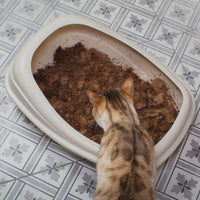
In short, cat litter is the substance you fill your litter tray with so your cat has somewhere to toilet and can do so with minimal fuss. Cat litter makes cat owners lives much easier and is used all around the world. Whilst cleaning out your felines tray, you may have wondered what actually is in cat litter? In this article we explore what cat litters are made of and what is best for you and your cat.    What Is Cat Litter Made Of Depending on the cat litter you buy will depend on what is actually in it. There are so many options that you can shop to see what works best for you, and here are the ingredients of the most popular. A classic absorbent clumping cat litter may contain ‘sepiolite’ which is a soft white clay mineral. It’s perfect for use indoors and it doesn’t stick to your cat’s paws and leaves no marks on flooring and fabrics. It’s also good to know cat litter containing Sepiolite is non-toxic and therefore safe for your family and home. It’s safe for the environment as its composition is natural and free from any chemical additives.  Corn cob cat litter is a low-dust cat litter which is great for sensitive cats. Our Sanicat corn cat litter is made from 100% corn cobs making the litter biodegradable, and it also has a natural antibacterial effect!  Clay clumping litter is usually made from bentonite which may be the easiest litter to clean up, but unfortunately it is not biodegradable and often creates a lot of dust.  Crystal litter is usually made of silica which often controls odour a lot better than other forms of cat litter and often last a lot longer than a clay litter. Crystal litter is often more expensive and can be dangerous if your cat ingests much of them when cleaning their paws.    Is Cat Litter Radioactive Surprisingly, some cat litters are radioactive. Often clay clumping cat litters that contain bentonite do contain some form of radiation and large amounts of cat litter can be measurably radioactive.    Which Cat Litter Is The Best?  Cat litters come in a huge variety of types, and some may suit yours and your cats lifestyles better than others. What all cats do however have in common is cleanliness, and they’ll always appreciate a carefully cleaned, freshly filled litter tray. Accidents may occur if your cat’s litter tray isn’t clean and fresh! A clumping cat litter is easy to remove without replacing the whole of the litter tray which often saves both time and money. Try not to introduce a clay litter tray to your kitten however as often clumping litter can be swallowed by kittens and can cause dangerous internal obstructions.  Corn is a brilliantly absorbent and natural too which makes it a great option. It doesn’t clump as well as clay and can get expensive but is often a great value for money.  Wood and pine litter are often wood remnants, pulped then used to create pellets, which produce very little dust and small great (for both you and your cat!) Wood pellets are often larger which may take time for your cat to get used to.  Silica litter is made from a natural material that is highly absorbent. It’s great at masking smells and is the most absorbing of all litters. They don’t however clump which may make cleaning less than ideal. 

By Laura Rudd

Read more
Can I Feed My Cat Leftovers?
11.11.21 November 11, 2021 Health Featured

Can I Feed My Cat Leftovers?

As a pet owner, you’ve probably been in a situation where your cat has hung around your food, patiently waiting for you to share the deliciousness with them. And as much as it’s great to give your cat a variety in their diet, can we give them our leftovers as a way of giving them variety and exploring new textures and tastes? Or can this potentially unsafe? In this article we unpick the foods to avoid and the foods your cat can try when sharing your dinner.    Can Cats Eat Chicken?  It’s good to know your cats main diet should consist of specially formulated cat food as this will have all the nutrients in it that your cat could ever need. However, to give them a treat or to let them try your food - try to ensure it only makes up 10% of their diet. Giving your cat a healthy meat such as chicken, may actually enhance their diet and is a safe ‘scrap’ you can share with them off your plate. Just avoid any sauces, bones and seasoning as this may not agree with your cat and chicken bones can be dangerous for them to play with/chew on.     Can Cats Eat Beef? Cats are meat eaters and cooked meat such as beef, you’ll find they probably devour. Only feed your cat a small amount and never feed raw of spoiled meat to your cat as this could make them very poorly. A good rule to follow is if you would eat it yourself, it’ll be safe to feed your cat - unseasoned and cooked.    Can Cats Eat Sausage? Sausage in small quantities is generally considered safe for your cat to consume, as long as it is made without preservatives. Try to look for chicken or turkey sausages over a pork sausage as leaner meats are better for your cats diet. The high concentration of fat in the sausage can be problematic, so keep the sausage treat in moderation.    What Greens Can Cats Eat?  Your cat can eat chopped carrots, peas, frozen corn, broccoli, green beans, courgette, lettuce, spinach and lots of great greens we eat as humans. Make sure they’re cooked (they should be steamed) since our cats lack a sufficient way to break down plant cell walls. Avoid avocado however as they’re toxic to cats.    Can Cats Eat Onions?  Avoid giving onions to your cat as onions can damage red blood cells and can cause haemolytic anaemia. If you have onions within your food or if you’ve been preparing onions, make sure they’re out of reach for your cat and any onions are stored out of the way, keeping your cat safe.    Can Cats Eat Garlic?  Much like onions, garlic can damage your cats red blood cells and are very bad for your cat. Avoid giving any of your leftovers or food that contain garlic to your cat as you may be doing more damage than good.    Can Cats Eat Pasta? The main ingredients of pasta is flour, water and eggs which are all safe for your cat to eat. As long as the pasta is cooked and is plain, I.e no sauces, pasta is considered safe for your cat to eat. Although it is suggested you refrain from giving your cat pasta as generally they don’t need the carbohydrates and you are better to feed your cat a lean piece of meat over the pasta.    Be careful when giving your cat any leftovers or scraps from your plate as you may inadvertently train them to be a picky eater - especially if they’re less than interested with their regular diet. Don’t forget to adjust your cats daily intake on their regular food if you have given your cat any leftovers or treats as you do not want to be over feeding your cat. 

By Laura Rudd

Read more
How To Stop Dogs Eating Plants
11.11.21 November 11, 2021 Health Featured

How To Stop Dogs Eating Plants

Dogs love to explore and usually you’ll find them in and out of hedges and grass, but dogs and especially puppies also love to eat, bite, play, lick and chew on plants, especially those with leaves! It can be dangerous for your pet to digest some plants, so it’s best to keep an eye on them whilst they’re exploring and out and about on walks. It’s also good to avoid dangerous and toxic plants in your home, so your pup isn’t tempted to chew on your indoor plants.  In this article we explore why dogs eat plants and how to avoid your pet chewing on plants that may be toxic to them.    Do dogs eat plants when they are sick?  It’s hard to know why dogs eat plants, as it may be one of a multiple of reasons, or for a multiple of reasons. For example, if your dog feels he is lacking in nutrients, he may look for another way to get these important nutrients - which is why they seek out a plant to eat.  Another reason may be due to stomach pains; if your dog isn’t feeling so well, it’s natural for them to eat grass as a natural remedy to purge themselves as the grass is known to soothe their stomach pain. Don’t let them eat any plants you’re unsure are safe for them however as this can cause a bigger upset to them.  Your dog may also eat plants due to anxiety or boredom - it may be a reason to grab your attention, or a way to deal with their emotions, so keep an eye on them and make sure they don’t have access to anything you don’t want them to chew whilst you are away from them.    Why is my dog eating soil from my plant pots?  Your dog may eat soil much for the same reasons they munch on plants and leaves. It’s worth checking if your dog is in pain through an internal or intestinal health problem. Keep them away from soil and dirt as all kind of things end up in the dirt, including lots of toxins that can harm your dog. It’s best to keep away from plants and soil all together, and keep a watchful eye on them when out on a walk.    How to keep a dog from eating plants To keep your dog away from your plants it’s best to train your dog as soon as possible. Establish household rules and ensure your dog knows that plants are not a toy or food - this way you can avoid more serious problems and unnecessary vet trips. If you’re not convinced your dog will avoid the plants 100% of the time, it's best to keep them off the ground, away from their reach. You may also try to spray the plants with lemon or vinegar as your dog will probably stay well clear, because the plant smells bad to them and a lot less appetising.

By Laura Rudd

Read more
How To Settle A New Puppy At Night
11.11.21 November 11, 2021 Getting A Puppy Featured

How To Settle A New Puppy At Night

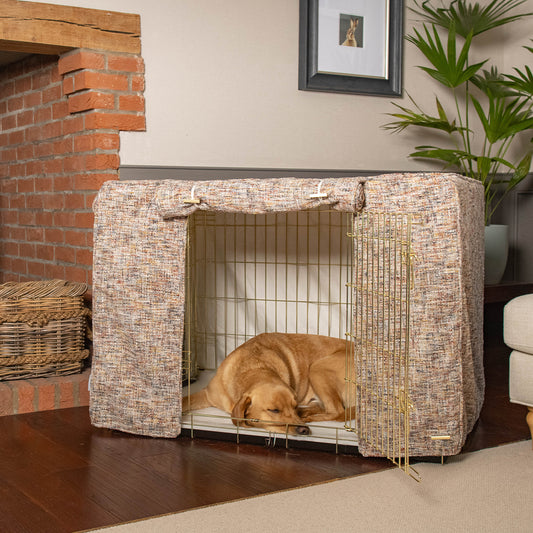
It’s an exciting time getting your new puppy, and it’s fun getting to know them and work out their personality, but the new sights, smells and environment can be very overwhelming for your little pup and it’s important you know the best steps to keep them calm and settled when it comes to bedtime and their new routine. Much like having a newborn baby, your puppy will need to learn to sleep and may find the first couple of nights, or even weeks hard to adjust to being left alone and separated from their mum and/or brothers and sisters. In this article we highlight all the things you can do to make your puppy as comfortable and feel as safe as possible so they settle quickly and so you both can get a full nights sleep!    How To Settle A New Puppy On The First Night The good news is, their first night may be better than you’d imagined as they may be completely tired from their first day with you and from all the new smells they’ve explored. The not-so-good news, they may be having trouble settling in and may not sleep as well as you’d hope. There are however a lot of things you can do to help get your puppy settled, we’ve put together a list below of all the things you might want to consider with helping your puppy settle and get a good nights sleep. [product] Scent Of Their Mum And Their Siblings You may want to leave a scent blanket/ soft toy with your puppy’s mum or siblings a couple of days before you collect your pup. The scent of your puppy’s previous home will bring comfort to your pup and the familiarity will bring them comfort and security, therefore encouraging them to get comfy and fall asleep. [product] Comfy Bed You may want to keep your puppy’s bedding and sleep area clean as you worry they may go to the toilet on their bed, however this is counter productive for your little puppy as they will need somewhere warm and comfy to sleep. Your pup instinctively won’t want to soil on their bed, so it’s worth getting up to take them out to the toilet in the night and ensuring they have access to a training mat (if this is your choice of training) throughout the night. For beds we recommend either our Cosy & Calming Puppy crate bed or our Grow With Me Puppy beds. These have been designed to cocoon your puppy so that they feel safe and secure in your home [product] Keep Them Warm Your puppy is only small and will be used to sleeping next to his siblings or mum and may find comfort in having a warm bed. Here at Lords and Labradors we have lots of heat products, safe to keep them warm and get them to sleep. Whether you chose a Snuggle Heat heart or a Little Buddy Warm Bear or even a blanket to match their bed, you and your puppy will be thankful for their comfort.    [product] Heart Beat Sheep You may have heard of our Little Buddy Heart Beat Sheep and many puppy parents will most likely recommend this plush toy to you. The heart beat sheep features a beating heart inside that mimics the beat of mum’s heart. It is specially designed to offer comfort and calm to your new puppy who may feel nervous sleeping alone. The heart beat sheep will become your pups new best friend, offering a fun playtime as well as soothing snuggles at bedtime.    How To Get A Puppy To Sleep Through The Night Now you’ve got them feeling secure and safe, you may now wonder how to keep them asleep throughout the night. We have put together some tips below to help your puppy sleep through the night:  Tire them out - Stimulate your puppy’s mind and body with age appropriate toys and activities, our puppy playtime toys are a great place to start. Toys and activities will not only tire your puppy out, but they will help you bond with them too.  Calm before bed - Your puppy won’t know their routine for the first couple of nights, so try to avoid any intense playtime activities before bed. Your dog will love a routine, so try to keep timings and your routine similar before bed so your puppy knows it’s nearly bedtime.  Toilet Time - Ensure your puppy has been to the toilet before bed as they will sleep longer when they aren’t needing to toilet.  Keep their bed comfy - Make sure they have a comfy bed with blankets, consider the temperature and/or time of year that will be most comfortable for your puppy.  Chew Toys - giving them a toy to chew will actually be quite soothing for your pup, and even more so when they are teething. Try to avoid chew toys that squeak for bedtime!    How To Train A Puppy To Sleep Alone At Night When it comes to training your puppy to sleep through the night, crate training can be really useful as it has many additional lifetime benefits beyond their nighttime sleep. You don’t have to use a crate for your pups entire life, but when used correctly you may find your dog actually prefers their safe space. Crate training is easier the younger your puppy is and the crate you use can either help or hinder your puppy’s ability to fall and to stay asleep. Some puppies do like to view their surroundings, but often they will prefer a ‘den-like’ space. Check out our crate sets and our size guides for help in choosing your puppy’s new crate and bed. 
By Megan Willis

Read more
How To Dispose Of Cat Litter
08.11.21 November 08, 2021 Getting A Kitten Featured

How To Dispose Of Cat Litter

Disposing of cat litter may be your least favourite job as a cat owner and you may not know how to dispose of the litter safely and cleanly. Not only is it a smelly job, it can be messy too, disposing of litter in the correct way is important for both you and your cats health, and not only for the environment too. In this article we look at how to dispose of cat litter and the safest way to do it.    How Often Should You Change Your Cat Litter? The ideal amount will depend on your cat’s toilet habits and how many cats you have using the litter. Spot clean the tray daily and aim to replace the litter in the tray at least once a week. Your cat will thank you for keeping their litter fresh and clean, they may find another place to toilet if their litter isn’t fresh and clean.    Where To Dispose Of Cat Litter For the most of us, the easiest option may be to scoop the litter and drop it into the bin. Scoop the used litter and any waste into a biodegradable bag, secure and put into your normal household bin. To save on biodegradable bags, invest in a ‘cat litter bin’, which would enable you to use one bigger biodegradable bag for several weeks worth of waste, without making your usual/standard bin smell.  If you use biodegradable cat litter, you have the option to put the used litter onto a compost bin. It’s good to know clay litter does not breakdown and cannot be put onto a compost bin. Materials such as pine, paper or corn can however be composted. It’s worth noting composting cat litter can be bad for the environment and can cause a risk to human health. Do not add any cat litter to your compost heap if you are to use this where children may play or if you may use it to grow anything edible. Remember - if you’re composting your litter, remove all waste before putting onto your compost.    How To Dispose Of Wood Cat Litter Wood pellets can absorb up to three times their own weight in moisture, making them a great absorbent kind of cat litter. They’re also biodegradable making them them an environmentally friendly product. Wood litter should never be disposed of outdoors, and like any litter, soiled litter is for the bin and the bin only. Even though wood litter is biodegradable, they must be disposed of properly - by being composted or bagged and sent to landfill.    Can You Flush Cat Litter? Avoid any flushing of the cat litter down your sinks or toilet. Litters are not flushable and can cause a lot of issues with your plumbing which may end up being quite an expensive mistake to make.

By Laura Rudd

Read more
Search Data Reveals Top Canine Mental Health Disorders In The UK
07.11.21 November 07, 2021 Health Featured

Search Data Reveals Top Canine Mental Health Disorders In The UK

What we search for online can reveal quite a lot about us, and if you’re a dog owner, your search history might disclose a thing or two about your furry friend too. Many of us consult ‘Doctor Google’ to find out about our own health conditions, so it’s no surprise that more and more of us are going online to learn about our pets’ health issues. And we’re not just talking about physical health. Growing mental health awareness seems to have translated into the world of pets too, with many dog owners turning to the web for information on how to care for their dog’s mental health and wellbeing. Here at Lords & Labradors, we’ve looked at online search trends to find out which mental health conditions people in the UK are looking up the most. In this blog post, you’ll discover the findings of our research, along with tips on supporting your canine friend’s wellbeing.    Separation Anxiety Is The Number One Concern Separation anxiety in dogs seems to be the canine mental health issue that we’re most concerned about as a nation, with the term ‘dog separation anxiety’ being searched 8,100 times a month on average. General anxiety is also a cause for concern, with the term ‘dog anxiety’ getting 4,400 searches on average a month. While this subject can often crop up among dog owners anyway - particularly with breeds that are prone to separation anxiety, such as Labrador Retrievers, Border Collies and Cavalier King Charles Spaniels - the lifting of COVID-19 restrictions will no doubt have had an impact on people’s interest in this topic. As people return to work and education, and resume more of their usual social activities, it’s likely that many pet owners will be concerned about how their dog will cope with increased alone time. Worried about this issue? Common behavioural signs of separation anxiety include  Destroying furniture or other household items Increased howling, barking or whining Toileting problems Trembling Repetitive behaviour   There are a variety of ways you can support a dog struggling with separation anxiety. It may help to give them a snuggly toy for comfort or a mentally-stimulating toy to keep them engaged when you’re not there. You should also ensure that your dog gets plenty of exercise and the opportunity to go to the toilet before you leave so they can relax while you’re gone. You could also hire a dog sitter to keep your dog company, or you might decide to consult a vet or clinical animal behaviour specialist for advice or guidance.    Canine Dementia Is Another Big Area Of Interest With dogs living longer than ever before, canine dementia - officially known as Cognitive Dysfunction Syndrome, is becoming more prevalent. On average, the term ‘dog dementia’ is searched online 4,400 per month and ‘dog Alzheimer’s’ gets 260 monthly searches. Much like Alzheimer’s in humans, in dogs the condition affects the ageing brain and can lead to memory problems, confusion, disorientation and anxiety.  Worried about this issue? Common Symptoms of canine dementia: Disorientation or confusion Lack of response to usual commands Changes in activity levels  Vocalising more than usual Eating more or less than usual  Increased sleeping during the day More frequent night waking Changes in toileting behaviours If you notice any of the above symptoms please contact your vet.    Autism On Dog Owners’ Radar  ‘Dog autism’ gets around 2,900 searches a month on average. While it may not be an official diagnosis in veterinary practice, the growing awareness of autism in humans may have some dog owners questioning whether or not their pet behaviours might be typical of autism spectrum disorder.  Worried about this issue? While your dog may not be given a diagnosis of autism, it’s important to be aware of unusual communication or social behaviours or inappropriate reactions to stimuli, and you should be sure to seek professional support or advice if you have concerns.    Depression And Dogs Every month, approximately 1,900 searches for the term ‘dog depression’ are performed using Google. If you’re wondering if dogs can actually become depressed, the answer is yes. While their condition may not be as complicated as depression in people, dogs sadly can experience a form of depression and display symptoms such as reduced interest in exercise and play, lethargy, decreased appetite and behavioural changes.  Worried about this issue? If your dog seems down, you should ask yourself the following questions: Has your dog’s life changed in any way recently? Is your dog getting adequate exercise? Is your dog being mentally stimulated? Does your dog have the opportunity to play? Does your dog get enough quality time with you? Does your dog have any other physical or behavioural problems that may need to be investigated? Once you’ve asked yourself these questions, you should be able to identify what you need to do to improve your dog’s mood. For example, you might find out that your dog needs more exercise, increased physical contact with you or more boredom-busting activities. You might also decide that your dog needs to be examined by a vet to rule out physical health problems.   Other Canine Mental Health Concerns A number of other search terms related to mental health conditions came up in our research, including ‘dog PTSD’ with 880 searches per month on average, ‘dog adhd’ with 720, ‘dog phobias’ with 720, ‘dog OCD’ with 590, ‘dog eating disorder’ with 40 and ‘dog psychosis’ with 20.  If you have concerns about your dog’s mental health, it’s important to seek advice from a vet or qualified clinical animal behaviourist.    Top 5 Tips To Boost Your Dog’s Mental Wellbeing 1. Exercise  Exercise is vital to your dog’s physical and mental wellbeing. How much physical activity your dog needs every day will depend on the breed and age of your four-legged friend. For example, while Bichon Frise, Yorkshire Terriers and Maltese dogs may be ok with just 30 minutes exercise plus play time a day, a Whippet, English Bulldog or Cocker Spaniel may need an hour or more of exercise a day. Other dogs, like Golden Retrievers, Dalmatians and German Shepherds, meanwhile, need in excess of two hours of physical activity a day to stay well. You can exercise your dog in a number of different ways. In addition to walking them daily, you could play ball games, go running with your dog or make them work for their food with fun feeding toys.   2. Mental Enrichment Just like people, dogs can get bored so it’s important to keep them stimulated to help maintain their mental wellbeing. There are plenty of engaging and interactive toys that you could try out with your pooch, from dog puzzles, to snuffle mats, to activity balls. You should also spend time chatting to your dog and try to keep them mentally astute by teaching them new tricks from time to time.    3. Physical Touch Tactile communication is very important to dogs. You can help enhance your dog’s wellbeing, develop their sense of security and trust, and cement your bond with them by spending time petting, grooming and snuggling with your furry pal.    4. Nosework Nosework is an activity that allows your dog to tap into their natural hunting instinct. There are plenty of nosework games you can play that will give your dog the chance to problem solve while doing something they love - sniffing. For example, you could hide food in another part of the room and command that they ‘find it’ or you could hide food in one of your hands and present your dog with two closed fists and ask them ‘which hand?’    5. Body Language  Pay attention to your dog’s body language to find out what they’re trying to tell you. If you make a conscious effort to do this, you’re likely to better understand signs that they’re becoming stressed, anxious, scared or sad. Avoiding eye contact can be a sign of anxiety, for example, while growling or tucking their tails in can indicate that your dog is fearful, and if your dog is feeling vulnerable, they might roll on their backs more than usual. 

By Laura Rudd

Read more

loyal customer in 17 countries

Why Shop With Us?

  • Free Delivery

    Orders over £75 qualify for free standard UK delivery. Orders under £75 will be calculated at the checkout.

  • Shopping Made Easy

    Gain exclusive access to sales and shop all your pets favourites on the go by downloading our app.

  • Designed in the UK

    Our own brand products are lovingly designed in our specialist UK workshop to our exacting standards.

  • We're Here For You

    Contact our Pet Experts on Chat or by email at sales@lordsandlabradors.co.uk