
















Lords & Labradors Information Hub

The home of handy tips and advice dedicated to pet owners

What Plants Are Toxic To Dogs?
10.10.21 October 10, 2021 Health Featured

What Plants Are Toxic To Dogs?

As dog owners, it’s good to know what plants to avoid that may be toxic to your dog. Whilst plants may smell lovely in your home and look beautiful, they could be very toxic and harmful if ingested by your pet. Plant poisoning can be a veterinary emergency, and your dog could need immediate medical attention. Even though you may think your dog won’t ingest any of the plants in your home, it’s good to stay clear from those highly toxic to them, just incase they take a sudden interest in your potted plant. Gardens can be exciting, stimulating places for your dog and being aware of the plants most poisonous to them will not only help you when decorating your home, but will also help you identify potential dangers when outside of the home and on walks.  In this article we explore the dangers of certain household plants and what to look out for as a dog owner.  What Outdoor Plants Are Safe For Dogs? If you’re looking to brighten up your garden or balcony, try to stick to the below plants which are considered safe for your pet. Dill - It’s obviously safe for us humans, but the feathery weed is also dog-safe. Fuchsias - The gorgeous pink & purple flowers brighten up your garden and are safe for your dog too! Magnolia Bushes - Magnolia bushes offer beautiful colours and are also dog-safe. Sunflowers - There is nothing that quite says summer like a sunflower - they’re dog safe and great for the wild birds who visit your garden!  Rosemary - The scented rosemary not only looks and smells beautiful, it is also dog friendly too. Snapdragons - They’ll brighten up your garden beautifully and you’ll have peace of mind your dog is safe. [product]Keep in mind the varieties of each plant may be toxic for your pet, this list is specific to their own variant. Avoid using chemicals on your grass, such as non-organic slug pellets and keep your dog away from any garden wildlife as this may pose a risk to your pet. Take a throwing toy on a walk or try some searching games with their favourite treats in the garden if you find your dog needs more stimulation.    Are Yucca Plants Poisonous To Dogs? Yucca plants have grown in popularity due to their aesthetically pleasing look, but they actually pose a large risk to your pooch. The plant contains steroidal saponins which - when digested by dogs - is extremely dangerous. If ingested, keep an eye out for signs of drooling, vomiting and weakness, and get your dog to the vet immediately for treatment. It isn’t known why your dog is so interested on chomping on the yucca, but it’s best to avoid having one in and around your home, just in case they do take to chew on the toxic plant.   Is The Lavender Plant Safe For Dogs?  Luckily, lavender is not poisonous to your dog under most circumstances. The unusual texture and the extremely strong smell prevents most dogs eating much of the plant. You may even find your dogs food and treats contain lavender, as it adds an interesting lemon-like flavour some dogs find tasty. Although lavender itself is not poisonous to dogs, there are circumstances where it can cause a risk to your dog. Dogs can have a negative reaction to the plant, or can eat far too much of the plant. Look out for symptoms such as vomiting, scratching themselves and diarrhoea. Call your veterinarian if your dog displays these symptoms/or if you notice they have eaten a large amount of lavender.    Can Dogs Eat Tomato Plants? Although dogs can eat ripe, juicy tomatoes (in moderation), the tomato plant contains natural chemicals - solanine and tomatine, which are harmful to dogs when eaten in large quantities. In cases where your dog has consumed the tomato plant, watch out for weakness, tremors, seizures, lack of coordination and abnormal heart rate. If your dog displays any of these symptoms, contact your vet immediately.    What Indoor Plant Is Dog Friendly? Even the most well behaved dogs are bound to take a bite at the growing plant in your home. Make sure all house plants are out of your dogs reach and are safe if your dog does decide to take a bite. Popular house plants such as the below are often considered safe for your dog: Spider Plant - not only is it easy to care for, it’s also none toxic to your pet. Kentia Palms - these stunning plants bring the tropics to your home and as well as being air-purifying and resilient, they are safe to have around your pooch. Rattlesnake Plant - fairly simple to take care of and safe to grow around your dog friendly home. Boston Fern - great for air purifying and safe for your dog String of Hearts - If you’re looking for a dog safe trailing plant - this may be just what you’ve been looking for! [product]If you find your dog is exploring with their mouth, for extra stimulation try giving them a puzzle toy or a snuffle mat for extra enrichment whilst being indoors.   Are Cheese Plants Poisonous To Dogs? Cheese Plants have grown in popularity over the years due to their stunning and striking leaves, but if digested by your pooch, the toxins in the plant can cause a stinging sensation around the mouth area which leads to vomiting and difficulty swallowing. So it’s best to keep these plants out of the house and away from your dog.    Are Fig Plants Poisonous To Dogs? It is important to avoid having any fig plants within the home if you have dogs or other small animals. The fig plant contains a toxin, which when consumed or when it comes into contact with the skin, eyes, or mouth of dogs can be toxic. If your dog comes into contact with a fig plant, look out for symptoms such as watery eyes, diarrhoea, pawing at their face and irritated skin/mouth. If your dog displays any of these symptoms, call your veterinarian as soon as possible.

By Laura Rudd

Read more
Hidden Hazards
07.10.21 October 07, 2021 Health Featured

Hidden Hazards

Some pet emergencies are unavoidable; others are easier to prevent than you might think. We’ve teamed up Video Vets Now to find out how you can avoid an impromptu vet visit. Vets are there for your pets, but did you know that one of the best ways to protect your pet is to prevent emergencies from occurring in the first place? Whilst some pet emergencies will always be unavoidable, others are easier to prevent than you might think. According to our friends Video Vets Now, the video consultation service from emergency providers Vets Now, there are hidden hazards lurking in and around our homes. “Many pet owners are aware of the common dangers in and around our homes, however there’s a number of hidden hazards that can make our pets extremely unwell,” explains Dave Leicester, Head of Telehealth at Vets Now. “By being aware of these hidden hazards and making simple changes, pet owners can help prevent accidents and certain pet emergencies.”  The smallest lifestyle changes can have a huge impact. These include keeping certain foods elsewhere, securely locking away household cleaning products and choosing different toys for your pet to play with. Video Vets Now’s hidden hazards guide will help you make sure the only accidents in your house are the ones your puppy leaves on the carpet.     Ten Hidden Hazards That Could Make Your Pet Ill Some emergencies are inevitable, others are easy to avoid. Dave Leicester, Head of Telehealth at Vets Now, reveals what hazards to look out for.  XYLITOL. Xylitol is a sweetening agent found in many sugar-free drinks, drinks and snacks, but it’s highly poisonous to dogs. Prevent an emergency by keeping your sugar-free snacks well out of their reach. INHALERS. If a dog punctures an inhaler, they could be exposed to a huge amount of highly toxic drugs in one go. Prevent an emergency by storing your inhaler somewhere safe. MILK / DAIRY. Lactose intolerance is more common in pets than many of us think. Prevent discomfort by keeping your dairy snacks to yourself. BIOFILM. Bacterial biofilm is the slime found in water bowls and may cause illness if inhaled or ingested. Prevent an emergency by refilling your pet’s bowl regularly with clean, fresh water.  CANDLES. They can cause nasty burns and many contain essential oils, which are often toxic. Prevent an emergency by keeping candles away from your pets, and never leaving a lit candle unattended.  SLUGS AND SNAILS. Dogs get lungworm by eating larvae found in infected snails and slugs and it can be fatal. Prevent an emergency by avoiding slug-prone areas, or keeping your dog on the lead. Remember, slug pellets are also toxic though, so take care in treating infestations. MUSHROOMS. Although not all types are dangerous, it’s almost impossible to tell the good from the bad. Prevent an emergency by keeping your dog on the lead when there are wild mushrooms around. MEDICATION. Common painkillers such as paracetamol and ibuprofen can be highly poisonous. Prevent an emergency by keeping your medication somewhere safe and secure.  COMPOST. Garden waste can produce mycotoxins which can be highly dangerous. Prevent an emergency by keeping your compost bin securely closed at all times. COUNTRYSIDE TOXINS. Fertilisers, insecticides, stagnant water, and even waterlogged soil, can all contain dangerous toxins and bacteria. Prevent an emergency by walking your dog in clean, dry areas, and washing their paws and legs thoroughly after walks in the country.  To find out more about hidden hazards visit Vets Now Pet Hidden Hazards Hub | Is Your Pet At Risk? (vets-now.com)  Need some additional advice and it’s not an emergency? Vets Now are just a tap away with Video Vets Now. You can book your appointment and get chatting to a qualified vet from your campsite, caravan or conservatory.A ten-minute video consult costs £24 and is refundable if Vets Now recommend an in-person follow up within 48 hours. For more details and how to book visit: Online Vets | Video Chat With Our UK Based Vets | 8am-11pm Daily (vets-now.com)  

By Laura Rudd

Read more
What Fruits Can Dogs Eat?
03.10.21 October 03, 2021 Health Featured

What Fruits Can Dogs Eat?

If you've ever caught your dog staring longingly at your fruit bowl, you'll know that pleading look all too well. Sharing a bit of what we're eating feels like the most natural thing in the world when a pair of eyes are fixed on you like that. The good news is that plenty of fruits make a perfectly healthy, refreshing treat for dogs. The less good news is that a few common ones can make them seriously unwell, so it's worth knowing which is which before you hand anything over. In this guide, we'll take you through the fruits that are safe to share, the ones to keep well out of paw's reach, and what to do if your dog helps themselves to something they shouldn't have. Fruits Dogs Can Eat Apples Apples are a brilliant low-calorie snack, packed with vitamins A and C, calcium and fibre. Just remove the core and seeds first, as apple pips contain small traces of cyanide and can be a choking hazard for smaller dogs. Bananas Bananas are the pawfect snack for most dogs. They're sweet, easy to mash into training treats, and full of potassium and vitamin B6. They are higher in sugar than some other fruits though, so a few slices go a long way, especially for smaller breeds or dogs watching their weight. Blueberries These little berries are a genuine superfood for dogs too. They're low in calories, high in antioxidants, and freeze brilliantly for a cooling summer treat. Watermelon Watermelon is around 90% water, making it a lovely hydrating treat on a warm walk day. Remove the seeds and rind first, and stick to small chunks. Strawberries and Raspberries Both are rich in vitamin C and fibre, and most dogs find them a real treat. Raspberries do contain small natural amounts of xylitol, so they're best offered occasionally rather than by the handful. Pineapple, Mango and Pears All safe in small amounts once you've removed the tough skin, core and any stones or pits. Mango and peach stones in particular contain trace cyanide and are a choking risk, so always remove them fully before offering a slice. Fruits Dogs Cannot Eat Grapes and Raisins This is the big one. Grapes, raisins and sultanas are highly toxic to dogs and can cause kidney failure, even in tiny amounts. If your dog eats a grape or raisin of any kind, call your vet straight away rather than waiting to see if symptoms appear. Watch for vomiting, diarrhoea, lethargy or increased thirst in the hours that follow. Cherries We wouldn't recommend feeding cherries at all. De-pitting them properly is a lot of fiddly work for very little nutritional pay-off, and the stones contain cyanide. If your dog eats a handful of cherries, stones and all, watch for laboured breathing, red gums or dilated pupils, and call your vet for advice. Avocado Avocado contains persin, which can upset a dog's stomach, and the stone is a serious choking and blockage hazard. Best avoided altogether. How Much Fruit Can Dogs Have? A good rule of thumb is the 10% rule: treats, including fruit, should never make up more than 10% of your dog's daily diet, with the remaining 90% coming from a complete and balanced dog food. Fruit is a lovely way to add variety to training rewards or hot-weather treats, but it isn't a substitute for their usual meals. If you're looking for ready-made options that take the guesswork out of portion control, it's worth browsing our range of natural dog treats alongside fresh fruit as an occasional extra. It's also worth remembering that every dog is different. A fruit that agrees with one dog might cause loose stools in another, particularly if they have a sensitive tummy or an existing health condition such as diabetes. Introduce anything new gradually and in small pieces, and always check with your vet first if your dog has a pre-existing condition or is on a special diet. Fun Ways to Serve Fruit to Your Dog Freeze small chunks of banana, blueberry or watermelon for a cooling summer treat Mash ripe banana or apple into a food topper or into a stuffed KONG Use small pieces as high-value training rewards, especially for puppies learning recall Blend safe fruits into a homemade frozen 'pupsicle' on hot days Signs to Watch For After a Sneaky Snack Even fruits that are generally considered safe can occasionally cause a bit of an upset if your dog isn't used to them, or if they've helped themselves to more than their fair share while you weren't looking. Keep an eye out for mild vomiting, loose stools, or a bit of wind in the hours afterwards. These usually settle on their own, but it's worth withholding further treats and offering plain water until things return to normal. More serious symptoms, such as repeated vomiting, blood in the stool, noticeable lethargy, or a swollen abdomen, warrant a call to your vet without delay. It's always better to make that call and be told everything is fine than to wait and hope a symptom passes on its own, particularly with anything from the 'cannot eat' list above. A Note on Vegetables Too Once you've got the hang of safe fruits, many pet parents naturally start wondering about vegetables as well. Carrots, green beans and cucumber are popular, low-calorie choices that many dogs enjoy, and carrots in particular are a great chilled chew for a teething puppy. As with fruit, the same rules apply: introduce anything new gradually, keep portions modest, and steer clear of onions, garlic, leeks and chives, which are toxic to dogs in all forms, cooked or raw. Frequently Asked Questions Can dogs eat the skin of fruit? It depends on the fruit. Apple and pear skins are fine in small amounts, but tougher skins like those on melon, pineapple and citrus fruits should be removed, as they're harder to digest and can cause an upset stomach. What should I do if my dog eats something toxic? Contact your vet immediately, even if your dog seems fine. Try to have information ready about what and roughly how much they've eaten, as this helps your vet decide on the right course of action. Are dried fruits safe for dogs? Generally no. Dried fruit is much more concentrated in sugar than fresh, and dried grapes (raisins, sultanas and currants) are just as toxic as fresh grapes. Stick to fresh fruit in small, dog-safe pieces. Can puppies eat fruit? Yes, in very small amounts once they're weaned onto solid food, but introduce anything new slowly and keep pieces tiny to avoid choking. As with adult dogs, always remove seeds, cores, stones and skins first.  

By Megan Willis

Read more
What Can Cats Eat Other Than Cat Food?
30.09.21 September 30, 2021 Owning a Cat Featured

What Can Cats Eat Other Than Cat Food?

Ensuring your cat gets all the right and good nutrients they require from their food to promote health and wellbeing is really important. It’s also nice to offer them treats every now and then to give variety to their diets as well as help with any training. Treats can be used as a healthy snack or to treat your cat for good behaviour or during training, helping to instil great habits and teach them right from wrong. Your cat may show interest in your own food, or maybe you’re concerned what they can or can’t eat that they may find around the house.  In this article we take a look at what cats can and can’t eat, what food types are safe and what foodstuffs you may need to keep away from your cat.    What Human Food Can Cats Eat? Your cats nutritional intake should predominantly come from their cat food as these are packed full of the high quality protein and just the right blend of fibre to support and manage their digestive system. All cats can suffer with digestive issues at some time in their life, but with veterinary advice and a great diet, you can help to manage those sensitive stomachs.  If you do choose to feed your cat some human food, the below list is generally classed as safe for your cat to eat.  Fish -Cats are known for their love of fish and thankfully most fish are fine for them to eat! Omega-3 fatty acids are great for their overall health and actually may benefit your cats overall health, especially if they have arthritis or kidney disease. Ensure the fish is properly cooked and all bones are removed before you offer up their favourite treat.  Meats - Cooked, lean meats such as beef, chicken, turkey and lamb are considered safe for your cat to eat. Ensure the meat is cooked through and remove all skin and bones before feeding it to your cat. Never give your cat raw meat. Whole grains - such as oats, brown rice, corn and even couscous contain lots of protein, safe for your cat.  Eggs - surprisingly a small portion of cooked eggs (scrambled or boiled) are full of amino acids and proteins which are safe for your cat. Never feed your cat raw eggs as there is a risk of salmonella. If your cat has eaten a raw egg, watch out for vomiting, diarrhoea, high temperature and lethargy as these are only some of the symptoms that your cat may have salmonella. Salmonellosis can lead to enteritis, which is inflammation of the intestines. If you suspect your cat has a salmonella infection, you should have it diagnosed as soon as possible and take care cleaning their litter box and keep food and water bowls clean. Remember to wear gloves when doing these tasks as this can prevent contracting the bacterial infection yourself. Vegetables - although your cat may hate vegetables, most, such as cucumber, carrots, peas and steamed broccoli are safe as they’re full of vitamins, fibre and water.  Fruits - Most fruits contain potassium, fibre and vitamins which are all great for your cat. Although they may turn their nose up at the fruity snack, blueberries, bananas, peeled apples (deseeded) and pumpkins are great snacks if your cat has a sweet tooth.  We wouldn’t recommend making a habit of feeding human foods to your cat as you don’t want them to shun their proper cat food. Treating them to a little of these foods every now and then is fine though, as long as you consider their complete food intake and ensure the treats are making up no more than 10% of their daily food intake.   Can Cats Eat Cheese?  Human foods containing dairy are often high in fat and salt which is not nutritionally beneficial for your cat as if overfed, it can cause obesity. Cats are naturally lactose intolerant, which means that cheese and milk upsets their digestive system. It’s best to avoid feeding your cat cheese, but don’t worry if they eat a small piece as a one-off. If your cat shows signs of lactose intolerance - diarrhoea, vomiting, bloat or excess gas, it’s a good idea to call your vet just to be on the safe side.    Can Cats Eat Chocolate?  Chocolate contains theobromine and caffeine which are both highly poisonous to cats. Dark Chocolate, baking chocolate and cocoa powder have the highest levels, causing the biggest risk to your cat. Theobromine is particularly bad for your cat as it can cause liver failure. Contact your vet immediately if your pet is showing any symptoms such as restlessness, vomiting, diarrhoea and increased heart rate after eating any chocolate.    Can Cats Eat Bread? Cats don’t actually need carbohydrates and as bread is mostly carbs, although cats can eat bread, there is no nutritional value for them. So generally, they shouldn’t eat bread, although it is considered fine for your cat to have a bite of plain baked bread.    Can Cats Eat Popcorn? Corn itself isn’t poisonous to cats and if air-popped, it’s more than likely ok to let your cat snack on a couple of bites if they show interest. If you haven’t air-popped your popcorn and refrained from using toppings, don’t feed this to your cat. Nearly all commercially produced popcorn contains toppings, I.e sweet or salted which are not good for your cats diet. Although popcorn is nontoxic, it’s not entirely nutritious for them.   Can Cats Eat Ice Cream?  Ice cream is not the best choice of snack for your cat because it’s high in fat and sugar, just like other dairy products. Certain flavours, such as chocolate, may even contain ingredients that are poisonous. And lots of sugar substitutes are highly poisonous to pets and can even be fatal. If you’re looking for a cold snack for your cat, why not look at our cat treat collection?

By Laura Rudd

Read more
Why Do Cats Knead The Bed?
19.09.21 September 19, 2021 Owning a Cat Featured

Why Do Cats Knead The Bed?

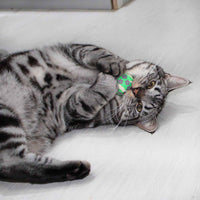
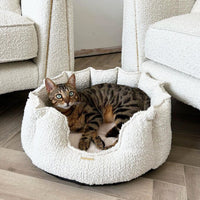
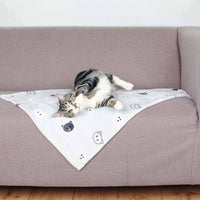
Cat kneading is an instinctive trait in your feline. The act of kneading a soft surface, such as a blanket, your bed, other cats, (or your lap), is soothing and relaxing. You may even find they purr, drift off to sleep or simply zone out, whilst enjoying the motion.  Most cats will knead, however some may purr really loudly, some may do it quietly, some may use all four paws, whilst others will use only two, regardless of how they knead the bed, it’s not unusual for them to appear in a trance-like state and look almost glazed over - this just means they’re completely relaxed! If your cat does knead their bed, you may be wondering why they do this? In this article we discuss, why cats knead their bed and bedding.    Why Do Cats Knead Their Bed  You may have heard the phrase ‘making bread’ or ‘making biscuits’ when it comes to your cats kneading habits. The adorable phrase is used as your cat will look like they’re ‘kneading’ dough. [product] There are lots of reasons why your cat kneads their bed, the main reason being it’s an instinctive trait they inherit from when they were only a kitten. When feeding from their mother, your kitten would paw at their mums stomach to encourage milk flow. This is also why sometimes cats may dribble while they knead their bed or often they suckle at a soft object such as a blanket, cushion, bedding or toy - as they’re expecting the milk that used to be associated with the movement.  If your cat is still kneading as an adult cat, take it as a compliment your cat feels happy, safe and comfortable with you!    Why Do Cats Knead Bedding  Your cat kneads when they’re happy - it’s a part of their feline personality, if you find they’re kneading you particularly painful, grab a blanket and be assured it’s completely natural behaviour.  [product] Kneading their bedding is often explained as being a wild trait passed down from your cats wild ancestors. Wild cats will paw at piles leaves or tall grass to create a nest for themselves and their young to relax and sleep in - similarly to how we fluff pillows. By kneading their bed, they’re not only making it more comfortable, they’re also checking for dangerous things hidden within their safe sleeping space.  Here at Lords and Labradors we provide a variety of bedding your cat will love kneading and feel safe and secure in, and our luxury blankets act as a great barrier for your lap when they ‘make biscuits and bread’ on you. 

By Laura Rudd

Read more
Can Kittens Eat Cat Treats?
16.09.21 September 16, 2021 Getting A Kitten Featured

Can Kittens Eat Cat Treats?

Getting a new kitten is exciting and overwhelming, especially when it comes to what they can and shouldn’t eat. Kittens grow rapidly and their digestive and immune systems develop slowly, so they have very specific and nutritional needs that are different from adult cats. When your kitten is old enough to eat solid foods - usually around 8 to 10 weeks old - you may want to give them a treat for their good behaviour. Often when toilet training and learning their name is a good time to give out treats to begin with. Stick to safe and tasty treats for them, which are soft and easy for them to chew. To help your kitten grow, it’s vital to provide food and treats suitable for their lifestyle and nutritional needs.  The best treats for your kittens are those specially formulated for your kitten’s delicate stomach. In this article we take a look at if kittens can eat cat treats and what suitable treats are available to give to your kitten.    Can kittens have cat treats? You may find most cat specific treats are not designed with kittens in mind, although there are lots of cat treats you can give to your kitten, such as Dreamies. Fortunately, some treats are great for growing your kittens health as they’re packed with healthy proteins and are often low in calories, making the pawfect snack. Treats are a delicious snack for your kitten, but too many may affect your kittens health, as you may be unknowingly filling his/her tummy with empty calories. A food specifically designed for kittens should be your kittens primary source of calories and nutrition.  Treat your furry feline to a special treat only when they’re behaving and toilet training. Crunchy treats are great for teething kittens (normally around 3-6 months) as the chewing will give a little relief from pain of their new teeth breaking through. It’s great to give your kitten a variety of treats, especially to promote healthy diets and wellbeing. Note how many treats your kitten is consuming as they should only take up to 10% of your kittens diet.   What cat treats are good for kittens? To give your kitten the healthiest and most enjoyable start in life, start with our range of nutritious kitten treats. There are many different types of cat treats in a range of textures and flavours your kitten will enjoy exploring. Here at Lords & Labradors we stock a number of premium pet brands including Innocent Cat, Webbox and Hi Life, suitable for your kittens delicate diet. Be sure to check the feeding guidelines as some treats may only be suitable once your kitten has reached 4+ months.  Keep in mind treats are best consumed in moderation. They usually should take up no more than 10% of your kittens diet; but this will depend on your kittens daily food intake. Feeding your kitten a nutritionally complete diet that is tailored to their specific needs is vital for supporting healthy development, promoting a healthy future and happy adult cat.
By Laura Rudd

Read more
How Do Slow Feeder Dog Bowls Work
12.09.21 September 12, 2021 Owning a Dog Featured

How Do Slow Feeder Dog Bowls Work

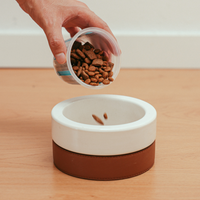
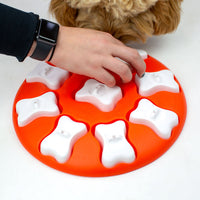
If your four-legged friend gulps down their food, you may have heard about a ‘Slow Feeder Dog Bowl’. Slow feeder bowls are designed with separations and obstructions so your dog has to use more effort, precision, and time to complete the meal, and ultimately slow their eating down! It is also a dog-friendly puzzle with the ultimate reward - their food! Slow feeder bowls are useful as they slow your dog down whilst eating, avoiding the risk of bloating and other digestive issues. The physical benefits for your dog are just as rewarding as the emotional benefits for your dog - they also provide mental stimulation which is a great way to keep your dog’s mind occupied. In this article we discuss how slow feeder dog bowls work and if they’re a good investment for your hungry dog. What Is A Slow Feeder Dog Bowl? A slow feeder dog bowl is a bowl which is often shaped and designed to slow your dogs eating down to a healthy pace. The bowls have built in obstructions dotted all around the bowl, designed to slow your dog down and think whilst they navigate how to eat their food. Eager pups often ingest air as well as food when they eat fast which can cause health problems for your pooch. Air in the stomach can cause it to swell up and bloat; If your dog then runs around or plays, they are at a high risk of their stomach flipping over and causing a GDV (medical term - gastric dilatation and volvulus). This is a life-threatening condition which often requires emergency surgery. So anything that will help your eager pooch slow down whilst eating seems a great idea!   Do Slow Feeder Dog Bowls Work? Mostly, slow feeder bowls do exactly what they say they do - they will slow your dog down whilst eating. Some dogs are slower to master the feeder and you may need to take things in stages. Introduce your dog to the feeder slowly and choose your slow feeder carefully for your dog. Depending on the size of the dog and the size of the food you feed your dog may depend on the feeder you find most suitable. Your dog will need to negotiate around the obstacles so they can eat their food. Some slow feeders may have bumps in the way where as others may look closer to a maze design, you may also find slow feeders in a game or puzzle - all will slow your dog down whilst eating which will lead to better digestion.    Are Slow Feeder Dog Bowls Good For Dogs?e Both the mental and physical stimulation for your dog pose positive health benefits which make slow feeders a winner for you and your pooch. Be sure to work with your dog to get them used to this new way of eating and keep note on how much they’re eating so they don’t over eat or starve. The bowls can be used for both wet and dry foods, so no matter what diet your dog is on, they can be used with ease. Not only do slow feeder dog bowls reduce the risk of health problems and promote healthy digestion, but they make dinner time fun too!  Investing in a slow feeder dog bowl can be hugely beneficial for both you and your dog, creating fun mealtimes and promoting healthy well-being, keeping you happy and your pooch well fed and comfortable! 

By Laura Rudd

Read more
How To Wash A Dog Collar
09.09.21 September 09, 2021 FAQs Featured

How To Wash A Dog Collar

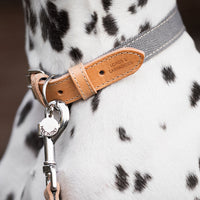
It’s easy to forget to wash your dogs collar, and there’s nothing worse than a freshly washed dog in a smelly dog collar. Cleaning their collar doesn’t have to be a chore and can be quick and easy to prolong the life of the collar and keep your dog smelling fresh! It may be worth getting a second collar so you have a collar for your dog to wear whilst another is being washed. Cleaning your dog collar every now and then is worth your time to keep your dog happy and healthy. There’s no specific frequency you should change and wash your dogs collar, but when you check the sizing of the collar, it might be worth to check if the collar is still smelling fresh too.   [product] How To Clean A Smelly Dog Collar A lot of collars are hand wash only due to the soft and durable webbing used - and although it’s tempting, try not to just put your dog collar in the washing machine (or in the dishwasher as some advice might suggest!). Check the washing instructions on your dogs collar for wash instructions and if you’re able to wash the collar in the washing machine. If your collar is 'hand wash only’ use warm water and a mild dog shampoo to ensure the collar won’t irritate your dog once returned around their neck. Let the dog collar soak in the soapy water for 10-20 minutes and lightly brush the collar if there is a build up of dirt. Be careful not to damage the collar with a harsh/vigorous brushing. Don’t forget to pay attention to any buckles to remove any build up of dirt and grime. Once the collar is clean, rinse with clean water and leave to dry completely before returning this to your dogs neck.  [product] How Often Should You Wash A Dog Collar? There isn’t a set time scale on when you should wash your dogs collar, as this will depend on your dog and if they enjoy swimming, rolling in mud or if you remove their collar whist being at home! It’s good practice to check your dogs collar frequently to ensure the size of the collar fits them comfortably - so you may want to check at this point if the collar needs a wash. Set a reminder for yourself to wash the collar seasonally, if you don’t find the collar has built up with dirt in the meantime. It also may be useful to check the collar once your dog has been groomed. There is nothing worse than a freshly groomed dog with a dirty, smelly collar!  [product] How To Clean A Smelly Leather Dog Collar Leather can be quite a sensitive material and should be prevented from soaking in water for a long period of time. To clean the collar, simply wet the collar with warm water and gently clean the collar with a mild dog shampoo. Rub the collar gently to remove any dirt or grime focusing on any buckles and stitching where dirt can gather. After washing, pat the collar dry and use a soft towel to soak up the excess of water. Then leave to dry naturally before returning to your dogs neck. Try not to leave the collar drying in the sun as sunlight can cause the leather to crack. As you cannot soak a leather collar in water for a long period of time, it is advisable to clean the collar regularly. Cleaning your leather collar often, means it won’t get too soiled and smelly.    How To Wash A Dog Collar In The Washing Machine Check the collars washing instructions before you pop the collar into the washing machine like you would their bedding - as some collars are hand wash only and machine washing them can cause irreparable damage. If you can wash your dogs collar in the washing machine, we’d recommend popping it into a washing bag (or a sock/pillow case) so that any metal work/buckles are protected and doesn’t make a banging sound whilst in the machine. Once you’ve washed the collar using the manufacturers recommendations, leave the collar to dry naturally before putting back on your dogs neck. If you’re looking for a new collar, you can shop our.designer collars here 

By Laura Rudd

Read more
What To Do With A New Kitten At Night?
29.08.21 August 29, 2021 Featured

What To Do With A New Kitten At Night?

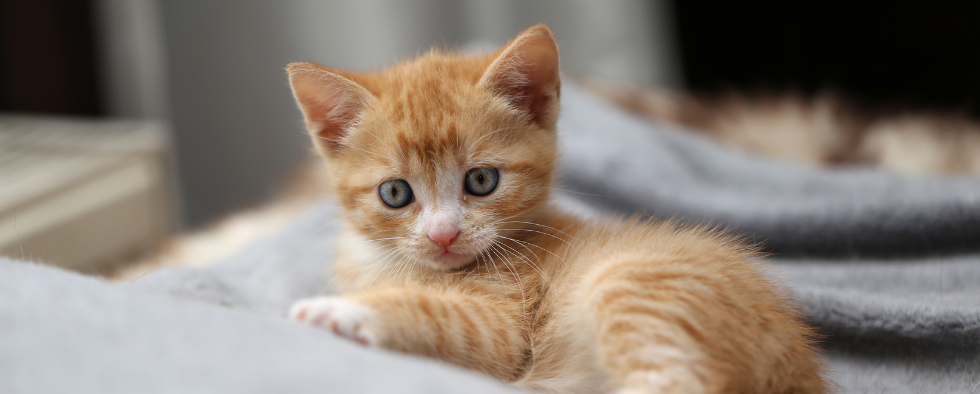
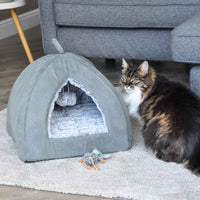
Bringing your kitten home is new and exciting, but what exactly do you do with them once you’ve got them home, settled and it’s now bedtime? You may be wondering where is best for them to sleep and if it’s OK to leave them alone at night. It’s clear the best place for your kitten to sleep is somewhere warm, secure and sheltered, but where in the house is best? And when do you start a routine?In this article we discuss the best place for your new kitten to sleep, what to do with them once you’ve got them home and what actually to do with your new kitten!   What To Do On The First Night With A New Kitten  It’s good to remember your new kitten will be tired, scared and missing mum and any siblings they’ve just left - it’s likely their first night will be one of the biggest challenges they have ever faced. Kitten’s don’t always sleep through the night (although they’ll sleep often and can sleep unto 18-20 hours a day) and are most active at dawn and dusk - so your first couple of nights may be full of adjustments as your new kitten settles in. An exhausted kitten is more likely to sleep throughout the night and settle quickly into their bed. Providing lots of playtime and exercise before bedtime is a great way to exhaust all of their energy before getting into bed. Here at Lords and Labradors we provide lots of interactive toys and scratch posts for your new kitten, so they can play with you and also explore through playing alone. It’s a good idea to get a mixture of toys for them to choose from - a scratch post will be a firm favourite for your new kitten and a mixture of soft and noisy toys will help their development, ultimately tiring them out! Note it may be helpful to change mealtimes for your kitten - sometimes feeding them later or changing how much you feed them in the evening will help your kitten to sleep as they often sleep whilst their food digests.  Having something familiar to the kitten can be a big help to getting them settled and will ultimately help them sleep at night. Our Cat and Kitten blankets are great to give to your kitten before they leave their first home with mum/or the shelter. The scent on the blanket brings familiarity to your kitten and will help the transition into their new home. You don’t necessarily need to leave any lights on as kittens can see in a very low light, so they’ll be able to move around with little effort; but remember they’re new to their surroundings so it may take some time for them to get accustomed to their new environment!    Where To Put A New Kitten At Night  A huge part in getting your kitten to sleep is their sleeping arrangements - over everything, kittens look for warmth and cosiness when they want to sleep. It’s a good idea for the first few nights the kitten sleeps near to you where they’re free from draughts, they’re sheltered and warm. Kittens love sleeping at height as this makes them feel safer, so putting their bed on a stable surface will help to settle them and make them feel more secure whilst in bed.  You may find having a cave or hooded bed will help your kitten settle and keep warm and cosy throughout the night. Alternatively our Lords and Labradors Snuggle Cat Cushions are great for your kitten to snuggle inside and keep warm throughout the night. The more comfortable your cats bed is, the more likely they are to sleep through the night. Adding blankets and cushions will help stimulate the warm environment of ‘mum’ for your kitten.  Don’t forget to provide toys close to them, this way if they do wake up throughout the night, they’ll be less likely to wake you up. And keep their water, food and litter tray not too far from their bed so it’s easier for them to use in the night.  But most of all, enjoy your new kitten! It’s an exciting and overwhelming time for both yourself and your new kitten, so take it easy and enjoy settling into a new routine! 

By Laura Rudd

Read more
The Best Litter Trays, Litter & Accessories
25.08.21 August 25, 2021 Owning a Cat Featured

The Best Litter Trays, Litter & Accessories

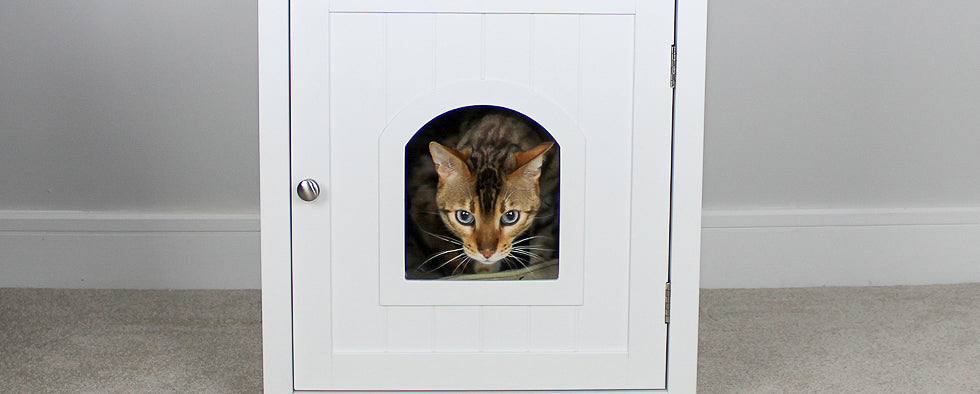
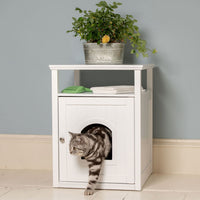
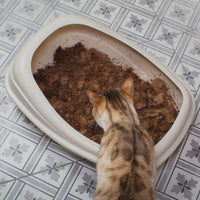
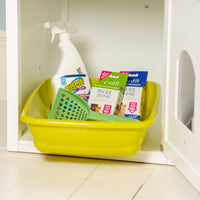
As cat owners we know our felines are particular about where they relieve themselves. To keep your home clean and fresh, you’ll need to select a litter tray carefully and with your feline in mind. Keep in mind the design, size, shape and feature as this can make or break your cat’s toilet habits. But what are the different types of litter trays? And what is best for your cat? In this article we explore different cat litter trays and accessories you may need to keep your cat clean and happy!   How Do I Pick The Best Litter Tray? Most of the time, if your cat isn’t using it’s litter box, it’s for behavioural reason; your cat may be stressed or it’s annoyed about something. There may however be a medical reason, so it’s best to check with your veterinarian.  Placement is really important in making your cat feel safe and at ease whilst toileting. Litter trays should be placed in discreet corners so that your cat has a full view of approaching danger but is protected from behind. Our Lords & Labradors Cat Washrooms are a multi-functional pet house which work well for you and your cat. They are visually attractive and private for your cat to toilet, whilst keeping the smell contained. They’re also available in grey and white!    Enclosed Litter Trays  Every cat is an individual with their likes and dislikes and this includes choosing where they toilet. Generally, most cats prefer to use litter trays that are easy to get into and large enough for them to turn around in with ease. Enclosed - or covered - litter trays are popular with cats and their owners as the contents remain out of sight and your cat can toilet in private.   Open Litter Trays  If your cat doesn’t like a covered or enclosed litter box, or if you have more than one cat, you may find you need a variety of trays for them to use. Our Beco Cat Litter Tray is generously proportioned, leaving enough space for your cat to turn around and toilet, and has high walls and an extra high hooded wall which offers a ‘kickback protection’ which stops loose litter from being sprayed outside the tray when your cat covers their business.    What’s The Best Cat Litter to Use?  Now you’ve picked the right litter box for both you and your cat, you can decide the best litter to use for them. Once you’ve picked your litter, it’s best to keep to the same litter as a change may upset your cat and force them to toilet elsewhere. There are many factors to take into account when choosing the best cat litter for your fur family - some are good for hiding odours, some are best for absorbing more efficiently and some are made for reuse!    Crystal Cat Litter  Crystal cat litter is quickly growing in popularity due to its high absorbency properties and great odour control! It quickly works on absorbing the urine, evaporating the waste and trapping the odour in the process. You also won’t need to scoop every day, but rather scoop every few days (dependant on how many cats are using the litter!).    Corn Cat Litter Corn litter provides less dust than a clay litter - and our Sanicat Corn Litter is an eco friendly and totally natural cat litter. It’s also softer on your cats paws making their toilet time more enjoyable. Available in all-natural scented, unscented and totally natural litters, you’ll find something that suits your feline! - a-maize-ing!    What Accessories Do I Need? Cats appreciate a clean toilet and tend to look for other places to relieve themselves when confronted by a full litter box. Even a mild odour can be off-putting to your pet, so keep the litter box clean - our scoop is great to keep the litter box clean and makes sifting easy! And don’t forget to change litter frequently to keep your cat happy with their toilet. Here at Lords and Labradors we provide everything you may need to help keep your cats litter tray clean and smelling fresh. Our litter deodoriser is a great fix to keeping your litter smelling fresher for longer; and they’re available in two different scents to suit your taste! Our cat litter tray bags are great for making cleaning up after your cat easier; just put the bag in the litter tray and fill it with litter and when you need to change the litter, simply take out the bag and replace! Each litter tray, type of litter and odour neutraliser will depend on you and your cats tastes, now it’s just a case of finding what is best for you and your fur family! 

By Megan Willis

Read more

loyal customer in 17 countries

Why Shop With Us?

  • Free Delivery

    Orders over £75 qualify for free standard UK delivery. Orders under £75 will be calculated at the checkout.

  • Shopping Made Easy

    Gain exclusive access to sales and shop all your pets favourites on the go by downloading our app.

  • Designed in the UK

    Our own brand products are lovingly designed in our specialist UK workshop to our exacting standards.

  • We're Here For You

    Contact our Pet Experts on Chat or by email at sales@lordsandlabradors.co.uk