Lords & Labradors Information Hub

The home of handy tips and advice dedicated to pet owners

Our Favourite Dog Toys For The Park And The Beach
22.05.20 May 22, 2020 Product Spotlight Featured

Our Favourite Dog Toys For The Park And The Beach

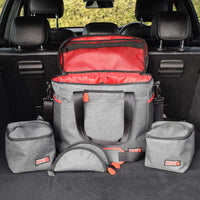
The lockdown rules and regulations have recently been relaxed in England which means some of us can now leave our homes for extended periods to exercise more. As long as we keep to strict social distancing measures we can now take a trip to the coast, or to other places of natural beauty which means longer dog walks and play dates with our four legged friends. This week we thought we’d talk about some of our favourite dog toys to take to the park or the beach, as well as some fabulous accessories. We’ve been indoors for a couple of months so why not treat your pup to a new throwing toy or harness?! The Best Dog Toys for the Beach If you find yourself on a quiet beach, these throwing toys are ideal for a great game of fetch. We’d suggest something bright so you don’t easily lose it, and something that can float so you can extend your games into the water. We have a great selection of choices that would be ideal. Chuckit Tennis Balls - These ultra tough tennis balls are designed specifically with dogs in mind, with the same shape as a regular tennis ball but being much more durable. The bright neon orange colour will be easy to spot from metres away and they even float so are great for playtime near the sea. If you have the beach to yourself why not combine with the Chuckit Ball Launcher to get even more distance out of your throw?! KONG Belly Flops Lobster - Designed to float in water, the KONG Belly Flops lobster is the perfect companion for the beach. It has a unique belly-spinning action which will help engage your pup and is made of a strong material for long-lasting play All For Paws Chill Out Range - These fruit themed toys are perfect for the beach, they soak up water and release in hot weather to cool your pup. They also crickle and squeak making them irresistible for your dog! Find some other things we think you should take to the beach with your dog in our Beachtime Collection here! The Best Dog Toys for the Park Now that many of our open spaces are opening back up again, afternoons in the park might be more common for many of us. Longer walks and more time outdoors mean more exercise for you and your pet. We suggest taking some fun toys with you so you can make the most of having the extra room again. It will be less crucial that you choose toys that can float, opening up the options here. Beco Ball on a Rope - Beco make winderful, eco-friendly dog toys. This ball on a rope comes in a few different colours and two sizes. The rope allows you to throw the toy greater distances than a regular ball, and could be used for games of tug too. The whole toy is made from naturally toxin free materials so it’s good for the environment not to mention loads of fun!! Nerf Trackshot Launcher Duck - This Nerf dog toy can be launched up to 75 feet making it ideal for playtime in the park. Made of a tear resistant woven nylon with PU rubber coating that will ensure it can withstand your dogs teeth. Your dog will get loads of exercise running and chasing after this! Nerf Tennis Ball Blaster -  It’s well known that dogs love tennis balls and Nerf have a great range of tough and durable tennis balls designed specifically for your canine friends. Take you games of fetch to the next level with this tennis ball blaster. This is great for places like the park where there is lots of open wide spaces. It’ll launch your tennis balls further than a regular throw making it even more fun for your dog.   Don’t forget your other Dog Travel Accessories too! The slight ease in the lockdown restrictions means you may be able to stay out for a whole afternoon. As long as you can socially isolate when you’re out and about, a picnic in the park may well be possible. Don’t forget to take your other travel things with you in case you're out of the house for an extended period of time. If its a day at the beach you might want to take your dog’s drying coat and some wipes to clean them off after a dip in the sea. If it’s a day at the park you might take along a travel bag with dog food and water so your dog can join in the picnic fun.

By Zac Girdlestone

Read more
How Old Should You Start Crate Training A Puppy?
18.05.20 May 18, 2020 Getting A Puppy Featured

How Old Should You Start Crate Training A Puppy?

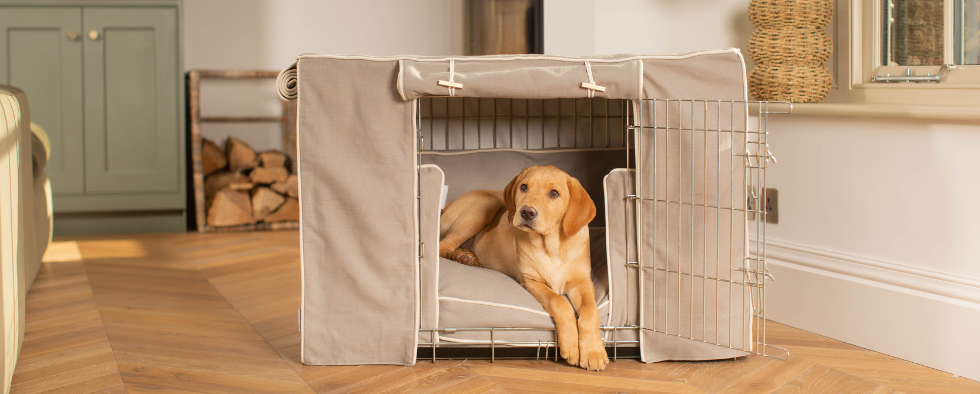
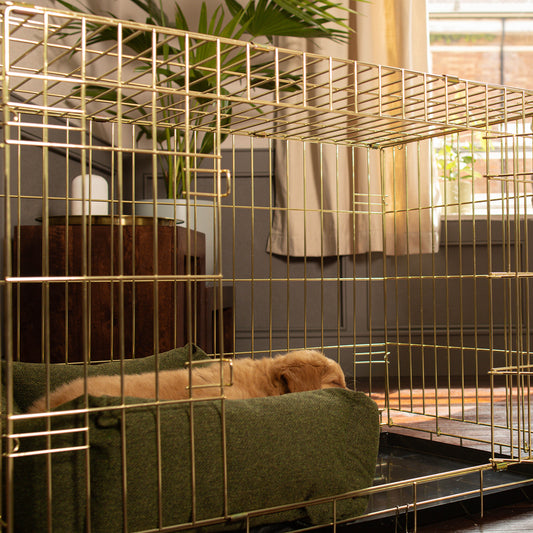
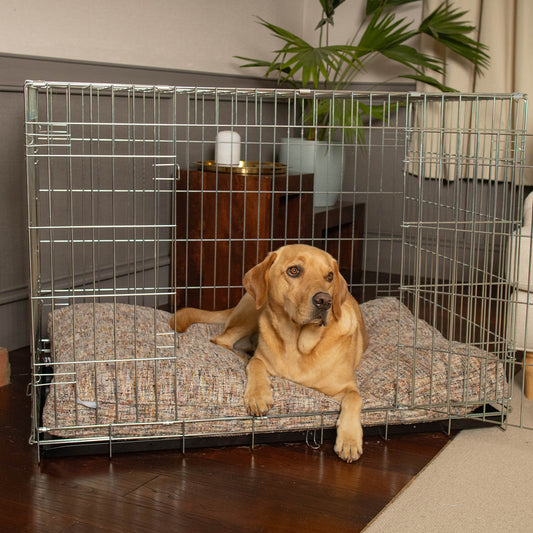
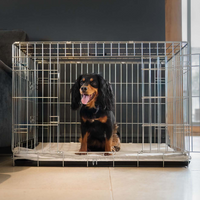
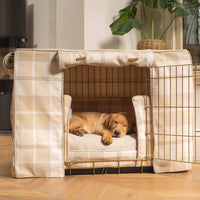
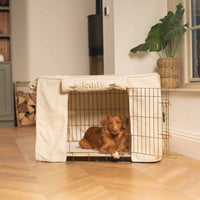
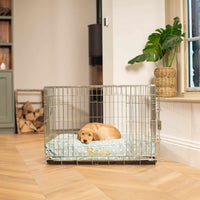
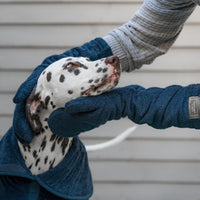
We want nothing more than for our dogs to feel safe, comfortable and happy, and this is precisely what crate training is intended for. Dogs should view their crate as their haven and own personal den - a place they will voluntarily go to get some rest. You may be wondering how old you can start crate training, what the perfect puppy crate training schedule is, and if you can crate train an older dog. Our pet experts have put their top tips in this week's blog to help make your crate training journey as smooth as possible.     How Early Can You Start Crate Training A Puppy? It is important to start as you mean to go on and introduce your puppy to their crate as soon as you bring them home, at about 8 weeks or so. Getting your puppy used to the crate early on helps settle them in to their new home quickly and efficiently; helping nervous puppies feel safe and also helping them with their toilet training. We would suggest you have a crate set up ready for when you bring your puppy home. The crate should be big enough for them to grow into as an adult, but set-up slightly different whilst they are crate training.   How To Set Up A Cage For Crate Training We recommend using one of our Cosy & Calming puppy crate beds, which are designed to fill around half the crate and then popping a piece of vet bed or some puppy pads down on the other half of the crate. This will divide your crate into two areas to help keep the crate cosy & comforting for your puppy. You could also use one of our crate covers to help block out any light and get your puppy in a routine with sleeping.    Benefits Of Crate Training A Puppy Gives them a safe space of their own which can help them stay calm in new or stressful situations, or when they're tired  Can help to toilet train them A safe place for your dog or puppy to go when they're not being supervised It can make travelling with your dog easier as their safe space can come with you Can help with separation anxiety   How To Crate Train A Puppy Slowly but surely is a great attitude to take when crate training your pup, never force them to go in but simply encourage them with treats and toys to go in.  We recommend keeping the crate door open in their area during the day so they can go in and out at will. You want the puppy to see the crate as their den; their escape from the rest of the household when they need a rest. It’s important not to lock them inside for long periods of time – the crate should never be used for punishment either. The longest they will be inside the crate is probably at night time. You may wish to put the crate next to your bed, or just outside your bedroom at night time, so that they are near you and you can keep a close eye on them at intervals throughout the night. If they fall asleep at any point in the day, you could pop them in their bed inside the crate, to help reassure them that the crate is a safe, comfortable space just for them. Young puppies will get used to the crate really quite quickly if they are introduced to it in the first few weeks of puppyhood. By encouraging your pup to nap in their crate in the day it will make the transition to crate training them at night that little bit easier. We have a more indepth guide on how to crate train your puppy here, it has all of our pet experts top tips and tricks from crate training your puppy.   Puppy Crate Training Schedule 6am  or as early as possible - Puppy will be very excited to see you and desperate for the toilet - take your puppy out first thing for a toilet break. Then provide playtime in and around the crate. 8am - After breakfast, take out another toilet break and walk. Then take back to the crate for a little play and a nap (door open) 9.30am -Toilet training, then another little play. Another toilet break and encourage a nap in the crate. 12pm - Lunchtime with a toilet break and a little play. Another toilet break if needed and then encourage a nap in the crate. 2pm - Toilet break and playtime. Another toilet break and encourage another nap in the crate (door open) 5pm - Toilet break after dinner. 6pm - Toilet break. Playtime in and around the crate.     How Long Does It Take To Crate Train A Puppy? Some pups absolutely love their crate from day one, whereas for others it takes a little longer. Patience and reassurance are key in this process. Not all dogs learn at the same speed but with a little time, your puppy with learn to love their crate and view it as their own safe den!   Can I Crate Train An Older Dog? Dogs definitely have the capability to be crate trained at an older age. Whether you’ve rescued an older dog or simply never got round to it when your dog was younger, you can still achieve the successful results of crate training. There are several benefits of going through this process with an older dog. These include: Creating a personal safe space for your dog Establishing a routine for them Making transportation easier and more convenient Creating a place they can go to calm down in situations they find to be uncomfortable or stressful. It turns out that you can teach an old dog new tricks - it just requires time. Crate training an older dog is typically more difficult than crate training a puppy, as younger dogs don’t have formed routines that need to be broken. Older dogs, however, tend to be creatures of habit. Time needs to be taken for them to unlearn their old routine before going on to practise a new one. How Do You Crate Train An Older Dog? An older dog will soon appreciate the cosy interiors of their crate, more so than an excitable new pup. Place your crate in a quiet location so your dog has somewhere to escape for a daytime nap during louder times in your household. Follow the steps below on how to crate train your older dog. Prepare the crate - Choose a crate that’s big enough for your dog to stand up, lie down and move around in with ease. Pad it with blankets and, if applicable, their existing bed. Leave it in a busy location in the house and let your dog explore it naturally at first for a few days. Prepare yourself - If you have any negative preconceptions about crates, your dog will sense them and mirror your anxiety towards the crate. Begin training in a relaxed and positive manner. Prepare your pooch - It’s recommended that you should take your dog out for some exercise prior to training as a method of burning off some energy and make them more relaxed. A toilet break will also help to limit distractions and focus their concentration going into the training process. Create positive associations - Transforming a crate into a place where your dog feels happy is extremely important, so put treats and toys near the front of the crate. Every time your dog follows your command or goes in voluntarily to retrieve the items, be sure to give them lots of praise and positive reinforcement.  Entice your dog inside the crate - Once your dog is comfortable going near the opening of the crate, move the toys and treats inside, along with their water and food bowls. If your dog is reluctant, place these items at the opening of the crate until your dog is comfortable sticking their head in. Then begin to slowly move them towards the back of the crate until your dog enters it completely.  Close the door - Close the door when your dog enters the crate for a few seconds prior to opening it again. Repeat the process and keep the door closed for longer periods of time, as long as they remain comfortable. Increase time spent in the crate - Once your dog is happy being left in the crate with the door closed, leave it shut for a couple of minutes and gradually work this up to an hour before trying it for longer periods of time. Eventually, your dog will learn to like the crate and may even go in of their own accord.

By Megan Willis

Read more
Everything You Need For Your New Maine Coon Kitten
14.05.20 May 14, 2020 Cat Breed Guide Featured

Everything You Need For Your New Maine Coon Kitten

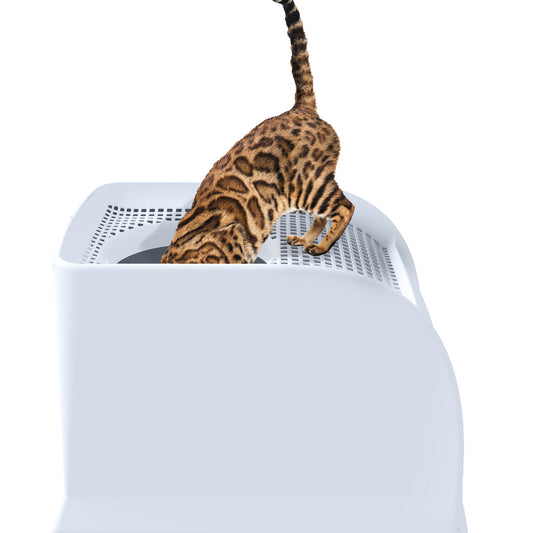
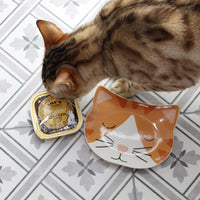
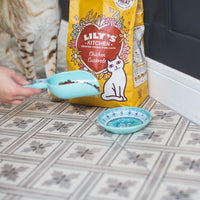
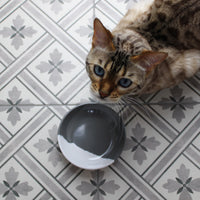
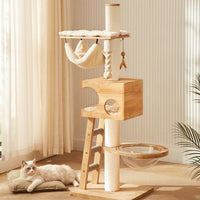
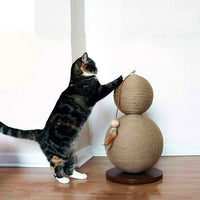
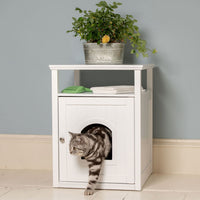
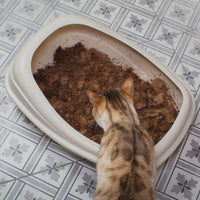
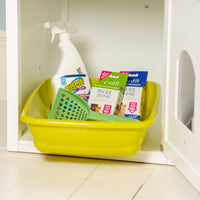
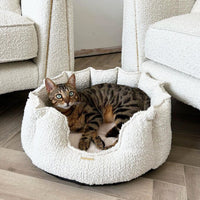
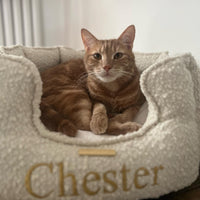
The Maine Coon is the largest breed of domestic cat. A beautiful, tiger-like cat with distinctive features and a semi-long coat. A hugely popular choice of pet both here and across the Atlantic, the Maine Coon is known for its intelligence and playful, yet gentle, personality. They are a really sociable cat and therefore make very popular companion pets. Here we take a closer look at the breed and discuss what you will need to buy if you're getting a Maine Coon kitten. The History of the Maine Coon The exact origin of the Maine Coon is unknown, as no records exist showing their introduction. There are many hypotheses, but the most likely is that they are closely related to the Norwegian Forest cat and the Siberian. The first mention of the Maine Coon was back in 1861 in a book entitled “The Book of the cat” by Frances Simpson. From then on there have been records of Maine Coons in shows around the United States. The popularity of the breed has risen and they are now the 3rd most popular breed in both the UK and the USA. The gentle giant of the feline world, they are known for their loyal, yet independent, nature. They can have any markings and colours that other cats have, but what stands them apart from their feline cousins is their large size, long fur with lion-like ruff and lynx-like tufted ears.   What Should I Get for My Maine Coon Kitten? So you’ve decided to get a Maine Coon? Perhaps you want to know what to get for them? Well we thought we'd bring you a Maine Coon Shopping List to help you prepare for their arrival. Here are our recommendations for this beautiful breed: Large Size Cat Litter Tray - A large size hooded litter tray is ideal to give them the room and privacy to toilet in comfort. Giving them a space to toilet in peace is a must and a hooded design will help keep the area around the tray clean when they dig and cover their waste. The large hooded tray from Catit is perfect with its wider than average dimensions. You could also opt for a basic litter tray inside one of our Cat Washrooms. The cat washroom is a furniture piece that will disguise your cat litter tray and look lovely in the home. You could use the little shelf for cat supplies or just pop a vase of flowers on top to make it look like an end table.  High Wall Bouclé Bed For Cats - All cats love a good snooze and Maine Coons are no different.  A cat bed that is soft and plump will ensure they have somewhere to sleep and nap when they please. Our Luxury cat bed are large and squishy and feature a cosy sherpa fleece top. A round shape with high sides will provide your cat the most comfortable nights slumber. The main body of the bed is made from our best selling Bouclé fabric, it comes in three colours specially selected to complement your home. Prescribed Kitten Diet - When planning your cat’s diet you should definitely read the instructions of whatever food you choose and also speak to your breeder or previous owner. Feeding a good quality cat food is always the best option. Try to choose a food with high quality ingredients and a high meat content! Of course, cats are all individuals, so it may come down to your cat’s personal taste too. Make sure to start with a kitten specific diet and then steadily move on to an adult cat food later. Always read the recommendations of the specific brand you choose as they will vary. Cat Bowls for Food and Water - You will need at least two bowls; one for water and one for food, a third if you’re going to feed both wet and dry food. There are a number of gorgeous bowls and saucers in our shop. Which you choose will come down to personal preference but we’re particularly fond of the Tarhong range which fuses style and practicality! Cat Scratch Tree - Offering your cat the best indoor environment should be priority. Even if your cat will spend time outdoors, giving them a great indoor home will only enhance their life. Cats love to scratch, it’s not only a habit, but a way to keep their claws healthy and for them to keep their muscles supple, so providing them with a cat scratch tree is important. A tall scratch post with platform is advisable so they have somewhere to sate their scratching needs as well as lounge. Maine Coons grow to be very large cats so invest in a large tree from the beginning so you don’t have to keep repurchasing. PetRebels have designed a range of  cat trees especially for Maine Coons, made to be big and strong to these trees make the perfect playground for your Maine Coon. Cat Grooming Kit - Getting the right grooming kit for your Maine Coon is a must. The catit longhair grooming kit is ideal as it has all the brushes and combs needed to ensure your kitten’s coat stays in tip top condition. There are many guides on how to groom cats and the Catit kit itself comes with some great information. We’d aim for a daily brush at least, but you’ll soon get to know your cat’s coat and be able to groom as often as you think necessary to keep the coat tangle-free. Cat Shampoo - You may find brushing isn’t quite enough and choose to bathe your cat as well. It shouldn’t need to be done more than once a month and if you begin bathing whilst they are a kitten they should soon get used to the routine. Animology make a great quality cat shampoo called ‘Feline Great’. This shampoo is 100% pet safe and will promote a healthy coat. Don’t forget to dry them off well so they don’t get cold. Bathing isn’t an absolute necessity for most cats as they tend to be able to keep themselves clean, but it can be a useful thing to get them used to. There may be times where they get themselves dirty to a point where a bath is the only practical way of cleaning them! Cat Toys -  Provide your cat with a variety of cat toys so they don’t get bored. A range of catnip toys such as mice and balls are a great choice as cats love to hunt! Whatever you choose, try to offer a number of different options so they don’t get bored and rotate the toys every few weeks, to keep them interested. Playtime is great bonding time so find a toy or too that will require some involvement form you too, such a wand teaser.

By Zac Girdlestone

Read more
Everything You Need For Your New Cavachon Puppy
24.04.20 April 24, 2020 Dog Breed Guide Featured

Everything You Need For Your New Cavachon Puppy

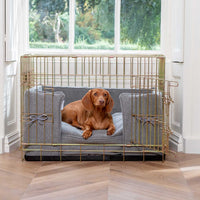
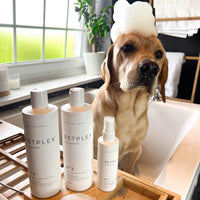
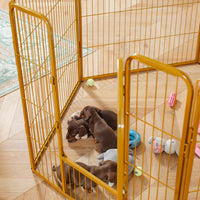
The Cavachon, a cross between a Cavalier King Charles and a Bichon Frise, have become a very popular pet in recent years. Their friendly and playful nature mixed with their Teddy-like good looks make them a very popular choice of pet. The Bichon Frise genetics mean they have a low shedding coat and they’re great with children, making them a good choice for families. A small, toy breed they have been bred to try to bring together the best of both breeds. They do well in houses and apartments, either with or without a garden making them a popular choice for a wide range of people. Like the cockapoo, they are good options for allergy sufferers being hypoallergenic. Here we discuss all the things you will need for your puppy for the first few weeks and beyond. So whether you are getting a Cavachon in the future or have brought your Cavachon home already, read on for some or our Cavachon product recommendations…   Cavachon Puppy Shopping List Dog Crate for a Cavachon The best dog crate for a Cavachon in our opinion is a medium sized 30” crate. We’d suggest a 2 door crate such as the Lords & Labradors Crate or our exclusive Lords & Labradors Deluxe Gold Crate. This will be the best dog crate for a Cavachon, which will last from puppy to adulthood.   Cavachon Crate Set-up for Puppies When you first bring your puppy home we suggest setting up the medium sized crate with a puppy bed in one side and a puppy pad in the other. Pop one of our crate covers over the top to make the den snug and cosy and pop a water bowl inside. This is the ideal nighttime set-up for crate training puppies, when you might not get them outside every time they need to toilet. In a few weeks, as they become potty trained, you can swap out the puppy bed for a full size crate cushion and bumper set to match your crate cover. The puppy bed can be put somewhere else outside of the crate as a stand-alone bed.   Cavachon Puppy Bed The best puppy bed for a Cavachon is our Cosy & Calming Puppy Crate Bed in the medium size. We have designed these beds to fit in half of your crate whilst your puppy is crate training. Then when your puppy is toilet trained, you can take out the half bed and swap for a full size cushion and bumper set. The puppy bed is ideal for putting elsewhere in the house to use as a stand-alone bed and comes in a range of our signature fabrics to complement your home furnishings.   Dog Bowls We love the Mason Cash bowls, they're small enough for tiny puppies!  They come in three colours and have a cute paw print design embossed all the way round.    Puppy Pads Puppy pads are super important for toilet training puppies. Your pup won’t be able to hold themselves in the first week or so, so having a puppy pad down just in case you don’t get them outside quickly enough is a must.   Puppy Lead Training Accessories We always suggest a dog harness and lead for lead training. A harness gives plenty of comfort and control for puppies who are going to pull and tug whilst they are still learning.   Puppy Grooming Dog Brushes - A salon slicker brush is ideal for grooming puppies. The wire bristles are gentle enough for puppies and will ensure their coat is kept in good condition and cot free. As they get older, invest in a good all round brush which will take care of your Cavapoos curry locks. Dog Shampoos - We love the PetPlex Puppy Purifier shampoo as it's gentle and effective. You could try the clean sheets for quick clean-ups in-between bath times. They’re super handy to keep in the car or your travel bag for car journeys and day trips. Drying Robes, Mitts and Towels - Drying Mitts and towels aren’t just great for bath time but for day trips too - any time your puppy might get wet, such as a trip to the beach or a wet weather dog walk. We love the mitts for puppies as they are super versatile. Once they are fully grown, you can invest in a drying coat. Pop this on after you’ve rubbed them down with the mitts and they can stay cosy and warm whilst they’re still damp!   Puppy Toys! Don’t forget playtime! Playtime is just as important for your puppy’s development as crate lead training. Provide your puppy with a number of toys of different types. A cuddly toy for nap time, a chew toy for teething and a throw toy for throw-and-retrieve fun. One of our favourite puppy toys is the Heartbeat Sheep by All for Paws - this super soft puppy toy also mimics Mum’s heartbeat to help settle puppy - the ideal way to help settle nervous puppies when they first come to their new home. Our favourite teething toys are by KONG. Whether you choose the classic Puppy KONG or the Teething Stick, your puppy will have hours fun and also be able to sate their chewing desires at the same time!   Puppy Pen or Gate Another consideration when you first set-up your puppy’s area is how to keep them safe. Our wooden puppy pen and wooden gate are great options for sectioning off a dedicated puppy area. You don’t want to give your puppy the run-of-the house straight away - they should be given time to adjust to their new surroundings gradually. These wooden dog furniture pieces are a practical choice for most puppy owners and will look stylish in any home interior. We hope you find this shopping guide for puppies a handy resource. We've tried to highlight the best options and sixes for Cavachon's in particular. If you need any product advice or have any queries about the blog or anything else puppy related, do get in touch. We'll try our best to help!

By Zac Girdlestone

Read more
Does Everyone You Know Seem To Be Getting A New Pet?
17.04.20 April 17, 2020 Getting A Kitten Featured

Does Everyone You Know Seem To Be Getting A New Pet?

Since the lockdown more people than ever, in both the UK and the US, have decided to become a new pet parent. Whether that is adding to their existing furry family or becoming a pet parent for the first time. There has been some discussion on if this is a worrying ’trend’ and if this will mean lots of unwanted pets when the pandemic is over. Alternatively, it is more likely to be the more responsible of us actioning a plan to get a pet and spend that all important puppyhood or kittenhood time together, now the perfect time has presented itself. Equally there has been a surge in pet adoptions from re-homing centres which can only be a positive thing.   Is Now The Best Time To Get A Pet? Timing is super important when deciding whether to get a pet or not. Both cats and dogs will need quite a lot of attention, especially in the first few weeks when getting them settled; dogs perhaps even more than cats. Under normal circumstances, settling in new pets, which is the hardest, most time consuming part of pet ownership, would mean booking a little time off work. Now, however, there is the opportunity if you’re working from home, or indeed furloughed, to put that precious time into your new family member. House training, lead training and general bonding will be a lot more feasible. A key consideration of course, will be what happens after lockdown. It’s easy to feel like social isolation is going on forever, but life will go back to normal, whatever that new normal may be. It might be for many of us, that working from home will become something we do more often. Whatever the plan, you’ll need to ensure you will be able to give your pet the appropriate amount of time in the long run.   Our Post Lockdown World Perhaps, overall, pet ownership in the UK and the US will reach a new higher normal level and thus there should be, in the future, more pet friendly places to go, stay and socialise. Equally, maybe many of us will continue to work from home at least some of the time. The benefits will include reduction of carbon emissions, reduced commutes, less busy roads and spending time with your pet.   Links Between Pet Ownership & Health There are many health benefits to owning a pet. The bond between people and pets is known to lower stress, increase happiness and also fitness. They can help improve our health in so many ways such as lowered blood pressure and cholesterol levels; decreased feelings of loneliness and increasing our opportunities for exercise.   How To Prepare For Your New Pet If you’re preparing your home for a new pet there a few things you’ll need to consider. You’ll want to make sure your home is safe for your new pet, know where they are going to spend most of their time and also make sure you have everything you need. Getting a pet should be fun so we have put a number of resources together to help you remember everything whilst staying stress-free! We have some great advice on what to buy for new pets in our blog posts here: Puppies: Everything you Need For Your Perfect Puppy Shopping List Kittens:  Everything I need for my New Kitten Shipping List We also discussed how to prepare the home for puppies and kittens in our articles here: How to Prepare For your New Puppy Cat Proofing Your New Home   And don’t forget if you have any questions, we’re always here to help. Whether you’re a first time pet owner looking for product advice, or you have a question about something else pet related, we’re here to help! You might also like to explore the other articles in our Journal here. We publish articles about all areas of a pet’s life on a weekly basis.

By Zac Girdlestone

Read more
New Puppy Crate Beds
31.03.20 March 31, 2020 Product Spotlight Featured

New Puppy Crate Beds

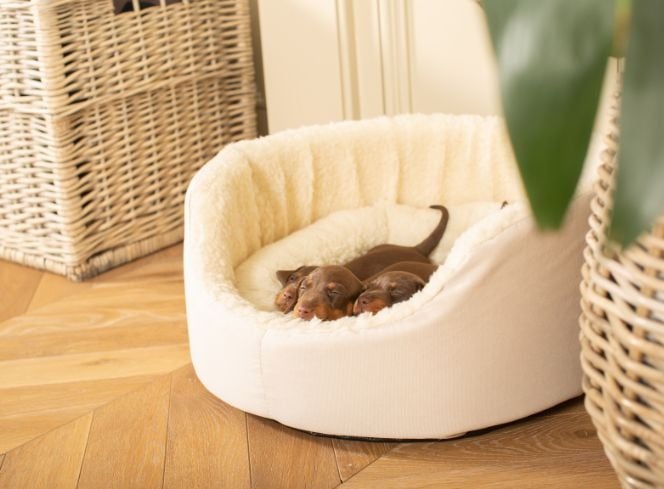
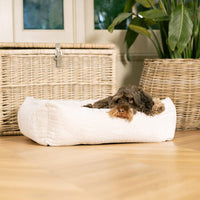
We are excited to introduce our new puppy crate beds - a half size crate bed, designed with puppy crate training in mind. We have created bespoke custom half cushions in the past, for customers who wanted a small cushion for one side of their crate in a fabric that matched their crate cover - Well now we have added them to our main collection for everyone!   A Cosy Puppy Bed with Sherpa Topper Our Puppy Crate Beds are super soft and snuggly, featuring a sherpa fleece top with padded sides offering the ultimate in comfort for your puppy. Your pup will love curling up in the corner whether it's for their afternoon snooze or at bedtime. The beds come in a range of our printed cotton fabrics so you can match it to your chosen crate cover and bumper too.    The Perfect Puppy Bed for Crate Training  The cushions come in five sizes to fit one half of our deluxe crates. Simply pop them in one half of your crate and you will have room for a puppy pad and water bowl in the other -  the ideal nighttime set-up for crate training new puppies. The beds come in a choice of our L&L fabrics so you can match your new puppy cushion to a crate cover. The beds aren’t just designed for crates either, they can be used anywhere in the house. The compact size means they’ll fit under your desk whilst you’re working from home, or anywhere else your dog or puppy might want to relax!

By Zac Girdlestone

Read more
Working From Home With Your Pet
25.03.20 March 25, 2020 Owning a Dog Featured

Working From Home With Your Pet

In a time when it is easy to become stressed thinking about the Covid-19 situation we find ourselves in, there are positives to be taken from it too. For many of us the extra time we are now spending at home will mean more time with our family and our pets. Working from home may seem like a challenge initially, but having more valuable time with our pets is great in many ways, not least for our mental wellbeing. Here we look at the benefits of working at home with our pets and then take a look at some ideas for your home office set-up.   Positives of Working From Home With Your Pet The number one positive here is our happiness and I think we can all agree that our pets make us happy. Having more time to spend with them means more cuddles, more playtime together and more quality bonding time in general. You may well be working for a big proportion of the day, but being at home means your breaks can be spent with other family members, including your cats, dogs and other family pets. The current situation brings with it many challenges. As the news changes daily, so too, do our daily routines. For most people we are now living a life of isolation from the outside world, so finding ways to lift our mood and stress levels is important. Having a pet is proven to reduce stress levels, so when you feel like your home office is getting a little too much, take 5 minutes out to play with your dog or cat. It’ll be just the break you need! When we’re happier and feel fulfilled we work more effectively. Being at home and around loved ones more may just make you more productive in your work. The ability to take a break when you need it, socialise with your cat or dog and set your own timetable will mean you will probably work harder when you do sit down at your desk. This is the most important isn’t it?! Being able to give Bella or Felix a cuddle whenever you want is nothing but a positive thing. A hug makes us all feel better, especially in times of uncertainty. Having your pet around more, just means extra time for fuss. It’s also a good opportunity to get out for more dog walks. If you’re social isolating at the same time, it might just be a walk and a run for your dog in the garden. If you’re social distancing, we are still allowed a daily exercise, so its the perfect time to get out for a walk - try to do it at quieter times when social distancing is easier. Your daily walk will further decrease stress levels, help your fitness levels and offer valuable bonding time with your dog. If you live with other family members, they will be able to take your dog out on their exercise breaks too - might just give you an hour to yourself for that conference call!  Going to work for most of us means some kind of commute. By working at home you’ll be saving time as your desk is merely meters away! This time could be spent doing something much more fun and productive, like grooming Fido or playing fetch in the garden.      Tips for Your Home Office Set-up If working from home is completely new for you, you might wonder how best to set up your home office. Here we’ve come up with some ideas to help balance your home and work environment including your pets. Find a place for your pet in your work space - whilst it’s important to set boundaries and you don’t want your dog distracting you every five minutes, having them close will be good for you and them. Bringing a bed into your home office is one way of allowing them to be close without sitting on your lap. Choose the place that suits your individual pet - it might be under or by your desk, or it might be in the corner if you have a larger dog. Section off an area of the room if needed - every pet is different, so making the room work for you both is important. Sectioning off a corner of your home office with a puppy pen for instance, might just be the best solution for you and your dog. This way they can see you and have your company, whilst still giving you your work space. Provide your dog with toys - Making sure they have things to keep them occupied whilst your working is important. The last thing you want is for boredom to set in. A couple of toys in and around their bed will hopefully give them something to do during working hours. Just remember, there are no hard and fast rules in this situation. It’s all about adapting your home environment to work for you and your family. We’d love to hear how you’ve set up your home office. How did you set up your office and how do you manage to balance work with time with your pets?

By Zac Girdlestone

Read more
Should Dogs Wear Clothes?
24.03.20 March 24, 2020 Owning a Dog Featured

Should Dogs Wear Clothes?

In the modern world of selfies and Instagram stories, it perhaps shouldn’t come as much of a surprise that the sight of dogs and pups of all sizes parading around in their very own coats, winter sweaters and doggy boots is becoming increasingly more common. This trend has led to a broader range of dog clothing items available on the market, alongside constant question marks over whether or not it’s deemed ethically and morally acceptable to give your dog their own wardrobe. In this blog, we investigate whether it’s ethical to dress up your dog, ask if dog coats are actually an essential item for dog owners and discover why your dog might genuinely enjoy wearing clothes.   Why Does My Dog Like Wearing Clothes? Believe it or not, it’s not completely unheard of for your furry friend to feel more relaxed in clothing. It’s often assumed that owners are only dressing up their dog for their own benefit, but it’s perfectly plausible that it’s actually to benefit their little bundle of joy instead. If your dog appears to be happier or more at ease when they’re wearing clothes, there’s likely to be an underlying reason for this. Reasons why your dog may be happy wearing clothes include: Warmth - Whether it’s for winter walks or simply for feeling comfortable around the house, it could be the case that your dog simply requires a little extra warmth. Although this is something that can be common in short-haired dogs, this can also apply to dogs with long hair. However, it’s important to be wary of doing this with all dogs regardless of their hair length, as they can overheat if they exercise in clothing or are in the same piece of clothing for too long Relaxation - You may assume that stress and anxiety only affect humans, but dogs need to feel relaxed to the same degree as we do. It’s been suggested that wearing clothes can make dogs feel more positive and at ease. Anti-anxiety dog coats are the solution to this. These coats are specially designed to feel like a gentle hug around your dog and can act to calm them down and decrease feelings of anxiety, particularly during periods of loud background noise, such as Bonfire Night, New Years Eve and even when you just want to use the vacuum cleaner. Attention - It’s upsetting to think that your dog would ever begin to feel like they’re not getting enough attention, but if they’ve associated dressing up with seeing more fuss from humans, it could be something they thrive on. Dogs may enjoy being dressed up for Halloween, Christmas, Valentine’s Day, Easter and other celebrations throughout the year, however, you may be less inclined to do this at other times. This could result in your doggo feeling less special when they are not in costume, missing the extra attention they may have received.   Do Dogs Need Coats? If you’re interested in dressing up your dog or not, you may be tempted to put a coat on them during winter. This is sometimes differentiated from other cases of dressing your dog up, as it may be more necessary if they’re short-haired and express signs of struggling through the weather during colder months of the year. Depending on the climate in which you live, as temperatures drop, there may eventually be a point where it’s unfair or unsafe for your dog to be out in the cold for too long. It’s at this point that they need to wear a coat. You may also look at decreasing the time they spend on walks and choosing warmer times of the day to take them out as extra measures if they continue to show signs of unhappiness in the cold.   When Should A Dog Wear A Coat? For a lot of long-haired breeds, there shouldn’t be a problem with them walking without a coat in cold weather as long as it doesn’t drop below freezing. Short-haired breeds are more likely to need a coat at different times of the year, as they may even feel cold during the spring or autumn months. Although you’ll need to be more wary of your dog getting cold if it has short hair, this doesn’t mean that it always needs to wear a coat when outdoors, as this could lead to  dangerous overheating during the summer. Every dog is different, so it would be advisable to keep a close eye on your dog and monitor how they react to the changing weather. If they show clear signs of being cold such as shivering or acting hesitant around going outside, it may be best to try out a coat during walks until the weather returns to being a more reasonable temperature. The overall consensus for your dog wearing any item of clothing is that it’s perfectly fine as long as it doesn’t upset or harm them in any way. Of course, if they require additional heat, comfort or relaxation, you may even be helping your furry friend by putting a coat on them or dressing them in another item of clothing.

By Johanna Buitelaar-Warden

Read more
Top Dog Friendly Events - Festivals & Shows
17.03.20 March 17, 2020 Travel Featured

Top Dog Friendly Events - Festivals & Shows

We recently shared some of the top Dog Friendly Activity based events coming up in 2020. This week we thought we’d share some of the top festival style events coming up, for those of you who like a slightly more relaxed day out. We’ve scoured the UK for what we think will be the most fun days out for all the family - dogs included!   Dogstival - 16th - 17th May - Pylewell, New Forest Park Dogstival really is a fun festival for the whole family with a whole variety of activities going on over two days. Set in the beautiful Pylewell Park in the New Forest it has open fields, woodland trails and even a beach to explore! Activities over the two days include have-a-go activities for you and your dog to get involved with, and expert talks and demonstrations. There is also a great range of food and drink when it’s time for lunch or a snack. There are a number of ticket options so you can spend just the day or come for the whole weekend. If you fancy making a mini holiday of it why not try doggy glamping?! Head over to the Dogstival website for more information about the event     All About Dogs, Various Locations and Dates from April until September All About Dogs have a number of Shows running throughout the year around the Country including Hylands Park in Chelmsford, the Norfolk Showground and Blenheim Palace in Oxfordshire, amongst others. Each one has its own character, but what is common across them all is the fun you’ll have visiting. There is all sorts to do including main arena displays, have-a-go activities and plenty of shopping. Check out the All About Dogs website for more information about each event.   Goodwoof, - May 24th-25th 2020 - Goodwood House, Sussex Goodwood is an exciting new event taking place over the bank holiday weekend in May. It promises to be a wonderful day our for all the family, canines included. The ultimate celebration of dogs will have all kinds of things going on  including activities, talks and workshops. One of the highlights of the show will be the celebratory Parade of the Spaniel, led by the Ducke of Richmond, as well as the presentation of the Dickin Medal; the highest honour awarded to an animal for military service.  A special occasion not to be missed. To find our more about the show and to book tickets, head over to the Goodwoof website here.   Woofstock Festival - 17th-19th August -Dartmouth, Devon If you’ve always wanted to take your dog to a music festival then Woofstock is just for you. Set over three days, there is a great line-up of musical acts as well as some great canine activities and demonstrations. Woofstock was voted the Best Day Out for 2017 in the Dog Friendly Awards, it was a finalist in the 2018 awards and was nominated in 2019. Woofstock was also listed in the Sunday Telegraph as one of the top 10 niche festivals in the UK. To find out more, peruse the Woodstock website  where you’ll find more about the schedule and links to buy tickets.   The Good Life Experience - 10-13th September 2020 - Flintshire, Wales This festival isn’t all about dogs, but dogs are wholly welcomed and will play a big part in the 2020 event. This festival is all about fun, discovery and adventure. There’ll be crafting, fairground rides, workshops, campfires and even a dog diving competition! There really is something for all the family. To learn more, take a look at The Good Life Experience website for more information about what’s on and to book tickets.

By Zac Girdlestone

Read more
Prepare Your Pet For Spring
03.03.20 March 03, 2020 Health Featured

Prepare Your Pet For Spring

It’s safe to say we can hardly wait for Spring! Winter has its charm; romantic in its bleakness, but there’s nothing quite like the dawning of Spring. Daffodils blooming, lambs in the fields and longer daylight hours… sigh! But fear not, the transition into Spring is upon us. With this in mind, there are a few things that pet owners should consider with the changing of the seasons. The warmer climate will bring with it some changes in our pets which may affect how we look after them. Here we look at a few ways you can prepare your pets for Spring…   Pet Grooming As the weather gets warmer our cats and dogs will begin to shed their winter coats to make way for their new sleek fur. This potentially, depending o the breed of your pet, means lots of shedding. Most breeds will shed somewhat, but especially longhaired breeds. Be prepared to hoover it regularly and also increase their grooming routine. A daily brush will hopefully keep shedding to a minimum and also keep knots and tangles at bay. Even shorthaired will benefit from a regular brush. It not only detangles hair, but also provides a good massage and stimulates blood flow. Not to mention that’s it’s great bonding time for you both too. Depending on your pet’s temperament, you may wish to give them a bath every now and then too.  Use a gentle pet shampoo for the wash and then dry with a drying towel or mitts.   Seasonal Allergies in Pets Like humans, animals too can suffer from seasonal allergies. These cause similar symptoms to those humans would suffer, such as runny noses, watery eyes and itching. It’s best to speak to your vet about the best preventative method for your particular pet, but a regular wash may help remove airborne allergens that may become attached to your pet; and increasing Omega-3 fatty acids in their Diet could also help.   Fleas, Ticks and other Pests The warmer weather will bring with it the emergence of biting flies, mosquitos and other pests. They are not just an annoyance but can also cause illnesses in our pets, so keeping them at bay is essential. There are many options for flea and tick prevention. Again we’d suggest speaking to your vet about the best solutions for your particular pet.   Beware of Poisons The most common poisons are plant based. We’ve talked about the types of flowers and plants that can be poisonous to our pets in previous articles, so make sure you are aware of those and keep your pet away for them as best you can. Foods such as onions, garlic, grapes, chocolate and salt can also be toxic to pets. Be aware and keep your pet safe coming into the Spring.   Make Your Pet is Microchipped We’d suggest you get all cats and dogs microchipped. Any animal that goes outside should be microchipped just in case they get lost, but we’d even suggest chipping indoor cats just to be on the safe side. That open window might just entice them to explore further in the warmer months. An ID tag on a collar is a good addition for someone to quickly locate a lost pet’s home, but a microchip is the safest, most secure option.

By Megan Willis

Read more

loyal customer in 17 countries

Why Shop With Us?

  • Free Delivery

    Orders over £75 qualify for free standard UK delivery. Orders under £75 will be calculated at the checkout.

  • Shopping Made Easy

    Gain exclusive access to sales and shop all your pets favourites on the go by downloading our app.

  • Designed in the UK

    Our own brand products are lovingly designed in our specialist UK workshop to our exacting standards.

  • We're Here For You

    Contact our Pet Experts on Chat or by email at sales@lordsandlabradors.co.uk