





























Lords & Labradors Information Hub

The home of handy tips and advice dedicated to pet owners

Is It Time To Take Your Dog To Work?
09.01.17 January 09, 2017 Owning a Dog Featured

Is It Time To Take Your Dog To Work?

January’s a pretty gloomy time and what better way to cheer up the work day than by taking your best friend to work with you? Bring Your Dog to Work Day may be officially in June but it doesn’t mean you can’t do it at any other time! In fact, a lot of people routinely take their dog to work anyway, from self-employed gardeners and farmers to therapy assistants and trainers. But, taking your dog to work for a change can bring great benefits for everyone.   Here’s 5 great reasons to take your dog to work: Pets are known to reduce stress and there’s nothing more stressful than a day at the office! Spending time with your dog is a good way to reduce blood pressure and cholesterol levels and have a happier more relaxed day. Taking your dog to work helps your dog too. Meeting new people and visiting new places will help your dog socialise and integrate better. If your colleagues also take their dogs it will also help with interaction between dogs. Your dog will still need some exercise even when he’s at work so instead of sitting at your desk for lunch having your pet with you will mean you’ll have to get out and do some exercise with them! A definite win-win situation. Having your dog with you will also help with your own socialisation. It’s much easier to talk to someone when you have a ready-made conversation starter with you! If your pet is with you all day then you’ll also increase the bond that the two of you have leading to a happier home life and a greater relationship. It may not be possible to take your dog to work with you every day but it’s definitely worth doing as often as you can.   How To Prepare For Taking Your Dog To Work If you are going to take your dog with you then please remember to get everything ready beforehand. Your dog will need somewhere to sleep, something to eat and drink, a dog toy to keep them busy and don’t forget about trips to the bathroom! Also, it’s probably worth bearing in mind your dog’s character. If he’s a bit too boisterous the workplace may not be the best place for him, while most people will love your dog not everyone may be a fan and it’s best to make sure your pet is well-behaved before you take him in. Taking your dog to work has benefits for you both so remember have fun with it!

By Johanna Buitelaar-Warden

Read more
Should Your Next Dog Be A Rescue?
01.11.16 November 01, 2016 Getting A Puppy Featured

Should Your Next Dog Be A Rescue?

  For those who are thinking of getting a dog (whether it is your first or fifth), there is always a tough question to answer – do you go to a breeder or get a rescue dog? Of course, there are advantages and disadvantages to both paths, and it does ultimately depend on what works out to be best for you, the future owner. If you are looking into adopting a dog from your local rescue centre, then you need to make sure you do your research and really ask the question is a rescue dog right for me?   The Benefits Of A Rescue Dog There are so many benefits to rescuing a dog. For one, you are giving a pooch a second chance in life after it was abandoned or brought to the centre under other circumstances. Dogs don’t like being in kennels, they want a family. Rescuing one means you are giving it a chance. Often, they are older dogs and come with a lot of training, which is a lot different to purchasing a puppy and doing everything from scratch. There is something rewarding about helping a dog through difficult periods as well, and if they have behavioural issues then it can be a really eye opening experience when you help them work through it. Plus, if you adopt a dog with health issue, most centres will offer to pay for all or some of the medication for the rest of the dog’s life. So you don’t need to be put off a dog you love just because they have a health problem. When you adopt a dog the adoption fee usually covers the following: Vaccines Microchip Neutering/spaying Flea and worm treatment Vet check up Temporary insurance (usually 4-6 weeks) Rescue dogs are almost always neutered meaning that that large expense has already been done for you and means your dog is more likely to be calmer.   The Downsides There aren’t many negatives to adopting a dog. Just remember that they aren’t always pre-trained and some of them are going to be difficult when it comes to training and gaining their trust. When you find a dog, do your research and don’t take on anything you can’t handle. It is not good for the dog to be rehomed and then sent back to the centre.   Choosing the Right Dog With so many to choose from in rescue centres, this is often the hardest part. After all, how are you even meant to narrow down your choices when there are so many needing homes? The best thing to do when you start your search is to make a list of the things you would like in your canine. An example list would be: Age Sex Breed (or mongrel) Size Activity level Good with kids/dogs/cats Coat type Of course, there are other specifics you can add but this is dependent on what you want. After this, you can look online or visit the centre. Online often lets you narrow down your choices quickly, but they can do this at the centre to and introduce you to the dogs – so you can see all your potential companions in person. You can spend time with the dog and ask staff questions about them if you want more information. You even get the chance to play with them and walk them on the grounds. If they suit you, fantastic, but if not don’t feel guilty or obliged. Ask to see another, the one that didn’t work for you will be adopted by someone else who is just right for them. When you find your perfect dog, it’s a simple case of a home check, exchange of money/paperwork, and then the dog is yours. If you have time, patience, and are looking to give an unwanted pooch a second home, then a rescue dog is perfect for you. Just remember that many of them have some behavioural issues or are in need of further training, so you will have some work to do. However, following this you are sure to have a great experience and a loyal friend in your dog.  You may even find that your heart has been so won over by your rescue dog that you’ll end up volunteering with your local shelter, like so many people have!  Nationwide shelters include Dogs Trust and the RSPCA, but you will also be able to find many smaller, local shelters near you.


By Johanna Buitelaar-Warden

Read more
Pet Insurance - Is It Worth It?
09.08.16 August 09, 2016 Health Featured

Pet Insurance - Is It Worth It?

Your pet is a part of your family, and so when they get sick or are involved in an accident, you will do everything in your power to help them make a full recovery. Similarly, if they go missing or are stolen, you are going to put all your effort into finding them and advertising the fact that they are lost. Pet insurance can help you with all of this and more, and the short answer to the question of ‘is it worth it?’ is yes. Here’s some more information about pet insurance and why it is definitely worth buying for your pet.   What Does It Do? Pet insurance covers a range of things that could happen with your pet. Commonly, illness, accidents, and death are covered by most insurance policies. Many will also cover things like your pet going missing and being stolen, even going so far as to fund the production of posters and even the reward money for their safe return. It’s a cushion for you to land on when you are met with unexpected veterinary bills.   Types of Pet Insurance There are three main types of pet insurance available. When you go to select yours, make sure you choose carefully, and remember that 70% of insurance claims are through illness and not accidents.   The Lifetime pet insurance is the most comprehensive that is available. You pay the premiums each year, and the insurer covers your pet regardless of age or any illnesses that they may develop over the course of their life. In fact, many will cover existing conditions as well, although it will often cost more to do this. This is the most commonly purchased form of insurance, and highly recommended.   Annual insurance lasts for a year and allows you the freedom to go and search for cheaper policies elsewhere. However, this is also less comprehensive and highly unlikely to cover existing conditions. In addition to this, it will be harder to insure your pet as they get older due to increased risks of illness and death.   Accident Only insurance will cover your pet for any accidents that they are involved in, such as being hit by a car, but no illnesses or other areas. It also does not cover you if your pet attacks a person or animal. It’s a huge risk to take if you decide to purchase this insurance, and if anything happens to your pet through illness you will be met by a large vet bill.   Choosing Pet Insurance Pet Plan is one of the best insurers on the market and offer excellent packages at affordable prices. They are recommended by vets and professionals, and are in partnership with many practices and breeders, offering four weeks of free insurance when you first get your pet. They also have a 10% discount for applying online and 10% off for each additional pet. Traditional insurers such as More Than and banks such as Tesco and Sainsbury's also offer insurance. You could also purchase insurance via a charity like the Dogs Trust or the RSPCA and help them at the same time. If you’re looking for the best deal then there is the option to check out price comparison websites for the best insurance deals across providers at websites like Money Supermarket or Compare The Market.   To Conclude Pet insurance is definitely worth it. After all, if you end up with a vet bill for £2000, could you afford it? For many, the answer is no. So to save yourself stress and worry, it is well worth purchasing an insurance plan for your pets. That way, you know you are covered if anything goes wrong and you don’t need to worry about big bills – only about the recovery of your pet. If your pet is not insured already, you should strongly consider doing it now.

By Johanna Buitelaar-Warden

Read more
Beginner's Guide To Training Your Dog To Walk In a Harness
02.08.16 August 02, 2016 Getting A Puppy Featured

Beginner's Guide To Training Your Dog To Walk In a Harness

Many people who own more powerful dogs that are prone to pulling will opt to use a harness instead of a collar. It makes it easier to restrain them, as the harness pushes against the chest, but also doesn’t end up choking a dog, like a collar does, if they pull. It can often be more comfortable for the dog as well, especially those that are padded on the inside. You may think the idea of training your dog to walk on a harness is a little daunting. However, it’s not nearly as hard as it may seem, and with this guide you’ll be walking your dog on a harness in no time.   When Should I Start Lead Training? A commonly asked question is how old your dog should be before you start the training. You can start up as soon as you get your puppy by letting them wear the harness for short periods of time while around the house. This helps them to get used to the feeling. You can also lead walk them on it around the garden, but do not reprimand them for pulling. The first two weeks in your home should only hold positive experiences for your puppy. Just let them get a feel for the harness.   Learning To Bring To Heel The most key part of harness training is learning to heel. This is very important, as it reduces the amount of pulling (or stops it completely) and leads to a more relaxed walk for both of you. It also helps keep your dog under control for both of your safety. Learning to heel can take time, but it’s often easier to achieve with a harness. Make sure you use clear commands and hold the lead firmly when you are about set off. Commands like “let’s go” are simple and effective. Every time your dog is in step with you and by your side, reward them with praise and a treat to reinforce this good behaviour. If your dog begins to pull, use a kind and simple command like ‘easy’ or ‘heel’ to keep them in check and remind them of the good way in which they were behaving before. If the pulling continues, then loosen the lead and turn around back towards home. The dog will learn that pulling results in no walk. Once they behave again, you can resume your original direction. The whole process requires a lot of repetition and patience, but you will get there in no time at all.   Things to Remember When Lead Training Here are some important things to remember when you go to buy a harness and use it on your dog. Make sure the harness fits correctly, and that it is not too loose or too tight Ensure you are calm and not stressed when you train your dog Remember that practice makes perfect, as does persistence Buy a harness from a reliable brand so you know it won’t come apart Always reward your dog for good on-harness behaviour   To Conclude Harness training really isn’t hard at all. Just remember to buy a harness that fits well, to be persistent with training, and to always reward your dog for good behaviour. It won’t take long, and dogs love the whole process of training – especially the rewards! So for a more comfortable walk, and one that you and your dog enjoy consider a harness and follow these little training tips.

By Megan Willis

Read more
Beach Haul - Things For A Day At The Beach With Your Dog
19.07.16 July 19, 2016 Product Spotlight Featured

Beach Haul - Things For A Day At The Beach With Your Dog

So, FINALLY, it’s getting hotter!  Its about time we got a bit more of a British Summer! But the sun has finally come out, The weather reports say its hotter than Miami, so why would you want to be anywhere else? So to make sure you have THE BEST DAY at the beach, we have made a list of important things to take with you on your trip to make it a hassle free, fun day at the beach.   1. Keep your dog hydrated! Travel bowls are an absolute necessity – We love these Beco pop up travel bowls, they are light, handy and just slot in to your beach bag.  2. Nothing is more embarrassing than when your dog leaves a mess and you have nothing to clear it up with – plus its not uncommon for passers by to watch! (Aghhhhh! Awkward) But don’t fret, we have these super cool Beco poo bag holders which clip on to pretty much anything. 3. If your dog loves the water it might be important to get your dog a float coat, basically, a life jacket for dogs. They are perfect for all dogs but are particularly great for flat faced dogs where it is important to keep their faces above water. 4. Ball on a rope, they are brilliant for the beach! you can throw them extra far and make the beach extra enjoyable for your four-legged friend.

By Johanna Buitelaar-Warden

Read more
Dog Crates: Cruel or Crucial?
03.05.16 May 03, 2016 Owning a Dog Featured

Dog Crates: Cruel or Crucial?

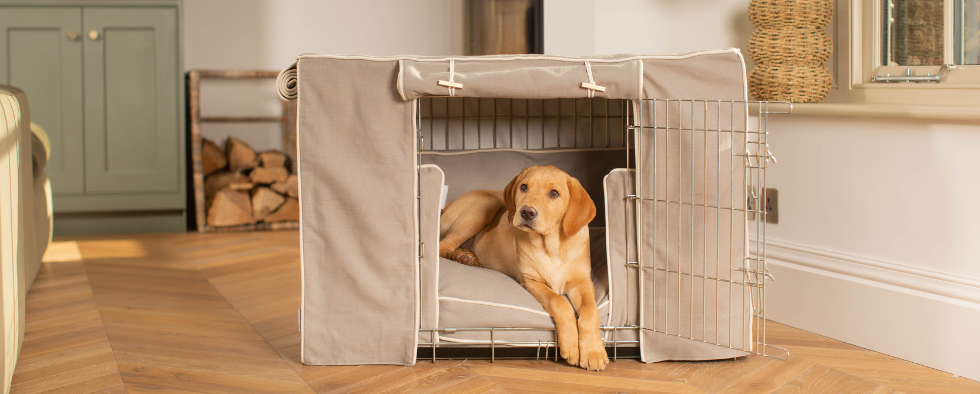
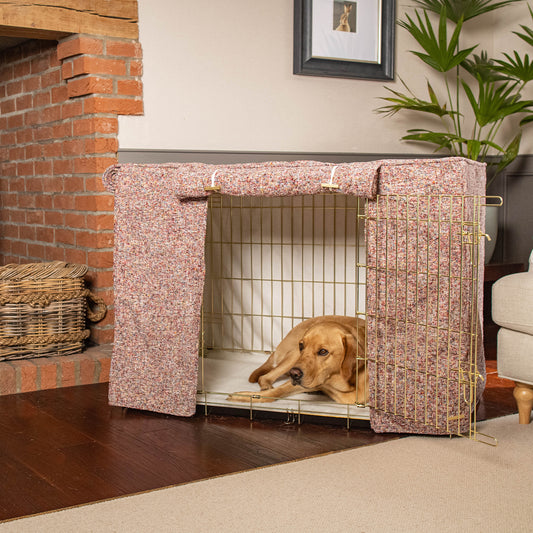
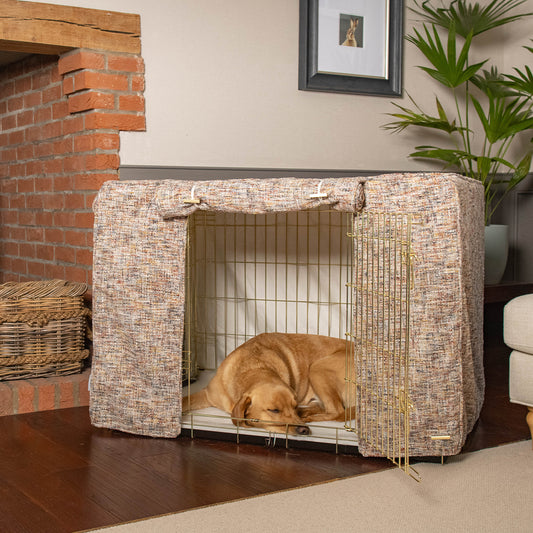
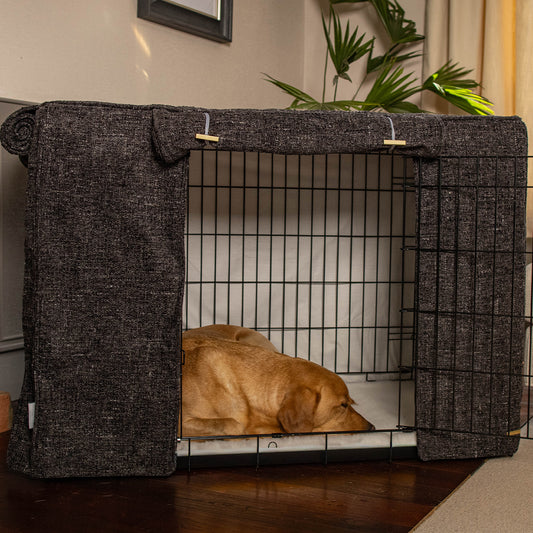
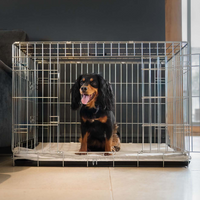
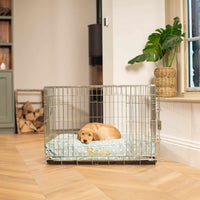
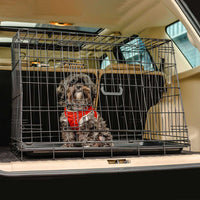
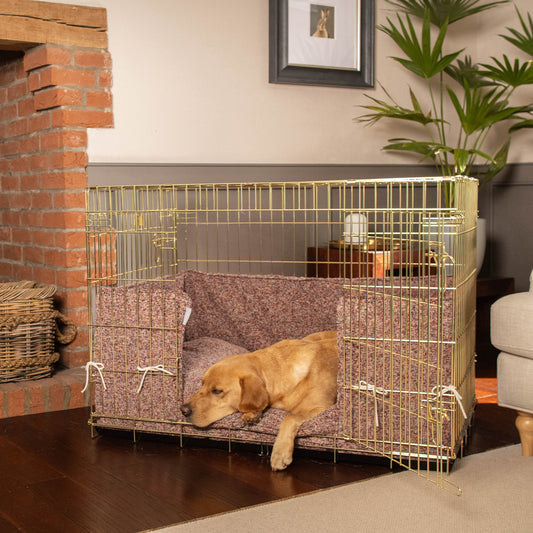
The idea of crating a dog or puppy is one that is often hotly debated. People wonder if the crate is actually a safe haven for a dog or more like a prison. Well, this all depends on how a person uses the crate, not the crate itself. Crating can actually be incredibly calming for a dog, as long as you do it correctly and do not misuse the concept. In this article we’ll take a look at some of the reasons that crating can be good, as well as telling you how not to use it.   Crate Training Your Puppy There are several ways crating can help with your puppy’s overall training, the main one being house-training. Dogs naturally like dens, especially in the early stages of their lives. By teaching them that the crate is their bed and also their safe retreat they will start to treat it as a bed and den and so learn to eliminate waste outside of it. So for example, if they have slept in their crate over night or spent a couple of hours in there during the day, take them outside as soon as they get up to help reinforce outdoor toileting. Dogs do not like to toilet where they eat and sleep.  It can also help them to cope with being left alone at night when you go to sleep and they are separated from you. If you live in a multi-dog household it is not advised that you leave your puppy unattended with the older dogs, and so having a crate can help them to remain social but also gives them a place to rest that is separate from the other dogs. We used to have our puppy’s crate right next to the beds of the older dogs so that she could sleep with them but in the safety of her crate. ​ Pet Safety and Security This works for both you and your dog. Some older dogs grow out of the crate stage (like ours did) and will stop using it once they mature a little. However, others will become a little more bonded with their crate. Some dogs like having their crate as an option at all times, just somewhere that they can go to sleep, relax, or get away from anything that might be upsetting them. It offers the dog a sense of security, which relates back to dogs being den animals. By leaving the crate door open (or removing it completely) you are allowing your dog the den-like hideout that they want.   In terms of how it works for you as an owner, it can offer you a great peace of mind. Whilst this is more for puppies and dogs who have not yet matured it can also be aimed at those who still have a few nasty habits. If your canine companion has a habit of chewing up the house or snacking on wires, then it is often worth crating them for an hour or two while you go out to run your errands. By doing this they are in a comfortable location and you don’t have to worry about them potentially electrocuting themselves while you are out.   Pet Transportation Crating your dog, and teaching it to be comfortable there can make transportation so much easier. Whether you are going for a walk somewhere new or moving house, a dog in a crate makes driving so much safer. It means that your dog isn’t going to end up sliding around the back of the car, and they also cannot distract you while you are driving. After all, if you don’t have a guard between the back and the front then they have the perfect opportunity to wiggle up to you. For dogs that get a little distressed while driving, the crate can offer a sense of comfort that will help calm them.   The dog crate is great, and it’s certainly something that is safe to use. However, it is important to note and explain how not to use the crate. Never use a crate if your dog acts fearfully towards it. Forcing your dog to use it will cause psychological damage – the crate should be a place they choose to go willingly to maintain that feeling of security. If your dog suffers from separation anxiety then crating them will only make it worse. Do not crate a dog for longer than the time they can hold the need to go to the toilet. This is cruel and unfair on them. Do not crate your dog if they suffer from medical conditions such as arthritis as this will encourage stiffness – always consult your vet about any conditions you think might be affected by the crate. Never crate a dog as a form of punishment as this will encourage a fear of the crate and associate it with negative actions. The same goes for you wanting peace and quiet, the crate is not the answer and it will again be associated with negativity. Finally, do not crate your dog for more than five hours. The crate is a place they can sleep and relax and they should not be shut away for more than a couple of hours, and even then not every day. If you shut them away for over five hours every day then this could lead to psychological damage.  If you’d like some more information about the use of dog crates the RSPCA also has a useful article.   Making Your Dog Feel at Home If you do decide to go with having a dog crate then look no further than our extensive selection of dog crates, covers, bumpers and cushions. Our dog crates come in 5 sizes – 24″, 30″, 36″, 42″ and 48″. Our range of exclusive covers, bumpers and cushions will suit any style of home and provide a relaxing and comfy den for your dog.

By Johanna Buitelaar-Warden

Read more
Puppy Love; Children and Dogs
04.08.15 August 04, 2015 Owning a Dog Featured

Puppy Love; Children and Dogs

Ever since I can remember we have had dogs around us and it is with no doubt that they have shaped the way I am today.   “We can judge the heart of a man by his treatment of animals” Immanual Kant   The relationship a child has with a dog helps from a young age the understanding of the importance of kindness and respect for other living beings.   Having a dog also establishes key responsibilities that are useful in every day life, structure, routine and accountability.   There are good reasons why dogs are used to help depression and aid the needs of humans. The sheer presence of dogs is calming and we are instinctively drawn to them. It is proven that the act of petting a dog can be soothing, improving mood and even blood pressure.   Dogs are uncomplicated beings, they have no agenda, they love unconditionally; Children respond wonderfully to the love given by dogs, so genuine and free of judgment. Children recognise this which is why often dogs are used to help children’s development.   • Empathy skills• Social skills• Relationships• Coping skills• Self-esteem• Family climate• Responsibility• Stress management   They also teach responsibility and encourage emotional development in some very valuable and interesting ways.   A study comparing children with dogs at home to those without, found that the children who were dog owners were significantly more empathic and pro-social. The stronger the attachment to the dog, the stronger this effect may be. The study also found that children with higher levels of attachment to pets reported more positive feelings about their family and home, than those with low attachment to pets. A dog can make a home feel safe and warm. Children and adults alike feel a unique sense of security just knowing that they can depend on that unconditional comfort every day.   Above all, and many parents fear the day they tell their child that a particular member of the family has gone to play in doggy heaven; it teaches children about the circle of life which will undoubtedly prepare them for the rest of their lives.   Last but certainly not least, having a dog in your family is fun! enjoyable, it brings the family together and there is nothing more rewarding than the thanks you get for taking care of a four legged companion. Even if he can’t talk…  

By Johanna Buitelaar-Warden

Read more

loyal customer in 17 countries

Why Shop With Us?

  • Free Delivery

    Orders over £75 qualify for free standard UK delivery. Orders under £75 will be calculated at the checkout.

  • Shopping Made Easy

    Gain exclusive access to sales and shop all your pets favourites on the go by downloading our app.

  • Designed in the UK

    Our own brand products are lovingly designed in our specialist UK workshop to our exacting standards.

  • We're Here For You

    Contact our Pet Experts on Chat or by email at sales@lordsandlabradors.co.uk