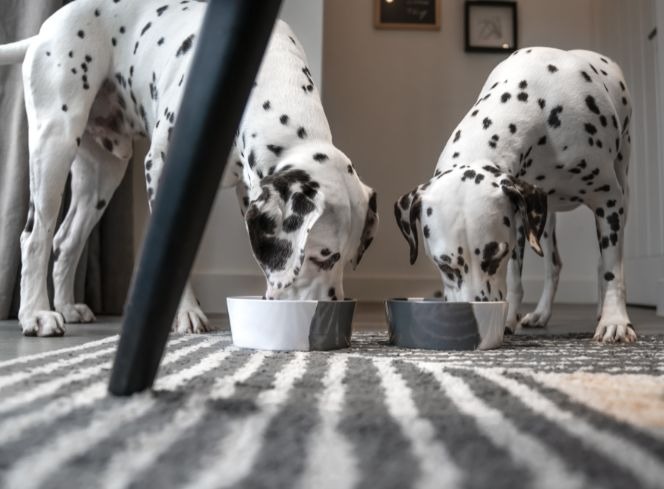
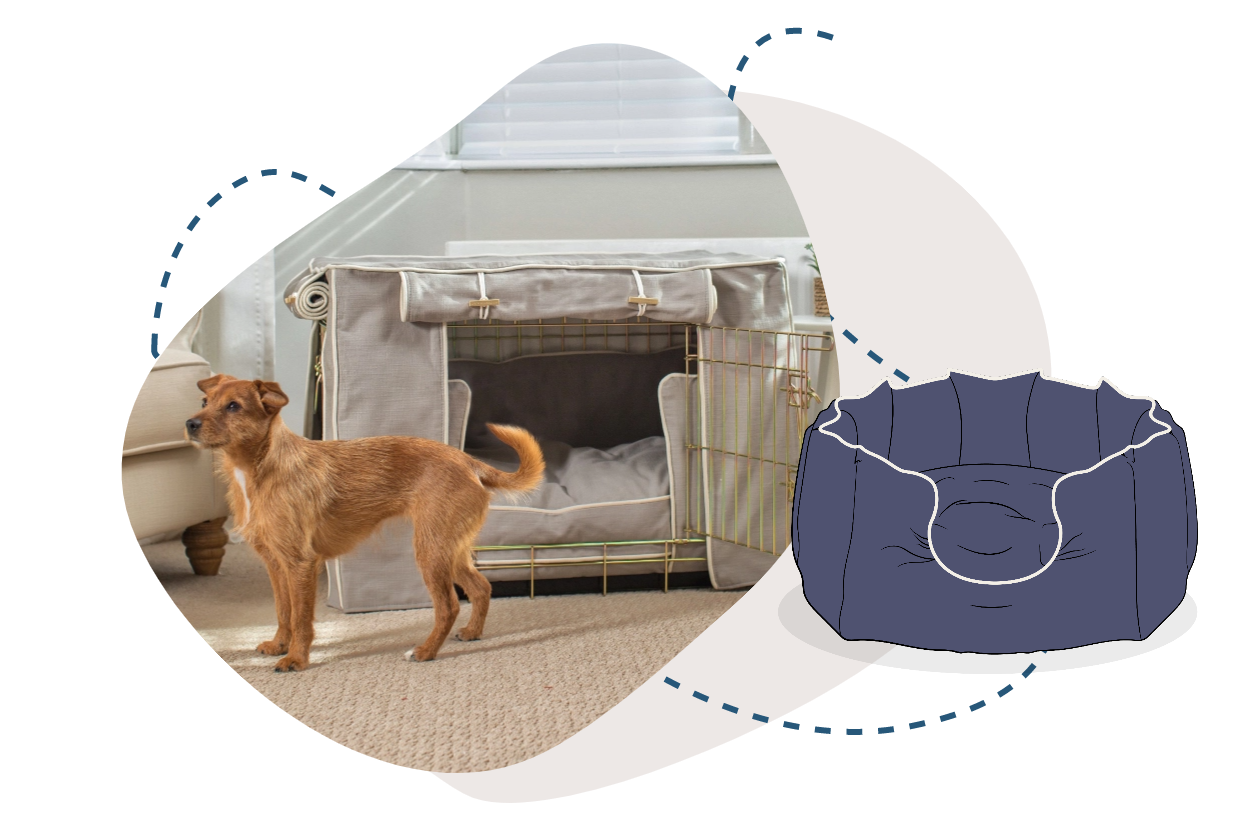
Your dog's diet is really important and deciding what dog food to feed them is a crucial decision. From their developing puppy stages to their adulthood, the nutrients they consume is paramount. That is why at Lords & Labradors we have hand-picked a range of dog foods that are of high quality, high in nutrition and the best for your dog.
Is Wet or Dry Food Better for Dogs? Exploring the Pros and Cons
When it comes to feeding our canine companions, one of the most common questions that pet owners grapple with is whether to choose wet or dry dog food. The debate over wet vs. dry dog food has been ongoing for years, and there's no one-size-fits-all answer. The decision ultimately depends on various factors, including your dog's age, health, and personal preferences. In this comprehensive guide, we will delve into the pros and cons of wet and dry dog food to help you make an informed choice for your furry friend.
Wet vs. Dry Dog Food: What's the Difference?
Before we dive into the pros and cons, let's clarify what distinguishes wet and dry dog food:
Wet Dog Food:
Contains higher moisture content (approximately 70-80%)
Typically comes in cans or pouches
Often has a stronger aroma and flavour, which can be enticing to picky eaters
Easier to chew, making it an excellent choice for dogs with dental issues or missing teeth
Prone to spoilage if not refrigerated and consumed promptly
Can be more expensive per serving than dry food
Dry Dog Food:
Contains lower moisture content (around 10%)
Comes in the form of kibble or pellets
Promotes dental health by reducing tartar buildup through chewing
Offers convenience and a longer shelf life
May contain artificial preservatives and fillers
The Pros and Cons Of Wet & Dry Food
Wet Dog Food:
Pros:
Hydration: The high moisture content in wet food can help keep your dog hydrated, especially if they don't drink enough water.
Palatability: Many dogs find wet food more appealing due to its strong aroma and taste, making it suitable for picky eaters.
Digestibility: Wet food is often easier to digest, making it a good choice for dogs with sensitive stomachs or digestive issues.
Dental Health: While wet food doesn't promote dental health directly, it can be useful for dogs with dental problems who struggle to chew dry kibble.
Cons:
Cost: Wet dog food can be more expensive per serving than dry food, potentially straining your budget.
Storage: You need to store opened cans or pouches of wet food in the refrigerator to prevent spoilage.
Our Wet Food Recommendations
Here at L&L we stock a wide variety of wet foods for your dog. For a high quality and high meat content wet food our go to is the Carnilove wet foods. They're all made to appeal to your dog's natural wolf instincts with over 85% wild origin meats and they're all grain free so you can be sure they're the best quality for your dog.
Dry Dog Food:
Pros:
Convenience: Dry kibble is convenient to store, measure, and serve, making it a hassle-free option.
Dental Health: Chewing on dry kibble can help reduce tartar buildup and promote better dental health.
Cost-Effective: Dry food is often more budget-friendly than wet food, especially for larger dogs.
Long Shelf Life: It has a longer shelf life, reducing the risk of food waste.
Cons:
Hydration Concerns: Because dry food has lower moisture content, it might not provide enough hydration for some dogs, potentially leading to urinary tract issues.
Palatability: Some dogs may be less enthusiastic about dry kibble's taste and texture.
Our Dry Food Recommendations
We also stock a variety of dry foods, some of the ones with higher meat content and more natural ingredients include Acana, Carnilove and Orijen - these are great for making sure your dog is getting all the nutrients they need.
Choosing the Right Food for Your Dog:
When deciding between wet and dry dog food, consider the following factors:
Age: Puppies and senior dogs may benefit from wet food due to its enhanced digestibility and hydration. Adult dogs can thrive on a balanced dry food diet.
Health Needs: Consult with your veterinarian if your dog has specific health concerns, as they can recommend an appropriate diet.
Budget: Evaluate your budget and choose the food that meets your financial constraints while ensuring your dog's nutritional needs are met.
Preference: Some dogs have strong preferences for one type of food over the other, so consider your dog's taste preferences.
Conclusion:
In the debate of wet vs. dry dog food, there's no one-size-fits-all answer. Both options have their pros and cons, and the best choice depends on your dog's individual needs, your budget, and your personal preferences as a pet owner.
If you're unsure what to feed your dog why not check out our large range of dog foods. We have lots of speciality dog foods for specific breeds, sizes and health concerns so you can tailor your dog's food to give them everything they need nutritionally.
Once you've found the perfect food for your dog why not Subscribe & Save. Our Subscribe & Save service allows you to save up to 15% on your dog's favourite food and have it delivered to your door exactly when you need it so you never run out!
Remember to consult with your vet for tailored dietary recommendations, and always prioritise your dog's health and well-being when making this important decision.
Food hygiene is really important when it comes to the health and wellbeing of our pets. Making sure your dog’s and cat's food bowls are clean will ensure the food tastes fresh and also stop any build-up of bacteria which could cause health problems such as vomiting.
In this blog post we take a look at how often you should wash your pet bowls and dishes as well as how to clean them. Read on for our top tips about keeping your pet feeding bowls clean.
How Often Should You Wash Dog Bowls?
[product]Ideally, you should clean your dog’s bowls after each mealtime. It’s okay if you forget every once in a while, but we should really to do our best to keep on top of keeping them clean. Pet bowls can easily build up with germs which can lead to health problems for your dog or cat such as tummy upsets and vomiting. When your pet eats directly from their bowl, bacteria from your pet’s mouth is transferred to any leftovers which can then flourish in the bowl. The longer this is left the more germ ridden the bowl will become. One study actually found that pet bowls are one of the dirtiest things in most homes, coming 4th on a list of top germ-infested items in the home. To stop this happening, we need to ensure they’re cleaned regularly, and that your pet is eating from a clean bowl or dish.
What To Clean Dog Bowls With
Your dog’s bowls should be cleaned with warm soapy water and a separate dish cloth or sponge to the one that is used for your other washing up. You should take care to lather and clean thoroughly and then rinse really well. Make sure all the soap has been rinsed fully before drying, ready to use again. It is essential that any food remnants or crumbs are scrubbed from the bowl as it is this food debris which is most likely to carry germs and bacteria.
Is It Safe To Wash Dog Bowls In The Dishwasher?
Dog bowls are often safe to be washed in the dishwasher and there should be a mark saying so on the packaging of your particular bowl. Generally, it’s just plastic bowls that aren’t suitable as they could melt in the heat.
[product]At Lords & Labradors we have a variety of dishwasher safe dog bowls that are really simple to keep clean. There is a whole range of melamine bowls by Tarhong which have the practicality and break-resistance of plastic, whilst being dishwasher friendly. They come in a fabulous range of designs too with something to suit every taste.
[product]We also love the ceramic dog bowls by Scruffs which can be washed in the dishwasher. These bowls have been designed with your dogs in mind, they have versions for flat-faced dogs and long eared dogs.
Why Wash Dog Bowls Separately?
It’s important to wash your pet bowls separately from your own dishes, to stop any cross contamination. All kinds of bacteria can flourish in pet bowls including salmonella. If this bacteria is transferred on to any of your dishes or kitchen surfaces it can cause illness in humans as well as your pets. Ensuring that bowls are properly cleaned and that no food remnants remain on the dishes is imperative for the health of the whole household.
Natural dog treats popularity is quickly growing, and there are so many health benefits it’s easy to understand why. A hairy rabbit’s ear or duck foot may not sound the most appetising but your dogs will love them. In this blog, we’re going to explore the benefits of natural treats.
10 Benefits of natural treats
One of the main benefits of our natural treats is that they’re 100% animal, there are no additives or preservatives in there – they’re all exactly what they say on the tin. This makes them great for keeping your dogs healthy and you can ensure you’re only giving them the best.
1. Stronger Immunity
Just like us, dogs require a well-balanced diet to stay fit and healthy, natural treats help to give your dogs the range of nutrients that their bodies need. Protein is super important for boosting your dog's immunity and natural treats are rich in protein making them the perfect treats for your pooches.
2. Better Digestion
Dog's stomachs haven’t developed to handle artificial chemicals that are found in a lot of processed dog food. This is one of the key benefits of natural treats – the lack of additives and artificial chemicals means it’s easier for your dog to digest and they’re able to absorb all the important nutrients that their bodies need.
3. Dental and oral health support
Four out of five dogs over the age of three suffer from dental problems. Natural treats are great for keeping your dog's teeth clean, when your dog is chewing on these natural crunch teeth it will help to clean their teeth and get rid of any dirt that’s built up.
4. Natural Dewormers
[product]Treats with hair on, such as hairy rabbits ears, are actually natural dewormers. The hair helps to cleanse their digestive system and flush out any nasties.
5. Healthier Skin and Coats
Give your dogs the glossy coats you’ve always dreamed of with natural treats, the healthy fats in them will help give their coats that special shine. The blend of nutrients in natural treats can help with skin allergies in dogs, healing and moisturising any outbreaks as well as preventing any future ones. Natural treats are rich in vitamin A which is essential for maintaining healthy skin, hair, and teeth.
6. Fewer Allergies
Many mainstream dog treats have additives such as grain to help bulk them out, many dogs are actually allergic to grain and often suffer from upset stomachs because of this. Our Natural treats don’t contain any of these hidden allergens and the high levels of vitamin C in many natural dog treats help the white blood cells to fight off any potential reactions or illnesses.
7. Naturally calming
[product]Studies have shown that when dogs chew it is a natural anxiety reliever, it releases endorphins in your dogs brain so helps to calm them down. Dried Natural Treats are perfect for your dogs to chew on, they are often long-lasting so also act as a great boredom buster.
8. Air Dried
Our natural treats are air dried which means the treats are protein and nutrients rich. Once the moisture has been dried out of the natural treat, it means the proteins and nutrients are much more concentrated. This makes natural treats so much more rewarding and tastier for your dogs.
9. Single Protein Source
Some mainstream dog treats will combine different proteins together, however, if your dog has an allergy to certain proteins this can make finding treats for them difficult. Natural treats are an easy way to make sure your dog is only getting the proteins that agree with them and that they love. The Wild Deli treats are perfect for picking the proteins your dogs know and love.
10. Rawhide Free
All of our natural dog treats are rawhide-free! Rawhide is bad for your dog, they are ladened with chemicals and are difficult for your dogs to digest. Natural treats are a great alternative, they are long-lasting and are great for your dog inside and out.
Looking to start feeding your dogs with natural treats? Our Natural Graze boxes are the perfect way for your dog to try lots of different treats and figure out which ones they like. They come in three sizes, Essential, Luxury, and Ultimate – all of which are packed with delicious natural treats your dog is sure to enjoy.
Or if you know which treats your dog likes why not buy your dog a whole bag of them from our Wild Deli range?
If you have any questions about natural treats why not ask our Customer Care team? They are available on 01790 720 900 or sales@lordsandlabradors.co.uk, Monday-Friday 9-5 to answer any questions or queries you may have
Kittens are brilliant at finding trouble, and playpens for kittens are one of those things that sound optional right up until the moment you really need one. In this guide, we’ll help you work out whether a kitten playpen actually suits your setup, what to look for when choosing one, and how to introduce it in a way that feels calm and positive for your cat. Whether you’re navigating a busy household, a multi-pet home, or simply those unpredictable first weeks, there’s a practical approach here that will work for you.
Do kittens actually need playpens?
Playpens for kittens are exactly what they sound like: a safe, enclosed space where your kitten can play, rest, and explore without getting into mischief the moment you look away. Think of it as a cosy home base — somewhere they can be themselves without you spending the afternoon fishing them out from behind the washing machine.
But do kittens actually need one? Honestly, not always. Plenty of cats grow up perfectly happy without ever spending time in a kitten enclosure. If you have a calm household, no other pets, and the bandwidth to supervise closely in those early weeks, you might never feel the need for one at all.
That said, a kitten playpen can be genuinely useful in the right situation. New kittens are curious to a fault, and most homes have far more hazards than you might expect — trailing wires, open washing machines, gaps behind furniture that seem impossibly small until a kitten proves otherwise. A playpen gives them a safe place to be when you cannot watch them directly, whether that is during a busy work call, overnight, or while you are carefully introducing them to a resident dog or older cat.
It is less about containment and more about giving your kitten somewhere secure to settle while they are still finding their feet. If you are still pulling everything together before your new arrival comes home, our kitten checklist is a brilliant place to start.
When a kitten playpen makes life easier
Playpens for kittens aren’t just a nice-to-have — they solve real, everyday problems that catch a lot of new cat owners off guard. Whether you’re managing a busy household or simply trying to sleep without wondering what your kitten is quietly destroying, a contained and comfortable space makes a genuine difference.
Here are some of the most common moments when a kitten playpen really earns its place:
Helping a new kitten settle in: A smaller, manageable space feels far less overwhelming than the run of an entire house. If you’re navigating those first few days, our guide on how to settle a new kitten walks you through making that transition as calm and confident as possible.
Bedtime routines: If your kitten isn’t yet sleeping through the night, a cosy indoor playpen for kittens keeps them safe while you actually get some rest — without lying awake listening for trouble.
Preventing door dashes: In homes with kids or regular visitors, a secure kitten enclosure means nobody has to panic every time the front door opens.
Recovery and rest after illness or neutering: Post-op kittens need calm and limited movement. A playpen gives you that control without keeping them cooped up in a carrier all day.
Multi-pet introductions: Letting a new kitten and a resident dog or cat adjust to each other gradually, with a physical boundary in place, takes so much of the stress out of those early meetings.
At its best, a cat playpen isn’t about restriction at all. It’s about giving your kitten a secure, settled base while life carries on around them — somewhere that feels like a safe haven, not a time-out corner.
What to look for in a safe, kitten-friendly playpen
Not all playpens for kittens are designed with cats in mind, and the difference genuinely matters. A pen that works brilliantly for a puppy might have bar spacing that’s too wide for a small kitten, or panels that shift under pressure. Knowing what to look for means you can choose something that keeps your kitten safe and settled, rather than just contained.
Here’s what’s worth prioritising when you’re shopping around:
Sturdy, tip-resistant frame that stays stable even when a curious kitten launches themselves at the side
Breathable mesh or narrow bar spacing to prevent escapes, accidental entrapment, or tiny paws getting stuck
Secure fastenings and locking panels that a determined kitten can’t nudge, push, or wriggle open
Easy-clean or wipe-down surfaces because litter tracking and water spills are just part of daily kitten life
Enough interior space for a small bed, a compact litter tray, and a water bowl without everything feeling cramped
Good visibility on all sides so your kitten can see what’s happening around them and feel part of the household, not shut away from it
Foldable or portable design so you can move it between rooms or tuck it away when it’s not in use
Practical tip: Aim for at least 1 to 1.5 square metres of floor space. That gives your kitten room to stretch out, shift position, and settle properly during longer spells inside.
The goal is a space your kitten feels genuinely comfortable in. The Lords & Labradors 80cm High Play Pen covers all of these practical bases and works well as an indoor kitten enclosure that puts comfort ahead of containment.
How to use a playpen without stressing your kitten out
How you introduce a kitten playpen matters just as much as the enclosure itself. A gradual, positive approach helps your kitten associate the space with safety and comfort, rather than feeling shut away. Much like those first days of bringing your new kitten home, early impressions really do set the tone.
Place familiar bedding and a favourite toy inside from the start, so the space already smells like home before your kitten even steps in
Keep the first sessions short and supervised, ten minutes rather than an hour, so there’s no chance for anxiety to build
Never use the kitten enclosure as punishment. It should always feel like a calm retreat, not a consequence
Let your kitten explore at their own pace before you close the door. Curiosity first, containment second
Stay nearby during those early visits. Your presence helps them learn the space is safe, not isolating
Once they’re in, it’s worth knowing what “settled” actually looks like. A happy kitten in a cat playpen will often:
Groom themselves without prompting
Choose to nap there voluntarily
Play calmly with toys rather than pacing or trying to escape
Show relaxed body language: slow blinks, a loose posture, an easy curl
The introduction phase is where trust is built. Get that right, and your indoor playpen for kittens becomes a genuinely calm, stress-free part of everyday life.
Playpens, crates, and kitten-proofing: which option fits your home?
There’s no single right answer here — the best setup really does depend on your home, your kitten, and what a typical day actually looks like for you.
A dedicated room works well if you have a spare space you can fully kitten-proof: no loose wires, no gaps behind appliances, nothing climbable that leads somewhere it shouldn’t. It gives your kitten room to roam freely, which feels the most natural. The catch is that it takes real effort to get right, and not every home has a suitable room going spare.
Crates and carriers have their place too, but it’s a limited one. They’re great for travel, vet trips, or short-term settling, but a kitten needs room to stretch, play, and reach a litter tray comfortably. A crate alone isn’t a proper safe space.
That’s where a kitten playpen comes into its own. It sits neatly in the middle ground — flexible enough to move between rooms, simple to set up, and easy to pack away when you don’t need it. Use it in the living room while you’re on a call, shift it to the bedroom overnight, tuck it into the hallway while you’re cooking. That kind of adaptability is what makes playpens for kittens so practical for everyday life.
If you’re ready to explore what’s out there, the Lords & Labradors crates and pens collection has options to suit different spaces and different kittens — so you can find something that genuinely fits your setup.
Frequently Asked Questions
Is a playpen good for a kitten?
Yes, a playpen can be really good for a kitten when you need a safe, comfortable space they can rest and explore without getting into trouble. It’s especially helpful during settling-in, bedtime, recovery, or slow introductions with other pets, but not every kitten will need one.
What is the best playpen for kittens?
The best playpen for kittens is one that feels safe, stable, and comfortable rather than just enclosed. Look for a sturdy frame, secure fastenings, breathable sides or narrow bars, enough room for a bed, litter tray, and water, plus good visibility so your kitten still feels part of home.
Should I put my kitten in a playpen at night?
Yes, you can put your kitten in a playpen at night if it helps keep them safe and settled while you sleep. A cosy setup with bedding, water, and space to rest can make bedtime easier, especially when your kitten is still adjusting or not yet sleeping through.
Figuring out whether you can leave a puppy in a playpen while at work is one of those questions that comes with a lot of variables — but the short answer is yes, with the right setup and realistic expectations about time. This guide covers how long puppies can actually manage in a pen depending on their age, how to set one up properly for a workday, and the signs that your current routine might need adjusting. Whether you’re heading back to the office for the first time or trying to refine what you already have, there’s plenty here to help you get it right.
Can you leave a puppy in a playpen while at work?
Returning to work after bringing home a new puppy is one of those situations where there’s no perfect answer — just better and worse choices depending on your puppy and your setup. The honest answer is: yes, you can leave a puppy in a playpen while at work, but only under the right conditions and for the right length of time.
A playpen can be a genuinely good solution. It gives your puppy a safe, contained space to rest, play, and settle without the risks that come with free roaming. But it’s not a fix-all, and leaving a young puppy confined all day is rarely realistic — or fair on them.
Age matters a lot here. Very young puppies need toilet breaks every one to two hours, so a full workday in a pen simply isn’t manageable without someone popping in. Temperament plays a role too. Some puppies settle happily in a cosy, well-set-up pen. Others find confinement stressful, particularly if they haven’t been gradually introduced to it before you’re back at your desk full time.
This guide will help you figure out whether a playpen is the right setup for your puppy and your working hours. We’ll cover realistic time limits, what a pen genuinely does well and where it has limits, how to set one up properly for daytime use, and the signs that your puppy might need a different routine altogether.
If you’re still in the process of choosing a pen, our puppy playpens are a good place to start. But first, let’s get into the detail.
How long a puppy can realistically stay in a playpen
How long a puppy can comfortably stay in a playpen depends almost entirely on their age and where they are developmentally. There’s no single rule that applies to every pup, but there are realistic limits that most young dogs simply can’t push past without becoming stressed, bored, or in desperate need of a toilet break.
Puppy Age
Realistic Maximum Playpen Time
8–10 weeks
1–2 hours maximum
10–12 weeks
2 hours, with regular breaks
3–4 months
2–3 hours between breaks
4–5 months
3–4 hours with midday support
5–6 months
Up to 4 hours, but not consistently
Signs your puppy has been in the playpen too long:
Persistent whining or barking with no obvious cause
Chewing bedding, toys, or the pen itself out of frustration
Toileting inside the pen despite good progress with house training
Flat or unresponsive behaviour during what should be active hours
Frantic excitement when you return, well beyond a normal greeting
Leaving a puppy alone during work hours for a full eight or nine hours is simply too much for most dogs under six months. Their bladders physically can’t hold that long, and the boredom compounds quickly without stimulation or company. Without a midday check-in from a dog sitter, a trusted neighbour, or a dog walker, you’re asking a great deal from a very young animal. Most puppies at this stage need a break every two to three hours at minimum — not just for the toilet, but for movement, a bit of human contact, and the reassurance that everything is fine.
If you’re heading back to work shortly after bringing your puppy home, those early days really do set the tone for everything that follows. Getting the routine right from the start makes a noticeable difference down the line. Our guide on what to do in the first five days of owning a puppy is a great place to start building something realistic and manageable from day one.
What a playpen does well — and where it falls short
A playpen is one of the most genuinely useful things you can set up for a young dog — but it works best when you understand what it’s actually designed to do. If you’re asking whether you can leave a puppy in a playpen while at work, the honest answer starts here: a pen creates structure and safety, but it was never meant to replace company, stimulation, or proper rest breaks.
Where a playpen genuinely helps:
Prevents destructive behaviour when you’re not watching
Creates a familiar, defined space that helps puppies feel settled
Supports toilet training by keeping routines consistent
Reduces the anxious roaming that can come from too much freedom too soon
Keeps your puppy away from hazards like cables, stairs, and shoes you actually care about
Where a playpen falls short:
Limited space means it can’t substitute for real exercise or play
Boredom and frustration build quickly without enrichment or interaction
It offers no social contact, which puppies genuinely need to thrive
Relying on it all day without breaks can create stress rather than calm
A useful rule of thumb: most puppies shouldn’t be confined for longer than their age in months, plus one hour. A three-month-old puppy needs a break after roughly four hours at most. That’s a ceiling, not a target.
Think of a playpen as one piece of a wider routine, not the whole solution. Paired with regular toilet breaks, mental stimulation, and some social time, it’s a real asset to your day. If you’re still working out the right setup for your home, explore our range of dog pens and gates to find something that suits your space and your puppy’s size.
How to set up a puppy playpen for workdays
Getting your puppy’s playpen set up properly before your first day back at work is one of those small things that makes a genuinely big difference. A well-arranged space can turn what might otherwise be a stressful few hours into something your puppy handles with surprising ease — and gives you far more peace of mind at your desk.
Choose the right pen size. Your puppy needs enough room to move around comfortably, but not so much space that they feel lost in it. Counterintuitively, a pen that’s too large can actually make puppies more unsettled, not less.
Add soft bedding in one corner. A cosy bed or folded blanket gives them a clear place to rest. Tuck something in there with your scent on it — an old t-shirt works perfectly — for that extra bit of reassurance.
Secure a water source. A clip-on water dispenser is far more practical than a bowl, which will almost certainly tip and soak the bedding within the first ten minutes.
Include one or two chew items. A rubber chew toy or puppy-safe chew gives them something satisfying to focus on. Resist the urge to fill the pen with toys — too much going on can work against calm settling rather than encouraging it.
Line part of the floor with a puppy pad. If your puppy needs to toilet while you’re out, keep it to one designated corner. Our puppy training pads are worth having on hand — they absorb well and keep things contained.
Position the pen thoughtfully. Away from direct sunlight, draughts, and noisy appliances. A quieter corner of a familiar room is usually the sweet spot.
Do a quick safety check. Look for cables, trailing curtains, or anything small teeth could grab through the bars before you leave.
Quick tip: Think of the pen in three loose zones — sleep, play, and toileting. It sounds simple, but it helps your puppy start learning boundaries from day one.
A calm, uncluttered setup really does set the tone. When it comes to leaving your puppy during work hours, the environment you create matters just as much as the time limits you stick to.
Signs your puppy needs a different routine
Even the most carefully arranged playpen setup can stop working as your puppy grows. Spotting the signs early makes a real difference — both for their wellbeing and your peace of mind.
Here’s what to watch for:
Whining that escalates rather than settles — a little fussing at the start is normal, but sustained crying is your puppy telling you something isn’t right
Repeated toileting accidents inside the pen — the odd slip-up happens, but frequent accidents usually mean the confinement period is running too long
Destructive chewing or pawing at the enclosure walls — more often a sign of frustration or boredom than a training problem
Inability to settle even with enrichment — if your puppy can’t wind down despite having toys and chews, they may be finding the isolation genuinely distressing
Visible panic when you prepare to leave — trembling, frantic panting, or spinning as you pick up your keys is worth taking seriously
Worth knowing: Separation anxiety in puppies can creep up gradually, especially when they’re spending long stretches alone. The reassuring news is that when it’s caught early, it’s very manageable with some routine adjustments and a little professional support if needed.
If you’re recognising any of these signs, it’s worth exploring practical alternatives for leaving your puppy alone during work hours. A dog walker at lunchtime, a neighbour doing a midday pop-in, a couple of days at puppy daycare, or some work-from-home flexibility can all make a meaningful difference to how your puppy copes day to day.
Not sure if your puppy is struggling or simply a bit under-stimulated? Our guide to signs your dog might be bored and how to fix it is a useful place to start. Adjusting your approach as your puppy’s needs change isn’t a setback — it’s just good puppy ownership.
A better workday plan for your puppy
A playpen works best as one part of a thoughtful routine, not a substitute for one. If you’re heading back to work with a new puppy at home, think of the pen as their safe base — a familiar, comfortable spot that anchors their day rather than defines it.
Before your first full day back, build up alone time gradually. Even short sessions where your puppy settles in the pen while you’re in another room make a real difference. That gentle introduction helps them learn that being alone is fine, not frightening, so longer stretches feel far less daunting when the time comes.
From there, plan your day around realistic breaks. A lunchtime visit home, a trusted neighbour popping in, or a professional puppy sitter every few hours keeps things manageable for a young dog who genuinely can’t hold on all day. Pair those visits with a stuffed Kong or a long-lasting chew to keep your puppy occupied in between, and you’ve already got a much calmer setup than a pen alone could provide.
It’s also worth being honest about where your puppy is developmentally. A very young pup needs more support, more contact, and more toilet trips than any pen setup can realistically cover. An older puppy who has already settled into a routine tends to handle workday confinement much better, especially with the right enrichment around them.
If you’re still in the early stages of getting organised, our guide on how to prepare for your new puppy is a brilliant starting point. A little planning now genuinely does make the whole workday easier — for both of you.
Frequently Asked Questions
What are some tips for leaving my puppy home alone?
Build up alone time gradually, use a safe playpen as a calm base, and keep the setup simple with bedding, water, and a chew. Most importantly, plan realistic breaks during the day, because young puppies need toilet trips, movement, and a bit of human contact far more often than many people expect.
Can I get a puppy if I work full time?
Yes, but only if you can put proper support in place during the day. Young puppies usually can’t cope with a full workday alone, so you’ll need realistic breaks such as a sitter, dog walker, neighbour pop-in, daycare, or some flexibility while they’re still very young.
Is it safe to leave my 5-month-old puppy home alone?
Yes, for a limited stretch, but not usually for a full workday without support. At around five months, many puppies can manage up to about four hours in a well-set-up playpen, but they still benefit from a midday break for toileting, movement, and reassurance.
Is it okay to leave a puppy in a playpen for a few hours?
Yes, if your puppy is old enough, the pen is set up safely, and the time matches their stage of development. A few hours can be reasonable for some puppies, but very young ones often need breaks every one to two hours and don’t cope well with long confinement.
Bringing home a Russian Blue kitten is one of those experiences that quickly turns first-time owners into lifelong devotees of the breed. This Russian Blue kitten guide covers everything you need to feel genuinely prepared, from understanding their quietly loyal personality and surprisingly easy-care coat, to setting up your home in a way that helps them settle in with confidence. Whether you’re still in the planning stages or your kitten is arriving this week, you’ll find practical, honest advice here for making those first weeks feel calm and enjoyable for both of you.
Russian Blue kittens: what to expect from the breed
Those striking green eyes and that dense, silvery-blue coat have a way of stopping people in their tracks. And once you’ve actually spent time with a Russian Blue kitten? It’s easy to see why so many owners become completely devoted to the breed.
Russian Blue cats are usually quiet and gentle, with a plush, single-colored coat, as noted by animal researchers at the University of Kansas, and that calm, settled energy is a big part of their appeal. These aren’t typically the kittens doing laps around the living room at midnight (though every kitten has their moments). Russian Blues tend to be thoughtful and observant — the type to follow you quietly from room to room and settle nearby, content just to be close without constantly demanding your attention.
That coat really is something special. The dense, plush double layer carries a soft silvery sheen that catches the light in a way that’s genuinely hard to describe until you see it. It’s beautiful, but it’s also surprisingly practical — lower maintenance than you might expect, especially compared to longer-haired breeds. A win for busy households.
Personality-wise, Russian Blues are loyal and deeply people-focused, but often on their own terms. They can be a little reserved with new faces at first, taking their time to warm up rather than launching themselves at every visitor who walks through the door. With their own family, though, they’re warm, attentive, and often playful well into adulthood — not the aloof cats they’re sometimes made out to be.
Every kitten is their own individual, of course. Breed traits give you a useful starting point, but your Russian Blue will have their own quirks, preferences, and ways of showing affection. If you’d like to see how they compare to other breeds before diving deeper into this Russian Blue kitten guide, our cat breeds and their characteristics guide is a great place to start.
Temperament and personality: are Russian Blue kittens a good fit for your home?
Russian Blue kittens have a personality that feels almost tailor-made for people who want a genuinely close bond with their cat. They’re affectionate and loyal, but they take their time warming up — and understanding that balance before you bring one home makes all the difference.
Deeply bonded with their people: Russian Blues tend to attach closely to one or two family members, often quietly following them from room to room without making any drama about it.
Sensitive to routine: They notice shifts in their environment and feel most settled when daily life is predictable — consistent mealtimes and a calm household rhythm go a long way.
Playful, but not relentless: They love a good play session without ever becoming exhausting about it. Interactive toys and puzzle feeders are a particular hit with this breed.
Quietly vocal: They’ll let you know how they’re feeling, just not at volume. Expect soft chirps and gentle meows rather than a running commentary.
Reserved around strangers: A new face in the house may send your Russian Blue kitten into retreat mode. It’s not unfriendliness — it’s simply how they’re wired.
Curious and switched-on: They pay close attention to everything going on around them, and often seem happiest observing before they decide to join in.
Around children, Russian Blue kittens can thrive when kids are gentle and know to give them space. They’re not fans of rough or unpredictable handling, so a bit of guidance for younger family members goes a long way. With other pets, slow and steady introductions tend to lead to calm coexistence — rushing it rarely helps. As for guests, they may simply not see much of the cat at first, which is completely normal for the breed.
If your home is calm, consistent, and attentive, a Russian Blue kitten is likely to flourish there. They’re not the best fit for noisy or frequently changing environments, but in the right setting, their loyalty and quiet affection make them a truly wonderful companion.
Shedding, grooming, and keeping that plush coat in good shape
One of the loveliest things about welcoming a Russian Blue is that their gorgeous coat is far easier to look after than it looks. This breed is genuinely low-maintenance when it comes to grooming, and that dense double coat actually sheds less than many others you might be comparing them to. It is one of those nice surprises that comes with the breed.
Here is what a simple, consistent grooming routine looks like in practice:
Brush once or twice a week using a soft slicker brush or grooming mitt. A quick five-minute session is usually all it takes to keep things tidy.
Expect a little more shedding in spring and autumn as their coat transitions between seasons. Brushing slightly more often during these periods is the easiest way to keep loose fur off your sofa.
Use a grooming mitt for bonding sessions. Many Russian Blues genuinely enjoy the attention, so what starts as maintenance quickly becomes a quiet ritual you both look forward to.
Skip frequent baths. Their coat is naturally water-resistant and largely self-maintaining, so over-bathing can do more harm than good to that signature silvery sheen.
Quick fact: The Russian Blue’s double coat rarely mats and never needs trimming. It is genuinely one of the easier coats to maintain among pedigree cat breeds.
With Russian Blue kitten care, grooming is less about effort and more about showing up consistently. A short weekly brush, a gentle mitt, and a calm few minutes together goes a long way towards keeping their coat in great condition and strengthening your bond at the same time. If you want to build a proper routine from day one, our full guide to grooming a cat at home covers everything you need.
Creating a calm, kitten-friendly space before they come home
Getting your home ready before your Russian Blue kitten arrives makes a genuine difference to how quickly they find their feet. Russian Blues are naturally cautious — they take in their surroundings carefully before deciding they feel safe. A calm, well-organised space from day one gives them the foundation to settle in without feeling overwhelmed.
Here’s what to have ready before they come home:
A quiet base room. Start with one room rather than the whole house. A spare bedroom or quieter living space works ideal, giving your kitten somewhere calm to decompress without too much noise or movement around them.
A litter tray in a private spot. Tuck it somewhere accessible but away from busy areas. Russian Blues are clean, dignified cats and they appreciate a little privacy when they need it.
A scratching post or pad. Kittens need to scratch, so giving them the right outlet early protects your furniture and helps them feel at home. A sturdy upright post or a flat sisal pad both work brilliantly.
Safe hiding spots. A covered bed, a cardboard box on its side, or a cosy igloo-style hideaway gives your kitten somewhere to retreat when the world feels like a lot. Leave it exactly where it is, even if they spend the first day tucked inside it.
A comfortable resting spot away from foot traffic. Somewhere slightly elevated and out of the way helps a cautious kitten feel secure while they quietly take everything in.
Food and water well away from the litter tray. Cats instinctively avoid eating near where they toilet, so keep these on opposite sides of the room.
Once everything is in place, the most important thing you can do is step back and let your kitten lead. Resist the urge to introduce other rooms or family members too quickly. Our guide on how to settle a new kitten walks you through those first few days in more detail — well worth a read before they arrive.
Your essential Russian Blue kitten kit: the basics you’ll actually use
Getting your home ready for a Russian Blue kitten doesn’t need to mean a frantic trolley dash through a pet shop. Good Russian Blue kitten care really comes down to a handful of well-chosen basics that make those first few weeks feel settled and safe for both of you.
Food and water bowls: Go for shallow, wide bowls that suit a kitten’s small muzzle. Russian Blues can be particular about their routines, so calm, consistent mealtimes start with the right setup.
Litter tray and litter: A low-sided tray is easiest for young kittens to climb in and out of. Keep it tucked in a quiet corner, well away from their feeding area — this breed genuinely values a bit of privacy.
Kitten-safe toys: Russian Blues are quietly curious rather than boisterous. A few lightweight balls and a wand toy give them something to bat and investigate at their own pace, which suits their personality perfectly.
Scratching post: They’re naturally active and need somewhere to direct that energy. A sturdy sisal post they can really dig into is one of those purchases your sofa will thank you for.
A cosy bed: Look for something with raised sides or a hood. Russian Blues tend to gravitate toward enclosed spaces, especially when everything around them is still new and unfamiliar.
A carrier: Leave it out before their first vet visit with a soft blanket tucked inside. It sounds small, but making it feel like a safe space rather than a sudden stress really does help.
A comfort item: A small piece of fabric carrying a familiar scent from their breeder or littermates can ease the transition more than you’d expect.
Tip: Scent plays a surprisingly big role in helping Russian Blues settle. Tucking a worn piece of your clothing into their bed from the very first night is a simple thing that can genuinely make a difference.
Once these essentials are in place, bringing home a new kitten feels far less daunting. If you’d like a convenient starting point, the Lords & Labradors new kitten essentials collection brings many of these basics together in one place, so you can spend less time shopping and more time actually enjoying welcoming them home.
Settling in, routine, and those first few weeks together
Those first few days at home set the tone for everything, so it’s worth going in with a gentle plan rather than just hoping things fall into place.
When your Russian Blue kitten first arrives, resist the urge to show them the whole house straight away. Start them in one quiet room with their bed, litter tray, food, and water close by, and let them explore at their own pace. Russian Blues are naturally cautious, and a smaller, familiar space helps them settle without feeling overwhelmed. Don’t be surprised if they spend the first day tucked under a chair or watching you from a safe distance. That’s completely normal. Give them that space without making a fuss of it.
From day two or three, you can begin opening up the rest of the home gradually, one room at a time. Keep noise low, stick to a consistent feeding schedule, and try to be around as much as you can in those early days. Routine genuinely helps Russian Blues relax. Meals at the same time each day, a play session in the evening, quiet time in between. They pick up on your rhythms quickly and start to build confidence from them.
Play is one of the best trust-building tools you have, especially early on. Short, gentle sessions with a wand toy or feather teaser get them moving, bring them out of their shell, and help them start associating you with good things. Don’t push it if they’re not feeling it yet. A few minutes of play that ends on their terms is always better than a longer session that tips into stress.
For a more detailed look at those early days, our guide to the first five days of owning a kitten is a brilliant companion read to this Russian Blue kitten guide.
By the end of the first few weeks, most Russian Blues start to come out of their shell in the loveliest way. A little patience now goes a long way toward raising a confident, affectionate cat who truly thrives at home with you.
Frequently Asked Questions
What are the downsides of Russian Blue cats?
Russian Blue cats can be reserved with strangers, sensitive to noise and change, and slower to settle in busy homes. They often prefer calm routines, gentle handling, and gradual introductions, so they are not always the easiest fit for loud, unpredictable households or families who expect an instantly outgoing kitten.
Do Russian Blue cats pick one person?
Yes, Russian Blues often bond most closely with one or two people in the home. They are typically loyal and people-focused, quietly following their favourite person from room to room, while still being affectionate with the rest of the family once they feel settled and secure.
Welcoming a Great Dane puppy into your home is one of life’s great joys, and one of its great logistical challenges. This great dane puppy checklist covers everything you need to sort before they arrive, from the right crate and bedding to feeding setups, joint-friendly exercise, grooming basics, and a first-week routine that actually holds together. Think of it as your practical companion for those early weeks, written with the real pace of Great Dane growth firmly in mind.
Great Dane puppy checklist: what to sort before your puppy comes home
Bringing home a Great Dane puppy is wildly exciting, and a little bit humbling too. They grow at an astonishing pace, take up more room than most first-time owners expect, and can make an average puppy setup feel undersized almost overnight. Sorting your home before they arrive makes those early days feel much calmer for everyone.
A good great dane puppy checklist is not just a standard puppy list scaled up a bit. The essentials are similar, but the size, strength, and growth rate of this breed change the practical details. A crate that feels roomy for another puppy may be outgrown far sooner than you think. Beds need to offer proper support for long, growing limbs. Even everyday things like where your puppy eats, sleeps, and flops after a play session need a little more thought with a giant breed.
Before your puppy comes home, make sure you have:
A designated safe space, such as a large crate, sturdy pen, or a sectioned-off corner of the house where they can rest and settle
Supportive giant breed bedding that gives them somewhere comfortable to stretch out
Food and water bowls that are easy to access and stable enough not to skid around the kitchen
Simple puppy-proofing, especially for anything chewable, breakable, or likely to end up at nose height sooner than expected
Flooring matters more than many people realise. Slippery surfaces can be awkward for a gangly Great Dane puppy, so rugs or non-slip runners in the rooms they use most can help them feel steadier and more confident from day one.
When you’re thinking about Great Dane puppy essentials, try to picture the dog you’ll have in a few months, not just the puppy you’re bringing home now. That mindset makes it much easier to choose Great Dane puppy supplies that will still work as they grow.
If you’re still ticking off the wider basics, our guide on how to prepare for your new puppy is a helpful next step.
Choosing the right crate, bed, and safe space for a giant breed
Most puppy gear is designed with a Labrador or Spaniel in mind — which means if you’re buying for a Great Dane, standard sizing becomes irrelevant almost immediately. A Great Dane puppy can double in size within weeks. That crate that looks roomy at eight weeks? It can feel like a shoebox by four months. Giant breed sizing really is its own category, and it’s worth treating it that way from day one.
When choosing a crate, look for:
Size with room to grow. You’re not buying for the puppy standing in front of you — you’re buying for the adolescent dog arriving fast behind them. An adult Great Dane needs a crate at least 54 inches long, so starting in that range makes sense from the outset.
A divider panel. This lets you section off the space while your puppy is small, keeping things feeling den-like without having to buy two crates inside six months.
Robust construction. Great Danes are strong even as puppies. A lightweight wire crate with flimsy latches won’t last long — look for heavy-duty options with solid welding and secure closures.
Easy cleaning. A removable base tray is non-negotiable. Accidents happen, and you’ll be very glad you have one.
For help matching dimensions to your puppy’s projected adult size, our crate sizing guide walks through exactly how to do that for larger breeds.
On the bedding side, an orthopaedic or memory foam mattress is genuinely worth the investment. Great Dane joints carry a lot of weight as they grow, and a supportive surface can make a real difference during those rapid development months. Elevated beds and bolster styles can work beautifully too, particularly for dogs who love something to rest their head against.
Think of your safe space as a long-term setup rather than a starter kit you’ll outgrow in a season. Getting this right early is one of the most practical items on any Great Dane puppy checklist, and it pays off every single day.
Feeding a Great Dane puppy: what to buy and how to set up mealtimes
Feeding a Great Dane puppy takes a little more planning than feeding a smaller breed, and it is one of the most important parts of your Great Dane puppy checklist. Because these puppies grow so quickly, the aim is steady, controlled growth rather than piling on size too fast. A large-breed puppy food is usually the best place to start, as it is designed with that balance in mind.
Before your puppy comes home, it helps to have a few feeding essentials ready:
Large stainless steel or ceramic bowls — easy to clean, hard to tip over, and much tougher than plastic, which can get scratched, chewed, and grubby quite quickly.
A feeding mat — Great Dane puppies are often wonderfully enthusiastic eaters, and water seems to travel everywhere. A silicone mat makes cleanup much easier.
An airtight food storage container — giant breed puppies can get through food surprisingly fast, so keeping kibble fresh and neatly stored is well worth it.
An optional raised feeding stand — some owners like them, but opinions are mixed, so it is best to check with your vet before deciding whether one suits your puppy and setup.
Once you have your Great Dane puppy supplies sorted, focus on keeping mealtimes simple and consistent. Split the daily amount into smaller, regular meals rather than one big serving. That can feel easier on a young puppy’s digestion and may help avoid gulping or overeating. Try to feed in the same spot each day, keep the area calm, and avoid lots of rushing about straight after meals. With a breed this big, a steady routine really does make everyday life feel smoother.
If you are wondering what do you need for a Great Dane puppy when it comes to food, start with the right diet, practical bowls, smart storage, and a calm routine you can stick to.
Not sure which food to choose? Our guide to choosing the right food for your puppy is a helpful next step.
Exercise, training, and early joint care for growing Great Danes
One of the trickiest parts of Great Dane puppy care is getting the balance right. Your puppy needs movement, stimulation, and time with you to grow into a confident adult, but those fast-growing joints need plenty of protection too. It’s a big part of any great dane puppy checklist, because with giant breeds, more exercise is not always better.
A handy rule many vets and experienced Dane owners use is the five-minute guideline: around five minutes of structured exercise per month of age, twice a day. So if your puppy is three months old, aim for about fifteen minutes at a time, not a long park walk. Great Dane growth plates can stay open until around eighteen months, sometimes longer, which is why repeated jumping, slippery floors, hard pavements, and rough play with larger dogs are worth keeping an eye on. In the early months, short and steady really does win.
When you’re choosing Great Dane puppy essentials for walks and training, keep it simple and supportive:
A well-fitted harness instead of relying only on a collar, especially for early lead practice
A lightweight lead that feels easy to manage without adding extra bulk
Short socialisation trips focused on new sights, sounds, smells, and surfaces
Small, tasty training treats for positive reinforcement
Gentle indoor enrichment such as sniff mats, simple scent games, and short training sessions at home
Training matters early with a breed this size. It’s much easier to teach loose-lead walking, recall, and calm manners when your puppy is still small enough to guide comfortably. A few minutes here and there, after naps, before meals, or during quiet moments in the kitchen, soon adds up. That steady routine helps your puppy learn without becoming overtired. If you want help getting started, our guide on how to train your puppy is a really useful next read.
One thing many new owners find helpful is swapping some physical exercise for brain work. A scatter feed on the grass, a gentle find-it game in the living room, or practising “sit” and “wait” for dinner can tire out a Great Dane puppy far more kindly than overdoing a walk.
Quick tip: The aim isn’t less activity. It’s smarter, lower-impact activity that supports healthy growth and helps your puppy become a calm, easy-to-live-with adult.
Grooming, cleaning, and everyday home life with a very big puppy
Daily life with a Great Dane puppy is joyful, chaotic, and wonderfully messy. Drool appears from nowhere, garden trips leave dinner-plate muddy prints across your kitchen floor, and the sheer volume of dog you’re now managing can catch even the most prepared owner off guard. Having the right supplies ready before they arrive makes everything easier — and a thorough great dane puppy checklist goes well beyond beds and bowls. It’s the unglamorous everyday essentials that actually keep your home liveable.
Microfibre towels — keep a stack by the back door for post-walk paw wipe-downs; you’ll reach for them every single day
Drool cloths — lightweight cotton cloths are ideal for quick face wipes between meals and adventures
Enzymatic cleaner — the only cleaner worth having for accidents; it breaks down odour at the source rather than masking it
Slicker brush — Great Danes shed more than you’d expect for a short-coated breed, and a weekly brush keeps on top of it with minimal effort
Nail clippers or a scratch board — large breed nails grow fast, and you’ll hear them clicking on hard floors sooner than you think
Durable chew toys sized for large breeds — anything smaller is a hazard and won’t survive a teething session
Rope toys and rubber chews — give growing jaws a safe, satisfying outlet and keep boredom at bay
A storage basket or crate-side caddy — wrangling bulky Great Dane puppy supplies from different corners of the house gets old fast
Lint roller — short hair embeds itself into everything; keep one in every room and thank yourself later
Practical tip: Always check that toys and accessories are rated for large or giant breeds before buying. Something labelled for medium dogs won’t last the week with a teething Great Dane, and smaller items can quickly become a choking risk as your puppy grows into their considerable size.
Getting your Great Dane puppy essentials sorted early means daily care feels like a rhythm rather than a scramble. Browse our puppy essentials built for bigger breeds to find supplies that are genuinely up to the job.
Your first week with a Great Dane puppy: the routines that make everything feel easier
The first few days with a Great Dane puppy can feel like a lot, but a simple routine makes everything calmer for both of you — and it comes together more quickly than you’d think.
Start each morning the same way: puppy out of the crate, straight outside for a toilet break, then breakfast. Great Danes are surprisingly quick to pick up on patterns, and that consistency genuinely helps them settle. Feeding at the same times each day, using a raised feeder at the right height, and keeping the bowl in the same spot all signal to your puppy that they’re somewhere safe and predictable.
During the day, aim for a toilet trip every one to two hours — especially after meals, naps, and play. It sounds like a lot, and honestly, it is at first. But Great Danes grow so fast that good habits formed now save a lot of effort (and mopping) later.
Keep evenings calm and low-key. A tired giant puppy is a happy one, but overtired tips quickly into fractious and hard to settle. Short indoor play, a sniff around the garden, and then into the crate with a chew or a snuffle toy. If they’re struggling to wind down, that’s usually a cue for more rest, not more activity.
Use this first week to check that everything you set up is actually working in practice. Can your puppy stand and turn in the crate? Is the bed firm enough to support their joints without them sinking in? Are they eating comfortably without craning their neck down? These small adjustments matter more with a giant breed than they would with almost any other dog.
For a fuller look at how to manage those early days hour by hour, our guide to bringing home a puppy has everything you need to feel properly prepared.
Frequently Asked Questions
What are the essentials for a Great Dane puppy?
The essentials for a Great Dane puppy are a safe, roomy setup and giant-breed gear that will last through fast growth. Start with a large crate or pen, supportive bedding, stable food and water bowls, puppy-proofing, non-slip rugs, large-breed chew toys, and simple grooming and cleaning basics.
What not to do with a Great Dane puppy?
Don’t overdo exercise, encourage lots of jumping, or let your puppy charge around on slippery floors and hard pavements. Great Danes grow quickly, so it also helps to avoid flimsy gear, undersized toys, and rushed mealtime or training routines that don’t support calm, steady development.
What do I need to know about Great Dane puppies?
Great Dane puppies grow incredibly fast, so everything needs more forethought than a standard puppy setup. They need supportive bedding, sturdy oversized gear, calm feeding routines, lower-impact exercise, early training, and good footing at home. Thinking ahead to the adolescent dog they’ll soon become makes life much easier.
A Pomeranian's First Year: What To Expect And How To Prepare
Bringing home a Pomeranian puppy is one of those experiences that can feel equal parts thrilling and completely overwhelming, often within the same afternoon. This Pomeranian first year guide walks you through everything you actually need to know, from those first wobbly settling-in days to the adolescent wobble and beyond, with practical advice on training, grooming, feeding, and the kit worth having from day one. Think of it as a friendly heads-up for every stage, so you can stop second-guessing yourself and start enjoying the ride.
What to expect from a Pomeranian in their first year
Pomeranians are small dogs with enormous personalities, and the first year with one is genuinely unlike any other puppy experience. They are curious, clever, and often hilariously opinionated from day one. If you have ever watched a tiny fluffball confidently strut across the room and decide your sofa belongs to them, you will know exactly what we mean.
That first year is also when so much of their character, confidence, and behaviour takes shape. It is a lot to hold in your head all at once, which is why a month-by-month approach is so useful. Rather than worrying about everything in advance, you can focus on what actually matters right now — whether that is helping your puppy settle in during those first wobbly weeks, or finding your footing through the chaos of the teenage phase around six to nine months.
Pomeranian puppies move through some predictable but important stages. The early weeks are about bonding, building trust, and getting simple routines in place. From around three to four months, socialisation and early training really come into their own. By six months, their double coat starts to develop properly, their personality is in full swing, and a little structure goes a long way. The final stretch of the year is about consolidating all of that and growing into a settled, happy companion.
Every Pomeranian is slightly different, of course. Some take to training quickly; others need more patience and consistency. But most owners find that once they understand what to expect and when, raising a Pomeranian puppy feels far more manageable than they imagined. If you are still in the planning stage, our guide on how to prepare for your new puppy is a great place to start.
Pomeranian month-by-month: key milestones from 8 weeks to 12 months
Every Pomeranian puppy moves through the first year in clear stages, and knowing what is coming can make day-to-day life feel much less overwhelming. In this Pomeranian first year guide, think of the timeline as a handy reference point, not a strict checklist. Some pups race ahead in one area and take their time in another, and that is perfectly normal.
Weeks 8 to 10: Settling in and building trust.
Your puppy has just left their mum and littermates, so this stage is all about helping them feel safe. Expect some crying at night, a bit of uncertainty, and lots of sniffing as they work out their new world. Keep the house calm, stick to a simple routine for meals, naps, and toilet breaks, and let them explore one room at a time if they seem unsure. It is tempting to invite everyone over to meet them, but a quieter start often helps a tiny Pom feel secure much faster.
Months 2 to 3: Toilet training and the socialisation window.
This is one of the biggest stages in Pomeranian puppy development. Toilet training needs consistency, especially with such a small breed, as little bladders do not wait long. Take them out after sleeping, eating, playing, and any excited zoomies around the kitchen. Praise them the second they get it right. At the same time, start gentle socialisation. Let them hear the vacuum from a distance, walk on different surfaces, meet calm visitors, and see the world at a pace they can handle. The goal is not to flood them with experiences. It is to show them that new things are safe.
Months 3 to 4: Teething begins.
This is usually when you start wondering why your puppy is trying to chew the coffee table, the skirting board, and your hands in the same afternoon. Teething can make them mouthy and a little cranky. Keep soft toys and suitable chews close by so you can redirect quickly. If they nip at fingers or ankles, stay calm and swap in a toy straight away. Dramatic reactions often turn it into a game, which is the last thing you want with a bright little Pom.
Months 4 to 6: Growing confidence and learning the basics.
For many owners, this is a lovely stage. Your puppy is more switched on, more curious, and usually keen to learn. Focus on the basics that make everyday life easier: sit, stay, recall, loose lead walking, and settling calmly. Keep sessions short and upbeat, around five minutes at a time, and scatter them through the day rather than doing one long lesson. Pomeranians are clever and can get bored if training feels repetitive, so mix things up. If treats have been doing a lot of the heavy lifting, begin to vary the rewards with praise, toys, or a little fuss so good habits start to stick.
Months 6 to 9: The adolescent wobble.
This stage can be surprisingly frustrating if you are not expecting it. Your puppy may seem to forget things they definitely knew before. Recall goes a bit fuzzy, listening becomes selective, and boundaries suddenly look open for debate. This is a normal part of raising a Pomeranian puppy. Hormones, confidence, and curiosity are all shifting at once. Keep your routines steady, ask clearly for one thing at a time, and go back to basics where needed. If loose lead walking or polite greetings start slipping, that does not mean you have failed. It just means your puppy needs a refresher.
Months 9 to 12: Becoming a young dog.
By this point, many Pomeranians start to feel more settled and more predictable. You will often notice longer calm periods, better focus, and a stronger bond in everyday routines. Keep reinforcing the behaviours you want, continue introducing new places and friendly dogs, and help them practise being calm in busier environments too. This is also a good time to think about what you want adult life to look like, whether that is regular grooming, relaxed café trips, or curling up quietly while you work from home.
One thing to remember throughout your Pomeranian puppy first year is that progress rarely happens in a straight line. You might have a brilliant week of toilet training, followed by two random accidents. You might think teething is over, then find one more chewed slipper by the sofa. That is all part of it.
If you use this timeline as a guide, rather than a test, you will find it much easier to stay calm and consistent. And that really is what helps most. A steady routine, kind repetition, and realistic expectations will take your puppy a long way through their first year.
Training, socialisation, and routines that make life easier
Building simple, consistent habits early is one of the most valuable things you can do in your Pomeranian’s first year. Pomeranians are quick learners, but they also have big personalities, so a little gentle structure from the start helps them feel secure rather than like they’re running the household. Get these foundations right and everything else genuinely does become easier.
Toilet training: Start from day one with regular trips outside, especially after meals, naps, and play. Pomeranians are small, which means their bladders are too, so frequent opportunities and calm praise will take you a long way.
Crate introduction: A crate gives your Pom a safe, cosy space that is just theirs. Introduce it gradually with soft bedding and a few treats so they choose to settle in it, rather than feeling shut away.
Early grooming handling: Get your puppy used to being brushed, having their paws touched, and sitting still from the very beginning. Pomeranians need regular grooming throughout their lives, so building tolerance early saves a lot of stress for both of you later on.
Basic commands: Simple cues like sit, wait, and come provide mental stimulation and strengthen your bond. Short, positive sessions of around five minutes tend to work much better than longer ones with this breed.
Socialisation with people and dogs: Introducing your puppy to different people, sounds, and environments while they are young helps prevent the nervousness that Pomeranians can sometimes develop if the world feels unfamiliar.
A calm daily rhythm: Feeding, walks, and rest at similar times each day helps your puppy regulate their energy and settle into their new home more quickly.
The window between 3 and 12 weeks is the most important period for socialisation, and making the most of it has a lasting impact on your puppy’s confidence. Our guide to socialising a puppy walks you through practical steps for doing this well.
Raising a Pomeranian puppy does not require perfection, just patience and consistency. Stick with these routines, adapt as you learn what works for your dog, and you will notice your puppy growing more confident and settled with every passing week.
Essential kit for your Pomeranian puppy
Getting the right kit together before your Pomeranian arrives makes those first few weeks feel a lot more manageable. Think of this as your practical starter list — the things that genuinely earn their place from day one and keep coming back into use all year long.
A harness and lead sized for small breeds. Pomeranians have delicate tracheas, so a well-fitted harness is much safer than a collar for walks and early lead training.
A cosy bed or crate with soft bedding. A snug, enclosed space gives your puppy somewhere to feel secure and settle. Lords & Labradors’ puppy beds and crate mats are made with exactly this in mind — soft, washable fabrics that hold up to real puppy life.
A slicker brush and metal comb. That fluffy double coat needs regular brushing even before it fully comes in. Starting early builds the habit and keeps tangles manageable as the coat develops.
Nail clippers designed for small dogs. Little nails grow fast. Getting your puppy comfortable with paw handling early on saves a surprising amount of stress down the line.
Interactive and chew toys. Pomeranians are clever and get bored quickly. A mix of puzzle feeders and safe chews keeps their minds busy — and your sofa cushions in one piece.
Stainless steel or ceramic feeding bowls. Easy to clean, appropriately sized, and stable enough that a small snout won’t send them sliding across the floor.
An airtight food storage container. Keeps dry kibble fresh and makes portioning simple, which matters a lot when you’re carefully weighing meals in those early months.
Getting these sorted before your puppy arrives means one less thing to figure out on the day. You can find breed-suitable options all in one place in the Lords & Labradors puppy essentials collection.
Feeding, grooming, and health basics to keep on top of
Routine care is the quiet backbone of a happy puppy, and in any Pomeranian first year guide, it’s often the little things you do consistently that matter most.
Feeding: Pomeranian puppies usually do best on three to four small meals a day at first, then often move to three meals as they grow. Choose a good-quality puppy food made for small breeds, and check portions against your puppy’s age and weight. Because Poms are tiny, even small overfeeds can add up quickly.
Coat care: That lovely double coat needs regular brushing, ideally two to three times a week. Start with short, calm sessions while your puppy is still young so grooming feels normal rather than a battle. A slicker brush and a wide-tooth comb are a great starting pair.
Dental habits: Tiny breeds can be more prone to dental trouble, so it helps to begin early. A soft puppy toothbrush, finger brush, or vet-approved dental chew can all help build the habit.
Flea and worming: Your vet will recommend the right products and timing for your puppy’s size and age. Set reminders on your phone because it’s surprisingly easy to forget once life gets busy.
Signs of healthy growth: Steady weight gain, bright eyes, good energy, a healthy appetite, and a coat that’s filling out nicely are all reassuring signs. If your puppy seems unusually tired, goes off food, or has a sudden change in weight or tummy habits, it’s worth checking in with your vet.
Vet visits and vaccinations: Most puppies have a course of early vaccinations and follow-up appointments in the first few months, but the exact timing can vary by practice, vaccine brand, and local guidance. Your vet may also advise when boosters are due and when to book routine check-ups during the rest of your Pomeranian puppy first year, even if everything seems fine at home.
If you’d like a clearer picture of those first appointments, our guide to your puppy’s first vet visit is a really helpful read before you go.
How to feel confident through your Pomeranian’s first year
The first year with a Pomeranian is a lot. There will be mornings where everything clicks, and afternoons where you find yourself Googling why your puppy has decided 6pm is the perfect time for zoomies. That is completely normal, and it genuinely does get easier.
The most helpful thing you can do is let go of trying to get everything right straight away. Small, consistent habits will take you much further than perfection ever could. A reliable feeding time, a calming bedtime routine, a steady way of handling new environments — these are the things your Pomeranian will anchor themselves to, especially in those early weeks.
When things feel wobbly, come back to the basics. Our guide to settling your new puppy in at home is a great place to reset if you need one. And remember that adjusting your approach is part of the process. What works brilliantly at ten weeks will probably need tweaking at six months, and that flexibility is a sign you are paying attention, not that you are doing it wrong.
Pomeranian puppy development moves in stages, and every dog finds their own rhythm. Some weeks will feel like real breakthroughs. Others might feel like you have gone backwards. Both are a completely normal part of raising a Pomeranian puppy.
You are already here, reading, preparing, and thinking ahead. That is exactly the kind of owner a Pomeranian thrives with.
Bringing home a Shih Tzu puppy is one of those experiences that catches even well-prepared owners slightly off guard, in the best possible way. This Shih Tzu puppy guide covers everything from setting up your home and building feeding and toilet training routines, to grooming that gorgeous coat and keeping your puppy comfortable and healthy from day one. Think of it as your practical starting point for a really good life together.
What to know before bringing home a Shih Tzu puppy
Shih Tzus have a way of making you feel like the most important person in the room — and that charm is exactly what makes them such wonderful companions. They’re small, affectionate, and surprisingly full of personality for a dog that fits neatly in your lap. If you’ve just welcomed one home, or you’re counting down the days until you do, this Shih Tzu puppy guide will walk you through everything you need to feel genuinely prepared.
As a breed, Shih Tzus were built for companionship, and it shows in everything they do. They thrive on closeness, love a routine, and settle beautifully into family life whether you’re in a house with a garden or a cosy flat. They’re not high-energy dogs, but they’re not couch potatoes either. Expect short bursts of playfulness, plenty of snuggling, and a puppy who always wants to be wherever you are.
What does catch some new owners off guard is how much attention that gorgeous coat needs, and how sensitive Shih Tzus can be to heat because of their flat faces. Getting to grips with these things early makes a real difference — it’s much easier to build good habits from the start than to unpick problems down the line.
Size-wise, most Shih Tzus reach between 4 and 7.5 kg fully grown, making them one of the more manageable small breeds for everyday life. Their needs are consistent rather than demanding, and once you find a rhythm with feeding, grooming, and toilet training, things start to feel a lot more settled.
If you’re still weighing up whether this is the right breed for you, our guide to the best dog breeds for first-time owners is a great place to start. If you’re already committed, let’s get into it.
Setting up your home with the right Shih Tzu puppy essentials
Getting the right things in place before your Shih Tzu arrives makes a real difference to those first few weeks. Less scrambling, more actually enjoying your puppy. And when it comes to how to care for a Shih Tzu puppy, it genuinely starts here — with a home that’s ready for them.
The thing worth knowing about Shih Tzus is that their small size and flat face mean some standard puppy kit just doesn’t suit them as well. It’s worth thinking through each item with their specific build in mind, rather than grabbing whatever’s nearest on the shelf.
Here’s what to have ready before they come home:
A soft crate or cosy bed. Shih Tzus love a snug, enclosed space to retreat to. A soft-sided crate or a well-padded bed with raised sides gives them the security they naturally gravitate towards.
A harness suited to flat-faced breeds. Shih Tzus are brachycephalic, so any pressure on the throat can make breathing harder. A well-fitted harness keeps that pressure off their neck entirely — a collar alone really isn’t the right choice for this breed.
A lightweight lead. Short and lightweight works best for a small puppy, giving you gentle control without overwhelming them.
Shallow food and water bowls. Deep bowls are awkward for flat-faced dogs. Wide, shallow dishes make mealtimes easier and considerably less messy.
A slicker brush and detangling comb. Their coat gets knotty fast, even as puppies. Starting gentle brushing sessions early builds good habits and keeps things manageable before the coat comes in fully.
Soft chew toys. Shih Tzus love to mouth and explore. Puppy-safe chew toys keep their gums comfortable during teething and save your furniture in the process.
Puppy training pads. Accidents are inevitable in the early weeks. Having pads down in consistent spots makes shih tzu puppy training much easier from day one.
A puppy toothbrush and dental kit. Shih Tzus are prone to dental problems, so starting tooth brushing early is one of the kindest habits you can build.
Good Shih Tzu puppy care is really about thoughtful preparation rather than buying everything in sight. A small, well-chosen kit goes a long way. If you want to browse everything in one place, Lords & Labradors’ puppy collection has breed-appropriate options worth exploring.
Feeding, toilet training, and the first few weeks at home
The first few weeks with a Shih Tzu puppy are less about getting everything perfect and more about building a rhythm that works for both of you. Simple routines make a bigger difference than you might expect, and realistic expectations make those early days so much easier to enjoy.
Feeding your Shih Tzu puppy
Young Shih Tzus have small stomachs and surprisingly big energy needs, so spreading meals throughout the day keeps their blood sugar stable and their mood far more manageable. Always check the feeding guide on your chosen puppy food and adjust portions as they grow.
Feed puppies aged 8 to 12 weeks four times a day, dropping to three meals from around three months
Stick to consistent mealtimes — same times each day supports digestion and helps your puppy know what to expect
Measure portions carefully; Shih Tzus are prone to weight gain even on modest amounts
Avoid free feeding or topping up between meals
Keep fresh water available at all times, especially after meals and play sessions
Toilet training: expect accidents, make a plan
Shih Tzu puppies have tiny bladders and typically need a toilet trip every one to two hours, particularly after eating, waking up, or a burst of play. Knowing that going in ahead of time takes a lot of the stress out of it.
Toilet training takes consistency, not frustration. Accidents will happen, and that is completely normal — take your puppy outside regularly, praise them calmly when they get it right, and clean up any indoor accidents quietly without fuss. Our step-by-step potty training guide is worth bookmarking if you want a full walkthrough of building good habits from the start.
Practical tips for the first few weeks
Good Shih Tzu puppy care in those early weeks is mostly about keeping life calm and predictable. A little structure goes a long way.
Set a consistent bedtime and nap routine from day one
Keep visitor numbers low at first to avoid overstimulation
Give your puppy a quiet den or crate space they can retreat to whenever the world feels like a lot
Build a simple daily rhythm around meals, play, and toilet trips
Let your puppy set the pace when it comes to new experiences
Grooming a Shih Tzu: what their coat really needs
Shih Tzus have a beautifully distinctive coat, but it comes with real responsibility. Unlike most breeds, their double coat grows continuously rather than shedding seasonally — which means grooming isn’t something you can let slide until it looks messy. Getting to grips with the coat early on makes everything easier, and honestly, it becomes one of the more enjoyable parts of your daily routine once you’re in the swing of it.
Here’s what to stay on top of:
Brushing frequency: Daily if you keep the coat long, every 2 to 3 days if you opt for a shorter clip. Either way, regular brushing stops loose knots from tightening into mats that are uncomfortable and tricky to remove.
Detangling technique: Work section by section from the ends upward, not root to tip. A detangling spray helps on stubborn spots and makes the whole process much more comfortable for your puppy.
Bath timing: Every 3 to 4 weeks works well for most Shih Tzu puppies. Too often and you strip the natural oils; too infrequent and the coat becomes harder to manage.
Facial cleaning: The muzzle and skin folds around the face need a gentle daily wipe. Food and moisture collect there quickly, so staying on top of it prevents irritation before it starts.
Eye care: Shih Tzus are prone to discharge and tear staining, so a soft damp cloth or dedicated eye wipe used gently each morning keeps things clean and comfortable.
Long coat vs. puppy clip: A full coat looks stunning but demands daily commitment. A puppy clip, usually freshened by a groomer every 6 to 8 weeks, makes day-to-day care far more manageable, especially in those busy early months.
Pro tip: Start grooming routines from day one. The earlier your puppy gets used to being brushed, handled, and having their face touched, the calmer they’ll be about it for life.
Your coat choice genuinely shapes your daily routine, so it’s worth thinking about before your puppy comes home. A longer coat needs the right tools to stay tangle-free, and a good slicker brush or pin brush makes a real difference. Our puppy brushes and combs collection includes options well suited to Shih Tzu coats if you’re not sure where to start.
Once you settle into it, grooming becomes something to look forward to. That quiet five minutes each morning, brush in hand, puppy finally still for once — it’s a small ritual, but one of the loveliest ones.
Shih Tzu health basics: breathing, eyes, and keeping them comfortable
Shih Tzus are brachycephalic dogs — which is just a technical way of saying they have that wonderfully flat face and shortened snout. It’s a big part of their charm, but it does mean being a little more mindful about keeping them comfortable day to day. Nothing alarming, just a handful of simple habits worth knowing as you settle into life together.
Here are the key health basics to keep in mind:
Heat sensitivity: Shih Tzus aren’t great at regulating their temperature in warm weather, so skip walks during the hottest parts of the day and never leave them in a warm car, even briefly. It’s worth familiarising yourself with the signs of heat stroke in dogs so you know what to look out for before summer arrives.
Short, gentle exercise: As a puppy, ten to fifteen minutes of relaxed walking is genuinely enough. If they seem breathless, slow things right down and head home.
Daily eye wiping: That flat face means discharge can build up around the eyes faster than you’d expect. A quick, gentle wipe with a damp cotton pad each morning keeps things clean and comfortable — and your pup will get used to it quickly.
Harness over collar: A harness spreads pressure across the chest rather than the throat, which is far kinder on a brachycephalic airway. It’s a small change that makes a real difference.
Listen after activity: A little snuffling is perfectly normal for the breed. But if the breathing sounds laboured or persistent after mild exercise, give them time to rest and keep a close eye on things.
Quick tip: If your Shih Tzu is breathing heavily after light activity, move them somewhere cool and quiet, and monitor them closely until they’ve settled.
Build these into your daily routine and they quickly become second nature. That’s really what good Shih Tzu puppy care looks like in practice — small, consistent habits that add up to a dog who feels genuinely comfortable in their own skin.
Helping your Shih Tzu puppy grow into a happy little companion
The real magic of life with a Shih Tzu comes from the small, consistent things you do every day. Gentle training, a steady routine, and plenty of positive reinforcement go a long way with this breed. Shih Tzus are bright little dogs who genuinely want to please you, but they respond best when learning feels like a game rather than a lesson. Keep sessions short, reward generously, and you will be surprised how quickly things click.
Socialisation matters just as much as training. Getting your puppy comfortable with new people, sounds, and environments early builds the kind of confidence that stays with them for life. Not sure where to begin? Our guide on how to socialise a puppy breaks it down in a way that feels very doable, even in those slightly chaotic first weeks.
It is also worth weaving grooming and health checks into your routine from the start. The sooner your puppy learns that brushing, eye cleaning, and the occasional trim are just normal parts of the day, the easier everything becomes as they grow. A puppy who is used to being handled calmly is a much happier dog at the groomer, and at the vet.
Mostly though, enjoy it. The early weeks go faster than you expect. Those first routines, the morning feeds, the bedtime settle, the small training wins, become the foundation of something really lovely.
You have everything you need to make a brilliant start. Pull together your essentials, trust the routine, and let your Shih Tzu show you just how much personality fits into such a small, fluffy package.
Frequently Asked Questions
What are the do’s and don’ts of having a Shih Tzu?
Do build a calm routine around meals, toilet trips, grooming, and rest, and use a well-fitted harness, gentle exercise, and daily face and eye cleaning. Don’t rely on a collar alone, overfeed, skip coat care, or let your puppy get too hot or overstimulated.
What should I expect from a Shih Tzu puppy?
Expect a small, affectionate puppy who loves closeness, settles well into family life, and enjoys short playful bursts followed by lots of cuddles. They thrive on routine, need regular grooming from the start, can be sensitive to heat, and do best with calm, consistent feeding and toilet-training habits.
Jack Russell Terriers: Temperament, Care And What To Buy
Jack Russell Terriers are one of those breeds that genuinely get under your skin, and whether you’re already smitten or still doing your research, having a solid jack russell terrier care guide to hand makes all the difference. This guide covers everything from understanding their temperament and managing that famous prey drive, to the daily care habits and kit that set you up for a calmer, happier life together. Think of it as the practical, honest rundown that helps you decide if this breed is right for you, and hit the ground running if it is.
What to Expect from a Jack Russell Terrier: Personality, Energy and Everyday Life
Jack Russells have a way of taking over your life in the best possible way. One minute they’re curled up on your lap looking impossibly sweet, the next they’re halfway up the garden after a squirrel. That contrast is pretty much the whole breed in a nutshell.
Bred originally to hunt foxes, the Jack Russell Terrier is fearless, fast and genuinely clever. They were built to make independent decisions underground, which means they arrive pre-wired with confidence and a healthy streak of stubbornness. If you’ve ever tried to recall one mid-scent, you’ll know exactly what that looks like in practice.
What makes them so loveable is also what makes them a handful. Jack Russells are sharp, curious and endlessly entertaining. They pick things up quickly — great for training — but they get bored just as fast. Leave a Jack Russell under-stimulated for too long and they’ll find their own fun, usually involving your skirting boards or a mysteriously relocated shoe.
Their prey drive is genuinely strong. Small animals, fast-moving objects, a rustling hedge — they’ll clock all of it in an instant. That’s not a flaw, it’s just who they are. It does mean that off-lead freedom takes time and solid recall training to earn, and some environments will never be quite right for it.
Energy-wise, expect a dog who needs real daily exercise, not just a lap around the block. Mental stimulation matters every bit as much as physical activity with this breed, sometimes more. A tired Jack Russell is a happy one; a bored Jack Russell is a creative one.
For families, singles and active households alike, they make brilliant companions — loyal, funny and surprisingly affectionate once they trust you. If you want a fuller picture of what day-to-day life with one actually looks like, our Jack Russell ultimate guide is well worth a read before you dive into the detail here.
Jack Russell Terrier Care Basics: Exercise, Training and Mental Stimulation
Getting your head around what a Jack Russell actually needs before you bring one home will save you a lot of surprises. These little dogs pack a remarkable amount of energy and intelligence into a compact frame, and the daily input they require genuinely catches most new owners off guard. Think of them less like a small dog and more like a working dog who just happens to fit on your lap.
In practice, that comes down to four things done consistently:
Exercise: Aim for at least 60 minutes of active exercise every day, split across two walks if you can. A lap around the block before work will not cut it. Jack Russells need purposeful movement, off-lead time where possible, and proper opportunities to run, sniff and explore.
Training: Start early, stay consistent and keep sessions short. Ten minutes of focused training twice a day beats a single half-hour session every time. Recall is especially worth prioritising given how strong their prey drive is — build it gradually in low-distraction environments before testing it somewhere busier.
Mental stimulation: Physical exercise alone will not tire a Jack Russell out. Puzzle feeders, scent work and training games give their busy brains something constructive to focus on. Try swapping a meal from the bowl a few times a week and making them work for it instead — it takes two minutes to set up and buys you noticeably calmer evenings.
Enrichment: A structured routine prevents a lot of the destructive behaviour this breed is unfairly known for. Chews, snuffle mats and varied outdoor routes all help. Predictability is your friend here, even when life is hectic.
Worth knowing: Crate training is one of the most useful tools for settling an energetic Jack Russell, particularly during the puppy months. Done well, a crate becomes their safe space rather than something to resist. Our crate training guide walks you through how to introduce it calmly and at the right pace.
Get these four things working together and you will see the best of what a Jack Russell has to offer: sharp, affectionate and genuinely brilliant company. You do not need to be a perfect owner. You just need to be a consistent one, and that is exactly what this breed responds to.
How to Manage a High Prey Drive Without Losing Your Mind
If your Jack Russell has ever locked eyes on a squirrel and completely forgotten you exist, welcome to life with a terrier. Prey drive isn’t a training failure or a personality flaw — it’s simply what these dogs were bred for. In practice, that means bolt-worthy distractions on walks, enthusiastic digging in the garden and intense fixation on anything small and fast-moving, whether that’s a cat, a rabbit or a plastic bag caught in the wind.
The good news is that you can absolutely work with it. Here’s how:
Use a well-fitted harness and long line on walks. A harness gives you more control without putting pressure on your Jack Russell’s throat when they lunge, and a long line lets them sniff and explore freely without you white-knuckling a short lead the entire time. For ideas on keeping those on-lead walks genuinely enjoyable, this guide is worth bookmarking.
Secure your garden properly. Jack Russells are clever diggers and surprisingly agile jumpers. Check your fence line regularly, and if you’ve got a determined escape artist on your hands, consider burying wire mesh along the base.
Build recall with rewards that actually compete. Dry kibble won’t cut it when there’s a fleeing squirrel involved. Use something genuinely exciting — cooked chicken, strong-smelling treats — and practise in low-distraction environments before expecting it to hold in a busy park.
Channel the instinct into enrichment. Snuffle mats, treat-dispensing toys and food hide-and-seek games all tap into the same hunting and investigating drive, just without the collateral garden damage.
Try scent work. A simple nose work game at home can mentally exhaust a Jack Russell faster than a long walk. It’s one of those things that sounds low-key until you see a terrier completely absorbed in it.
A well-exercised, mentally engaged Jack Russell is a noticeably calmer housemate. Prey drive doesn’t disappear, but with the right habits in place, it stops feeling like something that’s running the household.
The Best Kit for a Jack Russell Terrier: What to Buy First
Getting the right kit sorted before your Jack Russell arrives makes a genuine difference. This is a breed with serious energy, a stubborn streak, and enough intelligence to figure out that flimsy harness clip in about thirty seconds flat — so what works for a laid-back Labrador really won’t cut it here. Browse our full range of Jack Russell accessories to find pieces built with this breed’s personality in mind.
Here’s what to prioritise from day one:
Harness: A well-fitted, escape-proof harness gives you far better control on walks than a collar, which a determined Jack Russell can slip in seconds.
Lead: A standard fixed-length lead works best for building recall and loose-lead walking — retractable leads and a breed this reactive to movement are a bad combination.
Crate: Jack Russells genuinely take to having their own den. A snug, appropriately sized crate supports calm settling and makes overnight routines much smoother.
Bed: A bolstered or enclosed bed inside the crate gives them the cosy, tucked-in feeling they naturally seek out.
Indestructible chew toys: These dogs are serious chewers. Flimsy toys won’t survive the first afternoon, so go straight for durable rubber or nylon options.
Puzzle and enrichment toys: Mental stimulation tires a Jack Russell out just as effectively as physical exercise — sometimes more so.
Slicker brush and grooming mitt: Both smooth and rough-coated Jacks need regular brushing to keep their coat tidy and cut down on shedding around the house.
High-value training treats: Small, soft, and smelly is the winning formula. Low-value rewards rarely hold their attention long enough to matter.
Buying tip: prioritise fit and durability over novelty. A harness that gaps, or a toy that lasts five minutes, ends up costing you twice.
Get the foundations right early and the whole shape of puppy care feels more manageable — less firefighting, more actual progress.
Grooming, Health and Comfort: Keeping Your Jack Russell in Good Shape
Keeping a Jack Russell in good shape is simpler than it sounds. It really comes down to a handful of consistent habits that, once they feel normal, take very little time and make a genuine difference to how your dog looks, feels and moves.
Here are the key things to stay on top of:
Coat brushing: Smooth-coated Jack Russells need a quick brush once or twice a week. Rough or broken coats benefit from a little more attention to prevent matting and keep loose hair under control.
Nail trimming: Active dogs naturally wear their nails down on hard surfaces, but it’s still worth checking every few weeks. Long nails affect gait and can cause real discomfort over time.
Teeth brushing: Aim for a few times a week using dog-safe toothpaste. It feels fiddly at first, but most dogs settle into it faster than you’d expect.
Ear checks: A quick look inside each ear once a week is all it takes to catch any redness or build-up before it becomes a problem.
Post-exercise checks: After a run or a good rummage through the undergrowth, run your hands over your dog to check for thorns, cuts or any sign of soreness.
Two things worth watching for during routine checks: skin irritation after outdoor adventures, and joint stiffness in older or very active dogs after a big day out. Neither should cause panic, but catching changes early keeps small things small.
Starting these habits during jack russell terrier puppy care makes everything easier down the line. For more on brushing and bathing technique, our full dog grooming guide is a great next step.
Is a Jack Russell Terrier the Right Dog for You?
Jack Russell Terriers are genuinely brilliant dogs, but they are not the right fit for everyone, and there is absolutely no shame in that.
If you lead an active life, enjoy training, and want a dog that keeps you on your toes, a Jack Russell will reward you endlessly. They thrive with people who have clear routines, a sense of humour about muddy paws, and the patience to redirect a dog who has decided the garden hedge is his sworn nemesis. First-time owners can absolutely make it work, but going in prepared makes all the difference. If you are still weighing up your options, our guide to the best dog breeds for first-time owners is well worth a read before you commit.
If you have a quieter household, very young children, or limited time for daily exercise and training, it is worth pausing to think carefully. Jack Russells are not lap dogs. They need real engagement, proper outlets, and an owner who genuinely respects their terrier temperament rather than hoping it mellows on its own.
When you do decide this is your breed, getting the setup right from the start saves an enormous amount of stress. Good kit, consistent training, and attention to their health and comfort all shape the dog they grow into, far more than most people expect.
That is exactly what this Jack Russell Terrier care guide is here for. Whether you are bringing home a puppy or welcoming a rescue, starting well makes every stage of the journey easier.
Frequently Asked Questions
Are Jack Russell terriers easy to take care of?
Not usually in the low-effort sense. Jack Russells are clever, energetic dogs who need daily exercise, consistent training, and plenty of mental stimulation to stay happy and manageable. If you enjoy an active routine and can keep them engaged, they’re very rewarding companions, but they do catch many new owners off guard.
What is the downside of a Jack Russell Terrier?
The biggest downside is usually how much daily input they need. Jack Russells are bright, busy and strong-willed, with a high prey drive and a tendency to get destructive when bored. They can be brilliant little companions, but they’re not an easy fit for quieter homes or limited routines.
What do Jack Russells love the most?
Jack Russells tend to love being busy. They thrive on active walks, sniffing and exploring, training games, scent work, and anything that lets them use their sharp brains and natural hunting instincts. They’re also loyal and affectionate dogs, so plenty of engagement and closeness with their people matters too.
At Lords & Labradors, we specialise in dog crate bedding and accessories. Our dog crate cover and bed sets are available in a stylish choice of fabrics and come in a variety of sizes. These sets create the ultimate comfort spot for your puppy or adult dog. Luxury dog crates...
Read more
At Lords & Labradors, we specialise in dog crate bedding and accessories. Our dog crate cover and bed sets are available in a stylish choice of fabrics and come in a variety of sizes. These sets create the ultimate comfort spot for your puppy or adult dog.
Luxury dog crates
All our deluxe dog crates are made from pet-safe metal and feature removable trays to make them practical and super easy to clean. With sizes ranging from small to XXL, there’s a dog crate set to suit all breeds. Crates are essential when it comes to house training your new puppy. We always suggest buying a larger size dog crate and bed for your puppy so they can grow into it, saving you from having to purchase a new crate when they’re older.
Luxury crate bedding
Our luxury bedding is hand-crafted and designed to the highest quality, appearing both practical and stylish. Bumpers sit around the edge of the crate cushion to provide a super-soft wall of comfort for your pooch. All our bumpers and cushions feature waterproof linings in case of any accidents. It’s recommended to choose a dog crate with a cover – they’ll provide your draughty, bare cage with a fresh new look and offer some privacy for your dog too. They’re particularly great for helping young puppies settle into their night-time routines and offer nervous dogs an extra feeling of security.
Purchase your dog crate set online today
Treat your four-legged friend to one of our stylish dog crate, cover, bedding and bumper sets by browsing our online range today. If you’re struggling to decide which one would be perfect for your pooch, contact our team today who will be more than happy to help. You’ll have 28 days to return your product if you’re unhappy with it for any reason. Our Lords & Labradors items also come with a 365-day quality guarantee, so it’s easy to see why we’ve received so many positive reviews. We also offer free delivery on all orders over £75. Browse the range and order your dog crate set today.
Read less
Top
Choosing a selection results in a full page refresh.