














































































Maintaining a clean litter box is one of the most important things you can do for your cat's health and happiness, but figuring out exactly how often you should change your cat's litter can feel overwhelming with so many conflicting opinions out there. The truth is, the right schedule depends on your specific situation—your cat's habits, the type of litter you choose, and a few simple daily routines that make all the difference. Let's break down the practical steps that will keep your feline friend purring and your home smelling fresh.
Understanding Your Cat's Litter Needs
Your cat's relationship with their litter box tells you everything about their comfort and wellbeing. Most cats make 2-4 trips daily for urination and one for defecation, so this little corner of your home gets serious traffic. When you're wondering how often you should change your cat's litter, you're essentially asking how to keep up with one of their most important daily rituals.
Here's the thing about cats: they're incredibly particular about cleanliness. In the wild, they bury their waste to stay hidden from predators, and that fastidious nature doesn't disappear just because they're living the good life on your sofa. When their litter box falls below their standards, they'll let you know—sometimes by avoiding it altogether, which leads to unwelcome surprises around the house, or through stress behaviors like excessive grooming or finding new hiding spots.
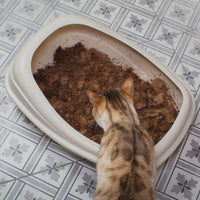
Watch your cat at their litter box, and you'll see exactly what I mean. A happy cat approaches confidently, digs with purpose, does their business, covers it thoroughly, and walks away satisfied. A cat dealing with a less-than-ideal situation? They'll perch on the edges like they're navigating a minefield, rush through everything, or give you those unmistakable "fix this immediately" stares.
The beautiful thing is that staying ahead of litter box maintenance doesn't mean becoming a full-time janitor. A few minutes of daily attention actually saves you hours later by preventing stubborn odors and avoiding those complete box overhauls that nobody enjoys. Your cat stays content, your home stays fresh, and you get the satisfaction of supporting their natural instincts.
Daily Spot-Cleaning: A Simple Routine
Daily spot-cleaning forms the backbone of effective litter box maintenance and directly impacts how often you should change your cat's litter completely. This simple five-minute routine involves removing solid waste and clumped urine daily, keeping the remaining litter fresh for much longer. When you stay on top of daily cleaning, you can stretch the time between full litter changes from every few days to once or twice a week, depending on your cat and litter type.
Here's how to make daily spot-cleaning quick and efficient:
- Choose your timing wisely - Most cats prefer using a clean box, so scoop in the morning or evening when your feline friend is most active. I find evening works best since it gives my cats a fresh start for overnight visits.
- Use a sturdy, slotted scoop - A good-quality scoop with appropriately sized holes makes the job faster and prevents you from accidentally removing clean litter along with waste.
- Work systematically - Start from one end of the box and move to the other, gently sifting to let clean litter fall through while capturing clumps and solids in one smooth motion.
- Top off as needed - Add a small amount of fresh litter to replace what you've removed, maintaining a consistent depth of about two to three inches.
- Dispose thoughtfully - Seal waste in a small bag or use flushable litter according to manufacturer guidelines and your local regulations.
The benefits of this daily routine extend far beyond keeping things tidy. Your cat enjoys a consistently clean bathroom, which dramatically reduces the chance of accidents outside the box. Odors stay manageable because waste doesn't have time to break down and create stronger smells. You'll actually use less litter overall since the majority stays clean and usable for longer periods.
There's another bonus many pet parents don't consider: regular scooping helps you spot health changes early. When you're checking the box daily, you'll quickly notice if your cat's bathroom habits shift, which can be an early indicator that a vet visit might be needed.
This routine is one of the most effective ways to reduce litter box smell naturally while building a sustainable cleaning schedule that works for busy pet parents. Your cat will appreciate the attention to their comfort, and you'll find that maintaining their space becomes second nature within just a few weeks.
Full Litter Changes: When and Why
While daily scooping keeps things manageable, a complete litter change means emptying the entire box, cleaning it thoroughly, and starting fresh with new litter. This deeper clean eliminates lingering odors, bacteria, and residue that builds up over time—making it essential for maintaining a truly fresh home and keeping your cat comfortable.
Several key factors determine how frequently you'll need these full changes:
• Number of cats sharing the box - A single cat typically allows for weekly changes, but two cats using the same box will need fresh litter every 3-4 days. More cats simply mean more waste and faster odor buildup.
• Type of litter you're using - Clumping litters often last longer between full changes since you remove most waste during daily scooping. Non-clumping varieties absorb odors throughout the litter and usually need replacing every few days.
• Size of your litter box - Larger boxes with more litter volume can go longer between changes, while smaller boxes reach their saturation point much faster, especially with finicky cats who demand pristine conditions.
Here's how to tackle a thorough litter change that actually gets the job done:
- Empty all used litter into a sturdy garbage bag, scraping away any stuck bits with your scoop
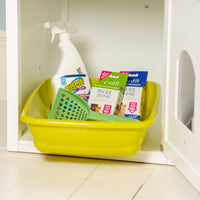
- Rinse the empty box with warm water and mild dish soap
- Scrub away residue or stains with a pet-safe cleaner
- Rinse thoroughly and dry completely before adding fresh litter
- Pour in 2-3 inches of new litter, adjusting based on your cat's digging habits
- Place the box back in its usual spot and give your cat time to inspect your handiwork
Most single-cat households can stick to weekly full changes, while multi-cat homes often need refreshing every 3-5 days. Trust your nose and your cat's behavior over rigid schedules. Persistent odors after scooping, your cat avoiding the box entirely, or visible saturation throughout the litter all signal it's time for an immediate refresh. Your cat will thank you for staying on top of it.
Choosing the Right Litter for Your Cat
The type of litter you choose has a massive impact on how often you should change your cat's litter. Some materials naturally control odors better and last longer between full changes, while others need more frequent attention to keep your home fresh and your cat happy.
| Litter Type | Change Frequency | Odor Control | Key Pros & Cons |
|---|---|---|---|
| Clay (Non-clumping) | Every 3-4 days | Fair | Affordable, absorbs moisture well / Gets soggy quickly, tracking issues |
| Clumping Clay | Weekly | Good | Easy scooping, long-lasting / Dusty, heavier to carry |
| Crystal/Silica | 2-3 weeks | Excellent | Superior odor absorption, low dust / Higher upfront cost, some cats dislike texture |
| Natural/Biodegradable | 5-7 days | Good | Eco-friendly, flushable options / Can be pricier, may need more frequent changes |
When selecting the best cat litter for odor control that fits your lifestyle, think about these practical considerations:
- Your cat's texture preferences—trust me, some cats have very strong opinions about crystal versus clay
- Household sensitivity to dust or fragrances (especially important with family members who have allergies)
- How much time you realistically have for daily scooping and maintenance
- Your budget for both the initial purchase and ongoing costs
- Environmental priorities and how you prefer to dispose of used litter
Crystal litters have been game-changers for busy pet parents who want excellent odor control with less frequent full changes. Natural options work beautifully for eco-conscious families, though you might find yourself changing them a bit more often. The secret is finding that perfect match between your cat's comfort and your maintenance routine.
Your litter choice sets the foundation for everything else. When you hit that sweet spot between effective odor management and your cat's preferences, you'll naturally extend time between full changes while keeping a fresh space that makes both of you happy.
Hygiene Best Practices for a Happy Cat
Maintaining excellent litter box hygiene goes far beyond just asking, "how often should I change my cat's litter?" While regular changes are key, creating a fresh and welcoming space for your feline involves caring for the entire litter area. Cats have a keen sense of smell and can detect odors and bacteria that might evade our senses, which directly affect their willingness to use the box and their health.
These essential tips will ensure a happy litter box experience for your cat:
- Scoop Twice Daily: Aim for a quick scoop in the morning and evening to keep unpleasant odors at bay and stop bacteria in their tracks.
- Weekly Deep Clean: Give the litter box a thorough wash every week using warm water and mild, unscented dish soap. Steer clear of harsh chemicals that might discourage your cat from using the box.
- Optimal Litter Depth: Keep 2-3 inches of litter in the box. This helps in absorbing moisture and prevents waste from reaching the box bottom.
- Daily Area Clean-Up: Wiping down the area around the box each day helps control tracked litter and stops bacteria from setting up camp.
- Liner Management: If liners are part of your routine, change them weekly. Many cats, however, prefer the box without them, so feel free to skip if necessary.
- Floor Maintenance: Vacuum or sweep the area around the box every few days to handle any stray litter and maintain cleanliness.
- Strategic Mat Placement: A quality litter mat outside the box can trap particles, stopping them from becoming a household menace.
- Ventilation Matters: Ensure the litter area has good airflow. This fights moisture and keeps germs at bay.
Following these practices alongside your litter change schedule ensures a space your cat will love. It’s more than just avoiding bad smells—you're nurturing their natural instincts and keeping stress-related behaviors to a minimum. A clean and inviting litter setup means a happy, content cat, and who wouldn't want that?
Creating a Litter Box Routine That Works for You
The key to mastering how often you should change your cat's litter lies in finding a rhythm that works for both you and your feline friend. Start by setting realistic expectations for yourself. If you're naturally a morning person, build litter box maintenance into your coffee routine. Night owls might prefer checking the box before settling in for the evening. The important thing is consistency, not perfection.
Consider your household's unique circumstances when establishing your routine. Multi-cat homes will need more frequent attention, while single-cat households can often stretch a bit longer between full changes. If you travel frequently for work, you might invest in the best cat litter for odor control to maintain freshness during longer stretches. Similarly, if you have a particularly picky cat, you'll quickly learn the signs it's time to change cat litter before they start protesting with pointed stares or strategic deposits outside the box.
Your routine will naturally evolve as you learn your cat's preferences. Maybe you'll discover that Thursday is mysteriously always the smelliest day, or that your cat becomes finicky right before weekend guests arrive. These little quirks become part of your shared language as pet parent and cat—those moments when you think, "Ah, Princess Whiskers is giving me that look again."
Don't stress if it takes a few weeks to find your groove. Every experienced cat parent has stories of trial and error, from accidentally buying the wrong litter type to realizing their "low-maintenance" cat actually has very specific opinions about cleanliness. The goal isn't Pinterest-perfect litter box management, but creating a sustainable system that keeps both you and your cat content with a fresh, clean space.