





















How to Choose the Best Brush for Your Dog: A Guide for Every Coat Type
30.06.25 June 30, 2025 Health

How to Choose the Best Brush for Your Dog: A Guide for Every Coat Type

Grooming is an essential part of maintaining your dog’s health and happiness. From preventing painful tangles to keeping shedding under control, the right brush can make a huge difference in your routine. In this guide, we’ll walk you through all the information you need—plus a few expert dog grooming tips—to help you choose the best brush for dog grooming based on your pup’s unique coat. Whether you have a short-haired, long-haired, curly-haired, wire-haired, silky-haired, or double-coated dog, we’ve got you covered. We’ll also explore how often you should brush your dog’s hair and how to introduce brushing to puppies or reluctant adult dogs. By the end, you’ll be well on your way to giving your pet the best grooming experience possible. Why the Right Brush Matters A brush is more than a grooming accessory—it’s a key tool that can help: Reduce Shedding: Regular brushing removes loose hairs before they end up on your furniture. Prevent Mats and Tangles: This is particularly important for long-haired and curly-haired breeds. Stimulate Healthy Skin and Coat: The gentle massaging action of brushing can improve blood circulation. Strengthen Your Bond: Grooming sessions can become a relaxing ritual that builds trust between you and your dog. With so many brushes on the market, it can be tricky to know which is the best brush for dog grooming. Understanding the specifics of your dog’s coat type is the first step in making the right choice. Best Brush for Short-Haired Dogs Short-haired breeds (like Beagles, Boxers, and Dalmatians) have smooth coats that lie close to the skin. While these dogs don’t typically form tangles, they can still shed a considerable amount. A bristle brush or a grooming glove is usually the best brush for short haired dogs because: Bristle Brush: The soft bristles help remove loose hair and distribute natural oils, leaving the coat shiny. Grooming Glove: These are great for deshedding your short haired dog. The knobbles in the silicone of the glove  help to gently pull away any loose hairs. These gloves can be used on wet or dry fur so are great for both every day grooms and after bath time. Dog Grooming Tip: Brush your short-haired dog at least once or twice a week to catch loose hairs and keep their coat looking sleek. Best Brush for Long-Haired Dogs Long-haired breeds (such as Shih Tzus, Collies, and Afghan Hounds) can develop mats and tangles if not brushed regularly. The best brush for long haired dogs typically falls under two categories: Pin Brush: Ideal for gently detangling without pulling on long hair. Slicker Brush: Contains fine, short wires close together to remove loose fur and tackle minor knots. A pin brush is often the first step in grooming a long-haired dog, followed by a slicker brush to tackle any remaining tangles. It’s important to brush daily or at least every other day to stay on top of mat formation. Best Brush for Curly-Haired Dogs Curly-haired breeds like Poodles, Labradoodles, and Bichon Frisés require a bit more care because their coats tend to tangle and mat quite easily. The best brush for curly haired dogs is usually a slicker brush with flexible pins, combined with a metal comb to ensure you reach every layer of their dense coat. Here’s why: Slicker Brush: Helps remove loose hair and can break up small mats. Metal Comb: Great for a final pass to catch any tangles the brush may have missed. For curly-coated dogs, brushing daily or at least 3-4 times a week is recommended to keep their coats free from painful mats. Best Brush for Wire-Haired Dogs Wire-haired breeds like Schnauzers and Wire Fox Terriers have rough, bristly coats that need specialised care. The best brush for wire haired dogs often includes: Slicker Brush: Ideal for removing loose hairs from the topcoat. Undercoat Rake: If your dog has a dense undercoat, a rake can help remove dead hairs from the lower layers. Stripping Knife (Optional): For some wire-haired breeds that require hand-stripping, like border terriers, this is a specialised tool groomers use to pluck out dead hairs, keeping the coat’s texture and colour vibrant. Wire-haired coats need brushing 1-2 times a week if they don’t require regular stripping. If your breed does need stripping, it’s often done every few months or more frequently depending on breed standards. Best Brush for Double-Coated Dogs Double-coated breeds (German Shepherds, Golden Retrievers, Huskies) have a dense undercoat beneath a longer topcoat. This thick coat sheds seasonally and can be quite a handful! The best brush for double coated dogs is typically: Undercoat Rake: Made specifically to reach the dense undercoat. Slicker Brush or Pin Brush: Follows the rake to smooth the topcoat and remove remaining loose fur. Aim to brush double-coated breeds at least twice a week, increasing frequency during heavy shedding seasons (often spring and fall). Best Brush for Silky-Haired Dogs Silky-coated breeds like Yorkies, Maltese, and Cocker Spaniels are known for their glossy, flowing locks. These dogs’ coats are prone to breakage, so selecting a gentle brush is essential. The best brush for silky haired dogs is often: Pin Brush: Look for one with rounded tips to protect their skin and hair. Slicker Brush (Soft Pins): Can be used carefully to work through any tangles. A comb can also help in keeping silky coats free of knots, particularly around the ears and the base of the tail. Brush these dogs daily or at least every other day to maintain that show-stopping shine. Best Brush for Puppies Puppies have delicate coats and sensitive skin, so the best brush for puppies is usually one that’s gentle and comforting. Options include: Soft Bristle Brush: Helps your puppy get used to the sensation of brushing without discomfort. Rubber Grooming Glove: Offers a calming massage and helps remove loose fur. Puppy grooming sessions should be short and positive, introducing the concept of brushing in a gradual manner. This sets them up for a lifetime of stress-free grooming. How Often Should I Brush My Dog’s Hair? “How often should I brush my dog’s hair?” is one of the most common questions dog owners ask. The frequency depends largely on your dog’s coat type and lifestyle: Short-Haired Breeds: 1-2 times per week. Long-Haired and Curly-Haired Breeds: At least every other day, often daily for thicker coats. Wire-Haired and Double-Coated Breeds: 1-2 times weekly, more often during heavy shedding seasons. Silky-Haired Breeds: Daily or every other day to avoid tangles. Puppies: 2-3 times a week to familiarise them with the process without overwhelming them. Keep in mind that if your dog frequently plays outside or has a tendency to pick up debris, you may need to increase your brushing schedule. Best Brush for My Dog’s Coat Type Summary Short-Haired Breeds: Grooming glove or a bristle brush Long-Haired Breeds: Pin brush and a slicker brush Curly-Haired Breeds: Slicker brush and a metal comb Wire-Haired Breeds: Slicker brush, undercoat rake and stripping knife Double-Coated Breeds: Undercoat rake, slicker brush and pin brush Silky-Coated Breeds: Pin brush and a soft pinned slicker brush Puppies: Soft bristle brush or rubber grooming glove How to Get a Dog Used to Having Their Hair Brushed Whether you’ve just adopted a rescue dog or you’re training a new puppy, the question of how to get a dog used to having their hair brushed is critical. Here are some helpful steps: Start Slowly: Let your dog sniff the brush before you begin. Offer treats or gentle praise to create a positive association. Short Sessions: Begin with brief brushing sessions—30 seconds to a minute—focusing on easy-to-reach areas like the back. Reward Good Behaviour: Treats, praise, or playtime make grooming feel more like a reward than a chore. Gradual Progress: Over time, slowly extend the brushing to sensitive areas like the belly, ears, and tail. Positive Reinforcement: If your dog shows signs of anxiety, take a break and try again later, always ending on a positive note. Final Thoughts & Where to Find Dog Brushes Choosing the right brush is key to a pleasant, stress-free grooming routine. By understanding your dog’s coat type and following these dog grooming tips, you can keep their coat looking healthy and shiny while preventing uncomfortable mats and excess shedding. Ready to give your furry friend the royal grooming treatment? Browse our full collection of dog brushes and combs here. You’ll find a variety of brush types to suit every coat, plus other grooming essentials to make bath time and brushing easier than ever. With the right tools, a little patience, and some knowledge of your pup’s unique needs, you’ll soon have a happy, healthy dog that looks and feels fantastic every single day.

By Megan Willis

Read more

Grooming is an essential part of maintaining your dog’s health and happiness. From preventing painful tangles to keeping shedding under control, the right brush can make a huge difference in your routine. In this guide, we’ll walk you through all the information you need—plus a few expert dog grooming tips—to help you choose the best brush for dog grooming based on your pup’s unique coat. Whether you have a short-haired, long-haired, curly-haired, wire-haired, silky-haired, or double-coated dog, we’ve got you covered. We’ll also explore how often you should brush your dog’s hair and how to introduce brushing to puppies or reluctant adult dogs. By the end, you’ll be well on your way to giving your pet the best grooming experience possible.

Why the Right Brush Matters

A brush is more than a grooming accessory—it’s a key tool that can help:

  1. Reduce Shedding: Regular brushing removes loose hairs before they end up on your furniture.
  2. Prevent Mats and Tangles: This is particularly important for long-haired and curly-haired breeds.
  3. Stimulate Healthy Skin and Coat: The gentle massaging action of brushing can improve blood circulation.
  4. Strengthen Your Bond: Grooming sessions can become a relaxing ritual that builds trust between you and your dog.

With so many brushes on the market, it can be tricky to know which is the best brush for dog grooming. Understanding the specifics of your dog’s coat type is the first step in making the right choice.

Best Brush for Short-Haired Dogs

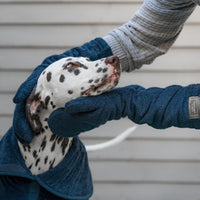
Dalmatian being brushed

Short-haired breeds (like Beagles, Boxers, and Dalmatians) have smooth coats that lie close to the skin. While these dogs don’t typically form tangles, they can still shed a considerable amount. A bristle brush or a grooming glove is usually the best brush for short haired dogs because:

  • Bristle Brush: The soft bristles help remove loose hair and distribute natural oils, leaving the coat shiny.
  • Grooming Glove: These are great for deshedding your short haired dog. The knobbles in the silicone of the glove  help to gently pull away any loose hairs. These gloves can be used on wet or dry fur so are great for both every day grooms and after bath time.

Dog Grooming Tip: Brush your short-haired dog at least once or twice a week to catch loose hairs and keep their coat looking sleek.

Best Brush for Long-Haired Dogs

Long-haired breeds (such as Shih Tzus, Collies, and Afghan Hounds) can develop mats and tangles if not brushed regularly. The best brush for long haired dogs typically falls under two categories:

  1. Pin Brush: Ideal for gently detangling without pulling on long hair.
  2. Slicker Brush: Contains fine, short wires close together to remove loose fur and tackle minor knots.

A pin brush is often the first step in grooming a long-haired dog, followed by a slicker brush to tackle any remaining tangles. It’s important to brush daily or at least every other day to stay on top of mat formation.

Best Brush for Curly-Haired Dogs

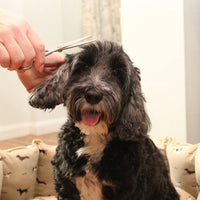
poodle cross being combed

Curly-haired breeds like Poodles, Labradoodles, and Bichon Frisés require a bit more care because their coats tend to tangle and mat quite easily. The best brush for curly haired dogs is usually a slicker brush with flexible pins, combined with a metal comb to ensure you reach every layer of their dense coat. Here’s why:

  • Slicker Brush: Helps remove loose hair and can break up small mats.
  • Metal Comb: Great for a final pass to catch any tangles the brush may have missed.

For curly-coated dogs, brushing daily or at least 3-4 times a week is recommended to keep their coats free from painful mats.

Best Brush for Wire-Haired Dogs

Jack russell being brushed

Wire-haired breeds like Schnauzers and Wire Fox Terriers have rough, bristly coats that need specialised care. The best brush for wire haired dogs often includes:

  1. Slicker Brush: Ideal for removing loose hairs from the topcoat.
  2. Undercoat Rake: If your dog has a dense undercoat, a rake can help remove dead hairs from the lower layers.
  3. Stripping Knife (Optional): For some wire-haired breeds that require hand-stripping, like border terriers, this is a specialised tool groomers use to pluck out dead hairs, keeping the coat’s texture and colour vibrant.

Wire-haired coats need brushing 1-2 times a week if they don’t require regular stripping. If your breed does need stripping, it’s often done every few months or more frequently depending on breed standards.

Best Brush for Double-Coated Dogs

brown and white dog having their hair brushed

Double-coated breeds (German Shepherds, Golden Retrievers, Huskies) have a dense undercoat beneath a longer topcoat. This thick coat sheds seasonally and can be quite a handful! The best brush for double coated dogs is typically:

Aim to brush double-coated breeds at least twice a week, increasing frequency during heavy shedding seasons (often spring and fall).

Best Brush for Silky-Haired Dogs

Yorkshire terrier being combed

Silky-coated breeds like Yorkies, Maltese, and Cocker Spaniels are known for their glossy, flowing locks. These dogs’ coats are prone to breakage, so selecting a gentle brush is essential. The best brush for silky haired dogs is often:

A comb can also help in keeping silky coats free of knots, particularly around the ears and the base of the tail. Brush these dogs daily or at least every other day to maintain that show-stopping shine.

Best Brush for Puppies

Puppies have delicate coats and sensitive skin, so the best brush for puppies is usually one that’s gentle and comforting. Options include:

  1. Soft Bristle Brush: Helps your puppy get used to the sensation of brushing without discomfort.
  2. Rubber Grooming Glove: Offers a calming massage and helps remove loose fur.

Puppy grooming sessions should be short and positive, introducing the concept of brushing in a gradual manner. This sets them up for a lifetime of stress-free grooming.

How Often Should I Brush My Dog’s Hair?

“How often should I brush my dog’s hair?” is one of the most common questions dog owners ask. The frequency depends largely on your dog’s coat type and lifestyle:

  • Short-Haired Breeds: 1-2 times per week.
  • Long-Haired and Curly-Haired Breeds: At least every other day, often daily for thicker coats.
  • Wire-Haired and Double-Coated Breeds: 1-2 times weekly, more often during heavy shedding seasons.
  • Silky-Haired Breeds: Daily or every other day to avoid tangles.
  • Puppies: 2-3 times a week to familiarise them with the process without overwhelming them.

Keep in mind that if your dog frequently plays outside or has a tendency to pick up debris, you may need to increase your brushing schedule.

Best Brush for My Dog’s Coat Type Summary

  • Short-Haired Breeds: Grooming glove or a bristle brush
  • Long-Haired Breeds: Pin brush and a slicker brush
  • Curly-Haired Breeds: Slicker brush and a metal comb
  • Wire-Haired Breeds: Slicker brush, undercoat rake and stripping knife
  • Double-Coated Breeds: Undercoat rake, slicker brush and pin brush
  • Silky-Coated Breeds: Pin brush and a soft pinned slicker brush
  • Puppies: Soft bristle brush or rubber grooming glove

How to Get a Dog Used to Having Their Hair Brushed

Whether you’ve just adopted a rescue dog or you’re training a new puppy, the question of how to get a dog used to having their hair brushed is critical. Here are some helpful steps:

  1. Start Slowly: Let your dog sniff the brush before you begin. Offer treats or gentle praise to create a positive association.
  2. Short Sessions: Begin with brief brushing sessions—30 seconds to a minute—focusing on easy-to-reach areas like the back.
  3. Reward Good Behaviour: Treats, praise, or playtime make grooming feel more like a reward than a chore.
  4. Gradual Progress: Over time, slowly extend the brushing to sensitive areas like the belly, ears, and tail.
  5. Positive Reinforcement: If your dog shows signs of anxiety, take a break and try again later, always ending on a positive note.

Final Thoughts & Where to Find Dog Brushes

Choosing the right brush is key to a pleasant, stress-free grooming routine. By understanding your dog’s coat type and following these dog grooming tips, you can keep their coat looking healthy and shiny while preventing uncomfortable mats and excess shedding.

Ready to give your furry friend the royal grooming treatment? Browse our full collection of dog brushes and combs here. You’ll find a variety of brush types to suit every coat, plus other grooming essentials to make bath time and brushing easier than ever.

With the right tools, a little patience, and some knowledge of your pup’s unique needs, you’ll soon have a happy, healthy dog that looks and feels fantastic every single day.

Related Products

Related Collections

Dog Grooming & Healthcare

Lords & Labradors’ range of dog grooming equipment contains all the products... 

Next Article
Bringing Home Your Rescue Dog: How To Prepare

Related Articles

  • What Is The 7 Second Rule For Dogs?
    28.04.26 April 28, 2026 Health

    What Is The 7 Second Rule For Dogs?

    To understand why the 7 second rule matters so much, it helps to know what is actually happening beneath your dog's paws on a warm day. Most of us instinctively judge the temperature by the air around us, but the ground tells a very different story. Surfaces that feel perfectly walkable to us can reach temperatures that cause real damage to paw pads within seconds, and the gap between the two can be startling. Here is why hot ground is a bigger problem than it might look. What is the 7 second rule for dogs why it is important The 7 second rule for dogs is a simple test that helps you decide whether pavements, tarmac, or artificial grass are too hot for your dog's paws. Here's how it works: place the back of your hand flat against the surface where you plan to walk. If you can't keep it there comfortably for a full seven seconds, the ground is too hot for your dog. This quick check has become a go-to for pet parents because it gives you an instant answer without needing thermometers or guesswork. If the surface feels uncomfortably hot against the sensitive skin on the back of your hand, your dog's paw pads will feel it even more intensely. Those paw pads might look tough, but they're actually more delicate than many people realise. The rule works particularly well for checking pavements, car park surfaces, and artificial grass, which can heat up surprisingly quickly on sunny days. You know those mornings when the air feels lovely and mild, but the pavement is already scorching? That's exactly when this test saves the day. Now, this isn't a perfect scientific measurement. It's more like a practical safeguard that helps you make smarter decisions in the moment. Some dogs have more sensitive paws than others, and factors like your dog's size and the humidity can affect how they cope with warm surfaces. Think of the 7 second rule as your first line of defence during summer walks. Just like checking if it's too wet to venture out (much like deciding whether you can walk your dog in the rain), a quick hand test becomes second nature once you start using it regularly. Why hot ground can be harder on paws than many people realise One of the biggest surprises for many pet parents is discovering just how much hotter surfaces can be compared to the air temperature around us. While it might feel like a pleasant 25°C day, the pavement beneath your feet could easily be reaching 50°C or more. Hard surfaces absorb and store heat throughout the day, creating conditions that can genuinely damage your dog's paws within seconds. The surfaces that pose the biggest risks to our dogs include: Tarmac and asphalt - These dark surfaces are notorious heat absorbers and can become scorching even on moderately warm days Concrete paving stones - Whether it's pavements, patios, or car parks, concrete retains heat long after the sun starts to fade Wooden decking - Particularly darker woods that can become almost untouchable by mid-afternoon Beach sand - Fine sand heats up quickly and can be deceptively hot, especially in direct sunlight Artificial grass - Modern synthetic surfaces can reach surprisingly high temperatures Metal surfaces - Manhole covers, drain covers, and metal fixtures become genuine hazards in warm weather Here's what makes this particularly tricky for our dogs: they can't slip on a pair of trainers like we can. Your pup relies entirely on you to make the right call about ground safety. They trust us to protect their precious paw pads, which are more delicate than they appear and can suffer burns, blisters, dryness, and painful cracking when exposed to excessive heat. Think of it this way - if the ground is too hot for your bare feet, it's definitely too hot for theirs. Just as we consider temperature extremes in colder weather for our dogs' comfort and safety, hot surfaces deserve the same thoughtful approach to keep our four-legged family members happy and healthy. Signs your dog’s paws may be too hot, sore, or damaged When your dog suddenly starts acting differently on a warm walk, they're usually telling you something important about their comfort. Many pet parents assume their dog is being stubborn when they stop mid-walk or refuse to keep going, but these behaviors are actually valuable signals that hot pavement might be affecting their paws. Recognizing these warning signs helps you respond quickly before minor discomfort turns into serious damage: Limping or favoring one paw - especially if it starts suddenly during the walk Stopping abruptly or refusing to move forward on pavement or concrete Excessive paw licking or chewing during or immediately after walks Visibly darkened, reddened, or swollen paw pads when you check them Small blisters, cuts, or rough patches on the paw surface Reluctance to walk on certain surfaces while seeming fine on grass or dirt Seeking shade or cooler ground repeatedly during your usual route High-stepping or "dancing" movements, as if trying to minimize ground contact Quick tip: Any sudden change in your dog's walking behavior on warm surfaces deserves immediate attention. Move to grass, carry them to shade, or head home straight away. I've learned that dogs who normally love their walks but suddenly become "difficult" on hot days are often just trying to protect themselves. Understanding what the 7 second rule for dogs teaches us means staying alert to these signals and treating them as important communication rather than defiance. Your dog can't tell you their paws are burning, so these physical cues become their way of asking for help before real harm occurs. How to use the 7 second rule alongside other common-sense checks The 7 second rule for dogs works brilliantly as your first check, but pairing it with other practical safety measures gives you the complete picture for protecting your pup's paws on warm days. Time your walks strategically - Early morning or evening walks avoid the hottest part of the day when pavement reaches peak temperatures. You'll often find a comfortable window even when midday conditions would fail the hand test completely. Choose cooler walking routes - Grass, tree-lined streets, and woodland paths stay significantly cooler than exposed concrete or asphalt. Your dog will thank you for seeking out those naturally shaded spots. Bring water for both of you - A portable water bowl becomes essential when temperatures climb. If your dog starts panting more heavily or seems less enthusiastic than usual, frequent drink breaks can make all the difference. Shorten walks on borderline days - Even if the ground passes the 7 second test, consider cutting your usual 45-minute adventure down to 15-20 minutes when it's particularly warm outside. Watch for early warning signs - Dogs lifting paws, seeking shade, or lagging behind often show these signals before serious damage occurs. Trust these cues and head home or find a cooler spot. These common-sense approaches work hand-in-hand with the dog 7 second rule to create a complete safety strategy. Rather than relying on temperature alone, this layered approach helps you make confident decisions about when to venture out, which route to take, and when it's simply better to save the adventure for a cooler day. Your dog's comfort and safety are worth that extra bit of planning. When to skip the walk and what to do if paws get burned Sometimes the smartest choice is staying home. When the ground fails the 7 second rule test, indoor enrichment becomes your best friend. Puzzle toys, training sessions, or a good sniff-and-find game can tire out even the most energetic dog without risking burnt paw pads. If you have a garden, early morning or late evening might offer cooler grass for a quick outdoor break. Just remember to test any surface your dog will walk on—decking and patio stones can be surprisingly brutal heat traps, even when they look innocent. Despite your best efforts, if you suspect your dog's paws have been burned, act quickly but stay calm. Get to shade immediately and gently rinse those paws with lukewarm water. Skip the ice or freezing water, which actually makes burns worse. Pat dry with a soft towel and discourage any frantic licking. Call your vet if you spot blistering, ongoing limping, or if your dog seems genuinely distressed. Most minor paw irritation heals beautifully with proper care, but when in doubt, professional guidance beats guesswork every time. The beauty of understanding what the 7 second rule for dogs really means lies in its simplicity. This quick palm test gives you the confidence to make smart decisions that keep summer adventures joyful rather than painful. Your dog counts on you to make these judgment calls, and this straightforward rule makes protecting those precious paws so much easier.  

    By Adele Busby

    Read more
  • Orthopaedic Dog Beds: Are They Worth It?
    01.09.25 September 01, 2025 Health

    Orthopaedic Dog Beds: Are They Worth It?

    When it comes to giving our dogs the very best in comfort and care, their bed is one of the most important investments we can make. While any soft cushion might seem like enough, for certain dogs, especially seniors or breeds prone to joint issues an orthopaedic dog bed can make a world of difference. But are they really worth it? Let’s explore the benefits, the dogs who need them most, and what to look for in the best dog bed for arthritis and joint support. What Is an Orthopaedic Dog Bed? An orthopaedic dog bed is designed with supportive materials such as memory foam or high-density foam, which contour to your dog’s body. Unlike traditional beds, these don’t simply flatten under pressure. Instead, they distribute your dog’s weight evenly, reducing strain on sensitive joints, hips, and muscles. For dogs with arthritis, hip dysplasia, or recovering from surgery, this type of support can be invaluable. But many younger and active dogs benefit too, as it helps prevent wear and tear over time. Benefits of Orthopaedic Dog Beds  Pain Relief for Senior Dogs - As dogs age, their joints naturally become stiffer. Arthritis is particularly common in older dogs, and getting up and down from hard or unsupportive surfaces can become uncomfortable. An orthopaedic dog bed cushions their joints, making resting and rising easier. Support for Breeds Prone to Joint Problems - Certain breeds are genetically more likely to develop joint issues. Large dogs such as Labradors, German Shepherds, and Golden Retrievers are especially prone to hip dysplasia and arthritis. For these breeds, an orthopaedic dog bed isn’t just a luxury, it’s a proactive step to support their health. Improved Sleep Quality - Just like humans, dogs need deep, restorative sleep. When their body is properly supported, they are less likely to toss and turn. A well-rested dog is a happier, healthier dog. Prevention of Pressure Sores - Dogs that lie for long periods whether due to age, illness, or limited mobility, can develop pressure sores on hard surfaces. Orthopaedic foam reduces this risk by spreading weight evenly and minimising pressure points. Long-Term Investment - Although an orthopaedic dog bed is usually more expensive than a standard cushion, its durability and health benefits make it a cost-effective choice. Quality foam won’t sag or flatten quickly, meaning you won’t need to replace it as often. Orthopaedic vs. Standard Dog Beds: What’s the Difference? To help decide whether an orthopaedic dog bed is worth the investment, here’s a side-by-side look: Feature Standard Dog Bed  Orthopaedic Dog Bed Filling Polyester stuffing, fibre, or basic foam Memory foam or high-density foam layers Support Can flatten over time, offering uneven support Even weight distribution, contours to body Joint Care Minimal – may aggravate arthritis or joint pain Reduces pressure on joints, ideal for arthritis Durability May lose shape quickly Designed to last longer without sagging Price Lower initial cost Higher cost but long-term value Best For Young, healthy dogs with no mobility issues Senior dogs, large breeds, or those with arthritis This comparison shows that while standard beds are suitable for many younger, healthy dogs, orthopaedic beds are the clear winner when it comes to comfort, joint care, and longevity. What Materials Are Used in Orthopaedic Dog Beds? The best orthopaedic dog beds are made from memory foam, which adapts to your dog’s shape and returns to its original form after use. High-density foam layers are often combined with memory foam to provide extra firmness and stability. Other features to look for include: Removable, washable covers – essential for hygiene. Water-resistant liners – to protect against accidents or spills. Raised edges or bolsters – perfect for dogs who like to rest their heads while still supporting their joints. Is an Orthopaedic Dog Bed Worth It? For dogs with arthritis, joint problems, or in their golden years, the answer is almost always yes. These beds can significantly improve comfort and quality of life, helping your dog stay mobile and pain-free for longer. Even if your dog is still young and sprightly, investing in a supportive bed now can help protect their joints as they age. Think of it as preventative care, just as you’d choose a supportive mattress for yourself. Choosing the Best Dog Bed for Arthritis When shopping for the best dog bed for arthritis, consider the following: Size: Ensure your dog can stretch out fully without hanging off the edges. Thickness: The thicker the foam, the better the support—ideally at least 4 inches. Ease of cleaning: Removable covers make life much easier. Design: Flat beds are best for dogs with severe mobility issues, while bolstered beds suit those who like extra head support. At Lords & Labradors, we offer a range of orthopaedic dog beds crafted with comfort, support, and style in mind, so you don’t have to compromise between practicality and luxury. Overall… An orthopaedic dog bed is more than just a comfy place for your pet to snooze. For senior dogs, those with arthritis, and breeds prone to joint problems, it’s a vital part of their care. The right bed can ease pain, improve sleep quality, and protect long-term joint health, making it a truly worthwhile investment. If you’re ready to give your dog the restful sleep they deserve, explore our collection of orthopaedic dog beds at Lords & Labradors, where comfort and quality go paw in paw.

    By Emily Sawer

    Read more
  • Which Plants Are Poisonous To Cats?
    25.08.25 August 25, 2025 Health

    Which Plants Are Poisonous To Cats?

    As a loving cat owner, ensuring your feline friend's safety extends beyond just food and care. One crucial aspect often overlooked is the presence of plants and flowers in your home and garden. Many common plants are toxic to cats, and ingestion can lead to severe health issues or even be fatal. In this comprehensive guide, we’ll explore which plants are poisonous to cats, helping you create a safe environment for your beloved pet. Understanding the danger of plants to cats Cats are naturally curious creatures, and their instinct to nibble on plants can put them at risk. While some plants cause mild irritation, others can lead to significant health complications. Being informed about these hazardous plants is the first step in protecting your cat. Common Indoor Plants that are Poisonous to Cats Indoor plants can add beauty and freshness to your home, but many are not safe for cats. Here are some common indoor plants that are toxic to cats: Lilies (Lilium species) - All parts of lilies, including the leaves, petals, pollen, and even water from the vase, are extremely toxic to cats. Ingestion can cause severe kidney failure. Aloe Vera - While beneficial for humans, aloe vera contains saponins and anthraquinones that can cause vomiting, diarrhoea, and lethargy in cats. Philodendron - This popular houseplant contains calcium oxalate crystals, which can irritate a cat’s mouth, throat, and stomach. Pothos (Devil’s Ivy) - Another common houseplant, pothos, can cause oral irritation, vomiting, and difficulty swallowing.   Outdoor Plants and Flowers Dangerous to Cats Outdoor plants can also pose a threat. Here are some that should be kept away from your feline friend: Azaleas and Rhododendrons - These flowering shrubs contain grayanotoxins, which can lead to vomiting, diarrhoea, and drooling,  Daffodils - The whole of the daffodil is toxic to your cat, however, the bulbs of daffodils are especially dangerous, causing severe vomiting, diarrhoea, abdominal pain, and potential heart issues. Sago Palm - All parts of the sago palm are toxic, with the seeds being the most potent. Ingestion can result in liver failure and death. Oleander - This plant is highly toxic and can cause severe cardiac issues, vomiting, and death. Lesser-Known Toxic Plants for Cats Some plants are not as commonly known to be toxic but can still pose significant risks: Chrysanthemums - These flowers contain pyrethrins which can cause gastrointestinal upset and loss of coordination. Cyclamen - The tubers of cyclamen are especially toxic, causing severe gastrointestinal distress and potential heart problems. Kalanchoe - This plant can cause vomiting, diarrhoea, and in severe cases, abnormal heart rhythms. Creating a Safe Environment for your cat  To ensure your home and garden are safe for your cat, consider the following tips: Identify and Remove Hazardous Plants - Go through your home and garden to identify any plants that are toxic to cats and remove them or place them out of reach. Opt for Cat-Safe Plants - Choose plants that are non-toxic to cats, such as spider plants, bamboo, and cat grass, which are safe and even enjoyable for your feline friend. Educate Household Members and Visitors - Ensure everyone in the household is aware of the dangers certain plants pose to cats. Guests should also be mindful if they bring flowers or plants into your home. Use Plant Deterrents - If removing the plant is not an option, consider using deterrents like citrus sprays, which can discourage cats from chewing on plants. What to Do If Your Cat Ingests a Toxic Plant If you suspect your cat has ingested a toxic plant, it's crucial to act quickly: Identify the Plant - If possible, identify the plant your cat has ingested to provide accurate information to your vet. Contact Your Vet Immediately - Call your vet  right away. Provide details about the plant and any symptoms your cat is exhibiting. Observe and Follow Professional Advice - Monitor your cat closely and follow any instructions given by the veterinarian. Symptoms of plant poisoning can vary widely and may include vomiting, diarrhoea, lethargy, and more severe signs like seizures or difficulty breathing. Conclusion By being aware of which plants are poisonous to cats and taking proactive steps to prevent exposure, you can help ensure your cat lives a healthy and safe life. Always keep a list of toxic plants handy and regularly check your home and garden for any hazardous plants. Your cat’s health and safety are worth the effort. Here at Lords & Labradors we are a luxury online pet department store, we have spent lots of time carefully designed, curating and hand-selecting all the best products for your cat - shop here. 

    By Megan Willis - Digital Marketing Executive

    Read more
  • Your Puppy’s First Vet Visit: Everything You Need to Know and Bring
    25.08.25 August 25, 2025 Getting A Puppy

    Your Puppy’s First Vet Visit: Everything You Need to Know and Bring

    Bringing home a new puppy is a joyful experience full of cuddles, playful tumbles, and plenty of learning opportunities. One of the most important early steps in ensuring a long, healthy life for your little furry friend is scheduling that very first vet appointment. Here, we will walk you through everything you need to know—from choosing the right vet to packing essential items—so you can confidently make your puppy’s debut clinic visit a positive, stress-free experience. When to Schedule the First Vet Visit Making a timely vet appointment is crucial to kickstart your puppy’s healthcare routine. Most puppies should visit a vet within the first week or two of arriving home, particularly if you have limited information about their vaccination or medical history. This ensures: A thorough health check A clear vaccination schedule Early detection of any existing health concerns A chance to address fleas, worms, or other parasites right away Even if your breeder or rescue provided initial records, scheduling a vet consult soon after you bring your puppy home guarantees you stay on track with recommended treatments and helps your new pup settle confidently into their forever home. Choosing the Right Veterinary Practice Finding the right vet is about more than simply picking the nearest clinic. You’ll want a team that resonates with your approach to pet care, offers comprehensive services, and is conveniently located. Here are a few considerations: 1. Recommendations and Reviews Ask friends, family, or local pet communities about their experiences. Research online reviews to see what other pet owners say about the clinic’s staff and services. 2. Location and Accessibility Close proximity to your home can be crucial during emergencies or for regular checkups. Check if the clinic has easy parking or access to public transport. 3. Clinic Environment Does the clinic have separate waiting areas for dogs and cats? Is the staff friendly and accommodating when you phone or visit? 4. Additional Services Some practices also offer grooming, training, or boarding—bonus points if you’d like one-stop convenience. We recommend asking plenty of questions beforehand. A good vet will welcome your curiosity and ensure you feel well informed about their protocols and expertise. Preparing Your Puppy for the Vet Your puppy’s first vet visit can be a big event, and the best way to ensure it goes smoothly is by acclimating them beforehand. Our team of pet experts suggests the following to help set your puppy up for success: Practice Being Handled Gently handle your puppy’s paws, ears, and mouth at home to build their comfort with touch. Get them used to being lifted onto low tables or countertops (safely) so the vet’s exam table won’t feel too foreign. Desensitise Through Short Trips Take quick car rides or walk your puppy past the vet clinic so they can experience these environments without any medical procedures involved. Reward them with treats and praise during these “practice runs” to create positive associations. Positive Reinforcement Reinforce calm behaviour with gentle praise and occasional treats. If your puppy seems anxious, remain calm and reassuring—your demeanour sets the tone for how they interpret new situations. What to Bring on Vet Day Being well-prepared helps make the experience smooth for both you and your pup. A few essentials include: Medical Records or Documentation - Bring any paperwork from breeders, rescues, or previous owners detailing vaccines and treatments. Comfortable Carrier or Bed - Our Easy Traveller Bed is perfect for a cosy, secure ride. It’s designed to help your puppy feel snug and calm on the go. Treats and Toys - Small, tasty treats will help with positive reinforcement, while a familiar toy can offer comfort in unfamiliar surroundings. Stock up on tasty training treats here Lead and Harness - Always secure your puppy, even if you have a carrier. This ensures you can safely guide them around the waiting area. Stool Sample (If Requested) - Check if your vet wants a fresh sample for parasite testing. If so, collect it just before the appointment. Travelling to the Vet Safety First Secure your puppy in a travel crate, carrier, or on a harness fastened in the car. This prevents distractions and keeps them safe during the journey. A bed like the Easy Traveller Bed can be buckled in or placed in a stable spot so your pup feels at ease. Short Familiarisation Drives If your puppy is new to car rides, start with short, fun trips around the block or to a local park. Gradually increase the distance and reward calm behaviour along the way. Keep the Atmosphere Calm Use a soft tone of voice and, if possible, a quiet environment in the car (lower radio volume, for instance). Avoid sudden stops or erratic driving—gentle, steady driving helps your puppy remain relaxed. Handling the Waiting Room Vet waiting rooms can be bustling places, filled with unfamiliar scents and animals. Here’s how to keep the experience positive: Stay Close - Keep your puppy on a short lead or in their carrier to prevent unwanted interactions with other pets. If they haven’t been vaccinated yet we’d recommend keeping them in their carrier or sat on your lap to minimise infection risk. Pick a Calm Spot - Some clinics separate dogs and cats—choose the dog-friendly side if it’s less hectic. Offer Comfort - Speak reassuringly, stroke your puppy gently, and provide a treat for good behaviour. What to Expect During the Exam Once called in, the vet will likely perform a thorough check to assess your puppy’s overall health. This involves examining the ears, eyes, nose, mouth, heart, and lungs. Making your pup feel comfortable on the exam table is crucial: Place a familiar toy or blanket on the table to ease any nerves. A lot vets will also provide your puppy with treats during the exam to help reassure them and build trust Stay relaxed and speak soothingly; puppies pick up on your energy. Reward calm behaviour with gentle praise—or a small treat if the vet allows. Key Procedures at the First Vet Visit Your puppy’s inaugural appointment often covers a few foundational treatments and discussions: Physical Examination - A nose-to-tail check ensures your puppy has no underlying medical issues that need attention. Vaccinations - Puppies typically start their core vaccinations around 6–8 weeks old, with boosters scheduled in the following weeks or months. Your vet will clarify the exact timeline. Microchipping - If your puppy isn’t already chipped, the vet can usually do it on site. This quick, relatively painless procedure provides your pet with permanent identification. Flea & Worm Prevention - Young puppies can be prone to parasites. Your vet will recommend treatments to guard against fleas, ticks, and worms, and outline an ongoing preventative routine. Nutritional & Behavioural Advice - Vets can guide you on puppy-appropriate foods, treats, and basic training tips. Don’t hesitate to ask questions! Essential Tips in a Nutshell Book Early: Schedule a vet appointment soon after bringing your puppy home. Practice Handling: Get them used to gentle touches and being lifted. Travel Prep: Use a comfortable, secure carrier or bed like our Easy Traveller Bed. Waiting Room Strategy: Keep them on a lead or in a carrier, choose a quiet corner, and reassure them with a calm voice. Follow Vet Guidance: Stick to the recommended vaccination, microchipping, and parasite prevention schedules. Final Thoughts Your puppy’s first vet visit lays the groundwork for a lifetime of good health. By choosing a reputable veterinarian, preparing your pup with gentle handling, and bringing the right essentials—from carriers to treats—you can make this inaugural trip a positive milestone rather than a stressful one. We at Lords & Labradors believe every puppy deserves a great start in life, and our team of pet experts are always here to support you with advice, products, and resources. Remember, the better the experience at this early stage, the more likely your puppy will feel comfortable during future checkups. A little preparation today goes a long way toward ensuring a lifetime of wagging tails and happy vet visits in the years to come! Shop all the puppy essentials you will need for your pups first vet visit and beyond at Lords & Labradors.

    By Megan Willis

    Read more

loyal customer in 17 countries

Why Shop With Us?

  • Free Delivery

    Orders over £75 qualify for free standard UK delivery. Orders under £75 will be calculated at the checkout.

  • Shopping Made Easy

    Gain exclusive access to sales and shop all your pets favourites on the go by downloading our app.

  • Designed in the UK

    Our own brand products are lovingly designed in our specialist UK workshop to our exacting standards.

  • We're Here For You

    Contact our Pet Experts weekdays 9am - 5pm on +44 (0) 1790 720900 or sales@lordsandlabradors.co.uk