















































































Bringing a new puppy home when you already have a dog is one of those moments that can feel equal parts exciting and quietly nerve-wracking. Knowing how to introduce a new puppy to a resident dog well makes a real difference, not just in those first few minutes, but in how comfortably both dogs settle into life together over the weeks that follow. This guide covers everything from reading body language and nailing that first meeting, to building a steady first-week routine and avoiding the mistakes that can make things harder than they need to be.
Before they meet: setting up a calm first introduction
The preparation you do before your dogs ever see each other matters far more than anything that happens in those first five minutes. Think of it less like a playdate and more like a careful first impression — you want both dogs walking away feeling fine, not frazzled.
Location plays a bigger role than most people expect. Research from Ohio State University recommends that you introduce the dogs in a neutral area rather than your own home or yard, where your resident dog already has a strong sense of ownership. A quiet street nearby, a car park at a local park, or a friend’s garden can all work well. Somewhere your older dog hasn’t claimed as their territory gives both dogs a fairer, less loaded starting point.
Timing is worth thinking about too. Try to avoid making introductions when either dog is tired, hungry, or already buzzing with energy. Mid-morning often hits a sweet spot — both dogs have had a chance to settle after waking up, but the day hasn’t wound them up yet. If your resident dog has already had a good walk and is naturally a bit calmer, that’s worth factoring in.
Keep the environment as low-key as you can. Skip the audience of excitable family members, the children tearing around, the general household chaos. The fewer distractions, the more mental space both dogs have to actually focus on each other. Keep both dogs on lead, but hold the lead loosely — tension travels straight down the line and into the dog, and even a relaxed dog can feel that shift.
Most importantly, go in without a fixed idea of how it should go. Some dogs take to each other straight away. Others need days — sometimes weeks — of gradual, managed exposure before they genuinely start to settle. Neither outcome means anything has gone wrong. A good introduction isn’t about manufacturing an instant bond. It’s about creating the right conditions so both dogs feel safe enough to build one at their own pace.
If you’re still in the thick of preparation, our guide to bringing a puppy home is a great place to get the fuller picture before that first meeting happens.
What to look for in body language from both dogs
Knowing how to read what your dogs are telling you is honestly the most valuable skill when it comes to introducing a new puppy to a resident dog. Dogs communicate constantly through posture, movement, and expression, and catching early signs of stress means you can slow things down before any real tension builds.
Relaxed, positive signals to look for:
- Loose, wiggly body movement
- Soft, blinking eyes
- A gently wagging tail (relaxed, not rigid)
- Play bows — front end down, bottom in the air
- Calm, curious sniffing
- A relaxed, slightly open mouth
- Moving freely between you and the other dog
Warning signals that mean slow down:
- Stiff or frozen posture
- A hard, unblinking stare
- Lip licking or yawning that feels out of place
- Raised hackles along the back
- A tail held very high and rigid, or tucked right under
- Consistently turning away or trying to avoid the other dog
- Whale eye (where you can see the whites of their eyes)
When to step in: If either dog freezes, growls, or one keeps trying to get away from the other, calmly separate them and let both have a quiet break. That is not failure — it just means they need a little more time and space before trying again.
It is also worth remembering that these signals matter for both dogs, not just the one you are most worried about. Puppies have boundless energy and zero awareness of personal space, which can easily overwhelm a resident dog who has never had to share their home before. An older dog who feels repeatedly stressed will take much longer to come around. Keeping one eye on each of them is the real trick here. If you want to feel more confident reading these cues, our guide to understanding your dog’s body language is well worth a read.
How to introduce a new puppy to a resident dog step by step
Knowing how to introduce a new puppy to a resident dog can feel daunting, but with the right pacing it really is manageable. Take it one small step at a time, stay calm yourself, and trust the process — most dogs do find their rhythm together, they just need a little space and patience to get there.
- Start outdoors with parallel walking. Before any face-to-face greeting, walk both dogs in the same outdoor space with a comfortable distance between them. A quiet street or park works well. This lets each dog become aware of the other without any pressure to engage. Keep the energy easy and reward both dogs for calm behaviour as you go.
- Allow controlled sniffing at a distance. Gradually close the gap over several minutes, letting each dog take in the other’s scent from afar. Keep leads loose throughout — neither dog should feel restricted or cornered at this stage.
- Move to a short on-lead greeting. When both dogs look relaxed, allow a brief sniff hello on lead. A few seconds is plenty to begin with. This is one of the most important moments in any puppy and resident dog introduction, so resist the urge to let it run on, even if it seems to be going well.
- Head indoors for brief supervised time together. Once the outdoor greeting has gone smoothly, bring both dogs inside for a short off-lead session in a neutral room. Keep food and toys out of the picture initially — removing that competition early makes a real difference.
- Watch closely and step in calmly if needed. If either dog seems overwhelmed, separate them quietly and give both a chance to decompress before trying again.
Signs one dog needs a break: a stiff or frozen posture, tucked tail, excessive panting, or turning away and shutting down. If you notice any of these, calmly lead the dogs apart, give each one some quiet time in their own space, and return to shorter sessions when they’re both settled.
- Build up shared time gradually. Over the following days, slowly extend how long they spend together — always supervised, always with an easy exit available for both dogs.
Pacing really is everything when introducing a new puppy to an older dog or a resident dog of any age. Where you can, handle one dog at a time, keep early sessions short, and let the relationship develop at its own pace. If you want help thinking through the bigger picture too, our guide to bringing a new puppy home covers everything you need to help both dogs feel settled from day one.
Making the first week feel safe and predictable
The first week at home sets the tone for everything that follows, and knowing how to introduce a new puppy to a resident dog well goes beyond that initial meeting in the park. What actually helps both dogs relax is structure and predictability. When each dog knows what to expect from their day, that low-level tension that comes from uncertainty starts to fade on its own.
Here are five daily practices worth building into your routine from day one:
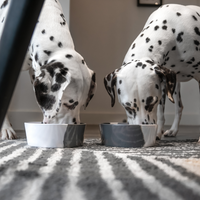
- Feed them separately. Use different rooms or at least opposite ends of the space, and always pick up bowls once each dog has finished. Even the most laid-back older dog can feel uncomfortable with a bouncy puppy hovering near their food bowl.
- Keep sleeping areas apart. Your puppy needs their own safe space to wind down without your resident dog wandering in. A consistent, settled sleep setup makes a real difference — our guide on creating the perfect puppy sleep routine has some practical tips to get you started.
- Stagger toilet breaks where you can. Taking them out separately in the early days keeps things calm and gives each dog a quiet moment of one-to-one time with you, which both of them will appreciate.
- Keep shared time short and intentional. A few brief, calm sessions together are far better than long stretches of unsupervised chaos. Five to ten minutes, a few times a day, is genuinely plenty to begin with.
- Put high-value items away. Chews, bones, favourite toys — clear them from shared spaces for now. Resource guarding can flare up in dogs that have never shown it before, so it’s simply not worth the risk this early on.
Quick tip: always end interactions before either dog reaches their limit. A session that finishes while both dogs are still calm and happy does far more good than one that tips into overexcitement or stress.
None of this is about keeping your dogs apart forever. It’s about giving them the steadiness they need to actually get comfortable with each other, so that the easy, relaxed coexistence you’re hoping for has a real chance to take root.
Common mistakes that can make introductions harder
Even the most prepared pet parents can stumble during introductions, and usually it’s pure excitement that’s to blame rather than carelessness. These are easy mistakes to make. The good news is that spotting them early makes the whole process so much smoother for everyone involved.
- Rushing straight to off-lead play. It feels natural to just let them get on with it, but dropping the leads too soon takes away your ability to step in if things get tense. Keep early interactions on lead and in neutral spaces while you find your feet.
- Expecting instant bonding. Some dogs click immediately, but many don’t. If you’re watching for cuddles on day one, you’ll miss the quieter signs of real progress, like calm sniffing or simply choosing to settle near each other.
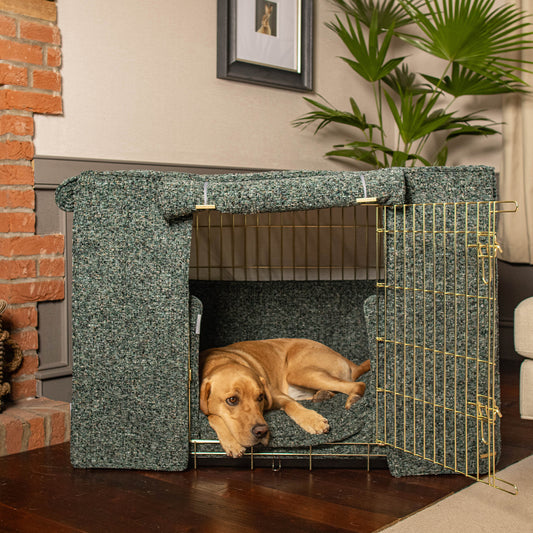
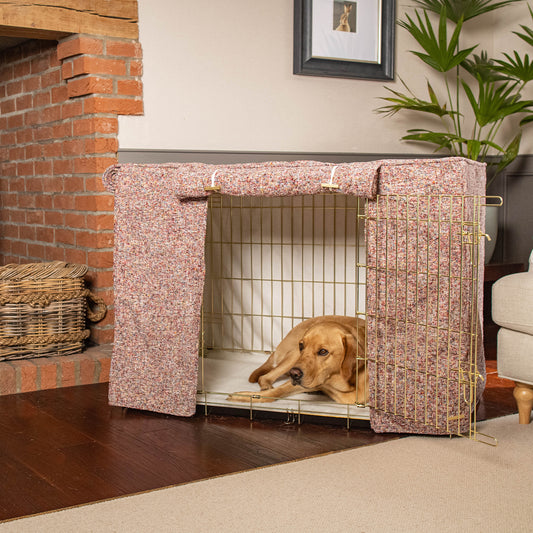
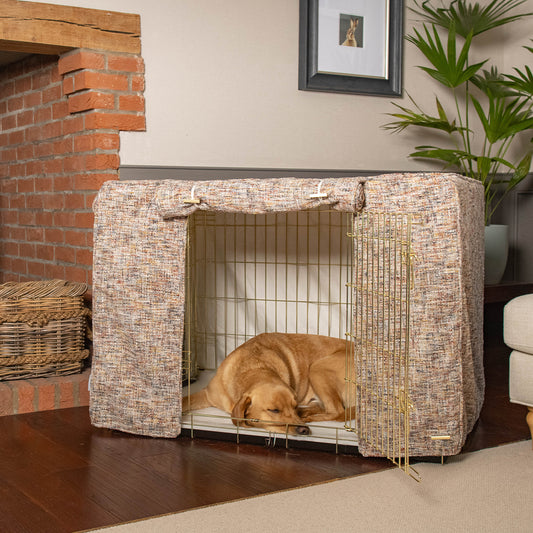
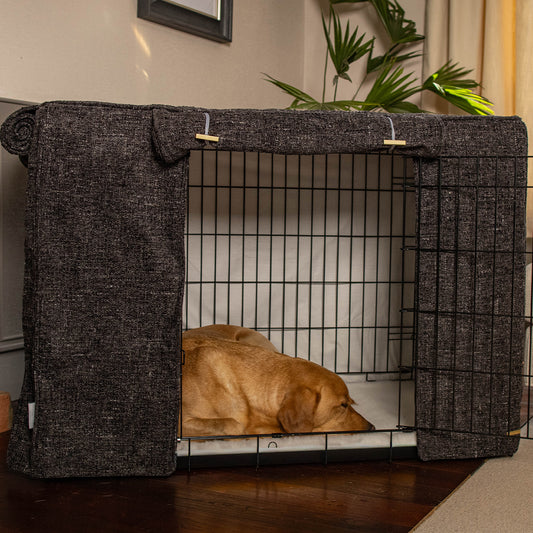
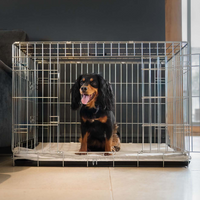
- Leaving them alone together too soon. Until you’re genuinely confident both dogs are relaxed around each other, they should always be supervised. A crate gives each dog their own breathing space when you can’t be right there watching. If you’re new to crating, our guide to dog crates is a great place to start.
- Skipping neutral territory. Meeting at home immediately puts the resident dog on guard. A quiet street or local park gives both dogs a calmer, more level playing field for that first hello.
- Letting the puppy crowd the older dog. Puppies have zero concept of personal space. Redirecting them before they pester or overwhelm your resident dog protects the relationship before it’s even had a chance to form.
Slowing the process down, even when everything looks fine, almost always leads to calmer, more settled dogs in the long run. These mistakes are easy to sidestep once you know what to look out for.
When to slow down and ask for extra help
Sometimes, even with the best preparation, things don’t click straight away. That’s completely normal, and it doesn’t mean you’ve done anything wrong.
There are a few signs worth taking seriously, though. If your resident dog is freezing stiff, growling well beyond a single brief warning, or struggling to eat and settle after several days, those are clear signals to slow the pace right down. The same applies to a puppy who has shut down, stopped playing, or seems anxious every time your older dog is nearby. One or two tense moments are to be expected. Persistent stress in either dog deserves proper attention.
If meetings keep ending badly despite giving both dogs space and time, go back to basics. Separate their areas completely for a few days, swap bedding so they can get used to each other’s scent from a safe distance, then reintroduce through a baby gate before attempting face-to-face contact again. It might feel like a step backwards, but a full reset is often the most useful thing you can do.
If you’ve worked through all of this and things still feel stuck, a qualified behaviourist using positive, force-free methods can genuinely help. Your vet is usually a good first call for a reputable recommendation.
It’s also worth knowing that this same steady, patient approach applies to other introductions at home. If you’re also navigating life with a cat, our guide on how to get your dog and cat to get along walks through a similarly careful process.
Slowing down isn’t giving up. It’s the kindest, smartest move you can make for both dogs.