
















Miniature Poodle Ultimate Guide
13.03.24 March 13, 2024 Dog Breed Guide

Miniature Poodle Ultimate Guide

If you've ever been charmed by the elegance and intelligence of a Miniature Poodle, you're not alone. These delightful companions have captivated hearts around the world with their striking appearance, lively personality, and remarkable intelligence. In this comprehensive guide, we'll delve into everything you need to know about Miniature Poodles, from their distinctive traits to their unique health needs, training tips, and grooming essentials. Miniature Poodle Facts and Information Fact File Kennel Club Breed Group Utility Size Small Weight  4.5 - 7kg Daily Excercise Up to 1 hour a day Coat Type Medium curly Coat colours Apricot, Black, Blue, Brown, Cream, Red, Silver & White Lifespan Over 12 years   Origin and History Miniature Poodles, like their Standard counterparts, trace their lineage back to the standard poodle breed, which originated in Germany. However, the Miniature Poodle was specifically bred to be a smaller version, likely for companionship and as a household pet. Their exact origins are somewhat mysterious, but they gained popularity in France and eventually became beloved pets worldwide. Appearance Miniature Poodles are characterised by their elegant appearance, intelligent expression, and distinctive curly coats their hypoallergenic coat and non-shedding nature make them a popular choice for individuals and families seeking a low-maintenance yet stylish companion. Temperament Miniature Poodles are renowned for their intelligence, charm, and playful nature. They are highly trainable and excel in various canine sports and activities. Additionally, Miniature Poodles are known for their affectionate and loyal demeanour, making them wonderful companions for individuals and families alike. Miniature Poodle Personality and Traits Miniature Poodles possess a range of endearing personality traits that make them stand out among dog breeds: Intelligent: Miniature Poodles are exceptionally intelligent and thrive on mental stimulation. They enjoy learning new tricks, solving puzzles, and participating in obedience training. Playful: Despite their small size, Miniature Poodles have boundless energy and love to play. They enjoy interactive games, fetch, and activities that engage their minds and bodies. Affectionate: Miniature Poodles form strong bonds with their owners and thrive on companionship. They enjoy spending time with their family members and are known for their loving and loyal nature. Alert: Miniature Poodles are naturally alert and make excellent watchdogs. They have a keen sense of their surroundings and will alert their owners to any potential dangers or intruders. Miniature Poodle Health Issues While Miniature Poodles are generally healthy dogs, they may be prone to certain health issues, including: Hip Dysplasia: Like many other breeds, Miniature Poodles can be susceptible to hip dysplasia, a condition that affects the hip joints and can cause pain and mobility issues. Progressive Retinal Atrophy (PRA): PRA is a hereditary eye disorder that can lead to progressive vision loss in Miniature Poodles. Regular eye examinations by a veterinarian can help detect and manage this condition. Patellar Luxation: This condition involves the dislocation of the kneecap and can cause discomfort and lameness in affected dogs. Proper veterinary care and monitoring are essential for managing patellar luxation. Dental Issues: Miniature Poodles may be prone to dental problems such as tartar buildup and gum disease. Regular dental care, including brushing and dental check-ups, can help maintain oral health. Raising A Miniature Poodle: Training and Care Tips Raising a Miniature Poodle requires patience, consistency, and dedication. Here are some essential tips for nurturing a happy and well-behaved Miniature Poodle: Miniature Poodle Training Tips Start training your Miniature Poodle early using positive reinforcement techniques such as treats, praise, and clicker training. Focus on basic commands such as sit, stay, come, and heel, and gradually introduce more advanced obedience training exercises. House Training Your Miniature Poodle Establish a consistent routine for house training your Miniature Poodle puppy, including regular toilet breaks after meals, naps, and playtime. Use rewards and positive reinforcement to encourage appropriate elimination behaviour. Crate Training Your Miniature Poodle Introduce your Miniature Poodle puppy to a crate as a safe and comfortable den-like space. Use positive associations and gradual acclimation to help your puppy feel secure in their crate. Our deluxe crates and cosy & calming puppy crate beds make the perfect crate training set up, for Miniature Poodles we’d recommend our medium crate. Our pet experts have written a handy crate training guide for dog owners who are looking to crate train their puppy, it contains all their tips, tricks and advice to make crate training as easy as possible. Miniature Poodle Exercise Needs Miniature Poodles are energetic dogs that require regular exercise to stay healthy and happy. Aim for at least 30 minutes to an hour of daily exercise, including walks, playtime, and interactive games. Make sure you’ve got a good quality collar and lead to walk your Miniature Poodle puppy with; we love our Herdwick walking sets, the wooly texture matches their coat and it comes in three beautiful neutrals. Miniature Poodle Dietary Needs Provide your Miniature Poodle with a balanced diet that meets their nutritional requirements. Choose high-quality dog food formulated for small breeds, like the Acana small breed puppy and dog foods - they contain all the essential nutrients your Miniature Poodle will need. Best Beds For Miniature Poodles Give your Miniature Poodle the perfect place to sleep with one of our luxury dog beds. The Bouclé Luxe collection will look super cute with your Poodles coat, the woolly texture of the Bouclé will complement their curls perfectly. Our Bouclé collection comes in all of our most popular bed shapes so there’s sure to be one your puppy will love. Miniature Poodle Grooming Essentials Grooming is an essential aspect of caring for a Miniature Poodle's distinctive coat. Follow these grooming tips to keep your Miniature Poodle looking and feeling their best: Brushing: Miniature Poodles have dense, curly coats that require regular brushing to prevent matting and tangling. Use a slicker brush or comb to remove loose hair and detangle knots. Our brush guide will help you find the perfect brush for their coat type. Professional Grooming: Schedule regular visits to a professional groomer for haircuts and maintenance grooming. Professional groomers can trim your Miniature Poodle's coat to your desired length and ensure proper hygiene. Bathing: Bathe your Miniature Poodle as needed to keep their coat clean and fresh. Use a mild dog shampoo and thoroughly rinse their coat to remove any soap residue. The PetPlex curl perfecter shampoo and detangling spray is perfect bathing your Miniature Poodle with, they are formulated to professional grooming standards and contain all the best ingredients to keep their curls looking perfect. Ear Care: Check your Miniature Poodle's ears regularly for signs of wax buildup, redness, or irritation. Dental Care: Maintain your Miniature Poodle's oral health by brushing their teeth regularly with a canine toothpaste and toothbrush. Dental chews and toys can also help promote dental hygiene. Conclusion In conclusion, Miniature Poodles are charming, intelligent, and affectionate companions that bring joy and laughter to their owners' lives. By understanding their unique personality traits, health needs, and grooming requirements, you can provide your Miniature Poodle with the love and care they deserve. Whether you're embarking on obedience training adventures or enjoying leisurely walks together, the bond between you and your Miniature Poodle is sure to be a rewarding journey filled with love and companionship. Treat your Miniature Poodle to all of our must haves in our Miniature poodle shop here.

By Megan Willis

Read more

If you've ever been charmed by the elegance and intelligence of a Miniature Poodle, you're not alone. These delightful companions have captivated hearts around the world with their striking appearance, lively personality, and remarkable intelligence. In this comprehensive guide, we'll delve into everything you need to know about Miniature Poodles, from their distinctive traits to their unique health needs, training tips, and grooming essentials.

Miniature Poodle Facts and Information

Fact File

Kennel Club Breed Group Utility
Size Small
Weight  4.5 - 7kg
Daily Excercise Up to 1 hour a day
Coat Type Medium curly
Coat colours Apricot, Black, Blue, Brown, Cream, Red, Silver & White
Lifespan Over 12 years


Origin and History

Miniature Poodles, like their Standard counterparts, trace their lineage back to the standard poodle breed, which originated in Germany. However, the Miniature Poodle was specifically bred to be a smaller version, likely for companionship and as a household pet. Their exact origins are somewhat mysterious, but they gained popularity in France and eventually became beloved pets worldwide.

Appearance

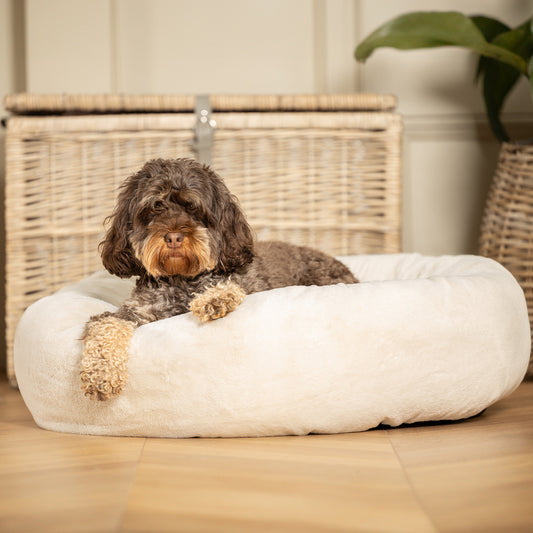
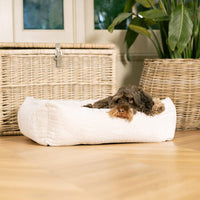
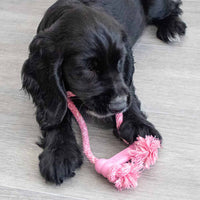
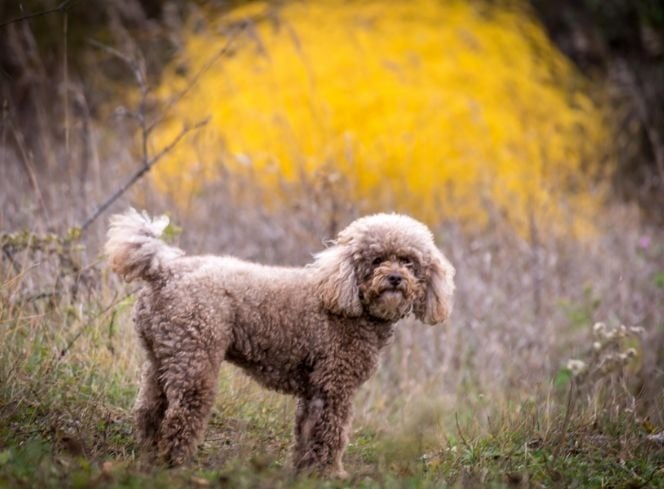
Sleepy miniature poodle

Miniature Poodles are characterised by their elegant appearance, intelligent expression, and distinctive curly coats their hypoallergenic coat and non-shedding nature make them a popular choice for individuals and families seeking a low-maintenance yet stylish companion.

Temperament

Miniature Poodles are renowned for their intelligence, charm, and playful nature. They are highly trainable and excel in various canine sports and activities. Additionally, Miniature Poodles are known for their affectionate and loyal demeanour, making them wonderful companions for individuals and families alike.

Miniature Poodle Personality and Traits

Miniature Poodles possess a range of endearing personality traits that make them stand out among dog breeds:

  • Intelligent: Miniature Poodles are exceptionally intelligent and thrive on mental stimulation. They enjoy learning new tricks, solving puzzles, and participating in obedience training.
  • Playful: Despite their small size, Miniature Poodles have boundless energy and love to play. They enjoy interactive games, fetch, and activities that engage their minds and bodies.
  • Affectionate: Miniature Poodles form strong bonds with their owners and thrive on companionship. They enjoy spending time with their family members and are known for their loving and loyal nature.
  • Alert: Miniature Poodles are naturally alert and make excellent watchdogs. They have a keen sense of their surroundings and will alert their owners to any potential dangers or intruders.

Miniature Poodle Health Issues

While Miniature Poodles are generally healthy dogs, they may be prone to certain health issues, including:

  • Hip Dysplasia: Like many other breeds, Miniature Poodles can be susceptible to hip dysplasia, a condition that affects the hip joints and can cause pain and mobility issues.
  • Progressive Retinal Atrophy (PRA): PRA is a hereditary eye disorder that can lead to progressive vision loss in Miniature Poodles. Regular eye examinations by a veterinarian can help detect and manage this condition.
  • Patellar Luxation: This condition involves the dislocation of the kneecap and can cause discomfort and lameness in affected dogs. Proper veterinary care and monitoring are essential for managing patellar luxation.
  • Dental Issues: Miniature Poodles may be prone to dental problems such as tartar buildup and gum disease. Regular dental care, including brushing and dental check-ups, can help maintain oral health.

Raising A Miniature Poodle: Training and Care Tips

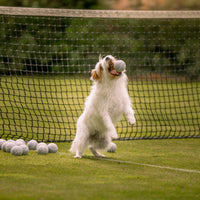
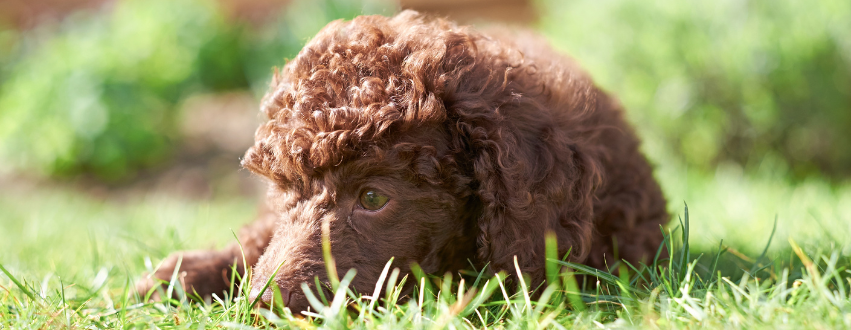
Poodle in the grass

Raising a Miniature Poodle requires patience, consistency, and dedication. Here are some essential tips for nurturing a happy and well-behaved Miniature Poodle:

Miniature Poodle Training Tips

Start training your Miniature Poodle early using positive reinforcement techniques such as treats, praise, and clicker training. Focus on basic commands such as sit, stay, come, and heel, and gradually introduce more advanced obedience training exercises.

House Training Your Miniature Poodle

Establish a consistent routine for house training your Miniature Poodle puppy, including regular toilet breaks after meals, naps, and playtime. Use rewards and positive reinforcement to encourage appropriate elimination behaviour.

Crate Training Your Miniature Poodle

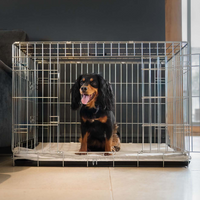
Introduce your Miniature Poodle puppy to a crate as a safe and comfortable den-like space. Use positive associations and gradual acclimation to help your puppy feel secure in their crate.

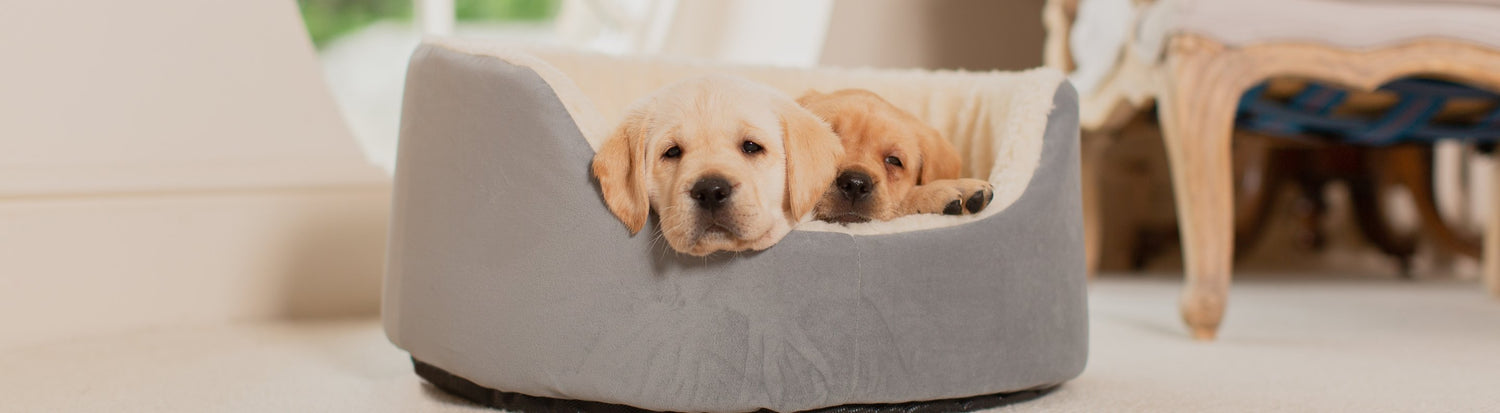
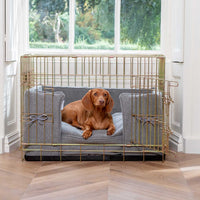
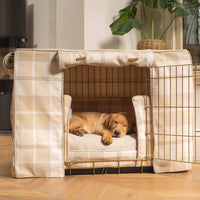
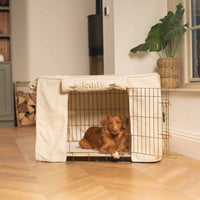
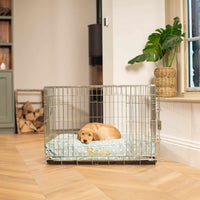
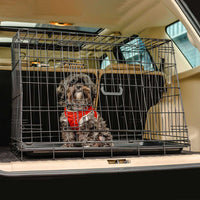
Our deluxe crates and cosy & calming puppy crate beds make the perfect crate training set up, for Miniature Poodles we’d recommend our medium crate. Our pet experts have written a handy crate training guide for dog owners who are looking to crate train their puppy, it contains all their tips, tricks and advice to make crate training as easy as possible.

Miniature Poodle Exercise Needs

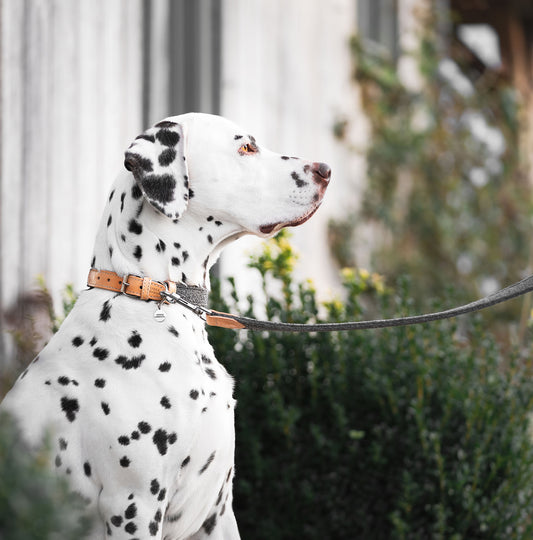
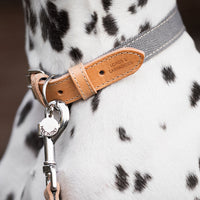
Miniature Poodles are energetic dogs that require regular exercise to stay healthy and happy. Aim for at least 30 minutes to an hour of daily exercise, including walks, playtime, and interactive games. Make sure you’ve got a good quality collar and lead to walk your Miniature Poodle puppy with; we love our Herdwick walking sets, the wooly texture matches their coat and it comes in three beautiful neutrals.

Miniature Poodle Dietary Needs

Provide your Miniature Poodle with a balanced diet that meets their nutritional requirements. Choose high-quality dog food formulated for small breeds, like the Acana small breed puppy and dog foods - they contain all the essential nutrients your Miniature Poodle will need.

Best Beds For Miniature Poodles

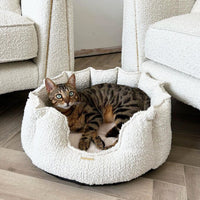
Give your Miniature Poodle the perfect place to sleep with one of our luxury dog beds. The Bouclé Luxe collection will look super cute with your Poodles coat, the woolly texture of the Bouclé will complement their curls perfectly. Our Bouclé collection comes in all of our most popular bed shapes so there’s sure to be one your puppy will love.
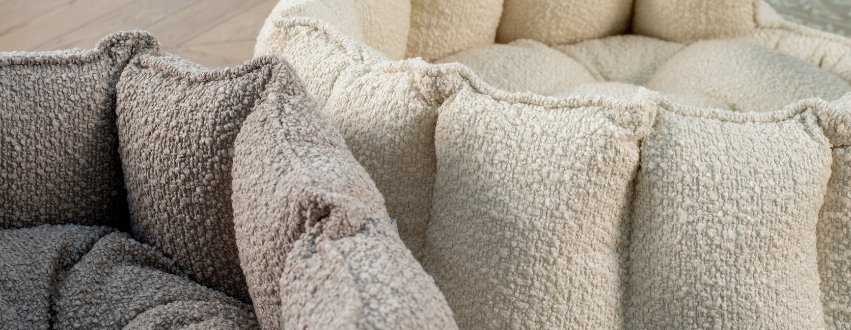
a brown and cream boucle dog bed

Miniature Poodle Grooming Essentials

Grooming is an essential aspect of caring for a Miniature Poodle's distinctive coat. Follow these grooming tips to keep your Miniature Poodle looking and feeling their best:

  • Brushing: Miniature Poodles have dense, curly coats that require regular brushing to prevent matting and tangling. Use a slicker brush or comb to remove loose hair and detangle knots. Our brush guide will help you find the perfect brush for their coat type.
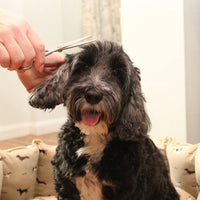
  • Professional Grooming: Schedule regular visits to a professional groomer for haircuts and maintenance grooming. Professional groomers can trim your Miniature Poodle's coat to your desired length and ensure proper hygiene.
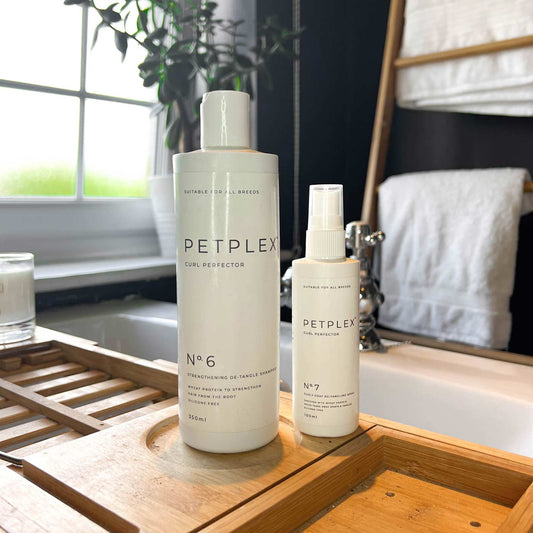
  • Bathing: Bathe your Miniature Poodle as needed to keep their coat clean and fresh. Use a mild dog shampoo and thoroughly rinse their coat to remove any soap residue. The PetPlex curl perfecter shampoo and detangling spray is perfect bathing your Miniature Poodle with, they are formulated to professional grooming standards and contain all the best ingredients to keep their curls looking perfect.
  • Ear Care: Check your Miniature Poodle's ears regularly for signs of wax buildup, redness, or irritation.
  • Dental Care: Maintain your Miniature Poodle's oral health by brushing their teeth regularly with a canine toothpaste and toothbrush. Dental chews and toys can also help promote dental hygiene.

Conclusion

In conclusion, Miniature Poodles are charming, intelligent, and affectionate companions that bring joy and laughter to their owners' lives. By understanding their unique personality traits, health needs, and grooming requirements, you can provide your Miniature Poodle with the love and care they deserve. Whether you're embarking on obedience training adventures or enjoying leisurely walks together, the bond between you and your Miniature Poodle is sure to be a rewarding journey filled with love and companionship.

Treat your Miniature Poodle to all of our must haves in our Miniature poodle shop here.

Related Products

Related Collections

Miniature Poodle Dog Collars, Beds & Accessories

Explore our range and find everything you need for your miniature poodle.... 

Dog Essentials

  Discover a wonderful collection of luxury dog products at Lords &... 

Next Article
English Setter Ultimate Guide

Related Articles

  • How Much Exercise Does a Beagle Need
    15.05.26 May 15, 2026 Dog Breed Guide

    How Much Exercise Does a Beagle Need

    If you've ever watched your Beagle bounce around the house like a furry pinball machine, you're probably wondering exactly how much exercise does a Beagle need to channel all that energy. The answer isn't as simple as a daily walk around the block—these spirited hunting dogs require a thoughtful blend of physical activity and mental challenges that evolves throughout their lives. From puppyhood through their golden years, we'll help you create the perfect exercise routine that keeps your Beagle happy, healthy, and blissfully tired at the end of each day. Understanding Your Beagle's Exercise Needs Beagles are natural athletes with boundless curiosity, originally bred to hunt alongside humans for hours at a time. This heritage means your Beagle comes hardwired with impressive stamina and an insatiable need to explore the world through movement and scent. When you're wondering how much exercise does a beagle need, think beyond just a quick walk around the block. These spirited dogs thrive on both physical activity and mental challenges to stay balanced and content. You'll likely notice that a tired Beagle is a happy Beagle—while an under-exercised one might redecorate your living room or serenade the neighbors with their famous howl. The wonderful thing about Beagles is their adaptability. Whether you're training for a marathon or prefer gentle evening strolls, your Beagle can match your rhythm with the right routine. Their daily activity needs shift dramatically throughout their lives, from the careful pacing required for bouncy puppies to the modified activities that keep senior dogs comfortable and engaged. Getting these evolving needs right makes all the difference in creating a sustainable exercise plan that keeps your Beagle physically fit, mentally sharp, and genuinely happy. Regular exercise becomes the cornerstone of everything from healthy joints to good behavior, setting you both up for years of adventures together. Exercise Requirements by Age: Puppies, Adults, and Seniors Understanding how much exercise a Beagle needs isn't straightforward since their energy levels and capabilities change as they grow. A playful eight-week-old puppy has very different requirements from a gentle nine-year-old senior. Striking the right balance is crucial to keeping your furry friend healthy and content. Puppies (2-12 months) Beagle puppies are bundles of energy, but protecting their growing joints from overexertion is key: - Follow the "5-minute rule": Allow 5 minutes of exercise per month of age, twice daily (e.g., a 3-month-old should get 15 minutes, twice daily). - Focus on short, frequent play sessions rather than long walks. - Include games like hide-and-seek and puzzle toys. - Avoid repetitive activities such as jogging or jumping until growth plates close, around 12-18 months. - Rest is just as important as activity for healthy development. Callout: The 5-Minute Rule This helpful guideline prevents joint damage as your puppy grows. For example, a 4-month-old Beagle should get about 20 minutes of structured exercise twice daily, along with plenty of nap time. Creating proper crate training routines ensures your puppy rests adequately between active periods. Adults (1-7 years) Adult Beagles have impressive stamina and high energy levels, needing regular outlets: - Aim for 60-90 minutes of varied activity throughout the day. - Include two structured walks and additional playtime. - Mix activities like hiking, fetch, agility training, or scent work. - Embrace these years as a time for exciting adventures and new experiences together. Seniors (8+ years) Older Beagles still require exercise, but comfort becomes more important: - Scale back to 30-60 minutes of gentler daily exercise. - Opt for softer surfaces and shorter distances on walks. - Swimming offers excellent low-impact exercise for aging joints. - Watch for signs of stiffness and adjust the routine as needed. Adapting your Beagle's routine to their life stage ensures they remain healthy and happy, protecting their joints while they enjoy many years of tail-wagging adventures. Mental Stimulation: Keeping Your Beagle's Mind Active While figuring out how much exercise your beagle needs, it's easy to focus purely on walks and runs while forgetting about their mental workout requirements. Beagles were bred as hunting hounds, which means their brains crave just as much engagement as their bodies do. Without proper mental stimulation, even a well-exercised beagle can turn into a four-legged tornado of destruction—think excessive barking, crater-sized holes in your garden, or your favorite slippers becoming unrecognizable chew toys. Here are tried-and-tested ways to challenge your beagle's brilliant mind: Puzzle feeders and treat-dispensing toys that transform mealtime into an engaging brain game Scent work games like hiding treats around the house or teaching them to find specific toys by smell Snuffle mats that tap into their natural foraging instincts Hide-and-seek with family members or favorite toys throughout your home Short training sessions focusing on new tricks or polishing existing commands (keep these upbeat and brief) Toy rotation system where you swap out playthings weekly to keep things fresh and exciting Did You Know? Just 15 minutes of focused mental stimulation can tire your beagle as much as a 30-minute walk. Mental enrichment isn't an add-on to your beagle's exercise routine—it's absolutely fundamental. A mentally satisfied beagle tends to be calmer, more responsive to training, and genuinely easier to live with. Watch for those telltale signs of contentment after brain games, because understanding your dog's body language helps you recognize when they're truly fulfilled rather than just physically knackered. This insight makes determining your beagle's ideal exercise balance much more tailored to their unique personality and energy levels. Off-Lead Safety Tips for Beagle Adventures Beagles were born to follow their noses across open countryside, and off-lead adventures let them express these natural hunting instincts while burning off their abundant energy. These moments of freedom transform routine walks into the kind of beagle daily activity that truly satisfies both their physical needs and their deep-rooted desire to explore. Safety comes first when transitioning to off-lead exercise: Master recall training before going lead-free - Start indoors, then move to a securely fenced garden. Your Beagle should return immediately when called, even when distracted by the most tantalizing smells. Choose enclosed spaces initially - Fenced dog parks, tennis courts, or secure fields give your Beagle freedom while keeping them contained when their nose inevitably takes over their brain. Start with short off-lead sessions - Five minutes of freedom beats an hour of your anxiety. Build up gradually as both your confidence and their reliability improve. Watch for "scent lock" - You'll know it when you see it: nose down, ears off, completely oblivious to your existence. Be ready to intervene before they follow that fascinating trail into the sunset. Keep high-value treats handy - A pocket full of something irresistible makes you infinitely more interesting than whatever they're investigating. Remember: A rock-solid recall isn't just helpful—it's your Beagle's lifeline during off-lead adventures. During training sessions, a reliable lead like the Lords & Labradors Essentials Herdwick Dog Lead gives you confidence while practicing recall work, knowing you have secure control when needed. With proper preparation, off-lead time becomes the crown jewel of how much exercise your beagle needs, delivering the mental stimulation and physical activity that keeps them genuinely content. Incorporating Lords & Labradors Accessories into Your Routine The right gear makes every Beagle adventure more enjoyable and safe for both of you. A well-fitted harness distributes pressure evenly across your Beagle's chest—especially helpful when they catch an interesting scent and suddenly pull toward it. This gentle control lets you guide them back to your walking routine without any discomfort. Interactive toys transform ordinary walks into engaging mental workouts. I love bringing a puzzle ball filled with treats on longer walks, giving your Beagle brain-stimulating breaks between physical activity. These moments satisfy their natural foraging instincts while helping you manage your Beagle's daily activity levels throughout the day. A hands-free lead attachment can be a game-changer during those energetic morning walks when your Beagle's ready to explore everything at once. You get better balance and control while allowing the natural movement patterns that support healthy exercise habits. Our Lords & Labradors Essentials Collection includes thoughtfully designed accessories that work with your Beagle's natural energy levels and physical activity needs. The key is choosing gear that enhances your routine rather than complicating it, making those daily walks something you both genuinely look forward to.  

    By Adele Busby

    Read more
  • How Long Can Puppies Walk? A Simple Guide
    05.06.26 June 05, 2026 Getting A Puppy

    How Long Can Puppies Walk? A Simple Guide

    Knowing how long puppies can walk is one of those questions that sounds simple until you are actually standing at the front door with an excitable eight-week-old and no idea how far to go. The answer depends on age, breed, size, and how well you learn to read your puppy’s cues along the way. This guide breaks it all down, from a handy age-by-age walking chart to practical tips for building up distance safely as your puppy grows. How long can puppies walk? A simple guide for new puppy parents One of the first things new puppy parents want to know is how long their puppy should be walking each day. It feels like it should have a simple answer. But watch a ten-week-old Labrador tear around the garden and you might assume he could handle anything — when in reality, how long puppies can walk safely has very little to do with how much energy they seem to have. Age matters most, but breed, size, and overall fitness all shape the picture too. A four-month-old Cavalier King Charles Spaniel has very different needs to a four-month-old Golden Retriever, even if both are equally determined to sniff every blade of grass along the way. The most widely used starting point is the five-minutes-per-month rule: five minutes of walking per month of age, up to twice a day. A three-month-old puppy, then, would walk for around 15 minutes at a time. It is not a rigid law, but it exists for good reason. Puppies have soft, still-developing growth plates in their bones, and too much repetitive exercise before those plates close can cause real, lasting joint damage. A puppy who seems full of energy is not necessarily a puppy whose body is ready for long walks. This is especially worth keeping in mind in those early weeks, when everything is new and you are still finding your rhythm together. If you are just bringing your puppy home for the first time, walks are only one small part of what lies ahead — and there is absolutely no rush to do too much, too soon. The five-minutes-per-month rule, plus a handy age-based walking guide The five-minutes-per-month rule is one of the most widely shared pieces of puppy advice, and honestly, it’s earned its reputation. It gives you a simple, sensible starting point for figuring out how long puppies can walk at each stage of development. The idea is beautifully straightforward: allow five minutes of walking per month of age, up to twice a day. A three-month-old puppy gets around 15 minutes per session; by five months, you’re looking at closer to 25. Puppy Age Max Walk Duration (Per Session) Notes 8 weeks 5 minutes Short sniff-and-explore outings only. Very gentle to start. 3 months 15 minutes Two short walks daily is plenty. Prioritise new sights and smells over distance. 4 months 20 minutes Puppy walking distance starts to increase slowly. Watch for signs of tiring. 5 months 25 minutes Confidence usually grows here. Keep surfaces soft where possible. 6 months 30 minutes Still very much a puppy, whatever their size might suggest. 9 months 45 minutes Larger breeds especially need restraint. Growth plates are still developing. 12 months 45–60 minutes Smaller breeds may be ready for longer walks. Always assess individually. Good to Know: This formula is a guide, not gospel. Breed size plays a big role. Giant breeds like Great Danes may actually need less than the formula suggests, because their growth plates take longer to close. And every puppy is different — some flag earlier than you’d expect, while others seem to have boundless energy regardless. Let your individual pup lead the way. When puppies can go for long walks really depends on breed and development, but most are ready for more substantial exercise somewhere between 12 and 18 months. Worth noting too: conditions like cold weather can cut any walk short, whatever the age. Our guide to walking your dog in cold weather is worth bookmarking before the temperature drops. No formula replaces actually watching your puppy. If they’re lagging behind, flopping down mid-pavement, or suddenly very interested in stopping — that’s your cue to turn for home. Why some puppies need less — or more — walking than others The five-minute rule gives you a brilliant starting point, but every puppy is different. Breed, body shape, and a handful of other factors all influence how long your puppy can safely walk — so it’s worth looking beyond age alone before you lace up your trainers. Breed size and growth rate: Larger breeds like Labradors and Golden Retrievers grow faster and carry more weight through their joints, making them more vulnerable to overexertion than smaller breeds at the same age. Flat-faced breeds: Bulldogs, Pugs, and French Bulldogs overheat and tire more quickly due to restricted airways, so their walks often need to be shorter and slower. Short-legged breeds: Dachshunds and Basset Hounds have a different skeletal structure that puts extra pressure on their spines and limbs, especially on uneven ground. Weather and heat: Puppies struggle to regulate their temperature, so on warmer days it’s worth keeping walks shorter and heading out earlier in the morning before the heat builds. Terrain: Rough, hilly, or slippery surfaces demand far more effort than a flat pavement stroll, even if the distance looks the same on paper. General health: Any illness, recent vaccination, or growth-related condition can change what your puppy can comfortably handle on a given day. One thing that catches a lot of new puppy parents off guard: a puppy who seems full of energy isn’t necessarily a puppy whose body is ready for more. Growth plates — the soft areas of developing bone — remain vulnerable to stress injury well into adolescence, long after your puppy looks completely tireless. Bouncy behaviour isn’t a green light to go further. Getting this balance right early really does pay off. Tailoring walks to your individual puppy’s needs protects their joints through the most critical window of development, and building a thoughtful routine now sets them up for a happy, active adult life. That investment in regular exercise only becomes more rewarding as they grow. How to build up your puppy’s walks without overdoing it Building up walks gradually is one of the kindest things you can do for a growing puppy. It takes a little patience, but the principle is simple: start small, add time slowly, and let your puppy’s body set the pace. Their joints and growth plates are still developing, and pushing too far too soon can cause real, lasting harm. Start short and stay consistent. Begin with just 5 to 10 minutes per outing, even if your puppy looks ready to run a marathon. Increase time gradually. Add a few minutes each week rather than making big jumps. Puppy exercise by age should always feel comfortable and well within their limits. Build in rest breaks. Let your puppy sniff, sit, or simply take a breather. That is not wasted time — it is part of the walk. Mix things up. A short training stop, a good sniff of the hedgerow, or a gentle play moment all count toward mental and physical enrichment. How much exercise a puppy needs goes well beyond steps. Choose soft ground where you can. Grass and earth are much kinder on young joints than pavement, particularly for bigger breeds. Signs your puppy has had enough Lagging behind or pulling toward home Sitting or lying down mid-walk Heavy or laboured panting Limping or favouring a leg Reluctance to move forward How far puppies can walk matters far less than how well they recover afterwards. Quality always beats distance. Long walks will come — you will know your puppy is ready when they bounce home looking like they could do it all again. If you have just welcomed a new puppy and want to get the basics right from the start, our bringing a new puppy home guide is a great place to begin. Off-lead or on-lead: what’s best for puppy walks right now? For young puppies, on-lead walking is almost always the safer choice — and not just for the obvious traffic reasons. Walking on the lead teaches your puppy to move calmly beside you, builds focus, and helps them take in the big, noisy world without getting completely overwhelmed. It also keeps distance in check. A puppy charging after every smell, stranger, or squirrel is covering far more ground than it looks, which can quietly tip into too much exercise for joints that are still developing. That said, off-lead time absolutely has its place. Secure, enclosed spaces where your puppy can sniff freely and potter about at their own pace offer something a structured walk simply can’t — unstructured exploration that’s genuinely tiring in the best way. It’s mentally stimulating, physically gentle, and great for confidence. The catch is recall. A puppy who doesn’t come back reliably yet is better off on a long line than given full freedom in open spaces. Get that foundation solid first, then gradually extend the trust. Whatever setup works for you right now, good gear makes the whole thing easier. A well-fitted harness spreads pressure across the chest rather than the neck, which matters a lot when your puppy is still figuring out how to walk on a lead without bouncing off it. Paired with a quality lead — like the Lords & Labradors Herdwick Dog Lead — even a short walk feels calm and in control. The right kit really does take the friction out of those early walks, for both of you.
    By Adele Busby

    Read more
  • What to Do If Puppy Cries in Crate at Night
    03.06.26 June 03, 2026 Getting A Puppy

    What to Do If Puppy Cries in Crate at Night

    Waking up to a puppy crying in their crate at night is one of those experiences that tests even the most prepared new dog parent, but it almost always has a perfectly simple explanation. In this guide, you will find out what to do if puppy cries in crate at night, from quick bedtime checks and calming routines through to knowing when the crying might be worth a closer look. A few nights of broken sleep does not mean you are doing it wrong, and with the right approach, things tend to improve faster than you might expect. Why your puppy cries in the crate at night — and why it’s usually normal If your puppy is crying in their crate at night, the first thing to know is this: you haven’t done anything wrong, and neither has your puppy. Nighttime crying is one of the most common experiences for new puppy parents, and it almost always means your puppy is trying to tell you something — not that they’re being difficult. Think about it from their perspective. Just days ago, they were curled up with their mum and littermates, surrounded by warmth and familiar smells, never once spending a night alone. Now they’re in a new home, a new crate, a new room, with none of those comforts to anchor them. A little protest at bedtime makes complete sense. There are a handful of reasons why puppies cry in the crate at night, and understanding them makes it much easier to respond with confidence rather than panic. The most common ones are: They miss their littermates. Sleeping in a warm, wriggly pile is all they’ve ever known. That kind of closeness doesn’t disappear overnight, and the adjustment takes time. They need the toilet. Young puppies genuinely can’t hold their bladder through the night. A cry at 2am is usually a real signal, not a bid for attention. They’re cold or uncomfortable. A crate that feels too bare or exposed won’t feel like a safe haven — it’ll just feel lonely. They’re overwhelmed. The first week in a new home is a lot for a small dog to process. By the time bedtime rolls around, many puppies are emotionally wrung out and finding it hard to wind down. Once you understand what the crying is actually communicating, you can respond in a way that helps rather than guesses. If you’re still putting the building blocks of your puppy’s sleep setup together, our guide to creating the perfect puppy sleep routine is well worth a read before the lights go out. First things to check before you settle in for the night Before you rethink your whole approach to crate training, it’s worth pausing to check the basics. A surprising number of puppies crying in the crate at night are simply reacting to something small and fixable — things that are easy to miss when you’re exhausted and just want everyone to sleep. Running through this short checklist first can save you a lot of unnecessary stress. Last toilet trip of the night. Take your puppy outside for a toilet break right before they go into the crate, even if they went out an hour ago. A full bladder won’t let them settle, and the discomfort will quickly turn into crying. Crate size. The crate should feel snug and safe, not vast and exposed. Your puppy needs just enough room to stand up, turn around, and lie down comfortably. Too much space can actually make them feel less secure, not more. Room temperature. Puppies feel the cold quickly, especially once the house cools down overnight. Make sure the crate is away from draughts, and tuck in a soft, washable blanket for warmth — just avoid anything that could cause overheating. Enough wind-down time before bed. Putting a puppy straight into the crate after a play session is a bit like trying to put a toddler to bed mid-bounce. Aim for 20 to 30 minutes of calm before lights out so their energy has genuinely settled. Is your puppy actually tired? A puppy who hasn’t had enough activity or gentle mental stimulation during the day will find it hard to switch off at night. Short, age-appropriate play sessions in the evening make a real difference. If you’re still in those early days of settling in, the advice on bringing a new puppy home is a great place to start. More often than not, working through this list resolves things before you need to make any bigger changes. It’s always the right place to begin. How to build a bedtime routine that helps your puppy settle Consistency is one of the most powerful tools you have when it comes to puppy crying in the crate at night. Puppies feel safer when they can predict what’s coming next, and a calm, repeatable bedtime sequence tells their brain it’s time to switch off. Do it the same way every night and you’ll likely notice the difference sooner than you’d expect. Final toilet break 45 to 60 minutes before crating. Take your puppy outside for a proper sniff around and a chance to go. A puppy with a full bladder won’t settle, no matter how cosy the crate is. Wind down activity levels. Put the squeaky toys away at least 30 minutes before bed and switch to something calmer — a gentle chew, or a quiet cuddle on the sofa. An overtired but overstimulated puppy is a recipe for a difficult night. Set up the crate with soft, inviting bedding. A plush blanket or well-padded crate mat makes a real difference. If it’s your puppy’s first night, tuck in a worn item of your clothing so your scent is there with them. Some owners also place a ticking clock nearby, which can mimic a mother’s heartbeat. Cover the crate. Draping a breathable cover over three sides creates a den-like feel that genuinely helps puppies settle. It cuts out visual distractions and signals that the crate is for sleeping, not watching the room. One last quick toilet trip right before crating. Even a two-minute garden visit is worth it to reduce the chances of a 2am wake-up. Use a calm, consistent verbal cue. Something simple — “bedtime” or “in your bed” — repeated every night helps your puppy start connecting the word with winding down. Lights out, minimal fuss. Keep your goodnight brief and warm, then leave. Lingering makes it harder for both of you. Quick tip: A crate cover is one of the simplest things you can do when crate training a puppy at night. Reducing what your puppy can see lowers stimulation and makes the space feel genuinely enclosed and safe, much more den than cage. Repeat this every night and you give your puppy something they genuinely need: predictability. Over time, that familiar sequence helps shorten the adjustment period, reduces how long your puppy cries in the crate, and builds quiet confidence in both of you. What to do if your puppy cries after you’ve put them to bed Knowing what to do if your puppy cries in the crate at night is one of those things nobody quite prepares you for. You’re tired, your heart is a little broken, and you just want everyone to sleep. The good news is that you don’t have to choose between leaving them to it completely and rushing straight in every time. A calm, considered response is almost always the right middle ground. There are two situations genuinely worth getting up for. The first is a toilet trip — especially in the early weeks, when young puppies simply can’t hold their bladder through the night. If your puppy is under 12 weeks, or hasn’t been out recently, a quiet trip outside makes sense. The second is brief reassurance for a puppy still adjusting to sleeping alone. A soft word through the crate, or just a moment nearby, can help settle them without building a bigger habit around it. The mistake worth avoiding: going to them every single time they cry. Puppies are quick learners. If calling out reliably brings you back into the room, they’ll keep doing it — not out of stubbornness, but because it works. Even well-meaning responses can accidentally teach them that crying is the way to get your attention. You end up reinforcing the very thing you’re trying to stop. When your puppy cries, try these calm responses instead: Wait a minute or two before going in, to see if they settle on their own If you do go to them, keep your voice low and calm with no excitement or fuss Any toilet trips should be short, boring, and dimly lit Avoid eye contact, play, or picking them up unless it’s truly necessary Return them to the crate straightaway and leave without lingering Most puppies start to find their rhythm within a few nights once they learn that bedtime is quiet, consistent, and uneventful. The calmer and more predictable you can be, the sooner they’ll get there. And if you want to set the foundations before that first night even arrives, these tips for bringing a new puppy home are a brilliant place to start. When crying points to something more than a rough first night Most puppies cry in the crate at night simply because everything feels new and a little overwhelming. That’s completely normal. But part of knowing what to do if your puppy cries in the crate at night is recognising when something beyond first-night nerves might be going on. These are the signs worth paying closer attention to: Crying that gets louder or more frantic after 30 to 60 minutes, rather than gradually fading Repeated accidents in the crate despite a toilet break right before bed Frantic pacing, spinning, or determined attempts to scratch or chew their way out Refusing food, water, or treats anywhere near the crate A sudden return to distressed crying in a puppy who had previously been settling well Normal whining vs. genuine distress: what’s the difference? Normal whining tends to be intermittent, softens over several nights, and doesn’t come with any physical symptoms. Genuine distress looks different. The crying escalates instead of easing, shows little improvement after a week, and may come alongside panting, drooling, or repetitive self-soothing behaviours like circling or excessive licking. If your puppy is showing physical symptoms alongside the crying — vomiting, diarrhoea, lethargy, or anything that suggests pain or illness — contact your vet. Don’t wait to see if it passes. If the crate itself seems to be the source of real fear rather than just mild protest, a qualified trainer or behaviourist can help you work through it in a way that feels manageable. It’s also worth thinking about timing. Introducing the crate too young or too abruptly can make the whole process harder than it needs to be. If you’re unsure whether your puppy is ready, our guide on how old you should be before crate training a puppy is a helpful starting point. Catching these signs early makes a real difference — for your puppy, and for your sleep. A calmer night starts with consistency, comfort, and a bit of patience Crate training takes time, and the first few nights are almost always the hardest. But stick with a consistent bedtime routine, respond calmly when your puppy cries, and make their space feel genuinely cosy — and things really do get easier. Most puppies settle into a rhythm faster than their bleary-eyed owners expect. The small things matter more than you might think. A right-sized crate, placed somewhere warm and familiar, with soft bedding your puppy actually wants to curl into, sets the tone for the whole night. Something like the Cosy Calming Puppy Crate Bed can genuinely help here — giving your puppy a snug, den-like space to settle into rather than somewhere bare and unfamiliar. Your response matters just as much as the setup. Keeping bedtime predictable, staying consistent, and not rushing in at every whimper all help your puppy learn that the crate is safe and that you are close by. It takes repetition, but it builds real confidence over time. If you have been lying awake wondering what to do if your puppy cries in the crate at night, here is the honest answer: check the basics, build a routine, and give it time. Progress is rarely dramatic, but it is steady. One night you will realise the crying has stopped, the whimpering has faded, and everyone in the house is finally getting some sleep. Those mornings feel very well earned.

    By Adele Busby

    Read more
  • How to Set Up a Puppy Crate at Night
    18.05.26 May 18, 2026 Getting A Puppy

    How to Set Up a Puppy Crate at Night

    Setting up your puppy's crate for nighttime success involves more than just placing a blanket inside and hoping for the best. From choosing the perfect location to creating a soothing bedtime routine, learning how to set up a puppy crate at night properly transforms those sleepless early weeks into peaceful nights for both you and your furry friend. We'll walk you through everything from essential comfort items to handling those inevitable midnight whimpers, so you can create a cozy sanctuary your puppy will actually love. Why a Cozy Crate is Your Puppy's Safe Haven Think of your puppy's crate as their very own bedroom retreat, a place where they can curl up and feel completely secure. Just like children find comfort in their own special spaces, puppies naturally seek out cozy dens where they feel protected from the world around them. When you learn how to set up a puppy crate at night properly, you're giving your little one that essential safe haven they instinctively crave. The magic of crate training lies in working with your puppy's natural denning instincts rather than against them. In the wild, dogs seek out small, enclosed spaces for rest and safety. Your puppy's crate becomes their modern version of this ancient comfort zone. Once they've settled into their nighttime routine, you'll often find them choosing their crate for afternoon naps even when the door stays open—a sure sign you've created something truly special. For anxious puppies especially, a well-prepared crate offers emotional security during those overwhelming first weeks in a new home. I've watched countless nervous little ones transform from trembling bundles into confident sleepers once they realize their crate means safety and peace. The secret lies in making that space genuinely inviting rather than feeling like punishment. Beyond comfort, nighttime crate training builds the foundation for house training success. Puppies naturally avoid soiling their sleeping area, so a properly sized crate encourages them to hold their bladder through gradually longer periods. This creates a genuine win for everyone involved. The beauty of crate training extends to you as well. Knowing your puppy rests safely in their cozy space means you can actually get some sleep too. No more midnight worries about chewed furniture or bathroom accidents. Instead, you both wake up refreshed and ready to tackle another day of puppyhood adventures together. Creating that perfect nighttime setup makes all the difference in building positive associations that last a lifetime. Choosing the Perfect Spot for Your Puppy's Crate Where you place your puppy's crate can make or break your nighttime routine. The perfect spot helps your furry friend feel secure and connected to the family while giving everyone the peaceful sleep you desperately need. Think of it as choosing the best bedroom in the house for your newest family member. Here are the key factors to consider when selecting your puppy's nighttime spot: Temperature control: Pick a location away from heating vents, air conditioning units, and drafty windows. Puppies can't regulate their body temperature as well as adult dogs, so consistent warmth without overheating is essential. Noise levels: Choose a spot that's quiet enough for rest but not completely isolated. A corner of your bedroom or a nearby hallway often works perfectly, letting your puppy hear your breathing without being disturbed by every creak and footstep. Proximity to family activity: Your puppy shouldn't feel banished to the basement or garage. Placing the crate within earshot of where you sleep helps reduce separation anxiety while still maintaining healthy boundaries. Easy access for nighttime potty breaks: Position the crate where you can quickly and quietly reach it for those inevitable 2 AM bathroom trips. A clear path to the door saves everyone from stumbling around in the dark. Safety from household hazards: Avoid areas near stairs, breakable items, or anything your curious puppy might try to reach through the crate bars. Temperature Tip: Keep your puppy's sleeping area between 65-75°F. Consistent temperature helps regulate their sleep cycle and prevents restless nights caused by being too hot or cold. Most pet parents find that starting with the crate in their bedroom works wonderfully for the first few weeks. Your puppy feels reassured by your presence, and you can respond quickly to any genuine needs. As your pup grows more confident, you can gradually move the crate to its permanent location if you prefer a different spot. Getting the location right sets the foundation for successful crate training and better sleep for everyone. Once you've found that sweet spot, pair it with comfortable bedding and thoughtful accessories from our crates and crate bedding collection to create a space your puppy will actually want to call home. A well-placed crate becomes your puppy's favorite retreat, never a place of punishment. Setting Up the Crate: Bedding and Comfort Essentials The right bedding and comfort items transform a bare crate into a cozy sanctuary where your puppy feels safe and secure through the night. Just like we need our favorite pillow and soft sheets for a good night's sleep, your puppy needs the right materials to settle in peacefully and develop positive associations with their crate. Here's how to set up a puppy crate at night with the perfect comfort essentials: Start with a properly sized crate mat or bed that covers most of the floor space without being too bulky. Your puppy should have enough room to stand, turn around, and lie down comfortably, but not so much space they might use one corner as a bathroom. Choose soft, washable materials that can handle frequent washing. Fleece blankets, cotton crate pads, or specially designed puppy bedding work beautifully because they're gentle on sensitive skin and easy to clean when accidents happen. Trust me, you'll appreciate this foresight at 2 AM when you're dealing with an unexpected mess. Add a comfort item with familiar scents like a small piece of your clothing or a soft toy. This helps ease separation anxiety and makes the crate feel less lonely during those first few nights. Many puppy parents find that an old t-shirt works wonders. Position a small water dish near the front of the crate if your puppy needs overnight access to water. Use a spill-proof bowl or clip-on water bottle to prevent soggy bedding disasters that'll have you changing everything in the middle of the night. Include one safe chew toy to give your puppy something appropriate to gnaw on if they wake up feeling restless. Avoid anything small enough to swallow or toys with parts that could break off. Tuck blankets snugly around the bedding to prevent bunching or tangling that might disturb your puppy's sleep. Think of it like making a proper bed—smooth surfaces help everyone rest better. Quick Tip: Washable materials are your best friend during crate training. Nighttime accidents are completely normal for young puppies, so having bedding you can easily toss in the washing machine saves you stress and keeps the crate fresh and inviting. When you nail the bedding setup, you're setting the foundation for successful nighttime crate training. The Lords & Labradors boucle cosy calming puppy crate bed set captures this approach perfectly, combining luxury comfort with practical washability to support both peaceful puppy sleep and easy maintenance for busy pet parents. To Cover or Not to Cover: Creating a Cozy Den Many puppies sleep better when their crate feels like the cozy den they instinctively seek. Think of it this way: in the wild, dogs gravitate toward enclosed spaces that offer security and calm. A crate cover can transform your puppy's sleeping area from an open cage into a peaceful retreat that blocks distractions and signals bedtime. That said, covering isn't right for every puppy. Some love the snug, cave-like feeling, while others prefer to see their surroundings. Your puppy's personality and a few safety considerations should guide your decision. Pros of Covering Cons of Covering   Reduces visual distractions and household noise Risk of overheating, especially in warm climates Creates calming den-like atmosphere Some puppies feel claustrophobic in enclosed spaces Helps anxious puppies feel more secure Can trap odors or reduce air circulation Blocks morning light for longer sleep Makes it harder to monitor your puppy's behavior Establishes clear "bedtime" signal May increase humidity inside the crate If you want to try covering your puppy's crate at night, safety comes first: Always leave at least one side partially open for ventilation Choose breathable materials like cotton or purpose-made crate covers Watch for overheating signs like excessive panting or restlessness Start with just partial coverage to see how your puppy reacts Remove the cover immediately if your puppy seems stressed Quality crate covers strike the perfect balance between cozy and practical. Look for designs with breathable fabrics that maintain airflow while creating that essential den feeling. Many feature adjustable panels and machine-washable materials that make your nighttime routine simpler. Remember, there's no one-size-fits-all approach here. If your puppy seems happier without a cover, trust their preference. The goal is helping them feel secure and comfortable, whatever that looks like for your particular pup. Handling Nighttime Whimpers: Comforting Your Puppy Those little whimpers and soft cries in the middle of the night are completely normal for new puppies adjusting to their crate. Remember, your puppy has just left their littermates and is learning to feel secure in their new space. The key to success lies in staying consistent with your approach while offering gentle comfort that doesn't reward the crying behavior. Here's how to soothe your puppy through those first challenging nights: Place a piece of your worn clothing in the crate so your scent provides comfort throughout the night. An old t-shirt works perfectly and helps your puppy feel less alone. Use white noise or soft music to mask household sounds that might startle your puppy awake. A fan or calming playlist can work wonders for creating a peaceful sleep environment. Implement a gradual response approach by waiting a few minutes before responding to whimpering. If the crying continues, offer quiet reassurance with your voice rather than immediately opening the crate. Keep nighttime interactions calm and minimal. If your puppy needs a bathroom break, take them out quietly without making it an exciting playtime experience. Position yourself nearby initially if needed. Some pet parents find sleeping on the couch near the crate for the first few nights helps ease the transition. Stick to your routine even when it feels difficult. Consistency in your nighttime puppy crate routine helps your puppy learn what to expect and feel more secure. I remember those exhausting first weeks with my own puppy, lying awake at 2 AM wondering if the whimpering would ever stop. Here's the truth that kept me going: most puppies adapt to their nighttime routine within one to two weeks when you stay consistent. Those sleepless nights feel endless in the moment, but they're building something beautiful—a confident, secure pup who knows their crate is a safe haven. If you're struggling to establish those consistent bedtime habits, our guide on creating the perfect puppy sleep routine offers additional strategies for building a calming nighttime schedule. Encouraging Fact: Studies show that 85% of puppies sleep through the night within two weeks when their crate is properly set up and a consistent routine is maintained. Your patience during these early nights is building the foundation for years of peaceful sleep ahead. Building a Nighttime Routine for Peaceful Sleep Establishing a consistent nighttime routine transforms crate training from a nightly struggle into a peaceful ritual that both you and your puppy can count on. Think of it like bedtime stories for children – the predictability becomes comforting rather than boring. Start your routine about 30 minutes before you want your puppy settled for the night. Begin with a final potty break outside, followed by a few minutes of calm interaction. Skip the energetic play during this wind-down period. An overstimulated puppy will take ages to settle, and you'll both pay for it later. Instead, try gentle petting or quiet talking while you guide them toward their crate area. Create positive associations by offering a special treat or chew toy that only appears at bedtime. Many pet parents find that a small training treat or a puzzle toy helps their puppy view crate time as something to anticipate rather than endure. Place this inside the crate while your puppy watches, then use a consistent verbal cue like "bedtime" or "crate time." The secret to success lies in your own consistency and calm energy. Puppies are emotional sponges – they absorb our stress levels instantly. So approach bedtime with quiet confidence. If your little one fusses initially, resist the urge to immediately respond. Most puppies settle within 10-15 minutes once they realize the routine is non-negotiable. Learning how to set up a puppy crate at night extends beyond the physical setup to include these daily habits. Some nights will go more smoothly than others, especially during those first exhausting weeks. Adjust your timing as needed, but stick to the same sequence of events. As your puppy grows more comfortable, you might find certain steps become unnecessary. Still, maintaining some version of this routine helps reinforce the crate as a positive, restful space throughout their life. Consider pairing it with a cozy calming bed that becomes part of this nightly ritual – familiar comfort they can count on every single night.
    By Adele Busby

    Read more

loyal customer in 17 countries

Why Shop With Us?

  • Free Delivery

    Orders over £75 qualify for free standard UK delivery. Orders under £75 will be calculated at the checkout.

  • Shopping Made Easy

    Gain exclusive access to sales and shop all your pets favourites on the go by downloading our app.

  • Designed in the UK

    Our own brand products are lovingly designed in our specialist UK workshop to our exacting standards.

  • We're Here For You

    Contact our Pet Experts on Chat or by email at sales@lordsandlabradors.co.uk