


Top 10 Dog Chew Treats - The Best Chew Treats for Dogs
14.02.21 February 14, 2021 Owning a Dog

Top 10 Dog Chew Treats - The Best Chew Treats for Dogs

  Dog treats come in all shapes and sizes and can be used for a couple of different reasons. There are small dog treats in kibble size that are brilliant for training purposes and rewards when playing games; and there are dog chews that are good boredom busters for longer lasting tasty goodness. In this article we want to talk more about our range of dog chew treats specifically, and introduce you to some of our favourites from the range.   The Benefits Of Dog Chews Many dogs enjoy chewy dog treats, and they can be used in a number of ways and circumstances. Firstly, some breeds in particular such as Chihuahuas and Labradors are prolific chewers by nature and will enjoy chewing on all kinds of things. If left to their own devices, they may find the corner of your sofa or even their dog bed an inviting place to chew. Giving such dogs a dog chew treat will give them something tasty to gnaw on whilst diverting their attention away from the soft furnishings!   Dog chew treats can also be a really good boredom buster. Long lasting chewy treats for dogs are a brilliant way to keep your dog occupied and can be a good option if you need to leave them alone for a little while, so that they don’t get bored. Just be conscious of your dog’s safety though – it is often suggested that you supervise your dog when chewing some types of treat. Dog chews can also be beneficial to your dog’s dental health. Keeping your pup’s teeth healthy is really important so finding dog chews with dental care properties can be a really practical way to help clean their teeth.   At Lords & Labradors we have sourced some of the best dog chews we could find. We’ve tried to find healthy, sustainable options that are good for your dog and kind to the environment too.   Rawhide Treats For Dogs Rawhide was traditionally used in dog chews as it is long lasting so is great for keeping your dog out of mischief, however, in recent years it's been proven that they're not the best for your four legged friends. Rawhide is made from animal hide which has been soaked in chemicals. The main problem is that rawhide isn't easily digested by your dog, it can cause intestinal obstructions which can be painful for your dog. We have put together our favourite long-lasting dog chews that are rawhide free to help you find a safe alternative for your pup. Here we present some of our favourites.     Our Favourite Dog Chew Treats Earth Animal No Hide Dog Chew - Earth Animal is a new brand here at Lords & Labradors and one that we are most excited about. This eco-conscious brand creates natural dog chews that are all free from raw hide and are good for your dog’s teeth.  Each chew is made of delicious natural ingredients with zero rawhide. They come in three different sizes so that you can choose one suitable for your breed and are available in a range of tasty flavours. Earth Animal No Hide Stix - Also from the Earth Animal range, these stick shaped treats have a thinner shape than the previous chew making them ideal for the smallest dogs. Even your cat may find they like chewing on these ones! Pawtato Large Knot Dog Chews - These dog chews from Benovo are a gluten free, healthy treat for dogs. The knots are made of 87% sweet potato which are a superfood bursting with nutrients. They are a brilliant and delicious rawhide alternative. The large size is ideal for most adult dogs, whilst the small is great for toy and small breeds. Pawtato Blueberry Chew Sticks - We love these tubular dog treats for their surprise filling inside. The outer is made from the same sweet potato recipe as the knots but inside is a tasty and nutritious flavoured filling for added fun. They come in a couple of different flavours too, such as Blueberry and Spinach. Lily’s Kitchen Woofbrush Dental Chew - These Lily’s Kitchen treats are made with your dog’s dental health in mind. They are crated with a bobbly texture that is designed for a good deep clean. They are made from natural, healthy ingredients and keep your dog’s mouth smelling fresh too! Pedigree Dentastix - Another brilliant dental product, this time from Pedigree. These Dentastix treats have a unique ‘X’ shape and have been proven to reduce the build-up of tartar by up to 80%. Goodboy Crunchy Chicken Calcium Bones - Are you looking for all-natural goodness in your dog treats? These chews from Good Boy are made from chicken that is hand wrapped around small calcium bones. Slowly roasted in the chicken juice, they are full of tasty flavour and good for your dog. Suitable for dogs from 2 months of age. Yakers Dog Chew - These dog chew treats were originally made in the Himalayan hills where both humans and dogs would eat them. They are made from a mixture of Yak and Cow milk, mixed together with a small amount of lime juice and salt.  They are long-lasting and good at fighting plaque and tartar. Tasty and nutritious, they come in three different sizes depending on the size of your dog and suitable from about 4 months old. Antos Origins Natural Root Chew - The root chews are hand crafted from a special tuber root and are full of nutrients. These unique, eco-sustainable chew toys are gently harvested, air dried for many months and finally cleaned and cut to size. Perfect for satisfying your dog's urge to chew The Wild Antler Co Deer Antler - Dog chews don’t come much more natural than this. These dog chews are made from the antlers of red and fallow deer and have simply been cleaned ready for consumption. Responsibly sourced from naturally shed antlers, your dog can benefit from minerals, calcium and improved dental hygiene. They come in 4 sizes and all sharp points have been removed to make them safe to chew. Being completely natural, no two chews are the same, so there may be some difference in colour and shape which is completely normal.   We hope you find something on the list that will take your dog’s fancy. We’ve tried to source natural treats that don’t contain raw hide which can pose a choking risk in some cases. Our treats are super tasty and made with sustainability and health in mind. Remember that dog chews should be used as a treat and should not be over-consumed. Dogs need to get all the vitamins and minerals they need from their food with dog chews used as a treat every now and then. Check the information for each treat for feeding guidelines.

By Zac Girdlestone

Read more


Dog treats come in all shapes and sizes and can be used for a couple of different reasons. There are small dog treats in kibble size that are brilliant for training purposes and rewards when playing games; and there are dog chews that are good boredom busters for longer lasting tasty goodness. In this article we want to talk more about our range of dog chew treats specifically, and introduce you to some of our favourites from the range.


The Benefits Of Dog Chews

Many dogs enjoy chewy dog treats, and they can be used in a number of ways and circumstances. Firstly, some breeds in particular such as Chihuahuas and Labradors are prolific chewers by nature and will enjoy chewing on all kinds of things. If left to their own devices, they may find the corner of your sofa or even their dog bed an inviting place to chew. Giving such dogs a dog chew treat will give them something tasty to gnaw on whilst diverting their attention away from the soft furnishings!


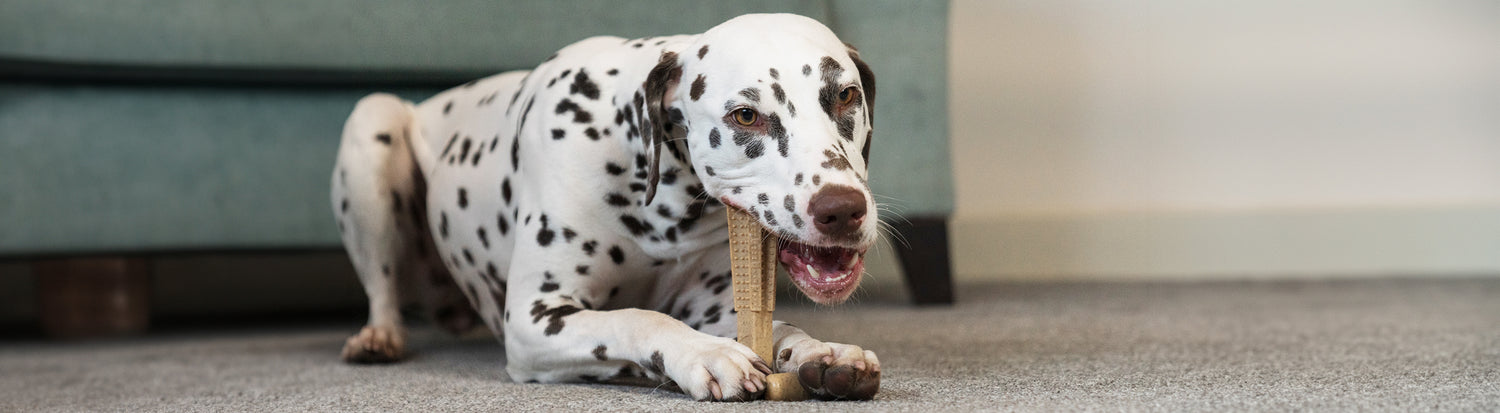
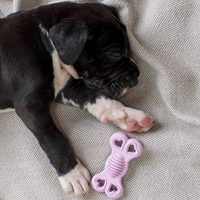
brown and white dog eating a dog chew

Dog chew treats can also be a really good boredom buster. Long lasting chewy treats for dogs are a brilliant way to keep your dog occupied and can be a good option if you need to leave them alone for a little while, so that they don’t get bored. Just be conscious of your dog’s safety though – it is often suggested that you supervise your dog when chewing some types of treat.

Dog chews can also be beneficial to your dog’s dental health. Keeping your pup’s teeth healthy is really important so finding dog chews with dental care properties can be a really practical way to help clean their teeth.


At Lords & Labradors we have sourced some of the best dog chews we could find. We’ve tried to find healthy, sustainable options that are good for your dog and kind to the environment too.

Beagle eating a dog chew


Rawhide Treats For Dogs

Rawhide was traditionally used in dog chews as it is long lasting so is great for keeping your dog out of mischief, however, in recent years it's been proven that they're not the best for your four legged friends. Rawhide is made from animal hide which has been soaked in chemicals. The main problem is that rawhide isn't easily digested by your dog, it can cause intestinal obstructions which can be painful for your dog. We have put together our favourite long-lasting dog chews that are rawhide free to help you find a safe alternative for your pup.

Here we present some of our favourites.


Our Favourite Dog Chew Treats

  1. Earth Animal No Hide Dog Chew - Earth Animal is a new brand here at Lords & Labradors and one that we are most excited about. This eco-conscious brand creates natural dog chews that are all free from raw hide and are good for your dog’s teeth.  Each chew is made of delicious natural ingredients with zero rawhide. They come in three different sizes so that you can choose one suitable for your breed and are available in a range of tasty flavours.
  2. Earth Animal No Hide Stix - Also from the Earth Animal range, these stick shaped treats have a thinner shape than the previous chew making them ideal for the smallest dogs. Even your cat may find they like chewing on these ones!
  3. Pawtato Large Knot Dog Chews - These dog chews from Benovo are a gluten free, healthy treat for dogs. The knots are made of 87% sweet potato which are a superfood bursting with nutrients. They are a brilliant and delicious rawhide alternative. The large size is ideal for most adult dogs, whilst the small is great for toy and small breeds.
  4. Pawtato Blueberry Chew Sticks - We love these tubular dog treats for their surprise filling inside. The outer is made from the same sweet potato recipe as the knots but inside is a tasty and nutritious flavoured filling for added fun. They come in a couple of different flavours too, such as Blueberry and Spinach.
  5. Lily’s Kitchen Woofbrush Dental Chew - These Lily’s Kitchen treats are made with your dog’s dental health in mind. They are crated with a bobbly texture that is designed for a good deep clean. They are made from natural, healthy ingredients and keep your dog’s mouth smelling fresh too!
  6. Pedigree Dentastix - Another brilliant dental product, this time from Pedigree. These Dentastix treats have a unique ‘X’ shape and have been proven to reduce the build-up of tartar by up to 80%.
  7. Goodboy Crunchy Chicken Calcium Bones - Are you looking for all-natural goodness in your dog treats? These chews from Good Boy are made from chicken that is hand wrapped around small calcium bones. Slowly roasted in the chicken juice, they are full of tasty flavour and good for your dog. Suitable for dogs from 2 months of age.
  8. Yakers Dog Chew - These dog chew treats were originally made in the Himalayan hills where both humans and dogs would eat them. They are made from a mixture of Yak and Cow milk, mixed together with a small amount of lime juice and salt.  They are long-lasting and good at fighting plaque and tartar. Tasty and nutritious, they come in three different sizes depending on the size of your dog and suitable from about 4 months old.
  9. Antos Origins Natural Root Chew - The root chews are hand crafted from a special tuber root and are full of nutrients. These unique, eco-sustainable chew toys are gently harvested, air dried for many months and finally cleaned and cut to size. Perfect for satisfying your dog's urge to chew
  10. The Wild Antler Co Deer Antler - Dog chews don’t come much more natural than this. These dog chews are made from the antlers of red and fallow deer and have simply been cleaned ready for consumption. Responsibly sourced from naturally shed antlers, your dog can benefit from minerals, calcium and improved dental hygiene. They come in 4 sizes and all sharp points have been removed to make them safe to chew. Being completely natural, no two chews are the same, so there may be some difference in colour and shape which is completely normal.


We hope you find something on the list that will take your dog’s fancy. We’ve tried to source natural treats that don’t contain raw hide which can pose a choking risk in some cases. Our treats are super tasty and made with sustainability and health in mind.

Remember that dog chews should be used as a treat and should not be over-consumed. Dogs need to get all the vitamins and minerals they need from their food with dog chews used as a treat every now and then. Check the information for each treat for feeding guidelines.

Related Products

Related Collections

Dog Treats

Lords & Labradors have a fabulous selection of healthy dog treats. The... 

Dog Chew Toys

Chew toys are great for dogs. They love to chew; it's a... 

Next Article
Guide To Healthy Dog Food And Sustainability 

Related Articles

  • Dog Sleeping Positions And What They Mean
    06.04.26 April 06, 2026 Owning a Dog

    Dog Sleeping Positions And What They Mean

    Whether your dog sleeps like a pretzel or sprawls like they own the entire bed, their bedtime habits are telling a story worth paying attention to. Dogs communicate so much through body language when they're awake. It turns out, they keep right on communicating even when they're snoozing. From the tight little donut curl to the full belly-up flop, each position is a small window into how your pup is truly feeling. Here's what the most common dog sleeping positions actually reveal and what simple changes you can make to help your dog sleep even better. Why Dog Sleeping Positions Matter More Than You Might Think Most of us have caught our dogs in some pretty amusing sleep positions—sprawled like starfish across the entire sofa, curled up so tight they look like furry donuts, or somehow managing to sleep upside down with their legs dangling off the couch. But here's something that might surprise you: those quirky dog sleeping positions actually reveal quite a bit about what's going on in your pup's world. The way your dog chooses to settle down for a snooze often reflects how they're feeling in that moment. Are they warm enough? Do they feel safe and secure? How deeply are they planning to rest? A dog who flops onto their back with all four paws in the air is essentially saying "I feel completely safe here"—after all, exposing that vulnerable belly takes serious confidence. Meanwhile, a dog curled into a tight little ball might be conserving body heat or seeking that cozy, protected feeling we all crave sometimes. Learning to read these sleeping cues can help you better understand your dog's comfort levels and make thoughtful tweaks to their sleep setup when needed. Just remember that dog sleeping behavior is more like a helpful hint than a definitive diagnosis. If your usually sprawling Lab suddenly prefers tight curls, it could signal something worth noting—or they might have simply discovered that smaller positions feel extra cozy on chilly nights. Common Dog Sleeping Positions and What They Usually Mean Every dog has their favorite way to settle down for a snooze, and these dog sleeping positions offer fascinating glimpses into how your furry friend is feeling. While every pup is unique, certain sleep styles often reflect similar needs for comfort, security, or temperature control. Think of these patterns as gentle clues about your dog's inner world rather than absolute rules. The Curled Up Ball: Your dog tucks their paws under their body and wraps their tail around themselves, creating a cozy circle. This classic position helps conserve body heat and protects vital organs, suggesting your pup might be feeling chilly or seeking extra security. You'll see this one especially often with smaller dogs or during cooler weather. The Side Sleeper: Lying on their side with legs extended signals a relaxed, comfortable dog. This position shows real trust in their environment since it leaves their belly completely exposed. Dogs who regularly choose this sleep style tend to feel secure and settled in their home. The Sphinx Pose: Your dog lies on their belly with front paws stretched forward and head up or resting on their paws. This position allows for quick movement if needed, so it often means your dog wants to rest but stay somewhat alert to their surroundings. Perfect for the family guardian who's always on duty. The Superman: Sprawled flat on their belly with all four legs stretched out makes your pup look like they're flying through dreamland. This position helps dogs cool down quickly and is especially popular with energetic breeds who want to be ready to spring back into action at a moment's notice. The Back Sleeper: A dog sleeping on their back with belly exposed demonstrates ultimate trust and confidence. This vulnerable position also provides maximum cooling, so you'll often spot it during warmer weather or after particularly active play sessions. Not all dogs feel comfortable enough to sleep this way. The Burrower: Some dogs love tunneling under blankets, pillows, or even your laundry pile. This cozy habit usually indicates a desire for warmth and security, creating their own little den where they feel completely protected from the world. The Cuddle Bug: Dogs who press against you, other pets, or furniture while sleeping are seeking comfort through physical contact. This bonding behavior shows deep affection and often means your dog finds the most security when close to their favorite family members. Your dog's sleeping habits will naturally shift based on the season, their age, and daily activities. The most valuable insights come from noticing your individual dog's patterns over time rather than analyzing any single sleep session. What Your Dog’s Sleep Style Can Tell You About Comfort, Temperature, And Routine While your dog's sleeping position might seem like pure preference, it's actually shaped by practical factors like their age, breed, and daily environment. Understanding these influences helps you create the perfect sleep setup that truly works for your pup. Several key factors determine how your dog chooses to rest: Age and joint comfort: Senior dogs with arthritis often curl up tightly for joint support and warmth, while puppies sprawl everywhere without a care. If your older Labrador suddenly starts sleeping stretched out instead of curled up, they might be telling you that tight positions now feel uncomfortable on stiff joints. Coat type and temperature regulation: Thick-coated breeds like Golden Retrievers frequently sleep belly-up or sprawled on cool floors during warmer months, while thin-coated dogs like Whippets burrow under blankets or curl into tight balls to stay warm. Room temperature and seasonal changes: Your dog's positions shift naturally with the weather. That same pup who sleeps belly-up on kitchen tiles in July might switch to curling against your legs when January rolls around. Bed placement and household activity: Dogs sleeping in busy family areas often choose alert positions like lying on their side with ears perked, while those in quiet bedrooms feel secure enough for deep sleep on their backs with legs in the air. Exercise and daily routine: Well-exercised dogs typically sleep more soundly in relaxed positions, while under-stimulated pups might sleep lightly, ready to spring into action at any sound. Pay attention to your dog's patterns throughout different seasons and life stages. Simple adjustments like adding a heated bed for creaky joints or moving their sleeping spot away from drafty hallways can transform their comfort. These dog sleeping positions reveal genuine comfort needs rather than just adorable quirks. When a Change in Sleeping Position Is Worth Paying Attention Most dogs naturally shift between different sleeping positions based on comfort, temperature, and mood, but some changes in sleeping behavior deserve a closer look. While occasional variation is perfectly normal, persistent shifts in how or where your dog sleeps can sometimes signal underlying discomfort or stress. Here are specific warning signs to watch for in your dog's sleeping behavior: Sudden restlessness or inability to settle into any position for more than a few minutes Reluctance to lie down or frequent repositioning throughout the night Unusual stiffness or difficulty getting up from their sleeping spot Seeking isolated hiding spots for sleep when they normally enjoy being near the family Sleeping in uncharacteristic locations, like choosing hard floors when they typically prefer their cozy bed Panting, whining, or showing signs of discomfort while trying to settle These changes in dog sleeping positions may indicate pain, joint discomfort, anxiety, or other health concerns. If you notice these behaviors persisting for more than a few days, or if they're accompanied by other symptoms like changes in appetite or energy levels, it's worth having a conversation with your vet. Keep in mind that not every position change signals trouble. Your dog might simply be adjusting to seasonal temperature shifts or responding to household changes like a new baby or recent move. The key is paying attention to patterns and trusting your instincts about what feels normal for your particular pup. You know your dog better than anyone. How To Help Your Dog Sleep Well In The Position That Suits Them Best Understanding dog sleeping positions gives you a wonderful starting point for creating the perfect sleep setup for your furry friend. The key is observing what your dog naturally gravitates toward, then making small adjustments to support their preferences. Start with the basics: a quality bed that matches their sleeping style. Dogs who love to stretch out need plenty of space, while those who curl up tight often prefer smaller, cosier spots with raised edges for that den-like feeling. If your dog sleeps on their back, they're telling you they feel completely secure and tend to run warm, so focus on breathable materials rather than thick padding. Temperature makes a real difference too. Notice where your dog chooses to sleep throughout the seasons. That summer floor-sleeper might appreciate a cooling mat, while your winter cuddler often benefits from a warmer, more insulated bed. Location matters just as much as the bed itself. Some dogs sleep best right in the heart of family activity, while others need a quiet corner away from the hustle and bustle. Watch whether your dog seeks out the same spot consistently or moves around based on household rhythms and the time of day. Keep an eye on any sudden changes in sleeping behavior, as these can sometimes signal discomfort or health shifts worth discussing with your vet. Most importantly, let your dog's natural preferences guide your choices rather than trying to change what already works perfectly for them.  

    By Adele Busby

    Read more
  • Can You Flush Your Dog and Cat’s Poo Down the Toilet? The Truth About Pet Waste Disposal in the UK
    20.10.25 October 20, 2025 Owning a Cat

    Can You Flush Your Dog and Cat’s Poo Down the Toilet? The Truth About Pet Waste Disposal in the UK

    If you’re a pet owner, you’ll know that clearing up after your furry friend isn’t the most glamorous part of the job. Whether you’re scooping cat litter or bagging up after a dog walk, you’ve probably wondered at some point: can you just flush it down the toilet and save yourself the hassle? It sounds quick, clean, and even eco-friendly. But before you send that little parcel swirling away, let’s bust the myth once and for all. Flushing pet poo, whether it’s from your dog or cat, is not the answer, and it could cause more harm than good. Here’s why flushing pet waste isn’t as simple as it seems, and what you should do instead to dispose of it safely and sustainably. Myth #1: “It’s just like human waste, so it’s fine to flush.” If only! While it might seem logical that pet and human waste can go down the same route, the truth is a little murkier. Dog and cat poo can carry parasites, bacteria, and pathogens that human sewage systems aren’t designed to treat. The most well-known is Toxoplasma gondii, a parasite found in cat faeces that can survive traditional sewage treatment. Once it reaches waterways, it can harm marine wildlife and even pose risks to human health. So while it may vanish from sight, it doesn’t vanish from the world, flushing pet poo simply moves the problem elsewhere. Myth #2: “Flushing is better for the environment than using poo bags.” Many eco-conscious pet owners in the UK want to reduce plastic use, which is fantastic, but flushing animal waste isn’t the greener option it appears to be. Most UK water treatment plants aren’t built to process animal waste, meaning harmful microorganisms can slip through filtration systems and contaminate rivers and coastal waters. Over time, this disrupts delicate ecosystems and affects aquatic life. A better alternative? Biodegradable or compostable poo bags. They break down much faster than traditional plastic and can be safely disposed of in general waste bins. Myth #3: “Flushing pet waste every now and then won’t hurt.” Unfortunately, even the odd flush can lead to unpleasant consequences. Pet waste can clump, swell, and block pipes, especially when mixed with cat litter or pet hair. This can cause slow drains, nasty smells, or even full-blown plumbing disasters. So, even if you only do it occasionally, flushing pet poo is a risk that’s just not worth taking, particularly in older UK plumbing systems that aren’t designed for it. Myth #4: “Flushable cat litter makes it okay.” Flushable litters might sound like the perfect solution, but they come with a catch. Even those labelled “flushable” may not fully break down in water. Many are made from biodegradable materials like corn, paper, or wood that absorb moisture and expand, risking pipe blockages or build-up over time. What’s more, UK water companies, including Thames Water and Severn Trent, strongly advise against flushing any kind of cat litter, even if the packaging says otherwise. So while flushable litter sounds handy, it’s best to play it safe and bin it instead. Myth #5: “Flushing helps keep the house smelling fresh.” We get it, when you’re trying to keep your home smelling lovely, sending the smell down the drain feels like the fastest fix. But there are much better ways to stay fresh without risking your plumbing. For cat owners, try using high-quality odour-control litter and scoop trays daily. For dog owners, bag and bin waste straight away during walks and use eco-friendly sprays or wipes at home. And if you want to level up your clean-up routine, Lords & Labradors offers a range of stylish litter trays, cleaning sprays, and accessories designed to make pet parent life a little more elegant (and a lot less smelly). So, How Should You Dispose of Dog and Cat Poo Safely? Here’s what UK pet owners should do instead: 🐾 Dog waste: Always bag it, ideally in a biodegradable or compostable bag, and place it in general waste or designated dog waste bins. Never flush it, even if the bag claims to be “flushable.” 🐾 Cat waste: Scoop the litter daily and dispose of waste in the household rubbish. For hygiene, use a liner or small biodegradable bag and wash your hands thoroughly afterwards. If you’re aiming for a more sustainable setup, you can look into pet waste composting systems, though remember, compost made from animal waste should never be used on edible plants. The Final Flush: Don’t Do It! So, can you flush cat poo or dog poo down the toilet? In short, no! It might seem convenient, but flushing pet waste can cause plumbing issues, environmental harm, and even health risks. Stick to tried-and-tested disposal methods instead: bag it, bin it, and keep it out of the loo. Your drains (and the UK’s waterways) will thank you for it. Keep Your Home Fresh and Planet-Friendly Dealing with pet mess doesn’t have to be unpleasant. From eco-friendly poo bags and litter trays to pet-safe cleaning products, Lords & Labradors has everything you need to keep your home fresh, hygienic, and stylish, without flushing your way into trouble. Because when it comes to your pets, the only thing that should go down the toilet is… toilet paper! 🐾

    By Emily Sawer

    Read more
  • Top Dog Beds for Puppies, Seniors, and Every Stage In Between
    13.10.25 October 13, 2025 Owning a Dog

    Top Dog Beds for Puppies, Seniors, and Every Stage In Between

    Finding the perfect bed for your dog is more than a matter of comfort, it’s about supporting their growth, health, and wellbeing at every stage of life. From wriggly pups to graceful seniors, each phase brings new needs when it comes to sleep and rest. Investing in the right bed will keep your dog comfortable, secure, and supported, no matter their age. In this guide, we’ll walk you through the best options for puppy dog beds, adult dogs in their prime, and dog beds for older dogs, helping you choose a style that matches your pet’s lifestyle and personality. Puppy Beds: Comfort and Security for Growing Dogs Puppies sleep up to 18–20 hours a day, so their first bed is one of the most important purchases you’ll make. A puppy dog bed should provide warmth, reassurance, and a safe space they can call their own. Size and shape: Opt for a smaller, snug design that makes your puppy feel secure. Donut-style beds or cushioned bolsters work brilliantly, as the raised edges provide a sense of enclosure. Durability: Puppies love to chew and scratch, so look for a bed made with sturdy fabrics and washable covers. Waterproof liners are especially helpful during the house-training stage. Softness: Gentle padding supports their growing joints without being too firm. Cosy fleece or plush interiors mimic the warmth of the litter, helping pups settle more quickly. A good puppy bed not only aids restful sleep but also plays a role in training, teaching your pup where their designated “quiet zone” is. Adult Dogs: Style, Support, and Everyday Comfort As dogs move into adulthood, their needs shift towards durability and support. By this stage, you’ll know your dog’s sleeping style – whether they sprawl out, curl into a ball, or stretch across the sofa – and their bed should match. For sprawlers: A large cushion or mattress-style bed gives them plenty of room to stretch. For curlers: Nest or bolster beds remain popular, especially with smaller breeds who like to tuck themselves in. For heavy chewers: Consider chew-resistant fabrics and removable covers for easy cleaning. For active dogs: Orthopaedic foam beds provide joint support, even in young adults, helping to prevent issues later in life. This is the stage when many owners upgrade to a more stylish, long-term bed that complements their home décor, while still meeting their dog’s comfort needs. Senior Dogs: Orthopaedic Support and Accessibility As dogs age, their bodies need extra care. Dog beds for older dogs are designed to relieve pressure, soothe aching joints, and make rest easier. Choosing the right bed can dramatically improve your senior dog’s quality of life. Orthopaedic foam or memory foam: Provides cushioning and distributes weight evenly, reducing pressure on hips and elbows. Low entry points: Senior dogs often struggle to climb into high beds, so a low-profile mattress is ideal. Extra warmth: Older dogs lose heat more quickly, so cosy fabrics or self-warming materials keep them comfortable. Washability: Accidents are more common in later years, so removable, machine-washable covers are a must. If your dog suffers from arthritis or mobility issues, an orthopaedic or memory foam bed can provide daily relief and support restful sleep. Special Considerations While age is the biggest factor in choosing the right bed, there are other considerations to keep in mind: Breed size: Giant breeds benefit from extra-thick mattresses to support their weight, while toy breeds often prefer snug nest beds. Lifestyle: Dogs who love the outdoors may need a waterproof, easy-clean option, while indoor loungers might prefer something ultra-plush. Multiple pets: If you have more than one dog, ensure each has their own bed – sharing might be cute, but it doesn’t always guarantee restful sleep! Final Thoughts Your dog’s bed is more than just a piece of furniture – it’s their sanctuary. From the snug reassurance of a puppy dog bed to the joint-soothing support of dog beds for older dogs, investing in the right option at each stage of life will keep your pet happy, healthy, and well-rested. At Lords & Labradors, we offer a wide range of dog beds designed for every age and breed, from cosy nests to orthopaedic mattresses. Explore our dog bed collection to find the perfect fit for your pup, whether they’re just starting their journey or enjoying their golden years.

    By Emily Sawer

    Read more
  • Orthopaedic Dog Beds: Are They Worth It?
    01.09.25 September 01, 2025 Health

    Orthopaedic Dog Beds: Are They Worth It?

    When it comes to giving our dogs the very best in comfort and care, their bed is one of the most important investments we can make. While any soft cushion might seem like enough, for certain dogs, especially seniors or breeds prone to joint issues an orthopaedic dog bed can make a world of difference. But are they really worth it? Let’s explore the benefits, the dogs who need them most, and what to look for in the best dog bed for arthritis and joint support. What Is an Orthopaedic Dog Bed? An orthopaedic dog bed is designed with supportive materials such as memory foam or high-density foam, which contour to your dog’s body. Unlike traditional beds, these don’t simply flatten under pressure. Instead, they distribute your dog’s weight evenly, reducing strain on sensitive joints, hips, and muscles. For dogs with arthritis, hip dysplasia, or recovering from surgery, this type of support can be invaluable. But many younger and active dogs benefit too, as it helps prevent wear and tear over time. Benefits of Orthopaedic Dog Beds  Pain Relief for Senior Dogs - As dogs age, their joints naturally become stiffer. Arthritis is particularly common in older dogs, and getting up and down from hard or unsupportive surfaces can become uncomfortable. An orthopaedic dog bed cushions their joints, making resting and rising easier. Support for Breeds Prone to Joint Problems - Certain breeds are genetically more likely to develop joint issues. Large dogs such as Labradors, German Shepherds, and Golden Retrievers are especially prone to hip dysplasia and arthritis. For these breeds, an orthopaedic dog bed isn’t just a luxury, it’s a proactive step to support their health. Improved Sleep Quality - Just like humans, dogs need deep, restorative sleep. When their body is properly supported, they are less likely to toss and turn. A well-rested dog is a happier, healthier dog. Prevention of Pressure Sores - Dogs that lie for long periods whether due to age, illness, or limited mobility, can develop pressure sores on hard surfaces. Orthopaedic foam reduces this risk by spreading weight evenly and minimising pressure points. Long-Term Investment - Although an orthopaedic dog bed is usually more expensive than a standard cushion, its durability and health benefits make it a cost-effective choice. Quality foam won’t sag or flatten quickly, meaning you won’t need to replace it as often. Orthopaedic vs. Standard Dog Beds: What’s the Difference? To help decide whether an orthopaedic dog bed is worth the investment, here’s a side-by-side look: Feature Standard Dog Bed  Orthopaedic Dog Bed Filling Polyester stuffing, fibre, or basic foam Memory foam or high-density foam layers Support Can flatten over time, offering uneven support Even weight distribution, contours to body Joint Care Minimal – may aggravate arthritis or joint pain Reduces pressure on joints, ideal for arthritis Durability May lose shape quickly Designed to last longer without sagging Price Lower initial cost Higher cost but long-term value Best For Young, healthy dogs with no mobility issues Senior dogs, large breeds, or those with arthritis This comparison shows that while standard beds are suitable for many younger, healthy dogs, orthopaedic beds are the clear winner when it comes to comfort, joint care, and longevity. What Materials Are Used in Orthopaedic Dog Beds? The best orthopaedic dog beds are made from memory foam, which adapts to your dog’s shape and returns to its original form after use. High-density foam layers are often combined with memory foam to provide extra firmness and stability. Other features to look for include: Removable, washable covers – essential for hygiene. Water-resistant liners – to protect against accidents or spills. Raised edges or bolsters – perfect for dogs who like to rest their heads while still supporting their joints. Is an Orthopaedic Dog Bed Worth It? For dogs with arthritis, joint problems, or in their golden years, the answer is almost always yes. These beds can significantly improve comfort and quality of life, helping your dog stay mobile and pain-free for longer. Even if your dog is still young and sprightly, investing in a supportive bed now can help protect their joints as they age. Think of it as preventative care, just as you’d choose a supportive mattress for yourself. Choosing the Best Dog Bed for Arthritis When shopping for the best dog bed for arthritis, consider the following: Size: Ensure your dog can stretch out fully without hanging off the edges. Thickness: The thicker the foam, the better the support—ideally at least 4 inches. Ease of cleaning: Removable covers make life much easier. Design: Flat beds are best for dogs with severe mobility issues, while bolstered beds suit those who like extra head support. At Lords & Labradors, we offer a range of orthopaedic dog beds crafted with comfort, support, and style in mind, so you don’t have to compromise between practicality and luxury. Overall… An orthopaedic dog bed is more than just a comfy place for your pet to snooze. For senior dogs, those with arthritis, and breeds prone to joint problems, it’s a vital part of their care. The right bed can ease pain, improve sleep quality, and protect long-term joint health, making it a truly worthwhile investment. If you’re ready to give your dog the restful sleep they deserve, explore our collection of orthopaedic dog beds at Lords & Labradors, where comfort and quality go paw in paw.

    By Emily Sawer

    Read more

loyal customer in 17 countries

Why Shop With Us?

  • Free Delivery

    Orders over £75 qualify for free standard UK delivery. Orders under £75 will be calculated at the checkout.

  • Shopping Made Easy

    Gain exclusive access to sales and shop all your pets favourites on the go by downloading our app.

  • Designed in the UK

    Our own brand products are lovingly designed in our specialist UK workshop to our exacting standards.

  • We're Here For You

    Contact our Pet Experts weekdays 9am - 5pm on +44 (0) 1790 720900 or sales@lordsandlabradors.co.uk