




























Lords & Labradors Information Hub

The home of handy tips and advice dedicated to pet owners

Everything You Need For Your New Chihuahua
03.10.17 October 03, 2017 Dog Breed Guide Featured

Everything You Need For Your New Chihuahua

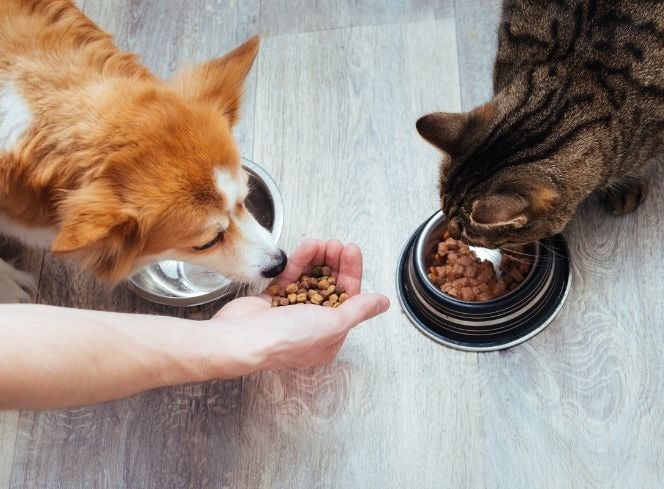
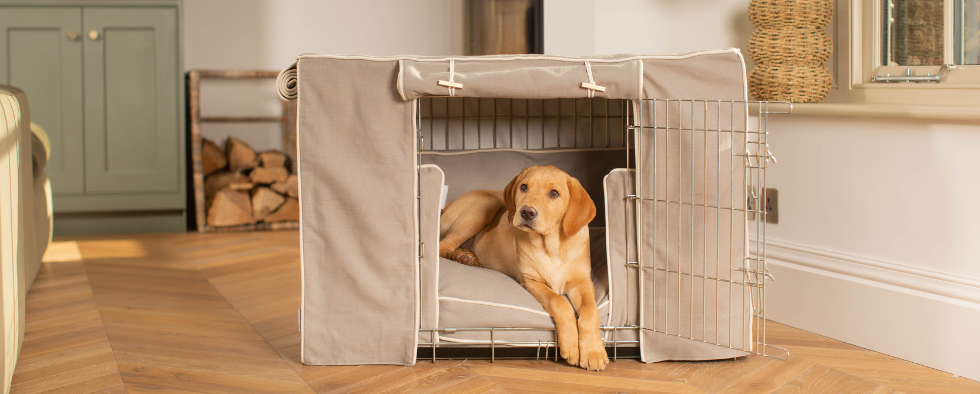
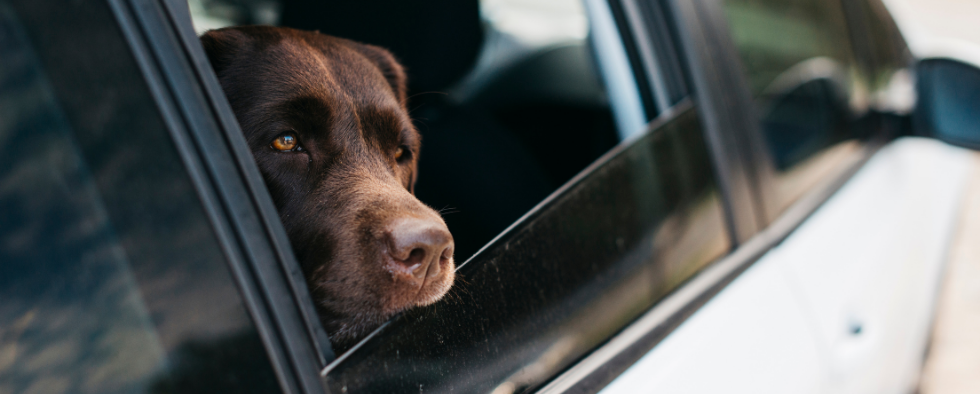
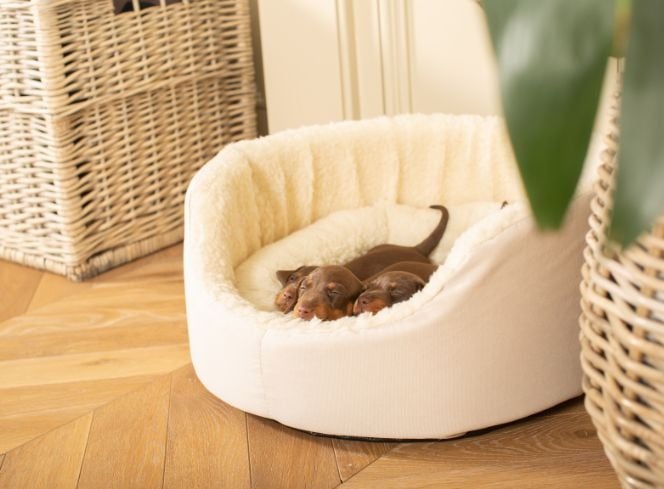
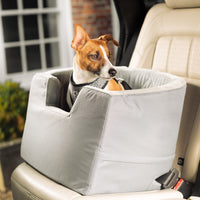
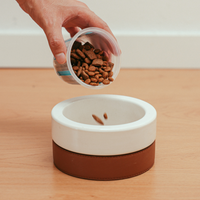
Chihuahua’s have a lot of character, and they are some of the sweetest dogs in the world. They may be small, but they are full of character and energy, which makes them perfect pets for anyone – including families. Of course, before you bring your new addition home, you have to make sure you are properly prepared with everything that they will need. That’s where we come in with this quick and helpful guide to the ultimate Chihuahua starter pack. Chihuahua Food and Water Dishes Every dog needs food and water bowls, and you should always ensure that they are nice and robust so that they do not break easily if dropped. Their water bowls should be full at all times to keep them hydrated, and if they are a messy drinker, we recommend buying placemats to prevent damage to your floor. A stainless steel bowl is a good option to go for if you are looking for a set of bowls that are sturdy and practical, but also won’t break the bank. Look for a non-slip, so they won’t slide around your kitchen floor, we'd recommend a smaller size bowl for your new Chihuahua.   Chihuahua Bedding Every dog needs a comfortable place to sleep, and your Chihuahua is no exception. One of the beds that we recommend is our Cosy & Calming Crate Beds which, if you select the small size, is perfect for your Chihuahua pup. With soft faux fur, this is the perfect snuggle bed for your new addition to cuddle up and sleep the night (and most of the day) in. If this isn’t quite what you are looking for, then you may want to consider a dog blanket instead. A very portable form of bedding, a blanket is perfect for placing on the floor, and even the furniture, so that your Chihuahua has a comfortable place to sleep. Fleecy and warm, your dog is guaranteed a comfortable and restful sleep when they snuggle up with this.   Chihuahua Toys Every dog, regardless of age, needs a few toys to play with and chew on. It’s great mental and physical stimulation, but also allows them to develop a deeper bond with you. Firm favourites are small chew toys for teething pups as well as something snuggly to cuddle up to at bedtime!   Other things for Chihuahuas  Our booster seats are the ideal option for transporting your dog safely in the car. We know that many dogs love looking out of the window when you are driving, but for small breeds like Chihuahua’s, this is impossible when they are sat on the seats. Booster seats provide them with an elevated seat that they are safely secured into with a harness and buckle. They're not only deep and comfortable so that they can lay down, but it also lets them watch the world – which is what they love most. Hopefully, this guide has given you a good idea of what you need to make your new Chihuahua really feel at home. With these basic essentials, you will be well on the way to providing your pooch with the best possible life. Dog ownership is so exciting, and your Chihuahua is sure to love its new life with you.

By Johanna Buitelaar-Warden

Read more
Best European Campsites For Dogs - Luxury
25.07.17 July 25, 2017 Owning a Dog Featured

Best European Campsites For Dogs - Luxury

There is very little that is more fun and exciting than travelling the continent with your dog. After all, adventure is one of the greatest parts of life, and something that we should try to experience as much as possible. Plus, your dog enjoys it just as much as you do, or perhaps even more. In this article, we take a look at some of the best luxury campsites across Europe. These really are some of the most amazing places you have ever seen.   La Vie en Rose Situated in France, this campsite charges €230 per night. It features a super king-size bed for extreme comfort, as well as private shower rooms, and breakfast delivered straight to your tent. Plus, it features some of the most spectacular mountain views you are likely to ever experience.Your dogs are more than welcome to come with you, and the tents are built like home with wooden flooring and an outdoor kitchen so that you can cook whenever you want.    Camping Punta Milà This Spanish camping site has prices starting from €95 per night. Dogs are more than welcome, and there is a great range of places you can take them. The site features a communal swimming pool for those hot Spanish days, and the beach is incredibly close, so you can walk down whenever you want.It has a natural park and is also situated in a very quiet and tranquil location. There are some shared amenities, such as the restaurant and children’s area, but there are also a large number of things to do. Whether you feel like going walking, fishing, or horseback riding, there is an activity that will appeal to you.   Clissmann Gypsy Caravans This Irish getaway has a classic look with prices starting at €90 per night. You are allowed to bring your dogs, but you should keep them on a lead while you are on the site. There are farm animals that you can visit and pet, such as donkeys and horses. It also features an adjoining nature reserve that you are free to explore.The mountain view is spectacular, and it is also a short distance from the beach if you want to get some sea air in your lungs. Toilets and showers are communal, but the fantastic accommodation will make that seem unimportant. Plus, they have a fantastic range of activities on offer that are sure to keep you occupied during your trip.   Teapot Lane Glamping Another Irish getaway, this one is a little pricier than the last at €100 per night. It features caravan and tree houses as accommodation (although those with dogs tend to only stay in the former), as well as some lovely outdoor amenities. So, if you want a BBQ or just to sit outside, it’s all possible.The site features free range hens as well as a pick your own salad and herbs activity, which can be enjoyable as well as delicious. There are spa treatments available, as well as a campfire every evening for people to gather around. There are some amazing activities including horseback riding, surfing, and even fishing. So no matter what interests you, you are sure to find a great activity here.   To Conclude Hopefully, you have found something here that suits your camping needs perfectly. After all, you need to make sure that you and your dog will be comfortable during your stay. From Ireland to Spain, there is something from everywhere here.

By Johanna Buitelaar-Warden

Read more
How To Introduce Your Cat To Your New Puppy
13.06.17 June 13, 2017 Getting A Puppy Featured

How To Introduce Your Cat To Your New Puppy

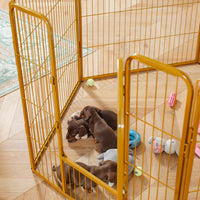
Introducing animals to each other for the first time can be a stressful experience, especially when they are different species. However, it is important to remember that you should never rush into it, and that a slow introduction that spans over a few days or a week can be the most beneficial way to go. This guide will take you through the things you can do to make the introduction process easier and smoother.   Confinement When you bring your puppy home, do not introduce them right away. Instead, make sure the cat and the dog are in separate parts of the home where they cannot leave and see each other. Separate rooms tend to work best with the door closed. Of course, your cat needs to be able to roam, and your puppy needs to be able to explore their new home. The best way to manage this is by alternating which animal is confined. Let your cat out to roam for a few hours before putting it away and releasing the puppy. This way, they can also get used to each other’s scents. A good way to keep them getting used to the smell of one another is to swap pieces of bedding between the rooms frequently. Don’t let your puppy paw at the door for the room your cat is in too much. Excessive pawing can cause your cat stress. Distract the puppy with a toy or game as they should not be disciplined for the first two weeks to reinforce positive memories.   Slow Introductions After a couple of days, you can start to slowly introduce them to each other. Make sure you do this inside your home, as an outdoor location can cause your cat stress. Make sure it is a large room in your home, and one with plenty of space for either one to retreat if they feel threatened. Try and wear your puppy out a little before the introduction with games, as this can make them calmer for the meeting. You should also have the puppy on a lead so that you have full control of the situation. It is normal for the cat to hiss and possibly bat the dog. Do not reprimand the cat as this is just fear. It can take a lot of time for a cat to get used to a puppy. If the cat becomes frightened, remove the puppy and leave the introduction for a few days more. Over time, things will improve, and there will be no aggression from either animal. Good behaviour should be reinforced with praise and treats. The animals will be happy to spend time together in no time at all.   Leaving Them Alone It should be noted that your cat and puppy should not be left unattended together at any point until they are completely comfortable around each other. Leaving them alone together while you go out can result in fights between the two animals that can lead to injuries being caused.   Try introducing a tall cat tree as a space for your cat to hide and a puppy play pen as a way to contain your puppy.    To Conclude The process of introduction can be long, and it’s not always easy. The main thing to remember is to keep calm throughout and allow things to happen at their own speed. Never rush the introductory period, and never leave them alone together, not until they are completely comfortable with each other anyway. Your cat and puppy will be best friends in no time at all.

By Johanna Buitelaar-Warden

Read more
To Neuter Your Cat Or Not To Neuter Your Cat?
23.05.17 May 23, 2017 Health Featured

To Neuter Your Cat Or Not To Neuter Your Cat?

When faced with the decision of whether to neuter their cat, some owners find themselves unsure as to which choice is the correct one. Some owners feel as though removing their male cat’s testicles will result in them becoming a completely different animal to the one they know and love. While many animals have different experiences with the results of neutering, they do tend to be the same most of the time. In this article, we look at the benefits of having your cat neutered, as well as the disadvantages – helping you to make a better and more informed decision.   The Benefits of Neutering Your Cat The Risk of Pregnancy is Removed Cat overpopulation is a real issue, and one that rescue centres find themselves overwhelmed by every day. Even if you own the male cat as opposed to the female one, you are equally responsible for keeping your pet away from intact members of the opposite sex. If you have a female cat you are left burdened with the need to find the new litter of kittens a home. Can you do this? Will you be able to look after them all? This is how boxes of kittens end up in rivers or on the side of the road.   Clean and Calm Neutering does help male cats to become calmer. They are far less likely to get into fights, although it won’t stop every cat. It tends to lower their aggression levels and make them calmer to be around without hindering their desire to play. It can also stop, or help to prevent, spraying around the home – which is not a nice experience for any cat owner.   Less Health Problems When you neuter your cat, they are less at risk of specific health issues, such as testicular cancer in males. The risk of prostate problems is also greatly reduced. This can be a very beneficial aspect to neutering your cat, and one that should be taken into serious consideration. They are also much less likely to catch diseases from other cats.   The Disadvantages of Neutering Your Cat It’s Permanent The main thing you need to remember when you go to neuter your cat is that it is a permanent procedure. Once they have been neutered, they have been sterilised, and so they can no longer breed. For many owners, this is something that only sinks in later. But, it does mean you never have to worry about it again.   Appearance Changes Some cats do end up with slight appearance changes after being neutered but this isn’t that common, it depends on what age a cat is neutered.   Weight Gain Some cats will experience weight gain after being neutered. The desire to mate and seek another cat out can be incredibly strong and use up a great deal of energy as a result. Without this need to search, your cat may eat the same amount as usual but not burn any calories, resulting in the weight gain. So therefore, you will probably need to buy a little less food to counteract this.   The main reason you should neuter your cat is due to the incredibly large cat population. There are thousands of abandoned cats that are looking for homes, and thousands more that are stray, feral, and in need of medical treatment. By allowing your cats to breed, it can add to the problem, especially if you just allow them to roam outside where you cannot keep an eye on them. However, before you make any decisions, the pros and cons should be considered.

By Johanna Buitelaar-Warden

Read more
Romantic Getaways For You And Your Dog
07.02.17 February 07, 2017 Seasonal Featured

Romantic Getaways For You And Your Dog

If you’d like to treat your furry friend to a lovely break, then check out these luxury dog-friendly hotels!   The Forest Side Hotel & Restaurant – Cumbria Set in the beautiful Lake District, the Forest Side Hotel is the perfect place for you and your dog. In their own words, the hotel is a ‘fairytale gothic mansion’. They have 20 rooms, including dog-friendly ones and an award-winning chef. “Every doggy visitor receives their very own welcome pack, which includes a personalised welcome letter, a dog bed, two dog bowls (water and food) and a selection of tasty treats to help them settle in. Our knowledgeable staff are on hand to provide a list of walks right from the hotel door, to help you make the most of your walkies…” For more information about The Forest Side hotel, visit their website. The Gallivant – Sussex The Gallivant has a range of room styles including a beach hut, ideal for those long walks on the beach! Dogs are welcome and are provided with a rug, bowl and some biscuits. The hotel also has its own spa room, ideal for relaxing and an award-winning restaurant. For more information about The Gallivant hotel, visit their website. Egerton House Hotel – Knightsbridge, London For a truly special experience for your dog, try the Egerton House Hotel. According to their website, their pet concierge service will take care of the following: Personalised pet welcome message Food and water bowls A turndown pet treat Embroidered Pet towel Dog sitting and walking service (24 hours’ notice required) Grooming service Toys and treats Special pets menus They also do special pet spa days! The hotel is 5 star and has a range of room and suite types. If you are looking for luxury for both you and your dog, then the Egerton is the place to go. For more information about The Gallivant hotel, visit their website. The Clarendon Hotel – Blackheath, London The Clarendon is a large, dog-friendly hotel situated near the Heath, perfect for stretching both your legs and your dogs! They have a range of rooms, all modernly furnished and a restaurant serving both international and fine English cuisine. For more information about The Gallivant hotel, visit their website.

By Johanna Buitelaar-Warden

Read more
Is It Time To Take Your Dog To Work?
09.01.17 January 09, 2017 Owning a Dog Featured

Is It Time To Take Your Dog To Work?

January’s a pretty gloomy time and what better way to cheer up the work day than by taking your best friend to work with you? Bring Your Dog to Work Day may be officially in June but it doesn’t mean you can’t do it at any other time! In fact, a lot of people routinely take their dog to work anyway, from self-employed gardeners and farmers to therapy assistants and trainers. But, taking your dog to work for a change can bring great benefits for everyone.   Here’s 5 great reasons to take your dog to work: Pets are known to reduce stress and there’s nothing more stressful than a day at the office! Spending time with your dog is a good way to reduce blood pressure and cholesterol levels and have a happier more relaxed day. Taking your dog to work helps your dog too. Meeting new people and visiting new places will help your dog socialise and integrate better. If your colleagues also take their dogs it will also help with interaction between dogs. Your dog will still need some exercise even when he’s at work so instead of sitting at your desk for lunch having your pet with you will mean you’ll have to get out and do some exercise with them! A definite win-win situation. Having your dog with you will also help with your own socialisation. It’s much easier to talk to someone when you have a ready-made conversation starter with you! If your pet is with you all day then you’ll also increase the bond that the two of you have leading to a happier home life and a greater relationship. It may not be possible to take your dog to work with you every day but it’s definitely worth doing as often as you can.   How To Prepare For Taking Your Dog To Work If you are going to take your dog with you then please remember to get everything ready beforehand. Your dog will need somewhere to sleep, something to eat and drink, a dog toy to keep them busy and don’t forget about trips to the bathroom! Also, it’s probably worth bearing in mind your dog’s character. If he’s a bit too boisterous the workplace may not be the best place for him, while most people will love your dog not everyone may be a fan and it’s best to make sure your pet is well-behaved before you take him in. Taking your dog to work has benefits for you both so remember have fun with it!

By Johanna Buitelaar-Warden

Read more
Should Your Next Dog Be A Rescue?
01.11.16 November 01, 2016 Getting A Puppy Featured

Should Your Next Dog Be A Rescue?

  For those who are thinking of getting a dog (whether it is your first or fifth), there is always a tough question to answer – do you go to a breeder or get a rescue dog? Of course, there are advantages and disadvantages to both paths, and it does ultimately depend on what works out to be best for you, the future owner. If you are looking into adopting a dog from your local rescue centre, then you need to make sure you do your research and really ask the question is a rescue dog right for me?   The Benefits Of A Rescue Dog There are so many benefits to rescuing a dog. For one, you are giving a pooch a second chance in life after it was abandoned or brought to the centre under other circumstances. Dogs don’t like being in kennels, they want a family. Rescuing one means you are giving it a chance. Often, they are older dogs and come with a lot of training, which is a lot different to purchasing a puppy and doing everything from scratch. There is something rewarding about helping a dog through difficult periods as well, and if they have behavioural issues then it can be a really eye opening experience when you help them work through it. Plus, if you adopt a dog with health issue, most centres will offer to pay for all or some of the medication for the rest of the dog’s life. So you don’t need to be put off a dog you love just because they have a health problem. When you adopt a dog the adoption fee usually covers the following: Vaccines Microchip Neutering/spaying Flea and worm treatment Vet check up Temporary insurance (usually 4-6 weeks) Rescue dogs are almost always neutered meaning that that large expense has already been done for you and means your dog is more likely to be calmer.   The Downsides There aren’t many negatives to adopting a dog. Just remember that they aren’t always pre-trained and some of them are going to be difficult when it comes to training and gaining their trust. When you find a dog, do your research and don’t take on anything you can’t handle. It is not good for the dog to be rehomed and then sent back to the centre.   Choosing the Right Dog With so many to choose from in rescue centres, this is often the hardest part. After all, how are you even meant to narrow down your choices when there are so many needing homes? The best thing to do when you start your search is to make a list of the things you would like in your canine. An example list would be: Age Sex Breed (or mongrel) Size Activity level Good with kids/dogs/cats Coat type Of course, there are other specifics you can add but this is dependent on what you want. After this, you can look online or visit the centre. Online often lets you narrow down your choices quickly, but they can do this at the centre to and introduce you to the dogs – so you can see all your potential companions in person. You can spend time with the dog and ask staff questions about them if you want more information. You even get the chance to play with them and walk them on the grounds. If they suit you, fantastic, but if not don’t feel guilty or obliged. Ask to see another, the one that didn’t work for you will be adopted by someone else who is just right for them. When you find your perfect dog, it’s a simple case of a home check, exchange of money/paperwork, and then the dog is yours. If you have time, patience, and are looking to give an unwanted pooch a second home, then a rescue dog is perfect for you. Just remember that many of them have some behavioural issues or are in need of further training, so you will have some work to do. However, following this you are sure to have a great experience and a loyal friend in your dog.  You may even find that your heart has been so won over by your rescue dog that you’ll end up volunteering with your local shelter, like so many people have!  Nationwide shelters include Dogs Trust and the RSPCA, but you will also be able to find many smaller, local shelters near you.

By Johanna Buitelaar-Warden

Read more
Pet Insurance - Is It Worth It?
09.08.16 August 09, 2016 Health Featured

Pet Insurance - Is It Worth It?

Your pet is a part of your family, and so when they get sick or are involved in an accident, you will do everything in your power to help them make a full recovery. Similarly, if they go missing or are stolen, you are going to put all your effort into finding them and advertising the fact that they are lost. Pet insurance can help you with all of this and more, and the short answer to the question of ‘is it worth it?’ is yes. Here’s some more information about pet insurance and why it is definitely worth buying for your pet.   What Does It Do? Pet insurance covers a range of things that could happen with your pet. Commonly, illness, accidents, and death are covered by most insurance policies. Many will also cover things like your pet going missing and being stolen, even going so far as to fund the production of posters and even the reward money for their safe return. It’s a cushion for you to land on when you are met with unexpected veterinary bills.   Types of Pet Insurance There are three main types of pet insurance available. When you go to select yours, make sure you choose carefully, and remember that 70% of insurance claims are through illness and not accidents.   The Lifetime pet insurance is the most comprehensive that is available. You pay the premiums each year, and the insurer covers your pet regardless of age or any illnesses that they may develop over the course of their life. In fact, many will cover existing conditions as well, although it will often cost more to do this. This is the most commonly purchased form of insurance, and highly recommended.   Annual insurance lasts for a year and allows you the freedom to go and search for cheaper policies elsewhere. However, this is also less comprehensive and highly unlikely to cover existing conditions. In addition to this, it will be harder to insure your pet as they get older due to increased risks of illness and death.   Accident Only insurance will cover your pet for any accidents that they are involved in, such as being hit by a car, but no illnesses or other areas. It also does not cover you if your pet attacks a person or animal. It’s a huge risk to take if you decide to purchase this insurance, and if anything happens to your pet through illness you will be met by a large vet bill.   Choosing Pet Insurance Pet Plan is one of the best insurers on the market and offer excellent packages at affordable prices. They are recommended by vets and professionals, and are in partnership with many practices and breeders, offering four weeks of free insurance when you first get your pet. They also have a 10% discount for applying online and 10% off for each additional pet. Traditional insurers such as More Than and banks such as Tesco and Sainsbury's also offer insurance. You could also purchase insurance via a charity like the Dogs Trust or the RSPCA and help them at the same time. If you’re looking for the best deal then there is the option to check out price comparison websites for the best insurance deals across providers at websites like Money Supermarket or Compare The Market.   To Conclude Pet insurance is definitely worth it. After all, if you end up with a vet bill for £2000, could you afford it? For many, the answer is no. So to save yourself stress and worry, it is well worth purchasing an insurance plan for your pets. That way, you know you are covered if anything goes wrong and you don’t need to worry about big bills – only about the recovery of your pet. If your pet is not insured already, you should strongly consider doing it now.

By Johanna Buitelaar-Warden

Read more
Beginner's Guide To Training Your Dog To Walk In a Harness
02.08.16 August 02, 2016 Getting A Puppy Featured

Beginner's Guide To Training Your Dog To Walk In a Harness

Many people who own more powerful dogs that are prone to pulling will opt to use a harness instead of a collar. It makes it easier to restrain them, as the harness pushes against the chest, but also doesn’t end up choking a dog, like a collar does, if they pull. It can often be more comfortable for the dog as well, especially those that are padded on the inside. You may think the idea of training your dog to walk on a harness is a little daunting. However, it’s not nearly as hard as it may seem, and with this guide you’ll be walking your dog on a harness in no time.   When Should I Start Lead Training? A commonly asked question is how old your dog should be before you start the training. You can start up as soon as you get your puppy by letting them wear the harness for short periods of time while around the house. This helps them to get used to the feeling. You can also lead walk them on it around the garden, but do not reprimand them for pulling. The first two weeks in your home should only hold positive experiences for your puppy. Just let them get a feel for the harness.   Learning To Bring To Heel The most key part of harness training is learning to heel. This is very important, as it reduces the amount of pulling (or stops it completely) and leads to a more relaxed walk for both of you. It also helps keep your dog under control for both of your safety. Learning to heel can take time, but it’s often easier to achieve with a harness. Make sure you use clear commands and hold the lead firmly when you are about set off. Commands like “let’s go” are simple and effective. Every time your dog is in step with you and by your side, reward them with praise and a treat to reinforce this good behaviour. If your dog begins to pull, use a kind and simple command like ‘easy’ or ‘heel’ to keep them in check and remind them of the good way in which they were behaving before. If the pulling continues, then loosen the lead and turn around back towards home. The dog will learn that pulling results in no walk. Once they behave again, you can resume your original direction. The whole process requires a lot of repetition and patience, but you will get there in no time at all.   Things to Remember When Lead Training Here are some important things to remember when you go to buy a harness and use it on your dog. Make sure the harness fits correctly, and that it is not too loose or too tight Ensure you are calm and not stressed when you train your dog Remember that practice makes perfect, as does persistence Buy a harness from a reliable brand so you know it won’t come apart Always reward your dog for good on-harness behaviour   To Conclude Harness training really isn’t hard at all. Just remember to buy a harness that fits well, to be persistent with training, and to always reward your dog for good behaviour. It won’t take long, and dogs love the whole process of training – especially the rewards! So for a more comfortable walk, and one that you and your dog enjoy consider a harness and follow these little training tips.

By Megan Willis

Read more
Beach Haul - Things For A Day At The Beach With Your Dog
19.07.16 July 19, 2016 Product Spotlight Featured

Beach Haul - Things For A Day At The Beach With Your Dog

So, FINALLY, it’s getting hotter!  Its about time we got a bit more of a British Summer! But the sun has finally come out, The weather reports say its hotter than Miami, so why would you want to be anywhere else? So to make sure you have THE BEST DAY at the beach, we have made a list of important things to take with you on your trip to make it a hassle free, fun day at the beach.   1. Keep your dog hydrated! Travel bowls are an absolute necessity – We love these Beco pop up travel bowls, they are light, handy and just slot in to your beach bag.  2. Nothing is more embarrassing than when your dog leaves a mess and you have nothing to clear it up with – plus its not uncommon for passers by to watch! (Aghhhhh! Awkward) But don’t fret, we have these super cool Beco poo bag holders which clip on to pretty much anything. 3. If your dog loves the water it might be important to get your dog a float coat, basically, a life jacket for dogs. They are perfect for all dogs but are particularly great for flat faced dogs where it is important to keep their faces above water. 4. Ball on a rope, they are brilliant for the beach! you can throw them extra far and make the beach extra enjoyable for your four-legged friend.

By Johanna Buitelaar-Warden

Read more

loyal customer in 17 countries

Why Shop With Us?

  • Free Delivery

    Orders over £75 qualify for free standard UK delivery. Orders under £75 will be calculated at the checkout.

  • Shopping Made Easy

    Gain exclusive access to sales and shop all your pets favourites on the go by downloading our app.

  • Designed in the UK

    Our own brand products are lovingly designed in our specialist UK workshop to our exacting standards.

  • We're Here For You

    Contact our Pet Experts on Chat or by email at sales@lordsandlabradors.co.uk