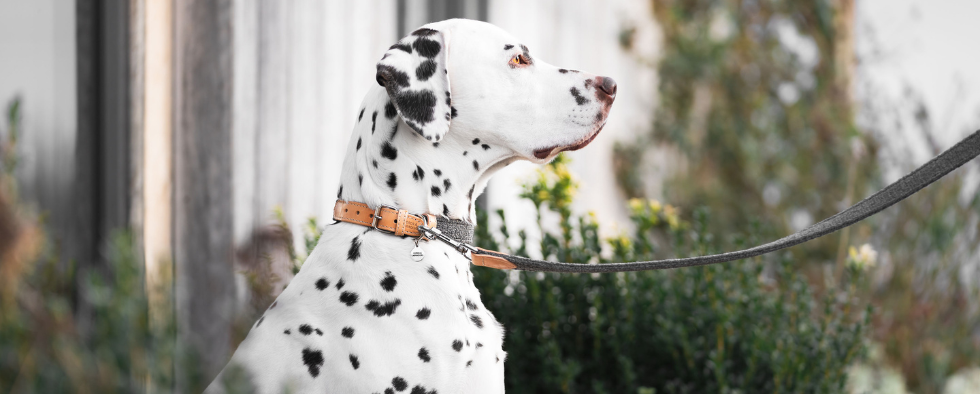
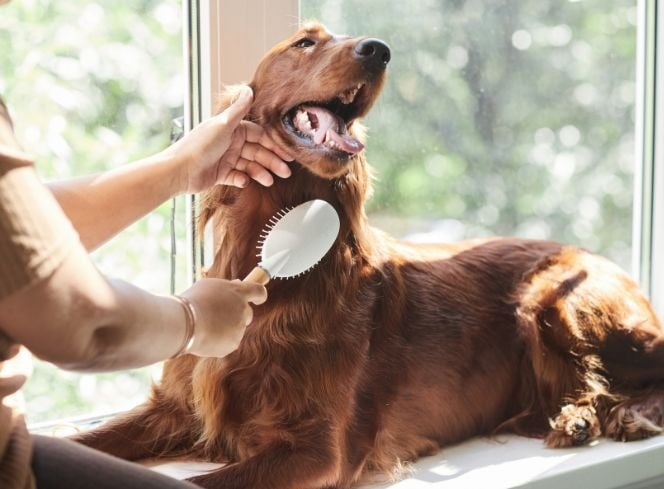
The Red Setter, also known as the Irish Setter, is a sleek and athletic breed recognized for its vibrant, mahogany-red coat and elegant build. Renowned for its friendly demeanour and boundless energy, the Red Setter is an excellent family companion and versatile hunting dog. With its distinctive feathered tail and a proud, noble head, this breed effortlessly combines grace and athleticism. Known for its love of human interaction and playfulness, the Red Setter is a spirited and affectionate member of the sporting dog group.
A dog collar is an important item for any dog as it can be used as a form of identification if they go missing and makes the process of attaching a lead for walkies a quick, simple and comfortable experience. However, if a dog collar isn’t properly fitted, it could potentially cause pain to your dog or allow them to escape.
In this blog, we explain how tight a dog collar should be, offer tips on fitting a collar correctly and look into how to measure your dog’s neck to find the right size.
How Tight Should A Dog Collar Be?
When you put a collar on your dog, you will need to ensure that the size is right to avoid causing a feeling of discomfort or even potentially putting your furry friend in danger. Finding the correct fit is a balance between making sure it isn’t too loose, meaning it could fall off, or too tight, potentially causing it to hurt their neck.
Whether you’re currently choosing a collar for your dog and need to find the correct size or already have a collar and need to make sure it’s correctly fitted, it’s important that it’s as it should be to avoid harm. Below, we offer tips on getting the size of your dog’s collar right:
How To Fit A Collar On A Dog
Even if the collar doesn’t look particularly tight or loose around your dog’s neck, it doesn’t mean that it's correctly fitted. It can be difficult to know how best to gauge the most suitable size on your dog’s neck. However, a tried and tested way that is effective in identifying the correct fit is by using what’s known as the ‘two finger rule’.
To do this, simply put the collar on your dog and place two fingers between the surface of the collar and your dog's neck. If your fingers can fit comfortably while still feeling a little restricted, this should be an indication that the collar is a suitable length. If, however, your fingers have a lot of room to move or feel stuck in the collar, you should adjust the length accordingly.
How To Shorten A Dog Collar
Dog collars often use a tri-glide buckle, allowing the owner to easily shorten or lengthen the collar. To shorten the length of the collar, move the end of the collar away from the buckle, tightening and making it shorter.
How to Extend A Dog Collar
Likewise, extending a dog collar that uses a tri-glide buckle requires the opposite action. Instead of moving the end of the collar away from the buckle to tighten it, push the end of the collar towards the buckle, pass it through the buckle itself and pull both ends to make the collar longer.
How To Measure Collar Size For A Dog
If you haven’t yet chosen a collar for your dog and are in the process of deciding the most suitable option, you will want to check that you’ve picked the right size. To help with measuring your dog for a collar, we’ve provided helpful tips on carrying out this process:
Get your dog to sit in front of you, ideally facing the opposite direction.
Place measuring tape around the base of your dog’s neck where their collar would be likely to sit.
Place two fingers between the measuring tape and their neck, making the measurement around one to two inches looser.
Record this measurement using a pencil and paper and mark it down as their neck measurement.
Using the neck measurement you’ve recorded, determine the collar size based on the collars size guide - each brand is sized differently so check the individual products size guide to find the best fit.
Lords & Labradors Essentials Walking Accessories
Our L&L Essentials Walking Collection collars come in seven sizes so you're sure to find the perfect fit, we've put our size guide below to help you find the right collar for your dog:
Collar Size
Neck Size
Recommended For
XXS
23-27 cm
Chihuahua, Yorkshire Terrier
XS
28-32 cm
Jack Russell, Norfolk Terrier
S
30-36 cm
Cockapoo, Standard Dachshund, Spaniel
M
35-41 cm
Bulldog, Schnauzer, English Bull Terrier
L
39-47 cm
Labrador. Red Setter, Labradoodle
XL
44-52 cm
Retriever, Great Dane, Doberman
XXL
49-57 cm
Bullmastiff, Dogue De Bordeaux, Newfoundland
Still not sure on the right size collar for your dog? Why not chat with one of our pet experts? They are available on +44 1790 720 900, sales@lordsandlabradors.co.uk or our live chat on our website - they're always happy to help!
Bathing your dog is an essential part of their overall grooming routine. Not only does it keep their coat clean and shiny, but it also helps maintain their overall hygiene. However, as a dog owner, you may find yourself wondering, "How often should I bathe my dog?" and "What's the best way to bathe them?" Well, fear not! In this comprehensive guide, we'll answer all your questions and provide you with helpful tips to make bath time an easy experience for both you and your beloved canine companion.
How Often Should You Bathe a Dog?
One of the most common queries among dog owners is how frequently they should bathe their furry pals. The answer varies depending on several factors, such as your dog's breed, coat type, and lifestyle. In general, most dogs benefit from a bath every 4-6 weeks. However, certain breeds with specific coat types may require more frequent bathing, while others may need it less often. Our pet experts have written an in-depth guide on how often you should groom your breed of dog which is definitely worth checking out.
Can I Bathe My Dog Once a Week?
While regular bathing is important for maintaining cleanliness, it's generally not recommended to bathe your dog more than once a week. Frequent bathing can strip their coat of natural oils, leading to dry skin and irritation. However, certain situations, such as skin allergies or medical conditions, may require more frequent bathing depending on your vet’s advice.
What Do I Need To Bath My Dog At Home?
Dog Specific Shampoo - We recommend PetPlex, they have shampoos suitable for different coat types, ages and skin conditions so there’s sure to be something for your dog.
Dog Specific Conditioner - pamper your pooch with a conditioner, this will help keep their coat looking shiny and silky.
Detangling Spray - A Detangling Spray is good for curly haired or long haired dogs before their bath to help remove any knots or matts, this will help make the bathing process as easy as possible
A Brush or Comb - there are lots of different types of brushes and the best one for your dog will depend on their coat type. Explore our range of brushes to find the best one for your furry friend.
Drying Coat, mitts or towel - You’ll have a soggy doggy after a bath and having something you can dry your dog off with will come in handy. An old towel works or our favourite-fuss free way to dry your dog off is with a drying coat. They simply slip on over your dog’s head and fasten under their belly. Alternatively our drying mats are one size fits all and making drying your dog quick and easy
Treats or a licki mat - you want your dog to associate bath time as a fun positive experience and a rewards based training method is our favourite way to do this. Having plenty of treats to hand and praising your dog throughout the process will help them form positive associations with the process. The anti-anxiety bath ducks are great for distracting nervous dogs, they stick to the wall and you can put wet food or peanut butter on there for your dog to lick off whilst you bathe them. Licking is actually anxiety reducing for dogs as it releases calming hormones so is perfect for nervous dogs. If you do have a nervous pup on your hands why not check out our blog on how to desensitise your dog to grooming, it has our pet experts top tips and tricks on how to make grooming your dog a calmer experience for you both.
How To Bathe A Dog At Home:
Now that you know the ideal frequency and the essentials you’ll need, let's dive into the step-by-step process of how to bathe your dog:
Gather Your Supplies:
Have all the items we listed above to hand, making sure they’re in reaching distance will make bath time easier for you and your dog
Prep the Bathing Area:
Choose a suitable location for the bath, preferably a bathtub or a large wet room. You can place a non-slip mat at the bottom to provide your dog with a secure footing, this is a good idea if your dog doesn’t love bath time and likes to move around.
Brush Your Dog:
We recommend brushing your dog's coat thoroughly before bathing them to remove any loose fur or tangles, especially if they have a long or curly hair coat. This will prevent matting and will mean it’s easier to make sure your dog’s coat is fully clean.
Test The Temperature
You’ll want the water to be lukewarm, not too hot or cold. You can either run a bath or use the shower to wash your dog, whichever works best for you and your dog.
Rinse Your Dog’s Coat
Work from the neck down with either a jug of water or the shower head to pour water over your dog’s coat. You’ll want to make sure their coat is nice and wet
Shampooing Your Dog
You’ll want to either put a small amount of shampoo in your hand and massage it into your dog’s coat making sure it lathers up, or you can use a shampoo brush like this Rosewood brush, which allows you to put shampoo in the top and dispenses it as you brush your dog’s coat. Be careful of their eyes and ears and focus on their body and paws. Once you’ve shampooed your dog’s body you’ll want to rinse them off with lukewarm water to remove the suds, making sure no product remains in their coat.
Conditioning Your Dog
Once you’ve shampooed your dog, you’ll want to apply a conditioner. This will help keep their coats shiny by adding moisture back in after shampooing them. Massage into your dog’s coat and then leave for a couple of minutes before rinsing
Wash Your Dog’s Face
Whilst your conditioner is soaking into your dog’s coat it’s a good time to wash their face. We recommend using a cloth or a flannel with some clean water to wipe their face clean, you want to avoid getting any shampoo in their eyes or ears.
How To Dry A Dog After The Bath:
After rinsing, use a large towel, drying mitts or a drying coat to gently dry your dog's coat. If your dog is comfortable with a blow dryer on a low heat setting, you can use it to speed up the drying process. Make sure to keep it at a safe distance from their skin. Gradually dry their coat, keeping the dryer moving to avoid overheating any particular area.
Brushing Your Dog
Once your dog's coat is mostly dry, use a brush or comb appropriate for their coat type to remove any remaining tangles or mats.
Reward Your Pup
After bath time make sure to give your pup plenty of fuss and reward them for being a good boy or girl during bath time.
Our Pet Experts Tips To A Successful Bathing Experience:
To make bath time enjoyable for both you and your furry friend, our pet experts have put together their top tips:
Introduce Bathing Gradually: If your dog is not accustomed to baths, introduce the process gradually. Start by getting them comfortable with water by offering treats or toys near the bath area. Gradually progress to wetting their paws, then their entire body. This is a great thing to do with them right from the get-go as a puppy as it helps to desensitise them from a young age
Positive Reinforcement: Use positive reinforcement throughout the bathing process. Reward your dog with treats, praise, and gentle strokes to make them associate bath time with positive experiences.
Ear Care: During bathing, be cautious not to let water enter your dog's ears, as it can cause infection. Use cotton balls to plug their ears or consider using a specialised ear cleaning solution after the bath to keep their ears clean and dry.
Nail Trimming: Bath time can also be an opportunity to trim your dog's nails if needed. However, if you're unsure or uncomfortable doing so, it's best to consult a professional groomer or veterinarian. We’ve got a handy guide on cutting your dog’s claws.
Double Shampoo: Our pet experts recommend shampooing your dog twice, as long as they don’t have sensitive skin. This will help make sure they’re squeaky clean
Drying Your Dog: Avoid rubbing your dog when towel or mitt drying them, this could cause matts or tangles in their coat. Instead gently pat them dry.
Bathing your dog is an important part of their overall hygiene routine. By following the tips and guidelines provided in this guide, you can ensure a pleasant and effective bathing experience for your furry companion. Remember to consider your dog's breed, coat type, and lifestyle when determining the ideal bathing frequency. With patience, positive reinforcement, and proper care, bath time can become a bonding experience that leaves your dog feeling clean, healthy, and happy.
Brushing The Dog: How Often Should You Brush Your Dog
There’s nothing better when your pooch is all clean and smelling lovely, with their beautiful coat cleaned and brushed - but, when it comes to brushing your dog, you might be wondering if your dog even needs brushing, and if they do, exactly how often they require brushing? Adopting a short-haired dog unfortunately doesn’t mean your dog doesn’t need brushing, every dog requires help to keep their coat looking, smelling and feeling nice, we discuss how often your dog requires brushing, and how to keep their coat looking lovely.
How Often Should You Brush Your Dog?
Your dog’s coat may need some help in taking care of, and dependant on their type of coat will determine how frequently it’ll require brushing. Generally, if you have a short haired breed like a Jack Russell, your dog’s coat should be ok to be brushed weekly (this is assuming they’re not rolling around in the wet mud!). Longer haired dog’s such as a Maltese will require daily brushing to keep them comfortable. If your pet sheds, such as a Labrador retriever, they will also require brushing twice weekly, to avoid build up and discomfort.
It's best to start the brushing routine when they’re young, however, you can train your dog to enjoy the bonding process of being brushed at any age. Although the tools and technique will vary from breed to breed, and your dog’s temperament, these are the tips we recommend to follow whilst grooming your dog.
Removing Mats
Start by teasing out any mats your dog has. This may decrease week-by-week if you keep your brushing routine. You may want to opt for a de-matting comb, teasing out the knots in your dog’s fur gently.
De-shed
Once your dog is free from any mats, go over with a de-shedding tool only if your dog has a thick undercoat, or is prone to shedding.
Brushing
When you’ve picked out the perfect tool for brushing your dog, make sure they’re dry and comfortable before brushing in the direction of the way their fur grows. For longer haired breeds, you may want to work in sections.
To help make the process more enjoyable for you and your dog, you may want to spray your dog with a pet-safe detangling spray.
Best Dog Brush
Depending on your dog’s breed will determine the best brush, consider the guidance below before purchasing the brush as these recommendations may work better for you and your dog
Coat Type
Example Breed
Recommended Brush
Wiry Hair
Terriers
Slicker brush or a medium to fine tooth comb.
Short & Smooth Fur
Greyhounds
Soft Bristle Brush or Grooming Glove
Short Fur with Undercoat
Labrador retriever
Undercoat rake, medium to fine tooth comb, slicker brush
Long & Silky fur
Cocker Spaniel
Slicker brush, medium to fine tooth comb
Long & Coarse fur
Shih tzu
Slicker brush, Pin brush, medium/fine tooth comb
Long fur with undercoat
Border Collie
Undercoat rake, medium to fine tooth comb, slicker brush
Curly fur
Poodle
Slicker Brush, medium/fine tooth comb
Please use the above as guidance of which tool to use to brush your pet, as with all breeds, taking the time to brush them will not only physically be more comfortable, but it will strengthen their bond too.
Sore gums, mystery teeth marks on the furniture, a puppy who seems a little off but you can’t quite put your finger on why — puppy teething symptoms have a way of creeping up before you’ve even thought to look for them. In this guide, we’ll walk you through what’s actually happening inside your puppy’s mouth, what the teething timeline looks like, and how to tell normal discomfort from something worth a vet call. You’ll also find some genuinely simple ways to soothe sore gums at home and keep the chewing pointed in the right direction.
What puppy teething symptoms look like in everyday life
Most puppy parents notice something is off before they even think to connect it to teething. The shoes have mysteriously acquired teeth marks, your puppy is mouthing your hands more than usual, and they seem a little out of sorts in general. Sound familiar? Once you know what to look for, the whole picture starts to make sense.
The most obvious sign is a sudden surge in chewing. Everything becomes fair game: furniture corners, skirting boards, your favourite jumper. Alongside this, you might notice your puppy dribbling more than usual or pawing at their mouth. If you gently lift their lip, look for gums that appear a little red or puffy, especially around the spots where new teeth are starting to push through.
Nipping tends to increase too, and it can feel more frantic than playful. This is not your puppy being difficult or defiant. Their gums are genuinely uncomfortable, and chewing brings relief. Giving them appropriate things to gnaw on, like textured puppy toys designed with teething in mind, makes a real difference at this stage.
A fussier mood is also completely normal. Some puppies go off their food for a day or two, sleep more restlessly, or simply seem a little flat compared to their usual bouncy selves. It will pass.
Spotting these puppy teething signs for what they actually are helps you respond with patience rather than frustration. That is better for your puppy, and honestly, better for you too.
When puppy teething starts and when it usually ends
Puppy teething symptoms can feel like they’ve come out of nowhere, but the process actually begins earlier than most people realise. Baby teeth start pushing through from around 3 to 8 weeks of age, and by 12 to 16 weeks, adult teeth begin replacing them. The whole stage typically wraps up by around 6 to 7 months, so as relentless as it feels right now, it really is temporary.
Here’s how the puppy teething timeline usually unfolds:
0 to 3 weeks — Puppies are born without teeth. Gums are soft, and there’s no discomfort yet.
3 to 8 weeks — Baby teeth (also called milk teeth) begin coming through. Most puppies have their full set of 28 by around 8 weeks.
12 to 16 weeks — Adult teeth start pushing through. This is when puppy teething signs tend to become most noticeable, with chewing and drooling ramping up noticeably.
4 to 6 months — Adult teeth continue replacing baby teeth. Don’t be surprised if you find a tiny tooth on the kitchen floor.
6 to 7 months — The full set of 42 adult teeth is usually in place.
Worth knowing: Most puppies have all 42 adult teeth by 6 to 7 months. That’s the finish line, and it will arrive.
How long puppies teethe and how intensely they feel it does vary. Larger breeds sometimes experience more pronounced discomfort, and some puppies are just more sensitive than others. If your pup seems particularly restless or chew-obsessed, that’s usually why.
Getting the right supplies together early makes the whole stage far more manageable. Lords & Labradors’ puppy collection is a great starting point if you’re building your teething toolkit.
Why teething makes puppies chew, bite, and act out
If your puppy seems to be chewing everything in sight, nipping at your hands, or waking you up at odd hours, take a breath — this is not a sign that you’ve got a troublesome pup on your hands. These are classic puppy teething symptoms, and they’re almost always your puppy’s way of telling you their mouth is uncomfortable.
During teething, the gums become inflamed as adult teeth push through the tissue. That pressure and sensitivity is genuinely uncomfortable, and chewing provides just enough counter-pressure to bring some relief. Think of it like a human baby reaching for anything they can gnaw on. Your puppy isn’t acting out — they’re coping.
The most common behavioural signs linked to teething discomfort include:
Chewing furniture, skirting boards, and shoes — anything firm that creates that satisfying counter-pressure
Destroying bedding or soft furnishings, which tends to ramp up at night when there’s nothing else to redirect their attention to
Mouthing or grabbing hands during play, often more persistently than usual
Eating more slowly or briefly going off food because chewing feels sore
Drooling more than normal, thanks to increased saliva production during teething
Seeming restless or unsettled at bedtime, especially during the most intense teething weeks
All of this is temporary. Once you understand it’s physical discomfort driving the behaviour rather than wilfulness, it becomes a lot easier to respond with patience and redirect your puppy calmly.
How to soothe sore gums at home
Once you’ve started recognising the puppy teething symptoms your pup is showing, the focus naturally shifts from spotting the signs to actually making them feel better. The good news? There’s plenty you can do at home, and most of it is simple.
Offer puppy-safe chew toys designed with teething in mind. Softer rubber or nylon options give sore gums something satisfying to work on without causing damage. It’s worth having a few different styles on the go — browse puppy-safe chew toys to find options suited to your pup’s size and chew strength.
Try a briefly chilled damp flannel. Wet a cloth, pop it in the fridge for 20 minutes, then let your puppy gnaw on it. The gentle coolness soothes inflamed gums without the risks that come with frozen items.
Rotate toys regularly. Puppies lose interest quickly, so swapping things out every day or two keeps chewing directed at the right targets rather than your skirting boards.
Stay nearby during chewing sessions. Supervising means you can calmly redirect your pup the moment they switch from their toy to your favourite chair leg — and they will try.
Redirect rather than just remove. When your puppy goes for something off-limits, swap it straight away with an appropriate toy. A firm “no” on its own rarely gets the message across at this age.
What to avoid:
Hard bones or antlers, which can crack sensitive puppy teeth
Frozen solid items like ice cubes, which are too harsh on sore gums
Small objects that could become a choking hazard
Human teething gels, particularly anything containing xylitol, which is toxic to dogs
With the right puppy teething remedies to hand and a little consistency, this phase is genuinely manageable — for your puppy and for your home.
When puppy teething symptoms need a vet check
Most puppy teething symptoms are completely normal, and the vast majority of what you’ll see at home doesn’t need anything more than patience and a good chew toy.
A little blood on a toy? Perfectly expected. The odd wobbly or missing tooth? All part of it. Mild drooling, pink-tinged gums, and a puppy who’s grumpier than usual during peak teething weeks are nothing to panic about.
That said, a few signs are worth watching more closely:
Gums that look very swollen, deeply red, or are bleeding heavily and not settling
A baby tooth that hasn’t fallen out after the adult tooth has already come through
Persistent refusal to eat, even soft or wet food
Breath that smells genuinely foul — not just normal puppy breath, but sharp or rotten
Lethargy, a fever, or anything else that makes your puppy seem off in a general way
If one of these pops up, give it a day and see whether things settle. If they don’t, trust your gut and call your vet. You know your puppy better than anyone.
For everything else, the right support and a few good chews will carry you both through. Just getting started with a new pup? Our guide to bringing a puppy home covers those early weeks brilliantly.
Finding the best orthopedic dog beds for large dogs is genuinely worth getting right, because a bed that works for a Spaniel simply will not cut it for a Golden Retriever or a Great Dane. In this guide, we cover everything that actually matters: foam depth, washability, durability for heavy sprawlers, and what changes when your dog gets older and slower to get up. Whether you are shopping on a budget or looking for a long-term investment for a senior dog, we have broken it all down so you can find the right fit for your specific dog.
Best orthopedic dog beds for large dogs: how to choose the right one
Large dogs put a lot through their joints every single day, and a flat cushion just doesn't cut it once you've got a Labrador, a Golden Retriever, or a Great Dane settling in for a long sleep. The best orthopedic dog beds for large dogs do something genuinely different: they use high-density foam to distribute your dog's body weight evenly, take the pressure off hips, elbows, and shoulders, and help muscles recover properly between walks.
Before you start comparing products, it helps to know what actually matters. Foam quality is the big one. Look for a solid memory foam or high-resilience foam base of at least four inches — anything thinner and a heavier dog will compress straight through it. Size matters just as much. Your dog should be able to stretch out fully without a limb dangling off the edge, so measure them before you buy.
Cover washability is easy to overlook until it suddenly isn't. For big dogs, a removable machine-washable cover isn't a bonus — it's a basic requirement. Think muddy paws after a wet walk, moulting season, the occasional drool patch. You'll be glad it zips off.
It's also worth thinking about your dog's age and how they sleep. A younger dog who sprawls and digs needs something durable and low-sided. A senior dog with stiff joints needs a bed that's easy to step into and offers deeper support.
Best all-round orthopedic beds for big dogs who need everyday support
When you live with a big dog who drops onto their bed at the end of the day with a dramatic sigh, the filling inside really matters. The best orthopedic dog beds for large dogs do more than look plush. They need to support heavier bodies evenly, hold their shape over time, and be easy to keep clean after muddy walks, shedding season, and everyday life.
Slumba Orthopaedic Dog Mattress by Lords & Labradors — This is the one we’d point most pet parents towards for dependable everyday comfort, especially if your dog is older, heavy-set, or simply loves stretching right out. The Slumba Orthopaedic Dog Mattress has deep supportive foam that helps spread weight more evenly, so there’s less chance of hips and shoulders dipping awkwardly into the bed. It also has a removable washable cover, which is a genuine win if your dog brings half the garden back indoors.
High-sided memory foam beds — A lovely option for dogs who like a bit of structure around them or always use the edge of the bed as a pillow. For an orthopedic dog bed for large dogs, look for sturdy bolsters, a non-slip base, and enough foam depth to stop the bed feeling flat under a heavier frame.
Flat orthopedic mattress styles — These are often the best dog beds for large dogs who sprawl, sleep hot, or don’t want to climb over raised sides. A simple mattress shape also fits nicely in open spaces like kitchens, utility rooms, or beside your bed.
For larger dogs, many pet parents find 4 inches or more of supportive foam offers better everyday comfort.
What makes these styles such strong all-rounders is the balance of comfort, support, and practicality. For nightly use, that’s what really counts.
Best orthopedic beds for senior dogs and dogs with stiff joints
Older dogs, and dogs living with arthritis or joint stiffness, need more than just a soft place to lie down. The best orthopedic dog beds for large dogs in this category deliver deeper pressure relief, foam support that holds its shape overnight, and a low step-in height that lets a stiff dog settle without struggling on the way down.
When choosing for a senior or joint-compromised large dog, look for:
High-density memory foam of at least 4 inches to properly support heavier body weight
A waterproof inner liner, especially useful if your dog is older and occasionally caught short
Bolster edges that support the head and neck once they finally relax into sleep
A non-slip base to keep the bed stable on hard floors when they're getting in and out
A low or open entry point so there's no barrier to step over
The three designs that tend to work best here are memory foam mattress beds, bolster-surround beds, and raised ortho frames. Flat mattress beds give full-body contact and suit dogs who love to stretch right out. Raised frames keep a dog off cold floors, though they work better for dogs who still move fairly easily. For large dogs that shift position through the night and need something to lean into, a bolster-surround bed often comes out on top. Our square bolster dog beds are a strong pick here, offering wraparound support that genuinely helps big dogs feel settled rather than just parked somewhere soft.
If your dog is showing early signs of stiffness, getting the right bed in place sooner rather than later is one of the simplest things you can do for their long-term comfort.
Best durable orthopedic beds for large breeds that love to sprawl or dig
Some large dogs treat a bed like part of their settling ritual: a few tight circles, a good scratch, then a full-body flop. If that sounds familiar, the best orthopedic dog beds for large dogs need to do more than feel comfortable on day one. They need to cope with daily wear and still keep their shape.
Feature
Why It Matters
What to Look For
Tough outer fabric
Helps the bed stand up to scratching, digging, and repeated pawing
Canvas, durable microfibre, or other hard-wearing fabrics
Removable washable cover
Makes muddy paws, moulting season, and the odd accident much easier to manage
A cover that zips off easily and can go in the wash
Supportive foam base
Gives bigger dogs steadier joint support and is less likely to flatten quickly
A thick, structured base that feels resilient
Non-slip bottom
Stops the bed sliding while your dog circles or climbs in
Textured or grippy underside
A few practical tips help when choosing a large dog bed for joint support:
If your dog sprawls right to the edges, an extra large orthopedic dog bed gives them room without hanging off the sides
Raised edges can be handy for dogs who like to lean or rest their chin, but the centre should still feel stable and supportive
A washable cover is worth its weight in gold if your dog sheds heavily or loves the garden
Be cautious with beds labelled “orthopaedic” if they rely mostly on soft fill rather than a proper foam base
If you like the cosy box-bed style, the Lords & Labradors Essentials Plush Box Bed is a useful one to compare against your checklist, especially if you want something practical, snug, and easy to live with day to day.
Best orthopedic beds by budget and value for large dogs
Price matters, but with the best orthopedic dog beds for large dogs, value is really about how well the bed suits your dog’s stage of life. A younger, healthy Labrador who flops down after a muddy walk may be perfectly happy on a well-made large dog bed for joint support with sturdy filling and a washable cover. An older giant breed who’s slower to get up usually benefits from thicker, denser foam that holds its shape night after night.
Budget-Smart Picks
Premium Investment Picks
Price Range
£60–£120
£130–£250+
Foam Type
Supportive standard foam
High-density memory foam
Ideal Dog Size/Age
Young adults, growing large breeds
Seniors, giant breeds, dogs over 32kg
Best Use Case
Everyday comfort, guest bed, younger dog
Ongoing joint support, stiffness, recovery
It’s usually worth spending more if your dog:
is older and seems stiff after naps
is a giant breed putting lots of weight on the bed every day
has arthritis, hip issues, or reduced mobility
needs a bed that won’t flatten too quickly
If your dog is still growing, or just needs a comfortable everyday spot, a simpler orthopedic dog bed for large dogs can be the smarter buy. But if you’re looking for longer-lasting support, especially for a big dog who sleeps deeply and spends hours in bed, premium foam often earns its keep. You can browse Lords & Labradors’ luxury dog beds collection if you want to compare more supportive, extra large options.
How to pick the best orthopedic bed for your large dog
The right bed really does come down to knowing your dog — their size, how they sleep, and where they are in life.
For younger large breeds who just need reliable everyday support, a quality memory foam dog bed with a washable cover is usually the sweet spot. Good cushioning, easy to keep clean, no unnecessary fuss.
Older dogs, or those managing arthritis, stiff joints, or post-surgery recovery, need a bit more thought. Deeper foam, a lower entry point, and bolster sides they can actually lean into all make a real difference. Senior dogs tend to sleep longer and heavier, so that extra support earns its keep quickly.
If your dog is a sprawler, a digger, or just reliably hard on everything they own, durability matters as much as foam quality. Look for reinforced covers and a dense base layer that holds its shape over months of use, not just the first few weeks.
On budget, spending a little more upfront on an extra large orthopedic dog bed almost always makes more sense than replacing a cheaper one every year. A good bed can genuinely grow with your dog's needs as they age.
Ultimately, the best orthopedic dog beds for large dogs are the ones that fit your specific dog — their weight, their sleep style, their life stage. That combination will always matter more than any single feature on a label.
If you have ever looked down at your hands after a play session and wondered why puppies bite so much, the good news is that you are dealing with one of the most normal things a puppy can do. In this article we cover the real reasons behind all that mouthing and nipping, how to teach your puppy to be gentler, and the simplest ways to redirect their energy to something more appropriate. We also help you recognise the moments when a little extra support from a vet or trainer might be worth reaching for.
Why puppies bite so much in the first place
If your puppy seems to bite everything and everyone in sight, you are not alone — and your puppy is not broken. Biting and mouthing are completely normal parts of early development, and once you understand why it happens, the whole thing feels a lot less stressful.
The simplest way to think about it: a puppy’s mouth is their hands. Before they can explore, play, or communicate in any other way, they use their teeth. That table leg, your favourite jumper, your fingers at 7am before you’ve even had a coffee. All completely fair game as far as they’re concerned.
A few things drive all that mouthing. Teething is a big one. Between roughly three and six months old, puppies are cutting new teeth, and chewing brings real relief from the discomfort. Then there’s play. Puppies learn how to interact through rough and tumble with their littermates, and they naturally bring that same energy into life with you. They’re also figuring out how hard they can actually bite, a process known as bite inhibition. When a sibling yelps and backs away, a puppy learns that biting too hard ends the fun. It’s a genuinely important life skill, and they need the chance to practise it.
It’s also worth saying plainly: a puppy who bites a lot is not naughty or aggressive. They’re being a puppy, doing exactly what puppies are built to do at this stage.
Understanding that is half the battle. The other half is making sure they have the right things to chew, play with, and explore from the very beginning.
Teething, play, and overstimulation: the most common triggers
Most owners asking why puppies bite so much will find the answer sitting in one of three places: teething discomfort, play instinct, or a puppy who has simply had too much going on. Once you know which trigger you’re dealing with, the behaviour starts to make a lot more sense.
Common triggers to watch for:
Evening zoomies followed by frantic nipping — an overtired puppy loses self-control fast, just like a toddler past their bedtime
Mouthing during tug or fetch games — play drive kicks in and your hands become part of the fun
Nibbling after a busy socialisation session — too much stimulation leaves puppies wired and struggling to settle
Chewing fingers and furniture around 12 to 20 weeks — incoming adult teeth cause real discomfort, and puppies chew to relieve it
Nipping when you reach down to stroke them — excitement and touch combine into a grabby, mouthy moment
Biting during training sessions that run too long — concentration runs out and frustration takes over
Worth knowing: Puppies start losing their baby teeth from around 12 weeks, with most adult teeth coming through between 12 and 24 weeks. This is one of the most intense periods for puppy teething, and it often explains why your puppy seems to be nipping constantly at this stage.
Recognising these trigger moments is genuinely half the battle when it comes to how to stop puppy biting. The behaviour is completely normal at this age and usually peaks before gradually fading as your puppy matures. Keeping a good selection of puppy toys within easy reach means you can redirect quickly the moment you spot a trigger building — before teeth find your hands instead.
How to teach bite inhibition without upsetting your puppy
Bite inhibition sounds technical, but it really just means teaching your puppy that human skin is off-limits — and it is absolutely something they can learn. Understanding why puppies bite so much makes this easier, because you know it is not bad behaviour, just communication. Calm, consistent training works brilliantly here, with no raised voices or startled pups required.
Stop play the moment teeth touch skin. Go completely still and quiet. Avoid pulling your hand away sharply, as that can actually make the whole thing more exciting for your puppy.
Use a simple, neutral cue like “ouch” or “too much” in a calm, flat tone. You are not telling them off, just letting them know the fun has paused.
Redirect to a chew toy within a few seconds. Offer it calmly and let your puppy settle into it. This gives them something appropriate to sink their teeth into.
Reward gentle mouthing or soft contact with quiet praise or a small treat. You are reinforcing what you do want, not just reacting to what you do not.
Keep it consistent across the whole household. Every person, every time.
A quick note on consistency: Mixed signals from different family members are one of the most common reasons puppy biting stages feel like they drag on. If one person lets the puppy mouth their hands during a play session, the lesson starts to unravel. Everyone needs to follow the same approach.
The goal is never punishment. It is clear, kind communication. When you understand why puppies bite, you can respond in a way that works with how they naturally learn — and that makes the whole process faster and far less stressful for everyone involved.
What to do instead: redirecting to toys and setting your puppy up for success
Once you understand why puppies bite so much, the solution gets a lot clearer: they need something better to sink their teeth into. Redirection is one of the most effective tools you have, and with a little consistency, it genuinely works.
Swap immediately, not eventually. The moment teeth touch skin or clothing, calmly remove your hand and offer a toy instead. No drama, no delay. The swap itself is the lesson.
Use cooling chews for teething relief. During a heavy teething stage, a chilled rubber chew can make a real difference. Pop it in the freezer for an hour before play and let the cold do the soothing work.
Reach for the right toy. Lords & Labradors puppy toys are designed with teething puppies in mind, with textures and resistance that actually satisfy the urge to gnaw. A toy that feels good to chew is one that gets used.
Keep play sessions structured. Short, calm sessions are your friend. Overstimulation turns even the gentlest puppies mouthy, so watch for the signs and wind things down before they tip over the edge.
Build in calm-down breaks. If your puppy is too fired up to redirect, a quiet pause in their crate or pen gives them a chance to reset.
Every redirect counts: puppies learn through repetition, so the more consistently you make the swap, the faster it sticks.
Setting your puppy up for success really comes down to managing their environment and energy before biting becomes the default outlet. Keep appropriate chews within easy reach, keep play sessions manageable, and trust that small, consistent moments genuinely add up.
When normal mouthing becomes a problem worth getting help for
Most puppy biting is completely normal, and with consistency, it does ease off. But it’s worth pausing every now and then to ask whether something more might be going on.
If your puppy’s biting still feels relentless after weeks of calm, consistent redirection, it’s worth talking to a qualified trainer. The same applies if bites are regularly hard and don’t seem connected to play, if your puppy snaps when anyone goes near their food, toys, or bed, or if their reactions feel more fearful than excited. None of that makes them a bad puppy. It just means you’d both benefit from a little extra support.
Pain is worth considering too. Teething can make puppies genuinely sore and out of sorts, and some pups bite more simply because they’re uncomfortable. If your puppy seems distressed beyond the usual nipping and wriggling, a quick vet check is a sensible place to start.
One of the most useful things you can do in the meantime is learn to read what your puppy is telling you before the biting even begins. Spotting the early signals makes it so much easier to respond well. Our guide to understanding your dog’s body language is a really helpful starting point.
And here’s the reassuring bit: for the vast majority of puppies, the biting does pass. With patience, the right toys, and a bit of guidance, most pups grow into gentle, settled dogs who’ve figured out how to use their mouths kindly.
There is something quietly wonderful about a dog who gravitates straight to your pillow the moment you get up, and if you have ever found yourself wondering why does my dog lay on my pillow when I get up, the reasons are far sweeter than you might expect. In this article, we look at the real instincts behind the behaviour, from scent-seeking and warmth to the bond your dog feels with you, and how to tell the difference between simple affection and something worth keeping an eye on. We also share some gentle, practical ways to redirect the habit so everyone gets a good night’s sleep.
Why does my dog lay on my pillow when I get up?
You roll out of bed, pop the kettle on, and come back to find your dog curled up on your pillow like it was always meant to be theirs. If that sounds familiar, you’re definitely not the only one asking, why does my dog lay on my pillow when I get up?
In most cases, the answer is really quite sweet. Your pillow is full of your scent, still warm from where you were lying, and wonderfully soft. For a dog, that combination is hard to resist. If you’ve ever wondered why does my dog sleep on my pillow or why does my dog lay in my spot after I get up, it usually comes down to comfort and closeness rather than cheekiness.
Dogs are comfort-seekers, and your smell helps them feel safe and settled. Add a cosy, just-vacated sleeping spot, and it makes perfect sense that they’d choose it. It’s also why some dogs sleep in their owner’s bed or hop straight into your seat on the sofa the second you stand up. They’re not trying to take over the house. They just like being close to their favourite person in the cosiest way possible.
For most dogs, this little pillow takeover is completely normal and affectionate. If you’d rather keep your pillow for yourself, it can help to offer an inviting alternative, like one of these cosy puppy beds, so they still get that same sense of comfort nearby.
The real reasons your dog has claimed your pillow
If you’ve ever asked yourself why your dog lays on your pillow the moment you get up, you’re in very good company. It’s one of those habits that looks a little cheeky on the surface but is actually rooted in some genuinely sweet instincts — and a few practical ones too.
Scent comfort: Your scent is at its strongest on your pillow, which means lying there feels, to your dog, like you haven’t fully gone anywhere. Dogs experience the world nose-first, and being wrapped in your familiar smell is genuinely calming for them. It’s their version of holding onto a little piece of you.
Warmth-seeking: That spot where you’ve been sleeping holds your body heat long after you’ve got up. Dogs are natural warmth-seekers, and a pillow that’s already perfectly warm is simply irresistible. Think of it as the canine equivalent of pinching your jumper off the sofa.
Territorial behaviour: Some dogs aren’t just after comfort — they’re making a quiet claim on the space. Lying in your spot is a way of anchoring themselves to it. This is rarely about dominance in the way older thinking suggested; it’s more about feeling settled and secure in their environment.
Separation proximity: Dogs who feel especially bonded to their owners often want to close the gap the moment you leave the room. For those with a strong need to stay near your scent, a dedicated space of their own — somewhere soft, familiar, and genuinely cosy, like a calming crate bed — can really help them settle without needing to raid yours.
Most pillow-claiming is simple habit or affection. If your dog seems distressed when you get up rather than just opportunistic, that’s worth a closer look — but we’ll come to that.
The majority of the time, this is your dog’s way of staying close to you. The rest of this article will help you make sense of exactly what they’re telling you.
What your dog is telling you with this little pillow takeover
When your dog shuffles over to claim your pillow the moment you get up, they’re not just after the fluffiest spot in the room. It’s a form of communication — a quiet way of staying close to you even after you’ve left. Think of it as their version of keeping a hand on the connection.
Here are some of the emotional signals this behaviour can carry:
Bonding and affection. Your dog loves you, and your pillow smells exactly like you. Sleeping where you slept is one of the most direct ways they can express that closeness.
Comfort through your scent. Your smell genuinely soothes them. It triggers feelings of safety, especially for dogs who are sensitive to shifts in routine or a bit more anxious by nature.
Mild reassurance-seeking. If your dog tends to follow your every move, lying in your spot is their way of holding onto your presence while you’re in another room making coffee.
Staying connected while you go about your day. It’s a small act of loyalty. A quiet way of saying, I was with you, and I’m still with you.
Social signalling. Sharing sleep spaces is deeply meaningful to dogs. It reinforces trust and the kind of closeness that makes them feel secure.
Did You Know? Dogs have up to 300 million olfactory receptors, compared to around six million in humans. Your pillow isn’t just fabric to them — it’s an emotional anchor, loaded with your scent and everything that makes them feel safe.
Taken together, these signals point to something genuinely reassuring: pillow-stealing is nearly always a sign of healthy attachment. If you want to get better at reading these small, sweet moments, our guide to understanding your dog’s body language is a brilliant place to start.
When pillow stealing is harmless — and when to pay a bit more attention
For the vast majority of dogs, pillow stealing is one of those completely harmless quirks that just comes with the territory of sharing your life with them.
Usually just sweet
Seeking out your scent because it feels safe and familiar
Settling into the warmth you’ve left behind in the bedding
Following a little morning routine they’ve quietly established for themselves
Simply wanting to stay close to you, even after you’ve left the room
If you’ve ever asked yourself why your dog lays on your pillow when you get up, the answer is almost always rooted in affection and comfort. Nothing to worry about.
Worth a closer look
Clinginess that follows you through the whole day, not just at bedtime
Visible distress when left alone — panting, pacing, or whining
Growling or stiffening if you approach the pillow while they’re on it
A sudden change in sleep habits that feels out of character
That last one is worth paying attention to. Dogs are creatures of habit, so anything that shifts noticeably is worth a gentle check-in with your vet.
Most dogs simply want closeness and comfort, and having their own inviting space to settle into can genuinely help with that. If your dog could do with a snug spot to call their own, our Sleepy Burrows collection is a lovely place to start. Either way, knowing what’s normal for your dog is always the most reliable guide.
How to keep everyone happy at bedtime and beyond
If your dog has claimed your pillow as their personal throne, you really don’t need to wage war over it. A few small, thoughtful changes can make bedtime work beautifully for both of you.
Start by giving your dog a sleeping spot they actually want to use. The reason so many dogs sleep on your pillow comes down to scent and safety, so the goal is simply to recreate that feeling somewhere else. Try placing their bed in your bedroom, close to yours if possible, and tuck a worn t-shirt or old pillowcase inside it. That familiar smell does a surprising amount of reassuring work without you having to do much else.
Routine is your other best friend here. Dogs who know what to expect at bedtime tend to settle faster and feel far less compelled to claim your spot the moment you leave it. A short pre-bed walk, a calm wind-down, and a consistent “go to your bed” cue can gently shift the habit over time — no stress, no drama.
For dogs who burrow into your bedding seeking that cosy, held feeling, the sleeping surface really matters. Something like the Sleepy Burrows Bed in Calming Anti-Anxiety Dusk Faux Fur is designed for exactly that type of dog — the ones who want to sink in and feel wrapped up rather than simply lie on top of something flat. Pillow stealers tend to fall into this category more often than not.
The goal isn’t to take something away from your dog. It’s to give them something just as good, somewhere that feels entirely their own.
Few things throw off a walk quite like your dog deciding, mid-route, that they’re done and planting themselves firmly on the ground. Whether your dog lies down on a walk and refuses to move out of exhaustion, fear, pain, or sheer stubbornness, there’s almost always a reason behind it worth understanding. This guide walks you through the most common causes, what to do when it happens, warning signs to take seriously, and how to set up better walks going forward.
Why your dog lies down on walks in the first place
One moment you’re halfway through a perfectly pleasant walk, and the next your dog has flopped onto the pavement and is refusing to budge. Sound familiar? If your dog lies down on a walk and refuses to move, you’re far from alone — and before you start wondering if you’ve somehow raised the world’s most strong-willed dog, it helps to understand what’s actually going on.
Here’s the thing: when a dog stops walking and lies down, they’re almost always trying to tell you something. It might feel frustrating in the moment, especially if you’re stood on a busy pavement with the lead pulled taut, but this behaviour is usually communication, not defiance. Dogs can’t say “I’m worn out” or “that noise is really scaring me,” so sometimes their whole body does the talking instead.
The reasons behind it vary more than you might expect. Some dogs sit down or lie down mid-walk because they’re genuinely tired or starting to overheat. Others do it because something has made them anxious or uneasy. Pain and physical discomfort are worth considering too, particularly in older dogs or breeds that are prone to joint problems. And yes, occasionally a dog simply decides the walk is over and plants themselves on the ground with impressive conviction.
Working out which of these is actually happening is the real starting point. If you’re still getting to grips with how your dog expresses themselves, our guide to understanding your dog’s body language is a great place to start. The sections ahead cover each cause in detail, along with what you can do about them.
The most common reasons a dog suddenly stops and flops down
There are plenty of moments in dog ownership that leave you standing on the pavement, lead in hand, completely baffled. When your dog lies down on a walk and refuses to move, it can feel equal parts frustrating and worrying. The good news? Once you know what to look for, the cause is usually easier to spot than you’d think.
Physical tiredness: Puppies, older dogs, and shorter-legged breeds can simply run out of steam faster than others. If your dog has been bounding along enthusiastically and then suddenly flops down, they may have just hit their limit. Heavy breathing, a gradual slowdown beforehand, and reluctance to get back up are all signs pointing this way.
Overheating: Dogs regulate heat very differently to us, and hot pavements can make things worse fast. If your dog stops and lies down alongside excessive panting, drooling, or a desperate search for shade, heat is likely the culprit — and it’s one that always warrants a quick response.
Fear or sensory overwhelm: Loud traffic, unfamiliar dogs, or a busy new environment can cause some dogs to shut down completely mid-walk. Look for tucked ears, a low body posture, or a pattern of stopping in the same spot rather than randomly.
Pain or physical discomfort: A dog that sits down during a walk and won’t get going again could be dealing with sore paws, joint pain, or something more acute. Limping, flinching, or repeatedly licking one area are all worth taking seriously.
Learned behaviour: If lying down has reliably earned your dog a rest, a treat, or a u-turn home, there’s a good chance they’ve figured out it works. This one tends to happen in predictable places, often close to home near the end of a walk.
The same behaviour — a dog refusing to walk on the lead and dropping to the ground — can mean very different things depending on context. Paying attention to patterns and timing will tell you far more than the moment itself.
What to do in the moment when your dog refuses to move
When your dog lies down on a walk and refuses to move, the first thing to do is take a breath. Pulling, pushing, or getting frustrated rarely helps, and it can actually make things worse. How you handle that standoff moment matters more than you might think.
Check for heat or injury first. Feel their paws against the pavement, look for any limping or flinching, and check whether they’re panting more than usual. If something seems physically off, end the walk right there. No destination is worth pushing through pain.
Offer water. It sounds simple, but a tired or overheated dog often just needs a drink and a moment to recover. Get into the habit of carrying water on every walk, especially through spring and summer.
Look for what might be worrying them. A loud lorry rumbling past, an off-lead dog bounding over, a cluster of rowdy kids — any of these could be the reason your dog stops walking and lies down. If you can spot a trigger, move away from it before asking them to walk on.
Try changing direction. A simple about-turn can do a lot. Heading somewhere new often sparks enough curiosity to get them back on their feet without any fuss.
Bring out the good stuff. A small piece of chicken or cheese held just ahead of them can be all the encouragement they need. Keep the energy light and positive rather than tense or coaxing.
Know when to call it. If your dog is small enough to carry, carry them. If they’re exhausted or overwhelmed, cutting the walk short is the right call, full stop. Dragging them forward doesn’t build confidence — it just erodes trust.
A little patience and observation will take you much further than frustration. That said, if your dog regularly flops down mid-walk, it’s worth looking beyond the moment to understand what’s really going on.
How to tell if it’s a one-off wobble or a sign something’s wrong
Most of the time, when your dog lies down on a walk and refuses to move, it’s nothing to worry about. But knowing what to look for can make all the difference between brushing it off and catching something early.
A one-off flop on a warm afternoon, or a puppy who plonks themselves down mid-pavement and loses all interest in moving, is usually harmless. It starts to feel worth a closer look when it keeps happening, appears out of nowhere, or comes alongside physical changes you can’t quite explain.
Likely harmless if…
It happens once or very occasionally
Your dog bounces back quickly and carries on as normal
The pavement is hot or the weather is warm
Your dog was overexcited before heading out
There are no other symptoms
Your dog stops and lies down near something interesting — a scent, another dog, a friendly stranger
Red flags to watch for
Limping, stiffness, or reluctance to put weight on a leg
Whimpering or flinching when touched
Trembling or shaking that isn’t cold-related
Heavy panting without an obvious cause
A sudden shift in their usual walk behaviour
Repeated refusal across several walks in a row
Low energy or lethargy at home too, not just on walks
Quick rule of thumb: If the refusal is sudden, keeps repeating, or comes with any physical symptom, treat it as a vet conversation — not a training problem.
When you do speak to your vet, it helps to have a rough timeline ready: when it started, how often your dog refuses to walk or lies down mid-route, and anything else you’ve noticed. The more detail you can give them, the easier it is to get to the bottom of it.
How to prevent future walk standoffs
The good news is that a few small changes can make a real difference to how your dog feels about walks — and how willing they are to keep going.
Start with timing. Walking in the cooler hours of the morning or evening during warmer months helps dogs stay comfortable and energised. Midday in summer is often when you’ll see a dog lie down on a walk and refuse to move — not out of stubbornness, but because the pavement is scorching and the air feels thick.
For puppies and older dogs, keeping walks age-appropriate matters more than most people realise. Young dogs are still building joints and stamina, and too much too soon leads to tired, reluctant walkers. A solid rule of thumb for puppies is five minutes per month of age, twice a day. Older dogs often do better with shorter, more frequent outings than one long haul. Our guide to exercise across your dog’s life stages is worth a read if you want to tailor things further.
It’s also worth checking your gear. A poorly fitted harness or collar can cause enough discomfort to make a dog sit down mid-walk, even if you can’t immediately see why. A well-fitted, comfortable harness removes that barrier before it becomes a habit.
Finally, make walks something your dog genuinely looks forward to. Vary your routes, let them sniff freely, and keep a few high-value treats in your pocket. Dogs who find walks rewarding rarely need much convincing to keep moving.
Few things throw off a walk quite like a dog who plants their paws and flatly refuses to go the direction you had in mind. If your dog refuses to walk certain directions, there’s nearly always a reason behind it, whether that’s fear, discomfort, or simply a strong opinion about where the good smells are. This guide covers how to tell those causes apart, what you can do to gently build confidence back up, and when it’s worth calling in a vet or behaviourist for extra support.
Why your dog suddenly refuses to walk one way
If your dog suddenly plants their paws and refuses to move in a certain direction, it can feel completely baffling — especially when they were perfectly happy heading that way last week. But this is rarely stubbornness. Most of the time, your dog is trying to tell you something.
Dogs build strong associations with the places they visit, and those associations can form faster than you might expect. A route that takes you past a noisy building site, a garden where a dog charges the fence, or even a spot where something once startled them can quickly become somewhere they’d rather avoid. When your dog stops walking or pulls back on the lead heading a particular way, that’s communication, not defiance.
It’s also worth taking seriously. The more often a dog is pushed through something that worries them, the stronger that negative association tends to become. Understanding what’s driving the behaviour, on the other hand, gives you a real chance to actually help.
The signals are usually there if you know what to look for: a tucked tail, flattened ears, a sudden reluctance to move forward, or frantic sniffing to avoid making eye contact with whatever’s ahead. These are all your dog’s way of saying “I’m not sure about this.” Our guide to understanding your dog’s body language is a great starting point if you’d like to get better at reading those cues before we dig into the causes.
The most common reasons dogs avoid certain routes
There’s almost always a reason when a dog refuses to walk certain directions, even if it isn’t immediately obvious. Dogs can’t tell us what’s wrong, so their behaviour on the lead is often the clearest signal we have. Pinning down the cause is the first step to making walks enjoyable again for both of you.
Fear or negative associations. A dog that freezes outside a particular house, digs their paws in near a certain gate, or turns back at the same point every time has often had a bad experience there. It might have been something that only happened once — a sudden loud noise or an unexpected run-in with another dog — but the memory sticks. That reluctance isn’t defiance. It’s self-protection.
Stubbornness or personal preference. Some dogs simply have opinions about where they want to go. One that consistently pulls toward home, or always steers for the park and resists anywhere else, is usually showing a preference rather than fear. It’s especially common in dogs who’ve settled into a comfortable routine and aren’t particularly interested in anything that disrupts it.
Overstimulation from busy environments. A dog that shuts down near traffic or crowded streets is often overwhelmed, not difficult. The noise, movement, and unpredictability can become genuinely too much to process. Dogs pushed past their threshold may also start barking on walks, which is worth paying attention to as another sign that they’re struggling.
Physical pain or discomfort. If your dog slows right down, starts labouring on a slope, or suddenly stops after turning a particular corner, pain could easily be the reason. Rough surfaces, uneven ground, or an underlying joint issue can all make certain routes feel uncomfortable in ways that are easy to miss until you know what to look for.
Each of these behaviours is your dog’s way of trying to tell you something. Recognising which pattern fits yours is where the real progress begins.
How to tell fear, pain, and simple preferences apart
When a dog refuses to walk certain directions, the behaviour usually falls into one of three categories: fear, physical discomfort, or a plain old preference. The good news? Your dog’s body language will often tell you which one you’re dealing with — you just need to know what to look for.
Signs it may be fear or anxiety
Ears flattened against the head
Tail tucked under the body
Panting without any physical exertion
Freezing mid-walk and refusing to budge
Whale eye (whites of the eyes showing)
Pulling back hard on the lead
Barking or lunging at a specific spot on the route
Signs it may be pain or physical discomfort
Stopping suddenly at the same point on a familiar route
Limping or favouring one leg
Reluctance to put weight on a paw
Slowing pace noticeably over time
Whimpering or vocalising when encouraged to move forward
Stiffness after resting, particularly in older dogs
Worth knowing: Fear responses are usually triggered by something your dog sees, hears, or smells. Pain responses tend to be consistent, progressive, or tied directly to movement.
Simple preferences are a different thing entirely. If your dog enthusiastically pulls toward their favourite sniff spot or drags you down a familiar street with their tail up and body relaxed, that’s not a red flag — that’s just a dog with opinions. But if you’re noticing persistent freezing, any hint of lameness, or a sudden shift in how your dog behaves on walks, it’s worth a vet visit to rule out anything physical before you do anything else.
Gentle training steps to rebuild confidence on tricky walks
If your dog refuses to walk certain directions, think of confidence-building as lots of tiny wins rather than one big breakthrough. The goal is to help them feel safe enough to choose forward movement again.
Keep early walks short and successful. Pick a route your dog already copes with and end before they feel overwhelmed. A calm five-minute outing is far more useful than a stressful twenty-minute one.
Reward the choice to move. If your dog stops walking on walks or pulls back on the lead, watch for the smallest brave decision: one step forward, a relaxed glance at the trigger, or choosing to sniff and re-engage. Mark that moment with a treat or warm praise.
Start farther away than you think. When a dog won’t walk in one direction, there is usually a point where they still feel okay. That is where training starts. If the post box, corner, or noisy road is too much, move back until their body softens, then build up gradually over several sessions.
Make things predictable. Familiar routes, similar walk times, and a steady pace help nervous dogs settle. Once they are moving happily again, you can gently add in new directions.
Use comfortable walking kit. A loose lead and a well-fitted harness can reduce pressure and help your dog feel more secure during desensitisation work. If you are reviewing your setup, a padded walking collection is a helpful example of softer, supportive kit.
Stay consistent and calm. Your dog does not need perfect walks. They just need regular, low-pressure practice.
Desensitisation means exposing your dog to the scary or tricky thing at a level they can cope with, then very slowly increasing the challenge as their confidence grows.
When to speak to a vet or behaviourist
Sometimes the kindest thing you can do is ask for help. If your dog refuses to walk certain directions and nothing you try seems to be making a difference, it’s a good sign that some expert guidance is in order.
Start with your vet, especially if the refusal came on suddenly or out of nowhere. If your dog is also limping, slowing down on walks, or seeming stiff and reluctant at home, pain could easily be the culprit. Conditions like arthritis, soft tissue injuries, or sore paws can be surprisingly easy to miss, and they can look a lot like stubbornness from the outside. A quick health check rules out anything physical before you turn your attention to behaviour.
If your vet gives the all-clear but your dog still pulls back on the leash, freezes, or refuses to go a certain way, a qualified behaviourist is your next call. This is particularly important when the avoidance feels emotional — rooted in fear or anxiety — because pushing through those moments without the right guidance can deepen the problem rather than resolve it.
Look for someone accredited by the ABTC or APBC who uses positive, reward-based methods. A good behaviourist will work at your dog’s pace, help you understand what’s really going on, and give you a practical plan to move forward. Most dogs do get there with the right support behind them.
Knowing what type of harness is best for a puppy feels like it should be simple, but between clip positions, harness styles, and sizing that actually fits a still-growing body, it quickly becomes a lot to take in. This guide cuts through the noise by comparing front-clip and back-clip designs, step-in and over-the-head styles, and the fit details that make the difference between a harness your puppy wears happily and one they escape from on the first walk. By the end, you’ll know exactly what to look for and feel confident picking a harness that suits your puppy right now.
What type of harness is best for a puppy, and why it matters now
If you’ve ever stared at a wall of harness options in a pet shop — or fallen down a rabbit hole of reviews online — you’re in good company. Most new puppy parents feel completely overwhelmed at this stage, and that’s understandable. There are a lot of choices. But it’s genuinely worth getting this right, because the harness you pick now will play a real role in how your puppy learns to walk on the lead.
Here’s the thing: puppies aren’t just small adult dogs. Their bodies are still growing, their confidence is easily knocked, and their lead manners at eight or twelve weeks are, let’s be honest, basically zero. A well-fitted harness does two important things during this stage — it keeps pressure away from the throat and neck when your puppy inevitably lunges at a leaf or another dog, and it gives you a calmer, safer way to guide them without causing discomfort or creating bad associations with walking.
The honest answer to what type of harness is best for a puppy is: it depends. Your puppy’s size, their temperament, how they feel about being handled, and where you are in training all influence the decision. A nervous, wriggly pup needs something different from a bold little Labrador who’s already trying to tow you down the street.
The three things you’ll need to compare before buying are clip position, harness style, and sizing. This guide walks you through all of them. And if you’re still pulling together the rest of your puppy kit, our everything for your puppy collection is worth a browse alongside this.
Front-clip or back-clip: which helps your puppy walk nicely?
One of the first things new puppy parents puzzle over is what type of harness is best for a puppy that’s still working out how to walk on a lead. The honest answer? It comes down to behaviour. Where the lead clips on has a real effect on how much control you have and how your puppy moves, so matching the clip position to where your puppy is right now makes a genuine difference from the very first walk.
Front-Clip Harness
Back-Clip Harness
Best for
Puppies who pull or lunge
Calm or settled walkers
How it works
Lead attaches at the chest, redirecting forward momentum
Lead attaches at the back, allowing natural movement
Walking benefit
Gives you gentle steering control
Comfortable and unrestrictive
Ideal puppy type
Energetic, easily distracted breeds
Smaller breeds or puppies already walking well
Front-clip harnesses work well when:
Your puppy charges ahead the moment they spot another dog, a leaf, anything
You want a puppy no-pull harness that gently discourages pulling without causing discomfort
You need a bit more steering control during early lead training
Back-clip harnesses are a good fit when:
Your puppy is already fairly calm and consistent on the lead
You have a smaller breed who feels more relaxed with less restriction across the chest
Walks are short, low-key, and close to home
Still in the pulling-everything stage? A front-clip style gives you more to work with. If your puppy is already walking reasonably well, back-clip is perfectly fine for everyday outings. This adjustable harness suits both walking styles and grows with your puppy, which makes it a solid starting point either way.
Step-in or over-the-head: choosing the style your puppy will actually tolerate
Choosing between a step-in and an over-the-head harness often comes down to one thing: how your puppy feels about getting dressed. Temperament and daily handling ease matter just as much as design features when you’re figuring out how to choose a harness for a puppy that actually works in real life.
Factor
Step-In Harness
Over-the-Head Harness
Ease of fitting
Simple for wriggly puppies
Quicker for calm, cooperative pups
Best suited temperament
Sensitive, anxious, or squirmy
Relaxed and comfortable being handled
Ideal puppy size
Works well for small breeds
Suits most sizes
Owner experience level
Great for first-time puppy parents
Suits confident handlers
Here’s where each style genuinely wins:
Step-in harnesses are a lifesaver for puppies who panic when anything passes over their head — a surprisingly common sensitivity in young dogs, especially in the early weeks at home.
They also work beautifully for small breed puppies, where threading legs through feels far more controlled than wrestling something over a tiny nose.
Over-the-head styles clip on faster once your puppy is used to them, which makes a real difference on busy mornings.
Puppies who’ve been well-handled from early on tend to settle into over-the-head designs without much fuss at all.
Neither style is universally better. The right one is simply the harness your puppy accepts calmly and that you can fit quickly and correctly every single time. If you’re still putting together your puppy’s full kit, our guide to choosing the right collar is well worth a read alongside this.
Getting the fit right: the sizing details that matter more than the label
Even the best puppy harness will let you down if it doesn’t fit properly. Too loose and it can rub, slip, or give a wriggly puppy the gap they need to back out entirely. Too tight and it restricts movement, causing discomfort on every single walk. Getting the measurements right before you buy makes a bigger difference than most people expect.
How to measure your puppy for a harness:
Measure the chest girth at its widest point, usually just behind the front legs.
Measure the neck circumference at the natural base, where the harness will actually sit rather than where a collar would.
Note your puppy’s current weight, as many harnesses use weight ranges alongside body measurements.
Check both figures against the brand’s specific size guide rather than relying on the general size label.
If your puppy falls between sizes, size down and check the fit on arrival. The larger size rarely “works itself out.”
The two-finger rule: Once the harness is on, you should be able to slide two fingers snugly under every strap. Secure enough to stay put, with just enough give that nothing pinches.
Common fit mistakes to avoid:
Buying a size up to “grow into” — a loose harness is an escape risk and can cause rubbing long before they fill it
Straps sitting across the shoulder blades, which limits your puppy’s natural stride
The harness creeping forward toward the neck when your puppy pulls
The chest plate pressing into the armpits rather than lying flat against the sternum
Puppies grow fast, so recheck the fit every few weeks and adjust straps as needed. If you’re still in the early stages of getting everything ready, our guide to bringing a new puppy home covers everything else worth thinking about before that first walk together.
Which harness works best for pullers, small breeds, and calm little walkers?
Not every puppy needs the same harness, and what type of harness is best for a puppy really comes down to two things: how they behave on a walk and how big they are.
Puppy Type
Best Harness Style
Key Reason
Puppies that pull hard
Front-clip no-pull harness
Redirects forward momentum gently without strain on the neck or shoulders
Small or toy breeds
Lightweight step-in or mesh harness
Sits comfortably on a tiny frame without adding bulk or restricting movement
Calm, easy walkers
Standard back-clip harness
Simple, fuss-free design that works well for pups who already walk nicely
Once you know which category fits your puppy, the decision gets much easier. A calm spaniel pottering around the park simply doesn’t need the same setup as a boisterous Labrador who treats every walk like a sprint. Matching features to real behaviour means you stop paying for extras that never get used.
Quick Tip: If your puppy pulls now but you’re confident training will settle things, a dual-clip harness gives you both options without buying twice. Use the front clip while you work on leash manners, then switch to the back clip once they find their rhythm.
How to pick the best puppy harness with confidence
Choosing the right harness really does come down to a handful of things you now know well. Before you buy, it helps to run through a quick mental checklist.
Start with how your puppy actually walks right now. Are they a puller, a nervous shuffler, or somewhere in between? That tells you a lot about clip position. A front-clip harness works well for puppies who charge ahead, gently steering them back towards you rather than letting momentum build. A back-clip suits calmer walkers who are already getting the hang of loose-lead walking.
Then think about your puppy’s patience levels. If they wriggle dramatically the moment something approaches their head, a step-in harness will make your morning routine far less of a battle.
From there, it is all about fit. Measure before you buy, check the sizing guide for your specific harness, and aim for that two-finger gap all the way around. A well-fitted harness is one your puppy barely notices, and that is exactly the goal.
The best puppy harness is not the most expensive one or the one with the longest list of features. It is the one your puppy wears happily, that you can get on quickly, and that makes every walk feel safe and relaxed for both of you. Browse the Lords & Labradors puppy harness range to find the right match for your pup’s size, breed, and walking stage.
At Lords & Labradors, we specialise in dog crate bedding and accessories. Our dog crate cover and bed sets are available in a stylish choice of fabrics and come in a variety of sizes. These sets create the ultimate comfort spot for your puppy or adult dog. Luxury dog crates...
Read more
At Lords & Labradors, we specialise in dog crate bedding and accessories. Our dog crate cover and bed sets are available in a stylish choice of fabrics and come in a variety of sizes. These sets create the ultimate comfort spot for your puppy or adult dog.
Luxury dog crates
All our deluxe dog crates are made from pet-safe metal and feature removable trays to make them practical and super easy to clean. With sizes ranging from small to XXL, there’s a dog crate set to suit all breeds. Crates are essential when it comes to house training your new puppy. We always suggest buying a larger size dog crate and bed for your puppy so they can grow into it, saving you from having to purchase a new crate when they’re older.
Luxury crate bedding
Our luxury bedding is hand-crafted and designed to the highest quality, appearing both practical and stylish. Bumpers sit around the edge of the crate cushion to provide a super-soft wall of comfort for your pooch. All our bumpers and cushions feature waterproof linings in case of any accidents. It’s recommended to choose a dog crate with a cover – they’ll provide your draughty, bare cage with a fresh new look and offer some privacy for your dog too. They’re particularly great for helping young puppies settle into their night-time routines and offer nervous dogs an extra feeling of security.
Purchase your dog crate set online today
Treat your four-legged friend to one of our stylish dog crate, cover, bedding and bumper sets by browsing our online range today. If you’re struggling to decide which one would be perfect for your pooch, contact our team today who will be more than happy to help. You’ll have 28 days to return your product if you’re unhappy with it for any reason. Our Lords & Labradors items also come with a 365-day quality guarantee, so it’s easy to see why we’ve received so many positive reviews. We also offer free delivery on all orders over £75. Browse the range and order your dog crate set today.
Read less
Top
Choosing a selection results in a full page refresh.



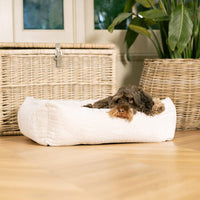


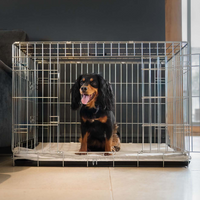
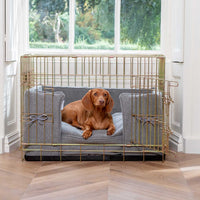
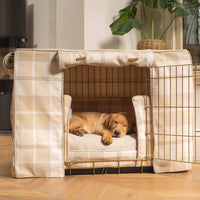



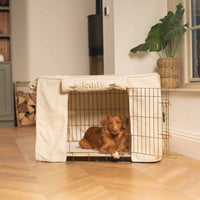
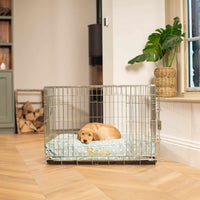


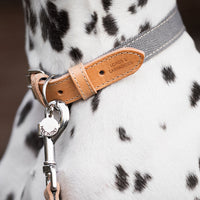
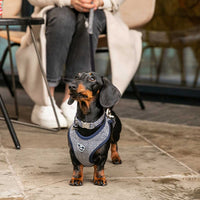
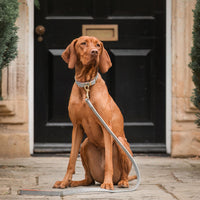


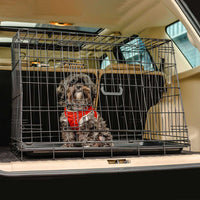
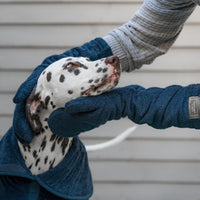
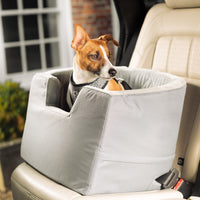


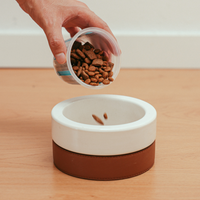


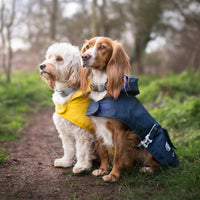
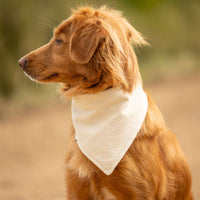
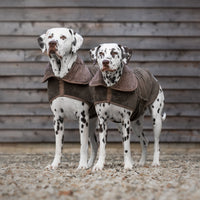


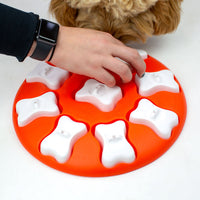
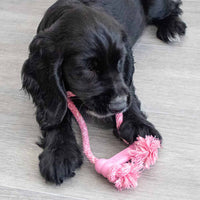


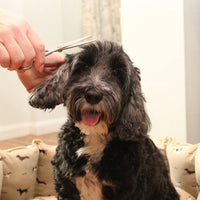

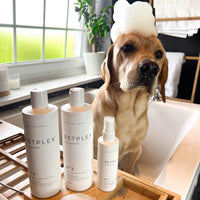


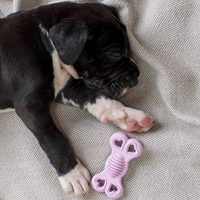
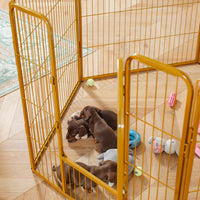











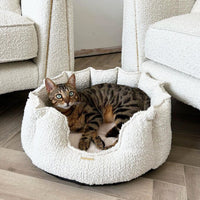
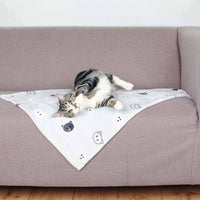
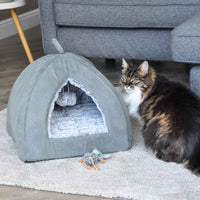







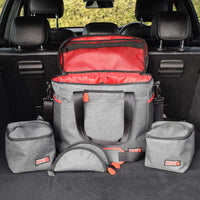




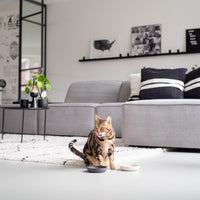


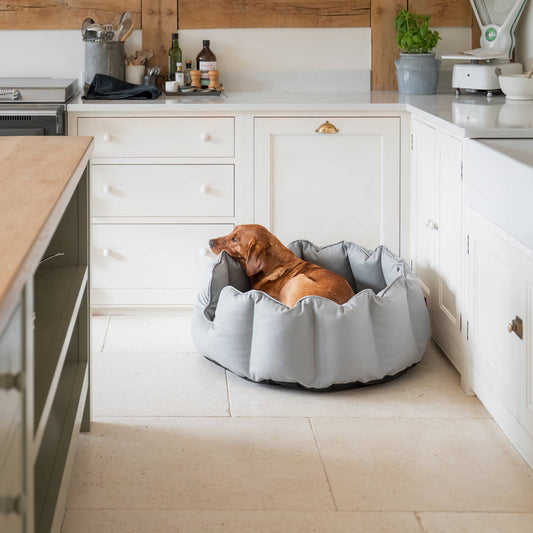


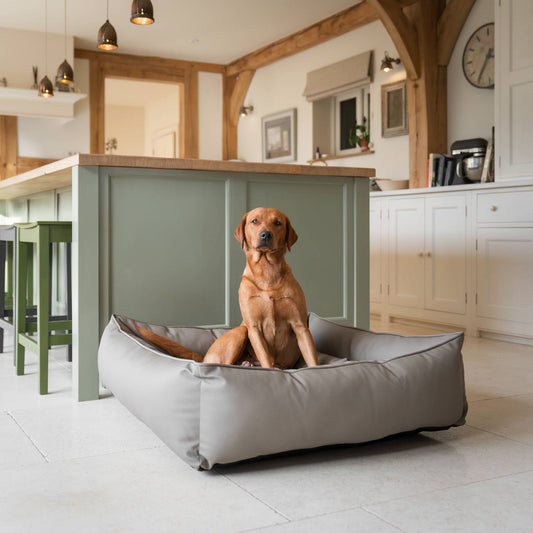

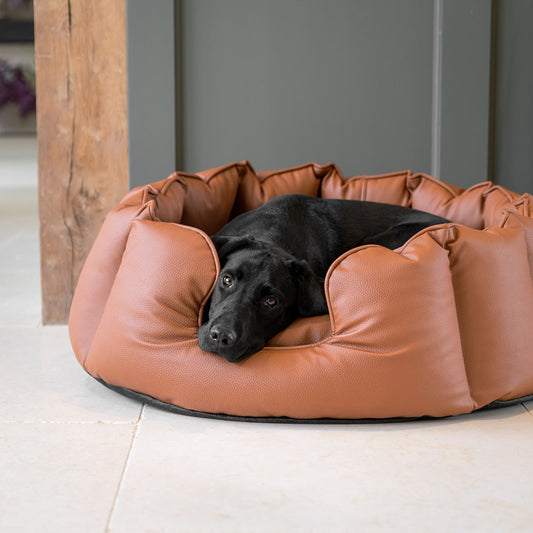


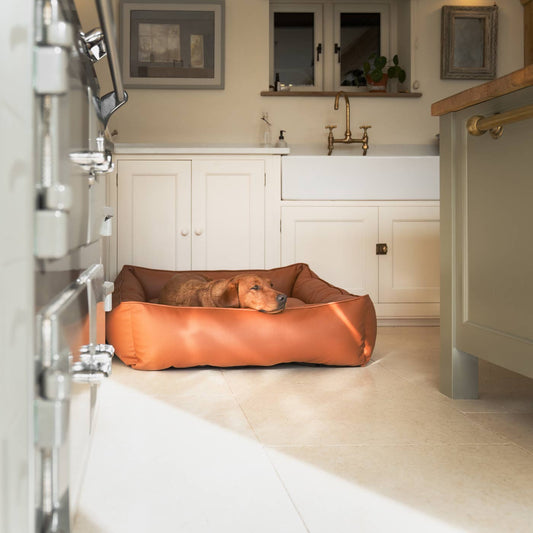

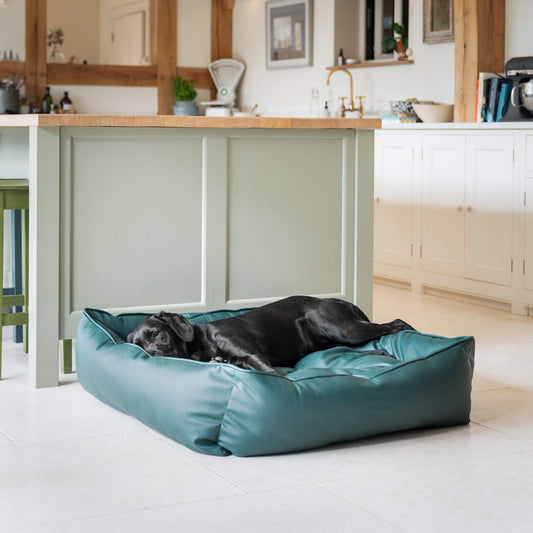


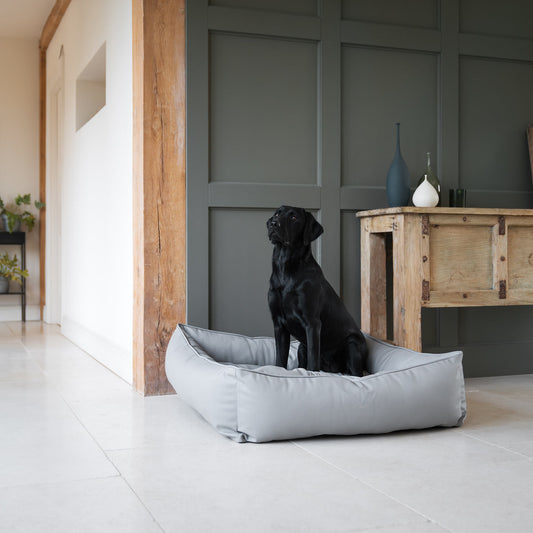


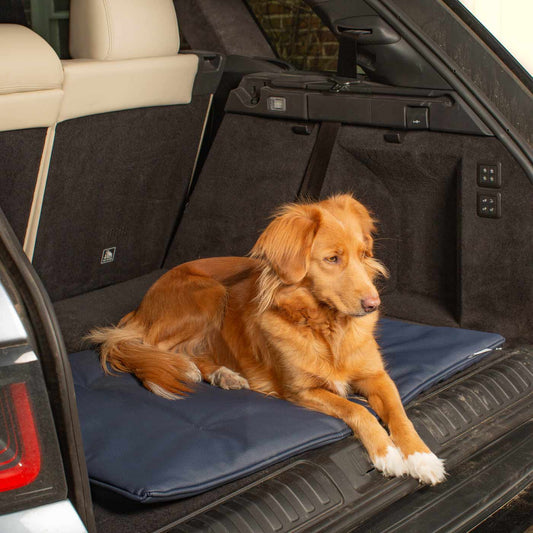


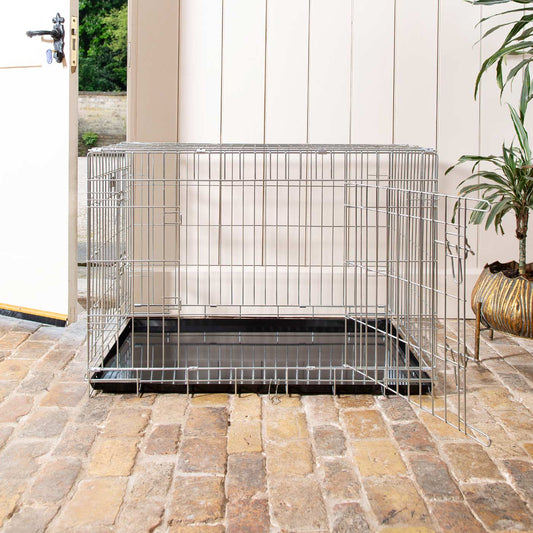


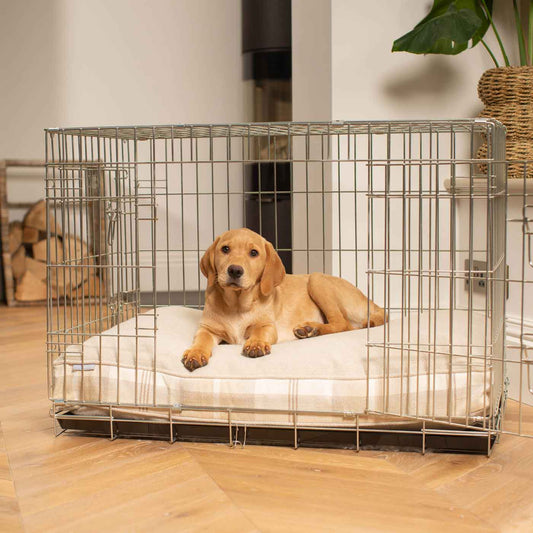

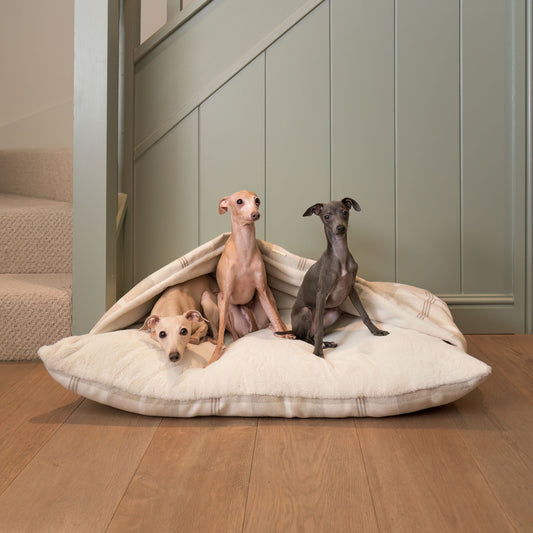
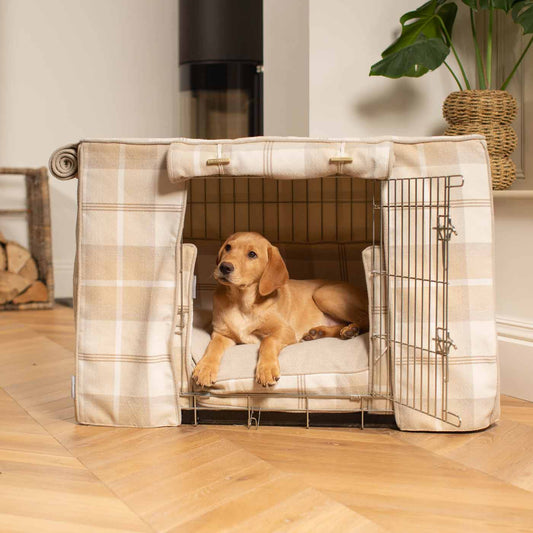


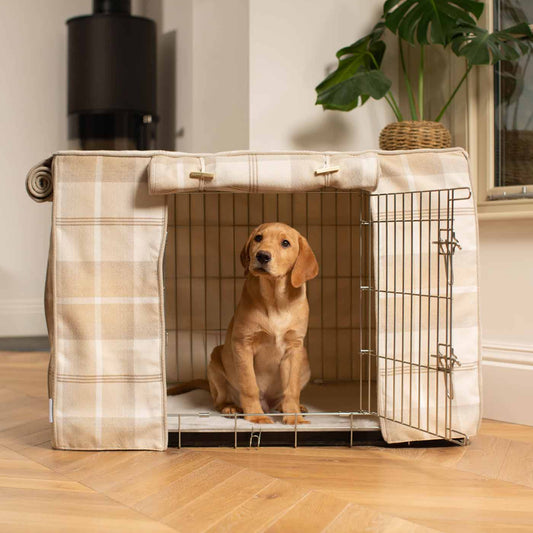
![[color:black]](http://www.lordsandlabradors.co.uk/cdn/shop/files/ScruffsBlackMarblePrintPlacemat2.jpg?v=1684141699&width=533)