Cats are natural explorers. Whether they're sneaking through the garden hedge or climbing a neighbour's tree, their adventurous spirit often leaves us wondering, "Where on earth have they gone now?" This is where cat tracking comes to the rescue! With the right tools, you can keep tabs on your feline friend and enjoy peace of mind.In this guide, we'll explore everything you need to know about tracking your cat, including the best cat trackers, how to use a cat tracking collar, and why investing in the best pet tracking device can be a game-changer for UK cat owners.
Why Track Your Cat?
Cats may be independent, but they can still get into sticky situations. Here are a few reasons why using a tracker on your cat can be beneficial:
Safety First: Whether your cat roams in urban or rural areas, a cat tracker ensures you can find them quickly if they stray too far. This is especially important in high-traffic or wildlife-dense areas.
Health Monitoring: Some advanced trackers provide activity data, helping you monitor your cat's exercise levels and overall well-being.
Peace of Mind: Knowing your cat’s whereabouts can reduce the anxiety that comes with their unpredictable nature.
Types of Cat Trackers
When it comes to finding the best cat tracker for your furry friend, you have several options to choose from:
GPS Trackers: Perfect for outdoor cats, GPS trackers use satellite technology to provide real-time location updates. They’re among the best cat GPS options and offer wide coverage.
Radio Frequency Trackers: These trackers are ideal for short-range tracking, often used to find cats hiding nearby. They’re a great choice for indoor cats who occasionally escape.
Bluetooth Trackers: Best for budget-conscious owners, Bluetooth trackers work well for limited ranges but rely on being within proximity.
When selecting a tracker, think about your cat's habits and your specific needs to find the best cat tracker collar UK residents trust.
Features to Look for in the Best Cat Tracker
Not all trackers are created equal. To ensure you’re choosing the best pet tracking device for your cat, consider these features:
Lightweight Design: Cats are agile and don’t like bulky accessories. Opt for a lightweight tracker that doesn’t hinder their movement.
Long Battery Life: A tracker isn’t much use if it runs out of battery quickly. Look for devices with long-lasting power.
Real-Time Updates: For outdoor adventurers, real-time tracking is essential. This allows you to see their exact location instantly.
Durability: Cats are notorious for squeezing into tight spots and braving the elements. Choose a tracker that’s waterproof and built to withstand their antics.
Tips for Using a Cat Tracker Effectively
Once you’ve chosen the best cat tracker, here are some tips to get the most out of it:
Attach It Securely: Use a well-fitted, comfortable collar designed for cats. Make sure the tracker is snug but not too tight.
Train Your Cat: Let your cat wear the tracker around the house first to get used to the weight and feel.
Set Safe Zones: Many GPS trackers allow you to set geofencing boundaries. You’ll get an alert if your cat ventures outside these zones.
Check Regularly: Ensure the device is charged and securely attached to their collar. Regular maintenance will keep the tracker functioning optimally.
How to Choose the Right Cat Tracking Collar
Choosing the right cat tracking collar is just as important as the tracker itself. Here’s what to keep in mind:
Breakaway Safety: Look for collars with breakaway features to prevent choking hazards if the collar gets snagged.
Adjustable Fit: An adjustable collar ensures your cat stays comfortable as they grow or gain weight.
Personalisation: Adding your cat’s name and your contact details to the collar can be an added safety measure.
Final Thoughts
Tracking your cat doesn’t just keep them safe—it gives you peace of mind and helps you better understand their behaviour. Whether you’re looking for the best cat GPS, a reliable cat finder collar, or the best cat tracker collar UK pet owners trust, there’s a solution for every feline and owner.
Shop Cat Collars at Lords & Labradors
Ready to get started? While you’re choosing the best cat tracker for your pet, explore Lords & Labradors’ range of cat collars. Designed with comfort and safety in mind, our collars are perfect for pairing with a tracker to keep your furry friend safe and stylish.
Cats are natural explorers. Whether they're sneaking through the garden hedge or climbing a neighbour's tree, their adventurous spirit often leaves us wondering, "Where on earth have they gone now?" This is where cat tracking comes to the rescue! With the right tools, you can keep tabs on your feline friend and enjoy peace of mind. In this guide, we'll explore everything you need to know about tracking your cat, including the best cat trackers, how to use a cat tracking collar, and why investing in the best pet tracking device can be a game-changer for UK cat owners.
Why Track Your Cat?
Cats may be independent, but they can still get into sticky situations. Here are a few reasons why using a tracker on your cat can be beneficial:
Safety First: Whether your cat roams in urban or rural areas, a cat tracker ensures you can find them quickly if they stray too far. This is especially important in high-traffic or wildlife-dense areas.
Health Monitoring: Some advanced trackers provide activity data, helping you monitor your cat's exercise levels and overall well-being.
Peace of Mind: Knowing your cat’s whereabouts can reduce the anxiety that comes with their unpredictable nature.
Types of Cat Trackers
When it comes to finding the best cat tracker for your furry friend, you have several options to choose from:
GPS Trackers: Perfect for outdoor cats, GPS trackers use satellite technology to provide real-time location updates. They’re among the best cat GPS options and offer wide coverage.
Radio Frequency Trackers: These trackers are ideal for short-range tracking, often used to find cats hiding nearby. They’re a great choice for indoor cats who occasionally escape.
Bluetooth Trackers: Best for budget-conscious owners, Bluetooth trackers work well for limited ranges but rely on being within proximity.
When selecting a tracker, think about your cat's habits and your specific needs to find the best cat tracker collar UK residents trust.
Features to Look for in the Best Cat Tracker
Not all trackers are created equal. To ensure you’re choosing the best pet tracking device for your cat, consider these features:
Lightweight Design: Cats are agile and don’t like bulky accessories. Opt for a lightweight tracker that doesn’t hinder their movement.
Long Battery Life: A tracker isn’t much use if it runs out of battery quickly. Look for devices with long-lasting power.
Real-Time Updates: For outdoor adventurers, real-time tracking is essential. This allows you to see their exact location instantly.
Durability: Cats are notorious for squeezing into tight spots and braving the elements. Choose a tracker that’s waterproof and built to withstand their antics.
Tips for Using a Cat Tracker Effectively
Once you’ve chosen the best cat tracker, here are some tips to get the most out of it:
Attach It Securely: Use a well-fitted, comfortable collar designed for cats. Make sure the tracker is snug but not too tight.
Train Your Cat: Let your cat wear the tracker around the house first to get used to the weight and feel.
Set Safe Zones: Many GPS trackers allow you to set geofencing boundaries. You’ll get an alert if your cat ventures outside these zones.
Check Regularly: Ensure the device is charged and securely attached to their collar. Regular maintenance will keep the tracker functioning optimally.
How to Choose the Right Cat Tracking Collar
Choosing the right cat tracking collar is just as important as the tracker itself. Here’s what to keep in mind:
Breakaway Safety: Look for collars with breakaway features to prevent choking hazards if the collar gets snagged.
Adjustable Fit: An adjustable collar ensures your cat stays comfortable as they grow or gain weight.
Personalisation: Adding your cat’s name and your contact details to the collar can be an added safety measure.
Final Thoughts
Tracking your cat doesn’t just keep them safe—it gives you peace of mind and helps you better understand their behaviour. Whether you’re looking for the best cat GPS, a reliable cat finder collar, or the best cat tracker collar UK pet owners trust, there’s a solution for every feline and owner.
Shop Cat Collars at Lords & Labradors
Ready to get started? While you’re choosing the best cat tracker for your pet, explore Lords & Labradors’ range of cat collars. Designed with comfort and safety in mind, our collars are perfect for pairing with a tracker to keep your furry friend safe and stylish.
SIGN UP FOR USEFUL TIPS & GUIDES STRAIGHT TO YOUR INBOX
Hairball Treatment for Cats: Everything You Need to Know
Related Articles
04.08.25August 04, 2025FAQs
Why Do Cats Purr?
Have you ever found yourself relaxing on the sofa with your furry companion curled up beside you, softly vibrating with that unmistakable cat purring sound? Whether it's a gentle hum while they snooze or a loud, contented rumble when they're being stroked, cats and purring go hand in hand. But have you ever wondered—why do cats purr? Let’s dive into the world of feline communication to uncover the mystery behind this soothing sound.
The Science Behind the Purr Sound
A purr sound is produced by a cat’s laryngeal muscles, which twitch at a rapid rate—around 25 to 150 vibrations per second. This movement causes a separation of the vocal cords, producing the familiar rhythmic hum we all adore. Interestingly, the sound is created both when a cat inhales and exhales, making it a continuous, comforting presence.
Why Do Cats Purr? The Many Meanings of This Feline Sound
Cats purr for a variety of reasons, and while it’s commonly associated with contentment, the truth is that it serves multiple purposes. Let’s explore some of the key reasons:
1. Contentment and Relaxation
The most well-known reason for cat purring in sleep or during petting sessions is sheer happiness. When a cat is comfortable, feeling safe, and loved, purring serves as a signal of satisfaction. If your feline friend is snuggled up in their favourite spot, enjoying some downtime, their purring is likely a sign of total relaxation.
2. Communication with Their Humans
Cats use their purrs to communicate with us. Have you ever noticed that your cat’s purr sounds slightly different when they’re hungry? Studies suggest that some cats produce a more urgent purr, sometimes mixed with a soft meow, to grab your attention when it’s mealtime.
3. Self-Soothing and Healing
One fascinating aspect of cats and purring is its potential health benefits. Purring has been linked to self-soothing, helping cats calm themselves in stressful situations. What’s more, the frequency of a cat’s purr is believed to have healing properties, aiding in bone growth and tissue repair. This explains why cats might purr when they are injured or feeling unwell.
4. Bonding with Kittens
If you’ve ever heard kitten purring, you’ll know that it’s one of the sweetest sounds. From the moment they are born, kittens purr to bond with their mothers. This purring reassures their mother that they are safe and content, while also helping them stay close during nursing.
5. Stress and Anxiety Relief
Surprisingly, cats might purr when they are stressed or anxious. If your cat is in an unfamiliar environment or feeling uneasy, purring can act as a coping mechanism, helping to reduce their stress levels.
6. Seeking Attention
If your cat starts purring the moment you walk through the door, they’re likely seeking your attention. Whether they want food, playtime, or simply some affection, purring is a feline’s way of saying, "Notice me!"
Kitten Purring Meaning: What to Expect from Your Young Cat
If you’re the proud owner of a young feline, you might be curious about kitten purring meaning. Kittens begin purring at just a few days old, often as a way to bond with their mother. As they grow, their purring may develop into a way to express contentment, seek comfort, or even indicate when they’re feeling playful.
Kittens often purr when being stroked, feeling full after a meal, or settling down for a nap. It’s their way of showing they feel safe and secure in their environment.
Why Does My Cat Purr in Their Sleep?
You might have noticed your feline producing a cat purring sound while they’re fast asleep. This typically indicates deep relaxation and a feeling of security. However, just like humans talk in their sleep, cats may purr due to dreams or subconscious processing of their day’s experiences.
If your cat purrs loudly while sleeping, it’s likely they’re in a particularly deep and peaceful state. Some experts also believe that purring during sleep might help with muscle relaxation and recovery.
How to Encourage a Happy Purring Cat
If you love the sound of your cat’s purr, there are a few ways to encourage it:
Create a safe environment: Provide cosy spots, such as a plush cat bed or a cat tree, where your feline can feel secure.
Offer gentle affection: Many cats enjoy head rubs, chin scratches, and soft petting, which can trigger contented purring.
Provide tasty treats: A happy cat is often a purring cat, and rewarding them with delicious treats can encourage more of those lovely vibrations.
Interactive play: Engaging your cat with toys and games helps build their confidence and deepen your bond.
Conclusion
Cats and purring go together like peanut butter and jelly. While purring is often a sign of happiness, it can also serve a variety of other purposes, from communication to self-soothing and healing. Whether you’re listening to the gentle hum of kitten purring or the steady rhythm of your senior cat’s purr, understanding their sounds helps you build a stronger bond with your furry companion.
If you want to create the perfect environment for your cat to relax and purr away, be sure to check out Lords & Labradors' range of luxurious cat essentials, including plush beds, cat trees, and tasty treats.
So, next time your feline friend starts their soothing hum, you’ll know they’re communicating with you in the most delightful way!
If you’ve ever heard the phrase “terrible twos,” you’ll know it often refers to that stage in a toddler’s life when they’re full of mischief, testing boundaries, and prone to the occasional tantrum. But does this apply to our furry friends too? The short answer: yes and no. While puppies don’t technically reach the “terrible twos” in the same sense as human toddlers, they do go through phases—particularly around six months to adolescence—where “challenging” puppy behaviour can rear its head. In this blog, our Pet Experts explore why your puppy may seem to have entered a rebellious stage, how to tackle common issues like how to stop puppy biting, and why consistency, patience, and the right products from Lords & Labradors can make all the difference.
The ‘Terrible Twos’ in Puppy Terms
When people talk about “puppy terrible twos,” they’re usually describing an adolescent phase where your pup’s confidence grows, and they become more curious and—let’s face it—a bit cheeky. This phase often begins around the six-month mark and can last until they’re about one to two years old. During this time, you may notice:
Excessive chewing or biting, sometimes due to teething or boredom.
Aggressive behaviour in puppies, which could be playful nipping turning more forceful, or resource guarding.
Increased energy levels, leading to more excitement or boisterous play.
Selective hearing, where once well-trained commands suddenly seem forgotten.
I remember my own pup, Richmond, suddenly deciding at seven months that the sofa cushions were his favourite chew toy—despite weeks of perfect behaviour beforehand! It felt like an overnight change, but in reality, Richmond was just testing his boundaries.
Why the Change Happens
Hormones & Maturity: As puppies grow, their hormones kick in. This can lead to heightened energy, exploratory behaviour, and sometimes even territorial displays.
Teething & Discomfort: Around six months, many puppies experience the final stages of teething, which can result in chewing or nipping as they try to alleviate gum pain.
Social Development: Puppies start to understand pack hierarchy. They may push boundaries to see what they can get away with—much like a human teenager challenging curfews.
6 Month Puppy Behaviour: What to Expect
By the time your puppy reaches six months old, you might notice some common changes:
Testing Limits: They may ignore cues like “sit” or “stay,” even though they seemed to have them mastered at 12 weeks.
Exploratory Chewing: This can manifest in chewing furniture, shoes, or anything within reach—especially if they’re bored.
Heightened Play Biting: Playful nips can become a bit stronger, raising questions about how to stop puppy biting effectively.
While these changes can be frustrating, remember that they’re normal developmental stages. Your puppy isn’t being “bad” on purpose; they’re simply growing up and learning.
Tips on Managing “Terrible Twos” Behaviour
1. Consistent Training
Reinforce basic commands daily—“sit,” “stay,” “down”—and ensure everyone in your household is on the same page. Mixed messages can confuse your puppy, leading to inconsistent behaviour.
2. Positive Reinforcement
Reward the behaviours you want to see. Treats, praise, or even a quick play session with a favourite toy can reinforce good manners. Avoid punishment-based training, as it can lead to fear or aggressive behaviour in puppies. Make sure you have plenty of puppy training treats to hand so you can reward any positive behaviour!
3. Mental Stimulation
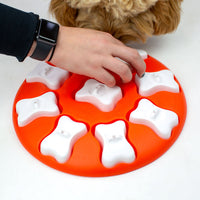
One of the best ways to curb unwanted puppy terrible twos behaviour is to keep their minds occupied. Puzzle toys, interactive feeders, and regular training sessions help burn mental energy and reduce boredom-related mischief. We love the Nina Ottosson interactive dog toys, they’re perfect for keeping growing pup’s minds stimulated
4. Physical Exercise
A tired puppy is often a well-behaved puppy. Regular walks, play sessions, and even safe puppy agility can help release pent-up energy. Remember not to overdo it, especially with large-breed puppies whose joints are still developing.
5. Appropriate Chew Toys
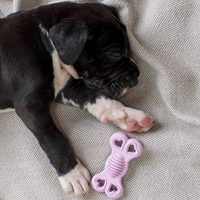
Provide safe and durable chew toys to satisfy their natural urge to chew—especially helpful for teething. We have a range of teething toys and accessories designed to soothe sore gums and redirect chewing behaviour away from your household items. The KONG puppy range is especially great for teething puppies as it is specially formulated to be strong and durable against them shark teeth.
How to Stop Puppy Biting
Puppy biting is one of the most common complaints during the “terrible twos.” Here’s how you can tackle it:
Redirect: If your puppy nips at your hands or feet, immediately offer a chew toy. This teaches them what’s acceptable to bite—and what isn’t.
Positive Corrections: A gentle “ouch” or yelp can mimic how puppies let each other know a play bite is too hard. Then, stop interaction momentarily to show that biting ends the fun.
Reward Calm Behaviour: The moment your puppy licks or plays gently, reward them with praise or a small treat. Reinforcing the behaviour you want is key.
Use Training Aids: There are helpful aids such as bitter sprays that deter chewing on furniture and certain toys. We love the Simple Solutions Chew Stopper, the unpleasant taste of the spray makes your puppy associate whatever they’re chewing with that taste so they won’t want to chew it anymore.
Managing Aggressive Behaviour in Puppies
Although true aggression in puppies is relatively rare, certain behaviours may appear aggressive—like growling or snapping. Often, these are signs of fear, over-excitement, or resource guarding. Consider the following:
Seek Professional Advice: If you’re concerned about genuinely aggressive behaviour in puppies, consult a qualified dog trainer or vet. They can identify underlying causes and offer tailored solutions.
Early Socialisation: Make sure your puppy experiences various environments, people, and gentle dogs to reduce fear-based reactions later.
Identify Triggers: Does your puppy growl over their food bowl or toys? Start by teaching them that hands near the bowl or toy mean treats, not threats.
Lords & Labradors Puppy Essentials
At Lords & Labradors, we understand how exciting—and sometimes overwhelming—puppy parenthood can be. That’s why we offer a dedicated Puppy Homepage filled with everything you need for your new furry family member including:
Teething Toys: Specially designed to soothe sore gums and reduce the urge to bite.
Training Essentials: From clickers and treat pouches to puppy-safe crate bedding.
Calming Aids: Products that help soothe anxious pups or those struggling with new experiences.
For more tips from our team of pet experts, head to our Puppy Section on our Information Hub. You’ll find plenty of informative blog posts on how to navigate each stage of puppyhood.
Frequently Asked Questions
When does puppy “terrible twos” typically start?
It can begin as early as six months and continue until about a year or two, depending on the breed and individual temperament.
How do I deal with constant nipping?
Consistency is key. Offer a chew toy when your puppy attempts to nip, and calmly end the play session if they don’t stop. Praise them as soon as they lick or chew appropriately.
Will my puppy’s sudden rebellious streak pass on its own?
With consistent training and patience, most challenging puppy behaviour eases as they mature. However, reinforcing good habits is essential to ensure they become a well-behaved adult dog.
What if my puppy shows signs of aggression towards people or other dogs?
True aggression in puppies can stem from fear or a lack of socialisation. Seek help from a vet or qualified trainer to identify triggers and work on a behaviour modification plan.
How much exercise does a six-month-old puppy need?
This varies by breed, but generally, two short walks a day plus some playtime are recommended. Always monitor for signs of fatigue, as young joints are still developing.
Final Thoughts
The puppy terrible twos can be challenging, but they’re also a natural—and often short-lived—part of growing up. Understanding 6-month puppy behaviour, knowing how to stop puppy biting, and addressing potential aggressive behaviour in puppies all come down to patience, consistent positive reinforcement, and the right tools. By investing in quality teething toys, training essentials, and exploring professional advice when needed, you’ll guide your pup through these tumultuous months into a confident, well-behaved adult.
Feeling ready to tackle puppyhood head-on? Don’t forget to browse our Puppy Emporium, which is full of the essentials you need to transform the "terrible twos". With the right balance of love, structure, and patience, you’ll transform those “terrible twos” into terrific memories in no time!
Bringing a new puppy home is an exciting experience, but it also comes with a lot of decisions—especially when it comes to nutrition. With so many options available, from puppy dry dog food to wet puppy food, raw diets, and everything in between, it can be tricky to know what’s best for your new furry friend.
In this guide, we’ll break down everything you need to know about choosing the best puppy food to support your pup’s growth, energy levels, and overall health.
Why Puppy Food Matters
Puppies grow at a rapid pace, and their nutritional needs are different from adult dogs. The right diet ensures they develop strong bones, muscles, and a healthy immune system. Unlike adult dog food, good puppy food is formulated with higher levels of protein, fat, and essential nutrients to support their development.
When selecting the right food for your puppy, there are a few key things to consider
Age and breed size – Different breeds grow at different rates. Large breeds need food that supports joint health, while smaller breeds require kibble that’s easier to chew.
Food type – Should you choose puppy dry dog food, wet dog food for puppies, or even raw puppy food? We’ll explore the options below.
Digestive needs – Some puppies have sensitive stomachs and need specially formulated food.
Nutritional balance – The food should contain high-quality protein, healthy fats, vitamins, and minerals.
Different Types of Puppy Food
Each type of puppy food has its own benefits. Here’s a closer look at the most popular options:
Puppy Dry Dog Food (Kibble)
Puppy dry dog food is one of the most common choices for new pet parents. It’s convenient, has a long shelf life, and helps keep your pup’s teeth clean. High-quality kibble should be rich in protein, with no artificial additives or fillers.
Pros: Easy to store, helps with dental health, cost-effective Cons: Less moisture, may not appeal to fussy eaters
Wet Puppy Food & Canned Puppy Food
Wet puppy food, also known as canned puppy food, is a great option if your pup prefers softer textures. It’s rich in moisture, which helps keep puppies hydrated, and tends to be more palatable for picky eaters.
Pros: High moisture content, more appealing taste, easy to digest Cons: Can be messy, shorter shelf life once opened
Raw Puppy Food
Some pet owners choose a raw puppy food diet, which consists of fresh, unprocessed meats, bones, and organs. Advocates say it mirrors what dogs would eat in the wild and can lead to a shinier coat and better digestion. However, raw diets require careful planning to ensure they meet your puppy’s nutritional needs.
Pros: Natural ingredients, potential health benefits Cons: Requires preparation, risk of bacteria if not handled properly
Puppy Milk & Weaning Puppies
When puppies are very young, they rely on their mother’s milk for essential nutrients. If you’re hand-rearing a pup or supporting a litter, puppy milk can be a helpful supplement. As puppies grow, they begin weaning onto solid food, usually between 3-4 weeks old. Softened kibble or wet puppy food can make this transition smoother.
Choosing the Best Puppy Food for Sensitive Stomachs
Just like humans, some puppies have food sensitivities or allergies. If your pup experiences digestive issues like gas, diarrhoea, or vomiting, they may need puppy food for sensitive stomachs. Look for:
Easily digestible proteins like chicken or turkey
Limited ingredients to reduce the risk of allergies
No artificial additives, grains, or fillers
The Orijen range of puppy food is great for sensitive puppies as it mirrors the rich, fresh variety of WholePrey meats that your puppy would have eaten in the wild with no artificial colours, flavours or preservatives. It has a really high protein content too which is perfect for supporting your growing puppy.
Puppy Treats & Biscuits: A Tasty Reward
Training your puppy is much easier with the help of puppy treats! These little rewards help reinforce positive behaviour and build a strong bond between you and your furry friend. Opt for puppy biscuits that are specially formulated for young dogs to ensure they’re easy to chew and digest. We love The Innocent Hound Puppy Training treats, they have a simple grain free and single protein recipe which makes them easy on your puppy’s tummy.
How to Transition to a New Puppy Food
If you need to switch your puppy’s diet, it’s important to do so gradually. A sudden change can upset their stomach, so follow this process:
Days 1-2: 75% old food, 25% new food
Days 3-4: 50% old food, 50% new food
Days 5-6: 25% old food, 75% new food
Day 7: Fully switched to new food
If your puppy experiences any digestive upset, slow down the transition and consult your vet.
Final Thoughts
Finding the best puppy food for your furry friend might take a little trial and error, but ensuring they get the right nutrition is one of the best things you can do for their health. Whether you opt for dry puppy food, wet dog food for puppies, or even raw puppy food, always choose high-quality ingredients that support their growth.
Discover Premium Puppy Food & Essentials at Lords & Labradors
At Lords & Labradors, we offer a carefully curated selection of good puppy food, training treats, and feeding essentials to give your pup the best start in life. Explore our range today and find the perfect nutrition for your growing companion! Not sure on where to start with feeding your puppy? Chat to our friendly team of Pet Experts, they all have years of pet owning experience so have all the best tips and tricks for transitioning your puppy’s food.
Maintaining a clean litter box is one of the most important things you can do for your cat's health and happiness, but figuring out exactly how often you should change your cat's litter can feel overwhelming with so many conflicting opinions out there. The truth is, the right schedule depends on your specific situation—your cat's habits, the type of litter you choose, and a few simple daily routines that make all the difference. Let's break down the practical steps that will keep your feline friend purring and your home smelling fresh.
Understanding Your Cat's Litter Needs
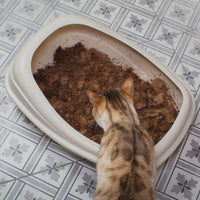
Your cat's relationship with their litter box tells you everything about their comfort and wellbeing. Most cats make 2-4 trips daily for urination and one for defecation, so this little corner of your home gets serious traffic. When you're wondering how often you should change your cat's litter, you're essentially asking how to keep up with one of their most important daily rituals.
Here's the thing about cats: they're incredibly particular about cleanliness. In the wild, they bury their waste to stay hidden from predators, and that fastidious nature doesn't disappear just because they're living the good life on your sofa. When their litter box falls below their standards, they'll let you know—sometimes by avoiding it altogether, which leads to unwelcome surprises around the house, or through stress behaviors like excessive grooming or finding new hiding spots.
Watch your cat at their litter box, and you'll see exactly what I mean. A happy cat approaches confidently, digs with purpose, does their business, covers it thoroughly, and walks away satisfied. A cat dealing with a less-than-ideal situation? They'll perch on the edges like they're navigating a minefield, rush through everything, or give you those unmistakable "fix this immediately" stares.
The beautiful thing is that staying ahead of litter box maintenance doesn't mean becoming a full-time janitor. A few minutes of daily attention actually saves you hours later by preventing stubborn odors and avoiding those complete box overhauls that nobody enjoys. Your cat stays content, your home stays fresh, and you get the satisfaction of supporting their natural instincts.
Daily Spot-Cleaning: A Simple Routine
Daily spot-cleaning forms the backbone of effective litter box maintenance and directly impacts how often you should change your cat's litter completely. This simple five-minute routine involves removing solid waste and clumped urine daily, keeping the remaining litter fresh for much longer. When you stay on top of daily cleaning, you can stretch the time between full litter changes from every few days to once or twice a week, depending on your cat and litter type.
Here's how to make daily spot-cleaning quick and efficient:
Choose your timing wisely - Most cats prefer using a clean box, so scoop in the morning or evening when your feline friend is most active. I find evening works best since it gives my cats a fresh start for overnight visits.
Use a sturdy, slotted scoop - A good-quality scoop with appropriately sized holes makes the job faster and prevents you from accidentally removing clean litter along with waste.
Work systematically - Start from one end of the box and move to the other, gently sifting to let clean litter fall through while capturing clumps and solids in one smooth motion.
Top off as needed - Add a small amount of fresh litter to replace what you've removed, maintaining a consistent depth of about two to three inches.
Dispose thoughtfully - Seal waste in a small bag or use flushable litter according to manufacturer guidelines and your local regulations.
The benefits of this daily routine extend far beyond keeping things tidy. Your cat enjoys a consistently clean bathroom, which dramatically reduces the chance of accidents outside the box. Odors stay manageable because waste doesn't have time to break down and create stronger smells. You'll actually use less litter overall since the majority stays clean and usable for longer periods.
There's another bonus many pet parents don't consider: regular scooping helps you spot health changes early. When you're checking the box daily, you'll quickly notice if your cat's bathroom habits shift, which can be an early indicator that a vet visit might be needed.
This routine is one of the most effective ways to reduce litter box smell naturally while building a sustainable cleaning schedule that works for busy pet parents. Your cat will appreciate the attention to their comfort, and you'll find that maintaining their space becomes second nature within just a few weeks.
Full Litter Changes: When and Why
While daily scooping keeps things manageable, a complete litter change means emptying the entire box, cleaning it thoroughly, and starting fresh with new litter. This deeper clean eliminates lingering odors, bacteria, and residue that builds up over time—making it essential for maintaining a truly fresh home and keeping your cat comfortable.
Several key factors determine how frequently you'll need these full changes:
• Number of cats sharing the box - A single cat typically allows for weekly changes, but two cats using the same box will need fresh litter every 3-4 days. More cats simply mean more waste and faster odor buildup.
• Type of litter you're using - Clumping litters often last longer between full changes since you remove most waste during daily scooping. Non-clumping varieties absorb odors throughout the litter and usually need replacing every few days.
• Size of your litter box - Larger boxes with more litter volume can go longer between changes, while smaller boxes reach their saturation point much faster, especially with finicky cats who demand pristine conditions.
Here's how to tackle a thorough litter change that actually gets the job done:
Empty all used litter into a sturdy garbage bag, scraping away any stuck bits with your scoop
Rinse the empty box with warm water and mild dish soap
Scrub away residue or stains with a pet-safe cleaner
Rinse thoroughly and dry completely before adding fresh litter
Pour in 2-3 inches of new litter, adjusting based on your cat's digging habits
Place the box back in its usual spot and give your cat time to inspect your handiwork
Most single-cat households can stick to weekly full changes, while multi-cat homes often need refreshing every 3-5 days. Trust your nose and your cat's behavior over rigid schedules. Persistent odors after scooping, your cat avoiding the box entirely, or visible saturation throughout the litter all signal it's time for an immediate refresh. Your cat will thank you for staying on top of it.
Choosing the Right Litter for Your Cat
The type of litter you choose has a massive impact on how often you should change your cat's litter. Some materials naturally control odors better and last longer between full changes, while others need more frequent attention to keep your home fresh and your cat happy.
Litter Type
Change Frequency
Odor Control
Key Pros & Cons
Clay (Non-clumping)
Every 3-4 days
Fair
Affordable, absorbs moisture well / Gets soggy quickly, tracking issues
Clumping Clay
Weekly
Good
Easy scooping, long-lasting / Dusty, heavier to carry
Crystal/Silica
2-3 weeks
Excellent
Superior odor absorption, low dust / Higher upfront cost, some cats dislike texture
Natural/Biodegradable
5-7 days
Good
Eco-friendly, flushable options / Can be pricier, may need more frequent changes
When selecting the best cat litter for odor control that fits your lifestyle, think about these practical considerations:
Your cat's texture preferences—trust me, some cats have very strong opinions about crystal versus clay
Household sensitivity to dust or fragrances (especially important with family members who have allergies)
How much time you realistically have for daily scooping and maintenance
Your budget for both the initial purchase and ongoing costs
Environmental priorities and how you prefer to dispose of used litter
Crystal litters have been game-changers for busy pet parents who want excellent odor control with less frequent full changes. Natural options work beautifully for eco-conscious families, though you might find yourself changing them a bit more often. The secret is finding that perfect match between your cat's comfort and your maintenance routine.
Your litter choice sets the foundation for everything else. When you hit that sweet spot between effective odor management and your cat's preferences, you'll naturally extend time between full changes while keeping a fresh space that makes both of you happy.
Hygiene Best Practices for a Happy Cat
Maintaining excellent litter box hygiene goes far beyond just asking, "how often should I change my cat's litter?" While regular changes are key, creating a fresh and welcoming space for your feline involves caring for the entire litter area. Cats have a keen sense of smell and can detect odors and bacteria that might evade our senses, which directly affect their willingness to use the box and their health.
These essential tips will ensure a happy litter box experience for your cat:
Scoop Twice Daily: Aim for a quick scoop in the morning and evening to keep unpleasant odors at bay and stop bacteria in their tracks.
Weekly Deep Clean: Give the litter box a thorough wash every week using warm water and mild, unscented dish soap. Steer clear of harsh chemicals that might discourage your cat from using the box.
Optimal Litter Depth: Keep 2-3 inches of litter in the box. This helps in absorbing moisture and prevents waste from reaching the box bottom.
Daily Area Clean-Up: Wiping down the area around the box each day helps control tracked litter and stops bacteria from setting up camp.
Liner Management: If liners are part of your routine, change them weekly. Many cats, however, prefer the box without them, so feel free to skip if necessary.
Floor Maintenance: Vacuum or sweep the area around the box every few days to handle any stray litter and maintain cleanliness.
Strategic Mat Placement: A quality litter mat outside the box can trap particles, stopping them from becoming a household menace.
Ventilation Matters: Ensure the litter area has good airflow. This fights moisture and keeps germs at bay.
Following these practices alongside your litter change schedule ensures a space your cat will love. It’s more than just avoiding bad smells—you're nurturing their natural instincts and keeping stress-related behaviors to a minimum. A clean and inviting litter setup means a happy, content cat, and who wouldn't want that?
Creating a Litter Box Routine That Works for You
The key to mastering how often you should change your cat's litter lies in finding a rhythm that works for both you and your feline friend. Start by setting realistic expectations for yourself. If you're naturally a morning person, build litter box maintenance into your coffee routine. Night owls might prefer checking the box before settling in for the evening. The important thing is consistency, not perfection.
Consider your household's unique circumstances when establishing your routine. Multi-cat homes will need more frequent attention, while single-cat households can often stretch a bit longer between full changes. If you travel frequently for work, you might invest in the best cat litter for odor control to maintain freshness during longer stretches. Similarly, if you have a particularly picky cat, you'll quickly learn the signs it's time to change cat litter before they start protesting with pointed stares or strategic deposits outside the box.
Your routine will naturally evolve as you learn your cat's preferences. Maybe you'll discover that Thursday is mysteriously always the smelliest day, or that your cat becomes finicky right before weekend guests arrive. These little quirks become part of your shared language as pet parent and cat—those moments when you think, "Ah, Princess Whiskers is giving me that look again."
Don't stress if it takes a few weeks to find your groove. Every experienced cat parent has stories of trial and error, from accidentally buying the wrong litter type to realizing their "low-maintenance" cat actually has very specific opinions about cleanliness. The goal isn't Pinterest-perfect litter box management, but creating a sustainable system that keeps both you and your cat content with a fresh, clean space.


































































![[color:pink velour and floral]](http://www.lordsandlabradors.co.uk/cdn/shop/products/ancol-safety-buckle-cat-collar-with-bow-and-bell-pink.jpg?v=1636975566&width=533)