Welcome to the ultimate guide on Coton De Tulears! If you’re considering adding one of these adorable fluffy companions to your family or if you already have one, this comprehensive guide will provide you with all the essential information you need to know about Coton De Tulears, from their personality traits to health issues, training, dietary needs, and everything in between. To shop all the essentials for your Coton De Tulear click here for our personalised shopping guide!
Coton De Tulear Facts and Information
The Coton De Tulear is a small, cheerful, and affectionate dog breed known for its cotton-like coat and charming personality. Originating from Madagascar, they were initially bred as companions, and their name comes from the French word "coton" for cotton. They are a beloved breed for their loving nature and gentle disposition.
Coton De Tulear Personality and Traits
Coton De Tulears are renowned for their friendly and sociable nature. They thrive on human companionship and are known to be excellent family pets. Their playful demeanour makes them wonderful companions for households with children, and their affectionate nature means they form strong bonds with their owners.
Coton De Tulear Health Issues
While generally healthy dogs, Coton De Tulears may be prone to certain health issues such as luxating patella, hip dysplasia, and progressive retinal atrophy. Regular veterinary check-ups, a balanced diet, and proper exercise can help maintain their overall health and well-being.
Raising A Coton De Tulear
Raising a Coton De Tulear requires patience, consistency, and love. Early socialisation and positive reinforcement training are essential to ensure they grow into well-behaved and well-adjusted companions.
Coton De Tulear Training
Coton De Tulears are intelligent and eager to please, which makes training a rewarding experience. Positive reinforcement techniques, such as treats and praise, work best with this breed. Consistent training from an early age helps establish good behaviour patterns and strengthens the bond between owner and dog.
Exercise Needs of a Coton De Tulear
Coton De Tulears are moderately active dogs that enjoy daily walks and playtime. Aim for around 30 minutes to an hour of exercise per day to keep them mentally and physically stimulated.
Best Walking Accessories for a Coton De Tulear
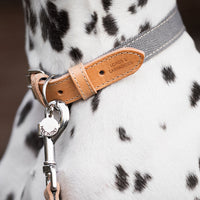
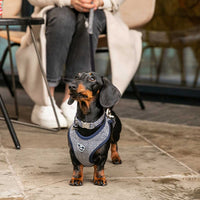
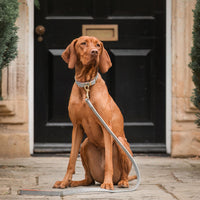
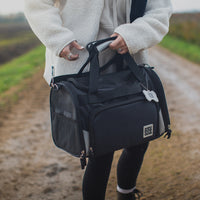
Investing in a comfortable harness and a sturdy lead is essential for enjoyable walks with your Coton De Tulear. Choose accessories that are lightweight and adjustable for a snug fit. We love the Cocopup London walking accessories, they are lightweight and super adjustable as well as coming in so many cute patterns.[product]
Dietary Needs of a Coton De Tulear
Providing a balanced diet is crucial for the health and longevity of your Coton De Tulear. Choose high-quality dog food formulated for small breeds and monitor their portion sizes to prevent overeating.
Best Food for a Coton De Tulear Puppy
When selecting food for a Coton De Tulear puppy, opt for formulas specifically designed to support their growth and development. Look for puppy food that contains essential nutrients such as protein, vitamins, and minerals. We particularly love the ACANA Small Breed Puppy Food, it’s made with 70%* protein-rich quality animal ingredients so it is perfect for supporting your Coton De Tulear’s development.
Best Food for a Coton De Tulear
As your Coton De Tulear matures, transition to an adult dog food that meets their nutritional needs and the ORIJEN Small Breed Dog Food does just that. It is made from 85% quality protein including fresh or raw chicken, turkey, wild-caught fish, it is also rich in Omega-3 and Omega-6 fatty acids support healthy eyes and skin, and a shiny coat so is a perfect food choice for your pup.
Coton De Tulear Bed
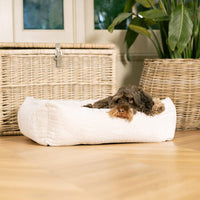
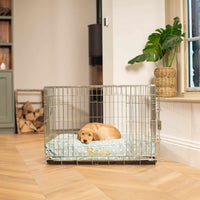
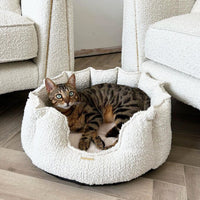
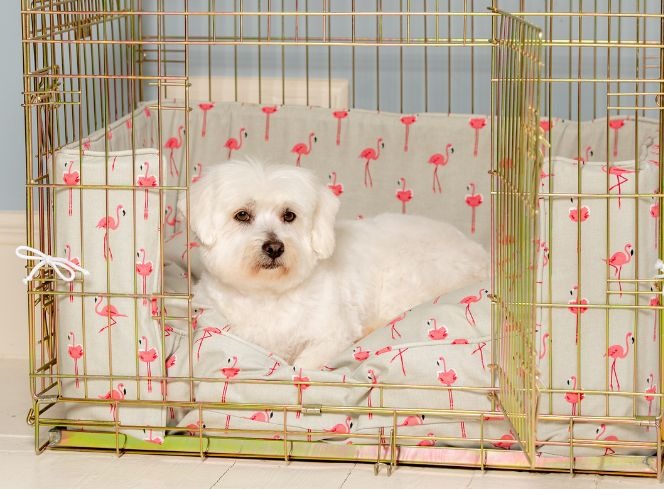
Your Coton De Tulear will want a cosy bed to rest and relax in, luckily beds are our speciality. If your Coton De Tulear is anything like ours they will absolutely love a high wall bed! Nush loves the high sides of her granite bouclé bed for curling up in at nap time and the cloud-like Bouclé is super snuggly.
In conclusion, Coton De Tulears are delightful companions known for their affectionate nature and charming personalities. With proper care, training, and attention to their needs, they make wonderful additions to any household. Whether you're considering welcoming a Coton De Tulear into your family or you're already a proud owner, this ultimate guide will help you provide the best care for your beloved canine companion.
Welcome to the ultimate guide on Coton De Tulears! If you’re considering adding one of these adorable fluffy companions to your family or if you already have one, this comprehensive guide will provide you with all the essential information you need to know about Coton De Tulears, from their personality traits to health issues, training, dietary needs, and everything in between. To shop all the essentials for your Coton De Tulear click here for our personalised shopping guide!
Coton De Tulear Facts and Information
The Coton De Tulear is a small, cheerful, and affectionate dog breed known for its cotton-like coat and charming personality. Originating from Madagascar, they were initially bred as companions, and their name comes from the French word "coton" for cotton. They are a beloved breed for their loving nature and gentle disposition.
Coton De Tulear Personality and Traits
Coton De Tulears are renowned for their friendly and sociable nature. They thrive on human companionship and are known to be excellent family pets. Their playful demeanour makes them wonderful companions for households with children, and their affectionate nature means they form strong bonds with their owners.
Coton De Tulear Health Issues
While generally healthy dogs, Coton De Tulears may be prone to certain health issues such as luxating patella, hip dysplasia, and progressive retinal atrophy. Regular veterinary check-ups, a balanced diet, and proper exercise can help maintain their overall health and well-being.
Raising A Coton De Tulear
Raising a Coton De Tulear requires patience, consistency, and love. Early socialisation and positive reinforcement training are essential to ensure they grow into well-behaved and well-adjusted companions.
Coton De Tulear Training
Coton De Tulears are intelligent and eager to please, which makes training a rewarding experience. Positive reinforcement techniques, such as treats and praise, work best with this breed. Consistent training from an early age helps establish good behaviour patterns and strengthens the bond between owner and dog.
Exercise Needs of a Coton De Tulear
Coton De Tulears are moderately active dogs that enjoy daily walks and playtime. Aim for around 30 minutes to an hour of exercise per day to keep them mentally and physically stimulated.
Best Walking Accessories for a Coton De Tulear
Investing in a comfortable harness and a sturdy lead is essential for enjoyable walks with your Coton De Tulear. Choose accessories that are lightweight and adjustable for a snug fit. We love the Cocopup London walking accessories, they are lightweight and super adjustable as well as coming in so many cute patterns.
Providing a balanced diet is crucial for the health and longevity of your Coton De Tulear. Choose high-quality dog food formulated for small breeds and monitor their portion sizes to prevent overeating.
Best Food for a Coton De Tulear Puppy
When selecting food for a Coton De Tulear puppy, opt for formulas specifically designed to support their growth and development. Look for puppy food that contains essential nutrients such as protein, vitamins, and minerals. We particularly love the ACANA Small Breed Puppy Food, it’s made with 70%* protein-rich quality animal ingredients so it is perfect for supporting your Coton De Tulear’s development.
Best Food for a Coton De Tulear
As your Coton De Tulear matures, transition to an adult dog food that meets their nutritional needs and the ORIJEN Small Breed Dog Food does just that. It is made from 85% quality protein including fresh or raw chicken, turkey, wild-caught fish, it is also rich in Omega-3 and Omega-6 fatty acids support healthy eyes and skin, and a shiny coat so is a perfect food choice for your pup.
Coton De Tulear Bed
Your Coton De Tulear will want a cosy bed to rest and relax in, luckily beds are our speciality. If your Coton De Tulear is anything like ours they will absolutely love a high wall bed! Nush loves the high sides of her granite bouclé bed for curling up in at nap time and the cloud-like Bouclé is super snuggly.
In conclusion, Coton De Tulears are delightful companions known for their affectionate nature and charming personalities. With proper care, training, and attention to their needs, they make wonderful additions to any household. Whether you're considering welcoming a Coton De Tulear into your family or you're already a proud owner, this ultimate guide will help you provide the best care for your beloved canine companion.
SIGN UP FOR USEFUL TIPS & GUIDES STRAIGHT TO YOUR INBOX
If you've ever watched your Beagle bounce around the house like a furry pinball machine, you're probably wondering exactly how much exercise does a Beagle need to channel all that energy. The answer isn't as simple as a daily walk around the block—these spirited hunting dogs require a thoughtful blend of physical activity and mental challenges that evolves throughout their lives. From puppyhood through their golden years, we'll help you create the perfect exercise routine that keeps your Beagle happy, healthy, and blissfully tired at the end of each day.
Understanding Your Beagle's Exercise Needs
Beagles are natural athletes with boundless curiosity, originally bred to hunt alongside humans for hours at a time. This heritage means your Beagle comes hardwired with impressive stamina and an insatiable need to explore the world through movement and scent.
When you're wondering how much exercise does a beagle need, think beyond just a quick walk around the block. These spirited dogs thrive on both physical activity and mental challenges to stay balanced and content. You'll likely notice that a tired Beagle is a happy Beagle—while an under-exercised one might redecorate your living room or serenade the neighbors with their famous howl.
The wonderful thing about Beagles is their adaptability. Whether you're training for a marathon or prefer gentle evening strolls, your Beagle can match your rhythm with the right routine. Their daily activity needs shift dramatically throughout their lives, from the careful pacing required for bouncy puppies to the modified activities that keep senior dogs comfortable and engaged.
Getting these evolving needs right makes all the difference in creating a sustainable exercise plan that keeps your Beagle physically fit, mentally sharp, and genuinely happy. Regular exercise becomes the cornerstone of everything from healthy joints to good behavior, setting you both up for years of adventures together.
Exercise Requirements by Age: Puppies, Adults, and Seniors
Understanding how much exercise a Beagle needs isn't straightforward since their energy levels and capabilities change as they grow. A playful eight-week-old puppy has very different requirements from a gentle nine-year-old senior. Striking the right balance is crucial to keeping your furry friend healthy and content.
Puppies (2-12 months)
Beagle puppies are bundles of energy, but protecting their growing joints from overexertion is key:
- Follow the "5-minute rule": Allow 5 minutes of exercise per month of age, twice daily (e.g., a 3-month-old should get 15 minutes, twice daily).
- Focus on short, frequent play sessions rather than long walks.
- Include games like hide-and-seek and puzzle toys.
- Avoid repetitive activities such as jogging or jumping until growth plates close, around 12-18 months.
- Rest is just as important as activity for healthy development.
Callout: The 5-Minute Rule
This helpful guideline prevents joint damage as your puppy grows. For example, a 4-month-old Beagle should get about 20 minutes of structured exercise twice daily, along with plenty of nap time. Creating proper crate training routines ensures your puppy rests adequately between active periods.
Adults (1-7 years)
Adult Beagles have impressive stamina and high energy levels, needing regular outlets:
- Aim for 60-90 minutes of varied activity throughout the day.
- Include two structured walks and additional playtime.
- Mix activities like hiking, fetch, agility training, or scent work.
- Embrace these years as a time for exciting adventures and new experiences together.
Seniors (8+ years)
Older Beagles still require exercise, but comfort becomes more important:
- Scale back to 30-60 minutes of gentler daily exercise.
- Opt for softer surfaces and shorter distances on walks.
- Swimming offers excellent low-impact exercise for aging joints.
- Watch for signs of stiffness and adjust the routine as needed.
Adapting your Beagle's routine to their life stage ensures they remain healthy and happy, protecting their joints while they enjoy many years of tail-wagging adventures.
Mental Stimulation: Keeping Your Beagle's Mind Active
While figuring out how much exercise your beagle needs, it's easy to focus purely on walks and runs while forgetting about their mental workout requirements. Beagles were bred as hunting hounds, which means their brains crave just as much engagement as their bodies do. Without proper mental stimulation, even a well-exercised beagle can turn into a four-legged tornado of destruction—think excessive barking, crater-sized holes in your garden, or your favorite slippers becoming unrecognizable chew toys.
Here are tried-and-tested ways to challenge your beagle's brilliant mind:
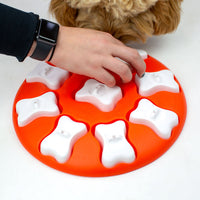
Puzzle feeders and treat-dispensing toys that transform mealtime into an engaging brain game
Scent work games like hiding treats around the house or teaching them to find specific toys by smell
Snuffle mats that tap into their natural foraging instincts
Hide-and-seek with family members or favorite toys throughout your home
Short training sessions focusing on new tricks or polishing existing commands (keep these upbeat and brief)
Toy rotation system where you swap out playthings weekly to keep things fresh and exciting
Did You Know? Just 15 minutes of focused mental stimulation can tire your beagle as much as a 30-minute walk.
Mental enrichment isn't an add-on to your beagle's exercise routine—it's absolutely fundamental. A mentally satisfied beagle tends to be calmer, more responsive to training, and genuinely easier to live with. Watch for those telltale signs of contentment after brain games, because understanding your dog's body language helps you recognize when they're truly fulfilled rather than just physically knackered. This insight makes determining your beagle's ideal exercise balance much more tailored to their unique personality and energy levels.
Off-Lead Safety Tips for Beagle Adventures
Beagles were born to follow their noses across open countryside, and off-lead adventures let them express these natural hunting instincts while burning off their abundant energy. These moments of freedom transform routine walks into the kind of beagle daily activity that truly satisfies both their physical needs and their deep-rooted desire to explore.
Safety comes first when transitioning to off-lead exercise:
Master recall training before going lead-free - Start indoors, then move to a securely fenced garden. Your Beagle should return immediately when called, even when distracted by the most tantalizing smells.
Choose enclosed spaces initially - Fenced dog parks, tennis courts, or secure fields give your Beagle freedom while keeping them contained when their nose inevitably takes over their brain.
Start with short off-lead sessions - Five minutes of freedom beats an hour of your anxiety. Build up gradually as both your confidence and their reliability improve.
Watch for "scent lock" - You'll know it when you see it: nose down, ears off, completely oblivious to your existence. Be ready to intervene before they follow that fascinating trail into the sunset.
Keep high-value treats handy - A pocket full of something irresistible makes you infinitely more interesting than whatever they're investigating.
Remember: A rock-solid recall isn't just helpful—it's your Beagle's lifeline during off-lead adventures.
During training sessions, a reliable lead like the Lords & Labradors Essentials Herdwick Dog Lead gives you confidence while practicing recall work, knowing you have secure control when needed.
With proper preparation, off-lead time becomes the crown jewel of how much exercise your beagle needs, delivering the mental stimulation and physical activity that keeps them genuinely content.
Incorporating Lords & Labradors Accessories into Your Routine
The right gear makes every Beagle adventure more enjoyable and safe for both of you. A well-fitted harness distributes pressure evenly across your Beagle's chest—especially helpful when they catch an interesting scent and suddenly pull toward it. This gentle control lets you guide them back to your walking routine without any discomfort.
Interactive toys transform ordinary walks into engaging mental workouts. I love bringing a puzzle ball filled with treats on longer walks, giving your Beagle brain-stimulating breaks between physical activity. These moments satisfy their natural foraging instincts while helping you manage your Beagle's daily activity levels throughout the day.
A hands-free lead attachment can be a game-changer during those energetic morning walks when your Beagle's ready to explore everything at once. You get better balance and control while allowing the natural movement patterns that support healthy exercise habits.
Our Lords & Labradors Essentials Collection includes thoughtfully designed accessories that work with your Beagle's natural energy levels and physical activity needs. The key is choosing gear that enhances your routine rather than complicating it, making those daily walks something you both genuinely look forward to.
There is something quietly wonderful about a dog who gravitates straight to your pillow the moment you get up, and if you have ever found yourself wondering why does my dog lay on my pillow when I get up, the reasons are far sweeter than you might expect. In this article, we look at the real instincts behind the behaviour, from scent-seeking and warmth to the bond your dog feels with you, and how to tell the difference between simple affection and something worth keeping an eye on. We also share some gentle, practical ways to redirect the habit so everyone gets a good night’s sleep.
Why does my dog lay on my pillow when I get up?
You roll out of bed, pop the kettle on, and come back to find your dog curled up on your pillow like it was always meant to be theirs. If that sounds familiar, you’re definitely not the only one asking, why does my dog lay on my pillow when I get up?
In most cases, the answer is really quite sweet. Your pillow is full of your scent, still warm from where you were lying, and wonderfully soft. For a dog, that combination is hard to resist. If you’ve ever wondered why does my dog sleep on my pillow or why does my dog lay in my spot after I get up, it usually comes down to comfort and closeness rather than cheekiness.
Dogs are comfort-seekers, and your smell helps them feel safe and settled. Add a cosy, just-vacated sleeping spot, and it makes perfect sense that they’d choose it. It’s also why some dogs sleep in their owner’s bed or hop straight into your seat on the sofa the second you stand up. They’re not trying to take over the house. They just like being close to their favourite person in the cosiest way possible.
For most dogs, this little pillow takeover is completely normal and affectionate. If you’d rather keep your pillow for yourself, it can help to offer an inviting alternative, like one of these cosy puppy beds, so they still get that same sense of comfort nearby.
The real reasons your dog has claimed your pillow
If you’ve ever asked yourself why your dog lays on your pillow the moment you get up, you’re in very good company. It’s one of those habits that looks a little cheeky on the surface but is actually rooted in some genuinely sweet instincts — and a few practical ones too.
Scent comfort: Your scent is at its strongest on your pillow, which means lying there feels, to your dog, like you haven’t fully gone anywhere. Dogs experience the world nose-first, and being wrapped in your familiar smell is genuinely calming for them. It’s their version of holding onto a little piece of you.
Warmth-seeking: That spot where you’ve been sleeping holds your body heat long after you’ve got up. Dogs are natural warmth-seekers, and a pillow that’s already perfectly warm is simply irresistible. Think of it as the canine equivalent of pinching your jumper off the sofa.
Territorial behaviour: Some dogs aren’t just after comfort — they’re making a quiet claim on the space. Lying in your spot is a way of anchoring themselves to it. This is rarely about dominance in the way older thinking suggested; it’s more about feeling settled and secure in their environment.
Separation proximity: Dogs who feel especially bonded to their owners often want to close the gap the moment you leave the room. For those with a strong need to stay near your scent, a dedicated space of their own — somewhere soft, familiar, and genuinely cosy, like a calming crate bed — can really help them settle without needing to raid yours.
Most pillow-claiming is simple habit or affection. If your dog seems distressed when you get up rather than just opportunistic, that’s worth a closer look — but we’ll come to that.
The majority of the time, this is your dog’s way of staying close to you. The rest of this article will help you make sense of exactly what they’re telling you.
What your dog is telling you with this little pillow takeover
When your dog shuffles over to claim your pillow the moment you get up, they’re not just after the fluffiest spot in the room. It’s a form of communication — a quiet way of staying close to you even after you’ve left. Think of it as their version of keeping a hand on the connection.
Here are some of the emotional signals this behaviour can carry:
Bonding and affection. Your dog loves you, and your pillow smells exactly like you. Sleeping where you slept is one of the most direct ways they can express that closeness.
Comfort through your scent. Your smell genuinely soothes them. It triggers feelings of safety, especially for dogs who are sensitive to shifts in routine or a bit more anxious by nature.
Mild reassurance-seeking. If your dog tends to follow your every move, lying in your spot is their way of holding onto your presence while you’re in another room making coffee.
Staying connected while you go about your day. It’s a small act of loyalty. A quiet way of saying, I was with you, and I’m still with you.
Social signalling. Sharing sleep spaces is deeply meaningful to dogs. It reinforces trust and the kind of closeness that makes them feel secure.
Did You Know? Dogs have up to 300 million olfactory receptors, compared to around six million in humans. Your pillow isn’t just fabric to them — it’s an emotional anchor, loaded with your scent and everything that makes them feel safe.
Taken together, these signals point to something genuinely reassuring: pillow-stealing is nearly always a sign of healthy attachment. If you want to get better at reading these small, sweet moments, our guide to understanding your dog’s body language is a brilliant place to start.
When pillow stealing is harmless — and when to pay a bit more attention
For the vast majority of dogs, pillow stealing is one of those completely harmless quirks that just comes with the territory of sharing your life with them.
Usually just sweet
Seeking out your scent because it feels safe and familiar
Settling into the warmth you’ve left behind in the bedding
Following a little morning routine they’ve quietly established for themselves
Simply wanting to stay close to you, even after you’ve left the room
If you’ve ever asked yourself why your dog lays on your pillow when you get up, the answer is almost always rooted in affection and comfort. Nothing to worry about.
Worth a closer look
Clinginess that follows you through the whole day, not just at bedtime
Visible distress when left alone — panting, pacing, or whining
Growling or stiffening if you approach the pillow while they’re on it
A sudden change in sleep habits that feels out of character
That last one is worth paying attention to. Dogs are creatures of habit, so anything that shifts noticeably is worth a gentle check-in with your vet.
Most dogs simply want closeness and comfort, and having their own inviting space to settle into can genuinely help with that. If your dog could do with a snug spot to call their own, our Sleepy Burrows collection is a lovely place to start. Either way, knowing what’s normal for your dog is always the most reliable guide.
How to keep everyone happy at bedtime and beyond
If your dog has claimed your pillow as their personal throne, you really don’t need to wage war over it. A few small, thoughtful changes can make bedtime work beautifully for both of you.
Start by giving your dog a sleeping spot they actually want to use. The reason so many dogs sleep on your pillow comes down to scent and safety, so the goal is simply to recreate that feeling somewhere else. Try placing their bed in your bedroom, close to yours if possible, and tuck a worn t-shirt or old pillowcase inside it. That familiar smell does a surprising amount of reassuring work without you having to do much else.
Routine is your other best friend here. Dogs who know what to expect at bedtime tend to settle faster and feel far less compelled to claim your spot the moment you leave it. A short pre-bed walk, a calm wind-down, and a consistent “go to your bed” cue can gently shift the habit over time — no stress, no drama.
For dogs who burrow into your bedding seeking that cosy, held feeling, the sleeping surface really matters. Something like the Sleepy Burrows Bed in Calming Anti-Anxiety Dusk Faux Fur is designed for exactly that type of dog — the ones who want to sink in and feel wrapped up rather than simply lie on top of something flat. Pillow stealers tend to fall into this category more often than not.
The goal isn’t to take something away from your dog. It’s to give them something just as good, somewhere that feels entirely their own.
Few things throw off a walk quite like your dog deciding, mid-route, that they’re done and planting themselves firmly on the ground. Whether your dog lies down on a walk and refuses to move out of exhaustion, fear, pain, or sheer stubbornness, there’s almost always a reason behind it worth understanding. This guide walks you through the most common causes, what to do when it happens, warning signs to take seriously, and how to set up better walks going forward.
Why your dog lies down on walks in the first place
One moment you’re halfway through a perfectly pleasant walk, and the next your dog has flopped onto the pavement and is refusing to budge. Sound familiar? If your dog lies down on a walk and refuses to move, you’re far from alone — and before you start wondering if you’ve somehow raised the world’s most strong-willed dog, it helps to understand what’s actually going on.
Here’s the thing: when a dog stops walking and lies down, they’re almost always trying to tell you something. It might feel frustrating in the moment, especially if you’re stood on a busy pavement with the lead pulled taut, but this behaviour is usually communication, not defiance. Dogs can’t say “I’m worn out” or “that noise is really scaring me,” so sometimes their whole body does the talking instead.
The reasons behind it vary more than you might expect. Some dogs sit down or lie down mid-walk because they’re genuinely tired or starting to overheat. Others do it because something has made them anxious or uneasy. Pain and physical discomfort are worth considering too, particularly in older dogs or breeds that are prone to joint problems. And yes, occasionally a dog simply decides the walk is over and plants themselves on the ground with impressive conviction.
Working out which of these is actually happening is the real starting point. If you’re still getting to grips with how your dog expresses themselves, our guide to understanding your dog’s body language is a great place to start. The sections ahead cover each cause in detail, along with what you can do about them.
The most common reasons a dog suddenly stops and flops down
There are plenty of moments in dog ownership that leave you standing on the pavement, lead in hand, completely baffled. When your dog lies down on a walk and refuses to move, it can feel equal parts frustrating and worrying. The good news? Once you know what to look for, the cause is usually easier to spot than you’d think.
Physical tiredness: Puppies, older dogs, and shorter-legged breeds can simply run out of steam faster than others. If your dog has been bounding along enthusiastically and then suddenly flops down, they may have just hit their limit. Heavy breathing, a gradual slowdown beforehand, and reluctance to get back up are all signs pointing this way.
Overheating: Dogs regulate heat very differently to us, and hot pavements can make things worse fast. If your dog stops and lies down alongside excessive panting, drooling, or a desperate search for shade, heat is likely the culprit — and it’s one that always warrants a quick response.
Fear or sensory overwhelm: Loud traffic, unfamiliar dogs, or a busy new environment can cause some dogs to shut down completely mid-walk. Look for tucked ears, a low body posture, or a pattern of stopping in the same spot rather than randomly.
Pain or physical discomfort: A dog that sits down during a walk and won’t get going again could be dealing with sore paws, joint pain, or something more acute. Limping, flinching, or repeatedly licking one area are all worth taking seriously.
Learned behaviour: If lying down has reliably earned your dog a rest, a treat, or a u-turn home, there’s a good chance they’ve figured out it works. This one tends to happen in predictable places, often close to home near the end of a walk.
The same behaviour — a dog refusing to walk on the lead and dropping to the ground — can mean very different things depending on context. Paying attention to patterns and timing will tell you far more than the moment itself.
What to do in the moment when your dog refuses to move
When your dog lies down on a walk and refuses to move, the first thing to do is take a breath. Pulling, pushing, or getting frustrated rarely helps, and it can actually make things worse. How you handle that standoff moment matters more than you might think.
Check for heat or injury first. Feel their paws against the pavement, look for any limping or flinching, and check whether they’re panting more than usual. If something seems physically off, end the walk right there. No destination is worth pushing through pain.
Offer water. It sounds simple, but a tired or overheated dog often just needs a drink and a moment to recover. Get into the habit of carrying water on every walk, especially through spring and summer.
Look for what might be worrying them. A loud lorry rumbling past, an off-lead dog bounding over, a cluster of rowdy kids — any of these could be the reason your dog stops walking and lies down. If you can spot a trigger, move away from it before asking them to walk on.
Try changing direction. A simple about-turn can do a lot. Heading somewhere new often sparks enough curiosity to get them back on their feet without any fuss.
Bring out the good stuff. A small piece of chicken or cheese held just ahead of them can be all the encouragement they need. Keep the energy light and positive rather than tense or coaxing.
Know when to call it. If your dog is small enough to carry, carry them. If they’re exhausted or overwhelmed, cutting the walk short is the right call, full stop. Dragging them forward doesn’t build confidence — it just erodes trust.
A little patience and observation will take you much further than frustration. That said, if your dog regularly flops down mid-walk, it’s worth looking beyond the moment to understand what’s really going on.
How to tell if it’s a one-off wobble or a sign something’s wrong
Most of the time, when your dog lies down on a walk and refuses to move, it’s nothing to worry about. But knowing what to look for can make all the difference between brushing it off and catching something early.
A one-off flop on a warm afternoon, or a puppy who plonks themselves down mid-pavement and loses all interest in moving, is usually harmless. It starts to feel worth a closer look when it keeps happening, appears out of nowhere, or comes alongside physical changes you can’t quite explain.
Likely harmless if…
It happens once or very occasionally
Your dog bounces back quickly and carries on as normal
The pavement is hot or the weather is warm
Your dog was overexcited before heading out
There are no other symptoms
Your dog stops and lies down near something interesting — a scent, another dog, a friendly stranger
Red flags to watch for
Limping, stiffness, or reluctance to put weight on a leg
Whimpering or flinching when touched
Trembling or shaking that isn’t cold-related
Heavy panting without an obvious cause
A sudden shift in their usual walk behaviour
Repeated refusal across several walks in a row
Low energy or lethargy at home too, not just on walks
Quick rule of thumb: If the refusal is sudden, keeps repeating, or comes with any physical symptom, treat it as a vet conversation — not a training problem.
When you do speak to your vet, it helps to have a rough timeline ready: when it started, how often your dog refuses to walk or lies down mid-route, and anything else you’ve noticed. The more detail you can give them, the easier it is to get to the bottom of it.
How to prevent future walk standoffs
The good news is that a few small changes can make a real difference to how your dog feels about walks — and how willing they are to keep going.
Start with timing. Walking in the cooler hours of the morning or evening during warmer months helps dogs stay comfortable and energised. Midday in summer is often when you’ll see a dog lie down on a walk and refuse to move — not out of stubbornness, but because the pavement is scorching and the air feels thick.
For puppies and older dogs, keeping walks age-appropriate matters more than most people realise. Young dogs are still building joints and stamina, and too much too soon leads to tired, reluctant walkers. A solid rule of thumb for puppies is five minutes per month of age, twice a day. Older dogs often do better with shorter, more frequent outings than one long haul. Our guide to exercise across your dog’s life stages is worth a read if you want to tailor things further.
It’s also worth checking your gear. A poorly fitted harness or collar can cause enough discomfort to make a dog sit down mid-walk, even if you can’t immediately see why. A well-fitted, comfortable harness removes that barrier before it becomes a habit.
Finally, make walks something your dog genuinely looks forward to. Vary your routes, let them sniff freely, and keep a few high-value treats in your pocket. Dogs who find walks rewarding rarely need much convincing to keep moving.
Few things throw off a walk quite like a dog who plants their paws and flatly refuses to go the direction you had in mind. If your dog refuses to walk certain directions, there’s nearly always a reason behind it, whether that’s fear, discomfort, or simply a strong opinion about where the good smells are. This guide covers how to tell those causes apart, what you can do to gently build confidence back up, and when it’s worth calling in a vet or behaviourist for extra support.
Why your dog suddenly refuses to walk one way
If your dog suddenly plants their paws and refuses to move in a certain direction, it can feel completely baffling — especially when they were perfectly happy heading that way last week. But this is rarely stubbornness. Most of the time, your dog is trying to tell you something.
Dogs build strong associations with the places they visit, and those associations can form faster than you might expect. A route that takes you past a noisy building site, a garden where a dog charges the fence, or even a spot where something once startled them can quickly become somewhere they’d rather avoid. When your dog stops walking or pulls back on the lead heading a particular way, that’s communication, not defiance.
It’s also worth taking seriously. The more often a dog is pushed through something that worries them, the stronger that negative association tends to become. Understanding what’s driving the behaviour, on the other hand, gives you a real chance to actually help.
The signals are usually there if you know what to look for: a tucked tail, flattened ears, a sudden reluctance to move forward, or frantic sniffing to avoid making eye contact with whatever’s ahead. These are all your dog’s way of saying “I’m not sure about this.” Our guide to understanding your dog’s body language is a great starting point if you’d like to get better at reading those cues before we dig into the causes.
The most common reasons dogs avoid certain routes
There’s almost always a reason when a dog refuses to walk certain directions, even if it isn’t immediately obvious. Dogs can’t tell us what’s wrong, so their behaviour on the lead is often the clearest signal we have. Pinning down the cause is the first step to making walks enjoyable again for both of you.
Fear or negative associations. A dog that freezes outside a particular house, digs their paws in near a certain gate, or turns back at the same point every time has often had a bad experience there. It might have been something that only happened once — a sudden loud noise or an unexpected run-in with another dog — but the memory sticks. That reluctance isn’t defiance. It’s self-protection.
Stubbornness or personal preference. Some dogs simply have opinions about where they want to go. One that consistently pulls toward home, or always steers for the park and resists anywhere else, is usually showing a preference rather than fear. It’s especially common in dogs who’ve settled into a comfortable routine and aren’t particularly interested in anything that disrupts it.
Overstimulation from busy environments. A dog that shuts down near traffic or crowded streets is often overwhelmed, not difficult. The noise, movement, and unpredictability can become genuinely too much to process. Dogs pushed past their threshold may also start barking on walks, which is worth paying attention to as another sign that they’re struggling.
Physical pain or discomfort. If your dog slows right down, starts labouring on a slope, or suddenly stops after turning a particular corner, pain could easily be the reason. Rough surfaces, uneven ground, or an underlying joint issue can all make certain routes feel uncomfortable in ways that are easy to miss until you know what to look for.
Each of these behaviours is your dog’s way of trying to tell you something. Recognising which pattern fits yours is where the real progress begins.
How to tell fear, pain, and simple preferences apart
When a dog refuses to walk certain directions, the behaviour usually falls into one of three categories: fear, physical discomfort, or a plain old preference. The good news? Your dog’s body language will often tell you which one you’re dealing with — you just need to know what to look for.
Signs it may be fear or anxiety
Ears flattened against the head
Tail tucked under the body
Panting without any physical exertion
Freezing mid-walk and refusing to budge
Whale eye (whites of the eyes showing)
Pulling back hard on the lead
Barking or lunging at a specific spot on the route
Signs it may be pain or physical discomfort
Stopping suddenly at the same point on a familiar route
Limping or favouring one leg
Reluctance to put weight on a paw
Slowing pace noticeably over time
Whimpering or vocalising when encouraged to move forward
Stiffness after resting, particularly in older dogs
Worth knowing: Fear responses are usually triggered by something your dog sees, hears, or smells. Pain responses tend to be consistent, progressive, or tied directly to movement.
Simple preferences are a different thing entirely. If your dog enthusiastically pulls toward their favourite sniff spot or drags you down a familiar street with their tail up and body relaxed, that’s not a red flag — that’s just a dog with opinions. But if you’re noticing persistent freezing, any hint of lameness, or a sudden shift in how your dog behaves on walks, it’s worth a vet visit to rule out anything physical before you do anything else.
Gentle training steps to rebuild confidence on tricky walks
If your dog refuses to walk certain directions, think of confidence-building as lots of tiny wins rather than one big breakthrough. The goal is to help them feel safe enough to choose forward movement again.
Keep early walks short and successful. Pick a route your dog already copes with and end before they feel overwhelmed. A calm five-minute outing is far more useful than a stressful twenty-minute one.
Reward the choice to move. If your dog stops walking on walks or pulls back on the lead, watch for the smallest brave decision: one step forward, a relaxed glance at the trigger, or choosing to sniff and re-engage. Mark that moment with a treat or warm praise.
Start farther away than you think. When a dog won’t walk in one direction, there is usually a point where they still feel okay. That is where training starts. If the post box, corner, or noisy road is too much, move back until their body softens, then build up gradually over several sessions.
Make things predictable. Familiar routes, similar walk times, and a steady pace help nervous dogs settle. Once they are moving happily again, you can gently add in new directions.
Use comfortable walking kit. A loose lead and a well-fitted harness can reduce pressure and help your dog feel more secure during desensitisation work. If you are reviewing your setup, a padded walking collection is a helpful example of softer, supportive kit.
Stay consistent and calm. Your dog does not need perfect walks. They just need regular, low-pressure practice.
Desensitisation means exposing your dog to the scary or tricky thing at a level they can cope with, then very slowly increasing the challenge as their confidence grows.
When to speak to a vet or behaviourist
Sometimes the kindest thing you can do is ask for help. If your dog refuses to walk certain directions and nothing you try seems to be making a difference, it’s a good sign that some expert guidance is in order.
Start with your vet, especially if the refusal came on suddenly or out of nowhere. If your dog is also limping, slowing down on walks, or seeming stiff and reluctant at home, pain could easily be the culprit. Conditions like arthritis, soft tissue injuries, or sore paws can be surprisingly easy to miss, and they can look a lot like stubbornness from the outside. A quick health check rules out anything physical before you turn your attention to behaviour.
If your vet gives the all-clear but your dog still pulls back on the leash, freezes, or refuses to go a certain way, a qualified behaviourist is your next call. This is particularly important when the avoidance feels emotional — rooted in fear or anxiety — because pushing through those moments without the right guidance can deepen the problem rather than resolve it.
Look for someone accredited by the ABTC or APBC who uses positive, reward-based methods. A good behaviourist will work at your dog’s pace, help you understand what’s really going on, and give you a practical plan to move forward. Most dogs do get there with the right support behind them.