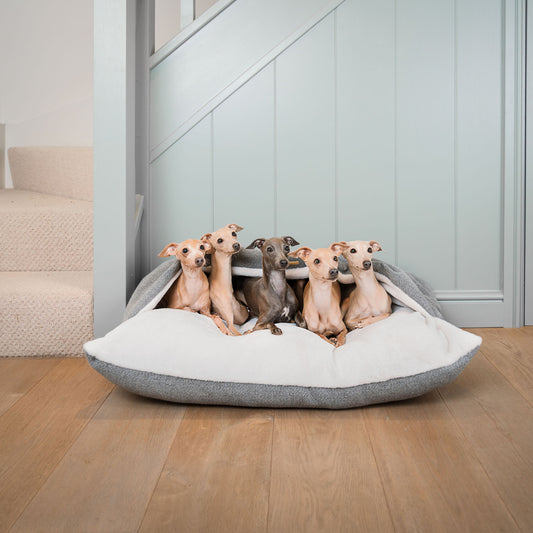
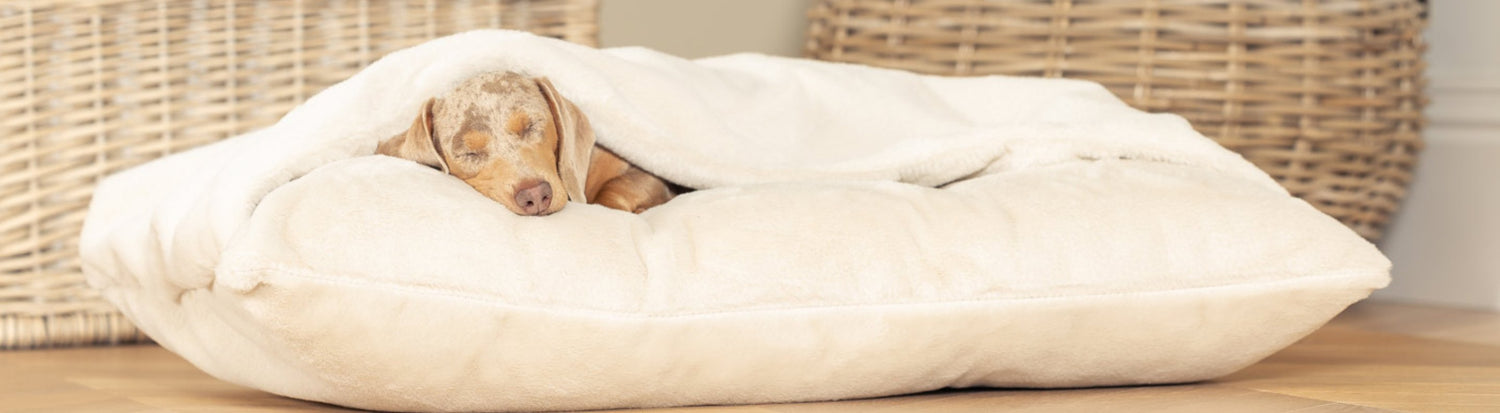
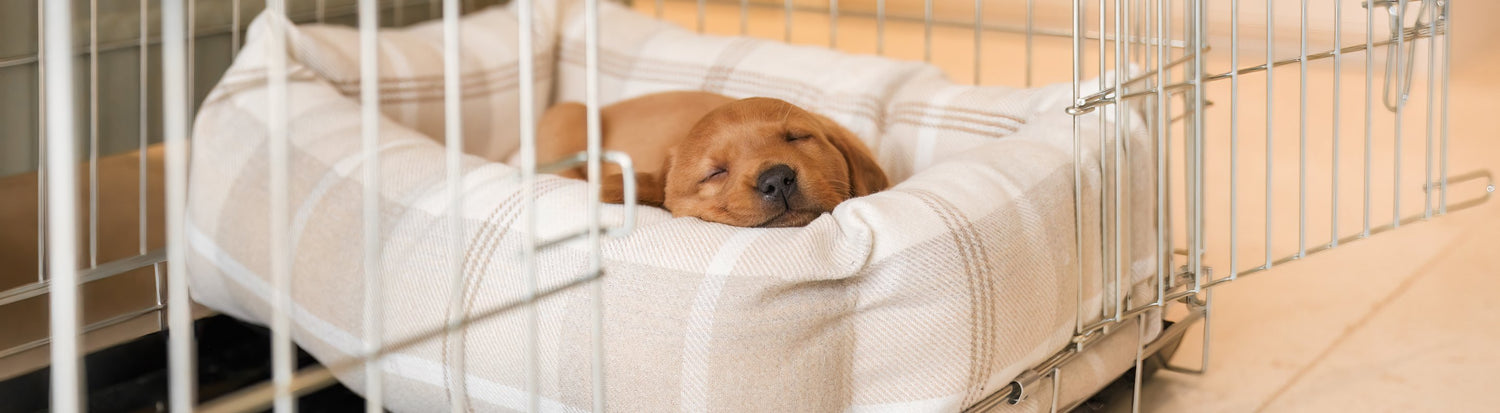
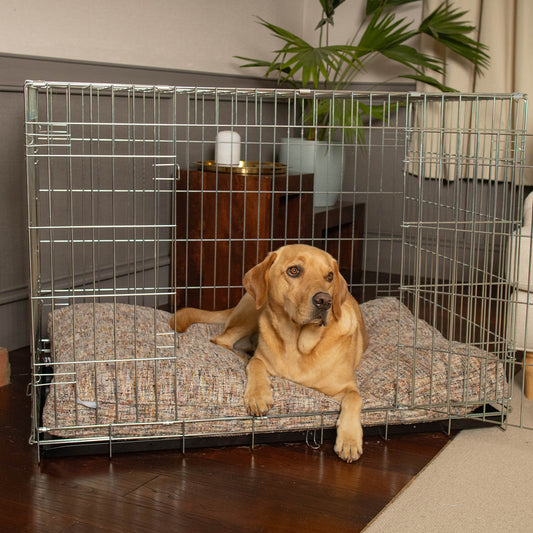
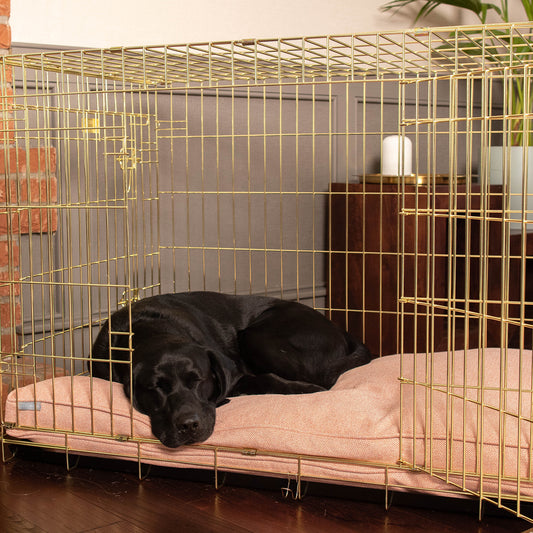
Did you know dogs spend 12 to 14 hours a day sleeping? That's a lot of time in bed so it's no surprise that their bed might be looking a little worse for wear. Dogs are creatures of comfort so making sure they have a a clean and supportive bed is essential for their overall well-being. In this guide, our Pet Experts explore the signs that indicate it's time to change your dog's bed and share expert tips on how to care for your canine's cherished sleeping spot.
How Often Should You Replace Your Dog’s Bed?
Determining how often to replace your dog's bed depends on several factors including the quality of the bed, your dog's size and activity level, and any specific health considerations. As a general guideline, it's advisable to replace your dog's bed every 1 to 3 years, or sooner if signs of wear and tear become noticeable.
Signs It's Time to Change Your Dog's Bed:
Visible Wear and Tear: Over time, your dog's bed may start showing signs of wear and tear, such as flattened cushions, lumps, or torn fabric. If you notice any significant damage, it's a clear indication that it's time to consider a replacement.
Lingering Odours: Despite regular cleaning, dog beds can accumulate odours over time, especially if your furry friend enjoys outdoor adventures or has accidents indoors. Lingering smells that persist even after washing could signal the need for a new bed.
Loss of Support: Just like humans, dogs require proper support for their joints and muscles, especially as they age or if they have existing health conditions. If your dog's bed no longer provides adequate support or has become too soft, it's time to invest in a new one to ensure their comfort and well-being. It might be worth investing in an orthopaedic dog bed if your dog’s breed is prone to joint issues.
Allergies and Skin Irritations: Dogs can develop allergies or skin irritations from prolonged exposure to dust mites, pet dander, or other allergens that accumulate in their beds over time. If you notice your dog scratching more than usual or experiencing skin issues, a new bed with hypoallergenic materials may offer relief.
Preference for Alternative Sleeping Spots: Dogs are creatures of habit, and if you notice your furry friend opting for alternative sleeping spots around the house instead of their bed, it could indicate that they're no longer comfortable or satisfied with their current sleeping arrangements. It’s worth looking at how your dog likes to sleep so you can get the best bed shape to suit their sleeping style, our Information Hub has a guide on how to choose the perfect dog bed for your dog.
Top Ways to Care for Your Dog's Bed:
Regular Washing: Establish a routine for washing your dog's bed to remove dirt, hair, and odour-causing bacteria. Most of our Lords & Labradors dog beds are machine washable, we have a handy guide on how to wash your dog’s bed here.
Use a Removable Cover: Opt for dog beds with removable, machine-washable covers for easy cleaning. Having a spare cover on hand allows you to swap them out while one is being laundered, ensuring your pup always has a fresh and clean place to sleep. We also sell bamboo bed covers which are great for popping over your dog’s bed to help keep them clean especially after a muddy dog walk, they will act as an additional layer of defence against moisture and stains, extending the life of the bed!
Vacuum and Spot Clean: In between washings, use a handheld vacuum or lint roller to remove hair and debris from the surface of the bed. Spot clean any stains or spills promptly to prevent them from setting into the fabric.
Rotate and Fluff: Just like flipping a mattress, periodically rotate your dog's bed to distribute wear evenly and prevent premature sagging. Fluffing the bed's filling helps maintain its loft and support over time.
Sun and Air Dry: On sunny days, take advantage of natural sunlight by airing out your dog's bed outdoors. Sunlight helps eliminate odours and kills bacteria, leaving the bed feeling fresh and revitalised.
Inspect Regularly: Take time to inspect your dog's bed for any signs of damage, loose seams, or worn-out stuffing. Promptly address any issues to prevent further deterioration and ensure your pup's safety and comfort.
By recognising the signs that it's time to change your dog's bed and implementing proper care and maintenance techniques, you can provide your furry friend with a clean, comfortable, and supportive sleeping environment. Remember, a happy and well-rested pup makes for a happier pet parent too!
If you’re looking to upgrade your dog’s bed why not check out our collection of luxury dog beds? Bedding is our speciality, we design and craft all of our bedding here in our Lincolnshire workshop so you can be sure your dog will be getting the best sleep possible in one of our luxury dog beds.
Did you know dogs spend 12 to 14 hours a day sleeping? That's a lot of time in bed so it's no surprise that their bed might be looking a little worse for wear. Dogs are creatures of comfort so making sure they have a a clean and supportive bed is essential for their overall well-being. In this guide, our Pet Experts explore the signs that indicate it's time to change your dog's bed and share expert tips on how to care for your canine's cherished sleeping spot.
How Often Should You Replace Your Dog’s Bed?
Determining how often to replace your dog's bed depends on several factors including the quality of the bed, your dog's size and activity level, and any specific health considerations. As a general guideline, it's advisable to replace your dog's bed every 1 to 3 years, or sooner if signs of wear and tear become noticeable.
Signs It's Time to Change Your Dog's Bed:
Visible Wear and Tear: Over time, your dog's bed may start showing signs of wear and tear, such as flattened cushions, lumps, or torn fabric. If you notice any significant damage, it's a clear indication that it's time to consider a replacement.
Lingering Odours: Despite regular cleaning, dog beds can accumulate odours over time, especially if your furry friend enjoys outdoor adventures or has accidents indoors. Lingering smells that persist even after washing could signal the need for a new bed.
Loss of Support: Just like humans, dogs require proper support for their joints and muscles, especially as they age or if they have existing health conditions. If your dog's bed no longer provides adequate support or has become too soft, it's time to invest in a new one to ensure their comfort and well-being. It might be worth investing in an orthopaedic dog bed if your dog’s breed is prone to joint issues.
Allergies and Skin Irritations: Dogs can develop allergies or skin irritations from prolonged exposure to dust mites, pet dander, or other allergens that accumulate in their beds over time. If you notice your dog scratching more than usual or experiencing skin issues, a new bed with hypoallergenic materials may offer relief.
Preference for Alternative Sleeping Spots: Dogs are creatures of habit, and if you notice your furry friend opting for alternative sleeping spots around the house instead of their bed, it could indicate that they're no longer comfortable or satisfied with their current sleeping arrangements. It’s worth looking at how your dog likes to sleep so you can get the best bed shape to suit their sleeping style, our Information Hub has a guide on how to choose the perfect dog bed for your dog.
Top Ways to Care for Your Dog's Bed:
Regular Washing: Establish a routine for washing your dog's bed to remove dirt, hair, and odour-causing bacteria. Most of our Lords & Labradors dog beds are machine washable, we have a handy guide on how to wash your dog’s bed here.
Use a Removable Cover: Opt for dog beds with removable, machine-washable covers for easy cleaning. Having a spare cover on hand allows you to swap them out while one is being laundered, ensuring your pup always has a fresh and clean place to sleep. We also sell bamboo bed covers which are great for popping over your dog’s bed to help keep them clean especially after a muddy dog walk, they will act as an additional layer of defence against moisture and stains, extending the life of the bed!
Vacuum and Spot Clean: In between washings, use a handheld vacuum or lint roller to remove hair and debris from the surface of the bed. Spot clean any stains or spills promptly to prevent them from setting into the fabric.
Rotate and Fluff: Just like flipping a mattress, periodically rotate your dog's bed to distribute wear evenly and prevent premature sagging. Fluffing the bed's filling helps maintain its loft and support over time.
Sun and Air Dry: On sunny days, take advantage of natural sunlight by airing out your dog's bed outdoors. Sunlight helps eliminate odours and kills bacteria, leaving the bed feeling fresh and revitalised.
Inspect Regularly: Take time to inspect your dog's bed for any signs of damage, loose seams, or worn-out stuffing. Promptly address any issues to prevent further deterioration and ensure your pup's safety and comfort.
By recognising the signs that it's time to change your dog's bed and implementing proper care and maintenance techniques, you can provide your furry friend with a clean, comfortable, and supportive sleeping environment. Remember, a happy and well-rested pup makes for a happier pet parent too!
If you’re looking to upgrade your dog’s bed why not check out our collection of luxury dog beds? Bedding is our speciality, we design and craft all of our bedding here in our Lincolnshire workshop so you can be sure your dog will be getting the best sleep possible in one of our luxury dog beds.
SIGN UP FOR USEFUL TIPS & GUIDES STRAIGHT TO YOUR INBOX
The Great Dane Ultimate Guide: Everything You Need to Know
Related Articles
04.08.25August 04, 2025FAQs
Why Do Cats Purr?
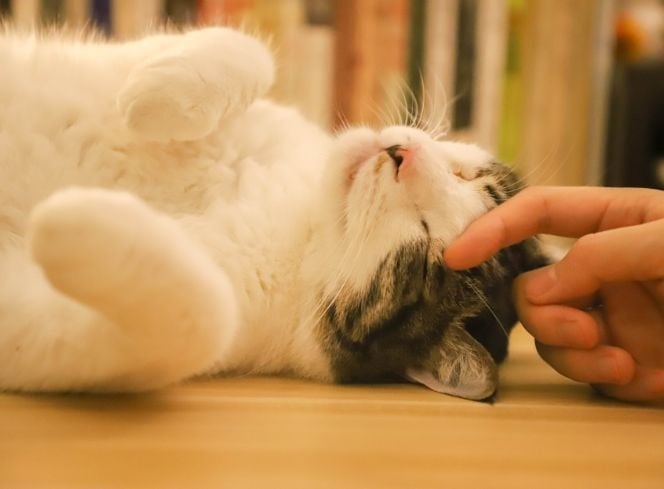
Have you ever found yourself relaxing on the sofa with your furry companion curled up beside you, softly vibrating with that unmistakable cat purring sound? Whether it's a gentle hum while they snooze or a loud, contented rumble when they're being stroked, cats and purring go hand in hand. But have you ever wondered—why do cats purr? Let’s dive into the world of feline communication to uncover the mystery behind this soothing sound.
The Science Behind the Purr Sound
A purr sound is produced by a cat’s laryngeal muscles, which twitch at a rapid rate—around 25 to 150 vibrations per second. This movement causes a separation of the vocal cords, producing the familiar rhythmic hum we all adore. Interestingly, the sound is created both when a cat inhales and exhales, making it a continuous, comforting presence.
Why Do Cats Purr? The Many Meanings of This Feline Sound
Cats purr for a variety of reasons, and while it’s commonly associated with contentment, the truth is that it serves multiple purposes. Let’s explore some of the key reasons:
1. Contentment and Relaxation
The most well-known reason for cat purring in sleep or during petting sessions is sheer happiness. When a cat is comfortable, feeling safe, and loved, purring serves as a signal of satisfaction. If your feline friend is snuggled up in their favourite spot, enjoying some downtime, their purring is likely a sign of total relaxation.
2. Communication with Their Humans
Cats use their purrs to communicate with us. Have you ever noticed that your cat’s purr sounds slightly different when they’re hungry? Studies suggest that some cats produce a more urgent purr, sometimes mixed with a soft meow, to grab your attention when it’s mealtime.
3. Self-Soothing and Healing
One fascinating aspect of cats and purring is its potential health benefits. Purring has been linked to self-soothing, helping cats calm themselves in stressful situations. What’s more, the frequency of a cat’s purr is believed to have healing properties, aiding in bone growth and tissue repair. This explains why cats might purr when they are injured or feeling unwell.
4. Bonding with Kittens
If you’ve ever heard kitten purring, you’ll know that it’s one of the sweetest sounds. From the moment they are born, kittens purr to bond with their mothers. This purring reassures their mother that they are safe and content, while also helping them stay close during nursing.
5. Stress and Anxiety Relief
Surprisingly, cats might purr when they are stressed or anxious. If your cat is in an unfamiliar environment or feeling uneasy, purring can act as a coping mechanism, helping to reduce their stress levels.
6. Seeking Attention
If your cat starts purring the moment you walk through the door, they’re likely seeking your attention. Whether they want food, playtime, or simply some affection, purring is a feline’s way of saying, "Notice me!"
Kitten Purring Meaning: What to Expect from Your Young Cat
If you’re the proud owner of a young feline, you might be curious about kitten purring meaning. Kittens begin purring at just a few days old, often as a way to bond with their mother. As they grow, their purring may develop into a way to express contentment, seek comfort, or even indicate when they’re feeling playful.
Kittens often purr when being stroked, feeling full after a meal, or settling down for a nap. It’s their way of showing they feel safe and secure in their environment.
Why Does My Cat Purr in Their Sleep?
You might have noticed your feline producing a cat purring sound while they’re fast asleep. This typically indicates deep relaxation and a feeling of security. However, just like humans talk in their sleep, cats may purr due to dreams or subconscious processing of their day’s experiences.
If your cat purrs loudly while sleeping, it’s likely they’re in a particularly deep and peaceful state. Some experts also believe that purring during sleep might help with muscle relaxation and recovery.
How to Encourage a Happy Purring Cat
If you love the sound of your cat’s purr, there are a few ways to encourage it:
Create a safe environment: Provide cosy spots, such as a plush cat bed or a cat tree, where your feline can feel secure.
Offer gentle affection: Many cats enjoy head rubs, chin scratches, and soft petting, which can trigger contented purring.
Provide tasty treats: A happy cat is often a purring cat, and rewarding them with delicious treats can encourage more of those lovely vibrations.
Interactive play: Engaging your cat with toys and games helps build their confidence and deepen your bond.
Conclusion
Cats and purring go together like peanut butter and jelly. While purring is often a sign of happiness, it can also serve a variety of other purposes, from communication to self-soothing and healing. Whether you’re listening to the gentle hum of kitten purring or the steady rhythm of your senior cat’s purr, understanding their sounds helps you build a stronger bond with your furry companion.
If you want to create the perfect environment for your cat to relax and purr away, be sure to check out Lords & Labradors' range of luxurious cat essentials, including plush beds, cat trees, and tasty treats.
So, next time your feline friend starts their soothing hum, you’ll know they’re communicating with you in the most delightful way!
If you’ve ever heard the phrase “terrible twos,” you’ll know it often refers to that stage in a toddler’s life when they’re full of mischief, testing boundaries, and prone to the occasional tantrum. But does this apply to our furry friends too? The short answer: yes and no. While puppies don’t technically reach the “terrible twos” in the same sense as human toddlers, they do go through phases—particularly around six months to adolescence—where “challenging” puppy behaviour can rear its head. In this blog, our Pet Experts explore why your puppy may seem to have entered a rebellious stage, how to tackle common issues like how to stop puppy biting, and why consistency, patience, and the right products from Lords & Labradors can make all the difference.
The ‘Terrible Twos’ in Puppy Terms
When people talk about “puppy terrible twos,” they’re usually describing an adolescent phase where your pup’s confidence grows, and they become more curious and—let’s face it—a bit cheeky. This phase often begins around the six-month mark and can last until they’re about one to two years old. During this time, you may notice:
Excessive chewing or biting, sometimes due to teething or boredom.
Aggressive behaviour in puppies, which could be playful nipping turning more forceful, or resource guarding.
Increased energy levels, leading to more excitement or boisterous play.
Selective hearing, where once well-trained commands suddenly seem forgotten.
I remember my own pup, Richmond, suddenly deciding at seven months that the sofa cushions were his favourite chew toy—despite weeks of perfect behaviour beforehand! It felt like an overnight change, but in reality, Richmond was just testing his boundaries.
Why the Change Happens
Hormones & Maturity: As puppies grow, their hormones kick in. This can lead to heightened energy, exploratory behaviour, and sometimes even territorial displays.
Teething & Discomfort: Around six months, many puppies experience the final stages of teething, which can result in chewing or nipping as they try to alleviate gum pain.
Social Development: Puppies start to understand pack hierarchy. They may push boundaries to see what they can get away with—much like a human teenager challenging curfews.
6 Month Puppy Behaviour: What to Expect
By the time your puppy reaches six months old, you might notice some common changes:
Testing Limits: They may ignore cues like “sit” or “stay,” even though they seemed to have them mastered at 12 weeks.
Exploratory Chewing: This can manifest in chewing furniture, shoes, or anything within reach—especially if they’re bored.
Heightened Play Biting: Playful nips can become a bit stronger, raising questions about how to stop puppy biting effectively.
While these changes can be frustrating, remember that they’re normal developmental stages. Your puppy isn’t being “bad” on purpose; they’re simply growing up and learning.
Tips on Managing “Terrible Twos” Behaviour
1. Consistent Training
Reinforce basic commands daily—“sit,” “stay,” “down”—and ensure everyone in your household is on the same page. Mixed messages can confuse your puppy, leading to inconsistent behaviour.
2. Positive Reinforcement
Reward the behaviours you want to see. Treats, praise, or even a quick play session with a favourite toy can reinforce good manners. Avoid punishment-based training, as it can lead to fear or aggressive behaviour in puppies. Make sure you have plenty of puppy training treats to hand so you can reward any positive behaviour!
3. Mental Stimulation
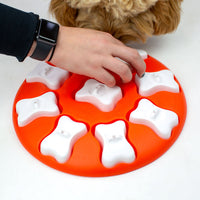
One of the best ways to curb unwanted puppy terrible twos behaviour is to keep their minds occupied. Puzzle toys, interactive feeders, and regular training sessions help burn mental energy and reduce boredom-related mischief. We love the Nina Ottosson interactive dog toys, they’re perfect for keeping growing pup’s minds stimulated
4. Physical Exercise
A tired puppy is often a well-behaved puppy. Regular walks, play sessions, and even safe puppy agility can help release pent-up energy. Remember not to overdo it, especially with large-breed puppies whose joints are still developing.
5. Appropriate Chew Toys
Provide safe and durable chew toys to satisfy their natural urge to chew—especially helpful for teething. We have a range of teething toys and accessories designed to soothe sore gums and redirect chewing behaviour away from your household items. The KONG puppy range is especially great for teething puppies as it is specially formulated to be strong and durable against them shark teeth.
How to Stop Puppy Biting
Puppy biting is one of the most common complaints during the “terrible twos.” Here’s how you can tackle it:
Redirect: If your puppy nips at your hands or feet, immediately offer a chew toy. This teaches them what’s acceptable to bite—and what isn’t.
Positive Corrections: A gentle “ouch” or yelp can mimic how puppies let each other know a play bite is too hard. Then, stop interaction momentarily to show that biting ends the fun.
Reward Calm Behaviour: The moment your puppy licks or plays gently, reward them with praise or a small treat. Reinforcing the behaviour you want is key.
Use Training Aids: There are helpful aids such as bitter sprays that deter chewing on furniture and certain toys. We love the Simple Solutions Chew Stopper, the unpleasant taste of the spray makes your puppy associate whatever they’re chewing with that taste so they won’t want to chew it anymore.
Managing Aggressive Behaviour in Puppies
Although true aggression in puppies is relatively rare, certain behaviours may appear aggressive—like growling or snapping. Often, these are signs of fear, over-excitement, or resource guarding. Consider the following:
Seek Professional Advice: If you’re concerned about genuinely aggressive behaviour in puppies, consult a qualified dog trainer or vet. They can identify underlying causes and offer tailored solutions.
Early Socialisation: Make sure your puppy experiences various environments, people, and gentle dogs to reduce fear-based reactions later.
Identify Triggers: Does your puppy growl over their food bowl or toys? Start by teaching them that hands near the bowl or toy mean treats, not threats.
Lords & Labradors Puppy Essentials
At Lords & Labradors, we understand how exciting—and sometimes overwhelming—puppy parenthood can be. That’s why we offer a dedicated Puppy Homepage filled with everything you need for your new furry family member including:
Teething Toys: Specially designed to soothe sore gums and reduce the urge to bite.
Training Essentials: From clickers and treat pouches to puppy-safe crate bedding.
Calming Aids: Products that help soothe anxious pups or those struggling with new experiences.
For more tips from our team of pet experts, head to our Puppy Section on our Information Hub. You’ll find plenty of informative blog posts on how to navigate each stage of puppyhood.
Frequently Asked Questions
When does puppy “terrible twos” typically start?
It can begin as early as six months and continue until about a year or two, depending on the breed and individual temperament.
How do I deal with constant nipping?
Consistency is key. Offer a chew toy when your puppy attempts to nip, and calmly end the play session if they don’t stop. Praise them as soon as they lick or chew appropriately.
Will my puppy’s sudden rebellious streak pass on its own?
With consistent training and patience, most challenging puppy behaviour eases as they mature. However, reinforcing good habits is essential to ensure they become a well-behaved adult dog.
What if my puppy shows signs of aggression towards people or other dogs?
True aggression in puppies can stem from fear or a lack of socialisation. Seek help from a vet or qualified trainer to identify triggers and work on a behaviour modification plan.
How much exercise does a six-month-old puppy need?
This varies by breed, but generally, two short walks a day plus some playtime are recommended. Always monitor for signs of fatigue, as young joints are still developing.
Final Thoughts
The puppy terrible twos can be challenging, but they’re also a natural—and often short-lived—part of growing up. Understanding 6-month puppy behaviour, knowing how to stop puppy biting, and addressing potential aggressive behaviour in puppies all come down to patience, consistent positive reinforcement, and the right tools. By investing in quality teething toys, training essentials, and exploring professional advice when needed, you’ll guide your pup through these tumultuous months into a confident, well-behaved adult.
Feeling ready to tackle puppyhood head-on? Don’t forget to browse our Puppy Emporium, which is full of the essentials you need to transform the "terrible twos". With the right balance of love, structure, and patience, you’ll transform those “terrible twos” into terrific memories in no time!
Finding the best orthopedic dog beds for large dogs is genuinely worth getting right, because a bed that works for a Spaniel simply will not cut it for a Golden Retriever or a Great Dane. In this guide, we cover everything that actually matters: foam depth, washability, durability for heavy sprawlers, and what changes when your dog gets older and slower to get up. Whether you are shopping on a budget or looking for a long-term investment for a senior dog, we have broken it all down so you can find the right fit for your specific dog.
Best orthopedic dog beds for large dogs: how to choose the right one
Large dogs put a lot through their joints every single day, and a flat cushion just doesn't cut it once you've got a Labrador, a Golden Retriever, or a Great Dane settling in for a long sleep. The best orthopedic dog beds for large dogs do something genuinely different: they use high-density foam to distribute your dog's body weight evenly, take the pressure off hips, elbows, and shoulders, and help muscles recover properly between walks.
Before you start comparing products, it helps to know what actually matters. Foam quality is the big one. Look for a solid memory foam or high-resilience foam base of at least four inches — anything thinner and a heavier dog will compress straight through it. Size matters just as much. Your dog should be able to stretch out fully without a limb dangling off the edge, so measure them before you buy.
Cover washability is easy to overlook until it suddenly isn't. For big dogs, a removable machine-washable cover isn't a bonus — it's a basic requirement. Think muddy paws after a wet walk, moulting season, the occasional drool patch. You'll be glad it zips off.
It's also worth thinking about your dog's age and how they sleep. A younger dog who sprawls and digs needs something durable and low-sided. A senior dog with stiff joints needs a bed that's easy to step into and offers deeper support.
Best all-round orthopedic beds for big dogs who need everyday support
When you live with a big dog who drops onto their bed at the end of the day with a dramatic sigh, the filling inside really matters. The best orthopedic dog beds for large dogs do more than look plush. They need to support heavier bodies evenly, hold their shape over time, and be easy to keep clean after muddy walks, shedding season, and everyday life.
Slumba Orthopaedic Dog Mattress by Lords & Labradors — This is the one we’d point most pet parents towards for dependable everyday comfort, especially if your dog is older, heavy-set, or simply loves stretching right out. The Slumba Orthopaedic Dog Mattress has deep supportive foam that helps spread weight more evenly, so there’s less chance of hips and shoulders dipping awkwardly into the bed. It also has a removable washable cover, which is a genuine win if your dog brings half the garden back indoors.
High-sided memory foam beds — A lovely option for dogs who like a bit of structure around them or always use the edge of the bed as a pillow. For an orthopedic dog bed for large dogs, look for sturdy bolsters, a non-slip base, and enough foam depth to stop the bed feeling flat under a heavier frame.
Flat orthopedic mattress styles — These are often the best dog beds for large dogs who sprawl, sleep hot, or don’t want to climb over raised sides. A simple mattress shape also fits nicely in open spaces like kitchens, utility rooms, or beside your bed.
For larger dogs, many pet parents find 4 inches or more of supportive foam offers better everyday comfort.
What makes these styles such strong all-rounders is the balance of comfort, support, and practicality. For nightly use, that’s what really counts.
Best orthopedic beds for senior dogs and dogs with stiff joints
Older dogs, and dogs living with arthritis or joint stiffness, need more than just a soft place to lie down. The best orthopedic dog beds for large dogs in this category deliver deeper pressure relief, foam support that holds its shape overnight, and a low step-in height that lets a stiff dog settle without struggling on the way down.
When choosing for a senior or joint-compromised large dog, look for:
High-density memory foam of at least 4 inches to properly support heavier body weight
A waterproof inner liner, especially useful if your dog is older and occasionally caught short
Bolster edges that support the head and neck once they finally relax into sleep
A non-slip base to keep the bed stable on hard floors when they're getting in and out
A low or open entry point so there's no barrier to step over
The three designs that tend to work best here are memory foam mattress beds, bolster-surround beds, and raised ortho frames. Flat mattress beds give full-body contact and suit dogs who love to stretch right out. Raised frames keep a dog off cold floors, though they work better for dogs who still move fairly easily. For large dogs that shift position through the night and need something to lean into, a bolster-surround bed often comes out on top. Our square bolster dog beds are a strong pick here, offering wraparound support that genuinely helps big dogs feel settled rather than just parked somewhere soft.
If your dog is showing early signs of stiffness, getting the right bed in place sooner rather than later is one of the simplest things you can do for their long-term comfort.
Best durable orthopedic beds for large breeds that love to sprawl or dig
Some large dogs treat a bed like part of their settling ritual: a few tight circles, a good scratch, then a full-body flop. If that sounds familiar, the best orthopedic dog beds for large dogs need to do more than feel comfortable on day one. They need to cope with daily wear and still keep their shape.
Feature
Why It Matters
What to Look For
Tough outer fabric
Helps the bed stand up to scratching, digging, and repeated pawing
Canvas, durable microfibre, or other hard-wearing fabrics
Removable washable cover
Makes muddy paws, moulting season, and the odd accident much easier to manage
A cover that zips off easily and can go in the wash
Supportive foam base
Gives bigger dogs steadier joint support and is less likely to flatten quickly
A thick, structured base that feels resilient
Non-slip bottom
Stops the bed sliding while your dog circles or climbs in
Textured or grippy underside
A few practical tips help when choosing a large dog bed for joint support:
If your dog sprawls right to the edges, an extra large orthopedic dog bed gives them room without hanging off the sides
Raised edges can be handy for dogs who like to lean or rest their chin, but the centre should still feel stable and supportive
A washable cover is worth its weight in gold if your dog sheds heavily or loves the garden
Be cautious with beds labelled “orthopaedic” if they rely mostly on soft fill rather than a proper foam base
If you like the cosy box-bed style, the Lords & Labradors Essentials Plush Box Bed is a useful one to compare against your checklist, especially if you want something practical, snug, and easy to live with day to day.
Best orthopedic beds by budget and value for large dogs
Price matters, but with the best orthopedic dog beds for large dogs, value is really about how well the bed suits your dog’s stage of life. A younger, healthy Labrador who flops down after a muddy walk may be perfectly happy on a well-made large dog bed for joint support with sturdy filling and a washable cover. An older giant breed who’s slower to get up usually benefits from thicker, denser foam that holds its shape night after night.
Budget-Smart Picks
Premium Investment Picks
Price Range
£60–£120
£130–£250+
Foam Type
Supportive standard foam
High-density memory foam
Ideal Dog Size/Age
Young adults, growing large breeds
Seniors, giant breeds, dogs over 32kg
Best Use Case
Everyday comfort, guest bed, younger dog
Ongoing joint support, stiffness, recovery
It’s usually worth spending more if your dog:
is older and seems stiff after naps
is a giant breed putting lots of weight on the bed every day
has arthritis, hip issues, or reduced mobility
needs a bed that won’t flatten too quickly
If your dog is still growing, or just needs a comfortable everyday spot, a simpler orthopedic dog bed for large dogs can be the smarter buy. But if you’re looking for longer-lasting support, especially for a big dog who sleeps deeply and spends hours in bed, premium foam often earns its keep. You can browse Lords & Labradors’ luxury dog beds collection if you want to compare more supportive, extra large options.
How to pick the best orthopedic bed for your large dog
The right bed really does come down to knowing your dog — their size, how they sleep, and where they are in life.
For younger large breeds who just need reliable everyday support, a quality memory foam dog bed with a washable cover is usually the sweet spot. Good cushioning, easy to keep clean, no unnecessary fuss.
Older dogs, or those managing arthritis, stiff joints, or post-surgery recovery, need a bit more thought. Deeper foam, a lower entry point, and bolster sides they can actually lean into all make a real difference. Senior dogs tend to sleep longer and heavier, so that extra support earns its keep quickly.
If your dog is a sprawler, a digger, or just reliably hard on everything they own, durability matters as much as foam quality. Look for reinforced covers and a dense base layer that holds its shape over months of use, not just the first few weeks.
On budget, spending a little more upfront on an extra large orthopedic dog bed almost always makes more sense than replacing a cheaper one every year. A good bed can genuinely grow with your dog's needs as they age.
Ultimately, the best orthopedic dog beds for large dogs are the ones that fit your specific dog — their weight, their sleep style, their life stage. That combination will always matter more than any single feature on a label.
There is something quietly wonderful about a dog who gravitates straight to your pillow the moment you get up, and if you have ever found yourself wondering why does my dog lay on my pillow when I get up, the reasons are far sweeter than you might expect. In this article, we look at the real instincts behind the behaviour, from scent-seeking and warmth to the bond your dog feels with you, and how to tell the difference between simple affection and something worth keeping an eye on. We also share some gentle, practical ways to redirect the habit so everyone gets a good night’s sleep.
Why does my dog lay on my pillow when I get up?
You roll out of bed, pop the kettle on, and come back to find your dog curled up on your pillow like it was always meant to be theirs. If that sounds familiar, you’re definitely not the only one asking, why does my dog lay on my pillow when I get up?
In most cases, the answer is really quite sweet. Your pillow is full of your scent, still warm from where you were lying, and wonderfully soft. For a dog, that combination is hard to resist. If you’ve ever wondered why does my dog sleep on my pillow or why does my dog lay in my spot after I get up, it usually comes down to comfort and closeness rather than cheekiness.
Dogs are comfort-seekers, and your smell helps them feel safe and settled. Add a cosy, just-vacated sleeping spot, and it makes perfect sense that they’d choose it. It’s also why some dogs sleep in their owner’s bed or hop straight into your seat on the sofa the second you stand up. They’re not trying to take over the house. They just like being close to their favourite person in the cosiest way possible.
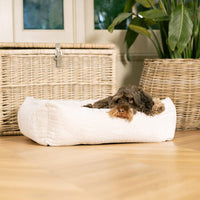
For most dogs, this little pillow takeover is completely normal and affectionate. If you’d rather keep your pillow for yourself, it can help to offer an inviting alternative, like one of these cosy puppy beds, so they still get that same sense of comfort nearby.
The real reasons your dog has claimed your pillow
If you’ve ever asked yourself why your dog lays on your pillow the moment you get up, you’re in very good company. It’s one of those habits that looks a little cheeky on the surface but is actually rooted in some genuinely sweet instincts — and a few practical ones too.
Scent comfort: Your scent is at its strongest on your pillow, which means lying there feels, to your dog, like you haven’t fully gone anywhere. Dogs experience the world nose-first, and being wrapped in your familiar smell is genuinely calming for them. It’s their version of holding onto a little piece of you.
Warmth-seeking: That spot where you’ve been sleeping holds your body heat long after you’ve got up. Dogs are natural warmth-seekers, and a pillow that’s already perfectly warm is simply irresistible. Think of it as the canine equivalent of pinching your jumper off the sofa.
Territorial behaviour: Some dogs aren’t just after comfort — they’re making a quiet claim on the space. Lying in your spot is a way of anchoring themselves to it. This is rarely about dominance in the way older thinking suggested; it’s more about feeling settled and secure in their environment.
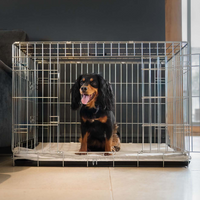
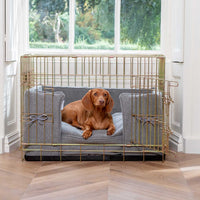
Separation proximity: Dogs who feel especially bonded to their owners often want to close the gap the moment you leave the room. For those with a strong need to stay near your scent, a dedicated space of their own — somewhere soft, familiar, and genuinely cosy, like a calming crate bed — can really help them settle without needing to raid yours.
Most pillow-claiming is simple habit or affection. If your dog seems distressed when you get up rather than just opportunistic, that’s worth a closer look — but we’ll come to that.
The majority of the time, this is your dog’s way of staying close to you. The rest of this article will help you make sense of exactly what they’re telling you.
What your dog is telling you with this little pillow takeover
When your dog shuffles over to claim your pillow the moment you get up, they’re not just after the fluffiest spot in the room. It’s a form of communication — a quiet way of staying close to you even after you’ve left. Think of it as their version of keeping a hand on the connection.
Here are some of the emotional signals this behaviour can carry:
Bonding and affection. Your dog loves you, and your pillow smells exactly like you. Sleeping where you slept is one of the most direct ways they can express that closeness.
Comfort through your scent. Your smell genuinely soothes them. It triggers feelings of safety, especially for dogs who are sensitive to shifts in routine or a bit more anxious by nature.
Mild reassurance-seeking. If your dog tends to follow your every move, lying in your spot is their way of holding onto your presence while you’re in another room making coffee.
Staying connected while you go about your day. It’s a small act of loyalty. A quiet way of saying, I was with you, and I’m still with you.
Social signalling. Sharing sleep spaces is deeply meaningful to dogs. It reinforces trust and the kind of closeness that makes them feel secure.
Did You Know? Dogs have up to 300 million olfactory receptors, compared to around six million in humans. Your pillow isn’t just fabric to them — it’s an emotional anchor, loaded with your scent and everything that makes them feel safe.
Taken together, these signals point to something genuinely reassuring: pillow-stealing is nearly always a sign of healthy attachment. If you want to get better at reading these small, sweet moments, our guide to understanding your dog’s body language is a brilliant place to start.
When pillow stealing is harmless — and when to pay a bit more attention
For the vast majority of dogs, pillow stealing is one of those completely harmless quirks that just comes with the territory of sharing your life with them.
Usually just sweet
Seeking out your scent because it feels safe and familiar
Settling into the warmth you’ve left behind in the bedding
Following a little morning routine they’ve quietly established for themselves
Simply wanting to stay close to you, even after you’ve left the room
If you’ve ever asked yourself why your dog lays on your pillow when you get up, the answer is almost always rooted in affection and comfort. Nothing to worry about.
Worth a closer look
Clinginess that follows you through the whole day, not just at bedtime
Visible distress when left alone — panting, pacing, or whining
Growling or stiffening if you approach the pillow while they’re on it
A sudden change in sleep habits that feels out of character
That last one is worth paying attention to. Dogs are creatures of habit, so anything that shifts noticeably is worth a gentle check-in with your vet.
Most dogs simply want closeness and comfort, and having their own inviting space to settle into can genuinely help with that. If your dog could do with a snug spot to call their own, our Sleepy Burrows collection is a lovely place to start. Either way, knowing what’s normal for your dog is always the most reliable guide.
How to keep everyone happy at bedtime and beyond
If your dog has claimed your pillow as their personal throne, you really don’t need to wage war over it. A few small, thoughtful changes can make bedtime work beautifully for both of you.
Start by giving your dog a sleeping spot they actually want to use. The reason so many dogs sleep on your pillow comes down to scent and safety, so the goal is simply to recreate that feeling somewhere else. Try placing their bed in your bedroom, close to yours if possible, and tuck a worn t-shirt or old pillowcase inside it. That familiar smell does a surprising amount of reassuring work without you having to do much else.
Routine is your other best friend here. Dogs who know what to expect at bedtime tend to settle faster and feel far less compelled to claim your spot the moment you leave it. A short pre-bed walk, a calm wind-down, and a consistent “go to your bed” cue can gently shift the habit over time — no stress, no drama.
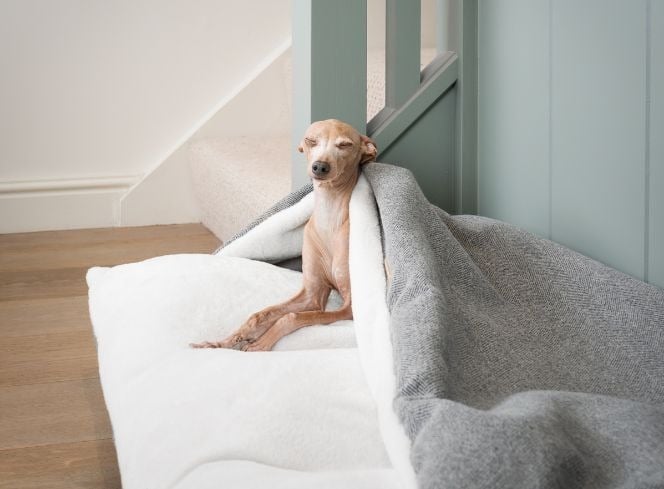
For dogs who burrow into your bedding seeking that cosy, held feeling, the sleeping surface really matters. Something like the Sleepy Burrows Bed in Calming Anti-Anxiety Dusk Faux Fur is designed for exactly that type of dog — the ones who want to sink in and feel wrapped up rather than simply lie on top of something flat. Pillow stealers tend to fall into this category more often than not.
The goal isn’t to take something away from your dog. It’s to give them something just as good, somewhere that feels entirely their own.




























































![[colour:woodland stag] Luxury Handmade Box Bed For Dogs in Woodlands, in Woodland Stag. Perfect For Your Pets Nap Time! Available To Personalise at Lords & Labradors](http://www.lordsandlabradors.co.uk/cdn/shop/files/lords-and-labradors-stag-puppy-box-bed-black-labrador-sleeping-3_5d08de25-f04f-4b67-ac0c-cec121c01136.jpg?v=1687267615&width=533)