



How To Train A Dog To Sleep In Their Bed
12.04.23 April 12, 2023 Owning a Dog

How To Train A Dog To Sleep In Their Bed

​We know there is nothing better than a snuggle with your pooch in bed, but it’s not so ideal when they’re up, pacing and circling, at 3am trying to get a comfortable spot right in the middle of your bed. Like most dogs, your pooch will have a family member they’d like to sleep with, however this shouldn’t mean you’ve got to give up your bed for them to get comfy too. You can even train your dog to sleep outside of your room if required, but most importantly, they settle on their nice and comfy bed, and that’s where they stay until morning. In this blog, we discuss how to get your dog to fall asleep in their bed, and not share yours each night.   How To Teach A Dog To Go To Bed Training your dog to go to sleep in their own bed is made easy when they’ve got a comfy, supportive bed and they have a repetitive routine. Make sure you’ve done some research into the correct bed, you can find more information on choosing your dog bed in our How To Choose A Dog Bed. It’ll take some time to train your dog to sleep in their bed, unfortunately, it won’t happen overnight, but doing so will be a big reward for you and your pup. If your dog is used to sleeping in your bed with you, consider the placement of their bed before you start training them out of your bed and into sleeping in their own. Your pooch will feel similarity and safety when hearing your breathing whilst you sleep. Once you’ve bought the correct size and shape bed for your dog, you’ll need treats and patience to train them into sleeping in their own bed.   How To Get A Dog To Sleep In A Dog Bed Your first step is to get a dog bed that your dog is happy to sleep in and is comfortable for them. If they’re a stretched-out sleeper, a mattress style bed will more comfortable. If they sleep in a ball, then opt for a high wall bed instead. Secondly, choose the spot your dog will feel comfortable sleeping in - make sure it’s where the bed will stay permanently and it will always be accessible when it is bedtime. Set a command you say to your dog each evening when it’s bedtime. When you use the command, make sure you’re giving your dog a treat when they get onto their bed. It’s good to practice this command, some may use ‘go to bed’ or ‘on your bed’, when you want your dog to lie in their bed. Practicing throughout the day will help install the command at night too. When it’s time to go to bed, give your pooch their command, encourage them to get into their bed and then give them a treat. It may take a couple of nights to get this right, but they should pick it up fairly quickly. If your dog leaves their bed during the night, ask them to get back onto their bed and offer a treat. If they wake again, do not give them a treat, simply use the command and ask them to get onto their bed. If your dog prefers toys to treats, you could offer them a special bedtime toy they’ll love instead of a treat as a reward.   What Dog Bed Should I Buy? Our dog beds are split into the following categories, Donut Beds, Box Beds, High Wall Beds, Mattress Beds & Puppy Beds. Although there is a lot to choose from, finding the correct bed for your dog is invaluable to both you and your pooch.   Donut Beds Donut beds are especially good for dogs with anxiety, often the soft, pillow-like cushioning will relax and soothe your dog, which makes a great ‘bedtime’ bed. Choosing a well-stuffed donut bed with durable fabric will ensure your pooch gets just the right amount of head and neck support whilst they sleep or relax. They’re best for dogs who love to curl up when sleeping.   Box Beds Box beds are great for dogs who like to sleep in lots of different positions. The sides offer a comfortable head pillow when required, they can get cosy inside the bed curled up should they want to and they can also easily stretch out without pushing against the side of the bed. Our box beds are made with durable, washable materials, with supportive stuffing to ensure the utmost comfort for your furry friend.   High Wall Beds High walled beds are particularly good for dogs who love to cuddle up to something. The high sided walls gives them security and warmth whilst they sleep. If your dog loves to hang their head over the side of the bed too, this could be a great option for them.   Mattress Beds Dogs who love to stretch out may love sleeping on the floor, but with a mattress bed, you can provide the support they need as well as letting them stretch out and enjoy their sleep. Mattress beds are great for dogs struggling with arthritis or stiff joints as they’re easy to get onto and provide the right amount of firmness and support, there are even orthopaedic options for extra support.    Puppy Beds Our puppy beds are designed for all breeds in mind, ranging a variety of different sizes and two different shapes. Our Grow With Me beds are a great 2 in 1 bed for your pup to help them settle in, they're round with high sides so are great for snuggling in up in and they also have a removable inner ring so the bed can grow with them. Our other style of puppy beds are our cosy and calming puppy crate beds, these have been designed with puppy training in mind. Our cosy & calming beds fill just over half of a dog crate so are perfect to help crate train and toilet train your puppy. The beds also work great as stand alone beds and have plush cosy sides perfect for puppies to rest their heads on. Puppy’s need support and warmth which our Lords & Labradors puppy beds all provide.

By Laura Rudd

Read more

​We know there is nothing better than a snuggle with your pooch in bed, but it’s not so ideal when they’re up, pacing and circling, at 3am trying to get a comfortable spot right in the middle of your bed.

Like most dogs, your pooch will have a family member they’d like to sleep with, however this shouldn’t mean you’ve got to give up your bed for them to get comfy too. You can even train your dog to sleep outside of your room if required, but most importantly, they settle on their nice and comfy bed, and that’s where they stay until morning.

In this blog, we discuss how to get your dog to fall asleep in their bed, and not share yours each night.


How To Teach A Dog To Go To Bed

Training your dog to go to sleep in their own bed is made easy when they’ve got a comfy, supportive bed and they have a repetitive routine. Make sure you’ve done some research into the correct bed, you can find more information on choosing your dog bed in our How To Choose A Dog Bed. It’ll take some time to train your dog to sleep in their bed, unfortunately, it won’t happen overnight, but doing so will be a big reward for you and your pup.

If your dog is used to sleeping in your bed with you, consider the placement of their bed before you start training them out of your bed and into sleeping in their own. Your pooch will feel similarity and safety when hearing your breathing whilst you sleep. Once you’ve bought the correct size and shape bed for your dog, you’ll need treats and patience to train them into sleeping in their own bed.


How To Get A Dog To Sleep In A Dog Bed

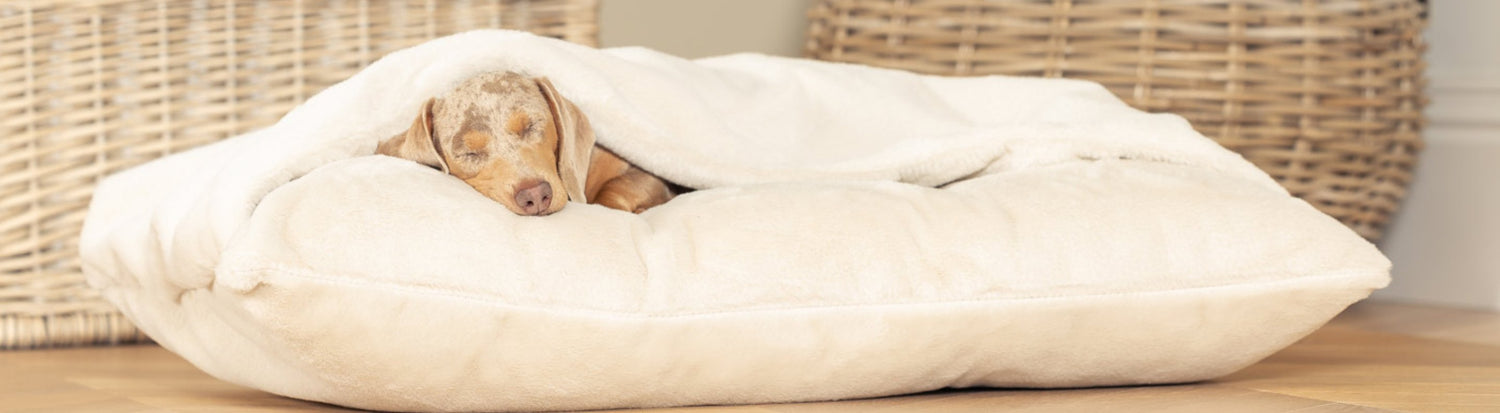
Your first step is to get a dog bed that your dog is happy to sleep in and is comfortable for them. If they’re a stretched-out sleeper, a mattress style bed will more comfortable. If they sleep in a ball, then opt for a high wall bed instead.

Secondly, choose the spot your dog will feel comfortable sleeping in - make sure it’s where the bed will stay permanently and it will always be accessible when it is bedtime.

Set a command you say to your dog each evening when it’s bedtime. When you use the command, make sure you’re giving your dog a treat when they get onto their bed. It’s good to practice this command, some may use ‘go to bed’ or ‘on your bed’, when you want your dog to lie in their bed. Practicing throughout the day will help install the command at night too.

When it’s time to go to bed, give your pooch their command, encourage them to get into their bed and then give them a treat. It may take a couple of nights to get this right, but they should pick it up fairly quickly.

If your dog leaves their bed during the night, ask them to get back onto their bed and offer a treat. If they wake again, do not give them a treat, simply use the command and ask them to get onto their bed.

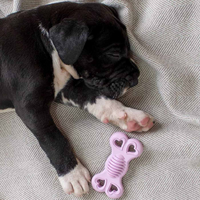
If your dog prefers toys to treats, you could offer them a special bedtime toy they’ll love instead of a treat as a reward.


What Dog Bed Should I Buy?

Our dog beds are split into the following categories, Donut Beds, Box Beds, High Wall Beds, Mattress Beds & Puppy Beds. Although there is a lot to choose from, finding the correct bed for your dog is invaluable to both you and your pooch.


Donut Beds

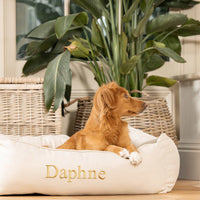
Donut beds are especially good for dogs with anxiety, often the soft, pillow-like cushioning will relax and soothe your dog, which makes a great ‘bedtime’ bed.

Choosing a well-stuffed donut bed with durable fabric will ensure your pooch gets just the right amount of head and neck support whilst they sleep or relax. They’re best for dogs who love to curl up when sleeping.


Box Beds

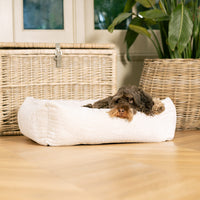
Box beds are great for dogs who like to sleep in lots of different positions. The sides offer a comfortable head pillow when required, they can get cosy inside the bed curled up should they want to and they can also easily stretch out without pushing against the side of the bed.

Our box beds are made with durable, washable materials, with supportive stuffing to ensure the utmost comfort for your furry friend.


High Wall Beds

High walled beds are particularly good for dogs who love to cuddle up to something. The high sided walls gives them security and warmth whilst they sleep. If your dog loves to hang their head over the side of the bed too, this could be a great option for them.


Mattress Beds

Dogs who love to stretch out may love sleeping on the floor, but with a mattress bed, you can provide the support they need as well as letting them stretch out and enjoy their sleep.

Mattress beds are great for dogs struggling with arthritis or stiff joints as they’re easy to get onto and provide the right amount of firmness and support, there are even orthopaedic options for extra support. 


Puppy Beds

Our puppy beds are designed for all breeds in mind, ranging a variety of different sizes and two different shapes.

Our Grow With Me beds are a great 2 in 1 bed for your pup to help them settle in, they're round with high sides so are great for snuggling in up in and they also have a removable inner ring so the bed can grow with them. Our other style of puppy beds are our cosy and calming puppy crate beds, these have been designed with puppy training in mind.

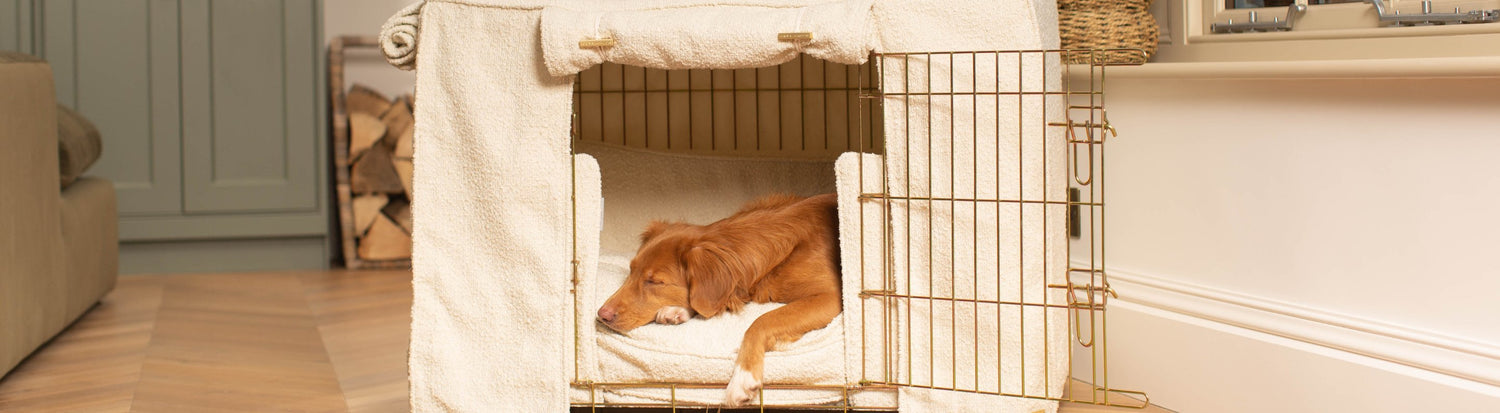
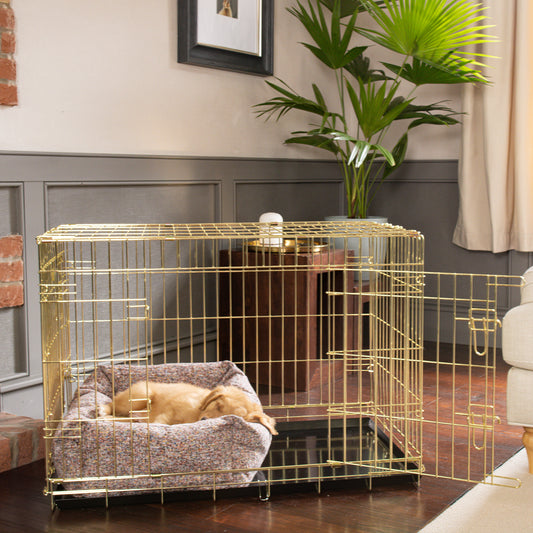
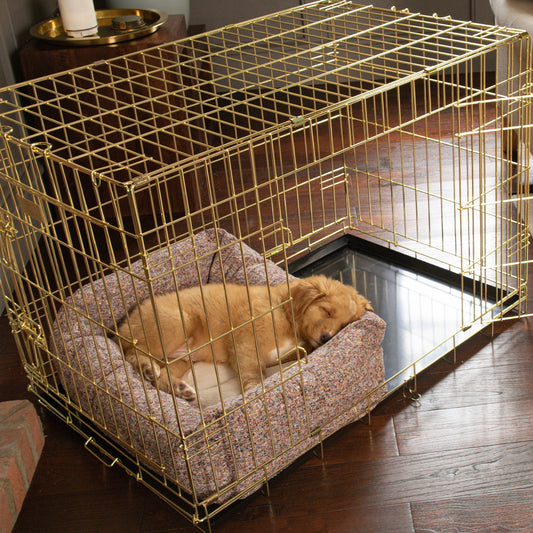
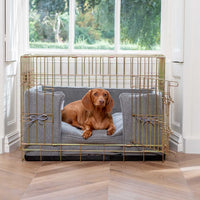
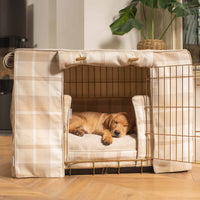
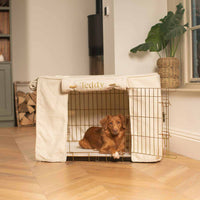
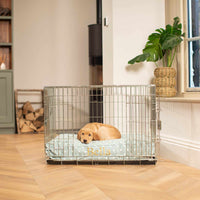
Our cosy & calming beds fill just over half of a dog crate so are perfect to help crate train and toilet train your puppy. The beds also work great as stand alone beds and have plush cosy sides perfect for puppies to rest their heads on. Puppy’s need support and warmth which our Lords & Labradors puppy beds all provide.

Related Products

Related Collections

Luxury Dog Beds

Discover a delightful range of luxury dog beds from Lords & Labradors.... 

Dog Crate Bedding

Dog crate bedding gives your dog a comfy place to sleep and... 

Next Article
How Often Should You Groom Your Dog

Related Articles

  • Dogs in season: signs, how long it lasts and whether period pants help
    19.11.26 November 19, 2026 Owning a Dog

    Dogs in season: signs, how long it lasts and whether period pants help

    If you've noticed your girl acting a little off lately and spotted some discharge on her bedding, chances are she's come into season and you've got a few weeks of careful management ahead. This guide walks you through exactly what to expect at each stage of her cycle, what's normal and what warrants a call to the vet, and whether dog period pants are actually worth it. You'll also find a practical breakdown of pants, diapers, pads and nappies, plus straightforward tips for keeping her comfortable both at home and out on walks. How to tell when your dog is in season Most dog owners notice something is off before they can quite put their finger on what. Maybe your girl is licking herself more than usual, or she seems a little clingier than normal. Then you spot a small amount of bloody discharge on her bedding, and suddenly it all makes sense. She's come into season. The most obvious early sign is a swollen vulva. It can look quite pronounced, especially in smaller breeds, and it usually shows up a few days before any discharge starts. That discharge begins reddish and gradually lightens to a pale pink or straw colour as her cycle progresses. Some dogs produce very little and keep themselves remarkably clean. Others leave spots on furniture, floors, and anything they sit on. Every dog is different. Alongside the physical changes, you'll often notice shifts in behaviour too. She might be more restless, more affectionate, or conversely a little withdrawn. Some dogs go off their food for a day or two. Others seem perfectly fine except for a sudden and very enthusiastic interest from every male dog in the neighbourhood. That magnetic pull on other dogs is one of the most telling signs she's in season, even when discharge is minimal. Most of these changes are completely normal. It's worth calling your vet if the discharge has a strong smell, turns green or grey, or if she seems unwell, lethargic, or is drinking far more water than usual. Those can occasionally point to an infection that needs attention. If you're also starting to think about longer-term options, this guide on when female dogs should be spayed is a good place to start. For now, knowing what to look for means you can respond calmly rather than second-guess every little change. How long a dog season usually lasts and what changes through each stage A dog's season typically lasts somewhere between two and four weeks, though you'll rarely find two dogs with exactly the same experience. Some girls sail through it quickly; others seem to take forever. Understanding what's happening at each stage makes the whole thing a lot less stressful to manage. The four stages of a dog's season: Proestrus (Days 1–9) — the visible start. Bleeding begins, the vulva swells, and your dog may seem a little clingy or unsettled. Male dogs will show plenty of interest, but she'll almost certainly reject them at this point. Oestrus (Days 9–14) — the fertile window. Bleeding often lightens or shifts to a pinkish colour. This is when ovulation happens and she becomes receptive to males, so it's the stage to be most careful about unsupervised contact. Dioestrus (Days 14–28) — winding down. Whether or not mating occurred, her body now behaves as though she's pregnant. Discharge reduces, swelling fades, and behaviour gradually settles back to normal. Anoestrus — the quiet phase. A resting period between seasons, usually lasting several months, with no hormonal activity to speak of. One thing worth knowing: bleeding is often heaviest during Proestrus, before the fertile days have even arrived. It's very common for owners to notice the discharge easing off and assume the season is nearly over, when actually the risk of an unplanned pregnancy is at its peak right at that moment. If you've ever wondered how long a dog season really lasts, this is exactly why the answer is more nuanced than it first appears. Because every dog runs to her own schedule, keeping a simple diary across a few seasons can help you spot her personal pattern and pick up on the signs earlier each time. Dog period pants or dog sanitary pants can be genuinely useful across several of these stages too, not just when bleeding is at its most obvious. Do dog period pants actually help? Dog period pants genuinely can help during your dog's season — but it's worth being clear about what they're actually designed to do. Their main job is to manage light spotting around the house, protecting your sofas, carpets and bedding from discharge. They don't change what's happening hormonally, and they won't stop her season in its tracks. Think of them as a practical management tool rather than a fix. Here's a quick breakdown of what dog period pants can and can't do: Contain light discharge around the home, cutting down on the spots and stains you're mopping up throughout the day Protect furniture and bedding from marking — especially handy if your dog is a sofa-hogger or shares your bed Help keep her comfortable by staying clean and dry between changes They do not prevent mating. If there's an intact male nearby, pants offer no real barrier. Never treat them as one They are not a substitute for supervision, particularly during the peak fertile window when she's most receptive to males Hygiene tip: Change her pants regularly throughout the day and wash them after every use. Leaving damp or soiled pants on for too long can cause skin irritation or infection around the vulva — so checking her often matters just as much as putting the pants on in the first place. Fit is something a lot of people underestimate. Pants that are too loose will slide off within minutes (or get launched across the room during a good shake). Too tight and you risk chafing and real discomfort. Every dog is shaped a little differently, so it's worth sizing based on her actual measurements rather than just defaulting to her breed or weight. You can browse well-fitting dog sanitary pants and other practical options in the Lords & Labradors dog clothing collection to find something that actually suits her shape. Used alongside proper supervision and regular hygiene checks, dog period pants make the whole thing noticeably more manageable — for her and for you. Dog period diapers, pads and nappies: which option suits your dog? There are a few different products out there to help manage your dog's season, and it's worth knowing what each one actually does before you commit to anything. Dog period pants, disposable diapers, pads, and nappies all serve a similar purpose but suit different dogs and different situations. The right choice usually comes down to size, how much she's bleeding, and whether she'll actually tolerate wearing something in the first place. Option Best For Pros Limitations Dog period pants Everyday wear at home Reusable, washable, comfortable fit, good for lighter to moderate flow May need a booster pad for heavier flow; some dogs wriggle free Dog period diapers Heavy flow or overnight High absorbency, disposable options available, secure fit Single-use versions create more waste; can feel bulky on smaller dogs Dog period pads Use inside pants or diapers Adds absorbency, easy to swap out, flexible Not worn alone — needs a base garment to stay in place Dog period nappies Dogs who resist fitted pants Familiar nappy-style wrap, adjustable tabs Less breathable; can cause irritation if left on too long A few things worth thinking through before you decide: Size matters more than you'd expect. A poorly fitted garment won't stay put — especially on an active spaniel who's never still for a moment. Consider her activity level. If she's still raring to go on walks, look for something with a secure fit that won't slip mid-stride. Think about tolerance. Some dogs take to wearing something surprisingly quickly. Others stage a full protest. Starting early in the season gives her time to adjust. Reusable or disposable? Washable options are easier on your budget over time, but disposables are genuinely handy for travel or those days when laundry is the last thing you need. Keep booster pads in your kit whatever style you go for — particularly in the first few days when flow tends to be at its heaviest. You'll find plenty of practical options in our dog essentials to help you put together a kit that actually works. There's no single right answer, so trialling your chosen option in the first day or two of her season gives you the best chance of landing on something that suits you both. Keeping her comfortable at home and on walks during season Managing a dog in season doesn't have to turn your home upside down. A few simple adjustments make a real difference, both for her comfort and your sanity. Start with her sleeping area. Layer a washable waterproof mat or a spare blanket over her usual bed so you can deal with any spotting without deep-cleaning her favourite spot every day. Some dogs groom themselves thoroughly during season; others are far less bothered. Either way, easy-to-wash layers underneath her make life considerably simpler. Dog period pants are genuinely useful indoors for keeping furniture and floors clean. If she's happy wearing them, pop a pair on when she's lounging around or settling in for a nap. Just remember to take them off for toilet breaks and give her regular time without them so she stays comfortable. When you're choosing, look for dog sanitary pants with a soft, stretchy fit and a well-placed tail hole that doesn't pull or rub. Those small details are usually what separates a pair she'll tolerate from a pair she'll shake off in under a minute. On walks, the priority shifts from hygiene to safety. A dog in heat sends a very clear signal to any unneutered male nearby, and even the most reliable recall can wobble when hormones are involved. Stick to quieter routes, give dog parks a wide berth, and keep her on the lead throughout. Early morning or later evening walks are often the easiest way to avoid peak dog-walking traffic. If you pass other owners, a quick heads-up that she's in season is usually all it takes. Most people will give you space without hesitation. And if she seems a little anxious, clingy, or distracted out on walks, just keep things calm and unhurried. She'll find her feet again soon enough. Frequently Asked Questions How long is a dog in heat bleed? Bleeding usually starts at the beginning of a dog’s season and is often heaviest in the first stage, which typically lasts around 1–9 days. The full season usually runs for two to four weeks, and the discharge often lightens from red to pink or straw-coloured as it progresses. Can I leave a diaper on my dog overnight? Yes, dog period diapers can be useful overnight because they’re more absorbent, but they shouldn’t be left on too long without checking. Damp or soiled pants, diapers or nappies can irritate the skin and raise the risk of infection, so fit, cleanliness and regular changes really matter.

    By Adele Busby

    Read more
  • Under stairs dog house ideas: turning dead space into a den
    18.11.26 November 18, 2026 Owning a Dog

    Under stairs dog house ideas: turning dead space into a den

    That space beneath the stairs is one of those quiet corners most of us stop seeing after a while, but with a little thought it can become the best spot in the house for your dog. This guide walks you through everything you need to make a proper under stairs dog house work, from checking the space before you commit to choosing the right layout, bedding, and furniture to finish it well. Whether you have a shallow alcove or a proper cupboard to work with, there is almost certainly a setup here that will suit your dog and feel right at home. Why an under stairs dog house can be such a lovely use of space Most homes have a triangle of space beneath the stairs that quietly collects shoe boxes, forgotten bags, and that vacuum cleaner you keep meaning to put somewhere more logical. Turning that awkward corner into an under stairs dog house is one of those ideas that, once you see it done well, makes you wonder why you ever used it for anything else. Dogs genuinely thrive when they have a space that belongs to them. Not a corner of the sofa they've quietly claimed, not a spot they've learned is tolerated — somewhere that is consistently, reliably theirs. An under stair dog nook does exactly that. It gives your dog a predictable retreat to settle into between walks, decompress after a busy afternoon, or simply watch the household from a comfortable distance. That kind of consistency matters more than most people realise, particularly in homes with young children or other pets where the energy level can shift quickly. From a practical standpoint, it also solves a very real problem. Under stairs storage tends to become a dumping ground because the space is awkward and nobody quite commits to it. Give it a clear purpose and everything changes. Your dog's bed, blankets, and favourite toys have a proper home. The hallway feels calmer. And the area that once felt like an afterthought suddenly looks like it was always part of the plan. That's really what makes the under stairs dog kennel idea work so well in real homes. You're not sacrificing a room or reshaping your layout. You're just making smarter use of something you already have. If you want to get the atmosphere right from the start, our guide to turning a crate into a cosy den is a brilliant place to build your thinking before you pick up a paintbrush. What to check before you turn the space into a den Before committing to any under stairs dog house ideas, a few simple checks will save you time, money, and a fair amount of head-scratching later. Ten minutes assessing the space properly can make the difference between a den your dog loves and one they politely ignore. Here's what to look at before you buy or build anything: Measurements and floor area. Take the full length, width, and narrowest point of the space. Your dog needs room to turn around, stretch out, and settle comfortably — so be honest about the dimensions rather than optimistic. Headroom at the deepest point. Crawl in if you have to. The back of an under-stairs space can drop away sharply, which matters a lot depending on your dog's size and breed. Ventilation and airflow. Does air move through, or does it feel stuffy? A den that traps heat in summer is the last place your dog will choose to nap. Lighting. Dark corners can feel uninviting. A plug-in light or a simple LED strip does a lot to make the space feel cosy rather than cave-like. Ease of access. Think about the entry angle, particularly for larger breeds or older dogs. A wide, low opening is almost always the better call. How easy it is to clean. Smooth, sealed surfaces wipe down quickly. Rough timber or carpet holds onto mess and odours faster than you'd expect. One more thing to consider before you go any further: do you want a crate-style under stair dog nook, where a crate sits neatly within the space, or a more open under stairs dog kennel setup? The answer affects sizing, door placement, and how you arrange bedding. If you're leaning toward a crate, our complete dog crate guide is worth a read before you start measuring. Get these basics right and everything that follows becomes much simpler. Dog house under stairs ideas that actually work in real homes No two staircases are quite the same. The space underneath yours might be a shallow alcove, a generous cupboard, or something awkwardly in between — and the ideas below cover that whole range. Whatever you're working with, there's a good chance one of them will feel right. The Simple Crate Nook. If the space is compact, or you're just not ready to commit to anything permanent, sliding a wooden crate into the alcove is a genuinely tidy solution. Add a crate cover or style-matched finish and it looks considered rather than thrown together. This works especially well for smaller breeds who simply need a snug, defined spot to call their own. The Built-In Den with Storage. For a more polished under stairs dog house, think fitted shelving or drawers on one side and a framed dog space on the other. You get somewhere to stash leads, treats, and grooming kit right where you actually need them — which is a win for the whole household, not just the dog. The Anxious Dog Retreat. If your dog finds busy family life a bit much, prioritise enclosure over openness. A three-sided setup with a low partial door and a blackout-style curtain gives them real privacy when they need to switch off. Add a deep-sided bed and you've got a calm, cave-like space that can genuinely make a difference. The Low-Light Nook. Some dogs — older ones especially, or dedicated nappers — thrive in a softly lit space. A small plug-in LED strip along the top of the opening adds just enough warm light to feel cosy without disturbing sleep. The Multi-Dog Suite. Got two smaller dogs and a wider staircase? Divide the space into two zones side by side, each with its own bed and entry point. It gives both dogs their own territory, which helps enormously when one is more anxious or protective than the other. Design tip: A warm plug-in LED and a non-slip mat are the two lowest-effort upgrades you can make to any under stair dog nook. Together, they take a space from functional to genuinely lovely in about ten minutes. Treat these as starting points rather than fixed blueprints. The best under stairs dog kennel setup is always the one that fits your dog's personality and your home's reality — and even a simple arrangement can feel polished and purposeful with the right bedding, lighting, and a few thoughtful finishing touches. How wooden crates and crate furniture can make the space feel finished One of the trickiest parts of finishing an under stairs dog house is making it look intentional rather than improvised. That is where crate furniture really earns its place. Your dog gets all the security of a proper enclosed den, and you get something that looks like it was designed alongside the rest of the room. Here is why wooden crate furniture works so well in an under-stairs space: Dogs naturally gravitate towards enclosed, den-like spots, and solid wood delivers that sense of cosiness far more effectively than an open wire frame Natural wood tones sit comfortably alongside built-in joinery, painted cupboards, and skirting boards, so the crate looks like it was always meant to be there A well-made wooden crate pulls double duty, working as a side table, display shelf, or drop zone for keys and post while still being your dog's personal retreat The structured shape tucks neatly into angled or awkward alcoves without leaving odd gaps around the edges Wood is far easier to match to existing decor than plastic or metal, which tend to read as utility items no matter how you style the space around them If you are working with a tighter opening, the wooden rustic sliding door dog crate from Lords and Labradors is worth a serious look. Because the door slides rather than swings, you do not need to factor in clearance in front of the crate. In a compact under stair dog nook, that one detail can be the difference between a layout that works and one that constantly feels awkward. Done well, crate furniture transforms an under stairs dog kennel from a practical fix into something you are actually proud of. Your dog gets a calm, secure den. Your home gets a corner that looks considered rather than compromised. Making an under stairs dog room feel comfy, calm, and easy to live with Once the structure of your under stairs dog house is sorted, it's the smaller, everyday details that turn a tidy corner into somewhere your dog genuinely wants to be. Bedding, scent, storage, and a bit of routine do more than any finishing touch ever could. Choose washable bedding that actually fits the space, not just something that roughly fills it. A well-fitted bed that holds your dog's scent quickly becomes somewhere they seek out rather than sidestep. When you first introduce the space, tuck in a familiar blanket or a worn item of clothing. That scent recognition can help even anxious dogs settle faster than you might expect. Keep a small basket or a couple of hooks just outside the nook for leads, a treat pouch, and a toy or two. It stops the under stair dog nook from becoming a dumping ground without making it feel sterile. Consider a low-wattage nightlight or a simple blackout panel so your dog can have some control over light levels. Some dogs sleep much better with a darker, more enclosed feel. Wipe down surfaces weekly with a pet-safe cleaner — enough to keep things hygienic, but not so much that you strip away the familiar smells that make the space feel like theirs. Quick tip: Rotate one toy at a time into the den. Too many choices can actually unsettle some dogs rather than entertain them. Consistent little routines are what build a genuine calm association with an under stairs dog kennel. Sending your dog to their den at the same time each evening, for instance, gradually teaches them that the space means rest, not isolation. For bedding, storage baskets, and other home essentials that work well in this kind of setup, the Lords & Labradors home essentials range is a good place to start. Bringing the idea to life without overcomplicating it The best under stairs dog house projects start simply: look at the space you have, think about what your dog actually needs, and go from there. No full renovation required, and no interior design expertise either. A smaller space is nothing to worry about. A well-thought-out under stair dog nook with a cosy bed, soft lighting, and a door to retreat behind can feel far more inviting to a dog than somewhere big and open. Most dogs love feeling tucked in and secure, so lean into that rather than trying to fight it. If you do have more room to work with, consider how an under stairs dog kennel could pull double duty — somewhere for your dog to settle, with a little storage alongside for leads, treats, and the general front-door clutter that seems to multiply on its own. Either way, a well-chosen wooden crate or piece of crate furniture can make a real difference to how the space feels. It gives your dog somewhere clearly their own and brings a sense of cohesion to the room — finished and intentional rather than thrown together. When you are ready to choose something, the Lords and Labradors dog crate collection is a good place to start. There are options to suit different spaces, different breeds, and different homes, so it is worth having a browse once you know what you are working with.

    By Adele Busby

    Read more
  • Best GPS dog trackers UK: with and without a subscription
    11.11.26 November 11, 2026 Owning a Dog

    Best GPS dog trackers UK: with and without a subscription

    Losing sight of your dog, even for a moment, is one of those heart-in-mouth experiences that never really gets easier. This guide to the best dog tracker UK covers everything from live GPS options with monthly subscriptions to simpler no-subscription alternatives, so you can find something that genuinely fits your dog’s life, your usual routes, and your budget. Whether you have a serial escape artist or simply want a little extra reassurance on off-lead walks, there is a good option out there for you. Best GPS dog trackers UK: what to look for before you buy Whether your dog is a determined escape artist or simply the sort who follows an interesting scent a bit too enthusiastically, a tracker can bring real peace of mind. If you’re comparing the best dog tracker UK options, it helps to know that not all devices work in the same way. The biggest difference is between GPS trackers and Bluetooth or radio-frequency tags. Bluetooth options, including AirTags, have their place, but they work over a short range and often depend on nearby phones to update a location. That can be fine in a city, but it is not much help if your dog disappears over a hill on a weekend walk. A proper dog GPS collar uses satellite tracking to show your dog’s location in real time, which is why it is usually the better fit for active dogs and adventurous households. Once you know you want GPS, there are a few things worth comparing. Battery life can range from a couple of days to a couple of weeks. If you already have enough gadgets to charge, a longer-lasting tracker will make life much easier. Network coverage matters, especially in the countryside. Many trackers use mobile networks, so check coverage before you buy. Size and weight are easy to overlook, but they really matter for smaller breeds. A lightweight tracker will be far more comfortable for a little dog. Pairing it with a secure collar from our mobile dog gear collection can help keep everything snug and practical. Waterproofing is a must for most UK dogs. Mud, puddles and surprise swims happen. App quality makes a bigger difference than people expect. A clear, reliable app is what turns a tracker from a nice idea into something genuinely useful. It’s also worth thinking about subscription vs no-subscription models. If you want live tracking and regular location updates, paying a monthly fee often makes sense. If you only need something simple for occasional peace of mind, a dog tracker with no subscription may suit your routine and budget better. Best dog trackers with a subscription for everyday peace of mind If your dog has ever slipped a lead, shot after a squirrel, or gone exploring when your back was turned, a subscription tracker can feel like money well spent. In this part of our best dog tracker UK guide, we’re looking at the models that are geared towards live GPS tracking, app alerts, and more dependable day-to-day support than a simple Bluetooth tag. Tractive GPS DOG A very well-known option for UK pet parents who want straightforward live tracking. Offers real-time GPS location through an app Includes virtual fence or safe-zone alerts for wanderers and escape artists Suits everyday walks, holidays, and multi-dog households Subscription required for full tracking features Pawfit A practical choice if you like the idea of location tracking with a few extra wellbeing features. Combines GPS tracking with activity-style monitoring in the app Lets you set up safe areas and receive alerts if your dog leaves them Handy for families where more than one person helps with walks Subscription required Weenect Dogs 2 A strong contender for owners who want a dog GPS collar tracker designed specifically for pets. Built around live GPS tracking and recall support through the app Safe-zone alerts are useful for dogs who are confident roamers A good fit for regular walkers who want a pet tracker UK option with app-based control Subscription required Kippy Evo Worth considering if you want tracking plus a broader picture of your dog’s routine. Offers GPS location tracking alongside activity-related insights Useful for active dogs who split their time between garden, walks, and bigger adventures App features can help you keep tabs on movement as well as whereabouts Subscription required Pod Another subscription-based option that many owners look at for live tracking and alert features. Designed to attach to your dog’s collar for app-based monitoring Includes location tracking and boundary-style notifications Best for owners who want a dedicated tracker rather than a general tag Check current UK network support and app details before buying The big appeal with these trackers is peace of mind. If your dog is with a dog walker three days a week, spends weekends in the countryside, or has a habit of testing every gate latch, live tracking can make everyday life feel much calmer. And once you’ve chosen the best GPS dog tracker UK option for your routine, it’s worth making sure the rest of your walking kit is just as practical. Our brand spotlight on Mobile Dog Gear is a lovely place to start. Best dog trackers without a subscription for simple, lower-cost tracking If you prefer a one-off purchase, a dog tracker with no subscription can be a sensible place to start. For occasional walks, holiday trips, or a practical gift, these trackers keep upfront costs lower than some of the best dog tracker UK options that use a monthly data plan. The trade-off is usually coverage, live tracking detail, or extra features. That is not a dealbreaker for every dog parent, but it is worth knowing before you buy. No-subscription trackers worth a look: Tile Mate — Best thought of as a Bluetooth item finder rather than a full dog GPS collar. It can be handy for dogs who stay close by, especially in built-up areas, but performance depends on Bluetooth range and the wider Tile network. Apple AirTag — Popular with iPhone users and easy to pop on a collar, but it relies on Apple’s Find My network rather than dedicated pet-tracking features. It can work well in busy places, though it is not quite the same as a purpose-built pet tracker UK shoppers might want for regular off-lead adventures. Cube tracker models — Some Cube devices are marketed with different features or plan options depending on model and retailer, so it is worth checking the small print before buying. They may suit owners who want simple location support without committing long term. Pawfit models — Pawfit is often chosen for added activity features, but plan structure and data requirements can vary by version. It is best to confirm exactly what is included if you are comparing running costs. Findster Duo — Often mentioned as a subscription-free option, but availability and real-world performance can vary, so it is worth double-checking current support and specs before relying on it. Advantages of No-Subscription Trackers Things to Consider No monthly fee to budget for Bluetooth-based models have limited range Handy for lighter or occasional use Some rely on nearby users or networks Easier to give as a gift Features may be simpler than subscription GPS units Lower upfront commitment overall Model details and support can change over time If simple and lower-cost suits your routine, this type of best dog tracker can still be a helpful choice. Once you have picked one, you can round out your setup with dog essentials at Lords & Labradors. Best GPS tracker for dogs by lifestyle: city strolls, countryside adventures and Christmas gifting Finding the best dog tracker UK usually starts with one simple question: what does your dog’s normal life actually look like? A tracker for quick pavement walks, school-run pit stops and café stops will not be the same as one for muddy off-lead weekends. Best for city strolls: In towns and cities, comfort and convenience matter most. A compact dog GPS collar or tracker that feels light on the collar, gives easy phone access, and sends location updates clearly is often the best fit. If your dog is rarely far from you, a simpler setup may be all you need, so some owners prefer a dog tracker with no subscription to keep ongoing costs lower. Best for small dogs: For little breeds, weight and size should come first. Look for a tracker that sits neatly on the collar without bouncing or feeling bulky. A smaller unit is usually a better match than a rugged, heavy model made with large sporting dogs in mind. This is one area where “best dog tracker” really means best-sized tracker. Best for countryside adventures: If your dog disappears into long grass the second you unclip the lead, prioritise battery life, a secure attachment, and a design that can cope with wet weather and rougher ground. For frequent rural walkers, a subscription-based GPS option can make sense if live tracking and wider coverage are top priorities. Best for multi-dog households: When you have two or three dogs heading off in different directions, app management becomes a big deal. Check whether you can monitor multiple devices easily, how straightforward the alerts are, and whether the monthly cost still feels reasonable if each dog needs their own tracker. Best Christmas gift pick: A tracker is a lovely practical present for a new puppy parent or someone adopting a rescue. If you’re still deciding what to get a dog for Christmas, choose one that is easy to set up, giftable, and suited to their routine rather than simply the most high-tech option. How to choose the best dog tracker uk for your dog and your budget Picking the best dog tracker UK comes down to three things: how your dog spends their days, how much you want to spend upfront, and whether a monthly fee fits your budget long term. If your dog has a talent for disappearing or you regularly head out into open countryside, a subscription-based GPS tracker is genuinely worth the investment. Real-time location updates and live trail history give you proper peace of mind when it matters most. Trackers like the Tractive GPS and Weenect Dogs 2 are built for exactly this — wide network coverage, reliable accuracy, and performance that holds up well beyond the garden gate. If your dog mostly walks on lead through familiar streets or sticks close in the park, a no-subscription option could be all you need. One upfront cost, no monthly commitments, done. Just go in with realistic expectations around range and how frequently the location refreshes — it is a different kind of technology, and it shows. Comfort is worth thinking about too. A tracker only does its job if your dog is actually wearing it, so make sure it works with their current collar or harness setup without adding unnecessary bulk. Not sure whether your dog’s collar is the right fit for clipping on a device? Our guide on how to choose the right collar for your dog is a helpful starting point. Whatever you land on, the best dog tracker is the one that fits your dog’s actual life. Not the one with the most impressive spec sheet. Trust your gut, know your dog, and you will make the right call.

    By Adele Busby

    Read more
  • Best food for senior dogs: what changes as your dog ages
    05.11.26 November 05, 2026 Owning a Dog

    Best food for senior dogs: what changes as your dog ages

    Getting the best senior dog food in the UK for your dog is less about finding the most popular bag on the shelf and more about understanding what’s actually changing inside your dog as they age. From metabolism and muscle mass to joint comfort and digestion, the needs of an older dog are genuinely different from those of a younger one. This guide walks you through what those changes mean in practice, how to choose the right food for your dog’s size and health, and what to look for once you’ve made the switch. What actually changes in your senior dog’s diet? As dogs get older, their bodies quietly shift in ways that make a real difference to what they need from their food. It is not always obvious at first. Maybe your dog is leaving a bit more in the bowl, or gaining weight despite eating the same amount they always have. These small changes are worth paying attention to. The biggest shift is metabolism. Senior dogs burn fewer calories than they did in their younger years, which means food that worked brilliantly at four can start causing weight gain by eight or nine. At the same time, muscle mass naturally decreases with age, so getting enough quality protein actually becomes more important, not less. Digestion tends to get more sensitive too. Some older dogs develop softer stools or start reacting to foods they used to handle without any issue. Their gut simply is not as resilient as it once was, so easily digestible ingredients and a consistent routine make a genuine difference. Joint health is another big piece of the puzzle. Many senior dogs slow down because movement becomes uncomfortable, and the right food can help from the inside out. Ingredients like glucosamine and omega-3 fatty acids, found naturally in fish oils, support joint function and keep them moving more comfortably day to day. The truth is, finding the best senior dog food in the UK means thinking about your specific dog: their size, their weight, their energy levels, and any health niggles they already have. A blanket “senior” label is a starting point, not the whole answer. You can explore a range of options built around these changing needs at the Lords and Labradors senior dog food collection. Should you choose senior dry dog food, wet food, or a mix? There’s no single right answer here — and honestly, what works brilliantly for one older dog might not suit another at all. The best senior dog food for your dog often comes down to the individual: their dental comfort, how well they’re staying hydrated, and whether they’ve started giving their bowl the side-eye at dinner time. Dry Food Wet Food Mixed Feeding Hydration Lower moisture content High moisture, great for hydration Good balance overall Dental support Gentle abrasion can help Softer, less mechanical action Depends on ratio used Palatability Can lose appeal with age Often more tempting for fussy eaters Boosts interest in dry food Convenience Easy to store and measure Shorter shelf life once opened Requires a little more planning A mixed approach tends to work especially well when: Your dog has become pickier and needs something more enticing in the bowl Dental discomfort or missing teeth make crunching harder than it used to be They’re not drinking enough and need that extra moisture boost from their food Many senior dog owners find that combining both formats gives them the flexibility to adapt as things change — because with older dogs, things do change. What they happily ate at nine might not cut it at twelve. If you want to weigh up the options in more detail, our guide on wet or dry food for dogs is a helpful next step. Which ingredients matter most in dog food for older dogs? Reading a dog food label shouldn’t feel like homework, but a few key checks can make choosing the best senior dog food UK pet parents can buy much simpler. One of the biggest myths in senior dog nutrition is that older dogs always need less protein. In many cases, that’s not true. Senior dogs often do best with good-quality, highly digestible protein to help maintain muscle, especially if they’re slowing down but still active on walks and pottering about at home. Here’s what to look for: High-quality digestible protein — Named animal proteins like chicken, turkey, lamb, or salmon are a good sign. These help support lean muscle and are usually easier for older dogs to digest. Controlled calorie density — If your dog is less active than they used to be, slightly lower calorie food can help prevent gradual weight gain without making them feel short-changed at mealtimes. Glucosamine and chondroitin — These are popular additions in the best dog food for senior dogs because they support joints and everyday mobility, especially in larger breeds. Prebiotic fibre — Ingredients such as chicory root or beet pulp can help keep digestion regular, which is handy if your older dog has become a bit more sensitive. Balanced minerals — A well-balanced recipe matters for overall senior health. Phosphorus is one mineral worth noting, particularly if your dog has kidney concerns or your vet has advised you to pay closer attention to it. Label tip: Try to spot a named protein in the first one or two ingredients, such as “fresh chicken” or “salmon meal.” Vague terms like “meat derivatives” tell you far less about what’s actually in the bowl. If you’re also weighing up dry versus wet or mixed feeding, our guide to comparing dry, wet, raw, and fresh dog food can help you narrow it down. How to choose food for weight, mobility, and breed size Not every older dog needs the same bowlful. When you’re choosing the best senior dog food UK pet parents can buy, size matters just as much as age. Small senior dogs often stay quite bright and busy well into later life, but they can be fussy and harder to keep at a healthy weight if portions creep up. For them, smaller kibble, easy-to-chew wet food, or mixed feeding can work really well. You’re usually looking for steady energy, good-quality protein, and something gentle on digestion. Medium breeds tend to sit in the middle. They may still enjoy a decent walk, but perhaps they are not charging about quite like they used to. In this stage, the best dog food for senior dogs is often a balanced senior recipe with controlled calories and added joint support, especially if you’ve noticed stiffness after a longer outing. Large breeds usually need a bit more thought. They often reach their senior years sooner, and even a small amount of extra weight can put more strain on hips, elbows, and back joints. If your Labrador or Golden Retriever is slowing down on walks, a lower-calorie senior dog food UK formula with joint-supporting ingredients can be a sensible choice. Some dogs also do better on wet food or mixed feeding if chewing dry food has become less appealing. If you’re wondering what to feed an older dog who is less active or starting to gain weight, watch for these everyday clues: They are slower getting up after naps Their waist is less defined than it used to be Walks are shorter, steadier, and less enthusiastic They seem hungry, but need fewer calories Food helps, but comfort at home matters too. For bigger dogs especially, pairing the right diet with joint supplements and an orthopaedic bed can make daily life easier. It’s worth reading about the best orthopaedic dog beds for large dogs if your dog is stiff first thing in the morning. Signs the food is working — and when it isn’t Switching to a new food rarely shows results overnight — most senior dogs need two to four weeks to fully settle in. Knowing what to look for during that window makes it much easier to trust you’ve made the right call. Signs it’s working Stable or improving weight — no sudden loss or gain after the first couple of weeks Firm, consistent stools — a good indicator the digestive system is handling the change well Steady energy levels — alert and engaged, not flat or unusually tired Enthusiasm at mealtimes — finishing the bowl and hanging around hopefully afterwards A healthier coat — fur that looks shinier and feels softer is often one of the first things owners notice Signs to watch out for Loose stools or constipation — a little early disruption is normal, but it shouldn’t drag on Increased scratching or skin irritation — may point to a sensitivity to a particular ingredient Reluctance to eat — the odd off day happens, but consistently turning their nose up is worth taking seriously Unusual lethargy — more tired than their normal is a sign the food may not be meeting their needs Frequent bloating or gas — especially if it keeps coming back If any of these warning signs persist beyond a week or two, it’s worth revisiting your choice or speaking to your vet. Finding the right fit can take a little patience — every older dog is different. Browse our dog food range to explore options better suited to where your dog is right now. How to make the final choice with confidence Choosing the best senior dog food doesn’t have to feel like a research project. Start with what you already know. How old are they? Are they a small breed still trotting around happily at twelve, or a larger dog who’s noticeably slowing down at eight? Do they have any joint stiffness, a tendency to gain weight, or a stomach that needs a little extra care? Those answers alone will narrow things down quickly. Then think about format. If your dog happily eats dry food and digests it well, a quality senior kibble with solid protein levels and joint support is a great place to start. If they’re fussier, or just need more moisture in their diet, adding some wet food often makes a real difference to both appetite and hydration. Before you commit, take a look at the ingredients. Named meat sources, glucosamine, omega-3s, and age-appropriate fat levels are the things worth checking for in any senior dog food worth its salt. After that, try it and watch what happens. The right food tends to show up in the small things: a shinier coat, more comfortable movement, better digestion, a dog who seems that little bit more like themselves. The best dog food for senior dogs is simply the one your dog thrives on. Trust what you see. You know your dog better than anyone. Frequently Asked Questions Does senior dog food really make a difference? Yes, senior dog food can make a real difference because older dogs often need fewer calories, more digestible ingredients, and support for muscle, joints, and digestion. The right recipe can help with weight control, comfort, appetite, stool quality, and day-to-day energy as your dog ages. What is the best food for a 15-year-old dog? The best food for a 15-year-old dog is one that matches their individual needs, not just their age. Look for highly digestible protein, controlled calories, and joint-supporting ingredients, then choose dry, wet, or mixed feeding based on dental comfort, hydration, appetite, and how well they handle their meals.

    By Adele Busby

    Read more

loyal customer in 17 countries

Why Shop With Us?

  • Free Delivery

    Orders over £75 qualify for free standard UK delivery. Orders under £75 will be calculated at the checkout.

  • Shopping Made Easy

    Gain exclusive access to sales and shop all your pets favourites on the go by downloading our app.

  • Designed in the UK

    Our own brand products are lovingly designed in our specialist UK workshop to our exacting standards.

  • We're Here For You

    Contact our Pet Experts on Chat or by email at sales@lordsandlabradors.co.uk