











How to Wash a Dog Bed in a Washing Machine: A Step-by-Step Guide
15.08.23 August 15, 2023 FAQs

How to Wash a Dog Bed in a Washing Machine: A Step-by-Step Guide

As a pet owner, you know how essential it is to keep your furry friend's belongings clean and fresh. Among these items, dog beds are a haven for our beloved companions, offering comfort and security. However, over time, these cosy spots can accumulate dirt, pet hair, and odours, making regular cleaning a must. Thankfully, many modern dog beds come with removable covers or are machine machine washable, making them easy to keep clean. In this guide, we'll walk you through the process of washing a dog bed in a washing machine, ensuring that your four-legged friend's bed stays clean and comfortable.   Are Dog Beds Machine Washable? Before we dive into the washing process, it's crucial to check if your dog's bed is machine washable. Look for tags or labels that indicate whether the bed is machine washable and if there are any specific guidelines you need to follow. Here at Lords & Labradors all of our Core Collection is machine washable, our Core Collection crate cushions and bumpers even have removable covers to make washing easier. Our Essentials Collection, however, is hand wash only. For more information on how to clean your Lords & Labradors Bed why not check out our L&L bedding guide? Or speak to our Customer Care team, who are happy to help.   Preparing Your Dog Bed for Washing: Remove the Cover: If your bed has a removable cover start by unzipping or unfastening the removable cover from the bed's filling. Some beds may have a separate inner liner that encases the stuffing, so make sure to remove both the outer cover and the inner liner if applicable. Shake Off and Hoover Excess Dirt: Before tossing the cover into the washing machine, give it a gentle shake outside use a lint roller or a vacuum cleaner with an upholstery attachment to remove any loose fur, dirt, or debris. If your bed has an inner cushion make sure to take this out and clean underneath, crumbs and hair often end up collecting underneath there! Pre-Treat Stains: If you notice any stains or particularly stubborn spots on the cover, spot-treat them with a pet-safe stain remover or a mixture of mild detergent and water. Avoid using harsh chemicals that could be harmful to your pet.     Washing Your Dog Bed: Read the Care Label: Always read and follow the care label on your dog bed's cover before washing. This label will provide specific instructions and precautions for washing and drying. Select the Right Washing Machine Settings: Set your washing machine to a gentle cycle with cold water. For L&L beds we recommend a 30 degree wash on a gentle cycle. Avoid using hot water, as it may cause the fabric to shrink or fade. Always opt for a pet-safe, hypoallergenic detergent to wash your dog bed. Regular detergents may contain harsh chemicals that could irritate your pet's skin. Additionally, avoid using fabric softeners, as they can leave a residue that may also irritate your dog. Load the Machine Properly: If you’re washing a bed cover to prevent the washing machine from becoming unbalanced during the cycle, balance the load by adding a few towels or other soft items. This will ensure that the cover is cleaned evenly.If you’re washing a bed with out a cover, they often have a removable inner cushion. If the bed is too big for your washing machine you can always try washing the two parts separately to avoid overfilling your machine. Washing The Dog Bed: Place the cover or bed in the washing machine and start the cycle. Once the cycle is complete, remove the cover promptly to prevent wrinkles and avoid over-drying.     Drying Your Dog Bed: Air Drying: For best results and to prevent any damage to your dog’s bed, we recommend air drying. If it’s a cover you can hang it outside on a clothes line or lay it flat on a clean surface indoors, we recommend putting it back on the inner cushion to prevent shrinkage. For dog beds without removable covers, we recommend either putting it outside in a clean spot to dry off or in a warm area of your house whilst it dries. Avoid using a dryer or putting it over a radiator as high heat may cause shrinkage or damage to the cover. Fluffing and Reassembling: Once your dog’s bed is dry, give it a gentle shake to fluff up the filling, it may clump together during washing so will need a bit of a shake to redistribute it evenly.  Reassembling: If your dog’s bed has a removable cover, it’s now time to reassemble, putting the cover back on the inner cushion. If the bed has zippers, ensure they are securely closed before returning it to your pup.   Tips for Maintaining a Clean Dog Bed: Regular Vacuuming: To prevent excessive dirt and hair from accumulating on your dog's bed, make a habit of vacuuming it regularly. A quick once-over with a handheld vacuum or a vacuum cleaner with an upholstery attachment can do wonders in keeping the bed clean between washes. Spot Cleaning: For minor spills or accidents on the dog bed, opt for spot cleaning instead of a full machine wash. Use a pet-safe, mild detergent mixed with water and a clean cloth to gently clean the affected area. Blot the stain rather than rubbing it, as rubbing can push the stain deeper into the fabric. Air Out the Bed: Whenever the weather permits, take advantage of sunny days to air out your dog's bed. The sunlight will help to naturally eliminate any odours, and fresh air circulation can reduce moisture buildup, which can cause mould or mildew over time. Using Pet-Friendly Odour Eliminators: If your dog's bed tends to hold onto odours despite regular washing, consider using pet-friendly odour eliminators. There are various options available, including sprays and powders designed specifically for pet bedding, ensuring a fresh-smelling bed for your furry friend. Invest in Quality Dog Beds: When purchasing a dog bed, consider investing in high-quality options that are designed for easy cleaning. Dog beds with removable, machine-washable covers not only simplify the cleaning process but also provide a durable and comfortable resting place for your pet. Here at L&L our luxury dog beds are made with upholstery grade fabric so you can be sure they will stand the test of time. Regularly washing your dog's bed is essential for maintaining a clean and healthy environment for your furry companion. By following this step-by-step guide on how to wash a dog bed in a washing machine, you can keep your pet's bed fresh, cosy, and odour-free. Always remember to check the care instructions, use pet-safe detergent, and avoid high heat when drying to ensure the longevity of the dog bed and the comfort of your four-legged friend. Happy washing!

By Megan Willis

Read more

As a pet owner, you know how essential it is to keep your furry friend's belongings clean and fresh. Among these items, dog beds are a haven for our beloved companions, offering comfort and security. However, over time, these cosy spots can accumulate dirt, pet hair, and odours, making regular cleaning a must. Thankfully, many modern dog beds come with removable covers or are machine machine washable, making them easy to keep clean. In this guide, we'll walk you through the process of washing a dog bed in a washing machine, ensuring that your four-legged friend's bed stays clean and comfortable.


Are Dog Beds Machine Washable?

Before we dive into the washing process, it's crucial to check if your dog's bed is machine washable. Look for tags or labels that indicate whether the bed is machine washable and if there are any specific guidelines you need to follow. Here at Lords & Labradors all of our Core Collection is machine washable, our Core Collection crate cushions and bumpers even have removable covers to make washing easier. Our Essentials Collection, however, is hand wash only. For more information on how to clean your Lords & Labradors Bed why not check out our L&L bedding guide? Or speak to our Customer Care team, who are happy to help.
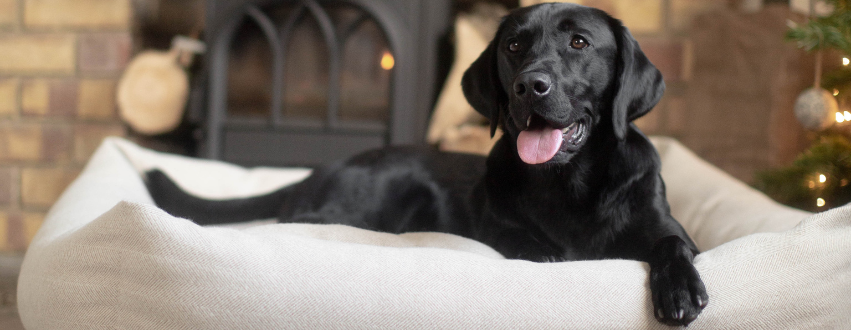
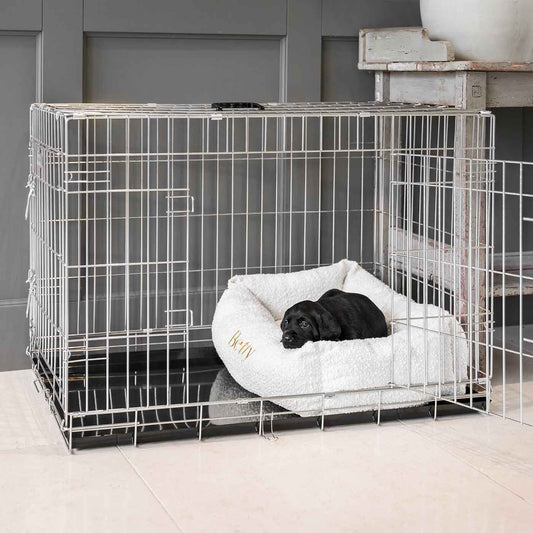
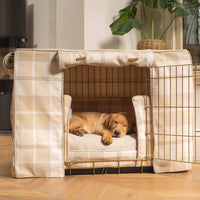
Black Labrador laid in a herringbone tweed box bed with its tongue out


Preparing Your Dog Bed for Washing:

  1. Remove the Cover: If your bed has a removable cover start by unzipping or unfastening the removable cover from the bed's filling. Some beds may have a separate inner liner that encases the stuffing, so make sure to remove both the outer cover and the inner liner if applicable.
  2. Shake Off and Hoover Excess Dirt: Before tossing the cover into the washing machine, give it a gentle shake outside use a lint roller or a vacuum cleaner with an upholstery attachment to remove any loose fur, dirt, or debris. If your bed has an inner cushion make sure to take this out and clean underneath, crumbs and hair often end up collecting underneath there!
  3. Pre-Treat Stains: If you notice any stains or particularly stubborn spots on the cover, spot-treat them with a pet-safe stain remover or a mixture of mild detergent and water. Avoid using harsh chemicals that could be harmful to your pet.
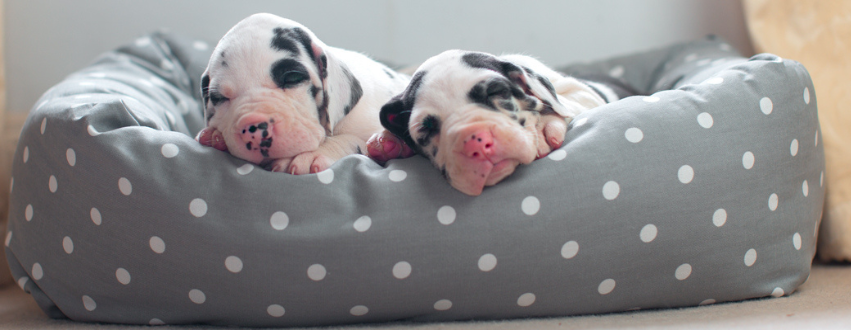
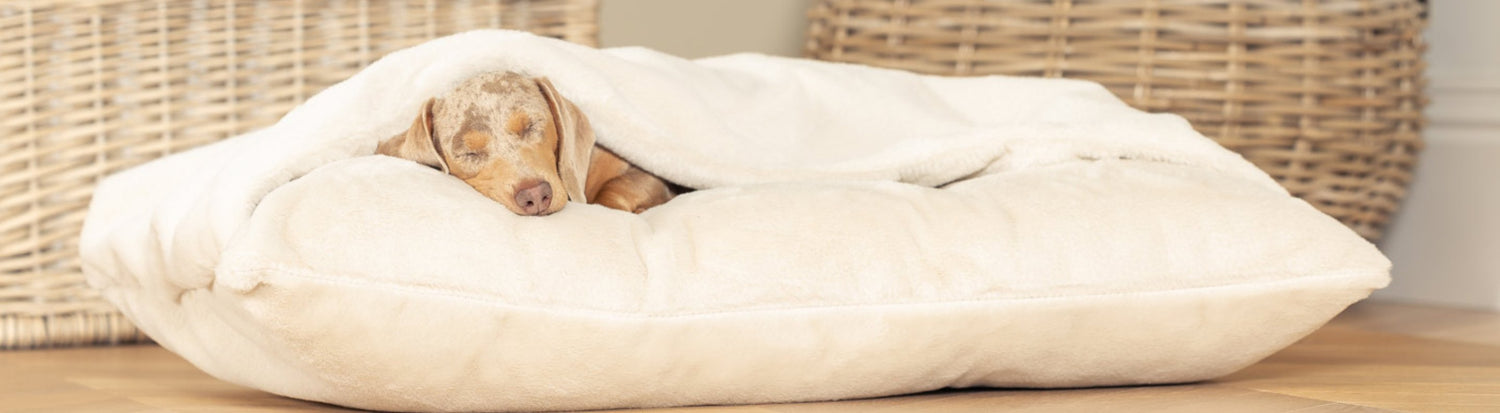
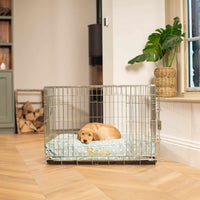
Black and white great dane puppies sleeping in a grey and white spot dog bed 


Washing Your Dog Bed:

  1. Read the Care Label: Always read and follow the care label on your dog bed's cover before washing. This label will provide specific instructions and precautions for washing and drying.
  2. Select the Right Washing Machine Settings: Set your washing machine to a gentle cycle with cold water. For L&L beds we recommend a 30 degree wash on a gentle cycle. Avoid using hot water, as it may cause the fabric to shrink or fade. Always opt for a pet-safe, hypoallergenic detergent to wash your dog bed. Regular detergents may contain harsh chemicals that could irritate your pet's skin. Additionally, avoid using fabric softeners, as they can leave a residue that may also irritate your dog.
  3. Load the Machine Properly: If you’re washing a bed cover to prevent the washing machine from becoming unbalanced during the cycle, balance the load by adding a few towels or other soft items. This will ensure that the cover is cleaned evenly.
    If you’re washing a bed with out a cover, they often have a removable inner cushion. If the bed is too big for your washing machine you can always try washing the two parts separately to avoid overfilling your machine.
  4. Washing The Dog Bed: Place the cover or bed in the washing machine and start the cycle. Once the cycle is complete, remove the cover promptly to prevent wrinkles and avoid over-drying.
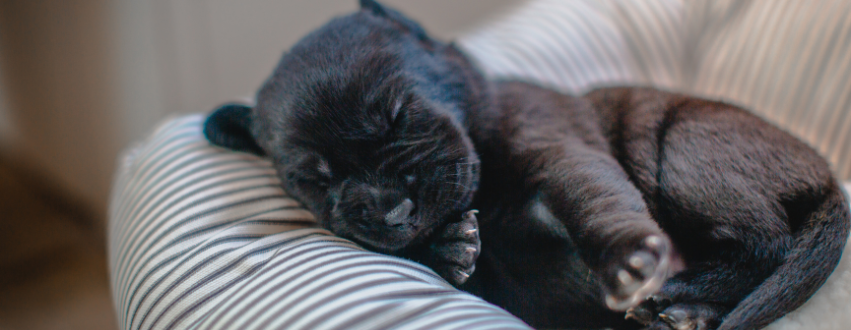
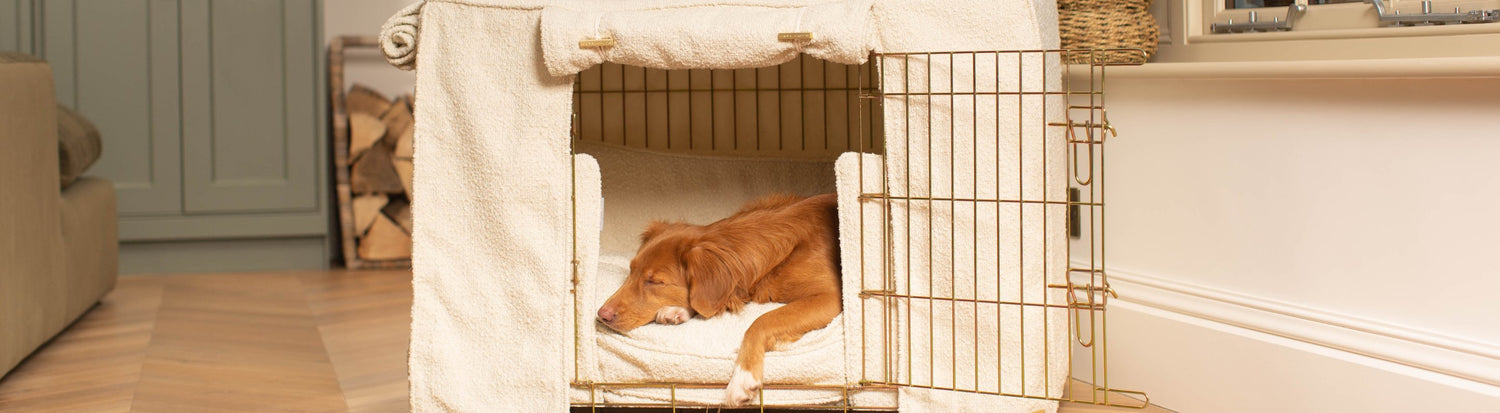
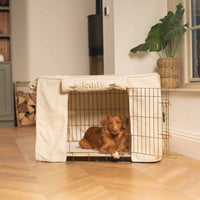
Black Labrador puppy sleeping in a charcoal and cream striped dog bed 


Drying Your Dog Bed:

  1. Air Drying: For best results and to prevent any damage to your dog’s bed, we recommend air drying. If it’s a cover you can hang it outside on a clothes line or lay it flat on a clean surface indoors, we recommend putting it back on the inner cushion to prevent shrinkage. For dog beds without removable covers, we recommend either putting it outside in a clean spot to dry off or in a warm area of your house whilst it dries. Avoid using a dryer or putting it over a radiator as high heat may cause shrinkage or damage to the cover.
  2. Fluffing and Reassembling: Once your dog’s bed is dry, give it a gentle shake to fluff up the filling, it may clump together during washing so will need a bit of a shake to redistribute it evenly. 
  3. Reassembling: If your dog’s bed has a removable cover, it’s now time to reassemble, putting the cover back on the inner cushion. If the bed has zippers, ensure they are securely closed before returning it to your pup.
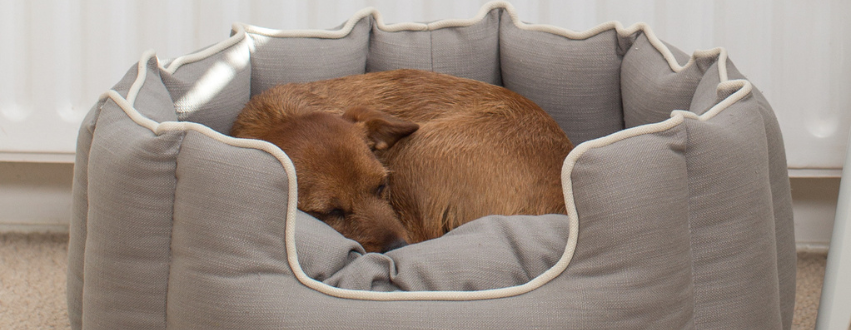
Norjack terrier curled up in a grey high wall dog bed


Tips for Maintaining a Clean Dog Bed:

  1. Regular Vacuuming: To prevent excessive dirt and hair from accumulating on your dog's bed, make a habit of vacuuming it regularly. A quick once-over with a handheld vacuum or a vacuum cleaner with an upholstery attachment can do wonders in keeping the bed clean between washes.
  2. Spot Cleaning: For minor spills or accidents on the dog bed, opt for spot cleaning instead of a full machine wash. Use a pet-safe, mild detergent mixed with water and a clean cloth to gently clean the affected area. Blot the stain rather than rubbing it, as rubbing can push the stain deeper into the fabric.
  3. Air Out the Bed: Whenever the weather permits, take advantage of sunny days to air out your dog's bed. The sunlight will help to naturally eliminate any odours, and fresh air circulation can reduce moisture buildup, which can cause mould or mildew over time.
  4. Using Pet-Friendly Odour Eliminators: If your dog's bed tends to hold onto odours despite regular washing, consider using pet-friendly odour eliminators. There are various options available, including sprays and powders designed specifically for pet bedding, ensuring a fresh-smelling bed for your furry friend.
  5. Invest in Quality Dog Beds: When purchasing a dog bed, consider investing in high-quality options that are designed for easy cleaning. Dog beds with removable, machine-washable covers not only simplify the cleaning process but also provide a durable and comfortable resting place for your pet. Here at L&L our luxury dog beds are made with upholstery grade fabric so you can be sure they will stand the test of time.

Regularly washing your dog's bed is essential for maintaining a clean and healthy environment for your furry companion. By following this step-by-step guide on how to wash a dog bed in a washing machine, you can keep your pet's bed fresh, cosy, and odour-free. Always remember to check the care instructions, use pet-safe detergent, and avoid high heat when drying to ensure the longevity of the dog bed and the comfort of your four-legged friend. Happy washing!

Related Products

Related Collections

Luxury Dog Beds

Discover a delightful range of luxury dog beds from Lords & Labradors.... 

Dog Crate Bedding

Dog crate bedding gives your dog a comfy place to sleep and... 

Next Article
Why Does My Dog Sleep Under My Bed? Unraveling the Mystery

Related Articles

  • Why Do Cats Purr?
    04.08.25 August 04, 2025 FAQs

    Why Do Cats Purr?

    Have you ever found yourself relaxing on the sofa with your furry companion curled up beside you, softly vibrating with that unmistakable cat purring sound? Whether it's a gentle hum while they snooze or a loud, contented rumble when they're being stroked, cats and purring go hand in hand. But have you ever wondered—why do cats purr? Let’s dive into the world of feline communication to uncover the mystery behind this soothing sound. The Science Behind the Purr Sound A purr sound is produced by a cat’s laryngeal muscles, which twitch at a rapid rate—around 25 to 150 vibrations per second. This movement causes a separation of the vocal cords, producing the familiar rhythmic hum we all adore. Interestingly, the sound is created both when a cat inhales and exhales, making it a continuous, comforting presence. Why Do Cats Purr? The Many Meanings of This Feline Sound Cats purr for a variety of reasons, and while it’s commonly associated with contentment, the truth is that it serves multiple purposes. Let’s explore some of the key reasons: 1. Contentment and Relaxation The most well-known reason for cat purring in sleep or during petting sessions is sheer happiness. When a cat is comfortable, feeling safe, and loved, purring serves as a signal of satisfaction. If your feline friend is snuggled up in their favourite spot, enjoying some downtime, their purring is likely a sign of total relaxation. 2. Communication with Their Humans Cats use their purrs to communicate with us. Have you ever noticed that your cat’s purr sounds slightly different when they’re hungry? Studies suggest that some cats produce a more urgent purr, sometimes mixed with a soft meow, to grab your attention when it’s mealtime. 3. Self-Soothing and Healing One fascinating aspect of cats and purring is its potential health benefits. Purring has been linked to self-soothing, helping cats calm themselves in stressful situations. What’s more, the frequency of a cat’s purr is believed to have healing properties, aiding in bone growth and tissue repair. This explains why cats might purr when they are injured or feeling unwell. 4. Bonding with Kittens If you’ve ever heard kitten purring, you’ll know that it’s one of the sweetest sounds. From the moment they are born, kittens purr to bond with their mothers. This purring reassures their mother that they are safe and content, while also helping them stay close during nursing. 5. Stress and Anxiety Relief Surprisingly, cats might purr when they are stressed or anxious. If your cat is in an unfamiliar environment or feeling uneasy, purring can act as a coping mechanism, helping to reduce their stress levels. 6. Seeking Attention If your cat starts purring the moment you walk through the door, they’re likely seeking your attention. Whether they want food, playtime, or simply some affection, purring is a feline’s way of saying, "Notice me!" Kitten Purring Meaning: What to Expect from Your Young Cat If you’re the proud owner of a young feline, you might be curious about kitten purring meaning. Kittens begin purring at just a few days old, often as a way to bond with their mother. As they grow, their purring may develop into a way to express contentment, seek comfort, or even indicate when they’re feeling playful. Kittens often purr when being stroked, feeling full after a meal, or settling down for a nap. It’s their way of showing they feel safe and secure in their environment. Why Does My Cat Purr in Their Sleep? You might have noticed your feline producing a cat purring sound while they’re fast asleep. This typically indicates deep relaxation and a feeling of security. However, just like humans talk in their sleep, cats may purr due to dreams or subconscious processing of their day’s experiences. If your cat purrs loudly while sleeping, it’s likely they’re in a particularly deep and peaceful state. Some experts also believe that purring during sleep might help with muscle relaxation and recovery. How to Encourage a Happy Purring Cat If you love the sound of your cat’s purr, there are a few ways to encourage it: Create a safe environment: Provide cosy spots, such as a plush cat bed or a cat tree, where your feline can feel secure. Offer gentle affection: Many cats enjoy head rubs, chin scratches, and soft petting, which can trigger contented purring. Provide tasty treats: A happy cat is often a purring cat, and rewarding them with delicious treats can encourage more of those lovely vibrations. Interactive play: Engaging your cat with toys and games helps build their confidence and deepen your bond. Conclusion Cats and purring go together like peanut butter and jelly. While purring is often a sign of happiness, it can also serve a variety of other purposes, from communication to self-soothing and healing. Whether you’re listening to the gentle hum of kitten purring or the steady rhythm of your senior cat’s purr, understanding their sounds helps you build a stronger bond with your furry companion. If you want to create the perfect environment for your cat to relax and purr away, be sure to check out Lords & Labradors' range of luxurious cat essentials, including plush beds, cat trees, and tasty treats. So, next time your feline friend starts their soothing hum, you’ll know they’re communicating with you in the most delightful way!

    By Megan Willis

    Read more
  • Do Puppies Get the Terrible Twos?

    17.06.25 June 17, 2025 FAQs

    Do Puppies Get the Terrible Twos?


    If you’ve ever heard the phrase “terrible twos,” you’ll know it often refers to that stage in a toddler’s life when they’re full of mischief, testing boundaries, and prone to the occasional tantrum. But does this apply to our furry friends too? The short answer: yes and no. While puppies don’t technically reach the “terrible twos” in the same sense as human toddlers, they do go through phases—particularly around six months to adolescence—where “challenging” puppy behaviour can rear its head. In this blog, our Pet Experts explore why your puppy may seem to have entered a rebellious stage, how to tackle common issues like how to stop puppy biting, and why consistency, patience, and the right products from Lords & Labradors can make all the difference. The ‘Terrible Twos’ in Puppy Terms When people talk about “puppy terrible twos,” they’re usually describing an adolescent phase where your pup’s confidence grows, and they become more curious and—let’s face it—a bit cheeky. This phase often begins around the six-month mark and can last until they’re about one to two years old. During this time, you may notice: Excessive chewing or biting, sometimes due to teething or boredom. Aggressive behaviour in puppies, which could be playful nipping turning more forceful, or resource guarding. Increased energy levels, leading to more excitement or boisterous play. Selective hearing, where once well-trained commands suddenly seem forgotten. I remember my own pup, Richmond, suddenly deciding at seven months that the sofa cushions were his favourite chew toy—despite weeks of perfect behaviour beforehand! It felt like an overnight change, but in reality, Richmond was just testing his boundaries. Why the Change Happens Hormones & Maturity: As puppies grow, their hormones kick in. This can lead to heightened energy, exploratory behaviour, and sometimes even territorial displays. Teething & Discomfort: Around six months, many puppies experience the final stages of teething, which can result in chewing or nipping as they try to alleviate gum pain. Social Development: Puppies start to understand pack hierarchy. They may push boundaries to see what they can get away with—much like a human teenager challenging curfews. 6 Month Puppy Behaviour: What to Expect By the time your puppy reaches six months old, you might notice some common changes: Testing Limits: They may ignore cues like “sit” or “stay,” even though they seemed to have them mastered at 12 weeks. Exploratory Chewing: This can manifest in chewing furniture, shoes, or anything within reach—especially if they’re bored. Heightened Play Biting: Playful nips can become a bit stronger, raising questions about how to stop puppy biting effectively. While these changes can be frustrating, remember that they’re normal developmental stages. Your puppy isn’t being “bad” on purpose; they’re simply growing up and learning. Tips on Managing “Terrible Twos” Behaviour 1. Consistent Training Reinforce basic commands daily—“sit,” “stay,” “down”—and ensure everyone in your household is on the same page. Mixed messages can confuse your puppy, leading to inconsistent behaviour. 2. Positive Reinforcement Reward the behaviours you want to see. Treats, praise, or even a quick play session with a favourite toy can reinforce good manners. Avoid punishment-based training, as it can lead to fear or aggressive behaviour in puppies. Make sure you have plenty of puppy training treats to hand so you can reward any positive behaviour! 3. Mental Stimulation One of the best ways to curb unwanted puppy terrible twos behaviour is to keep their minds occupied. Puzzle toys, interactive feeders, and regular training sessions help burn mental energy and reduce boredom-related mischief. We love the Nina Ottosson interactive dog toys, they’re perfect for keeping growing pup’s minds stimulated 4. Physical Exercise A tired puppy is often a well-behaved puppy. Regular walks, play sessions, and even safe puppy agility can help release pent-up energy. Remember not to overdo it, especially with large-breed puppies whose joints are still developing. 5. Appropriate Chew Toys Provide safe and durable chew toys to satisfy their natural urge to chew—especially helpful for teething. We have a range of teething toys and accessories designed to soothe sore gums and redirect chewing behaviour away from your household items. The KONG puppy range is especially great for teething puppies as it is specially formulated to be strong and durable against them shark teeth. How to Stop Puppy Biting Puppy biting is one of the most common complaints during the “terrible twos.” Here’s how you can tackle it: Redirect: If your puppy nips at your hands or feet, immediately offer a chew toy. This teaches them what’s acceptable to bite—and what isn’t. Positive Corrections: A gentle “ouch” or yelp can mimic how puppies let each other know a play bite is too hard. Then, stop interaction momentarily to show that biting ends the fun. Reward Calm Behaviour: The moment your puppy licks or plays gently, reward them with praise or a small treat. Reinforcing the behaviour you want is key. Use Training Aids: There are helpful aids such as bitter sprays that deter chewing on furniture and certain toys. We love the Simple Solutions Chew Stopper, the unpleasant taste of the spray makes your puppy associate whatever they’re chewing with that taste so they won’t want to chew it anymore.  Managing Aggressive Behaviour in Puppies Although true aggression in puppies is relatively rare, certain behaviours may appear aggressive—like growling or snapping. Often, these are signs of fear, over-excitement, or resource guarding. Consider the following: Seek Professional Advice: If you’re concerned about genuinely aggressive behaviour in puppies, consult a qualified dog trainer or vet. They can identify underlying causes and offer tailored solutions. Early Socialisation: Make sure your puppy experiences various environments, people, and gentle dogs to reduce fear-based reactions later. Identify Triggers: Does your puppy growl over their food bowl or toys? Start by teaching them that hands near the bowl or toy mean treats, not threats. Lords & Labradors Puppy Essentials At Lords & Labradors, we understand how exciting—and sometimes overwhelming—puppy parenthood can be. That’s why we offer a dedicated Puppy Homepage filled with everything you need for your new furry family member including: Teething Toys: Specially designed to soothe sore gums and reduce the urge to bite. Training Essentials: From clickers and treat pouches to puppy-safe crate bedding. Calming Aids: Products that help soothe anxious pups or those struggling with new experiences. For more tips from our team of pet experts, head to our Puppy Section on our Information Hub. You’ll find plenty of informative blog posts on how to navigate each stage of puppyhood. Frequently Asked Questions When does puppy “terrible twos” typically start? It can begin as early as six months and continue until about a year or two, depending on the breed and individual temperament. How do I deal with constant nipping? Consistency is key. Offer a chew toy when your puppy attempts to nip, and calmly end the play session if they don’t stop. Praise them as soon as they lick or chew appropriately. Will my puppy’s sudden rebellious streak pass on its own? With consistent training and patience, most challenging puppy behaviour eases as they mature. However, reinforcing good habits is essential to ensure they become a well-behaved adult dog. What if my puppy shows signs of aggression towards people or other dogs? True aggression in puppies can stem from fear or a lack of socialisation. Seek help from a vet or qualified trainer to identify triggers and work on a behaviour modification plan. How much exercise does a six-month-old puppy need? This varies by breed, but generally, two short walks a day plus some playtime are recommended. Always monitor for signs of fatigue, as young joints are still developing. Final Thoughts The puppy terrible twos can be challenging, but they’re also a natural—and often short-lived—part of growing up. Understanding 6-month puppy behaviour, knowing how to stop puppy biting, and addressing potential aggressive behaviour in puppies all come down to patience, consistent positive reinforcement, and the right tools. By investing in quality teething toys, training essentials, and exploring professional advice when needed, you’ll guide your pup through these tumultuous months into a confident, well-behaved adult. Feeling ready to tackle puppyhood head-on? Don’t forget to browse our Puppy Emporium, which is full of the essentials you need to transform the "terrible twos". With the right balance of love, structure, and patience, you’ll transform those “terrible twos” into terrific memories in no time!

    By Megan Willis

    Read more
  • Dog Lies Down On Walk and Refuses to Move
    17.06.26 June 17, 2026 Owning a Dog

    Dog Lies Down On Walk and Refuses to Move

    Few things throw off a walk quite like your dog deciding, mid-route, that they’re done and planting themselves firmly on the ground. Whether your dog lies down on a walk and refuses to move out of exhaustion, fear, pain, or sheer stubbornness, there’s almost always a reason behind it worth understanding. This guide walks you through the most common causes, what to do when it happens, warning signs to take seriously, and how to set up better walks going forward. Why your dog lies down on walks in the first place One moment you’re halfway through a perfectly pleasant walk, and the next your dog has flopped onto the pavement and is refusing to budge. Sound familiar? If your dog lies down on a walk and refuses to move, you’re far from alone — and before you start wondering if you’ve somehow raised the world’s most strong-willed dog, it helps to understand what’s actually going on. Here’s the thing: when a dog stops walking and lies down, they’re almost always trying to tell you something. It might feel frustrating in the moment, especially if you’re stood on a busy pavement with the lead pulled taut, but this behaviour is usually communication, not defiance. Dogs can’t say “I’m worn out” or “that noise is really scaring me,” so sometimes their whole body does the talking instead. The reasons behind it vary more than you might expect. Some dogs sit down or lie down mid-walk because they’re genuinely tired or starting to overheat. Others do it because something has made them anxious or uneasy. Pain and physical discomfort are worth considering too, particularly in older dogs or breeds that are prone to joint problems. And yes, occasionally a dog simply decides the walk is over and plants themselves on the ground with impressive conviction. Working out which of these is actually happening is the real starting point. If you’re still getting to grips with how your dog expresses themselves, our guide to understanding your dog’s body language is a great place to start. The sections ahead cover each cause in detail, along with what you can do about them. The most common reasons a dog suddenly stops and flops down There are plenty of moments in dog ownership that leave you standing on the pavement, lead in hand, completely baffled. When your dog lies down on a walk and refuses to move, it can feel equal parts frustrating and worrying. The good news? Once you know what to look for, the cause is usually easier to spot than you’d think. Physical tiredness: Puppies, older dogs, and shorter-legged breeds can simply run out of steam faster than others. If your dog has been bounding along enthusiastically and then suddenly flops down, they may have just hit their limit. Heavy breathing, a gradual slowdown beforehand, and reluctance to get back up are all signs pointing this way. Overheating: Dogs regulate heat very differently to us, and hot pavements can make things worse fast. If your dog stops and lies down alongside excessive panting, drooling, or a desperate search for shade, heat is likely the culprit — and it’s one that always warrants a quick response. Fear or sensory overwhelm: Loud traffic, unfamiliar dogs, or a busy new environment can cause some dogs to shut down completely mid-walk. Look for tucked ears, a low body posture, or a pattern of stopping in the same spot rather than randomly. Pain or physical discomfort: A dog that sits down during a walk and won’t get going again could be dealing with sore paws, joint pain, or something more acute. Limping, flinching, or repeatedly licking one area are all worth taking seriously. Learned behaviour: If lying down has reliably earned your dog a rest, a treat, or a u-turn home, there’s a good chance they’ve figured out it works. This one tends to happen in predictable places, often close to home near the end of a walk. The same behaviour — a dog refusing to walk on the lead and dropping to the ground — can mean very different things depending on context. Paying attention to patterns and timing will tell you far more than the moment itself. What to do in the moment when your dog refuses to move When your dog lies down on a walk and refuses to move, the first thing to do is take a breath. Pulling, pushing, or getting frustrated rarely helps, and it can actually make things worse. How you handle that standoff moment matters more than you might think. Check for heat or injury first. Feel their paws against the pavement, look for any limping or flinching, and check whether they’re panting more than usual. If something seems physically off, end the walk right there. No destination is worth pushing through pain. Offer water. It sounds simple, but a tired or overheated dog often just needs a drink and a moment to recover. Get into the habit of carrying water on every walk, especially through spring and summer. Look for what might be worrying them. A loud lorry rumbling past, an off-lead dog bounding over, a cluster of rowdy kids — any of these could be the reason your dog stops walking and lies down. If you can spot a trigger, move away from it before asking them to walk on. Try changing direction. A simple about-turn can do a lot. Heading somewhere new often sparks enough curiosity to get them back on their feet without any fuss. Bring out the good stuff. A small piece of chicken or cheese held just ahead of them can be all the encouragement they need. Keep the energy light and positive rather than tense or coaxing. Know when to call it. If your dog is small enough to carry, carry them. If they’re exhausted or overwhelmed, cutting the walk short is the right call, full stop. Dragging them forward doesn’t build confidence — it just erodes trust. A little patience and observation will take you much further than frustration. That said, if your dog regularly flops down mid-walk, it’s worth looking beyond the moment to understand what’s really going on. How to tell if it’s a one-off wobble or a sign something’s wrong Most of the time, when your dog lies down on a walk and refuses to move, it’s nothing to worry about. But knowing what to look for can make all the difference between brushing it off and catching something early. A one-off flop on a warm afternoon, or a puppy who plonks themselves down mid-pavement and loses all interest in moving, is usually harmless. It starts to feel worth a closer look when it keeps happening, appears out of nowhere, or comes alongside physical changes you can’t quite explain. Likely harmless if… It happens once or very occasionally Your dog bounces back quickly and carries on as normal The pavement is hot or the weather is warm Your dog was overexcited before heading out There are no other symptoms Your dog stops and lies down near something interesting — a scent, another dog, a friendly stranger Red flags to watch for Limping, stiffness, or reluctance to put weight on a leg Whimpering or flinching when touched Trembling or shaking that isn’t cold-related Heavy panting without an obvious cause A sudden shift in their usual walk behaviour Repeated refusal across several walks in a row Low energy or lethargy at home too, not just on walks Quick rule of thumb: If the refusal is sudden, keeps repeating, or comes with any physical symptom, treat it as a vet conversation — not a training problem. When you do speak to your vet, it helps to have a rough timeline ready: when it started, how often your dog refuses to walk or lies down mid-route, and anything else you’ve noticed. The more detail you can give them, the easier it is to get to the bottom of it. How to prevent future walk standoffs The good news is that a few small changes can make a real difference to how your dog feels about walks — and how willing they are to keep going. Start with timing. Walking in the cooler hours of the morning or evening during warmer months helps dogs stay comfortable and energised. Midday in summer is often when you’ll see a dog lie down on a walk and refuse to move — not out of stubbornness, but because the pavement is scorching and the air feels thick. For puppies and older dogs, keeping walks age-appropriate matters more than most people realise. Young dogs are still building joints and stamina, and too much too soon leads to tired, reluctant walkers. A solid rule of thumb for puppies is five minutes per month of age, twice a day. Older dogs often do better with shorter, more frequent outings than one long haul. Our guide to exercise across your dog’s life stages is worth a read if you want to tailor things further. It’s also worth checking your gear. A poorly fitted harness or collar can cause enough discomfort to make a dog sit down mid-walk, even if you can’t immediately see why. A well-fitted, comfortable harness removes that barrier before it becomes a habit. Finally, make walks something your dog genuinely looks forward to. Vary your routes, let them sniff freely, and keep a few high-value treats in your pocket. Dogs who find walks rewarding rarely need much convincing to keep moving.

    By Adele Busby

    Read more
  • Dog refuses to Walk Certain Directions
    12.06.26 June 12, 2026 Owning a Dog

    Dog refuses to Walk Certain Directions

    Few things throw off a walk quite like a dog who plants their paws and flatly refuses to go the direction you had in mind. If your dog refuses to walk certain directions, there’s nearly always a reason behind it, whether that’s fear, discomfort, or simply a strong opinion about where the good smells are. This guide covers how to tell those causes apart, what you can do to gently build confidence back up, and when it’s worth calling in a vet or behaviourist for extra support. Why your dog suddenly refuses to walk one way If your dog suddenly plants their paws and refuses to move in a certain direction, it can feel completely baffling — especially when they were perfectly happy heading that way last week. But this is rarely stubbornness. Most of the time, your dog is trying to tell you something. Dogs build strong associations with the places they visit, and those associations can form faster than you might expect. A route that takes you past a noisy building site, a garden where a dog charges the fence, or even a spot where something once startled them can quickly become somewhere they’d rather avoid. When your dog stops walking or pulls back on the lead heading a particular way, that’s communication, not defiance. It’s also worth taking seriously. The more often a dog is pushed through something that worries them, the stronger that negative association tends to become. Understanding what’s driving the behaviour, on the other hand, gives you a real chance to actually help. The signals are usually there if you know what to look for: a tucked tail, flattened ears, a sudden reluctance to move forward, or frantic sniffing to avoid making eye contact with whatever’s ahead. These are all your dog’s way of saying “I’m not sure about this.” Our guide to understanding your dog’s body language is a great starting point if you’d like to get better at reading those cues before we dig into the causes. The most common reasons dogs avoid certain routes There’s almost always a reason when a dog refuses to walk certain directions, even if it isn’t immediately obvious. Dogs can’t tell us what’s wrong, so their behaviour on the lead is often the clearest signal we have. Pinning down the cause is the first step to making walks enjoyable again for both of you. Fear or negative associations. A dog that freezes outside a particular house, digs their paws in near a certain gate, or turns back at the same point every time has often had a bad experience there. It might have been something that only happened once — a sudden loud noise or an unexpected run-in with another dog — but the memory sticks. That reluctance isn’t defiance. It’s self-protection. Stubbornness or personal preference. Some dogs simply have opinions about where they want to go. One that consistently pulls toward home, or always steers for the park and resists anywhere else, is usually showing a preference rather than fear. It’s especially common in dogs who’ve settled into a comfortable routine and aren’t particularly interested in anything that disrupts it. Overstimulation from busy environments. A dog that shuts down near traffic or crowded streets is often overwhelmed, not difficult. The noise, movement, and unpredictability can become genuinely too much to process. Dogs pushed past their threshold may also start barking on walks, which is worth paying attention to as another sign that they’re struggling. Physical pain or discomfort. If your dog slows right down, starts labouring on a slope, or suddenly stops after turning a particular corner, pain could easily be the reason. Rough surfaces, uneven ground, or an underlying joint issue can all make certain routes feel uncomfortable in ways that are easy to miss until you know what to look for. Each of these behaviours is your dog’s way of trying to tell you something. Recognising which pattern fits yours is where the real progress begins. How to tell fear, pain, and simple preferences apart When a dog refuses to walk certain directions, the behaviour usually falls into one of three categories: fear, physical discomfort, or a plain old preference. The good news? Your dog’s body language will often tell you which one you’re dealing with — you just need to know what to look for. Signs it may be fear or anxiety Ears flattened against the head Tail tucked under the body Panting without any physical exertion Freezing mid-walk and refusing to budge Whale eye (whites of the eyes showing) Pulling back hard on the lead Barking or lunging at a specific spot on the route Signs it may be pain or physical discomfort Stopping suddenly at the same point on a familiar route Limping or favouring one leg Reluctance to put weight on a paw Slowing pace noticeably over time Whimpering or vocalising when encouraged to move forward Stiffness after resting, particularly in older dogs Worth knowing: Fear responses are usually triggered by something your dog sees, hears, or smells. Pain responses tend to be consistent, progressive, or tied directly to movement. Simple preferences are a different thing entirely. If your dog enthusiastically pulls toward their favourite sniff spot or drags you down a familiar street with their tail up and body relaxed, that’s not a red flag — that’s just a dog with opinions. But if you’re noticing persistent freezing, any hint of lameness, or a sudden shift in how your dog behaves on walks, it’s worth a vet visit to rule out anything physical before you do anything else. Gentle training steps to rebuild confidence on tricky walks If your dog refuses to walk certain directions, think of confidence-building as lots of tiny wins rather than one big breakthrough. The goal is to help them feel safe enough to choose forward movement again. Keep early walks short and successful. Pick a route your dog already copes with and end before they feel overwhelmed. A calm five-minute outing is far more useful than a stressful twenty-minute one. Reward the choice to move. If your dog stops walking on walks or pulls back on the lead, watch for the smallest brave decision: one step forward, a relaxed glance at the trigger, or choosing to sniff and re-engage. Mark that moment with a treat or warm praise. Start farther away than you think. When a dog won’t walk in one direction, there is usually a point where they still feel okay. That is where training starts. If the post box, corner, or noisy road is too much, move back until their body softens, then build up gradually over several sessions. Make things predictable. Familiar routes, similar walk times, and a steady pace help nervous dogs settle. Once they are moving happily again, you can gently add in new directions. Use comfortable walking kit. A loose lead and a well-fitted harness can reduce pressure and help your dog feel more secure during desensitisation work. If you are reviewing your setup, a padded walking collection is a helpful example of softer, supportive kit. Stay consistent and calm. Your dog does not need perfect walks. They just need regular, low-pressure practice. Desensitisation means exposing your dog to the scary or tricky thing at a level they can cope with, then very slowly increasing the challenge as their confidence grows. When to speak to a vet or behaviourist Sometimes the kindest thing you can do is ask for help. If your dog refuses to walk certain directions and nothing you try seems to be making a difference, it’s a good sign that some expert guidance is in order. Start with your vet, especially if the refusal came on suddenly or out of nowhere. If your dog is also limping, slowing down on walks, or seeming stiff and reluctant at home, pain could easily be the culprit. Conditions like arthritis, soft tissue injuries, or sore paws can be surprisingly easy to miss, and they can look a lot like stubbornness from the outside. A quick health check rules out anything physical before you turn your attention to behaviour. If your vet gives the all-clear but your dog still pulls back on the leash, freezes, or refuses to go a certain way, a qualified behaviourist is your next call. This is particularly important when the avoidance feels emotional — rooted in fear or anxiety — because pushing through those moments without the right guidance can deepen the problem rather than resolve it. Look for someone accredited by the ABTC or APBC who uses positive, reward-based methods. A good behaviourist will work at your dog’s pace, help you understand what’s really going on, and give you a practical plan to move forward. Most dogs do get there with the right support behind them.

    By Adele Busby

    Read more

loyal customer in 17 countries

Why Shop With Us?

  • Free Delivery

    Orders over £75 qualify for free standard UK delivery. Orders under £75 will be calculated at the checkout.

  • Shopping Made Easy

    Gain exclusive access to sales and shop all your pets favourites on the go by downloading our app.

  • Designed in the UK

    Our own brand products are lovingly designed in our specialist UK workshop to our exacting standards.

  • We're Here For You

    Contact our Pet Experts on Chat or by email at sales@lordsandlabradors.co.uk