Letting your dog play with a stick seems like the most natural thing in the world. After all, dogs enjoy nothing more than chewing on wood, which is why sticks are one of their favourite playthings. But, according to Vets Now, the UK’s leading provider of emergency pet care, sticks are far from good for your dog. In fact, they can be dangerous and, in some cases, fatal.
Splinters from the wood can potentially cause cuts to a dog’s mouth and tongue, and there are also risks around sticks getting stuck in their throats or penetrative flesh wounds. In fact, academics from the Royal Veterinary College found dogs suffer as many injuries playing with sticks as they do on Britain’s roads.
Dave Leicester, who is Head of Telehealth at Video Vets Now, which offers video calls with an emergency vet within minutes no matter where you are in the UK, is urging pet owners to ditch the stick during playtime.
“It’s one of the lesser known hazards for dogs, but stick injuries are much more common than many people think and can result in serious infections and other complications. Our vets and vet nurses have treated horrific injuries across our emergency clinics as a result of dogs playing with sticks, from splintered pieces being lodged in the dogs’ throat right through to accidental impalement.
“I’d urge other owners to only throw well-made toys for their dogs. There are loads of things which are far safer than sticks.”
And if you do find yourself worried that your dog has sustained a stick injury contact a vet immediately, or your nearest emergency vet if your daytime vet is closed. If you’re looking for veterinary advice or peace of mind, you can arrange a video chat with one of the emergency vets from the Vets Now team. Which means no matter where you are, or what you’re doing, expert consultations and advice is on hand, within minutes.
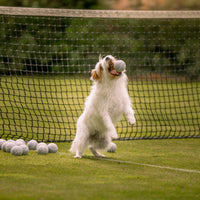
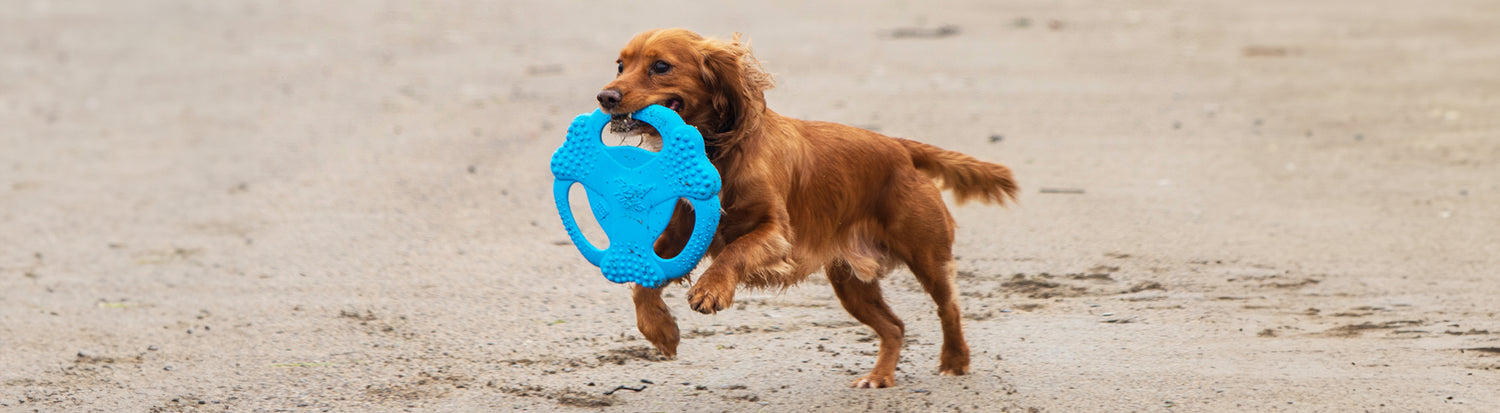
But here at Lords and Labradors, we don’t want it to come to that. And so, when it comes to a dog’s favourite game of fetch, it’s time to ditch the stick and think safe toys instead. We have a number of brilliant throwing and outdoor toys for dogs from premium brands including Chuckit, KONG and NERF that offer safe playtimes for you and your pup.
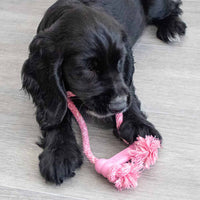
For dogs who like to chew and play games of throw & retrieve, we'd suggest the KONG Classic with Rope. This has all the chewing capabilities of the original KONG dog toy, but with the addition of a rope making it ideal for throwing games outdoors and easy for your dog to carry in their mouths.
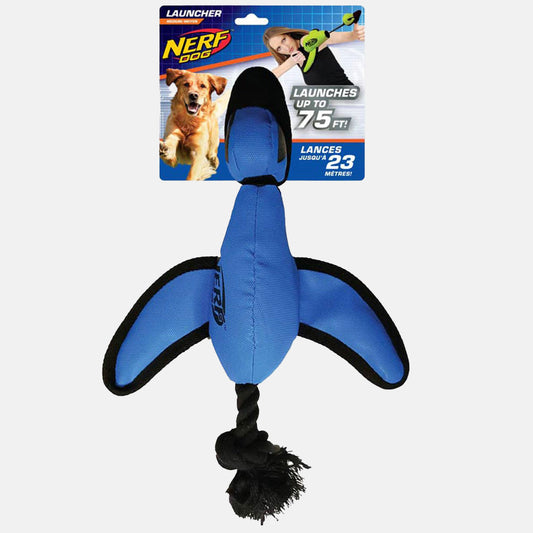
Finally, if you're looking for the perfect throwing toy to take to the beach or park, then look no further than the NERF Trackshot Launcher. This has the soft feel of a plush toy, with a tough outer layer that means it will withstand being chewed and carried. What's more, the toy can be launched up to 75ft, making it great for extreme games of fetch in open spaces.
Of course there are many other dog throwing toys to choose from in our shop, where it's always worth browsing to see what's new!
Letting your dog play with a stick seems like the most natural thing in the world. After all, dogs enjoy nothing more than chewing on wood, which is why sticks are one of their favourite playthings. But, according to Vets Now, the UK’s leading provider of emergency pet care, sticks are far from good for your dog. In fact, they can be dangerous and, in some cases, fatal.
Splinters from the wood can potentially cause cuts to a dog’s mouth and tongue, and there are also risks around sticks getting stuck in their throats or penetrative flesh wounds. In fact, academics from the Royal Veterinary College found dogs suffer as many injuries playing with sticks as they do on Britain’s roads.
Dave Leicester, who is Head of Telehealth at Video Vets Now, which offers video calls with an emergency vet within minutes no matter where you are in the UK, is urging pet owners to ditch the stick during playtime.
“It’s one of the lesser known hazards for dogs, but stick injuries are much more common than many people think and can result in serious infections and other complications. Our vets and vet nurses have treated horrific injuries across our emergency clinics as a result of dogs playing with sticks, from splintered pieces being lodged in the dogs’ throat right through to accidental impalement.
“I’d urge other owners to only throw well-made toys for their dogs. There are loads of things which are far safer than sticks.”
And if you do find yourself worried that your dog has sustained a stick injury contact a vet immediately, or your nearest emergency vet if your daytime vet is closed. If you’re looking for veterinary advice or peace of mind, you can arrange a video chat with one of the emergency vets from the Vets Now team. Which means no matter where you are, or what you’re doing, expert consultations and advice is on hand, within minutes.
But here at Lords and Labradors, we don’t want it to come to that. And so, when it comes to a dog’s favourite game of fetch, it’s time to ditch the stick and think safe toys instead. We have a number of brilliant throwing and outdoor toys for dogs from premium brands including Chuckit, KONG and NERF that offer safe playtimes for you and your pup.
For dogs who like to chew and play games of throw & retrieve, we'd suggest the KONG Classic with Rope. This has all the chewing capabilities of the original KONG dog toy, but with the addition of a rope making it ideal for throwing games outdoors and easy for your dog to carry in their mouths.
Finally, if you're looking for the perfect throwing toy to take to the beach or park, then look no further than the NERF Trackshot Launcher. This has the soft feel of a plush toy, with a tough outer layer that means it will withstand being chewed and carried. What's more, the toy can be launched up to 75ft, making it great for extreme games of fetch in open spaces.
Of course there are many other dog throwing toys to choose from in our shop, where it's always worth browsing to see what's new!
SIGN UP FOR USEFUL TIPS & GUIDES STRAIGHT TO YOUR INBOX
That sudden honking, snorting sound your dog makes out of nowhere is enough to stop any pet parent’s heart, but knowing what to do when your dog is reverse sneezing makes all the difference. In this guide, we’ll walk you through why it happens, how to keep both of you calm in the moment, and which signs are worth a call to the vet. We’ll also share some simple changes you can make at home to reduce how often it happens in the first place.
What reverse sneezing looks and sounds like in dogs
If you’ve ever watched your dog suddenly freeze, stretch their neck forward, and let out a loud, honking snort like they’re trying to inhale and sneeze at the same time, you’ve almost certainly witnessed a reverse sneeze. It sounds alarming. It looks alarming. And if you had no idea what you were watching, panicking is a completely natural response.
The reassuring news? Reverse sneezing is usually harmless. It’s not a cough, not a seizure, and not a sign that something is lodged in their throat. Think of it as a reflex, much like a regular sneeze, just working in reverse. Instead of air rushing outward, your dog rapidly pulls air in through their nose, producing that distinctive snorting or honking sound that tends to stop everyone in the room.
During an episode, most dogs stand still with their elbows splayed, neck outstretched, and eyes wide open. Some look genuinely distressed, which is hard to watch even when you know what’s happening. The episode itself usually lasts anywhere from a few seconds to around a minute, and the vast majority of dogs bounce back to their normal selves almost immediately.
Paying attention to how your dog behaves before and after can tell you a lot. A dog that’s relaxed and happy on either side of the episode is generally nothing to worry about. Our guide to understanding your dog’s body language can help you get better at reading those subtle signals.
Recognising what reverse sneezing looks and sounds like is honestly half the battle — because once you know, it’s so much easier to stay calm when it happens.
Why dogs reverse sneeze in the first place
Reverse sneezing is an involuntary reflex, and it usually comes down to something irritating the soft palate, throat, or nasal passages. Think of it like a sneeze in reverse — the body trying to clear an irritant rather than signal that something is seriously wrong. Most dogs will experience it at some point, and for the vast majority, it’s completely normal.
Common triggers include:
Nasal or throat irritation from dust, pollen, or mould
Excitement or over-stimulation, like bounding over to greet you at the door
Pulling on the lead, which puts pressure on the throat
Eating or drinking too fast
Strong scents, household sprays, or air fresheners
Sudden changes in temperature or air quality
Being a flat-faced (brachycephalic) breed, such as a Pug, French Bulldog, or Cavalier King Charles Spaniel — their shorter airways make them anatomically more prone to episodes
Understanding the dog reverse sneezing causes behind an episode really does help in the moment. Once you recognise that the body is simply doing what it needs to do — the same way we might need to cough or clear our throat — it’s much easier to stay calm rather than panic. And calm is exactly what your dog needs from you.
The good news is that most episodes pass within seconds to about a minute. One moment your dog is honking away, and the next they’re trotting off like nothing happened. That’s usually all there is to it.
What to do in the moment when your dog is reverse sneezing
If you’re wondering what to do when your dog is reverse sneezing, the first thing is simple: try not to panic. It can sound dramatic, especially the first time you hear it, but many episodes are brief and pass within 30 seconds to a minute. Your calm really helps.
In the moment, focus on gentle comfort:
Stay relaxed and speak softly. Your dog will pick up on your energy. A quiet, reassuring voice can help them settle while the episode passes.
Gently stroke their throat or chest. Slow, light strokes may encourage a swallow, which can help the spasm ease naturally.
Offer a tiny sip of water if they’re settled enough to take it. Not a full bowl, and don’t force it. Sometimes a small swallow is all that’s needed.
Move them away from obvious triggers. If they’ve been sniffing dust, pulling on the lead, or sitting near strong smells like candles or cleaning sprays, guide them to a calmer spot with fresher air.
A good rule of thumb with reverse sneezing in dogs treatment at home is to keep things quiet, gentle, and low-stress. Most of the time, your job is simply to comfort rather than intervene.
What not to do:
Don’t put your fingers in your dog’s mouth
Don’t hold them down or restrain them forcefully
Don’t fuss loudly or crowd them, even if you feel worried
Once it’s over, many dogs go straight back to normal as if nothing happened. If your dog’s reverse sneezing symptoms seem to happen often, last longer than usual, or leave them distressed, that’s when it’s sensible to think about dog reverse sneezing causes and whether a vet check is the right next step.
When reverse sneezing is worth a vet call
Most of the time, reverse sneezing in dogs is completely harmless and passes within seconds. But if you start noticing that episodes are happening more often, or that your dog seems off afterwards, it’s worth paying closer attention. You know your dog better than anyone, so trust that instinct.
These are the signs that deserve a vet conversation:
Episodes happening multiple times a day, or lasting longer than a minute
Your dog seeming distressed, panicked, or wiped out afterwards
Nasal discharge, whether clear, cloudy, or discoloured
A new cough appearing alongside the reverse sneezing
Laboured or noisy breathing between episodes
Gums that look pale or slightly blue
Lethargy, low energy, or a noticeable dip in appetite
An occasional isolated episode is rarely cause for concern. A recurring or worsening pattern is always worth getting checked.
When to worry about dog reverse sneezing really comes down to that shift in pattern. A vet can look into common culprits like allergies, a low-grade infection, a foreign body in the nasal passage, or a structural issue affecting the airway. None of these are things you’d pick up at home, but all of them are very treatable when caught early. Even if everything turns out to be fine, you’ll come away with peace of mind, and that’s never wasted.
How to reduce reverse sneezing triggers at home
Once you understand what sets your dog off, a few small tweaks at home can make a real difference. If your dog tends to pull on the lead and reverse sneezes regularly, switching to a well-fitted harness is one of the easiest wins. Collar pressure on the throat is a surprisingly common trigger, and a harness removes it entirely.
Inside, it’s worth thinking about air quality too. Dust little and often, skip the heavily scented candles or plug-in air fresheners, and if you use cleaning sprays, let the room air out before your dog wanders back in. Small habits, but they stack up.
Fast eaters are also worth a closer look. Gulping food can irritate the throat and kick off an episode, so a slow feeder bowl or snuffle mat at mealtimes can genuinely help.
Beyond that, it’s worth keeping a loose mental note of when episodes happen. After a walk during high pollen season? After a boisterous play session? Spotting a pattern gives you something real to work with, whether that’s adjusting walk times or winding down play more gradually.
The reassuring truth is that most dogs live completely happily alongside the occasional reverse sneeze. Now that you know what it looks like, why it happens, and what to do in the moment, you’re already better placed to handle it calmly when it comes.
Frequently Asked Questions
How to calm down reverse sneezing in dogs?
The best way to calm reverse sneezing is to stay relaxed and gently comfort your dog while it passes. Speak softly, stroke their throat or chest, offer a tiny sip of water if they’re settled enough, and move them away from dust, strong smells, or other obvious triggers.
When to worry about reverse sneezing?
Reverse sneezing is worth worrying about if it becomes frequent, lasts longer than a minute, or your dog seems unwell afterwards. Signs that need a vet call include distress, nasal discharge, a new cough, noisy breathing between episodes, pale or blue gums, lethargy, or a drop in appetite.
What triggers reverse sneezing in dogs?
Reverse sneezing is usually triggered by irritation in the throat or nasal passages. Common causes include dust, pollen, mould, strong household scents, excitement, pulling on the lead, eating or drinking too fast, temperature changes, and being a flat-faced breed with shorter airways.
How long is too long for a dog to reverse a sneeze?
Anything lasting longer than about a minute is a sensible point to call your vet. Most reverse sneezing episodes pass within a few seconds to around a minute, and dogs usually seem completely normal again straight afterwards.
Trimming black dog nails can feel like a guessing game, but it really does not have to be. This guide walks you through how to cut dog nails that are black with confidence, covering everything from spotting the quick before you snip to choosing the right tools, handling the odd nick along the way, and building a calmer routine over time. Whether you are starting from scratch or just looking to feel less uncertain with the clippers, there is something here to help you and your dog get through nail day in one piece.
How to Tell Where the Quick Is on Black Dog Nails
The quick is the living core of your dog’s nail. It contains blood vessels and nerves, so if you catch it with the clippers, it bleeds and stings — not ideal for anyone involved. With light-coloured nails, you can usually spot it as a soft pink shadow running through the centre, which makes the whole job much more straightforward. With black nails, that shadow disappears completely, and that’s exactly why so many pet parents feel stuck before they’ve even picked up the clippers.
The good news? You don’t have to guess. You just need to slow down and read a few reliable clues.
Start by shining a small torch or your phone’s flashlight through the nail from underneath. On finer nails, this can reveal the quick as a darker oval shape within the nail. It won’t work for every dog, but it takes about three seconds to try and it’s genuinely useful when it does.
If the light doesn’t show much, nail texture becomes your next guide. Trim a tiny sliver from the tip and look at the cut surface. At first it’ll appear solid and chalky, white or grey all the way through. That’s safe ground. Keep taking small slivers, checking each time, and eventually the centre will shift. It might look darker, almost black, or you’ll notice a small grey dot appearing in the middle. That dot is your cue to stop. You’re getting close to the quick.
Nail shape tells you something before you even make a cut, too. Most dog nails curve downward and taper toward the tip, and the quick follows that same curve. It typically sits further back than you’d expect, so if the nail has a definite hook at the end, trimming just that hooked portion is usually where you want to start.
One last thing: a calm dog makes all of this much easier. When they’re tense and pulling away, it’s harder to look closely and work carefully. Keeping an eye on your dog’s body language throughout the trim helps you spot early signs of stress before things unravel.
The Tools That Make Black Nail Trims Safer and Calmer
Having the right tools ready before you start makes a real difference when you’re working with black nails. They help you make smaller, more controlled cuts, reduce the chance of catching the quick off guard, and keep the whole experience calmer for your dog from the very first snip.
Sharp scissor-style or guillotine clippers. Blunt clippers crush rather than cut cleanly, which is uncomfortable for your dog and makes it much harder to read the cut surface. Sharp blades give you a clean edge — exactly what you need when taking black nails back little by little.
A nail grinder. If clippers feel a bit too all-or-nothing, a grinder lets you remove nail gradually and gives you much finer control over how much you take off. Many dogs also find the sensation less startling than a sudden snap.
A small flashlight or phone torch. Holding a light against the top of the nail can help you spot the quick’s shadow before you cut. It doesn’t work on every dog, but it takes seconds to try and is well worth doing.
Styptic powder. Have this within arm’s reach before you begin. If you nick the quick, it works fast — and knowing it’s right there helps you stay calm rather than scrambling.
High-value treats. Something your dog doesn’t get at any other time, like a small cube of cheese or a bit of cooked chicken, makes the session feel worthwhile for them and keeps their focus in the right place.
A non-slip mat or towel. This gives your dog something to grip, helps them feel a little more settled, and means less wriggling for you to work around.
What is styptic powder? It stops minor bleeding almost instantly if you nick the quick. It’s a staple in any dog nail trimming kit, so always have it to hand before you start.
None of these are hard to find, and together they genuinely change how confident you feel tackling black nails at home. If you’re building out your grooming kit, you’ll find plenty of dog care essentials over at Lords and Labradors. Good preparation really is the best dog nail trimming tip there is — have everything ready before your dog sits down, and you’re already off to a better start.
A Step-by-Step Way to Cut Black Dog Nails Without Hitting the Quick
Once you understand how to read the nail, the actual cutting becomes far less daunting. Trimming black dog nails safely is really about slowing down, taking tiny slices, and trusting what you see rather than guessing where to stop.
Settle your dog before you pick up the clippers. Sit on the floor together, offer a few treats, and let them sniff the clippers. A calm start makes everything that follows easier.
Find a comfortable position for you both. Some dogs are happy lying on their side while you kneel beside them. Others prefer sitting upright with a paw gently lifted. Work with your dog rather than forcing a hold that makes them tense.
Press the toe pad gently to extend one nail at a time. This gives you a clear view and keeps the paw steady without gripping so tight that your dog pulls away.
Start with a small snip at a slight angle. Take just the very tip off. You’re not trying to do it all in one go — you’re just getting started.
Check the cut surface before you snip again. Hold the nail up to the light and look at the cross-section. A chalky white or grey centre means you’re well away from the quick and safe to continue.
Keep going in tiny increments, checking every time. As you get closer, the centre of the nail will start to shift. The moment you see a darker grey or black dot beginning to appear in the middle, stop on that nail. That dot is the quick showing itself, and one slice further could cause real discomfort.
Reward your dog between nails, not just at the end. A treat after each one keeps things positive and gives your dog a natural moment to breathe and reset.
Stop if your dog tells you they’ve had enough. Panting, pulling the paw away, or going rigid are all signs to pause — even if you’ve only done two nails. Pushing through rarely ends well.
Split the session across days if that’s what your dog needs. Front paws today, back paws tomorrow. There’s no rule that says all twenty nails have to happen at once, and honestly, your dog will thank you for it.
A note on the black dog nail quick:
In lighter nails, the quick shows up as a visible pink line running through the centre. In black nails, you simply can’t see it from the outside, which is why reading the cross-section matters so much. A small dark dot or a soft pale ring appearing in the centre after a snip is your signal to stop. That’s the quick beginning to surface, and going any further risks pain and bleeding.
The whole point of learning how to cut dog nails that are black is building confidence through small wins, not racing to finish. Three nails done calmly is genuinely better than twenty done with your dog stressed and wriggling. If your dog tends to find grooming difficult, it’s worth thinking about how you handle other anxious moments together — the same approach that helps keep dogs calm during stressful situations like fireworks applies just as well here.
What to Do if You Nick the Quick
Nicking the quick when you’re learning how to cut dog nails that are black happens to almost every pet parent at some point. It looks more dramatic than it is — a small dark red bleed from the tip of the nail — and it tends to startle you far more than it hurts your dog. Take a breath. You’ve got this.
Here’s exactly what to do:
Stop trimming and set the clippers down.
Apply styptic powder or cornstarch directly to the nail tip.
Hold gentle pressure with a clean cloth or your finger for 30 to 60 seconds.
Keep your dog calm and still with a quiet voice and a soft, steady touch.
Once the bleeding slows, check the nail before letting your dog wander off.
Styptic powder is a clotting agent that stops bleeding quickly — and it’s the single most useful thing to have nearby during any nail trim. Purdue University’s veterinary guidance specifically recommends that you keep styptic powder available when clipping a pet’s nails to stop bleeding if you clip too short. Pick some up before your next session if you don’t already have it.
For aftercare, keep the paw clean and dry for the rest of the day. Avoid rough-surface walks for 24 hours, and check back on the nail over the next day or so for any redness or swelling.
If the bleeding hasn’t slowed within 5 to 10 minutes, or your dog seems to be in genuine pain rather than just briefly unsettled, call your vet. That’s the sensible thing to do — not a sign that anything has gone seriously wrong.
How to Make Nail Trims Easier Next Time
The biggest dog nail trimming tip anyone can give you? Trim more often. It sounds almost too simple, but when you’re working out how to cut dog nails that are black, consistency matters just as much as technique. Dogs who seem completely impossible to trim can surprise you once a calm routine clicks into place.
Trim every 3 to 4 weeks. Regular sessions keep nails at a manageable length and make each one shorter and less stressful — for both of you.
Reward after every single nail. Use something your dog genuinely loves, like a small piece of cheese or chicken, and give it the moment you finish each nail rather than saving it until the end.
Handle paws between sessions. A minute or two of gentle paw touching while you’re watching TV or winding down costs nothing and builds real tolerance without any pressure attached.
Take a little, more often. Small snips every few weeks feel far less daunting than trying to tackle seriously overgrown nails after a long gap — and you’ll stay well clear of the quick.
Keep the setup consistent. Same spot, same time of day, same calm energy. Dogs read routine surprisingly well, and familiarity genuinely helps settle nerves.
Start puppies early. Even pretend trims with no cutting involved help young dogs learn that paw handling is completely normal.
Pro tip: Trimming a tiny amount every 2 to 3 weeks is far safer than waiting until nails are overgrown — especially when you’re navigating the black dog nail quick.
Think of each session as a training opportunity rather than a chore to get through. Dogs who once wriggled, whined, or flatly refused can absolutely learn to sit calmly for a trim. It just takes consistency, patience, and a well-stocked treat supply.
When to Ask a Groomer or Vet for Help
Sometimes, the most caring thing you can do is hand the clippers to someone else. If you have worked through how to cut dog nails that are black and still feel uncertain, that is completely fine. Some dogs have nails that are genuinely thick, curved, or difficult to read, even for owners who have been doing this for years. Others simply will not settle, no matter how many treats you offer or how carefully you have set the scene.
Professional groomers trim nails every single day. They know how to read the nail, position the dog, and work with a calm confidence that only comes with real experience. Booking a session or two is not admitting defeat. It is a smart way to watch someone skilled work up close, ask questions, and pick up the kind of practical knowledge that no article can fully replace.
Your vet is equally worth considering, especially if your dog has unusually thick nails, any history of paw injuries, or anxiety that makes handling genuinely difficult. They can trim safely and point you toward ways to make future sessions less stressful for your dog and for you.
The most important shift is this: professional help is a starting point, not a last resort. Once your dog has had a calm, positive experience with someone who knows exactly what they are doing, you will often find that the next trim at home feels a little easier too.
Frequently Asked Questions
How do you know where the quick is on black dog nails?
You find the quick on black dog nails by trimming tiny slivers and checking the cut surface each time. A chalky white or grey centre is usually safe; when you start to see a darker dot or change in the middle, stop. A torch underneath the nail can sometimes help too.
Can I trim my dog’s black nails?
Yes, you can trim your dog’s black nails if you go slowly and take very small amounts at a time. The safest approach is to remove the hooked tip first, check the cut surface after every snip, and stop as soon as you see a darker centre appearing.
How do you trim severely overgrown dog nails?
Trim severely overgrown dog nails by taking off only a little at a time and spreading the work over multiple sessions if needed. Tiny, regular trims every 2 to 4 weeks are safer than one big cut, especially with black nails, because they help you avoid catching the quick.
Your dog’s birthday only comes around once a year, and it deserves more than a passing thought. This guide walks you through everything you need to know about how to celebrate your dog’s birthday in a way that actually suits them, from choosing the right activities for their personality to picking safe treats and keeping the day calm and enjoyable. Whether you’re planning a full puppy birthday celebration or simply want to make the day feel a little more special than usual, you’ll find plenty of practical ideas here to work with.
How to celebrate your dog’s birthday in a way they’ll actually enjoy
There’s something about a dog’s birthday that brings out the best in us as pet parents. Maybe you’ve been planning something for weeks, or maybe you’re sitting there right now wondering whether dogs even know it’s their birthday. (Spoiler: they don’t. But they absolutely know when you’re making a fuss of them, and they love every second of it.)
Here’s the thing: knowing how to celebrate a dog’s birthday well has less to do with balloons and banners, and more to do with knowing your dog. Some dogs would happily wear a party hat and greet ten guests at the door. Others would find the whole thing a bit much and just want an extra-long walk, a good sniff around somewhere new, and something delicious to eat. Both are completely valid. This guide will help you figure out which camp your dog falls into — and how to make the day feel genuinely special either way.
Throughout this article, we’ll cover how to tailor the celebration to your dog’s personality, which dog birthday treats and cakes are safe (and which to skip), how to keep things calm if your dog gets easily overwhelmed, and a few small touches that can turn an ordinary day into one worth remembering. Whether you’re going all-out with a puppy birthday celebration or simply want to treat your dog to a brilliant day at home, there’s something here for every dog and every budget.
If you want a little inspiration before you dive in, take a look at our dog birthday collection for treats, toys, and gifts worth wagging about.
Now, let’s start where it always should: with your dog.
Start with your dog’s personality, not the party theme
The best way to celebrate your dog’s birthday isn’t to follow a trend or recreate something you saw on Instagram. It’s to start with who your dog actually is. When you plan around their temperament, energy, and comfort level, the day becomes genuinely enjoyable for them — not just for the photos.
The social butterfly. Some dogs live for a crowd and would happily greet twenty guests with a wagging tail. If your pup loves people and thrives on excitement, a dog birthday party with familiar faces and plenty of fuss is a brilliant way to celebrate.
The shy or anxious dog. A rescue who took months to settle, or a naturally cautious dog, can find big gatherings genuinely overwhelming. A quiet afternoon with just you, a favourite toy, and a special dog birthday treat often feels far more meaningful than any party.
The high-energy adventurer. If your dog’s idea of heaven is a long run or a swim in the river, take them somewhere new and let them go for it. Building a puppy birthday celebration around what they already love beats a party they can’t sit still for.
The senior dog. Older dogs still deserve to feel special, but their joints and energy levels may call for something gentler. A slower walk, a sunny spot to doze in, and a soft treat made for older teeth can make their day just as lovely.
The food-motivated dog. For some dogs, the dog birthday cake is entirely the point. A special meal or a homemade treat is celebration enough, and they’ll be completely delighted.
There’s no single right way to mark the occasion. The best dog birthday ideas are the ones your dog would actually choose. Pay attention to what makes them happiest on an ordinary day and let that guide you. Whether you’re planning something elaborate or keeping it low-key, the Lords & Labradors dog birthday collection has plenty to suit every kind of celebration.
Simple birthday ideas your dog will genuinely love
The good news is that figuring out how to celebrate your dog’s birthday doesn’t require a party planner or a Pinterest board. The most memorable dog birthdays are usually the simplest ones, built around the things your dog already loves. A few thoughtful touches go a long way.
A special walk on their favourite route. Take them somewhere they genuinely love — the local woods, a quiet beach, or that one park where they always seem to come alive. Give them extra time to explore, let them set the pace, and resist the urge to rush. It sounds small, but a longer, unhurried walk is a real treat for most dogs.
A sniffari. Essentially a walk where your dog leads and you follow their nose. Let them sniff everything they want, stop as long as they like, choose the direction. It’s one of the best dog birthday ideas going because it’s mentally enriching and completely free. If you’re after more low-key inspiration, our guide to things to do with your dog at home is a great place to start.
A dedicated play session. Set aside 20 to 30 minutes for their favourite game — fetch, tug, hide and seek with a treat. No distractions, no half-hearted throws while you check your phone. Your full attention is genuinely one of the greatest gifts you can give a dog.
A new toy. Something to sniff, chew, and demolish (or lovingly carry everywhere for the next six months) makes a simple but satisfying birthday treat. Choose something suited to how your dog actually plays, rather than what looks good in a photo.
A homemade dog-safe treat. Dog birthday treats don’t need to be complicated. A frozen banana and peanut butter Kong, or a batch of simple baked biscuits, can feel just as celebratory as any shop-bought dog birthday cake. We’ll cover safe recipes and ingredients to avoid in the next section.
A cosy evening in. Some dogs would genuinely choose a quiet night on the sofa over any organised activity. A blanket, their favourite spot, and your undivided company can be the loveliest way to close out the day.
Whether it’s a puppy birthday celebration or you’re marking another year with your grey-muzzled best friend, the same principle applies: know your dog, keep it personal, and you really can’t go wrong.
Dog birthday treats, cakes, and party food: what’s safe and what to skip
Food is at the heart of any good celebration, and your dog’s birthday is no exception. Knowing how to celebrate your dog’s birthday safely means making smart choices about what goes in their bowl — or on their birthday plate. With a few simple swaps, you can put together a spread that feels genuinely festive and keeps tails wagging for all the right reasons.
Safe birthday treat ideas for dogs
Peanut butter and banana pupcakes (made with dog-safe, xylitol-free peanut butter)
Plain cooked chicken or turkey pieces, cut into small bites
Carrot sticks or apple slices (core and seeds removed)
Frozen natural yogurt treats, plain and unsweetened
A dog-friendly birthday cake made with oats, eggs, and dog-safe toppings like cream cheese frosting
Ingredients to avoid
Chocolate, in any form
Xylitol, a sweetener hidden in many peanut butters, baked goods, and sweets
Grapes and raisins, which are toxic to dogs even in tiny amounts
Onions and garlic, including powdered forms
Artificial sweeteners of any kind
Macadamia nuts
A note on portions
Even dog-safe treats should be given in moderation. An exciting day can already be a lot for your dog’s system, and too many rich or unfamiliar foods at once can easily tip into an upset stomach. Keep portions small and spread treats throughout the day rather than serving everything in one go.
The good news is that a thoughtful, dog-safe birthday spread doesn’t need to be complicated. A simple pupcake with a smear of peanut butter means just as much to your dog as anything more elaborate, and it keeps the day joyful without the messy aftermath. If you want a fuller picture of what your dog can safely enjoy year-round, our guide on what dogs can eat for treats is a great place to start.
How to set up a birthday that feels special without overwhelming your dog
The best way to celebrate your dog’s birthday is to build the day around what actually makes them comfortable, not what looks great on camera. Get the setup right, and the whole thing feels effortless — your dog included.
Pick the right time of day. Plan around when your dog is naturally settled. Mid-morning after a walk or a quieter post-lunch window tends to work well. Avoid times when they’re already wired or flagging.
Keep the guest list small. A couple of familiar faces is plenty for most dogs. If crowds or new people stress your dog out, keep it to immediate family and skip the party format altogether.
Set up a quiet retreat. Even on their birthday, your dog needs somewhere to decompress. Tuck their favourite bed or a cosy blanket into a low-traffic corner so they can step away whenever they need to.
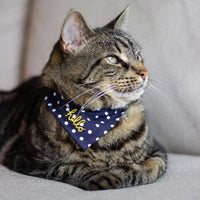
Plan one dedicated photo moment. Rather than following your dog around all day hoping for a decent shot, pick a calm moment, settle them on their bed, pop on a birthday bandana, and take a few pictures. Then let them get on with their day.
Keep decorations minimal and dog-tested. If your dog is completely unbothered by balloons and bunting, go for it. If they’re likely to spook or chew everything in sight, a simple bandana gets the job done with zero drama.
Watch their body language throughout. Yawning, turning away, or quietly leaving the room are all signs your dog has had enough. Scale back anything that seems to be adding stress rather than fun.
Quick tip: Your dog won’t tell you when they’ve had enough, but they will always show you. Check in regularly and let their cues guide the pace of the day.
A simple celebration built around your dog will always feel more special than an elaborate one they spend half the time trying to escape. If you want to add a few thoughtful finishing touches, the Lords and Labradors gifts for dogs collection has some lovely options — from soft beds to birthday bandanas — that add a little something extra without overwhelming your pet.
Little ways to make the day memorable and start a birthday tradition
The best birthday celebrations have a way of becoming something you both look forward to. And once you find a rhythm that suits your dog, it gets easier and more meaningful with every passing year.
Start simple. Take a photo at the end of the day — even just a quick snap of them with their birthday treat or sprawled out after a long walk. A small collection of yearly photos becomes something genuinely lovely over time, and you’ll be surprised how much it captures the way they change.
It’s also worth jotting down a few notes about what made the day. Which treat had them doing laps around the kitchen? Did they make a new friend at the park? Small details like these are easy to forget but so nice to have. Some people keep a little birthday note tucked into a memory box; others just add a voice memo to their phone. There’s no wrong way to do it.
Repeating a favourite tradition each year is what turns a nice day into a real celebration. Maybe it’s always that particular walk, always a special meal, always a personalised birthday cake from Lords and Labradors with their name on it. The repetition is actually the point. Dogs find comfort in routine, and honestly, you might find you do too.
Knowing how to celebrate your dog’s birthday well isn’t about doing more each year. It’s about doing the things that feel right for your dog, in a way you’ll both genuinely enjoy. That’s the tradition worth keeping.
Frequently Asked Questions
Is it normal to celebrate your dog’s birthday?
Yes, it’s completely normal to celebrate your dog’s birthday. Dogs may not understand the date itself, but they absolutely notice the extra attention, favourite activities, and special treats. A celebration can be as simple as a longer walk, a new toy, or a dog-safe birthday snack at home.
Do dogs recognize their birthdays?
No, dogs don’t recognize their birthdays in the way we do. They won’t know the date, but they will notice when you make a fuss of them. Extra attention, a favourite walk, a tasty dog-safe treat, and quality time are what make the day feel special to them.
Fleece vs Waterproof Dog Coats: Which Do You Need And When?
Choosing between a fleece vs waterproof dog coat sounds simple until you’re standing in the hallway at 7am, lead in hand, trying to remember whether last night’s forecast said drizzle or just cold. Both coats have a real job to do, but they do very different things, and picking the wrong one can leave your dog uncomfortable before you’ve even reached the end of the street. This guide walks you through what each coat does best, when to reach for which, and how to layer them together when British weather refuses to make up its mind.
Fleece or waterproof dog coat: what’s the real difference?
When it comes to keeping your dog comfortable on a walk, fleece and waterproof coats do very different jobs. Picking the wrong one can leave your dog shivering, sodden, or frustratingly both.
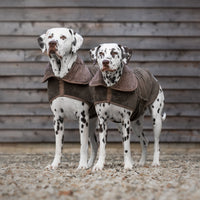
A fleece dog coat is built for warmth. It traps body heat close to the skin, making it ideal for crisp autumn mornings or cool dry evenings when the air has a bite but the ground is still firm underfoot. Think of it as a cosy jumper your dog actually wants to wear. Fleece breathes well, moves with your dog, and feels soft against the skin — all of which matters if your dog is the type to stage a protest the moment you reach for their coat. Short-coated breeds like whippets, greyhounds, and Italian Greyhounds often rely on fleece as their first line of defence against the cold.
A waterproof dog jacket works differently. It’s designed to block the elements: rain, wind, and the inevitable muddy splashback from a well-timed puddle. What it won’t necessarily do is keep your dog warm. That’s a distinction that often gets missed when people are shopping for a dog coat for winter, and it’s worth holding onto as you read through this article.
So when you’re weighing up a fleece vs waterproof dog coat, the real question isn’t which one is better. It’s which one your dog actually needs for the walk you’re about to take. And before you get to that, it’s worth making sure the fit is right too — because even the best coat won’t do much if it doesn’t suit your dog’s shape. Our fitting guide is a good place to start.
Warmth vs weather protection: which one does your dog actually need?
The answer to the fleece vs waterproof dog coat debate really comes down to one simple question: what are you actually protecting your dog from? Fleece is all about warmth, keeping your dog cosy on those crisp, dry days when the cold is the only enemy. A waterproof dog jacket is built for something different entirely — rain, wind, and the kind of relentless muddy-field situations that British weather seems to specialise in.
Fleece Dog Coat
Waterproof Dog Jacket
Best conditions
Dry, cold weather
Rain, wind, wet ground
Primary function
Insulation and warmth
Weather and moisture protection
Ideal dog type
Thin-coated, elderly, or small dogs
Active dogs, short-haired breeds, all-weather walkers
Activity level
Gentle walks, indoor lounging
High-energy walks, muddy adventures
Wet weather performance
Poor — absorbs moisture
Excellent — repels water
Not sure which camp your dog falls into? These pointers help:
Choose fleece if your dog has a fine or short coat and shivers through dry winter mornings
Choose fleece if they’re older or less active and need gentle, comfortable warmth
Choose waterproof if your walks regularly take you through fields, parks, or anywhere rain isn’t a surprise
Choose waterproof if your dog runs hard and gets warm easily, but still needs cover when the heavens open
Plenty of dogs genuinely need both, with owners rotating between them depending on the season or whatever the forecast is doing. If you want to think through the bigger picture of cold-weather care, our guide to keeping your dog warm in winter is well worth a read.
When fleece works best: dry cold days, indoor lounging, and layering
Fleece dog coats really come into their own when the weather is cold but dry. Think crisp, frosty morning walks where the ground is firm underfoot and the sky is clear — no rain in sight, just that sharp winter chill that makes you wish you’d grabbed an extra layer. In the fleece vs waterproof dog coat debate, this is exactly where fleece takes the lead.
Fleece is the stronger choice in these situations:
Dry, cold weather walks where there’s no rain or wet ground to contend with
Indoor lounging and post-walk recovery, especially for dogs that come in from the cold and need to warm up gently
Older or arthritic dogs who feel the drop in temperature more deeply and benefit from consistent, reliable warmth
Short-coated or lean breeds like Greyhounds, Whippets, and Boxers, who have very little natural insulation to rely on
Layering under a waterproof shell coat for extra warmth on cold, wet winter days
Layering tip: Fleece works by trapping your dog’s body heat close to them. Add a waterproof dog jacket on top and you’ve covered all bases — warmth and weather protection working together rather than fighting for the job.
As a standalone coat, fleece is brilliant on dry cold days. The moment rain, sleet, or mud appears, though, it needs a waterproof layer over it to stay effective. If you’re still working out which combination suits your dog best, our guide to the best winter dog coats is a great place to continue.
When waterproof is the better pick: rain, wind, and messy British weather
When it comes to the fleece vs waterproof dog coat question, British weather has a habit of answering it for you. Rain rolls in without warning, wind appears from nowhere, and a walk that started under blue skies can end in a full-on drizzle before you’ve reached the car park. On those days, a waterproof coat does things a fleece simply can’t.
Here’s where a waterproof dog jacket pulls ahead:
Repels rain on contact so your dog’s fur stays dry underneath, even in a proper downpour
Blocks wind chill that a fleece lets straight through, keeping your dog genuinely comfortable rather than just covered
Protects the harness and chest area from soaking through, which you’ll only fully appreciate the first time you’re wrestling with a drenched harness at the boot
Cuts post-walk drying time significantly because the coat takes the hit so your dog’s fur doesn’t have to
Keeps mud and mess contained so a quick wipe-down is usually enough, no bath required
Means a drier car seat on the way home, which anyone who’s sat next to a soaking Spaniel will understand immediately
Heavy Rain
Wind Chill
Post-Walk Drying Time
Fleece
Poor
Poor
Poor
Waterproof
Excellent
Good
Excellent
For dogs who refuse to let a grey sky get in the way of a good walk (most of them, in our experience), a waterproof coat is the smarter, more practical choice. Browse the full waterproof dog coats range to find the right fit for your dog’s size, breed, and daily adventures.
Can you layer fleece and waterproof together?
Yes, you can absolutely layer a fleece under a waterproof dog coat, and in the right conditions it works better than either coat on its own. The fleece adds warmth close to the body while the waterproof jacket handles the rain and wind, keeping your dog comfortable even when the weather turns properly grim.
How to layer well:
Choose a slim-fitting fleece that sits close to your dog’s body without bunching underneath the outer layer
Make sure the waterproof jacket fits over the fleece without pinching at the chest, belly, or shoulders
Check that your dog can move freely through the front legs and chest — restriction here is usually the first sign that sizing is off
Watch for panting, restlessness, or sudden stopping during the walk, as these can signal overheating even in cold weather
If your dog runs hot or is a high-energy breed, opt for a thinner fleece or keep the layering window short
When does layering actually make sense? Temperatures below 5°C combined with rain, wind, or both. If it is just cold and dry, a fleece on its own is usually enough.
The fleece vs waterproof dog coat decision does not always have to be either/or. On the coldest, wettest days, layering genuinely gives you the best of both worlds. That said, if you would rather keep things simple, a well-made insulated waterproof dog jacket can handle most conditions in a single layer — no doubling up required.
How to choose the right coat for your dog this season
Once you know what each coat does, choosing between them gets a lot easier. The real question is what your dog actually faces on a typical walk.
If your winters are mostly dry and cold, a fleece dog coat is often all you need. It keeps smaller dogs and short-coated breeds warm without any fuss, and it’s light enough to grab on your way out the door. Think Whippets, Greyhounds, Miniature Pinschers — any dog that starts shivering the moment the temperature dips.
If you’re regularly walking through drizzle, mud, and wind (which, let’s be honest, is most of a British autumn and winter), a waterproof dog jacket earns its keep quickly. It keeps your dog dry from the outside in, which matters most on longer walks when a soaked coat starts to chill them right through.
For most dogs across most seasons, having both is genuinely worth it. Reach for the fleece on crisp dry days, or use it as a warm base layer underneath, then switch to the waterproof when the forecast turns. Together, they cover almost everything the weather can throw at you.
A simple checklist to help you decide:
Cold but dry: fleece
Wet or windy: waterproof dog jacket
Cold and wet: layer both
Short-coated or elderly dog: prioritise warmth first, then weatherproofing
Whatever you go for, fit matters. A coat that gaps, bunches, or restricts movement won’t do its job properly — and it won’t be comfortable for your dog either. Before you buy, take a look at our guide on how to measure your dog for a coat to make sure you get it right first time.
Frequently Asked Questions
Should dogs wear waterproof coats?
Yes, dogs should wear waterproof coats when walks are wet, windy, or muddy. A waterproof coat keeps fur drier, blocks wind chill, reduces post-walk drying time, and helps protect the chest and harness area from soaking through, which makes longer outings much more comfortable for many dogs.
Is fleece good for dogs?
Yes, fleece is good for dogs when the weather is cold and dry. It adds soft, breathable warmth, so it suits short-coated, lean, older, or less active dogs especially well. On wet days, though, fleece works best as a layer under a waterproof coat rather than on its own.