















Springer Spaniel Ultimate Guide
13.03.24 March 13, 2024 Dog Breed Guide

Springer Spaniel Ultimate Guide

Springer Spaniels are renowned for their boundless energy, friendly demeanour, and undying loyalty. If you're considering bringing home one of these delightful dogs or if you already have a Springer Spaniel as part of your family, this ultimate guide is tailored just for you. From their fascinating traits to their specific dietary needs and grooming tips, let's dive into everything you need to know about Springer Spaniels. Springer Spaniel Facts and Information The Springer Spaniel originated in England and was bred as a versatile hunting dog, particularly skilled in flushing and retrieving game birds. Springer Spaniels boast a well-balanced and athletic physique, combining strength, agility, and endurance. Their sturdy build enables them to navigate rugged terrain with ease. They have large, expressive eyes that radiate intelligence and warmth. Their pendulous ears are long and feathered, framing their face and enhancing their charming appearance. Springer Spaniel Fact File Kennel Club Breed Group Gundog Size Medium Daily Exercise 2+ hours a day Coat Type Medium length smooth coat Coat Colours Black & White, Black White & Tan, Liver & White, Liver White & Tan  Lifespan 10+ years   Springer Spaniel Personality and Traits The Springer Spaniel personality is characterised by intelligence, enthusiasm, and a strong desire to please their owners. They thrive on companionship and enjoy being an integral part of the family. Known for their outgoing nature, Springer Spaniels are great with children and other pets, making them excellent additions to households of all kinds. Their traits include a keen sense of smell, remarkable agility, and an innate ability to retrieve game. These traits make them exceptional hunting companions and adept participants in various dog sports and activities. Springer Spaniel Health Issues Like all dog breeds, Springer Spaniels may be prone to certain health issues. Among the most common concerns are hip dysplasia, progressive retinal atrophy (PRA), and ear infections due to their floppy ears that can trap moisture and debris. Regular vet check-ups, proper nutrition, and maintaining a healthy weight can help mitigate these risks and ensure a long, happy life for your Springer Spaniel. Raising A Springer Spaniel Raising a Springer Spaniel requires patience, consistency, and plenty of love and attention. Early socialisation is key to helping them develop into well-rounded, confident dogs. Introduce them to various people, environments, and experiences to build their confidence and prevent shyness or fearfulness later in life. Springer Spaniel Training Springer Spaniels are highly trainable and eager to learn, making them a joy to train for both novice and experienced owners. Positive reinforcement methods work best with this breed, as they respond well to praise, treats, and playtime as rewards for good behaviour. Make sure to stock up on training treats before your Springer Spaniel comes home! Obedience training is essential for establishing boundaries and ensuring that your Springer Spaniel understands basic commands such as sit, stay, come, and heel. Consistent training sessions and regular mental stimulation help keep their active minds engaged and prevent boredom-induced behaviours. Interactive toys like the Nina Ottosson range are great for keeping their active minds busy! Springer Spaniel House Training and Crate Training House training a Springer Spaniel puppy requires patience and consistency. Establish a regular schedule for feeding, bathroom breaks, and playtime to help them understand when and where it's appropriate to relieve themselves. Crate training can aid in housebreaking by providing a safe and comfortable space for your puppy when unsupervised, our crate training guide has been crafted by our Pet Experts to help walk you through the crate training process! Exercise Needs of a Springer Spaniel Springer Spaniels have high energy levels and require ample exercise to keep them happy and healthy. Aim for at least an hour of physical activity each day, which can include brisk walks, jogging, interactive play sessions, and retrieving games. When looking for walking accessories why not explore our collection, we’ve hand selected our range to bring you the best of the best! Best Food for Springer Spaniels Providing a balanced diet is crucial for meeting the nutritional needs of your Springer Spaniel. Choose high-quality dog food formulated for their age, size, and activity level, we particularly love the Acana foods for Springer Spaniels as they are both rich in meat and nutrients so keep them in tip top shape! Best Toys and Accessories for Springer Spaniels When it comes to toys, Springer Spaniels enjoy a variety of options to keep them mentally stimulated and physically active. Look for interactive toys, puzzle feeders, and durable chew toys to satisfy their natural instincts and prevent boredom. Fulfil their hunting and retrieving instincts with the Nerf interactive dog toy range, we’re certain that your Springer Spaniel will love chasing after the Trackshot duck launcher! Best Bed for Springer Spaniels Choose a comfortable and supportive bed that accommodates your Springer Spaniel's size and sleeping habits. In our experience Springer Spaniels usually love a donut bed to curl up in, shop our donut beds here. Grooming your Springer Spaniel Grooming your Springer Spaniel regularly helps keep their coat healthy and free of tangles and mats. Brush them at least a few times a week to remove loose hair and prevent shedding. Pay special attention to their ears to prevent infections, and trim their nails as needed to maintain optimal foot health. If your Springer Spaniels are anything like ours they will be in every patch of water and muddy puddle on your walks so will be mucky pups, the PetPlex dirt defeater range is perfect for them! It’s formulated to clean their coat without stripping all of its natural oils and smells beautiful, perfect for freshening them up in between grooms! Conclusion In summary, Springer Spaniels are beloved for their affectionate nature, intelligence, and boundless energy. By understanding their unique traits, addressing their specific needs, and providing proper training and care, you can enjoy a fulfilling and rewarding relationship with your Springer Spaniel for years to come. Looking to treat your Springer Spaniel? Why not check out our Springer Spaniel collection? It's filled with our top picks to keep your Springer Spaniel's tail wagging, shop now!
By Megan Willis

Read more

Springer Spaniels are renowned for their boundless energy, friendly demeanour, and undying loyalty. If you're considering bringing home one of these delightful dogs or if you already have a Springer Spaniel as part of your family, this ultimate guide is tailored just for you. From their fascinating traits to their specific dietary needs and grooming tips, let's dive into everything you need to know about Springer Spaniels.

Springer Spaniel Facts and Information

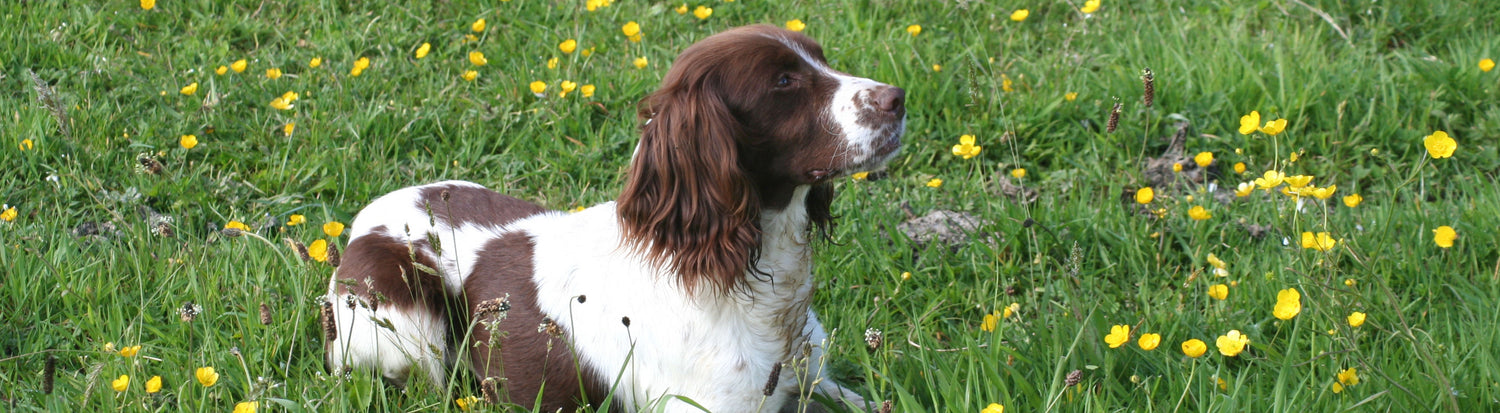
The Springer Spaniel originated in England and was bred as a versatile hunting dog, particularly skilled in flushing and retrieving game birds. Springer Spaniels boast a well-balanced and athletic physique, combining strength, agility, and endurance.

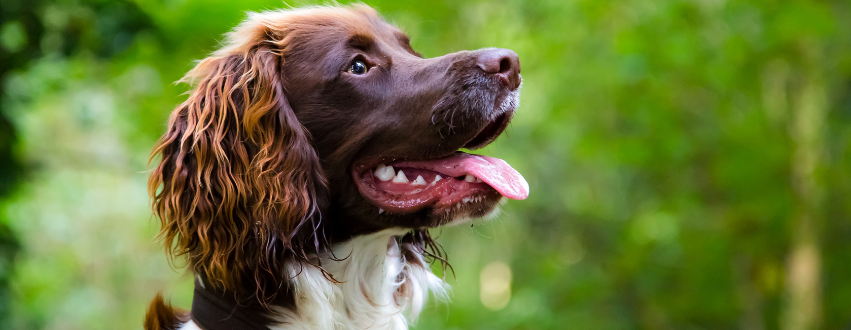
Their sturdy build enables them to navigate rugged terrain with ease. They have large, expressive eyes that radiate intelligence and warmth. Their pendulous ears are long and feathered, framing their face and enhancing their charming appearance.

Springer Spaniel Fact File

Kennel Club Breed Group Gundog
Size Medium
Daily Exercise 2+ hours a day
Coat Type Medium length smooth coat
Coat Colours Black & White, Black White & Tan, Liver & White, Liver White & Tan
 Lifespan 10+ years


Springer Spaniel Personality and Traits

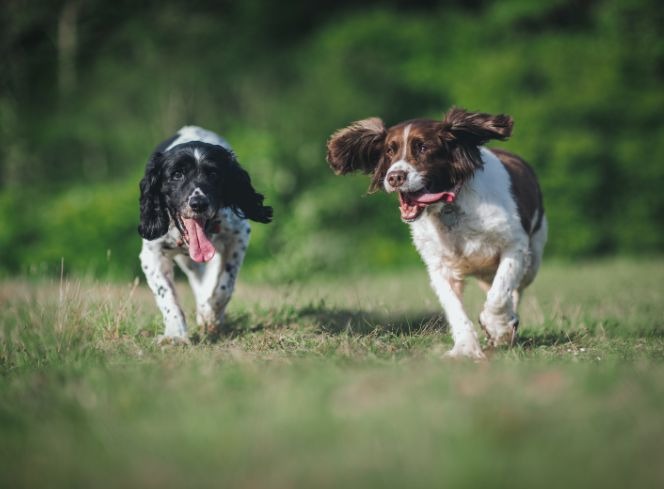
Springer spaniel on a walk

The Springer Spaniel personality is characterised by intelligence, enthusiasm, and a strong desire to please their owners. They thrive on companionship and enjoy being an integral part of the family. Known for their outgoing nature, Springer Spaniels are great with children and other pets, making them excellent additions to households of all kinds.

Their traits include a keen sense of smell, remarkable agility, and an innate ability to retrieve game. These traits make them exceptional hunting companions and adept participants in various dog sports and activities.

Springer Spaniel Health Issues

Like all dog breeds, Springer Spaniels may be prone to certain health issues. Among the most common concerns are hip dysplasia, progressive retinal atrophy (PRA), and ear infections due to their floppy ears that can trap moisture and debris. Regular vet check-ups, proper nutrition, and maintaining a healthy weight can help mitigate these risks and ensure a long, happy life for your Springer Spaniel.

Raising A Springer Spaniel

Raising a Springer Spaniel requires patience, consistency, and plenty of love and attention. Early socialisation is key to helping them develop into well-rounded, confident dogs. Introduce them to various people, environments, and experiences to build their confidence and prevent shyness or fearfulness later in life.

Springer Spaniel Training

Springer Spaniels are highly trainable and eager to learn, making them a joy to train for both novice and experienced owners. Positive reinforcement methods work best with this breed, as they respond well to praise, treats, and playtime as rewards for good behaviour. Make sure to stock up on training treats before your Springer Spaniel comes home!

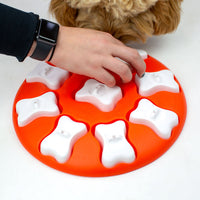
Obedience training is essential for establishing boundaries and ensuring that your Springer Spaniel understands basic commands such as sit, stay, come, and heel. Consistent training sessions and regular mental stimulation help keep their active minds engaged and prevent boredom-induced behaviours. Interactive toys like the Nina Ottosson range are great for keeping their active minds busy!

Dog playing with an interactive dog toy

Springer Spaniel House Training and Crate Training

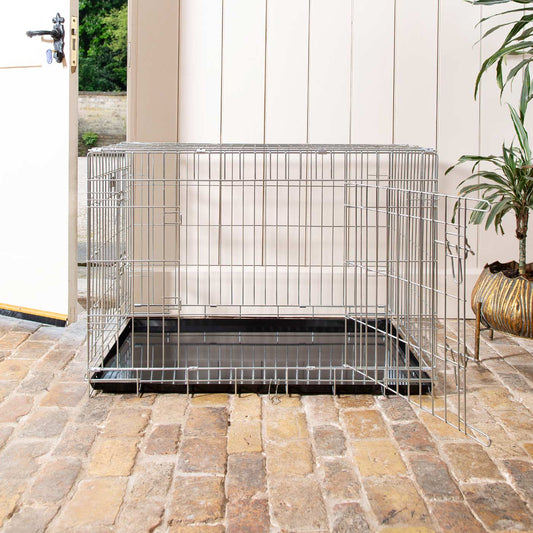
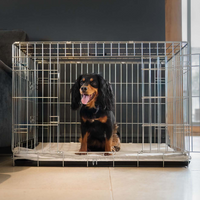
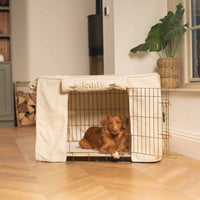
House training a Springer Spaniel puppy requires patience and consistency. Establish a regular schedule for feeding, bathroom breaks, and playtime to help them understand when and where it's appropriate to relieve themselves. Crate training can aid in housebreaking by providing a safe and comfortable space for your puppy when unsupervised, our crate training guide has been crafted by our Pet Experts to help walk you through the crate training process!

Exercise Needs of a Springer Spaniel

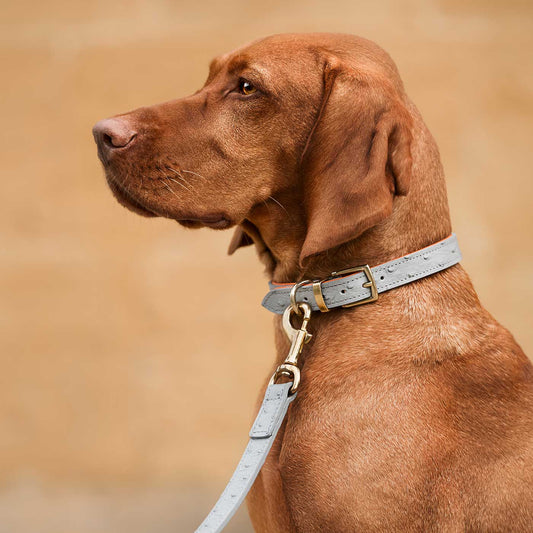
Springer Spaniels have high energy levels and require ample exercise to keep them happy and healthy. Aim for at least an hour of physical activity each day, which can include brisk walks, jogging, interactive play sessions, and retrieving games. When looking for walking accessories why not explore our collection, we’ve hand selected our range to bring you the best of the best!

Best Food for Springer Spaniels

Providing a balanced diet is crucial for meeting the nutritional needs of your Springer Spaniel. Choose high-quality dog food formulated for their age, size, and activity level, we particularly love the Acana foods for Springer Spaniels as they are both rich in meat and nutrients so keep them in tip top shape!

Best Toys and Accessories for Springer Spaniels

When it comes to toys, Springer Spaniels enjoy a variety of options to keep them mentally stimulated and physically active. Look for interactive toys, puzzle feeders, and durable chew toys to satisfy their natural instincts and prevent boredom. Fulfil their hunting and retrieving instincts with the Nerf interactive dog toy range, we’re certain that your Springer Spaniel will love chasing after the Trackshot duck launcher!
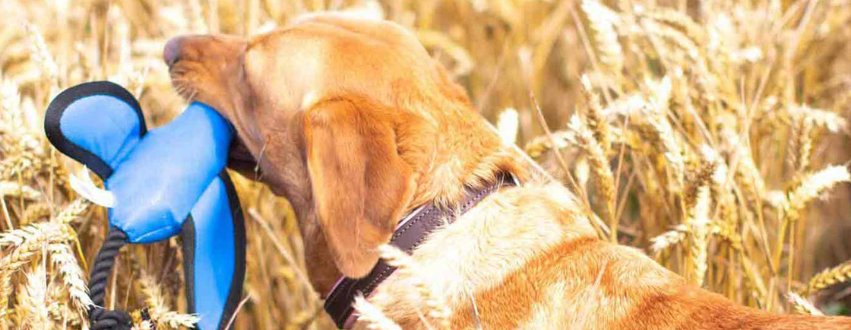
Labrador playing with a blue bird shaped toy

Best Bed for Springer Spaniels

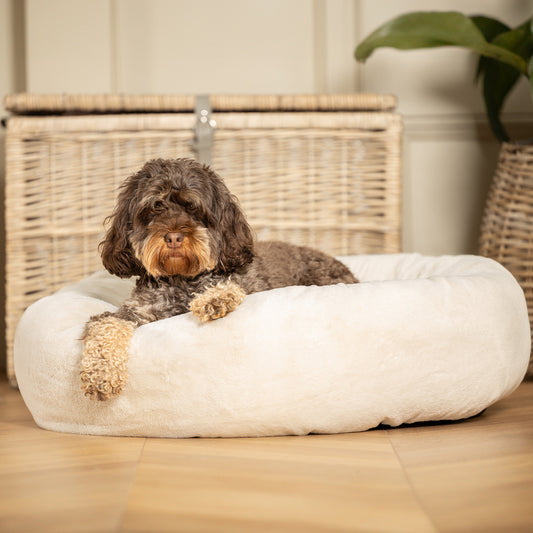
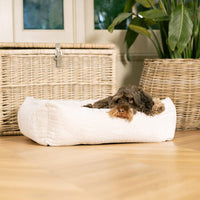
Choose a comfortable and supportive bed that accommodates your Springer Spaniel's size and sleeping habits. In our experience Springer Spaniels usually love a donut bed to curl up in, shop our donut beds here.

Grooming your Springer Spaniel

Grooming your Springer Spaniel regularly helps keep their coat healthy and free of tangles and mats. Brush them at least a few times a week to remove loose hair and prevent shedding. Pay special attention to their ears to prevent infections, and trim their nails as needed to maintain optimal foot health.

If your Springer Spaniels are anything like ours they will be in every patch of water and muddy puddle on your walks so will be mucky pups, the PetPlex dirt defeater range is perfect for them! It’s formulated to clean their coat without stripping all of its natural oils and smells beautiful, perfect for freshening them up in between grooms!

Conclusion

In summary, Springer Spaniels are beloved for their affectionate nature, intelligence, and boundless energy. By understanding their unique traits, addressing their specific needs, and providing proper training and care, you can enjoy a fulfilling and rewarding relationship with your Springer Spaniel for years to come.

Looking to treat your Springer Spaniel? Why not check out our Springer Spaniel collection? It's filled with our top picks to keep your Springer Spaniel's tail wagging, shop now!

Related Products

Related Collections

Next Article
Jack Russell Ultimate Guide

Related Articles

  • Best Dog Breeds for First Time Owners
    13.07.26 July 13, 2026 Dog Breed Guide

    Best Dog Breeds for First Time Owners

    Picking the best dog breeds for first-time owners is genuinely one of the most important decisions you’ll make as a new dog parent, and getting it right sets you both up for a much happier start. The right match comes down to more than just looks or popularity — it’s about finding a breed whose temperament, energy levels, and care needs actually fit around your home and your life. This guide covers everything from easygoing family favourites and low-maintenance options to small breeds built for flatter living and livelier picks for active households. Best dog breeds for first-time owners: how to choose the right fit Bringing home your first dog is one of the most exciting things you’ll ever do — but choosing the right breed makes all the difference between settling in with confidence and feeling completely out of your depth. The best dog breeds for first-time owners tend to share a handful of qualities: a temperament that forgives the inevitable rookie mistakes, a willingness to learn, and exercise and grooming needs that actually fit around your life. Before you fall for a breed based on looks alone, it’s worth being honest with yourself. Do you work long hours? Live in a flat? Have young children or a schedule that’s rarely the same twice? A high-energy working breed in a small home with a busy owner is hard going for everyone involved. Government guidance on dog adoption puts it simply: if you want a calm, stable dog, look for an easygoing animal; if you want an outgoing dog, look for an adventurous animal. That straightforward advice applies whether you’re adopting or buying from a breeder. Not sure which route is right for you? Our guide on whether to get a dog from a breeder or a rescue walks you through both options. The sections below round up the easiest dog breeds for first-time owners by lifestyle — from calm, family-friendly favourites to lower-maintenance choices and breeds that suit more active households. Think of it as a starting point rather than a rulebook. Breed traits paint a picture, but every dog is its own personality too. Easygoing family dogs that are a joy to train If you want a dog that slips happily into family life and enjoys learning, start with breeds that are sociable and eager to please. You might sometimes hear these described as “biddable”, which simply means they tend to listen well and want to work with you. For first-time owners, that can make everyday training feel far less overwhelming. Labrador Retriever: Outgoing, gentle, and full of enthusiasm, Labs are one of the best dog breeds for first-time owners for a reason. They usually pick up commands quickly, love being part of the action, and are often wonderfully patient with children. Life with a Lab tends to mean a shadow at your feet, a happy walking buddy, and a dog who wants to join in with everything. If you’re planning for a puppy, have a look at everything you need for your Labrador Retriever puppy. Golden Retriever: Friendly, affectionate, and steady-natured, Goldens are lovely family-friendly dog breeds for beginners. They respond beautifully to positive reinforcement and usually thrive when they have a clear routine and plenty of company. Cavalier King Charles Spaniel: Sweet, adaptable, and easy to live with, Cavaliers fit into lots of different homes. They’re just as happy curling up beside you as they are joining you for a stroll, which makes daily life feel relaxed and manageable. Bichon Frise: Cheerful and sociable, Bichons bring plenty of personality in a smaller package. They’re often a great match if you want one of the easiest dog breeds for first-time owners with a playful but gentle nature. What these breeds have in common is simple: they like being with their people, and that makes training, routines, and family life feel much easier. Low-maintenance breeds for busy households If you’re weighing up the best dog breeds for first-time owners and hoping “low-maintenance” isn’t just a myth, here’s the honest truth: it’s complicated. These breeds genuinely are easier to manage day to day — no hours at the grooming table, no two-hour runs before breakfast — but they still need your time, your consistency, and real attention to thrive. Breed Grooming Needs Exercise Requirements Best For French Bulldog Minimal, weekly wipe-down 30–45 mins daily Flat or small home living Boston Terrier Low, occasional brush 30–45 mins daily Active city dwellers Greyhound Very low, short smooth coat 30–60 mins daily Quieter homes, first-time owners What makes these breeds so approachable for beginners: Short coats that need little more than a quick brush and the occasional bath Calm, settled behaviour indoors — even in smaller spaces Adaptable temperaments that fit around a range of household routines Lower grooming costs than longer-coated or double-coated breeds That said, no dog just slots in without effort. Even the most laid-back Greyhound needs a proper routine and enough mental stimulation to stay happy. It’s easy to underestimate this part — lots of first-time owners focus on grooming and forget that a bored dog is rarely a well-behaved one. Getting to grips with your dog’s regular exercise needs is just as important as knowing how often to pick up a brush, so go in with clear expectations from the start. Small dog breeds that suit flats and first homes Living in a flat or smaller home doesn’t mean dog ownership is off the table. Some of the best dog breeds for first-time owners are compact, adaptable, and genuinely content in cosier spaces — you just need to pick a breed that suits your lifestyle from the start. Breed Energy Level Grooming Needs Barking Tendency Miniature Schnauzer Moderate High (regular trimming needed) Moderate to high Cocker Spaniel Moderate to high High (frequent brushing and clipping) Low to moderate Shih Tzu Low to moderate High (daily brushing recommended) Low A few practical things worth thinking through before you decide: Noise levels matter in shared buildings. A vocal breed can create friction with neighbours fast, so look closely at barking tendencies before you commit. Small doesn’t mean low-energy. Even compact breeds need regular walks. A Cocker Spaniel will want noticeably more outdoor time than a Shih Tzu. Grooming costs add up quickly. All three breeds above need consistent coat care, whether that’s brushing at home or a trip to the groomer every six to eight weeks. Mental stimulation counts indoors too. Puzzle feeders and enrichment toys can make a real difference for apartment dogs between walks. Getting the breed right is only part of the picture. Our guide to bringing a new puppy home covers those first days with practical, reassuring advice, so both of you can settle in with confidence. Breeds for active owners who still want a beginner-friendly dog If you love getting outside and want a dog that matches your energy, some of the best dog breeds for first-time owners are actually the livelier ones. Breeds like the Staffordshire Bull Terrier, Whippet, and Poodle are all highly trainable, people-focused, and genuinely rewarding to live with — as long as you can meet their daily needs. Breed Exercise Needs Beginner-Friendliness Staffordshire Bull Terrier 1–2 hours daily High. Eager to please, loves routine Whippet 1 hour daily High. Calm indoors, easy to manage Poodle 1–2 hours daily Very high. Exceptionally quick to learn With higher-energy breeds, enrichment matters just as much as the walk itself. A few things that make a real difference: Vary your outings. One longer walk plus a shorter, sniff-led amble gives their brain a proper workout, not just their legs. Keep things interesting at home. Rotating toys and mixing in puzzle or interactive options — like those in the Lords and Labradors puppy toy collection — helps prevent boredom between walks. Train little and often. Five minutes of positive, reward-based training a day builds a dog who is genuinely lovely to live with. Make play count. It is one of the fastest ways to build trust and strengthen your bond. Get the routine right and these breeds become some of the most rewarding companions a first-time owner can choose. They want to work with you — and that makes everything easier. Which breed is best for you? A quick first-time owner shortlist Choosing the right breed really does come down to one question: what does your daily life actually look like? Once you’re honest about that, the shortlist almost writes itself. If you want a calm, easygoing companion who’s happy to follow your lead, a Cavalier King Charles Spaniel or a Bichon Frise is hard to beat. Both are gentle, adaptable, and genuinely lovely to train — ideal first dogs for quieter households. For busier homes where time is stretched, a Greyhound or a Shih Tzu asks surprisingly little of you day to day. Loyal, quiet, and perfectly content with shorter bursts of activity, they fit around real life rather than demanding you reorganise it. If you have kids and want a dog who genuinely thrives in the thick of family life, a Golden Retriever or a Labrador brings the kind of patience and warmth that makes the whole thing feel easy. And if weekends mean long walks and muddy boots, a Border Terrier or a Cocker Spaniel will keep up with you happily, without the steep learning curve some more demanding breeds bring. Whichever direction you’re leaning, getting the basics sorted early makes a real difference. Browse our puppy essentials collection to feel properly prepared before your new dog even comes home. Frequently Asked Questions What breed of dog is best for first time owners? There isn’t one perfect breed for every first-time owner, but Labrador Retrievers, Golden Retrievers, Cavalier King Charles Spaniels, and Bichon Frises are all strong beginner-friendly choices. They tend to be sociable, trainable, and easier to fit into everyday family life than more demanding breeds. What is the easiest dog to own for beginners? Some of the easiest dogs for beginners are Cavalier King Charles Spaniels, Bichon Frises, Greyhounds, and Shih Tzus. They’re generally adaptable, manageable day to day, and easier to live with when their exercise, grooming, and routine match the home you’re bringing them into. What are the calmest dog breeds? Greyhounds, Cavalier King Charles Spaniels, and Shih Tzus are among the calmest breeds mentioned here. They’re often settled indoors, adaptable, and happy with a steadier pace of life, which can make them a lovely fit for quieter homes or first-time owners wanting an easygoing companion.

    By Adele Busby

    Read more
  • How Much Exercise Does a Beagle Need
    15.05.26 May 15, 2026 Dog Breed Guide

    How Much Exercise Does a Beagle Need

    If you've ever watched your Beagle bounce around the house like a furry pinball machine, you're probably wondering exactly how much exercise does a Beagle need to channel all that energy. The answer isn't as simple as a daily walk around the block—these spirited hunting dogs require a thoughtful blend of physical activity and mental challenges that evolves throughout their lives. From puppyhood through their golden years, we'll help you create the perfect exercise routine that keeps your Beagle happy, healthy, and blissfully tired at the end of each day. Understanding Your Beagle's Exercise Needs Beagles are natural athletes with boundless curiosity, originally bred to hunt alongside humans for hours at a time. This heritage means your Beagle comes hardwired with impressive stamina and an insatiable need to explore the world through movement and scent. When you're wondering how much exercise does a beagle need, think beyond just a quick walk around the block. These spirited dogs thrive on both physical activity and mental challenges to stay balanced and content. You'll likely notice that a tired Beagle is a happy Beagle—while an under-exercised one might redecorate your living room or serenade the neighbors with their famous howl. The wonderful thing about Beagles is their adaptability. Whether you're training for a marathon or prefer gentle evening strolls, your Beagle can match your rhythm with the right routine. Their daily activity needs shift dramatically throughout their lives, from the careful pacing required for bouncy puppies to the modified activities that keep senior dogs comfortable and engaged. Getting these evolving needs right makes all the difference in creating a sustainable exercise plan that keeps your Beagle physically fit, mentally sharp, and genuinely happy. Regular exercise becomes the cornerstone of everything from healthy joints to good behavior, setting you both up for years of adventures together. Exercise Requirements by Age: Puppies, Adults, and Seniors Understanding how much exercise a Beagle needs isn't straightforward since their energy levels and capabilities change as they grow. A playful eight-week-old puppy has very different requirements from a gentle nine-year-old senior. Striking the right balance is crucial to keeping your furry friend healthy and content. Puppies (2-12 months) Beagle puppies are bundles of energy, but protecting their growing joints from overexertion is key: - Follow the "5-minute rule": Allow 5 minutes of exercise per month of age, twice daily (e.g., a 3-month-old should get 15 minutes, twice daily). - Focus on short, frequent play sessions rather than long walks. - Include games like hide-and-seek and puzzle toys. - Avoid repetitive activities such as jogging or jumping until growth plates close, around 12-18 months. - Rest is just as important as activity for healthy development. Callout: The 5-Minute Rule This helpful guideline prevents joint damage as your puppy grows. For example, a 4-month-old Beagle should get about 20 minutes of structured exercise twice daily, along with plenty of nap time. Creating proper crate training routines ensures your puppy rests adequately between active periods. Adults (1-7 years) Adult Beagles have impressive stamina and high energy levels, needing regular outlets: - Aim for 60-90 minutes of varied activity throughout the day. - Include two structured walks and additional playtime. - Mix activities like hiking, fetch, agility training, or scent work. - Embrace these years as a time for exciting adventures and new experiences together. Seniors (8+ years) Older Beagles still require exercise, but comfort becomes more important: - Scale back to 30-60 minutes of gentler daily exercise. - Opt for softer surfaces and shorter distances on walks. - Swimming offers excellent low-impact exercise for aging joints. - Watch for signs of stiffness and adjust the routine as needed. Adapting your Beagle's routine to their life stage ensures they remain healthy and happy, protecting their joints while they enjoy many years of tail-wagging adventures. Mental Stimulation: Keeping Your Beagle's Mind Active While figuring out how much exercise your beagle needs, it's easy to focus purely on walks and runs while forgetting about their mental workout requirements. Beagles were bred as hunting hounds, which means their brains crave just as much engagement as their bodies do. Without proper mental stimulation, even a well-exercised beagle can turn into a four-legged tornado of destruction—think excessive barking, crater-sized holes in your garden, or your favorite slippers becoming unrecognizable chew toys. Here are tried-and-tested ways to challenge your beagle's brilliant mind: Puzzle feeders and treat-dispensing toys that transform mealtime into an engaging brain game Scent work games like hiding treats around the house or teaching them to find specific toys by smell Snuffle mats that tap into their natural foraging instincts Hide-and-seek with family members or favorite toys throughout your home Short training sessions focusing on new tricks or polishing existing commands (keep these upbeat and brief) Toy rotation system where you swap out playthings weekly to keep things fresh and exciting Did You Know? Just 15 minutes of focused mental stimulation can tire your beagle as much as a 30-minute walk. Mental enrichment isn't an add-on to your beagle's exercise routine—it's absolutely fundamental. A mentally satisfied beagle tends to be calmer, more responsive to training, and genuinely easier to live with. Watch for those telltale signs of contentment after brain games, because understanding your dog's body language helps you recognize when they're truly fulfilled rather than just physically knackered. This insight makes determining your beagle's ideal exercise balance much more tailored to their unique personality and energy levels. Off-Lead Safety Tips for Beagle Adventures Beagles were born to follow their noses across open countryside, and off-lead adventures let them express these natural hunting instincts while burning off their abundant energy. These moments of freedom transform routine walks into the kind of beagle daily activity that truly satisfies both their physical needs and their deep-rooted desire to explore. Safety comes first when transitioning to off-lead exercise: Master recall training before going lead-free - Start indoors, then move to a securely fenced garden. Your Beagle should return immediately when called, even when distracted by the most tantalizing smells. Choose enclosed spaces initially - Fenced dog parks, tennis courts, or secure fields give your Beagle freedom while keeping them contained when their nose inevitably takes over their brain. Start with short off-lead sessions - Five minutes of freedom beats an hour of your anxiety. Build up gradually as both your confidence and their reliability improve. Watch for "scent lock" - You'll know it when you see it: nose down, ears off, completely oblivious to your existence. Be ready to intervene before they follow that fascinating trail into the sunset. Keep high-value treats handy - A pocket full of something irresistible makes you infinitely more interesting than whatever they're investigating. Remember: A rock-solid recall isn't just helpful—it's your Beagle's lifeline during off-lead adventures. During training sessions, a reliable lead like the Lords & Labradors Essentials Herdwick Dog Lead gives you confidence while practicing recall work, knowing you have secure control when needed. With proper preparation, off-lead time becomes the crown jewel of how much exercise your beagle needs, delivering the mental stimulation and physical activity that keeps them genuinely content. Incorporating Lords & Labradors Accessories into Your Routine The right gear makes every Beagle adventure more enjoyable and safe for both of you. A well-fitted harness distributes pressure evenly across your Beagle's chest—especially helpful when they catch an interesting scent and suddenly pull toward it. This gentle control lets you guide them back to your walking routine without any discomfort. Interactive toys transform ordinary walks into engaging mental workouts. I love bringing a puzzle ball filled with treats on longer walks, giving your Beagle brain-stimulating breaks between physical activity. These moments satisfy their natural foraging instincts while helping you manage your Beagle's daily activity levels throughout the day. A hands-free lead attachment can be a game-changer during those energetic morning walks when your Beagle's ready to explore everything at once. You get better balance and control while allowing the natural movement patterns that support healthy exercise habits. Our Lords & Labradors Essentials Collection includes thoughtfully designed accessories that work with your Beagle's natural energy levels and physical activity needs. The key is choosing gear that enhances your routine rather than complicating it, making those daily walks something you both genuinely look forward to.  

    By Adele Busby

    Read more
  • Puppy Teething Symptoms
    29.06.26 June 29, 2026 Getting A Puppy

    Puppy Teething Symptoms

    Sore gums, mystery teeth marks on the furniture, a puppy who seems a little off but you can’t quite put your finger on why — puppy teething symptoms have a way of creeping up before you’ve even thought to look for them. In this guide, we’ll walk you through what’s actually happening inside your puppy’s mouth, what the teething timeline looks like, and how to tell normal discomfort from something worth a vet call. You’ll also find some genuinely simple ways to soothe sore gums at home and keep the chewing pointed in the right direction. What puppy teething symptoms look like in everyday life Most puppy parents notice something is off before they even think to connect it to teething. The shoes have mysteriously acquired teeth marks, your puppy is mouthing your hands more than usual, and they seem a little out of sorts in general. Sound familiar? Once you know what to look for, the whole picture starts to make sense. The most obvious sign is a sudden surge in chewing. Everything becomes fair game: furniture corners, skirting boards, your favourite jumper. Alongside this, you might notice your puppy dribbling more than usual or pawing at their mouth. If you gently lift their lip, look for gums that appear a little red or puffy, especially around the spots where new teeth are starting to push through. Nipping tends to increase too, and it can feel more frantic than playful. This is not your puppy being difficult or defiant. Their gums are genuinely uncomfortable, and chewing brings relief. Giving them appropriate things to gnaw on, like textured puppy toys designed with teething in mind, makes a real difference at this stage. A fussier mood is also completely normal. Some puppies go off their food for a day or two, sleep more restlessly, or simply seem a little flat compared to their usual bouncy selves. It will pass. Spotting these puppy teething signs for what they actually are helps you respond with patience rather than frustration. That is better for your puppy, and honestly, better for you too. When puppy teething starts and when it usually ends Puppy teething symptoms can feel like they’ve come out of nowhere, but the process actually begins earlier than most people realise. Baby teeth start pushing through from around 3 to 8 weeks of age, and by 12 to 16 weeks, adult teeth begin replacing them. The whole stage typically wraps up by around 6 to 7 months, so as relentless as it feels right now, it really is temporary. Here’s how the puppy teething timeline usually unfolds: 0 to 3 weeks — Puppies are born without teeth. Gums are soft, and there’s no discomfort yet. 3 to 8 weeks — Baby teeth (also called milk teeth) begin coming through. Most puppies have their full set of 28 by around 8 weeks. 12 to 16 weeks — Adult teeth start pushing through. This is when puppy teething signs tend to become most noticeable, with chewing and drooling ramping up noticeably. 4 to 6 months — Adult teeth continue replacing baby teeth. Don’t be surprised if you find a tiny tooth on the kitchen floor. 6 to 7 months — The full set of 42 adult teeth is usually in place. Worth knowing: Most puppies have all 42 adult teeth by 6 to 7 months. That’s the finish line, and it will arrive. How long puppies teethe and how intensely they feel it does vary. Larger breeds sometimes experience more pronounced discomfort, and some puppies are just more sensitive than others. If your pup seems particularly restless or chew-obsessed, that’s usually why. Getting the right supplies together early makes the whole stage far more manageable. Lords & Labradors’ puppy collection is a great starting point if you’re building your teething toolkit. Why teething makes puppies chew, bite, and act out If your puppy seems to be chewing everything in sight, nipping at your hands, or waking you up at odd hours, take a breath — this is not a sign that you’ve got a troublesome pup on your hands. These are classic puppy teething symptoms, and they’re almost always your puppy’s way of telling you their mouth is uncomfortable. During teething, the gums become inflamed as adult teeth push through the tissue. That pressure and sensitivity is genuinely uncomfortable, and chewing provides just enough counter-pressure to bring some relief. Think of it like a human baby reaching for anything they can gnaw on. Your puppy isn’t acting out — they’re coping. The most common behavioural signs linked to teething discomfort include: Chewing furniture, skirting boards, and shoes — anything firm that creates that satisfying counter-pressure Destroying bedding or soft furnishings, which tends to ramp up at night when there’s nothing else to redirect their attention to Mouthing or grabbing hands during play, often more persistently than usual Eating more slowly or briefly going off food because chewing feels sore Drooling more than normal, thanks to increased saliva production during teething Seeming restless or unsettled at bedtime, especially during the most intense teething weeks All of this is temporary. Once you understand it’s physical discomfort driving the behaviour rather than wilfulness, it becomes a lot easier to respond with patience and redirect your puppy calmly. How to soothe sore gums at home Once you’ve started recognising the puppy teething symptoms your pup is showing, the focus naturally shifts from spotting the signs to actually making them feel better. The good news? There’s plenty you can do at home, and most of it is simple. Offer puppy-safe chew toys designed with teething in mind. Softer rubber or nylon options give sore gums something satisfying to work on without causing damage. It’s worth having a few different styles on the go — browse puppy-safe chew toys to find options suited to your pup’s size and chew strength. Try a briefly chilled damp flannel. Wet a cloth, pop it in the fridge for 20 minutes, then let your puppy gnaw on it. The gentle coolness soothes inflamed gums without the risks that come with frozen items. Rotate toys regularly. Puppies lose interest quickly, so swapping things out every day or two keeps chewing directed at the right targets rather than your skirting boards. Stay nearby during chewing sessions. Supervising means you can calmly redirect your pup the moment they switch from their toy to your favourite chair leg — and they will try. Redirect rather than just remove. When your puppy goes for something off-limits, swap it straight away with an appropriate toy. A firm “no” on its own rarely gets the message across at this age. What to avoid: Hard bones or antlers, which can crack sensitive puppy teeth Frozen solid items like ice cubes, which are too harsh on sore gums Small objects that could become a choking hazard Human teething gels, particularly anything containing xylitol, which is toxic to dogs With the right puppy teething remedies to hand and a little consistency, this phase is genuinely manageable — for your puppy and for your home. When puppy teething symptoms need a vet check Most puppy teething symptoms are completely normal, and the vast majority of what you’ll see at home doesn’t need anything more than patience and a good chew toy. A little blood on a toy? Perfectly expected. The odd wobbly or missing tooth? All part of it. Mild drooling, pink-tinged gums, and a puppy who’s grumpier than usual during peak teething weeks are nothing to panic about. That said, a few signs are worth watching more closely: Gums that look very swollen, deeply red, or are bleeding heavily and not settling A baby tooth that hasn’t fallen out after the adult tooth has already come through Persistent refusal to eat, even soft or wet food Breath that smells genuinely foul — not just normal puppy breath, but sharp or rotten Lethargy, a fever, or anything else that makes your puppy seem off in a general way If one of these pops up, give it a day and see whether things settle. If they don’t, trust your gut and call your vet. You know your puppy better than anyone. For everything else, the right support and a few good chews will carry you both through. Just getting started with a new pup? Our guide to bringing a puppy home covers those early weeks brilliantly.

    By Adele Busby

    Read more
  • Why Do Puppies Bite So Much
    24.06.26 June 24, 2026 Getting A Puppy

    Why Do Puppies Bite So Much

    If you have ever looked down at your hands after a play session and wondered why puppies bite so much, the good news is that you are dealing with one of the most normal things a puppy can do. In this article we cover the real reasons behind all that mouthing and nipping, how to teach your puppy to be gentler, and the simplest ways to redirect their energy to something more appropriate. We also help you recognise the moments when a little extra support from a vet or trainer might be worth reaching for. Why puppies bite so much in the first place If your puppy seems to bite everything and everyone in sight, you are not alone — and your puppy is not broken. Biting and mouthing are completely normal parts of early development, and once you understand why it happens, the whole thing feels a lot less stressful. The simplest way to think about it: a puppy’s mouth is their hands. Before they can explore, play, or communicate in any other way, they use their teeth. That table leg, your favourite jumper, your fingers at 7am before you’ve even had a coffee. All completely fair game as far as they’re concerned. A few things drive all that mouthing. Teething is a big one. Between roughly three and six months old, puppies are cutting new teeth, and chewing brings real relief from the discomfort. Then there’s play. Puppies learn how to interact through rough and tumble with their littermates, and they naturally bring that same energy into life with you. They’re also figuring out how hard they can actually bite, a process known as bite inhibition. When a sibling yelps and backs away, a puppy learns that biting too hard ends the fun. It’s a genuinely important life skill, and they need the chance to practise it. It’s also worth saying plainly: a puppy who bites a lot is not naughty or aggressive. They’re being a puppy, doing exactly what puppies are built to do at this stage. Understanding that is half the battle. The other half is making sure they have the right things to chew, play with, and explore from the very beginning. Teething, play, and overstimulation: the most common triggers Most owners asking why puppies bite so much will find the answer sitting in one of three places: teething discomfort, play instinct, or a puppy who has simply had too much going on. Once you know which trigger you’re dealing with, the behaviour starts to make a lot more sense. Common triggers to watch for: Evening zoomies followed by frantic nipping — an overtired puppy loses self-control fast, just like a toddler past their bedtime Mouthing during tug or fetch games — play drive kicks in and your hands become part of the fun Nibbling after a busy socialisation session — too much stimulation leaves puppies wired and struggling to settle Chewing fingers and furniture around 12 to 20 weeks — incoming adult teeth cause real discomfort, and puppies chew to relieve it Nipping when you reach down to stroke them — excitement and touch combine into a grabby, mouthy moment Biting during training sessions that run too long — concentration runs out and frustration takes over Worth knowing: Puppies start losing their baby teeth from around 12 weeks, with most adult teeth coming through between 12 and 24 weeks. This is one of the most intense periods for puppy teething, and it often explains why your puppy seems to be nipping constantly at this stage. Recognising these trigger moments is genuinely half the battle when it comes to how to stop puppy biting. The behaviour is completely normal at this age and usually peaks before gradually fading as your puppy matures. Keeping a good selection of puppy toys within easy reach means you can redirect quickly the moment you spot a trigger building — before teeth find your hands instead. How to teach bite inhibition without upsetting your puppy Bite inhibition sounds technical, but it really just means teaching your puppy that human skin is off-limits — and it is absolutely something they can learn. Understanding why puppies bite so much makes this easier, because you know it is not bad behaviour, just communication. Calm, consistent training works brilliantly here, with no raised voices or startled pups required. Stop play the moment teeth touch skin. Go completely still and quiet. Avoid pulling your hand away sharply, as that can actually make the whole thing more exciting for your puppy. Use a simple, neutral cue like “ouch” or “too much” in a calm, flat tone. You are not telling them off, just letting them know the fun has paused. Redirect to a chew toy within a few seconds. Offer it calmly and let your puppy settle into it. This gives them something appropriate to sink their teeth into. Reward gentle mouthing or soft contact with quiet praise or a small treat. You are reinforcing what you do want, not just reacting to what you do not. Keep it consistent across the whole household. Every person, every time. A quick note on consistency: Mixed signals from different family members are one of the most common reasons puppy biting stages feel like they drag on. If one person lets the puppy mouth their hands during a play session, the lesson starts to unravel. Everyone needs to follow the same approach. The goal is never punishment. It is clear, kind communication. When you understand why puppies bite, you can respond in a way that works with how they naturally learn — and that makes the whole process faster and far less stressful for everyone involved. What to do instead: redirecting to toys and setting your puppy up for success Once you understand why puppies bite so much, the solution gets a lot clearer: they need something better to sink their teeth into. Redirection is one of the most effective tools you have, and with a little consistency, it genuinely works. Swap immediately, not eventually. The moment teeth touch skin or clothing, calmly remove your hand and offer a toy instead. No drama, no delay. The swap itself is the lesson. Use cooling chews for teething relief. During a heavy teething stage, a chilled rubber chew can make a real difference. Pop it in the freezer for an hour before play and let the cold do the soothing work. Reach for the right toy. Lords & Labradors puppy toys are designed with teething puppies in mind, with textures and resistance that actually satisfy the urge to gnaw. A toy that feels good to chew is one that gets used. Keep play sessions structured. Short, calm sessions are your friend. Overstimulation turns even the gentlest puppies mouthy, so watch for the signs and wind things down before they tip over the edge. Build in calm-down breaks. If your puppy is too fired up to redirect, a quiet pause in their crate or pen gives them a chance to reset. Every redirect counts: puppies learn through repetition, so the more consistently you make the swap, the faster it sticks. Setting your puppy up for success really comes down to managing their environment and energy before biting becomes the default outlet. Keep appropriate chews within easy reach, keep play sessions manageable, and trust that small, consistent moments genuinely add up. When normal mouthing becomes a problem worth getting help for Most puppy biting is completely normal, and with consistency, it does ease off. But it’s worth pausing every now and then to ask whether something more might be going on. If your puppy’s biting still feels relentless after weeks of calm, consistent redirection, it’s worth talking to a qualified trainer. The same applies if bites are regularly hard and don’t seem connected to play, if your puppy snaps when anyone goes near their food, toys, or bed, or if their reactions feel more fearful than excited. None of that makes them a bad puppy. It just means you’d both benefit from a little extra support. Pain is worth considering too. Teething can make puppies genuinely sore and out of sorts, and some pups bite more simply because they’re uncomfortable. If your puppy seems distressed beyond the usual nipping and wriggling, a quick vet check is a sensible place to start. One of the most useful things you can do in the meantime is learn to read what your puppy is telling you before the biting even begins. Spotting the early signals makes it so much easier to respond well. Our guide to understanding your dog’s body language is a really helpful starting point. And here’s the reassuring bit: for the vast majority of puppies, the biting does pass. With patience, the right toys, and a bit of guidance, most pups grow into gentle, settled dogs who’ve figured out how to use their mouths kindly.

    By Adele Busby

    Read more

loyal customer in 17 countries

Why Shop With Us?

  • Free Delivery

    Orders over £75 qualify for free standard UK delivery. Orders under £75 will be calculated at the checkout.

  • Shopping Made Easy

    Gain exclusive access to sales and shop all your pets favourites on the go by downloading our app.

  • Designed in the UK

    Our own brand products are lovingly designed in our specialist UK workshop to our exacting standards.

  • We're Here For You

    Contact our Pet Experts on Chat or by email at sales@lordsandlabradors.co.uk