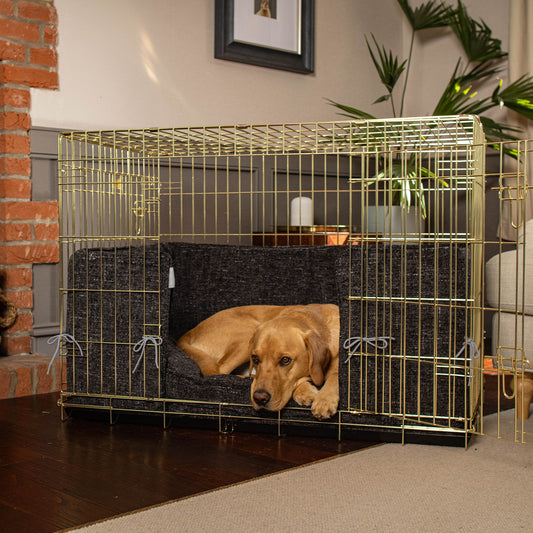
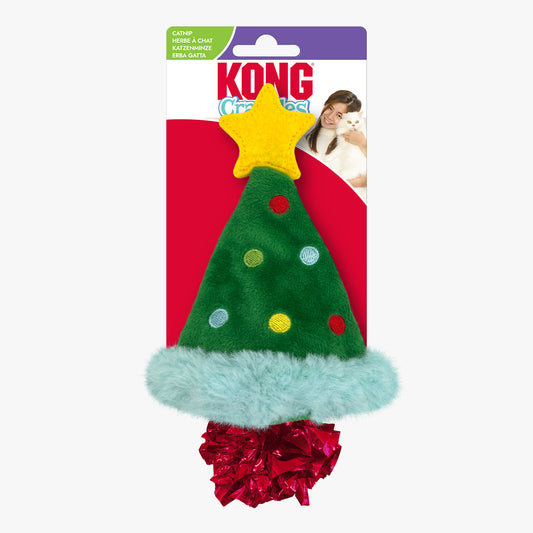
We know keeping your dog's minds busy in summer on hot days or on the occasional rainy day when walks aren't possible can be a struggle. On those more rainy days you probably aren't wanting to go on the longest walk with your dogs and walking your dog's in temperatures over 20 can be fatal. We thought we’d compile a list of fun things to do with your dog at home, to help keep you and your four-legged friends occupied and exercised when the weather isn't allowing you and your dog to get out. We have fun activities for play as well as some others for downtime. Take a read and make the most of an afternoon at home with your pet:
Play Indoor Games With Your Dog
One of the things we worry about most is getting bored of being indoors. But there are so many things we can do to keep our brains active and our minds occupied, including things we can do with our beloved canines. We’ve come up with a number of indoor games to play with your dog that we think you and they will enjoy!
Play a Game of Find-the-Treats
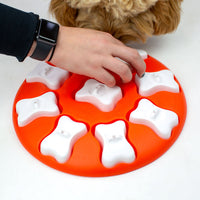
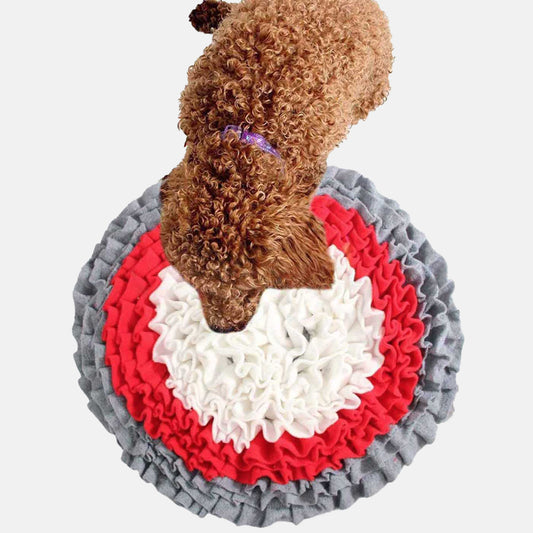
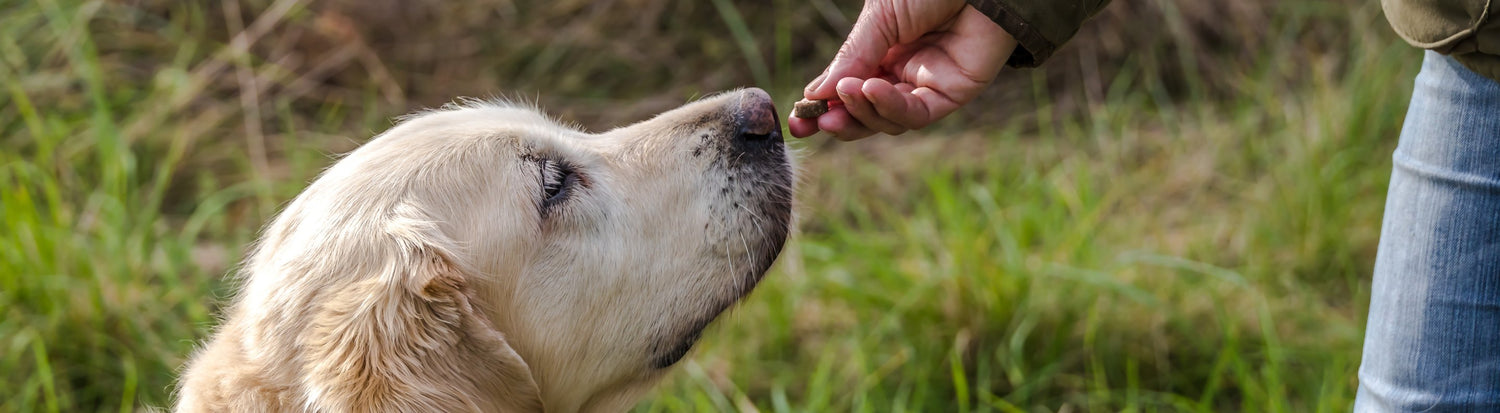
One of the easiest games you could play is Find-the-Treats. You could hide them in a number of places to make the games super exciting. You could start by hiding them in your dog’s favourite KONG and watch them try to lick and tease them out. Then you could get more creative with your hiding places - perhaps pop one under a cushion, or even in another room. Try to use treats that have a strong scent to give your dog a helping hand. It’ll be fun for both you and them and they’ll get a tasty reward for their efforts.
Play a Game of Tug-of-War
One of the drawbacks of extended time indoors is that your dog can end up with lots of unused energy. A game of Tug-of-War could be the ideal game to play to help them expel some of that pent-up excitement. Find a suitable tug toy for your dog’s size (we have many options in our shop!) and enjoy a game of tug with them. It can be a really useful training method too and can help redirect any inappropriate use of their teeth.
This game is especially good for larger dogs in small spaces who may be used to running off energy outside.
Play Indoor Fetch
You may think that games of Fetch are only suitable outside, but that isn’t necessarily the case. If you have a long hallway or a staircase, you could use a soft throwing toy to play a game of fetch indoors. The Chuckit Indoor Play Ball is just one toy that would be ideal, but there are a few plush toys that would be suitable too.
If you have a small dog, you may find you can play this in the living room, but larger dogs may well need that staircase or hallway!
Set up an Indoor Obstacle Course
If your dog rather likes an adventure, then why not try setting up an indoor dog assault course for them? All kinds of things that you may find around your home could be used to set up a mini obstacle course for your dog. You could use pillows, boxes, a laundry basket, the stairs etc. Anything that your dog could jump over, or crawl through like a tunnel (a box with both ends open perhaps?) will make a great obstacle. It may take a little training to get them to do some of the tasks, but it will be rewarding for both your dog and you. Make sure to have some good quality training treats for their good behaviour!
Play the Shell Game
You have probably heard of the Shell Game or Cup Game. The game with three cups and a ball or other token where the cups are swapped around, and you have to follow the one with the token inside? It can be surprisingly difficult! Well how about swapping the regular token for a dog treat and play the game with your dog? It may take a little bit of training for them to get the ropes, but with a bit of time they’ll soon be having loads of fun trying to work out which cup has the treat!
Brush Up On Your Dog Training
Whether you have a little puppy or an older dog, there is always something you can be teaching your dog. The saying may go, “you can’t teach an old dog new tricks”, but actually it’s never too late to teach your dog something new. A spot of training will give you both something to focus on and may be lots of fun. Plus, we always relish any chance we get to spend a bit of bonding time with our pups!
Teach Your Dog a New Trick
One of the simplest things you could do is think of a trick that your dog doesn’t already know. It could be learning to roll over, to kiss, to shake paws or to spin. There are loads of great videos online that will give you a helping hand.
Teach Your Dog to Tidy Their Toys
You could take you dog’s training one step further and train them to do something practical, like tidy their toys. All that time spent in the house probably means your dog’s toy box contents is more often than not all over your floor! Well this could be the perfect way to get your dog involved with the chores. They’ll probably enjoy the time spent learning and it’ll mean one less chore for you to do. Again, there are a number of video tutorials and ‘How-To’s online. Take a look and start your dog on their cleaning journey!
Chill Out With Your Dog
After all of these games and activities, you might find you’re both tired! We think you deserve a rest and to put your feet up whilst your canine family members snuggle up to you on the sofa. You’ve earned it!
Watch a Movie or Catch up on Netflix
There’s nothing better than reclining on the sofa with a cup of tea, to watch a film or tv series. Whether it’s Netflix or Disney Plus, there are loads of new things coming to our TV’s all the time. Whilst your dog may not want to watch the latest movie, they’ll love snuggling up to you on the sofa, especially after a challenging day learning new things or defeating an obstacle course. You might even find something animal or pet related that will get your dog’s ears pricked.
We know keeping your dog's minds busy in summer on hot days or on the occasional rainy day when walks aren't possible can be a struggle. On those more rainy days you probably aren't wanting to go on the longest walk with your dogs and walking your dog's in temperatures over 20 can be fatal. We thought we’d compile a list of fun things to do with your dog at home, to help keep you and your four-legged friends occupied and exercised when the weather isn't allowing you and your dog to get out. We have fun activities for play as well as some others for downtime. Take a read and make the most of an afternoon at home with your pet:
Play Indoor Games With Your Dog
One of the things we worry about most is getting bored of being indoors. But there are so many things we can do to keep our brains active and our minds occupied, including things we can do with our beloved canines. We’ve come up with a number of indoor games to play with your dog that we think you and they will enjoy!
Play a Game of Find-the-Treats
One of the easiest games you could play is Find-the-Treats. You could hide them in a number of places to make the games super exciting. You could start by hiding them in your dog’s favourite KONG and watch them try to lick and tease them out. Then you could get more creative with your hiding places - perhaps pop one under a cushion, or even in another room. Try to use treats that have a strong scent to give your dog a helping hand. It’ll be fun for both you and them and they’ll get a tasty reward for their efforts.
Play a Game of Tug-of-War
One of the drawbacks of extended time indoors is that your dog can end up with lots of unused energy. A game of Tug-of-War could be the ideal game to play to help them expel some of that pent-up excitement. Find a suitable tug toy for your dog’s size (we have many options in our shop!) and enjoy a game of tug with them. It can be a really useful training method too and can help redirect any inappropriate use of their teeth.
This game is especially good for larger dogs in small spaces who may be used to running off energy outside.
Play Indoor Fetch
You may think that games of Fetch are only suitable outside, but that isn’t necessarily the case. If you have a long hallway or a staircase, you could use a soft throwing toy to play a game of fetch indoors. The Chuckit Indoor Play Ball is just one toy that would be ideal, but there are a few plush toys that would be suitable too.
If you have a small dog, you may find you can play this in the living room, but larger dogs may well need that staircase or hallway!
Set up an Indoor Obstacle Course
If your dog rather likes an adventure, then why not try setting up an indoor dog assault course for them? All kinds of things that you may find around your home could be used to set up a mini obstacle course for your dog. You could use pillows, boxes, a laundry basket, the stairs etc. Anything that your dog could jump over, or crawl through like a tunnel (a box with both ends open perhaps?) will make a great obstacle. It may take a little training to get them to do some of the tasks, but it will be rewarding for both your dog and you. Make sure to have some good quality training treats for their good behaviour!
Play the Shell Game
You have probably heard of the Shell Game or Cup Game. The game with three cups and a ball or other token where the cups are swapped around, and you have to follow the one with the token inside? It can be surprisingly difficult! Well how about swapping the regular token for a dog treat and play the game with your dog? It may take a little bit of training for them to get the ropes, but with a bit of time they’ll soon be having loads of fun trying to work out which cup has the treat!
Brush Up On Your Dog Training
Whether you have a little puppy or an older dog, there is always something you can be teaching your dog. The saying may go, “you can’t teach an old dog new tricks”, but actually it’s never too late to teach your dog something new. A spot of training will give you both something to focus on and may be lots of fun. Plus, we always relish any chance we get to spend a bit of bonding time with our pups!
Teach Your Dog a New Trick
One of the simplest things you could do is think of a trick that your dog doesn’t already know. It could be learning to roll over, to kiss, to shake paws or to spin. There are loads of great videos online that will give you a helping hand.
Teach Your Dog to Tidy Their Toys
You could take you dog’s training one step further and train them to do something practical, like tidy their toys. All that time spent in the house probably means your dog’s toy box contents is more often than not all over your floor! Well this could be the perfect way to get your dog involved with the chores. They’ll probably enjoy the time spent learning and it’ll mean one less chore for you to do. Again, there are a number of video tutorials and ‘How-To’s online. Take a look and start your dog on their cleaning journey!
Chill Out With Your Dog
After all of these games and activities, you might find you’re both tired! We think you deserve a rest and to put your feet up whilst your canine family members snuggle up to you on the sofa. You’ve earned it!
Watch a Movie or Catch up on Netflix
There’s nothing better than reclining on the sofa with a cup of tea, to watch a film or tv series. Whether it’s Netflix or Disney Plus, there are loads of new things coming to our TV’s all the time. Whilst your dog may not want to watch the latest movie, they’ll love snuggling up to you on the sofa, especially after a challenging day learning new things or defeating an obstacle course. You might even find something animal or pet related that will get your dog’s ears pricked.
SIGN UP FOR USEFUL TIPS & GUIDES STRAIGHT TO YOUR INBOX
Can dog and cat fleas live on humans? What owners need to know
Finding a flea on your sofa or waking up with itchy bites on your ankles is enough to send any pet parent into a spiral, and the question of whether dog fleas can live on humans is usually the first thing that comes to mind. The honest answer is reassuring, but there is still plenty worth knowing about what those bites mean, why fleas behave the way they do around people, and what actually needs to happen to sort things out properly. This guide covers all of it, from spotting flea bites on humans to treating your pets and home together so you’re not dealing with the same problem again in a few months.
Can dog fleas live on humans? Here’s the short answer
If you’ve spotted a flea jumping across your sofa or woken up with a small, itchy bite on your ankle, it’s completely understandable to wonder whether you’ve become the new host. The good news? You haven’t.
Dog and cat fleas can bite humans, and those bites are genuinely irritating, but they cannot live on humans the way they live on your pet. Fleas need fur. Dense, warm fur gives them somewhere to hide, feed repeatedly, and lay their eggs undisturbed. Human skin and hair simply don’t offer the right conditions for them to settle and breed. So while a flea might take an opportunistic bite when it lands on you, it won’t be sticking around.
Worth knowing: cat fleas, despite the name, are actually the most common species found on both cats and dogs in the UK. And around people, they behave exactly the same way — your pet will always be their preferred host.
In practice, flea bites on humans are almost always a sign that an infestation is happening somewhere else — on your pet, in your soft furnishings, or across your home — rather than on you directly. Think of finding a flea on yourself less as a personal problem and more as a useful early warning. It’s your cue to act quickly and tackle things at the source before they get worse.
If you’ve already spotted the signs, our guide on how to get rid of fleas on your dog is a great place to start.
What flea bites on people usually look and feel like
Flea bites on humans are usually pretty easy to spot once you know what you’re looking for, and the reassuring thing is they tend to follow a fairly predictable pattern. Whether you’re dealing with cat fleas or asking whether dog fleas can bite humans, what shows up on skin looks much the same either way.
Here’s what to look out for:
Small, red spots with a tiny central puncture point, often ringed by a slightly raised halo
Intense itching that kicks in quickly, sometimes within minutes
Bites in clusters or short lines rather than single, isolated marks
Common locations: ankles, lower legs, and around the waist — anywhere clothing sits close to the skin and warmth accumulates
Reactions do vary quite a bit from person to person, which can make things confusing if you’ve got a whole household reacting differently. Some people develop noticeable swelling and redness, particularly with repeated exposure, while others barely register a bite. Children and those with more sensitive skin tend to have stronger reactions, so the same infestation can look completely different depending on who it’s affecting.
If your pet is the likely source, that’s where to focus your attention first. Our roundup of insect-repelling and soothing products for pets is a good place to start.
Why fleas stay with pets instead of humans
Fleas can and do land on people, but they don’t choose us as long-term hosts. Dogs and cats are simply far better suited to support a flea’s entire life cycle, which is why a flea bite on your ankle is usually a sign your pet has fleas rather than fleas trying to settle on you.
Here’s why pets make such ideal hosts:
Dense fur gives fleas somewhere to grip, hide, and move around undisturbed — something bare human skin just can’t offer.
Consistent body warmth keeps fleas comfortable and active. Pets maintain the steady temperatures fleas need to thrive, and we simply don’t hold that heat in the same way.
Easy, repeated feeding is possible because a flea nestled in fur can feed multiple times a day without being spotted or dislodged.
Better egg-laying conditions mean fleas on a pet can drop eggs directly into the coat, which then fall into bedding, carpets, and soft furnishings nearby.
Less grooming interference gives fleas on a dog or cat far less disruption than they’d face on a human who notices them quickly.
A single female flea can lay up to 50 eggs a day. On a pet, that adds up fast — which is exactly why infestations escalate so quickly once they take hold.
So if you’ve spotted a flea on the sofa or felt a bite on your leg, it’s not looking to live on you. It’s a signal of a wider problem involving your pet and your home. Treating your pet is essential, but it’s only half the job. Our guide on how to remove cat fleas from your home walks you through the rest.
What to do if you’ve found a flea in the house
Finding a flea in the house can feel horrible at first, especially if you are also wondering whether can dog fleas live on humans. The reassuring bit is that while dog and cat fleas can bite people, they usually want to stay with your pets rather than live on you.
Here is a calm, practical plan:
Check every pet with a flea comb. Go slowly through the coat, especially around the neck, belly, and base of the tail. You are looking for live fleas or tiny black specks of flea dirt.
Vacuum thoroughly. Focus on carpets, rugs, skirting boards, sofas, pet beds, and the spaces under furniture where eggs and larvae can collect.
Wash pet bedding and soft covers. Use the warmest wash the care label allows, then dry everything fully before it goes back down.
Treat all pets in the home together if you can. Even pets who seem fine may still be carrying fleas, so it helps to follow your flea treatment plan consistently and check the product guidance or your vet’s advice.
Freshen pet areas with pet-safe cleaning products. A pet-safe home spray or bedding wash can be useful as part of your usual cleaning routine, especially in the places your dog or cat sleeps most.
Keep going for the next few days. Repeat vacuuming and keep checking coats, because fleas often show up in stages.
A quick note: the fleas you spot are often only part of the picture. Eggs can sit quietly in soft furnishings and hatch later, which is why steady cleaning matters so much. A flea comb, regular bedding washes, and a simple pet-safe routine go a long way in preventing more flea bites on humans and pets.
When flea bites need extra attention and how to keep them from coming back
Most flea bites are a temporary irritation that settle down within a few days, especially once you’ve tackled the root cause. That said, keep an eye on any bites that seem to be getting worse rather than better. If one becomes increasingly swollen, painful, or surrounded by spreading redness, it’s worth a quick chat with a pharmacist — they can point you towards the right antihistamine or topical cream. If a bite looks infected or you’re feeling unwell alongside the itching, don’t wait it out; see your GP.
On the pet side, if you’ve already treated your dog or cat and you’re still spotting fleas a few weeks on, or your pet is scratching constantly and losing fur, loop in your vet. Persistent infestations sometimes need prescription-strength treatment, and a vet can also rule out any skin reactions that need separate attention.
The bigger takeaway here is a simple one: flea bites on humans are really a symptom of a wider problem. Fixing it properly means treating your pets and your home at the same time, not one without the other. That’s where so many owners get stuck, and end up starting from scratch months later. Once you’ve cleared things up, regular prevention is what keeps it that way. Browsing trusted options like Frontline through Lords and Labradors is a good place to start making monthly treatment part of your routine.
Frequently Asked Questions
How long will dog fleas stay on a human?
Not for long — dog and cat fleas may bite a person, but they don’t stay and live on humans. They prefer pets because fur gives them the warmth, cover, and feeding conditions they need, while human skin and hair don’t let them settle or breed properly.
Can fleas live in a bed?
Yes, fleas can be in a bed, especially in bedding and other soft furnishings around your home. They don’t live on humans, but eggs and developing fleas can collect in places like pet beds, sofas, carpets, and covers, which is why washing and thorough vacuuming matter so much.
How likely are you to get fleas from your dog?
It’s very possible to get bitten if your dog has fleas, but the fleas are still far more likely to stay with your pet than live on you. If you’re finding bites or spotting fleas in the house, it usually points to a wider infestation in your dog, bedding, or soft furnishings.
How often should you worm your dog or cat? A complete worming guide
Worms are one of those topics most pet parents only think about when something seems off, but knowing how often to worm a dog or cat before that happens makes everything so much simpler. This guide covers the worms most likely to affect your pet, how a worming schedule changes from puppyhood through to the senior years, and what your pet’s lifestyle tells you about how often they really need treating. By the end, you’ll have a clear, practical routine you can actually stick to.
How often should you worm a dog or cat? Start with the basics
Worming your pet is one of those things that’s easy to put off — until you find yourself Googling “how to tell if a dog has worms” at 11pm because your dog has been scooting across the carpet. Sound familiar? Once you understand the basics, though, it really is straightforward to stay on top of.
So, how often should you worm a dog or cat? The honest answer is: it depends on their age, lifestyle, and where they spend their time. As a starting point, most adult dogs and cats need worming every three months. Puppies and kittens need it far more frequently — sometimes as often as every two weeks in those earliest weeks of life. We’ll get into all of that further down.
What worming treatments actually do is target internal parasites that can quietly take up residence in your pet’s gut, or occasionally other organs, without any obvious signs. Some pets show clear clues: weight loss, a rounded belly, or worms visible in their stool. Others seem perfectly fine. That’s exactly why a regular schedule beats a reactive one every time.
Dogs and cats also have slightly different needs. Dogs tend to pick up worms through scavenging, eating grass, or contact with other dogs on walks. Cats, especially those who hunt, face their own set of risks. A good routine accounts for how your pet actually lives, not just the textbook version of their species.
This guide covers everything: which worms to know about, how a dog worming schedule shifts with age, what factors change how often you should treat, and how to build a habit that genuinely sticks. You can also browse our flea and worming treatments if you want to get sorted while you read.
Which worms are we talking about, and how do pets pick them up?
Most dogs and cats will pick up worms at some point in their lives — it’s just part of being a curious, sniff-everything, roll-in-anything kind of animal. Knowing which worms to look out for, and how pets actually come into contact with them, makes it so much easier to build a worming routine that sticks.
The main worms to know about:
Roundworm — the most common type, especially in puppies and kittens. These live in the gut and can cause a pot-bellied appearance, vomiting, and poor growth.
Tapeworm — flat, segmented worms that attach to the gut lining. You might spot small white segments around your pet’s bottom or in their bedding.
Hookworm — less common, but worth knowing about. These latch onto the intestinal wall and feed on blood, which can cause anaemia in younger or smaller animals.
Whipworm — more of a dog problem than a cat one. They live in the large intestine and can cause bloody diarrhoea and gradual weight loss.
How do pets pick them up?
Sniffing or accidentally swallowing infected faeces on walks or in the garden
Hunting or scavenging — eating birds, rodents, or other small animals
Fleas — swallowing an infected flea during grooming is one of the most common routes for tapeworm
Sharing outdoor spaces with other dogs, cats, or wildlife
Mother-to-puppy or mother-to-kitten transmission, either during birth or through nursing
That last point matters more than most people realise. Puppies and kittens arrive in the world already vulnerable, which is why those early weeks call for extra care. Good puppy flea and worming treatments can make a real difference right from the start.
How often to worm a dog or cat comes down to age, lifestyle, and risk level — and we’ll work through all of that next.
The usual worming schedule by age: puppies, kittens, adults and seniors
Worming frequency shifts quite a bit depending on where your pet is in life, so treat the schedule below as a practical starting point rather than a fixed rule. The exact timing will always come down to the product you’re using and how your pet actually spends their days.
Life Stage
Recommended Frequency
Key Reason
Puppies
Every 2 weeks until 12 weeks old, then monthly until 6 months
Worm burdens are high in young pups, and maternal transmission is common
Kittens
Every 2 weeks until 12 weeks old, then monthly until 6 months
Kittens are particularly vulnerable and often pick up worms through their mother’s milk
Adult Dogs
Every 3 months as a minimum
Keeps protection consistent against roundworms and tapeworms throughout the year
Senior Dogs
Every 3 months, reviewed with your vet
Older pets may have weaker immune systems, and changing health needs can affect what treatment works best
Once your dog or cat reaches adulthood, a quarterly routine covers most households well. That said, some pets genuinely need worming more often, and it’s worth thinking this through before you settle on a schedule.
You might want to worm more frequently if your pet:
Spends a lot of time outdoors, rooting through grass, puddles, or woodland
Hunts or scavenges, even now and then
Mixes regularly with other dogs, cats, or animals at parks, kennels, or training classes
Lives with young children, who are more vulnerable to certain worm infections
For example, a Labrador who swims in every pond he passes and lives for a good rummage in the undergrowth is a different case to a greyhound who sticks to pavement walks and rarely meets other dogs. Same species, very different risk.
If you have a large adult dog and want a reliable treatment to keep on hand, our worming tablets for large adult dogs slot neatly into a quarterly routine. Whatever product you choose, always follow the guidance closely, and if your pet’s lifestyle puts them in a higher-risk category, a quick chat with your vet will help you get the timing right.
What changes the answer? Lifestyle, risk and the way your pet lives
Standard worming schedules give you a solid starting point, but they don’t tell the whole story. Every pet lives a different life, and some lifestyles genuinely put dogs and cats at greater risk of picking up worms more often. Working out how often to worm a dog really comes down to understanding what your pet actually gets up to day to day.
Here are the key factors that can push the risk higher:
Raw feeding. Raw meat, particularly offal, can carry worm larvae. Dogs and cats on a raw diet are more exposed than those eating cooked or commercial food.
Hunting or catching prey. Cats that bring home birds or mice, or dogs that snap at rabbits on walks, are repeatedly exposed to intermediate hosts that carry worms.
Scavenging on walks. If your dog is the type to hoover up anything they find on the ground, their risk goes up every single time you leave the house.
Homes with young children. Children play close to pets and often put their hands in their mouths, which raises the stakes around roundworm transmission in particular.
Multi-pet households. More animals sharing a space means more opportunity for reinfection, especially if one pet picks something up outdoors and brings it home.
Frequent boarding or daycare. Regular contact with lots of other dogs increases exposure. It’s that simple.
Inconsistent flea treatment. Fleas and worms are more closely linked than many owners realise. Gaps in flea cover can leave your pet more vulnerable than you’d expect.
The more of these factors that apply to your pet, the more likely they are to need worming more frequently than the standard schedule suggests.
That last point about fleas is worth pausing on. Fleas can transmit tapeworms directly, which makes the two genuinely inseparable. Keeping on top of both isn’t doubling your workload — it’s just good sense. If you want to review what you’re using, our flea and worming treatments are a good place to start.
How to worm your pet safely without the guesswork
Getting worming right feels complicated at first, but once you’ve done it a couple of times, it genuinely isn’t. Whether you’re figuring out how often to worm a dog for the first time or just trying to be more consistent, a few simple habits make it easy to stay on top of.
Choose a species-appropriate product. Always use a wormer made specifically for dogs or cats. They are not interchangeable — and using the wrong one can cause serious harm.
Dose by weight, not by guesswork. Weigh your pet before each treatment and follow the label closely. Too little won’t work; too much creates unnecessary risk.
Set a recurring reminder. Tying your dog worming schedule to something you already remember — the first of the month, a pet’s birthday, a regular vet visit — means it becomes habit rather than something you have to think about.
Don’t double dose if you miss one. Simply treat as soon as you remember and reset your schedule from there. No need to compensate.
Never use a dog product on a cat. Some ingredients that are perfectly safe for dogs are toxic to cats. This one really matters.
When to speak to a vet first:
Pregnant or nursing pets
Very young animals (a vet can give you a tailored plan if you’re unsure how often to deworm a puppy in those early weeks)
Pets with existing health conditions or on other medications
It’s also worth staying alert to the signs your dog has worms between treatments — things like changes in appetite, a bloated belly, or visible worms in their stool. Caught early, it’s rarely a big deal. And if you want trusted support between vet visits, our vet-approved wellbeing range is a good place to explore.
Building a routine that’s easy to stick to
Once you know how often to worm a dog or cat, the real challenge is turning that knowledge into a habit you’ll actually keep. The good news? A little planning upfront makes it almost effortless to maintain.
The simplest approach is to tie worming into something you already do. If you apply flea treatment on the first of the month, add worming to the same date. Some products cover both, which makes things even easier. A sticky note on the fridge, a recurring phone reminder, or a note in your pet’s health file all do the job — whatever suits the way your brain works is the right system.
It also helps to keep treatments in stock so you’re never caught short. Running out mid-schedule is one of the most common reasons routines slip, and it matters most with puppies and kittens who need worming every two weeks.
If you share care of your pet with a partner or family member, agree on who’s responsible. It sounds obvious, but a quick “did you worm them this month?” conversation avoids a surprising amount of confusion.
It’s also worth thinking seasonally. Autumn walks bring more mud, more wildlife contact, and more opportunities for a dog to sniff out something they shouldn’t — all of which can increase worm risk. Our autumn pet care guide covers everything you need to keep your dog or cat healthy as the seasons change.
The routine doesn’t need to be complicated. Consistent and simple is genuinely all it takes.
Frequently Asked Questions
Can you overworm a dog?
Yes, giving more wormer than the label recommends creates unnecessary risk. The safest approach is to use a dog-specific product, weigh your dog before each treatment, and follow the dosing instructions closely. If you miss a dose, treat when you remember rather than doubling up to compensate.
What are the signs that a dog needs worming?
Common signs include weight loss, a bloated or rounded belly, changes in appetite, vomiting, scooting, and visible worms or white tapeworm segments in your dog’s stool or around their bottom. Some dogs show no obvious signs at all, which is why a regular worming routine matters.
Can I deworm my dog again after 2 weeks?
Yes, in some cases worming again after 2 weeks is part of a normal schedule, especially for puppies in their earliest weeks. For adult dogs, timing depends on the product and your dog’s lifestyle, so follow the label carefully rather than repeating doses early without a reason.
Is one round of dewormer enough?
No, one round of dewormer usually isn’t enough as a long-term plan. Most adult dogs need worming every 3 months as a minimum, while puppies need it much more often at first. A regular schedule works better than only treating once or waiting until you spot signs.
How to choose the best dog food: dry, wet, raw and fresh compared
Picking the best dog food in the UK feels simple until you’re standing in front of a wall of options wondering whether kibble, pouches, raw chunks or freshly cooked trays is the right call for your dog. This guide cuts through the noise and compares all four types honestly, covering what they actually cost, how they fit into a real daily routine, and what to look for beyond the marketing on the front of the pack. By the end, you’ll have a clear sense of what works for your dog and what works for your life.
What’s the difference between dry, wet, raw and fresh dog food — and why it matters
Walk into any pet shop or scroll through an online store, and the sheer range of dog food can feel genuinely overwhelming. Dry kibble, pouches, raw chunks, freshly prepared trays — it’s a lot to take in, especially when all you want is to feed your dog something they’ll love that’s actually good for them.
So here’s a plain-English breakdown of what each type really means.
Dry dog food (kibble) is the most widely used option in the UK. It’s shelf-stable, simple to portion, and usually the most budget-friendly. Most of the best dry dog food UK brands formulate it as a complete, everyday diet, so there’s nothing extra to add.
Wet dog food comes in tins, trays or pouches and has a much higher moisture content, which makes it more aromatic and palatable. If you have a fussy eater or a senior dog who’s lost some enthusiasm for mealtimes, wet food can be a game-changer — either on its own or mixed in with kibble. For a deeper look at how the two compare, this wet vs dry dog food guide is a good place to start.
Raw dog food means minimally processed meat, bone and offal — closer to what dogs would naturally eat. Many owners swear by the difference they see in coat condition and digestion, though raw does require careful handling and a bit more planning around storage.
Fresh dog food sits somewhere between raw and traditional wet food: gently cooked, made with whole ingredients you’d actually recognise, and usually sold refrigerated or frozen.
Every type has real strengths. The right fit depends on your dog’s age, size and health — but also on your budget, your fridge space, and honestly, how much headspace you have on a Tuesday morning.
Which type works best for your everyday routine?
The right food type often comes down to your actual daily life, not just what looks best on paper. Fridge space, work hours, travel habits, and whether you’re feeding one dog or four all shape what’s genuinely manageable long-term. There’s no single best dog food UK-wide, but there is one that fits your household better than the rest.
Food Type
Storage Needs
Prep Time
Travel-Friendly
Best for Fussy Eaters
Dry
Minimal
None
Yes
Sometimes
Wet
Needs fridge once open
None
Manageable
Often yes
Raw
Freezer space required
Defrost needed
Not ideal
Usually yes
Fresh
Needs fridge
None
Less convenient
Yes
A few practical things worth knowing before you decide:
Dry food suits busy households brilliantly. Measure, store in an airtight container, done. Good dog food storage keeps kibble fresh and pests out — something most people only think about after an incident with a chewed bag.
Wet food is a genuine win for fussy eaters or dogs who need extra hydration, though opened tins need refrigerating and using up within a day or two.
Raw feeding delivers real results for many dogs, but it asks something of you — freezer space, forward planning, and confident handling. Rewarding, not effortless.
Fresh food hits a sweet spot for palatability and ease, though it needs consistent fridge access and doesn’t travel as well as dry.
Mixed feeding — typically dry plus wet — suits dogs who thrive on variety without the full commitment of raw, and it’s more flexible for busy weeks.
Keep reading for honest picks across the best dry, wet, raw, and fresh dog food in the UK.
How much should you expect to spend on the best dog food in the UK?
When you’re comparing the best dog food in the UK, the price on the pack only tells part of the story. What really matters is cost per day, how much your dog actually needs to eat, and how practical that food is for your home and routine.
Food Type
Approx. Monthly Cost (Medium Dog)
Key Cost Factors
Value for Money
Dry food
£20–£50
Portion size, ingredient quality, calorie density
★★★★
Wet food
£40–£80
Higher cost per serving, more packaging
★★
Raw food
£50–£120
Sourcing, freezer space, prep time
★★★
Fresh food
£60–£150
Subscription cost, fridge space, short shelf life
★★★
Dry food is often the most budget-friendly starting point, especially if you choose a nutritionally dense recipe that feeds well in smaller portions. That’s why many pet parents looking for the best dry dog food UK options focus on feeding guidelines, not just bag price.
Wet food can be brilliant for fussy eaters, but it usually works out pricier per meal. Raw and fresh can feel more premium, and for some dogs they suit beautifully, but you do need to factor in storage space, defrosting, and waste if portions aren’t used quickly enough.
A few hidden costs are easy to miss:
freezer or fridge space for raw and fresh food
delivery fees on some fresh food subscriptions
larger portion sizes with less calorie-dense foods
extra packaging, especially with wet food
In real life, the best dog food for dogs UK isn’t always the cheapest or the most expensive. It’s the one that suits your dog, keeps mealtimes straightforward, and feels sustainable for your budget month after month. If you’re planning the wider costs of dog ownership too, our guide to the full cost of owning a dog is a useful next step.
What to look for on the label before you buy
Knowing how to read a dog food label makes choosing the best dog food UK options much less overwhelming. Whether you’re comparing kibble, tins, raw meals or fresh subscriptions, a few simple checks will help you separate genuinely good recipes from clever packaging.
Named animal protein first
Start with the first ingredient. You want something clear, like “chicken”, “turkey” or “salmon”, not vague phrases such as “meat and animal derivatives”. Specific ingredients give you a much better idea of what your dog is actually eating.
A sensible, transparent ingredient list
Don’t worry if you spot added vitamins, minerals or a few technical names, that’s completely normal in a balanced food. What matters more is that the list feels clear and honest, without lots of fuzzy wording or ingredients that make it hard to tell where the nutrition is really coming from.
Life-stage suitability is easy to spot
Check that the food is clearly labelled for your dog’s stage of life, such as puppy, adult or senior. A lively Labrador puppy and a slower-paced older dog need very different nutrition, so this is worth checking every time you switch foods.
A FEDIAF or AAFCO complete-and-balanced statement
This is one of the big ones. It tells you the recipe is formulated to meet recognised nutritional standards for that life stage, rather than just sounding healthy on the front of the pack.
Clear nutritional analysis
Protein, fat, fibre and moisture should all be listed as percentages. That makes it much easier to compare the best dry dog food UK picks with the best wet dog food UK choices on something more useful than marketing claims.
Be wary of product names
“With chicken” can legally mean as little as 4% chicken. So always turn the pack over.
If you’d like a deeper look, our guide to healthy dog food and sustainability is a helpful next read.
How to tell if your dog will actually enjoy and thrive on it
Choosing the best dog food for your dog isn’t just about what’s on the label — it’s about how they actually respond once they’re eating it. The good news? Signs of a good fit usually show up within two to four weeks of switching, so you won’t be waiting long to know if you’re heading in the right direction.
Here’s what to watch for:
Consistent energy levels — alert and lively, but not bouncing off the walls or crashing after meals
Firm, regular stools — not too loose, not too hard, and easy to pick up (yes, we’re going there, because it genuinely matters)
A shiny, low-shed coat — good nutrition tends to show up in the fur faster than you’d expect
Clear, bright eyes — no excessive discharge or dullness
Healthy, itch-free skin — fewer scratching sessions is always a win
Good hydration — worth keeping an eye on if you’re switching to a dry food, since wet, raw and fresh options naturally contain much more moisture
Enthusiastic mealtime behaviour — trotting over happily rather than sniffing and wandering off
Stable, healthy weight — no unexplained gain or loss
Worth remembering: The best dog food in the UK looks different for every dog. What works brilliantly for a small terrier may fall well short for a large, boisterous puppy or a sensitive older dog. It’s always worth reassessing as your dog moves through different life stages.
Keep a loose mental note of how your dog looks, feels and behaves over those first few weeks after any change. If you notice persistent digestive upsets, low energy or coat issues that don’t settle, it may be worth exploring vet-formulated support through the Lords & Labradors vet’s best dog wellbeing range before drawing any conclusions about the food itself.
So, which dog food is best for you?
There’s no single best dog food for every dog, and honestly, that’s a good thing. It means you get to choose what actually works for your life.
If you want simplicity and value, a quality dry food does the job well for most dogs. If your dog is a picky eater or struggles to stay hydrated, mixing in some wet food can make a real difference. Raw feeding suits owners who enjoy a bit of meal prep and have the freezer space to commit. Fresh food sits nicely in the middle — real ingredients, minimal faff.
And if none of those feel quite right on their own? Mix it up. Plenty of dog owners pair dry kibble with a wet or fresh topper, and their dogs are absolutely delighted about it.
The best dog food in the UK is the one your dog genuinely thrives on and that you can realistically keep up — week in, week out. A brilliant food you dread preparing isn’t going to last, and that’s okay to admit.
Start with what feels manageable. Watch how your dog responds over a few weeks: their energy, their coat, their digestion. Adjust from there. You know your dog better than any packaging ever will.
Browse the full range at Lords and Labradors and find something that suits you both.
Best flea treatment for dogs: what works fastest and lasts longest
Finding the best flea treatment for dogs gets overwhelming fast, especially when every product promises to be the strongest, quickest, or most long-lasting option on the shelf. This guide cuts through that noise by looking at how quickly different treatments actually work, how long they last between doses, and which formats are genuinely easiest to use in real life. By the end, you’ll have a clear sense of what suits your dog’s age, size, and routine, without the second-guessing.
What flea treatment actually needs to do when you’ve spotted the first itch
Spotting your dog scratching more than usual tends to trigger that same panic in every pet parent: what’s going on, and how do I fix it fast?
Here’s the thing — a single flea is rarely just one flea. By the time you notice the itch, eggs may already be dropping into your carpet, bedding, and sofa cushions. So the best flea treatment for dogs needs to do more than kill the adults you can see. It also needs to tackle eggs and larvae before they hatch, then keep working long enough to stop new fleas hitching a ride after walks, park visits, or a playdate with a friend’s dog.
That’s why it’s worth understanding what each product type actually does before you buy.
Spot-ons are applied directly to the skin at the back of the neck, absorbing into the coat and skin oils to kill fleas on contact. Chewable tablets work through the bloodstream and tend to act quickly, making them a go-to when you need the fastest flea treatment for dogs. Collars release active ingredients steadily over weeks or months, so they’re well suited to long-lasting flea and tick treatment with minimal effort. Sprays are more targeted and handy for a top-up between doses, or if your dog simply won’t tolerate tablets or pipettes.
Before settling on one, think honestly about how your dog handles different application methods, how often you can realistically re-treat, and whether you’re fighting an active infestation or trying to stay ahead of one. If it’s the former, our guide on how to get rid of fleas on your dog is a brilliant place to start.
If you need fast relief, which flea treatment works quickest?
When your dog is already scratching, “fastest” matters, but it isn’t the same for every type of flea treatment for dogs. The key thing to know is that timings vary by active ingredient and brand, so it’s better to treat these as typical patterns rather than fixed rules.
Format
Typical start time
What to know
Best for
Oral tablet
Often within hours
Some products begin killing fleas very quickly, but timing depends on the tablet
Fast relief when fleas are already causing real irritation
Spot-on
Usually within several hours to around a day
Needs time to spread across the skin and coat
Good all-round option for treatment plus ongoing cover
Spray
Varies widely by product
Can be useful for direct, targeted use, but may need more hands-on application
Small areas or dogs who need a more local approach
Collar
Usually slower to fully protect
Better at ongoing prevention than immediate relief
Longer-term flea and tick support
Worth knowing: If your priority is the fastest flea treatment for dogs, oral options are often the quickest to start working, but always check the label for the specific product you’re considering.
In real life, that means a miserable, constantly scratching dog may need a different choice from one who just needs steady monthly protection. A collar can be brilliant for prevention, but it usually wouldn’t be my first pick for urgent relief. Spot-ons sit somewhere in the middle: not usually the fastest option, but often a practical balance of ease and longer-lasting cover.
If that’s what you’re after, Frontline Plus for small dogs is a helpful example of a spot-on to compare when you’re weighing up convenience, monthly protection, and whether it feels like the best flea treatment for dogs for your routine.
Which flea treatment lasts longest between doses?
If you’ve ever come home from a weekend away and quietly panicked trying to remember whether you treated your dog before you left, you already know why duration matters. Finding a long-lasting flea treatment for dogs can genuinely take one more thing off your mental load, whether you’re out on muddy woodland walks every Saturday or heading off somewhere with your dog in tow.
Treatment Type
Typical Duration
Best For
Convenience Rating
Spot-ons
Up to 4 weeks
Most dog owners, easy monthly routine
4/5
Tablets
24 hours to 3 months (varies by product)
Dogs who hate topical treatments
3/5
Collars
Up to 8 months
Owners wanting long-term, hands-off protection
5/5
Sprays
Days to a few weeks
Top-up coverage or treating the environment
2/5
Worth knowing: Spot-ons like Frontline Plus offer up to four weeks of flea and tick protection from a single application. Set a monthly reminder, apply it, and you’re done.
Longer-lasting formats make missed doses far less likely, and that’s no small thing when life gets busy. For most pet parents, the best flea treatment for dogs isn’t necessarily the most advanced one on the market — it’s the one that slots into your existing routine without you having to think too hard about it. A good dog flea and tick treatment should just quietly get on with the job, leaving you free to enjoy the walk rather than worry about what might be lurking in the long grass.
What’s easiest to give your dog: spot-on, tablet, collar or spray?
The best flea treatment for dogs isn’t just about what kills fleas fastest. It’s also about what your dog will actually tolerate, and what fits into your life without becoming a whole production. A treatment that sits unopened in the cupboard because your dog bolts the moment you reach for it isn’t helping anyone.
Format
Best For
Watch Out For
Spot-on
Dogs who are easy to handle and don’t swim or bathe frequently
Can feel greasy; needs to absorb fully before contact with other pets
Tablet
Fussy handlers or multi-dog households where cross-contact is a concern
Determined fussy eaters will find it, even inside a pill pocket
Collar
Set-and-forget households wanting long-term coverage
Fit matters; some dogs find them uncomfortable or chew them off
Spray
On-demand use between treatments or for lighter coverage
Needs applying thoroughly; some dogs dislike the sensation
Before you decide, it’s worth thinking through a few practical questions:
Does your dog swim or get bathed regularly? Both can affect how well spot-ons and collars hold up.
Are they a dedicated fussy eater who sniffs out tablets no matter how well you hide them?
Do you have multiple dogs where a freshly applied spot-on could transfer during a cuddle?
Would you rather apply once and forget about it, or do you prefer the flexibility to treat as needed?
Does your dog get anxious around handling, aerosol sounds, or anything fastened near their neck?
No single format suits every dog, which is why lifestyle fit matters just as much as efficacy. If you want something flexible to use between treatments, our dog sprays are a low-fuss option worth keeping in the cupboard for when you actually need them.
How to choose the safest option for your dog’s age, size and lifestyle
The best flea treatment for dogs isn’t always the one making the boldest promises on the box. It’s the one that actually fits your dog — their age, their size, their skin, and how they spend their days. Getting that match right is what separates a treatment that works from one that quietly disappoints.
Before you buy, run through these checks:
Minimum age: Many treatments aren’t suitable for puppies under eight or twelve weeks. Always check the label before using anything on a young dog.
Weight band accuracy: Flea treatments are dosed by weight, so using the wrong band can mean under-dosing or, more seriously, giving too much. Weigh your dog before you buy.
Skin sensitivity: If your dog has reacted to topical treatments before, a tablet-based option may suit them better.
Other medications or health conditions: Some ingredients interact with existing treatments. If your dog is on medication, a quick call to your vet is worth it.
Swimming and bathing habits: Spot-ons can lose their effectiveness faster on dogs that swim regularly or get bathed weekly. A collar or tablet tends to hold up better in those cases.
Puppy-safe formulas differ significantly from adult treatments — always check the minimum age on the label before applying anything.
There are plenty of long-lasting and fast-acting dog flea and tick treatment options available, but they only do their job properly when they’re right for the individual dog. If you have a puppy or a younger dog joining the family, our puppy flea and worming treatments are a good place to start.
How to make the final choice without overthinking it
If you’ve made it through this guide and you’re still not quite sure which way to go, here’s a simple way to think about it.
If your dog is already scratching and miserable, speed is what matters right now. Find a fast-acting flea treatment for dogs that starts working within hours, and figure out the longer-term routine once the immediate discomfort is sorted.
If you’re someone who forgets monthly doses, honestly, you’re in good company — pick the longest-lasting option you can find. A treatment that covers three months gives you far more breathing room than one you need to remember every four weeks like a recurring alarm you keep snoozing.
And if your dog is the type who clamps their jaw shut the second anything remotely medicinal appears, go with whatever format they’ll actually tolerate. A spot-on they barely notice beats a chew they spit out across the kitchen floor every single time.
Once you know which of those three things matters most, the best flea treatment for dogs for your situation becomes a lot easier to land on. It really does come down to your dog, your routine, and your life — not some universal right answer.
To compare options across all three priorities, take a look at the Lords and Labradors Frontline flea and worming range and find something that actually works for both of you.