









Understanding Hypoallergenic Dog Breeds
21.08.24 August 21, 2024 Owning a Dog

Understanding Hypoallergenic Dog Breeds

For many people, dogs are more than just pets—they are family. However, for those who suffer from allergies, owning a dog can be a challenge. Fortunately, hypoallergenic dog breeds offer a solution. While no dog breed is entirely allergen-free, certain breeds produce fewer allergens and are considered better suited for individuals prone to allergic reactions. Below, we explore what makes a dog hypoallergenic, highlight some of the best dogs for allergies, and provide insight into what to expect when owning an anti-allergy dog.   What Does Hypoallergenic Mean? The term “hypoallergenic” refers to something that is less likely to trigger an allergic reaction. In the context of dogs, hypoallergenic breeds are those that are less likely to cause allergic symptoms due to their coat type, shedding patterns, or skin conditions. It’s important to understand that even hypoallergenic dog breeds can still produce allergens; the difference is that these breeds generally shed less dander—the primary trigger for pet allergies.  Allergens from dogs typically come from their skin (dander), saliva, and urine, and not from their fur itself. When a dog sheds, these allergens are spread into the environment, which can exacerbate symptoms for allergy sufferers. Dogs that shed less or have hair that grows continuously tend to produce fewer allergens, making them more tolerable for people with sensitivities.   Common Causes of Dog Allergies Before diving into hypoallergenic dog breeds, it's helpful to understand what causes allergic reactions in the first place. People with pet allergies usually react to proteins found in: Dander: Small flakes of skin shed by dogs. Saliva: Dogs lick themselves to clean, leaving saliva on their fur. Urine: Allergy-causing proteins can also be present in dog urine. When these proteins are inhaled or come into contact with the skin, they can trigger sneezing, runny nose, itchy eyes, skin rashes, or even asthma in more severe cases.   Characteristics of Hypoallergenic Dogs While there is no such thing as a completely hypoallergenic dog, certain breeds are less likely to trigger allergic reactions. Here are some common characteristics of anti-allergy dogs: Low Shedding: Dogs that shed less hair release fewer allergens into the environment. Single-Coated Breeds: Breeds with only one layer of coat (as opposed to double-coated breeds) tend to shed less. Hair Instead of Fur: Some breeds have hair instead of fur, which grows continuously and doesn’t fall out as frequently. Minimal Dander: Breeds known for producing less dander are typically better for people with allergies. Size: Smaller dogs produce fewer allergens simply because they have less surface area, resulting in fewer particles being spread around the home.   The Best Dogs for Allergies If you’re an allergy sufferer but can’t imagine life without a dog, you’re in luck. Below are some of the best hypoallergenic dog breeds that can make excellent companions while being kinder to your allergies. Poodle One of the most popular hypoallergenic breeds, Poodles come in various sizes—Toy, Miniature, and Standard—making them a versatile choice for different living spaces. Poodles have curly, dense coats that trap dander, reducing the number of allergens that are released into the air. They also don’t shed much, as their hair grows continuously like human hair. Regular grooming and bathing are necessary to keep their coats in top condition and allergen levels low. Bichon Frise The Bichon Frise is another fantastic hypoallergenic option. These small, cheerful dogs have a double coat with a soft under layer and a curly topcoat that prevents dander from spreading. Although they require frequent grooming to prevent matting, their lack of shedding makes them a great choice for those with allergies. Their playful, affectionate nature makes them ideal companions for families and singles alike. Schnauzer (Miniature, Standard, and Giant) Schnauzers are known for their distinctive beards and wiry coats. Whether Miniature, Standard, or Giant, these dogs shed very little, and their unique coat is excellent at trapping allergens. Regular trimming and grooming are essential to maintain the coat, but Schnauzers are generally low-maintenance when it comes to allergens. They are also highly intelligent and energetic, making them great companions for active households.  Maltese The Maltese is a small dog with a beautiful, long, flowing coat of hair rather than fur. Despite their luxurious coat, Maltese dogs are known for shedding very little. Their hair continuously grows, which reduces the amount of dander they release. However, their coats require regular grooming and brushing to prevent tangles. Maltese dogs are known for being gentle, affectionate, and adaptable to various living conditions. Portuguese Water Dog The Portuguese Water Dog is an excellent hypoallergenic breed for active families. These dogs have curly or wavy coats that shed minimally, making them a good choice for allergy sufferers. Portuguese Water Dogs are energetic, intelligent, and thrive in households where they can get plenty of exercise. Regular grooming is required to keep their coats in good shape and reduce allergens. Shih Tzu Known for their royal lineage and luxurious coats, Shih Tzus have a hypoallergenic coat that sheds very little. Like the Maltese, they have hair rather than fur, which grows continuously and is less likely to spread allergens. Shih Tzus are affectionate, friendly, and love being the centre of attention. They do, however, require regular grooming to keep their long hair manageable. Yorkshire Terrier (Yorkie) Yorkshire Terriers, or Yorkies, have silky hair that resembles human hair. They are one of the smallest hypoallergenic dog breeds, making them ideal for allergy sufferers who want a dog with minimal shedding. Their coats require consistent grooming to prevent tangles and keep allergens at bay. Yorkies are known for their bold personalities and affectionate nature, making them great companions in smaller living spaces like apartments. Living with a Hypoallergenic Dog: Tips for Allergy Sufferers Even if you have one of the best dogs for allergies, managing a pet’s allergens takes effort. Here are some strategies to reduce allergic reactions when living with a hypoallergenic dog: Regular Grooming: Frequent grooming, including bathing and brushing, helps reduce dander and allergens on your dog’s coat. Consider using anti-allergy shampoos to further minimise allergens. Clean Your Home Frequently: Vacuuming, dusting, and using air filters can help trap dander and prevent allergens from accumulating in your home. Regularly washing your dog’s bedding also reduces the build-up of allergens. Designate Dog-Free Zones: Creating allergy-free spaces in your home, such as your bedroom, can provide you with a haven free of pet allergens. Wash Your Hands: After playing with or handling your dog, wash your hands to avoid transferring allergens to your face or other sensitive areas. Owning a dog doesn’t have to be off-limits for allergy sufferers. By choosing one of the many hypoallergenic dog breeds, such as the Poodle, Bichon Frise, or Portuguese Water Dog, you can enjoy the companionship of a pet while minimising your exposure to allergens. Remember that no dog breed is completely allergen-free, but with regular grooming and proper home care, it’s possible to keep allergic reactions at bay and live happily with your new furry friend. At Lords & Labradors, we offer a variety of luxury pet products to keep your hypoallergenic dog happy, healthy, and comfortable. Visit our website to explore our range of grooming products, bedding, and accessories designed for every breed and allergy need.

By Laura Rudd

Read more

For many people, dogs are more than just pets—they are family. However, for those who suffer from allergies, owning a dog can be a challenge. Fortunately, hypoallergenic dog breeds offer a solution. While no dog breed is entirely allergen-free, certain breeds produce fewer allergens and are considered better suited for individuals prone to allergic reactions. Below, we explore what makes a dog hypoallergenic, highlight some of the best dogs for allergies, and provide insight into what to expect when owning an anti-allergy dog.


What Does Hypoallergenic Mean?

The term “hypoallergenic” refers to something that is less likely to trigger an allergic reaction. In the context of dogs, hypoallergenic breeds are those that are less likely to cause allergic symptoms due to their coat type, shedding patterns, or skin conditions. It’s important to understand that even hypoallergenic dog breeds can still produce allergens; the difference is that these breeds generally shed less dander—the primary trigger for pet allergies. 

Allergens from dogs typically come from their skin (dander), saliva, and urine, and not from their fur itself. When a dog sheds, these allergens are spread into the environment, which can exacerbate symptoms for allergy sufferers. Dogs that shed less or have hair that grows continuously tend to produce fewer allergens, making them more tolerable for people with sensitivities.


Common Causes of Dog Allergies

Before diving into hypoallergenic dog breeds, it's helpful to understand what causes allergic reactions in the first place. People with pet allergies usually react to proteins found in:

Dander: Small flakes of skin shed by dogs.

Saliva: Dogs lick themselves to clean, leaving saliva on their fur.

Urine: Allergy-causing proteins can also be present in dog urine.

When these proteins are inhaled or come into contact with the skin, they can trigger sneezing, runny nose, itchy eyes, skin rashes, or even asthma in more severe cases.


Characteristics of Hypoallergenic Dogs

While there is no such thing as a completely hypoallergenic dog, certain breeds are less likely to trigger allergic reactions. Here are some common characteristics of anti-allergy dogs:

  • Low Shedding: Dogs that shed less hair release fewer allergens into the environment.
  • Single-Coated Breeds: Breeds with only one layer of coat (as opposed to double-coated breeds) tend to shed less.
  • Hair Instead of Fur: Some breeds have hair instead of fur, which grows continuously and doesn’t fall out as frequently.
  • Minimal Dander: Breeds known for producing less dander are typically better for people with allergies.
  • Size: Smaller dogs produce fewer allergens simply because they have less surface area, resulting in fewer particles being spread around the home.
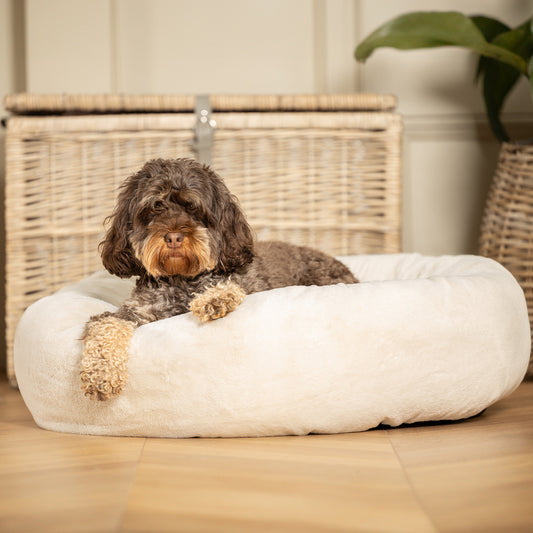
Poodle laid down on a blanket


The Best Dogs for Allergies

If you’re an allergy sufferer but can’t imagine life without a dog, you’re in luck. Below are some of the best hypoallergenic dog breeds that can make excellent companions while being kinder to your allergies.

Poodle

One of the most popular hypoallergenic breeds, Poodles come in various sizes—Toy, Miniature, and Standard—making them a versatile choice for different living spaces. Poodles have curly, dense coats that trap dander, reducing the number of allergens that are released into the air. They also don’t shed much, as their hair grows continuously like human hair. Regular grooming and bathing are necessary to keep their coats in top condition and allergen levels low.

Bichon Frise

The Bichon Frise is another fantastic hypoallergenic option. These small, cheerful dogs have a double coat with a soft under layer and a curly topcoat that prevents dander from spreading. Although they require frequent grooming to prevent matting, their lack of shedding makes them a great choice for those with allergies. Their playful, affectionate nature makes them ideal companions for families and singles alike.

Schnauzer (Miniature, Standard, and Giant)

Schnauzers are known for their distinctive beards and wiry coats. Whether Miniature, Standard, or Giant, these dogs shed very little, and their unique coat is excellent at trapping allergens. Regular trimming and grooming are essential to maintain the coat, but Schnauzers are generally low-maintenance when it comes to allergens. They are also highly intelligent and energetic, making them great companions for active households. 

Maltese

The Maltese is a small dog with a beautiful, long, flowing coat of hair rather than fur. Despite their luxurious coat, Maltese dogs are known for shedding very little. Their hair continuously grows, which reduces the amount of dander they release. However, their coats require regular grooming and brushing to prevent tangles. Maltese dogs are known for being gentle, affectionate, and adaptable to various living conditions.

Portuguese Water Dog

The Portuguese Water Dog is an excellent hypoallergenic breed for active families. These dogs have curly or wavy coats that shed minimally, making them a good choice for allergy sufferers. Portuguese Water Dogs are energetic, intelligent, and thrive in households where they can get plenty of exercise. Regular grooming is required to keep their coats in good shape and reduce allergens.

Shih Tzu

Known for their royal lineage and luxurious coats, Shih Tzus have a hypoallergenic coat that sheds very little. Like the Maltese, they have hair rather than fur, which grows continuously and is less likely to spread allergens. Shih Tzus are affectionate, friendly, and love being the centre of attention. They do, however, require regular grooming to keep their long hair manageable.

Yorkshire Terrier (Yorkie)

Yorkshire Terriers, or Yorkies, have silky hair that resembles human hair. They are one of the smallest hypoallergenic dog breeds, making them ideal for allergy sufferers who want a dog with minimal shedding. Their coats require consistent grooming to prevent tangles and keep allergens at bay. Yorkies are known for their bold personalities and affectionate nature, making them great companions in smaller living spaces like apartments.

Living with a Hypoallergenic Dog: Tips for Allergy Sufferers

Even if you have one of the best dogs for allergies, managing a pet’s allergens takes effort. Here are some strategies to reduce allergic reactions when living with a hypoallergenic dog:

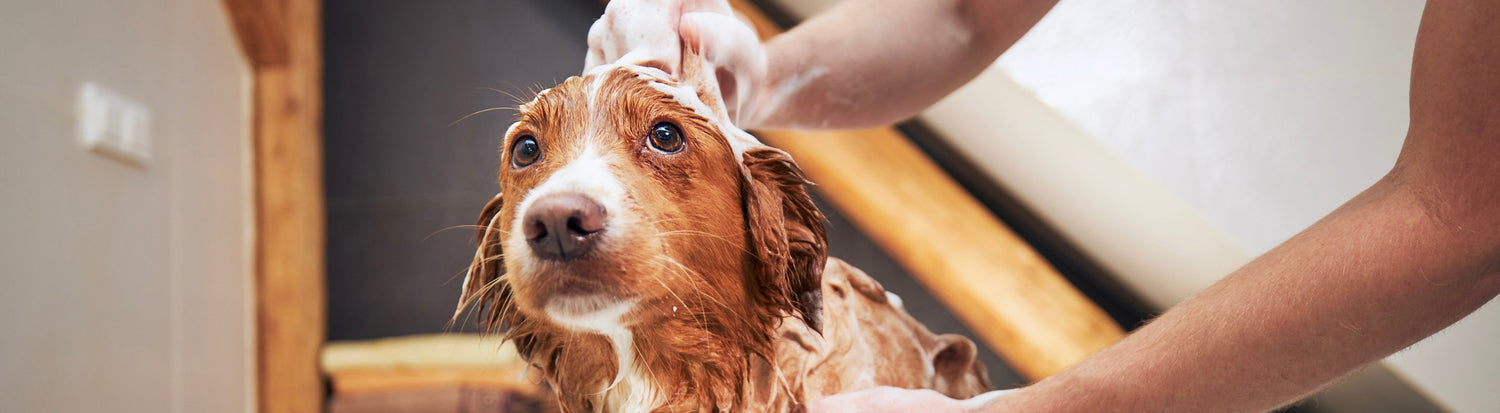
  1. Regular Grooming: Frequent grooming, including bathing and brushing, helps reduce dander and allergens on your dog’s coat. Consider using anti-allergy shampoos to further minimise allergens.
  2. Clean Your Home Frequently: Vacuuming, dusting, and using air filters can help trap dander and prevent allergens from accumulating in your home. Regularly washing your dog’s bedding also reduces the build-up of allergens.
  3. Designate Dog-Free Zones: Creating allergy-free spaces in your home, such as your bedroom, can provide you with a haven free of pet allergens.
  4. Wash Your Hands: After playing with or handling your dog, wash your hands to avoid transferring allergens to your face or other sensitive areas.

Owning a dog doesn’t have to be off-limits for allergy sufferers. By choosing one of the many hypoallergenic dog breeds, such as the Poodle, Bichon Frise, or Portuguese Water Dog, you can enjoy the companionship of a pet while minimising your exposure to allergens. Remember that no dog breed is completely allergen-free, but with regular grooming and proper home care, it’s possible to keep allergic reactions at bay and live happily with your new furry friend.

At Lords & Labradors, we offer a variety of luxury pet products to keep your hypoallergenic dog happy, healthy, and comfortable. Visit our website to explore our range of grooming products, bedding, and accessories designed for every breed and allergy need.

Related Products

Related Collections

Sensitive and Hypoallergenic Dog Food

At Lords & Labradors, we understand the importance of keeping your pup... 

Dog Grooming & Healthcare

Lords & Labradors’ range of dog grooming equipment contains all the products... 

Next Article
How To Care For Your Dog's Teeth

Related Articles

  • How to Wash a Stuffed Dog Bed
    13.04.26 April 13, 2026 Owning a Dog

    How to Wash a Stuffed Dog Bed

    A stuffed dog bed is one of those things that absolutely needs regular washing and also one of those things that can go spectacularly wrong if you approach it without a plan. Too much heat and the filling shrinks into a sorry little lump. Too much agitation and the seams give way mid-cycle. Too little rinsing and you're left with a stiff, detergent-laden bed that your dog will probably refuse to sleep on anyway. The good news is that once you know the right method for your specific bed, the whole process becomes surprisingly straightforward. Here's everything you need to get it right from start to finish, without the soggy, misshapen disaster that puts so many pet parents off washing day altogether. How to wash a dog bed with stuffing without ruining the shape Washing a stuffed dog bed doesn't have to mean ending up with a lumpy, misshapen mess that takes forever to dry. With the right approach, you can get your pup's favorite sleeping spot clean and fresh while keeping that cozy, supportive shape they love. The secret is understanding what you're working with before you dive in. Every dog bed comes with a care label that tells you exactly how it wants to be treated, but many of us skip this crucial first step. Some beds handle a spin in the washing machine beautifully, while others need gentler hand washing or strategic spot cleaning to avoid turning into a soggy disaster. Start by checking the care label and figuring out what type of filling you're dealing with. Memory foam behaves completely differently than polyester fiberfill or down alternative when it gets wet. Then there's the cover situation—removable zip covers are an absolute game-changer, but plenty of beds come as one piece that needs special handling. Your cleaning method depends on three key factors: what the manufacturer recommends, what your washing machine can handle, and how dirty the bed actually is. A lightly soiled bed with a removable cover calls for a totally different strategy than tackling a non-removable cover that's survived muddy paws, drool, and that mysterious smell only dogs seem capable of creating. Once you've done this quick assessment, you can confidently choose your approach. Machine washing works brilliantly when conditions are right and saves you loads of time. Hand washing gives you complete control over delicate fillings that might fall apart in the machine. Spot cleaning handles quick touch-ups between deep cleans without the full production. Each method has its sweet spot, and picking the right one means your dog gets back to their clean, comfortable bed while you avoid wrestling with a waterlogged mess that refuses to dry properly. Check the label, zip covers and filling before anything goes in the wash Before you toss that muddy dog bed into the washing machine, take five minutes to give it a proper once-over. This quick inspection will save you from discovering a washing machine full of soggy stuffing or pulling out a misshapen mess that your pup will never want to sleep on again. Start with your pre-wash detective work: Hunt down the care label first - Those little washing symbols tell you everything you need to know about maximum temperature and whether machine washing is even safe. Some beds can only handle cool water, while others are perfectly happy with a warm wash. Test all zippers and look for removable covers - If there's a zippered cover, see if it comes off easily. Many beds have removable outer covers that wash beautifully on their own, leaving you with just the inner cushion to tackle separately. Feel around for waterproof liners or barriers - Some beds have plastic or waterproof layers tucked inside that can melt or warp in hot water. You'll definitely want to know about these before choosing your wash settings. Run your hands along every seam - Check for loose threads, small tears, or worn spots that might split open mid-cycle. Nothing worse than fishing polyester filling out of your washing machine drain. Figure out what's actually inside - Give the bed a good squeeze to identify whether you're dealing with loose polyester stuffing, memory foam chunks, or a solid foam core. Each type needs different handling. What should never see the inside of your washing machine: Solid memory foam inserts (they'll crumble), beds with broken zippers that might burst open, or anything with significant tears in the fabric. Yes, this inspection phase might feel tedious when you're staring at a bed that frankly smells like eau de wet dog. But it's the difference between a successfully refreshed bed and pulling out what looks like a deflated pillow that's lost all hope of being comfortable again. The easiest way to machine wash a dog bed with stuffing When you know how to wash a dog bed with stuffing in the machine, you'll save hours compared to hand washing while getting far better results against the dirt, hair, and that distinctive doggy smell that builds up over time. Machine washing reaches deep into the filling to tackle allergens and bacteria that surface cleaning simply can't touch. Shake off loose debris and hair outside or in your garden. Give the bed a proper shake from all angles, then tackle stubborn fur patches with a lint roller or vacuum. Trust me, this step prevents your washing machine from turning into a hair-clogged disaster zone. Pre-treat stains and smelly spots with a pet-safe enzyme cleaner or make a paste from baking soda and water. Pay attention to corners where your dog's head rests and any obvious mud streaks or little accident marks. Let the treatment work for 10-15 minutes before washing. Choose a gentle, fragrance-free detergent and use half the usual amount. Strong scents can bother sensitive dog noses, while too much soap creates residue that's nearly impossible to rinse from thick stuffing. Skip fabric softeners completely—they actually reduce the filling's natural fluffiness. Stick to cool or warm water (30-40°C maximum) to prevent shrinkage and color fading. Hot water might feel more thorough, but it breaks down stuffing structure and can set protein-based stains like drool or muddy paw prints permanently. Balance your washing machine load by tossing in clean towels if you're only washing one small bed. This stops the bed from clumping to one side during the spin cycle, which can damage both the bed's shape and your machine's drum. Use the gentlest cycle available and always add an extra rinse. That second rinse removes lingering detergent residue that would otherwise attract fresh dirt and leave the bed feeling stiff and unwelcoming. Reshape while damp once the cycle finishes. Gently fluff any flattened areas while the stuffing is still pliable—it's much easier now than after everything's dried solid. Machine washing every two to three weeks keeps your dog's sleeping space genuinely fresh and hygienic. Your pup gets a clean, comfortable bed that actually smells pleasant, and you get the satisfaction of knowing you've conquered those mystery stains and persistent odors without spending your weekend scrubbing by hand. How to hand wash or spot clean a stuffed dog bed when the machine isn’t the best option When your dog's bed is too large for your washing machine, made from delicate materials, or carries a "hand wash only" label, you'll need to roll up your sleeves for a gentler approach. Those enormous orthopedic beds that barely fit through the bedroom door definitely won't squeeze into your washer, and vintage-style beds with delicate fabrics deserve the careful touch that only hand washing can provide. Hand washing your stuffed dog bed: Set up your washing station in the bathtub, utility sink, or grab a large basin if you're working outdoors. First, remove as much loose fur and debris as possible with a lint roller or your vacuum's brush attachment. Prepare your cleaning solution with cool water and a small amount of gentle detergent or pet-safe enzyme cleaner. Skip the hot water — it sets stains deeper and can break down certain filling materials over time. Submerge and work the bed gently, pressing it down into the water rather than wringing or twisting. Pay extra attention to those heavily soiled spots where your pup loves to rest their head by gently kneading the fabric and letting the cleaning solution penetrate the stuffing slowly. Rinse until the water runs clear with cool, clean water. You'll likely need several rinse cycles before no soap bubbles appear when you press the bed, but thorough rinsing prevents skin irritation later. Remove excess water carefully by laying the bed flat and gently pressing down, or rolling it between clean towels. Resist the urge to wring or twist — that's how you end up with permanently lumpy filling. Quick spot cleaning between washes: Blot fresh accidents immediately with paper towels, then treat with pet enzyme cleaner and a clean cloth Sprinkle baking soda over the entire surface, let it sit for 30 minutes, then vacuum away odors Use pet-safe fabric freshener spray for quick refreshes Wait for muddy paw prints to dry completely, then tackle them with a damp cloth and mild soap Hand-washed beds need a full 24 to 48 hours to dry completely, so plan ahead. If you find yourself avoiding wash day because the process feels overwhelming, consider upgrading to a bed with a removable, washable cover — your future self will thank you. Drying a dog bed properly so it stays fresh, fluffy and safe to sleep on Proper drying makes all the difference between a fresh, comfortable bed your dog will love and a damp, smelly mess that breeds bacteria. When stuffed dog beds don't dry completely, the filling clumps into hard lumps, moisture gets trapped in the centre creating that musty smell we all dread, and your pup ends up with an uneven surface that's anything but cozy. Step-by-Step Drying Process: Check the care label first to see if tumble drying is safe. Most polyester-filled beds can handle low heat, but memory foam or specialty fillings often need air-drying only. For machine drying, use the lowest heat setting and toss in two clean tennis balls or wool dryer balls. These bounce around breaking up clumps while keeping the stuffing fluffy throughout the cycle. Stop every 30 minutes to remove the bed and fluff it by hand, redistributing any stuffing that's bunched up in corners. It might feel like overkill, but this step prevents those frustrating hard spots. For air-drying, lay the bed flat on a clean surface in direct sunlight if possible. Sunlight naturally kills bacteria and speeds things up considerably. Flip the bed every 2-3 hours and give it a good shake to prevent the filling from settling on one side. Think of it like turning a roast – even exposure is everything. Press different areas gently to check for cool or damp spots, paying special attention to thick seams and corners where moisture loves to hide. Signs Your Bed Is Fully Dry: - No cool spots when you press firmly into the thickest areas - Stuffing moves freely and springs back when squeezed - No musty or damp smell anywhere on the bed Patience really pays off here. Rushing the drying process undermines all your washing efforts and creates the perfect environment for mold. Once you've mastered this routine, the whole process of how to wash a dog bed with stuffing becomes wonderfully manageable, and your dog gets to enjoy that perfect combination of clean and comfortable every time. How often to wash your dog’s bed and when it’s time for a new one How often you wash your dog's bed really depends on your furry friend's lifestyle and habits. If you have a muddy adventure pup who loves rolling in grass and splashing through puddles, you'll probably find yourself tackling their bed weekly. Indoor dogs with shorter coats might only need a fortnightly wash, while senior dogs who spend most of their time snoozing indoors can often go three to four weeks between washes. Trust your nose here. When you catch that unmistakable "dog bed" scent from across the room, it's definitely time for a wash. Puppies and dogs who drool heavily, shed loads, or have skin conditions will need more frequent cleaning to keep things fresh and hygienic. Even with the best care, there comes a point when washing a dog bed with stuffing becomes more trouble than it's worth. If the filling has gone permanently flat and lumpy despite gentle washing, or if odours linger even after a thorough clean, your dog deserves something better. Visible wear like torn seams, exposed stuffing, or fabric that feels rough against your hand means it's time to move on. This is exactly why many pet parents are switching to beds with removable, washable covers and high-quality filling that bounces back wash after wash. We've designed our dog beds with busy families in mind – covers that zip off easily for machine washing, paired with inner cushions that maintain their shape and support through countless cleaning cycles. Your dog gets the comfort they deserve, and you get genuinely easy care bedding that actually stays fresh and supportive long-term.  

    By Adele Busby

    Read more
  • Dog Sleeping Positions And What They Mean
    06.04.26 April 06, 2026 Owning a Dog

    Dog Sleeping Positions And What They Mean

    Whether your dog sleeps like a pretzel or sprawls like they own the entire bed, their bedtime habits are telling a story worth paying attention to. Dogs communicate so much through body language when they're awake. It turns out, they keep right on communicating even when they're snoozing. From the tight little donut curl to the full belly-up flop, each position is a small window into how your pup is truly feeling. Here's what the most common dog sleeping positions actually reveal and what simple changes you can make to help your dog sleep even better. Why Dog Sleeping Positions Matter More Than You Might Think Most of us have caught our dogs in some pretty amusing sleep positions—sprawled like starfish across the entire sofa, curled up so tight they look like furry donuts, or somehow managing to sleep upside down with their legs dangling off the couch. But here's something that might surprise you: those quirky dog sleeping positions actually reveal quite a bit about what's going on in your pup's world. The way your dog chooses to settle down for a snooze often reflects how they're feeling in that moment. Are they warm enough? Do they feel safe and secure? How deeply are they planning to rest? A dog who flops onto their back with all four paws in the air is essentially saying "I feel completely safe here"—after all, exposing that vulnerable belly takes serious confidence. Meanwhile, a dog curled into a tight little ball might be conserving body heat or seeking that cozy, protected feeling we all crave sometimes. Learning to read these sleeping cues can help you better understand your dog's comfort levels and make thoughtful tweaks to their sleep setup when needed. Just remember that dog sleeping behavior is more like a helpful hint than a definitive diagnosis. If your usually sprawling Lab suddenly prefers tight curls, it could signal something worth noting—or they might have simply discovered that smaller positions feel extra cozy on chilly nights. Common Dog Sleeping Positions and What They Usually Mean Every dog has their favorite way to settle down for a snooze, and these dog sleeping positions offer fascinating glimpses into how your furry friend is feeling. While every pup is unique, certain sleep styles often reflect similar needs for comfort, security, or temperature control. Think of these patterns as gentle clues about your dog's inner world rather than absolute rules. The Curled Up Ball: Your dog tucks their paws under their body and wraps their tail around themselves, creating a cozy circle. This classic position helps conserve body heat and protects vital organs, suggesting your pup might be feeling chilly or seeking extra security. You'll see this one especially often with smaller dogs or during cooler weather. The Side Sleeper: Lying on their side with legs extended signals a relaxed, comfortable dog. This position shows real trust in their environment since it leaves their belly completely exposed. Dogs who regularly choose this sleep style tend to feel secure and settled in their home. The Sphinx Pose: Your dog lies on their belly with front paws stretched forward and head up or resting on their paws. This position allows for quick movement if needed, so it often means your dog wants to rest but stay somewhat alert to their surroundings. Perfect for the family guardian who's always on duty. The Superman: Sprawled flat on their belly with all four legs stretched out makes your pup look like they're flying through dreamland. This position helps dogs cool down quickly and is especially popular with energetic breeds who want to be ready to spring back into action at a moment's notice. The Back Sleeper: A dog sleeping on their back with belly exposed demonstrates ultimate trust and confidence. This vulnerable position also provides maximum cooling, so you'll often spot it during warmer weather or after particularly active play sessions. Not all dogs feel comfortable enough to sleep this way. The Burrower: Some dogs love tunneling under blankets, pillows, or even your laundry pile. This cozy habit usually indicates a desire for warmth and security, creating their own little den where they feel completely protected from the world. The Cuddle Bug: Dogs who press against you, other pets, or furniture while sleeping are seeking comfort through physical contact. This bonding behavior shows deep affection and often means your dog finds the most security when close to their favorite family members. Your dog's sleeping habits will naturally shift based on the season, their age, and daily activities. The most valuable insights come from noticing your individual dog's patterns over time rather than analyzing any single sleep session. What Your Dog’s Sleep Style Can Tell You About Comfort, Temperature, And Routine While your dog's sleeping position might seem like pure preference, it's actually shaped by practical factors like their age, breed, and daily environment. Understanding these influences helps you create the perfect sleep setup that truly works for your pup. Several key factors determine how your dog chooses to rest: Age and joint comfort: Senior dogs with arthritis often curl up tightly for joint support and warmth, while puppies sprawl everywhere without a care. If your older Labrador suddenly starts sleeping stretched out instead of curled up, they might be telling you that tight positions now feel uncomfortable on stiff joints. Coat type and temperature regulation: Thick-coated breeds like Golden Retrievers frequently sleep belly-up or sprawled on cool floors during warmer months, while thin-coated dogs like Whippets burrow under blankets or curl into tight balls to stay warm. Room temperature and seasonal changes: Your dog's positions shift naturally with the weather. That same pup who sleeps belly-up on kitchen tiles in July might switch to curling against your legs when January rolls around. Bed placement and household activity: Dogs sleeping in busy family areas often choose alert positions like lying on their side with ears perked, while those in quiet bedrooms feel secure enough for deep sleep on their backs with legs in the air. Exercise and daily routine: Well-exercised dogs typically sleep more soundly in relaxed positions, while under-stimulated pups might sleep lightly, ready to spring into action at any sound. Pay attention to your dog's patterns throughout different seasons and life stages. Simple adjustments like adding a heated bed for creaky joints or moving their sleeping spot away from drafty hallways can transform their comfort. These dog sleeping positions reveal genuine comfort needs rather than just adorable quirks. When a Change in Sleeping Position Is Worth Paying Attention Most dogs naturally shift between different sleeping positions based on comfort, temperature, and mood, but some changes in sleeping behavior deserve a closer look. While occasional variation is perfectly normal, persistent shifts in how or where your dog sleeps can sometimes signal underlying discomfort or stress. Here are specific warning signs to watch for in your dog's sleeping behavior: Sudden restlessness or inability to settle into any position for more than a few minutes Reluctance to lie down or frequent repositioning throughout the night Unusual stiffness or difficulty getting up from their sleeping spot Seeking isolated hiding spots for sleep when they normally enjoy being near the family Sleeping in uncharacteristic locations, like choosing hard floors when they typically prefer their cozy bed Panting, whining, or showing signs of discomfort while trying to settle These changes in dog sleeping positions may indicate pain, joint discomfort, anxiety, or other health concerns. If you notice these behaviors persisting for more than a few days, or if they're accompanied by other symptoms like changes in appetite or energy levels, it's worth having a conversation with your vet. Keep in mind that not every position change signals trouble. Your dog might simply be adjusting to seasonal temperature shifts or responding to household changes like a new baby or recent move. The key is paying attention to patterns and trusting your instincts about what feels normal for your particular pup. You know your dog better than anyone. How To Help Your Dog Sleep Well In The Position That Suits Them Best Understanding dog sleeping positions gives you a wonderful starting point for creating the perfect sleep setup for your furry friend. The key is observing what your dog naturally gravitates toward, then making small adjustments to support their preferences. Start with the basics: a quality bed that matches their sleeping style. Dogs who love to stretch out need plenty of space, while those who curl up tight often prefer smaller, cosier spots with raised edges for that den-like feeling. If your dog sleeps on their back, they're telling you they feel completely secure and tend to run warm, so focus on breathable materials rather than thick padding. Temperature makes a real difference too. Notice where your dog chooses to sleep throughout the seasons. That summer floor-sleeper might appreciate a cooling mat, while your winter cuddler often benefits from a warmer, more insulated bed. Location matters just as much as the bed itself. Some dogs sleep best right in the heart of family activity, while others need a quiet corner away from the hustle and bustle. Watch whether your dog seeks out the same spot consistently or moves around based on household rhythms and the time of day. Keep an eye on any sudden changes in sleeping behavior, as these can sometimes signal discomfort or health shifts worth discussing with your vet. Most importantly, let your dog's natural preferences guide your choices rather than trying to change what already works perfectly for them.  

    By Adele Busby

    Read more
  • Can You Flush Your Dog and Cat’s Poo Down the Toilet? The Truth About Pet Waste Disposal in the UK
    20.10.25 October 20, 2025 Owning a Cat

    Can You Flush Your Dog and Cat’s Poo Down the Toilet? The Truth About Pet Waste Disposal in the UK

    If you’re a pet owner, you’ll know that clearing up after your furry friend isn’t the most glamorous part of the job. Whether you’re scooping cat litter or bagging up after a dog walk, you’ve probably wondered at some point: can you just flush it down the toilet and save yourself the hassle? It sounds quick, clean, and even eco-friendly. But before you send that little parcel swirling away, let’s bust the myth once and for all. Flushing pet poo, whether it’s from your dog or cat, is not the answer, and it could cause more harm than good. Here’s why flushing pet waste isn’t as simple as it seems, and what you should do instead to dispose of it safely and sustainably. Myth #1: “It’s just like human waste, so it’s fine to flush.” If only! While it might seem logical that pet and human waste can go down the same route, the truth is a little murkier. Dog and cat poo can carry parasites, bacteria, and pathogens that human sewage systems aren’t designed to treat. The most well-known is Toxoplasma gondii, a parasite found in cat faeces that can survive traditional sewage treatment. Once it reaches waterways, it can harm marine wildlife and even pose risks to human health. So while it may vanish from sight, it doesn’t vanish from the world, flushing pet poo simply moves the problem elsewhere. Myth #2: “Flushing is better for the environment than using poo bags.” Many eco-conscious pet owners in the UK want to reduce plastic use, which is fantastic, but flushing animal waste isn’t the greener option it appears to be. Most UK water treatment plants aren’t built to process animal waste, meaning harmful microorganisms can slip through filtration systems and contaminate rivers and coastal waters. Over time, this disrupts delicate ecosystems and affects aquatic life. A better alternative? Biodegradable or compostable poo bags. They break down much faster than traditional plastic and can be safely disposed of in general waste bins. Myth #3: “Flushing pet waste every now and then won’t hurt.” Unfortunately, even the odd flush can lead to unpleasant consequences. Pet waste can clump, swell, and block pipes, especially when mixed with cat litter or pet hair. This can cause slow drains, nasty smells, or even full-blown plumbing disasters. So, even if you only do it occasionally, flushing pet poo is a risk that’s just not worth taking, particularly in older UK plumbing systems that aren’t designed for it. Myth #4: “Flushable cat litter makes it okay.” Flushable litters might sound like the perfect solution, but they come with a catch. Even those labelled “flushable” may not fully break down in water. Many are made from biodegradable materials like corn, paper, or wood that absorb moisture and expand, risking pipe blockages or build-up over time. What’s more, UK water companies, including Thames Water and Severn Trent, strongly advise against flushing any kind of cat litter, even if the packaging says otherwise. So while flushable litter sounds handy, it’s best to play it safe and bin it instead. Myth #5: “Flushing helps keep the house smelling fresh.” We get it, when you’re trying to keep your home smelling lovely, sending the smell down the drain feels like the fastest fix. But there are much better ways to stay fresh without risking your plumbing. For cat owners, try using high-quality odour-control litter and scoop trays daily. For dog owners, bag and bin waste straight away during walks and use eco-friendly sprays or wipes at home. And if you want to level up your clean-up routine, Lords & Labradors offers a range of stylish litter trays, cleaning sprays, and accessories designed to make pet parent life a little more elegant (and a lot less smelly). So, How Should You Dispose of Dog and Cat Poo Safely? Here’s what UK pet owners should do instead: 🐾 Dog waste: Always bag it, ideally in a biodegradable or compostable bag, and place it in general waste or designated dog waste bins. Never flush it, even if the bag claims to be “flushable.” 🐾 Cat waste: Scoop the litter daily and dispose of waste in the household rubbish. For hygiene, use a liner or small biodegradable bag and wash your hands thoroughly afterwards. If you’re aiming for a more sustainable setup, you can look into pet waste composting systems, though remember, compost made from animal waste should never be used on edible plants. The Final Flush: Don’t Do It! So, can you flush cat poo or dog poo down the toilet? In short, no! It might seem convenient, but flushing pet waste can cause plumbing issues, environmental harm, and even health risks. Stick to tried-and-tested disposal methods instead: bag it, bin it, and keep it out of the loo. Your drains (and the UK’s waterways) will thank you for it. Keep Your Home Fresh and Planet-Friendly Dealing with pet mess doesn’t have to be unpleasant. From eco-friendly poo bags and litter trays to pet-safe cleaning products, Lords & Labradors has everything you need to keep your home fresh, hygienic, and stylish, without flushing your way into trouble. Because when it comes to your pets, the only thing that should go down the toilet is… toilet paper! 🐾

    By Emily Sawer

    Read more
  • Top Dog Beds for Puppies, Seniors, and Every Stage In Between
    13.10.25 October 13, 2025 Owning a Dog

    Top Dog Beds for Puppies, Seniors, and Every Stage In Between

    Finding the perfect bed for your dog is more than a matter of comfort, it’s about supporting their growth, health, and wellbeing at every stage of life. From wriggly pups to graceful seniors, each phase brings new needs when it comes to sleep and rest. Investing in the right bed will keep your dog comfortable, secure, and supported, no matter their age. In this guide, we’ll walk you through the best options for puppy dog beds, adult dogs in their prime, and dog beds for older dogs, helping you choose a style that matches your pet’s lifestyle and personality. Puppy Beds: Comfort and Security for Growing Dogs Puppies sleep up to 18–20 hours a day, so their first bed is one of the most important purchases you’ll make. A puppy dog bed should provide warmth, reassurance, and a safe space they can call their own. Size and shape: Opt for a smaller, snug design that makes your puppy feel secure. Donut-style beds or cushioned bolsters work brilliantly, as the raised edges provide a sense of enclosure. Durability: Puppies love to chew and scratch, so look for a bed made with sturdy fabrics and washable covers. Waterproof liners are especially helpful during the house-training stage. Softness: Gentle padding supports their growing joints without being too firm. Cosy fleece or plush interiors mimic the warmth of the litter, helping pups settle more quickly. A good puppy bed not only aids restful sleep but also plays a role in training, teaching your pup where their designated “quiet zone” is. Adult Dogs: Style, Support, and Everyday Comfort As dogs move into adulthood, their needs shift towards durability and support. By this stage, you’ll know your dog’s sleeping style – whether they sprawl out, curl into a ball, or stretch across the sofa – and their bed should match. For sprawlers: A large cushion or mattress-style bed gives them plenty of room to stretch. For curlers: Nest or bolster beds remain popular, especially with smaller breeds who like to tuck themselves in. For heavy chewers: Consider chew-resistant fabrics and removable covers for easy cleaning. For active dogs: Orthopaedic foam beds provide joint support, even in young adults, helping to prevent issues later in life. This is the stage when many owners upgrade to a more stylish, long-term bed that complements their home décor, while still meeting their dog’s comfort needs. Senior Dogs: Orthopaedic Support and Accessibility As dogs age, their bodies need extra care. Dog beds for older dogs are designed to relieve pressure, soothe aching joints, and make rest easier. Choosing the right bed can dramatically improve your senior dog’s quality of life. Orthopaedic foam or memory foam: Provides cushioning and distributes weight evenly, reducing pressure on hips and elbows. Low entry points: Senior dogs often struggle to climb into high beds, so a low-profile mattress is ideal. Extra warmth: Older dogs lose heat more quickly, so cosy fabrics or self-warming materials keep them comfortable. Washability: Accidents are more common in later years, so removable, machine-washable covers are a must. If your dog suffers from arthritis or mobility issues, an orthopaedic or memory foam bed can provide daily relief and support restful sleep. Special Considerations While age is the biggest factor in choosing the right bed, there are other considerations to keep in mind: Breed size: Giant breeds benefit from extra-thick mattresses to support their weight, while toy breeds often prefer snug nest beds. Lifestyle: Dogs who love the outdoors may need a waterproof, easy-clean option, while indoor loungers might prefer something ultra-plush. Multiple pets: If you have more than one dog, ensure each has their own bed – sharing might be cute, but it doesn’t always guarantee restful sleep! Final Thoughts Your dog’s bed is more than just a piece of furniture – it’s their sanctuary. From the snug reassurance of a puppy dog bed to the joint-soothing support of dog beds for older dogs, investing in the right option at each stage of life will keep your pet happy, healthy, and well-rested. At Lords & Labradors, we offer a wide range of dog beds designed for every age and breed, from cosy nests to orthopaedic mattresses. Explore our dog bed collection to find the perfect fit for your pup, whether they’re just starting their journey or enjoying their golden years.

    By Emily Sawer

    Read more

loyal customer in 17 countries

Why Shop With Us?

  • Free Delivery

    Orders over £75 qualify for free standard UK delivery. Orders under £75 will be calculated at the checkout.

  • Shopping Made Easy

    Gain exclusive access to sales and shop all your pets favourites on the go by downloading our app.

  • Designed in the UK

    Our own brand products are lovingly designed in our specialist UK workshop to our exacting standards.

  • We're Here For You

    Contact our Pet Experts weekdays 9am - 5pm on +44 (0) 1790 720900 or sales@lordsandlabradors.co.uk