
Lords & Labradors Information Hub

The home of handy tips and advice dedicated to pet owners

The Best Cat Collars, Harnesses & Accessories
30.05.21 May 30, 2021 Owning a Cat Featured

The Best Cat Collars, Harnesses & Accessories

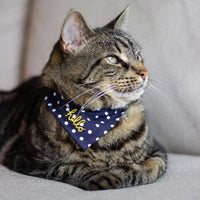
A cat collar isn’t just a style choice, but is a way to help keep your cat safe. You can easily attach your contact details to a collar in case they get lost. They are a brilliant accessory for outdoor cats in case they lose their way or get stuck somewhere such as someone else’s garden shed. We’d suggest buying a safe cat collar with a breakaway buckle just in case they get caught on something. You could also choose one that has a bell which will help to notify birds and other animals that your cat is on the prowl - it might just reduce the risk of living ‘presents’ appearing on your doorstep in the morning! In this blog we highlight our favourite cat collars and some of the best accessories to go with them.   Our favourite cat collars Ancol Striped Cat Collar - This cat collar has a classic stripe design that will suit any fussy feline. This one comes without a bell which is ideal as a first collar or for those cats who get annoyed at the sound of a bell. It’s a fully adjustable type with a breakaway collar for safety. Available in 2 colours. Velvet Collar with Bow Tie Quick Release Cat Collar - This cute collar is made from a super soft velvet offering comfort to any cat. It even has a fabulous bow tie, ensuring your feline stays stylish too. There’s a bell which will notify predators that your kitty is about and a breakaway buckle for safety. You could easily add an ID tag to this one if you wish. Ancol Reflective Cat Collar - This collar is designed with your cat’s visibility in mind. It can be difficult for motorists to see cats in the dark, but this collar will ensure that they can. It’s made of a reflective fabric that will be highlighted when car lights or street lights shine on it. It has an added bell and breakaway buckle making it a practical choice for any cat owner. Ancol Safety Hi Viz Cat Collar - This has many of the same benefits as the reflective collar, but in a hi-viz fabric. The hi-viz element ensures visibility in Rosewood Bow Tie Cat Collar - This bow tie is for the feline fashion fanatics. It comes with a bow tie attachment and is finished with a crystal in the centre. Style, safety and function all in one collar. Available in a choice of red or navy. Our favourite collar charms & accessories Rosewood ID Tube - An essential safety accessory for your cat’s collar, this ID tube can be affixed to the metal loop on your cat’s collar and allows for you to put your contact details inside. It’s compact enough for your cat to wear without hindering their movement. A brilliant addition to help keep your cat safe. Hiro + Wolf X L&L  Cat Bow Tie - These adorable cat bow ties can be attached to any slim cat collar and will add a stylish finishing touch to your cat’s look. They are handmade in the UK and the prints are an exclusive collaboration by our in-house design team and Hiro + Wolf. They simply loop on to your cat’s existing collar and can be removed just as easily - perfect for special occasions when you want your feline to look their best! Circle Diamanté Mirrored Collar Charm  - If you have an indoor cat who wears a collar, this collar charm will add a delightful accent to it. A luxe pet accessory, it features real Swarovski crystals and an inset mirror. This is a collar charm for the most pampered of pets! Our favourite cat harnesses Ancol Kitten Harness - This cat harness is perfect for training indoor cats to walk on a lead. If you have an indoor cat and want to give them some extra exercise without letting them loose in the garden, a harness and lead is a great way to give them a taste of the outdoors in a controlled way. This super soft cat harness is ideal for lead training kittens and older cats. It has a large surface area giving supreme comfort to your feline. Just clip on any lead and you'll be all set for your outdoor adventures. It comes in 3 sizes with a size to suit every age and breed of cat.  Designed by Lotte Cat Harness and Lead - If you're looking for a premium walking set for your cat complete with matching lead then this set by Designed by Lotte might be just the thing. It comes in two stylish colours with a style to suit every taste. It has fully adjustable traps to give the best fit possible and the open style will offer your cat or kitten total freedom of movement.   Introducing a collar or harness to your cat  If your cat has never worn a collar or harness, remember to start slowly and never force them to wear them if they act scared. Try introducing the collar by allowing them to sniff it and give them a couple of treats after so they associate it with positive things. It should be a steady process over a few days. When they first put the collar or harness on, take it off after a few minutes and steadily increase the time they wear it over a few sessions. They should soon get used to their new accessories! It's often best to introduce wearable accessories when your kittens are young. It is likely to take an adult cat much longer to get used to new things and they may not take to wearing them at all. Remember to take your particular cat's temperament and personality into consideration and not to force them to wear anything if they really don't want to.    Remember to microchip your pets Is your cat microcipped yet? If not then you should definitely have your cat microchipped as soon as possible. Whilst a collar with ID tag is great in many instances for cats who get lost and found by a neighbour, a microchip is beneficial in case the collar gets lost. It's also a way for stolen pets to be tracked when found. A microchip will stay with your pet in all events and should have your full contact details in case of loss - remember to update the microchip details if you move house! 

By Zac Girdlestone

Read more
Urinary Tract Disorders in Cats - Advice for Cat Owners
27.05.21 May 27, 2021 Health Featured

Urinary Tract Disorders in Cats - Advice for Cat Owners

A common health issue that many cats suffer from are problems with their urinary tract. Both males and female cats can have urinary tract disorders at some point in their lifetime and they can vary from mild symptoms to severe cases of Urinary Tract disease. Many of these problems are treatable and there are things we can do to help stop problems from occurring. In this blog post we will look at what can cause a urinary tract problem in cats, the signs to look out for and how to treat a problem if it occurs.   What Are Urinary Tract Disorders? There are a number of different urinary tract issues that cats can suffer from, some more severe than others. These can include: Urinary tract Infection - These are caused by an infection in the bladder. These can be easily diagnosed with a blood test at the vet. Urinary Stones - There ate minerals in urine which can clump up and form crystals or stones. These can cause irritation, pain and even blood in the urine. Your vet will be able to run tests to diagnose urinary stones. Urethral Obstruction - In rare cases, your cat can suffer from a total blockage caused by stones or other build-ups. In these cases, they won’t be able to urinate at all and will suffer a lot of pain. It’s important to seek veterinary advice immediately in these cases. Feline Cystitus - In some cases, irritation can occur where there are no stones or infection. It could be caused by stress or anxiety brought on by a change in diet or other environmental factor.   What Are The Symptoms Of Urinary Tract Problems In Cats? Simply put, urinary tract problems are water infections associated with the bladder and urethra. Sometimes, infections or blockages can occur which will stop your cat from being able to urinate properly. Signs that your cat is suffering from a urinary tract problem include the following: Frequently using the litter box but only urinating a small amount. Inability to urinate. Straining in the litter box Calling out when using the litter box Blood in the urine Increased licking of the problem area   What To Do If You Think Your Cat Has A Urinary Tract Problem As we mentioned previously, many cats will suffer from some form of urinary problem at some point in their lives and quite often these can be treated easily. In all cases, it’s important to seek the advice of your vet as soon as you notice any symptoms. Acting fast means your vet can rule out any sinister problems and hopefully treat minor problems before they get worse.   How can you prevent Urinary Tract problems in cats? Urinary tract problems in cats can be caused by a number of things including stress, changes to diet or underlying health issues. Every case is slightly different, and we’d suggest talking to your vet to discuss the specific case of your cat. There are some things we can do to help prevent many problems occurring though, including: Clean drinking water - Many bladder problems can be caused by not drinking enough water. Cats aren’t always natural drinkers, so doing all we can to encourage them to drink is a must. Provide clean fresh water at all times. A drinking fountain is a brilliant idea in many cases as many cats like to drink flowing, rather than stagnant, water. Many fountains have a filtration system to help keep the water as clean as possible. A healthy diet - Feeding our cats a healthy and complete diet can help to keep all areas of their health in tip-top condition. There is also cat food specifically formulated to help prevent urinary tract problems occurring. Chat to your vet to see if they think any of these may help your cat. Remember to always make changes to diet gradually over a few days to help your cat’s digestive system. Keep your cat stress-free - Stress and anxiety can be a cause of urinary problems. Try your best to keep your cat as calm as possible at all times to help stop health issues from occurring.   Some of our favourite products to help prevent Urinary tract issues. There are a number of cat products that promote a healthy urinary tract. Whilst they’re not a cure, and they won’t guarantee to stop your cat from having problems, they do have health benefits and will reduce the risks. Here are a few products to consider: Beaphar Urinary Tract Support Cat Treats - These tasty cat treats are designed to help fight bacterial infections and formation of bladder stones. They’re made from a low fat recipe of cranberry and Omega fats to form a tasty and healthy cat treat. Cat Water Fountain - Cats aren’t always fond of drinking a lot of water and it’s important to do your best to encourage them to drink if this is the case. A water fountain provides running water that many cats prefer to still water, and the inner filtration stem ensures the water is pure and clean. Drinking plenty of clean water will help to keep your cat’s urinary tract in good working order. Dorwest Green Relief Tablets - These supplements can be taken by both dogs and cats and have a number of health benefits. They will not only help to keep their urinary tract healthy but will also promote wellness and vitality in general. Purina Bifensis Wet Cat Food - Wet cat food has a certain amount of water in it which is a brilliant option for any cat who doesn’t tend to drink a lot. This recipe has added health benefits including balanced minerals designed to promote a healthy urinary tract. Pro Plan Sterilised Cat Food - This cat food is designed for any adult cat who has been neutered. Neutered cats have an increased risk of urinary tract problems which is why this recipe has been designed to control their urinary PH levels and keep their kidneys in tip-top shape.

By Zac Girdlestone

Read more
Everything You Need For Your New Dalmatian Puppy
20.05.21 May 20, 2021 Dog Breed Guide Featured

Everything You Need For Your New Dalmatian Puppy

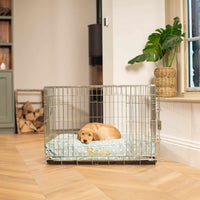
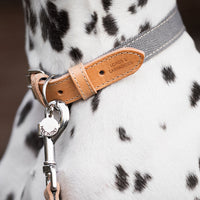
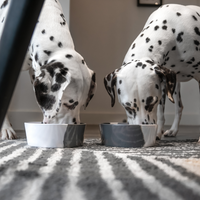
If you’re getting a puppy, one of the first things you might wonder is “What will I need?”! Here at Lords & Labradors we have sourced all of the puppy essentials you can think of to help make shopping for a new puppy really simple. We have written dedicated blog posts about what to get for many specific breeds including Cockapoos, Miniature Dachshunds and Labradors.  This week we thought we’d shine the spotlight on the beautiful Dalmatian. They’re a wonderfully vibrant and lively breed. Here we’ll take a closer look at the history of the breed and then provide our recommended Dalmatian Puppy Shopping List.   All About The Dalmatian Breed The Dalmatian is famous for its distinctive black (or liver-coloured) spots on their white coat - so famous, that it was the basis for the 101 Dalmatians novel which later became a famous Disney animation! They were originally bred as hunting dogs and can be traced back to the historical region of Croatia called Dalmatia. They became popular as carriage dogs in the 18th Century and were somewhat of a status symbol throughout the Regency period. They have gone on to have varied roles including watchdogs and even working for fire-fighters. Their natural affinity with horses meant they could help clear the way for carriages in an emergency. They have also become popular family pets due to their beautiful, good looks and their loyal personality. It’s important to know that Dalmatians are a lively breed, and they’ll take lots of attention and need plenty of exercise. They will need lots of your time and dedication to look after well, and won’t be suitable for everyone. If you have the time and energy to devote to a Dalmatian, they do make wonderful pets.  Not only are they extremely intelligent and respond well to training, but they are very loyal and do well with older children. Just make sure you have the time in your schedule to take them for long walks every day and give them the attention they need.   Dalmatian Puppy Shopping List XL Crate + Cosy & Calm Puppy Bed - An important part of settling a puppy in smoothly and quickly is through crate training. A crate will help with the toilet training process and also get them used to their night-time routine. We’d suggest getting a 42” crate which will grow with them into adulthood. You can set it up with a puppy bed in one side, leaving room in the other for a puppy pad and a bowl for water. Once your puppy grows up and gets used to toileting outside, you can swap the puppy bed and pads for a full-size crate cushion. The crate will become their very own little den; a place for them to rest and sleep, in comfort. Our XL Crate + Cosy & Calm Puppy Bed Crate Set is the ideal starter set for crate training your puppy. It contains a deluxe crate along with a puppy bed that is designed to fit in exactly half the crate. Available in our signature fabrics and with a waterproof lining, the bed is stylish and practical all at once!    XL Crate Cover - We’d highly recommend adding a crate cover to the crate. This will not only make the crate look good but will have practical benefits too. The cover will create a cosy and inviting space in the den, stop draughts and help with the bedtime routine. The cover has two roll-down doors that will help to block out light. Your pup will soon learn that it’s time for bed when you roll the doors down and that it’s time to start the day when the doors are rolled up. Puppy Blanket or Comforter - Making your puppy feel at home will be your number one priority and a blanket or comforter will offer nervous pups a feeling of security. A blanket adds a cosy layer of warmth to both their carrier on the way home and their bed in the crate. It can be sprayed with a calming solution such as Pet Remedy to help calm any feeling of anxiety. We have a stunning range of blankets to suit all tastes. We particularly love our L&L Velvet and Sherpa blankets as they’re made from super soft fabrics that puppies will love. You could also give them a plush comfort toy. The All for Paws Warm Bear and Heart Beat Sheep are both wonderful options as they are more than just regular soft toys. The warm bear has a warming sensation and the heartbeat sheep has a beating heart that will feel just like Mum. Your Dalmatian puppy will soon settle down for a cuddle with their new plush friend! Puppy Pads - A must for any new puppy, puppy training pads will help to stop any indoor accidents from soiling your furnishings. Whilst you will no doubt take your puppy outside regularly to encourage them to do their business outdoors, there will certainly be accidents at times. Puppy pads are great to put on the floor in your puppies’ crate at night-time (for the first few weeks) and in their pen or living space during the day.   Bowls - You’ll need some dog bowls for food and water. Choose strong and durable bowls that will be suitable for food and water. Puppy Shampoo - Dalmatians tend to shed a lot. Even though they have a short coat, they still lose a lot of fur especially from Spring until Autumn. Getting your puppy into a regular grooming routine will help to keep shedding to a minimum. We’d suggest a good shampoo and conditioner as well as a spray that you can use in-between washes. Puppy Brush - A good quality dog grooming brush or two will help to smooth the fur after a bath and also help remove any loose fur in-between bath times. A soft bristle brush is a great brush to start with and they are soft - an ideal way to get your pup used to being groomed. Once they’re used to being brushed you could try a massaging rubber brush or the 2-in-1 grooming tool by Rosewood that dispenses shampoo as well. Puppy Toys - Dalmatians are very playful and full of energy so you will need a toy box of goodies to keep them entertained. A range of different toys for chewing, throwing, tugging and cuddling will appeal to all of your puppy’s senses. Toys will be the perfect distraction in-between walkies when your puppy is still feeling energetic! Your puppy will also go through their teething phase within the first few months of bringing them home. A KONG toy or two will help to soothe their aching gums and provide some distraction if boredom does kick in.   Training Treats - Training your puppy will be one of your main priorities - whether it’s crate training, potty training or lead training, having some treats on hand to reward your pup’s efforts and good behaviour is a must! Puppy Training Clicker - Dalmatians are very clever and they’ll take very well to training exercises. A clicker will come in handy further along in their training journey. A brilliant tool for teaching your dog new tricks! Puppy Collar, Lead and Harness - When it comes to walking your puppy, you’ll need to have a good fitting harness, collar and lead. A harness will ensure good support and comfort when puppy is first learning and tugs in the opposite direction. A matching set by Ruffwear is a brilliant option for lead training as they are so durable and made to last. XL Cosy Tweed Box Bed - As puppy grows up and you want a bed that will suit them during adulthood, our box beds are a lovely option. The XL size is ideal for an adult Dalmatian. They have squishy cushions for comfort and the padded walls are perfect for resting sleepy heads! They come in a range of stunning fabric options, with a style to suit every home interior. Full Size Crate Set - Puppies who have been crate trained go on to love their crate well into adulthood. Once your puppy has outgrown their puppy bed and they no longer need puppy pads, you can consider swapping to a full-size crate set. Swap the puppy cushion for a crate cushion and bumper to create a truly cosy doggie den. You could choose a fabric to match your existing oilcloth crate cover, or you could swap out everything and choose something completely new. It’s totally up to  you!

By Zac Girdlestone

Read more
Top 10 Things To Take Camping With Your Dog
16.05.21 May 16, 2021 Product Spotlight Featured

Top 10 Things To Take Camping With Your Dog

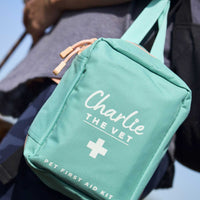
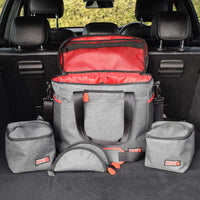
Travelling with your dog requires a bit of thought and planning, especially if you're going away on holiday. In our last article we talked about camping with your dog and gave you some help and advice about how to plan a camping trip with your pets. This time we thought we'd create a list of our favourite travel items for dogs to take on a camping trip. Practical travel accessories to keep them comfortable and relaxed on their holidays. With many of us planning UK breaks as lockdown eases a camping trip might just be the fun you need this Summer.   Here's our list of top things to take camping with your dog:  The Ultimate Capsule Travel Dog Bed by Lords & Labradors - this bed is ideal for travel. The bed is multi-functional, and easily converts into a mattress by removing the detachable top bolsters. Convenient handles on both ends make for effortless carrying, while the detachable fabric covers make for easy cleaning. Its non-slip base ensures stability, and it is filled with foam base, non-woven fibers, and polyester for ultimate comfort. Lords & Labradors Travel Mat - A Lords & Labradors Travel Mat is a must for your camping trip. There are a number of fabric options available to make the mat really warm and inviting, yet super practical. Camping can be chilly even in the Summer months, so providing your pup with somewhere to lay and rest will help to keep them warm when they need it most. Mobile Dog Gear Travel Bag - Your dog is going to need a number of things for their travels and these dedicated pet travel bags have loads of room for toys, pet wipes and a drying towel amongst other daily essentials. One of the best things about them is that they come with a dining set which includes lined pouches for storing dry food and treats, pop-up silicone bowls and a feeding placemat. Super practical accessories for dining on the go. First Aid Kit - Accidents may be rare, but they can happen. A first aid kit for pets is a great addition to your travel bag for camping trips. Having items such as wipes, gauze, bandages, latex gloves and a number of other essentials will keep your mind at ease whilst camping. Pet Calming - Calming products come in handy in all kinds of situations and are ideal for any kind of travel when your dog is in an unusual place; or for pup’s who aren’t keen on travelling. We suggest spraying your dog’s bedding a few days before you go and then use throughout the holiday to help keep your dog stress-free.  Harnesses and walking accessories - You may want to change out your current harness, collar and lead set for a more durable outdoorsy walking sets. There are a number of harnesses to choose from such as those that go over the dogs head, and those that can be stepped into. Opt for a harness that is particularly good for adventuring dogs as it offers freedom of movement with a high level of adjustability. Do ensure the fit is correct and comfortable before using it for your camping trip. Drying Coat - We love to take a drying coat wherever we go as you just never know when you might get caught in a shower. They’re brilliant to put on wet dogs before getting back into the car or the tent. They’ll help wick moisture away from your dog and help to keep them warm. They also stop your dog dribbling excess moisture inside! Sun & Insect Protection - Being outdoors in the Spring and Summer is super fun but it can have its drawbacks too. One of those is the number of insects around at this time of year, and the sun exposure. To help stop them from pestering your dog, you could have them wear a doggy snood or vest. It’ll keep mosquitoes and fleas at bay and leave your pup free to have a good time! Water Bottle - This is a necessary accessory to pop in your travel bag. You could even opt for a folding water bottle so your pup can drink on the go with ease. They're ideal for days out and long journeys.  Pet Wipes - Wipes are an absolute must. Large wipes are a useful size for all kinds of clean-ups and do ensure they are fully pet safe. You can clean your dog’s fur if it gets sticky and also use to clean down bedding or other surfaces when needed. A must for any travel bag and great for camping trips.

By Zac Girdlestone

Read more
Top Tips & Advice For Camping With Your Dog
13.05.21 May 13, 2021 Travel Featured

Top Tips & Advice For Camping With Your Dog

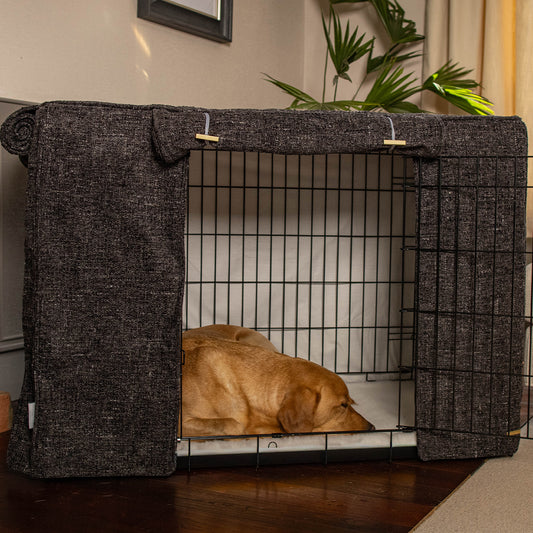
Our pets are as much a part of the family as our human family members, so bringing them along on holiday with us is the most obvious choice if we can. Yes, we could leave them behind in holiday kennels if necessary, but we’d probably all much rather take them along for the trip if possible. If your holiday of choice this year is camping, then you may well consider taking your dogs along for the adventure. Camping offers all kinds of fun for the whole family and with so many dog-friendly campsites our canine family members can easily join in with the trip. In this blog we’ll discuss camping with your dog and give some handy tips and advice to help make your trip go smoothly.   Find A Dog Friendly Campsite  The first thing you will need to do is find a dog-friendly camp site. Luckily, the UK has a plethora of options when it comes to dog-friendly camping so you will be spoilt for choice. You may wish to do some extra research into the surrounding areas to see what other things you can do with your dog. Britain has so many fun places to explore with loads of dog-friendly beaches and parks too. Just remember to check your dogs will be welcome on your travels before you go to avoid any disappointment. Some things to consider are: What dog-friendly activities are there to do nearby Are there any dog-friendly pubs or places to eat? How long is the journey - will your dog be able to cope with it? What are the onsite facilities like? Is there anywhere for your dog to play off-lead? A little bit of extra research into some of these questions will help you to find a suitable place for your needs. It will hopefully ensure you all have a lovely time, not only at the campsite, but when exploring the local area too.   Travel Safely With Your Dog Travelling safely with our pets is important no matter how short or long the journey. Going on holiday will likely involve a longer journey than your dog is used to in their everyday routine, so comfort will be a priority. You’ll obviously need the correct safety accessories for the car including a travel crate or car harness, but we’d also suggest adding a blanket or two and perhaps a chew toy to keep them occupied on the journey. Remember to pack some refreshments for the journey too. If it’s going to take you a couple of hours or more to get to your destination then you’ll need to stop to stretch your dog’s legs, pop to the loo and have a drink of water and a snack.   Pack Your Dog's Things Packing for ourselves can be a bit stressful, but if you’re taking your dog on holiday too, you’ll have a host of other things to take with you. Make a list of your dog’s daily essentials so you don’t forget anything.  They’re going to need: A waterproof travel bed - Your dog’s comfort is important so make sure you bring a travel mattress or other suitable bed for them to sleep in. A waterproof bed is a great option as it will brush down easily if it gets a bit dirty or wet. We love the range of dog beds by HiK9 in particular. They have a range of accessories such as additional blanket toppers to make the bed as warm and cosy as needed. Blankets - Camping can get a chilly, even in the Summer. Bring along some extra bedding to help keep your dog warm at night-time or during their afternoon nap. Food - Enough for the whole trip. Taking a large bag probably won’t be very practical. We’d suggest taking airtight containers with pre-weighed meals inside as they’ll travel much more easily. Travel bowls - A travel dining set for dogs will allow you to serve your dog’s food in a practical way. Pop-up travel bowls are a brilliant choice as they can be stored flat for the journey Toys - At least a couple of chew and throwing/tugging toys. Playtime is an important part of your dog’s day wherever you are and will stop boredom creeping in. A chew toy will keep them occupied on the journey and offer them an activity to do at the campsite when your’e not out exploring. Any medication/supplements they usually take - Keeping your dog's routine as consistent as possible important. Any supplements that your dog takes on a regular basis should be popped in your travel bag.  Pet first aid kit - This could be a collection of things you’ve put together yourself or a store bought first-aid-kit Plenty of poo bags - These should be in your travel bag whenever you leave the house! Pet wipes - These are super practical for all kinds of situations including cleaning your pup down before getting back in the tent or car. A drying coat, mitts or towel - The British weather can be unsettled at the best of times and it’s indefinite possibility that you’ll get caught out in a shower. A drying coat is a brilliant accessory to pop on your wet dog when you get back to the tent. It will stop water getting everywhere and help keep your dog warm. Walking set - We’d suggest a good quality and robust harness as well as a couple of leads.   Respect Other Campers Your dog may find the campsite a really exciting place, especially if they haven’t been to one before. They may want to meet all of the new people they see and they may try to sniff out that barbecue they can smell! Ensure you have brushed up on their training before you go, so that their manners are as good as can be. Having good recall skills is brilliant for situations such as this. If you think you need it, you could take a tether so that they can’t run off whilst you’re outside. This way, you can all sit around the campfire outside the tent or caravan without worrying that your dog will run off. Remember, not everyone loves dogs as much you do and there may be non-dog owners staying at the same location as you. Making sure your dog has good manners and will do as he’s told, will ensure that everyone can have a good time.   Clean Up After Your Dog This is important wherever you are, whether it’s the campsite or when you’re out exploring. Ensure you take plenty of poo bags so you can keep the area clean and remove any other mess that your dog might create. You wouldn’t leave your own rubbish behind and it’s important to remove your dog’s mess too.   More Top Tips for Camping with Your Dog Check your dog’s microchip details – ensure they are up to date in case your dog gets lost. Research a local vet – Having a local vet’s number on hand for emergencies is a really good idea. You never know when an accident might happen.   With a little bit of time and research put into the planning of your trip, we’re sure you’ll have the best camping experience with your dog. If you need any help or advice about the products that we’ve mentioned, please do get in touch. We’re always happy to help!
By Zac Girdlestone

Read more
Dog Harness Size Guide
10.05.21 May 10, 2021 FAQs Featured

Dog Harness Size Guide

Whenever you take your dog on a walk, you will want to ensure that your furry friend isn’t unhappy, in pain or able to escape and run away. For many dogs, a simple collar and lead will tick all of these boxes. But there are breeds that would be more suited to a harness than a collar. For example, a harness may be suitable for dogs that require extra support on the back such as Dachshunds or short-nosed dogs like Pugs and French Bulldogs. Equally, harnesses offer more control over particularly lively dogs or puppies and can be ‘kinder’ instead of constantly pulling on the neck. However, in order for a harness to fit correctly, you need to properly measure to get the size exactly right. In this blog, we offer tips and advice on how to measure your dog for a harness before explaining how you would generally put the harness on your dog and help with adjusting the fit if it’s too loose or too tight.   How do you measure a dog for a harness? Regardless of size or breed, all dogs need to be measured in the same way. However, fortunately, measuring your dog is a simple process and the measurements should be universal when it comes to identifying the correct size and style. Harness sizing is often determined by the circumference of the dog’s neck and chest. As such, these are the measurements you will need.   How to measure dog chest size for a harness To measure your dog’s chest size for a harness, all you need is measuring tape and a pen and paper to note down the measurement. Start by wrapping the measuring tape directly behind your dog’s front legs, comfortably connecting the tape together at the back. You should then make a clear recording of the measurement in centimetres. Sizing for dog harnesses based on chest circumference: Extra Small Between 30 and 44cm Small Between 44 and 56cm Medium Between 56 and 71cm Large Between 71 and 86 cm Extra Large Between 86 and 112cm   How To Measure A Dog's Neck For A Harness A neck measurement isn’t always necessary when picking a harness, but as it could decide the size of your dog’s harness, it would be advisable to make a note of it too. Simply wrap the measuring tape where the base of their neck and chest meet and record this measurement. If, for some reason, the harness you’re considering for your dog is based on the circumference of their neck, the sizing will be calculated in a different way. Sizing for dog harnesses based on neck circumference: Extra Small Between 23 and 33 centimetres Small Between 33 and 50 centimetres Medium Between 50 and 63 centimetres Large Between 63 and 76 centimetres Extra Large Between 76 and 89 centimetres     How to fit a dog harness Choosing a harness that is the correct size for your dog is important, but it’s equally important to ensure that it fits properly. In order to check that the harness is correctly fitted to your dog, you should make sure that it’s put on them correctly, adjusting it using the straps, clips or other fastening system accordingly. How do you put a harness on a dog? There are several different types of dog harness, each offering different benefits. However, while a certain type of dog harness can be more suitable depending on the size and breed of dog, they also require a different approach when it comes to putting them on your dog. Below, we’ve outlined how to put different types of harness on your dog: How To Put On A Back-Clip Harness: Gently pull your dog’s head through the hole in the harness Ensure that the clip is positioned in the centre of their back Fit all clips together and attach your lead to the clip on the back   How To Put On A Front-Clip Harness: Carefully slip your dog’s head through the hole in the harness Adjust until the clip is positioned at the centre of their chest Connect all clips together and attach the lead to the clip in front of their chest   How To Put On A Step-In Harness: Unclip the harness, lay it on the floor and place your dog on top of it Fit your dog’s paws through the corresponding holes in the harness Pull the harness straps around the back of your dog and clip them together at the top   Can A Harness Hurt Your Dog? If a harness isn’t correctly fitted or your dog pulls too much while wearing one, it could cause short or long-term health problems. For example, if a dog harness is too tight around the neck, it can put pressure on the throat and cause damage to the neck and spine, and if it’s too tight around the chest, it can cause an uncomfortable feeling of tightness around the ribs, potentially causing problems in the stomach. Additionally, a dog harness being too tight could also lead to skin irritation and chafing around the top of legs, neck and stomach, particularly on short haired dogs. Due to this factor, it’s vital that you pick a harness that is the correct size, and if it needs to be altered slightly, adjust it accordingly.       How To Adjust A Dog Harness Increasing or decreasing the tightness of your dog’s harness is something you should not only check when you try it on for the first time, but every time they use it. Whether it’s caused by a change in weight or natural growth, it’s to be expected that your dog may change size. Fortunately, however, dog harnesses offer simple methods of adjusting the size. You should first read the instructions to understand ways in which it can be adjusted. For many dog harnesses, there are straps that can be altered to offer more or less room depending on the size of your dog.   How Tight Should A Dog Harness Be? Determining the correct harness size for your dog can be difficult, and as a tight fit could cause harm and a loose fit could make it easier for them to escape from the harness, it’s something of a balancing act. However, there is a rule of thumb that many trust as a way of judging the correct fit for any dog harness. Often also used for checking that a collar isn’t too tight or too loose on both dogs and cats, many people will use two fingers to indicate enough space between a dog and a harness. Once you’re happy with the fitting of your dog’s harness, put two fingers into each section, and if they  fit comfortably, the sizing should be suitable and unlikely to cause any harm to your dog.

By Zac Girdlestone

Read more
Dogs and Toxic Oak Processionary Moth Caterpillars - Health Advice for Dogs
09.05.21 May 09, 2021 Health Featured

Dogs and Toxic Oak Processionary Moth Caterpillars - Health Advice for Dogs

With the lovely weather that Spring brings with it, there are a number of other changes to the environment too. The flora and fauna of the countryside begins to flourish and many species that have been hiding during the colder months, begin to reappear. One of the species that begins to make an appearance at this time of year is the Oak Processionary Moth Caterpillar which are mainly seen between May and July in woodland areas. These caterpillars contain a substance that is toxic to dogs and can irritate their eyes and throat. With May being Walk in the Woods month, we thought we’d highlight the problems that OPM Caterpillars can cause. In this blog we will take a closer look at the OPM Caterpillar, tell you how to identify it and explain what to do if you think your dog has come into contact with it.   What Is An Oak Processionary Moth Caterpillar? The oak Processionary is a type of moth whose caterpillars are often found in Oak trees. They tend to travel in lines, nose-to-tail, hence their name. Their bodies are covered in thousands of tiny hairs which can come away from their bodies and blow about in the wind. These hairs are incredibly irritating to pets and people causing itching, amongst other problems.   What If My Dog Touches An Oak Processionary Moth Caterpillar? Dogs love to be nosey and part of the fun of dog walks is sniffing out new and exciting things. If you’re walking in woodland your dog will love exploring the new surroundings and may well come across all kinds of things. If your dog comes into contact with an OPM; that could be sniffing, licking, picking up or eating one, you may notice a range of symptoms such as swelling, drooling, gagging, eye irritation, vomiting or difficulty breathing. Generally, symptoms won’t go any further than irritation, but it’s still best to call your vet for advice.  In rare case, dogs can suffer allergic reactions in which case you should take your dog to the vet immediately.   Can I Protect My Dog From Oak Processionary Moth Caterpillars? If you notice these caterpillars on your travels, you need to do your best to keep your dog away from them. If they’re walking off the lead, call them back to you and keep them at heel. If you notice any of the symptoms mentioned previously, give your vet a call for advice. Serious allergies are rare, but it’s best that you monitor your pet’s condition over the following days. The best thing to do is try to keep them away from the caterpillars altogether as there are no vaccines to prevent irritation or allergies.   Where Do Oak Processionary Moth Caterpillars Live? The caterpillars are found in woodland areas but can also end up in gardens and other outdoor spaces. They are mainly found in southern parts of the UK including London, Berkshire, Essex, Surrey and the surrounding areas. This doesn’t mean they won’t be found elsewhere though, and it’s worth keeping an eye out for them on any woodland dog walk.   Do Oak Processionary Moth Caterpillars Harm Humans? The effects of touching an OPM caterpillar tend to be more irritable than serious. Many people develop itchy eyes, sore throats or rashes whilst only a rare few suffer serious allergies. If you need to help remove a caterpillar from your dog, it would be best to do so whilst wearing rubber gloves to help protect your skin and dispose accordingly.   What Should I Do If I Find An Oak Processionary Moth Caterpillar? Oak Processionary Moths are not native to the UK but were accidentally imported. If you think you have found one you can report the sighting to the Forestry Commission.   Have fun and stay safe on your dog walks Dog walks should be fun wherever you go. With a little care and attention, you’ll soon be enjoying adventures in the woods with your four-legged friend. As we mentioned earlier, it’s Walk in the Woods month and we wrote a dedicated article all about dog safety in the woods. If you’d like to take a look, you can read the blog post here.

By Zac Girdlestone

Read more
Walk In The Woods Month: Walking Your Dog Safely In The Woods
06.05.21 May 06, 2021 Health Featured

Walk In The Woods Month: Walking Your Dog Safely In The Woods

Did you know that May is Walk in the Woods month? It's a time to get out and about and appreciate our local trees. It's also a brilliant opportunity to take our dogs somewhere new for their walks. Since lockdown began to ease, we’ve been enjoying more adventurous days out with our dogs. From walks on the beach to afternoons in the park, we’ve enjoyed taking any opportunity we can to enjoy the great outdoors. The woods are an exciting place to take our dogs for a walk. Woodland areas offer a range of different experiences for our canine friends including different smells and textures that they may not get to experience at their regular dog walking locations. If you’re planning to take your dogs on a walk in the woods, there are a few things to think about to make it a day to remember for both of you. Read on to explore our tips for walking your dog safely in the woods. Advice for Dog Walks in The Woods Stick to paths - Many woodland areas that are suitable for dog walking have designated paths and it’s important to stick to these. The woods are alive with precious species of flora and fauna and we need to do all we can to protect them. Sticking to pathways will help protect the wildlife and also ensure you don’t get lost! Be aware of wild animals - You may come across all kinds of wildlife on your adventures into the woods and it’s imperative that they are respected. You may come across ground-nesting birds (which often nest between March and July) or even livestock. If you do see wild animals, please don’t let your dog chase them or scare them even if you think your dog is just being playful. Pop your dog on a lead around wildlife and keep the walk pleasant for the local residents as well as your dog. Be careful of sticks - As we all know, dogs love to play, and the excitement of being somewhere new will only make them more playful. Sticks may seem like the ideal thing to play with, but actually come with a couple of risks to your dog. It may seem harmless enough, to throw a stick for a game of fetch, but sticks can actually cause splinters in the mouth, cuts on your dog’s body and even pose a choking hazard. We’d suggest taking one of your dog’s toys to the woods with you instead of using found objects. A dog ball, rope toy or other dog throwing toy is a brilliant addition to your travel bag for an outing to the woods.  Be aware of poisonous plants - As in any outdoor setting, you may come across plants that are poisonous to dogs. It’s probably best not to allow your dog to eat any wild plants that you come across on your walks, but you should be particularly aware of poisonous species such as Bluebells, Dog’s Mercury and Foxgloves, amongst others. Your pet may even have an allergy to a plant that is usually dog safe, so just be aware of any changes in their condition. If you think your pet has eaten a poisonous plant, perhaps they have an adverse reaction such as vomiting, you should seek medical advice from your vet immediately. Keep your dog on a short lead - It’s important that you have the correct lead for when on-lead walking is required. A good quality short lead (non-retractable) and matching walking accessories would be best to give you good control and to keep them close when you need to. This will be ideal if you come across areas with nesting birds or areas with livestock. There may be times on the walk that you feel it’s safe to let your dog off the lead, and as long as they have good recall training it should be fine to let them free for a while. If you come across other dog walkers it's best to keep your dog at heel. If you notice that their dog is on a lead, you should put your dog on a lead too. You never know at what stage of training other dogs are at, or how they react to pets that they don’t know. Be cautious and respectful at all times. Don’t forget their treats - Make sure you bring along your dog’s treats so that you can reward their good behaviour. You may need to put their training to the test at certain times on the walk and a few treats will hopefully help to instil their manners. Take drinking water with you - This is a must on any day out. Just like us humans, our dogs will need some refreshments during the day. Some locations may have a dog-friendly coffee shop with water bowls for dogs, but other more remote locations may not which means you’ll have to take your own. We always like to pack the car with a travel bowl and a flask of water so that we can feed our canine friends wherever we may be. We stock a brilliant range of travel bags that come with pet travel bowls and room for your other pet travel accessories too. Check for ticks and fleas - When you get home, make sure to check your dog for any signs of ticks and fleas. Check their whole body, feeling down to the skin. If you feel any bulges, part the fur and check for ticks. If you find a tick, remove it with tweezers pulling it away from the skin. After you’ve checked for ticks, give your dog a good comb with a fine-tooth metal comb. Rake it through your pet’s fur checking for signs of fleas on the comb. If you do find any, give your pet a good bath with a flea treatment to kill the fleas. We’d suggest treating your dog with a Flea and Tick treatment before taking them out to keep such pests at bay. There are also some brilliant Insect repelling products such the Scruffs Snood. These are great for outdoor pursuits where insects could irritate your dog. Remember to plan ahead - As with any post-lockdown day out, make sure you plan ahead. Many locations remain closed or with some restrictions still in place. Ensure you know what the rules and regulations are at the place that you're visiting, and take any provisions that you'll need to help you stick to them.   Wherever your dog walks take you, we hope you enjoy your adventures with your canine companions. Hopefully we've given you plenty of helpful advice to keep your outdoor exercise fun for everyone whilst keeping you safe too. If you need any more advice in terms of certain health conditions and risks, you can always chat to your vet who will be happy to give you advice tailored to your specific dog. 

By Zac Girdlestone

Read more
The Best Cat Travel Accessories
25.04.21 April 25, 2021 Travel Featured

The Best Cat Travel Accessories

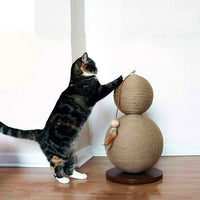
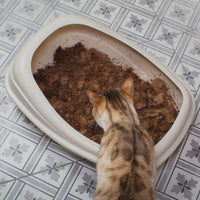
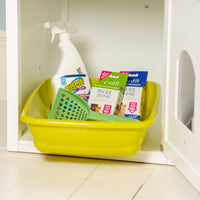
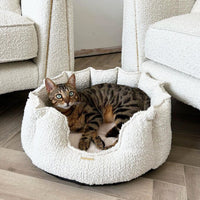
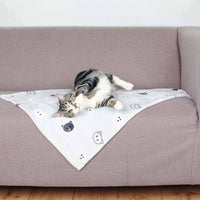
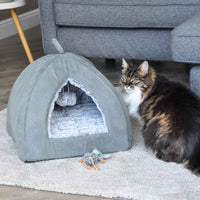
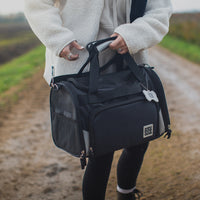
Travelling safely with our pets is an important consideration for all pet owners. From short trips to the vet, to longer day trips and holidays, it’s important that you and they get to the relevant destination in comfort and safety. This doesn’t just go for dogs and their owners, but cats too. Many may wonder how much travelling a cat is likely to do, but some people travel with their feline pets just as much as some dog owners travel with their canines. Many pedigree breeds that are kept indoors are taken on holiday by their owners, rather than housing them in a cattery, which can mean a long journey in the car.  This calls for a good set of travel accessories so that you can transport them in comfort and keep them safe whilst doing so. ​ Our Favourite Accessories For Travelling With Your Cats Cat Carrier - An essential item that no cat owner should be without is a good quality pet carrier that is safe for car journeys. Hopefully vet visits will be few and far between, but on the occasions that your cat does need to see the vet, you need to be able to transport them there safely. A cat carrier that is certified safe for car and train travel would be ideal. One of our favourites is the Catit Cabrio Carrier that has lots of lovely features including a shoulder strap and removable water bowls for on-the-go snacks. This would also be perfect for longer journeys too, and it has plenty of room inside even for larger cats. If you’re looking for something more traditional and only need it for local trips to the vet then the Rattan Carrier by House of Paws is a stunning option. You could take the door off when not in use and use as a cat bed too   Cat Blanket - One of the most important things to do when travelling with any pet is make them feel comfortable. Trips to the vet can be stressful for anxious pets and car journeys can also be nerve wracking if your cat isn’t used to them. Make the inside of the carrier as cosy as possible with their favourite blanket. This will also make them feel at home if they are staying overnight somewhere new. Our range of cat blankets includes the super cosy luxury velvet and sherpa blanket that comes in a range of colours. We also love the Lord Lou faux fur blanket which can roll up for travel. If you’re buying a new blanket just remember to get it a week or so in advance of the journey so that the blanket smells of home before the trip.   Compact Cat Bed - If you are going for a weekend away and you’re bringing your cat along, take a compact bed that can be packed in the car with you. We like the Round Cosy Cat Cave as it is a soft fabric bed that will be easy to pack. The cave style will also give kitty somewhere to retreat and hide when they get to their destination. A good alternative is the felt pet bed that pops up with press studs and can be stored flat. A brilliant travel item for storing in the car! Travel Bowl - If you’re preparing for a long journey then you will need to think about food and water. Your cat may not feel like eating if they’re nervous, but it’s best to be prepared just in case. The Beco Travel Bowl is a great accessory as it can fold flat and pop up when you need it. An ideal option for water on the journey, but also to use as your cat’s main bowl on nights away. Travel Water Bottle - If it is a long journey and you want to stop on the way to give them some water, then a pet travel bottle is a great way to transport it.  This one by Dexas has a second compartment for treats or food too, and it comes with a pop-up bowl as well   Travel Bag - If you’re going to take your cat on holiday, you may wish to take a pet travel bag for them. These Overland bags come with an array of handy food bowls with extra space for other feline essentials. You’ll be able to pack some of your cat’s favourite food as well as some of the other items on this list.   Cat Toys - Keeping your cat relaxed is a must and taking a couple of their toys on the journey will offer something familiar for them to snuggle. It will also keep them occupied if you’re staying overnight somewhere. Pet Wipes - Pet wipes are brilliant for all kinds of clean-ups and an essential for any pet travel or grooming bag. They can be used to clean up food spillages and accidents, as well as for cleaning your cat if they manage to soil themselves.   Cat Treats - Mmm, delicious cat treats! A tasty snack or two is always welcome and is a brilliant reward for your cat’s good behaviour when travelling.   Small Scratch Post - Another essential for any overnight stay is a scratch pad or post. The last thing you want is for your cat to scratch the soft furnishings - even pet-friendly holiday locations will frown upon a ruined sofa! Find a small scratch post that you can pop in the car easily. We have a few great options in our shop including flat scratch pads that can hang on door handles and compact posts that simply unscrew from the base for easy storage and transportation.   Compact Litter Tray - Your cat will need somewhere to toilet if they’re staying somewhere overnight so a compact litter tray will be needed. The kitten starter set could be a good option for travel as it would be fairly easy to pack without taking up too much room. If it’s too small for your adult cat though, perhaps a simple rosewood litter tray would be sufficient. It might seem like a large thing to pack, but if you pop some of your other items inside it, you can save space in your car.   Pet Remedy Calming Products - Pets can feel stressed and nervous in strange places and situations. This can be even worse for cats who aren’t used to travelling. These all-natural calming products by Pet Remedy are brilliant for keeping nervous kitties calm. We’d suggest using them a few days before you’re due to travel and then on your travels as well. There are a number of products to choose from. We like the plug-in diffusers to use at home along with the spray which can be used on bedding. You can then take the spray and some of the wipes on any journeys you may have. We’d consider the All-in-One Calming Kit as it includes one of each of Pet Remedy’s most popular products.   The main thing to consider when travelling with your feline family members is to make them feel as comfortable and calm as possible. Providing them with as many home comforts as you can, will really help them to settle on journeys and in new places. If you’re concerned about travelling with your pets, you could always have a chat with your vet to see what they suggest too.  If you have any questions about any of the products listed in this article, please do get in touch. We’re always happy to help as much as we can.

By Zac Girdlestone

Read more
Everything You Need For Your New Sphynx Kitten
22.04.21 April 22, 2021 Cat Breed Guide Featured

Everything You Need For Your New Sphynx Kitten

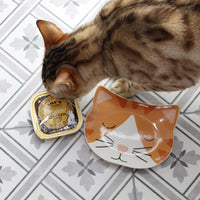
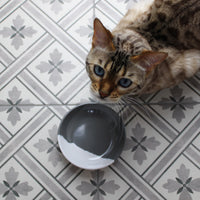
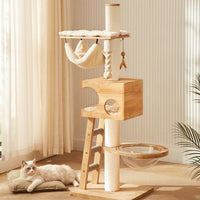
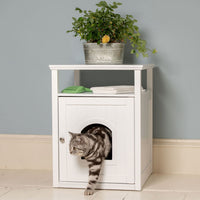
Whether you’re a first-time cat owner or you’ve been an owner before, awaiting the arrival of a new pet is super exciting! You may also feel a little nervous in anticipation, as it’s important to have everything ready. We all want it to go smoothly when we bring a new pet into our home and that means having their space ready and having all the essentials on your shopping list ticked off. Whilst every cat has similar needs, some breeds are slightly different and may need some specific items that other cats don’t. In this article we’re going to concentrate on the Sphynx cat. The Sphinx is a beautiful hairless cat breed with really distinct features such as their fur-free body. Read on to find out more about the breed and find out what you’ll need if you’re going to make a Sphynx your next pet.   About the Sphynx Cat Breed The Sphynx is arguably one of the most distinctive cat breeds, renowned for its hairless appearance and prominent wedge-shaped head. Also known as the Canadian Sphynx, they were first bred in Canada where selective breeding was used to develop and hone their unique appearance. Whilst the Sphynx does not have the same grooming needs of a long-haired breed, it is not in any way maintenance-free. In fact, they tend to have very oily skin - where other breeds hair would soak up any extra oils produced, in this case the oils can build up on the skin. Regular bathing is a must! Sphynx cats are known for their high levels of energy, intelligence and affection for their owners. If you make a Sphynx your next pet you’ll certainly know about it as they can be vocal and extremely loving. They will probably follow you around the house or greet you at the door; and if you leave them alone in a room, expect them to call out for you until you return! Their sociable nature means they crave company, and they don’t adapt well to a solitary lifestyle. If you have a busy social calendar or work long hours, it’s best to get two together (the other cat could be a different breed), so that they have company when you can’t be around. If you’re looking for a feline who displays their affection for you then this could be the breed for you. They will offer you the companionship that many other more aloof breeds won't.  But “what do I need for a Sphynx cat?” you may ask! Here’s our Sphynx kitten shopping list:       The Sphynx Cat Shopping List Cat Bed Every cat needs a cosy bed, and the L&L velvet cushion is just the luxury style that your Sphynx kitty will love. A super sumptuous velvet fabric in a subtle shade of mink, the bed is soft and squishy and just made for catnapping! The bed has a reversible inner pad too with a cosy Sherpa on the reverse which will offer extra warmth when your cat needs it most. Sphynx can feel the cold just like humans - if you’re cold, they’re probably cold. Giving them a bed made of warming fabrics like this will allow them to regulate their body temperature.   Cat Blanket A blanket will add an extra layer of warmth when your cat needs it most. It’s ideal for the winter, but also as an addition to your cat’s carrier when you take them to the vet. Our luxury blankets come in a range of stunning velvets with Sherpa linings. They look stunning and they’re practical too!   Cat Carrier A must for every cat owner is a comfortable pet carrier. You’ll need it from the day you collect your new kitty to help transport them home safely, so it’s important to have one ready in advance. There are a number of brilliant and practical cat carriers available including the contemporary Cabrio carrier by Catit and the more traditional Rattan Carry Basket by House of Paws. We particularly love the Catit carrier as it has a multitude of features including inbuilt bowls for on-the-go feeding on long journeys and its ability to fasten safely into the car with a seatbelt. Whichever you choose, don’t forget to add your kitten’s blanket inside to make it cosy!   Premium Quality Cat Food The diet you feed your Sphynx will have a huge effect on the condition of their skin. The hairless breed is prone to greasy skin so keeping on top of this is a priority. The better quality the food, the less likely they are to produce excess oils. We like the Lily’s Kitchen range of cat foods as they have a high meat content and are grain- free. They also make a range of delicious wet foods too. Our suggestion would be to speak to your breeder and your vet about what foods they think are best so you can make an informed choice.   Cat Bowls A low whisker-friendly bowl such as the ones by Catit or the saucers by Tarhong will allow your cat to feed in comfort. The latter come in a range of stunning colours and are ideal for portions of wet food.     Cat Water Fountain Keeping your Sphynx cat hydrated will help to keep their skin in good condition. Dehydration can cause all sorts of skin irritations so doing everything you can to prohibit that is a must. A Catit Water Fountain will encourage your cat to drink more. Cats can be reluctant to drink from stagnant water, so providing them with flowing water like this is a great way to get them to drink. The water is filtered too so will be free of any nasties. There's a mini version for kittens and small cats and a larger version that you can upgrade to for adult cats.   Cat Shampoo You may think that a hairless breed won't need as much grooming as a long haired one, but that isn’t actually the case. The oily nature of the Sphynx’s skin means that regular shampooing is necessary to get rid of accumulated dirt and grime. Use a good quality, all-natural shampoo that is free from soap and always make sure to dry them thoroughly straight away to stop them getting cold.   Ear Cleaner As Sphynx don’t have any fur around the ears, wax can build up more quickly than in other breeds. An ear cleaner made especially for pets is a great way to keep your pet's ears healthy.   Skin Balm Whilst your Sphynx may have oily skin, they can still get dry patches on their elbows and knees as well as behind their ears. Use a good quality skin balm such as the one by Dene’s, will help nourish any dry patches.   Oral Care Products Sphynx cats are prone to bad teeth. It’s really important that they have regular dental check-ups with the vet and that you try your best to look after them well. The Oral Care products for cats by Tropiclean will help to keep your cat’s teeth clean and healthy.   Large Cat Scratch Tree Your Sphynx cat will probably live solely indoors which means you will need to provide them with an environment in which they can sate all of their needs, including their desire to scratch! A tall scratch tree complete with scratch posts and platforms will give them somewhere to climb and exercise too, so we’d suggest choosing something tall with multiple posts. This will give them room to climb and scratch until their heart’s content and will hopefully divert them away from your soft furnishings and furniture! One of the risks of keeping a cat indoors is that they’ll get bored, so providing them with cat furniture such a tall cat tree will help keep them stimulated and in good health.   Cat Litter Tray Every cat needs a place to toilet so a cat litter tray is a must, and this hooded litter tray by Catit will give them a private place to do it. Sphynx poop can be extra stinky so having a covered tray will help to contain the smell until you have chance to clean it. If you'd like something that blends in with your furniture then look no further than our very own Cat Washroom. We designed the washroom to blend in with your furnishings complete with a handy shelf to store necessities. Simply pop your standard litter tray inside (it fits most compact litter trays) and your cat will have somewhere private to do their business! Cat Litter  We’d suggest the Words Best Cat Litter which is dust-free and has brilliant odour control. The clumping litter is really easy to clean out too, making it really practical. You can get by with just cleaning out the dirty parts rather than the whole tray and then topping up as needed. Don't forget a scoop to help you clean it out. Don’t forget Cat Toys! Every cat loves to play as it’s a time when they can enjoy their favourite things such as ‘hunting’ and ‘chasing’. Sphynx cats are highly intelligent and may get bored easily, so it’s important to provide a range of playthings to rotate to help keep things exciting for them. A series of interactive cat toys that can really stimulate your feline would be ideal. Something from the Catit Senses range would be perfect such as the Play Circuit and Food Tree - you can interconnect different toys from the Senses range to create an indoor cat playground that is sure to keep your loveable feline entertained for hours.  We hope our shopping list will be of help in selecting the things you'll need if you're getting a Sphynx kitten. We 'd always advise speaking to your breeder, and your vet too, as they will be able to help you make informed decisions relating to your circumstances and your particular kitten.  If you need any help or more information relating to any of the products mentioned, please do get in touch and we'll do our best to help!

By Zac Girdlestone

Read more

loyal customer in 17 countries

Why Shop With Us?

  • Free Delivery

    Orders over £75 qualify for free standard UK delivery. Orders under £75 will be calculated at the checkout.

  • Shopping Made Easy

    Gain exclusive access to sales and shop all your pets favourites on the go by downloading our app.

  • Designed in the UK

    Our own brand products are lovingly designed in our specialist UK workshop to our exacting standards.

  • We're Here For You

    Contact our Pet Experts on Chat or by email at sales@lordsandlabradors.co.uk