





Lords & Labradors Information Hub

The home of handy tips and advice dedicated to pet owners

Our Favourite Accessories For Day Trips With Your Dog
18.04.21 April 18, 2021 Owning a Dog Featured

Our Favourite Accessories For Day Trips With Your Dog

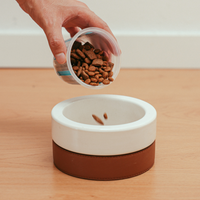
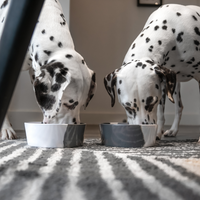
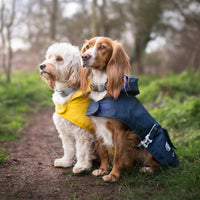
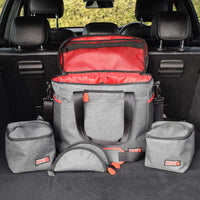
This week in England, the lockdown restrictions have been relaxed a little more and we can now enjoy a drink or meal in an outdoor space at restaurants and cafés. This gives us even more chance to get out and about and means we can now spend longer periods of time outdoors. This is great news for our dogs too as they will be able to come with us on ever longer walks. Picnics in the park, ice cream on the beach and lunch in the gardens of dog friendly pubs will all be possible. We can’t wait to get out about and enjoy some socialisation with friends we haven’t seen in a while, whilst spending some valuable time with our dogs as well. With this in mind we thought we’d share with you some of the products we like to take out with us at this time of year. These are our favourite essentials for dog walks and outings that we couldn’t live without   Travel Feeding Sets One of the things that we’re most excited about at the moment is the thought of a coffee or lunch in an outdoor restaurant or café. With the weather becoming milder (despite the odd flurry of snow that we’ve had recently!), the opportunity to enjoy the outdoors with some refreshments is hard to turn down. And our dog’s shouldn’t miss out on the fun, which is why travel feeding accessories are high on our must-have list of products. Whether it’s a small set of travel bowls for a short trip to the beach, or a larger backpack of items with space to pack other things for a day trip, we have a host of brilliant accessories designed to make on-the-go meals a breeze. For a quick lunch in town - We’d suggest a Beco Travel Bowl teamed with a small H2O flask. If you want to add in a snack for your pup then try the Dexas Popware Snack Duo. When you stop for a coffee break or a sandwich, you’ll be able to serve your four-legged friend a drink of water or small portion of food too. For a daytrip to the park or the beach - If you’re going somewhere for the afternoon or even the day, you may need some extra provisions for your pup. The Backpacks by Mobile Dog Gear come with travel bowls for both food and water, and also have space to fit any other dog accessories you may need such as wipes, toys, a drying coat, poo bags and any other essentials.   Outdoor Toys At this time of year when the weather is pleasant, dog walks can easily be turned into playtime! There are loads of fun throwing toys that will make a day at the beach or park super fun. Here are some of our favourites: Chuckit Sport 18M Ball Launcher - Sometimes the simplest games are also the most exciting and that definitely applies to games of fetch with a dog-safe tennis ball. Give the game a little extra distance with this throwing launcher by Chuckit. You’ll be able to send the ball flying way further than usual and your dog will get tons of exercise as they retrieve it. Ideal for games of fetch on a quiet dog-friendly beach. KONG Tag-A-Long Ball - If you don’t have the space for throwing the ball long distances, a regular ball thrown by hand might be a better option. This one in particular is great for taking on walks as it can be attached to your dog’s lead leaving your hands and pockets free for other things.   Dog Poo Bags No dog owner should leave the house without poop bags and we have some practical solutions for storing them and taking them on your travels. Beco Pocket Poo Bag Holder - This is a super popular item at Lords & Labradors, combining practicality with sustainability. It’s really easy to use and clips to your dog’s lead so you don’t have to worry about remembering it when you leave the house. It’s also made of eco-friendly biodegradable materials, so it’s good for the environment too. Don’t forget to stock up on spare poo bags to put inside when it’s empty! Cocopup London Poop Bag Holder - Cocopup is brand new to our ranges at L&L and we cannot get enough of their delightful prints and practical accessories. Their poop bag holders have a handy clip so it can be attached to a lead and there’s even a zip pocket so you can pop your keys or a bit of change inside. Discover the other matching accessories here.   Dog Training Treats It’s important for us to treat our dogs for good behaviour even when we’re out on a walk. It could be a reward for good manners crossing the road or it might be for trying hard in a game at the park. Make sure you always have a treat or two to hand so you can show your dog your appreciation.   Collars, Leads and Harnesses Of course you can’t leave the house without a walking set. A harness that fits well is our walking accessory of choice as it gives more comfort and support than using just a collar. If the weather looks like it might take a turn for the worst you may want to consider a dog coat as well. Take a look at our recent article, The Best Dog Coats for Spring to see which styles we recommend for this time of year.

By Zac Girdlestone

Read more
Brand Spotlight: Cocopup London - Adorable Walking Sets for Stylish Pups
15.04.21 April 15, 2021 Product Spotlight Featured

Brand Spotlight: Cocopup London - Adorable Walking Sets for Stylish Pups

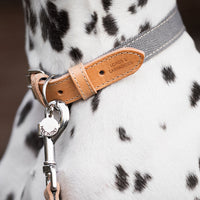
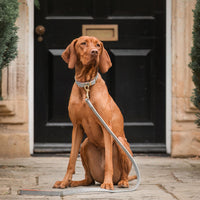
You may have noticed that we’ve added some fabulous new brands to our collections. We’re continually working to find the latest pet brands around so that we can offer you the best choice possible. In this week’s article we shine the spotlight on Cocopup London; a brand who have made it their mission to create fun and stylish walking accessories for your dogs. Here we talk a little bit about the brand and also highlight some of our favourite pieces from the collection. About Cocopup London The idea for Cocopup was conceived by best friends Charlie and Jess. The friends are the brains behind fashion brand Coconut Lane and decided to branch out into canine accessories. Having welcomed a dog, Ralph the Cavapoo, into their lives during lockdown 2020, creating fashionable accessories for their new pup was the most natural evolution, and Cocopup was born! Cocopup offer adorable accessories for fashion conscious pups in the cutest patterns and colours you can imagine. And what’s more, they all match the main Coconut Lane collection, so your dog can match your own style - what could be cuter than that?! Cocopup London Dog Collars, Leads and Matching Accessories The Cocopup London range is made up of capsule ranges of dog products each featuring a striking print. Each item is made to be practical and stylish, working well in your pup’s daily routine whilst looking fab. You will find dog collars, leads and harnesses as well as matching bandanas, bow ties and poop bags. Your canine pals really will be the best dressed on their daily dog walks. Here are the key features of each item: Cocopup Dog collar - Made from strong webbing and lined in soft neoprene for great comfort. They’re fully adjustable for a good fit. Cocopup Dog Lead - Made from the same durable materials as the collar with padded neoprene lined handle for comfort. The black swivel clips make them easy to attach and remove from your dog’s harness or collar. Cocopup Dog Harness - Lightweight, soft and comfortable, the harnesses are made from neoprene which is quick drying. They have a fully adjustable chest strap and they’re reversible so have 2 looks in 1! Cocopup Bow Tie - Make your pup's collar even more adorable with an added bow tie. Simply loop on to the collar with a Velcro fastening - the perfect addition for those special occasions. Cocopup Bandana - Your dog will look fab in these bandanas. Lightweight and breathable, they’re super comfortable for your dog to wear. Cocopup Poop Bag Holder - A super cute take on an everyday essential. They come will a free roll of poo bags and feature a zip pocket to store your keys. Just clip it to your dog's lead any you'll never forget your poo bags again!   The Cocopup Prints The thing that we love most about the Cocopup range is the use of colour and print that makes these dog walking accessories stand out from the crowd. The design team have taken the essence of the Coconut Lane brand and applied it all to the Cocopup range. The result is a range of practical accessories for dogs that look fabulous too. Here are the prints to choose from: Cocopup Cow Print - This animal print is realised in a monochromatic colour scheme offering a striking modern look. Your little fur babies will grab all of the attention on their walks wearing this daring design! Cocopup London Camo Print - If you want to make a bolder statement, then look no further than the camo print. A stylish update on a classic pattern, it is finished in a contemporary colour palette of green and pink. Cocopup Khaki Leopard Print - Take a walk on the wild side with Cocopup’s take on the leopard trend. A beautiful green fabric with black and orange markings, your dog will look super cute in this. Cocopup Dalmatian Print - A black and white spot print with contrast pastel hues; either blush or mint. A stunning print that is perfect for those who like they’re prints on the subtle side of fashionable! There’s a style and colour palette in the range to suit every taste; whichever print you choose your pup is sure to look great!   Match your own style to your dogs Did we mention that we have tops for puppy parents that match their pup's accessories? Now you can share your proud 'Dog Mum status' with one of our Cocopup London sweatshirts! All available in unisex sizing up to an XL, they would make a brilliant gift for any dog loving pet parent.

By Zac Girdlestone

Read more
Be A Doggy-Do-Little
08.04.21 April 08, 2021 Owning a Dog Featured

Be A Doggy-Do-Little

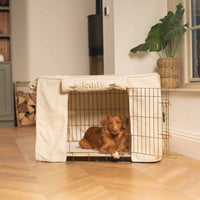
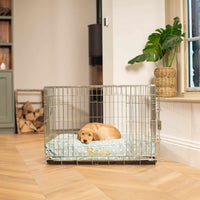
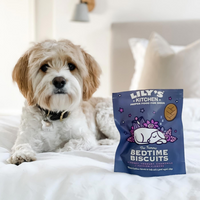
We all know how important sleep is for our overall health and wellbeing - and it’s no different for your dog either. The truth is, your pup needs their fair share of slumber to keep their tails wagging, but exactly how much shuteye do they need, and what can you do to ensure they’re getting enough of it? Our recent “Be a Doggy-Do-Little” campaign looks into the ways that we can help our precious pooches snooze soundly, but it’s vital that you appreciate what their sleep needs are. Keep reading to find out more about a typical dog’s sleep schedule, as well as some all-important bedtime tips and tricks.   Understanding your dog’s sleep needs First and foremost, it’s important to understand your dog’s sleep needs, as well as recognising the fact that they need this rest in order to stay feeling happy and healthy. Generally speaking, adult dogs need approximately 12 to 15 hours of shuteye per day, with this being split up into daytime naps followed by a longer stretch of sleep at night. Puppies, although bursting with energy, may require as much as 18 hours of sleep per day, and while they may struggle to sleep through the entire night at first, it’s nothing a little training can’t fix. It’s actually very normal for your pooch to spend about 50% of their day snoozing and 30% “resting”, meaning they are “active” for 20% of the day - but why does your dog sleep so much? For the most part, your pup will choose to take a nap when there simply isn’t anything better to do, and it could even be that your four-legged friend just really loves to lounge. It’s also important to note that larger breeds need to work harder in order to move around, meaning that they require time to rest, while smaller, younger and more agile pups tend to race about, burning up energy before crashing into a deep sleep until their bodies have recovered. When your dog needs to sleep, they will sleep, and it’s crucial that as their owner,  you allow them to get the much-needed slumber they deserve.   How to help your pup snooze soundly As part of our “Be a Doggy-Do-Little” campaign, we’ve explored a plethora of ways in which you can help your pup snooze more soundly. Make sure you check out the full campaign for our entire range of useful and practical tips - but if you’re keen for a sneak peak in the meantime, keep reading...   Comfort comes first Just like us, your pup needs somewhere comfortable to sleep in order to get the rest they need. If your pooch snoozes in a traditional style dog bed, make sure it’s big enough for their breed and size, as well as super cosy and cushioned. If your pet sleeps in a crate, you can make the inside snug with a bumper and a soft padded bed, and even include a drop-down cover on the outside for extra privacy. Ideally, their sleep space should be quiet, draught-free and warm, giving them the privacy they need to unwind and recharge.   Routine is everything Creating a simple but effective bedtime routine for your furry friend can work wonders in helping them get ready for a night of sleep. This routine can include timing their evening meal just right so that they are able to snooze on a full tummy, or adjusting this mealtime for puppies who may need longer to digest their dinner ahead of bedtime. It’s also a good idea to keep the vibe in your home calm and quiet in the hours before lights-out so that your pooch can get ready to drift off.   Good habits go a long way When it comes to your pup’s sleep schedule, adopting good bedtime habits can go a long way. For example, it’s worth fitting in a quick bathroom break before your pooch settles down for the night so they can relieve themselves, reducing the chances of them waking in the night. It’s also a good idea to avoid slipping into the habit of letting your furry friend share your bed. While it might be tempting to snuggle up, allowing your pup to sleep next to you can have a negative effect on the quality of sleep for you both, so it’s best that you stick to your separate sleeping quarters.   Better sleep, better health Like us, dogs need adequate sleep in order to stay feeling happy and healthy. Taking a snooze allows your pup to rest and recharge so they can wake up ready to take on the day ahead. For puppies, getting enough slumber is crucial for development and growth, while older dogs need their sleep to let their bodies recover from the day’s activities If your pooch is struggling to get the sleep they need, there are a number of small changes you can make to their diet that could help them drift off. For instance, it could be that your pup’s current diet is too energy-rich, meaning that they are not able to switch off properly. It’s thought that certain additives, proteins and other nutritional components have a lot to answer for when it comes to sleep and overall behaviour. With this in mind, it’s a good idea to do your research to figure out what type of food your canine pal should be eating based on their breed and age to help them sleep soundly. You could even offer your pup specially designed bedtime biscuit treats containing ingredients that can aid a blissful bedtime, such as honey, yoghurt and camomile. You might also want to consider offering your pup a natural sleep supplement, such as melatonin. However, it’s best to speak to your vet first to ensure you’re using the most safe and effective type of supplement for your four-legged friend. How do you make sure your pooch sleeps well every night? Share your tips and tricks using the hashtag #SleepForDogs. Your browser does not support the video tag.  

By Zac Girdlestone

Read more
Indoors vs Outdoors - What Is Best For Your Cat?
08.04.21 April 08, 2021 Health Featured

Indoors vs Outdoors - What Is Best For Your Cat?

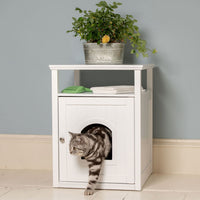
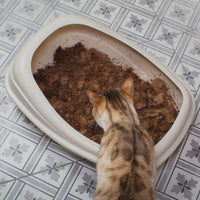
When most of us think of cats we probably envisage playful felines climbing trees or stalking the local pigeons. There’s no doubt that cats love the outdoors. The outside is like a giant playground for cats who love to climb, chase and play. But many of us choose to keep our cats indoors and, with the right kind of care, that can be okay too. There are pros and cons to both options and there are many things to consider when deciding whether to let your cat outside or keep them as house cats. Here we discuss some of the main things to think about when choosing whether to allow your own feline to roam outside or keep them indoors.   Should I Let My Cat Outside? The likelihood is that your cat is going to really enjoy the outdoors. There is a plethora of things for them to discover including trees to climb and wildlife to experience. Cats naturally like to roam and allowing them outdoors will give them a wider space to do just that. Some cats can become anxious if kept indoors, especially if they aren’t given enough things to do, or enough socialisation. Allowing them outdoors can relieve them of stress which can in turn stop them from doing negative things indoors such as scratching furniture. Bored cats can develop a number of other bad habits such as fouling outside of the litter box and marking their territory by spraying. These things are less likely to occur if your cat is allowed to let off steam and enjoy an open space. What are the main benefits of letting your cat outside? More space for their territory - cats are territorial by nature and allowing them outside will give them a bigger space to make their own. They can express natural behaviour - cats like to scratch and some like to spray to mark their territory. Whilst this is natural, as owners we often don’t want them doing these things in the house. Letting them outside allows them to scratch in a ‘suitable’ place without damaging the furnishings. Interesting environment - the great outdoors is full of all kinds of interesting things that will keep your cat occupied. The constantly changing environment that’s full of smells, textures and tastes will stimulate your cat in a way that won’t happen indoors. This brain stimulation is good for their brain development and will stop them getting bored. Exercise - The extra space provided outside will allow your cat to exercise more. They’re likely to climb, run and chase more outside keeping them physically fit. Rodent Control - cats have an inbuilt instinct to hunt and chase. It isn’t just about food either as even cats with plenty of food will still stalk their prey. Allowing your cats outdoors can help keep unwanted rodents, such as mice, to a minimum.   What are the risks of letting your cat outside? Injuries - this can depend greatly on where you live, but the risk of injury is greatly increased when your cat goes outside. Many cats are injured due to road traffic. This can be due to busy roads in town, but also country roads where your cat may be caught off-guard. Cats can also become injured by other animals outside. Fighting can be reduced by neutering your cat but can still occur when new cats come into their territory. Illness - Allowing your cat outside can put them at an increased risk of catching illnesses and diseases. If you do allow your cat outside always ensure they are fully vaccinated. Parasites - Any cat, whether indoor or outdoor, can catch parasites such as fleas or ticks, but the risk is greatly increased if they venture outdoors. Make sure you treat your cat to help prevent and treat parasites. Speak to your vet to see what they think is the best way to do this. Loss - Cats that go outside can go missing for a number of different reasons. It could be due to injury, getting trapped in a strange building or even theft. Sometimes cats will be taken in by someone mistaking them for a stray. Before letting your cat outside ensure that they are microchipped to help increase the chance of their return if they do go missing. Poisons - There are a number of things that can poison your cat including garden chemicals, anti-freeze and slug pellets. Make sure all of your garden chemicals are stored well out of reach of cats and make sure any spillages are always cleaned up thoroughly.  If you think your cat may have ingested poison, seek veterinary care immediately.   Ways to help keep your outdoor cat safe Collar - let them wear a collar, preferably with some kind of reflective panel for visibility and an ID tag in case they get lost. Make sure it has a safety breakaway buckle in case it gets caught whilst climbing. Microchip - all pets should really microchipped in case of loss. A collar can come off, whereas a microchip is always there They’re much more likely to be returned home if they get lost. Get them vaccinated - to ward off any unwanted diseases. Get them treated for fleas - regularly treat them for fleas and other parasites. Get them neutered - you need to reduce the risk of unwanted pregnancies as soon as possible. Enclose your garden - if you Iive in a busy town you could consider making your garden as enclosed as possible to deter them from straying any further than the boundary.   Should I keep my cat indoors? Ideally all cats would be given at least a bit of time to experience the outdoors. However, some cats adapt very well to living an indoor lifestyle, especially if they do so from a young age. Some cats will need to live indoors due to certain medical conditions and some actually prefer living indoors. There are many pedigree breeds, such as Ragdolls, that will benefit from being kept indoors. The key is to give your indoor cat a healthy environment to live in and replicate a cat’s outdoor habit indoors. As long as your cat is given plenty of socialisation, areas to climb and scratch as well things to play with, they will probably lead healthy fulfilled indoor lives.   What are the main benefits of keeping your cat indoors? Protected from loss - indoor cats are much less likely to get lost or stolen. Be aware of open windows around the house so they don’t escape! Less risk of catching fleas or other parasites - there is still a slight risk they could parasites, but the risk is greatly reduced if they don’t go outdoors. Less risk of disease - The reduced contact with other animals means they will be less likely to catch certain diseases and infections. Less likely to hunt - Unless you have mice in your house, your cat probably won’t hunt. This means you won’t find ‘presents’ on your doorstep in the mornings!   What are the risks of keeping your cat indoors? Risk of boredom - Indoor cats are more likely to grow bored if not given enough things to keep them occupied, which can result in negative behaviours such as spraying, aggression and scratching furniture. It’s important to give your cats plenty to do in the house with a good scratching tree and plenty of toys to keep them stimulated. Can become more dependent on routine - A static environment can lead your cat to fear change. They can become sensitive to even slight changes in their routine which can lead to stress. Lack of hiding places - if your cat can’t get outside, it may not give them many places to hide from visitors or other pets. Even sociable cats like their own space sometimes. If you do choose to keep your cat indoors make sure they have places that they can retreat to when they want some alone time. Houseplants - Just as there are some hazardous plants outdoors there are also some that we keep as houseplants. Be aware of these and keep them out of reach of your cats.   Enhancing your house for an indoor cat All cats need some indoor stimulation, but house cats need even more than outdoor cats. Here are some top tips for setting up the home for indoor cats: Toys - Make sure they have lots of things to play with. A variety of different types of toy will keep their bodies active and their brains working. A place to scratch - All cats need to scratch to keep their claws healthy. A scratch post or two around the home will encourage them not to scratch your furniture. Places to climb - This could as part of the scratching post if you choose something with platforms and multiple posts for them to explore. Cats like to be high up and giving them a tall scratch post to do this is ideal. A place to hide - Many cats will naturally flee from strangers and giving them, some hiding places is the perfect way to do this. A quiet place for their litter tray - cats are quite private creatures and will appreciate a bit of privacy when going to the loo. Keep their litter tray in a secluded spot so that they are encouraged to use it. You could consider a covered tray too which will give them even more privacy than an open one.  Places to roam - indoor cats should have access to a number of rooms that they're allowed to explore. Also think about leaving room on a windowsill for them to sit as they'll enjoy looking out of the window and watching wildlife.   Should your cat be an indoor or an outdoor cat? This really does come down to the individual pet owner, the cat that they own and the kind of lifestyle that they live. Both indoor and outdoor cats can live happy, healthy lives with the correct care, and there are pros and cons to both lifestyles. Whichever you choose for your cat, make sure you have read through our lists of benefits and risks and choose the right lifestyle for you and your cat. If you’re rehoming a farm cat who has lived outside their whole life, then you’ll probably need to consider continuing with an outdoor life for them. On the other hand, if you are getting a pedigree breed who tend to live more sedate lifestyles and have grown up indoors, then you may wish to continue with that. Heed all the advice and make the correct choice for you. If you want further advice, you can always talk to your vet.

By Zac Girdlestone

Read more
How To Stop Your Dog Destroying Their Bed
06.04.21 April 06, 2021 Health Featured

How To Stop Your Dog Destroying Their Bed

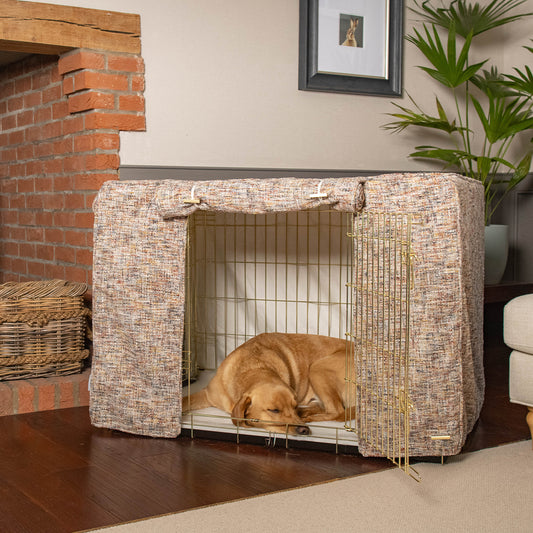
For any dog, their bed is a haven for relaxation and alone time. It’s also something they can become accustomed to and identify as theirs and theirs alone. But if your dog has started to attack their bed, it can mean that they don’t have anywhere to relax and may not feel properly comfortable in your home. Many different reasons can lead your dog to destroy its bed, and due to this, there can also be different methods of stopping them from displaying this behaviour. In this blog, we look at the ways in which your dog may be doing this and offer tips on how to stop them from totally destroying their own dog bed.   Why Do Dogs Destroy Their Beds? Not only could there be a variety of reasons why your dog is destroying their own bed, but they may also be doing it in a number of different ways. While some dogs erratically dig in or scratch their bed, others pee on or chew them. Below, we’ve looked at some of these behaviours and explain why it could be that your dog is acting in this way.   Why Do Dogs Scratch Their Beds? Scratching beds is one of the most common traits a dog can have, and it could mean any number of things. For instance, it could be something they do alongside urinating on their bed as a way of marking their territory, or a habit they picked up from their parents or siblings during the puppy stage. Alternatively, it could simply be an action they do naturally without thinking. Another reason could be that they’re nesting. If a female dog isn’t spayed and comes into heat, they will begin to experience maternal instincts. A common behaviour trait of this in female dogs is to prepare their bed for puppies, even if they’re not pregnant. As a dog owner, it can be upsetting to see your pooch preparing their bed for puppies, especially if you intend on having them neutered. However, while this trait may continue several months after being spayed - or it could simply be something they always do - it’s likely to fade with time.   Why Do Dogs Dig In Their Beds? Although similar to scratching, when a dog digs in their bed, it’s more likely to cause damage as, instead of simply changing the shape of their bed, they could end up breaking through the material. Despite the similarity with scratching, digging is often a sign that your dog is trying to become more comfortable in their bed. Just like when cats knead their bed before sleep, dogs will dig as a pre-sleep ritual or to make more of an indentation in the bed to improve their comfort. It is something they may also do outside, but with the benefit that digging in mud will cause the surface below them to change, whereas digging in the bed will either have no effect at all or potentially ruin their sleeping aid.   Why Do Dogs Pee On Their Beds? When your dog pees on their bed, it can be concerning as it may make you think that they’re unwell or haven’t properly picked up the toilet training you’ve given them. Finding pee on your dog’s bed could be a sign that they’ve picked up a bug or simply need more toilet training, but it could also be an indication of many things. Potential reasons why your dog is peeing on their bed include: A side effect of a urine infection Feelings of anxiousness, excitement or nervousness Incomplete house training Naughty behaviour To mark their territory Peeing on beds is also a common trait of female dogs, and while it can improve with age, they may continue to struggle with holding water for long periods of time if they aren’t spayed. Using a waterproof dog bed would prevent the level of damage caused by your dog peeing the bed, but as it won’t stop them from doing it, you need to consider more long-term solutions.   Why Do Dogs Chew Up Their Beds? It’s less likely that you will find your dog chewing their bed, but if your dog has started to show this trait, it could lead to them needing a new bed entirely. In some instances, a dog chewing their bed could be a result of becoming too excitable during their playtime. However, if they’re doing it in an aggressive manner or appear to be actively trying to ruin their bed, it could be caused by something more serious. The reason behind why a dog may resort to chewing their own bed is often either anxiety or boredom. If they’re feeling stressed, anxious or panicked, chewing their bed could be a way of showing you how they’re feeling. Some specific dog breeds are especially susceptible to these feelings, with the cause often being related to separation anxiety. As for boredom, dogs are often known for becoming destructive if they’re full of energy and don’t have any way of releasing it. Chewing their bed could be a result of not having enough walks and being overly stimulated, not having enough dog toys to play with, lacking in proper training or being left alone too long and not being given the attention they need.   How To Stop Dogs From Destroying Their Beds Your dog may be destroying their bed in several different ways and as a result of multiple possible factors. However, there are ways of preventing them from causing too much damage to their bed or potentially stopping them from having the urge to destroy their bed entirely. Firstly, you should work out if there are any reasons why your dog is damaging their bed and use these reasons to find effective solutions to stop them. For example, if they’re suffering from feelings of stress, anxiety or panic, or they’re struggling to cope when left alone, consider ways to eliminate these feelings. If they’re wetting the bed due to not being properly trained, give them the training they need to understand that peeing should only be done on puppy pads or in the garden. Likewise, scratching their bed may be a sign that they can’t get comfortable and either need extra blankets or a different type of bed that better suits their size, breed and behaviour. If you’re not entirely sure why your dog is destroying their bed, you may need to try an approach that covers all likely causes. Below, we’ve outlined steps you can try How To Stop A Dog From Chewing His Bed Allow your dog to use their bed, but take it away when you’re not around to supervise. If they’re in a room that isn’t suitable for sleeping on the floor, provide them with a blanket as an alternative option. Offer them a selection of chew toys. Dogs are prone to chewing and do it as a way of relaxing or releasing excess energy. By giving them a few different options, they should be able to find one that is suitable and preferable to them. Supervise your dog when they’re in their bed and if they begin to chew, dig, scratch or look like they’re getting ready to pee on the bed, say ‘no’ firmly to indicate that it’s bad behaviour. If they don’t take any notice of this, instead use a squeaky toy to distract them. As soon as you see your dog behaving in their bed - even if that means they’re sitting comfortably and not acting out - praise them, stroke them and give them a treat as a reward. Work out how much exercise the breed of your dog should be getting and take them for the amount of walks they need. During their walk, you could use an extendable lead to give them freedom and allow them to play during their walk, and you could even use their walk as an opportunity to teach them obedience training. When you feel like your dog is becoming less inclined to destroy their own bed, start giving them more time with it. You could leave them alone with it for an hour and increase the time by an hour each day until they’re eventually allowed to be left with it permanently.   What Can I Spray On Dog Bed To Stop Chewing? The Simple Solution Chew Stopper spray is a great choice to spray on your dog's bed to help stop them chewing. Simply spray your dog's bed with the spray, your dog will recognise the marked area as unpleasant and it will discourage them from chewing it.    Indestructible Dog Beds Although there is no such thing as a completely indestructible dog bed, there are, however, some more chew and scratch resistant options. Here at L&L we developed our Rhino Tough Collection using our toughest fabric with more destructive dogs in mind. The stylish faux leather is water resistant and bleach cleanable making it the perfect choice for dogs who have a habit of urinating on their bed. The Rhino Tough collection is made with no zips or fastenings to discourage chewing, it also comes in 6 stylish colour options. It's also scratch resistant so if your dog likes dig in their bed at night or scratch their bed this might be the choice for you. It's available in our three most popular bed shapes, cushion, high wall and box bed, so however your dog likes to sleep there will be a bed for them. The cushion is a great choice as a indestructible dog bed for crates, if you prefer your dog to sleep in a crate.     Another option if your dog likes to chew soft beds, is a plastic bed which is filled with blankets. Rosewood's Eco bed is constructed with 100% recycled plastic, making it an extremely resilient and robust choice for dogs who like to chew. The ventilated base offers increased airflow, perfect for keeping pets cool in the summertime. Non-slip rubber feet prevent the bed from shifting on hard surfaces, while the plastic is easy to wipe down to clean for dog's who tend to urinate on their beds. 
By Zac Girdlestone

Read more
The Best Cat Treats & Accessories
28.03.21 March 28, 2021 Product Spotlight Featured

The Best Cat Treats & Accessories

We all love to show our pets a little appreciation; whether it’s for good behaviour or just because we love them! There are a multitude of pet treats out there and at Lords & Labradors we try to offer the tastiest treats that we can find. Our Cat Emporium has a delicious selection of cat treats that your felines will love. From creamy treats that can be fed from the tube to kibble sized crunchy treats that can be used in toys at playtime, there is something here to suit all of your needs. Here we take you through our range so you can pick the best cat treats for your kitty as well as highlight some great accessories for storing them.   Our Favourite Cat Treats Dreamies Cat Treats - I think we all know a cat who loves their Dreamies treats! They come in a selection of different flavours so there’s something that every cat will like, and they have a distinctive texture. The outside is crunchy, and the inside is creamy, offering a unique feeding experience. They’re low in calories and full of vitamins and minerals. The biscuit like kibble is easy to store too and they can easily be fed sparingly throughout the day. Just make sure to read the pack for portion suggestions. Suitable for adult cats and kittens from 8 weeks old. Pet Munchies Gourmet Cat Treats - Beef - If you’re looking for something really healthy for your cat then the Gourmet treats by Pet Munchies are ideal. This one is made of 100% beef liver, but there are also Fish Fillet and Chicken Liver flavours available too. Each treat is full of vitamins and minerals including Omega 3 & 6 which help to maintain a healthy heart, skin and coat. There’s added calcium too, which will promote strong teeth and bones. These are treats for the adult cats of the house and not suitable for kittens under 4 months old. Sheba Cramy Snack Treats - These creamy treats by Sheba offer something different in terms of texture. They come in a tube and can be fed straight from the packet or squeezed into your cat’s favourite saucer. They’ll love the smoothness and sublime flavours of which there are three to choose from. The soft silky puree is great for helping your cat to take medicine too. Webbox Cat Treats - Beef & Rabbit - These treat sticks are a meaty chewable treat that can be broken up and fed in smaller pieces. The meaty texture is more like your cat’s natural food in comparison to some of the more biscuit-like or creamy treats. They come in a variety of delicious flavours, are full of 95% meat and are kitten friendly. The Innocent Cat Treat Slices - Chicken & Duck - These complimentary pet treats for adult cats are made of premium ingredients including fresh British meat. Grain free, hypoallergenic and suitable for raw Diets, these treats are packed with tasty goodness. Available in two flavours, they really do offer a little taste of luxury! ​Natural Eats Salmon Fillet Strips - These are a new product from Rosewood and are made of 100% natural fish. They are gluten free, low in fat and there’s no added salt, so you can be sure you’re giving your cat only the best. These adult cat treats are a brilliant healthy option as a snack in-between meals and they’re available in a duck flavour too. Beaphar Urinary Tract Treats - These aren’t just any kind of cat treats but are specifically designed for cats with urinary tract problems. Urinary tract disorders are fairly common in cats and can vary in severity. These treats are designed to help prevent some of these problems, such as infections, bladder stones and cystitis, with added cranberry, vitamin E and Omega 3. A tasty treat with added health benefits for any adult cat who suffers from such disorders. Whiskas Cat Milk Plus - Does your cat love milk? Many of us have found our cats licking from the milk jug if we’ve left it out, but it really isn’t healthy for our feline friends to drink dairy products. They may love the creamy taste of cow’s milk, but it can cause upset stomachs due to lactose intolerance. Now you can treat your cats to some feline-safe milk in the form of this cat milk by Whiskas. It has the same great taste as normal milk, with the same calcium benefits, but without the problematic dairy. If your cats haven’t tried it yet we think they’re going to love it!   Pet Treat Tins & Storage Sophie Allport Perfect! Cat Treat Tin - Keep your cat treats fresh in style with this large treat tin by Sophie Allport. A stylish cream-toned storage tin, it is decorated with some of Sophie’s adorable cat illustrations running around the bottom edge. There’s even a handy scoop on the side. This is a large tin with a 9 litre capacity, so could be used for cat food too. There’ll be no need to have ugly food or treat bags lying around the kitchen or utility anymore; you can proudly display this on your shelf instead! Designed by Lotte Ceramic Cat Treat Tin - If you’re looking for a smaller treat storage jar then this beautiful design from Designed by Lotte is a great option. The cream ceramic design is timeless and will look lovely in any home. It features a cork stopper which will make the interior air-tight and keep all of your cat’s tasty treats as fresh as possible.   Interactive Treat Toys for cats Puzzle toys are brilliant for your cat’s brain development; helping to keep them active and stimulated. Adding a tasty treat into the mix will give them something to work for and offer them a reward for their efforts. We have a couple of brilliant interactive toys that you can add treats to for hours of playtime fun. Catit Great Ball - cats love to chase and hunt and this Catit treat ball will allow them to do just that. You can pop a couple of  cat treats inside and then watch as your cat bats the ball and try to work the treats through the mini maze inside. The rattle of the treats inside as well as the smell will keep them working until they have released them and can enjoy their snack. Catit Senses Food Tree - This is a slightly larger puzzle game for cats and kittens of all ages. Your cat will need to work out how to get the treats through the maze of holes and tunnels inside the structure until they are released into the feeding tray at the bottom. This could even be used with your cat’s dry food as a slow feeder; ideal for greedy pets who tend to eat too quickly! We hope we have given you some great options in terms of treats and accessories for your cats and kittens. If you need any more information about any of the products mentioned, please get in touch. We’ll do our best to help!

By Zac Girdlestone

Read more
The First Five Days Of Owning A Kitten
25.03.21 March 25, 2021 Getting A Kitten Featured

The First Five Days Of Owning A Kitten

Getting a new kitten or cat is so exciting, but if you’re a first-time pet owner it can also be slightly daunting. There are a few things to consider when introducing the new arrival to their new family. Here we give you some things to think about so you can be fully prepared for your kitten’s first week in their new home. From bringing them home, to getting them used to new surroundings, here are some handy tips and advice for every new cat owner.   Make Sure Your House Is Cat Proof This should be done in advance of their arrival ready for day one. Cat proofing the home is about creating a safe environment for inquisitive noses! Any room that your cat will be allowed in needs to be safe for them, which means no wires for them to play with and nothing that they might scratch or damage. Be aware of poisonous houseplants and keep them out of reach; avoid full length curtains in their room as they may try to climb them; and check for any other hazards or small places that they might get stuck. Cat proofing the home entails a lot of common sense - if you think something might pose a hazard then remove it from their living area. If there’s something that might look enticing to a kitten that you don’t want them to ruin, put it in another room. We have a full article about Cat Proofing Your Home which may be worth a read.   Bringing Your Kitten Home So, you’ve double and triple checked that your home is safe and you have ticked off everything on your Kitten Shopping List; it’s now time to bring your kitten home! Travel day is all about keeping them safe on the journey, no matter how long or short it might be, and keeping them as calm and settled as possible. Make sure you have a suitable cat carrier that can be fastened safely in the car. We’d suggest popping a blanket inside to make it comfortable. If you have a long journey ahead, think about packing a travel bowl and some water so they can at least have a drink on the way When you get home, it is best that you introduce them to their new environment slowly and calmly. If you have a large family it might be best for them to introduce themselves in stages. Teach children to be calm and gentle. Some kittens will be especially nervous at first and it’s imperative to provide a home that feels safe and inviting. You will also need to show kitten where everything is and by this we mean their food, their litter tray and their bed!   Introducing A Kitten To A Litter Tray Your kitten will probably be litter trained by the time you bring them home; cats like to be clean and they’re fast learners. They won’t know where their litter tray is in their new home though, and nerves may effect their toilet behaviour. When you bring them home take them to the litter tray so they know where to find it. If they’re calm, try popping them in and let them feel the litter with their feet. It won’t take them long to know that it’s the place for them to do their business. It might take them a little while to pluck up the courage to use it, but don’t despair if it does. Be patient and keep an eye on them. You can take them back to the litter tray after a little while to remind them if you wish.   Introducing A Kitten To A Scratch Post In the same way you introduced them to the litter tray, do the same with the scratch post. You need to start as you mean to go on and that means showing them where they can scratch as opposed to letting them find a spot of their own that they shouldn’t scratch. Take them to the scratch post so they know where it is. You could show them what to do by scratching your own nails against the post, or if they’re calm and relaxed gently put their paws against the post to show them what to do. Don’t force anything; if they run or back away you can always come back to it later. Slowly but surely they’ll get used to it. You could try rubbing or sprinkling catnip into the post to make it more appealing. The scratch post should be placed somewhere near their bed as it’s often the first thing they do when they wake up.   Getting Your Kitten In To A Routine You might think a routine is just for dogs, but a set plan of action can help settle kittens too. Feeding should be at set times - usually once in the morning and once in the late afternoon. (You might leave dry food down for them to graze on throughout the day as well). You should also try your best to get them into a nighttime routine. Kittens are naturally active at dawn and dusk but they can soon learn to sleep when you do. Try to get them settled before bed and don’t feel guilty about leaving them in their room with their bed and other things. It might be tempting to let them upstairs with you, but we’d suggest you start as you mean to go on and get them into a routine where they sleep in their own bed.   Make Sure They Get Plenty Of Rest Kittens need lots of rest. They can sleep for up 20 hours a day when they’re young and even adult cats can sleep around 16 hours. It might be tempting to spend all your time with them when they first come home, but it’s really important to give them lots of downtime. If they’re sleepy let them rest until they naturally wake. When they’re sleeping their brains are preparing for the waking hours of learning.   Ensure You Have Plenty Of Time To Spend With Them In the first few days, whilst they may need lots of sleep, they will also need lots of supervision. It might be worth taking a few days off work to ensure you have the time to stay in the house. Kittens need to get to know you and they also need help to learn right from wrong. You might need to be there to give extra encouragement to use the litter tray or the scratch post for example. They’ll also like the emotional support, to help them settle into their new home.   Your kitten will need to get used to being handled and that can only happen if you’re around to do that. For the first day or two, it might be best not to hold them for long periods, but give them time to adjust with occasional strokes throughout the day. After a couple of days when they're used to you being around, you can start to pick them up more and get them used to being handled by you. This is the start of an emotional bond and will help to mould the cat your kitten will grow to be.   Letting Your Kitten Outside For The First Time Some cats will remain indoors for their entire lives and this is absolutely fine as long as you start as you mean to go on. Many pedigree breeds are kept as indoor cats and, with the right accessories and cat furniture, will live long healthy lives indoors. But if your cat is going to be an outdoor cat, you will need to take steps to get them used to it.   You shouldn’t let your cat outside in the first few days. Wait at least two weeks for them to settle and assess the situation. They should have had all of their vaccinations and they need to be used to their new home. Initially this should be done under supervision until they’re quite happy with the new surroundings. We wouldn’t suggest letting them have free-rein outdoors until they’re comfortable with the garden and they’ve been neutered to stop any unwanted pregnancies. This is usually done between 4 and 6 months old, but we’d suggest speaking to your vet about this to see what age they think is best.   You might want your cat to wear a collar if they do venture out. This can be accessorised with an ID tag for security and they often come with a bell to notify birds that they're coming. Don't forget to have your kitten micro-chipped too - whether they go outdoors or not. many breeders have their litters microchipped before you collect them, but if your kitten isn't microchipped then make a plan to get them done.     Stay Calm And Enjoy Getting To Know Them Whatever you do, remember to stay calm and enjoy getting to know your new furry family member. Things may not go entirely to plan - if they have an accident outside of the litter tray, don’t scold them, but rather encourage them to use the tray. If they don’t use the scratch post straight away, persevere. It's a learning curve for both of you and there are no definitive answers to some of the questions that may be raised in those first few days. Just remember not to panic and that everything that happens to you is probably happening to lots of other pets owners! If you need any more information, then take a look at our Information Hub where we have a host of articles about pets. You’ll find the answer to all kinds of cat related questions in there.

By Zac Girdlestone

Read more
What To Get Your Pets For Easter
21.03.21 March 21, 2021 Seasonal Featured

What To Get Your Pets For Easter

Easter, the season when the Easter bunny hops by to drop off their chocolate eggs, is almost upon us. In our last article we talked about things you can do to mark the occasion with your pets, such as a long walk or an Easter egg hunt (with pet safe treats of course). But have you thought about Easter gifts for your cats and dogs? We’ve all seen the aisles of eggs stacked up in the supermarket, but our pets can’t eat human chocolate. Which is why we have curated a collection of Easter themed treats and toys especially for the four-legged family members. We have Easter eggs for pets as well as some other goodies that they will love. Here we present our Easter Gift Guide for Pets:   Easter Gifts for Dogs Easter Egg For Dogs We have to start with the most classic of all Easter gifts, the Easter egg. These Hatchwells eggs are made of dog friendly carob and are free from cocoa, wheat and gluten. A super tasty pet-safe ‘choccie’ egg wrapped in a shiny wrapper and presented in a box just like an egg for humans. If you’re planning an Easter egg hunt for your pup, this could be the grand prize in the hunt.   KONG Cozie Floppy Rabbit If your dog gets plenty of edible treats, how about gifting them something to play with? This KONG Cozie looks just like the Easter bunny and will offer hours of playtime fun. The pale pink plush toy is super cute and has a squeaker inside for added sensory fun. Don’t let the sweet aesthetics fool you though; these KONG toys have an extra layer of material to give them added strength - ideal if you have an avid chewer in the house!   Hugo & Hudson Raincoat in Yellow How about a super practical gift with an easter twist. This dog coat from Hugo & Hudson is perfect for April showers and comes in a delightful shade of yellow. It’ll brighten up any rainy-day dog walk. It comes complete with a cute hood, flap pocket on the back and chunky buckle closure   A new dog bed in Balmoral Duck Egg tweed Would you like to treat your pup to a bit of luxury? Our balmoral tweed dog beds come in a beautiful Easter-worthy colour option: Duck Egg Tweed. It will look stunning in your home at Springtime and beyond - a gift to last a lifetime. There are a number of options available in our Balmoral tweeds. You could treat them to a squishy box bed, a new cushion or you could go all out and treat them to a new crate set. Whichever you choose, we’re pretty sure your pup will love our cosy beds.   Easter Gift Set We have designed our own Easter gift set for dogs that includes a  toy and some tasty treats, all wrapped up in a luxury gift box. They will have something to eat and play with over the bank holiday weekend!    Easter Gifts for Cats Easter egg for Cats Our cats don’t have to miss out on the tasty Easter treats! This Hatchwells Easter egg has been made with kitties in mind from yoghurt and catnip. It’s free from gluten, wheat and cocoa and suitable for all cats over the age of one.   KONG Softies Fuzzy Bunny When cats aren’t eating or sleeping, they’re probably hunting and playing. This KONG Softies Fuzzy Bunny toy is the ideal Easter themed cat toy. Your cat will enjoy playing with this well beyond the bank holiday weekend! We hope our Easter Gift Guide has given you plenty of food for thought. There is something here for every cat, dog and pet-loving human, that we're sure they will adore.  If you need any more information about anything listed here, please do get in touch. We're always happy to help!

By Zac Girdlestone

Read more
How To Choose A Dog Harness
20.03.21 March 20, 2021 FAQs Featured

How To Choose A Dog Harness

Any time you take your dog for a walk, you need to make sure they’re comfortable and that they’re safe from any potential dangers. However, if you’re using unsuitable accessories for walking your dog, you could make it easier for them to come loose from the lead, cause short or long-term damage to their body or reduce the likelihood of being able to pull them away from any dangers you may encounter while you’re out. Depending on the breed and personality of your pooch, a dog harness may be more suitable than simply attaching the lead to their collar. In this blog, we explain the benefits of using a dog harness, look at how effective they are and offer tips on how you can choose the right harness for your dog.   What Are Dog Harnesses Used For? A dog harness is an alternative method of controlling your dog during walks that offers different benefits to using a traditional collar and lead. Instead of simply clipping your lead onto your dog’s collar, a harness wraps around their chest and clips to a lead at the top of the harness, often around their back area. If you’re considering using a dog harness but don’t know whether or not it would benefit your dog, you may be interested to learn more about why dog owners use them instead of a lead. On a base level, a dog harness accounts for all of your dog’s weight, spreading the surface area across their body. Unlike a harness, a collar would simply mean having your lead attached to your dog’s neck, potentially causing serious harm if they often pull on the lead. Overall, there are several reasons why a dog owner may choose a harness over a collar. Due to this, we’ve highlighted a few of the most common reasons below. Why Use A Harness For Dogs? Common reasons for using a dog harness include for: Catering to the build of smaller dogs Easier control Making it harder for your dog to come loose and escape Helping the training process Being kinder to your arms and back Preventing pulling Reducing the likelihood of injury to your dog.   Do Dog Harnesses Work? Many dog owners have a preference over the items they use for walking their dog, with the primary decision being between a harness or collar. It could be something they decide based on the breed of their dog or simply personal preference. Suitable collars shouldn’t cause your dog any harm if used correctly, however if your dog likes to pull a harness may be a better choice for them as it spreads the pressure out rather than it all being focused on their neck.  How To Choose A Harness For A Dog When it comes to choosing a harness for your dog, the option you decide on is likely to be based on the size, breed and personality of your dog. For example, if your dog isn’t a fan of wearing clothing, you may need a dog harness that gives them more freedom. Likewise, if your dog is especially quick, playful and cheeky, it’s crucial that you pick a harness that won’t give them enough leeway to detach themselves and run away. In an attempt to make your decision easier, we’ve highlighted a few helpful considerations below.   What Are The Different Types Of Dog Harnesses? To suit the body shape, size and breed of different dogs, there are multiple types of harness to choose from. Dog harness types include: Back-clip - a harness that comes together at the back Day-pack - although sometimes capable of weighing your dog down and causing them discomfort, a day-pack harness has storage on either side for carrying treats and other items your dog may want during a long walk Dual clip - more than one clip that can be disconnected to easily get your dog in and out of the harness Front-clip -  a harness that comes together at the front Safety - with extra padding and more material, a safety harness is designed like a jumper with clips on the front and back for attaching a lead Step-in - a harness that doesn’t have any clips and allows your dog to simple step into it   What Material Are Dog Harnesses Made From? In some cases, the material of the harness you choose for your dog may be irrelevant. It's good to chose a harness with material that will suit your lifestyle. Here at Lords & Labradors we offer harnesses for all different scenarios, those that you can bundle in the washing machine, and those that have padding for longer hikes and walks. However, if your dog is picky, irritable, has a skin condition or short fur, it could be a deciding factor. Common dog harness materials include: Cotton - comfortable and stretchy Leather - thick and protective Mesh - durable and strong Nylon - water resistant and warm Polyester - often in the lining with heat emboss If your dog is short-haired, has parts of their body where skin is showing or you’re walking your dog during a particularly chilly day, it could be worth considering a dog harness with additional protection from the cold. Some harnesses have more material for covering a larger part of your dog’s body and padding for extra comfort and warmth. Which Dog Harness Is The Safest? As walking your dog with an unsuitable collar or harness could potentially harm your dog, it’s important that you choose a harness that won’t pose any danger to them, both in terms of short and long-term safety. Looking at reviews of the harness you’re considering should give you an indication of how safe it is. Alternatively, you can identify a suitably safe harness by bearing in mind a selection of key features. These include:  A comfortable, durable material Adjustable straps  An easy process for putting the harness on and taking it off  Coverage across your dog for comfort and support  Sections of padding  The clip for attaching a lead situated in the centre of the back

By Zac Girdlestone

Read more
What To Do With Your Pets At Easter
18.03.21 March 18, 2021 Seasonal Featured

What To Do With Your Pets At Easter

It’s almost that time of year; fluffy Easter chicks, cute Easter bunnies and chocolate… lots of chocolate! It’s a lovely time of year to spend with family and friends, and of course your pets. We don’t need any excuse to spend extra time with our pets, or to do fun things with them. So, when Easter comes around, we usually jump at the chance to do just that! There are a number of ways we can include our pets in the Easter holiday, and we thought we'd share our ideas in this week’s article. We haven't just thought about the canines in the family, but there are one or two things we've thought of to include our feline pets as well. We also take the time to highlight a few potential dangers that Easter can pose to our pets, so make sure you read the full article and enjoy this special time of year in safety.   Easter Activities for Pets Here’s some fun activities that your furry friends can enjoy this Easter Easter Egg Hunt - Whilst your pet can’t join in on your human Easter egg hunt, there’s no reason they should miss out on all the fun. Try hiding some cat or dog treats in your house or in your back garden, then let your pets sniff them out. This is a great way to stimulate your pet whilst keeping them busy Easter Photoshoot - Everyone loves a fun photoshoot. Dress up your pets in an Easter-themed outfit or accessories, like bunny eases, and take some adorable pictures. Easter-themed Walk - Try taking your dog for a walk and looking for signs of spring, keep an eye open for blooming flowers or baby lambs to help you get in the Easter spirit. This is a fun one to do if you have kids, encourage them to look out for any Easter decorations along the way  Picnic in the Garden - If the weather is kind, you could take the fun outdoors and have a picnic in the garden. This could be a lovely treat for the entire family. If the sun comes out, you could even make it into a barbecue. Just remember some delicious snacks for your four-legged friends! Meet Up with Other Canine Pals for a Playdate - How about treating your dog to a playdate with his best dog pals? We’ve been in a nationwide lockdown here in the UK and it might be exciting for you and your dogs to meet up with friends in the park or at the beach for a stroll. This of course relies on lockdown restrictions - we’re on track for outdoor meets with up to 6 other people from March 29th but do keep an eye on the restrictions and guidance when Easter approaches as the rules may change at any time. Easter Safety For Pets Whatever activities and events you plan with your pets, make sure you think about their safety throughout the holiday. There are a number of foods and plants that are common at this time of year, that are toxic to cats and dogs. If you do have these in the house, just ensure that they’re kept safely away from your pets. Here we list some of the key things to keep out of reach of pets at Easter: Chocolate and Sweets - Getting easter eggs and bunnies may be a highlight of Easter for us but they are highly toxic for our pets. The xylitol found in many sweet treats is toxic for cats and dogs, it can be fatal. Keep any sweet treats out of your pets reach and maybe treat them to some pet-friendly Springtime flowers and bulbs - You may receive flowers as a gift at this time of year and your garden may start to bloom with new plants too. Certain springtime plants such as Daffodils, Hyacinths, Bluebells and Azaleas are toxic to pets. It’s best to keep an eye on what types of flowers you keep indoors, and if they are toxic to pets to keep them out of reach of inquisitive noses. You might like to read our past article where we highlight some the Most Poisonous Springtime Plants. Table Scraps - You may be hosting friends and family this Easter, with all the delicious food out it may tempting to share some with your pets, however, a lot of the food we enjoy can be harmful to pets so make sure to keep any food out of your pets way this Easter. Sultanas, currants and other dried fruits - Hot cross buns are a seasonal staple at Easter. Make sure these and any ingredients used to make them are kept out of reach of your pets as they can make them really poorly. It isn’t fully understood, what in these foods is so bad - all we know is that they can cause serious illness in some pets. Easter Decorations - A lot of the small cute Easter decorations, like the fluffy chicks, plastic eggs and Easter grass can look inviting to your pet but they can be dangerous if ingested by your pets. When swallowed, it can create internal blockages which can be fatal. Make sure to keep any decorations out of reach to keep your pets safe Easter Egg Hunts - If you’re thinking of hosting an Easter egg hunt this year, make sure to keep your pets away. The brightly coloured toys and treats will look inviting to your pets so keeping them out the way until the fun is over is for the best. If you keep these hazards in mind, you’ll be able to make sure your pets have a happy and safe Easter. If you’re worried your pet may have eaten something they shouldn’t or they’re showing any signs of illness we recommend you contact your vet for advice.

By Zac Girdlestone

Read more

loyal customer in 17 countries

Why Shop With Us?

  • Free Delivery

    Orders over £75 qualify for free standard UK delivery. Orders under £75 will be calculated at the checkout.

  • Shopping Made Easy

    Gain exclusive access to sales and shop all your pets favourites on the go by downloading our app.

  • Designed in the UK

    Our own brand products are lovingly designed in our specialist UK workshop to our exacting standards.

  • We're Here For You

    Contact our Pet Experts on Chat or by email at sales@lordsandlabradors.co.uk