



















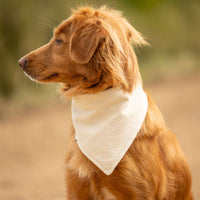

















































Our dogs are as much a part of the family as anyone else, so when it comes to planning a holiday, leaving them behind rarely feels like the right option. If camping is your holiday of choice this year, you'll be pleased to know the UK has a brilliant range of dog-friendly campsites, meaning your four-legged family member can join in on the adventure too.
With a little planning, camping with your dog can be one of the most rewarding trips you take together. Here's our guide to making sure it goes smoothly for everyone.
Find a Dog-Friendly Campsite

The first job is tracking down a campsite that genuinely welcomes dogs, rather than merely tolerating them. Look beyond a simple 'dogs welcome' tag and check for details like whether dogs need to be kept on leads, if there are any breed or number restrictions, and whether there's a decent walking area nearby. Coastal sites are wonderful for a paddle, while woodland sites often offer shadier spots for warmer days.
Pack the Right Gear
A little preparation goes a long way towards a stress-free trip. Consider packing:
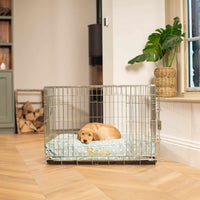
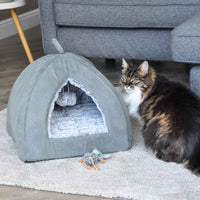
- A familiar bed or travel mat, so your dog has somewhere comfortable and recognisable to settle at night
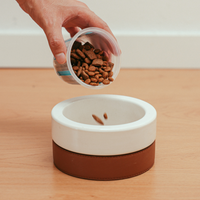
- Plenty of food and water, plus travel bowls that pack down small
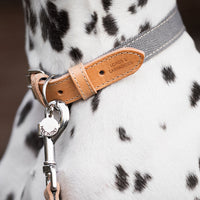
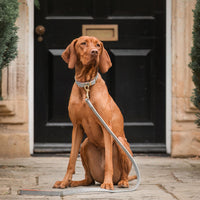
- A secure lead, harness, and an up-to-date ID tag in case they wander off exploring
- Pet wipes for muddy paws and general clean-ups around the tent
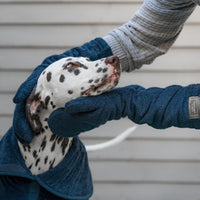
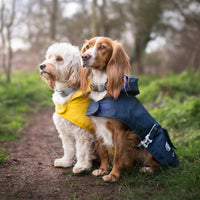
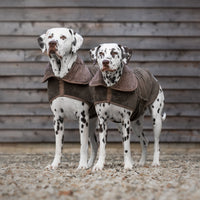
- A drying coat, in case you get caught in a shower
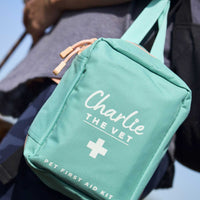
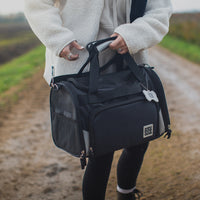
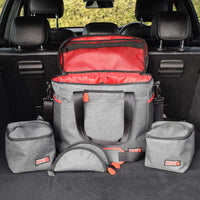
Our dog travel accessories collection covers most of this in one place, from travel beds and bowls to drying coats, so you're not scrambling to find everything separately before you set off. For a fuller packing list, our piece on the top things to take camping with your dog runs through our favourite travel essentials in more detail.
Travelling Safely to the Campsite
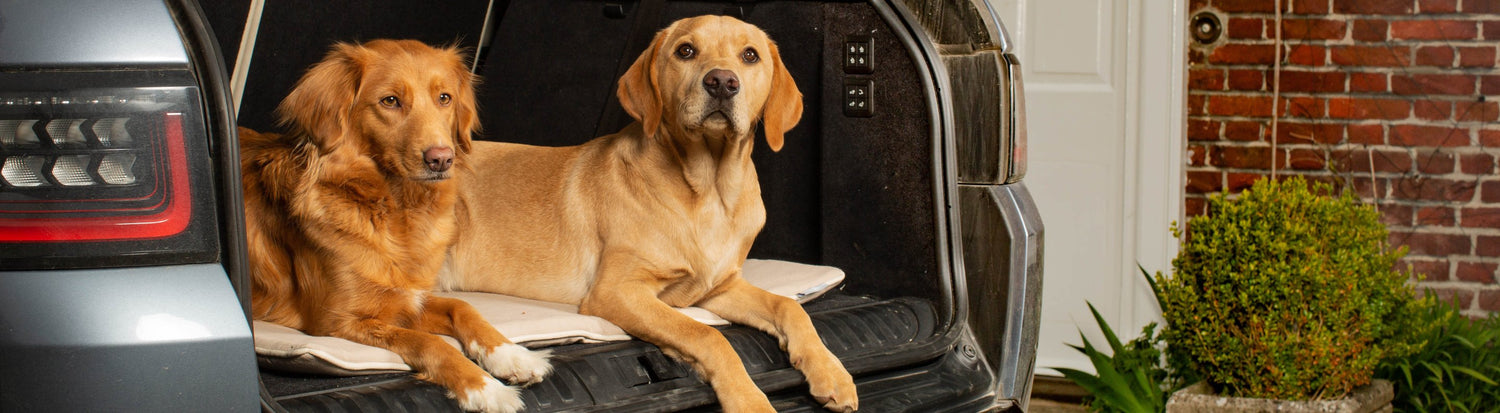
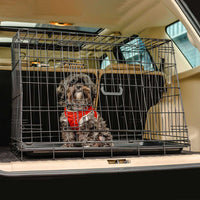
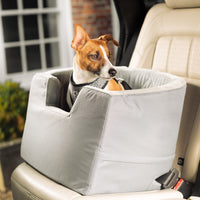
However you're getting there, your dog needs to travel securely in the car. A properly fitted seatbelt or travel crate keeps them safe on the journey and means less chance of them clambering about or distracting the driver. If it's a longer journey, plan in regular stops for water, toileting and a stretch of the legs.
Settling In Once You Arrive
New sounds, smells and surroundings can be a lot for a dog to take in all at once, so give them time to explore the immediate area calmly on a lead before letting them off (assuming the site allows it and it's safe to do so). Setting up their familiar bed early on helps create a little pocket of normality within an otherwise unfamiliar setting.
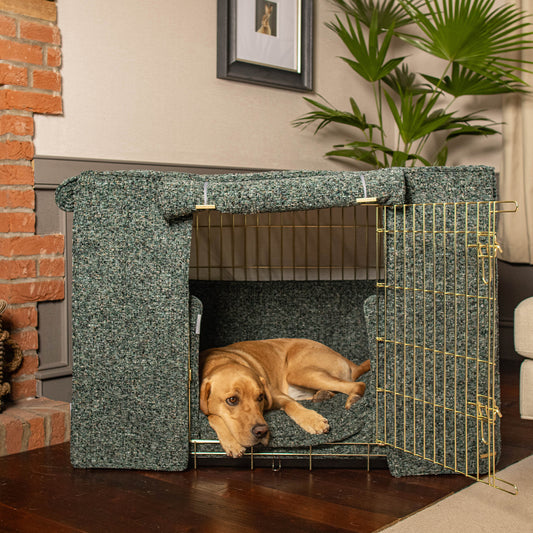
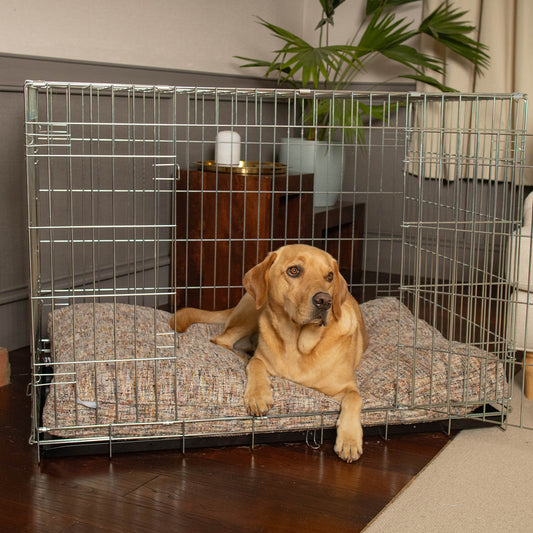
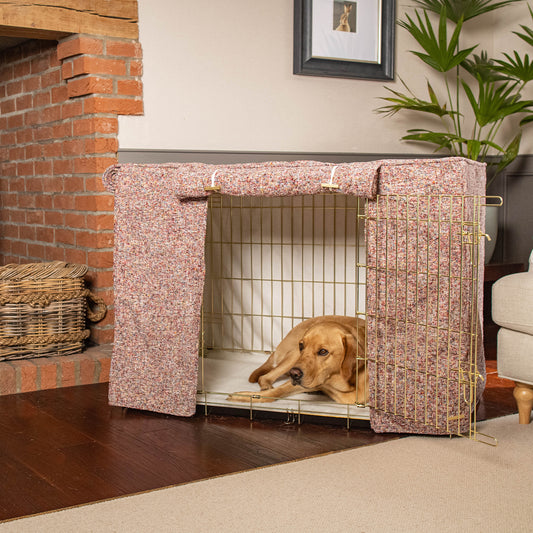
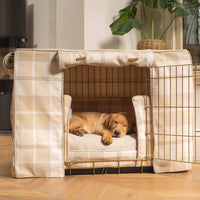
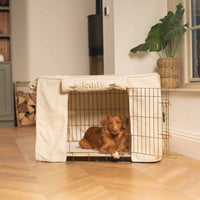
A travel crate or portable bed gives nervous dogs, or those still settling into camp life, somewhere secure to retreat to if the site gets busy.
Keeping Your Dog Comfortable Overnight
Temperature regulation is worth thinking about, particularly for very young, senior, or short-nosed dogs. Tents can get surprisingly cold overnight even in summer, so pack extra bedding just in case, and equally make sure there's good ventilation and shade during the day to avoid overheating.
Campsite Etiquette
- Always pick up after your dog, even in more remote areas
- Keep barking to a minimum where possible, particularly early morning and late evening
- Respect lead rules, especially near livestock or wildlife
- Check in with campsite staff about any specific dog rules before you settle in
Choosing the Right Time to Go
Spring and early autumn tend to make for the most comfortable camping conditions for dogs, avoiding the extremes of summer heat on tarmac and pitches, as well as the mud and cold of deep winter. If you are camping in warmer weather, choose a pitch with natural shade, avoid walks during the hottest part of the day, and always have fresh water within easy reach for your dog throughout the day.
Making the Most of Your Trip Together
Camping is a brilliant excuse to build in extra exploring time together, whether that's a proper countryside walk each morning, a paddle in a dog-friendly lake or stream, or simply pottering around the site as the sun goes down. Bringing a favourite ball or rope toy along gives you an easy way to burn off some energy between walks, and a shared adventure like this is a wonderful way to strengthen your bond.
Evenings by the campfire are often the best part for many dogs too, once the day's adventures are done and it's simply time to settle in close to their favourite people. Keep them a sensible distance from any open flames, but there's nothing quite like a tired, contented dog curled up next to you as the stars come out.
Frequently Asked Questions
Do all UK campsites allow dogs?
No, so it's always worth checking directly with the site before booking. Many campsites do welcome dogs, but rules on numbers, breeds and lead requirements can vary considerably from one site to the next.
What's the most important thing to pack for a dog on a camping trip?
A familiar bed or blanket that smells like home tends to make the biggest difference to how settled a dog feels overnight in an unfamiliar place.
Is it safe to let my dog off the lead at a campsite?
Only where the site specifically allows it and it's safe to do so. Even well-recalled dogs can be thrown off by new smells and distractions, so it's worth building up to off-lead time gradually.
How do I keep my dog cool in a tent during summer?
Pitch in shade where possible, keep airflow going with vents or windows open, and always have fresh water on hand. A cooling mat can also help on particularly warm nights.