The Best Insect Repelling & Soothing Products for Pets
We love Summer and all of the many opportunities we get to enjoy the great outdoors in the warm weather. Insects also come out at this time of year though, which can be a pain for us and our dogs. Insect bites and stings can cause irritation and allergic reactions and will need some after care if your dog gets one. In this blog we list some of our favourite pet products for repelling insects and also some that will help to soothe irritation after an insect bite or sting.
Insect Repelling Pet Products
In an ideal world we’d keep our pets away from biting or stinging insects, but it isn’t always possible. We do have some fantastic insect repelling products for pets though, which may just help minimise the risk of them being stung or bitten. Here are our top Insect repelling products for pets:
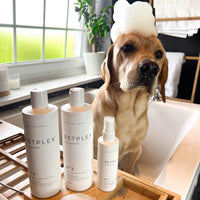
TropiClean Natural Flea & Tick Shampoo - This shampoo is suitable for dogs and is designed to repel fleas and ticks for up to 7 days. Not only this, but it will kill any fleas, ticks or mosquitoes that have already infested your pet.
Animology Flea & Tick Dog Shampoo - This dog shampoo is suitable for puppies from 6 weeks old and will help to wash out any fleas or ticks from your pup’s coat. It has a built-in conditioner to help keep the coat in glossy condition and the tea tree in the recipe will help to soothe irritated bitten skin.
Insect Shield Vest - If you enjoy rambles in woodland or the countryside, then you will love this insect repelling dog vest by Scruffs. It comes in a range of 7 sizes to suit dogs from Beagle size up to the size of a German Shepherd and is designed to protect from Mosquitoes, Fleas, Ticks and Ants.
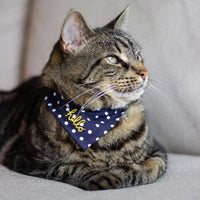
Insect Shield Snood - If you like the idea of the Vest, but you don’t think your dog will wear one then try this bandana. This is also a good choice for tiny dogs who are too small for the vest.
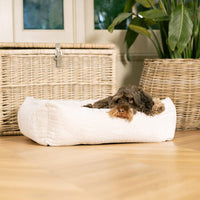
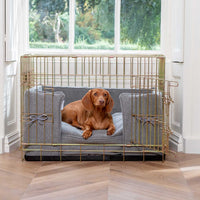
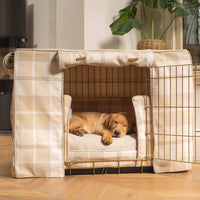
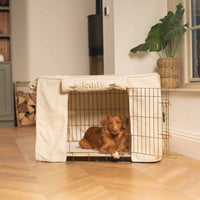
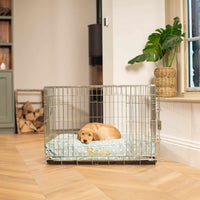
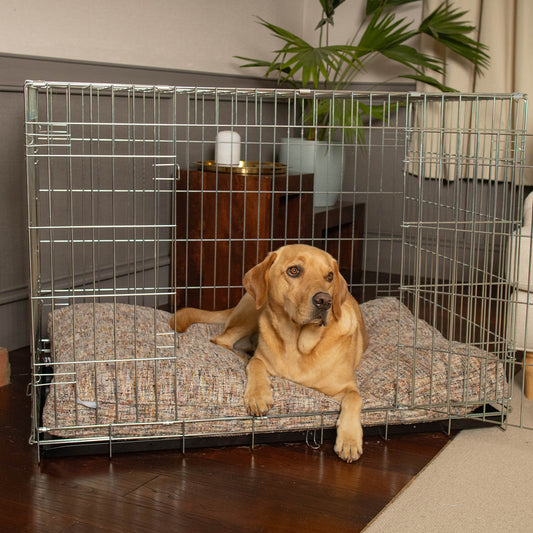
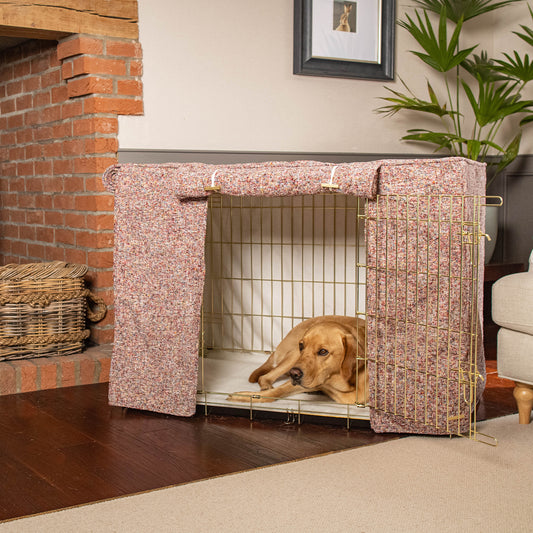
Insect Shield Crate Mat - A crate mat can be used in all kinds of ways. As the name suggests, it makes a great bed to pop in your dog’s crate but can also be used around the house or even on your travels. The addition of the insect shield technology means it would be great for any Summer activities - we’d suggest taking on your camping trips or days at the seaside for your dog to rest and sleep on when they’re not adventuring. They come in 5 sizes with a size to suit every breed and age of dog.
Insect Bite & Sting Soothing Products for Pets
As hard as we may try to deter insects, there will always be the odd occasion when they manage to bite or sting. We have a number of products that will soothe the area after your pet has been stung or bitten including a number of soothing creams and ointments. Here are some of the products you should add to your pet first-aid kit to help with insect bites.
Beaphar Wound Ointment - This antiseptic skincare product for pets is designed to soothe and aid the healing process of the skin. It is ideal for bite and sting aftercare as it contains aloe vera and celendula oil which will work together to help relieve any itching or irritation. It’s also great for any pets who suffer from dry or irritated skin in general - helping to keep skin soft and supple.
Denes Mite Cream - This is specifically designed to help minimise the irritation caused by parasitic mites, but also help relieve a range of other skin problems. It’s an all-natural cream with cedar wood and Sweet Flag that will make a brilliant addition to your first-aid kit.
Denes Skin Balm - A blend of natural essential oils including Camphor, Tea Tree and Poke Root that work together in this soothing skin balm. It has been created to soothe and heal the skin and will help with a range of skin conditions.
Wild Dog Co Skin Relief - This wonderful skin soothing balm for pets isn’t just great for insect bites but will help reduce irritation in a number of different scenarios. It is suitable for dry skin conditions, rough dry elbows and cuts and scrapes. It contains anti-bacterial Manuka as well as rosemary, frankincense and mango butter.
Leucillin Spray - This isn’t necessarily a soothing product and may need to be used in conjunction with other creams or lotions in the case of a bite or sting, but Leucillin is a brilliant anti-bacterial, anti-viral and anti-fungal spray. It’s a great addition to any pet-first aid kit and can be used in all kinds of situations. It will help to clean the wound or bite and also help to stop any itchiness. It’s completely pet-safe and can be used on all kinds of animals, from cats and dogs to larger pets such as horses!
We love Summer and all of the many opportunities we get to enjoy the great outdoors in the warm weather. Insects also come out at this time of year though, which can be a pain for us and our dogs. Insect bites and stings can cause irritation and allergic reactions and will need some after care if your dog gets one. In this blog we list some of our favourite pet products for repelling insects and also some that will help to soothe irritation after an insect bite or sting.
Insect Repelling Pet Products
In an ideal world we’d keep our pets away from biting or stinging insects, but it isn’t always possible. We do have some fantastic insect repelling products for pets though, which may just help minimise the risk of them being stung or bitten. Here are our top Insect repelling products for pets:
TropiClean Natural Flea & Tick Shampoo - This shampoo is suitable for dogs and is designed to repel fleas and ticks for up to 7 days. Not only this, but it will kill any fleas, ticks or mosquitoes that have already infested your pet.
Animology Flea & Tick Dog Shampoo - This dog shampoo is suitable for puppies from 6 weeks old and will help to wash out any fleas or ticks from your pup’s coat. It has a built-in conditioner to help keep the coat in glossy condition and the tea tree in the recipe will help to soothe irritated bitten skin.
Insect Shield Vest - If you enjoy rambles in woodland or the countryside, then you will love this insect repelling dog vest by Scruffs. It comes in a range of 7 sizes to suit dogs from Beagle size up to the size of a German Shepherd and is designed to protect from Mosquitoes, Fleas, Ticks and Ants.
Insect Shield Snood - If you like the idea of the Vest, but you don’t think your dog will wear one then try this bandana. This is also a good choice for tiny dogs who are too small for the vest.
Insect Shield Crate Mat - A crate mat can be used in all kinds of ways. As the name suggests, it makes a great bed to pop in your dog’s crate but can also be used around the house or even on your travels. The addition of the insect shield technology means it would be great for any Summer activities - we’d suggest taking on your camping trips or days at the seaside for your dog to rest and sleep on when they’re not adventuring. They come in 5 sizes with a size to suit every breed and age of dog.
Insect Bite & Sting Soothing Products for Pets
As hard as we may try to deter insects, there will always be the odd occasion when they manage to bite or sting. We have a number of products that will soothe the area after your pet has been stung or bitten including a number of soothing creams and ointments. Here are some of the products you should add to your pet first-aid kit to help with insect bites.
Beaphar Wound Ointment - This antiseptic skincare product for pets is designed to soothe and aid the healing process of the skin. It is ideal for bite and sting aftercare as it contains aloe vera and celendula oil which will work together to help relieve any itching or irritation. It’s also great for any pets who suffer from dry or irritated skin in general - helping to keep skin soft and supple.
Denes Mite Cream - This is specifically designed to help minimise the irritation caused by parasitic mites, but also help relieve a range of other skin problems. It’s an all-natural cream with cedar wood and Sweet Flag that will make a brilliant addition to your first-aid kit.
Denes Skin Balm - A blend of natural essential oils including Camphor, Tea Tree and Poke Root that work together in this soothing skin balm. It has been created to soothe and heal the skin and will help with a range of skin conditions.
Wild Dog Co Skin Relief - This wonderful skin soothing balm for pets isn’t just great for insect bites but will help reduce irritation in a number of different scenarios. It is suitable for dry skin conditions, rough dry elbows and cuts and scrapes. It contains anti-bacterial Manuka as well as rosemary, frankincense and mango butter.
Leucillin Spray - This isn’t necessarily a soothing product and may need to be used in conjunction with other creams or lotions in the case of a bite or sting, but Leucillin is a brilliant anti-bacterial, anti-viral and anti-fungal spray. It’s a great addition to any pet-first aid kit and can be used in all kinds of situations. It will help to clean the wound or bite and also help to stop any itchiness. It’s completely pet-safe and can be used on all kinds of animals, from cats and dogs to larger pets such as horses!
SIGN UP FOR USEFUL TIPS & GUIDES STRAIGHT TO YOUR INBOX
Summer can feel relentless when you’re trying to keep a cat comfortable and you don’t have air conditioning to fall back on. This guide covers everything from cooling your home and encouraging your cat to drink more, to the comfort items worth trying and the signs that tell you your cat needs a little extra help. Learning how to keep cats cool in summer without AC turns out to be more straightforward than most people expect, and a few small changes can make a genuine difference to how your cat feels through the warmest months.
Why summer heat hits cats harder than you might think
Cats are remarkably good at finding a cool corner to curl up in, but when temperatures climb and your home starts to hold onto that heat, even the most laid-back cat can begin to struggle.
Unlike dogs, cats rarely pant to cool themselves down, and they can’t sweat the way we do. Their main tools are grooming and seeking out cooler surfaces — which works well enough on a mild day, but can fall short fast during a proper heatwave, especially in a flat or a south-facing home without air conditioning.
It’s also worth knowing that some cats feel the heat more than others. Flat-faced breeds like Persians and British Shorthairs have a harder time breathing in warm air at the best of times, so hot days can be genuinely uncomfortable for them. Older cats, overweight cats, and young kittens are more vulnerable too. If your cat falls into any of those categories, paying closer attention through the summer months isn’t being overprotective — it’s just sensible cat parenting.
The reassuring part? Keeping cats cool in summer without AC is far more manageable than it might seem. You don’t need specialist equipment or a complicated routine. A few thoughtful tweaks, a shaded spot they’ll actually use, and a bit of awareness around the hottest parts of the day can make a surprising difference to how your cat feels and behaves.
If you’d like a broader look at warm-weather care, our essential summer tips for pet owners pairs well with this guide.
Easy ways to keep your home cooler for your cat
You don’t need a specialist setup or expensive equipment to make a real difference to how your cat feels on a hot day. Small, consistent changes to your home environment can reduce heat build-up significantly — and help your cat stay comfortable through even the warmest spells.
Open windows safely with a screen or security latch. Fresh airflow matters, but cats will treat any gap as an open invitation. A fitted window screen or a latch that limits how far a window opens lets the breeze in while keeping your cat safely inside.
Position fans to create cross-ventilation. Place a fan at one end of a room and open a window at the other. Moving air feels cooler than still air even at the same temperature, and cats will usually find a comfortable spot in the flow on their own.
Close blinds on south-facing windows during the afternoon. Sunlight through glass heats a room faster than you’d expect. Drawing the blinds between midday and 4pm can keep things noticeably cooler with almost no effort.
Find the coolest room and make it accessible. Rooms with tiled floors, north-facing windows, or less direct sun stay cooler for longer. Leave the door open so your cat can move there whenever they need to.
Lay a cool, damp towel on a tile floor. It sounds almost too simple, but many cats will happily stretch out on a slightly damp surface without any coaxing at all.
Skip the oven during peak heat hours. Cooking generates a surprising amount of warmth. Cold meals or stovetop options keep your kitchen much more comfortable for everyone.
Once these steps become part of your morning routine, they stop feeling like effort. Keeping cats cool in summer without AC is really about working with your home rather than against it. If your cat lives indoors full-time, environment management matters even more — our indoor cat care guide has plenty more ideas to help them thrive at home throughout the year.
How to help your cat stay hydrated when it’s hot
Water plays a bigger role in keeping cats comfortable through summer than most people realise. Cats are naturally low-thirst drinkers, which means mild dehydration can creep in before any obvious signs appear. If you want to know what to look out for, our guide to cat dehydration symptoms is a handy read before the warmer months arrive.
The good news is that encouraging more drinking doesn’t have to be complicated. A few small changes around the house can make a real difference:
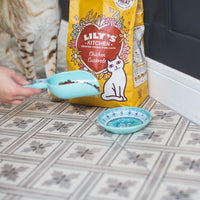
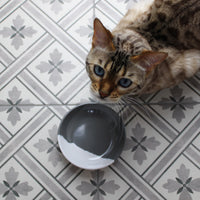
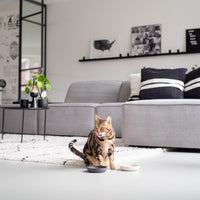
Spread water bowls around the home. One in the kitchen, one near a favourite napping spot, one by a sunny windowsill. The easier it is to find water, the more likely your cat is to actually drink it.
Keep water and food bowls separate. Cats instinctively prefer their water source away from where they eat. Moving them apart is a simple change that often prompts more drinking.
Top up bowls with fresh, cool water regularly. Cats notice stale water and will often walk straight past it. A quick refresh a couple of times a day goes a long way.
Try a cat water fountain. For fussy drinkers, moving water is often far more appealing. It stays cooler, stays oxygenated, and many cats who ignore a static bowl will drink happily from a fountain.
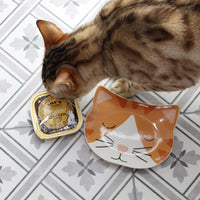
Switch to wet food during hot spells. It can contain up to 80% water, making it one of the easiest hydration boosts going — even if you usually feed dry.
Drop a few ice cubes into the bowl on very hot days. Some cats are curious enough to investigate, and it keeps the water cooler for longer.
Every cat has their own quirks around water, and that’s completely normal. If your cat is ignoring their bowl, it’s usually worth experimenting with placement, temperature, or switching to a fountain before assuming they’re just not thirsty.
Cooling mats, shaded spots, and other comfort helpers cats actually use
The most effective heat relief for cats is usually the kind they find for themselves. You can’t place a cat somewhere and expect them to stay, so the best approach is simply to set up options and let them decide.
Here are a few comfort helpers worth trying:
Cooling mats — designed to absorb body heat without needing to be chilled, they give cats a cool surface to sprawl on whenever they need it
Elevated beds — raising your cat off the floor improves airflow underneath them, which helps dissipate heat more efficiently than lying flat
Ceramic tiles — cats often seek these out naturally because the surface stays cool even when the rest of the room doesn’t
A lightly dampened towel — laid flat on a cool floor, it gives a similar effect and costs nothing to set up
Shaded hiding spots — a cardboard box tucked in a cool corner, or the space under a bed, gives cats somewhere dark and sheltered to retreat to
A fan angled toward a wall — this keeps air circulating without blasting directly at your cat, which most of them hate
Placement matters more than you might expect. Put a cooling mat somewhere your cat already gravitates toward rather than somewhere convenient for you. A favourite corner of the sofa or a shady patch of floor they already use in the afternoons is a much better bet than somewhere new. If your cat is on the cautious side, try placing a worn item of clothing nearby or dropping a few treats on the mat so they can investigate at their own pace.
Not sure whether a cooling mat is right for your cat? The Lords and Labradors guide to cooling mats for cats is a good place to start before you buy, covering how they work and what to look for.
The best setup is always the one your cat discovers and quietly claims as their own. That is really the whole point.
What to watch for: signs your cat may be too hot
Cats do love a sunny windowsill, so a warm, sleepy cat is not always a cause for concern. The key with keeping cats cool in summer is knowing when “just relaxing” starts to look more like heat stress.
A cat who feels too hot may show a few clear signs:
Panting: cats do not usually pant like dogs, so this is one of the biggest red flags
Excessive drooling: more saliva than normal can mean their body is struggling to cool down
Lethargy or unusual stillness: if your cat will not get up, seems flat, or ignores things they would normally react to, pay attention
Rapid or laboured breathing: check for breathing that looks faster, heavier, or more effortful than usual
Wobbliness or loss of balance: seeming weak, shaky, or unsteady is never something to brush off
Seeking unusual cool spots: lying on bathroom tiles, stretching out by the back door, or hiding behind the toilet can be your cat’s way of saying the house feels too warm
It can help to think about what is normal for your own cat. A lazy nap after lunch is one thing. Panting, drooling, or looking disoriented is something else entirely.
When to call your vet
If your cat is vomiting, seems confused, loses coordination, or becomes unresponsive, contact your vet straight away. These can be signs of heatstroke in cats, and it is always better to act early. While you arrange help, move them somewhere cool and quiet, offer water, and avoid forcing them to drink.
If you are working out how to keep cats cool in summer without AC, trust that small changes really do help. Most cats stay comfortable with a bit of extra care, a cooler place to rest, and close observation on hot days. If you need extra support, the Lords & Labradors cat wellbeing collection has practical options that can make summer cat care easier.
A simple summer routine that keeps your cat comfortable day to day
Keeping cats cool in summer without AC doesn’t need to be complicated. A loose daily rhythm is all it really takes, and once it becomes habit, you’ll barely think about it.
Start each morning by opening windows on opposite sides of the house to draw cooler air through before the temperature climbs. If your cat has a favourite windowsill, make sure there’s a shaded spot nearby for when the sun shifts. Cats are naturally good at finding cool corners, but they appreciate a little help getting there.
Through the afternoon, check that their water bowl is full and fresh. If they’ve been ignoring it, try moving it somewhere quieter, or add a second bowl in another room. Some cats simply drink more when their water isn’t sitting right next to their food. A cooling mat placed in their usual nap spot can also make a real difference during the warmest hours, with very little effort on anyone’s part.
In the evening, take a minute before bed to refresh the water, crack a window if it’s cooled down outside, and notice how your cat seems. Are they settled, or still restless? A calm end to the day is usually a good sign the routine is working.
None of this needs to be perfect. Some mornings you’ll forget the windows, or your cat will completely ignore the cooling mat. That’s fine. The consistency is what counts, not getting every detail right every single time. For more ways to support your pets through the warmer months, our summer survival guide for pets is well worth a read.
Frequently Asked Questions
Are cats ok in a house without AC?
Yes, many cats can be comfortable in a house without AC if you help keep the space cool and give them choices. Improve airflow, close blinds during the hottest part of the day, offer fresh water in several spots, and make sure they can reach the coolest room or a shaded resting place.
How do I keep my cat cool in 100 degree weather?
Keep your cat indoors, focus on the coolest room, and make cooling options easy to find. Use safe airflow with open windows and fans, shut blinds on sunny windows, refresh cool water often, add extra bowls or wet food, and watch closely for panting, drooling, or unusual lethargy.
Will my cat be ok in 90 degree weather?
Maybe, but it depends on your cat and how hot your home gets. Older cats, kittens, overweight cats, and flat-faced breeds can struggle more, so keep rooms shaded, water fresh, and cool resting spots available. If you notice panting, drooling, or weakness, contact your vet straight away.