










Lords & Labradors Information Hub

The home of handy tips and advice dedicated to pet owners

Preventing Pet Obesity
02.07.19 July 02, 2019 Health Featured

Preventing Pet Obesity

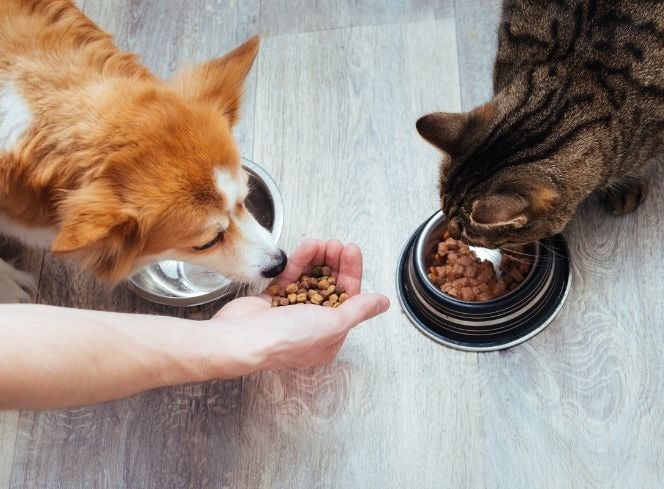
Obesity in pets is on the rise – it is estimated that over 50% of dogs in the UK are overweight. Obesity is a serious welfare issue and can negatively affect your pet in many ways, in some cases even causing diabetes, heart disease, respiratory disease, high blood pressure and even cancers. Here we will look at ways to tell if your cat or dog is overweight and ways to help prevent obesity in your pets.   How To Tell If Your Dog Is Overweight • You should be able to see and feel the outline of your dog’s ribs without too much excess fat.  • You should be able to feel your dog’s waist and it should be clearly visible when viewed from above. • Your dog’s belly should be tucked up with minimal fat.   How To Tell If Your Cat Is Over Weight • You should be able to see and feel your cat’s ribs, spine and hip bones.  • Your cat’s waist should be visible from above. • There should be only a minimal amount of fat on your cat’s tummy and it shouldn’t sag underneath. If you think your cat or dog do not pass these quick checks then consult your vet.    Are Some Pets More Likely To Be Obese Than Others? The simple answer is yes. Some breeds are at higher risk of obesity so read as much information about the breed of your cat or dog as you can. There is a plethora of pet food options on the market now tailored to various pet types and breed, so it is always worth tailoring your cat or dog’s diet to their breed type.  Age is a factor too as the risk of obesity increases with age. This can be due to a decrease in activity as your pet gets older. Similarly, indoor cats can be at higher risk than their more active outdoor cousins – again a lower level of activity can result in a higher risk of being overweight.    Preventing Obesity The main causes of obesity are from eating too much and lack of exercise. Get these two things right and your pet should sustain a healthy weight. Read about your particular breed of cat or dog to ensure you are feeding them the correct diet and make sure you provide them with the exercise they need.   How To Prevent Obesity In Dogs Some dogs will need more exercise than others; some will require only a two or three short walks around the block a day whilst others should be more active and will benefit from a good run on the beach or at the park. Check with your breeder if you’re unsure and feed the correct diet to suit their level of exercise.    How To Prevent Obesity In Cats Most outdoor cats will get plenty of exercise from their daily routine of prowling around their domain! If you have an indoor cat,  which are naturally less active, think about a low-fat diet and provide a tall scratch post with platforms and hideouts to help provide the natural exercise they are missing from not going outside. You might even like to consider a cat harness and lead and walk them around the garden.   Equally, if your pet is older they may live a more relaxed lifestyle. There are lots of food options for elderly pets that are full of the goodness they need to meet their specific requirements.  If you're unsure about the best options for your cat, have a word with your Vet for some more advice. 

By Zac Girdlestone

Read more
How To Prepare For Your New Kitten
11.06.19 June 11, 2019 Featured

How To Prepare For Your New Kitten

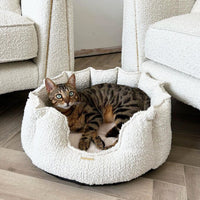
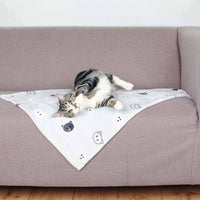
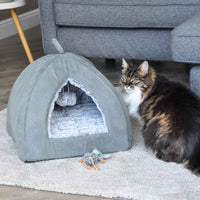
Are you soon to be a proud new Kitten parent?! Bringing a new pet home for the first time is super exciting but also a liitle daunting. You'll more than likely want them to have the best of everything and preparing your home for their arrival will be high on your to-do list. Here we'll discuss some things to think about when preparing for your new feline arrival and some items for you to consider. Whether your new cat is longhaired or short haired; a pedigree or moggy; an outdoor or indoor cat; take our steps to ensure you're fully prepared for their arrival!   Prepare your Household for the New Kitten It's important to set the ground rules before your kitten arrives, so the whole household can teach and encourage the same behaviours. There are a few things to consider before your kitten comes home: Will your kitten be an indoor or outdoor cat? Where will your kitten sleep? Which areas of the house will they be allowed in? Will they be allowed on furniture? Who is responsible at feeding time? And equally for grooming, vet visits, litter clean-up etc? Who will spend time with your kitten? As much as cats can be independant, they are social creatures and will relish any bonding time you spend with them. It is important to spend time in the initial stages as it will help settle them into their new home.    Kitten-Proof your Home  Making sure your home is kitten-safe is your number one priority. Kittens are naturally inquisitive and playful and will be attracted to all kinds of things around the house. Make sure wires and cables are either out of reach, or stored as neatly as possible. You could consider boxing in or taping wires to make them less attractive to mischievous kittens. Anything loose should be secured as your kitten will ultimately be attracted to anything that looks like it might move!    The Basic New Kitten Shopping List There are a few things all kittens will need, regardless of their breed or whether they'll be indoor or outdoor cats. Every new kitten owner should include the following in their new kitten shopping list: Food Bowls Bed Scratch post or pad Litter box or tray Litter and scoop Toys!   Cat Beds Cats are quite often happy to sleep in all kinds of places, but it's still nice to offer them a dedicated space of their own. There are a couple of options here; cats like to feel secure so a hooded cat bed is a great option especially for nervous kittens. A round donut bed is also a good idea as cats love to curl up at naptime. Alternatively, try a blanket to place on your sofa.  There's a high chance that your cat will find a sleeping spot of their choice - they'll probably be drawn to a sunny windowsill or corner of your bed (if allowed!!) so don't be offended if they don't always choose the bed you bought them!      Kitten Food Ensuring your kitten gets all the nutrients they need for their early development is essential. If you're getting your cat from a breeder they should suggest a food for you. It's best to keep feeding the same food for at least the first few weeks and if you do change, make it a slow progression from one food to another. Always check the individual food bag for feeding instructions such as portion size. We would ideally suggest feeding a mix of good quality dry and wet food; the former will help keep your cat's teeth clean and sharp and the latter will help keep their water intake up (cats don't always like drinking a lot!). Keep a dish of dry food down all day, along with fresh drinking water and then offer two small portions of wet food a day. Of course, you will be led by your cats taste too - so you may find your cat prefers wet food to dry or vice-versa.  Litter Tray and Accessories There are a number of litter box options available. Think about how big your kitten will grow to as an adult, but also ensure the box is easily accessible for a kitten. If you're expecting a large breed such as a Ragdoll or Maine Coone you may need to size-up your litter box as they grow. A hooded litter tray is a nice option as it will contain the litter when your cat covers their business and also offer them privacy. Our preference on litter is a good quality clumping litter. This tends to prevent odour and is super easy to sift and clean. It can be more expensive upfront, but tends to be more economical in the long run as you don't need to fully change the litter as often, just sift out the waste daily.   Scratching Posts  Another essential is a scratching post. Cats have a natural instinct to scratch and rather than prevent them from doing it, you should encourage it in the right place. A scratch post or pad will allow them to sate their desire whilst encouraging them to do it away from your precious furniture, wallpaper and carpets. A vertical scratch post or tree is a great choice for most as it allows your cat to stretch at the same time, keeping their muscles supple and healthy. You might also consider a cardboard scratch pad - many cats love the texture of cardboard and will gain as much pleasure from this as a tree. If your cat is going to be an indoor cat, we'd suggest investing in a good sized scratch tree. Indoor cats will naturally be less active than their outdoor cousins, so giving them a tree with a range of platforms and posts will encourage them to climb and exercise.    Toys We all know cats love to play, so offering a range of toys to keep them occupied is a must. Try to have a few different toys that you can rotate to keep your kitten interested.  We'd suggest a cat wand for playtime with you as well as some catnip stuffed mice and maybe a treat ball. One of our favourite collections of toys is the Catit Senses range which has been designed to appeal to every one of your feline's unique senses. Each Senses item can be used separately or in conjunction with other Senses items to create the ultimate kitty playground.  We hope you find this useful. Even if you take just one or two things from this, we hope we manage to take a little of the stress out of bringing home your kittten. Don't forget this is just a guide; you will soon find out what your cat does and does not like and be able to change their routine accordingly. Just remember; if you do make changes to things like litter and food, to do so over time. Incremental changes are always best when it comes to our felines!   Kitten Packs Looking for the ultimate kitten starter pack? We have just introduced two new Kitten Packs to our collection. Our kitten packs come in Standard and Luxury options and contain everything you need for your new furry arrival. Including a cosy bed, a blanket, litter tray and accessories, food bowls, scratch pad and toys.  If want to buy all the things you're going to need in the first few days, this is a great way to start. Shop the Kitten Packs here.

By Zac Girdlestone

Read more
Keeping Your Dog Active During National Pet Month
07.05.19 May 07, 2019 Health Featured

Keeping Your Dog Active During National Pet Month

In honour of National Pet Month, we thought we’d share some creative fitness tips and ideas to try with your pup. While you might want to indulge your furry friend in extra treats to show appreciation for them, be cautious as 1 in 3 dogs are overweight, and maintaining a healthy weight is important for your dog’s health.    Exercise Tips Going for regular walks with your dog is beneficial for weight control and for socialising your dog, but there are other fun exercises to check out too. Have you ever heard of dog diving? If your pup loves the water, then watch them have fun diving for a swim toy while also getting their daily exercise in. Ensure you have assessed any risks before attempting this exercise with your dog, this includes choosing a safe water zone. If you enjoy cycling, why not try with your pup? Try bikejoring where you use your dog’s power to pull your bike cross country. There are also indoor activities you can do with your pooch, such as playing tug-of-war and setting up an indoor obstacle course to help them get their daily exercise. Keeping your dog active is not only good for their health, but also helps limit unruliness and builds trust and a bond between you both.   If you’re unsure about how much exercise your dog needs or what exercise is right for them, then consult a vet or qualified dog care professional. And be sure to shop our dog toys for all interactive play you and your dog can enjoy together.

By Megan Willis

Read more
Dog Events for 2019 - Fantastic Events For Dog Lovers
30.04.19 April 30, 2019 Seasonal Featured

Dog Events for 2019 - Fantastic Events For Dog Lovers

We’ve been busy planning our Summer calendar. With so many things to see and do it can be difficult to fit everything in to the diary! This week we thought we’d highlight some of the canine events around the UK, that you might want to fit into your schedule this year…   All About Dogs Various Dates and Locations from April – September  This series of annual events is organised by dog lovers for dog lovers. With an array of activities for your and your dog to get involved in, including fun dog shows, have-a-go activities such as flyball, gundog and agility displays and handy tips and advice from the experts. Check out the All About Dogs website to find out where the nearest location is to you.      Paws in the Park  South of England Showground, West Sussex – 18- 19 MayKent Showground, Kent – 13-15 September Paws in the Park aims to bring everyone from the dog community together, with activities aimed at working & pet dogs as well as humans! There are canine displays of agility, have-a-go activities and competitions aplenty! Head to the Paws in the Park website for more information.   Dog Fest Knebworth House, Herts – 11-12 May  Tatton Park, Chesire – 15-16 JuneAshton Court, Bristol – 22-23 June This event is organised by Supervet Noel Fitzpatrick and has three great days out. The events includes the Supervet Live show which is presented by Fitzpatrick himself and includes expert advice and wonderful stories of miracles performed on animals. Other fun things going on at the events are the Great Dog Walk, agility displays and have-a-go sessions all taking place amidst the festival village and stalls.   Dogs Unleashed Bakewell Showground – 22-23 JuneUttoxeter Racecourse – 14-15 September If you’re looking for a host of fun activities and displays including all the usual things like gundog displays as well as the more unusual terrier racing, fire rescue dogs and dog portraits. This is a lovely event which supports a number of animal charities. To find out more about the show and the wonderful work they do for charity explore the Dogs Unleashed website.   The Great British Dog Walk Various Locations around the UK This is a favourite charity event for many dog lovers and the walks take place all around the country in beautiful locations, on various dates. Head to the Great British Dog Walk website for more information and purchase your tickets.   Discover Dogs Excel London, 12-13 October A show for all dog lovers, here you can meet all kinds of breeds as well discover a host of stalls selling canine goodies. A great show for those thinking about buying a dog, giving you the opportunity to meet, greet and learn about all kinds of canines. For more information about the event head to the Discover Dogs website.   National Pet Show NEC Birmingham – 2-3 November   The National Pet show is one of the largest pet events in the UK and celebrates not just dogs but domestic animals of all shapes and sizes. The Dog Village is where all things Canine happen including grooming demos, workshops and expert advice. Discover more at the National Pet Show website. ​​​We’d love to hear what events you are thinking of going to, and if there any other events you think should have made the list. If you went to any of these in 2018, let us know, tell us what you thought. And don’t forget to send us your pictures. We love to see you and your pets out and about on your travels and equally relaxing at home!)

By Zac Girdlestone

Read more
Preventing Separation Anxiety In Pets
16.04.19 April 16, 2019 Health Featured

Preventing Separation Anxiety In Pets

Dogs and cats, just like humans, are social creatures and leaving them on their own can cause distress. This can lead to both physical and psychological problems; pets can show signs of anxiety through vocalisation, destructive behaviour, distress as the owner prepares to leave, excessive grooming, along with other unusual behaviour.    Why Do Pets Suffer From Separation Anxiety? There are many reasons why a pet can develop separation issues. If your pet has grown attached to you or another member of the family and isn’t used to being away from them. There is something that frightens or worries them such as loud noises or strangers (the postman for example). Pets feel much more vulnerable when they are left to their own devices which will only heighten their feelings of fear.  Pets can also become unsettled if another animal companion dies. Strong bonds can be developed between each of our pets and they will suffer from the loss as much as humans.  Boredom. As mentioned before, boredom can be the cause of many issues in pets, particularly in young energetic pets who need lots of stimulation.   What Should I Do To Prevent Separation Anxiety? The key to preventing such issues lies in training from an early age. Try to leave your pet alone for short periods at a time from puppy or kitten stage so they realise that being away from you isn’t actually a bad thing. Choose a room in which you will leave them and make sure it is pet safe – nothing for them to break or hurt themselves on Make sure you have left them some water and a place to toilet, as well as a comfortable place for them to relax and sleep. This room should be used playtime and treat time when you are around, so they associate the area with positive things too. Many pets will like some kind of sound in the background; perhaps leave a radio on a low level in the room whilst you are out. Toys are a great addition to the area to help keep boredom levels at bay – dogs may like chew toys which will help encourage them not to chew your furnishings and tackle boredom. Maybe stuff some treats inside to keep them interested.  [Product]You could also try some calming products. Pet Remedy comes in a number of options including plug-in diffusers and sprays. These are all natural, made from essential oils and plant extracts to naturally calm and relax your pet. Exercise is also important. All pets require a certain level of exercise. It isn’t only good for their physical health but keeps their minds active and stimulated. Dogs should be taken on regular walks. A walk before you’re due to leave them alone is a great idea to burn off some steam and help relax them. If you have an indoor cat, provide plenty of scratch furniture and at least one tall tree. Indoor cats can be prone to weight gain anyway, due to their more sedate lifestyle. Providing them with plenty of stimulation in the form of climbing frames and toys will help keep them stimulated both when you’re at home and when you’re away.   If you think your pet is suffering from this or any other condition always consult your Vet for advice before changing routine or administering any kind of treatment. And don’t panic; there is plenty of information out there to help. There is a solution to every kind of problem!    For more expert advice and pet health information check out some of the following links: https://www.rspca.org.uk/adviceandwelfare/pets/general https://www.vets4pets.com/pet-health-advice/ https://www.clenthillsvets.co.uk/pet-advice/ If you have any questions about this or any other topic do let us know; we’re always happy to help as much as we can.

By Zac Girdlestone

Read more
New Kitten Shopping List - Everything you Need For Your New Kitten
02.04.19 April 02, 2019 Getting A Kitten Featured

New Kitten Shopping List - Everything you Need For Your New Kitten

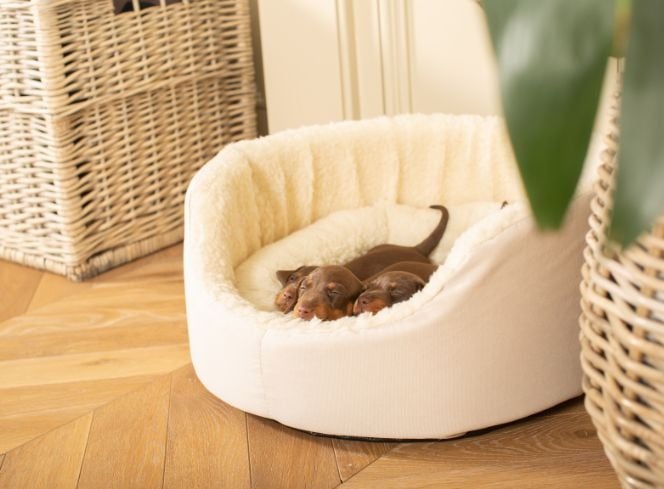
Waiting to bring home your new kitten is super exciting! Whether your new furry friend is a Pedigree or Moggy, there are a number of necessities you will need to have ready, in preparation for their arrival home.    What litter tray is best for kittens? Litter Tray – Litter training your kitty is essential, not just for indoor cats but for outdoor cats too. Buy a good quality litter (we like clumping litter as it tends to have no odour and is more economical) and a litter scoop for cleaning. If you’d like something that looks more attractive than a regular litter tray, our Cat Washroom is ideal – a stylish piece of furniture that hides your litter tray away.     The best bed for my kitten You will need a Cosy Cat Bed for your furry friends arrival (and all cats love to snooze!) In fact, a cat will sleep around 15 hours a day; up to 20 for kittens! With this in mind a cosy cat bed is a must-have. There are a number of options from cosy caves and hooded designs to radiator beds.          What does my kitten need? Cat Food & Water Bowls – A regular feeding regime is important for your growing kitten. Make sure you have at least two bowls for food and water. Keep dry food and fresh water available throughout the day. You may add a third, so you have separate bowls for wet and dry food. If you are getting your kitten from a breeder, speak to them about what food they recommend; they may give you a small amount when you collect your little one. There are a lot of resources online about cat food and what to feed them, but as long as you choose a good quality food especially for kittens you can’t go wrong. We’d also recommend feeding them both dry and wet food. The former is good to keep down all day for them to graze on and will help keep their teeth healthy. The latter is good for their digestion and water works and will help keep their fluid intake up – not all cats love drinking water. Aim for two small portions per day (check the individual food packaging for portion recommendations). Cat Carrier – Regular trips to the Vet will ensure your cat is healthy. After their initial vaccinations, they will need a yearly trip to top them up. A carrier will allow you to travel with your cat in safety. We particularly like the Catit Cabrio as it opens fully from the top allowing for easy access to nervous kittens. There are a number of other styles and designs to choose from though. Scratch Post or Tree – All cats love to eat, play, sleep and…. Scratch! Rather than discourage from scratching you should encourage them to do it in the correct places. Scratching is a healthy habit which will keep your cats claws healthy; removing the dead husks as they grow out, and also allows them to stretch out their muscles – cats are athletic creatures by nature, so a good stretch is great way to keep their muscles in tip-top shape! As a kitten you may wish to choose a small compact scratch post, but as they grow think about choosing a tall post that they can really stretch against as they scratch. A tall cat tree with a series of posts and platforms is great if you have the room as it will appeal to your cat’s love for climbing – also a great idea for indoor cats as it will help keep them active and their weight under control.  Cat Collar – This isn’t necessarily an essential for all cats, but if you’re kitten will one day venture outside you may wish to give them a collar. Collars can be adorned with an I.D tag so if your cat gets stuck up a tree or roams too far from home then hopefully someone will be able to bring them home. If you do choose to collar your cat, do your research and ensure you choose one with a breakaway collar in case it gets caught on your cat travels.     Cat Toys –Playtime is good for kittens’ development so toys are an essential on your kitten shopping list. Think about a series of toys that will appeal to your cats hunting instinct. Catnip mice and balls are always a favourite, but also think about teaser wand toys and something interactive. Our top pick would be a toy or two from the Catit Senses range. The Senses 2.0 range is designed to fulfil every one of your cat’s unique senses (hence the name) and can be used as separate items or connected together as a set. Grooming Kit – Different breeds will have different grooming requirements. A soft brush is a good addition to every cat owner’s accessories, but if you are bringing home a long-haired breed then you will need an array of tools to help keep their coat in tip-top condition. We stock a number of ancol brushes and combs for everyday grooming, but if you’re looking for the ultimate grooming kit then take a look at the Catit kits, one for longhaired breeds and one for shorthaired breeds, they contain everything you will need to keep your cat looking beautiful.   Microchip your cat – Not really an item for your shopping list, but an absolute must for all pet owners (cat and dog alike, both indoor and outdoor pets). Even if you intend to collar your cat you should microchip your pet so they can be traced properly.  Of course this is just a guide to the necessities you should think about in advance of bringing your kitten home, rather than a definitive list. Have a browse, speak to your breeder if you’re getting a pedigree and select the things that you think will best suit you and your lifestyle. If you have any questions, do get in touch.; we’re always happy to help!
By Zac Girdlestone

Read more
Plants To Be Aware Of That Are Poisonous To Pets
26.03.19 March 26, 2019 Health Featured

Plants To Be Aware Of That Are Poisonous To Pets

Flowers always brighten up a spring morning; whether it’s a blossoming tree or a special bouquet from a loved one, we love the colour and fragrance they add to rooms and gardens. As pet owners it is really important to know which flowers and plants are poisonous to animals. You may remember our post last Spring about plants and flowers to be wary of around your pets. With Mother’s Day just around the corner we thought we’d highlight some of the other poisonous plants to be aware of.  Chrysanthemums Peonies Delphiniums Azalea Amaryllis If you have a pet, it doesn’t mean you shouldn’t have these plants at all, but just be extra cautious. Keep them out of reach of pets or in rooms that your pet isn’t allowed. If you think your pet has eaten any plant, it is always best to take them to the vet for a check-up.   Pet Friendly Flowers If you’re looking for pet friendly blooms, either for a loved one or yourself, both Bloom & Wild and Arena Flowers have a wonderful selection of bouquets to choose from. 

By Zac Girdlestone

Read more
Cat Proofing Your Home
12.03.19 March 12, 2019 Getting A Kitten Featured

Cat Proofing Your Home

Do you have an inquisitive feline? Perhaps you’re about to be a first-time cat owner? Your home will soon become their home and making sure they’re safe in their environment will be really important. We thought wed put together a handy guide to Cat Proofing your home and making sure you're ready for their arrival.  We also have a handy illustrated guide form the guys over at Sainbury’s Bank Money Matters Blog to help you remember the main points.    Hide Away Harmful Foods The first top tip is to ensure to make sure harmful human foods are stored away from your new pet. Your new cat or kitten needs to have a safe environment which means keeping foods that are poisonous to cats stored safely away; they will want to explore and will be highly inquisitive, so make sure they can't get to anything that isn't safe. Some of the foods that are toxic to cats are: grapes & raisins; chocolate; raw eggs; caffeinated drinks and alcohol.    Cat Safety around the Home There are other potential hazards for your cat around theme, not just human foods. Beware of electrical wires and cords - we all know how much cats and kittens love to play. A stray lead behind the tv or overhanging wire in the kitchen will look oh so inviting to your hunting kitty. Make sure they are tucked safely away and out of reach of playful cats.  Keep Medicines and cleaning supplies locked away - This may seem obvious, but it's easy to take a tablet from the cupboard and leave the bottle on the side. If you have cats (or any other pets) make sure all medical supplies are kept safely locked away in a cupboard, draw or cabinet. The same goes for household cleaning products. you might want to start checking the back of certain products that you buy to see the recommendations they have regarding pets. Some fly sprays for instance are highly toxic to cats - so be fully aware of what you are using around your home and make sure products are pet-safe.   Check your Washing Machine - Cats love snuggling down in secret, dark corners for a snooze. you may have provided them with the most comfortable bed you can find but they are sure to find other places to snooze too! Be careful of your washing machine once your new kitten comes home - keep the door closed even when not in use and always make sure your inquisitive kitty hasn't sneaked inside before starting a cycle. Flowers - There are may types of flowers and plants that are actually toxic to cats and other pets. Try to keep indoor flowers and plants out of reach of your cat. you might want to check that your garden has no varieties that are toxic to cats either.   Kitten Training with Children Introducing a cat to your home is rather different from introducing a dog. Where the latter can be trained and will enjoy lots of human socialisation, cats tend to be rather more independent. Of course there are many lap cats who love a fuss and a cuddle on the sofa, but for every lap cat there are probably two or three much more independent felines - and we should love them for it! With this in mind teaching our children to respect their new feline family members and understand their needs is really important.  Teach your children to pet and stroke kitten gently and also teach them to stop when kitten shows signs that they've had enough. A swishing tail or turned back ears are just two signs that your cat is less than happy. A nice way to involve your children is to include them when feeding your cat. The main thing is teaching respect and ensuring your cat or kitten has somewhere they retreat to when they want to enjoy some alone time.     Cat and Kitten Furniture & Accessories at Lords & Labradors  ​We have a whole department at Lords & Labradors dedicated to your kitties. Our Cat Emporium has everything you could possible need including Scratch Posts and trees, Cat Carriers, Treats and Beds. Make the perfect home for your cat with our wide range of cat products and accessories. Discover the Cat Emporium now! ​​​If you have any questions, about this article in particular or something more general, do get in touch.  Also, make sure you check out the Money Matters Blog for articles relating to all kinds of things, from finance to more general lifestyle articles. 
By Zac Girdlestone

Read more
Natural Pet Remedies For Everyday Maladies
26.02.19 February 26, 2019 Health Featured

Natural Pet Remedies For Everyday Maladies

​We all want the very best for our pets. That doesn’t just mean buying them the most comfortable bed or fanciest collar, but also goes for their daily health too. Whether it’s a dry nose, a nervous disposition or sore paws, finding the right remedy is an important consideration. Here we take a look at some natural pet remedies for everyday maladies including a couple of things you might find around the home…   Bad Breath Does your dog suffer from bad breath? After a quick trip to the vet to rule out any serious dental issues, try a drop or two of peppermint or spearmint oil in your dog’s water bowl to freshen up his breath.  You could use our Pooch & Mutt Fresh Breath treats as a reward for good behaviour or as a training aid. With peppermint in the ingredients which helps digestion as well as freshens breath.   ​​​​Skin Issues or Dry Coat If your dog’s coat is looking dry then they may need a boost of Omega 3 to help restore the natural oils. Look for human grade omega 3 products tested to be free of any toxins and check with your Vet for the best dosage. You could also look for dog foods and treats with added Omega 3 such as the Billy + Margot Beef Liver Bites.  If your dog is prone to dry skin, then a natural balm is a must-have product. The all natural Wild Dog Co Skin Relief Balm is perfect for a number of issues including dry skin, insect bites and minor cuts and scrapes.   Minor Wounds To clean a minor wound you could use a 50-50 mix of green tea and water and apply with a gauze pad. Green tea contains anti-septic properties and so will help stop infection. Leucillin antiseptic spray is an unbeatable natural anti-septic spray used by animal professionals. Containing Hypochlorous which is a neutral chemical found naturally in the body. It is 100% pet safe having been specially formulated for all animals and kills up to 99.999% of germs and bacteria. It is safe to be used on all sensitive areas and is harmless if ingested when used on domestic pets.   Sore Paws WildWash’s Healing Paw Balm is the perfect antidote for cracked, dry or rough paws. A 100% natural balm containing Almond Oil, frankincense and Kanuka, it is great in adverse weather conditions, both hot and cold – affording protection against hot pavements and ice and salt.   Minor Sunburn or Hot Spots If your dog’s skin becomes reddened from the sun then aloe vera gel, with its anti-inflammatory and anti-bacterial properties, is the perfect natural skin soother. Do beware of the white sap from the aloe vera plant and always ask your vet before using any commercial aloe vera creams.   Dry Nose If you have a dog prone to a dry nose such as a pug or Frenchie, then a nose balm is an essential item. The Wild Dog Co Nose Balm is all natural, containing a mixture of calendula, Seabuckthorn extract and essential oils to help sooth and soften dry noses. Wonderfully moisturising and nourishing for the snout area and 100% safe to eat (we recommend applying after eating to give the balm chance to work before it can be licked off).   Anxious Pets If your pet’s health worry is more psychological than physical, there are natural remedies to help. A nervous disposition in pets can be caused by all sorts of things such as loud noises, a new home or a change of routine. Our Pet Remedy range includes a number of products in both spray and diffuser form that will help anxious pets to relax. Containing a mixture of natural plant extracts and oils, the sprays can be used on bedding, soft furnishing, in the car or on the carpet. ​

By Zac Girdlestone

Read more
Top 5 Pet Accessories For Your Car
11.02.19 February 11, 2019 Travel Featured

Top 5 Pet Accessories For Your Car

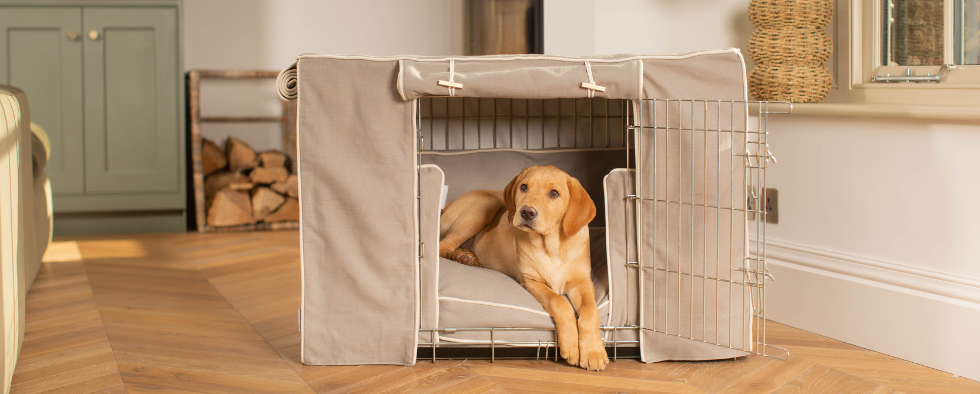
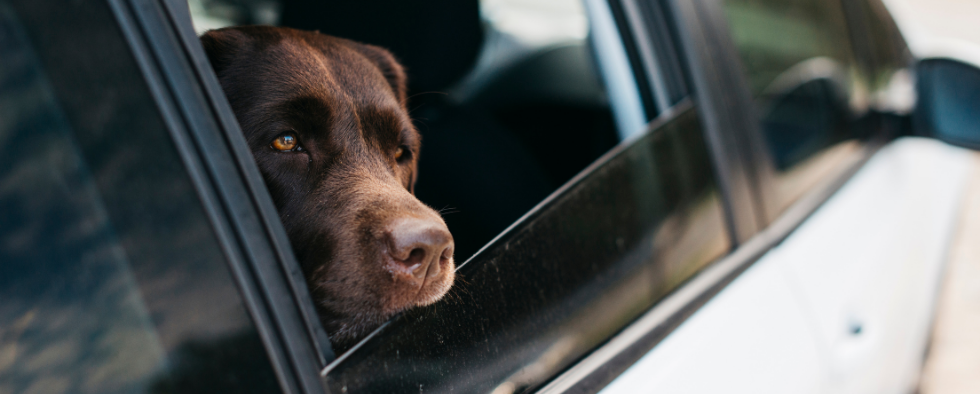
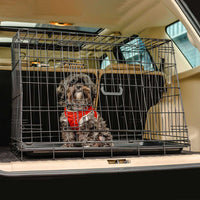
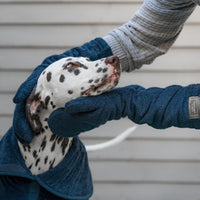
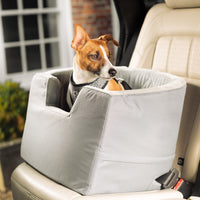
Whether you’re a constant long-distance traveller or mainly stick to short trips around town, we have a number of travel accessories to make car travel with your pets as comfortable and easy as possible. Here we look at the top five travel accessories every dog owner should have.    1. Travel Crate It is a legal requirement that dogs are kept safely restrained in the car when travelling. This goes for short and long distance journeys. A travel crate is a great option for most dog owners; whether it’s a slanted crate for small breeds or a large carrier for medium to large breeds.   2. Car Seat Belts & Carriers If you prefer to travel with your dog in the main area of the car rather than the boot, then a dog seat belt or carrier which straps in to the seat is a great way to keep them safe. Seatbelts attach to your dogs harness (don’t attach to a collar as it may pull on your dog’s neck) and clip into your car’s fitted seatbelt. These are great for larger breeds that are too big for your boot. Where as the smaller carriers are great for smaller pups to be safely secured in the car.    3. Travel Bowls Travel bowls are an essential item for longer journeys. The Beco travel bowls are our favourite as they fold down flat for easy storage and are made from eco-friendly plant based fibres. Available in a number of sizes and colours these are truly handy accessories for any dog owner.   4. Boot Mats A good quality boot mat is a handy addition to any travel accessories collection. Perfect after a walk in the countryside or on the beach to help protect your car from muddy paws.    5. Drying Coat or Bag This may seem like an odd choice for a travel accessory, but actually these come in so handy on your travels. Drying coats, towels and bags aren’t just for bath time but ideal after a run on the beach, or to dry off after a wet weather walk. Pop the coat on once you get back to the car and it will help dry and keep your pup warm. We always keep a drying coat in our travel bag as you just never know when it might come in handy!   And We haven’t forgotten Travel for Cats… It’s just as important to ensure our cats are safe on their travels. From short trips to the vet to longer car journeys, a good quality carrier is a must-have.     What are your favourite travel accessories? We’d love to know what items you can’t live without when travelling with your furry family members. Send us pictures and we may even feature you in a social media post!

By Megan Willis

Read more

loyal customer in 17 countries

Why Shop With Us?

  • Free Delivery

    Orders over £75 qualify for free standard UK delivery. Orders under £75 will be calculated at the checkout.

  • Shopping Made Easy

    Gain exclusive access to sales and shop all your pets favourites on the go by downloading our app.

  • Designed in the UK

    Our own brand products are lovingly designed in our specialist UK workshop to our exacting standards.

  • We're Here For You

    Contact our Pet Experts on Chat or by email at sales@lordsandlabradors.co.uk