







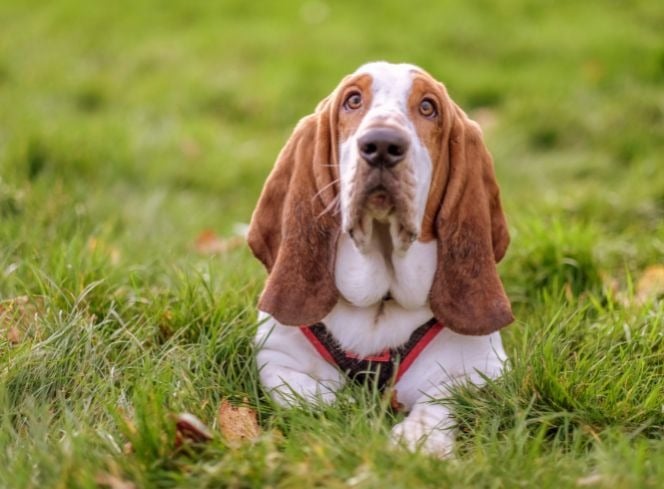
Bassett Hound Ultimate Guide
05.02.24 February 05, 2024 Dog Breed Guide

Bassett Hound Ultimate Guide

If you're considering adding a Basset Hound to your family or already have one wagging its tail around your home, you're in for a delightful journey with this charming breed. Basset Hounds, with their droopy ears, soulful eyes, and affectionate demeanour, capture the hearts of dog lovers worldwide. In this comprehensive guide, we'll delve into the intricacies of Basset Hound ownership, covering everything from their distinctive traits and health concerns to training tips, accessories, and nutrition essentials. Shop Basset Hound Essentials Here Basset Hound Traits: Understanding the Essence Basset Hounds are renowned for their distinctive appearance and gentle temperament. Here are some key traits that define this lovable breed: Appearance: Bassets are low to the ground with long, droopy ears, soulful eyes, and a wrinkled brow that gives them a perpetually sad expression. Temperament: Known for their gentle and laid-back demeanour, Basset Hounds are affectionate, loyal companions who thrive on human company. Scent Hounds: Bassets have an exceptional sense of smell, inherited from their hunting ancestry, which can lead them to follow interesting scents for miles if given the opportunity. Basset Hound Health Issues: Prioritising Well-being While Basset Hounds are generally healthy dogs, they are prone to certain breed-specific health issues, including: Hip Dysplasia: A common condition in larger breeds, hip dysplasia can affect Basset Hounds, leading to discomfort and mobility issues. Intervertebral degenerative disc disease (IVDD): Due to their small legs and long backs Basset Hounds are prone to developing IVDD, also known as a slipped disc Obesity: Their love for food combined with their sedentary nature can predispose Bassets to obesity, which can exacerbate other health problems, including IVDD Ear Infections: Those long, floppy ears can trap moisture and debris, making Basset Hounds susceptible to ear infections. Dermatitis: Due to their skin folds Basset Hounds are prone to developing dermatitis Regular veterinary check-ups, a balanced diet, and adequate exercise are crucial for maintaining your Basset Hound's health and well-being. Basset Hound Personality: Endearing Quirks and Charms Basset Hounds have a personality as unique as their appearance. Here's what you can expect: Affectionate: Bassets adore their human family members and thrive on companionship and attention. Laid-back: While they enjoy outdoor adventures, Basset Hounds are equally content lounging on the couch with their favourite humans. Stubborn: Their independent streak can make training a challenge, but patience and consistency yield rewarding results. Chatty: They are known for their love to sing, howl and bark, Bassets are known for being a more vocal breed Basset Hound Training: Nurturing Obedience and Bonds Training a Basset Hound requires patience, positive reinforcement, and a good dose of humour. Here are some tips for successful training: Start Early: Begin training and socialisation from a young age to prevent undesirable behaviours from becoming entrenched. Positive Reinforcement: Use treats, praise, and rewards to motivate your Basset Hound during training sessions. Be Patient: Bassets have a stubborn streak, so consistency and patience are key to successful training outcomes. Walking Accessories For Basset Hounds: Ensuring Comfort and Safety When it comes to walking your Basset Hound, the right accessories can make all the difference: Harness: A harness is a great option for spreading the pressure and relieving strain if your Basset Hound likes to pull, which is common due to their scenting nature. We recommend an adjustable neck harness, such as the Ruffwear front range harness, as you will be able to adjust them to fit your Basset Hounds deep chest. Collar and lead set: If you’re looking to walk your Basset Hound on a collar and lead we recommend our Padded Italian leather collar and lead sets, the padding on the collar makes them super soft and supportive on your Basset’s neck and the matching lead is a must-have for any style conscious pooches   Best Dog Toys for Basset Hounds: Keeping Them Entertained Basset Hounds have a playful side that thrives on interactive toys and games. Here are some favourites: Plush Toys: Soft, squeaky plush toys appeal to your Basset Hound's natural hunting instincts and provide hours of entertainment. The GiGwi Duraspikes are great for hunting dogs as they are made to be more durable than your average plush dog toy so should last longer! Fetching Toys: Due to your Basset’s hunting heritage they are likely to love a game of fetch, we particularly love the Nerf toys for playing fetch with. The Trackshot Launcher Duck will take your games of fetch to a whole new level, it’s an elasticated slingshot toy and can launch up to 75 feet. The Air Strike thrower is great for dogs who just love to chase after a tennis ball, it elevates the classic game of fetch into a long-distance chasing exercise - perfect for their hunting instincts. Tug-of-War Ropes: Sturdy ropes are perfect for interactive play sessions and help satisfy your Basset's urge to chew. We have a big selection of rope toys to choose from for your next game of tug of war with your Basset Hound. Puzzle Toys: Challenge your Basset's mind with puzzle toys that dispense treats as rewards, keeping them mentally stimulated and engaged. They are scent dogs so having them work for their food using puzzle toys is a great way to stimulate them. We particularly love the Nina Ottosson interactive toys, there is a big selection of interactive toys to keep your Basset Hound’s mind busy.   Best Bed for a Basset Hound: Prioritising Comfort and Support Given their love for lounging, choosing the right bed for your Basset Hound is essential: Cosy & Calming Puppy Crate Bed: Our Cosy & Calming puppy crate beds are perfect for when you first bring your Basset puppy home, they fit exactly half the crate so are perfect for crate training. Luxury Box Beds: Box beds are perfect for dogs who love to spread out whilst they sleep and are perfect for when they graduate from their cosy & calming bed. Our box beds come in all of our signature fabrics so there’s sure to be something that matches your style! Orthopaedic Bed: Basset Hounds, like many larger breeds, benefit from the support and comfort of an orthopaedic bed, especially as they age. Our Orthopaedic Twill mattresses are crafted with thick orthopaedic foam and a plush fur top, so are perfect for supporting your Basset.   Basset Hound Food and Treats: Nourishing Their Appetites Proper nutrition is vital for your Basset Hound's health and vitality. Here are some considerations: High-Quality Diet: Choose a well-balanced, high-quality dog food formulated for your Basset's age, size, and activity level. Our favourite food brands include Orijen, Acana and Carnilove, they’re all designed with your dog’s health and nutrition at the forefront. Portion Control: Monitor your Basset's food intake to prevent overeating and obesity. Healthy Treats: Offer nutritious, low-calorie treats in moderation to reinforce good behaviour and strengthen the bond between you and your Basset Hound. In conclusion, welcoming a Basset Hound into your life is a journey filled with love, laughter, and cherished memories. By understanding their unique traits, addressing their health needs, providing appropriate training and enrichment, and nourishing them with love and care, you'll enjoy a fulfilling companionship that lasts a lifetime. With the right guidance and dedication, your Basset Hound will become not just a beloved pet but a cherished member of your family. Shop all the essentials for your Basset Hound here!

By Megan Willis

Read more

If you're considering adding a Basset Hound to your family or already have one wagging its tail around your home, you're in for a delightful journey with this charming breed. Basset Hounds, with their droopy ears, soulful eyes, and affectionate demeanour, capture the hearts of dog lovers worldwide. In this comprehensive guide, we'll delve into the intricacies of Basset Hound ownership, covering everything from their distinctive traits and health concerns to training tips, accessories, and nutrition essentials. Shop Basset Hound Essentials Here

Basset Hound Traits: Understanding the Essence

Basset Hounds are renowned for their distinctive appearance and gentle temperament. Here are some key traits that define this lovable breed:

  • Appearance: Bassets are low to the ground with long, droopy ears, soulful eyes, and a wrinkled brow that gives them a perpetually sad expression.
  • Temperament: Known for their gentle and laid-back demeanour, Basset Hounds are affectionate, loyal companions who thrive on human company.
  • Scent Hounds: Bassets have an exceptional sense of smell, inherited from their hunting ancestry, which can lead them to follow interesting scents for miles if given the opportunity.

Two Basset Hounds with their tongues out

Basset Hound Health Issues: Prioritising Well-being

While Basset Hounds are generally healthy dogs, they are prone to certain breed-specific health issues, including:

  • Hip Dysplasia: A common condition in larger breeds, hip dysplasia can affect Basset Hounds, leading to discomfort and mobility issues.
  • Intervertebral degenerative disc disease (IVDD): Due to their small legs and long backs Basset Hounds are prone to developing IVDD, also known as a slipped disc
  • Obesity: Their love for food combined with their sedentary nature can predispose Bassets to obesity, which can exacerbate other health problems, including IVDD
  • Ear Infections: Those long, floppy ears can trap moisture and debris, making Basset Hounds susceptible to ear infections.
  • Dermatitis: Due to their skin folds Basset Hounds are prone to developing dermatitis

Regular veterinary check-ups, a balanced diet, and adequate exercise are crucial for maintaining your Basset Hound's health and well-being.

Basset Hound Personality: Endearing Quirks and Charms

Basset Hounds have a personality as unique as their appearance. Here's what you can expect:

  • Affectionate: Bassets adore their human family members and thrive on companionship and attention.
  • Laid-back: While they enjoy outdoor adventures, Basset Hounds are equally content lounging on the couch with their favourite humans.
  • Stubborn: Their independent streak can make training a challenge, but patience and consistency yield rewarding results.
  • Chatty: They are known for their love to sing, howl and bark, Bassets are known for being a more vocal breed

Basset Hound puppy in the autumn leaves

Basset Hound Training: Nurturing Obedience and Bonds

Training a Basset Hound requires patience, positive reinforcement, and a good dose of humour. Here are some tips for successful training:

  • Start Early: Begin training and socialisation from a young age to prevent undesirable behaviours from becoming entrenched.
  • Positive Reinforcement: Use treats, praise, and rewards to motivate your Basset Hound during training sessions.
  • Be Patient: Bassets have a stubborn streak, so consistency and patience are key to successful training outcomes.

Walking Accessories For Basset Hounds: Ensuring Comfort and Safety

When it comes to walking your Basset Hound, the right accessories can make all the difference:

  • Harness: A harness is a great option for spreading the pressure and relieving strain if your Basset Hound likes to pull, which is common due to their scenting nature. We recommend an adjustable neck harness, such as the Ruffwear front range harness, as you will be able to adjust them to fit your Basset Hounds deep chest.
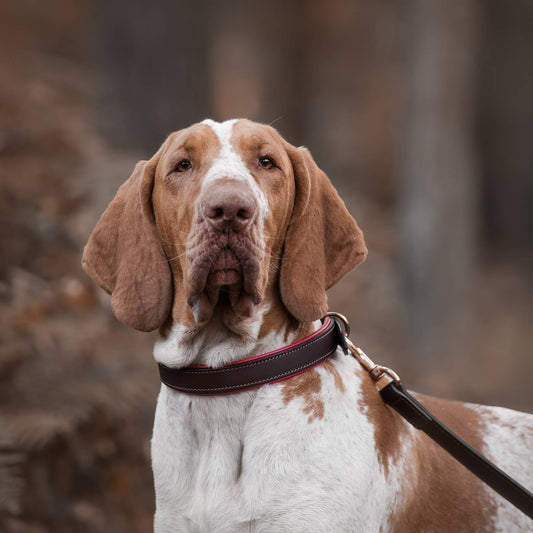
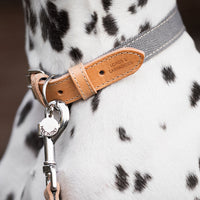
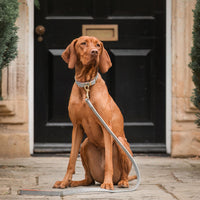
  • Collar and lead set: If you’re looking to walk your Basset Hound on a collar and lead we recommend our Padded Italian leather collar and lead sets, the padding on the collar makes them super soft and supportive on your Basset’s neck and the matching lead is a must-have for any style conscious pooches

Brown and white dog wearing a black and red padded leather dog collar and lead Staffy wearing a black dog harness on a walk

Best Dog Toys for Basset Hounds: Keeping Them Entertained

Basset Hounds have a playful side that thrives on interactive toys and games. Here are some favourites:

  • Plush Toys: Soft, squeaky plush toys appeal to your Basset Hound's natural hunting instincts and provide hours of entertainment. The GiGwi Duraspikes are great for hunting dogs as they are made to be more durable than your average plush dog toy so should last longer!
  • Fetching Toys: Due to your Basset’s hunting heritage they are likely to love a game of fetch, we particularly love the Nerf toys for playing fetch with. The Trackshot Launcher Duck will take your games of fetch to a whole new level, it’s an elasticated slingshot toy and can launch up to 75 feet. The Air Strike thrower is great for dogs who just love to chase after a tennis ball, it elevates the classic game of fetch into a long-distance chasing exercise - perfect for their hunting instincts.
  • Tug-of-War Ropes: Sturdy ropes are perfect for interactive play sessions and help satisfy your Basset's urge to chew. We have a big selection of rope toys to choose from for your next game of tug of war with your Basset Hound.
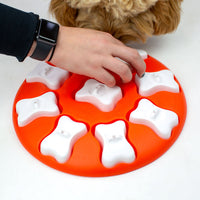
  • Puzzle Toys: Challenge your Basset's mind with puzzle toys that dispense treats as rewards, keeping them mentally stimulated and engaged. They are scent dogs so having them work for their food using puzzle toys is a great way to stimulate them. We particularly love the Nina Ottosson interactive toys, there is a big selection of interactive toys to keep your Basset Hound’s mind busy.

Labrador carrying a blue dog toy through a field of wheat Cockapoo using an interactive dog toy to sniff for treats

Best Bed for a Basset Hound: Prioritising Comfort and Support

Given their love for lounging, choosing the right bed for your Basset Hound is essential:

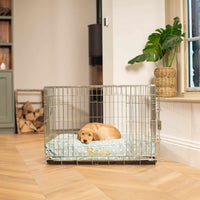
  • Cosy & Calming Puppy Crate Bed: Our Cosy & Calming puppy crate beds are perfect for when you first bring your Basset puppy home, they fit exactly half the crate so are perfect for crate training.
  • Luxury Box Beds: Box beds are perfect for dogs who love to spread out whilst they sleep and are perfect for when they graduate from their cosy & calming bed. Our box beds come in all of our signature fabrics so there’s sure to be something that matches your style!
  • Orthopaedic Bed: Basset Hounds, like many larger breeds, benefit from the support and comfort of an orthopaedic bed, especially as they age. Our Orthopaedic Twill mattresses are crafted with thick orthopaedic foam and a plush fur top, so are perfect for supporting your Basset.

Cosy and calming puppy crate bed Orthopaedic dog mattress

Basset Hound Food and Treats: Nourishing Their Appetites

Proper nutrition is vital for your Basset Hound's health and vitality. Here are some considerations:

  • High-Quality Diet: Choose a well-balanced, high-quality dog food formulated for your Basset's age, size, and activity level. Our favourite food brands include Orijen, Acana and Carnilove, they’re all designed with your dog’s health and nutrition at the forefront.
  • Portion Control: Monitor your Basset's food intake to prevent overeating and obesity.

  • Healthy Treats: Offer nutritious, low-calorie treats in moderation to reinforce good behaviour and strengthen the bond between you and your Basset Hound.

In conclusion, welcoming a Basset Hound into your life is a journey filled with love, laughter, and cherished memories. By understanding their unique traits, addressing their health needs, providing appropriate training and enrichment, and nourishing them with love and care, you'll enjoy a fulfilling companionship that lasts a lifetime. With the right guidance and dedication, your Basset Hound will become not just a beloved pet but a cherished member of your family. Shop all the essentials for your Basset Hound here!

Related Products

Related Collections

Basset Hound Dog Collars, Beds & Accessories

The Lords & Labradors' Basset Hound accessories and essentials collection is the... 

Dog Essentials

  Discover a wonderful collection of luxury dog products at Lords &... 

Next Article
Bichon Frise Ultimate Guide

Related Articles

  • How Much Exercise Does a Beagle Need
    15.05.26 May 15, 2026 Dog Breed Guide

    How Much Exercise Does a Beagle Need

    If you've ever watched your Beagle bounce around the house like a furry pinball machine, you're probably wondering exactly how much exercise does a Beagle need to channel all that energy. The answer isn't as simple as a daily walk around the block—these spirited hunting dogs require a thoughtful blend of physical activity and mental challenges that evolves throughout their lives. From puppyhood through their golden years, we'll help you create the perfect exercise routine that keeps your Beagle happy, healthy, and blissfully tired at the end of each day. Understanding Your Beagle's Exercise Needs Beagles are natural athletes with boundless curiosity, originally bred to hunt alongside humans for hours at a time. This heritage means your Beagle comes hardwired with impressive stamina and an insatiable need to explore the world through movement and scent. When you're wondering how much exercise does a beagle need, think beyond just a quick walk around the block. These spirited dogs thrive on both physical activity and mental challenges to stay balanced and content. You'll likely notice that a tired Beagle is a happy Beagle—while an under-exercised one might redecorate your living room or serenade the neighbors with their famous howl. The wonderful thing about Beagles is their adaptability. Whether you're training for a marathon or prefer gentle evening strolls, your Beagle can match your rhythm with the right routine. Their daily activity needs shift dramatically throughout their lives, from the careful pacing required for bouncy puppies to the modified activities that keep senior dogs comfortable and engaged. Getting these evolving needs right makes all the difference in creating a sustainable exercise plan that keeps your Beagle physically fit, mentally sharp, and genuinely happy. Regular exercise becomes the cornerstone of everything from healthy joints to good behavior, setting you both up for years of adventures together. Exercise Requirements by Age: Puppies, Adults, and Seniors Understanding how much exercise a Beagle needs isn't straightforward since their energy levels and capabilities change as they grow. A playful eight-week-old puppy has very different requirements from a gentle nine-year-old senior. Striking the right balance is crucial to keeping your furry friend healthy and content. Puppies (2-12 months) Beagle puppies are bundles of energy, but protecting their growing joints from overexertion is key: - Follow the "5-minute rule": Allow 5 minutes of exercise per month of age, twice daily (e.g., a 3-month-old should get 15 minutes, twice daily). - Focus on short, frequent play sessions rather than long walks. - Include games like hide-and-seek and puzzle toys. - Avoid repetitive activities such as jogging or jumping until growth plates close, around 12-18 months. - Rest is just as important as activity for healthy development. Callout: The 5-Minute Rule This helpful guideline prevents joint damage as your puppy grows. For example, a 4-month-old Beagle should get about 20 minutes of structured exercise twice daily, along with plenty of nap time. Creating proper crate training routines ensures your puppy rests adequately between active periods. Adults (1-7 years) Adult Beagles have impressive stamina and high energy levels, needing regular outlets: - Aim for 60-90 minutes of varied activity throughout the day. - Include two structured walks and additional playtime. - Mix activities like hiking, fetch, agility training, or scent work. - Embrace these years as a time for exciting adventures and new experiences together. Seniors (8+ years) Older Beagles still require exercise, but comfort becomes more important: - Scale back to 30-60 minutes of gentler daily exercise. - Opt for softer surfaces and shorter distances on walks. - Swimming offers excellent low-impact exercise for aging joints. - Watch for signs of stiffness and adjust the routine as needed. Adapting your Beagle's routine to their life stage ensures they remain healthy and happy, protecting their joints while they enjoy many years of tail-wagging adventures. Mental Stimulation: Keeping Your Beagle's Mind Active While figuring out how much exercise your beagle needs, it's easy to focus purely on walks and runs while forgetting about their mental workout requirements. Beagles were bred as hunting hounds, which means their brains crave just as much engagement as their bodies do. Without proper mental stimulation, even a well-exercised beagle can turn into a four-legged tornado of destruction—think excessive barking, crater-sized holes in your garden, or your favorite slippers becoming unrecognizable chew toys. Here are tried-and-tested ways to challenge your beagle's brilliant mind: Puzzle feeders and treat-dispensing toys that transform mealtime into an engaging brain game Scent work games like hiding treats around the house or teaching them to find specific toys by smell Snuffle mats that tap into their natural foraging instincts Hide-and-seek with family members or favorite toys throughout your home Short training sessions focusing on new tricks or polishing existing commands (keep these upbeat and brief) Toy rotation system where you swap out playthings weekly to keep things fresh and exciting Did You Know? Just 15 minutes of focused mental stimulation can tire your beagle as much as a 30-minute walk. Mental enrichment isn't an add-on to your beagle's exercise routine—it's absolutely fundamental. A mentally satisfied beagle tends to be calmer, more responsive to training, and genuinely easier to live with. Watch for those telltale signs of contentment after brain games, because understanding your dog's body language helps you recognize when they're truly fulfilled rather than just physically knackered. This insight makes determining your beagle's ideal exercise balance much more tailored to their unique personality and energy levels. Off-Lead Safety Tips for Beagle Adventures Beagles were born to follow their noses across open countryside, and off-lead adventures let them express these natural hunting instincts while burning off their abundant energy. These moments of freedom transform routine walks into the kind of beagle daily activity that truly satisfies both their physical needs and their deep-rooted desire to explore. Safety comes first when transitioning to off-lead exercise: Master recall training before going lead-free - Start indoors, then move to a securely fenced garden. Your Beagle should return immediately when called, even when distracted by the most tantalizing smells. Choose enclosed spaces initially - Fenced dog parks, tennis courts, or secure fields give your Beagle freedom while keeping them contained when their nose inevitably takes over their brain. Start with short off-lead sessions - Five minutes of freedom beats an hour of your anxiety. Build up gradually as both your confidence and their reliability improve. Watch for "scent lock" - You'll know it when you see it: nose down, ears off, completely oblivious to your existence. Be ready to intervene before they follow that fascinating trail into the sunset. Keep high-value treats handy - A pocket full of something irresistible makes you infinitely more interesting than whatever they're investigating. Remember: A rock-solid recall isn't just helpful—it's your Beagle's lifeline during off-lead adventures. During training sessions, a reliable lead like the Lords & Labradors Essentials Herdwick Dog Lead gives you confidence while practicing recall work, knowing you have secure control when needed. With proper preparation, off-lead time becomes the crown jewel of how much exercise your beagle needs, delivering the mental stimulation and physical activity that keeps them genuinely content. Incorporating Lords & Labradors Accessories into Your Routine The right gear makes every Beagle adventure more enjoyable and safe for both of you. A well-fitted harness distributes pressure evenly across your Beagle's chest—especially helpful when they catch an interesting scent and suddenly pull toward it. This gentle control lets you guide them back to your walking routine without any discomfort. Interactive toys transform ordinary walks into engaging mental workouts. I love bringing a puzzle ball filled with treats on longer walks, giving your Beagle brain-stimulating breaks between physical activity. These moments satisfy their natural foraging instincts while helping you manage your Beagle's daily activity levels throughout the day. A hands-free lead attachment can be a game-changer during those energetic morning walks when your Beagle's ready to explore everything at once. You get better balance and control while allowing the natural movement patterns that support healthy exercise habits. Our Lords & Labradors Essentials Collection includes thoughtfully designed accessories that work with your Beagle's natural energy levels and physical activity needs. The key is choosing gear that enhances your routine rather than complicating it, making those daily walks something you both genuinely look forward to.  

    By Adele Busby

    Read more
  • Elevated Dog Bed vs Memory Foam: Which One is Better?
    25.05.26 May 25, 2026 Owning a Dog

    Elevated Dog Bed vs Memory Foam: Which One is Better?

    Choosing the right bed for your furry friend shouldn’t feel like a puzzle, but when you’re comparing elevated dog bed vs memory foam options, it’s easy to get overwhelmed by all the promises of better sleep and comfort. Your pup’s age, size, sleeping style, and temperature preferences all play a role in determining which bed will become their new favorite spot. We’ll walk you through the key differences in joint support, temperature control, and maintenance so you can make a confident choice that fits both your dog’s needs and your lifestyle. Understanding Elevated Dog Beds and Memory Foam: What’s the Difference? When you’re standing in the pet store aisle or scrolling through countless options online, the choice between elevated dog bed vs memory foam can feel overwhelming. Both types promise better sleep for your furry friend, but they work in completely different ways to achieve that goal. Elevated dog beds feature a raised platform design that lifts your pup off the ground using a sturdy frame and breathable fabric or mesh surface. Think of it like a camping cot for dogs. These beds promote airflow underneath, which naturally helps regulate your dog’s body temperature. You’ll often see them recommended for outdoor use or hot climates because they prevent your dog from absorbing heat from warm floors. Memory foam beds take a different approach, focusing on contouring support. They use dense foam that responds to your dog’s weight and body heat, creating a customized sleeping surface that cradles pressure points. If you’ve ever watched an older dog struggle to get comfortable on a thin bed, you’ll appreciate how memory foam can make a real difference for joint comfort. The key distinction lies in their primary strengths: elevated beds excel at temperature control and cleanliness, while memory foam beds prioritize joint support and pressure relief. Many pet parents find themselves choosing based on their dog’s life stage. Elevated beds tend to be popular for active younger dogs who run hot, while memory foam often becomes the go-to choice for senior pups or dogs dealing with arthritis. Understanding these fundamental differences helps you match your dog’s specific needs with the right bed type. If you’re curious about exploring the full spectrum of dog bed options and materials, it’s worth understanding how different styles work before diving deeper into this comparison. Joint Support: Which Bed Offers Better Comfort for Your Pup? When your furry friend starts taking a little longer to get up from their nap or hesitates when jumping onto the sofa, joint comfort becomes a priority. Whether you choose an elevated dog bed or memory foam, each offers unique benefits for joint support. Knowing these differences helps you make the best choice for your pup’s needs. Elevated Dog Beds Memory Foam Beds Provides a firm, stable surface Contours to the body, reducing joint pressure Encourages better spinal alignment Distributes weight evenly for comfort Reduces pressure points by positioning joints well Cradles arthritic joints, supporting natural body curves Suited for dogs favoring firm surfaces Ideal for those needing cushioning on sensitive spots Retains shape and support over time Adapts to body heat and weight for custom comfort Several factors help decide between elevated dog beds and memory foam: Sleeping Style: Dogs who love sleeping on their back might appreciate memory foam’s snug fit, while those who stretch out on their side could find an elevated bed’s firm support more beneficial. Joint Issues: If your pup struggles with advanced arthritis, memory foam can offer the pressure relief they need. Dogs with less severe joint conditions might do well with the sturdy support of an elevated bed. Size and Weight: A larger breed like a Labrador might compress memory foam too much, leading it to lose effectiveness over time. Elevated beds maintain their supportive structure regardless of your dog’s weight. Temperature Preferences: If your dog tends to feel warm while sleeping, elevated beds can provide better airflow. On the other hand, memory foam retains warmth, which is helpful for dogs who sleep cold. For pups with significant joint pain, memory foam often provides the comforting touch they need. Meanwhile, elevated beds are excellent for offering consistent, firm support, especially for larger breeds prone to hip dysplasia. If joint support is just one part of the decision, check out our dog bed buying guide for a complete overview of factors like size and materials to help find the perfect match for your four-legged family member. Temperature Regulation: Keeping Your Dog Cool or Cozy When your Golden Retriever pants all night in summer or your senior Labrador seeks out the warmest spot in winter, you realize how crucial temperature regulation is for your dog’s comfort and quality sleep. The elevated dog bed vs memory foam choice often comes down to whether your pup runs hot or cold, and understanding how each bed type manages temperature can help you make the right decision. Feature Elevated Dog Beds Memory Foam Beds Airflow Excellent - mesh or fabric allows air circulation from all sides Limited - dense foam can restrict air movement Heat Retention Minimal - elevated design prevents heat buildup High - foam contours to body and retains warmth Seasonal Suitability Perfect for spring and summer months Ideal for fall and winter comfort Best Climate Hot, humid environments or homes without air conditioning Cool climates or well-climate-controlled homes Your dog’s sleeping habits reveal everything about their temperature needs. If they sprawl across cool tile floors or seek out the bathroom’s ceramic surface, they’re telling you they run warm. But if you find them burrowed under blankets or pressed against heating vents, they crave cozy warmth. Watch for these temperature clues throughout the day: Excessive panting during sleep or restlessness on warmer nights Coat thickness and breed tendencies (Huskies versus Greyhounds have very different needs) Seasonal shifts in where they choose to nap How they react to different surfaces around your home Large dogs and thick-coated breeds typically thrive with elevated beds’ natural cooling airflow. Smaller pups, seniors, or thin-coated breeds often gravitate toward memory foam’s heat-retaining embrace. If your dog seems caught between needing support and temperature control, box bed options with breathable yet supportive designs can offer that sweet spot for year-round comfort. Remember, the best bed works with your dog’s natural preferences, not against them. Hygiene and Maintenance: Which Bed is Easier to Keep Clean? When you’re weighing elevated dog bed vs memory foam options, cleaning convenience often becomes the deciding factor, especially if you’re dealing with a drooling Saint Bernard or a muddy Golden Retriever who loves puddle jumping. Dog beds take a real beating, and choosing one that fits your cleaning style can save you countless hours of scrubbing. Elevated Dog Beds: Mesh surfaces let dirt and debris fall straight through instead of getting trapped Quick-drying materials mean you’re back in business faster after washing Most frames can be hosed down or wiped clean in minutes Excellent air circulation prevents that musty smell from taking hold Replacement covers cost much less than buying new memory foam inserts Memory Foam Beds: Removable, washable covers make surface cleaning pretty straightforward Quality options include waterproof liners that protect the foam core Thick cushioning can trap odors if accidents seep through to the foam Foam cores need longer drying times and careful handling to prevent mold Premium models often have multiple cover layers for easier maintenance Your lifestyle really matters here. If you’re constantly heading outdoors with an active pup, elevated beds tend to be more forgiving. But if you’re caring for a senior dog who has occasional accidents indoors, a memory foam bed with solid waterproof protection might work better for your situation. Busy pet parents usually find elevated beds the clear winner for hassle-free maintenance. However, if your dog needs that extra comfort and joint support, the additional cleaning effort of memory foam beds often feels worth it. Think honestly about how often you want to tackle deep cleaning when making your choice—proper cleaning techniques can help either bed type last years longer. Breed Suitability: Finding the Perfect Fit for Your Furry Friend When it comes to deciding between an elevated dog bed vs memory foam for your furry friend, consider how your dog’s breed characteristics influence their comfort. Different breeds have varying sizes, weights, and sleeping habits, which can impact which bed type they’d prefer. Small breeds, like Chihuahuas, Yorkies, and Pugs, often gravitate toward memory foam beds. These beds provide a snug, nest-like support that keeps them warm and secure. On the other hand, large breeds such as Great Danes, German Shepherds, and Labs might benefit from both bed types. While elevated beds offer joint relief and make it easier for big dogs to get on or off, memory foam beds deliver essential support for their heavier frames. Your choice could hinge on joint health or climate—cooling dog beds might make a significant difference in warmer environments. For senior dogs, regardless of breed, memory foam beds frequently prove more beneficial. Their aging muscles and joints appreciate the contoured support these beds provide. Meanwhile, active breeds like Border Collies and Retrievers could thrive with elevated beds, as the airflow helps prevent overheating after they’ve been romping around. Puppies’ needs shift as they mature, so a single bed might not cut it. Consider the Grow with Me Puppy Bed, which adapts to their changing size and preferences over time, eliminating the need for multiple purchases. Remember your dog’s quirks. If your Greyhound seeks the coolest spot in the house, they might enjoy an elevated bed for its breezy airflow. If your Cavalier King Charles Spaniel loves snuggling under blankets, then a plush memory foam bed might be their ideal sanctuary. Weighing considerations like weight, coat thickness, and age will guide you to the best choice for your four-legged family member. Making the Right Choice: Which Bed is Best for Your Dog? Choosing between an elevated dog bed vs memory foam really comes down to knowing your dog and understanding what makes them comfortable. If you’re caring for a senior pup dealing with arthritis or hip issues, memory foam delivers that gentle, pressure-relieving support their joints crave. But if your four-legged friend tends to overheat or you live in a muggy climate, the natural airflow of an elevated bed could transform their sleep quality. Take a moment to observe your dog’s habits. Does your pup sprawl out like they’re trying to cool their belly when it’s warm? That’s a strong signal they’d love the ventilation an elevated bed provides. On the flip side, if they curl into a tight ball and seem stiff come morning, the contouring embrace of memory foam might help them wake up feeling more limber. Your lifestyle matters too. Heavy shedders and the occasional accident-prone pup make elevated beds appealing since they’re generally simpler to keep clean. But dogs who love to dig, nest, and burrow often gravitate toward the cozy give of memory foam. For those wanting the best of both worlds, seek out beds that marry supportive materials with smart airflow design. The Nest Dog Bed combines memory foam comfort with a removable, machine-washable cover that keeps maintenance stress-free. Here’s the truth: the perfect bed is whichever one your dog actually chooses to use. Watch where they naturally migrate for naps. If they’re always seeking out cool kitchen tiles, elevated beds are calling their name. If they keep trying to steal your spot on the memory foam mattress, consider that their vote for cushioned comfort.

    By Adele busby

    Read more
  • How to Introduce a Hyper Dog to a Baby
    22.05.26 May 22, 2026 Owning a Dog

    How to Introduce a Hyper Dog to a Baby

    Bringing home a new baby when you have a bouncy, high-energy dog can feel overwhelming, but with the right approach, your hyperactive pup can become your little one's most devoted protector. Learning how to introduce a hyper dog to a baby takes patience and strategy, but the reward is watching a beautiful friendship bloom between your furry family member and your newest addition. From creating calm environments to reading stress signals and building routines that work for everyone, this guide will help you navigate those crucial first weeks with confidence. Understanding Your Dog's Energy Levels Before you learn how to introduce a hyper dog to a baby, you need to understand what's driving your pup's bouncy behavior. High-energy dogs aren't just "excited" – they're often responding to specific triggers like anticipation, lack of mental stimulation, or even anxiety. Watch for telltale signs: constant pacing, jumping on furniture or people, excessive barking, or that classic "zoomies" behavior where they race around the house. My neighbor's Golden Retriever does this every evening at 6 PM sharp – it's like clockwork! Some dogs also mouth or nip when overstimulated, which becomes especially important to consider with a newborn in the house. Several factors fuel this hyperactivity. Young dogs naturally have surplus energy that needs an outlet. Certain breeds, like Border Collies or Jack Russell Terriers, were bred for high-intensity work and require significant mental and physical exercise. Even older dogs can become hyper if they're not getting enough stimulation throughout the day. The arrival of a baby amplifies these energy levels because your dog senses change. New smells, different routines, and altered attention patterns can trigger excitement or stress responses. A dog who usually gets two long walks might suddenly receive shorter, rushed outings, leaving them with pent-up energy right when you need them calmest. Understanding your dog's specific energy patterns helps you plan better. Does your pup get most wound up in the morning or evening? Do they settle after a good play session, or do they need mental puzzles to truly tire out? Recognizing these patterns – and learning to read your dog's body language – gives you the foundation for successful preparation. Once you know what triggers your dog's hyperactivity, you can start addressing it before baby arrives. Creating a Safe and Calm Environment Setting up the right environment is crucial when introducing a hyper dog to a baby. Your lively pup needs clear boundaries and calming influences to manage their energy, while your little one deserves a secure space free from overstimulation. Think of this preparation phase as setting the stage for years of wonderful friendship between your furry and human family members. Essential Safety Setup Steps: - Use baby gates to create separate areas where your dog can see and smell the baby without direct access. - Remove high-energy toys and anything that might trigger excitement during the initial meetings. - Arrange a cozy retreat area where your dog can relax when feeling overwhelmed; this could be their favorite spot with a comfy bed or a properly configured crate that feels like a sanctuary. - Place baby items at heights your dog cannot reach, especially during those first weeks of curiosity. - Establish clear walking paths to safely move around while carrying your baby. - Lay non-slip rugs in areas where your dog might get too excited and lose their footing. Scent Familiarization Process: Unleash the magic of your dog’s incredible sense of smell. Start by bringing home a baby blanket or onesie from the hospital before your baby arrives. Let your dog explore these new scents at their own pace, praising and rewarding calm sniffing with treats. Introduce baby lotions, powders, and other products you'll use often, as many dogs find these sweet scents intriguing rather than alarming. In the weeks leading up to the big day, practice carrying a baby doll occasionally—while it might feel a bit silly, it helps your dog get accustomed to seeing you handle something cherished. Reinforce the "gentle" command while your dog investigates baby-scented items. This teaches them that these new smells are cues for calm behavior rather than playtime excitement. Having a designated calm space is crucial in this transition period. Your dog needs a spot to retreat when the baby’s cries reach those high notes or when guests visit to meet the new addition. A well-set-up crate or a quiet corner offers them a refuge, helping to avoid overstimulation that might lead to problematic behaviors. These environmental preparations lay the groundwork your family needs for lasting harmony. When your hyper dog feels secure and understands the household boundaries, they’re more likely to approach their new sibling with curiosity and gentleness, creating a loving and joyful home for all. Step-by-Step Introduction Process Learning how to introduce a hyper dog to a baby requires patience, consistency, and a thoughtful approach that prioritizes safety while building positive associations. The key is taking things slowly and allowing your energetic pup to adjust gradually to this life-changing addition to your family. Step 1: Start with scent introduction before baby arrives Begin preparing your dog weeks before baby comes home by bringing hospital blankets, clothing, or anything that carries the baby's scent. Let your dog sniff these items calmly while rewarding relaxed behavior with treats and praise. Think of it as giving your pup a gentle heads-up about the new family member coming their way. Step 2: Practice calm greetings with a doll Here's where things get a bit theatrical, but trust the process. Use a baby doll to rehearse proper behavior around babies. Carry it around, make those soft cooing sounds, and reward your dog for calm, gentle responses. Your neighbors might think you've lost it, but this step is gold when preparing your dog for a new baby because it sets expectations without the unpredictability of a real infant. Step 3: Create controlled distance for the first meeting When you first bring baby home, have another family member hold your dog on a loose leash across the room. Allow your dog to see and smell the baby from a safe distance while you stay calm and positive. Your dog will pick up on your energy, so keep things relaxed. Watch their body language like a hawk for signs of excitement or stress. Step 4: Reward calm behavior consistently Every single time your dog displays gentle, relaxed behavior around the baby, immediately reward with treats, praise, or their favorite squeaky toy. This positive reinforcement is your secret weapon for managing hyperactive dogs with infants—you're essentially teaching them that baby equals good things happening. Step 5: Gradually decrease distance over several days Only when your dog remains calm at a distance should you slowly allow closer interactions. Move incrementally closer during each session, always maintaining control and watching for overstimulation. Think baby steps here—literally. Never rush this process, especially with high-energy breeds. Step 6: Supervise all interactions closely Even after successful introductions, never leave your hyperactive dog alone with the baby. Dog behavior around babies can shift unexpectedly, and constant supervision keeps everyone safe while allowing their relationship to bloom naturally. Step 7: Maintain your dog's routine and exercise needs A tired dog is a calmer dog—this golden rule becomes even more important now. Keep up those regular walks, play sessions, and training to help your pup burn excess energy before baby time. Remember that introducing dogs to newborns is a marathon, not a sprint. Some dogs need weeks or even months to fully adjust, and that's completely normal. Stay patient, stick to your routine, and celebrate those small wins along the way. Recognizing Signs of Stress and Anxiety When you're figuring out how to introduce a hyper dog to a baby, keeping an eye on stress signals is truly crucial. Your dog's body language can reveal exactly how they're coping with this significant change, and identifying these signs early can help you adjust before anxiety turns into challenging behavior. Look for these physical signs of stress: Heavy panting, especially if the room isn't warm Shaking or trembling without a clear reason Unusual drooling in a dog that doesn't usually drool Enlarged pupils or that distinct "whale eye" look (when you can see the whites of their eyes) Stiff posture or tense muscles Shedding more than what's typical for the season Pacing or finding it hard to relax Reduced appetite or turning down favorite treats Pay attention to behavioral changes indicating anxiety: Hiding away under furniture or avoiding favorite spots Chewing on things or digging destructively Out-of-the-blue barking or whining Setbacks in house training Being overly attached, trailing you everywhere Uncharacteristic aggression during regular interactions When you spot these signs, here's what you can do right away: Comfortably move your dog from the area without making a scene Guide them to a cozy, familiar space with their usual toys and bedding Use soothing techniques like gentle massaging or calm breathing exercises nearby Stick to your regular routine as much as possible to give them a sense of steadiness Consider trying the calming strategies that work well during fireworks season, as their stress signals are similar It's helpful to remember that some initial unease is perfectly normal when preparing your dog for a new baby. Their whole world is evolving! But, if stress signals continue for more than a couple of weeks, slowing down the introduction process might be a good move. Sometimes, patience is the best support you can offer to both your furry companion and your expanding family. If needed, don't hesitate to reach out to a professional trainer well-versed in dog behavior around babies for additional guidance. Building a Routine for Harmony Creating a predictable daily rhythm is your secret weapon in how to introduce a hyper dog to a baby. A structured routine doesn't just help manage your dog's abundant energy; it also sets clear expectations for when it's time to play and when it's time to relax. It's about creating a household schedule that works for everyone, whether they have two legs or four. Try these friendly strategies to build a routine that ensures everyone stays happy: Exercise before the baby's day begins: Take your hyper dog for a brisk walk or have a fun play session before your baby wakes up. This can help your dog be naturally calmer during morning feeds and diaper changes. Align nap times: When it's naptime for your baby, encourage your dog to head to their quiet space with a puzzle toy or chew. It's a great way to teach both that rest time is for everyone. Keep consistent meal times: Feed your dog at regular intervals, ideally when you're not busy with the baby, to avoid any competition for attention during feeding. Prioritize focused time for your dog: Dedicate 15-20 minutes to engaging with your pup when your baby is content or sleeping, so your furry friend doesn't feel left out. Introduce 'calm zones' during baby care: Train your dog to sit on their mat while you're feeding, changing, or soothing your baby, rewarding them for calm behavior. End the day peacefully: Enjoy a soothing end-of-day routine with calming activities for both your baby and dog before bedtime. Dogs flourish with a consistent routine. By reducing stress-related behaviors, you can create a sense of calm and predictability in your household. Just like creating sleep routines for puppies helps them thrive, coordinating your family's rest and activity times fosters a peaceful environment. This will nurture strong bonds between your dog and baby, paving the way for a harmonious household. When to Seek Professional Help Sometimes, despite your best efforts to introduce a hyper dog to a baby, you might need backup from a professional dog trainer or animal behaviorist. Here's the thing: reaching out for help doesn't mean you've dropped the ball as a pet parent. It's actually one of the smartest moves you can make for your family's wellbeing. Watch for warning signs that suggest it's time to call in the pros. If your dog shows persistent stress around your baby that doesn't improve after a few weeks of consistent work, don't wait it out. Red flags include excessive panting when baby's around, destructive episodes triggered by crying, or any resource guarding behavior around baby gear. When your hyperactive pup simply cannot settle during feeding times or refuses to respect nap schedules despite your best routine efforts, a professional can offer strategies tailored specifically to your situation. You'll definitely want expert guidance if your dog has any history of anxiety or reactivity, even if it's never involved children. A certified positive reinforcement trainer can assess what's actually happening in your home and create a realistic plan for channeling your dog's energy in baby-friendly ways. Think of professional help as an investment in everyone's happiness, not a white flag. Just like learning how different pets can peacefully coexist sometimes requires expert insight, successfully blending high-energy dogs with newborns often benefits from professional guidance that sets your whole family up for long-term success.  

    By Adele Busby

    Read more
  • Do Dogs Need Sweaters in Winter?
    13.05.26 May 13, 2026 Owning a Dog

    Do Dogs Need Sweaters in Winter?

    As winter approaches, many pet parents find themselves wondering whether their furry friends need an extra layer to stay comfortable during chilly walks and frosty mornings. The answer to "do dogs need sweaters in winter" isn't one-size-fits-all—it depends on your dog's breed, size, age, and individual tolerance for cold weather. From recognizing the signs that your pup is feeling chilly to choosing the perfect fit and keeping their winter wardrobe fresh, we'll help you navigate everything you need to know about keeping your four-legged companion cozy all season long. Why Some Dogs Need Sweaters in Winter While many dogs come naturally equipped with thick, insulating coats, others genuinely benefit from a little extra help staying warm during chilly weather. Just like how you might reach for a jacket on a brisk morning walk, some pups need that same consideration when temperatures drop. Size plays a huge role here. Smaller dogs lose body heat much faster than their larger counterparts because they have more surface area relative to their body mass. Your Chihuahua or Yorkshire Terrier simply can't generate and retain warmth the way a Golden Retriever can. I've watched tiny dogs start shivering within minutes of stepping outside on a cold day, while my neighbor's Bernese Mountain Dog happily romps through snow without missing a beat. Coat type matters enormously too. Dogs with single-layer coats, short hair, or very fine fur lack the natural insulation that double-coated breeds enjoy. Breeds like Whippets, Italian Greyhounds, and many Pit Bulls have sleek coats that look gorgeous but offer minimal protection against winter's bite. These athletic builds that serve them so well in warmer weather become a disadvantage when frost starts appearing on the grass. Age and health also factor into whether dogs need sweaters in winter. Senior dogs often struggle more with temperature regulation as their metabolism slows down, and pups with arthritis or other health conditions may need extra warmth to stay comfortable and mobile. Even some short-haired mixed breeds surprise their parents by constantly seeking out sunny spots or hovering near heating vents once the weather turns cold. The good news is that keeping dogs warm doesn't have to be complicated. A well-fitted sweater can make all the difference for dogs who need that extra layer. You'll find everything from lightweight pullovers for mild days to more substantial winter coats designed for serious cold-weather adventures. Breeds That Benefit Most from Winter Wear Not every dog needs a sweater, but certain breeds face real challenges when temperatures drop due to their physical makeup and genetic traits. If you've ever watched a Greyhound shiver on a mild autumn day, you'll understand that some of our four-legged friends simply aren't built for chilly weather. The breeds most likely to benefit from winter clothing fall into three main categories: Sighthounds (Greyhounds, Whippets, Italian Greyhounds, Salukis): These elegant athletes have incredibly thin skin, minimal body fat, and short coats that offer little insulation. Their lean build, while perfect for speed, leaves them vulnerable to cold. Short-haired breeds (Boxers, Pit Bulls, Boston Terriers, French Bulldogs): With single-layer coats and often muscular but low-fat builds, these dogs lack the natural insulation that double-coated breeds enjoy. Small and toy breeds (Chihuahuas, Yorkshire Terriers, Maltese, Papillons): Their tiny body mass means they lose heat quickly, and many have fine, silky coats that provide minimal warmth. Special consideration: Senior dogs and puppies within any of these breed categories are especially vulnerable to cold, as age affects their ability to regulate body temperature effectively. Understanding your dog's breed characteristics helps you answer the question "do dogs need sweaters in winter?" for your particular pup. Breeds like Dachshunds face unique challenges due to their low-to-ground build combined with short coats, which is why many pet parents find that specialized fleeces designed for their body shape work best. The key is recognizing that keeping dogs warm in cold weather isn't about fashion—it's about comfort and health for breeds that genuinely need the extra help. Signs Your Dog Might Be Cold Learning to spot when your dog feels cold helps you decide whether they need extra protection during chilly weather. Just like us, our furry friends have their own ways of saying "brrr, it's freezing out here!" Watch for these telltale signs that your dog might be cold: Shivering or trembling - The most obvious clue that your pup is trying to warm up Seeking out warm spots - You'll find them curled up near heating vents, fireplaces, or claiming that perfect sunny patch by the window Reluctance to go outside - Suddenly hesitating at the door or giving you those pleading eyes to cut the walk short Lifting paws off cold surfaces - That adorable (but telling) paw dance or favoring one foot at a time Hunched posture - Tucking their tail under and pulling their body inward like they're trying to become a furry little ball Whining or showing anxiety - Expressing their discomfort through soft whimpers or restless pacing Slow movement or stiffness - Moving more gingerly than usual or seeming less bouncy during playtime Seeking extra cuddles - Becoming your shadow and pressing close to you or other pets for warmth Keep in mind: Smaller breeds, senior dogs, and those with thin coats feel the cold much faster than their larger, fluffier companions who seem to thrive in winter weather. When you spot these behaviors, it's worth considering some cozy winter wear for your four-legged friend. Understanding your dog's body language becomes especially valuable during colder months, helping you recognize these subtle signals and keep your companion comfortable all season long. Choosing the Right Sweater for Your Dog Finding the perfect sweater for your furry friend depends on your dog's individual needs and the winter weather you're facing together. A Chihuahua in Minnesota will need something quite different from a Labrador in mild coastal conditions, so think about your specific situation first. When shopping for dog winter clothing, keep these key factors in mind: Proper fit - The sweater should be snug enough to retain body heat but loose enough for comfortable movement. Measure your dog's chest, neck, and length from collar to tail base before buying. If you're between sizes, go up rather than down. Material matters - Wool blends offer excellent warmth for dry conditions, while waterproof or water-resistant fabrics work better in snowy or rainy areas. Avoid anything that bunches up around the legs or restricts your dog's natural gait. Easy on, easy off - Look for designs with simple closures like velcro or snap buttons. Wrestling with complicated fastenings twice daily gets old fast, especially when your pup is already shivering and eager to get moving. Function over fashion - While a cute pattern is lovely, prioritize features that actually help with keeping dogs warm in cold weather. Think reinforced chest coverage, wind-resistant materials, and secure but comfortable leg openings. The most important area to cover is your dog's chest and belly, where they lose heat fastest. Any sweater worth buying should provide solid coverage of these vulnerable spots without riding up during walks. Quality options like the Kings Coronation Dog Coat show how thoughtful design and premium materials make a real difference. When you invest in well-made winter wear, you get both the warmth your dog needs and the durability that makes those daily winter walks comfortable for everyone involved. Caring for Your Dog's Winter Wardrobe Once you've decided that your dog needs winter wear, taking proper care of their sweaters ensures they'll stay cozy all season long. I learned this the hard way when my neighbor's Golden Retriever's beautiful cable-knit sweater turned into a felted mess after one trip through the washing machine on hot. Always check the care label first, but most dog sweaters do best with a gentle machine wash in cold water. Turn them inside out to protect any decorative elements, and use a mesh laundry bag if the sweater has buttons or zippers. Skip the fabric softener—it can reduce the fabric's ability to wick moisture and may irritate sensitive skin. Air drying works best for maintaining shape and preventing shrinkage. Lay sweaters flat on a clean towel, reshaping them while damp. This also gives you a perfect opportunity to check for loose threads, stretched seams, or worn areas that might poke or chafe. Between wears, give sweaters a quick shake and brush off any debris. Store them folded in a clean, dry place rather than hanging, which can stretch the fabric over time. Keep a rotation of at least two sweaters so you always have a clean, dry option ready when keeping dogs warm in cold weather becomes a daily necessity. Regular inspection becomes second nature once you get into the routine. Look for pilling around friction areas like the chest and underarms, and trim carefully with fabric scissors to keep your pup looking sharp throughout winter. You'll find a great selection of quality dog apparel designed to withstand regular washing and seasonal wear.  

    By Adele Busby

    Read more

loyal customer in 17 countries

Why Shop With Us?

  • Free Delivery

    Orders over £75 qualify for free standard UK delivery. Orders under £75 will be calculated at the checkout.

  • Shopping Made Easy

    Gain exclusive access to sales and shop all your pets favourites on the go by downloading our app.

  • Designed in the UK

    Our own brand products are lovingly designed in our specialist UK workshop to our exacting standards.

  • We're Here For You

    Contact our Pet Experts on Chat or by email at sales@lordsandlabradors.co.uk